

.png?width=1200&quality=80)
Tamawarai
Soba · Shibuya, Tokyo
Restaurant in Tokyo, Japan
 Book with Pearl
The Read
Stone-Milled Soba Precision
Price
$30–50per person
Chef
Urukawa Masahiro
Dress
Smart Casual
Why go
Tamawarai is Tokyo's most consistently decorated soba restaurant in the Jingumae neighbourhood, holding the Tabelog Bronze Award every year from 2017 to 2026 and a Michelin Plate in 2024 and 2025. Lunch runs ¥2,000–¥3,999 and is excellent value; dinner is a reservation-only prix fixe at ¥10,000–¥14,999. Cash only, 14 seats, and closed Monday, Tuesday, and Sunday.
About Tamawarai
The Verdict
If you have been to Tamawarai once, the question on a return visit is not whether the soba is still good — the Tabelog Bronze Award every year from 2017 through 2026, plus consecutive selection to the Tabelog Soba 100 since 2017, answers that. The real question is whether you book lunch or dinner. They are genuinely different experiences, and choosing the wrong one is the most common mistake first-time visitors make. Lunch is approachable and moderately priced (around ¥2,000–¥3,999 per head); dinner is a prix fixe at ¥10,000–¥14,999 and reservation-only. Both are worth doing, but not interchangeably.
What Tamawarai Is
Tamawarai opened in Jingumae, Shibuya in July 2011 (the business itself traces to September 2003) and has become one of the most consistently recognised soba restaurants in Jingumae. Chef Urukawa Masahiro's approach centres on buckwheat flour sourced from his own garden and from farms in Ibaraki Prefecture, stone-ground fresh to preserve aroma. The coarse-ground seiro — soba served on bamboo wicker, carries a direct, earthy character that distinguishes it from the finer-milled versions more common around the city. A Michelin Plate in both 2024 and 2025 confirms the kitchen's technical standing, and the Opinionated About Dining (OAD) Casual Japan ranking of #15 in 2025 (up from #28 in 2024) places it among the most respected casual dining destinations in the country.
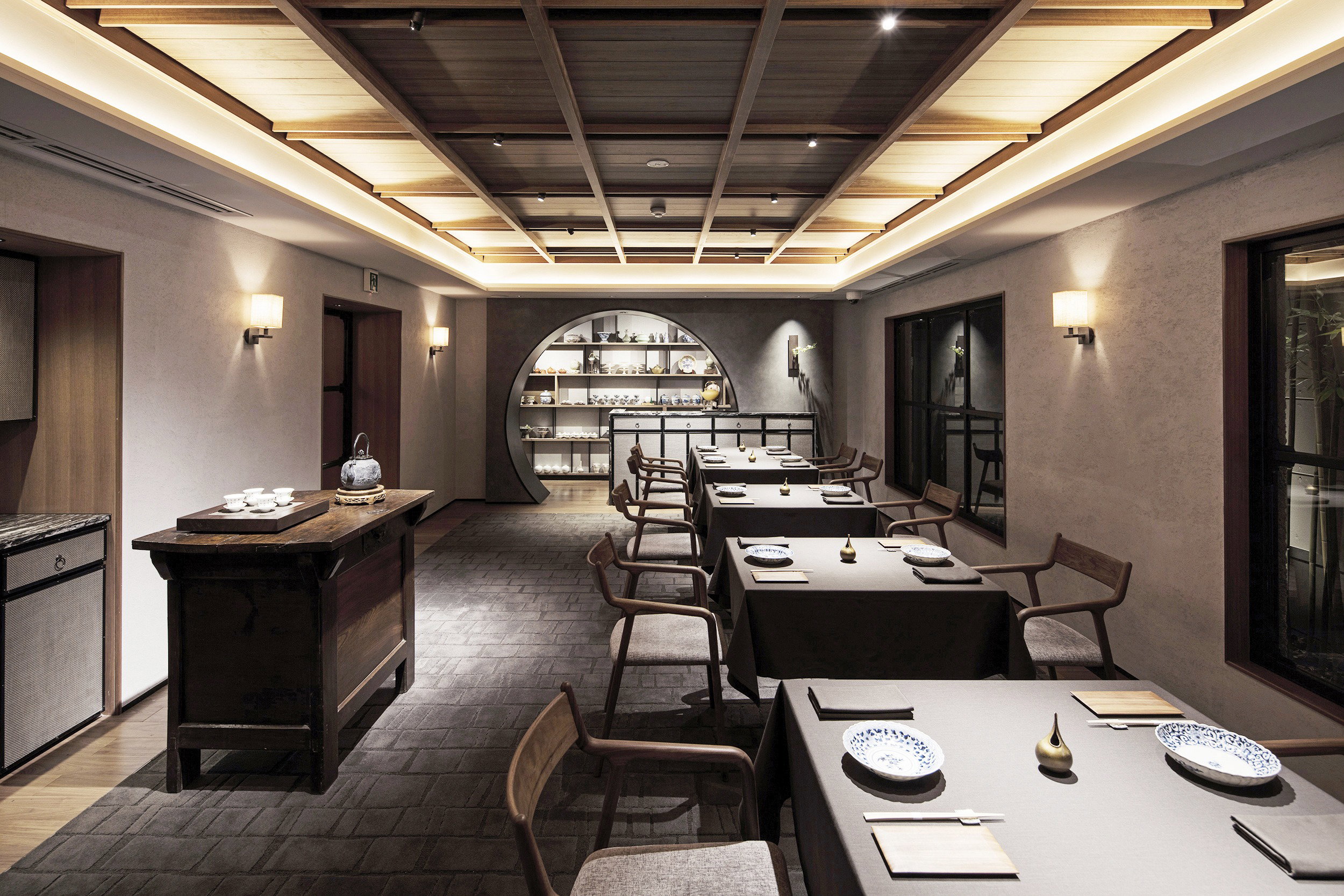
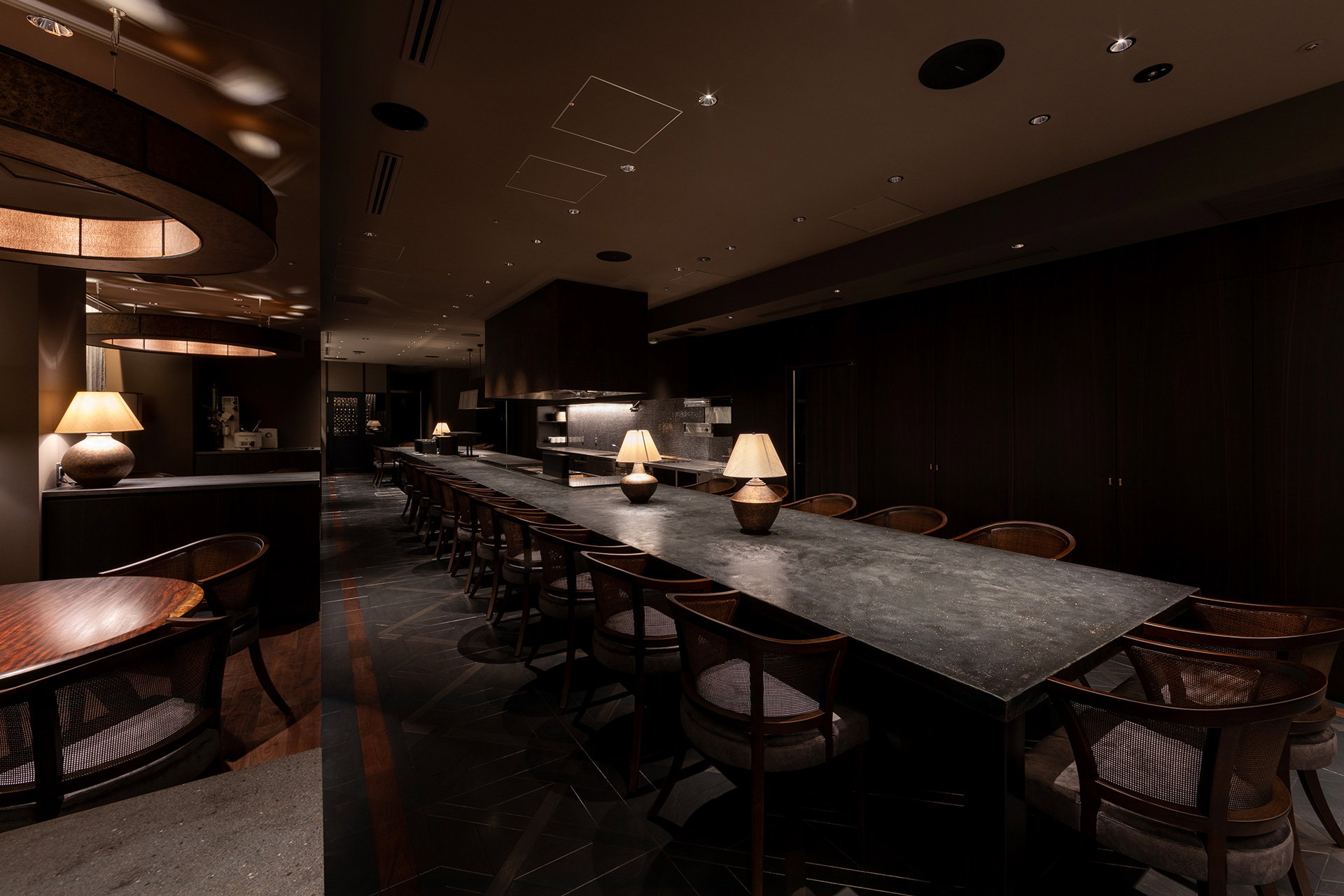
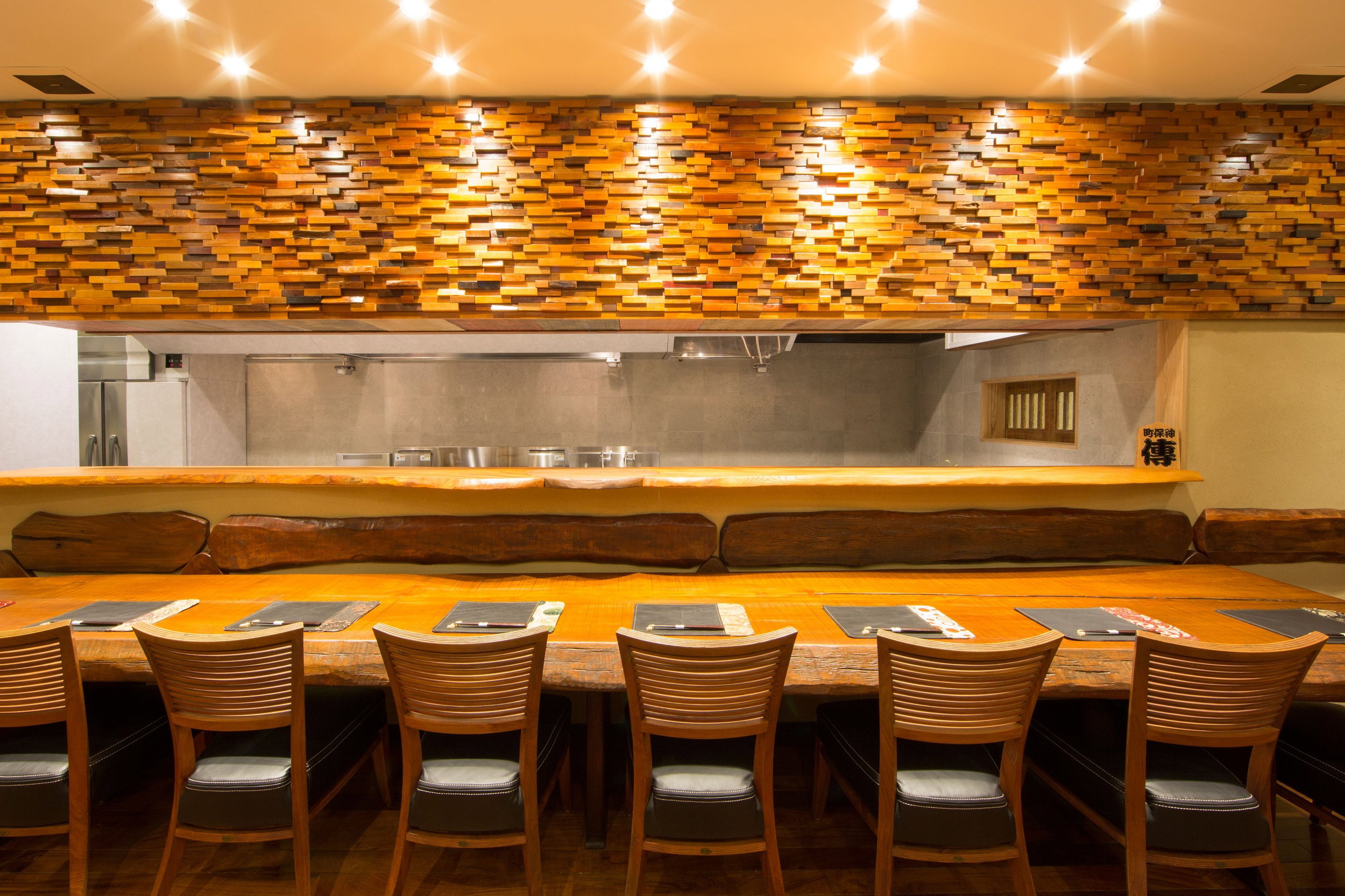
The restaurant seats 14 across a counter and small tables in a space described as stylish and relaxing, which, at this size, means the atmosphere is quiet and focused rather than lively. This is not a place to talk loudly. The energy is calm and deliberate, the kind of room where the food takes precedence over the occasion. That makes it a better fit for a close friend dinner or a considered solo lunch than for a large group celebration, and the venue itself limits parties accordingly: no private rooms, no private hire, and a policy of not admitting children below lower elementary school age.
The Dinner Versus Lunch Decision
Dinner at Tamawarai operates by reservation only and follows a prix fixe format. Dishes beyond the soba, including buckwheat mash and rolled omelettes, are included, and the kitchen's sake list, which the venue takes particular care over, makes more sense in the evening. The dinner price (¥10,000–¥14,999) is high for a soba restaurant, but that price is buying a composed meal with multiple courses, not a bowl and broth. For a special occasion, the dinner format justifies the cost.
Lunch is more casual and considerably cheaper, but comes with a constraint worth knowing: on weekdays, service stops when the soba runs out. Saturday lunch does not accept reservations. If you arrive late on a weekday or mid-morning on a Saturday and find the kitchen has run through its batch, there is no alternative. Go early, particularly on weekends.
Why This Location Matters
Jingumae is not the obvious neighbourhood for serious soba. The streets around Omotesando and Harajuku are better known for fashion, contemporary dining, and international concepts. Tamawarai's presence here, operating quietly out of a small house-style space near Ota Shrine, is part of why it carries a particular reputation among Tokyo regulars. It is the kind of restaurant that anchors a neighbourhood without performing for it. The OAD ranking and the decade-long Tabelog recognition are not the product of foot traffic or location advantage, they reflect consistent quality in a place that does not depend on visibility to fill its 14 seats.
From a logistics standpoint, the restaurant is seven minutes from Meiji-Jingumae station on the Tokyo Metro and ten minutes from Harajuku or Shibuya on the JR. That makes it practical to combine with a visit to the broader Omotesando area. For a fuller picture of what Tokyo's dining options look like across neighbourhoods and cuisines, see our full Tokyo restaurants guide. If soba is your specific focus, the comparison with Edosoba Hosokawa, Akasaka Sunaba, Azabukawakamian, and Hamacho Kaneko is worth making before you commit. For soba outside Tokyo, Ayamedo in Osaka and Chikuyuan Taro no Atsumori in Kyoto offer useful reference points for the category nationally.
Seasonal Closures: Plan Around These
Tamawarai closes temporarily in August, October, and November for buckwheat harvesting. These closures are not announced far in advance on a public website (there is no official site), so you need to confirm directly by phone before planning a visit during those months. The phone number on record is 03-5485-0025. This is not a minor footnote: arriving in late October without having called ahead is a real risk given the harvest closure pattern.
Practical Details
Reservations: Accepted for weekday lunch and all dinner sessions; Saturday lunch is walk-in only. Dinner is reservation-only. Reserved guests are asked to order at least one dish beyond the soba. Budget: Lunch ¥2,000–¥3,999; Dinner ¥10,000–¥14,999. Payment: Cash only, credit cards, electronic money, and QR code payments are all not accepted; bring yen. Hours: Wed–Fri 11:30–15:00 (L.O. 14:30) and 18:30–21:30 (L.O. 20:30); Sat 11:30–15:00 and 18:00–20:00; Mon, Tue, Sun closed. Getting there: 7 minutes from Meiji-Jingumae station, 10 minutes from Harajuku or Shibuya. Capacity: 14 seats; no private rooms. Drink: Sake and shochu; sake selection is a specific focus. Seasonal closures: August, October, November (buckwheat harvest); confirm before visiting.
For broader Tokyo planning beyond restaurants, our Tokyo hotels guide, bars guide, wineries guide, and experiences guide cover the city fully. If your Japan trip extends beyond Tokyo, worth considering: Hamadaya for kaiseki in Tokyo, HAJIME in Osaka, Gion Sasaki in Kyoto, akordu in Nara, Goh in Fukuoka, 1000 in Yokohama, and 6 in Okinawa.
Planning details
- Hours
- Monday: Closed · Tuesday: Closed
- Location
- 5 Chome-23-3 Jingumae, Shibuya, Tokyo 150-0001, Japan
- Website
- instagram.com/soba.tamawarai/?hl=ja
- Phone
- +81 3-5485-0025
The take
The Take
The Vibe
Tamawarai presents soba with obsessive clarity: a small, considered counter translates a traditional noodle craft into an intimate fine-dining idiom. The 14-seat layout and the restaurant’s classification as a house-style 'hideout' create a hushed, inward-facing space where each bowl is presented with careful technique. The writing situates the kitchen between Kyoto restraint and Tokyo’s democratic soba culture, producing a minimalist, classic room that favors subtlety over spectacle. Visitors encounter focused service and restrained decor; the overall effect is cozy, quiet and quietly exacting—a place that privileges the noodle and the moment.
Best For
Tamawarai is best for diners who value concentrated, small-scale dining: solo patrons, couples marking a low-key special occasion, and devoted soba enthusiasts all find a natural fit. The 14-seat counter and the house-restaurant framing encourage close attention to preparation and service, and the Jingumae location rewards those willing to seek out a neighborhood hideout. With limited seating and a reputation for precision, it suits guests who want a thoughtfully curated, intimate experience rather than a bustling, social meal.
Ordering Tips
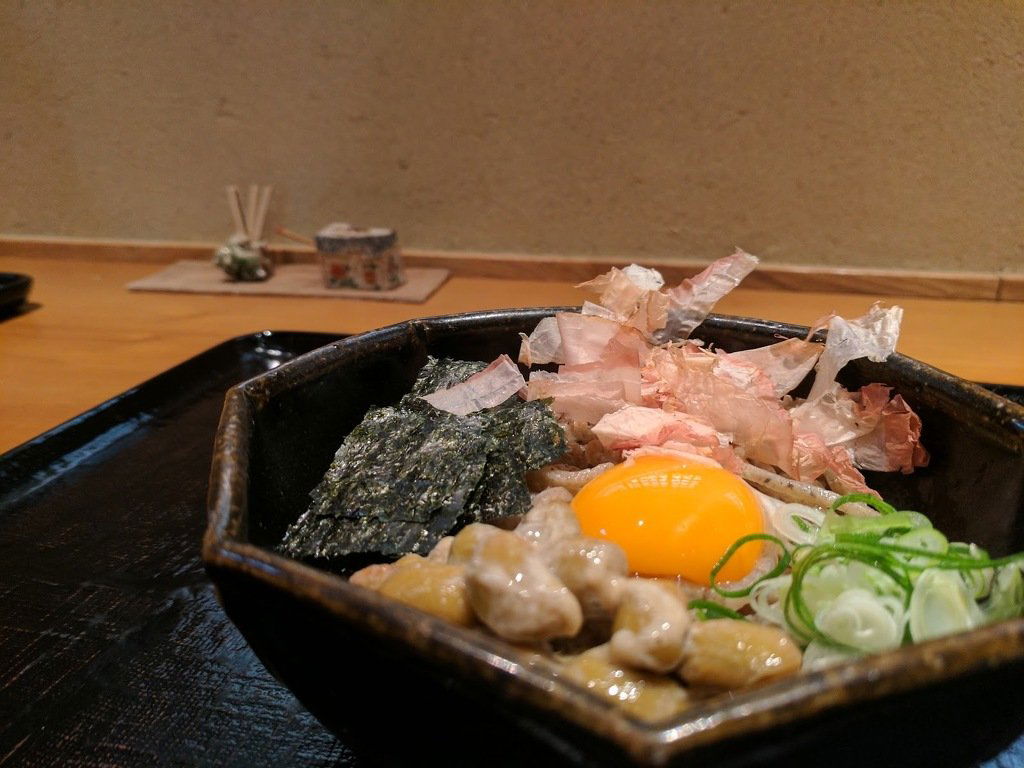
Prioritize the house specialties listed as signatures: the Arabiki Seiro and Atsumori Seiro are central preparations to sample, while the Natto Soba and Tofu Soba showcase contrasting flavor profiles. Given the restaurant’s focused approach and counter format, plan to experience a compact selection rather than ordering across an expansive menu. Let the kitchen’s intent guide the meal order—this is a place where a few well-executed plates reveal the chef’s technique and the buckwheat’s character.
Venue details
Ambiance
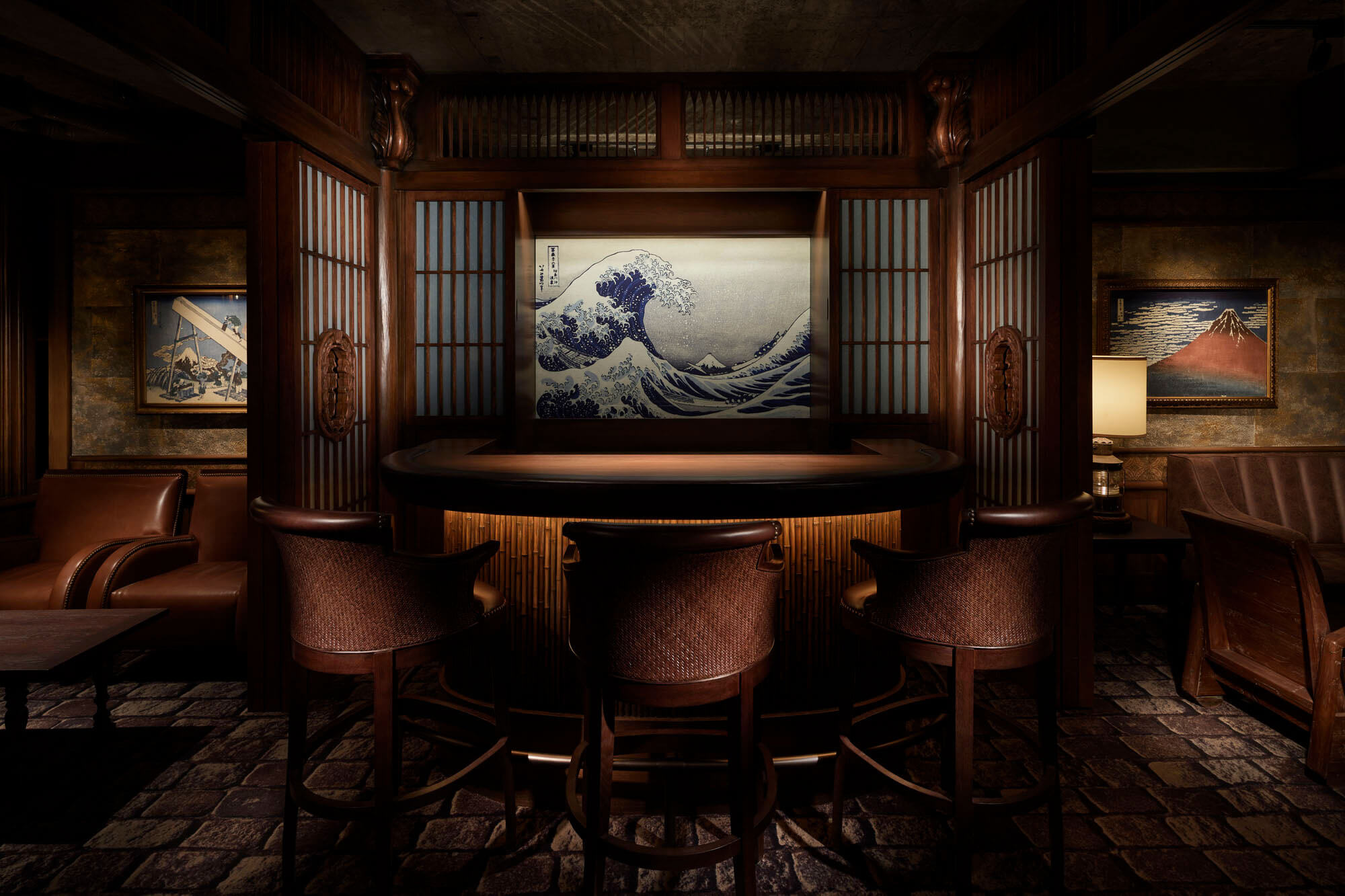
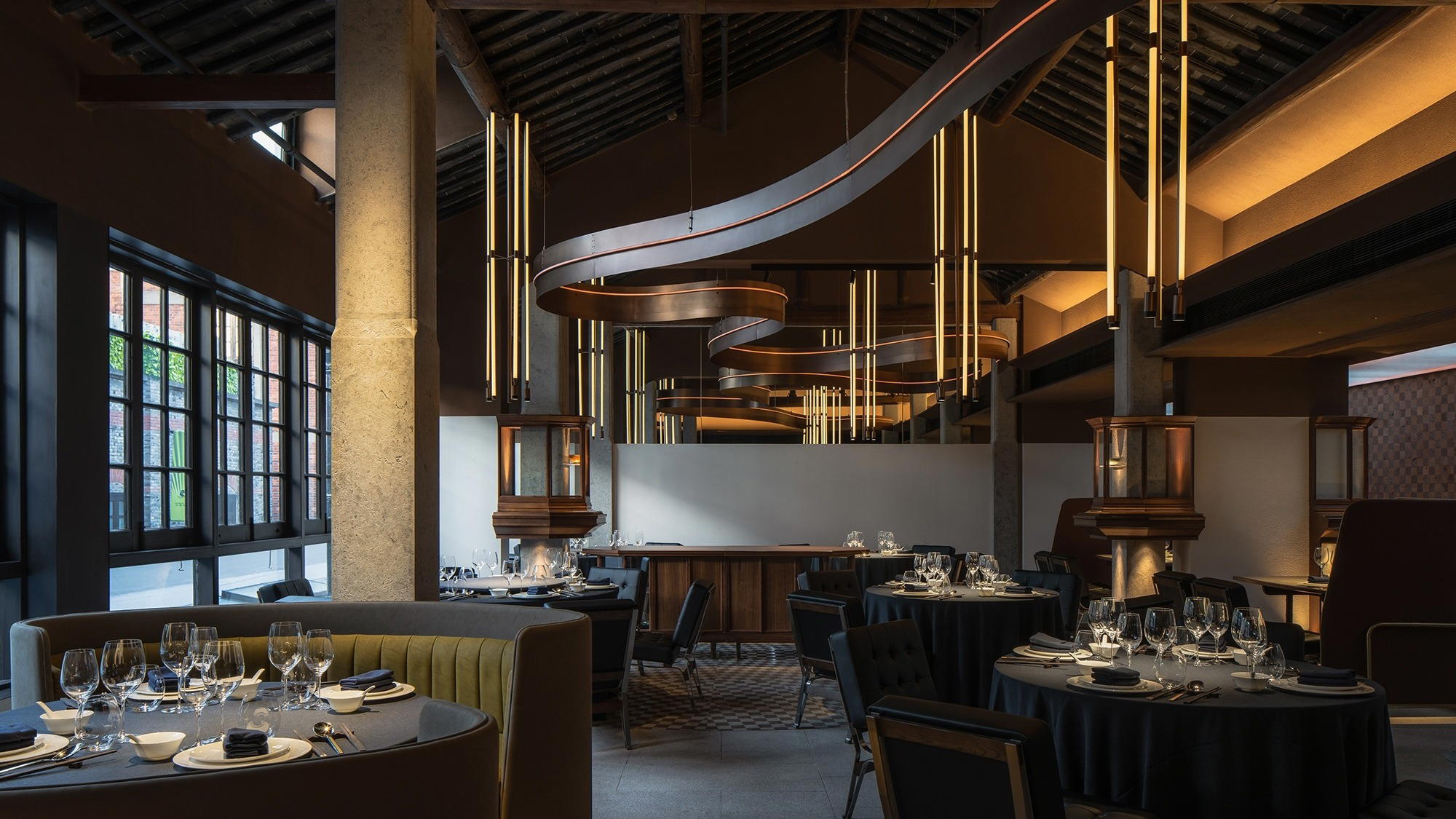
Dimly lit minimalist interior with traditional Japanese decor creating a quiet, relaxed, and austere atmosphere focused on the soba experience.
Tags
Vibe
Best For
Sourcing
At the Table
- Dress Code
- Smart Casual
- Noise Level
- Quiet
- Service Style
- Upscale Casual
- Meal Pacing
- Leisurely
- Capacity
- Intimate
- Kitchen
- Traditional
- Menu Format
- A la carte, Prix fixe
- Wine Program
- Curated
- Drinks Focus
- Sake
Signature Dishes
- Arabiki Seiro
- Atsumori Seiro
- Natto Soba
- Tofu Soba
Know before you go
Know Before You Go
- Getting there
- 5 Chome-23-3 Jingumae, Shibuya, Tokyo 150-0001, Japan
Planning details
Hours
- Monday
- Closed
- Tuesday
- Closed
- Wednesday
- 11:30 am–2:30 pm, 6–9 pm
- Thursday
- 11:30 am–2:30 pm, 6–9 pm
- Friday
- 11:30 am–2:30 pm, 6–8 pm
- Saturday
- 11:30 am–2:30 pm, 6–8 pm
- Sunday
- Closed
Location
5 Chome-23-3 Jingumae, Shibuya, Tokyo 150-0001, Japan · Directions
Recognition and awards

Also consider
Also Consider
- Harutaka, Sushi, ¥¥¥¥
- L'Effervescence, French, ¥¥¥¥
- RyuGin, Kaiseki, Japanese, ¥¥¥¥
- HOMMAGE, Innovtive French, French, ¥¥¥¥
- Crony, Innovative, French, ¥¥¥¥
Restaurant context
Tamawarai sits in a different category from most of its high-profile Tokyo peers. At ¥¥¥ for dinner and ¥¥ at lunch, it is substantially more accessible than Harutaka (¥¥¥¥ sushi omakase), L'Effervescence (¥¥¥¥ French), or RyuGin (¥¥¥¥ kaiseki). If your Tokyo dining budget is concentrated on one high-cost meal, RyuGin or Harutaka deliver the full formal-occasion experience in a way Tamawarai does not attempt. Tamawarai's proposition is different: it is the best-in-category case for soba as serious dining, not a scaled-down version of an omakase or kaiseki format.
Against HOMMAGE and Crony (both ¥¥¥¥ innovative French), Tamawarai is easier to book, lower in price, and more focused in scope. If your priority is creative contemporary cooking in a formal setting, those two are stronger choices. If your priority is experiencing a single traditional Japanese discipline executed at the highest level, with the award record to back that claim, Tamawarai at dinner is the cleaner argument. For pure value per yen spent, Tamawarai's lunch is the most defensible booking on this comparison list: Tabelog Bronze, Michelin Plate, OAD Top 15 Casual Japan, for under ¥4,000.
The booking difficulty gap also matters in practice. Tamawarai is rated easy to book relative to Harutaka or RyuGin, where multi-week lead times and limited reservation windows are standard. If you are building a Tokyo itinerary and need certainty, Tamawarai gives you a high-quality, low-friction option that the ¥¥¥¥ tier rarely offers. The cash-only policy and no-walk-in dinner rule are the two logistics to plan around, but neither makes the booking itself difficult.
Explore Tokyo
Around this place
Discover more on Pearl
Unlock the full Tamawarai guide in Pearl, including awards, comparisons, FAQs, planning details, and nearby places.
Compare Tamawarai
| Venue | Price | Booking Difficulty | Awards |
|---|---|---|---|
| Tamawarai | ¥¥¥ | Easy | 2026 OAD Casual in Japan Ranked · #1112026 Tabelog Bronze · #4522026 Michelin Plate2025 OAD Casual in Japan Ranked · #15Tabelog 100 - Soba - EAST - 2025 · #392025 Tabelog Bronze2025 Michelin Plate2024 OAD Casual in Japan Ranked · #282024 Michelin Plate |
| Harutaka | ¥¥¥¥ | Unknown | 2026 Tabelog Silver · #312026 OAD Top Restaurants in Japan Ranked · #1282026 Michelin 3 Stars2026 La Liste Top RestaurantsTabelog 100 - Sushi - TOKYO - 2025 · #372025 Asia's 50 Best Restaurants · #762025 OAD Top Restaurants in Japan Ranked · #1172025 La Liste Top Restaurants2025 Tabelog Bronze |
| L'Effervescence | ¥¥¥¥ | Unknown | 2026 Tabelog Silver · #682026 OAD Top Restaurants in Japan Ranked · #103Star Wine Lists 20262026 Black Pearl 2 Diamond2026 Relais Chateaux Restaurants2026 La Liste Top Restaurants2026 Michelin 3 Stars2025 Asia's 50 Best Restaurants · #692025 OAD Top Restaurants in Japan Ranked · #92 |
| RyuGin | ¥¥¥¥ | Unknown | 2026 OAD Top Restaurants in Japan Ranked · #802026 Tabelog Bronze · #3772026 Michelin 3 Stars2026 La Liste Top RestaurantsTabelog 100 - Japanese cuisine - TOKYO - 2025 · #212025 OAD Top Restaurants in Japan Ranked · #542025 Michelin 3 Stars2025 La Liste Top Restaurants2025 The Best Chef Three Knives |
| HOMMAGE | ¥¥¥¥ | Unknown | 2026 Tabelog Bronze · #1232026 OAD Top Restaurants in Japan Highly Recommended2026 Michelin 2 StarsTabelog 100 - French - TOKYO - 2025 · #762025 Asia's 50 Best Restaurants · #782025 OAD Top Restaurants in Japan Ranked · #1752025 Michelin 2 Stars2025 The Best Chef One Knife2025 La Liste Top Restaurants |
| Crony | ¥¥¥¥ | Unknown | 2026 Asia's 50 Best Restaurants · #34Star Wine Lists 20262026 OAD Top Restaurants in Japan Recommended2026 Michelin 2 Stars2025 Asia's 50 Best Restaurants · #30Tabelog 100 - French - TOKYO - 2025 · #782025 OAD Top Restaurants in Japan Ranked · #227We're Smart World Top Restaurants 20252025 Michelin 2 Stars |












What to weigh when choosing between Tamawarai and alternatives.
FAQ
Frequently Asked Questions
Is Tamawarai worth the price?
Lunch is an easy yes at ¥2,000–¥3,999 per head — Tabelog Bronze every year since 2017 and a Michelin Plate for a bowl of soba at those prices is a straightforward call. Dinner at ¥10,000–¥14,999 is a steeper ask for a soba restaurant, but the prix fixe format includes dishes beyond the noodle course and reflects chef Urukawa Masahiro's sourcing philosophy: house-grown and Ibaraki-farmed buckwheat, stone-ground on site. If you are comparing it to a mid-range izakaya dinner, it is priced higher; if you are comparing it to Tokyo's broader reservation-only dinner scene, it sits at the accessible end.
How far ahead should I book Tamawarai?
For weekday dinner, book at least two to three weeks out — the room holds only 14 seats and dinner is reservation-only. Saturday lunch does not take reservations, so arrive early and expect to wait. Weekday lunch accepts reservations but service stops when the soba runs out, so a reservation is worth making. Also factor in the seasonal closures in August, October, and November for buckwheat harvesting; check directly before planning a trip around those months.
What should a first-timer know about Tamawarai?
Three things matter most before you arrive: cash only (no credit cards, no electronic payments), 14 seats total, and the kitchen stops serving once the soba runs out on weekdays. Dinner is prix fixe and reservation-only; Saturday lunch is walk-in only. The restaurant is a seven-minute walk from Meiji-Jingumae station, located diagonally across from Ota Shrine — not on a main commercial strip, which is part of why it reads as a local destination rather than a tourist-circuit stop.
Is the tasting menu worth it at Tamawarai?
The evening prix fixe at ¥10,000–¥14,999 is worth it if the format suits you: a structured sequence that goes beyond soba to include dishes such as buckwheat mash and rolled omelette, with a sake list the kitchen takes seriously. It is not a multi-course kaiseki in scope, but it is a considered dinner rather than a noodle-and-out experience. If you want to keep spend low and focus purely on the soba, lunch is the better value proposition at under ¥4,000.
Can I eat at the bar at Tamawarai?
Counter seating is available and is listed as one of the space's features across the 14-seat room. There is no separate bar area distinct from the main dining space, so counter seats are part of the same reservation-based dinner or walk-in lunch flow. Saturday lunch is walk-in only and counter seats would be first-come; for weekday and dinner visits, a reservation is the way to secure your spot.