

Tabelog 100 - Soba - EAST - 2025: East Japan's Finest Soba
Tabelog 100 (Hyakumeiten) Soba - EAST selection for 2025. Tabelog publishes these as source-ordered lists of 100 restaurants.

Venues on this list
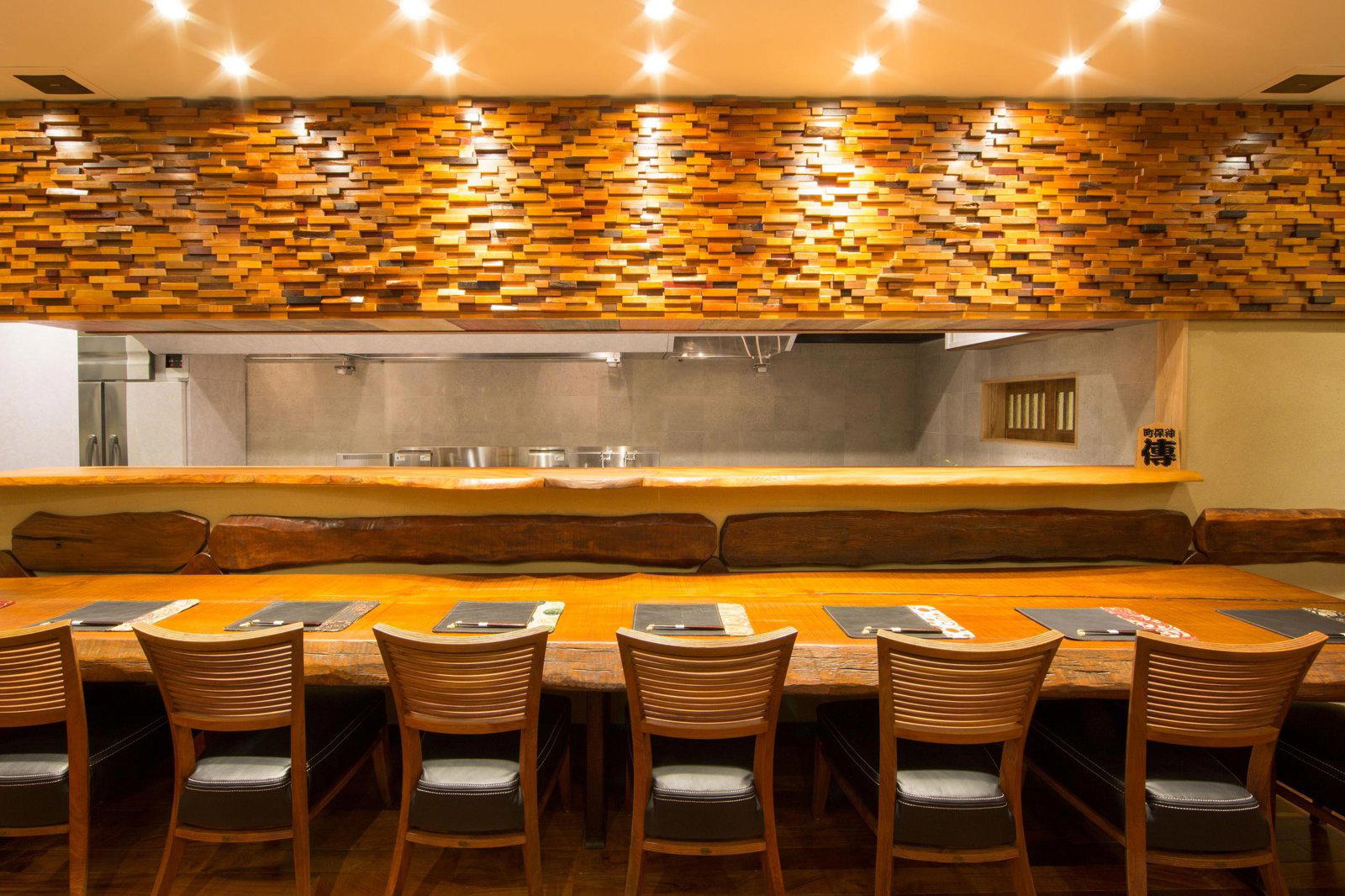
Teuchi Soba Kikutani Sugamo honten
Tokyo, Japan
Hand-cut soba specialist in residential Sugamo serving comparative two-style tasting menus designed for sake pairing. Tabelog 100 East honoree since 2017, with lunch under JPY 2,000 and a low-key setting that prioritises buckwheat provenance over formality. Book ahead for dinner; walk-ins possible at lunch if you arrive by 11:30 AM.
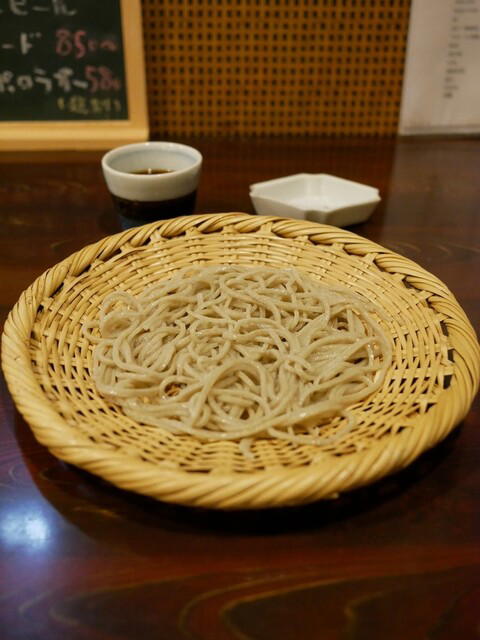
green glass
Tokyo, Japan
A 10-seat soba counter in Kamiochiai offering regional buckwheat comparisons in a fragrance-free, shoeless environment. Tabelog 100 honoree since 2019. Dinner runs JPY 10,000–JPY 14,999; lunch JPY 5,000–JPY 5,999. Reservation-only format treats buckwheat as a tasting discipline. Worth booking for special occasions if you care about grain provenance.
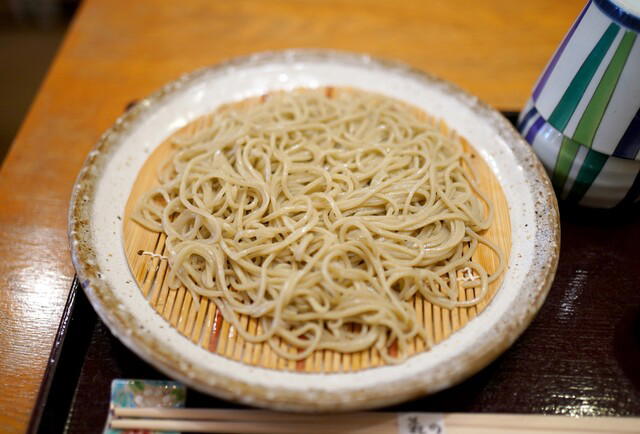
Soba Kiri Morino
Tokyo, Japan
A focused Hongo soba pick for diners who care more about noodle craft than variety. The price sits well above casual nearby options, but the Tabelog 100 #3 recognition gives it a credible reason to cost more. Go with a small group, order around the seasonal soba recommendation, and cross-shop Menya Suzuharu or TOKYO LIGHT BLUE HONGO-3 if budget matters more.
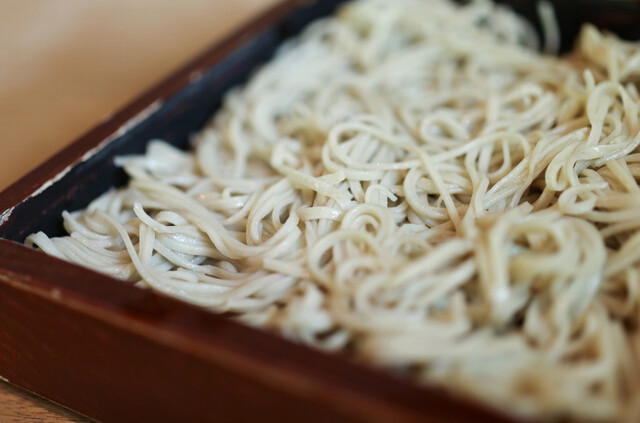
Yamasato no Soba Marutomi
Komagane, Japan
Tabelog 100 soba house in Komagane, Nagano, serving buckwheat noodles at JPY 1,000 – 1,999 in a lunch-only, walk-in-only format. Counter seating offers direct views of the noodle-making process. Recognized nationally since 2022 for technical execution at a fraction of kaiseki prices.
Ittoan
Tokyo, Japan
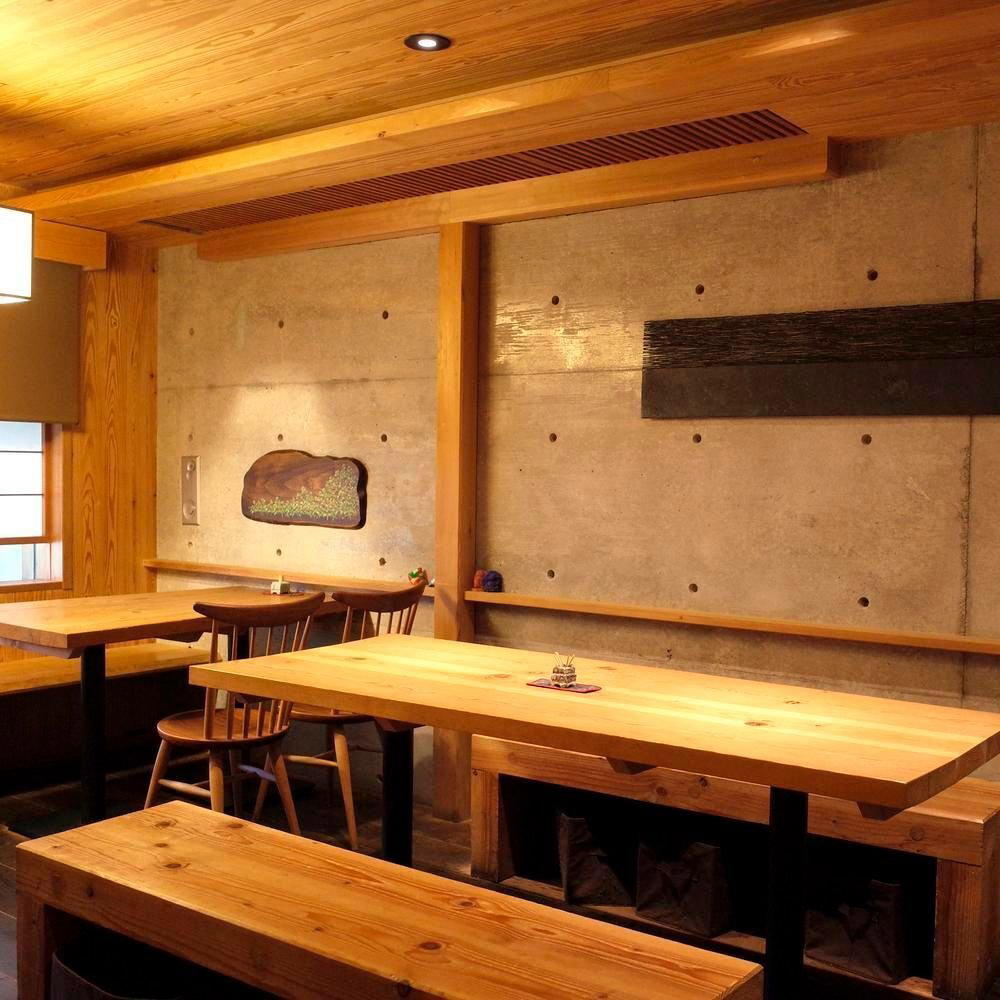
Ittoan is a Michelin Bib Gourmand soba specialist in Kita City, run by chef Kunio Yoshikawa, whose direct relationships with buckwheat farmers produce soba that genuinely shifts between visits. At a ¥ price point, it is one of Tokyo's clearest value propositions in serious Japanese cooking. Book it if you are willing to travel beyond the tourist centre for craft-driven soba without the high-end price tag.
Namiki Yabu Soba
Tokyo, Japan
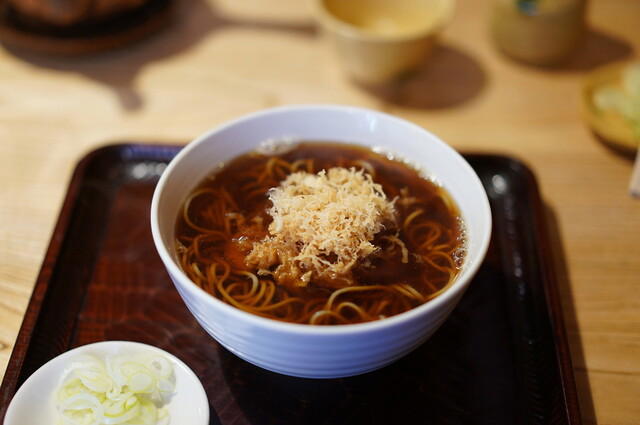
Walk-in soba near Asakusa Station with six consecutive Tabelog 100 selections (2017–2025) and meals under JPY 2,000. The house broth follows the richer Yabu style, and the 36-seat dining room (tatami and low tables) suits solo diners and quick temple-visit add-ons. No reservations accepted; closed Wednesday and Thursday.
Soba Kaiseki Muan
Tokyo, Japan
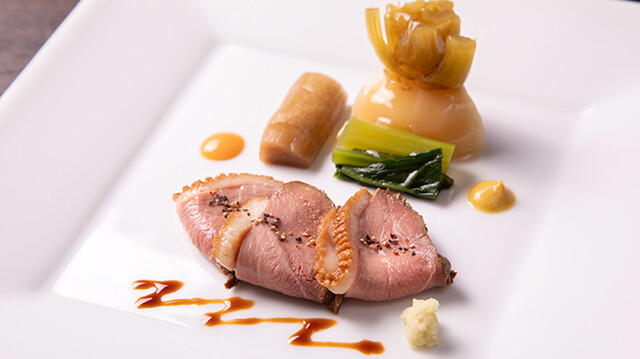
A Tachikawa house restaurant where kaiseki-style service precedes soba, selected for Tabelog 100 Soba EAST every year since 2017. Dinner runs JPY 8,000–9,999 and requires two dishes beyond buckwheat; lunch accepts soba-only bookings for JPY 3,000–3,999. The eight-person private room suits groups willing to invest time and budget in a multi-course format rather than quick noodle service.
Teuchi Soba Yakko
Tokyo, Japan
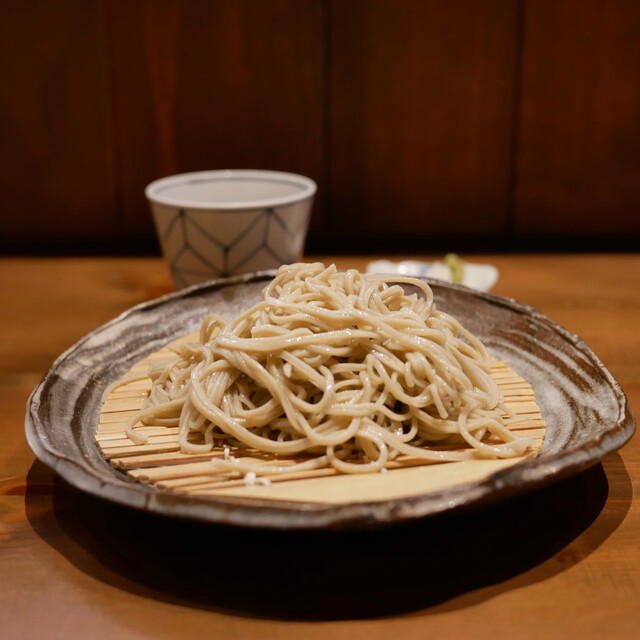
Hand-cut soba served counter-only at a dinner-focused izakaya near Gakugei Daigaku, recognized in Tabelog's 100 Soba (East) 2025. The 14-seat format suits solo diners and small groups willing to book ahead and pay JPY 3,000–3,999 for buckwheat noodles paired with sake and seasonal small plates. Cash only, sells out most nights by 8:30 PM.
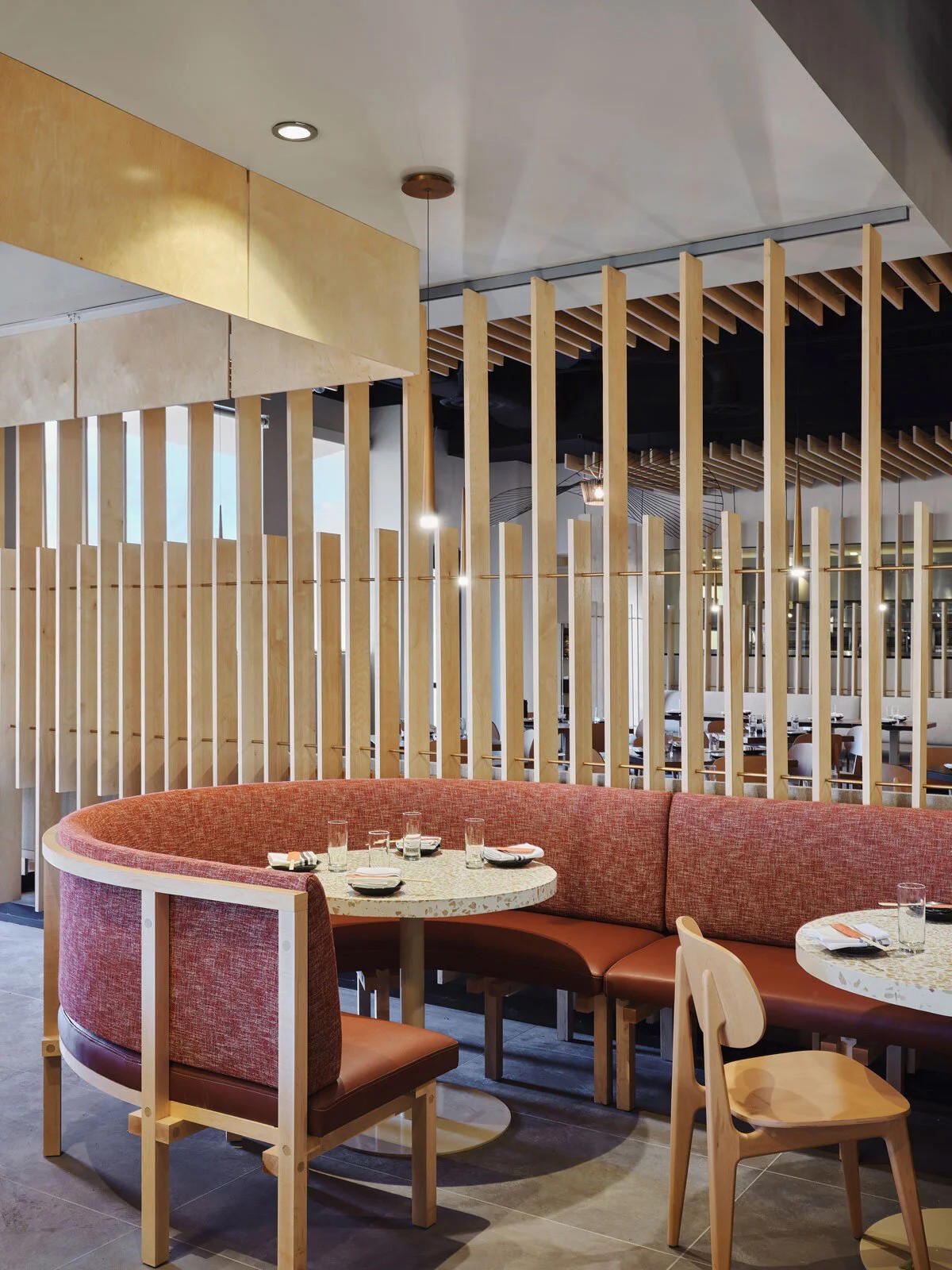
Jiyu San
Tokyo, Japan
Jiyu San is one of Tokyo's most consistently recognised soba restaurants, holding Tabelog Bronze awards since 2017 and earning a Michelin Plate in 2025. Lunch is walk-in and affordable; dinner is reservation-only and structured around a seating fee that includes appetisers and sake. International visitors should note that bookings require a Japanese phone number.
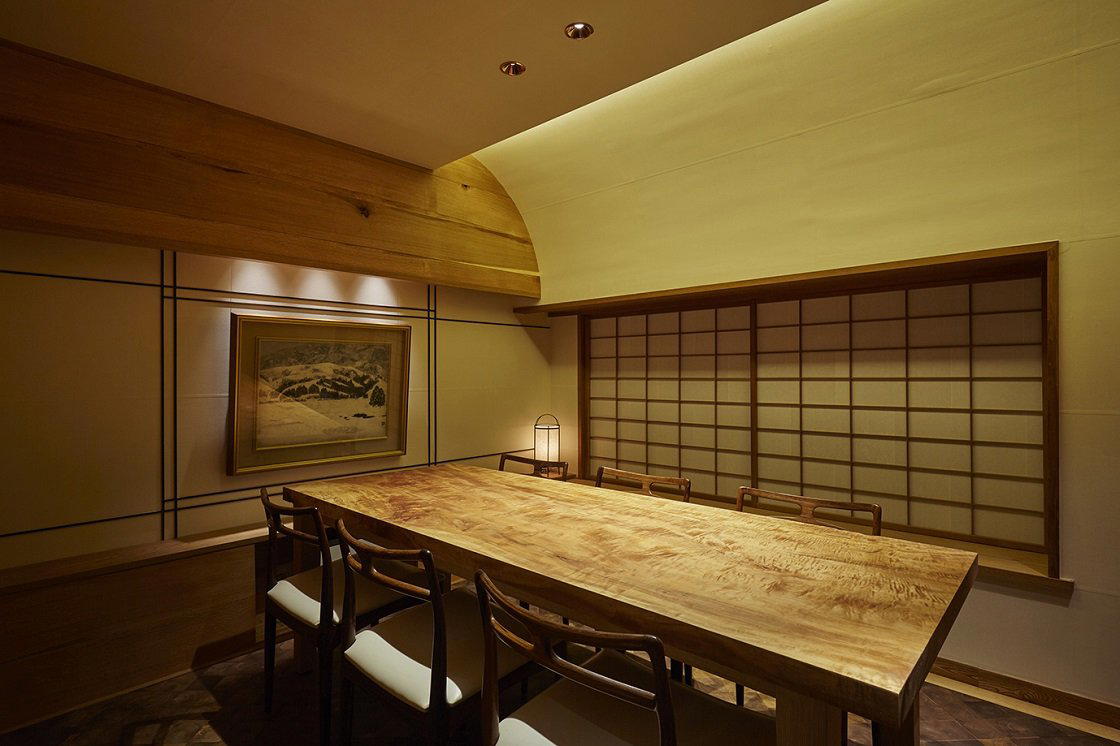
Soba Tajima
Tokyo, Japan
A Michelin Bib Gourmand soba shop in Nishiazabu that goes well beyond noodles: the seasonal vegetable cooking is a co-equal reason to visit. At ¥ pricing, lunch with the rice-dish sets is the sharpest deal, though dinner gives you fuller access to the kitchen. Easy to book, calm in atmosphere, and genuine value in an expensive neighbourhood.
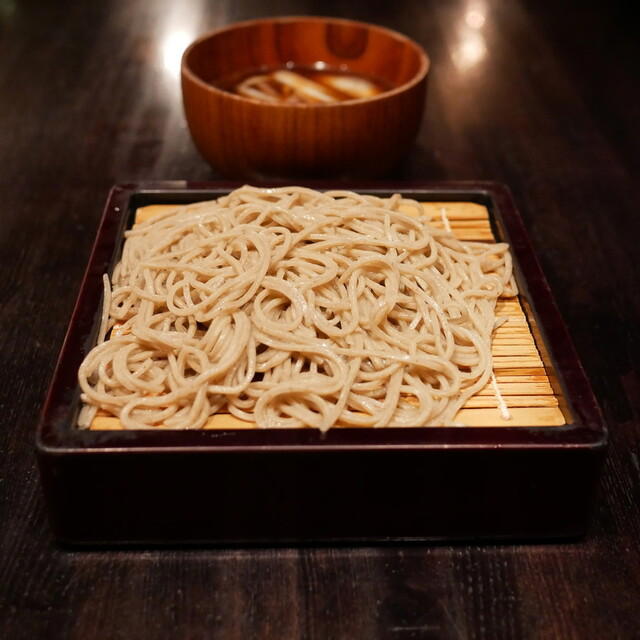
Kawakami An Honten
Kitasaku-gun, Japan
A 136-seat Tabelog 100 Soba EAST 2025 specialist in Karuizawa offering stone-ground buckwheat noodles, seasonal Nagano vegetables, and izakaya-style sake pairings. Walk-in lunch (JPY 1,000–1,999), dinner reservations available (JPY 3,000–3,999 plus 5% service charge after 4 PM). Terrace seating welcomes pets and families; easier to access than smaller soba-ya competitors, with open hours 10 AM–10 PM daily.
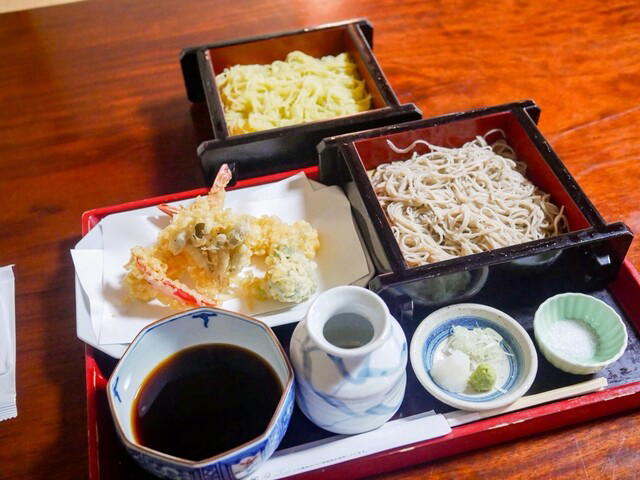
Teuchi Soba Umesoba
Yamagata, Japan
Hand-cut soba in a house restaurant format, recognized three consecutive years on Tabelog's Soba 100 East list. At JPY 1,000 - JPY 1,999, the no-reservation, lunch-only operation sells out daily before 2:30 PM. Worth the queue for travelers treating Yamagata's buckwheat tradition seriously.
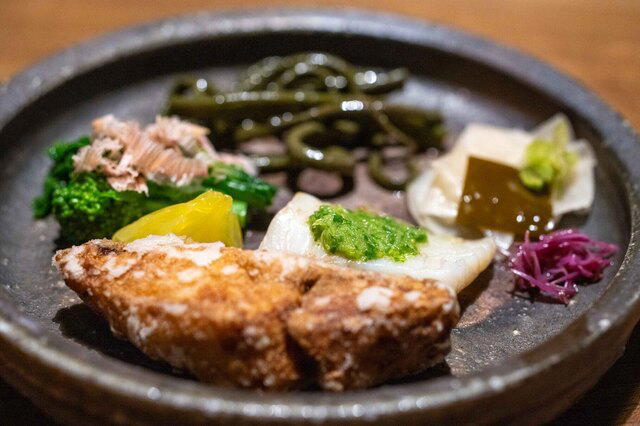
Tezukuri Soba Utsumian Kase
Kamogawa, Japan
Hand-cut soba in a converted house near Kanayama Dam, recognized five times by Tabelog 100 Soba EAST. Lunch (JPY 2,000–2,999) delivers award-recognized technique without ceremony; dinner (JPY 6,600+) extends the meal to multi-course tempura and sake pairings. Book dinner for the full progression, walk in at lunch for Kamogawa's best buckwheat noodles.
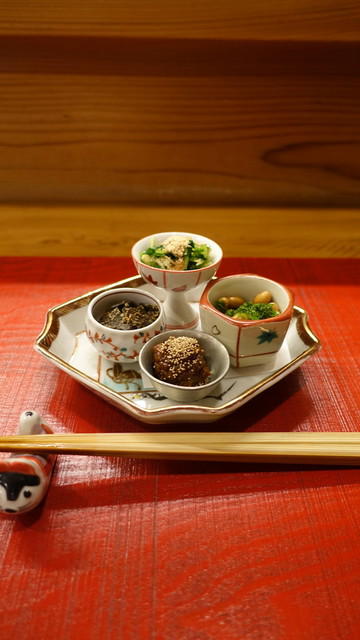
Tatsumi Soba Shimahei
Tokyo, Japan
Dinner-only soba omakase in Ushigome-Kagurazaka, running a multi-course progression around seasonal buckwheat noodles. JPY 8,000–9,999 per head, Tabelog 100 recognition, counter seating only. Book three weeks ahead by phone; no walk-ins, no à la carte, no lunch service.
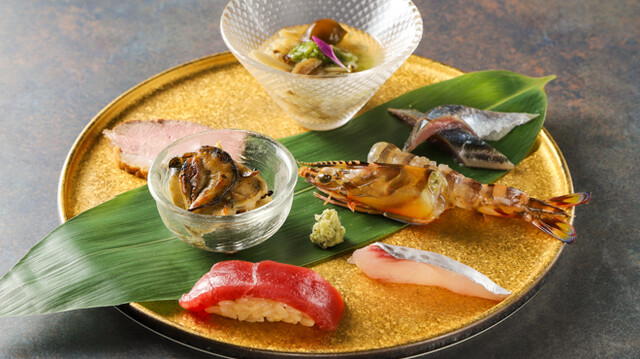
Soba Kaiseki Tsukiji Bunkajin Kaza
Tokyo, Japan
A 14-seat counter in Tsukiji where soba becomes the anchor of a full kaiseki progression, not a standalone lunch dish. Tabelog 100 recognition since 2021 confirms technical execution, but the format; no à la carte, courses only; suits diners who want structured, grain-forward meals over quick noodle stops. Dinner from JPY 9,900, lunch from JPY 2,000.
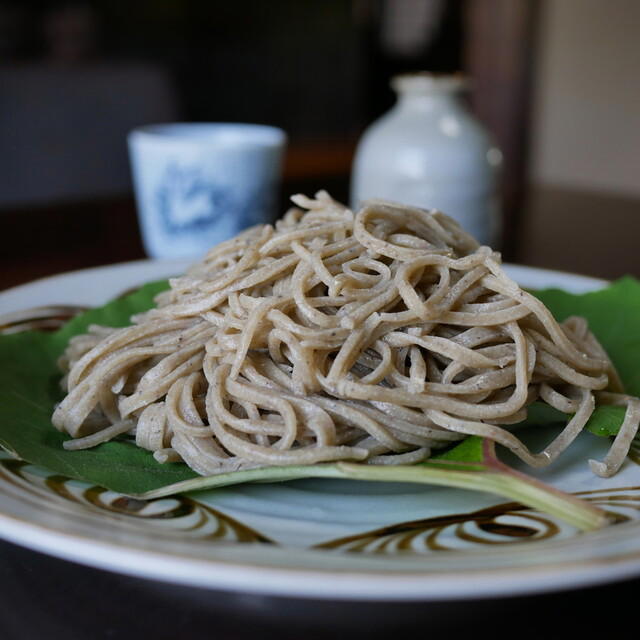
Shokunin Kan
Saku, Japan
Shokunin Kan serves tasting-menu soba in a 34-seat house-restaurant outside Saku, holding a Tabelog 100 slot since 2017. At JPY 8,000–9,999, it runs slower and pricier than quick-counter shops, with dinner by reservation only and a focused sake program. The rural location requires a car, and small children are not permitted.
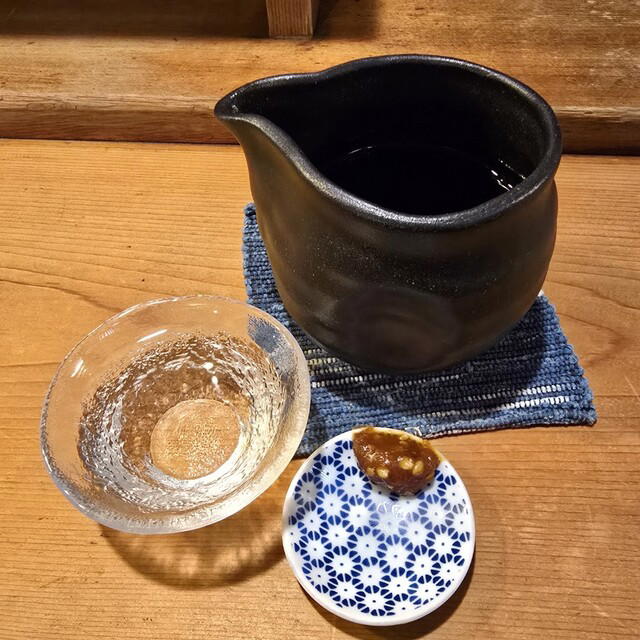
Kuromugi
Tokorozawa, Japan
Tabelog 100 soba specialist in suburban Saitama, delivering Tokyo-level buckwheat-noodle craft at JPY 1,000–1,999 lunch. Worth the 25-minute train ride from Ikebukuro for technique-focused diners who value neighbourhood authenticity over central convenience. Reservations accepted; cash only.
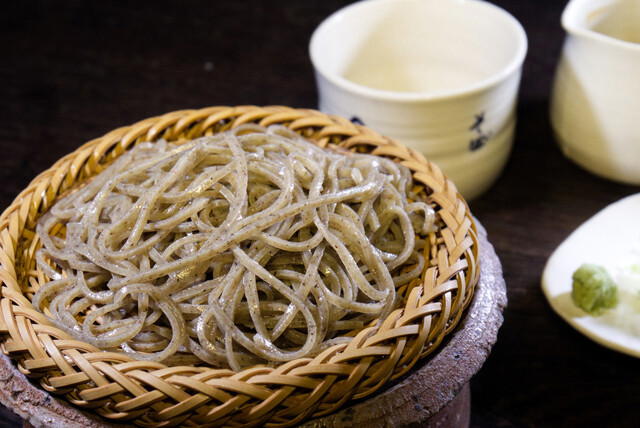
Tebiki Soba Isshin
Nagoya, Japan
This cash-only Minato Ward soba-ya grinds buckwheat in-house and pairs it with clean tempura for under JPY 3,000 per head. An eight-year Tabelog 100 streak and a residential location keep the room quiet and the quality disproportionate to the price. Walk-ins only; arrive early or risk sold-out noodles.
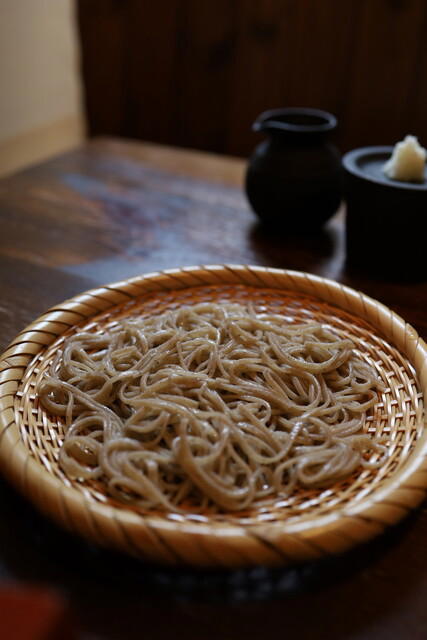
Soba Shunsai Kosuge
Nagano-ken, Japan
Tabelog 100 EAST Soba 2025 selection serving hand-cut buckwheat noodles and seasonal izakaya dishes in a 17-seat, jazz-filled room near Nagano Station. Lunch runs JPY 1,000–1,999; dinner climbs to JPY 4,000–4,999 with sake and duck preparations. Book two days ahead for evening sittings; cash only.
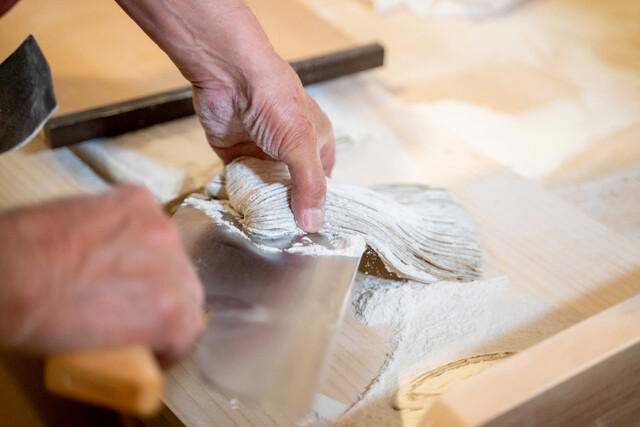
Gensui
Nagoya, Japan
A nine-seat soba counter in Nishiki recognized on Tabelog's Soba 100 EAST lists, serving hand-cut buckwheat noodles with seasonal fish plates and curated sake. Lunch runs JPY 2,000–2,999 (cash only), dinner JPY 8,000–9,999 plus service charge. Groups of four or more must book course menus; solo diners and pairs enjoy easier access. The focused format and no-fragrance policy suit diners treating soba as refined craft.
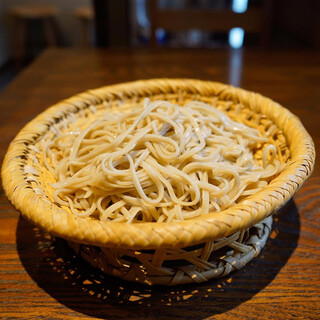
Soba Koji Sawarabi
Tokyo, Japan
Ten-seat soba counter in Hayabusachō serving hand-milled buckwheat in a quiet, technique-focused setting. Tabelog Soba 100 EAST honoree since 2021. Lunch (¥1,000–¥2,000) offers better value but sells out by 1 PM most days; dinner (¥10,000–¥15,000) brings the full omakase experience with sake pairings and a 10% service charge. Book exactly two days ahead for evening service.
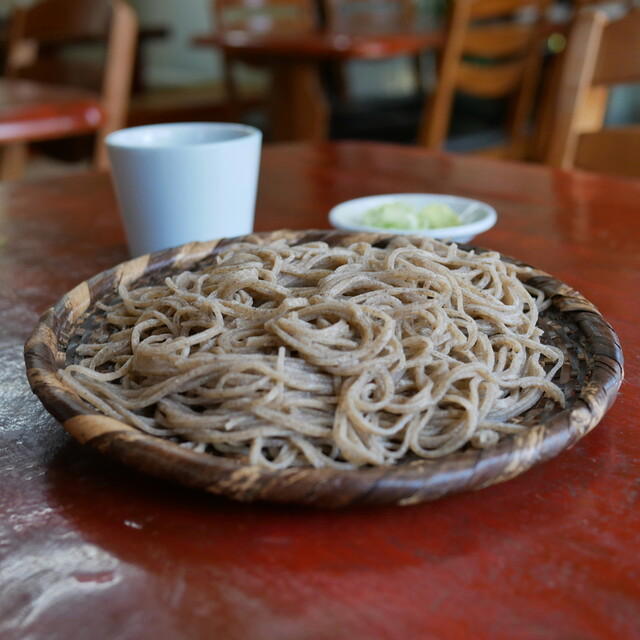
Tenkyoya Genpei
Nikko, Japan
Tenkyoya Genpei is a smart Nikko pick when value matters more than ceremony. Its low price band and Tabelog 100 recognition make it more compelling than a casual fallback, but it is not the obvious choice for a wine-led celebration or a long formal dinner.
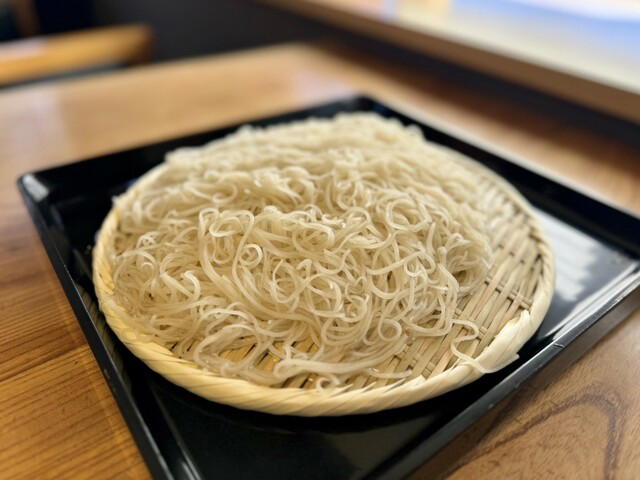
Soba Kiri Anazawa
Koriyama, Japan
Tabelog 100 Soba (East) 2025 selection serving hand-cut buckwheat noodles at JPY 1,000–1,999, with no reservations and cash-only payment. Closes at 2:30 PM or when noodles sell out; arrive early to guarantee the full menu. A solid choice for award-recognized soba without the formality or expense of destination dining.
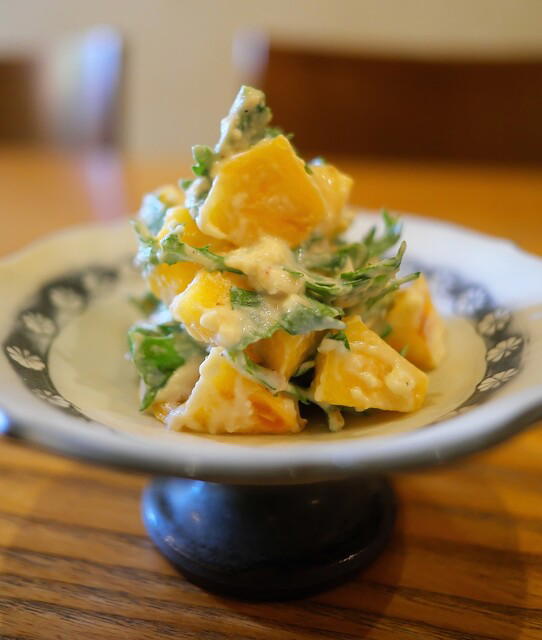
Soba Ya Tsukigokoro
Tokyo, Japan
Meguro soba counter serving multi-course buckwheat meals with sake pairings. Tabelog 100 (Soba – EAST) recognition since 2018; dinner ¥6,000–¥7,999 includes seasonal appetizers and dashi-focused dipping sauces. Book three to five days ahead; thirteen seats, no children under university age.
Soba Edo
Miura-gun, Japan
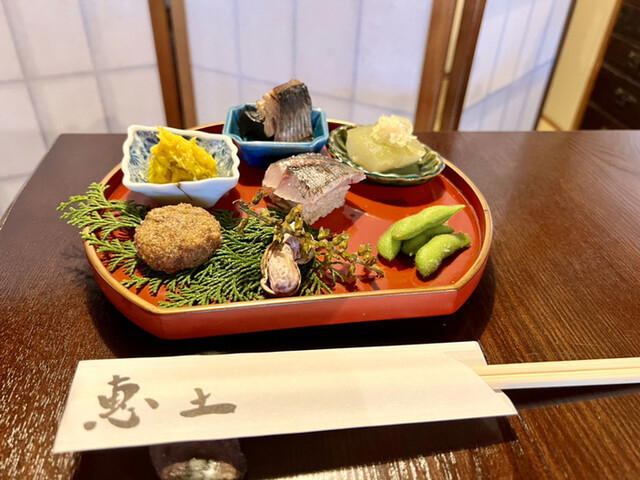
Soba Edo transforms hand-ground buckwheat into the centerpiece of a seasonal kaiseki progression, earning Tabelog 100 recognition since 2017. The reservation-only format runs JPY 4,000–7,999 and pairs stone-milled noodles with curated sake and wine selections. Best for special occasions in Hayama's quiet residential quarter.
La Strada
Tokyo, Japan
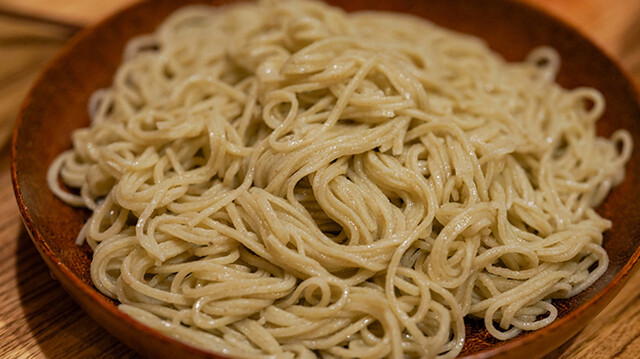
A no-menu, counter-focused soba specialist in Nakano with seven Tabelog 100 appearances and three Bronze Tabelog Awards. Dinner runs JPY 8,000–9,999 for omakase-style service showcasing three noodle cuts. Reservation-only evenings and Saturday lunch; no signage, cash only, and seven seats total.
Asakusa Juroku Izu shuzenji hanare
Izu, Japan
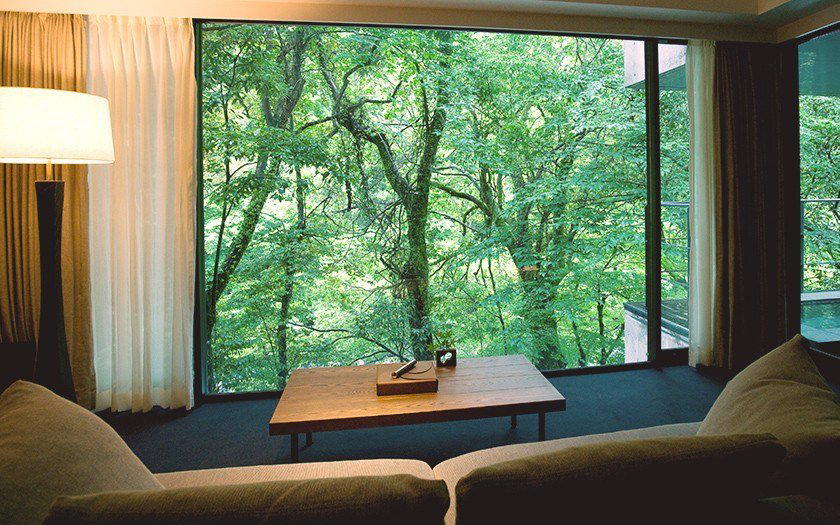
Hand-cut soba from a Tabelog 100 EAST 2025 outpost in the Izu hills, no reservations, JPY 2,000 average check, and a stone-mill-to-table format that justifies the drive if you arrive before noon on a weekday. Worth it for benchmark buckwheat at half the Tokyo price, but only if you're willing to queue.
Mori Iro
Tokyo, Japan
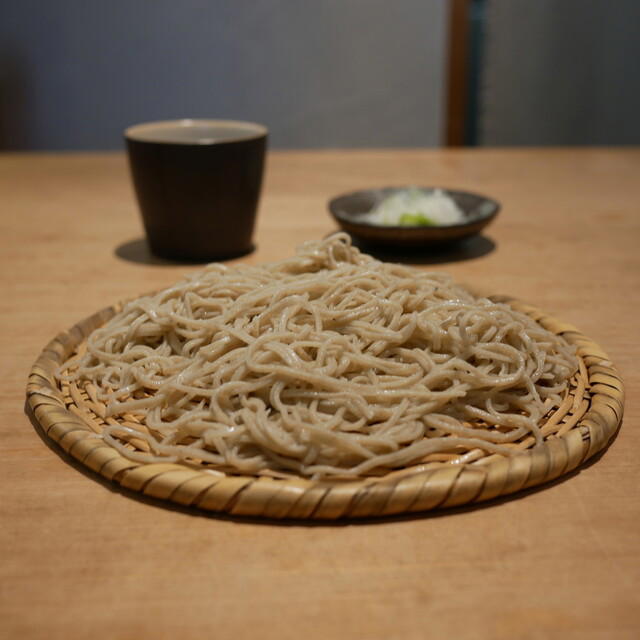
A Tabelog 100 soba specialist in Omorimachi offering award-level buckwheat noodles at lunch prices below JPY 2,000 and dinner under JPY 5,000. The 19-seat room favours accessibility over ceremony, with walk-in lunch service and reservations that book days (not months) ahead.
Soba Club Sasaki
Matsumoto, Japan
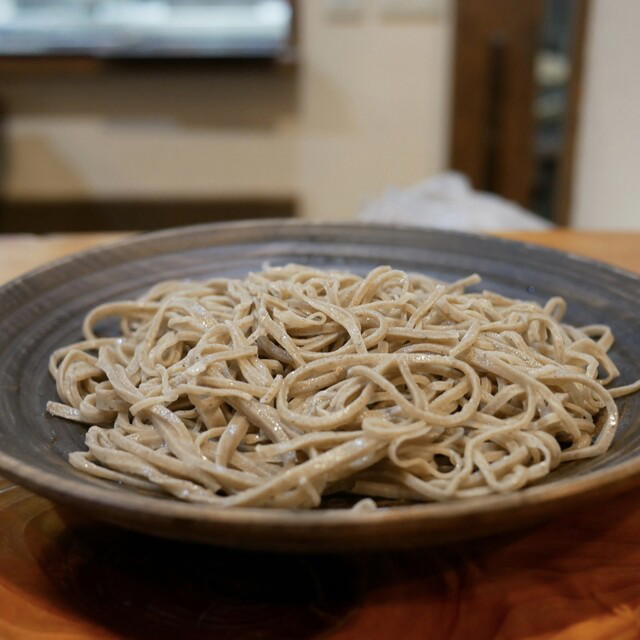
Tabelog 100 Soba EAST 2025 honoree serving hand-cut buckwheat noodles at JPY 3,000-6,000. Counter-only seating and reservation-only Friday-Saturday dinners make this a refined specialist choice in Matsumoto; book ahead for technical precision without the kaiseki price tag.
Teuchi Soba Tagata
Shizuoka, Japan
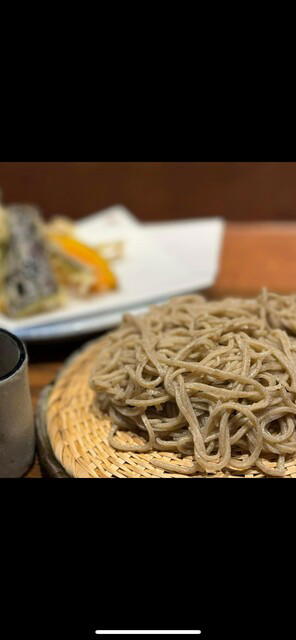
Four-time Tabelog 100 soba specialist serving hand-milled buckwheat noodles in a converted house, with lunch at JPY 1,000–1,999 and dinner at JPY 5,000–5,999. Counter seating and private tatami rooms, sake-focused drinks program with BYO permitted, and no-reservation lunch service that fills fast. Best for purists who want Tokyo-level technique at provincial pricing.
Soba Sho Matsui
Gujo, Japan
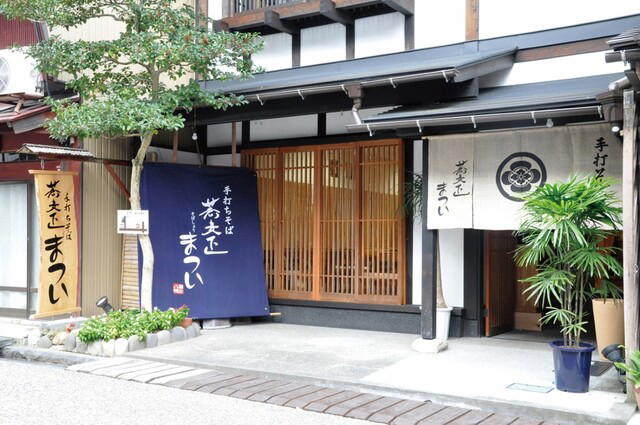
A Tabelog Soba EAST 100 selection since 2017, Soba Sho Matsui serves hand-cut buckwheat noodles at JPY 1,000–1,999 in a 42-seat, family-friendly space. Open 11 AM to sold-out (typically 3 PM), with walk-ins accepted and waiting-list reservations via Instagram. Better value and easier access than Gujo's pricier dining options, though hours are irregular and stock runs out early on busy weekends.
Kyorakutei
Tokyo, Japan
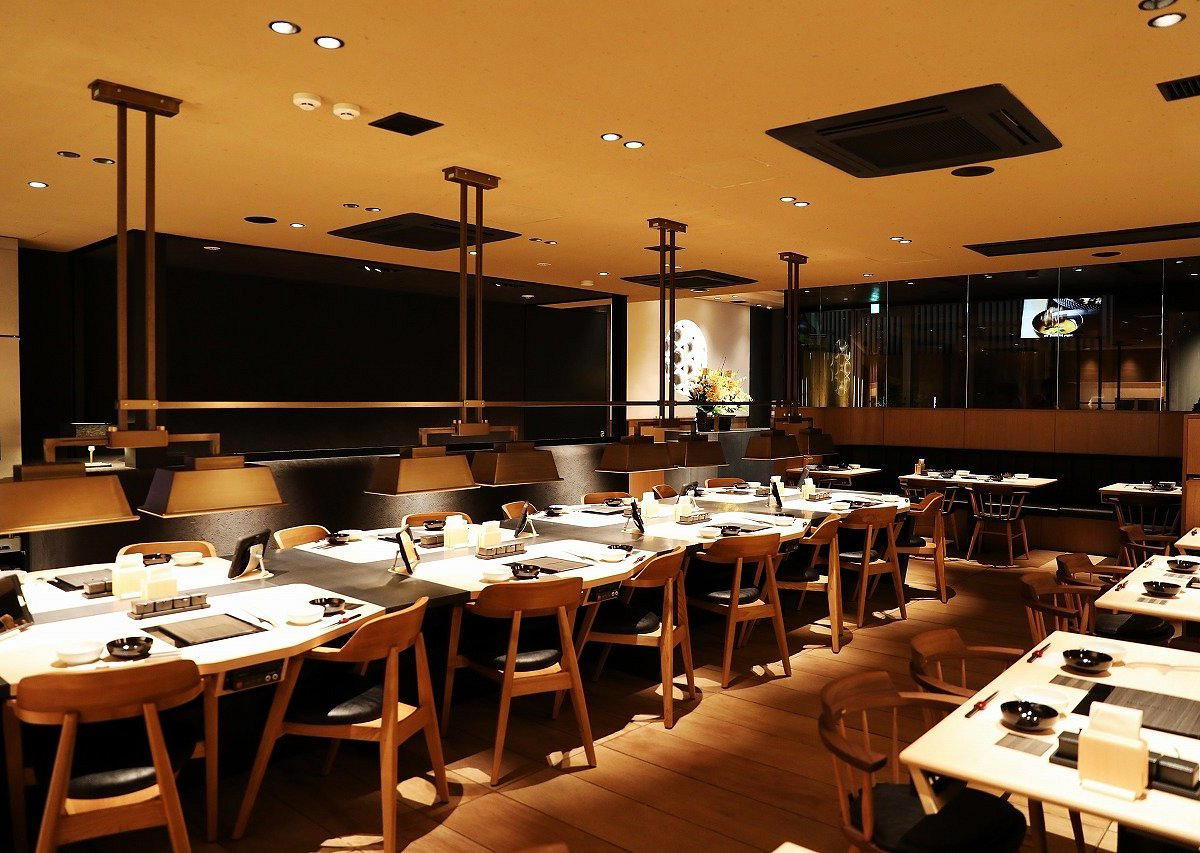
A Michelin Bib Gourmand soba counter in Kagurazaka that ranked #54 on OAD Casual Japan 2025, Kyorakutei delivers thick inaka soba made with Aizu buckwheat at one of Tokyo's most accessible price points. The queue forms before opening, but booking is rated Easy. The extensive tempura program and seasonal tomato soba make it worth planning around, especially at dinnertime for a more relaxed pace.
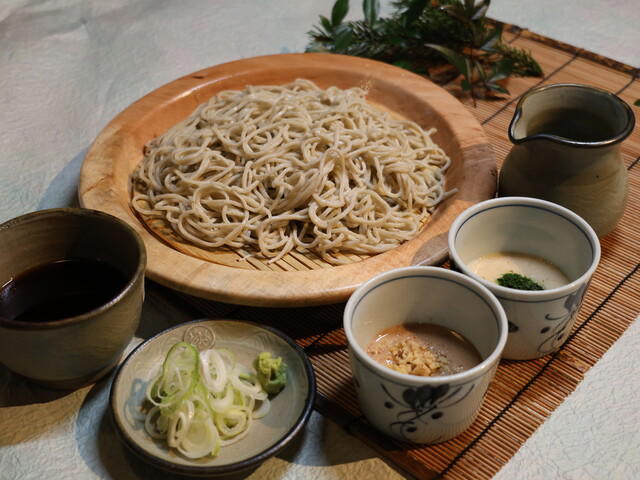
Sasakura
Kitasaku-gun, Japan
Tabelog 100 soba shop in Karuizawa's Oiwake district, serving hand-cut buckwheat noodles at JPY 1,000–1,999 per lunch. No reservations, cash-only, and lunch-only hours (11 AM–3 PM) make timing critical. Family-friendly tatami seating and 12-car parking lot soften the no-frills format.
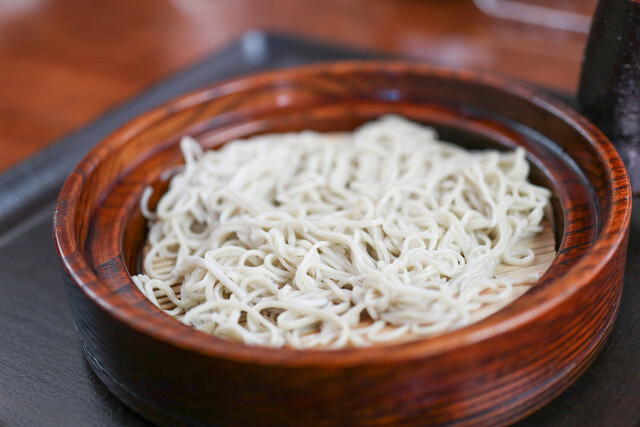
Takeyabu Hakone ten
Ashigarashimo-Gun, Japan
Tabelog Soba EAST 100 selection (2021–2025) offering hand-cut buckwheat noodles and Lake Ashi views at JPY 2,000–2,999 lunch. Counter seats provide sightlines to both noodle preparation and the surrounding volcanic landscape. Lunch-only service Tuesday through Monday, with walk-ins welcomed before 11:30 AM.
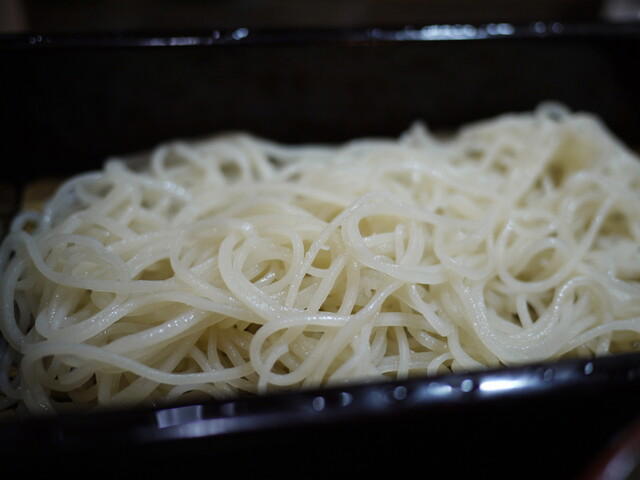
Teuchi Soba no Taguto
Sapporo, Japan
A Tabelog 100 Soba EAST selection nine years running, this Nishi Ward house restaurant serves hand-cut buckwheat noodles at JPY 1,000–1,999 during weekday lunch hours only. The seasonal buckwheat calendar peaks in autumn, and the no-reservations counter fills fast by midday.
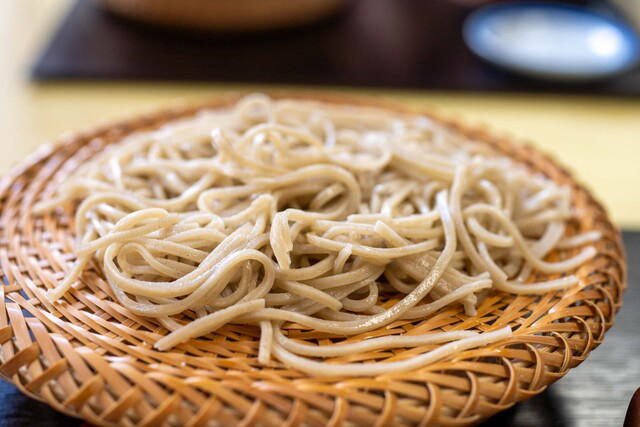
Oribe
Naka-gun, Japan
A Tabelog Soba 100 EAST house restaurant in Ninomiya serving JPY 2,000–2,999 buckwheat noodles with no reservations, cash-only payment, and twice-daily service windows. The walk-in-only format and residential setting keep overhead minimal while holding award-grade technique; worth the short hours if you prioritize craft over convenience.
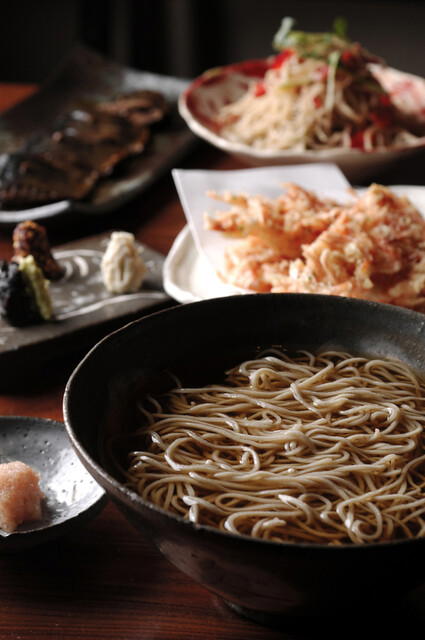
Soba Sasuga
Tokyo, Japan
Ginza soba specialist recognized annually in Tabelog 100 Soba EAST since 2017, serving handmade buckwheat noodles without fillers alongside a curated sake-and-wine program. Lunch (JPY 1,000–1,999) offers value; dinner (JPY 10,000–14,999) suits private-room meetings. Counter seating, multilingual menus, and private rooms for two to six balance accessibility with formality.
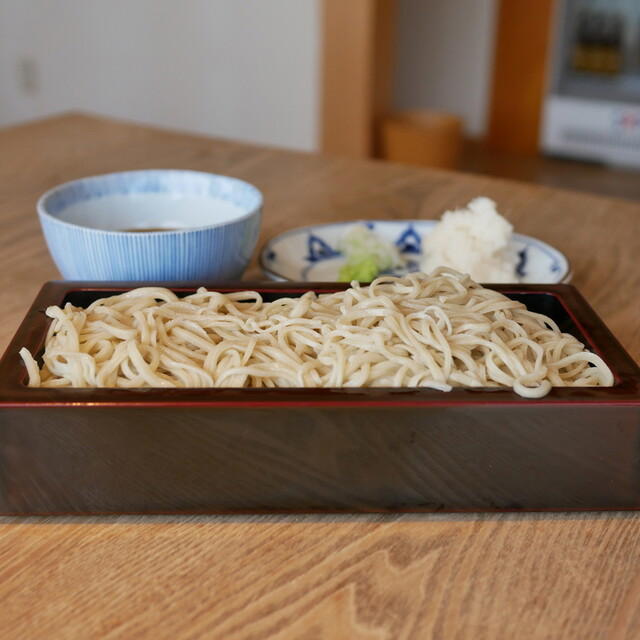
Date Okina
Sapporo, Japan
Tabelog Soba EAST 100 selection in a converted house 50 minutes south of Sapporo, offering handmade buckwheat noodles at JPY 1,000–1,999. Lunch-only service Tuesday–Sunday with no reservations; best for travelers exploring Hokkaido's southern coast or Lake Toya region rather than a standalone trip from the city.
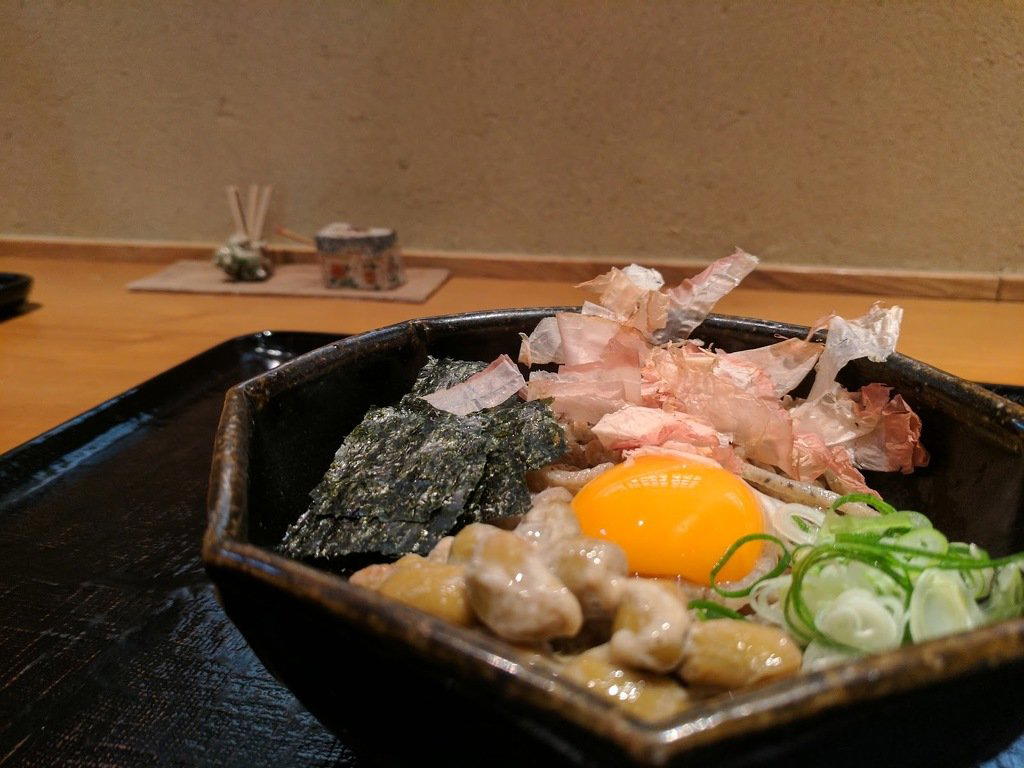
Tamawarai
Tokyo, Japan
Tamawarai is Tokyo's most consistently decorated soba restaurant in the Jingumae neighbourhood, holding the Tabelog Bronze Award every year from 2017 to 2026 and a Michelin Plate in 2024 and 2025. Lunch runs ¥2,000–¥3,999 and is excellent value; dinner is a reservation-only prix fixe at ¥10,000–¥14,999. Cash only, 14 seats, and closed Monday, Tuesday, and Sunday.
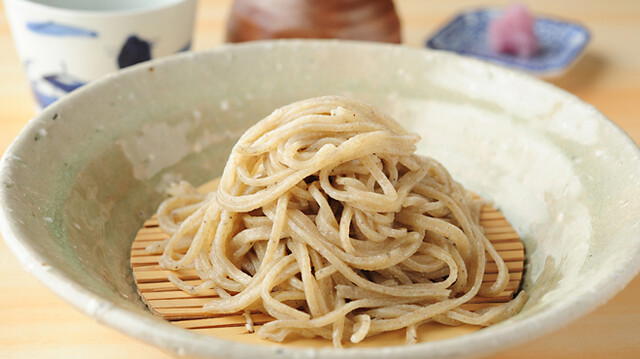
Nagareyama Suzuki
Nagareyama, Japan
A Tabelog 100 soba specialist in suburban Nagareyama, serving handmade 100% buckwheat noodles at JPY 1,000–1,999 lunch and JPY 3,000–3,999 dinner. The 26-seat counter-and-tatami room offers easy reservations, on-site parking, and family-friendly service; a rare combination for award-recognized soba in greater Tokyo.
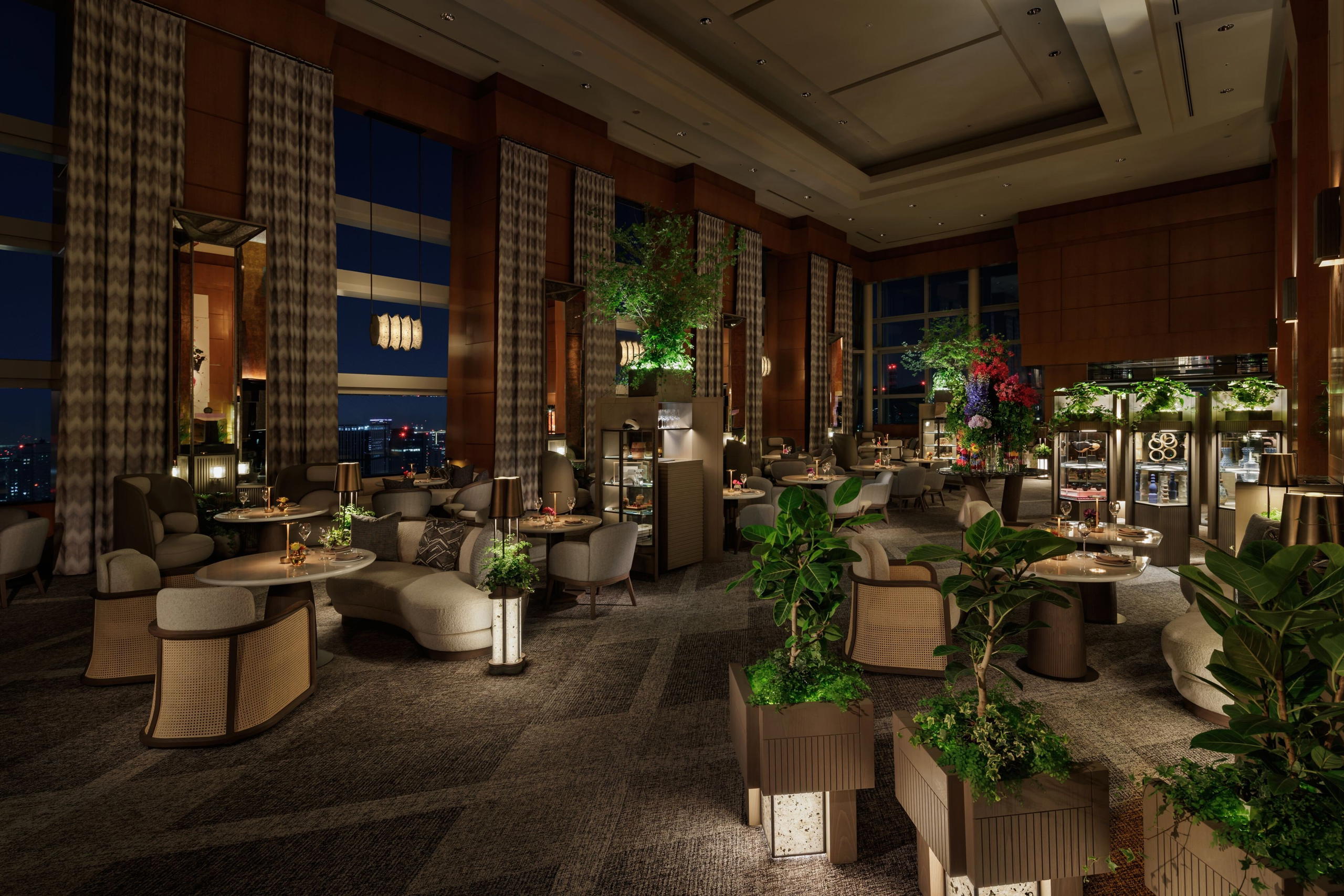
Edosoba Hosokawa
Tokyo, Japan
A Michelin Bib Gourmand soba shop in Ryogoku that takes ingredient sourcing seriously; juwari buckwheat noodles, conger eel preparations, and old-Edo atmosphere at ¥ prices. One of the strongest value cases in Tokyo dining. Book for a weekday lunch if you can, and expect a focused menu rather than a broad one.
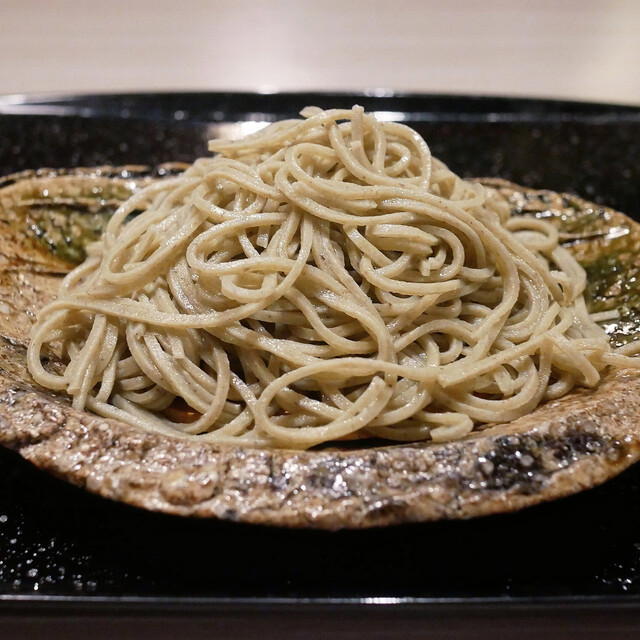
Gen-soba Nonaka
Tokyo, Japan
A Nerima City soba shop holding Tabelog 100 recognition since 2017, serving hand-cut buckwheat noodles at JPY 2,000–2,999 with no reservations. The counter-and-table setup seats 30, cash only, and dinner service closes at 7:30 PM. Walk-in waits peak on weekends; go Tuesday lunch for the shortest line.
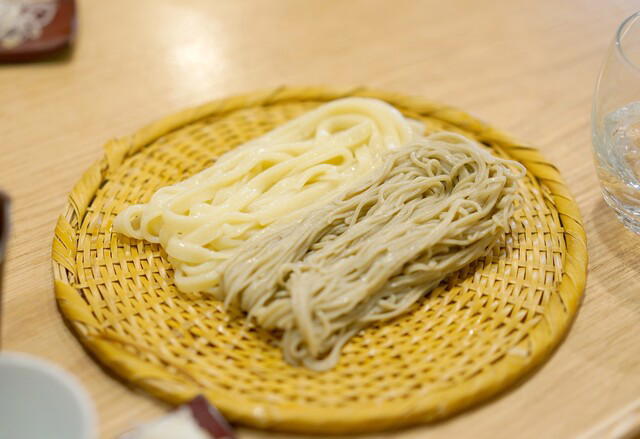
Teuchi Soba Kiri Takumi
Tokyo, Japan
Tabelog 100 soba specialist near Akihabara serving hand-cut noodles and tempura since 2017, with lunch at JPY 1,000–1,999 and dinner at JPY 3,000–3,999. The 18-seat room favors early arrivals and closes by 8:30 PM; groups of six-plus require a course menu, but solo diners can walk in at lunch if timed before noon.
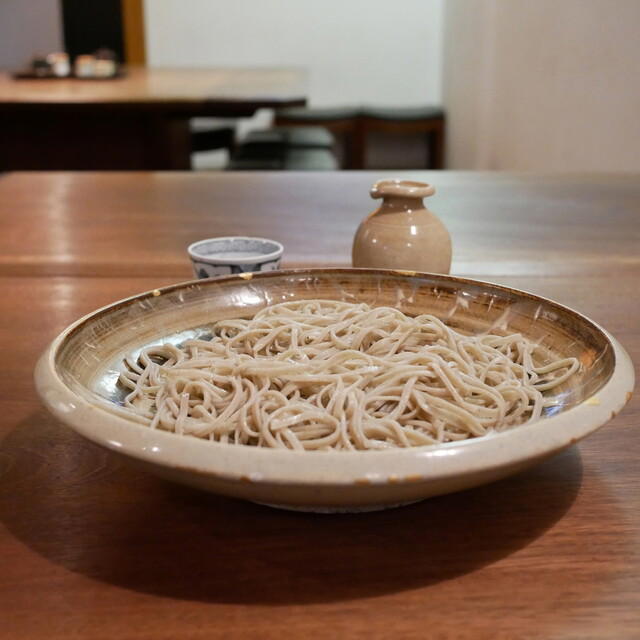
Sanjiro
Matsumoto, Japan
Sanjiro is a lunch-only soba specialist in Matsumoto with a Tabelog 100 Soba EAST 2025 listing and a reservation-only, adults-only format. At JPY 2,000–2,999, it delivers hand-cut zaru soba with a curated sake selection in a 20-seat room that enforces a strict no-photography, no-device policy. Book a day ahead and bring cash; this is a focused, distraction-free meal for serious buckwheat enthusiasts.
Ninomae
Mito, Japan
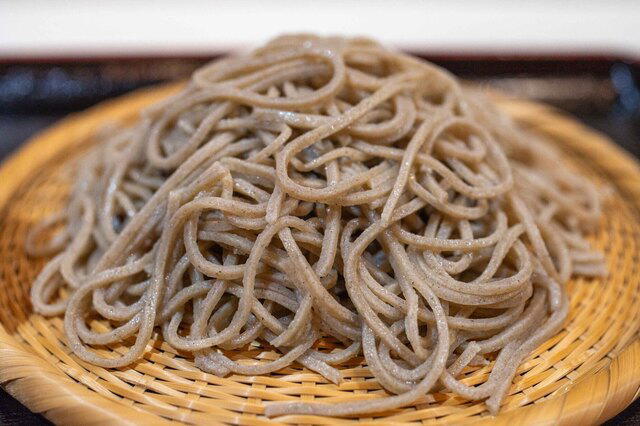
Tabelog 100 Soba EAST 2025 selection at JPY 1,000–1,999 for lunch and dinner. A seven-seat counter where hand-cut buckwheat noodles with high protein content and a serious sake list operate at half the price of Tokyo equivalents. Cash only, closed Monday and Tuesday, dinner reservations accepted.
Soba Kokoro
Tokyo, Japan
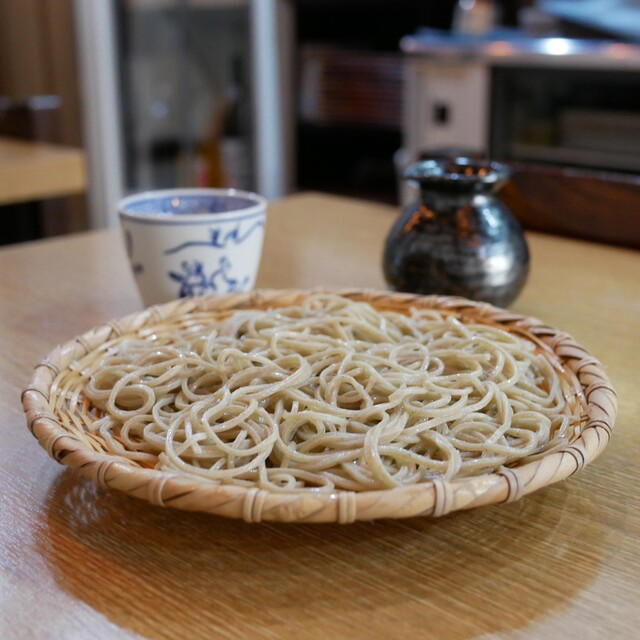
A Nezu neighborhood soba house with Tabelog 100 recognition (2024 and 2025) and a 20-seat upstairs tatami room that handles groups comfortably. Dinner reservations only; lunch is walk-in. JPY 2,000-3,999, cash only. The private dining flexibility and family-friendly format make it a practical choice for celebrations without the formality of high-end kaiseki.
Kochouan Semba
Gifu, Japan
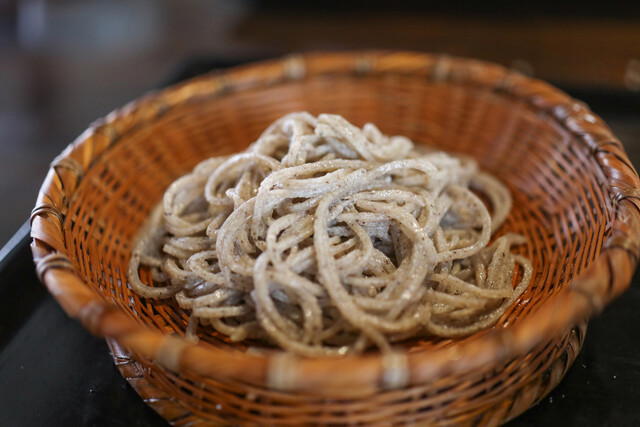
A Tabelog Soba 100 fixture since 2017, this 26-seat house in Gifu serves lunch-only buckwheat noodles at JPY 1,000-1,999 until the daily batch sells out. Private tatami rooms, cash-only payment, and advance booking for the soba sampler make it a deliberate detour for noodle enthusiasts rather than a walk-in convenience.
Soba Zabou
Tokyo, Japan
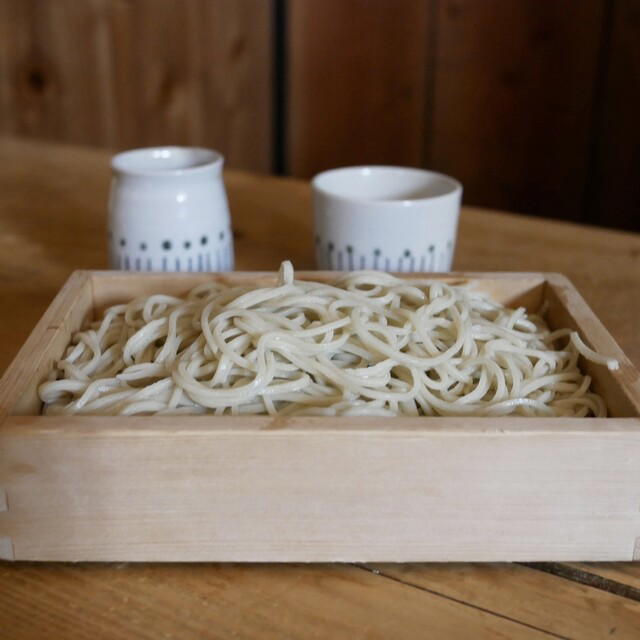
A house-style soba specialist in Hachioji that grinds buckwheat on-site and holds eight consecutive Tabelog 100 EAST selections. Dinner runs JPY 6,000–7,999 reservation-only, lunch JPY 2,000–2,999 walk-in. Best for diners who prioritize noodle craft over central Tokyo convenience, with a quiet, formal atmosphere and a sake-focused drinks list.
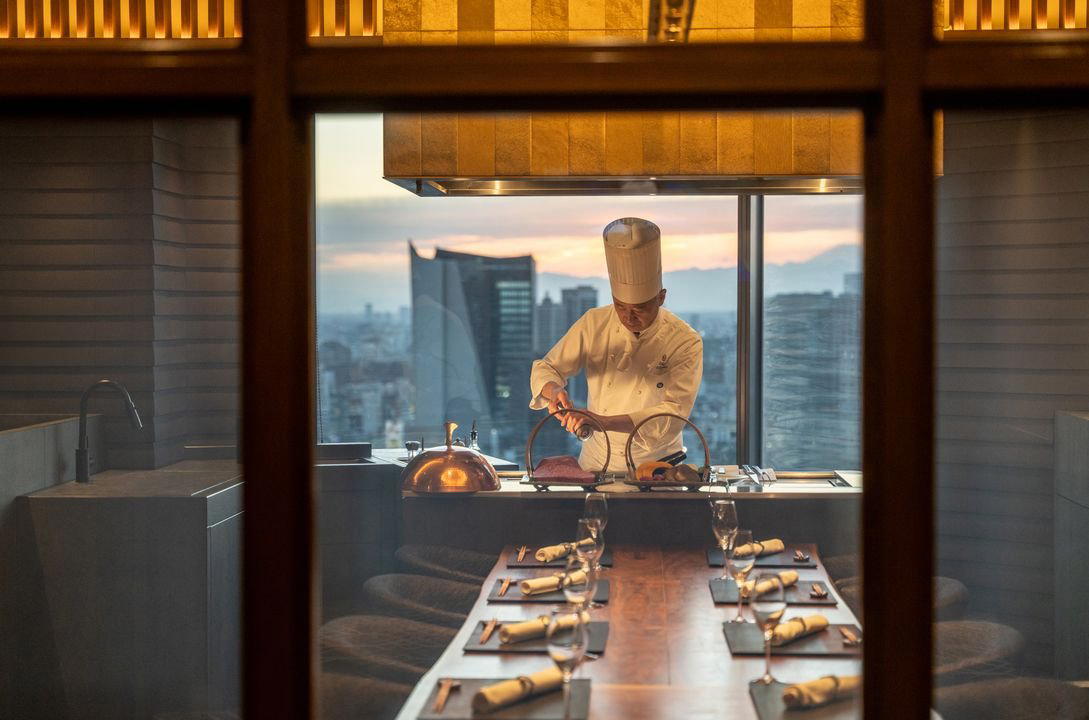
Akasaka Sunaba
Tokyo, Japan
Akasaka Sunaba is a three-time OAD Casual Japan-ranked soba venue in Minato City that earns its place without requiring advance booking or a high-stakes reservation. Open for lunch and early dinner Monday through Saturday, it is the most accessible route to serious soba in central Tokyo. Best suited to solo diners, business lunches, and visitors who want recognised quality on a flexible schedule.
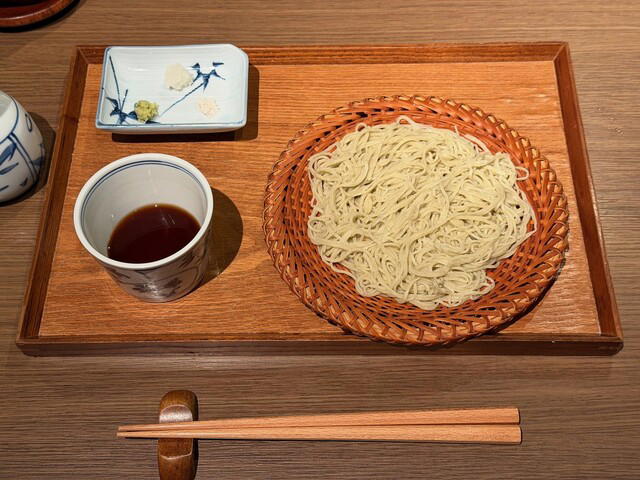
Takenoshita Soba
Tokyo, Japan
A Tabelog 100 soba specialist in Harajuku, two minutes from the station. Aged soba sells out by reservation; dinner runs ¥20,000–¥29,999 with sake pairings, lunch ¥5,000–¥5,999. Book ahead; walk-ins face hour-long waits, and the 14-seat room fills fast. Solo-friendly counter seating and a quiet, deliberate pace make this a better fit for focused meals than group energy.
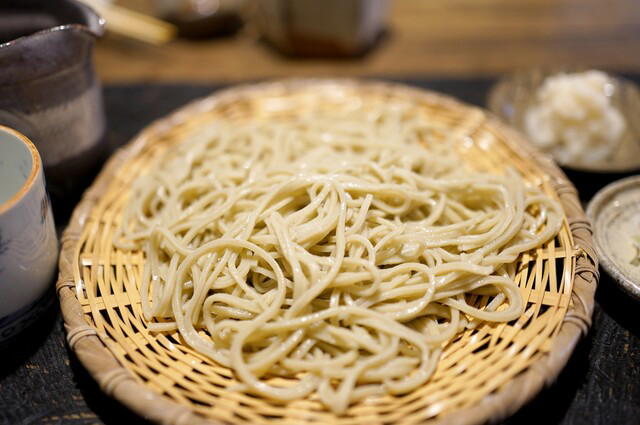
Teuchi Soba Narutomi
Tokyo, Japan
Hand-cut soba shop near Tsukiji Market with Tabelog 100 recognition (2021–2025). Lunch runs ¥1,000–¥1,999, dinner ¥6,000–¥7,999 with sake pairings. Cash-only at midday, cards accepted evenings. Reservations required for dinner alcohol service; walk-in only for lunch. Closed weekends.
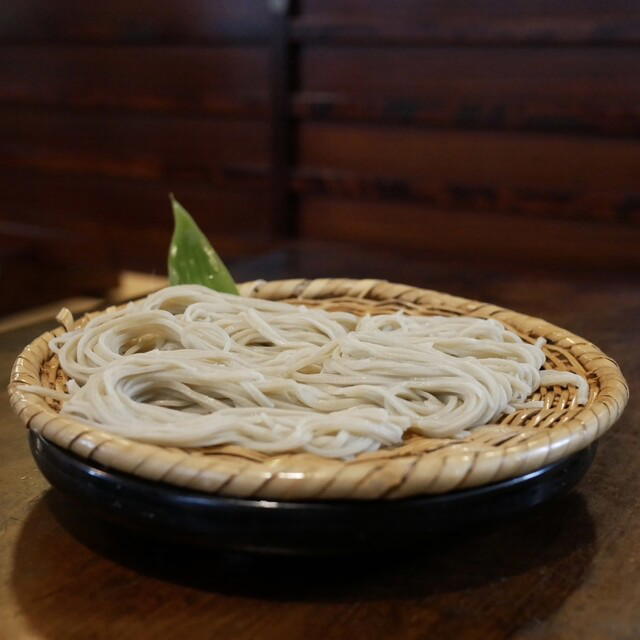
Uzura Ya
Nagano, Japan
A Tabelog Soba 100 EAST regular in Togakushi, Uzura Ya serves technically excellent hand-cut buckwheat noodles at JPY 1,000–1,999 per person. No reservations accepted; register early at the desk before the 10:30 AM opening to avoid long waits. The hour-plus bus ride from Nagano Station is worth it for soba enthusiasts, especially if you're already visiting the mountain shrines.
Sobanomi
Nagano, Japan
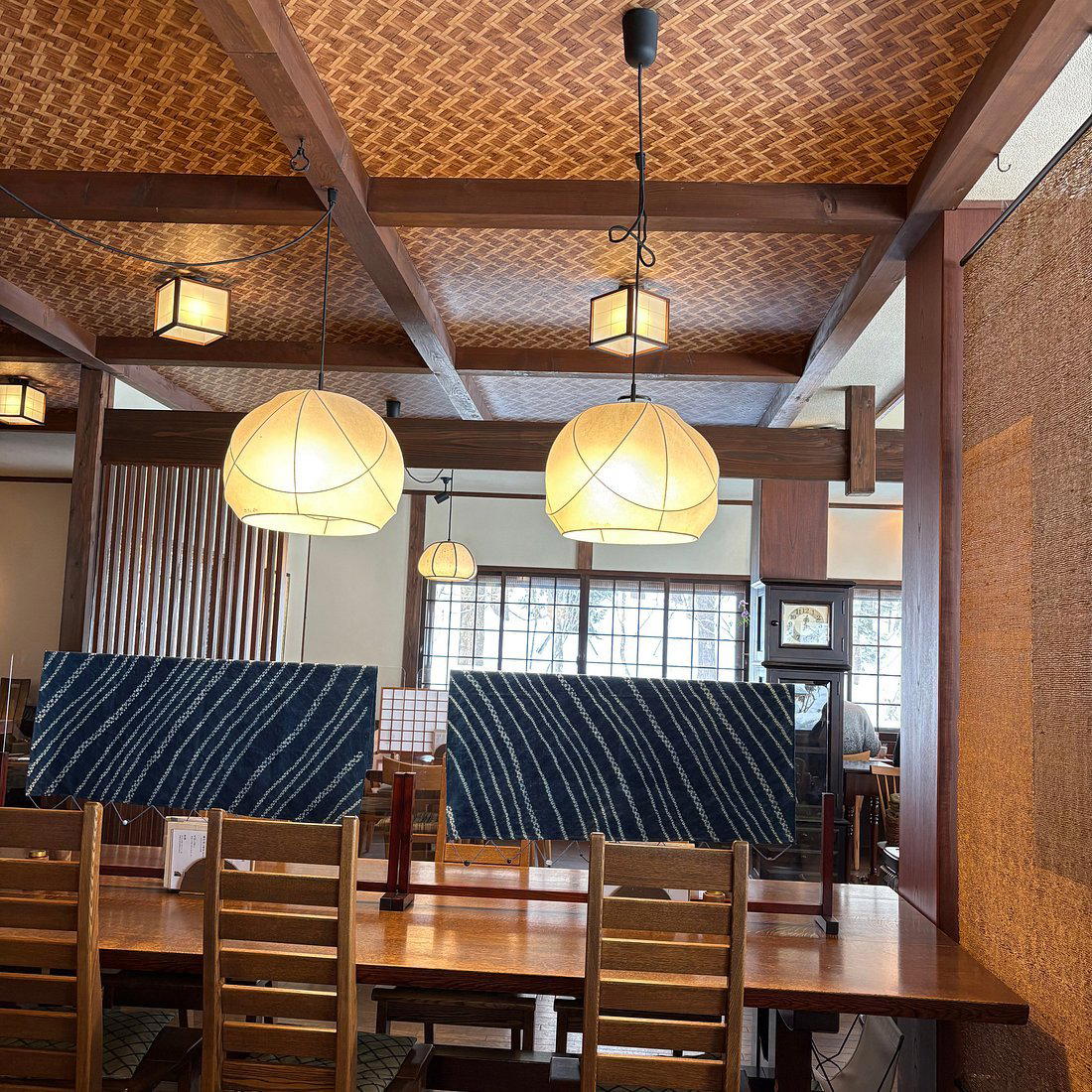
Book Sobanomi if you want a focused, credibility-backed Nagano meal rather than a high-theater dining room. Its Tabelog 100 #53 listing in 2025 makes it worth planning around, but unverified details on price, hours, dress, and seating mean small parties with flexible timing are the safest fit.
Soba Osame
Tokyo, Japan
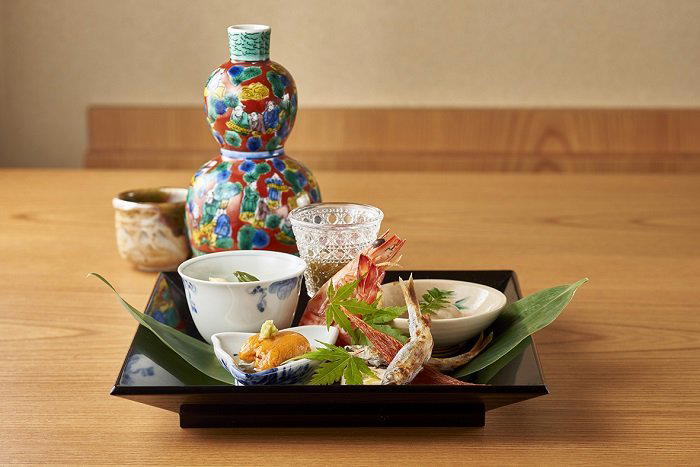
A Michelin Bib Gourmand holder and Opinionated About Dining Casual Japan #55 two years running, Soba Osame is one of Tokyo's most serious destinations for 100% buckwheat juwari soba. At ¥¥ pricing, it delivers a level of craft and sourcing discipline that punches well above its price point. Best for pairs and small groups; book a few days ahead for weekday lunch.
Soba Kura Tomi
Gifu, Japan
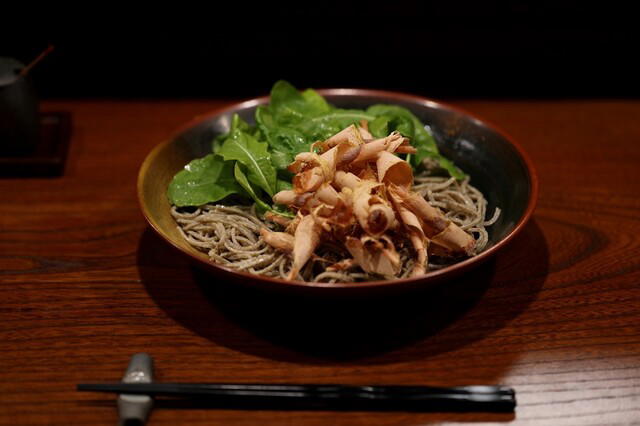
Tabelog 100 Soba EAST 2025 counter serving hand-cut buckwheat noodles and tempura in a seven-seat hideout space. No reservations, cash only, lunch-window service (11 AM–2 PM, closed Tuesday/Wednesday), with an explicit no-rush policy that prioritizes seated guests over turnover. At JPY 1,000–1,999, the price undercuts Gifu's kaiseki tier but demands patience; walk-ins should arrive early or plan to wait.
Teuchi Soba Maizuru
Takasaki, Japan
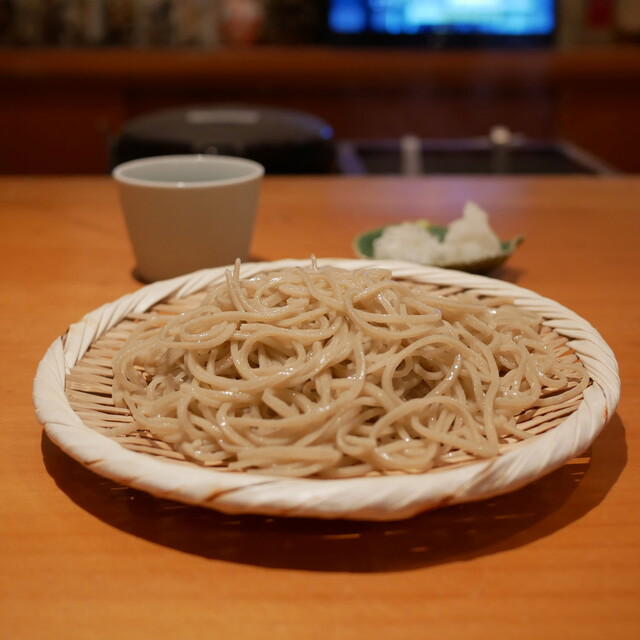
A five-time Tabelog Soba EAST 100 honoree operating as both hand-cut noodle kitchen and late-night izakaya, Teuchi Soba Maizuru delivers award-caliber buckwheat at JPY 2,000–2,999 per head. Open until 2 AM on weekends with counter seating and sake service, it's Takasaki's rare intersection of serious soba technique and after-dark drinking culture, five minutes from JR Takasaki Station.
Araki Soba
Murayama, Japan
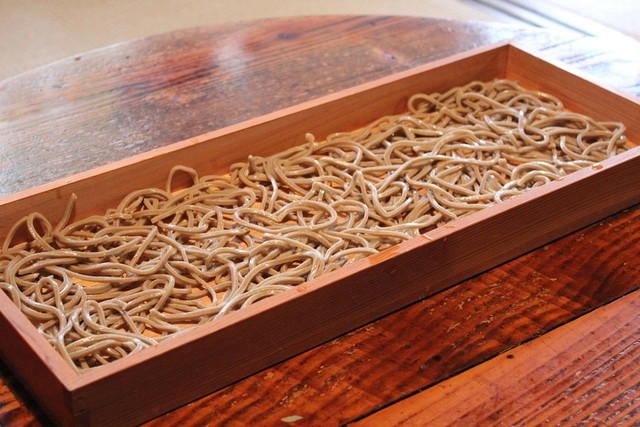
Award-winning soba specialist in rural Yamagata, named to Tabelog 100 – Soba – EAST in 2024 and 2025. Handmade buckwheat noodles served lunch-only at JPY 1,000 to JPY 1,999, with sake pairings in a casual tatami-room setting. No reservations; cash-only; closed Wednesdays. Worth the taxi ride from Murayama Station for technically precise noodles at a fraction of Tokyo prices.
Kobiki An
Hitachinaka, Japan
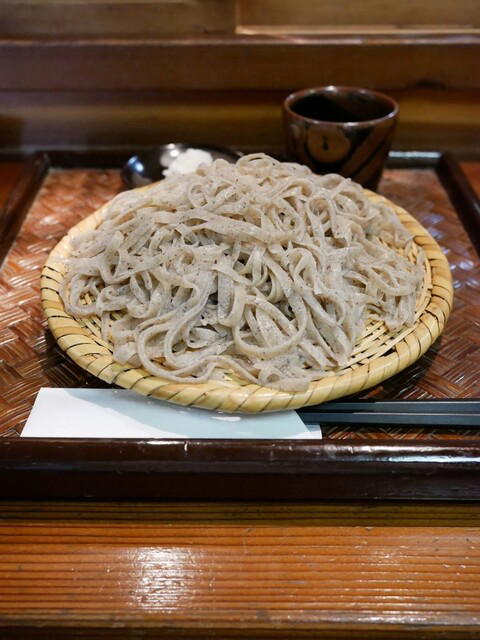
Tabelog 100 soba specialist (2019, 2022, 2024, 2025) serving hand-milled buckwheat noodles in a 32-seat walk-in-only room. JPY 1,000–1,999 lunch service runs 11:30 AM–1:10 PM Wednesday through Sunday, closing when the day's dough sells out; arrive before noon to avoid disappointment.
Teuchi Soba Katou
Akita, Japan
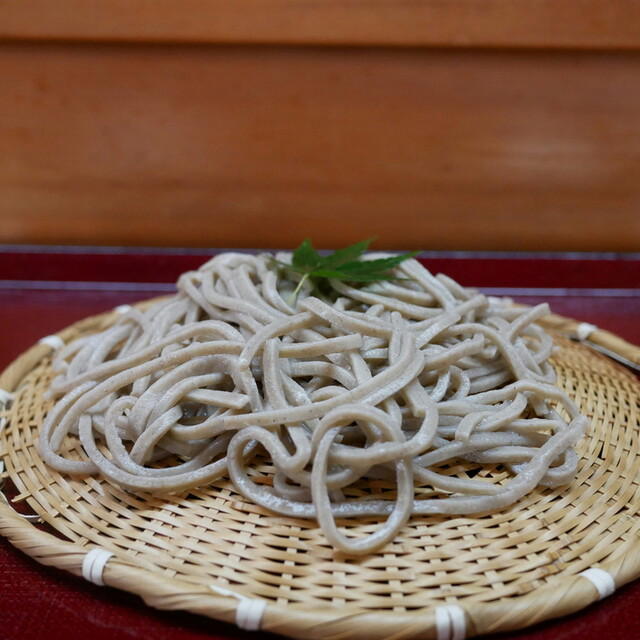
Tabelog 100 - Soba - EAST 2025 hand-cut noodle specialist in Nakadori, serving lunch and dinner at JPY 1,000–1,999 with no pricing advantage between services. Dinner accepts reservations and adds sake pairings; lunch runs walk-in only with faster turnover. Cash-only, 25 seats (counter plus tatami), 10 minutes from Akita Station.
Handmade buckwheat Matsunaga
Tokyo, Japan
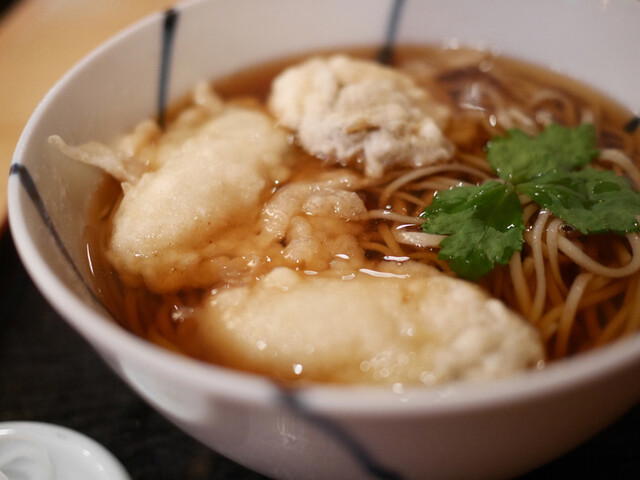
Lunch-only soba counter in Jingumae serving handmade buckwheat noodles at JPY 1,000–1,999. Named to Tabelog 100 Soba EAST eight years running. No reservations, closes when sold out (often by 1 PM). Arrive at 11:30 AM opening or expect to wait.
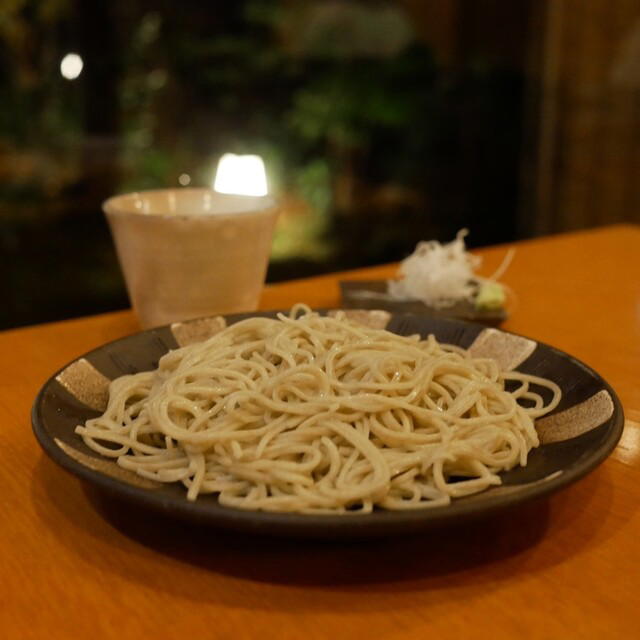
Dashin Soan
Tokyo, Japan
Tabelog 100 soba specialist in residential Daizawa offering hand-cut noodles at JPY 3,000–5,999, with a rare 10–20-person tatami room upstairs. Continuous recognition since 2017 signals kitchen consistency; best for multi-visit exploration of seasonal buckwheat rather than one-off meals. Book weekday lunch or upstairs private space 3–4 weeks ahead.
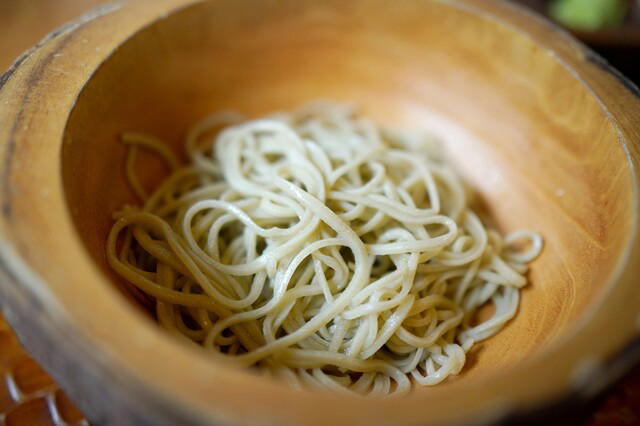
Senju Takeyabu
Tokyo, Japan
A Tabelog 100 – Soba – EAST selection since 2017, this Adachi City house restaurant serves hand-cut buckwheat noodles at JPY 2,000–4,999 per head. The kitchen emphasizes high buckwheat ratios and clean dashi clarity, delivering neighborhood soba craft without central Tokyo prices. Book online for parties up to four; walk-ins generally accommodated outside weekend lunch peaks.
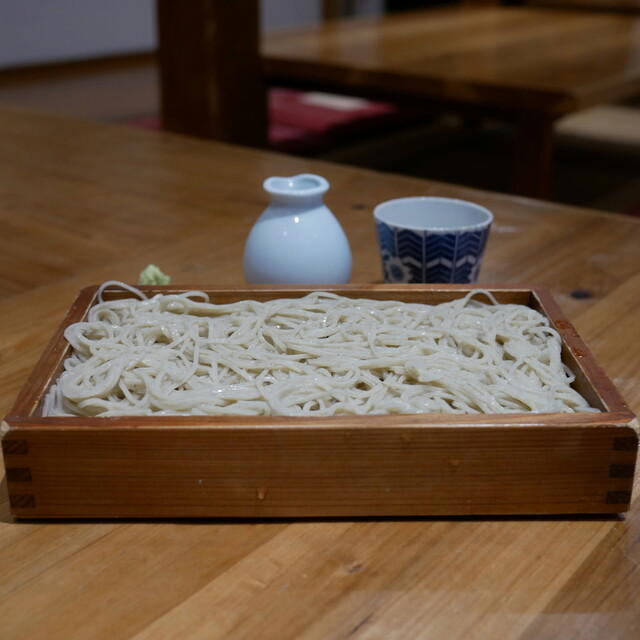
Miyano Ya
Minamiuonuma, Japan
Tabelog 100 Soba (Buckwheat noodles) EAST 2025 honoree offering hand-cut buckwheat noodles in a family-friendly, private-room setting. Lunch (JPY 2,000–JPY 2,999) delivers the core craft at a mid-tier price; dinner (JPY 10,000–JPY 14,999) expands into kaiseki territory. Book ahead for weekends; the house sells out before 3 PM.
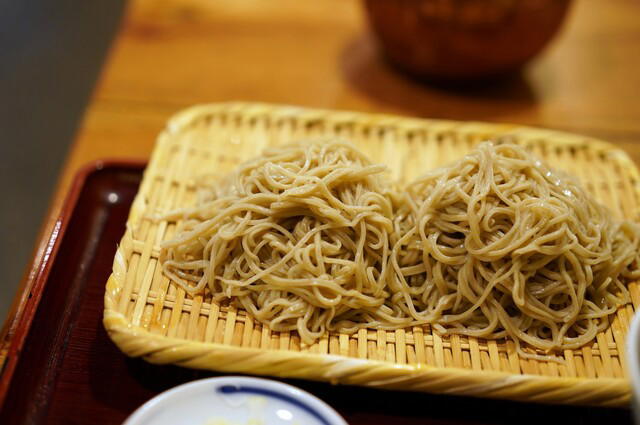
Azumabashi Yabusoba
Tokyo, Japan
Azumabashi Yabusoba serves edo-style soba in a compact, cash-only Sumida space near Asakusa, open for lunch Wednesday through Sunday. Recognized on the Tabelog 100 Soba EAST list, it delivers consistent buckwheat noodles at JPY 1,000 to JPY 2,999, favoring solo diners and pairs over larger groups. The 18-seat setup and minimal decor suit repeat visits more than special occasions.
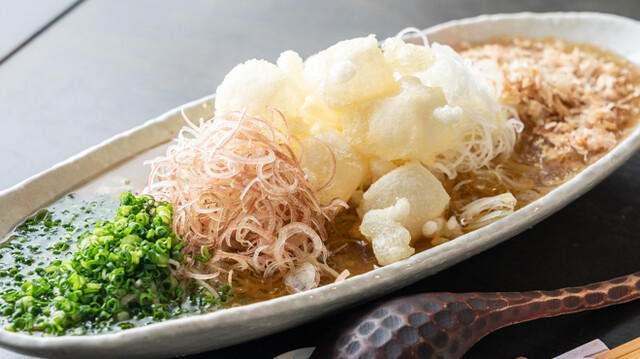
Teuchi Soba Ginnan
Tokyo, Japan
This Koto City soba shop, a Tabelog 100 fixture since 2017, mills its own buckwheat and shifts from quick lunch service (JPY 1,000–1,999) to a full izakaya format at dinner (JPY 5,000–5,999). Walk-ins work for lunch, but book ahead for evening sake pairings and seasonal tempura. Worth the 5-minute walk from Nishi-Ojima Station if you're chasing fragrant, house-ground noodles without the central Tokyo markup.
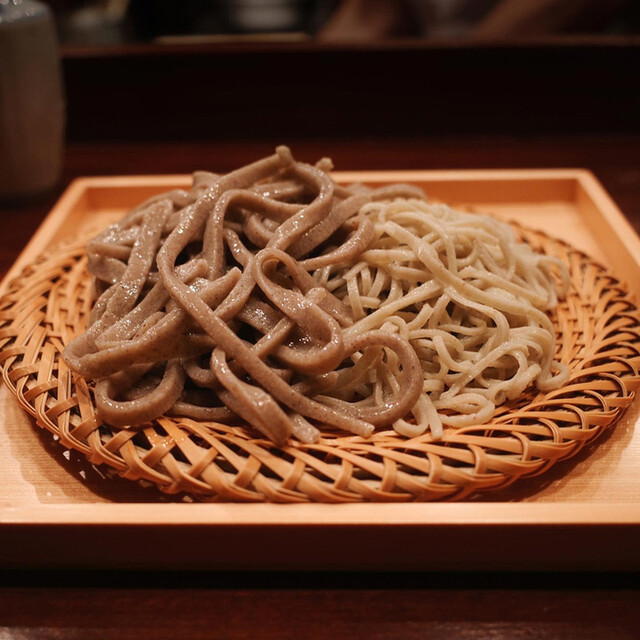
Soba Kiri Sake Daigu
Tokyo, Japan
Counter-only soba specialist in Toranomon where the sake menu drives the meal. Seven seats, evenings only, and a 2 gō minimum per guest; this is a drinking venue where hand-cut noodles play second fiddle. Tabelog 100 recognition since 2017, cash-only, and closed weekends. Book if you already know you like pairing buckwheat with nihonshu; skip if you want a quick bowl and leave.
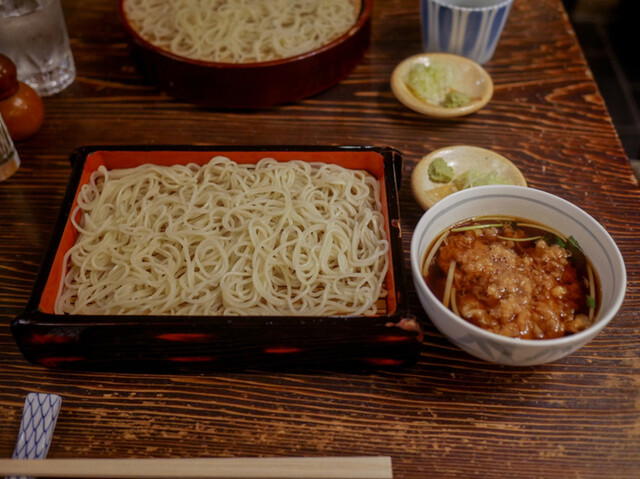
Muromachi Sunaba Nihonbashi hon ten
Tokyo, Japan
A Meiji-era soba house in Nihonbashi serving dual-flour noodles; smooth Sarashina and toothy Ichiban; alongside tempura fried in sesame oil and served in the dipping broth. Tabelog 100 recognition, lunch under JPY 2,000, and walk-in seating available downstairs make it one of Tokyo's most approachable traditional soba destinations.
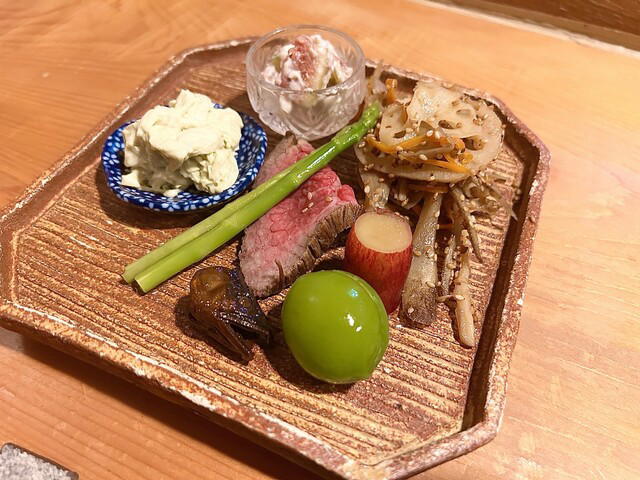
Asakusa Juroku
Tokyo, Japan
A Tabelog 100 East soba shop since 2017, Asakusa Juroku delivers delicate buckwheat noodles and fish-forward small plates with a curated sake program at JPY 10,000–14,999. The eighteen-seat space; eight counter, two tatami rooms; suits quiet business dinners or special occasions; booking ahead is essential, and a service surcharge applies for international guests. Expect precision, not speed.
Kurumi Tei
Nasushiobara, Japan
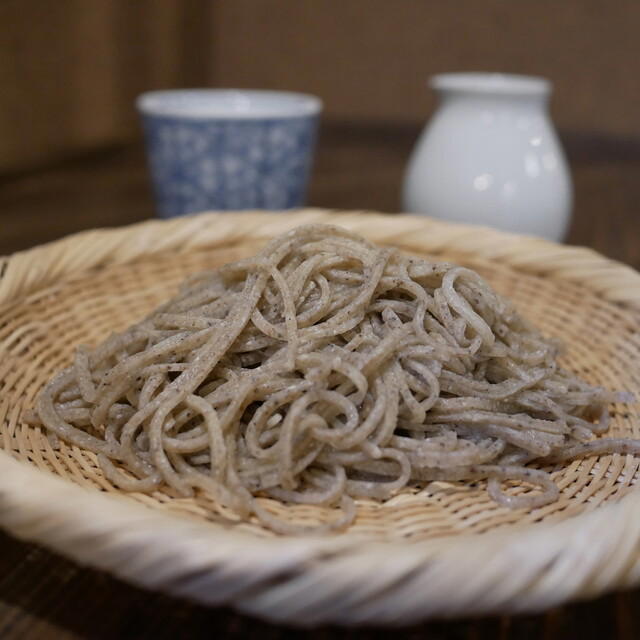
Tabelog 100 - Soba EAST 2025 selection in rural Tochigi, serving stone-milled 100% buckwheat noodles from local grain. The kitchen uses no binders, and the 28-seat room (tatami and tables) operates until sold out. Lunch runs JPY 1,000–1,999, dinner JPY 2,000–2,999. Reservations required (up to 4 people), call by the day before. Private use available for up to 20. About 5 minutes by taxi from Nozaki Station.
Ginpachitei Yazawa
Tokyo, Japan
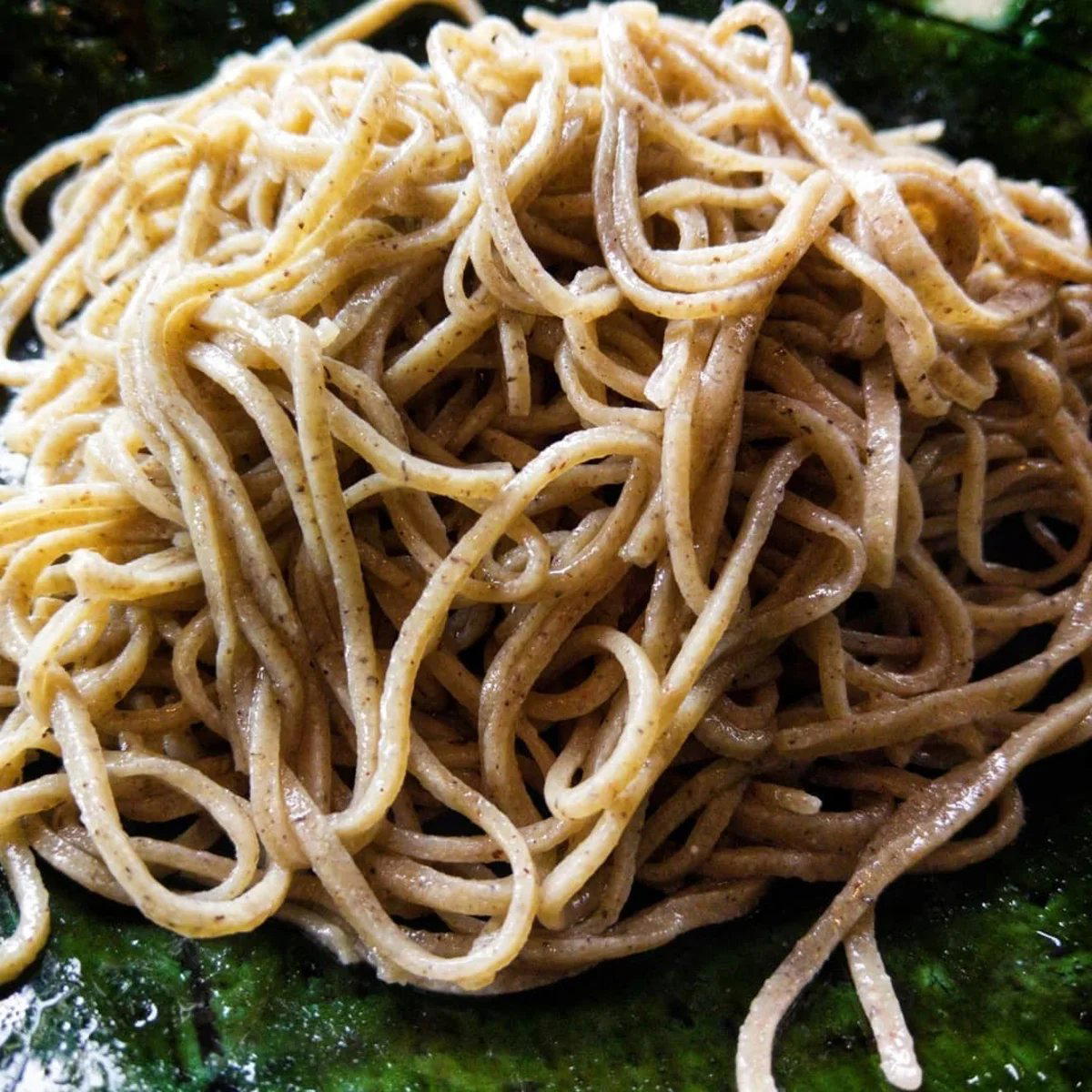
Compared with central Tokyo peers, Ginpachitei Yazawa is the better fit when a Katsushika-area meal suits the plan and a quieter local setting matters more than nightlife adjacency. Tabelog 100 #70 in 2025 gives it a clear credibility signal, but the lack of published price and format details makes it better for flexible diners than tightly planned group occasions.
Shoan
Tokyo, Japan
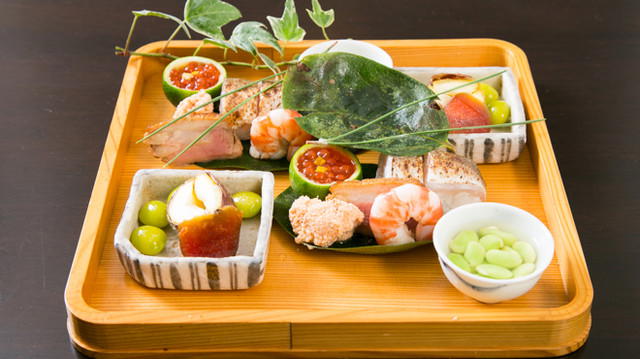
Tabelog 100 Soba EAST 2025 specialist in Arakicho serving buckwheat noodles, seasonal fish, and sake at JPY 10,000–14,999. The 14-seat room offers private dining for up to 20 and delivers mid-tier pricing with technical execution, though evening-only hours and a counter-or-table layout mean advance booking is required. Comparatively easier to secure than kaiseki but more formal than casual soba counters.
仲佐
Gero, Japan
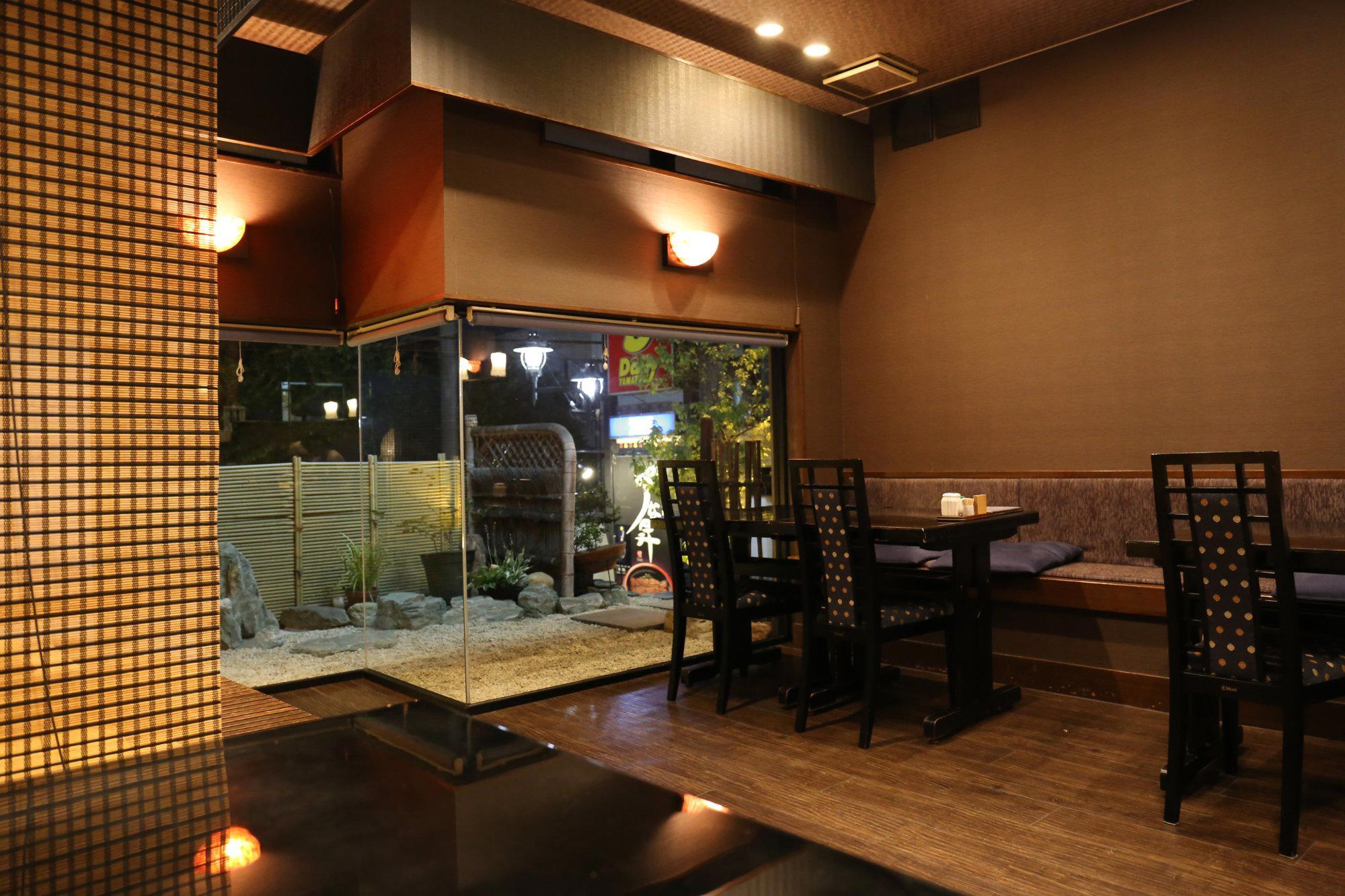
仲佐 is the Gero pick for diners who want a serious, recognition-backed meal and are comfortable booking without much public detail on format or pricing. It is better for couples or solo diners than large groups, and less useful if wine-list specifics, dietary handling, or a fixed budget need to be confirmed upfront.
Soan Mitate
Tokyo, Japan
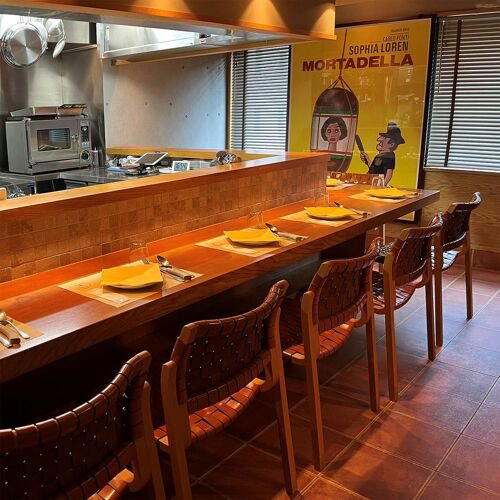
Soan Mitate is a ¥¥¥ set-menu soba counter in Azabujuban, Tokyo, holding a Michelin Selected Restaurant listing for 2024 and 2025. The multi-course format moves from buckwheat galettes with tuna and caviar through 100% buckwheat soba, prepared in front of you using Toyama-sourced ingredients. Book for a special occasion, not a casual soba stop; the experience rewards attention and is not replicable off-premise.
Shiomi
Tokyo, Japan
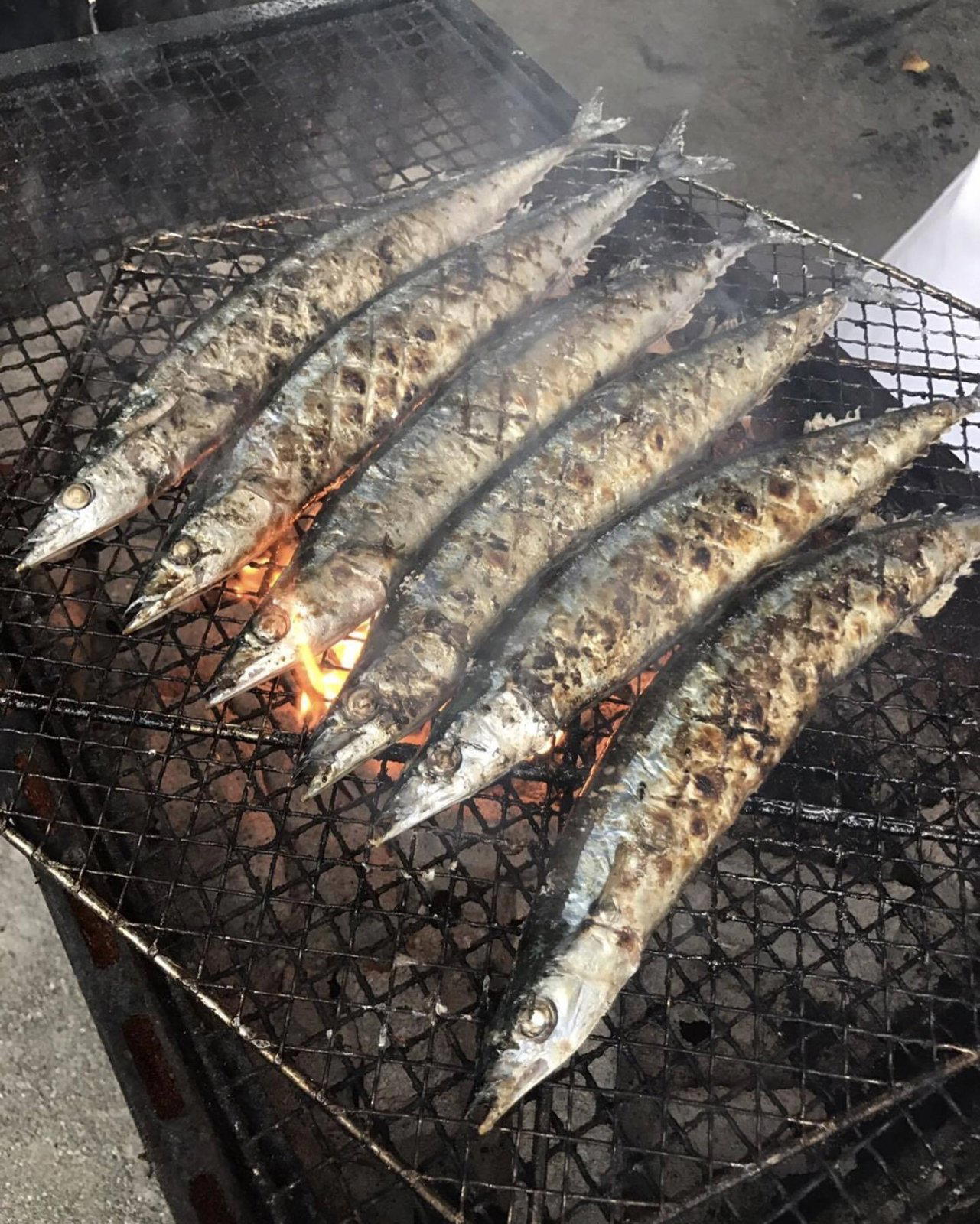
Tabelog 100 soba counter in Waseda that wraps handmade 100% buckwheat noodles inside a course-only format with seasonal fish, tempura, and sake pairings. At JPY 10,000–14,999, the value hinges on whether you want noodles alone or noodles as the final movement of a broader progression. Reservations required; semi-private rooms available for four or eight.
Soba Saizen Ryusenbo
Koriyama, Japan
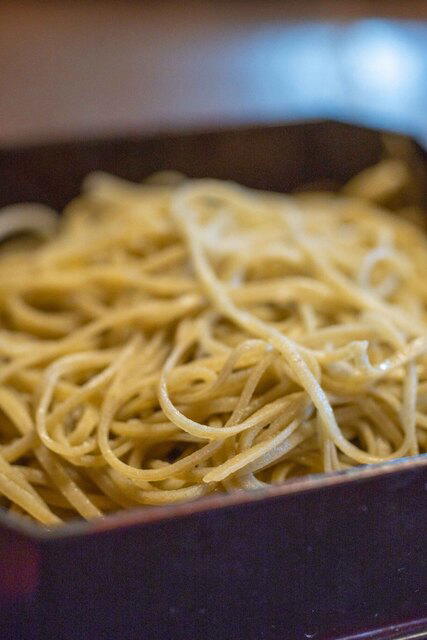
Soba Saizen Ryusenbo is a practical Koriyama pick for a focused soba meal with Tabelog 100 recognition and a controlled spend. Book it for lunch or an early dinner when the priority is depth without a high-end sushi budget; choose Sushi Kappou Gyomon instead if the night is meant to be a major splurge.
Nemurian
Tokyo, Japan
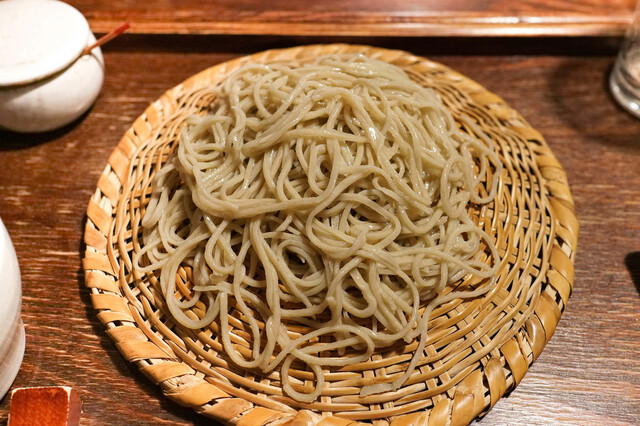
A 14-seat Kanda izakaya that doubles as a Tabelog 100 soba shop, serving house-made buckwheat noodles alongside sake and shochu in a casual, counter-and-table format. At JPY 3,000–3,999 per head it sits well below omakase pricing but a tier above neighborhood ramen spots, with weeknight availability and a local-regular vibe that favors repeat visits over special-occasion pilgrimage.
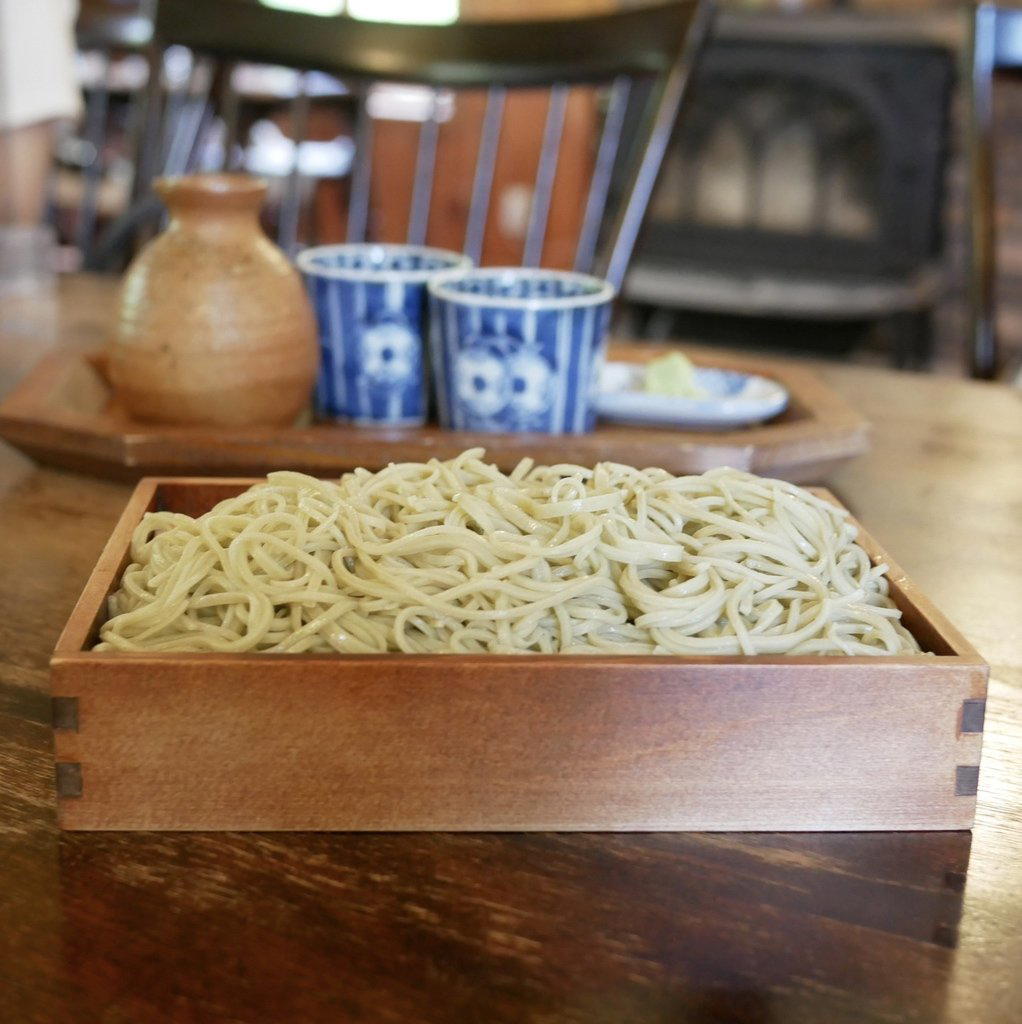
蕎麦 ふじおか
Nagano, Japan
Go for a quiet, soba-first lunch in Nagano, especially if the trip is built around food rather than nightlife. The narrow daytime schedule rewards planning, and the 2025 Tabelog 100 ranking gives it a credible reason to prioritise over casual fallback meals.
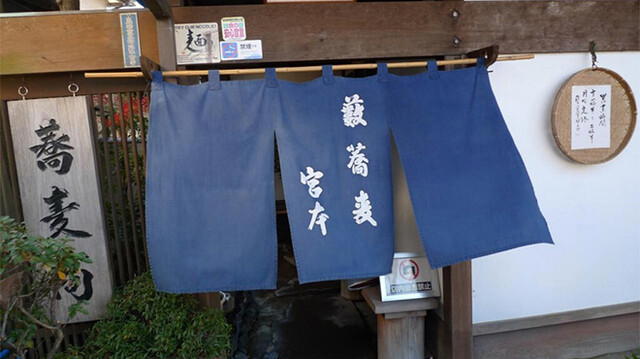
Yabusoba Miyamoto
Shizuoka, Japan
Yabusoba Miyamoto is worth planning around if soba is the point of the meal, especially for a quiet lunch or low-key special occasion. It is not the pick for takeout, delivery, or a high-variety group meal; the value is in eating buckwheat noodles on site, with timing and texture intact.
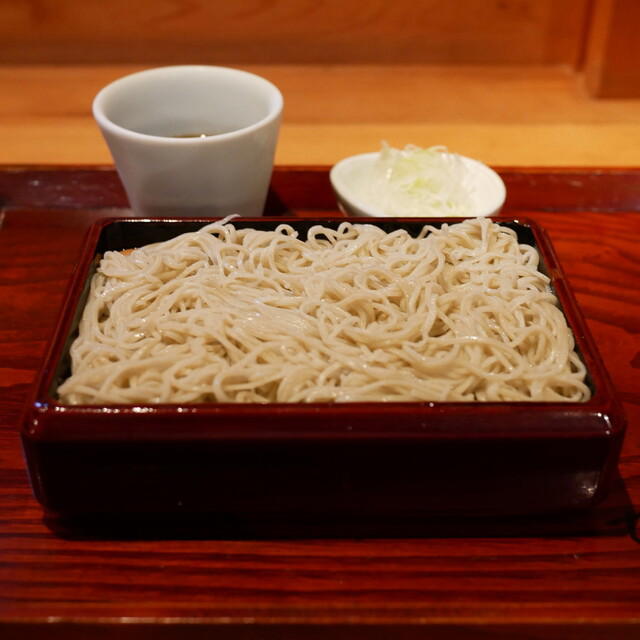
Sekizawa
Kamitakai-gun, Japan
A Tabelog 100 soba house in Obuse since 2017, offering hand-made buckwheat noodles at JPY 1,000-1,999 lunch and JPY 3,000-3,999 dinner. Weekend walk-ins face a token queue; weekday lunch reservations (2-8 guests) book days ahead. Photography prohibited inside. Cash only, closed Wednesday-Thursday.
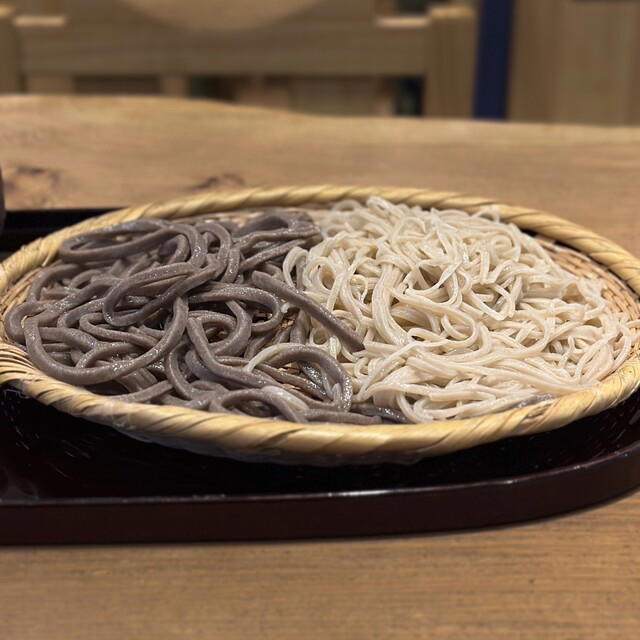
Teuchi Soba Nezu Takajo
Tokyo, Japan
Hand-cut soba at a walk-in-only Nezu shop with two counter seats, a Tabelog Soba EAST 100 award (2021, 2024, 2025), and prices under JPY 3,000. No reservations accepted, and groups of five or more are turned away; best for solo diners or pairs who want above-average buckwheat noodles without advance planning.
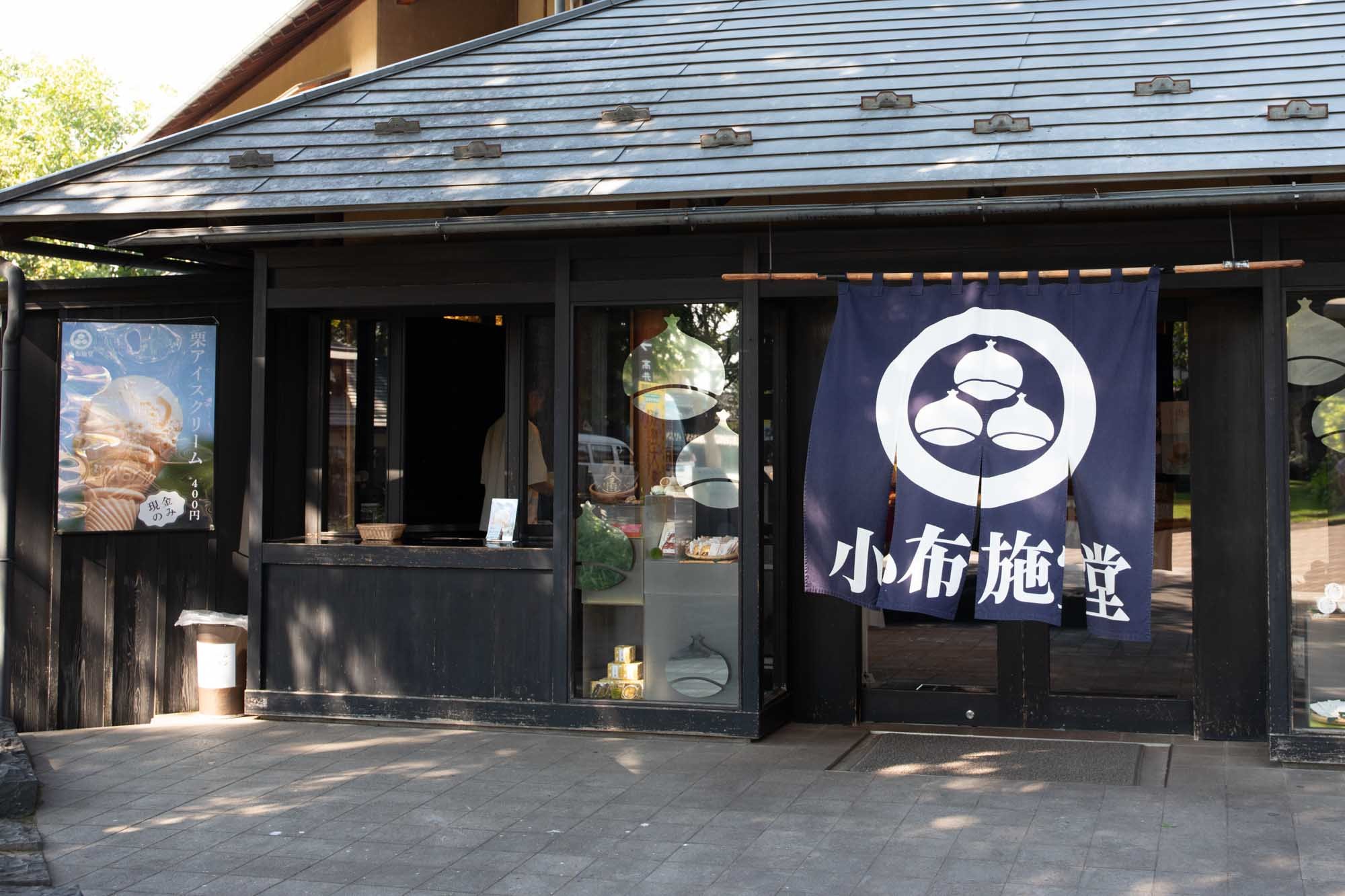
Yamanomi
Nagano, Japan
Yamanomi is one of Nagano's most consistently awarded soba specialists, named to the Tabelog Soba Top 100 every year from 2017 to 2025 and holding a 4.13 score. Lunch runs JPY 2,000–2,999, booking is easy (up to the day before), but the seasonal window; late April to mid-November only; makes timing the visit as important as the reservation itself.
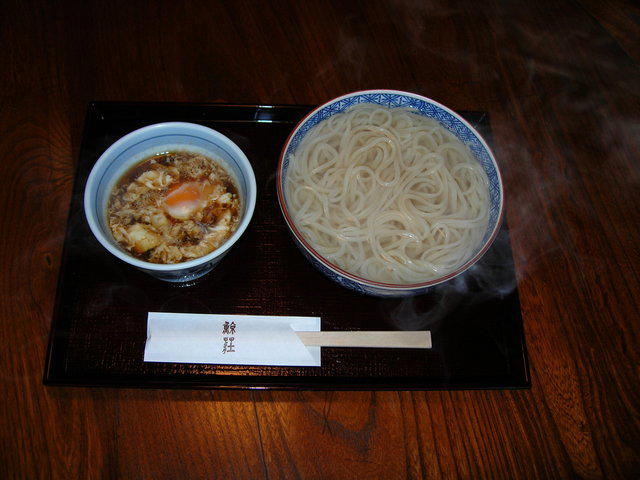
Kujira So Shiomachi Kan
Hitachiota, Japan
Tabelog 100 Best Soba (East) honoree since 2017, serving coarse-ground Hitachi Aki buckwheat and stone-milled udon in a 22-seat house restaurant. No reservations accepted; arrive early or expect a wait. At JPY 1,000–1,999, the quality-to-price ratio justifies the 5-minute taxi ride from Hitachiota Station.
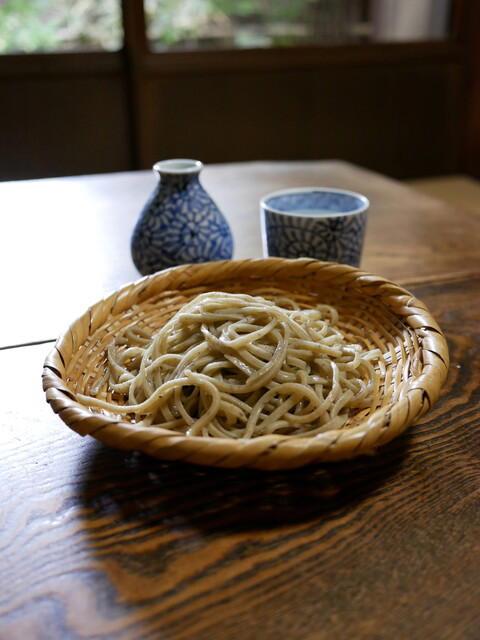
Bommi Sobakiri
Takasaki, Japan
Bommi Sobakiri anchors Takasaki's soba scene with six Tabelog 100 selections (2017–2019, 2022, 2024–2025) and a JPY 2,000–2,999 price point. Walk-in only, open Wednesday through Sunday for lunch and limited dinner service. Hand-cut buckwheat noodles and tempura in a house restaurant with parking and a six-seat private tatami room.
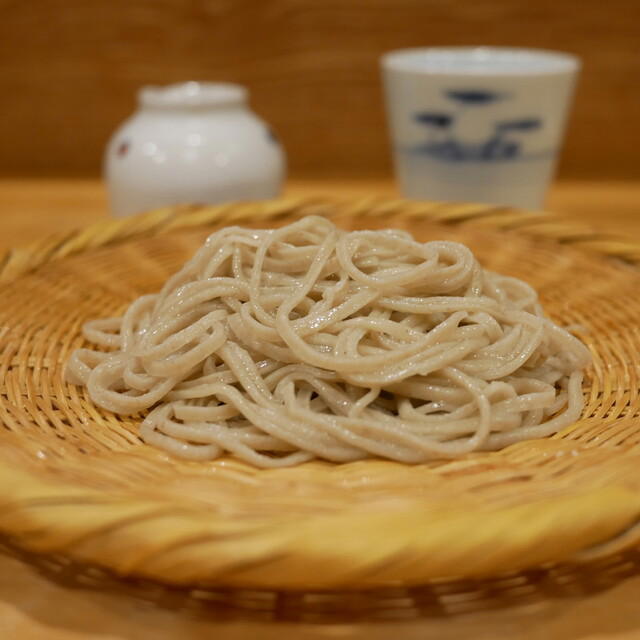
Kagurazaka Okawaya
Tokyo, Japan
This 14-seat Kagurazaka soba specialist (Tabelog 100 Soba EAST 2022–2025) runs walk-in lunch and reservation-only sake-driven dinners. Freshly ground buckwheat and seasonal tempura anchor both services, with lunch under JPY 3,000 and evening bills rising to JPY 6,000-7,999. Dinner excludes non-drinkers and children; lunch seats fill by 1 PM on weekends.
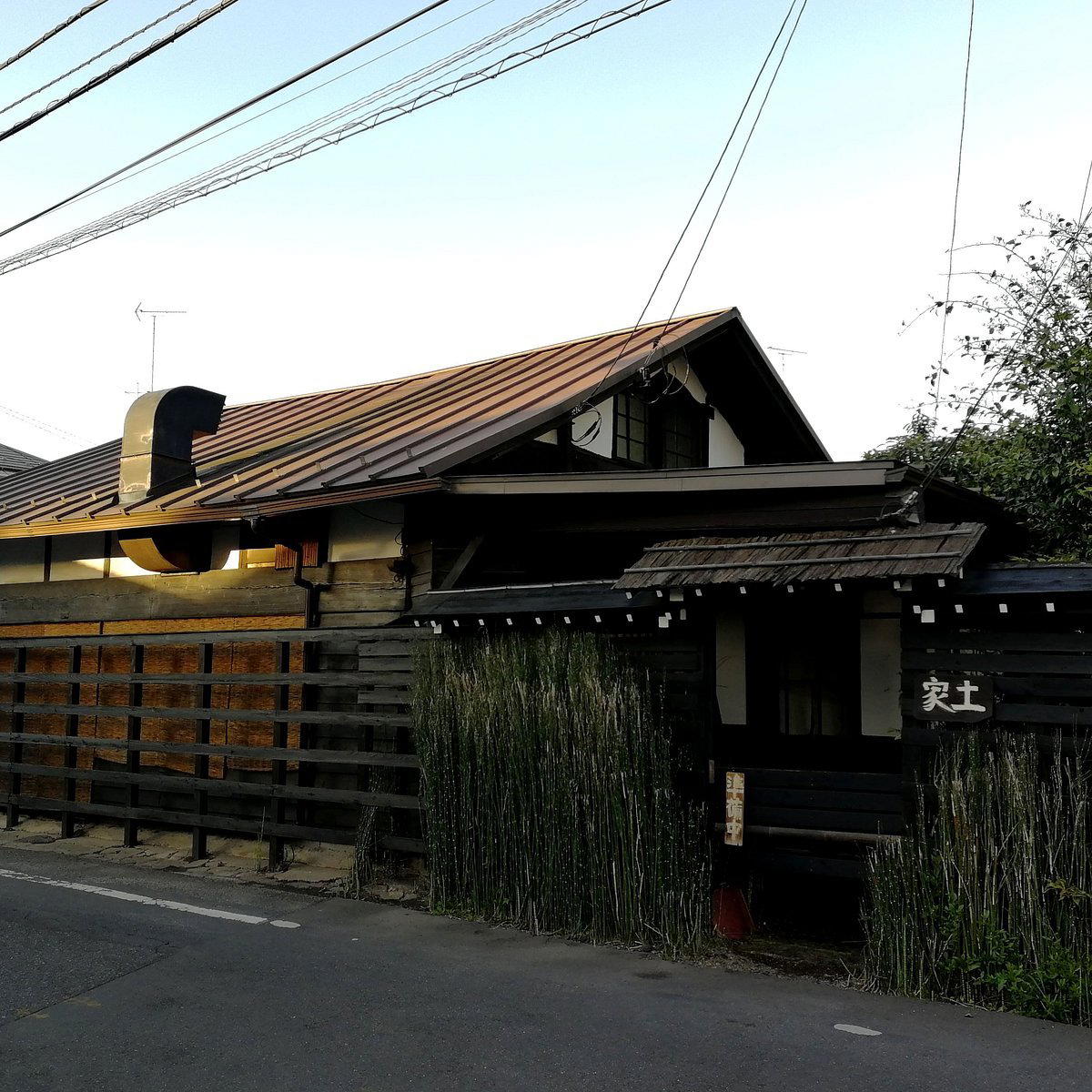
Tsuchi-ya
Higashimurayama, Japan
Tsuchi-ya is the stronger choice in Higashimurayama when you want a planned, recognition-backed meal rather than a quick low-cost stop. It is better for couples or small groups than private-dining-led occasions, since room and group setup details are not confirmed. Cross-shop the cheaper nearby peers if value or flexibility matters more.
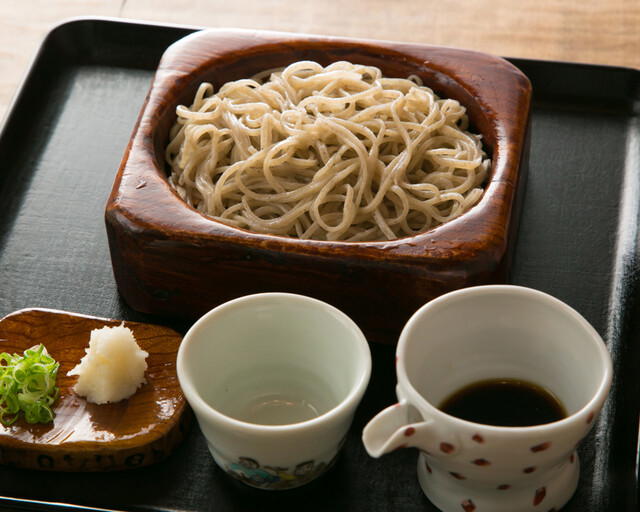
Takeyabu Kashiwa honten
Kashiwa, Japan
A Tabelog 100 Soba (EAST) fixture since 2017, Takeyabu Kashiwa honten serves hand-cut buckwheat noodles in a converted house with tatami seating and private rooms for groups. Lunch runs JPY 5,000–5,999, dinner JPY 10,000–14,999; reservations required for course meals, walk-ins accepted for à la carte lunch.
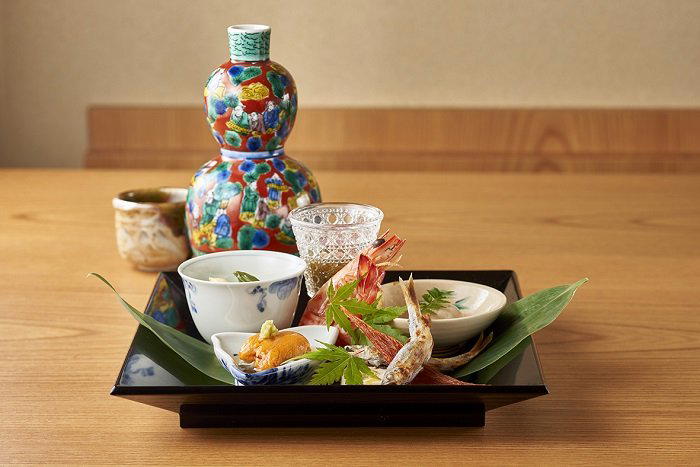
Osobano Kouga
Tokyo, Japan
Osobano Kouga holds a 2024 Michelin Bib Gourmand and sits at the accessible ¥ price tier in Nishi-Azabu, making it one of the better-value Michelin-recognised evenings in Minato City. The evening prix fixe, built around sake and Edo-era soba tradition, is the reason to book. Lunch works, but dinner is the visit worth planning.
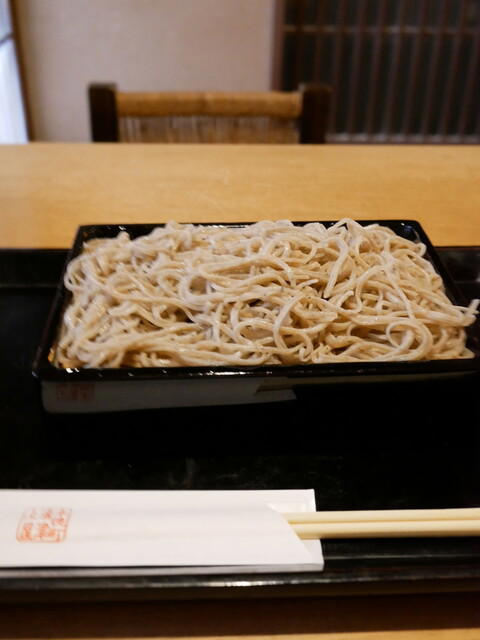
Kobiki Cho Yuzukamiya
Tokyo, Japan
A nine-seat Ginza counter serving Tabelog 100 soba and tempura for JPY 1,000–1,999, with no lunch reservations and a brisk 5–7 PM weekday dinner window. The room favors solo diners and quick visits over lingering meals, trading polish for precision at Tokyo's lowest award-tier price point.
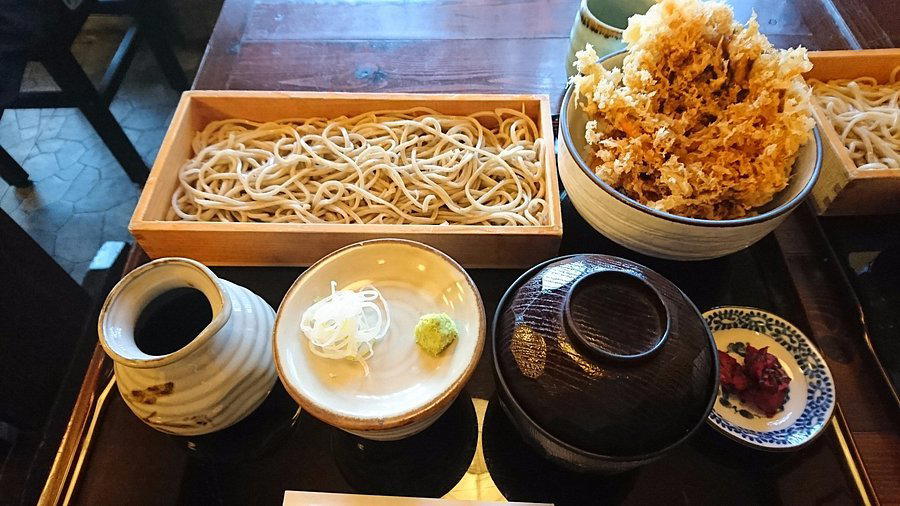
Teuchi Soba Fuurai Kyo
Yokohama, Japan
Tabelog 100 Soba EAST 2025 hand-cut noodle shop near Tama Plaza Station, charging JPY 1,000–1,999 for lunch and JPY 4,000–4,999 for dinner. Lunch delivers better value for the same buckwheat technique; dinner adds course structure and sake pairings. Reservations recommended for weekend lunch; weekday walk-ins accepted. School-age children welcome, preschoolers not allowed.
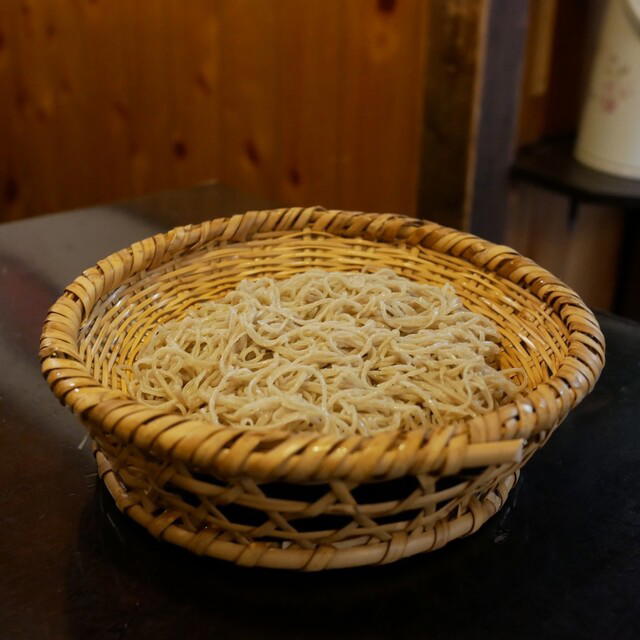
Nomugi
Matsumoto, Japan
Tabelog 100 Soba - EAST 2025 honoree serving hand-cut buckwheat noodles at JPY 1,000 - JPY 1,999 in a 12-seat room near Matsumoto Station. Lunch-only format with sake pairings, no reservations, cash-only, and daily sell-outs by early afternoon. Best for travelers seeking budget soba without sacrificing recognition.
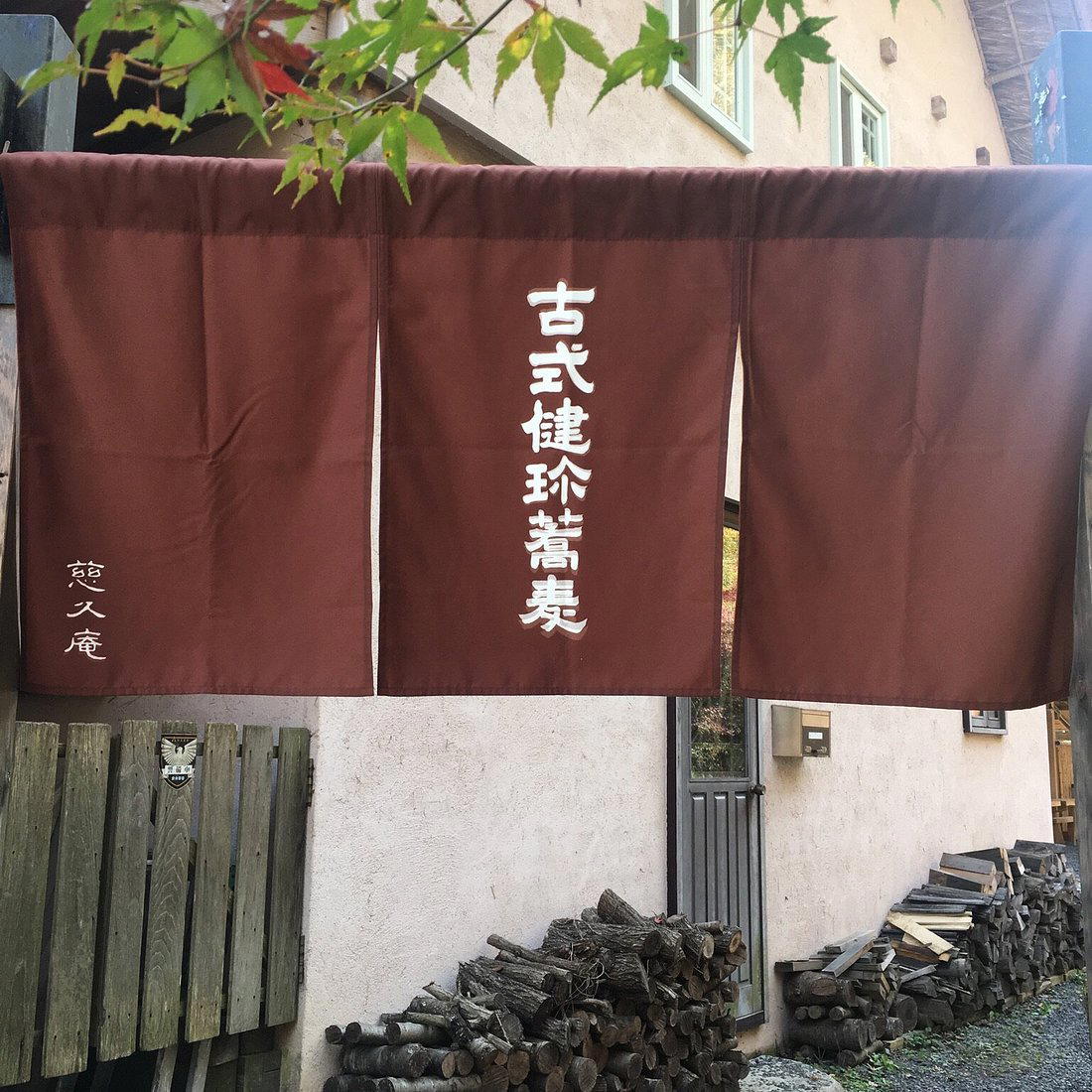
Jikyu An
Hitachiota, Japan
Jikyu An works if your Hitachiota plans can accommodate a less fully mapped dining choice. Its strongest public signal is Tabelog 100 #91 in 2025 with a 3.8-point score, which makes it more compelling for food-focused travelers than for groups needing confirmed cuisine, menu format, or price details before booking.
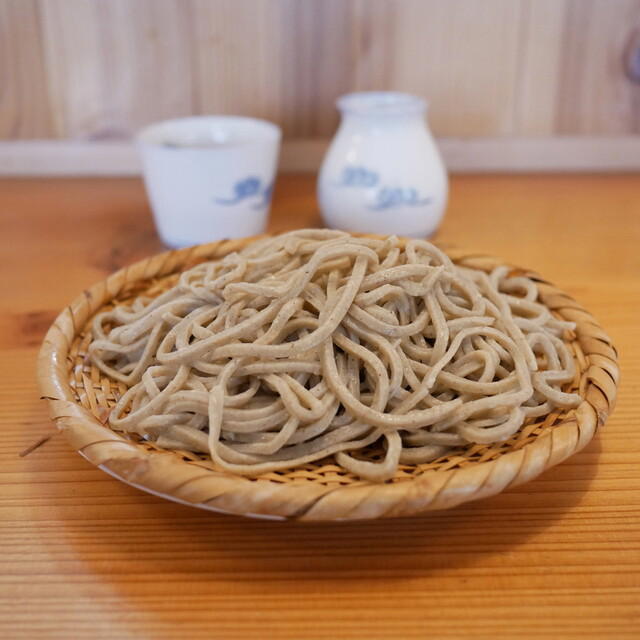
Inaho
Kitaakita, Japan
Inaho is a Tabelog Soba 100 honoree serving buckwheat noodles and izakaya-style chicken dishes in a 24-seat house restaurant near Takanosu Station. Lunch runs JPY 1,000–1,999; dinner extends to JPY 4,000–4,999 with sake and shochu pairings. The only soba shop in northern Akita to earn three Tabelog 100 selections, it suits travelers seeking regional soba craft without Tokyo pricing.
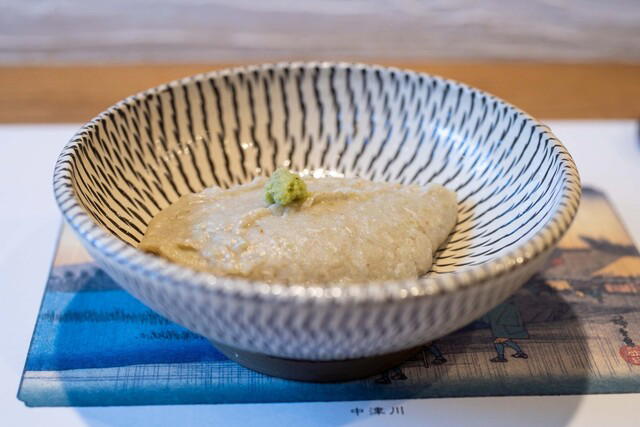
Teuchi Soba Wakuri
Nakatsugawa, Japan
A 14-seat hand-cut soba specialist two minutes from Nakatsugawa Station, recognized in Tabelog 100 Soba EAST five times since 2018. Lunch runs JPY 2,000–2,999, with September and October weekends moving to a numbered-ticket system and course-only service. Book weekdays for counter seating; walk-ins work best outside foliage season.
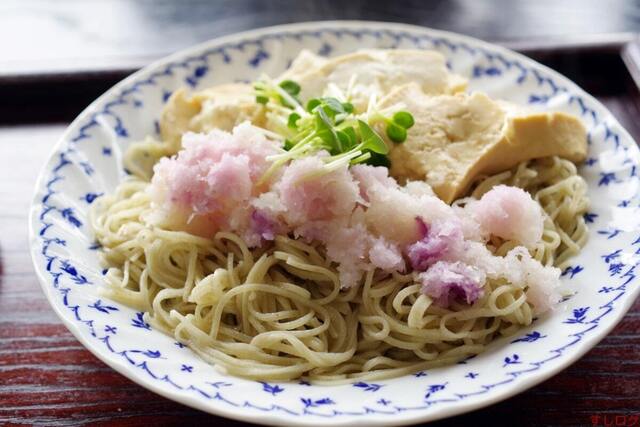
Muraya Higashi Tei
Hokota, Japan
A residential soba specialist in Hokota serving hand-milled buckwheat noodles at JPY 1,000–1,999, recognized in Tabelog's 2025 EAST Soba 100 list. Lunch-only service (11:30 AM–3:30 PM, closed Wednesdays), walk-in only, with parking and both counter and tatami seating; a straightforward choice for diners prioritizing grain-to-bowl technique over design or location.
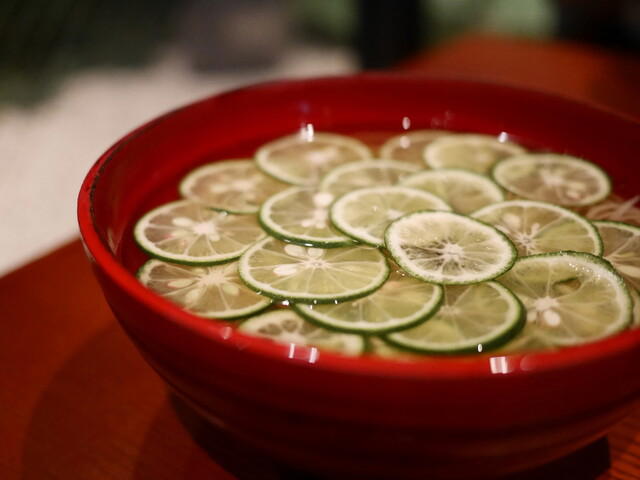
Tokyo Dosanjin
Tokyo, Japan
Tabelog 100 Soba - EAST 2025 honoree in Aobadai, eight minutes from Ikejiri-Ohashi. Three daily soba styles, izakaya menu, semi-private rooms, and BYO drinks policy. Dinner JPY 4,000–4,999, lunch JPY 1,000–1,999. Reservations for evening only; lunch walk-ins fill fast weekends.
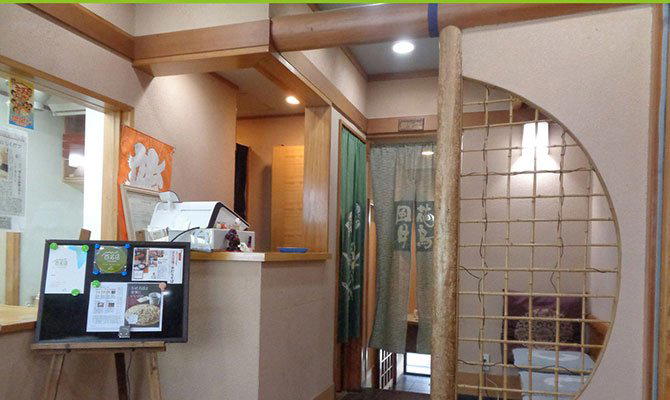
Sayama Okina
Tokorozawa, Japan
Tabelog Soba 100 regular since 2017, serving handmade buckwheat noodles at JPY 1,000–1,999 in a quiet 20-seat house restaurant. Reservations accepted but not required; expect weekend lunch waits. Cash only, family-friendly, and worth the trip from Tokyo for award-level soba at neighborhood pricing.
Maruyama
Tokyo, Japan
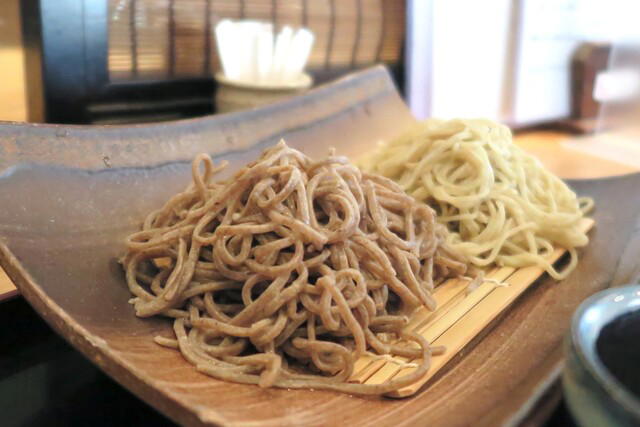
Walk-in-only soba shop in residential Suginami, recognized on Tabelog's Soba (East) 100 list five times since 2017. Hand-cut noodles at JPY 1,000–2,000 lunch, JPY 3,000–4,000 dinner; 30–40% below central Tokyo competitors. Cash only, no reservations, 20 table seats. Arrive early or risk sold-out noodles.
Ishimame
Sapporo, Japan
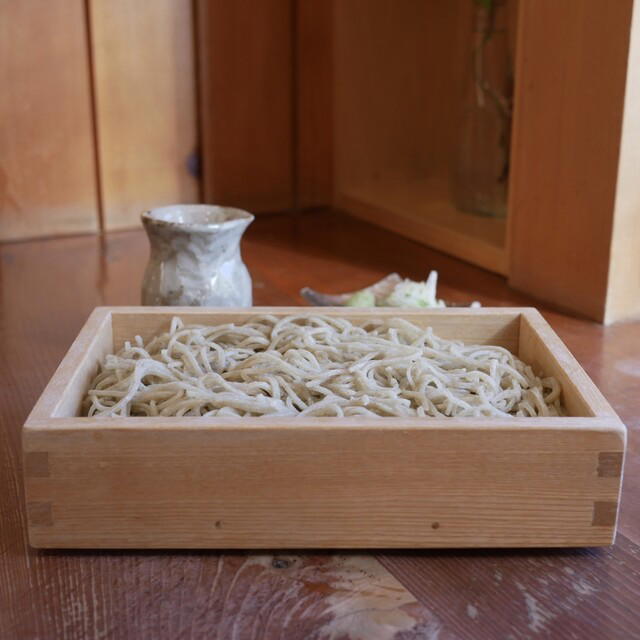
Award-listed soba counter in rural Makkari, about two hours from Sapporo, serving lunch four days a week until noodles run out. Tabelog Soba EAST 100 recognition since 2017, JPY 1,000–1,999 pricing, no reservations, and a 12-seat room make it a reliable detour for Niseko-bound travelers and buckwheat specialists willing to commit to the drive.
Soba no Mi Ikkanjin
Fujinomiya, Japan
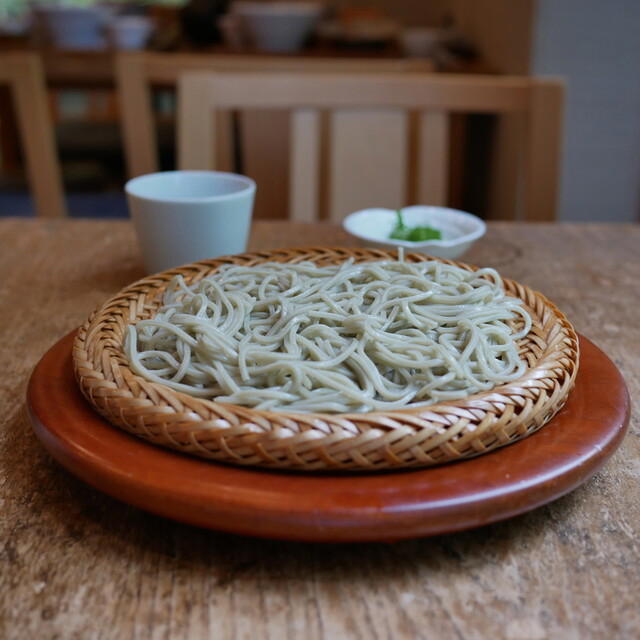
A 20-seat soba specialist in the Fujinomiya foothills, recognized on Tabelog 100 – Soba – EAST 2025 for handmade buckwheat noodles and mountain views. Lunch runs JPY 1,000 – JPY 1,999 with no reservations; dinner (JPY 4,000 – JPY 4,999, Friday–Sunday only) requires advance booking. Cash only, and the kitchen closes when the day's dough runs out.
Overview
Tabelog 100 - Soba - EAST - 2025 is a curated list of the top 100 soba restaurants in East Japan, selected annually by Tabelog, Japan’s leading restaurant review platform. It highlights establishments excelling in soba craftsmanship, flavor, and dining experience, serving as a definitive guide for enthusiasts seeking the region’s best soba.
Since its inception, Tabelog has revolutionized Japan’s dining scene by aggregating millions of reviews from local gourmets. The Tabelog 100 lists represent the pinnacle of culinary recognition in various categories, with the Soba - EAST edition spotlighting exceptional soba eateries from the Kanto region through Tohoku. This list reflects both traditional soba masters preserving time-honored techniques and innovative chefs pushing the boundaries of this revered noodle cuisine. Its influence extends internationally, attracting global travelers and food connoisseurs to discover authentic soba experiences deeply rooted in East Japan’s culinary heritage.
For discerning diners and travelers, the Tabelog 100 - Soba - EAST - 2025 is an essential compass to navigate East Japan’s sublime soba landscape. This list unites traditional artisans and contemporary innovators whose soba noodles embody regional terroir and craftsmanship. From bustling Tokyo neighborhoods to serene mountain towns, each restaurant excels in texture, broth, and presentation, promising a transcendent dining experience. Pearl is proud to bring you this authoritative guide, curated to elevate your culinary journey through Japan’s soba heartland.
Quick Facts
- Publisher
- Tabelog
- Year
- 2025
- Coverage
- East Japan (Kanto, Tohoku regions)
- Items
- 100 top soba restaurants
- Frequency
- Annual
About This Edition
The 2025 edition of Tabelog 100 - Soba - EAST reflects subtle shifts toward sustainability and regional ingredient sourcing, highlighting chefs who emphasize local buckwheat varieties and seasonal broths. Notably, new entries include several rising eateries in Sendai and Niigata, signaling a resurgence of soba culture outside Tokyo’s metropolitan core. This year also marks a growing appreciation for soba paired with innovative side dishes and sake pairings, showcasing the evolving palate of East Japan’s gourmets.
Frequently Asked Questions
What is Tabelog 100 - Soba - EAST - 2025?
How are honorees selected?
How often is this list updated?
How can I find these on Pearl?
How many of these have you visited?
Find out on Pearl and keep score across every place in Tabelog 100 - Soba - EAST - 2025.