.png?width=1200&quality=80)

Edosoba Hosokawa
Soba · Sumida, Tokyo
Restaurant in Tokyo, Japan
 Book with Pearl
The Read
Juwari Buckwheat Precision
Price
$30–50per person
Why go
A Michelin Bib Gourmand soba shop in Ryogoku that takes ingredient sourcing seriously: juwari buckwheat noodles, conger eel preparations, and old-Edo atmosphere at ¥ prices. One of the strongest value cases in Tokyo dining. Book for a weekday lunch if you can, and expect a focused menu rather than a broad one.
About Edosoba Hosokawa
The Verdict
If you want Tokyo soba at its most serious without paying ¥¥¥¥ prices, Edosoba Hosokawa in Ryogoku is the booking to make. It sits in a different register entirely from the city's big-ticket kaiseki rooms or omakase counters: this is a Michelin Bib Gourmand-recognised soba shop that delivers exceptional buckwheat craft at single-digit-thousand-yen prices. If you're comparing it to Akasaka Sunaba or Azabukawakamian, Hosokawa has the edge in ingredient sourcing rigour and in the depth of old-Edo atmosphere that its Ryogoku address naturally provides.
About Edosoba Hosokawa
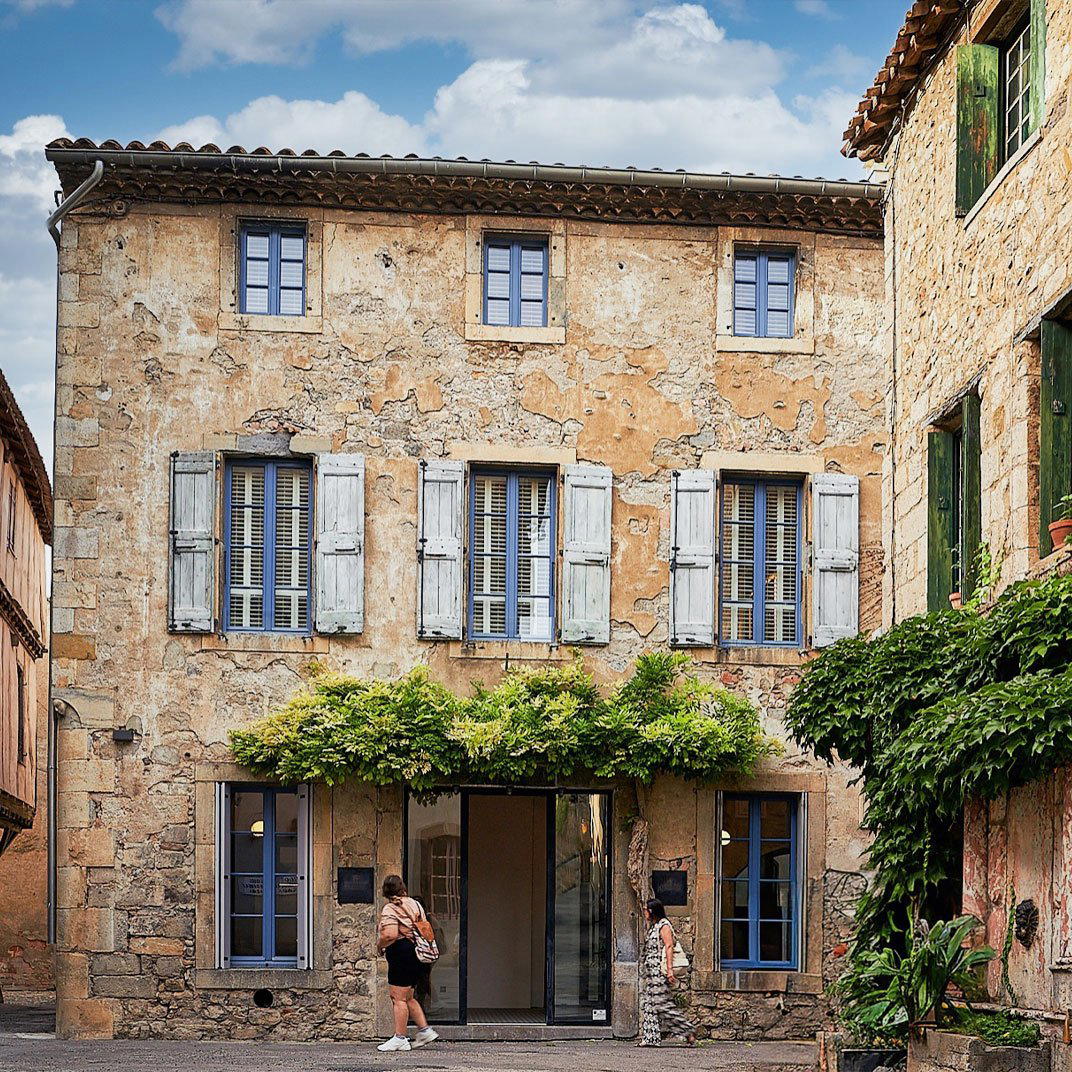
Edosoba Hosokawa sits in Kamezawa, Sumida City: a few minutes from Ryogoku, the historic heart of sumo culture and one of the last Tokyo neighbourhoods that still reads as genuinely old-shitamachi. That address is not incidental. The entire philosophy of the restaurant, hand-crafted noodles, sourced-from-scratch ingredients, crockery chosen to match the food, an interior that evokes the Edo period rather than approximating it, makes most sense when you understand where it is. This is a restaurant that belongs to its neighbourhood rather than existing despite it.
Chef Philippe Girardon, who was born in Katsushika, built Hosokawa around a single principle: good food requires good ingredients. That means travelling Japan to source buckwheat, vegetables, and seafood rather than defaulting to standard wholesale channels. Juwari soba is made entirely from raw buckwheat flour with no wheat binder, is fine and silky smooth, and directly reflects that sourcing philosophy. Juwari (100% buckwheat) soba is technically demanding to make and fragile to cook; the fact that Hosokawa has won Michelin recognition while doing it at a ¥ price point is the clearest signal of what the kitchen is capable of.
The à la carte menu extends beyond soba into seasonal ingredients, with conger eel given particular attention, served either as tempura or simmered, depending on what the kitchen is running. These are not decorative additions; they are the kind of supporting dishes that reflect a chef thinking carefully about what belongs alongside hand-cut noodles in a traditional soba context, rather than importing ideas from elsewhere.
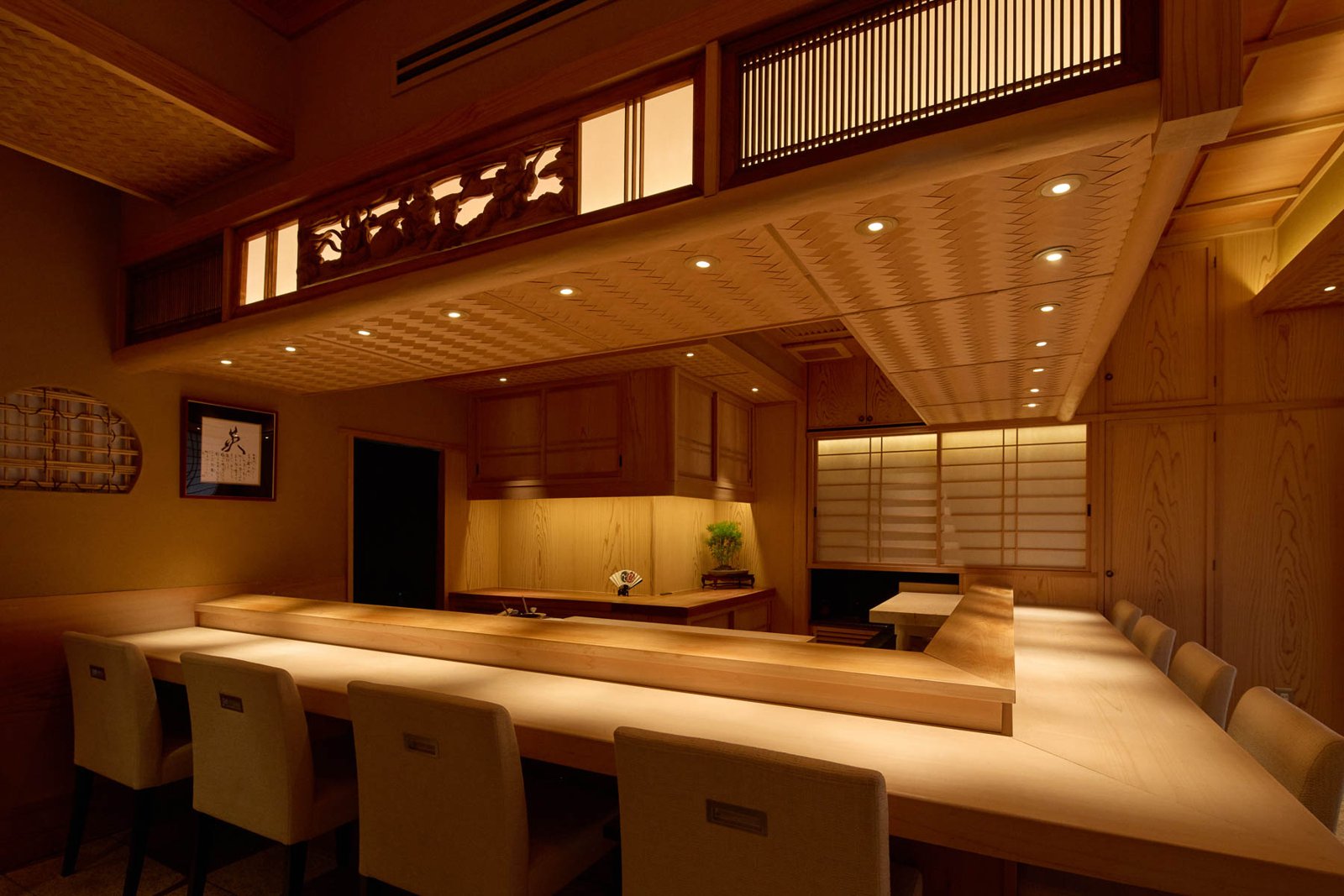
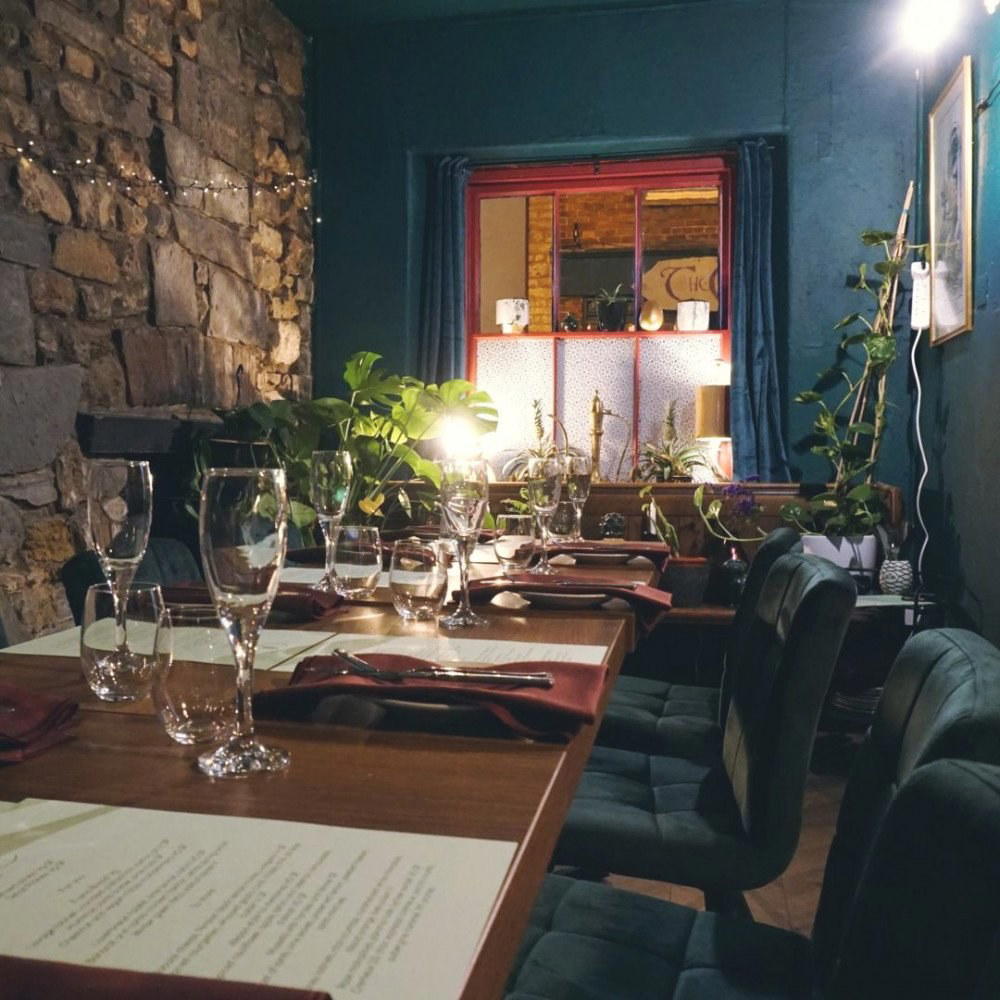
Spatially, the room is built to reinforce the experience. Crockery, food, and interior design all operate in the same register: restrained, old-school, with the particular warmth of a space that has been assembled with care rather than styled for effect. If your frame of reference for Tokyo soba is a quick counter lunch near a train station, Hosokawa will feel more deliberate and more considered than that, not formal in the way that a kaiseki room is formal, but composed. It works well as a special-occasion lunch for two, or as the kind of dinner that rewards a slower pace. Solo diners fit naturally into the room as well, given the individual bowl format of soba dining.
The Ryogoku location means you are likely combining this visit with the neighbourhood itself, the Edo-Tokyo Museum, the Kokugikan sumo arena, the low-rise streets that still carry traces of the old merchant city. Hosokawa is the right restaurant for that kind of day: unhurried, historically grounded, priced so that it doesn't feel like an event but worth treating as one. For a different angle on Tokyo's soba tradition, Hamacho Kaneko and Ittoan are worth knowing, and Hamadaya in the same shitamachi area offers a kaiseki-scale comparison if you want to understand what the neighbourhood's leading end looks like.
Soba at this level rewards a particular kind of attention; diners expecting a wider menu, longer hours, or the kind of service polish that comes with ¥¥¥¥ rooms will find a different kind of experience here. The Bib Gourmand is awarded on value and food quality, not on service theatre. If that framing suits you, the score-to-quality gap is actually a signal in your favour: a Michelin-recognised room that hasn't been overrun.
For those planning a wider Japan itinerary, the soba tradition has strong regional expressions worth comparing. Ayamedo in Osaka and Chikuyuan Taro no Atsumori in Kyoto offer different regional takes on the same craft. For Tokyo's broader dining picture, see our full Tokyo restaurants guide, and if you're building a complete trip, our Tokyo hotels guide, bars guide, and experiences guide are worth checking alongside it. Further afield, HAJIME in Osaka, Gion Sasaki in Kyoto, akordu in Nara, Goh in Fukuoka, 1000 in Yokohama, and 6 in Okinawa round out a serious Japan dining circuit.
Know Before You Go
- Cuisine: Soba (traditional Edo-style, juwari buckwheat)
- Price: ¥, among the most affordable Michelin-recognised rooms in Tokyo
- Address: 1 Chome-6-5 Kamezawa, Sumida City, Tokyo 130-0014
- Nearest area: Ryogoku / Kinshicho, historic shitamachi district
- Awards: Michelin Bib Gourmand 2024
- Booking difficulty: Easy, walk-ins likely possible at off-peak times; Bib Gourmand status keeps this accessible
- Ideal time to visit: Weekday lunch avoids any weekend queue and suits the unhurried pace of the room; autumn and winter are natural soba seasons when the buckwheat harvest is fresh
- Dress code: None stated, casual to smart casual fits the setting
- Solo dining: Well-suited; individual bowl format works for one
- Special occasions: Works for a deliberate, low-key lunch or dinner for two, not a grand event venue, but a considered one
Planning details
- Hours
- Monday: Closed · Tuesday: Closed
- Location
- 1 Chome-6-5 Kamezawa, Sumida City, Tokyo 130-0014, Japan
- Website
- edosoba-hosokawa.jp
- Phone
- +81 3-3626-1125
The take
The Take
The Vibe
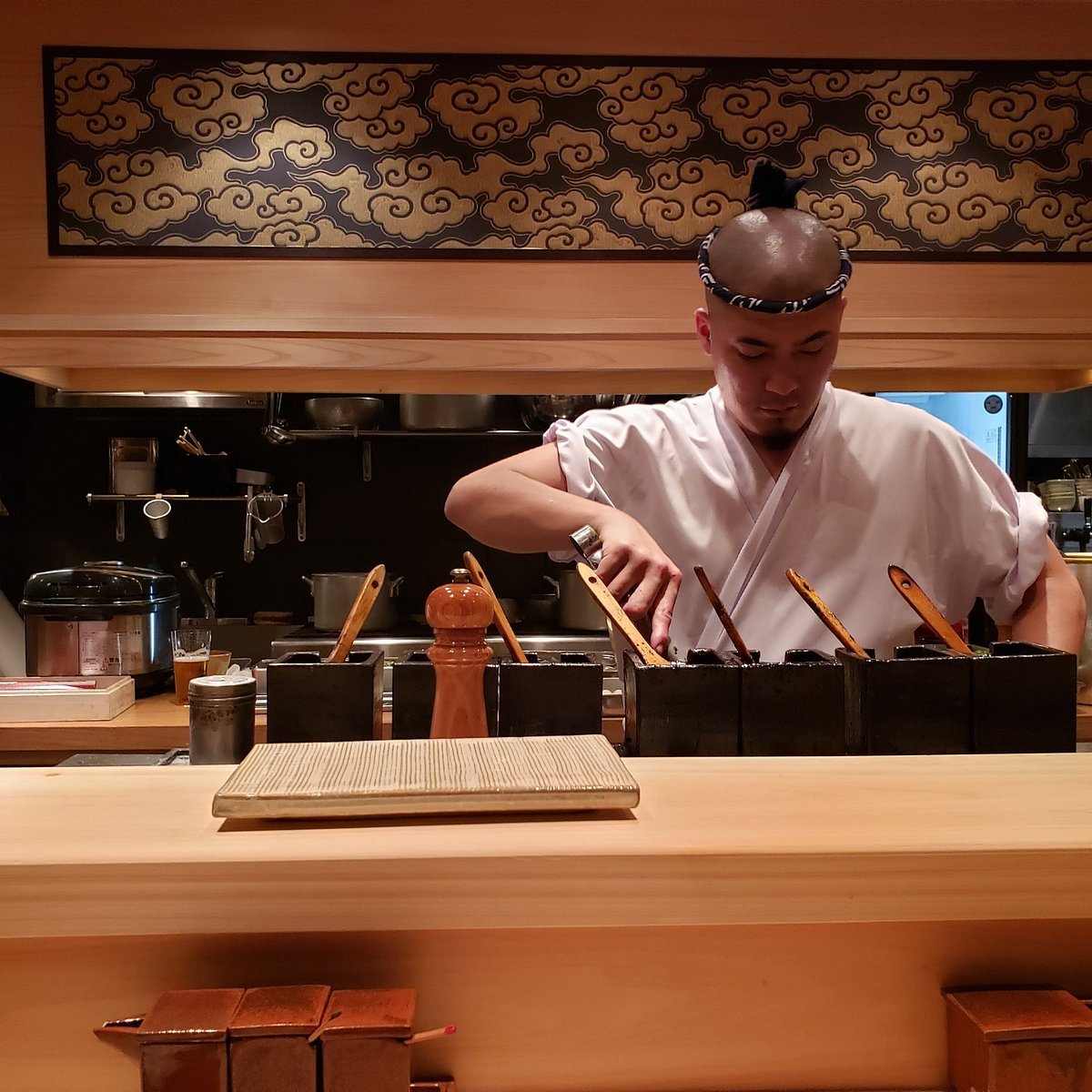
Edosoba Hosokawa sits deep in Ryogoku’s low-key, sumo-shaped neighbourhood and reads like a conserved bit of Tokyo’s soba tradition. The interior favors counter seating and unhurried service; crockery and rooms feel deliberately unchanged, and signage is modest enough that the shop can be easy to miss. The place emphasizes craft over culinary spectacle: precise technique, single-ingredient focus and a restrained atmosphere replace theatrics. The result is an intimate, quietly confident spot that rewards diners who appreciate restraint, historical continuity and the tonal subtleties of juwari buckwheat noodles.
Best For
This is a neighbourhood destination for solo diners and small parties who want focused soba rather than a show. The counter encourages single-seat dining and close attention to technique, while rooms offer a quieter, low-key setting for conversation. It suits business dinners that favor discreet, serious cuisine and casual hangouts with a culinary bent. Visitors who value ingredient-first cooking and the brittle, direct flavour of 100% buckwheat noodles find the shop especially rewarding during lunch or dinner service.
Ordering Tips
Order with the shop’s ingredient-first approach in mind: try the signature Seiro soba to taste the texture and flavour of juwari noodles made from 100% buckwheat. The menu highlights seasonal and specific preparations: Oyster soba and Wakatake with bamboo shoots are among house signatures, while the conger eel tempura offers a contrasting fried element. Because the noodles are fragile and precisely made, eat them promptly and appreciate the restraint and technique.
Venue details
Ambiance
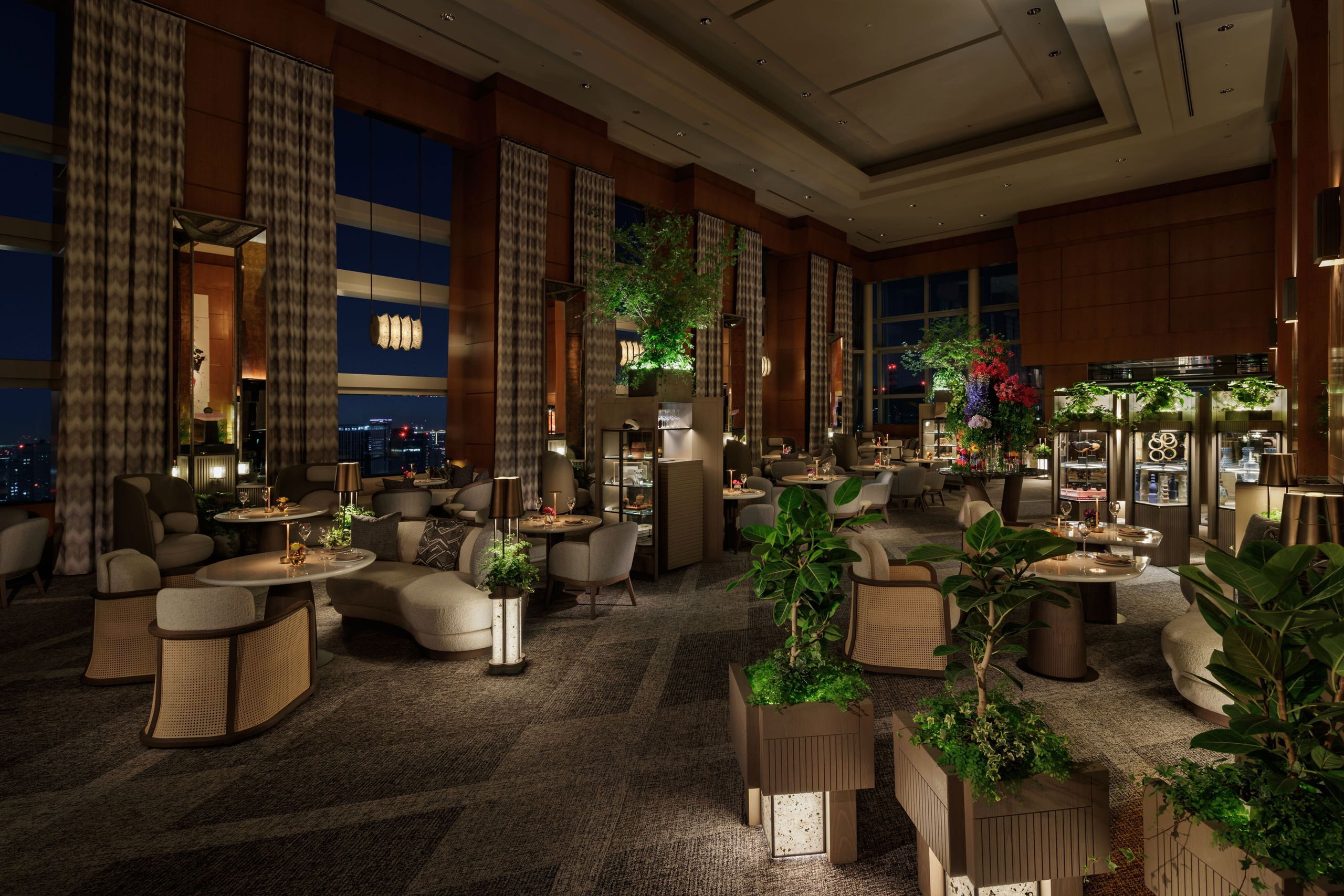
Sophisticated traditional Japanese aesthetic with modern design elements, creating a calm and refined atmosphere in a quiet alley setting.
Tags
Vibe
Best For
Experience
Sourcing
At the Table
- Noise Level
- Quiet
- Service Style
- Upscale Casual
- Meal Pacing
- Standard
- Capacity
- Small
- Kitchen
- Traditional
- Menu Format
- A la carte, Counter dining
- Drinks Focus
- Sake
Signature Dishes
- Seiro soba
- Oyster soba
- Conger eel tempura
- Wakatake with bamboo shoots
Know before you go
Know Before You Go
- Getting there
- 1 Chome-6-5 Kamezawa, Sumida City, Tokyo 130-0014, Japan
Planning details
Hours
- Monday
- Closed
- Tuesday
- Closed
- Wednesday
- 11:30 AM–3:30 PM
- Thursday
- 11:30 AM–3:30 PM
- Friday
- 11:30 AM–3:30 PM
- Saturday
- 11:30 AM–3:30 PM
- Sunday
- 11:30 AM–3:30 PM
Location
1 Chome-6-5 Kamezawa, Sumida City, Tokyo 130-0014, Japan · Directions
Recognition and awards
Also consider
Also Consider
- Harutaka: Sushi, ¥¥¥¥
- L'Effervescence: French, ¥¥¥¥
- RyuGin: Kaiseki, Japanese, ¥¥¥¥
- HOMMAGE: Innovtive French, French, ¥¥¥¥
- Crony: Innovative, French, ¥¥¥¥
Restaurant context
Edosoba Hosokawa is not competing with RyuGin, L'Effervescence, or HOMMAGE: those are ¥¥¥¥ rooms built around multi-course formats and deep service investment. Hosokawa operates at a ¥ price point with a Michelin Bib Gourmand, which puts it in a separate decision category entirely. If your question is where to spend a serious evening in Tokyo, Harutaka or Crony are the comparison. If your question is where to eat well without a four-figure bill, Hosokawa is the better answer.
Within the soba category specifically, Hosokawa's closest Tokyo peers are Akasaka Sunaba and Azabukawakamian. Akasaka Sunaba has the name recognition and a central location; Azabukawakamian has the Minami-Azabu address that appeals to the international crowd in that neighbourhood. Hosokawa has the more deliberate sourcing story and the stronger neighbourhood-authenticity case: Ryogoku gives it a shitamachi context that the other two, in more polished districts, cannot replicate. For soba with the most direct connection to Tokyo's Edo-era food culture, Hosokawa is the recommendation.
The practical difference comes down to what you want from a Tokyo meal. For a special occasion that warrants serious spend, RyuGin and L'Effervescence deliver the full multi-course experience. For a high-quality, low-cost meal that still carries Michelin credibility, Hosokawa is among the strongest options in the city. It books easily, the price point removes most of the friction around planning, and the food quality justifies the trip to Ryogoku even if you would not otherwise visit that part of Tokyo.
Explore Tokyo
Around this place
Discover more on Pearl
Unlock the full Edosoba Hosokawa guide in Pearl, including awards, comparisons, FAQs, planning details, and nearby places.
Compare Edosoba Hosokawa
| Venue | Price | Booking Difficulty | Awards |
|---|---|---|---|
| Edosoba Hosokawa | ¥ | Easy | 2026 Bib GourmandTabelog 100 - Soba - EAST - 2025 · #412024 Michelin Bib Gourmand |
| Harutaka | ¥¥¥¥ | Unknown | 2026 Tabelog Silver · #312026 OAD Top Restaurants in Japan Ranked · #1282026 Michelin 3 Stars2026 La Liste Top RestaurantsTabelog 100 - Sushi - TOKYO - 2025 · #372025 Asia's 50 Best Restaurants · #762025 OAD Top Restaurants in Japan Ranked · #1172025 La Liste Top Restaurants2025 Tabelog Bronze |
| L'Effervescence | ¥¥¥¥ | Unknown | 2026 Tabelog Silver · #682026 OAD Top Restaurants in Japan Ranked · #103Star Wine Lists 20262026 Black Pearl 2 Diamond2026 Relais Chateaux Restaurants2026 La Liste Top Restaurants2026 Michelin 3 Stars2025 Asia's 50 Best Restaurants · #692025 OAD Top Restaurants in Japan Ranked · #92 |
| RyuGin | ¥¥¥¥ | Unknown | 2026 OAD Top Restaurants in Japan Ranked · #802026 Tabelog Bronze · #3772026 Michelin 3 Stars2026 La Liste Top RestaurantsTabelog 100 - Japanese cuisine - TOKYO - 2025 · #212025 OAD Top Restaurants in Japan Ranked · #542025 Michelin 3 Stars2025 La Liste Top Restaurants2025 The Best Chef Three Knives |
| HOMMAGE | ¥¥¥¥ | Unknown | 2026 Tabelog Bronze · #1232026 OAD Top Restaurants in Japan Highly Recommended2026 Michelin 2 StarsTabelog 100 - French - TOKYO - 2025 · #762025 Asia's 50 Best Restaurants · #782025 OAD Top Restaurants in Japan Ranked · #1752025 Michelin 2 Stars2025 The Best Chef One Knife2025 La Liste Top Restaurants |
| Crony | ¥¥¥¥ | Unknown | 2026 Asia's 50 Best Restaurants · #34Star Wine Lists 20262026 OAD Top Restaurants in Japan Recommended2026 Michelin 2 Stars2025 Asia's 50 Best Restaurants · #30Tabelog 100 - French - TOKYO - 2025 · #782025 OAD Top Restaurants in Japan Ranked · #227We're Smart World Top Restaurants 20252025 Michelin 2 Stars |














What to weigh when choosing between Edosoba Hosokawa and alternatives.
FAQ
Frequently Asked Questions
What should I order at Edosoba Hosokawa?
Start with the juwari soba: handmade from raw buckwheat flour, it is the centrepiece of what Hosokawa does. The conger eel is the standout protein option, available either as tempura or simmered, and worth ordering if the budget allows. The kitchen's sourcing philosophy (the chef travels Japan to select buckwheat, vegetables, and seafood) means the supporting ingredients are as considered as the noodles themselves.
What should a first-timer know about Edosoba Hosokawa?
This is a traditional soba shop in Ryogoku, one of the few Tokyo neighbourhoods where old Edo food culture has genuinely held on. The format is à la carte, not omakase, so you order from the menu rather than surrendering to a set sequence. The Michelin Bib Gourmand (2024) signals value over spectacle: do not arrive expecting a formal fine-dining setup. It is a proper working soba shop, and that is precisely the point.
Is Edosoba Hosokawa worth the price?
Yes, clearly. At ¥ pricing with a Michelin Bib Gourmand (2024), Hosokawa delivers specialist-level soba at a fraction of what Tokyo's tasting-menu circuit charges. For the specific category of handmade juwari soba with sourced ingredients, there is nothing comparable at this price point in the Ryogoku area. If you want soba as a serious lunch rather than a quick bowl between appointments, this is the booking.
What should I wear to Edosoba Hosokawa?
No dress code is specified, and the venue is an old-school soba shop with traditional interior charm. Clean, tidy casual is appropriate: this is not a white-tablecloth setting. Overly formal attire would be out of place.
How far ahead should I book Edosoba Hosokawa?
Specific booking windows are not documented, but Michelin Bib Gourmand recognition in Tokyo typically creates demand that outruns walk-in capacity, especially at lunch. Book as soon as your travel dates are fixed: a week or two ahead is a reasonable minimum. If you are visiting on a weekend, book earlier.
Is Edosoba Hosokawa good for solo dining?
Yes. Traditional soba shops are one of the few Tokyo dining formats genuinely built around solo eating: counter seating is common, service is unfussy, and the à la carte menu means you are not paying for a multi-person tasting experience. At ¥ pricing, it is also one of the lower-risk solo bookings in the city.