
Soba Kaiseki Tsukiji Bunkajin Kaza
Chūō, Tokyo
Restaurant in Tokyo, Japan
 Book with Pearl
The Read
Price
$50–100per person
Dress
Casual
Why go
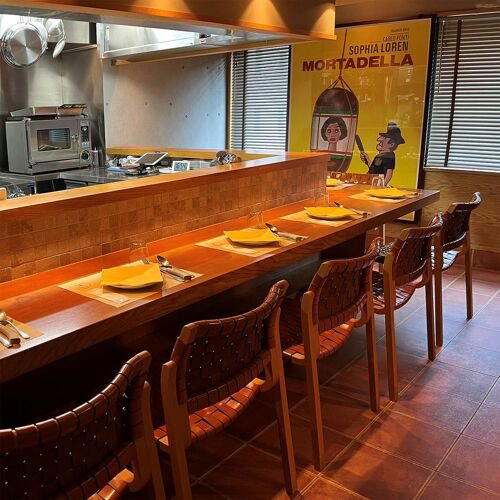
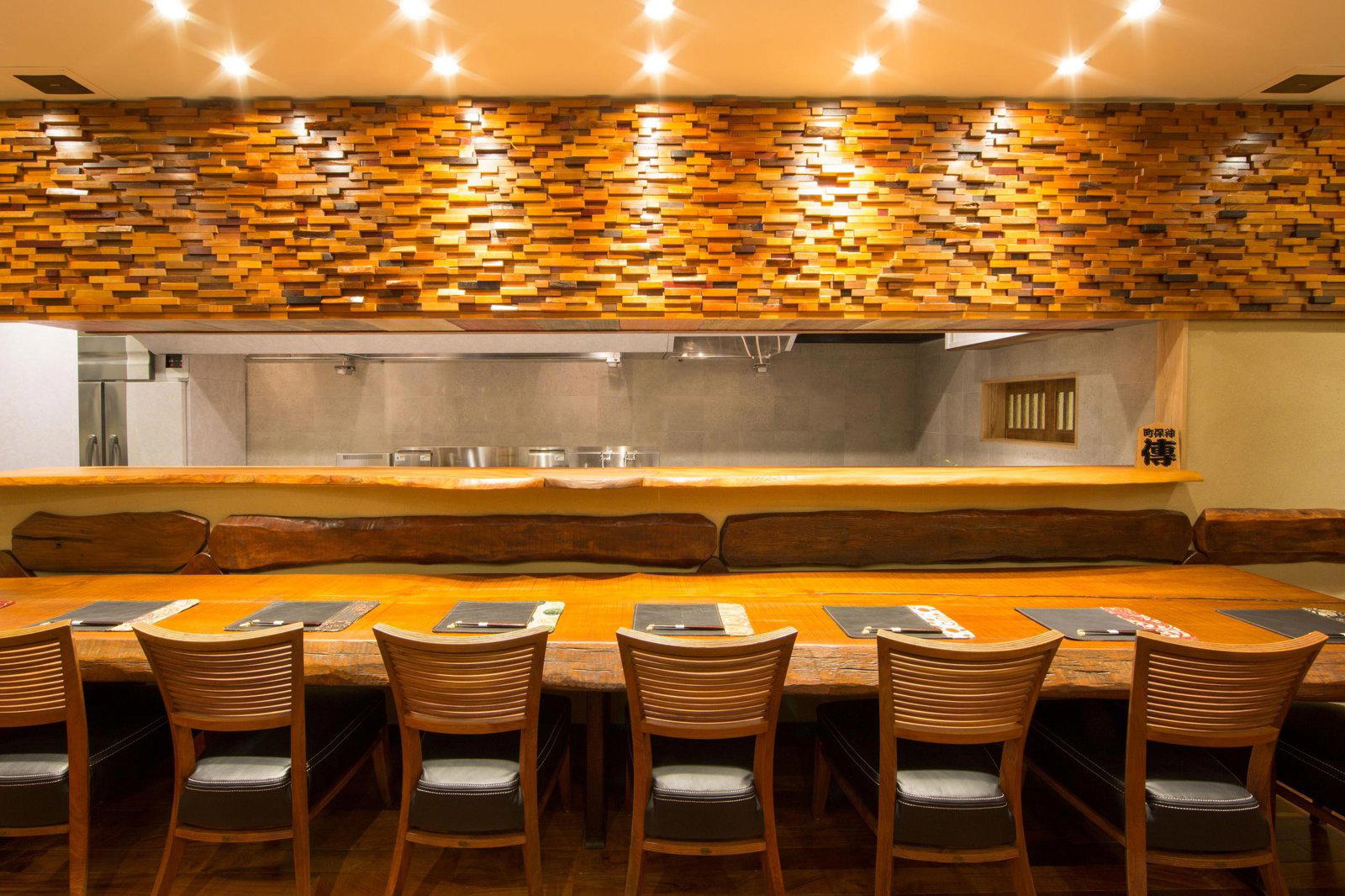
A 14-seat counter in Tsukiji where soba becomes the anchor of a full kaiseki progression, not a standalone lunch dish. Tabelog 100 recognition since 2021 confirms technical execution, but the format—no à la carte, courses only—suits diners who want structured, grain-forward meals over quick noodle stops. Dinner from JPY 9,900, lunch from JPY 2,000.
About Soba Kaiseki Tsukiji Bunkajin Kaza
Soba Kaiseki Tsukiji Bunkajin Kaza is a Tokyo venue with a casual dress code and listed price bands of JPY 10,000–14,999 and JPY 2,000–2,999. Its recognition includes Tabelog 100 - Soba - EAST - 2025, which gives diners one grounded signal of its standing.
Planning with Limited Details
The venue does not specify individual courses, dish names, lunch availability, dinner tiers, beverage pairings, or whether à la carte ordering is offered. Treat the venue as a premium soba-focused Tokyo option and confirm the current menu, meal periods, and reservation requirements directly before planning around a particular format.
The listed price bands suggest both a higher-priced meal range and a lower-priced meal range, but exact course prices or what each tier includes are not specified. If you are deciding whether to make it a centerpiece meal, use the recognition and price range as the reliable anchors, then check the venue’s current details for the day you want to visit.
Space, Seating, and Booking Logistics
Seat count, room layout, private-room availability, child policy, fragrance policy, phone booking, online booking, walk-in availability, parking, and transit information are not included. The only location detail to rely on here is Tokyo. For logistics, confirm directly with the venue rather than assuming a counter-only room, group capacity, or specific booking window.
The dress code is casual. That makes it approachable in tone, but it does not confirm the pace, formality, or structure of the meal. Diners comparing options can also browse Tokyo's broader restaurant scene for other Tokyo dining choices.
How It Positions Against Other Tokyo Options
Within Tokyo, Soba Kaiseki Tsukiji Bunkajin Kaza can be considered alongside other comparisons venues such as Tonkatsu Hasegawa Higashi ginza ten and Tempura Nakagawa, though detailed comparisons by price, course count, seating, booking ease, or menu structure are not supported here. The safest distinction is general: choose Soba Kaiseki Tsukiji Bunkajin Kaza when the appeal is a recognized soba venue in Tokyo, and compare current offerings directly before booking.
The Tabelog 100 - Soba - EAST - 2025 recognition is the main accolade. Beyond that, claims about repeated awards, exact rankings, scores, founding year, chef, drinks program, or menu restrictions are not included in the available information. For casual soba, tempura, tonkatsu, or other higher-end meals, Tokyo's restaurant directory can help you compare other options.
Planning details
- Location
- 東京都中央区築地1-12-16 プレミアム銀座イースト 1F
- Website
- bizserver1.com/bunkajin
- Phone
- +81362284293
The take
The Take
The Vibe
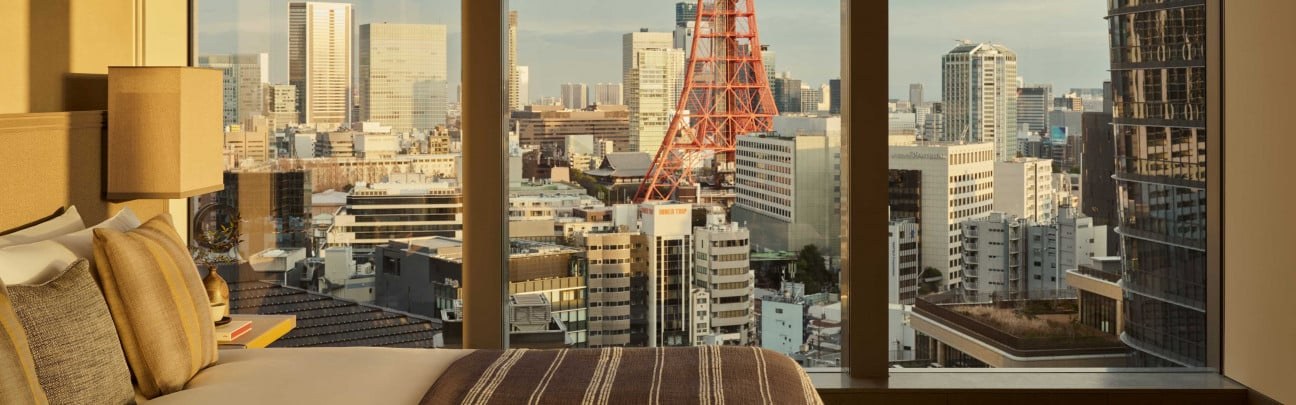
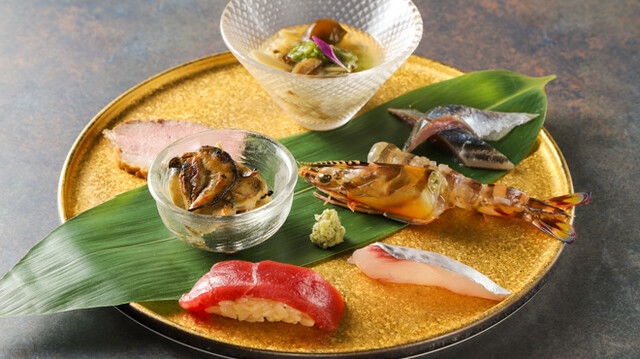
Soba Kaiseki Tsukiji Bunkajin Kaza presents a modern, relaxed take on traditional kaiseki and soba. The room is described as contemporary and easygoing, and the kitchen focuses on seasonal plates built around hand-made soba made from stone-ground flour. The emphasis on crafted technique and a course format gives the meal a measured, intentional rhythm without feeling overly formal. Practical details like a three-minute walk from Tsukiji Station and a no-smoking policy reinforce a composed, comfortable dining environment suited to diners who appreciate focused Japanese cuisine in a clean, modern setting.
Best For
This is best for diners seeking a focused kaiseki-style experience centered on high-quality soba. The menu’s course structure and seasonal approach make it a natural choice for a refined evening meal where each dish is presented as part of a sequence. It suits guests who value craftsmanship in noodle-making—specifically hand-made soba from stone-ground flour—and those who prefer a calm, modern atmosphere close to Tsukiji Station. The restaurant’s format is tailored to people looking for a deliberate, course-driven dining occasion rather than casual quick bites.
Ordering Tips
Reserve online ahead of time: the listing notes online reservations are available, and a course-format kaiseki service commonly benefits from booking in advance. Note the restaurant is no-smoking, which may appeal to groups seeking a smoke-free table. Prioritize the hand-made soba and seasonal dishes—both are called out in the description—since the restaurant highlights stone-ground flour and a course menu. Use Tabelog’s menus, maps, photos, and user reviews to confirm specifics such as timing, pricing, and dietary accommodations before you go, and plan for a short three-minute walk from Tsukiji Station.
Venue details
Ambiance
Modern and relaxed kaiseki setting with a calm, intimate atmosphere designed for guests to focus on seasonal courses and soba rather than casual noodle dining.
Tags
Vibe
Best For
Experience
Sourcing
At the Table
- Dress Code
- Casual
- Noise Level
- Quiet
- Service Style
- Upscale Casual
- Meal Pacing
- Leisurely
- Capacity
- Small
- Kitchen
- Seasonal
- Menu Format
- Tasting menu, Set menu
- Wine Program
- Standard
- Drinks Focus
- Sake, Beer, Wine
- Opened
- 2013
Signature Dishes
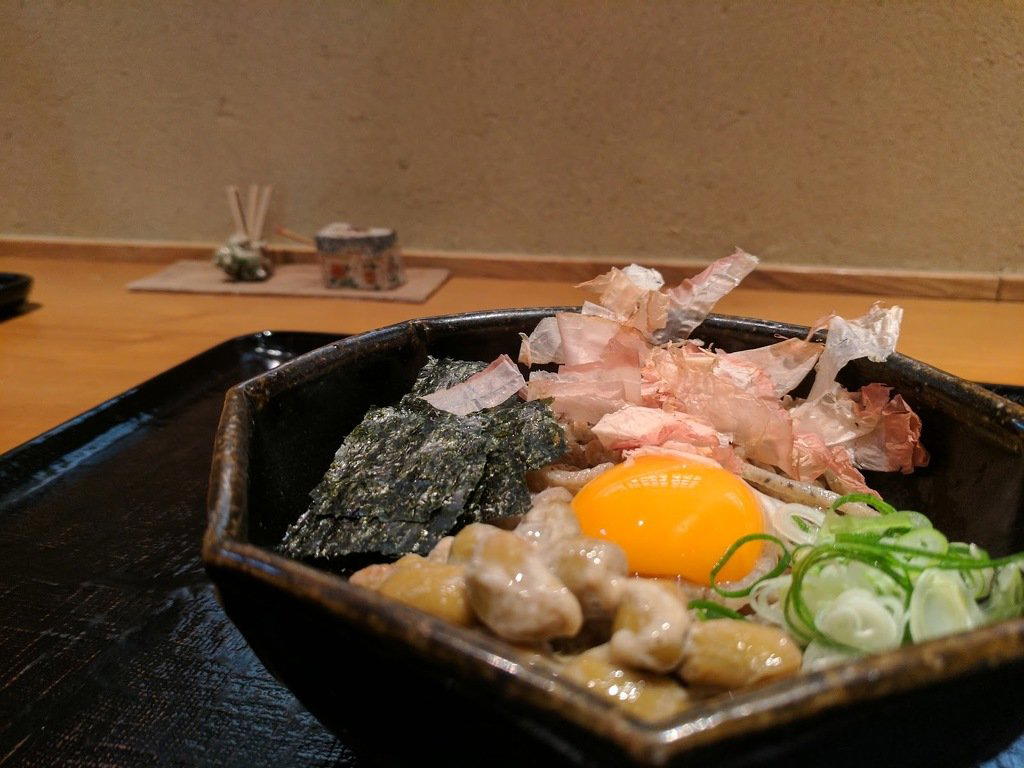
- Hand-made stone-ground soba course
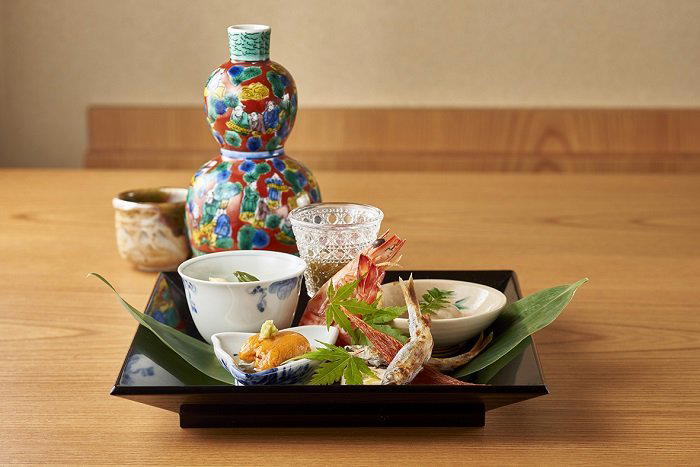
- Seasonal kaiseki course menus
Know before you go
Know Before You Go
- Getting there
- 東京都中央区築地1-12-16 プレミアム銀座イースト 1F
Planning details
Location
Recognition and awards
Also consider
Also Consider
- Tonkatsu Hasegawa Higashi ginza ten, JPY 3,000 - JPY 3,999 JPY 2,000 - JPY 2,999, JPY 3,000 - JPY 3,999 JPY 2,000 - JPY 2,999
- Tempura Nakagawa, Tempura, ¥¥¥
- 清壽, Notable alternative
- 日本料理 つきぢ田村, Notable alternative
- YOU, JPY 1,000 - JPY 1,999 JPY 1,000 - JPY 1,999, JPY 1,000 - JPY 1,999 JPY 1,000 - JPY 1,999
Restaurant context
At JPY 9,900 to JPY 12,000 for dinner, Soba Kaiseki Tsukiji Bunkajin Kaza asks more than most soba-focused venues but delivers a full kaiseki structure. Tonkatsu Hasegawa Higashi ginza ten, three minutes away, charges JPY 3,000 to JPY 3,999 for dinner and JPY 2,000 to JPY 2,999 for lunch, substantially less, with faster service and easier walk-in access, but the meal centers on fried pork cutlets rather than multi-course progression. If your goal is a structured, seasonal meal with tableside noodle finishing, the kaiseki format here justifies the premium. If you want a satisfying, protein-forward dinner without advance booking or the expectation of a two-hour meal, Hasegawa offers better value.
Tempura Nakagawa (¥¥¥) operates in a similar price tier and format, seasonal, multi-course, counter-focused, but substitutes tempura for soba as the technical centerpiece. Both require reservations, both emphasize ingredient seasonality, and both close out with rice or noodles. Nakagawa tends to feel more celebratory because tempura's crispness and variety of proteins create more dramatic contrasts than soba's subtler grain flavors. If you are planning one kaiseki-style meal in Tsukiji and prefer bolder textures, Nakagawa edges ahead. If you want something lighter, less fried, and more grain-forward, the soba kaiseki format here delivers a quieter, more contemplative meal.
For diners who want the Tabelog 100 credential but prefer traditional kaiseki without the soba focus, venues like 清壽 and 日本料理 つきぢ田村 (both nearby, pricing unlisted) offer broader ingredient palettes and more flexible courses. Neither limits the menu to buckwheat-centric progressions, making them better choices if you want the full kaiseki experience without the niche format. If you are visiting Tokyo specifically to explore soba and want the most elevated version available without Michelin pricing, book here. If soba is incidental to your trip, the format's rigidity (no standalone noodle orders, no à la carte) makes more versatile kaiseki or tempura options a safer bet.
Explore Tokyo
Around this place
Discover more on Pearl
Unlock the full Soba Kaiseki Tsukiji Bunkajin Kaza guide in Pearl, including awards, comparisons, FAQs, planning details, and nearby places.
FAQ
Frequently Asked Questions
Is Soba Kaiseki Tsukiji Bunkajin Kaza worth it?
The key points are its Tokyo location, casual dress code, listed price bands of JPY 10,000–14,999 and JPY 2,000–2,999, and Tabelog 100 - Soba - EAST - 2025 recognition. Those points support considering it if you want a recognized soba venue, but exact menus and meal formats should be confirmed directly.
Can I eat at the bar at Soba Kaiseki Tsukiji Bunkajin Kaza?
Bar or counter seating is not included in the available information. Confirm the current seating arrangement with the venue before booking.
Is Soba Kaiseki Tsukiji Bunkajin Kaza good for a special occasion?
It may suit diners looking for a recognized Tokyo soba venue in the listed JPY 10,000–14,999 and JPY 2,000–2,999 price bands. The dress code is casual, but details such as room style, service pace, and specific occasion amenities are not confirmed.