.png?width=1200&quality=80)

Tempura Nakagawa
Tempura · Chūō, Tokyo
Restaurant in Tokyo, Japan
 Book with Pearl
The Read
Moisture-Extraction Tempura
Price
¥¥¥
Dress
Smart Casual
Why go
Tempura Nakagawa earns its Michelin Plate recognition (2024 and 2025) through a technique-first approach built around a single idea: tempura as a drying process that concentrates ingredient flavour. Sourced produce from the Tsukiji area, precise heat calibration across courses, and a ¥¥¥ price point that sits below Tokyo's most expensive counters make this a strong choice for diners who want to understand the craft, not just experience it.
About Tempura Nakagawa
Worth Returning For: Tempura Nakagawa in Tokyo
If you have been to Tempura Nakagawa once, the question on a second visit is not whether the quality holds — it does, consistently enough to earn the Michelin Plate in both 2024 and 2025 — but whether you understand the philosophy well enough to appreciate what is on the plate. This is a counter where the sourcing and technique are inseparable, and that connection rewards attention. Come back knowing what to watch for and the experience reads differently.
The Venue Portrait
Tempura Nakagawa sits in Tsukiji, Chuo City, which is not incidental. The neighbourhood's identity as Tokyo's former wholesale fish and produce district means proximity to the kind of ingredient relationships that define what appears on the counter. At a ¥¥¥ price point, mid-tier for serious tempura in Tokyo, Nakagawa positions itself as a disciplined, technique-first room rather than a theatrical luxury experience. What you see arriving from the kitchen is unadorned: each piece comes precisely fried, with a batter that reads as a working tool rather than a garnish.
The sourcing logic here is the menu. Tiger prawn, conger eel, and seasonal produce are not simply listed ingredients, they are the argument the kitchen is making. The first tiger prawn is fried at a heat calibrated to develop aroma; the second is served rare to draw out sweetness. This is not showmanship. It is a deliberate claim that the same ingredient, treated differently, is two different conversations. For a return visitor, this is the moment worth focusing on: not what you are eating, but why the kitchen made that choice at that temperature with that piece.
Conger eel, a demanding subject even for experienced tempura chefs, is fried with minimum sesame oil, a choice that keeps the fish's own fragrance forward rather than letting the oil dominate. This restraint in fat use is a consistent signal of Nakagawa's approach. The kitchen's declared theory is that tempura is a process of drying out: ingredients are effectively steamed and grilled within their batter to remove moisture and concentrate flavour. That framing makes the Tsukiji location more legible. You are not paying for theatre or a glamorous room. You are paying for access to sourced-to-order produce and a technique precise enough to make that sourcing visible on the palate.
For anyone who has visited once and found the experience slightly opaque, good, clearly skilled, but hard to articulate, a second visit with this framework changes the texture of the meal. Watch the oil temperature shift between courses. Notice what the batter is doing to each ingredient differently. The kitchen is communicating something specific, and once you are reading the same language, the ¥¥¥ price becomes considerably easier to justify.
For a room built around technical precision rather than spectacle, that consistency is the point.
Practical Details
Reservations: Booking difficulty is rated easy, which is notable for a Michelin-recognised tempura counter in Tokyo, plan ahead regardless, as specialist counters at this level can tighten quickly around seasonal peaks. Budget: ¥¥¥ price range, positioning this as a serious mid-tier spend rather than an all-in splurge. Location: Tsukiji, Chuo City, well connected by public transit and a natural stop if you are spending time in the eastern part of central Tokyo. Dress: No dress code is specified in available data; smart casual is the safe read for a counter at this level. Hours: Hours are not confirmed in current data, contact the venue directly before visiting.
How It Compares
See the comparison section below for how Tempura Nakagawa sits against other Tokyo dining options across cuisine types and price tiers.
Also Worth Considering in Tokyo
If you are building a broader Tokyo itinerary around serious Japanese cooking, the tempura category has several strong alternatives worth comparing directly. Tempura Kondo and Tempura Motoyoshi both operate at the higher end of the category and are worth considering if you want to see how Nakagawa's philosophy compares to different schools of technique. Tempura Ginya offers another reference point in the same city. For a broader Edomae-style read on Tokyo's traditional cooking, Edomae Shinsaku and Fukamachi are both worth looking at alongside this booking.
If you are travelling beyond Tokyo on the same trip, the tempura tradition extends to other cities. Numata and Shunsaiten Tsuchiya in Osaka offer useful comparisons for how the same cuisine reads in a different culinary culture. For other categories of serious Japanese cooking outside Tokyo, Gion Sasaki in Kyoto, HAJIME in Osaka, akordu in Nara, Goh in Fukuoka, 1000 in Yokohama, and 6 in Okinawa each represent their cities' strongest options in their respective categories.
For a fuller picture of what Tokyo offers across all dining, drinking, and hospitality categories, see our full Tokyo restaurants guide, our full Tokyo hotels guide, our full Tokyo bars guide, our full Tokyo wineries guide, and our full Tokyo experiences guide.
Planning details
- Location
- 2 Chome-14-2 Tsukiji, Chuo City, Tokyo 104-0045, Japan
- Website
- tabelog.com/en/tokyo/A1313/A131301/13002379
- Phone
- +81 3-3546-7335
The take
The Take
The Vibe
Tempura Nakagawa sits firmly in Tsukiji’s tradition-focused strand of Tokyo dining, where technique and restraint matter more than trend. The writing emphasizes a neighbourhood that predates Instagram-era presentation and preserves decades-old technical approaches, which gives the counter a quietly authoritative, classic feel. Dining here is about the craft of tempura—serious, practiced, and unshowy—rather than theatrical reinvention. The Michelin Plate nods underline a professional rigor: this is a place where steady standards and precise execution shape the atmosphere, appealing to diners who prize culinary history and technical confidence over novelty.
Best For
This counter is best for diners seeking a focused, technically driven tempura experience in a traditional Tokyo setting. Positioned between neighbourhood counters and the city’s highest-priced tempura houses, Nakagawa suits people who value considered sourcing and precise frying more than spectacle. The ¥¥¥ price point and Michelin Plate recognition make it appealing for those marking a meaningful meal—whether a deliberate local discovery or a refined night out—where the quality of seafood and mastery at the bench are the principal attractions.
Ordering Tips
Expect a counter-centered meal that foregrounds technique and seafood quality; signature items called out in the description—tiger prawn tempura, kakiage, and anago tempura—are reliable indicators of the kitchen’s focus. The restaurant is described within Tokyo’s specialist tempura circuit, so lean into the chef-driven rhythm of the counter and sample the highlighted preparations. Given the venue’s placement in a long-standing neighbourhood tradition and its Michelin Plate recognition, come ready to appreciate disciplined execution and ingredient-focused cooking rather than theatrical plating or fusion twists.
Venue details
Ambiance
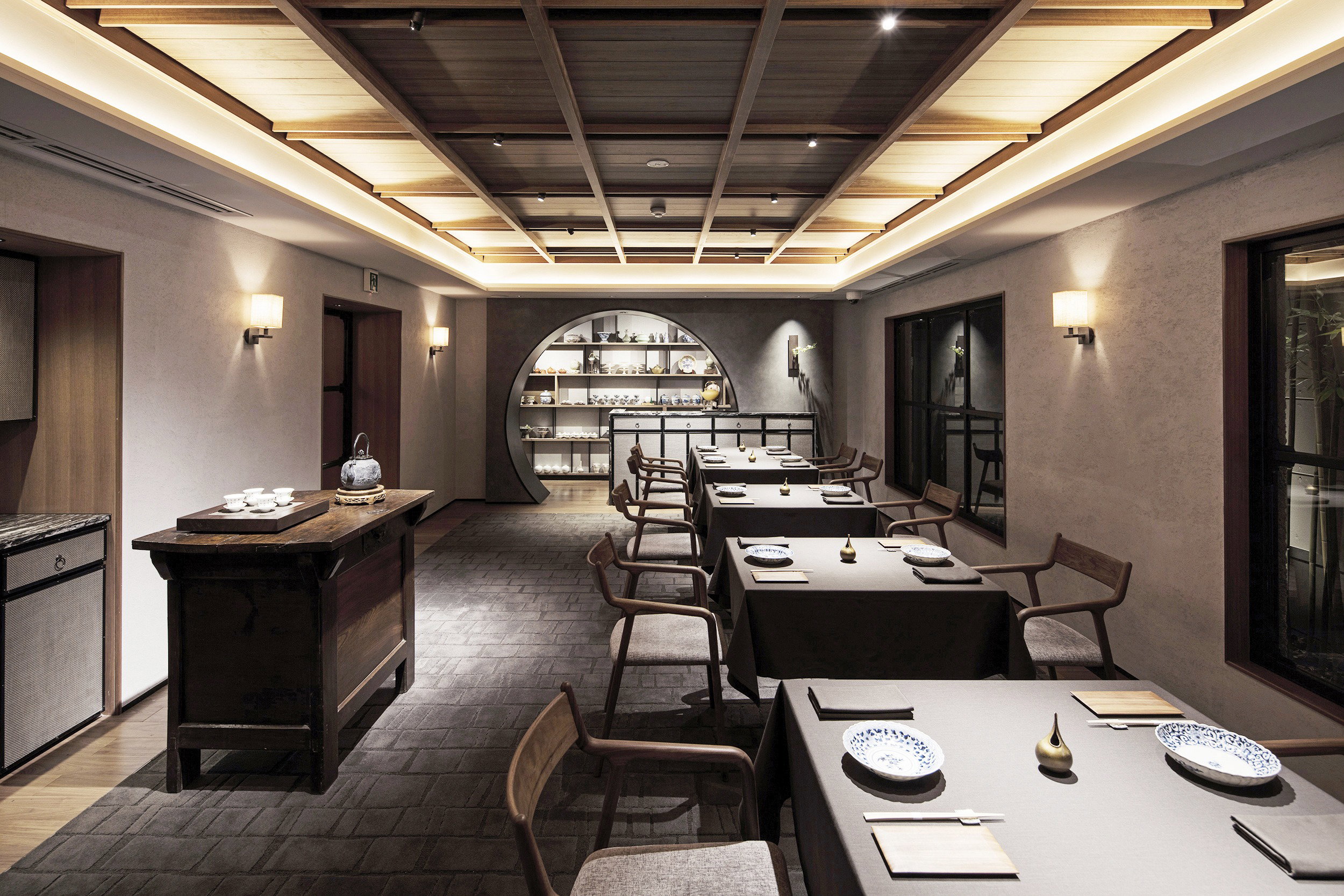
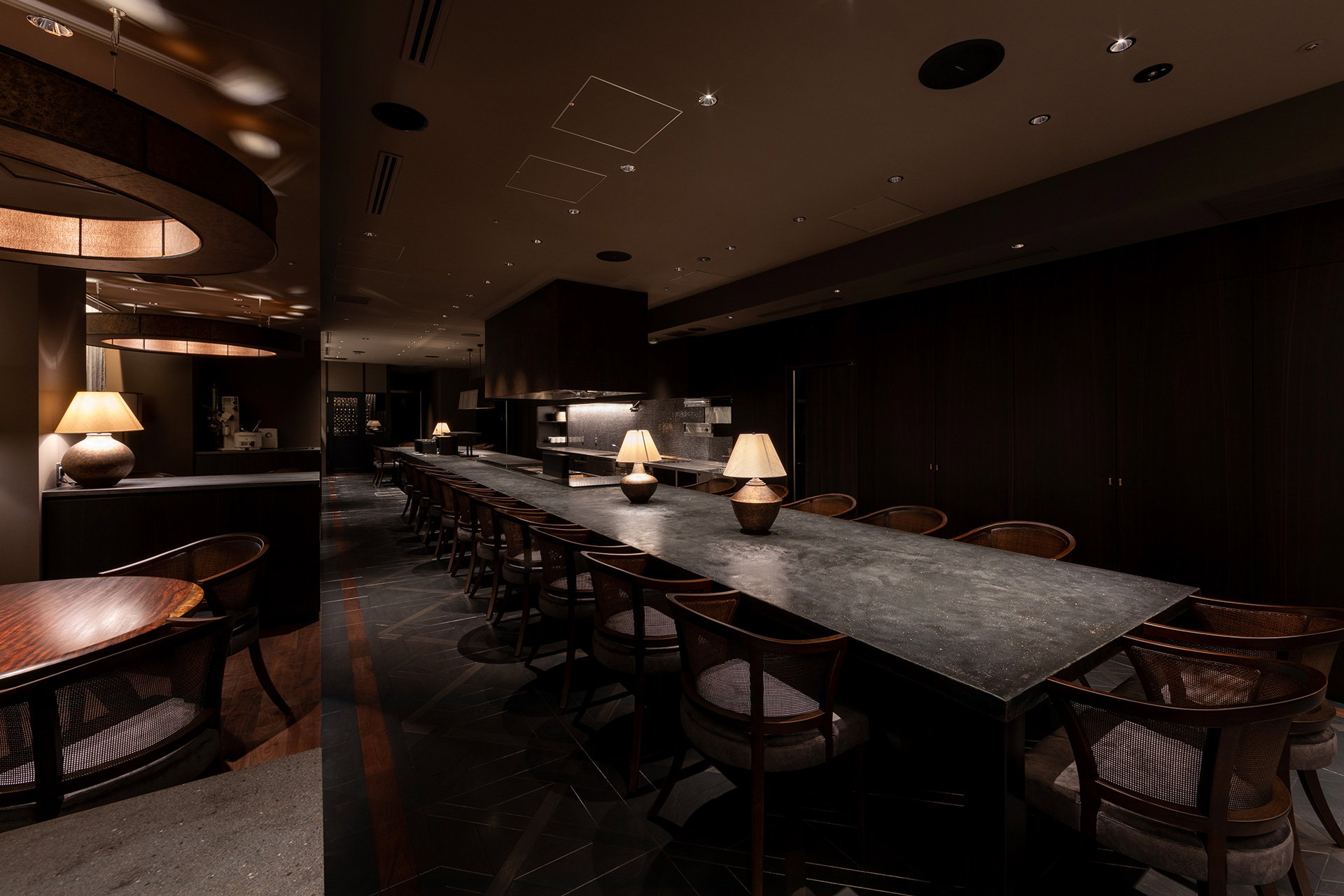
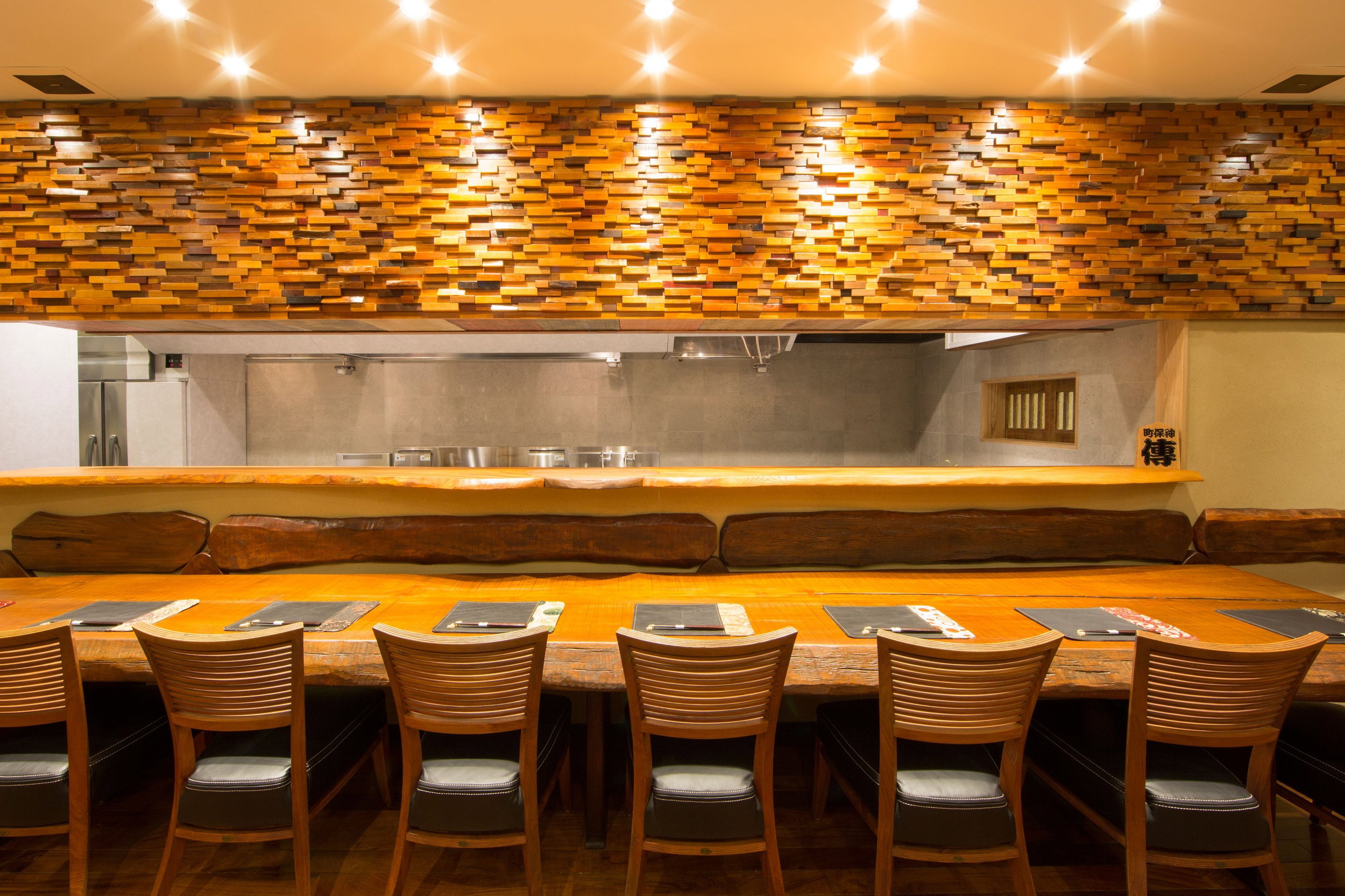
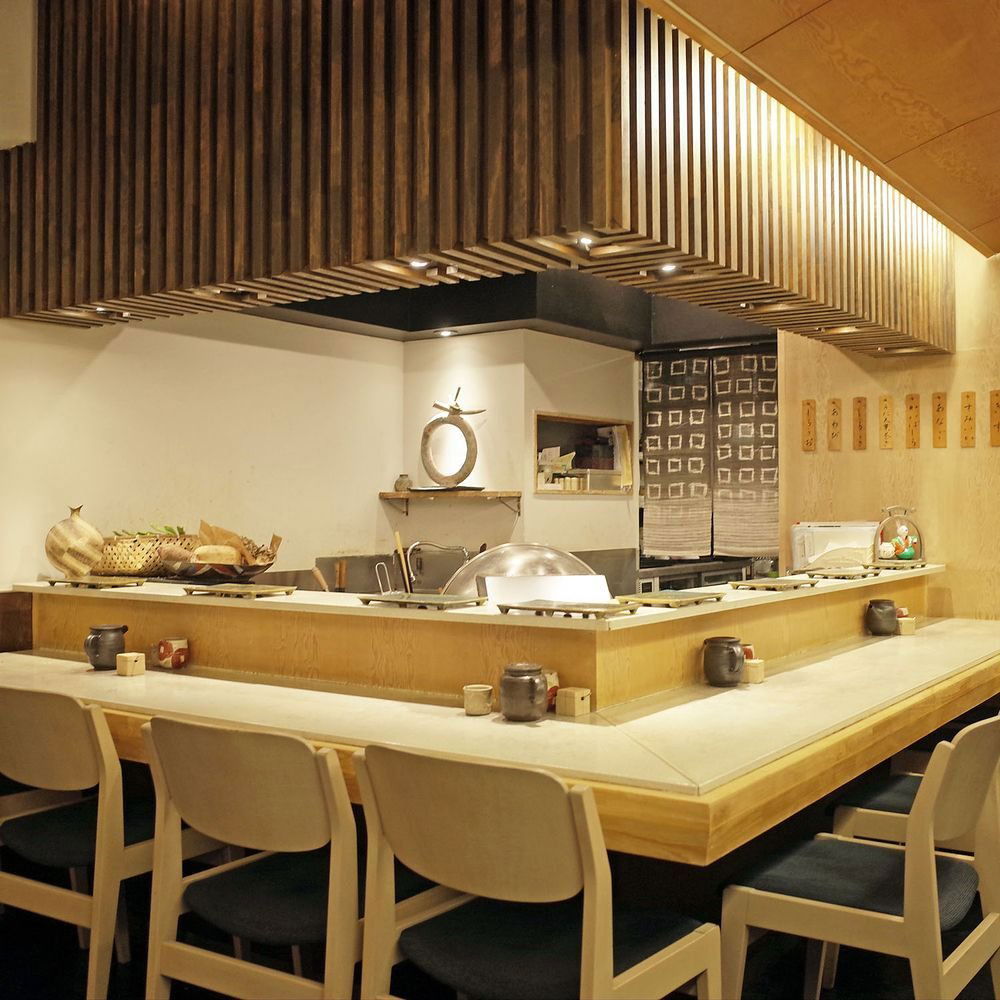
Cozy and relaxing counter seating atmosphere focused on watching the chef's skilled frying process.
Tags
Vibe
Best For
Experience
At the Table
- Dress Code
- Smart Casual
- Noise Level
- Quiet
- Service Style
- Upscale Casual
- Meal Pacing
- Leisurely
- Capacity
- Intimate
Signature Dishes
- tiger prawn tempura
- kakiage
- anago tempura
Know before you go
Know Before You Go
- Getting there
- 2 Chome-14-2 Tsukiji, Chuo City, Tokyo 104-0045, Japan
Planning details
Location
2 Chome-14-2 Tsukiji, Chuo City, Tokyo 104-0045, Japan · Directions
Recognition and awards
Also consider
Also Consider
- Harutaka, Sushi, ¥¥¥¥
- RyuGin, Kaiseki, Japanese, ¥¥¥¥
- L'Effervescence, French, ¥¥¥¥
- HOMMAGE, Innovtive French, French, ¥¥¥¥
- Florilège, French, ¥¥¥
Restaurant context
How It Compares
Tempura Nakagawa at ¥¥¥ occupies a different tier from most of its comparison set. Harutaka and RyuGin both operate at ¥¥¥¥, and the step up in price at each delivers a wider scope: Harutaka extends the counter format into the sushi category with comparable precision, while RyuGin offers kaiseki's multi-element structure and a more theatrical dining environment. If your priority is craft depth within a single technique, Nakagawa at ¥¥¥ is the sharper, more focused spend. If you want the full-range Tokyo fine dining experience, wine programme, room design, service choreography, budget for the ¥¥¥¥ tier.
L'Effervescence and HOMMAGE are both ¥¥¥¥ French restaurants in Tokyo and represent a different decision entirely: you are choosing between Japanese craft cuisine and European technique on Japanese produce. Both offer a more elaborate service experience than Nakagawa. Florilège at ¥¥¥ is the closest price-tier match among the comparison set and offers a contemporary French format, a genuinely different experience, but relevant if you are choosing between Nakagawa and a French counter for the same evening. For diners committed to Japanese cuisine, Nakagawa is the clearer call at this price. For diners less fixed on cuisine type, Florilège's format may suit a more flexible brief.
On booking difficulty, Nakagawa is rated easy, which is a practical advantage in Tokyo where the most decorated counters can require weeks of lead time. If you are planning a trip with limited flexibility, Nakagawa's accessibility is a real factor, it is possible to secure a seat here where other rooms at comparable or lower quality may already be full. That said, do not treat easy availability as a reason to leave booking late. Contact the venue early, confirm hours directly, and treat the accessible booking as an opportunity rather than a signal of lower demand.
Explore Tokyo
Around this place
Discover more on Pearl
Unlock the full Tempura Nakagawa guide in Pearl, including awards, comparisons, FAQs, planning details, and nearby places.
Compare Tempura Nakagawa
| Venue | Cuisine | Awards | Booking Difficulty |
|---|---|---|---|
| Tempura Nakagawa | Tempura | 2026 Michelin PlateTabelog 100 - Tempura - 2025 · #172025 Michelin Plate2024 Michelin Plate | Easy |
| Harutaka | Sushi | 2026 Tabelog Silver · #312026 OAD Top Restaurants in Japan Ranked · #1282026 Michelin 3 Stars2026 La Liste Top RestaurantsTabelog 100 - Sushi - TOKYO - 2025 · #372025 Asia's 50 Best Restaurants · #762025 OAD Top Restaurants in Japan Ranked · #1172025 La Liste Top Restaurants2025 Tabelog Bronze | Unknown |
| RyuGin | Kaiseki, Japanese | 2026 OAD Top Restaurants in Japan Ranked · #802026 Tabelog Bronze · #3772026 Michelin 3 Stars2026 La Liste Top RestaurantsTabelog 100 - Japanese cuisine - TOKYO - 2025 · #212025 OAD Top Restaurants in Japan Ranked · #542025 Michelin 3 Stars2025 La Liste Top Restaurants2025 The Best Chef Three Knives | Unknown |
| L'Effervescence | French | 2026 Tabelog Silver · #682026 OAD Top Restaurants in Japan Ranked · #103Star Wine Lists 20262026 Black Pearl 2 Diamond2026 Relais Chateaux Restaurants2026 La Liste Top Restaurants2026 Michelin 3 Stars2025 Asia's 50 Best Restaurants · #692025 OAD Top Restaurants in Japan Ranked · #92 | Unknown |
| HOMMAGE | Innovtive French, French | 2026 Tabelog Bronze · #1232026 OAD Top Restaurants in Japan Highly Recommended2026 Michelin 2 StarsTabelog 100 - French - TOKYO - 2025 · #762025 Asia's 50 Best Restaurants · #782025 OAD Top Restaurants in Japan Ranked · #1752025 Michelin 2 Stars2025 The Best Chef One Knife2025 La Liste Top Restaurants | Unknown |
| Florilège | French | 2026 Asia's 50 Best Restaurants · #312026 Tabelog Bronze · #712026 OAD Top Restaurants in Japan Ranked · #1242026 Black Pearl 1 Diamond2026 Michelin 2 Stars2026 La Liste Top Restaurants2025 Asia's 50 Best Restaurants · #172025 World's 50 Best Restaurants · #36Tabelog 100 - French - TOKYO - 2025 · #68 | Unknown |












A quick look at how Tempura Nakagawa measures up.
FAQ
Frequently Asked Questions
Is the tasting menu worth it at Tempura Nakagawa?
At the ¥¥¥ price tier, Nakagawa's counter format delivers a structured progression that justifies the spend if you want to understand what skilled tempura can do. The chef's documented approach — treating tempura as a drying process to concentrate flavour rather than simply fry — gives the meal a conceptual throughline that distinguishes it from most tempura counters at the same price. If you want a more casual, less technique-focused meal, you can eat tempura for considerably less in Tokyo and not feel the gap.
Is Tempura Nakagawa worth the price?
Yes, for the right diner. Two consecutive Michelin Plates (2024, 2025) at a ¥¥¥ price point puts Nakagawa in a credible mid-to-upper tier where the technique is verifiably recognised. The documented differentiation — varying cooking states for the same ingredient across a meal, minimum sesame oil on the eel, precise heat calibration for tiger prawn — signals cooking that goes beyond standard tempura output. If you are comparing purely on price-per-bite, there are cheaper tempura options in Tokyo; if you are comparing on deliberate craft, Nakagawa holds its price.
What should a first-timer know about Tempura Nakagawa?
The counter format means you are watching the chef work and eating at the chef's pace — this is not a venue where you linger over wine between courses. Nakagawa's core philosophy, documented as treating tempura as a 'drying-out' process, means some preparations will be more restrained than the crisp, heavy-battered style many visitors expect. First-timers comfortable with omakase pacing in a focused environment will get the most from the experience; those who prefer to order freely should look elsewhere in Tokyo.
What are alternatives to Tempura Nakagawa in Tokyo?
Within the tempura category, Tempura Kondo and Mikawa Zezankyo are the benchmark comparisons at higher price tiers; both carry stronger awards profiles. At a similar ¥¥¥ tier, there are multiple Michelin-recognised tempura counters across Ginza and Asakusa. If you are open to other Japanese formats, RyuGin (kaiseki) and Harutaka (sushi) operate in Tokyo at comparable or higher price points with stronger awards recognition — see the comparison section for how Nakagawa sits against them directly.
Is Tempura Nakagawa good for a special occasion?
It works for a special occasion if the person you are booking for appreciates technique-driven Japanese cooking in a focused counter setting. The Michelin Plate recognition gives it credibility as a deliberate choice rather than a safe fallback. It is a quieter, more contemplative occasion than a large tasting-menu restaurant — two people who want to pay attention to the food will get more from it than a group looking for a celebratory atmosphere.