.png?width=1200&quality=80)

Ittoan
Soba · Kita, Tokyo
Restaurant in Tokyo, Japan
 Book with Pearl
The Read
Regional Buckwheat Precision
Price
$20–30per person
Chef
Kunio Yoshikawa
Dress
Smart Casual
Why go
Ittoan is a Michelin Bib Gourmand soba specialist in Kita City, run by chef Kunio Yoshikawa, whose direct relationships with buckwheat farmers produce soba that genuinely shifts between visits. At a ¥ price point, it is one of Tokyo's clearest value propositions in serious Japanese cooking. If you are willing to travel beyond the tourist centre, book it for craft-driven soba.
About Ittoan
The Verdict
If you're comparing Ittoan against the soba counters in central Tokyo, Akasaka Sunaba or the Azabu belt, the case for making the trip north to Kita City is direct: a Michelin Bib Gourmand, a ¥ price point, and a chef whose sourcing philosophy produces soba that shifts noticeably between visits. For serious soba enthusiasts, it earns the detour. For anyone who just wants a bowl near their hotel, stick to a more central option like Edosoba Hosokawa or Akasaka Sunaba.
Portrait
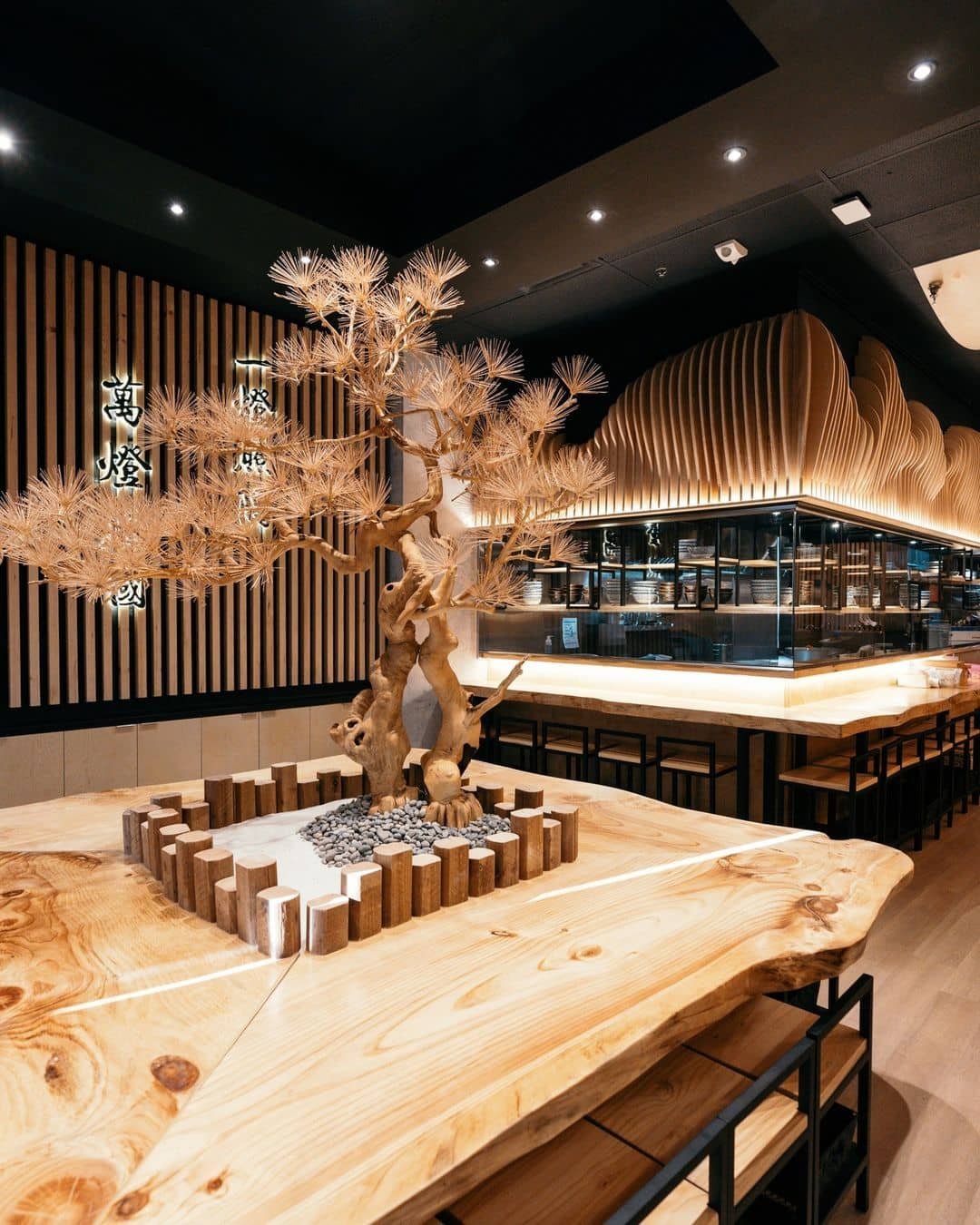
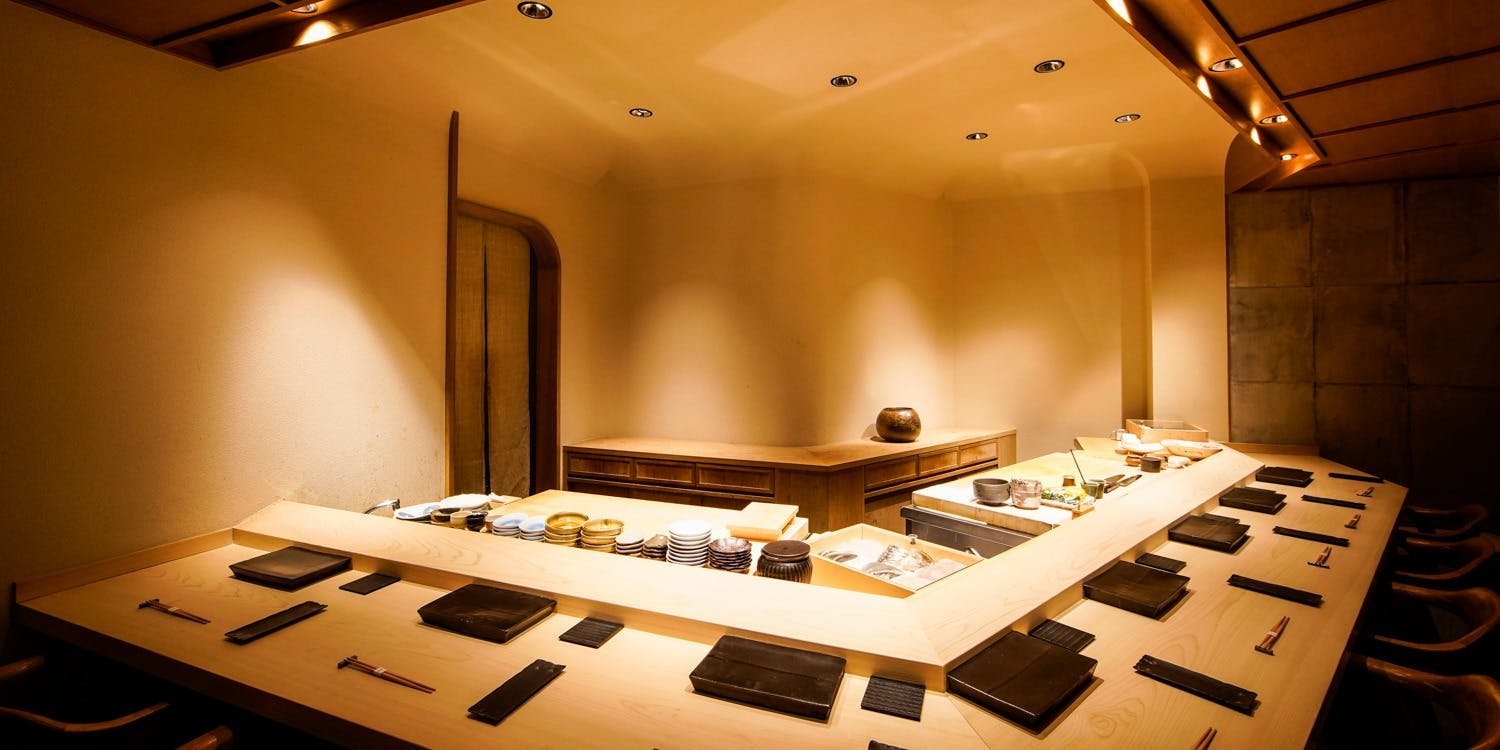
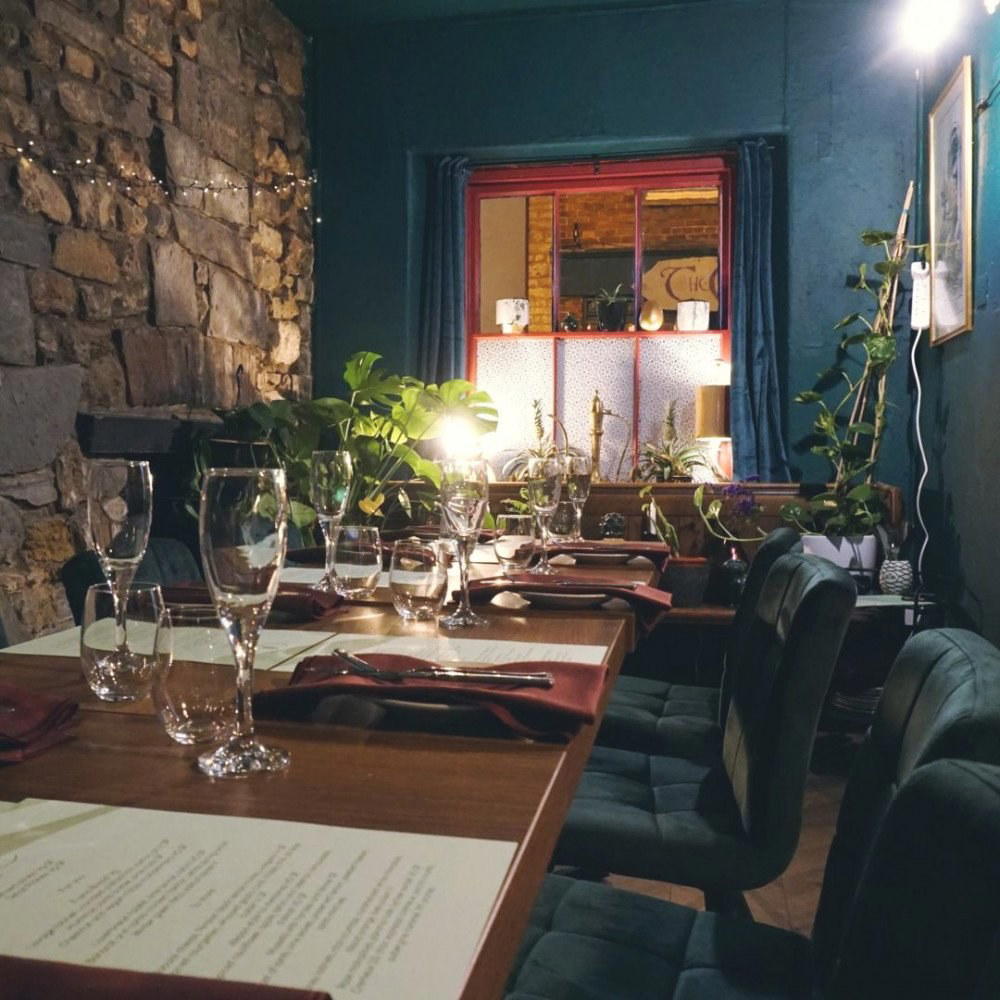
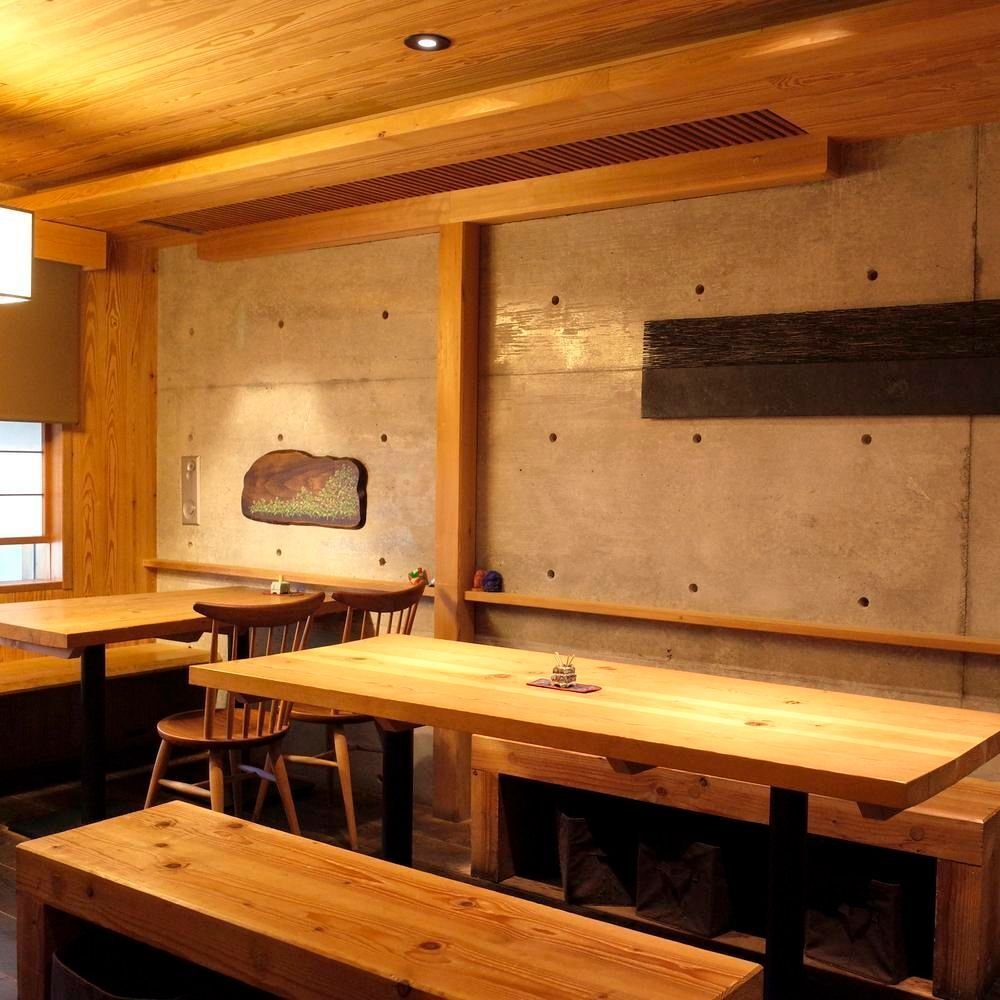
Ittoan sits in Higashijujo, a residential pocket of Kita City that most visitors to Tokyo never reach. That address is part of the point. Chef Kunio Yoshikawa has positioned his restaurant away from the tourist circuits, and the spatial experience reflects that: this is a neighbourhood soba shop in the physical sense, modest in scale, intimate in seating, without the theatre of a destination dining room. You are not walking into a room that announces itself. The counter and tables are arranged for function, not spectacle, and the atmosphere is closer to a craftsman's workshop than a showcase restaurant.
That restraint is consistent with how Yoshikawa runs the kitchen. The Bib Gourmand recognition, awarded in 2024, acknowledges exactly this kind of operation: high-quality cooking at a price that does not require you to calculate the cost before you sit down. At ¥, Ittoan is one of the more accessible serious soba addresses in Tokyo, and the award credential gives you reasonable confidence that the quality-to-price ratio holds.
The recent evolution worth knowing about is in the sourcing. Yoshikawa has built direct relationships with farmers across Japan, visiting their land personally to understand the buckwheat before he mills it. This is not background detail, it has a direct effect on what arrives at the table. The Sanshu Seiro, three kinds of soba served on a wickerwork tray, is the most useful expression of this approach. Each portion is milled and worked differently depending on the variety and region of origin, so the distinctions between types are legible rather than theoretical. Yoshikawa also experiments with mixing coarse-ground and fine-ground soba from the same region, a technique that adds textural complexity rather than simply splitting the difference between two styles. The result is that the menu at Ittoan has genuine variation across visits, which is a meaningful differentiator in a category where many shops serve the same house soba year-round.
The service philosophy here is rooted in craft transparency rather than hospitality performance. Yoshikawa's hands-on involvement with his supply chain means that the knowledge available at the counter is specific and verifiable, if you ask about the buckwheat origin or the milling ratio, you are likely to get an answer that comes from direct experience rather than a rehearsed script. That kind of service earns its price point in a way that formal front-of-house polish at a more expensive room does not necessarily replicate. At ¥ per head, this is not a room where you are paying for white-glove service, but you are paying for a chef who is genuinely engaged with every stage of what you are eating, and that shows in the food rather than the front-of-house presentation.
For context among Tokyo's wider soba scene, Hamacho Kaneko and Azabukawakamian offer strong alternatives in more central locations, while Hamadaya covers the kaiseki end of Japanese grain-focused cooking at a significantly higher price point. If you are building a soba-focused trip across Japan, Ayamedo in Osaka and Chikuyuan Taro no Atsumori in Kyoto are the natural companions to an Ittoan visit. For broader Japan planning, see our guides to HAJIME in Osaka, Gion Sasaki in Kyoto, akordu in Nara, Goh in Fukuoka, 1000 in Yokohama, and 6 in Okinawa.
Tokyo visitors planning around food should also consult our full Tokyo restaurants guide, our Tokyo hotels guide, our Tokyo bars guide, our Tokyo wineries guide, and our Tokyo experiences guide.
Ratings
- 4.2 (196 reviews)
- Michelin: Bib Gourmand 2024
Practical Details
Booking: Easy, walk-ins are plausible given the neighbourhood location, though booking ahead removes any uncertainty. Budget: ¥ per head, making this one of the more accessible Bib Gourmand entries in the city. Address: 2 Chome-16-10 Higashijujo, Kita City, Tokyo. Getting there: Higashijujo Station (JR Keihin-Tohoku Line) is the nearest station; allow extra travel time from central areas such as Shinjuku or Ginza. Dress: No dress code applies, neighbourhood casual is appropriate.
How It Compares
See the comparison section below.
FAQ
Can I eat at the bar at Ittoan?
- Given the modest scale of the space, a neighbourhood soba shop rather than a large dining room, counter seating likely exists, but contact the restaurant directly to confirm before planning around it.
What should a first-timer know about Ittoan?
- Order the Sanshu Seiro. It is the clearest expression of what Yoshikawa is doing: three soba varieties, each milled and worked differently, served on a wickerwork tray so you can taste the distinctions side by side. At a ¥ price point with Bib Gourmand recognition, this is a low-risk, high-reward first visit. Go in knowing it is a neighbourhood restaurant in Kita City, not a tourist-district showpiece, the experience is quieter and more focused than you might expect from a Michelin-listed address.
How far ahead should I book Ittoan?
- Booking is rated Easy. Unlike tightly allocated counters such as the ¥¥¥¥ Michelin rooms in central Tokyo, Ittoan does not appear to require weeks of advance planning. A few days ahead should be sufficient for most visits, though same-day availability is not guaranteed. Given the travel time to Kita City, confirm before you make the trip.
What are alternatives to Ittoan in Tokyo?
- For soba in more central locations, Edosoba Hosokawa, Akasaka Sunaba, Hamacho Kaneko, and Azabukawakamian are the relevant comparisons. If the draw is craft-sourcing and producer-relationship cooking rather than soba specifically, the kaiseki rooms listed in our full Tokyo restaurants guide cover that territory at a higher price tier.
Is the tasting menu worth it at Ittoan?
- Ittoan is a soba specialist, not a multi-course tasting-menu restaurant. The Sanshu Seiro, three soba types on a single tray, is the closest equivalent to a structured tasting format. At a ¥ price point, the value is clear: this is a chef with Bib Gourmand recognition and a direct-sourcing model charging neighbourhood prices. You are not paying for a tasting-menu experience, but the depth of craft on offer justifies the visit on its own terms.
Is Ittoan worth the price?
- Yes, without much qualification. A Bib Gourmand at ¥ is about the most favourable value signal available in Tokyo dining. The sourcing model, chef visiting farms directly, milling different varieties differently, adds genuine complexity that you would typically pay more to access at a kaiseki room. If you are making the trip specifically from a central hotel, factor in the travel time to Kita City. If the itinerary allows it, the detour is justified.
Pearl Picks, Also in Tokyo
Planning details
- Hours
- Monday: Closed · Tuesday: 11:45 AM–2:30 PM
- Location
- 2 Chome-16-10 Higashijujo, Kita City, Tokyo 114-0001, Japan
- Website
- ge7d900.gorp.jp
- Phone
- +81 3-6903-3833
The take
The Take
The Vibe
Ittoan reads like a classic, intimate Tokyo soba counter that lets its bowls do the talking. Located in Higashijujo, this neighbourhood soba-ya keeps a low profile, no polished retail frontage, no tourist-facing theatrics, yet it has earned a Michelin Bib Gourmand in 2024. The room leans modest and focused: counter seating, close observation of technique, and an emphasis on provenance and milling rather than decorative flourish. Chef Kunio Yoshikawa’s direct relationships with buckwheat farmers shape the menu’s quiet seriousness, making the experience feel like a disciplined, time-honored practice rather than a showpiece.
Best For
Ittoan is ideal for diners seeking a concentrated soba experience: solo diners, intimate date nights and understated business dinners all fit naturally here. The counter-first layout and neighborhood scale make it particularly well suited to someone who wants to watch technique up close or enjoy a single, perfectly executed bowl. Patrons who value ingredient provenance and a calm, classic atmosphere will appreciate the Bib Gourmand-quality cooking without the trappings of destination dining; this is a place for focused tasting rather than a boisterous night out.
Ordering Tips
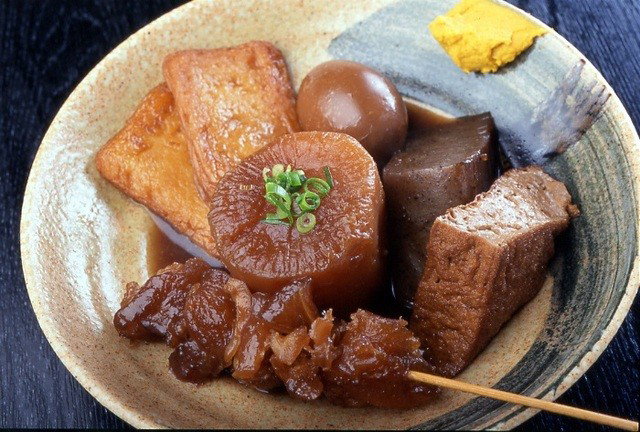
Start with the house signatures to understand what distinguishes Ittoan: the Sanshu Seiro is a clear expression of the kitchen’s grain sourcing, and the tofu santenmori is another highlighted dish. Because the restaurant emphasizes provenance and milling, choosing the soba that foregrounds the day’s buckwheat lets you taste the chef’s relationships with farmers. Expect an unassuming entrance and counter seating; the dining room’s modest scale means the best way to experience the craft is from the counter where preparation and service are most immediate.
Venue details
Ambiance
Relaxing traditional Japanese atmosphere focused on the artistry of handmade soba.
Tags
Vibe
Best For
Experience
Sourcing
At the Table
- Dress Code
- Smart Casual
- Noise Level
- Quiet
- Service Style
- Upscale Casual
- Meal Pacing
- Standard
- Capacity
- Intimate
- Kitchen
- Traditional
- Menu Format
- A la carte
- Dietary
- Vegetarian friendly
Signature Dishes
- Sanshu Seiro
- tofu santenmori
Know before you go
Know Before You Go
- Getting there
- 2 Chome-16-10 Higashijujo, Kita City, Tokyo 114-0001, Japan
Planning details
Hours
- Monday
- Closed
- Tuesday
- 11:45 AM–2:30 PM
- Wednesday
- 12–2:30 PM
- Thursday
- 11:45 AM–2:30 PM, 6–9 PM
- Friday
- 11:45 AM–2:30 PM, 6–9 PM
- Saturday
- 12–2:30 PM, 6–9 PM
- Sunday
- Closed
Location
2 Chome-16-10 Higashijujo, Kita City, Tokyo 114-0001, Japan · Directions
Recognition and awards
Also consider
Also Consider
- Harutaka: Sushi, ¥¥¥¥
- L'Effervescence: French, ¥¥¥¥
- RyuGin: Kaiseki, Japanese, ¥¥¥¥
- HOMMAGE: Innovtive French, French, ¥¥¥¥
- Crony: Innovative, French, ¥¥¥¥
Restaurant context
Ittoan is not competing with Tokyo's ¥¥¥¥ rooms in price or format, but it is useful to position it clearly. Harutaka and RyuGin operate at a completely different investment level: both require serious budget commitment and advance booking, and both deliver multi-course experiences built around Japanese craft. If you are allocating one high-spend meal in Tokyo, RyuGin's kaiseki format gives you the broadest expression of Japanese seasonal cooking. Ittoan, by contrast, is the answer when you want serious Japanese craft at a fraction of the cost, with the focus narrowed to a single ingredient executed with unusual depth.
L'Effervescence, HOMMAGE, and Crony occupy the innovative French tier in Tokyo: relevant if your priority is a full evening of courses and wine pairing rather than a focused soba lunch. None of them compete with Ittoan on value, and none of them are doing what Yoshikawa is doing with single-origin buckwheat. They are different decisions for different occasions.
Among the soba-specific options, Ittoan's Bib Gourmand credential and farm-sourcing model give it a stronger claim to seriousness than many central-Tokyo soba shops that trade more on location than on craft. If convenience matters more than depth, choose Edosoba Hosokawa or Akasaka Sunaba for their easier access. If craft and sourcing are the priority and you are prepared to travel to Kita City, Ittoan is the stronger choice.
Explore Tokyo
Around this place
Discover more on Pearl
Unlock the full Ittoan guide in Pearl, including awards, comparisons, FAQs, planning details, and nearby places.
Compare Ittoan
| Venue | Cuisine | Price | Booking Difficulty | Awards |
|---|---|---|---|---|
| Ittoan | Soba | ¥ | Easy | 2026 Bib GourmandTabelog 100 - Soba - EAST - 2025 · #52024 Michelin Bib Gourmand |
| Harutaka | Sushi | ¥¥¥¥ | Unknown | 2026 Tabelog Silver · #312026 OAD Top Restaurants in Japan Ranked · #1282026 Michelin 3 Stars2026 La Liste Top RestaurantsTabelog 100 - Sushi - TOKYO - 2025 · #372025 Asia's 50 Best Restaurants · #762025 OAD Top Restaurants in Japan Ranked · #1172025 La Liste Top Restaurants2025 Tabelog Bronze |
| L'Effervescence | French | ¥¥¥¥ | Unknown | 2026 Tabelog Silver · #682026 OAD Top Restaurants in Japan Ranked · #103Star Wine Lists 20262026 Black Pearl 2 Diamond2026 Relais Chateaux Restaurants2026 La Liste Top Restaurants2026 Michelin 3 Stars2025 Asia's 50 Best Restaurants · #692025 OAD Top Restaurants in Japan Ranked · #92 |
| RyuGin | Kaiseki, Japanese | ¥¥¥¥ | Unknown | 2026 OAD Top Restaurants in Japan Ranked · #802026 Tabelog Bronze · #3772026 Michelin 3 Stars2026 La Liste Top RestaurantsTabelog 100 - Japanese cuisine - TOKYO - 2025 · #212025 OAD Top Restaurants in Japan Ranked · #542025 Michelin 3 Stars2025 La Liste Top Restaurants2025 The Best Chef Three Knives |
| HOMMAGE | Innovtive French, French | ¥¥¥¥ | Unknown | 2026 Tabelog Bronze · #1232026 OAD Top Restaurants in Japan Highly Recommended2026 Michelin 2 StarsTabelog 100 - French - TOKYO - 2025 · #762025 Asia's 50 Best Restaurants · #782025 OAD Top Restaurants in Japan Ranked · #1752025 Michelin 2 Stars2025 The Best Chef One Knife2025 La Liste Top Restaurants |
| Crony | Innovative, French | ¥¥¥¥ | Unknown | 2026 Asia's 50 Best Restaurants · #34Star Wine Lists 20262026 OAD Top Restaurants in Japan Recommended2026 Michelin 2 Stars2025 Asia's 50 Best Restaurants · #30Tabelog 100 - French - TOKYO - 2025 · #782025 OAD Top Restaurants in Japan Ranked · #227We're Smart World Top Restaurants 20252025 Michelin 2 Stars |














Key differences to consider before you reserve.
FAQ
Frequently Asked Questions
What should a first-timer know about Ittoan?
Order the Sanshu Seiro: three types of soba served on a wickerwork tray, each ground and kneaded differently by Chef Kunio Yoshikawa to reflect its region of origin. That dish is the clearest expression of what separates Ittoan from a generic soba counter. The address in Higashijujo, Kita City, means a deliberate journey north of central Tokyo, so treat the trip as intentional rather than incidental.
How far ahead should I book Ittoan?
Walk-ins are plausible given the off-centre Kita City location, but the Michelin Bib Gourmand recognition in 2024 has likely tightened availability. Booking a day or two ahead removes the risk, especially if you are travelling specifically for the Sanshu Seiro. Hours are not publicly confirmed, so call or book through a concierge to verify service times before making the trip.
What are alternatives to Ittoan in Tokyo?
For central-Tokyo soba without the commute, Akasaka Sunaba or the Azabu-area counters are the standard comparisons: more convenient, but at higher price points. Ittoan's case rests on Chef Yoshikawa's farm-sourcing approach and the Sanshu Seiro format, which you will not find replicated directly elsewhere. If regional soba variety and provenance are your priority, Ittoan is the sharper choice at the ¥ price range.
Is the tasting menu worth it at Ittoan?
Ittoan is a soba specialist, not a multi-course tasting-menu restaurant in the conventional sense. The Sanshu Seiro, three sourced and individually prepared soba varieties on one tray, functions as the closest equivalent to a structured tasting format. At the ¥ price point, it delivers a level of ingredient rigour and preparation differentiation that typically costs considerably more elsewhere in Tokyo.
Is Ittoan worth the price?
Yes, clearly. At the ¥ price range, Ittoan holds a Michelin Bib Gourmand (2024), which recognises good cooking at a price below what the quality would normally command. Chef Yoshikawa's direct relationships with farmers across Japan and his approach of grinding and kneading each soba variety differently adds a layer of craft that is rare at this price bracket. The only real cost is the commute to Higashijujo: budget the travel time accordingly.