

Akasaka Sunaba
Soba · Minato, Tokyo
Restaurant in Tokyo, Japan
 Book with Pearl
The Read
Neighbourhood Buckwheat Counter
Chef
Various
Dress
Casual
Why go
Akasaka Sunaba is a three-time OAD Casual Japan-ranked soba venue in Minato City that earns its place without requiring advance booking or a high-stakes reservation. Open for lunch and early dinner Monday through Saturday, it is the most accessible route to serious soba in central Tokyo. Best suited to solo diners, business lunches, and visitors who want recognised quality on a flexible schedule.
About Akasaka Sunaba
Should You Book Akasaka Sunaba?
Getting a seat here is easy — walk-ins are generally manageable and the restaurant is open most days from 11am to 8pm (closing at 7:30pm Saturdays, closed Sundays). The real question is whether Akasaka Sunaba is worth prioritising over Tokyo's broader soba field. The short answer: yes, if you want OAD-recognised quality in an accessible format without the planning overhead of a tasting-menu booking. Three consecutive years on the Opinionated About Dining Casual Japan list — ranked #58 in 2023, #73 in 2024, and back up to #63 in 2025, tells you this is not a venue coasting on neighbourhood loyalty. It earns its ranking year after year.
The Portrait
Akasaka Sunaba sits in Minato City, one of Tokyo's more polished central districts, which sets an immediate expectation: this is soba taken seriously, in a setting that suits business lunches and considered dates as comfortably as solo counter meals. The atmosphere leans calm over buzzy. Soba-ya culture in Tokyo tends toward the composed side, expect low ambient noise, an unhurried pace, and a room where conversation is easy. That makes it a workable choice for a special occasion that doesn't require the theatrical production of a kaiseki counter or omakase bar.
The cuisine itself is the whole argument. Soba is one of Japan's most ingredient-dependent dishes: the ratio of buckwheat to wheat flour, the provenance of the buckwheat, and the skill of the milling and hand-rolling process determine everything about the texture and flavour of the finished noodle. At venues that appear on the OAD Casual Japan list at the level Akasaka Sunaba consistently occupies, the sourcing decisions behind the buckwheat are not incidental, they are the menu. You are not paying for ambiance or elaboration; you are paying for ingredient quality and technique executed without distraction. That is a different value proposition from a multi-course dinner, but it is a legitimate one.
For a special occasion framing, the case is conditional. Akasaka Sunaba is a strong choice if your guest appreciates the precision of traditional Japanese craft food and understands what makes exceptional soba different from ordinary soba. If the occasion calls for something more visually ceremonial or if the group expects multiple courses, venues like Hamadaya or a kaiseki option would serve better. But for a lunch that signals genuine taste and local knowledge, without requiring a reservation made months ahead, Akasaka Sunaba is a credible pick.
Compared to other OAD-recognised soba in Tokyo, Akasaka Sunaba holds its own. Edosoba Hosokawa and Azabukawakamian are peers worth considering in the same tier; Hamacho Kaneko and Ittoan round out a competitive field. The Akasaka location works in this venue's favour for business-district visitors and anyone staying in central Tokyo, it is more accessible than some of the outer-ward alternatives without sacrificing quality. If you are planning a broader Japan itinerary, the soba tradition extends well: Ayamedo in Osaka and Chikuyuan Taro no Atsumori in Kyoto are worth noting for comparison.
Price range is not confirmed in our data, but soba-ya in this OAD tier in Tokyo typically operate at a price point well below omakase or kaiseki, lunch for two is unlikely to feel expensive by Tokyo fine-dining standards, which makes the value case direct.
The hours are useful to know before you plan: every weekday and Saturday has coverage from 11am, but Saturday service ends at 7:30pm and Sunday is a full closure. If your visit falls on a weekend, factor that in, a Sunday arrival rules this out entirely, and a late Saturday dinner is off the table. Lunch is the primary window, and likely the better one anyway for soba, which is traditionally a midday format in Japan.
For more Tokyo dining options across all formats, see our full Tokyo restaurants guide. For broader Japan travel planning, Pearl covers HAJIME in Osaka, Gion Sasaki in Kyoto, akordu in Nara, Goh in Fukuoka, 1000 in Yokohama, and 6 in Okinawa. Tokyo hotel and bar planning resources: full Tokyo hotels guide, full Tokyo bars guide, Tokyo wineries, and Tokyo experiences.
Know Before You Go
- Address: 6 Chome-3-5 Akasaka, Minato City, Tokyo 107-0052
- Hours: Monday–Friday 11am–8pm, Saturday 11am–7:30pm, Sunday closed
- Booking difficulty: Easy, walk-ins generally available
- Cuisine: Soba
- Awards: OAD Casual Japan #63 (2025), #73 (2024), #58 (2023)
- Price range: Not confirmed, expect mid-range by Tokyo standards for the category
- Leading for: Lunch, solo dining, business meals, visitors who want OAD-quality without advance booking
Planning details
- Hours
- Monday: 11 am–8 pm · Tuesday: 11 am–8 pm
- Location
- 6 Chome-3-5 Akasaka, Minato City, Tokyo 107-0052, Japan
- Website
- muromachi-sunaba.co.jp/akasaka
- Phone
- +81 3-3583-7670
The take
The Take
The Vibe
Akasaka Sunaba reads like local furniture: understated, dependable and quietly well made. Situated among government offices and media buildings, it matches the district’s rhythm—busy, efficient lunches and calmer, more contemplative evenings. The place favors craft over spectacle; the atmosphere is unpretentious and thoughtfully restrained, where the soba itself is the point. Service runs on counter logic and a walk-in cadence, so the room feels immediate and direct rather than staged. For diners who prize straightforward technique and a relaxed, workaday elegance, Sunaba delivers a quietly satisfying experience.
Best For
This is a prime lunch spot for office workers and visitors passing through Akasaka, especially those who want a high-quality meal without the fuss of reservations. The counter service and walk-in orientation make it ideal for solo diners and quick business lunches, while its steadier, quieter evenings suit diners seeking a low-key meal after the workday. Recognition on Opinionated About Dining’s Casual Japan list underscores its consistent craft, making it a reliable choice for anyone after well-executed soba rather than a destination tasting-menu outing.
Ordering Tips
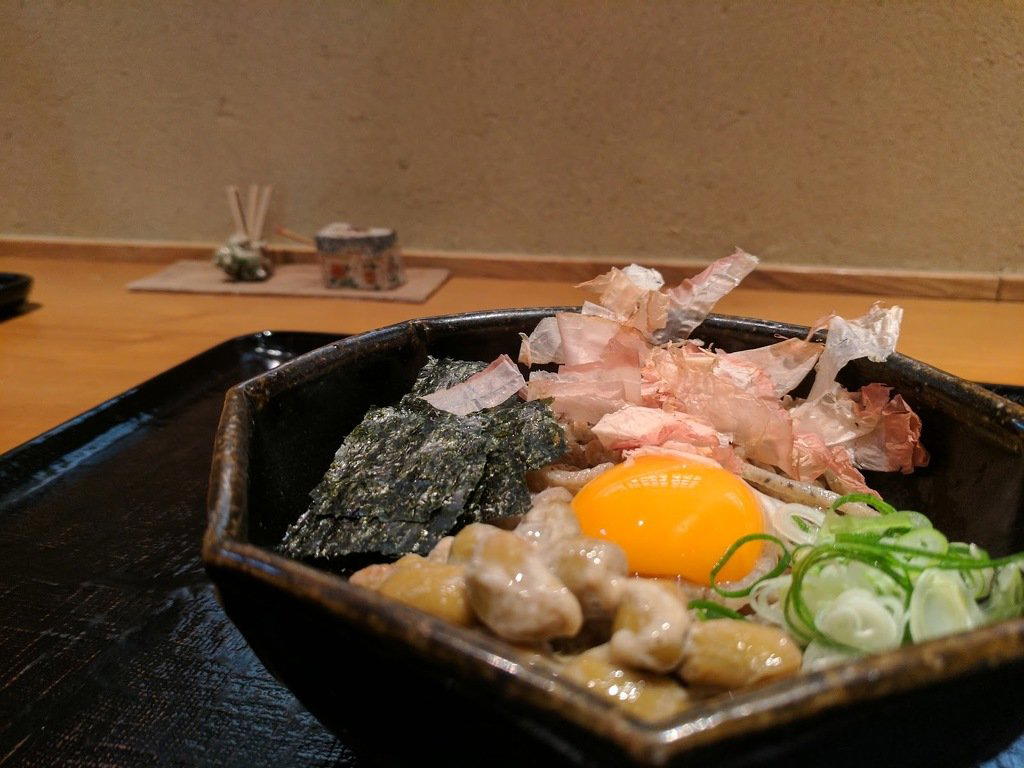
Stick to the house specialties—Tenzaru, Tenmori, Seiro and Kake are the defining preparations and showcase the shop’s buckwheat focus. Cold options (tenzaru, seiro) play to the noodle texture and dipping-sauce balance; kake is the straightforward hot bowl for a comforting, immediate fix. Expect counter service and walk-in availability rather than reservations; lunchtime fills with suited crowds, so arrive early for a swift seat or aim for the quieter evening stretch if you want a more contemplative pace. Pricing is deliberately approachable, so sampling a classic set is an easy choice.
Venue details
Ambiance
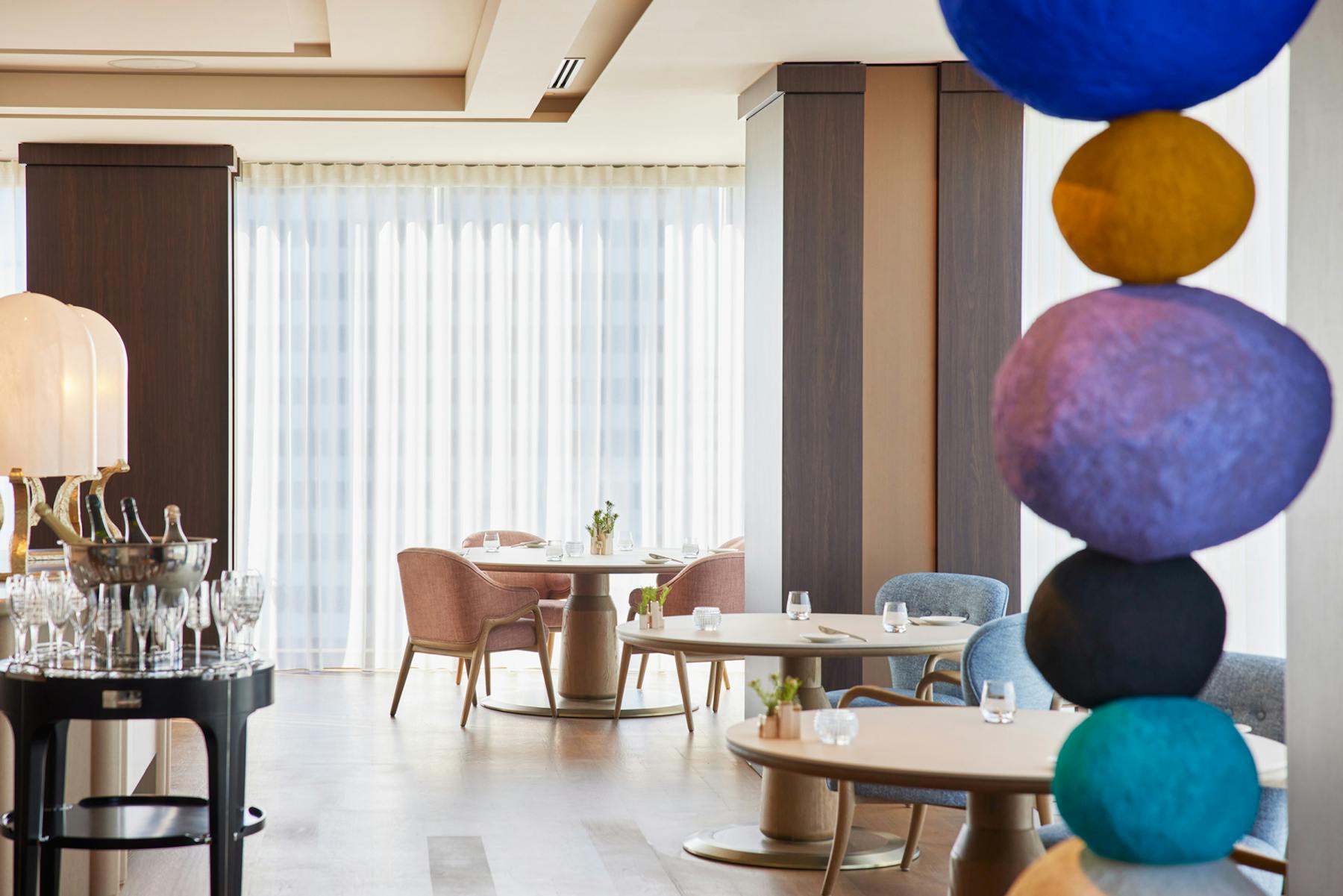
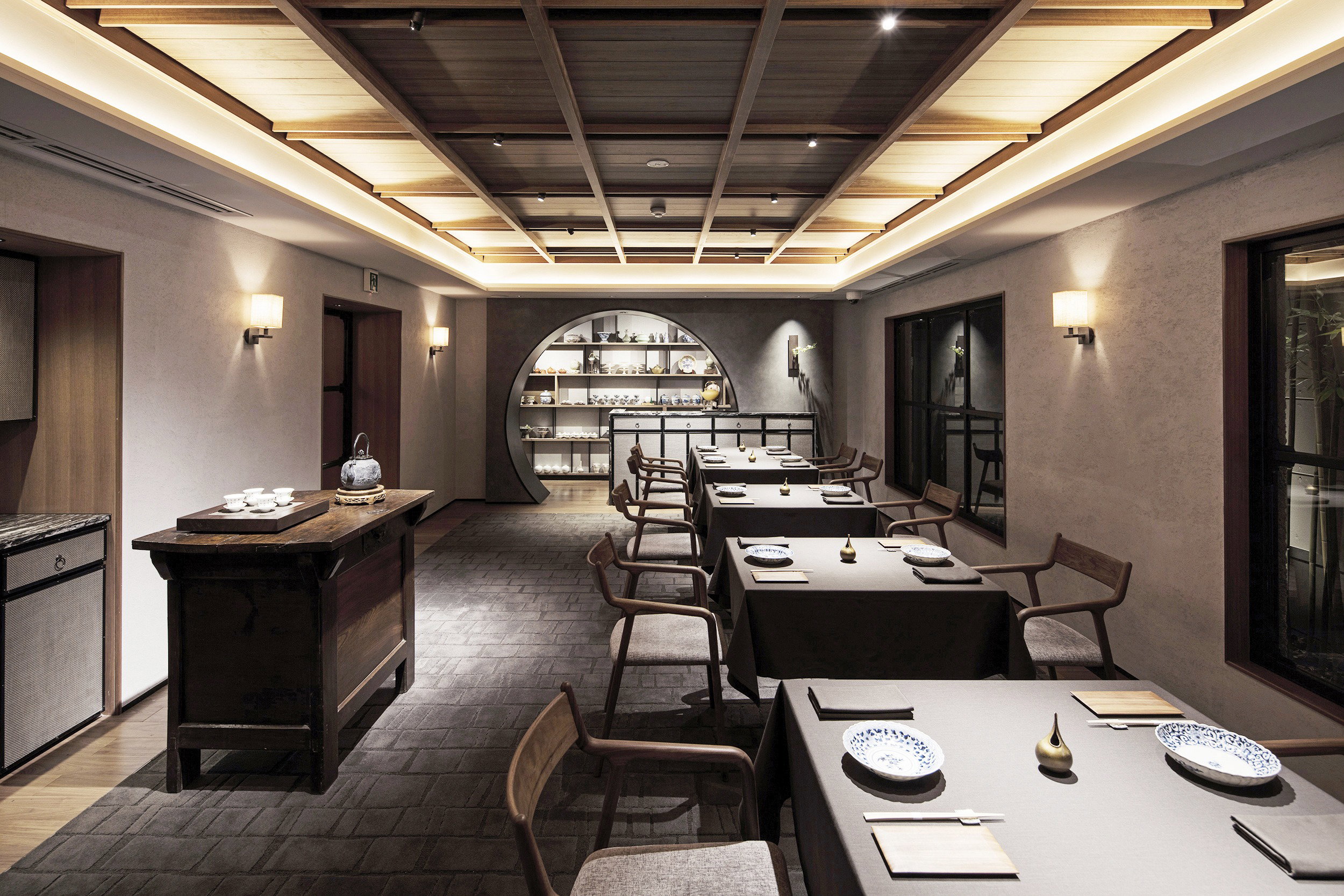
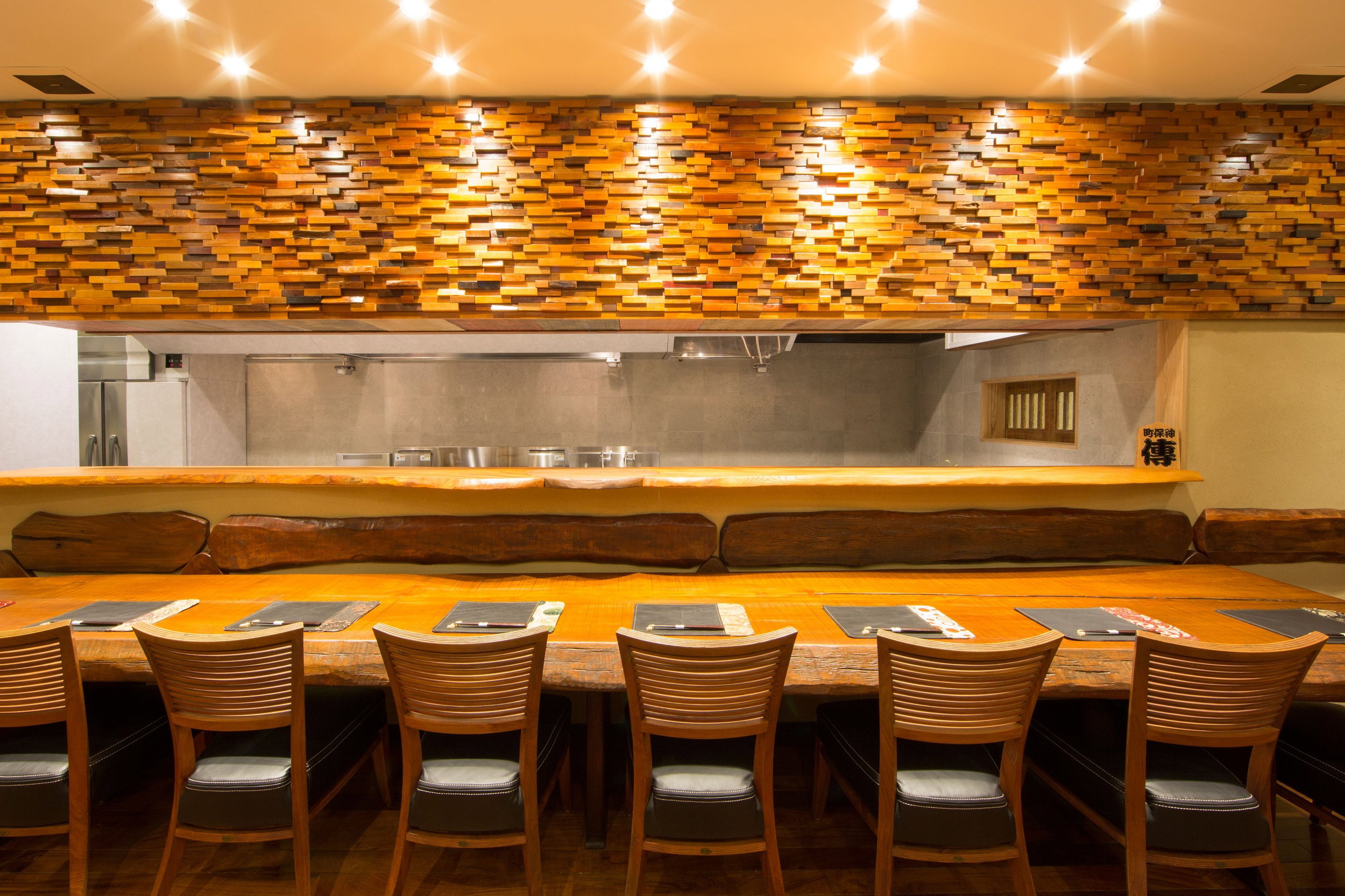
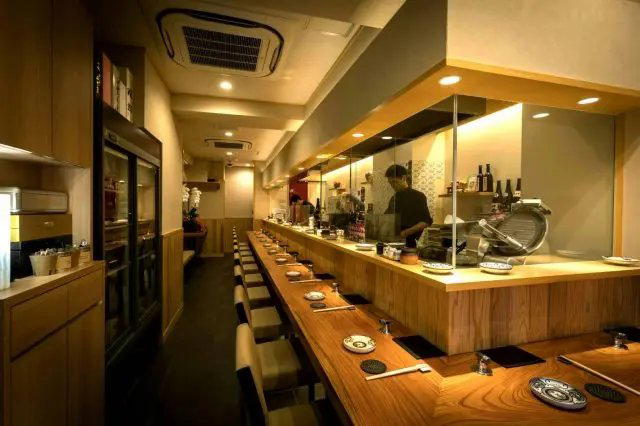
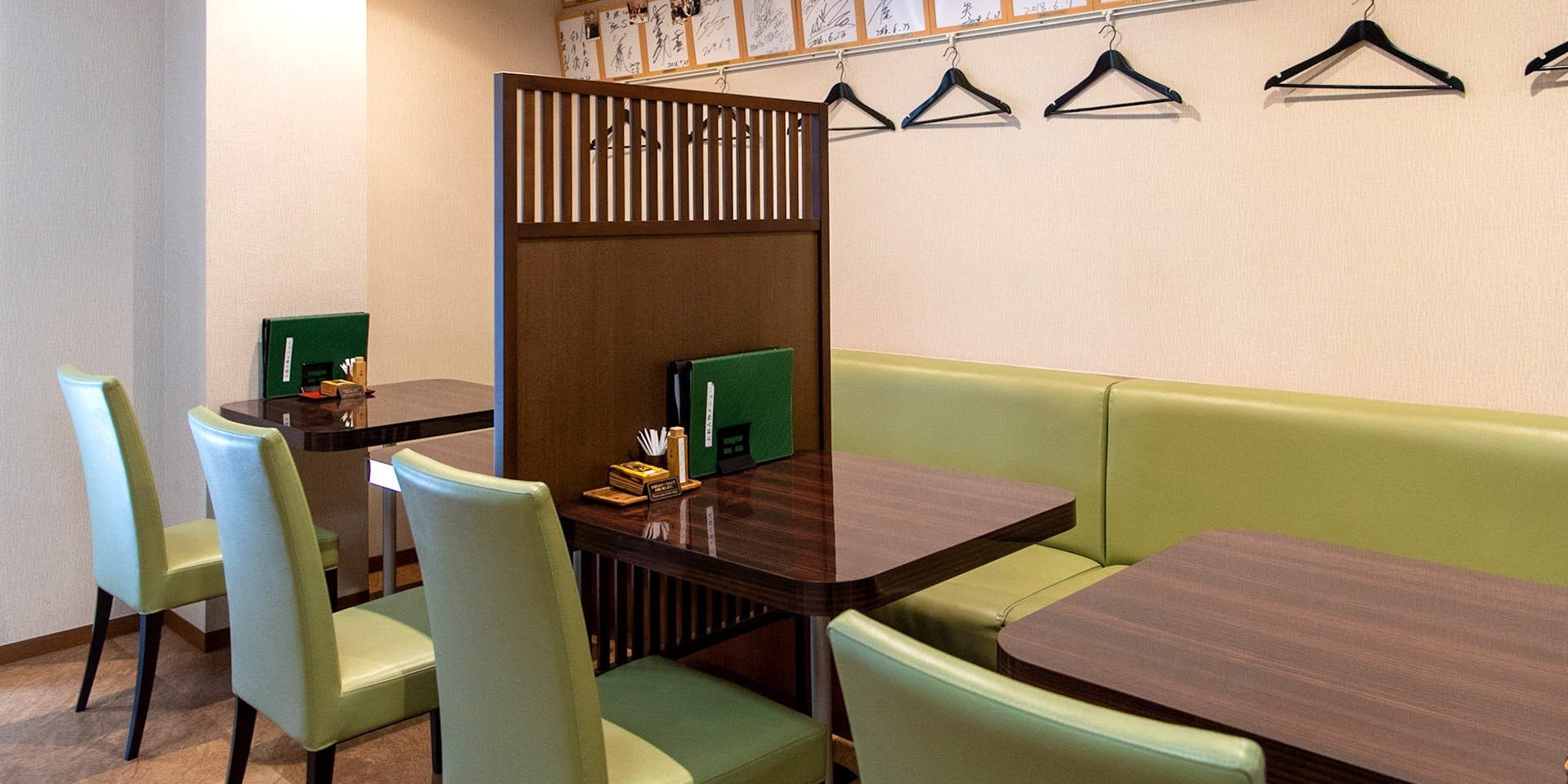
Clean and unadorned dining room with wood finishes and simple décor; warm, inviting atmosphere with functional lighting that keeps focus on the food; choice of Western or traditional tatami seating.
Tags
Vibe
Best For
Experience
At the Table
- Dress Code
- Casual
- Noise Level
- Conversational
- Service Style
- Casual
- Meal Pacing
- Quick Bite
- Capacity
- Small
Signature Dishes
- Tenzaru
- Tenmori
- Seiro
- Kake
Know before you go
Know Before You Go
- Getting there
- 6 Chome-3-5 Akasaka, Minato City, Tokyo 107-0052, Japan
Planning details
Hours
- Monday
- 11 am–8 pm
- Tuesday
- 11 am–8 pm
- Wednesday
- 11 am–8 pm
- Thursday
- 11 am–8 pm
- Friday
- 11 am–8 pm
- Saturday
- 11 am–7:30 pm
- Sunday
- Closed
Location
6 Chome-3-5 Akasaka, Minato City, Tokyo 107-0052, Japan · Directions

Also consider
Also Consider
- Harutaka, Sushi, ¥¥¥¥
- RyuGin, Kaiseki, Japanese, ¥¥¥¥
- L'Effervescence, French, ¥¥¥¥
- HOMMAGE, Innovtive French, French, ¥¥¥¥
- Florilège, French, ¥¥¥
Restaurant context
Akasaka Sunaba is not competing with Harutaka, RyuGin, L'Effervescence, HOMMAGE, or Florilège in format or price tier, these are multi-course tasting operations at ¥¥¥¥ and ¥¥¥ price points that require weeks or months of advance booking. Akasaka Sunaba operates in a different register entirely: a specialist soba-ya with an easy booking situation and a lunch-forward schedule. The comparison that matters is not Akasaka Sunaba versus Tokyo's high-end tasting counters, but rather how it sits within its own category.
Within Tokyo's OAD-recognised soba field, Akasaka Sunaba's central Minato City location is a practical advantage over peers in more peripheral neighbourhoods. If you are staying in central Tokyo and want OAD-quality soba without navigating outer-ward transit, this is the most convenient option in its tier. Edosoba Hosokawa and Azabukawakamian are the closest peers on credential; choose between them based on location relative to where you are staying rather than on a quality hierarchy, all three are working at a similar level of seriousness.
For a special-occasion dinner that needs ceremony and multiple courses, none of these soba venues are the right call, book RyuGin or Hamadaya instead. But if you want a midday meal that signals genuine knowledge of Tokyo's food culture, is easy to get into, and delivers on ingredient quality, Akasaka Sunaba is the practical choice in this district. The value proposition is also clear: you are paying soba-ya prices, not omakase prices, for a venue that has held OAD recognition three years running.
Explore Tokyo
Around this place
Discover more on Pearl
Unlock the full Akasaka Sunaba guide in Pearl, including awards, comparisons, FAQs, planning details, and nearby places.
Compare Akasaka Sunaba
| Venue | Location | Cuisine | Awards | Price |
|---|---|---|---|---|
| Akasaka Sunaba | Tokyo | Soba | 2026 OAD Casual in Japan Ranked · #71Tabelog 100 - Soba - EAST - 2025 · #492025 OAD Casual in Japan Ranked · #632024 OAD Casual in Japan Ranked · #732023 OAD Casual in Japan Ranked · #58 | , |
| Harutaka | Tokyo | Sushi | 2026 Tabelog Silver · #312026 OAD Top Restaurants in Japan Ranked · #1282026 Michelin 3 Stars2026 La Liste Top RestaurantsTabelog 100 - Sushi - TOKYO - 2025 · #372025 Asia's 50 Best Restaurants · #762025 OAD Top Restaurants in Japan Ranked · #1172025 La Liste Top Restaurants2025 Tabelog Bronze | ¥¥¥¥ |
| RyuGin | Tokyo | Kaiseki, Japanese | 2026 OAD Top Restaurants in Japan Ranked · #802026 Tabelog Bronze · #3772026 Michelin 3 Stars2026 La Liste Top RestaurantsTabelog 100 - Japanese cuisine - TOKYO - 2025 · #212025 OAD Top Restaurants in Japan Ranked · #542025 Michelin 3 Stars2025 La Liste Top Restaurants2025 The Best Chef Three Knives | ¥¥¥¥ |
| L'Effervescence | Tokyo | French | 2026 Tabelog Silver · #682026 OAD Top Restaurants in Japan Ranked · #103Star Wine Lists 20262026 Black Pearl 2 Diamond2026 Relais Chateaux Restaurants2026 La Liste Top Restaurants2026 Michelin 3 Stars2025 Asia's 50 Best Restaurants · #692025 OAD Top Restaurants in Japan Ranked · #92 | ¥¥¥¥ |
| HOMMAGE | Tokyo | Innovtive French, French | 2026 Tabelog Bronze · #1232026 OAD Top Restaurants in Japan Highly Recommended2026 Michelin 2 StarsTabelog 100 - French - TOKYO - 2025 · #762025 Asia's 50 Best Restaurants · #782025 OAD Top Restaurants in Japan Ranked · #1752025 Michelin 2 Stars2025 The Best Chef One Knife2025 La Liste Top Restaurants | ¥¥¥¥ |
| Florilège | Tokyo | French | 2026 Asia's 50 Best Restaurants · #312026 Tabelog Bronze · #712026 OAD Top Restaurants in Japan Ranked · #1242026 Black Pearl 1 Diamond2026 Michelin 2 Stars2026 La Liste Top Restaurants2025 Asia's 50 Best Restaurants · #172025 World's 50 Best Restaurants · #36Tabelog 100 - French - TOKYO - 2025 · #68 | ¥¥¥ |











How Akasaka Sunaba Tokyo compares with similar nearby venues.
FAQ
Frequently Asked Questions
Can Akasaka Sunaba accommodate groups?
Soba restaurants in this format typically suit small groups better than large parties. If you're coming with four or more, arrive early in the 11am opening window when the room is least crowded. This is not the venue for a birthday dinner with ten people — think two to four at most for a comfortable experience.
What should a first-timer know about Akasaka Sunaba?
Akasaka Sunaba has ranked on Opinionated About Dining's Casual Japan list every year from 2023 to 2025, peaking at #58 — so the quality is documented and consistent. Come for soba, keep your order focused, and expect a no-theatre, craft-forward meal. It's in Minato City's Akasaka district, which is central and easy to reach.
Is Akasaka Sunaba good for solo dining?
Yes, this is a strong solo choice. Soba counters and casual format suit a single diner better than most Tokyo restaurant categories, and Akasaka Sunaba's weekday hours (11am–8pm) mean you can time a visit around crowds. A solo lunch here mid-week is about as low-friction as Tokyo dining gets.
Is Akasaka Sunaba good for a special occasion?
Not really. Akasaka Sunaba's OAD recognition places it firmly in the casual category — it's a serious soba restaurant, not a celebration venue. For a milestone meal in Tokyo, you'd be better served by a Michelin-starred option elsewhere in Minato City. Book Sunaba when the occasion is 'eating exceptionally well at lunch,' not 'marking an anniversary.'
Is lunch or dinner better at Akasaka Sunaba?
Lunch is the natural fit. The kitchen opens at 11am daily and the format is casual, making midday the easiest and most relaxed visit. Evening service ends at 8pm (7:30pm Saturdays), so dinner is possible, but soba in Japan is traditionally a daytime food and the kitchen may run short of certain preparations by late afternoon.
What are alternatives to Akasaka Sunaba in Tokyo?
If you want soba at a similar quality tier, Tokyo has a handful of OAD-ranked casual options worth comparing — Sunaba's consistent top-100 placement from 2023 to 2025 puts it among the more reliably tracked choices in the city. For something entirely different in format and price, the Minato City area has Michelin-level restaurants, but those serve a different purpose entirely.
How far ahead should I book Akasaka Sunaba?
Walk-ins are generally manageable here, which is part of the appeal. That said, if you're visiting on a Friday or Saturday (the kitchen closes 30 minutes earlier on Saturdays), or want a specific seating time, arriving at opening is the safest approach. The restaurant is closed Sundays, so plan around that.