


Narikura
Tonkatsu · Suginami, Tokyo
Restaurant in Tokyo, Japan
 Book with Pearl
The Read
White Tonkatsu Precision
Price
$50–100per person
Chef
Seizo Mitani
Dress
Smart Casual
Why go
Narikura is the strongest case for tonkatsu as a serious culinary pursuit in Tokyo. A six-consecutive-year Tabelog Bronze winner, Michelin Bib Gourmand holder, and OAD Casual Japan #1 for 2025, it delivers a focused 14-seat counter experience at ¥8,000–¥10,000 per head. Reservation-only, four days a week — book 2–3 weeks out.
About Narikura
Who Should Book Narikura — and When
Narikura is the right choice if you want a serious, award-backed tonkatsu counter in Tokyo without paying the premium prices of a multi-course kaiseki or omakase experience. At ¥6,000–¥8,000 per head (with real-world spend closer to ¥8,000–¥9,999 based on reviewer data), this is a destination meal for anyone who considers tonkatsu a craft worth pursuing, not just a quick lunch. It is also an especially well-suited choice for a date: Tabelog reviewers consistently flag it as recommended for that occasion, and the 14-seat room, including a 6-seat counter, keeps the atmosphere focused and relatively intimate. First-timers to Tokyo's tonkatsu circuit should put this near the best of the list.
The Venue
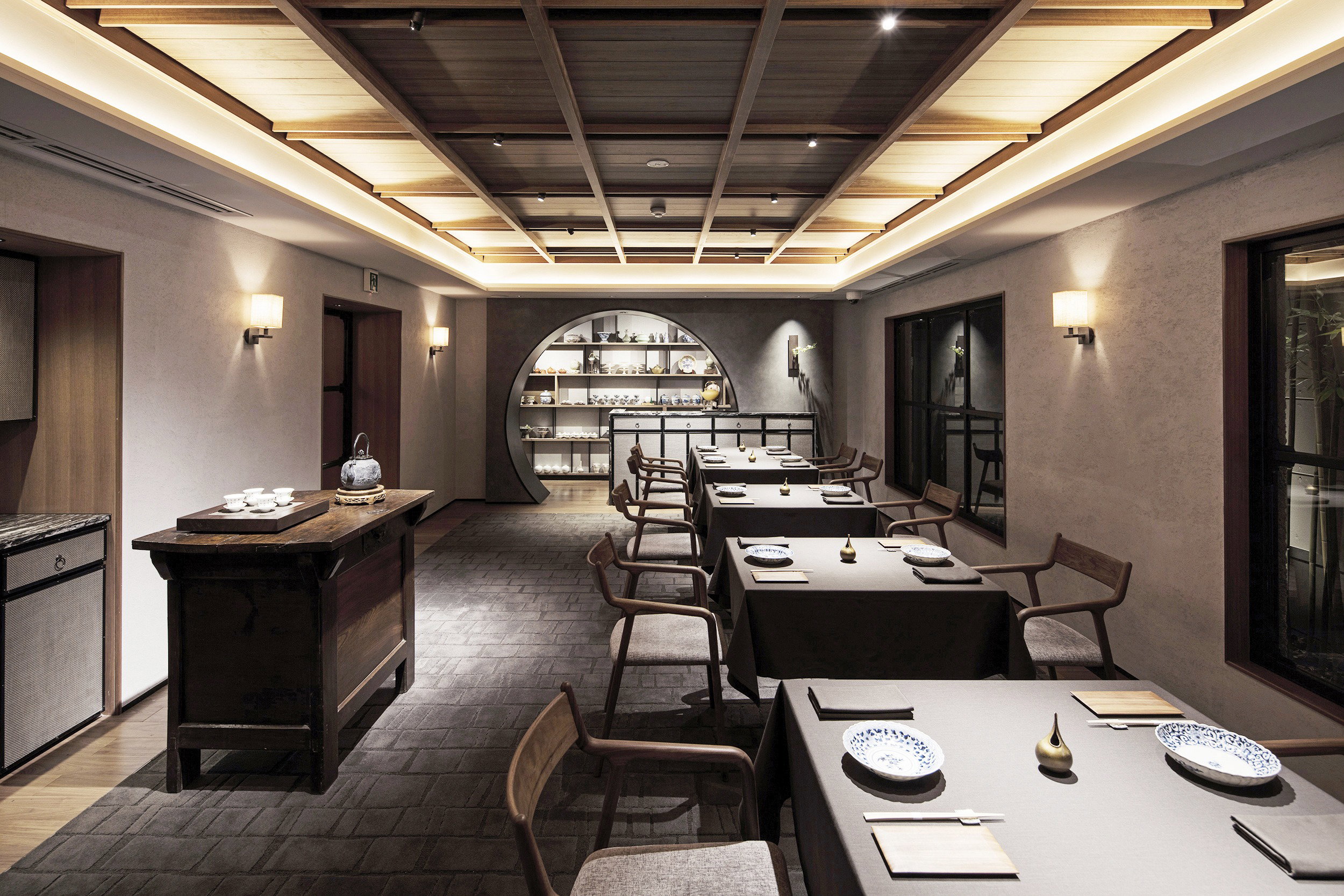
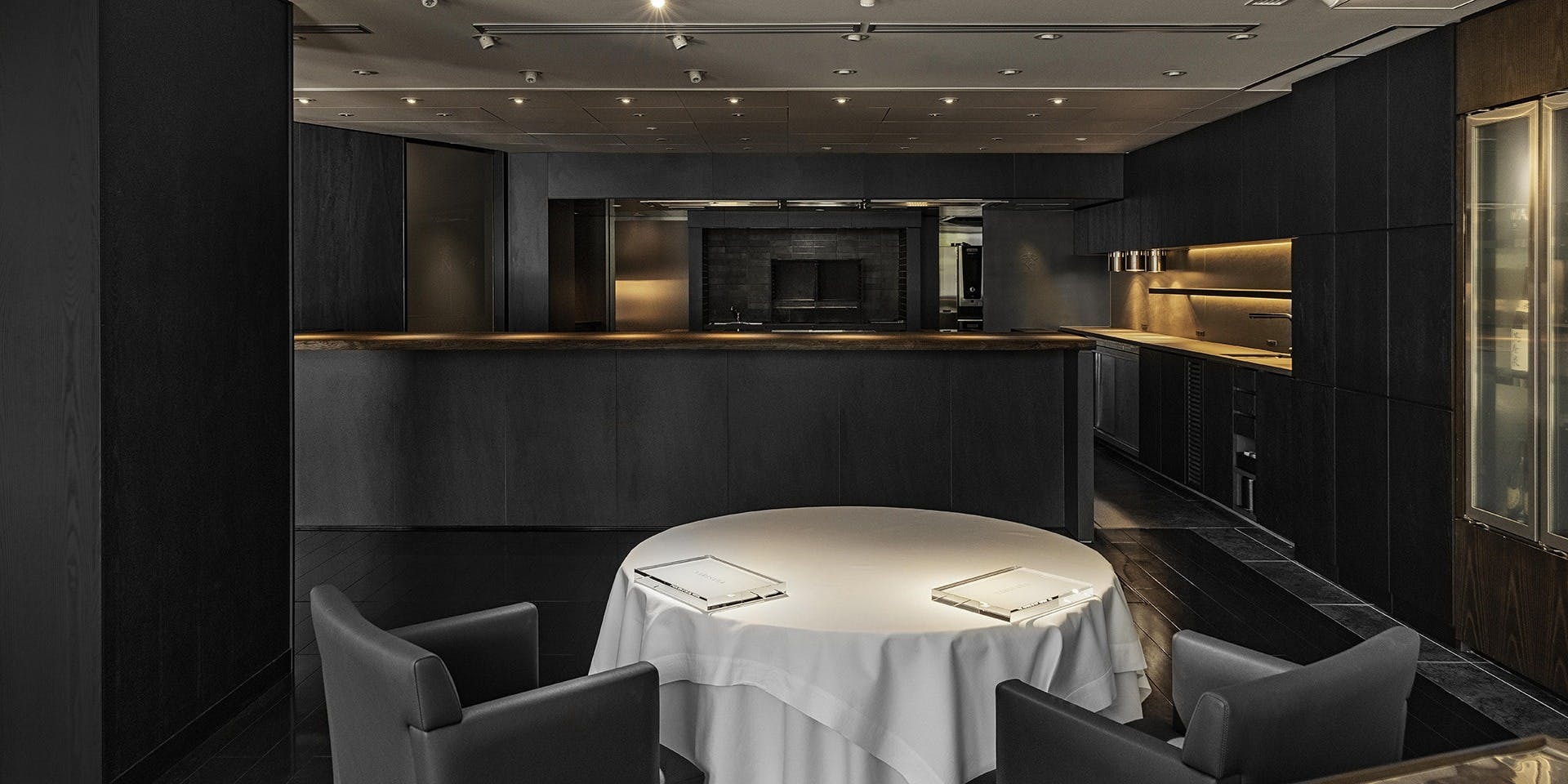
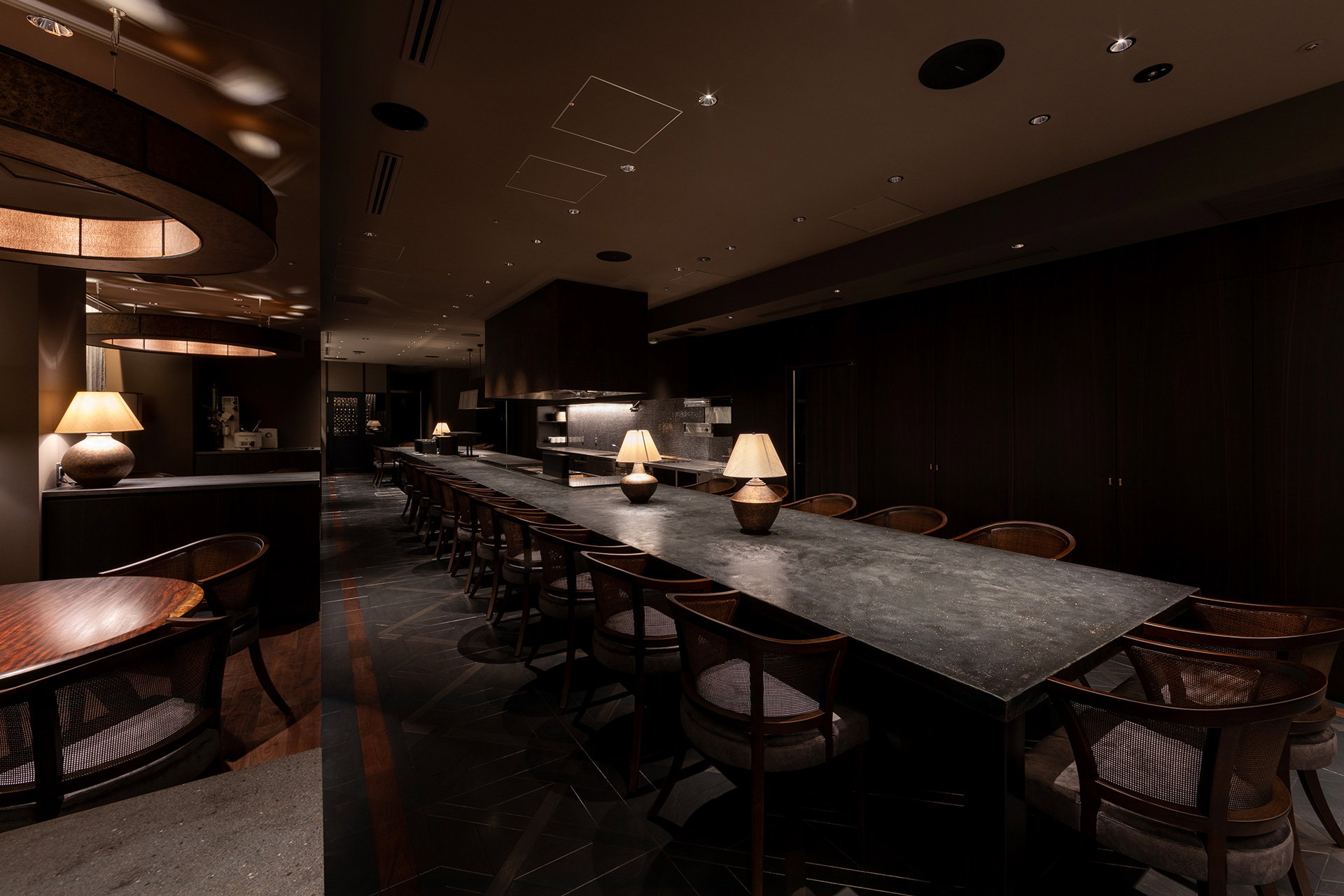
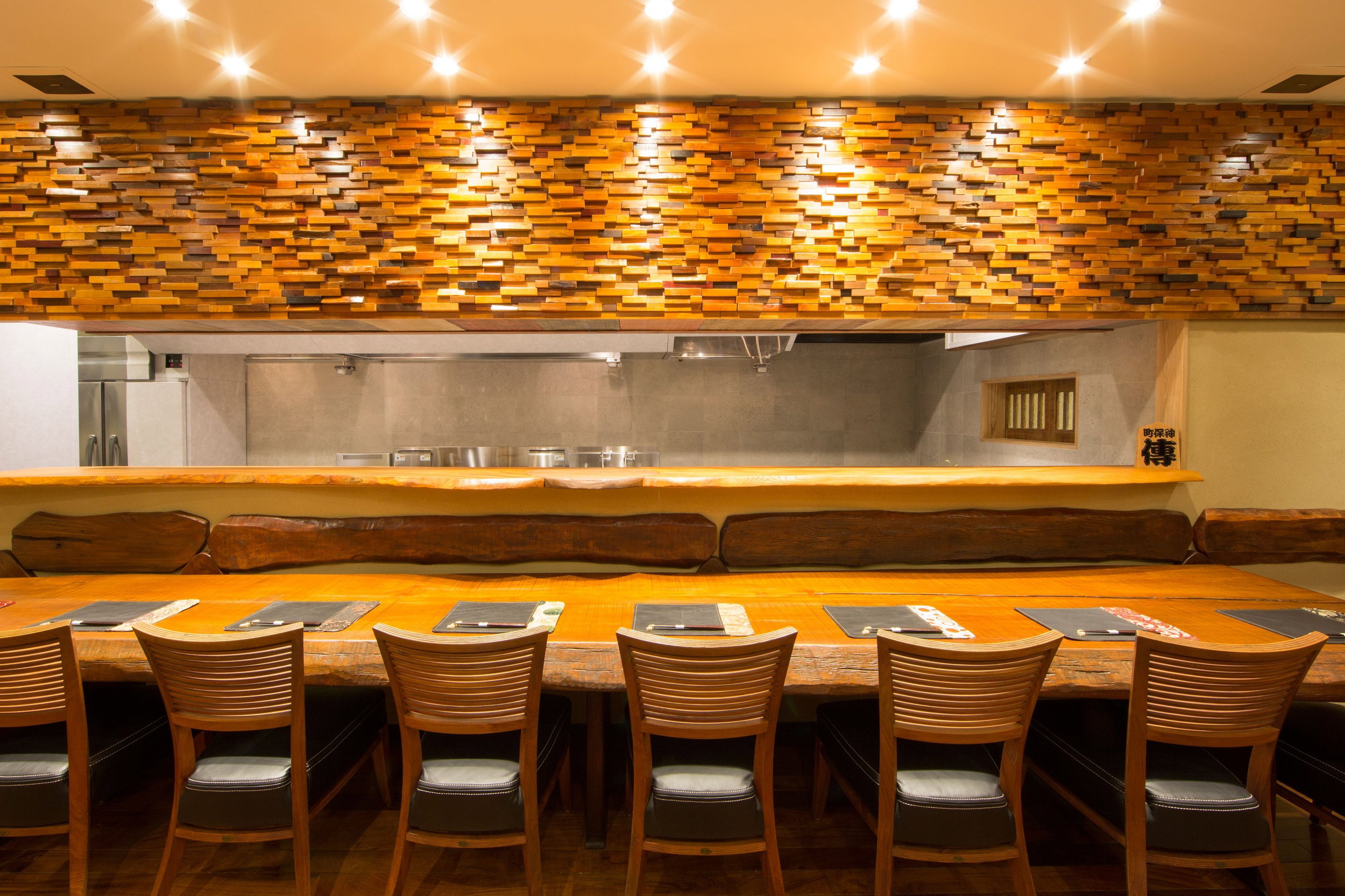
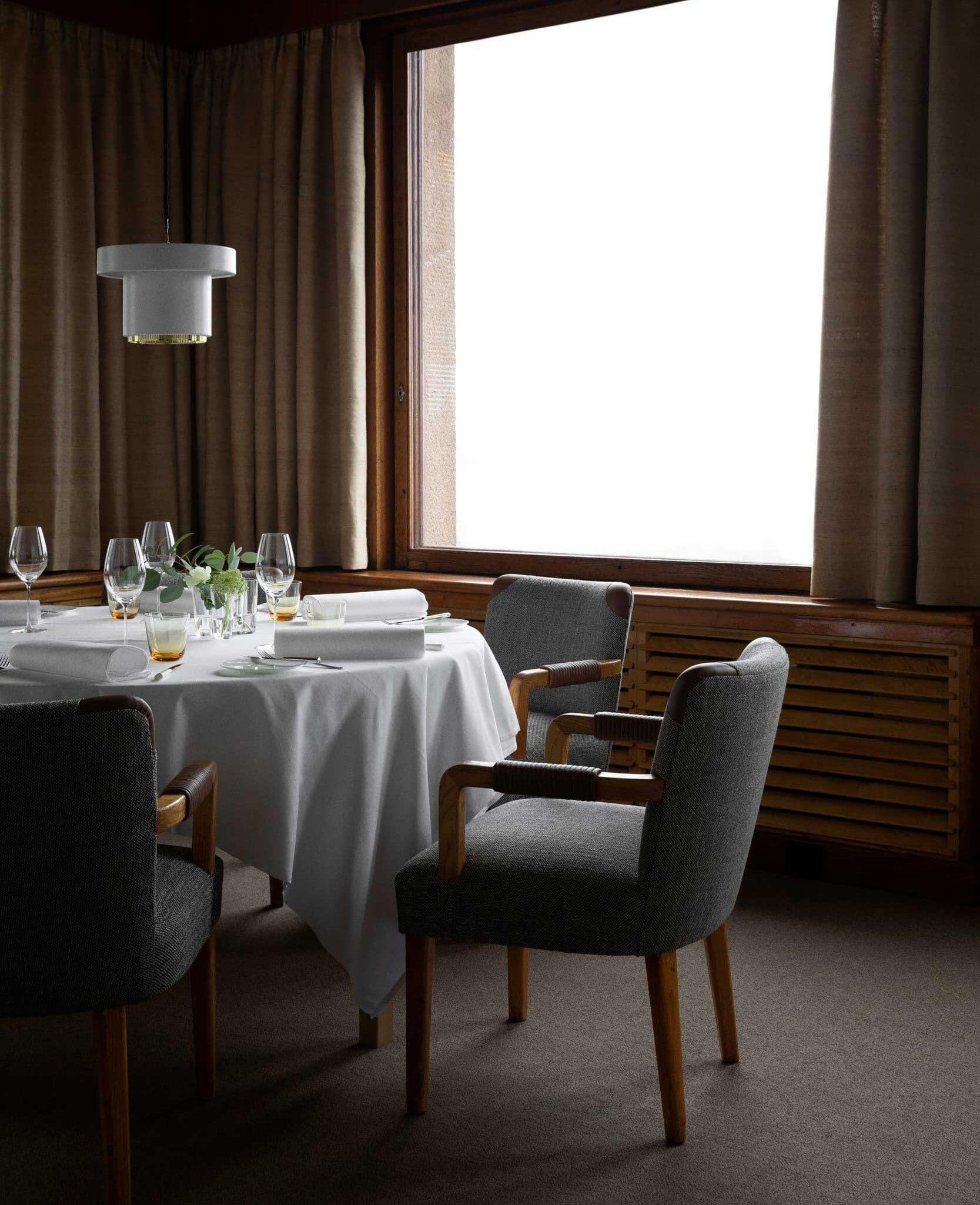
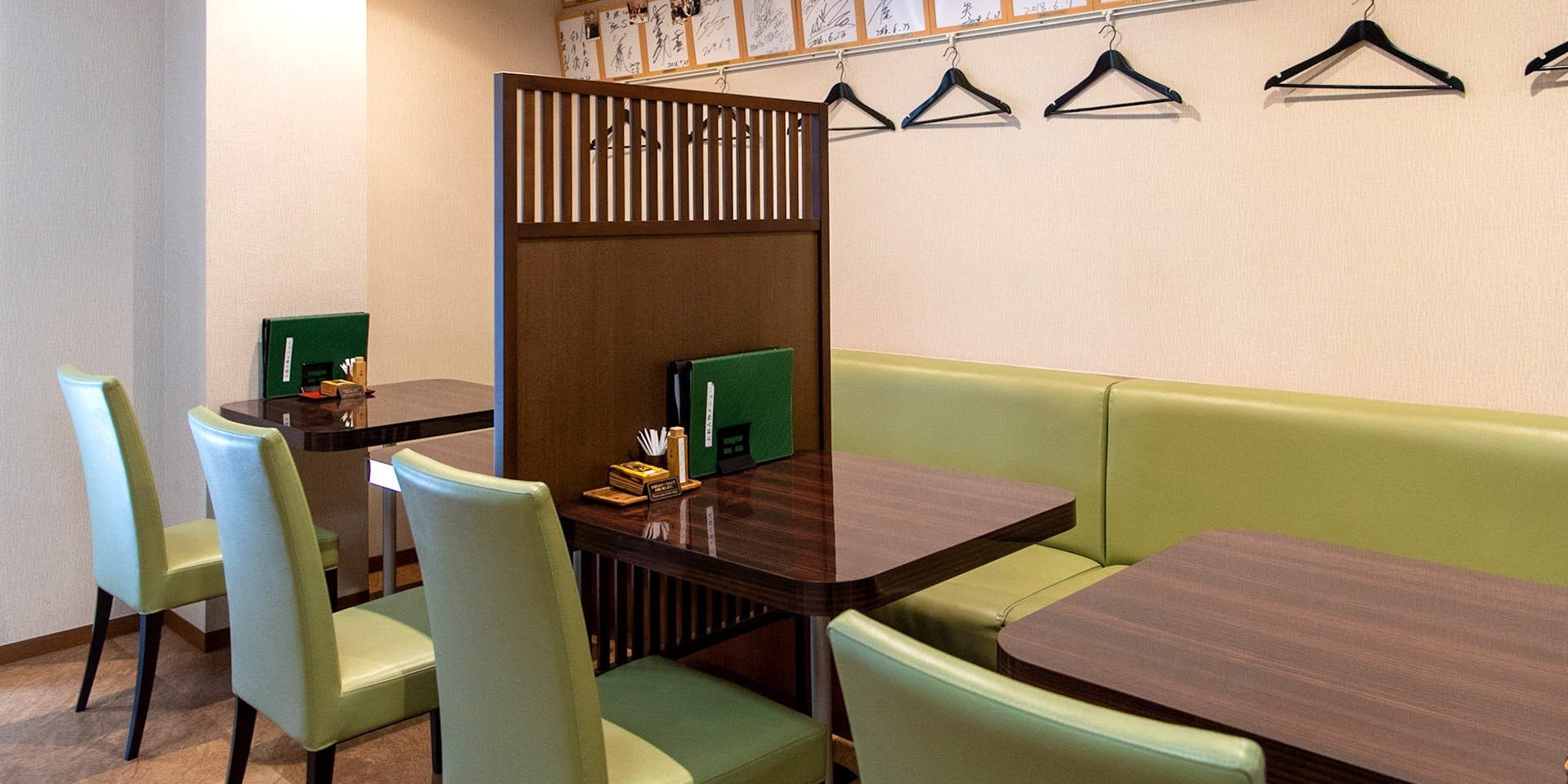
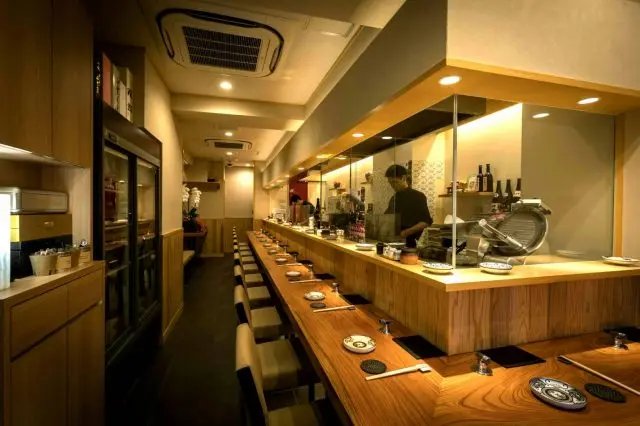
Narikura sits in Suginami City's Naritahigashi neighbourhood, a 6-minute walk from Minami-Asagaya Station on the Tokyo Metro Marunouchi Line, or about 12 minutes from Asagaya on the JR Chuo/Sobu Line. The setting is described on Tabelog as a house restaurant — compact, counter-led, and deliberately residential in feel rather than slick or commercial. There are 14 seats in total, no private rooms, and no parking. The room is non-smoking throughout. What you see when you walk in is a tight, purposeful space oriented around the counter: this is a kitchen-forward format, not a dining room designed for groups or extended corporate entertaining.
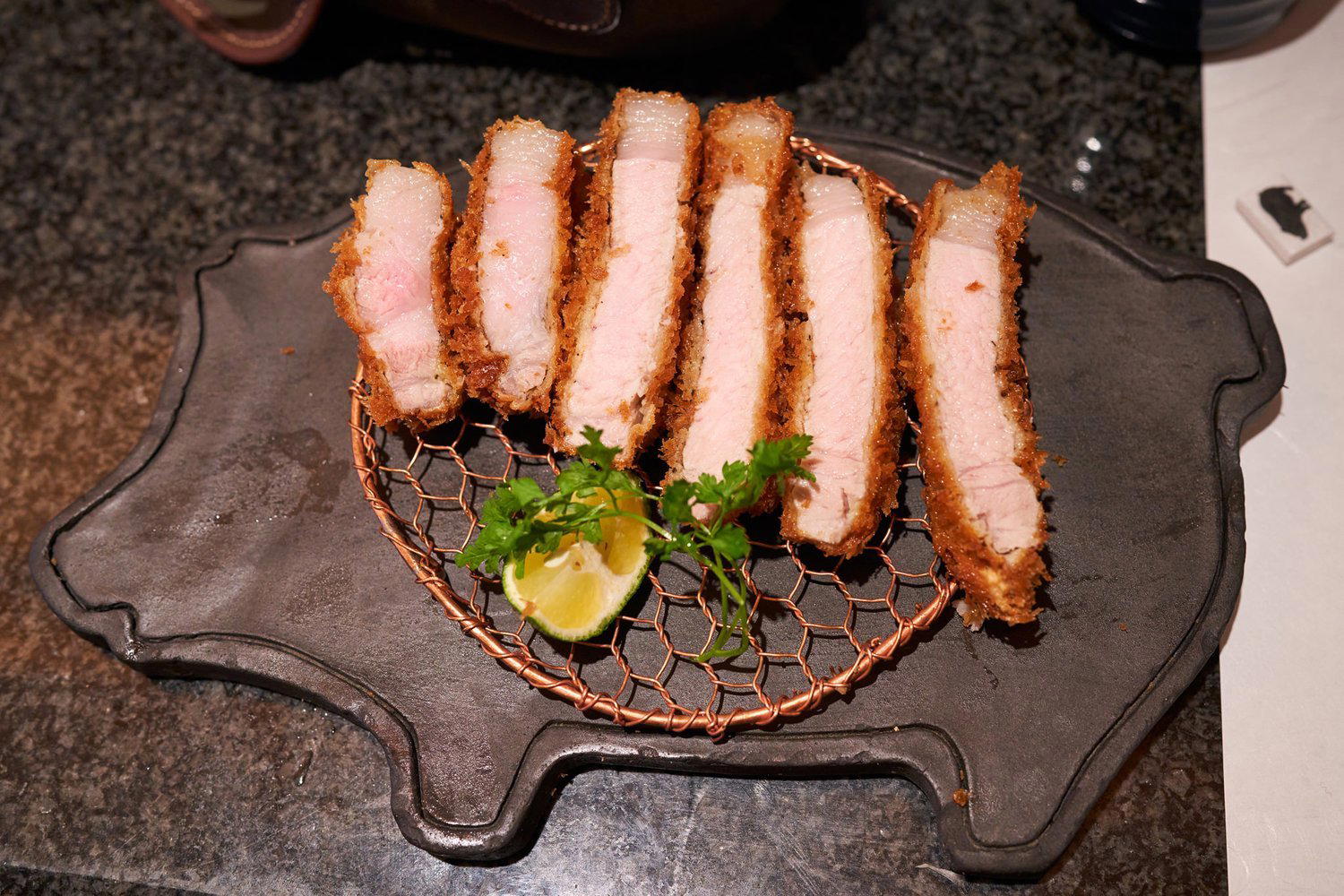
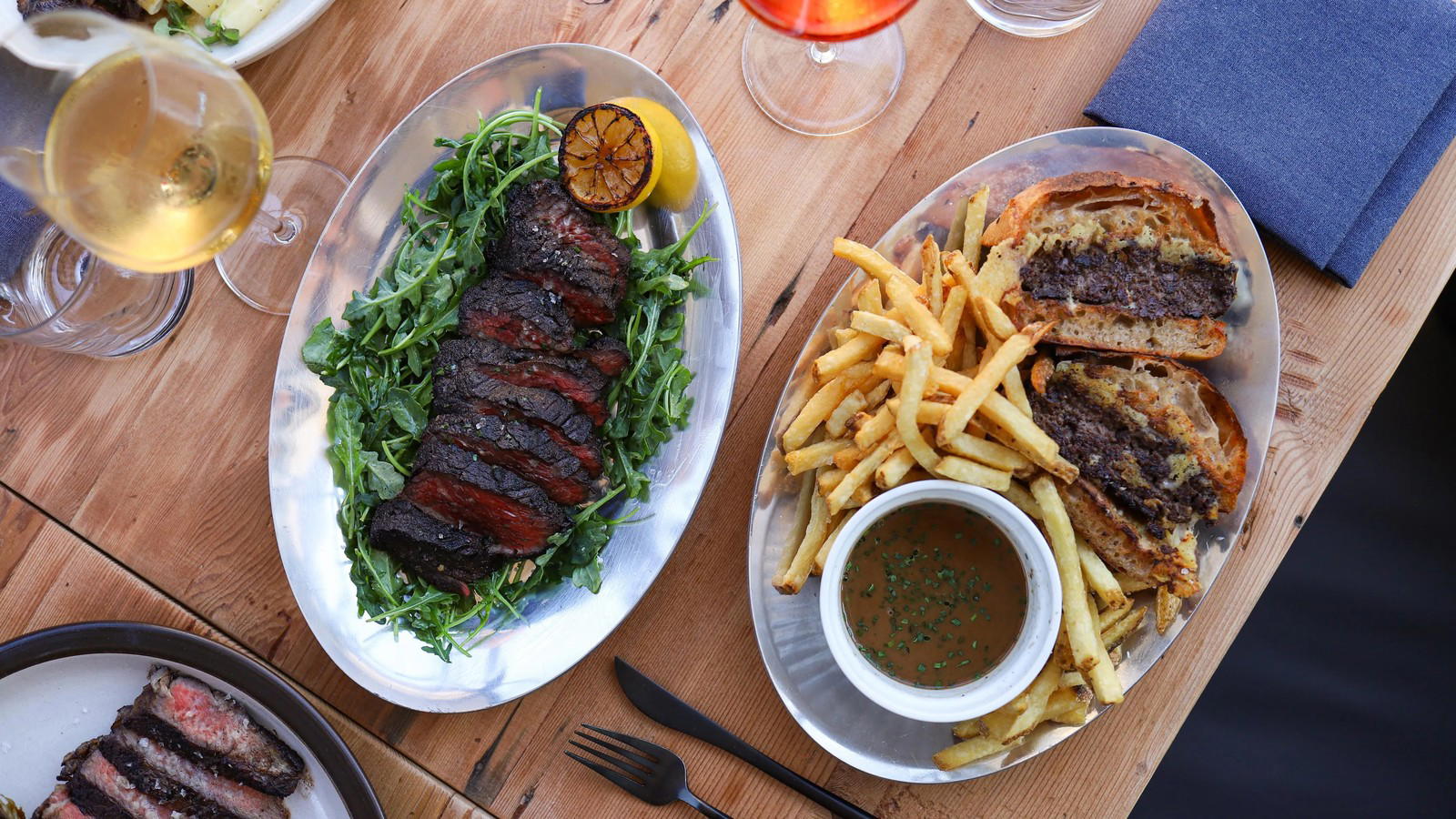
The visual story here is the food itself. Narikura's stated ambition, drawn from the venue's own description, is to bring out what it calls "the ultimate charm of pork," arriving at a white tonkatsu after significant development. That signals a kitchen with a clear technical point of view: the breading, oil temperature, pork selection, and resting time are all treated as variables to control, not defaults to accept. For a first-timer, that means you are visiting a place with a defined product philosophy, not a generalist fry house.
Awards and Standing
The credentials here are substantial and consistent. Narikura has held the Tabelog Bronze Award every year from 2021 through 2026, six consecutive years of recognition from Japan's most widely used restaurant review platform. It has also been named to the Tabelog Tonkatsu Top 100 in 2021, 2022, and 2024. Its current Tabelog score is 4.26, which places it in the top tier of Tokyo tonkatsu. Separately, Narikura ranks #1 on Opinionated About Dining's Casual Japan list for 2025, a publication with a strong track record in identifying technically serious kitchens across Japan. That OAD ranking in particular is significant: it reflects peer and expert recognition, not just volume-of-visit crowdsourcing. For a venue operating in a single-dish category like tonkatsu, this level of sustained multi-platform recognition is an unusually strong signal.
Booking Narikura
Reservations are required, walk-ins are not an option. Bookings are made through the Omakase reservation platform (linked from the venue's website at tonkatsu-narikura.com). Given the 14-seat capacity and the venue's award profile, plan to book at least 2–3 weeks in advance, especially for weekend sittings. The restaurant is closed Monday, Tuesday, and Friday, which limits your window to Wednesday, Thursday, Saturday, and Sunday. Lunch service runs 10:30–13:40 with last entry at 12:30; dinner runs 17:30–20:40 with last entry at 19:30. Both sessions operate on the same price tier, so the choice between lunch and dinner comes down to scheduling preference rather than cost. Overall booking difficulty is rated Easy by Pearl's standards, but that reflects the mechanics of the system rather than seat availability, a venue this well-decorated fills quickly on peak days.
Know Before You Go
- Cuisine: Tonkatsu (pork cutlet)
- Price range: ¥6,000–¥7,999 per head (reviewed spend: ¥8,000–¥9,999)
- Seats: 14 total, 6 at the counter
- Reservations: Required, book via the Omakase platform
- Hours: Wed, Thu, Sat, Sun, Lunch 10:30–13:40 (last entry 12:30); Dinner 17:30–20:40 (last entry 19:30)
- Closed: Monday, Tuesday, Friday
- Getting there: 6-minute walk from Minami-Asagaya Station (Marunouchi Line); 12-minute walk from Asagaya Station (JR Chuo/Sobu)
- Payment: Credit cards accepted (Visa, Mastercard, JCB, Amex, Diners); QUICPay accepted; QR code payments not accepted
- Service charge: None
- Smoking: Non-smoking throughout
- Children: Children under 12 not admitted
- Private rooms: Not available
- Occasion: Recommended for dates
- Awards: Tabelog Bronze 2021–2026; Tabelog Tonkatsu Top 100 (2021, 2022, 2024); Michelin Bib Gourmand 2025; OAD Casual Japan #1 (2025)
How Narikura Fits the Wider Tokyo Dining Scene
Narikura operates in a strong peer group for Tokyo tonkatsu. Butagumi is the other name most serious diners cite in this tier, with a well-documented focus on rare pork breeds. Ginza Katsukami and Katsuyoshi operate in more central, higher-visibility locations. Fry-ya and Katsusen round out a category that has genuinely strong depth in Tokyo. What distinguishes Narikura within this set is the sustained multi-platform consistency of its recognition, six consecutive Tabelog Bronze years combined with the Michelin Bib Gourmand and the OAD #1 casual ranking, at a price point that remains in the ¥¥ band rather than creeping into fine-dining territory.
If you are visiting Japan beyond Tokyo, the tonkatsu tradition extends across the country. Jukuseibuta Kawamura in Kyoto and Kyomachibori Nakamura in Osaka are Pearl-tracked options in the same category if your itinerary takes you further west. For broader dining planning in Tokyo across categories, see our full Tokyo restaurants guide, our Tokyo hotels guide, our Tokyo bars guide, our Tokyo wineries guide, and our Tokyo experiences guide. For dining elsewhere in Japan, Pearl also covers HAJIME in Osaka, Gion Sasaki in Kyoto, akordu in Nara, Goh in Fukuoka, 1000 in Yokohama, and 6 in Okinawa.
Planning details
- Hours
- Monday: Closed · Tuesday: Closed
- Location
- 4 Chome-33-9 Naritahigashi, Suginami City, Tokyo 166-0015, Japan
- Website
- tonkatsu-narikura.com
- Phone
- +81 3-6882-5214
The take
The Take
The Vibe
Narikura sits quietly in a residential pocket of Suginami, trading the theatrical bustle of central Tokyo for a house-restaurant intimacy. The dining room is compact — only 14 seats with a six-person counter — and the tone is deliberate rather than flashy. That domestic setting shapes the experience: food-focused, paced, and quietly assured. The write-up emphasises sustained peer recognition on Tabelog, and the combination of pared-back surroundings and meticulous tonkatsu service gives Narikura the feel of a hidden, classic specialist where technique and consistency matter more than spectacle.
Best For
This is an ideal spot for diners seeking a focused, elevated tonkatsu experience — whether treating a special occasion or sitting at the counter alone. The reservation-only model and small capacity make it suited to intimate, food-forward visits rather than casual groups. Repeated Tabelog honours underline its standing among tonkatsu specialists, so guests who prioritize technical precision and sustained quality will find Narikura rewarding. Its residential location further reinforces the impression of a neighbourhood destination valued by those in the know.
Ordering Tips
Narikura operates on a reservation-only basis via the Omakase website, and the room seats just 14 people with counter seating for six, so secure a booking before you go. The restaurant is walkable from Minami-Asagaya (about six minutes) or Asagaya (roughly 12 minutes), which helps plan logistics for the neighbourhood setting. Given the counter-focused layout and the restaurant’s sustained recognition on Tabelog, expect a concentrated, paced meal rather than a casual drop-in.
Venue details
Ambiance
Intimate counter seating in a modern building within a quiet residential area, focused on the chef's precise craftsmanship.
Tags
Vibe
Best For
Experience
Sourcing
At the Table
- Dress Code
- Smart Casual
- Noise Level
- Quiet
- Service Style
- Omakase Bar
- Meal Pacing
- Leisurely
- Capacity
- Intimate
- Kitchen
- Modern
- Menu Format
- Omakase, Counter dining
Signature Dishes
- Bara Katsu
- Ribeye Katsu
- Shabutaburian Katsu
- Cheese Mille-feuille Katsu
Know before you go
Know Before You Go
- Getting there
- 4 Chome-33-9 Naritahigashi, Suginami City, Tokyo 166-0015, Japan
Planning details
Hours
- Monday
- Closed
- Tuesday
- Closed
- Wednesday
- 10:30 am–1:30 pm, 5:30–8 pm
- Thursday
- 10:30 am–1:30 pm, 5–8 pm
- Friday
- Closed
- Saturday
- 10:30 am–1:30 pm, 5–8 pm
- Sunday
- 10:30 am–1:30 pm, 5:30–8 pm
Location
4 Chome-33-9 Naritahigashi, Suginami City, Tokyo 166-0015, Japan · Directions
Recognition and awards

Also consider
Also Consider
- Harutaka, Sushi, ¥¥¥¥
- L'Effervescence, French, ¥¥¥¥
- RyuGin, Kaiseki, Japanese, ¥¥¥¥
- HOMMAGE, Innovtive French, French, ¥¥¥¥
- Crony, Innovative, French, ¥¥¥¥
Restaurant context
Narikura operates in a different price tier from most of Tokyo's most-discussed restaurants. Where Harutaka, RyuGin, and L'Effervescence all sit at ¥¥¥¥ and deliver multi-course experiences at significantly higher per-head costs, Narikura offers award-level recognition at the ¥¥ mark. That is a meaningful distinction for anyone planning a Tokyo dining trip who wants credentialed eating across multiple nights without every meal requiring a ¥30,000+ outlay. If your itinerary already includes a high-end kaiseki or omakase counter, Narikura fills the role of the serious mid-range meal that does not feel like a step down.
HOMMAGE and Crony represent Tokyo's innovative French offer at the ¥¥¥¥ level, a category where the format and ambition are entirely different from a tonkatsu counter. The comparison is not directly competitive, you are choosing between different meal types, but for value efficiency, Narikura's OAD #1 Casual Japan ranking puts it in a position where it punches well above its price band relative to those venues.
Within the tonkatsu category specifically, Butagumi is the closest peer: both are counter-focused, award-backed specialists. Narikura's edge is the sustained six-year Tabelog Bronze consistency and the Michelin Bib Gourmand, combined with a location that is slightly off the tourist circuit, which keeps the room feeling local. If you can only do one tonkatsu meal in Tokyo and want the strongest credentials-to-price ratio, Narikura is the clearer pick over its peers. If you want a more central location or more flexible group seating, Ginza Katsukami or Butagumi are the practical alternatives.
Explore Tokyo
Around this place
Discover more on Pearl
Unlock the full Narikura guide in Pearl, including awards, comparisons, FAQs, planning details, and nearby places.
Compare Narikura
| Venue | Price | Awards |
|---|---|---|
| Narikura | ¥¥ | Tabelog 100 - Tonkatsu - 2026 · #542026 OAD Casual in Japan Ranked · #1092026 Tabelog Bronze · #3102025 OAD Casual in Japan Ranked · #12025 Tabelog Bronze2025 Michelin Bib Gourmand2024 OAD Casual in Japan Ranked · #32024 Michelin Bib Gourmand2023 OAD Casual in Japan Ranked · #1 |
| Harutaka | ¥¥¥¥ | 2026 Tabelog Silver · #312026 OAD Top Restaurants in Japan Ranked · #1282026 Michelin 3 Stars2026 La Liste Top RestaurantsTabelog 100 - Sushi - TOKYO - 2025 · #372025 Asia's 50 Best Restaurants · #762025 OAD Top Restaurants in Japan Ranked · #1172025 La Liste Top Restaurants2025 Tabelog Bronze |
| L'Effervescence | ¥¥¥¥ | 2026 Tabelog Silver · #682026 OAD Top Restaurants in Japan Ranked · #103Star Wine Lists 20262026 Black Pearl 2 Diamond2026 Relais Chateaux Restaurants2026 La Liste Top Restaurants2026 Michelin 3 Stars2025 Asia's 50 Best Restaurants · #692025 OAD Top Restaurants in Japan Ranked · #92 |
| RyuGin | ¥¥¥¥ | 2026 OAD Top Restaurants in Japan Ranked · #802026 Tabelog Bronze · #3772026 Michelin 3 Stars2026 La Liste Top RestaurantsTabelog 100 - Japanese cuisine - TOKYO - 2025 · #212025 OAD Top Restaurants in Japan Ranked · #542025 Michelin 3 Stars2025 La Liste Top Restaurants2025 The Best Chef Three Knives |
| HOMMAGE | ¥¥¥¥ | 2026 Tabelog Bronze · #1232026 OAD Top Restaurants in Japan Highly Recommended2026 Michelin 2 StarsTabelog 100 - French - TOKYO - 2025 · #762025 Asia's 50 Best Restaurants · #782025 OAD Top Restaurants in Japan Ranked · #1752025 Michelin 2 Stars2025 The Best Chef One Knife2025 La Liste Top Restaurants |
| Crony | ¥¥¥¥ | 2026 Asia's 50 Best Restaurants · #34Star Wine Lists 20262026 OAD Top Restaurants in Japan Recommended2026 Michelin 2 Stars2025 Asia's 50 Best Restaurants · #30Tabelog 100 - French - TOKYO - 2025 · #782025 OAD Top Restaurants in Japan Ranked · #227We're Smart World Top Restaurants 20252025 Michelin 2 Stars |












Side-by-side comparison to help you decide where to book.
FAQ
Frequently Asked Questions
Is Narikura worth the price?
Yes, for the category. Actual spend runs ¥8,000–¥9,999 per head based on reviewer data, which sits well below what you'd pay at a comparable multi-course counter in Tokyo. Narikura has held the Tabelog Bronze Award every year from 2021 through 2026, earned a Michelin Bib Gourmand in 2025, and ranked #1 in Opinionated About Dining's Casual Japan list — credentials that make the price-to-recognition ratio hard to argue with for serious tonkatsu.
What should I wear to Narikura?
No dress code is listed. As a 14-seat house restaurant in a residential Suginami neighbourhood, the setting is intimate rather than formal — neat casual is a safe read, but there is no documented requirement to dress up.
Can Narikura accommodate groups?
Groups of more than 6 will need to split across the room — there are 14 seats total, with only 6 at the counter. Private rooms and private-use booking are both unavailable, and maximum party size is not specified. For larger groups who want to sit together, a venue with a private dining option would serve better.
Is Narikura good for a special occasion?
Tabelog reviewers specifically flag it for dates, and the combination of a counter-only format, reservation-only access, and six consecutive Tabelog Bronze Awards gives it the feel of a considered booking rather than a casual meal. It works well for a meaningful dinner for two; just note there are no private rooms, children under 12 are not admitted, and no service charge is added to the bill.
What are alternatives to Narikura in Tokyo?
Butagumi is the most cited peer in the serious Tokyo tonkatsu tier and is worth comparing directly if Narikura's limited operating days (Wednesday, Thursday, Saturday, Sunday only) create a scheduling conflict. For a completely different format at a higher price point, multi-course counters like RyuGin or L'Effervescence are in a separate category — better comparisons if the occasion calls for a longer tasting experience rather than a focused single-dish meal.
Is lunch or dinner better at Narikura?
Pricing data shows the same budget range for both lunch and dinner (¥6,000–¥7,999 listed, ¥8,000–¥9,999 based on reviews), so cost is not a differentiator. Lunch runs 10:30–13:40 with last entry at 12:30; dinner runs 17:30–20:40 with last entry at 19:30. If your schedule is flexible, lunch slots at a tight counter like this tend to be slightly easier to secure, but both sessions require advance reservation through the Omakase platform.