

Tabelog 100 - Tonkatsu - 2026: Japan’s Finest Tonkatsu Restaurants
Tabelog 100 (Hyakumeiten) Tonkatsu selection for 2026. Tabelog publishes these as source-ordered lists of 100 restaurants.

Venues on this list
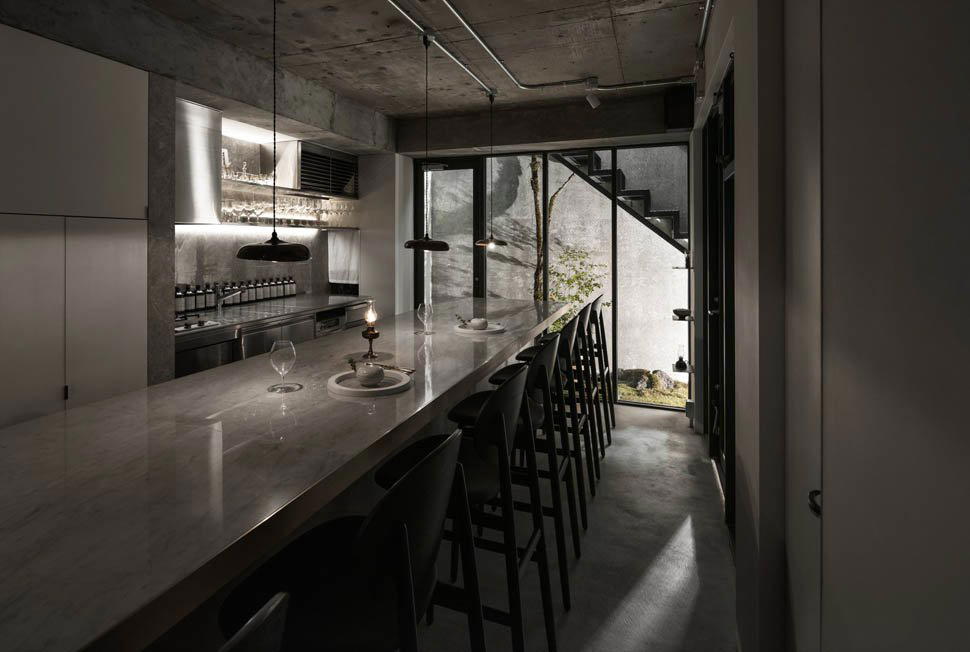
Yama Botan
Okaya, Japan
Tabelog 100 tonkatsu specialist in Okaya, open lunch-only with no reservations. Iwanaka pork loin is breaded and fried to order at JPY 3,000–3,999, but expect 30-minute prep time and sell-outs before 2 PM. Seats only parties of 1–3; groups should book elsewhere.
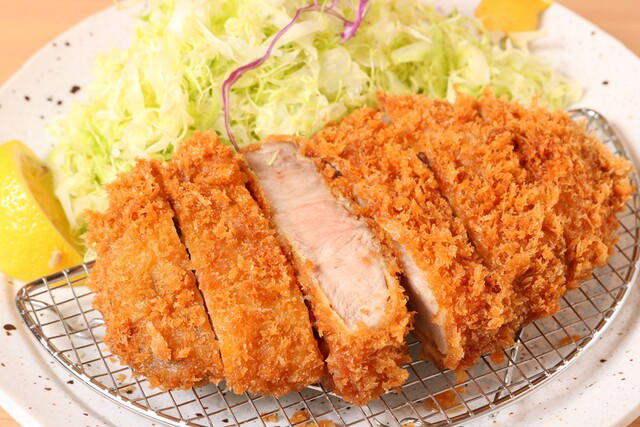
Tonkatsu Meguro Kogane
Tokyo, Japan
Tonkatsu Meguro Kogane fries Hayashi SPF pork to order at an 11-seat counter three minutes from Meguro Station, charging JPY 1,000–1,999 for lunch and dinner. Four Tabelog 100 selections (2021, 2022, 2024, 2026) at this price tier make it one of Tokyo's smartest tonkatsu plays for the money.
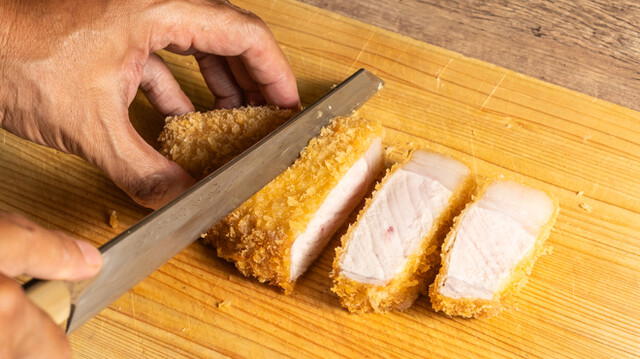
Shibaken
Osaka, Japan
Tabelog 100 tonkatsu specialist in Miyakojima-ku, five minutes from Noe Uchindai Station. Lunch (JPY 3,000–3,999) offers the same premium pork cutlet as dinner at a lower price point; counter seating provides front-row views of the frying line. Family-friendly daytime service, tighter evening capacity; book ahead for weekends.
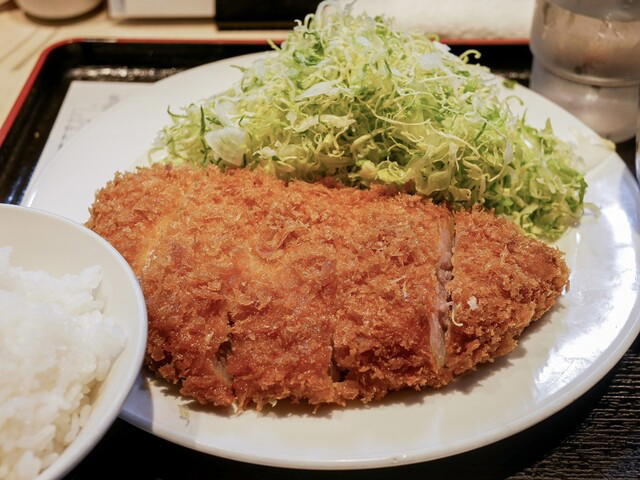
Nishi Mura
Tokyo, Japan
A Tabelog 100 Tonkatsu veteran serving weekday lunch only at a 14-seat Ginza counter, Nishi Mura delivers consistent breaded pork cutlets in the JPY 1,000–1,999 range with minimal fuss. The cash-only, lunch-only format suits solo diners and office workers more than evening travelers, but the quality justifies the award if the timing works.
Cutlet Matsumura
Nagoya, Japan
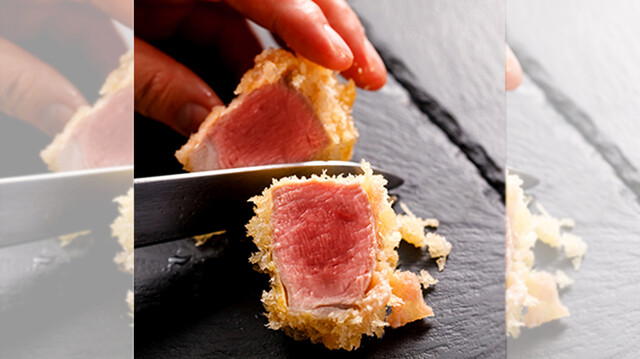
A 10-seat tonkatsu counter inside Nagoya Station's Dai Nagoya Building, earning three consecutive Tabelog 100 selections for French-trained technique and a wine program rare in the category. Reservations open two weeks out, and weekday lunches offer the easiest access at JPY 2,000–2,999 base price.
Kyomachibori Nakamura
Osaka, Japan
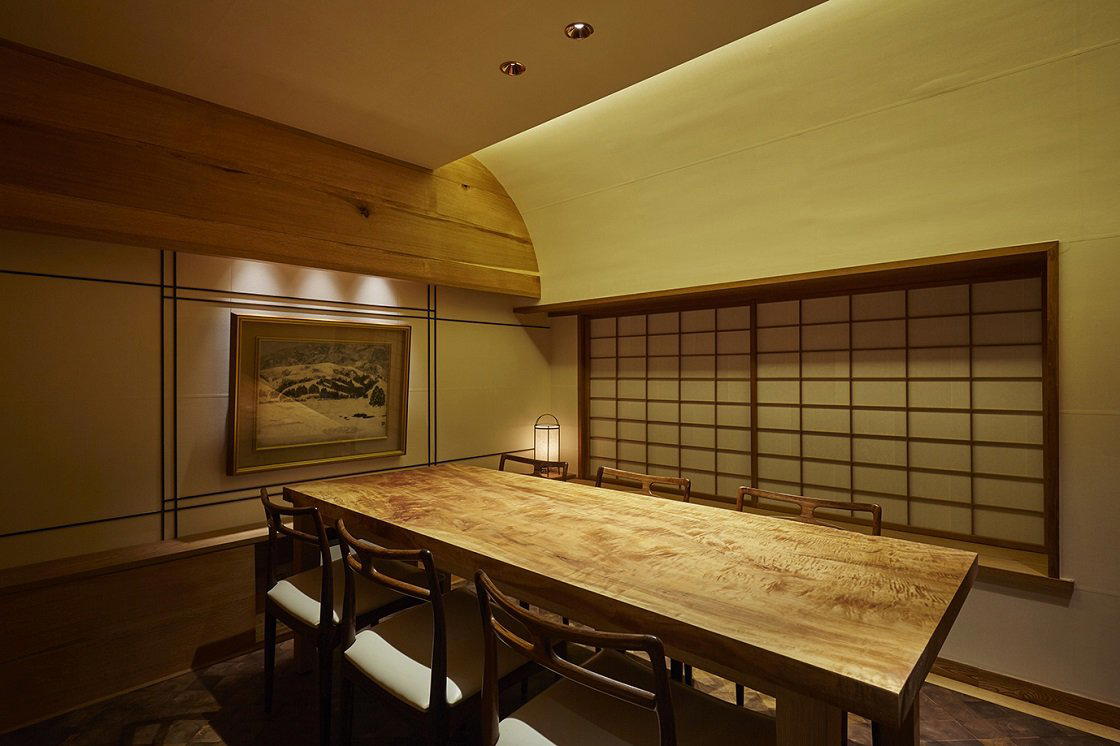
A Michelin Bib Gourmand tonkatsu restaurant in Osaka's Asahi-ku that runs a prix fixe format comparing multiple pork cuts and branded loins side by side. At a ¥¥ price point, the depth of the experience is hard to find elsewhere in the category. Book if you want to understand what tonkatsu can actually be.
Tokugawa Cho Buta Fuku
Nagoya, Japan
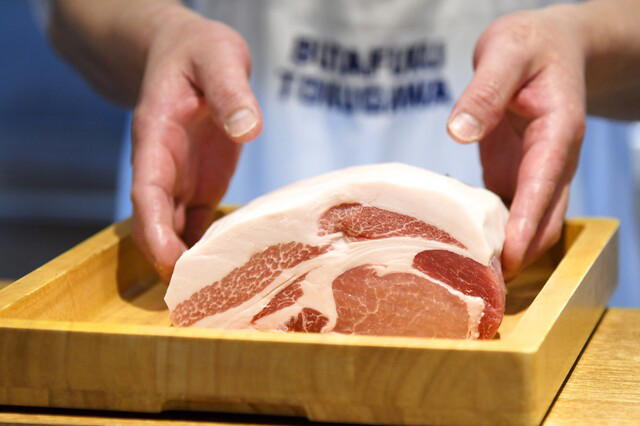
A 24-seat tonkatsu counter in Nagoya's Tokugawacho district, walk-in only, serving lunch (JPY 2,000–2,999) and dinner (JPY 3,000–3,999). Named to Tabelog's 100 Best Tonkatsu for 2026. Expect queues, especially weekends, but the price-to-quality ratio justifies the wait for pork cutlet specialists.
Tonkatsu Hinata
Tokyo, Japan
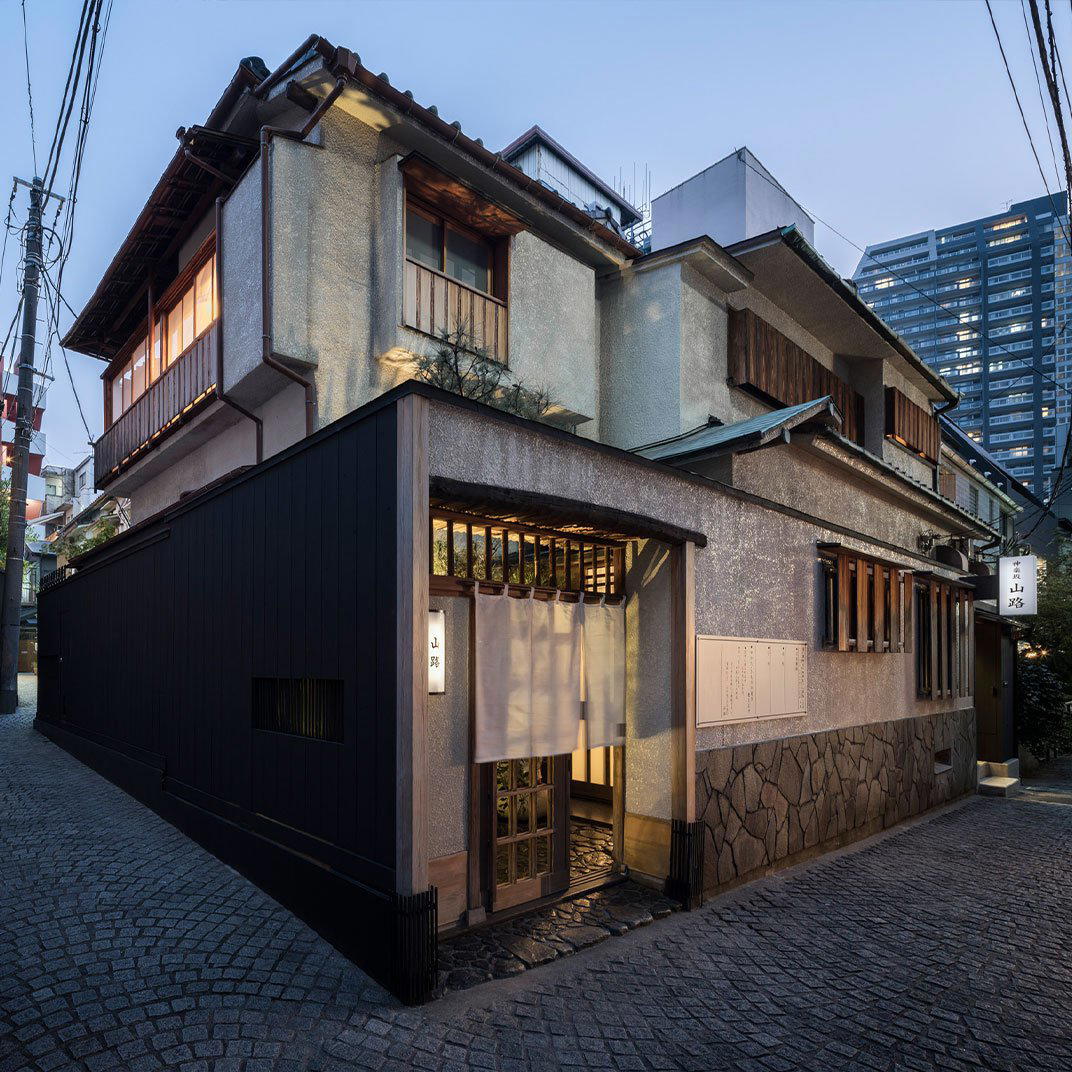
Chef Yuta Kimura's whole-carcass buying delivers rarer pork cuts; rump cap, jowl, eye-of-round; in an evening tasting format at Takadanobaba. At ¥2,000–¥2,999, the prix fixe offers more depth than the standard loin-and-tenderloin lunch and sits below the price tier of Tokyo's more formal tonkatsu specialists. Tabelog 100 selection since 2018.
Tonkatsu to Wine Nichigetsu
Kobe, Japan
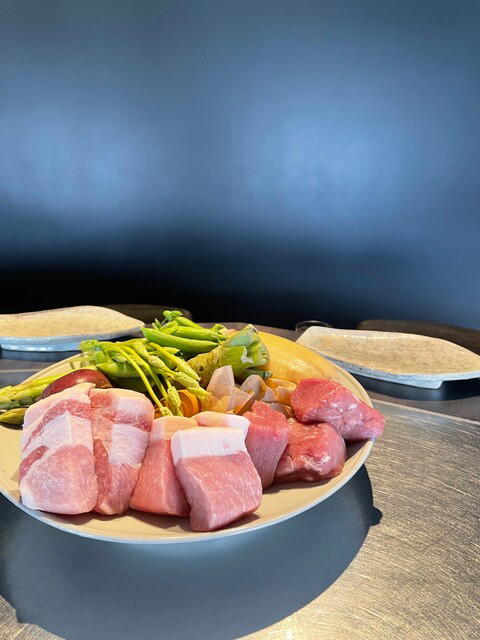
A six-seat tonkatsu counter in Kobe that pairs fried pork cutlets with curated wines and sommelier service. Recognized on Tabelog's 100 Best Tonkatsu list for 2026, it operates on a reservation-only, synchronized-seating format at JPY 10,000–14,999 for dinner. Book for special occasions when wine pairing and counter theater justify the premium; skip if you want quick, casual tonkatsu.
Tompachitei
Tokyo, Japan
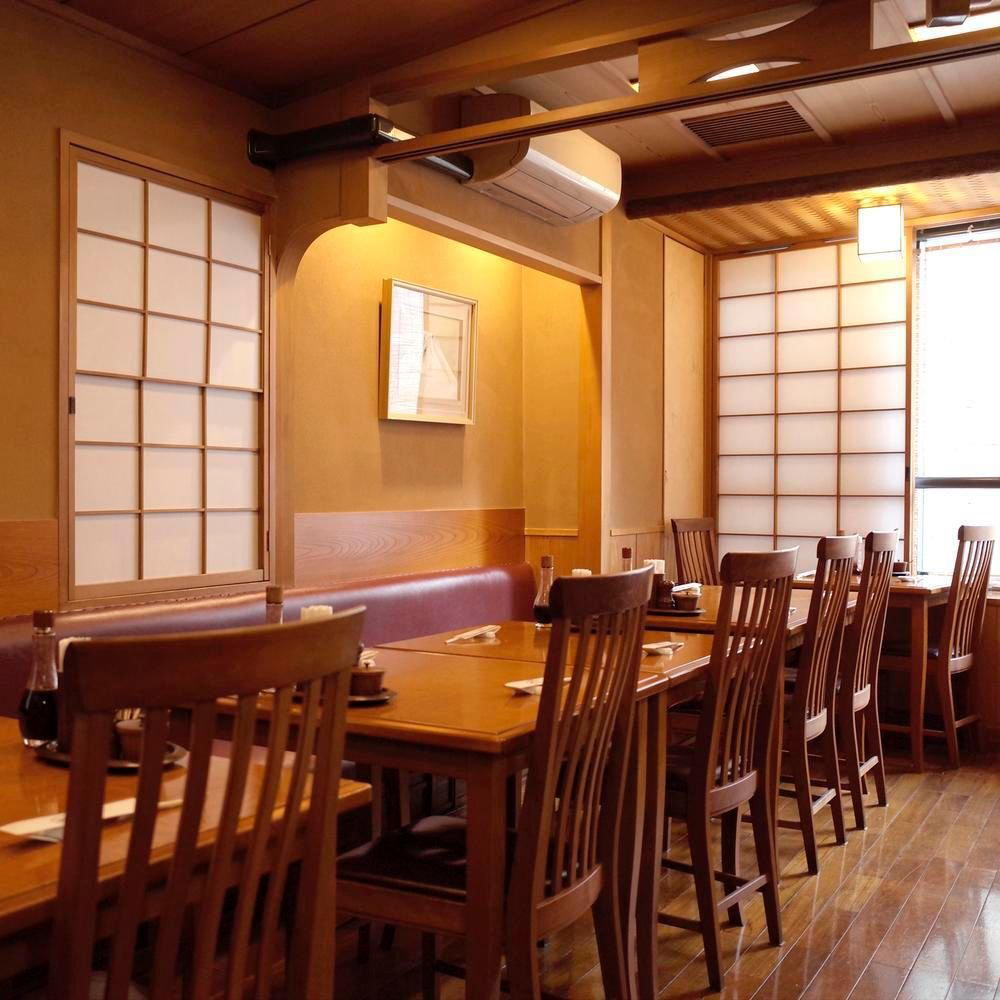
Tompachitei is a strong Ueno pick for a value-led tonkatsu lunch, especially for solo diners or pairs who want a focused meal without a premium room. Book it for category confidence and low price, not for dinner, large groups, or a dressy special occasion.
Tonkatsu Shokubo Atsumaru
Nagoya, Japan
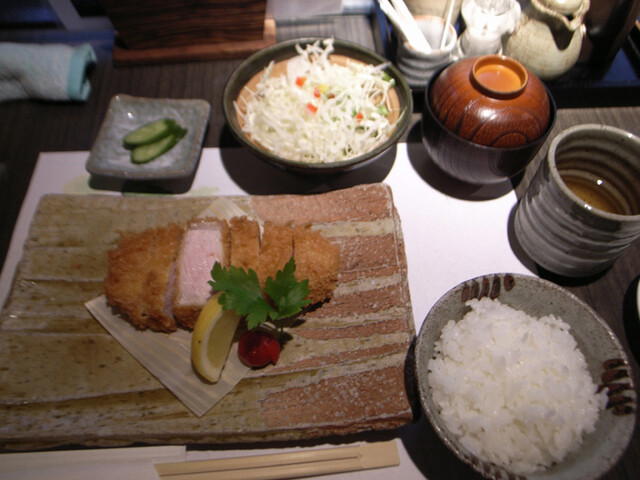
House-converted tonkatsu specialist in Moriyama ward with eight Tabelog 100 selections (2017–2026) and consistent pricing between JPY 1,000 and JPY 1,999. Counter, tatami, and sunken seating accommodate solo diners and families; no reservations accepted, so weekday lunch around 11:30 AM or post-7:30 PM weeknight dinners offer the shortest waits.
Épais Coup
Osaka, Japan
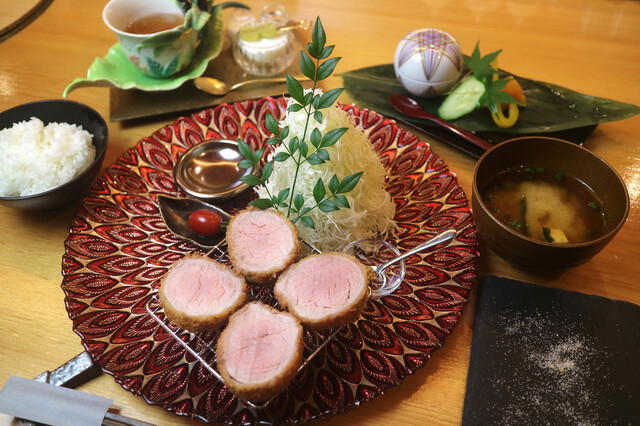
Award-winning tonkatsu counter near JR Suita Station, recognized on Tabelog's 100 list three consecutive cycles (2022, 2024, 2026). Lunch runs first-come for JPY 2,000–JPY 2,999; dinner takes reservations and adds a JPY 400 service charge. Six seats mean solo diners and pairs move fastest; groups of three or more face longer waits or should book dinner ahead.
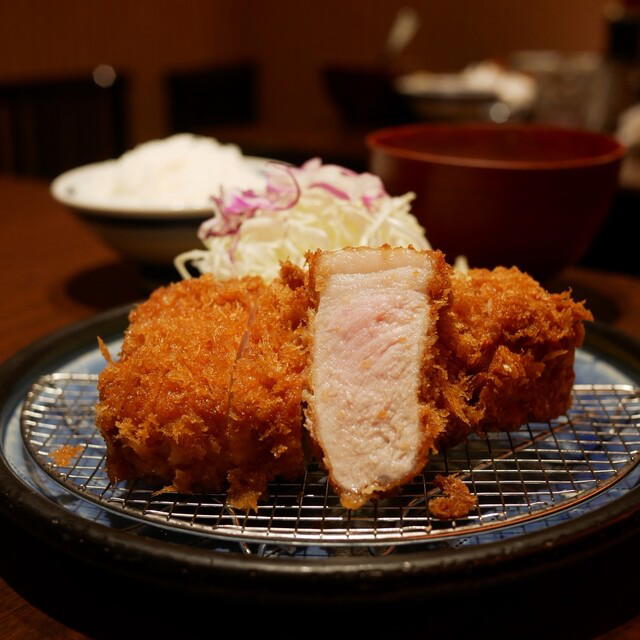
Tonkatsu Aoki Ginza 8 chome ten
Tokyo, Japan
A basement tonkatsu specialist in Ginza's eighth district, selected for Tabelog 100 Tonkatsu every year since opening in 2018. No reservations, 15 seats, and a JPY 2,000–2,999 price point make it one of Tokyo's most accessible award-recognized tonkatsu shops. Counter seats offer a view of the frying station; expect quick turnover and efficient service rather than lingering conversation.
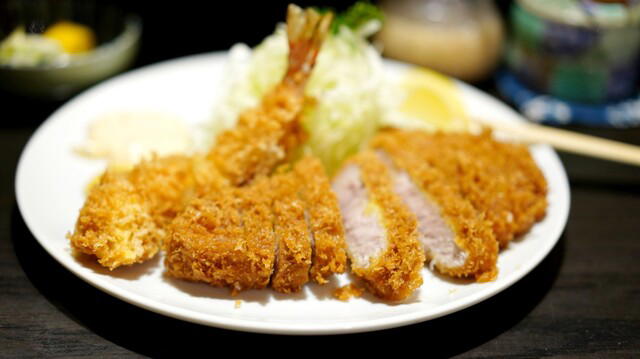
Tonkatsu Yamaichi
Tokyo, Japan
A 12-seat Kanda Sudacho tonkatsu counter with Tabelog 100 recognition since 2017, serving classic loin and fillet cutlets at JPY 2,000–2,999 per head. No reservations, cash only, and tight lunch windows (11 AM–1:30 PM most days) mean timing is the primary booking challenge. Worth it if you value consistent fry technique over scene or flexibility.
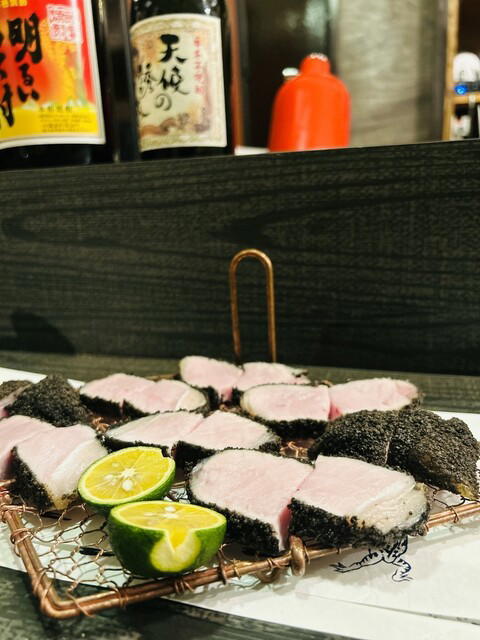
Takuya
Osaka, Japan
Takuya offers gluten-free tonkatsu with squid-ink brown rice breadcrumbs at an eight-seat counter in Osaka's Kita Ward. Named to the Tabelog 100 five times since 2018, it delivers a distinctive black crust and dinner-only format for JPY 8,000 to JPY 9,999 per head. Worth booking if you want something different from standard panko.
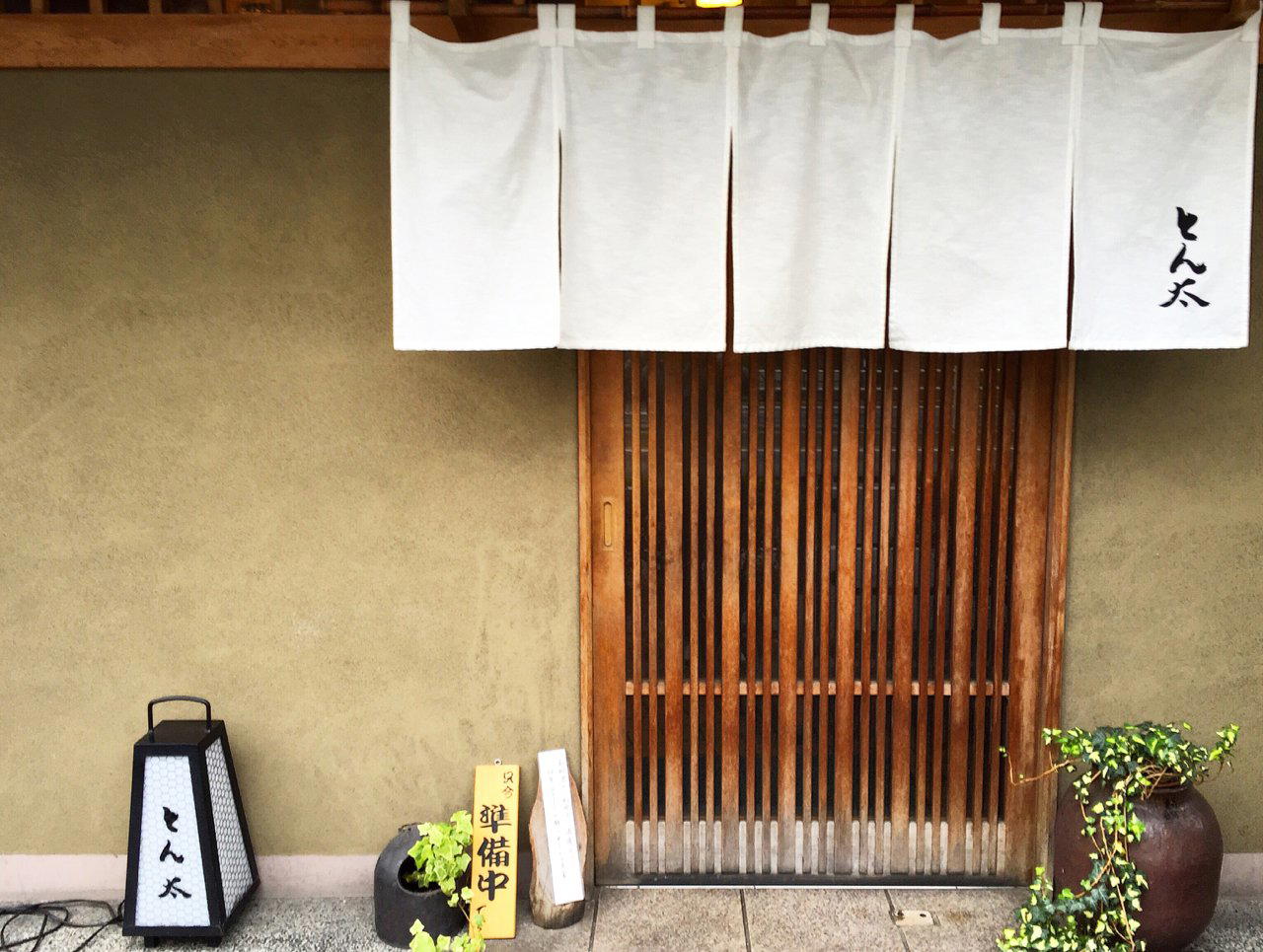
Tonta
Tokyo, Japan
Tonta is one of Tokyo's most consistently ranked tonkatsu counters, holding a top-10 spot on Opinionated About Dining Casual Japan in both 2023 and 2024. Dinner only, three nights a week, in Toshima; this is a deliberate booking for serious eaters, not a casual drop-in. If tonkatsu at its ceiling is what you want, this is where to go.
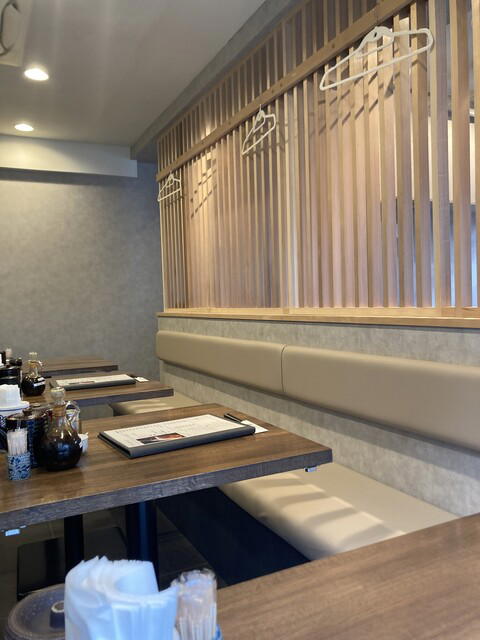
Tonkatsu Ouryu
Tokyo, Japan
Tonkatsu Ouryu delivers Tabelog 100-recognized frying technique at JPY 1,000–3,999, making it a smart bet for tonkatsu without luxury pricing. The catch: lunch reservations force you onto the pricier dinner menu, so walk-ins are better for budget-conscious diners. Groups of six or more can book the private tatami room.
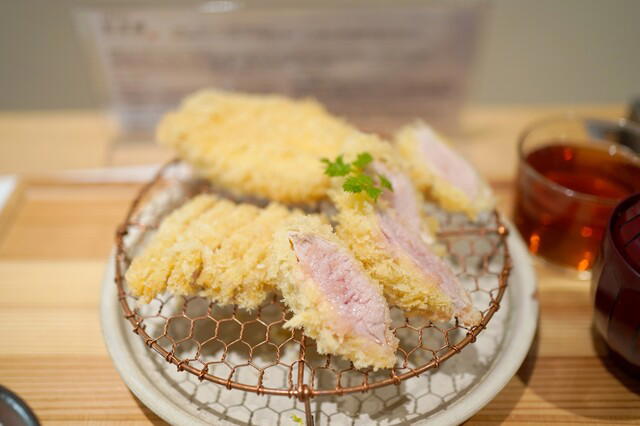
Tonkatsu Gensuiton
Tokyo, Japan
A 2021-opened tonkatsu counter in Sangenjaya earning its Tabelog 100 slot through heritage pork sourcing and cafeteria-priced execution. Walk-ins only, cash only, JPY 1,000–JPY 1,999 per head, with lean and rare cuts fried to order at an 11-seat counter. Worth the queue if you prioritize pork quality over reservations and credit cards.
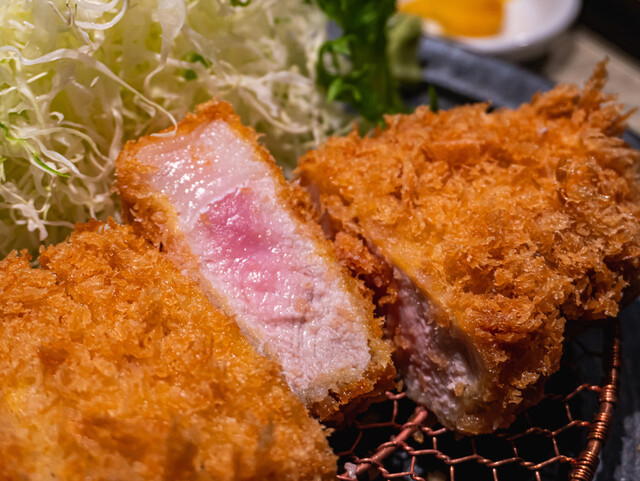
Kurobuta Tonkatsu Kuromatsu
Fukuoka, Japan
A walk-in-only kurobuta tonkatsu counter in Daimyo, Kuromatsu earned a 2026 Tabelog 100 Tonkatsu selection for Kagoshima black pork sourced from a contracted farm. At JPY 1,000–1,999 for lunch, it rewards solo diners and pairs willing to queue; groups and late diners should look elsewhere given the 20-seat cap and 7:30 PM close.
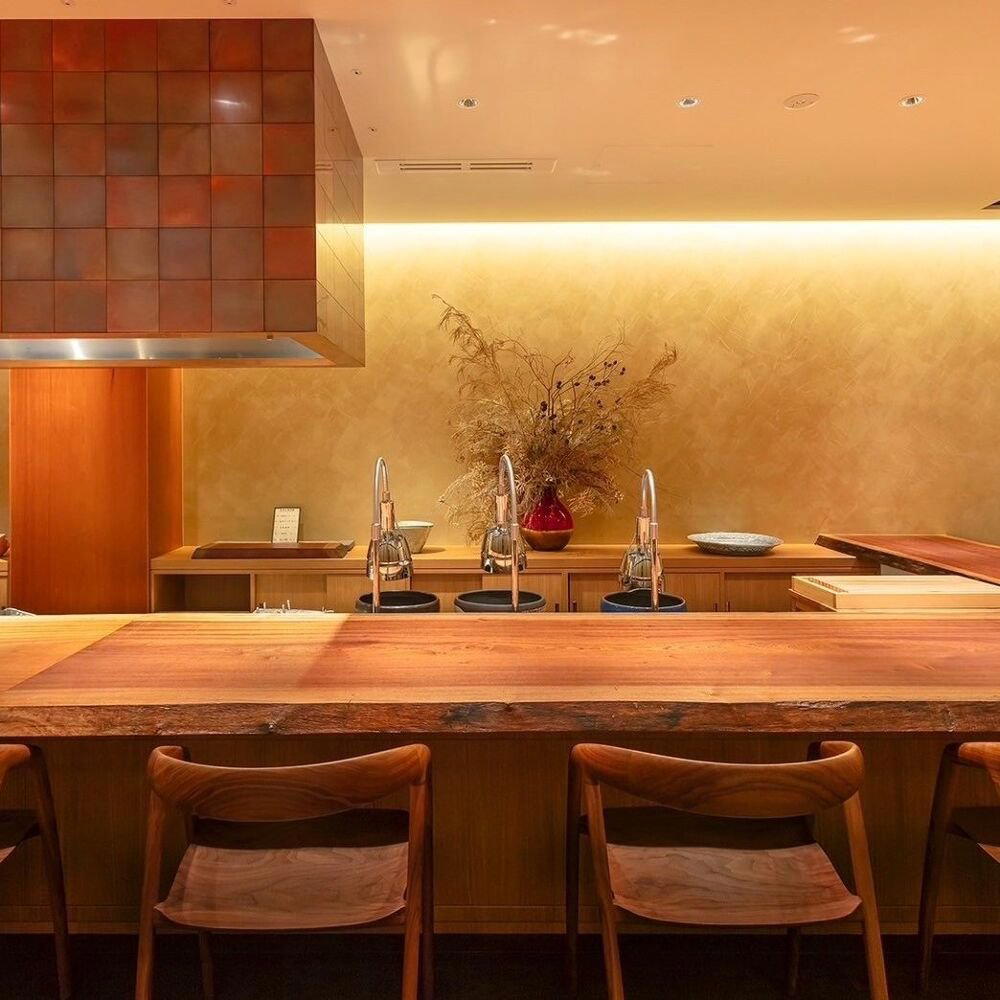
京町堀 なかむら
Osaka, Japan
A smart Osaka Shi pick for diners who want a recognized Kyomachibori meal without a high-friction booking. Treat it as a planned dine-in choice, not a takeout or delivery fallback, and cross-shop lower-priced casual options if budget clarity matters more than recognition.
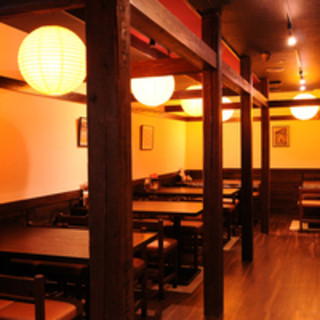
Agezuki
Tokyo, Japan
A Tabelog 100 tonkatsu specialist in Kagurazaka open until 10 PM most nights, with lunch at JPY 1,000–JPY 1,999 and dinner at JPY 2,000–JPY 2,999. Counter and table seating for 26, walk-ins accepted for dinner, and a family-friendly basement room three minutes from Iidabashi Station.
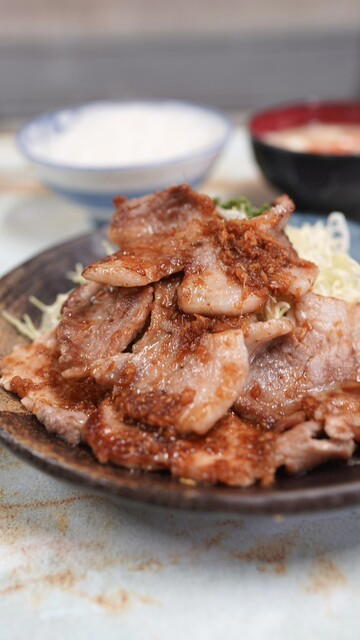
Oshokuji Maruyama
Tokyo, Japan
A 13-seat tonkatsu counter in residential Omorikita, earning a Tabelog 100 Tonkatsu 2026 nod for JPY 1,000–1,999 sets that prioritize frying technique over polish. No reservations, no website, cash-only; arrive early or wait. Best for solo diners and locals who value precision pork cutlets without the premium markup.
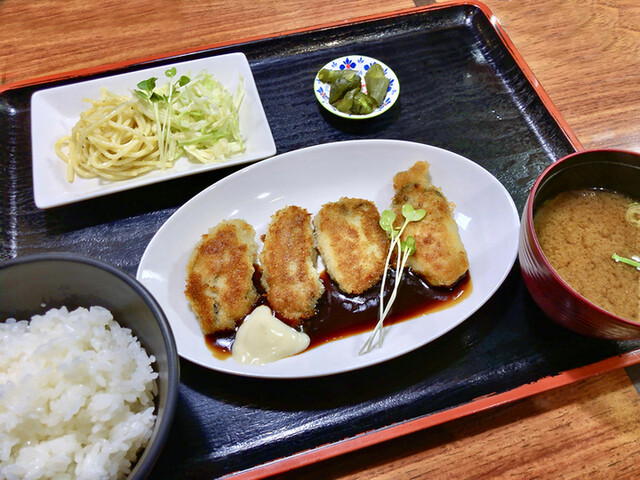
Yaki Tonkatsu Taira
Nagoya, Japan
Tabelog 100 tonkatsu specialist in Chikusa Ward offering grilled pork cutlets at JPY 1,000–JPY 2,999. Six-time award selection since 2017, 18-seat house restaurant, three minutes from Imaike Station. Strong value for technique-driven tonkatsu; easier booking than Tokyo peers, best for weekday dinner or advance weekend lunch reservations.
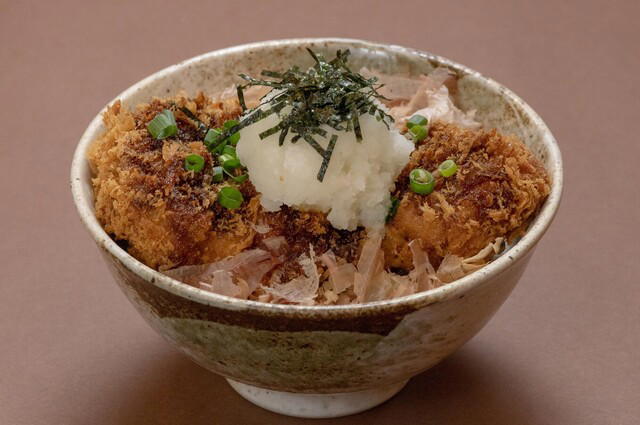
TAKESHIN Yoyogiuehara ten
Tokyo, Japan
This walk-in-only tonkatsu shop in Yoyogi-Uehara has earned Tabelog 100 recognition five times since 2017, serving crisp pork cutlets under JPY 2,000 per head across 37 seats. No reservations means showing up early or waiting, but the family-friendly format and accessible pricing make it one of Tokyo's more approachable award-tier tonkatsu destinations.
New Babe
Osaka, Japan
A Tabelog Tonkatsu 100 regular since 2021, offering thick-cut pork from three premium varieties in a casual 18-seat counter and table format. Lunch runs JPY 1,000–1,999, dinner JPY 3,000–3,999, with easier walk-in access than most awarded peers. Five minutes from Tanimachi 4-chome station in Uchihonmachi, family-friendly, English menus available.
Tonkatsu Aoki Yokohama bashamichi ten
Yokohama, Japan
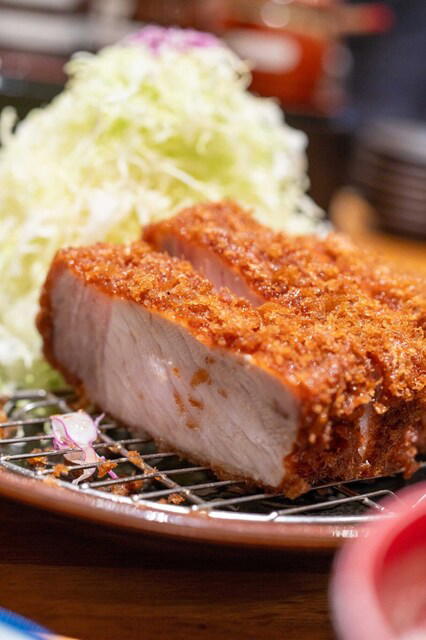
A 15-seat walk-in tonkatsu counter in Bashamichi, recognized in the 2026 Tabelog 100 - Tonkatsu list. At JPY 1,000–1,999 per meal, it offers efficient service and high-quality cutlets without reservations. Best for solo diners and pairs who can arrive early; groups of five or more face longer waits.
Tonkatsu Nanaido
Tokyo, Japan
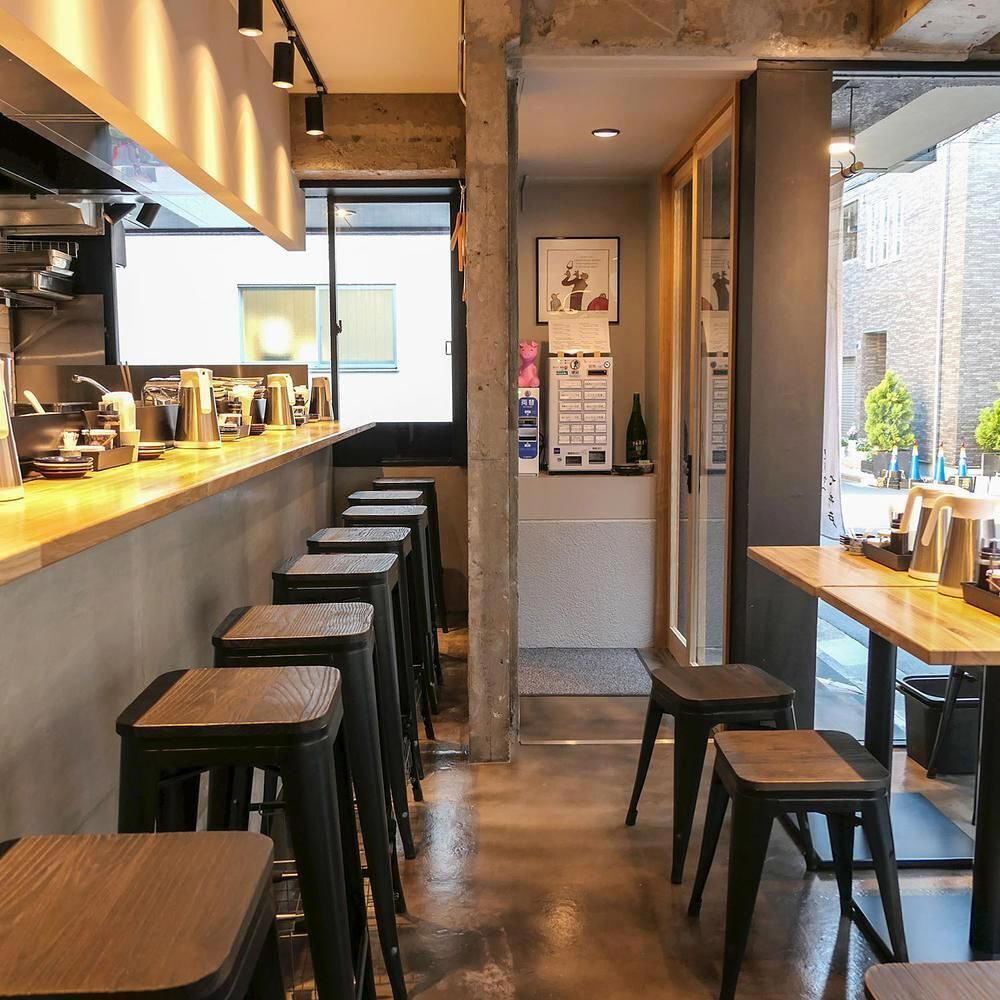
Tonkatsu Nanaido in Shibuya's Jingumae holds a Michelin Bib Gourmand (2024) and for a reason: chef Alexander Petillo uses name-brand pork, lard-fried with chunky breadcrumbs, and clay-pot rice that earns its place on the plate. At the ¥ price tier, it is one of the most accessible serious tonkatsu addresses in Tokyo, easy to book, and well-suited to a special occasion without the premium price tag.
Mochibuta Tonkatsu Taiyo
Tokyo, Japan
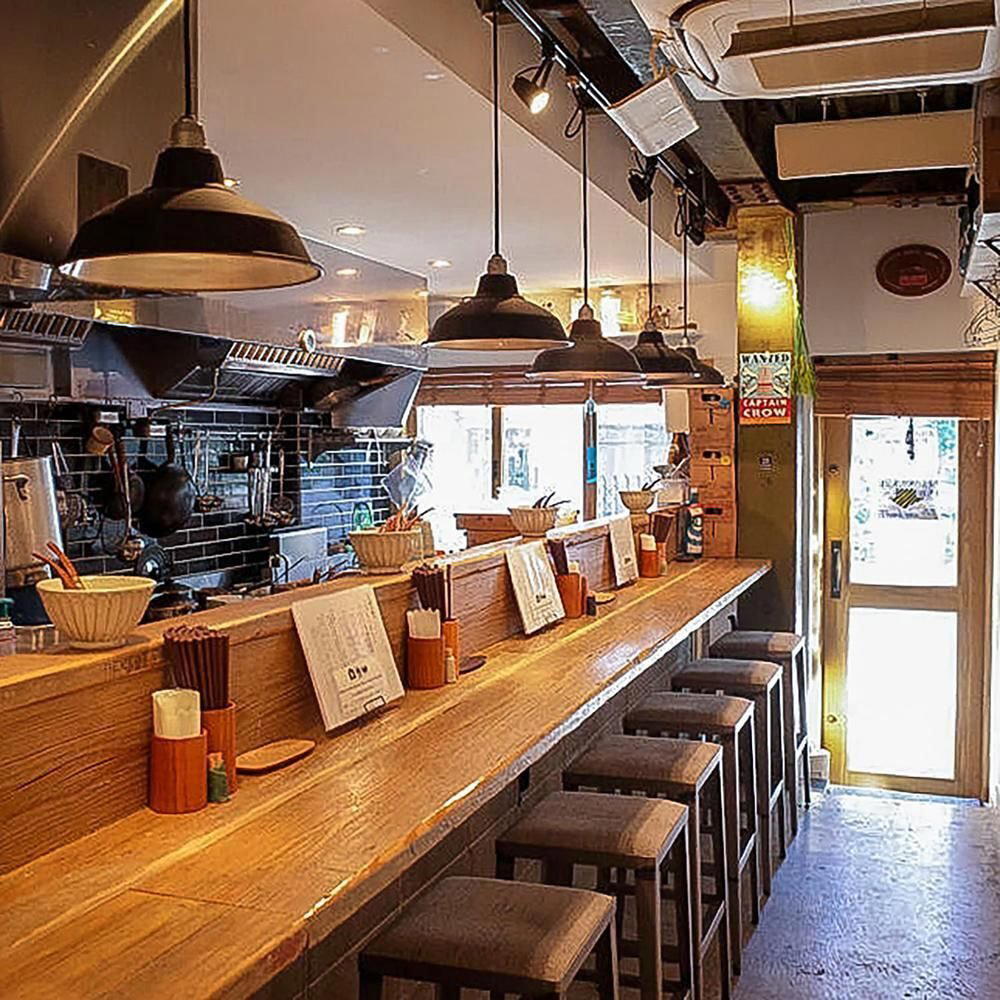
Mochibuta Tonkatsu Taiyo holds a 2024 Michelin Bib Gourmand for its slow-fried Mochibuta pork tonkatsu in Shinagawa, Tokyo; one of the city's more accessible Michelin-recognised meals at ¥ pricing. Evening reservations are accepted, making this an easy book for a focused, ingredient-driven dinner without the complexity of a higher-end Tokyo reservation.
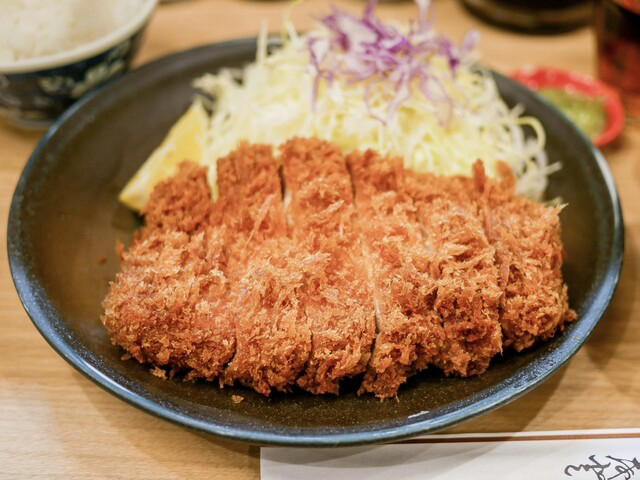
Tonkatsu Aoki Daimon ten
Hamamatsu, Japan
Walk-in tonkatsu specialist in Hamamatsucho with consistent Tabelog 100 recognition (2017–2026) and JPY 1,000–1,999 lunch pricing. The 18-seat room (10-counter, 8-table) serves loin and fillet cutlet sets with seven salts. No reservations, cash only. Lines form by 11:30 AM weekdays; arrive early or aim for 1:30 PM to avoid peak wait.
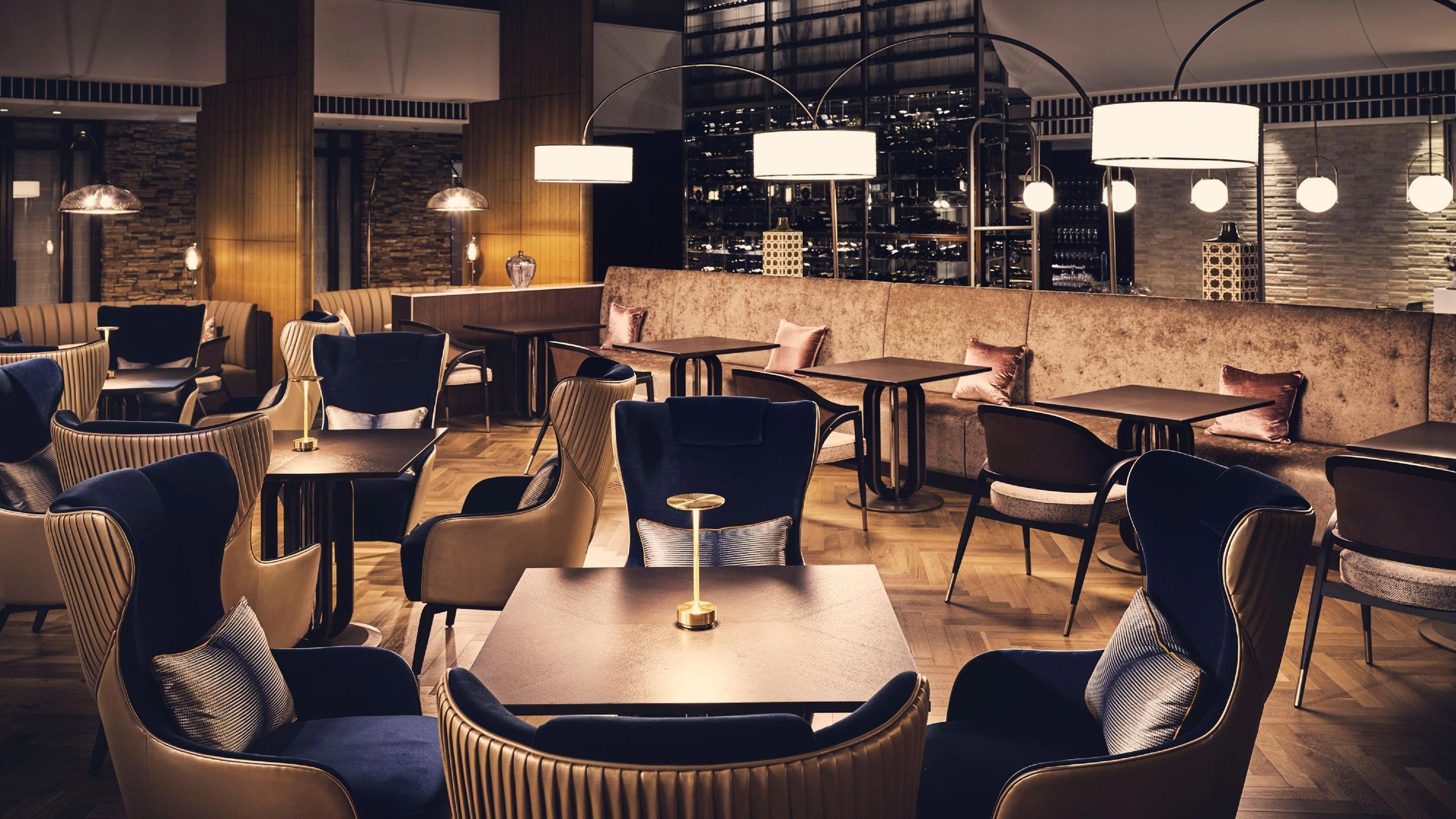
Fry-ya
Tokyo, Japan
Fry-ya is a basement tonkatsu counter in Takadanobaba, Shinjuku, with back-to-back Michelin Bib Gourmand awards in 2024 and 2025 and. At ¥¥ pricing, it delivers Michelin-recognised quality without the tasting-menu cost. Book it for a date dinner or low-key celebration where the food matters more than the formality.
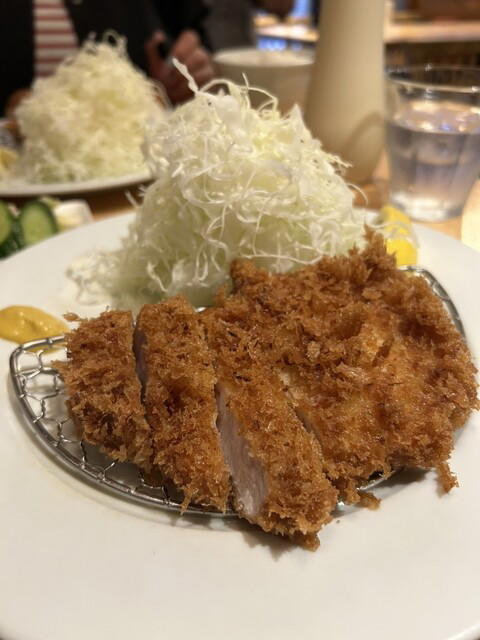
Ponchi Ken
Tokyo, Japan
A Kanda Ogawamachi tonkatsu specialist holding a Tabelog 100 seat since 2017, serving crisp pork cutlets at JPY 2,000–JPY 2,999 across lunch and dinner. The 19-seat room (counter and tables) moves quickly at lunch, reserves more room at dinner, and skips ceremony in favor of consistent frying. Walk-ins welcome for lunch; reservations required for dinner.
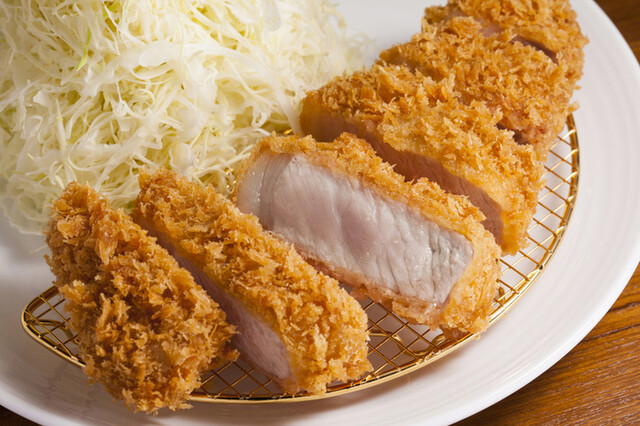
Age Fuku
Tokyo, Japan
Walk-in tonkatsu counter in Gotanda serving Yazawa-trained pork and Wagyu menchi at JPY 2,000–3,000 lunch. Selected for Tabelog 100 six times (2018–2026) for consistent execution and accessible pricing. No reservations, 19 seats, open daily 11:30 AM–9 PM with closures only December 31–January 2.
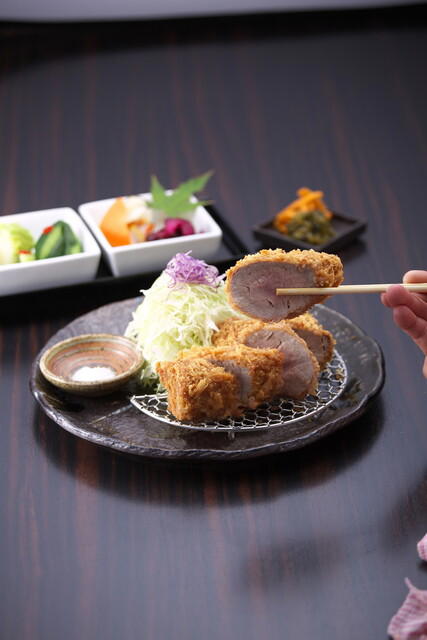
Katsuretsu Tei Minami kumamoto ten
Kumamoto, Japan
A walk-in tonkatsu specialist serving thick-cut Rokuhaku Kurobuta pork cutlets at JPY 1,000–1,999 per meal. Named to Tabelog's Tonkatsu 100 in 2022, 2024, and 2026, the restaurant offers 113 sunken-kotatsu seats, 300-car parking, and a family-friendly layout. No reservations; service is fast but minimal.
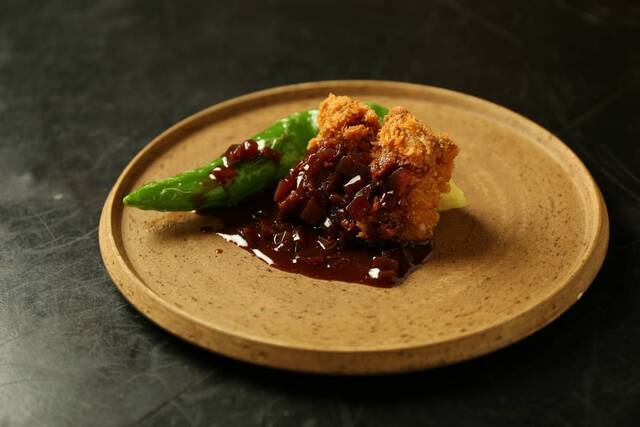
Tonkatsu Koshirou
Osaka, Japan
Counter-focused tonkatsu in Minamisenba serving courses one cutlet at a time, fried to order at a ten-seat L-shaped setup. Tabelog 100 – Tonkatsu 2026 recognition reflects steady execution rather than novelty. Lunch (JPY 4,000-4,999) offers better value than dinner (JPY 8,000-9,999) unless extended pacing matters to you. Book ahead via TableCheck or walk in before 12:15 for midday slots.
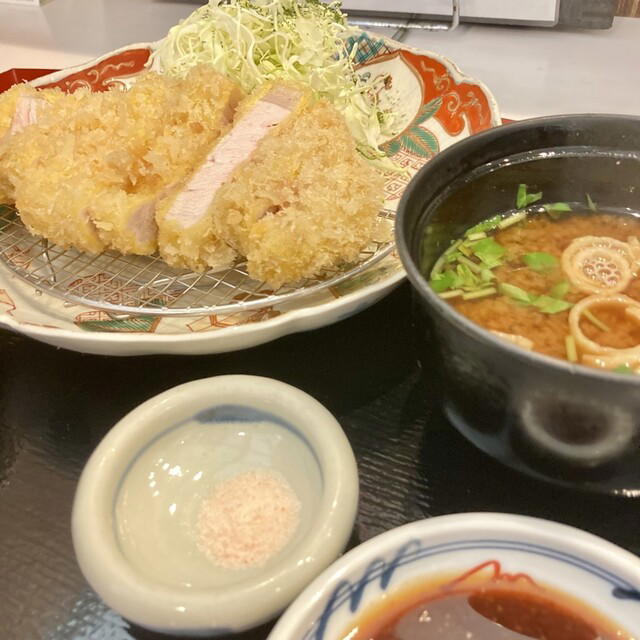
Ton Kara Ten
Hamamatsu, Japan
Ton Kara Ten is a Tabelog 100 tonkatsu specialist in Hamamatsu's Takabayashi neighborhood, serving consistent fried pork cutlets and oyako-don at JPY 1,000–JPY 1,999 in a house-restaurant setting. No reservations for seating; walk-ins only; but parking in front and execution above the category average justify the queue. Worth booking the bento or arriving early for a straightforward, high-value meal.
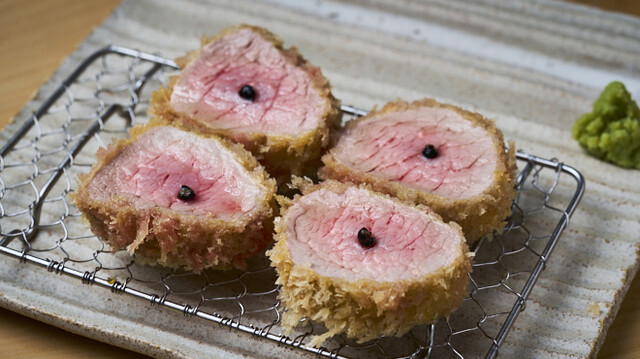
Tonkatsu Tsuchimoto
Nagoya, Japan
A 16-seat tonkatsu specialist in Chikusa-ku earning Tabelog 100 recognition within two years of opening, delivering fried pork cutlet at JPY 2,000–2,999 per head; well under the city's kaiseki and yakiniku competition. Counter seats face the fryer; tables fit families and groups up to 16. Reservations open three weeks out, with strict seating times and a 20-minute grace window.
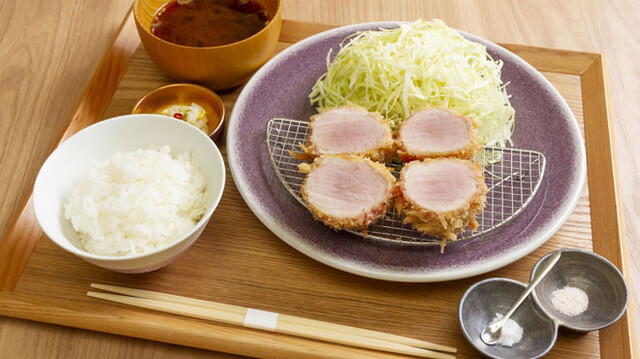
tonkatu butashou
Nishinomiya, Japan
A 2026 Tabelog 100 – Tonkatsu pick near Shukugawa Station, tonkatu butashou serves low-temperature fried pork with a deeper-than-usual wine and sake list at ¥3,000–3,999. The 11-seat space welcomes families and solo diners alike, making it Nishinomiya's most approachable award-listed tonkatsu option when you want technique without omakase formality.
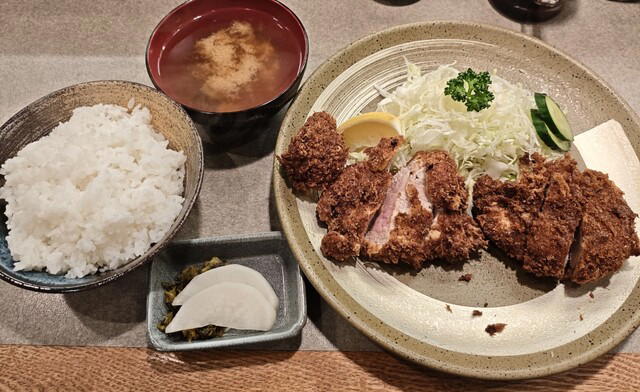
Aji no Tonkatsu Maruichi
Kagoshima, Japan
A basement tonkatsu counter in central Kagoshima with four Tabelog 100 selections (2017, 2018, 2024, 2026) serving breaded kurobuta pork sets at JPY 1,000–1,999. No reservations, lunch-only Saturdays, and a tatami room for groups make it a practical stop for travelers seeking award-tier tonkatsu craft at teishoku pricing; if you can time the narrow weekday dinner window or Saturday lunch rush.
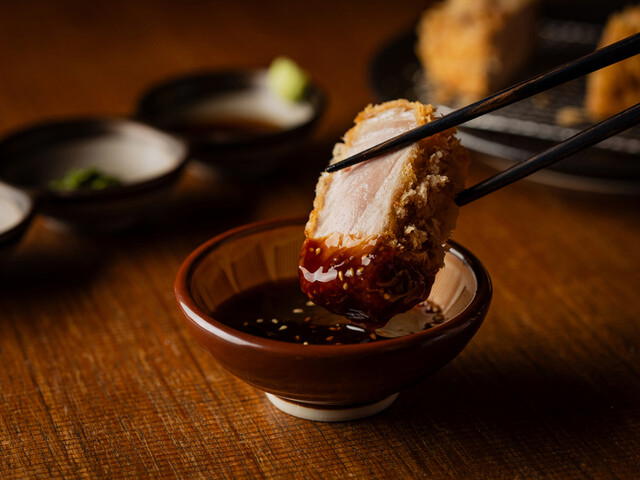
Tonkatsu Koko Made Yaru Ka.
Tokyo, Japan
Tonkatsu Koko Made Yaru Ka. earned a spot on the 2026 Tabelog 100 Tonkatsu list less than two years after opening, offering precision-fried pork cutlets in a compact 12-seat Minami-Aoyama space. At ¥8,000–¥9,999 for dinner (¥3,000–¥3,999 lunch), it sits between neighborhood counters and omakase tiers, with a sake-shochu-wine program that runs deeper than most tonkatsu shops. Cashless-only, closed Wednesdays and Sundays, five minutes from Gaiemmae Station.
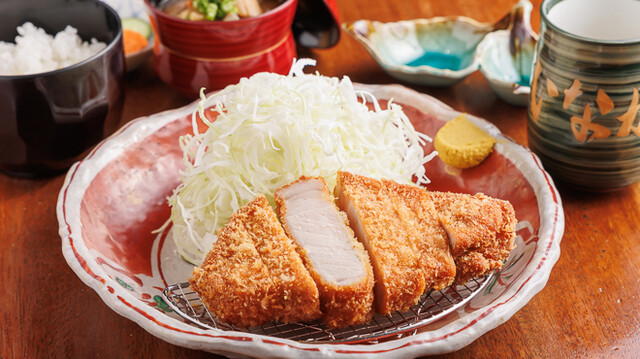
Buta Inagaki
Nagoya, Japan
A 25-seat house restaurant in Mizuho-ku serving Tabelog 100-recognized tonkatsu at JPY 2,000–2,999. No reservations; lunch and dinner run until sold out, with counter seating for seven and tables for groups of four to six. Walk-ins only, cash-only, four minutes from Sakurayama Station.
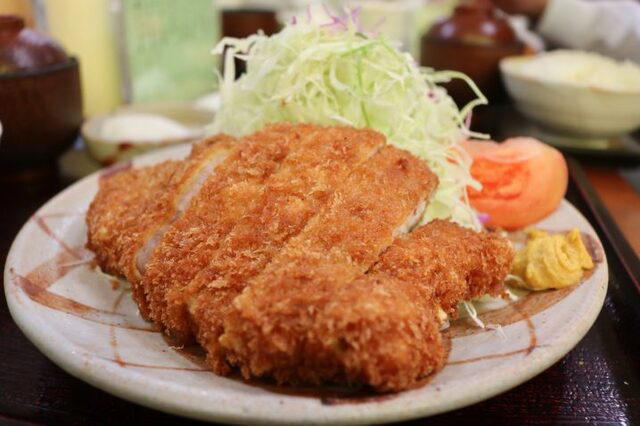
Tonkatsu Taketei Tagami ten
Kagoshima, Japan
A Tabelog Tonkatsu 100 house restaurant in Kagoshima's Tagami neighborhood, serving crisp pork cutlets at JPY 1,000–1,999 with counter and tatami seating. Walk-in only, family-friendly, and recognized twice (2022, 2026) for technical consistency at a price tier where execution usually slips.
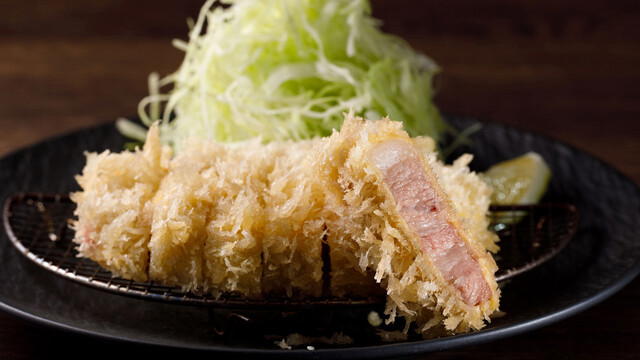
Yoda
Yokohama, Japan
A four-seat tonkatsu counter in Yamashitacho that earned The Tabelog Award 2026 Silver and Tabelog Tonkatsu 100 placement. Reservation-only, online booking only, JPY 8,000–9,999 per meal. The intimacy suits solo diners and couples; groups larger than four cannot book. Precision frying and premium pork sourcing justify the price tier.
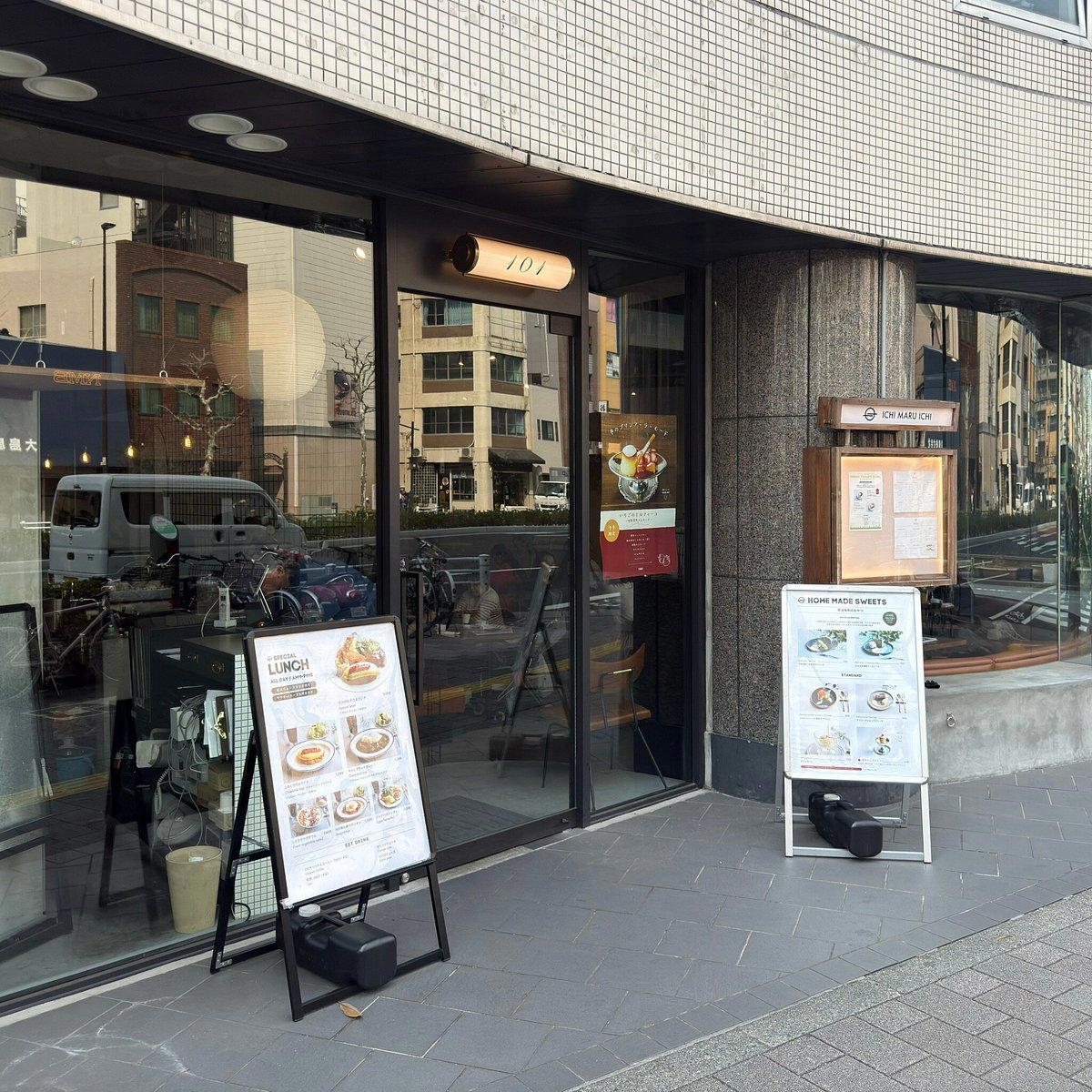
Maru Ichi
Tokyo, Japan
Book Maru Ichi if you want a Kamata-focused Tokyo meal with a clear Tabelog 100 signal, not a glossy central-Tokyo celebration. It is strongest for serious diners, solo meals, or pairs who care more about local recognition than wine service, pricing transparency, or a long special-occasion format.
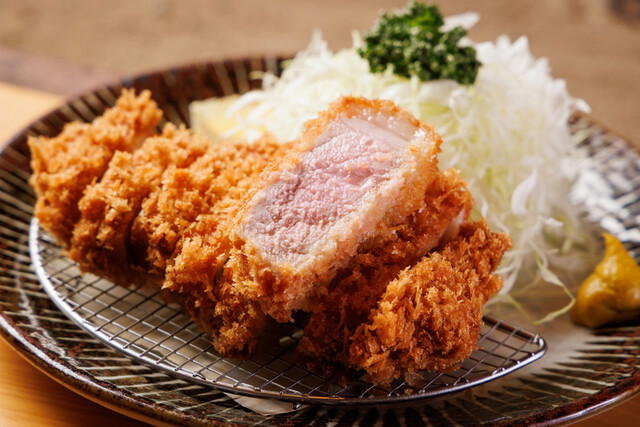
Tonkatsu to, Shabushabu. Kurobuta Fukuya
Kagoshima, Japan
Tonkatsu and shabu-shabu specialist in Tenmonkan serving Kagoshima kurobuta pork at JPY 1,000 – JPY 1,999 lunch and JPY 4,000 – JPY 4,999 dinner. Named to Tabelog's 2026 Tonkatsu 100 list (#45). Open seven days with 50 seats, accepts walk-ins for tonkatsu and advance reservations for midday shabu-shabu. One minute from Tenmonkan-dori tram stop.
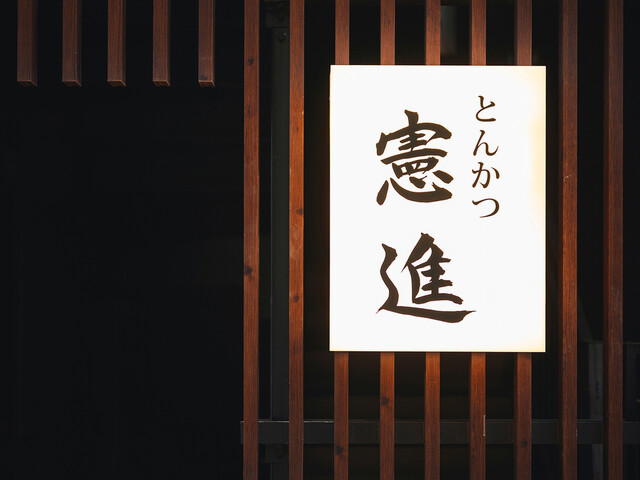
Tonkatsu Kenshin
Tokyo, Japan
A Kagurazaka tonkatsu counter earning Tabelog 100 Tonkatsu honors in 2026, three years after opening. Lunch runs JPY 2,000–2,999, dinner JPY 4,000–4,999, with counter seating that puts you in front of the fry station. Weekend reservations book a week out; weekday lunch accepts same-day phone bookings and walk-ins when the 13-seat space isn't full.
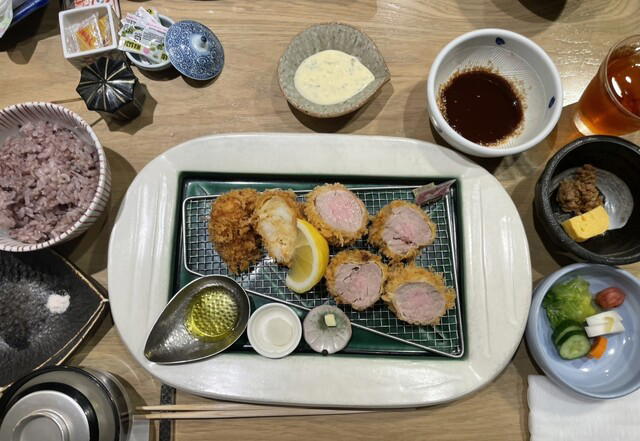
Tonshou
Fukuyama, Japan
A Tabelog 100 tonkatsu specialist in Fukuyama offering breaded pork cutlet at JPY 2,000–2,999 dinner, with reservations opening monthly at midnight. The 35-seat room combines counter and tatami seating, sake pairings, and fifteen years of frying consistency; worth booking a month ahead for a special occasion that values technique over polish.
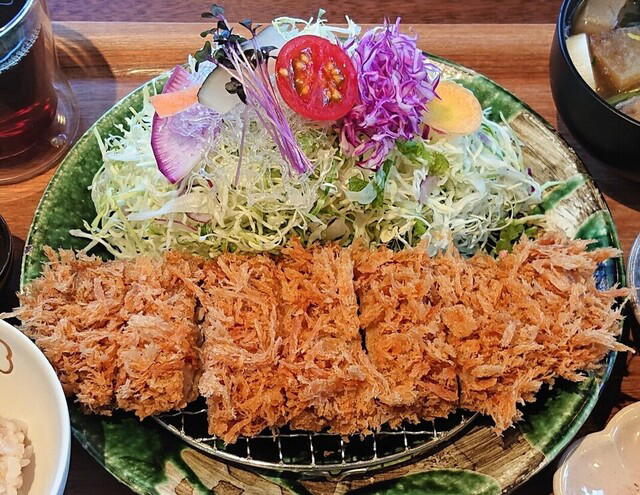
Poku Poku
Nara, Japan
Reservation-only tonkatsu specialist serving Nara's Yamato pork with generous seasonal vegetables in a twelve-seat, couple-run dining room. Tabelog 100 recognition (2022, 2024, 2026) reflects consistent sourcing and set-meal execution at JPY 2,000–2,999. Book by phone during off-hours; Japanese language required.
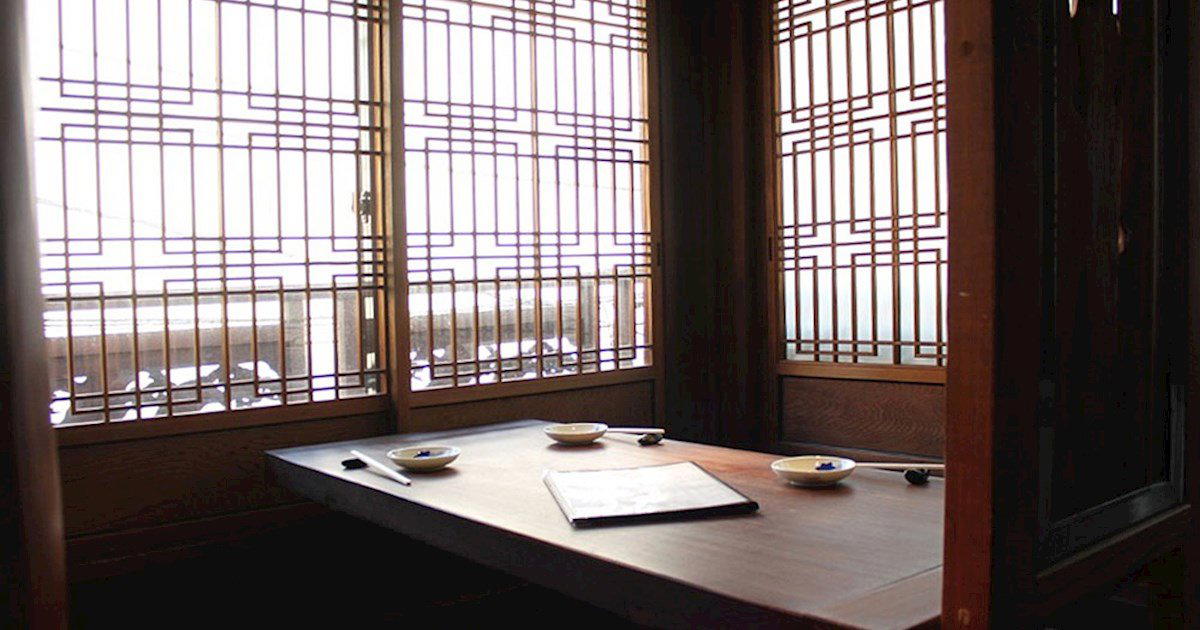
Butagumi
Tokyo, Japan
Butagumi is Tokyo's most consistently ranked tonkatsu specialist, holding a top-30 position on Opinionated About Dining's Casual Japan list for three straight years. Chef Satoshi Oishi runs a serious, focused kitchen in Nishiazabu; a neighbourhood that rewards the detour. Book it for weekday lunch, eat at the table, and skip any thought of takeout: this is a dish that demands to be eaten the moment it arrives.
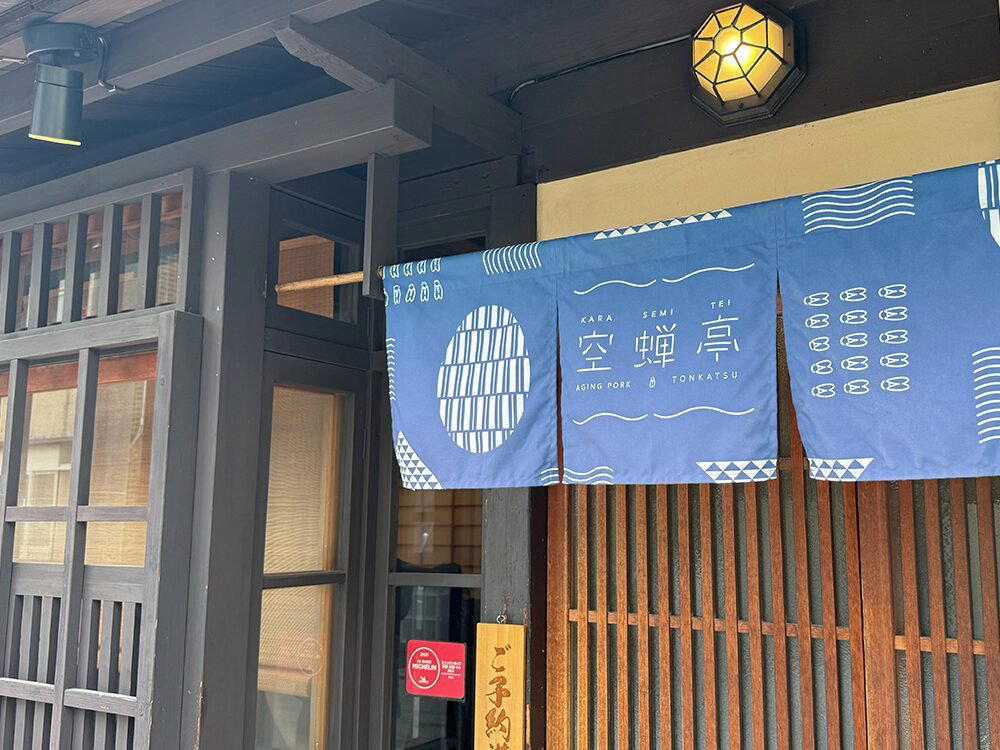
Kara Semi Tei (空蝉亭)
Kyoto, Japan
Kara Semi Tei (空蝉亭) works for a low-key Kyoto meal when reputation matters more than advance detail. Its Tabelog 100 recognition is the main trust signal, but the lack of clear public information on cuisine, price, seating, and off-premise options makes it better for flexible couples than groups or strict dietary plans.
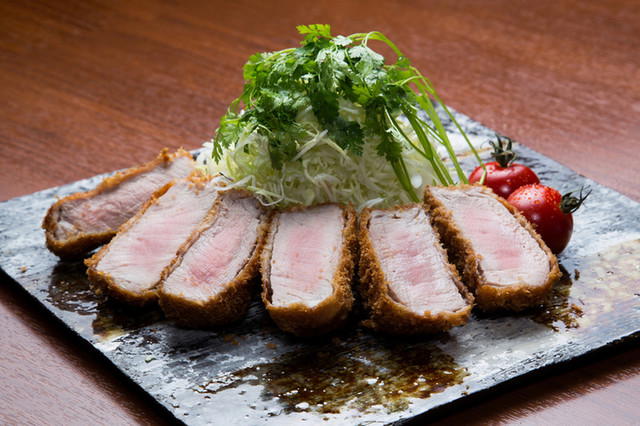
Kinton Koube ten
Kobe, Japan
Walk-in tonkatsu counter three minutes from Sannomiya Station, serving crisp pork cutlets for JPY 1,000–1,999 with no reservations required. Selected for Tabelog Tonkatsu 100 three times (2022, 2024, 2026), this basement spot operates lunch and dinner service with quick turnover, multilingual menus, and takeout bento options; a practical, budget-friendly stop between Kobe sightseeing.
Tonkatsu Hiyama
Utsunomiya, Japan
This Tabelog 100-recognized tonkatsu house in Wakamatsuhara prioritizes the pork over the panko, offering a minimalist take on fried cutlet at JPY 2,000–2,999 per person. The 17-seat space converts for private dining, and five years of awards (2017–2026) confirm the kitchen's consistency. Book by phone for dinner courses; walk-ins may work at lunch.
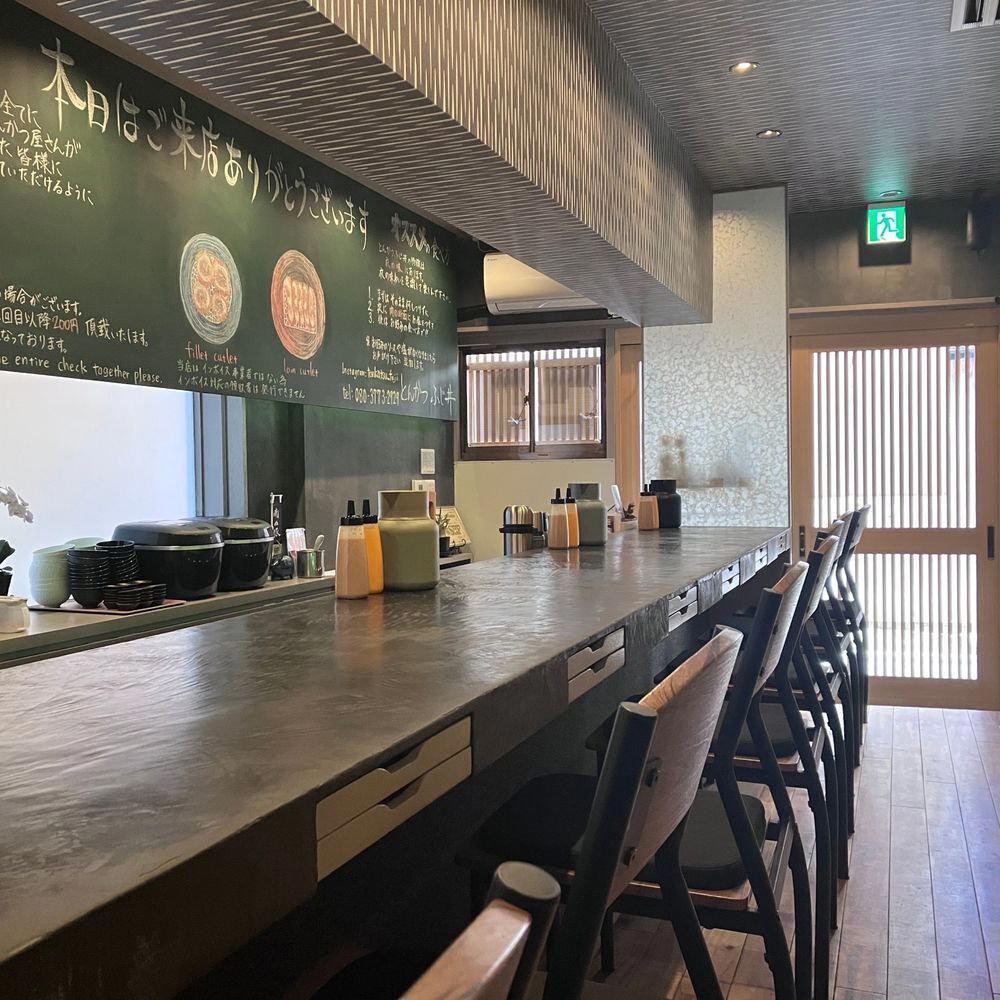
Tonkatsu Fujii
Osaka, Japan
Tonkatsu Fujii is Osaka's most credentialled tonkatsu counter: seven seats, a Michelin Bib Gourmand (2024 and 2025), a Tabelog Award 2026 Bronze, and a 4.13 score on a format built around premium pork and French technique. Lunch (JPY 3,000–3,999) is the sharper value; dinner (JPY 4,000–5,999) gives you 90 minutes at the counter. Book online well in advance; there are no walk-ins and no phone reservations.
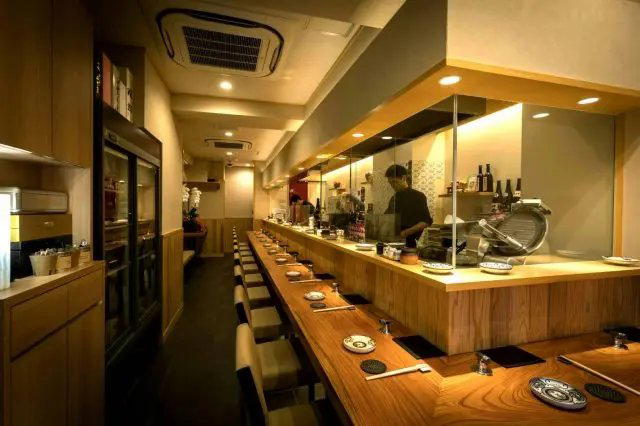
Narikura
Tokyo, Japan
Narikura is the strongest case for tonkatsu as a serious culinary pursuit in Tokyo. A six-consecutive-year Tabelog Bronze winner, Michelin Bib Gourmand holder, and OAD Casual Japan #1 for 2025, it delivers a focused 14-seat counter experience at ¥8,000–¥10,000 per head. Reservation-only, four days a week; book 2–3 weeks out.
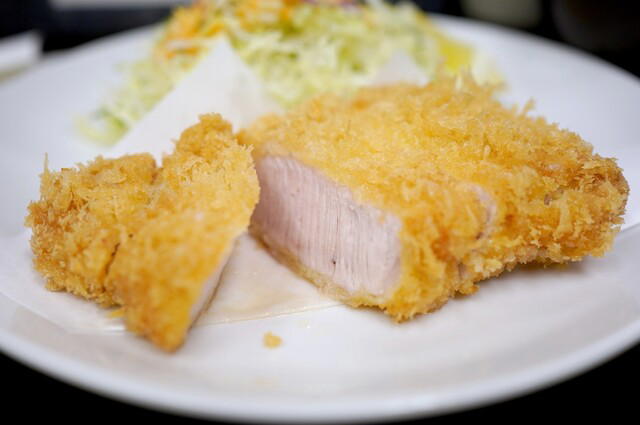
Tonkatsu Marugo
Tokyo, Japan
Cash-only tonkatsu specialist four minutes from Akihabara Station, using Yamagata San Gen pork and holding a Tabelog Tonkatsu 100 designation for seven consecutive years. No reservations, expect queues at lunch, and plan for roughly ¥3,500 per person. Better value than most formal tonkatsu-ya, with á la carte frying that justifies the wait.
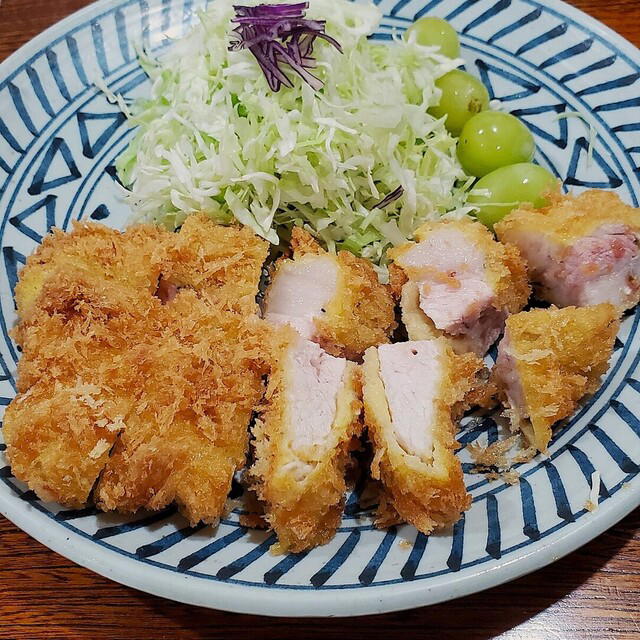
Kitchen Umagoya
Kofu, Japan
Tabelog 100 Tonkatsu specialist in Yumura with seven consecutive selections (2017–2026). Lunch runs JPY 2,000–2,999, dinner JPY 1,000–1,999. Open Thursday–Sunday only, with limited parking and a no-children policy for those unable to finish full portions. Cash only, no reservations, walk-ins welcome.
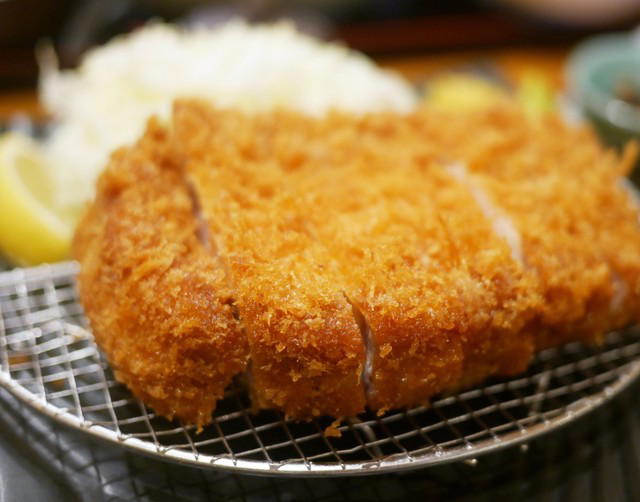
Hasegawa
Tokyo, Japan
This Ryogoku tonkatsu specialist holds six Tabelog 100 selections (2017–2026) and delivers crisp-crusted cutlets at JPY 1,000–2,999. The tatami room suits groups and special occasions; solo diners often prefer the counter's kitchen proximity. Two decades of consistent execution justify the visit for travelers prioritizing value and reliability over trend-driven menus.
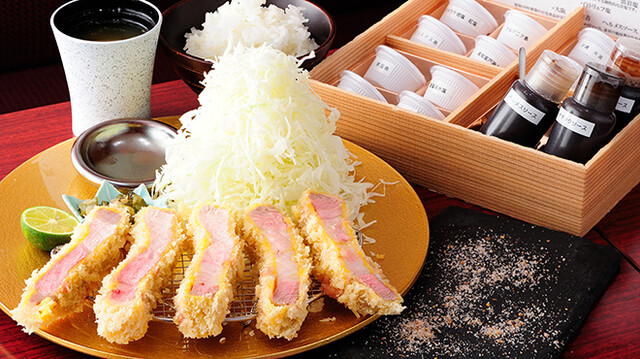
epais
Osaka, Japan
A Kitashinchi tonkatsu counter with a nine-year Tabelog 100 streak, offering mid-tier pricing (JPY 2,000–5,999) and an unusual wine program. The three-seat counter puts diners close to the fryer, turning breaded pork cutlet into a lesson in timing and technique. Book ahead for dinner courses; same-day reservations shift to à la carte seating.
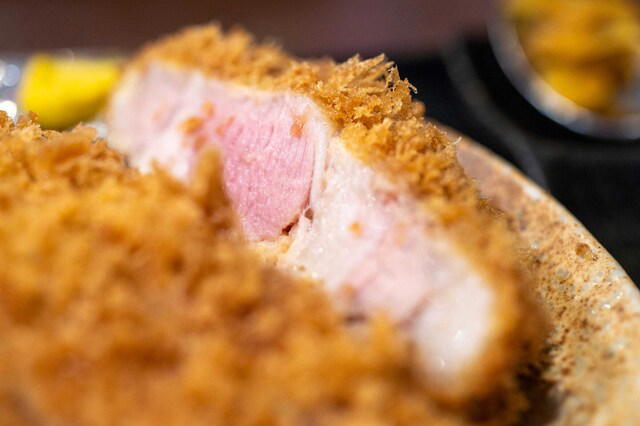
Tonkatsu Hisago
Kashiwa, Japan
Tonkatsu Hisago delivers Tabelog 100-level pork cutlets at JPY 1,000–1,999 with no reservations required; just a ticket-machine queue that typically clears in under 30 minutes. The crust stays crisp, the pricing undercuts most peers, and the walk-in format makes it the go-to for visitors who want reliable tonkatsu without advance planning.
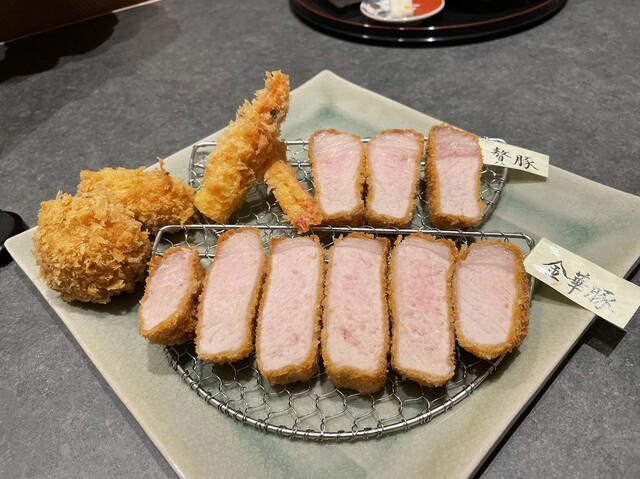
Tonkatsu Keisui
Osaka, Japan
A 22-seat tonkatsu specialist in Gifu (30 minutes from Osaka), named to Tabelog 100 Tonkatsu 2026. Lunch runs JPY 2,000–2,999, dinner JPY 3,000–3,999. Private rooms available; family-friendly format with counter and table seating. Reservations recommended, especially on weekends.
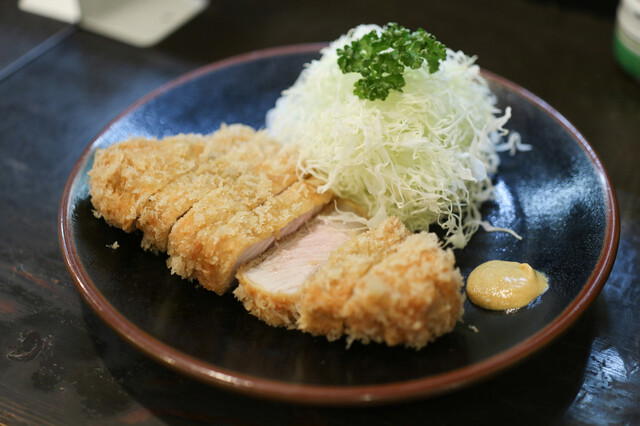
Tonkatsu Rikitei
Ueda, Japan
A Tabelog Tonkatsu 100 fixture since 2017, this 26-seat house restaurant in Ueda delivers consistent pork cutlets at JPY 2,000 to JPY 2,999. No reservations accepted; arrive early for lunch or weekend dinner, and bring cash. Counter seating offers the clearest view of the fry technique that earned eight consecutive list appearances.
Tonkatsu Tomita
Matsudo, Japan
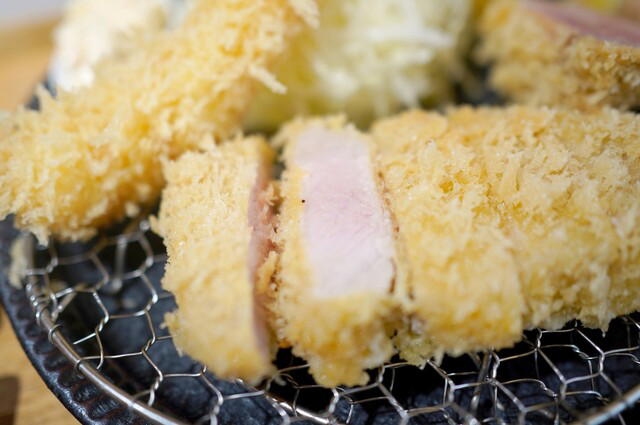
A Tabelog 100 tonkatsu specialist near Matsudo Station, recognized three times since 2022. Lunch runs JPY 2,000–2,999, dinner JPY 3,000–3,999. The 25-seat space includes tatami rooms for families and accepts reservations. Closed Tuesdays, with split service Wednesday–Sunday. Technically accomplished cutlets in a neighborhood setting, worth the detour if award pedigree matters more than central Tokyo convenience.
Katsuyoshi
Tokyo, Japan
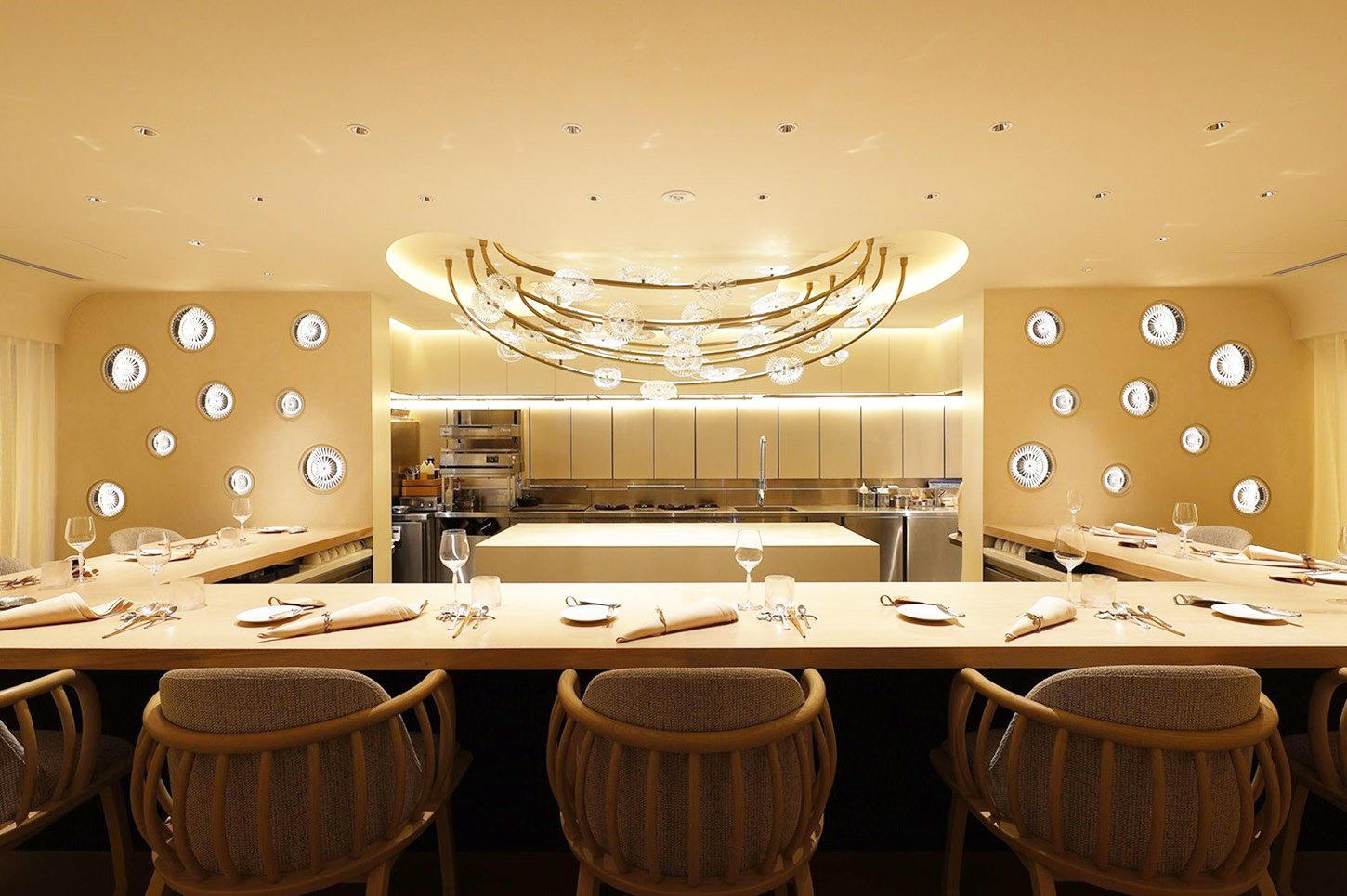
Tabelog 100 tonkatsu specialist in Nihonbashiningyocho offering pork cutlet at JPY 2,000–3,999 without the three-week booking scramble. The 18-seat, two-floor space suits solo counter diners and four-top celebrations alike, with walk-ins still possible at lunch. Consistent execution since 2016 makes it a neighborhood anchor for office workers and visitors seeking recognized quality without Ginza pricing.
Jinenbo
Tokyo, Japan
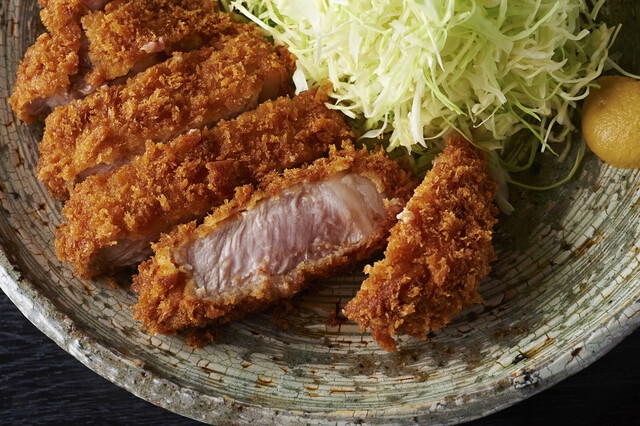
Tabelog 100 tonkatsu specialist in residential Kugahara with a drinks-forward izakaya format. Dinner runs JPY 3,000–3,999, lunch JPY 2,000–2,999. The house-restaurant setting and sake-shochu selection support longer, group-friendly meals. Six minutes from Kugahara Station; reservations accepted via Instagram, website, or Google. Closed Wednesdays.
Ashibi
Yokohama, Japan
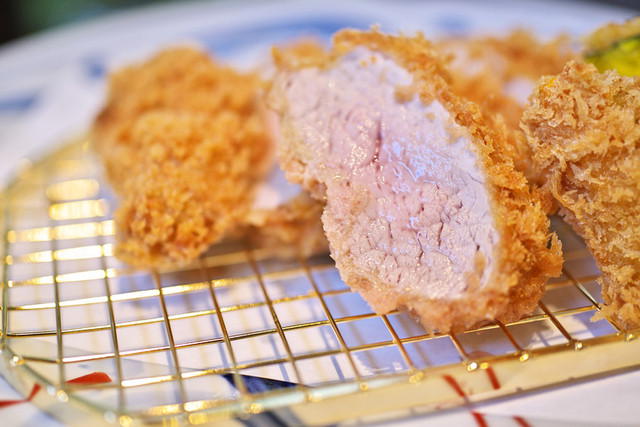
Ashibi is worth booking for an easy, composed Yokohama meal that feels more considered than a quick casual stop without pushing into splurge territory. The 2026 Tabelog 100 recognition helps justify the choice, especially for lunch, dates, or small celebrations where reliability matters more than a clearly defined signature format.
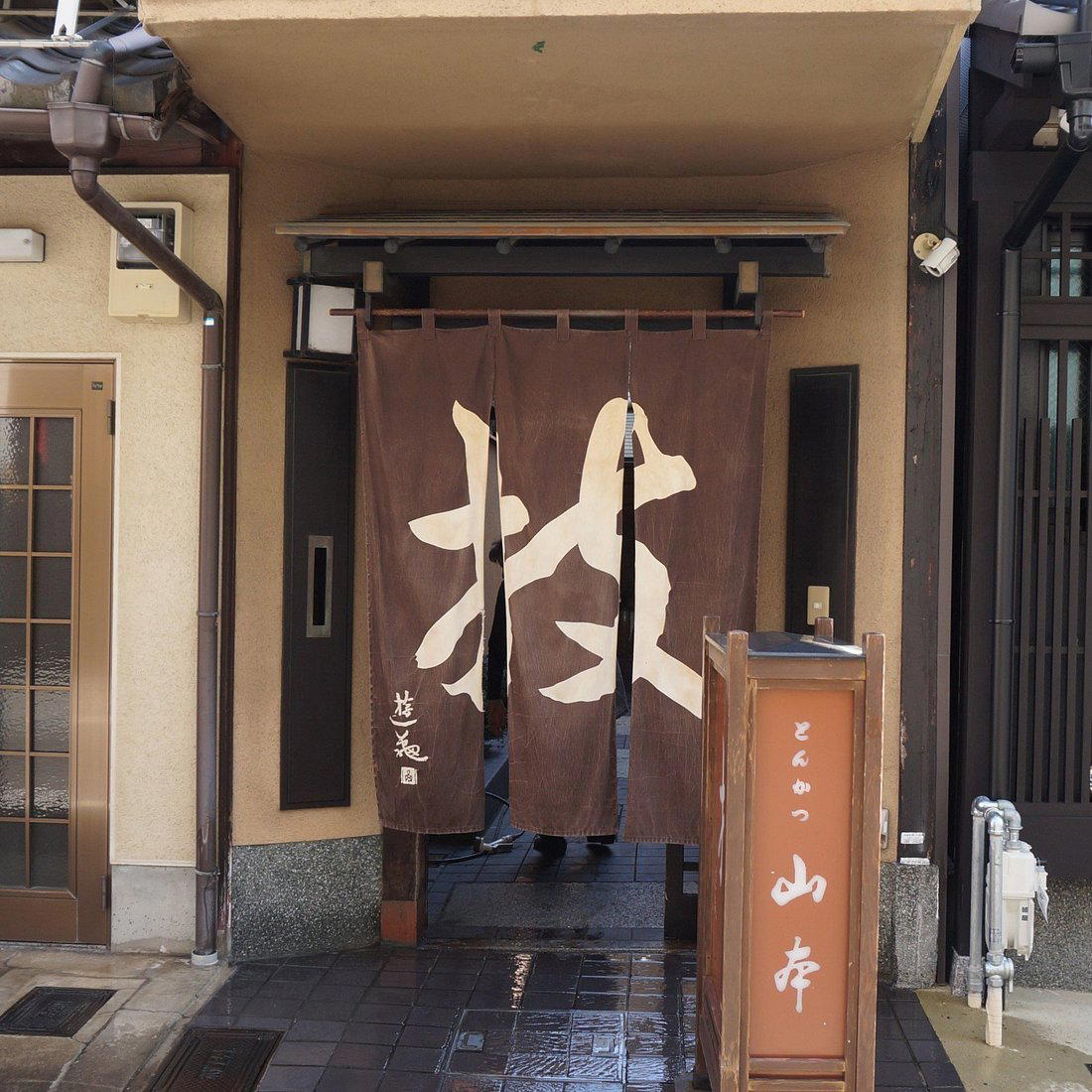
Tonkatsu Yamamoto
Kyoto, Japan
Tonkatsu Yamamoto works when the Kyoto plan calls for a focused tonkatsu meal rather than a formal dining event. Its Tabelog 100 #66 recognition in 2026 gives it a clear trust signal, but the smarter use is practical: a casual lunch or early dinner for diners already aligned on the format.
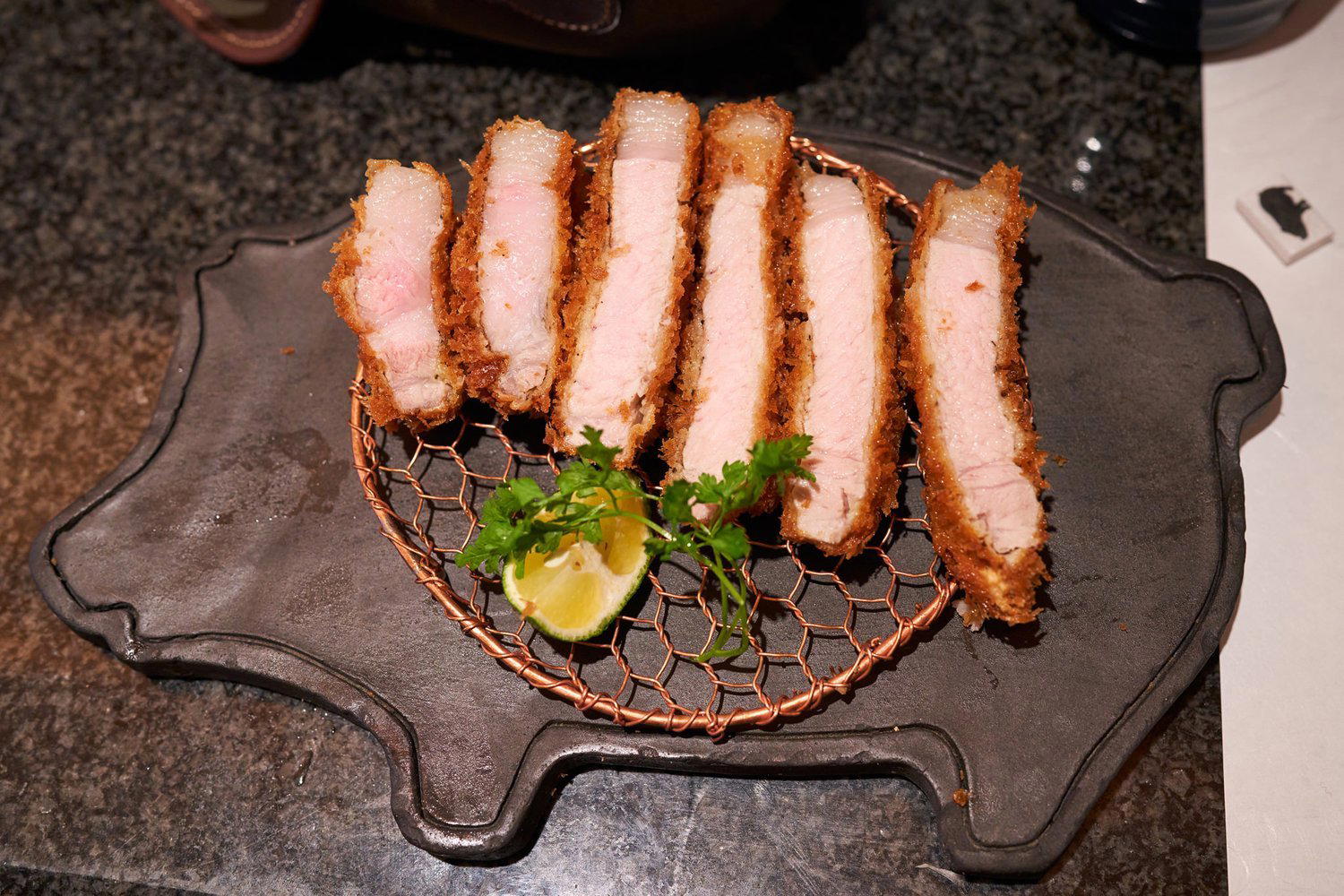
Manger
Osaka, Japan
Manger (Tonkatsu Mange) is a 12-seat counter in Yao, Osaka, with a Tabelog score of 4.23, consecutive Tabelog 100 recognition since 2017, and a 2026 Bronze Tabelog Award. Same-day bookings only from 8:30 AM. Budget JPY 4,000–5,999 per person with drinks. Five minutes from JR Yao Station; a deliberate trip that pays off for serious tonkatsu.
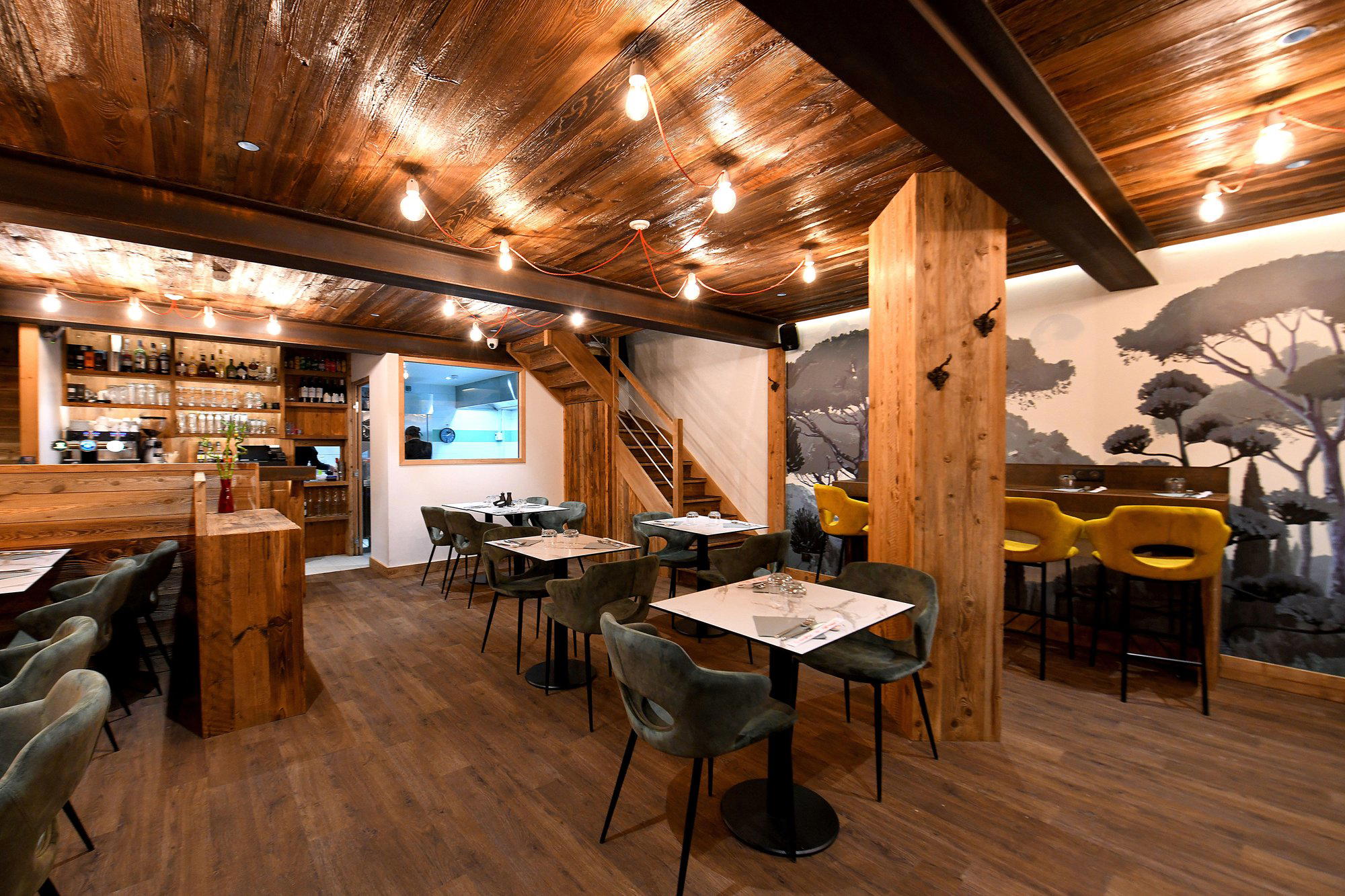
Tonkatsu Bambou
Chiba, Japan
BAMBOU is the Chiba pick for diners who value recognition over full previewability. It is a stronger planned-meal choice than lower-priced peers such as Saryo Ren or Chonan Montaichio, but less transparent than Jagaimo or Tomino Ya Motoyawata honten on budget and format.
Tonpei
Tokyo, Japan
Tonpei is an eight-seat counter shop in Uguisudani delivering Tabelog 100 tonkatsu at JPY 1,000 to JPY 1,999 per meal. Walk-ins only, cash-only, and closed half the week, but the pricing and 2026 award recognition make it one of the better-value bets for solo diners who arrive early and don't need reservations.
Tonkatsu 16
Hiroshima, Japan
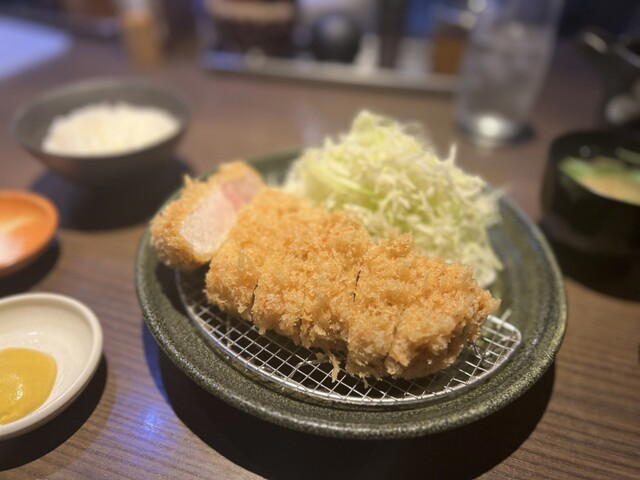
Six-seat counter in Naka Ward delivering Tabelog 100-recognized tonkatsu at JPY 2,000-4,000, well below Hiroshima's kaiseki-tier pricing. Open late (9 PM last orders), solo-friendly, and cash/PayPay only. Book a day ahead for lunch or early dinner; walk-ins fill gaps. The format is pure; fried pork, technical precision, no ceremony; making it the best entry point for award-level tonkatsu without multi-course commitment.
Katsuretsu Tei Shinishigai honten
Kumamoto, Japan
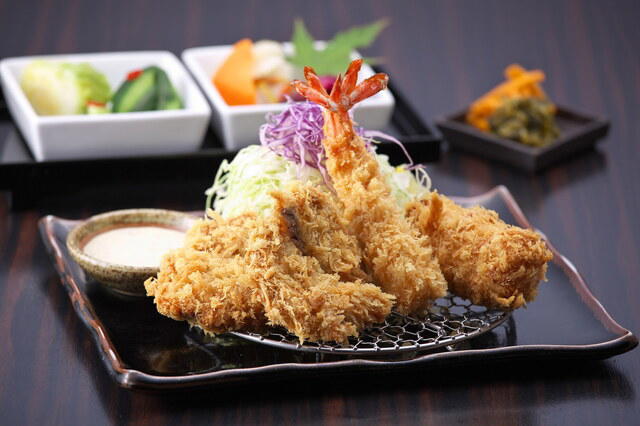
A 50-year-old Kumamoto tonkatsu institution (Tabelog 100 since 2017) serving thick-cut Rokuhaku kurobuta pork cutlets at JPY 1,000–JPY 1,999. Walk-in only, 115 seats, family-friendly; solid execution without reservation drama, though noise levels spike after 7 PM weekends.
Miharu
Owariasahi, Japan
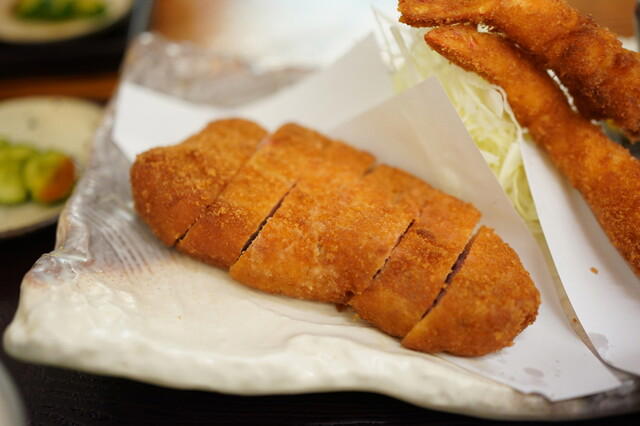
A Tabelog 100 – Tonkatsu selection every year since 2017, this 25-seat house restaurant in Owariasahi serves technically precise tonkatsu at JPY 1,000–1,999. Walk-in only, cash-only, and closed Mondays; plan for weekend waits but expect consistent frying that has kept the venue on Japan's national radar for a decade.
tonkatsu joni
Nagoya, Japan
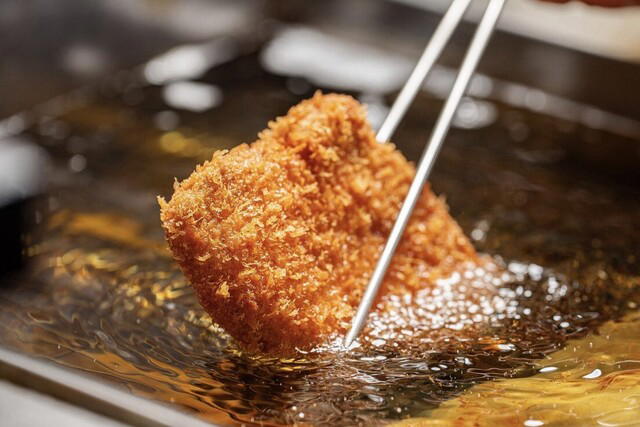
A 21-seat counter specialist in Nagoya's Meieki district, recognized in the Tabelog Tonkatsu 100 within months of opening. Walk-in only, with flat JPY 2,000–2,999 pricing across lunch and dinner. The counter-only format and modern room make it a sharper lunch pick than a dinner destination, especially if you're comparing value against heritage spots that charge more at night.
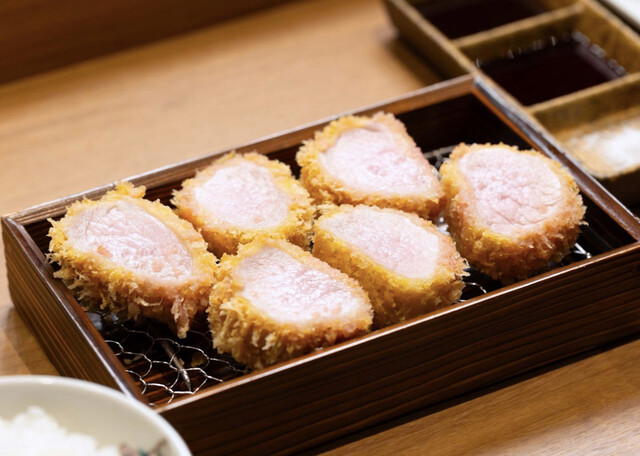
TONKATSU KEITA
Tokyo, Japan
Low-temperature tonkatsu from Kagoshima Rokubaku Kurobuta pork, served in a 23-seat Nishi-Ogikubo room that earned Tabelog 100 Tonkatsu 2026 recognition. The chef's family-farm pedigree and technique-driven frying justify the JPY 4,000-5,000 dinner price, with counter seating offering the clearest view of the process. Book via TableCheck through Instagram; reservations required, no walk-ins.
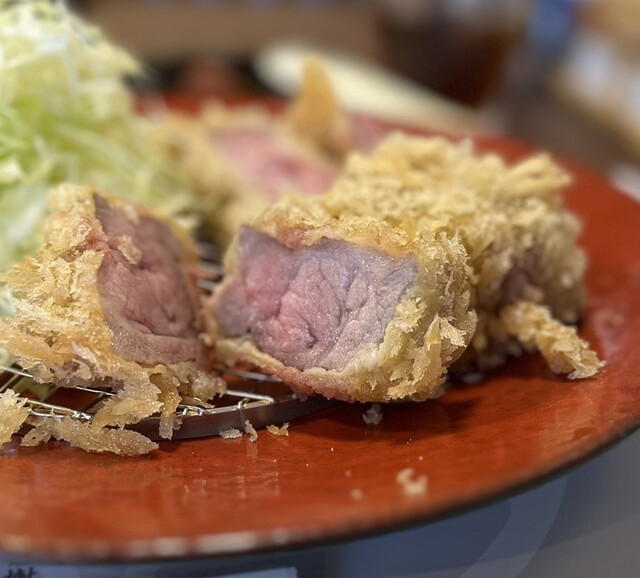
Tonkatsu Souki
Yokohama, Japan
A Tabelog 100 – Tonkatsu 2026 selection just over a year into service, this Yokohama counter spot delivers mid-tier tonkatsu at JPY 3,000–4,999 with reliable technique and TableCheck bookings. Counter seating only, tight service windows, and a residential location off the tourist grid; worth booking if precision and format matter more than innovation.
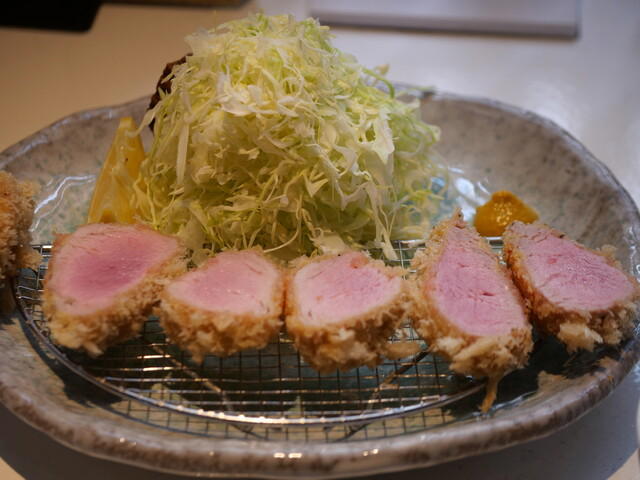
Tonkatsu Ishikawa
Akita, Japan
A 22-seat tonkatsu specialist recognized on the 2026 Tabelog 100 list, serving breaded pork cutlets with technical precision at JPY 3,000–5,999. The only Tabelog-listed tonkatsu restaurant in Akita, offering straightforward ordering, smoke-free dining, and reliable execution for travelers routing through northern Tohoku.
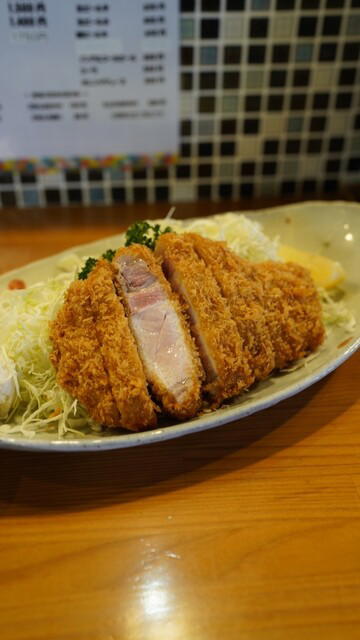
Tonkatsu Okura
Chiba, Japan
Walk-in tonkatsu counter and tables serving sub-JPY 2,000 cutlets since 2018, named to Tabelog's Tonkatsu 100 three times running. Lunch dips below JPY 999, dinner stays under JPY 1,999. No reservations; queue before 11:00 AM or after 5:30 PM for the shortest wait. Closed Sunday.
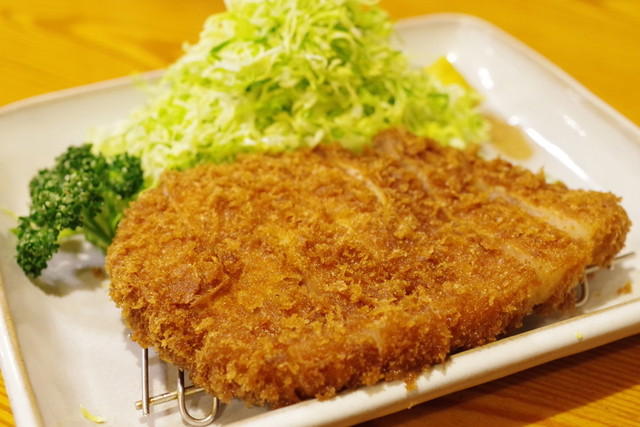
Tonkatsu Azuma
Nikko, Japan
Tabelog 100-recognized tonkatsu specialist offering technically sound fried pork cutlets at JPY 2,000-2,999 for dinner, roughly one-third the cost of Nikko's wagyu-focused fine dining. Counter seating provides the clearest view of frying discipline; no reservations means weekday lunch (11:30 AM-2 PM) offers the shortest wait. Better value than kaiseki for speed-focused meals.
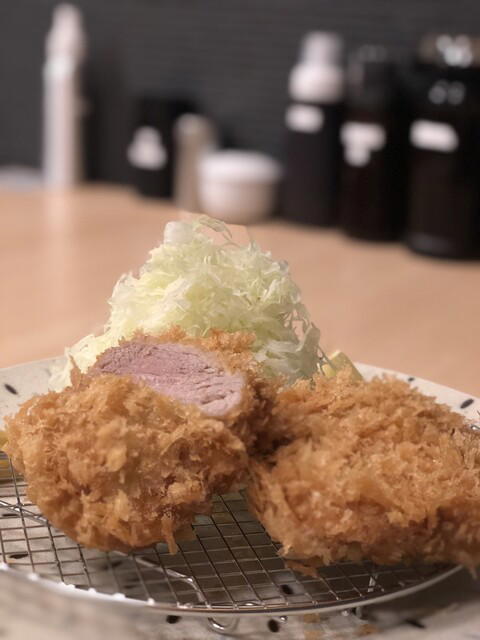
Kurobuta Tonkatsu Hori Ichi
Tokyo, Japan
A 12-seat basement tonkatsu specialist in Shinbashi serving kurobuta (Berkshire pork) with enough technical precision to earn consecutive Tabelog 100 selections. Lunch runs ¥1,000 to ¥1,999 and requires advance online reservations across four daily seatings; dinner service (Thursday and Saturday only) extends hours but raises prices to ¥2,000 to ¥2,999. Book the counter for sightlines into the frying process, or request a table for groups of four.
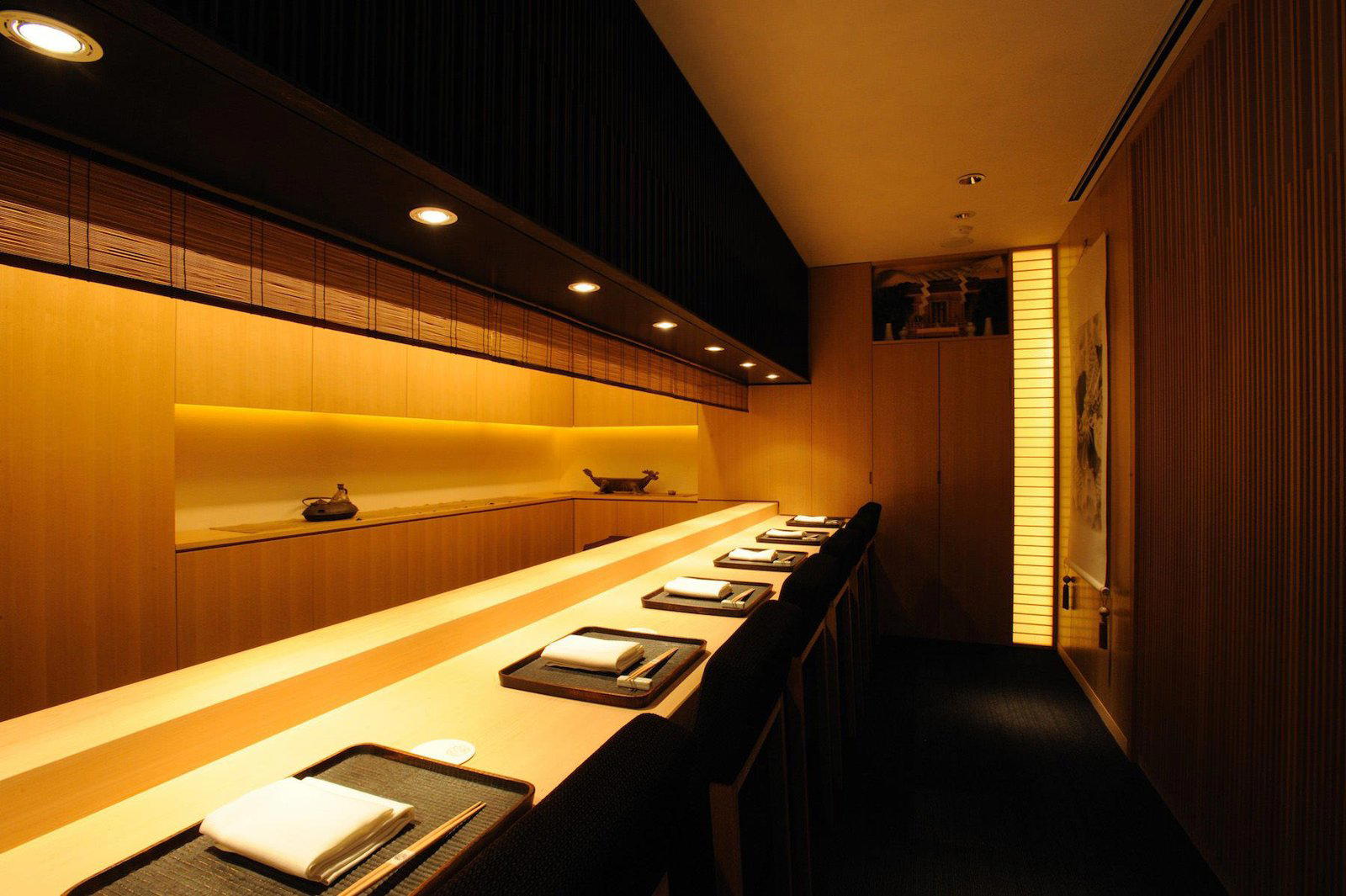
Tokyo Tonkatsu Gabuu
Tokyo, Japan
A basement tonkatsu counter in Ueno recognized on the Tabelog 100 - Tonkatsu - 2026 list, offering fried-pork sets at JPY 3,000 - JPY 3,999 with unlimited hagama rice refills. Walk-ins welcome via ticket machine; 17-seat counter-only setup with efficient turnover and family-friendly policies. No advance booking required for most visits.
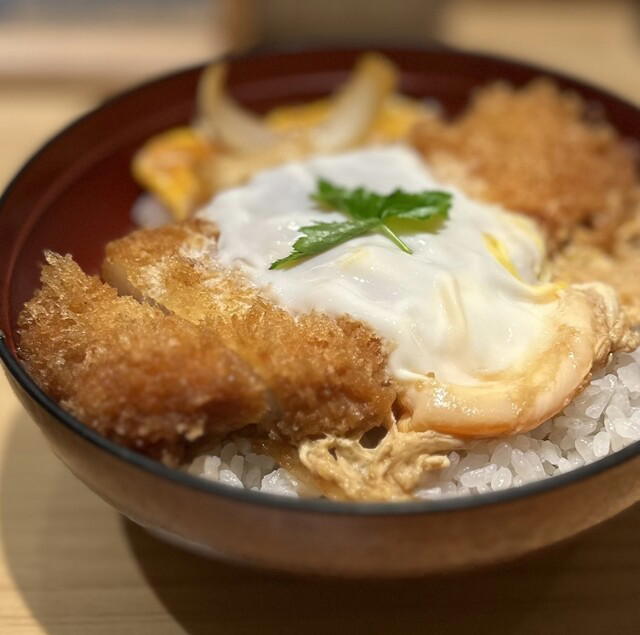
Tonkatsu Hasegawa Higashi ginza ten
Tokyo, Japan
Tabelog 100-listed tonkatsu in Tsukiji delivering award-recognized fried pork cutlets at JPY 2,000–3,999. Counter seats for solo diners, table service for dashi shabu-shabu (dinner only), and walk-in-friendly lunch make it a repeat-visit spot rather than a one-time splurge. Three minutes from Higashi-Ginza Station, easier to book than sushi peers.
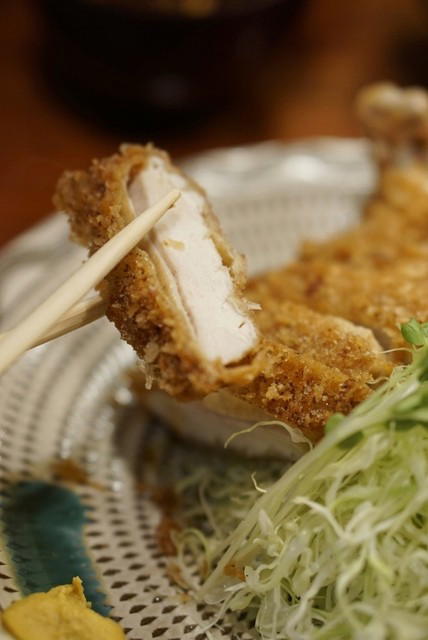
Aji no Katsueda
Fukuoka, Japan
Aji no Katsueda earned its Tabelog 100 - Tonkatsu - 2026 recognition through disciplined frying fundamentals rather than premium ingredients. At JPY 1,000–1,999 for both lunch and dinner, it's a no-reservations, cash-only house restaurant in Hirao that delivers consistent, well-executed pork cutlets for repeat visits rather than special-occasion splurges.
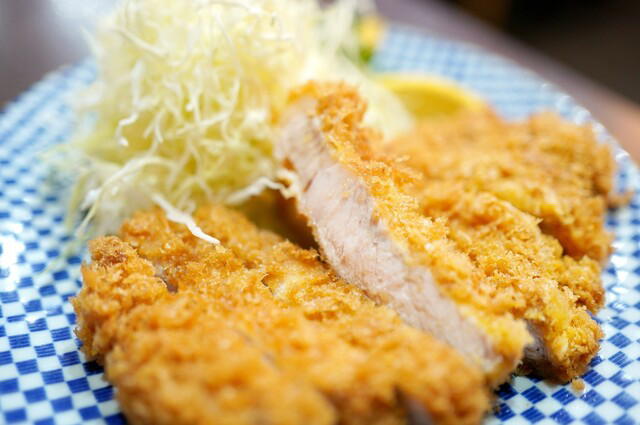
Tonkatsu Kurogane
Tokyo, Japan
Award-recognized tonkatsu specialist in Shinagawa offering crisp, well-executed cutlets at JPY 1,000–2,999; well below central Tokyo prices. Walk-in only, with shorter waits at dinner (which also costs less than lunch). Tabelog 100 honoree since 2017, ideal for diners prioritizing technical consistency over rare ingredients or elaborate service.
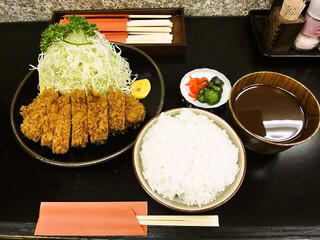
Tonkatsu Aoki Kamata honten
Tokyo, Japan
A ten-seat tonkatsu counter in residential Kamata, four minutes from JR Kamata Station, that has held a Tabelog 100 Tonkatsu spot every cycle since 2017. Hayashi SPF pork fried to order, seven salts on the rail, and lunch sets from JPY 900; consistent execution at neighborhood prices, with queues to prove it.
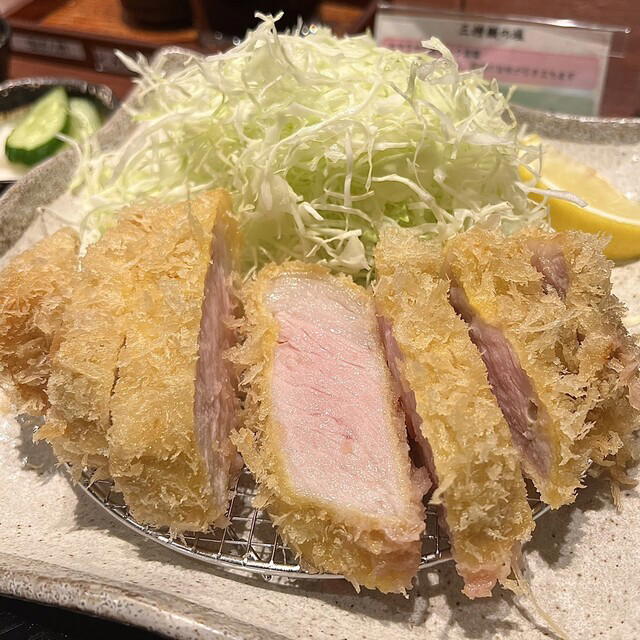
Tonkatsu Wakaba
Fukuoka, Japan
Walk-in tonkatsu counter in Tenjin serving Tabelog 100-recognized fried pork cutlets for under JPY 2,000. No reservations accepted, so expect queues at peak hours. The casual, family-friendly space offers efficient service and consistent execution, making it a solid choice for affordable, award-backed tonkatsu without the formality of reservation-only counters.
tonkatsu.jp表参道
Tokyo, Japan
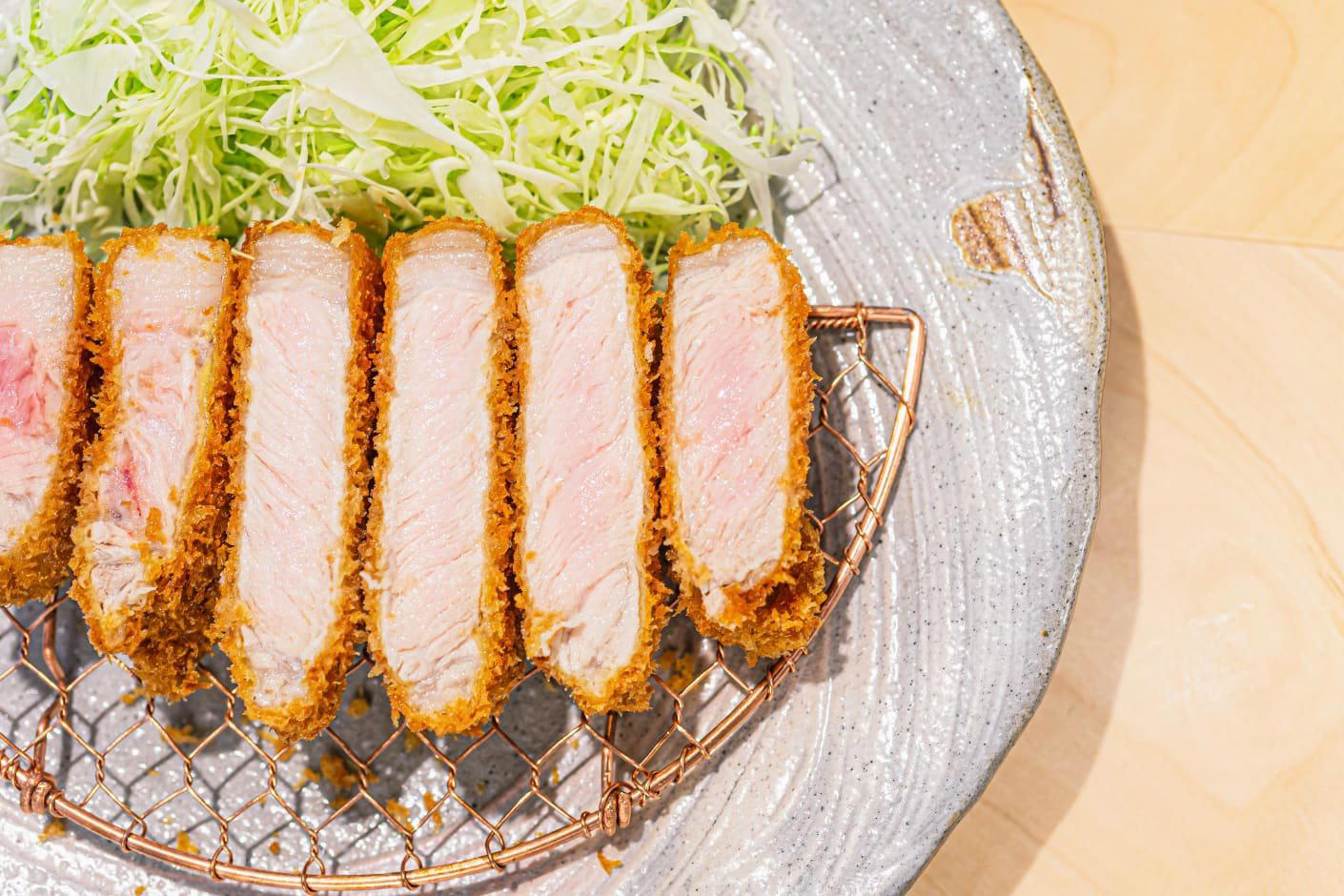
A practical Aoyama pick if the goal is a focused meal in Omotesando rather than a long, wine-led special occasion. Book it when the neighborhood already fits your Tokyo day; skip it if you need confirmed tasting-menu structure, published awards, or a documented wine program before committing.
Yada Katsu
Nagoya, Japan
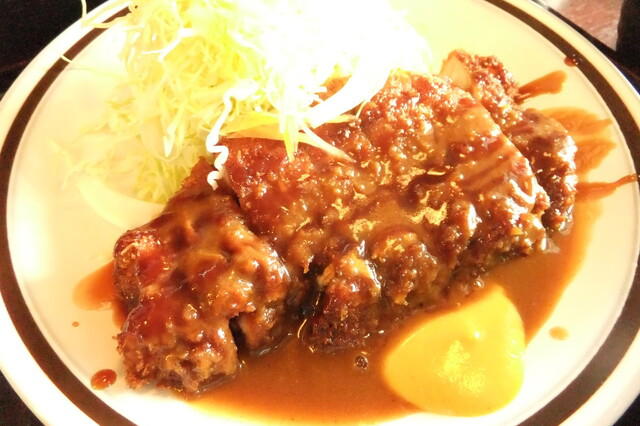
Walk-in miso katsu specialist in Nagoya's Yada district, recognized on Tabelog Tonkatsu 100 since 2018. Kagoshima loin and tenderloin at JPY 1,000–2,999, with premium Wagyu Mochi Pork and Rokuhaku Kurobuta at dinner. No reservations; arrive early before daily pork allocation runs out.
Katsu Pulipo
Tokyo, Japan
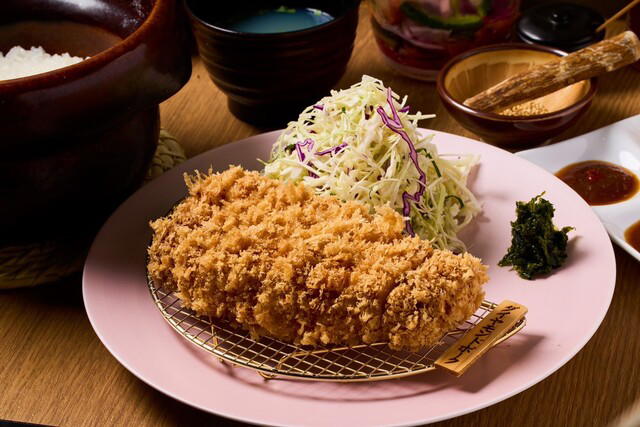
Three-time Tabelog 100 tonkatsu specialist in Kabukicho with 50 seats, private rooms, and stroller access. Japanese branded pork is served with 1 cm of fat for natural sweetness; leaner cuts available. Lunch JPY 4,000–4,999, dinner JPY 8,000–9,999 with one-drink minimum. Easier to book than counter-only competitors and built for families.
Tonkatsu Enraku
Tokyo, Japan
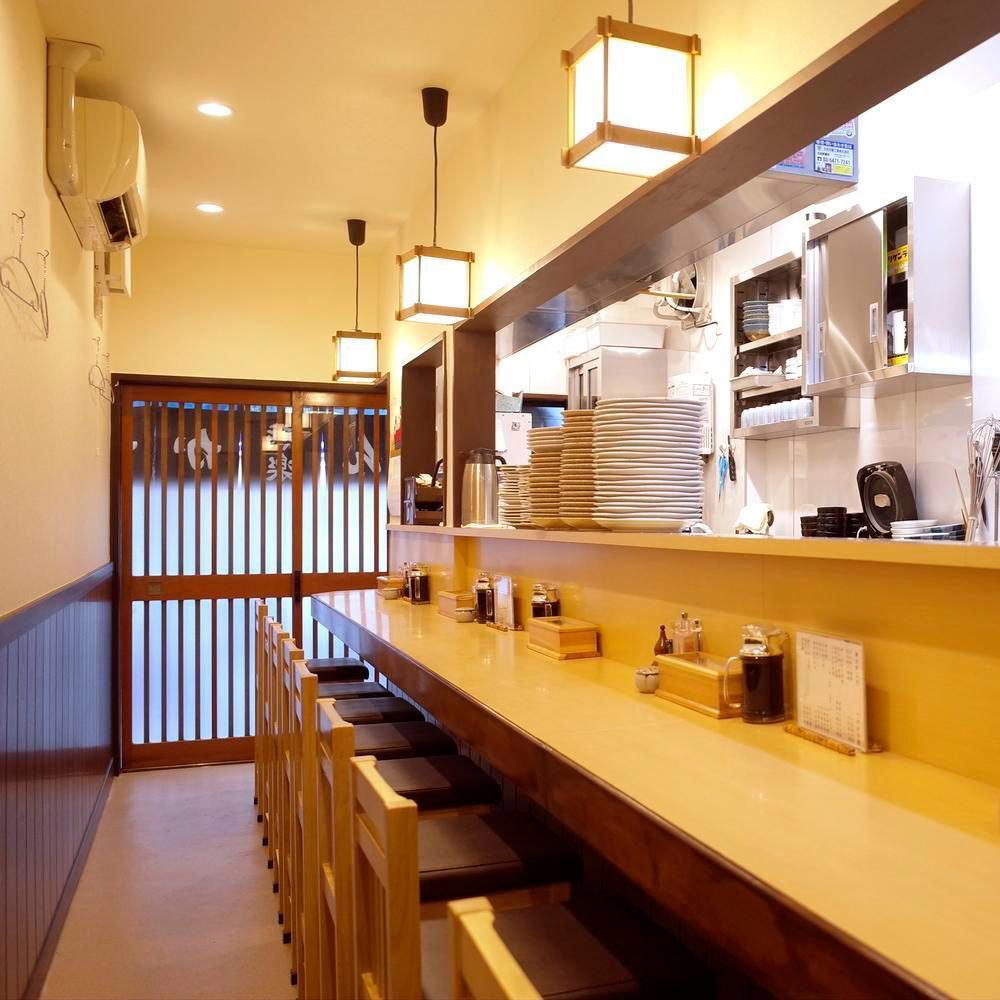
A Michelin Bib Gourmand tonkatsu counter in Ikegami, Ota City, where a veteran owner-chef fries pork loin and fillet with the precision of someone who has done exactly this for decades. At a single yen-sign price point with an easy booking situation, it is one of Tokyo's most efficient value propositions for serious tonkatsu. Book for lunch if your schedule allows.
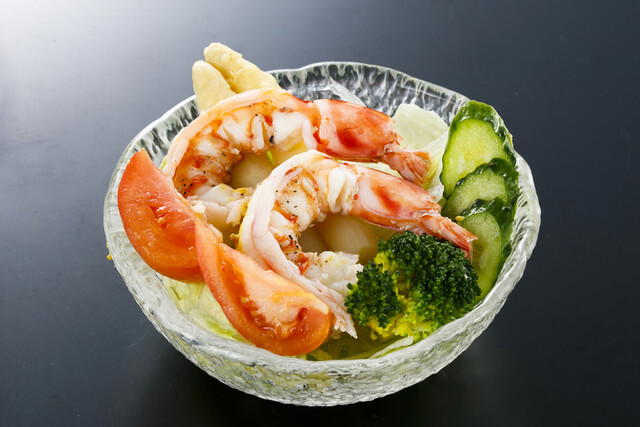
Tonkatsu Yutaka
Tokyo, Japan
Cash-only tonkatsu specialist in a quiet Asakusa side street, serving Gunma pork fried in cottonseed oil at JPY 2,000–2,999 per meal. Tabelog 100 regular since 2017. Walk-in only for standard seating; private room available for groups ordering course menus. Best for budget-conscious travelers seeking solid execution without premium pricing or formality.
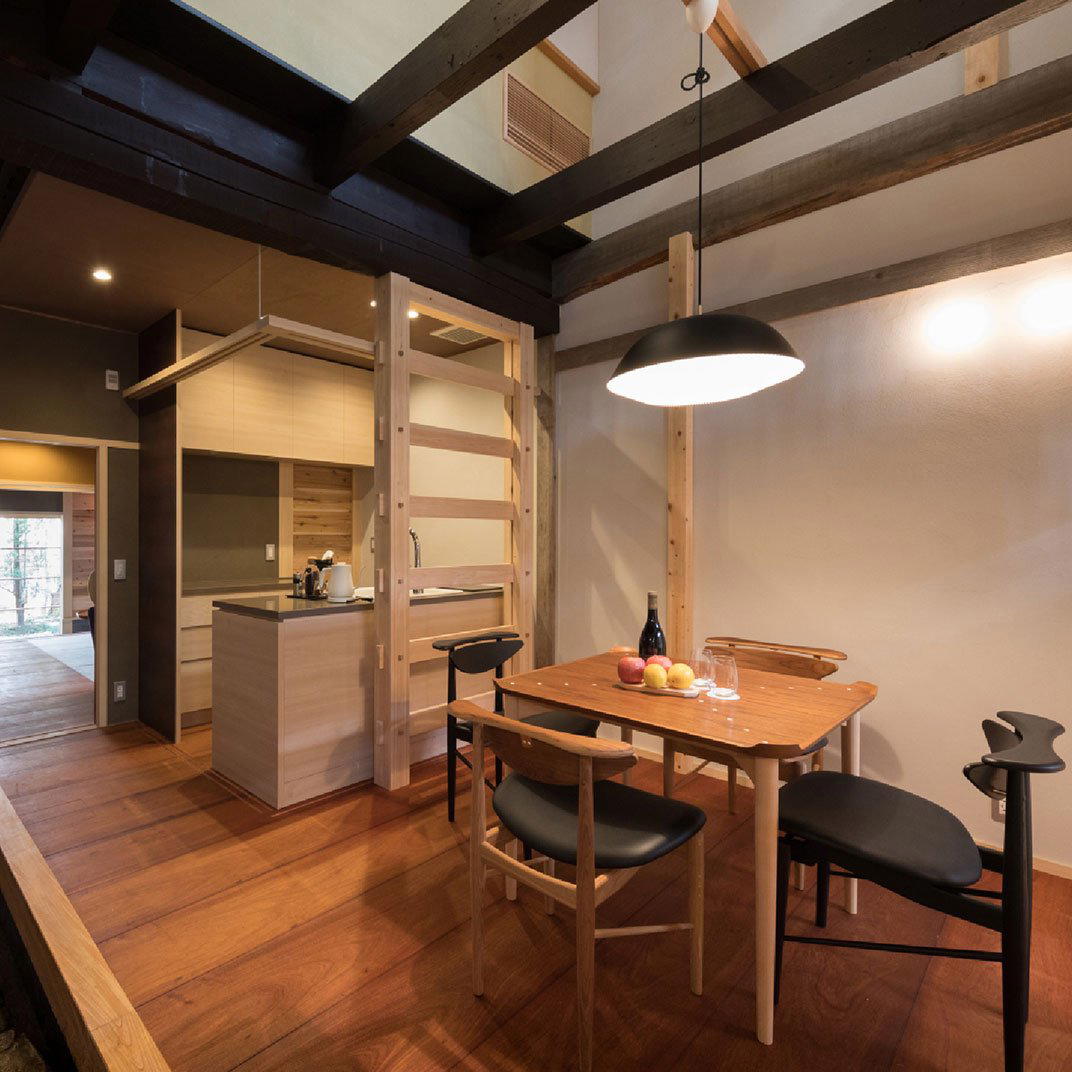
Jukuseibuta Kawamura
Kyoto, Japan
A back-to-back Michelin Bib Gourmand winner in Yamashina Ward, Jukuseibuta Kawamura is Kyoto's most compelling case for serious tonkatsu at a single-¥ price point. The aged jukusei-buta pork, sourced from a Fushimi butcher and fried twice in low-temperature oil, is the reason to go. Booking is straightforward and the neighbourhood location keeps competition for tables manageable.
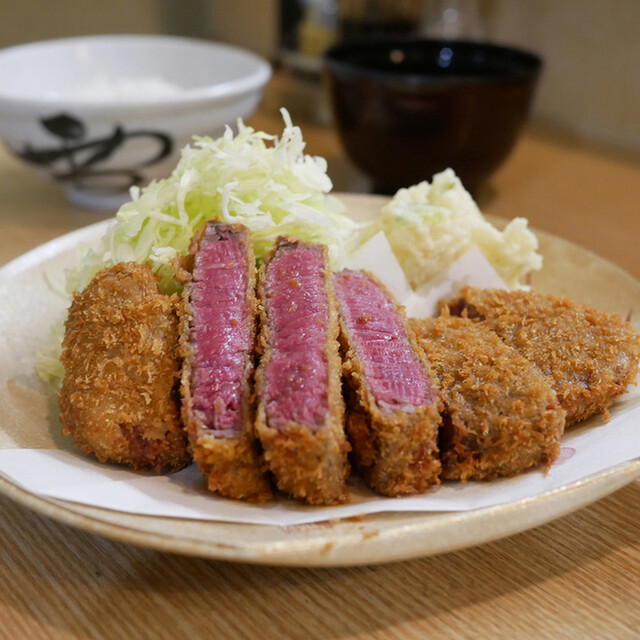
Tonkatsu Nozaki
Matsusaka, Japan
Walk-in tonkatsu in a house-turned-restaurant, selected for Tabelog 100 every year since 2017. At JPY 4,000–4,999, it's a practical midday stop between Matsusaka's beef specialists, with counter seating, tatami rooms, and free parking for 20 cars. No reservations accepted; arrive by 11:30 AM for lunch service Monday, Thursday–Sunday.
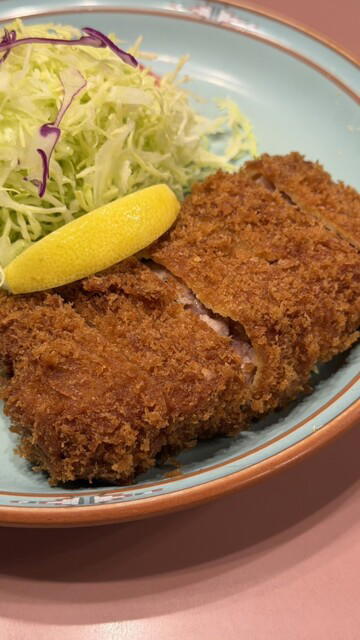
Fuku Yoshi
Tatebayashi, Japan
A 200-seat family-run tonkatsu house in Tatebayashi, selected for Tabelog's Tonkatsu 100 three times (2022, 2024, 2026). No reservations, cash only, JPY 1,000-1,999 per meal. High-volume service and steady execution make this a practical dinner stop for repeat visitors who already know the drill, though the large tatami hall and communal energy favor groups over quiet conversation.
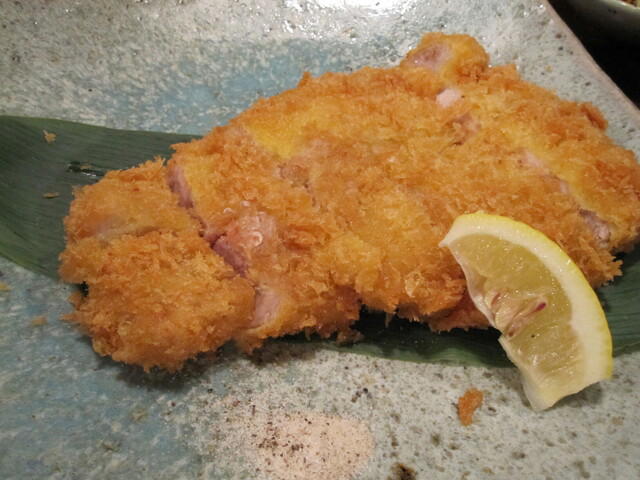
Anbai
Kashiwa, Japan
A Tabelog 100 – Tonkatsu veteran (seven consecutive years) in suburban Kashiwa, Anbai delivers precise frying and neighborhood value at JPY 1,000–1,999 lunch, JPY 2,000–2,999 dinner. The 44-seat basement space offers counter, tatami, and sunken seating; lunch includes complimentary grilled bean sprouts and dessert. Cash-only, family-friendly, and a six-minute walk from Kashiwa Station.
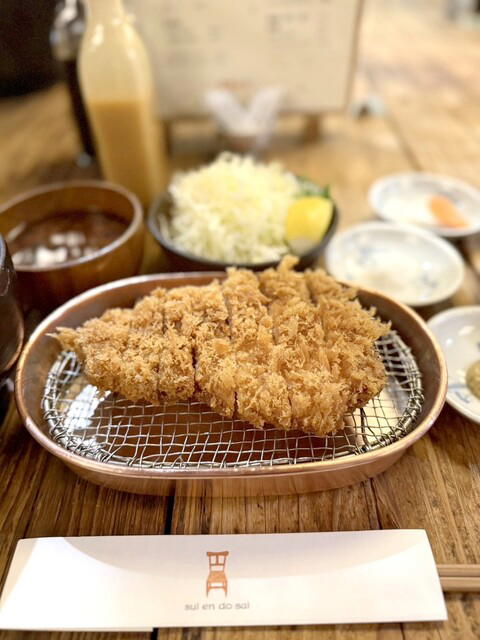
Suien Dosai Honten
Shizuoka, Japan
Named to Tabelog's tonkatsu honor roll for three consecutive cycles (2022, 2024, 2026), this Shizuoka specialist keeps pricing under JPY 2,000 and offers tatami seating for groups up to 20. The format is straightforward: order, eat, leave satisfied. Book it when you want technical tonkatsu execution without the counter theatrics or Tokyo price tags.
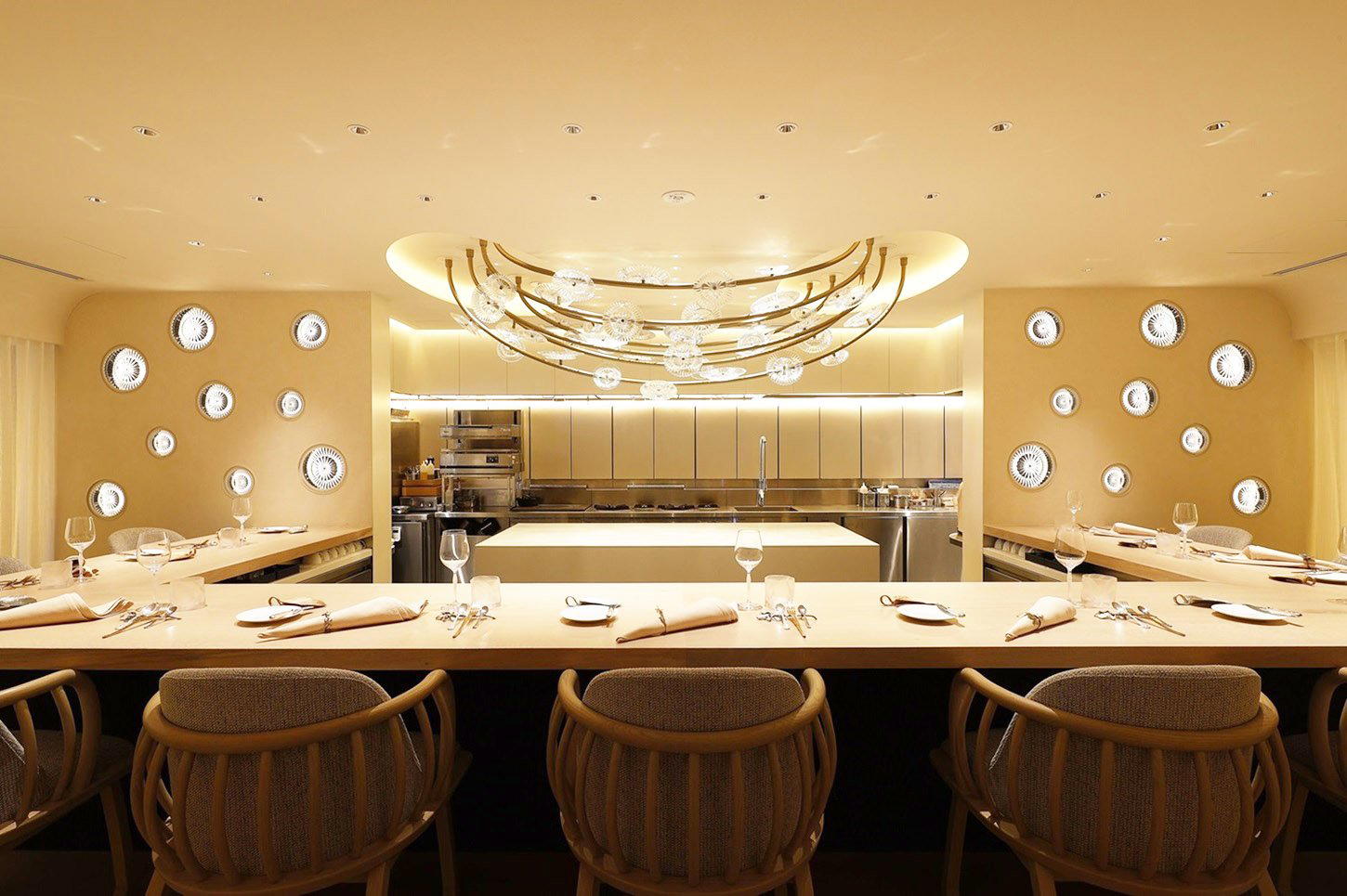
Ginza Katsukami
Tokyo, Japan
Ginza Katsukami is one of Tokyo's most decorated tonkatsu restaurants, holding a Michelin Bib Gourmand and consecutive Opinionated About Dining Casual Japan rankings. The prix fixe-only format serves rare pork cuts one slice at a time, with seasonal name-brand pork varieties available for comparison. At ¥¥ in Ginza, it's the most credentialled value option in this category in the city.
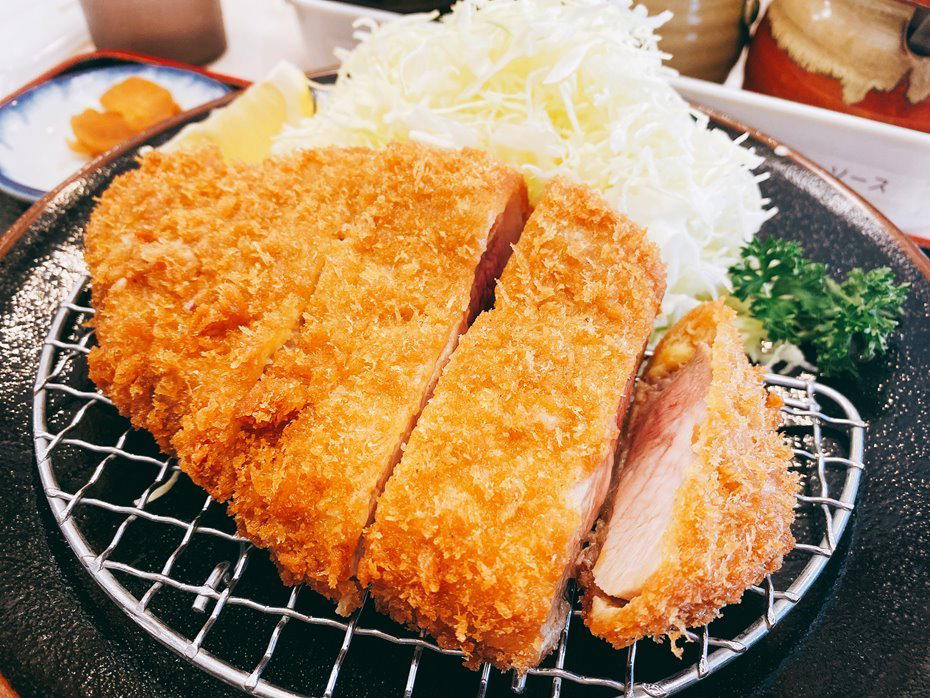
Kawakyu (とんかつ川久)
Kagoshima, Japan
Kawakyu (とんかつ川久) works when the plan is a focused tonkatsu meal in Kagoshima, not a formal night out. It suits casual dates, small groups, and travellers who want a food-first stop near Chuocho; skip it if dietary restrictions or a polished special-occasion setting are the priority.
Tonkatsu Iwai
Tokyo, Japan
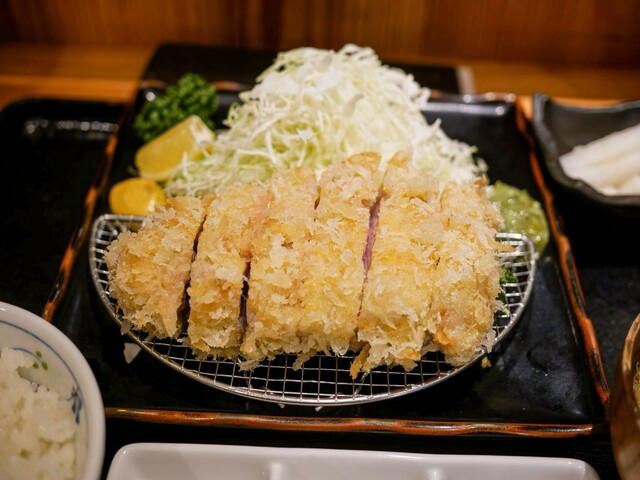
A no-reservation tonkatsu specialist in Shibakoen, named to Tabelog's Tonkatsu 100 list for eight consecutive years. The 21-seat walk-in restaurant calculates residual heat timing and oil blend for precision-fried Kagoshima pork cutlets at JPY 2,000–2,999. Lunch is the safer bet; dinner closes unpredictably after 30 guests.
Tonkatsu Sugita
Tokyo, Japan
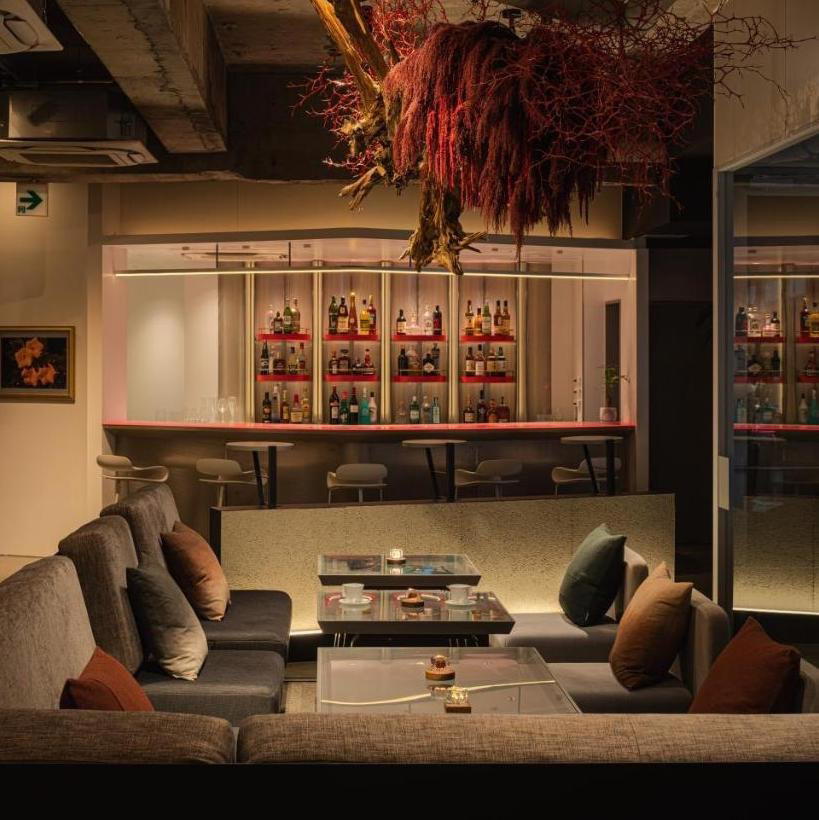
Tonkatsu Sugita in Tokyo's Kotobuki neighbourhood has ranked on Opinionated About Dining's Japan Casual list three consecutive years, peaking at #31 in 2024. It's the right call for a solo diner or pair who want a serious, single-format meal without a hard-to-book scramble. For tonkatsu at a credentialed level, this is the Tokyo address to know.
Overview
Tabelog 100 - Tonkatsu - 2026 is an annual ranking of the top 100 tonkatsu restaurants across Japan, curated by Tabelog, Japan’s largest and most influential restaurant review platform. This list showcases the highest-rated and most celebrated tonkatsu establishments, reflecting both expert and user acclaim for quality, authenticity, and innovation in this iconic Japanese dish.
Since its inception, Tabelog has become Japan’s premier restaurant review platform, with millions of users contributing detailed evaluations. The Tabelog 100 lists, including the 2026 tonkatsu edition, represent a rigorous distillation of user feedback and expert input, spotlighting the best tonkatsu eateries nationwide. Tonkatsu; a breaded, deep-fried pork cutlet; holds a cherished place in Japanese cuisine, and this list celebrates the diversity of styles, from traditional Katsuya to avant-garde interpretations. The 2026 edition reflects evolving culinary trends and regional specialties, influencing both local diners and international gastronomes seeking authentic Japanese comfort food.
For discerning diners and travelers, tonkatsu is an essential gateway into Japan’s rich culinary tapestry. Pearl’s presentation of the Tabelog 100 - Tonkatsu - 2026 list offers an expertly curated guide to the country’s finest pork cutlet experiences. From Tokyo’s bustling eateries to hidden gems in regional towns, each restaurant represents a pinnacle of taste, technique, and tradition. This list is indispensable for those seeking the perfect crunch, juiciest pork, and nuanced accompaniments that define top-tier tonkatsu.
Quick Facts
- Publisher
- Tabelog (Kakaku.com, Inc.)
- Year
- 2026
- Coverage
- Nationwide Japan
- Items
- 100 Tonkatsu Restaurants
- Frequency
- Annual
About This Edition
The 2026 edition of Tabelog 100 - Tonkatsu spotlights notable shifts toward artisanal and regional variations, reflecting a broader trend in Japanese gastronomy. This year’s list features new entries from emerging chefs experimenting with heritage pork breeds and innovative batter techniques, alongside stalwart institutions maintaining time-honored recipes. There is increased representation from prefectures outside Tokyo and Osaka, highlighting the nationwide resurgence of interest in tonkatsu’s diverse interpretations.
Frequently Asked Questions
What is Tabelog 100 - Tonkatsu - 2026?
How are honorees selected?
How often is this list updated?
How can I find these on Pearl?
How many of these have you visited?
Find out on Pearl and keep score across every place in Tabelog 100 - Tonkatsu - 2026.