
.png?width=1200&quality=80)
Tonkatsu Nanaido
Tonkatsu · Shibuya, Tokyo
Restaurant in Tokyo, Japan
 Book with Pearl
The Read
Lard-Fried Provenance Tonkatsu
Price
¥
Dress
Casual
Why go
Tonkatsu Nanaido in Shibuya's Jingumae holds a Michelin Bib Gourmand (2024) and for a reason: chef Alexander Petillo uses name-brand pork, lard-fried with chunky breadcrumbs, and clay-pot rice that earns its place on the plate. At the ¥ price tier, it is one of the most accessible serious tonkatsu addresses in Tokyo, easy to book, and well-suited to a special occasion without the premium price tag.
About Tonkatsu Nanaido
Verdict: A Michelin Bib Gourmand Tonkatsu Counter Worth Booking in Shibuya
Picture a bowl of rice cooked in a clay pot, sweet and fluffy, sitting beside a tonkatsu with a crust that shatters on contact. That image — and the personal conviction behind it — is what Tonkatsu Nanaido in Jingumae delivers. Chef Alexander Petillo earned a Michelin Bib Gourmand in 2024 for exactly this kind of cooking: precise, ingredient-focused, and priced at the single-yen-sign tier. If you want to understand what a committed chef can do within the constraints of a single Japanese fry dish, this is the right address in Shibuya.
What Makes It Worth Booking
The case for Nanaido starts with sourcing. Chef Petillo uses name-brand pork only, prioritising cuts with pronounced flavour rather than generic commodity meat. The breading technique compounds this: chunky breadcrumbs fried in lard at a relatively low temperature produce a crust that stays crisp without drawing moisture from the meat, leaving the interior succulent rather than dried out. This is a technical choice, not an accident, and it shows in the result.
The rice is handled with the same deliberateness. Cooked in clay pots and transferred to round wooden tubs, it develops a faint sweetness and retains a plump, even texture. At a restaurant where the menu is narrow by design, the quality of the rice matters more than it would somewhere with thirty dishes to distract you. Here it earns its place on the table.
Chef Petillo also runs a yakitori shop, which explains the particular confidence behind the chicken cutlet option. If you are deciding between pork and chicken, that background is worth factoring in: the chicken katsu at Nanaido comes with a level of care that most tonkatsu-only restaurants cannot match.
Who Should Book This
Nanaido works well as a special occasion choice precisely because the price point is low. At the ¥ tier, this is the rare celebration meal where you are not paying a premium for the occasion itself, you are paying for the food, and the food delivers. For a date or a quiet dinner with someone who values craft over spectacle, the format here is direct and satisfying without the performance of a tasting menu. For a solo diner, the counter or small-table format common to Tokyo's specialist katsu shops suits the meal perfectly.
If you are planning a Tokyo restaurant trip and want to balance your spending across multiple meals, anchoring one evening here frees budget for higher price-point experiences elsewhere. See our full Tokyo restaurants guide for how to sequence your bookings across the city's different tiers.
Booking and Timing
Nanaido sits in Jingumae, Shibuya, close to the Omotesando and Harajuku dining corridor, which means foot traffic is high and the room does not stay empty for long on weekday evenings. Booking difficulty is rated easy by Pearl standards, but that does not mean walk-ins are guaranteed at prime times. Given the Bib Gourmand designation in 2024, interest from visiting diners has grown, book a few days ahead for weekday lunches and at least a week out for Friday or Saturday dinners to secure your preferred time. Arriving at opening is the most reliable strategy if you are in the neighbourhood without a reservation.
Timing within the meal also matters: the clay-pot rice takes time to prepare correctly, so expect the pacing to be deliberate rather than rushed. Budget 45 to 60 minutes for a full sitting.
How It Sits in the Tokyo Tonkatsu Field
Tokyo has a well-established tonkatsu circuit, and Nanaido competes in the quality-specialist tier rather than the volume chain tier. Butagumi in Nishi-Azabu is often cited as the reference point for high-end pork sourcing in this category, with a more extensive breed-specific menu and a corresponding price step up. Ginza Katsukami operates in Ginza with sharper service formality and a higher price tier. Katsuyoshi and Katsusen offer alternative entry points at comparable prices. Fry-ya takes a broader fry-focused approach if you want a menu that goes beyond katsu.
What separates Nanaido from most of those alternatives is the chef's dual background in yakitori and the specific attention to rice as a co-equal part of the meal. If you are choosing between Nanaido and Butagumi, the decision comes down to budget and format: Butagumi gives you more breed options at a higher price; Nanaido gives you a more personal, lower-cost expression of the same underlying philosophy.
For tonkatsu outside Tokyo, Jukuseibuta Kawamura in Kyoto and Kyomachibori Nakamura in Osaka are the comparable specialist options if your itinerary extends beyond the capital.
Ratings and Trust Signals
- Michelin Bib Gourmand (2024), recognition for high quality at accessible prices
- , consistent positive feedback across a meaningful sample
- Price tier: ¥, one of the most accessible Michelin-recognised tonkatsu options in Shibuya
Practical Details
| Detail | Tonkatsu Nanaido | Butagumi | Ginza Katsukami |
|---|---|---|---|
| Cuisine | Tonkatsu | Tonkatsu | Tonkatsu |
| Price tier | ¥ | ¥¥–¥¥¥ | ¥¥¥ |
| Michelin status | Bib Gourmand (2024) | Bib Gourmand | Not listed |
| Neighbourhood | Jingumae, Shibuya | Nishi-Azabu | Ginza |
| Booking difficulty | Easy | Moderate | Moderate |
| Special occasion suitability | High (value-led) | High (premium) | High (formal) |
Also Worth Exploring in Japan
If you are building a wider Japan itinerary, Pearl covers specialist and acclaimed dining across the country. For Osaka, HAJIME is the reference for haute cuisine. In Kyoto, Gion Sasaki is the serious kaiseki address. Further afield, Goh in Fukuoka, akordu in Nara, 1000 in Yokohama, and 6 in Okinawa each cover distinct regional strengths. See also our Tokyo hotels guide, our Tokyo bars guide, our Tokyo wineries guide, and our Tokyo experiences guide for the full picture.
Planning details
- Location
- Japan, 〒150-0001 Tokyo, Shibuya, Jingumae, 3 Chome−42−11 ローザビアンカ 1階
- Website
- instagram.com/tonkatsunanaido
- Phone
- +81 80-8190-1331
The take
The Take
The Vibe
Tonkatsu Nanaido feels like a focused, slightly secret discovery in Jingumae. The kitchen stakes its identity on technique—the cook fries in lard at a lower temperature and uses a chunky breadcrumb crust that browns differently from typical panko—so the impression is one of deliberate craft rather than flash. The restaurant's location in the Rosa Bianca building on a side street reinforces the tucked-away mood, while a Bib Gourmand nod underscores that the experience pairs serious technique with accessible pricing. It reads as an intimate, skilled neighborhood spot for people who care about how their tonkatsu is made.
Best For
This is a natural stop for solo diners and anyone chasing well-made tonkatsu without a premium price tag. The coverage highlights single-¥ tonkatsu and a value-forward positioning confirmed by a 2024 Bib Gourmand mention, so it suits everyday meals as well as low-key celebrations of technique. Tonkatsu enthusiasts who want to compare breed-driven differences will appreciate the slate of signature cuts—Amagi Shamo Chicken Katsu, Tokyo X Tonkatsu, and Hayashi SPF Pork Tonkatsu—because the kitchen treats provenance and method as central to the dish.
Ordering Tips
Order with an eye toward the preparations: the write-up singles out the lard frying and chunky breadcrumb crust as the house signature, so try a dish that showcases that technique. The menu's highlighted proteins—the Amagi Shamo Chicken Katsu, Tokyo X Tonkatsu and Hayashi SPF Pork Tonkatsu—offer a useful way to compare textures and flavors across the restaurant's sourcing choices. Expect straightforward, value-driven portions; let the cooking method be the point of comparison rather than elaborate accompaniments. Reservations or timing may help on busy service, given the place’s compact, focused nature.
Venue details
Ambiance
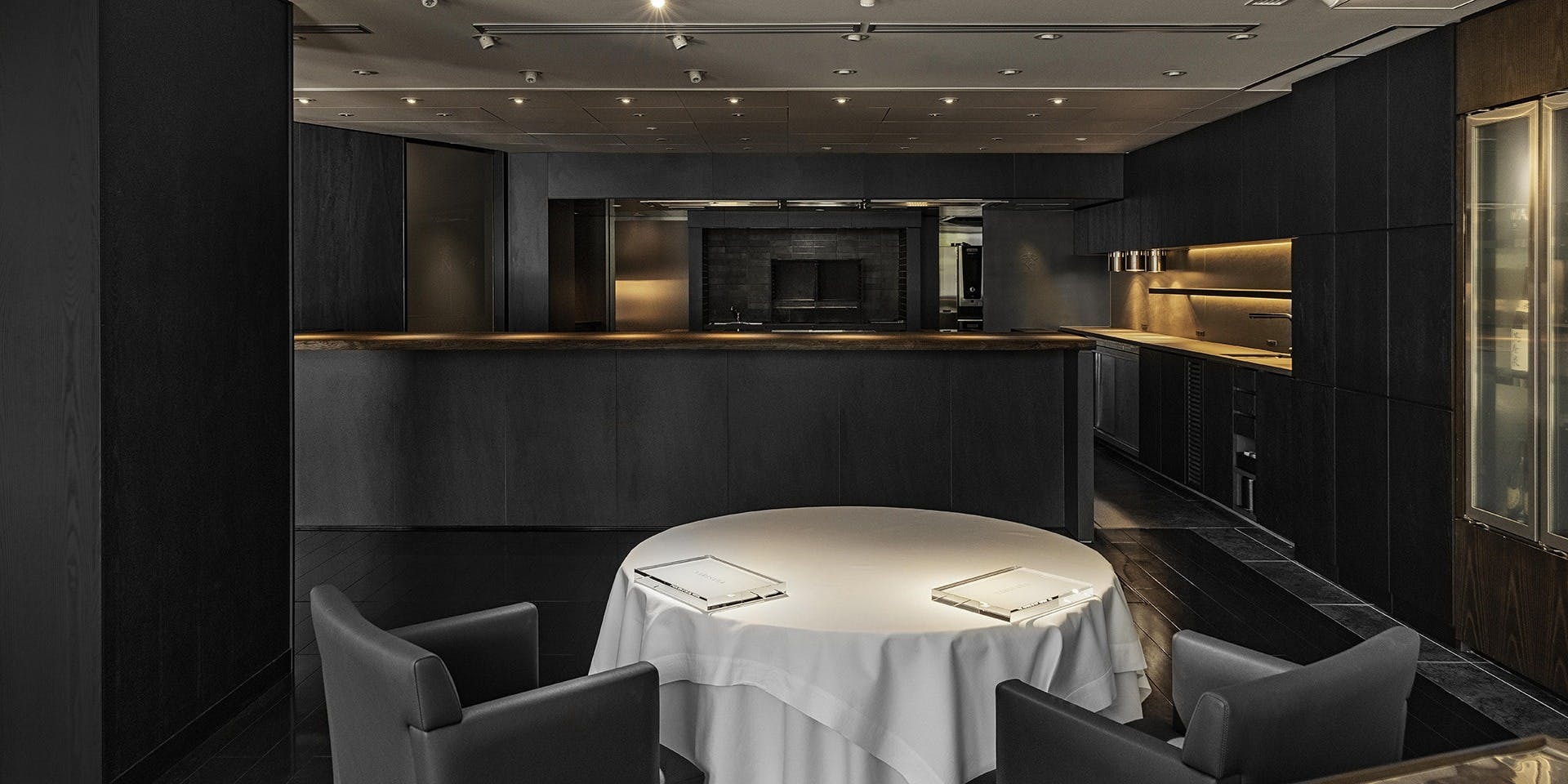
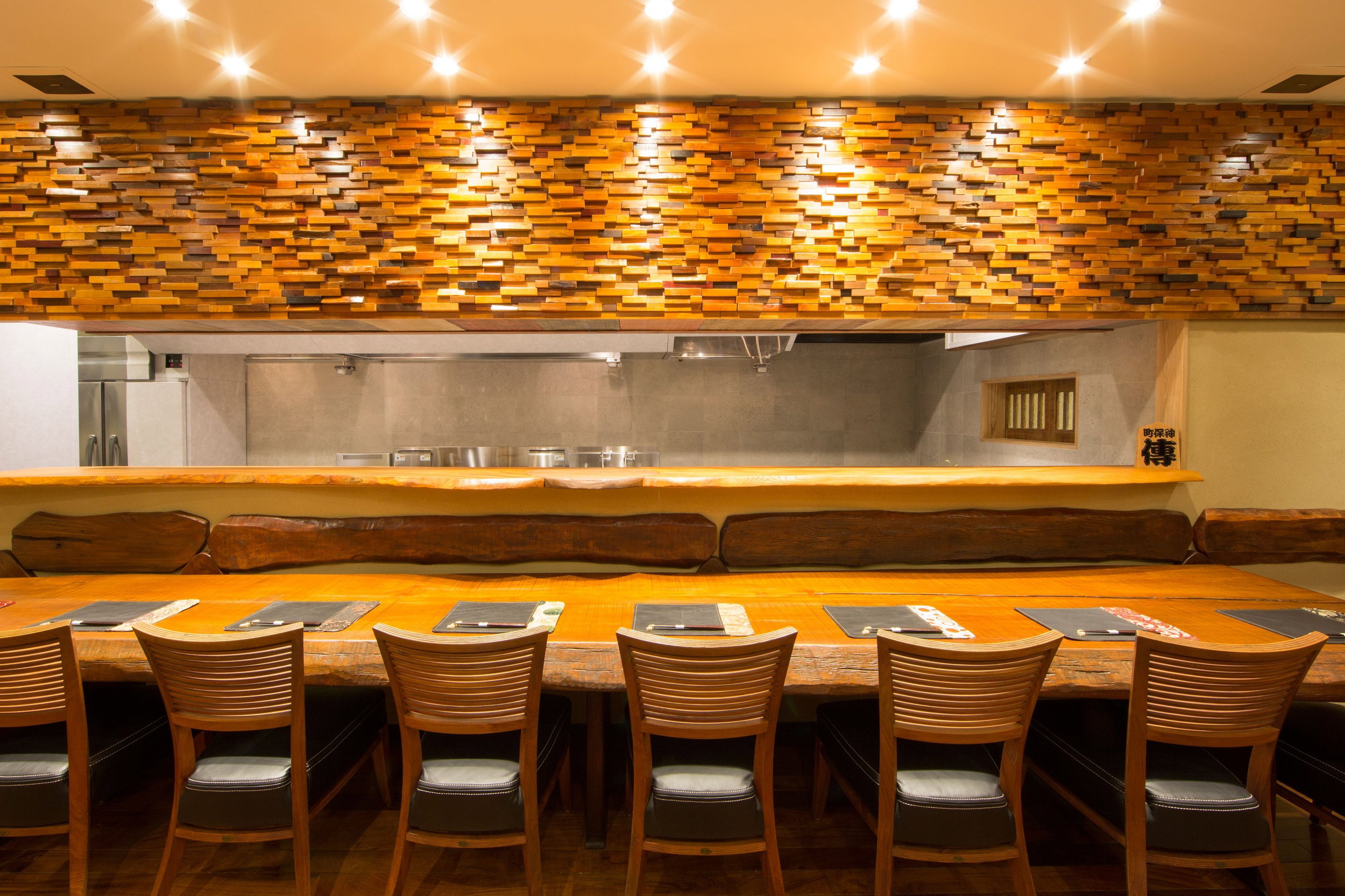
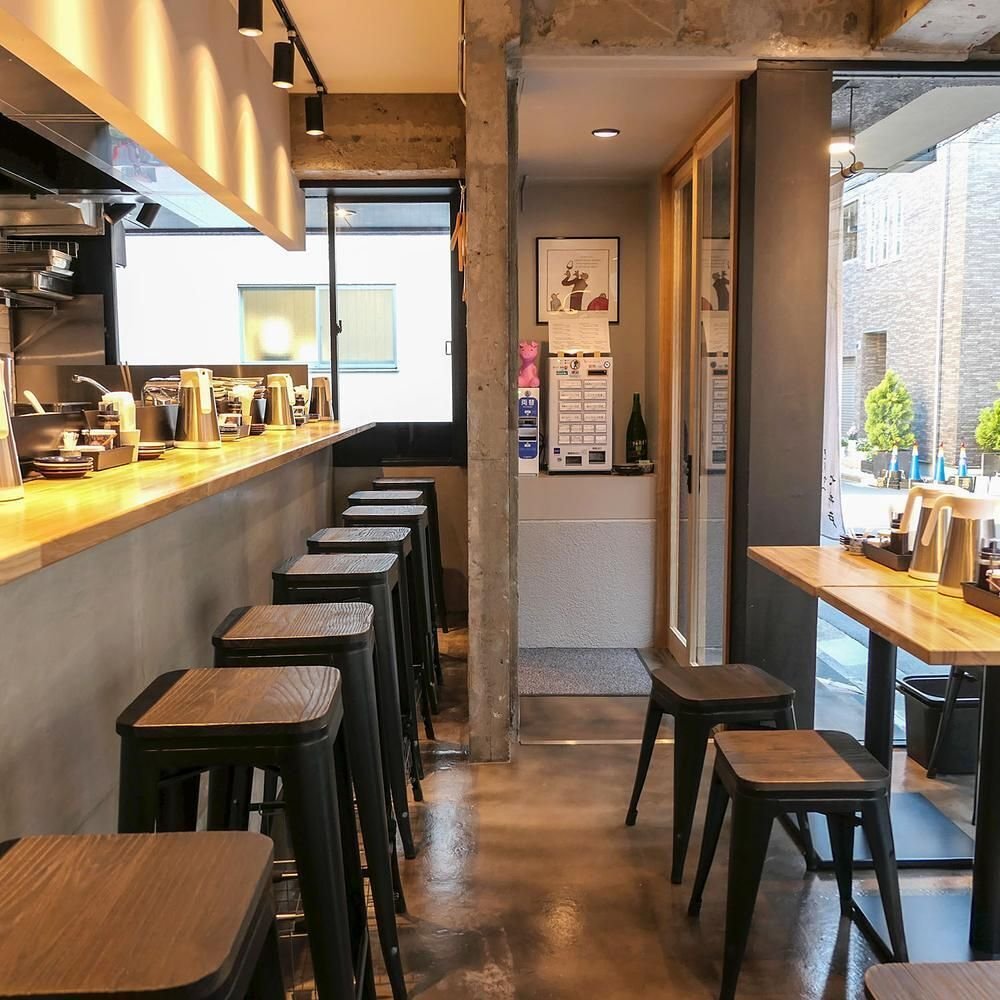
Clean, modern, minimalist counter-style setting with sparkling decor and an intimate 11-15 seat capacity that creates a personal, welcoming atmosphere where diners can watch the chef work.
Tags
Vibe
Best For
Experience
Sourcing
At the Table
- Dress Code
- Casual
- Noise Level
- Conversational
- Service Style
- Counter Service
- Meal Pacing
- Quick Bite
- Capacity
- Intimate
Signature Dishes
- Amagi Shamo Chicken Katsu
- Tokyo X Tonkatsu
- Hayashi SPF Pork Tonkatsu
Know before you go
Know Before You Go
- Getting there
- Japan, 〒150-0001 Tokyo, Shibuya, Jingumae, 3 Chome−42−11 ローザビアンカ 1階
Planning details
Location
Japan, 〒150-0001 Tokyo, Shibuya, Jingumae, 3 Chome−42−11 ローザビアンカ 1階 · Directions
Recognition and awards
Also consider
Also Consider
- Harutaka, Sushi, ¥¥¥¥
- L'Effervescence, French, ¥¥¥¥
- RyuGin, Kaiseki, Japanese, ¥¥¥¥
- HOMMAGE, Innovtive French, French, ¥¥¥¥
- Crony, Innovative, French, ¥¥¥¥
Restaurant context
Comparing Tonkatsu Nanaido against Tokyo's broader dining field requires separating price tiers. Against Harutaka, L'Effervescence, RyuGin, HOMMAGE, and Crony, all operating at the ¥¥¥¥ tier, Nanaido is not a like-for-like competitor. It does not offer the multi-course architecture, the service depth, or the room presence of those addresses. What it offers is Michelin-recognised quality at a fraction of the cost, with a booking process that does not require months of planning.
If your Tokyo trip includes one or two high-spend evenings at ¥¥¥¥ venues like RyuGin for kaiseki or L'Effervescence for French technique, Nanaido works as the meal that anchors your budget without compromising quality. It is not a consolation option, it is a deliberate one. The Bib Gourmand designation specifically signals high quality at accessible prices, which is the category Nanaido owns cleanly in Shibuya.
For diners choosing between Nanaido and another ¥¥¥¥ dinner, the honest answer is that you do not need to choose: they serve different functions on the same trip. But if you are limited to one Tokyo dining reservation and price is a real constraint, Nanaido delivers more cooking craft per yen than any of the comparison venues at four times the price. Book the ¥¥¥¥ table for the occasion where room and service are part of the value; book Nanaido for the meal where the food itself is the point.
Explore Tokyo
Around this place
Discover more on Pearl
Unlock the full Tonkatsu Nanaido guide in Pearl, including awards, comparisons, FAQs, planning details, and nearby places.
Compare Tonkatsu Nanaido
| Venue | Awards | Price |
|---|---|---|
| Tonkatsu Nanaido | Tabelog 100 - Tonkatsu - 2026 · #272026 Bib Gourmand2024 Michelin Bib Gourmand | ¥ |
| Harutaka | 2026 Tabelog Silver · #312026 OAD Top Restaurants in Japan Ranked · #1282026 Michelin 3 Stars2026 La Liste Top RestaurantsTabelog 100 - Sushi - TOKYO - 2025 · #372025 Asia's 50 Best Restaurants · #762025 OAD Top Restaurants in Japan Ranked · #1172025 La Liste Top Restaurants2025 Tabelog Bronze | ¥¥¥¥ |
| L'Effervescence | 2026 Tabelog Silver · #682026 OAD Top Restaurants in Japan Ranked · #103Star Wine Lists 20262026 Black Pearl 2 Diamond2026 Relais Chateaux Restaurants2026 La Liste Top Restaurants2026 Michelin 3 Stars2025 Asia's 50 Best Restaurants · #692025 OAD Top Restaurants in Japan Ranked · #92 | ¥¥¥¥ |
| RyuGin | 2026 OAD Top Restaurants in Japan Ranked · #802026 Tabelog Bronze · #3772026 Michelin 3 Stars2026 La Liste Top RestaurantsTabelog 100 - Japanese cuisine - TOKYO - 2025 · #212025 OAD Top Restaurants in Japan Ranked · #542025 Michelin 3 Stars2025 La Liste Top Restaurants2025 The Best Chef Three Knives | ¥¥¥¥ |
| HOMMAGE | 2026 Tabelog Bronze · #1232026 OAD Top Restaurants in Japan Highly Recommended2026 Michelin 2 StarsTabelog 100 - French - TOKYO - 2025 · #762025 Asia's 50 Best Restaurants · #782025 OAD Top Restaurants in Japan Ranked · #1752025 Michelin 2 Stars2025 The Best Chef One Knife2025 La Liste Top Restaurants | ¥¥¥¥ |
| Crony | 2026 Asia's 50 Best Restaurants · #34Star Wine Lists 20262026 OAD Top Restaurants in Japan Recommended2026 Michelin 2 Stars2025 Asia's 50 Best Restaurants · #30Tabelog 100 - French - TOKYO - 2025 · #782025 OAD Top Restaurants in Japan Ranked · #227We're Smart World Top Restaurants 20252025 Michelin 2 Stars | ¥¥¥¥ |














Comparing your options in Tokyo for this tier.
FAQ
Frequently Asked Questions
What should I order at Tonkatsu Nanaido?
The tonkatsu is the clear focus: Chef Petillo uses name-brand pork only, fried in lard with chunky breadcrumbs for a shattering crust and succulent interior. The clay-pot rice is a specific reason to visit rather than an afterthought — order it. As a chef with a yakitori background, Petillo also takes particular pride in the chicken cutlet, which makes it worth ordering alongside the pork if appetite allows.
What are alternatives to Tonkatsu Nanaido in Tokyo?
For tonkatsu at a similar specialist level, Butagumi in Nishiazabu is the main peer comparison — it skews higher in price and formality. Nanaido sits at the ¥ tier with a 2024 Michelin Bib Gourmand, which puts it in a different value bracket from most Tokyo tonkatsu destinations with comparable recognition. If you want Michelin-level eating at low spend in Shibuya, Nanaido has few direct rivals at this price point.
What should a first-timer know about Tonkatsu Nanaido?
This is a specialist counter in Jingumae, Shibuya, close to the Omotesando and Harajuku dining corridor — expect high foot traffic and a room that fills quickly. The format is focused: this is a tonkatsu restaurant, not a broad Japanese menu, so come knowing what you want. At the ¥ price tier, a 2024 Michelin Bib Gourmand means this is one of the stronger value propositions in Tokyo for quality-driven eating.
How far ahead should I book Tonkatsu Nanaido?
Booking details are not publicly confirmed, but the location in Jingumae near Omotesando and Harajuku, combined with a 2024 Michelin Bib Gourmand, means demand is high relative to a small specialist counter. Arriving early or contacting the restaurant directly is the practical approach; walk-in attempts at peak lunch and dinner hours carry real risk of a wait or a missed seat.
Is Tonkatsu Nanaido good for a special occasion?
Yes, and the price point is exactly why. A Michelin Bib Gourmand tonkatsu counter at the ¥ tier means you get a food-focused celebration without the spend of a tasting-menu evening. It works well for two people who want a meaningful, craft-driven meal rather than a formal multi-course dinner. For groups expecting a private room or extended dining format, a higher-tier venue would be the better fit.