

Tonkatsu Fujii
Tonkatsu · Asahi, Osaka
Restaurant in Osaka, Japan
 Book with Pearl
The Read
French-Framed Tonkatsu
Price
¥
Dress
Smart Casual
Why go
Tonkatsu Fujii is Osaka's most credentialled tonkatsu counter: seven seats, a Michelin Bib Gourmand (2024 and 2025), a Tabelog Award 2026 Bronze, a 4.13 score on a format built around premium pork and French technique. Lunch (JPY 3,000–3,999) is the sharper value; dinner (JPY 4,000–5,999) gives you 90 minutes at the counter. Book online well in advance; there are no walk-ins and no phone reservations.
About Tonkatsu Fujii
Pearl Verdict
If you have been to Tonkatsu Fujii once, the question on a return visit is not whether the food holds up; it is whether you book lunch or dinner, whether you can still get a seat. Since opening in September 2022, this seven-seat counter in Osaka's Asahi ward has earned a Tabelog score of 4.13, a Tabelog Award 2026 Bronze, placement in the Tabelog Tonkatsu 100 for 2024, two consecutive Michelin Bib Gourmand nods (2024 and 2025). That is a credentialled run for a restaurant not yet three years old. Book it.
The Space
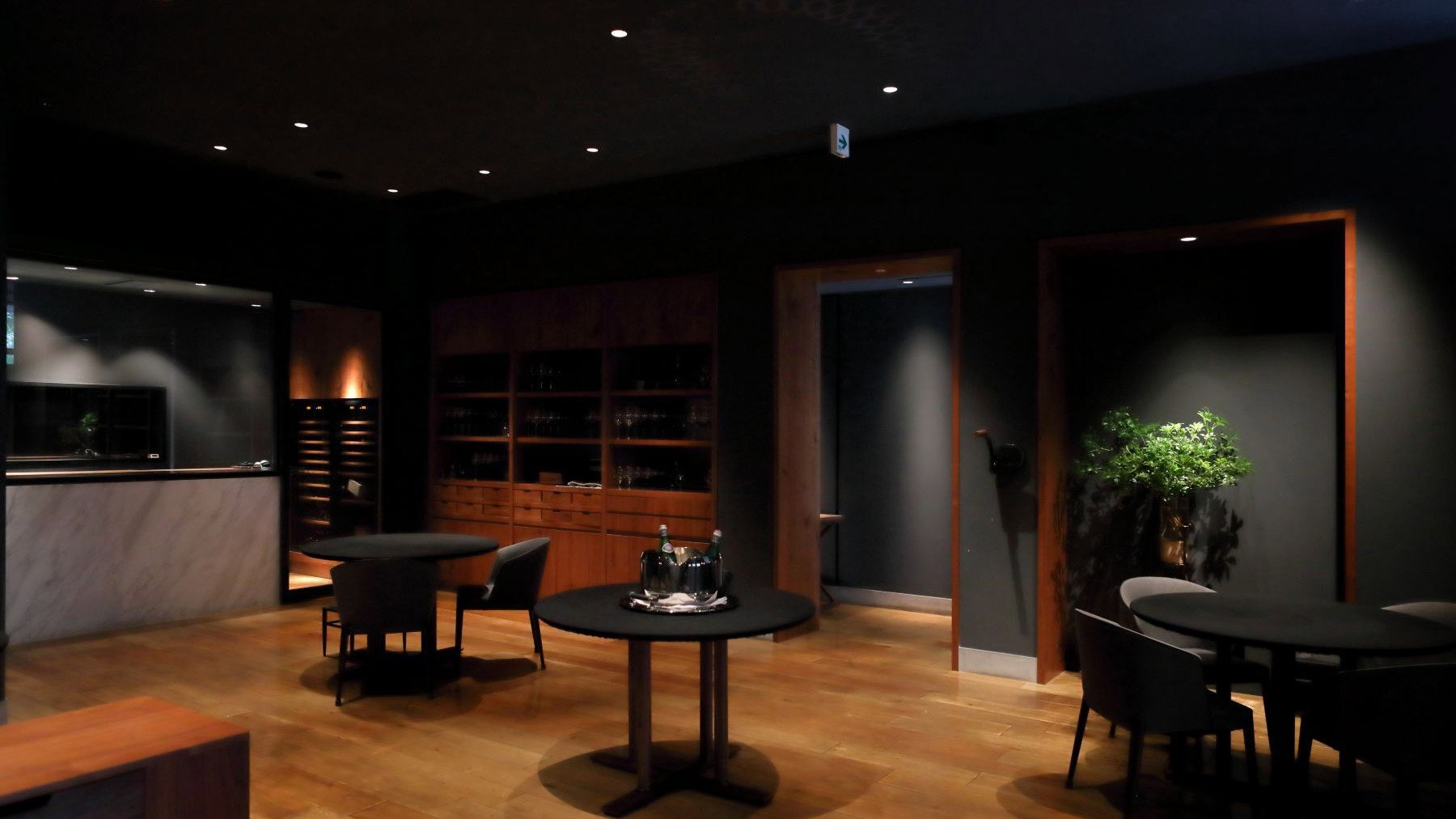
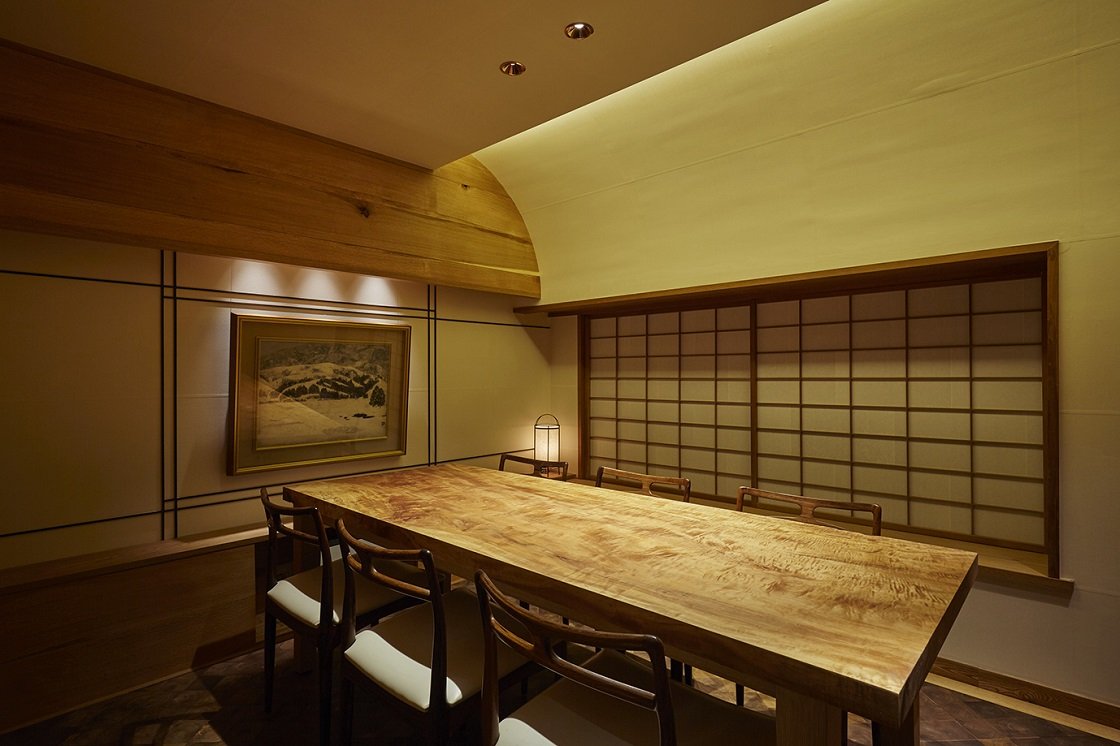
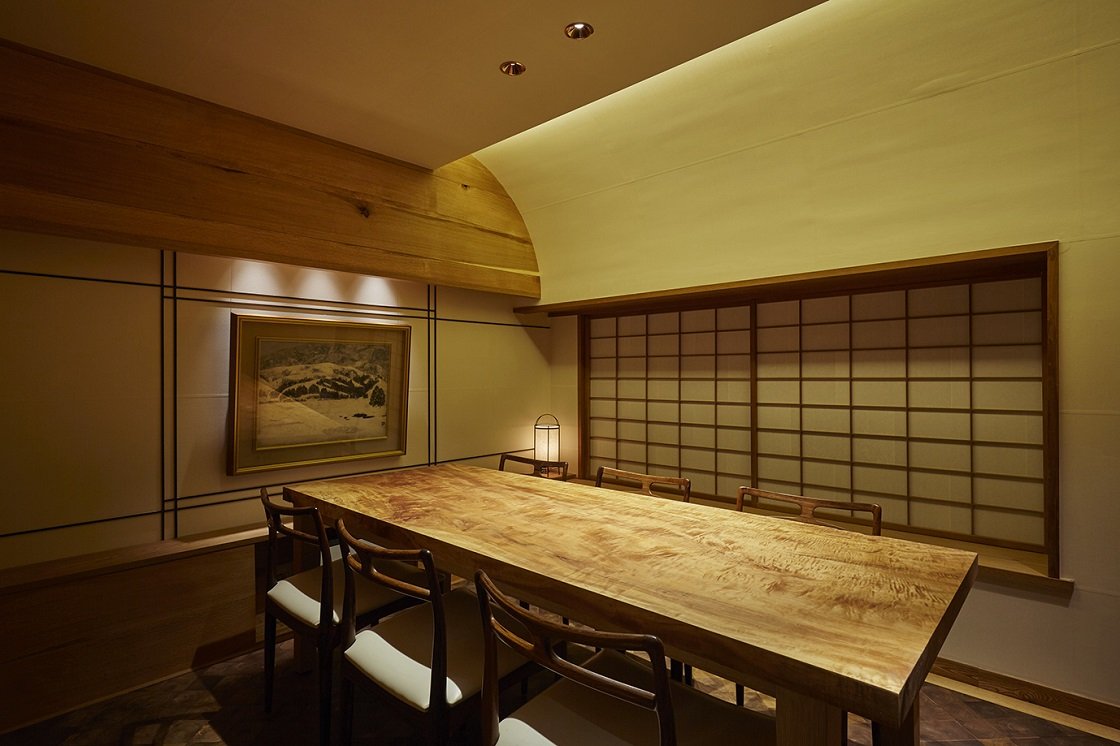
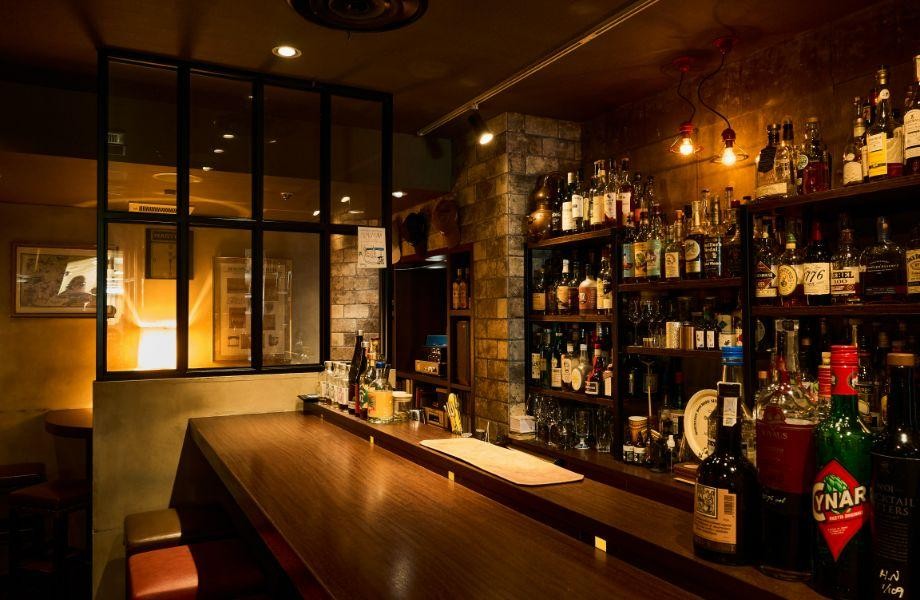
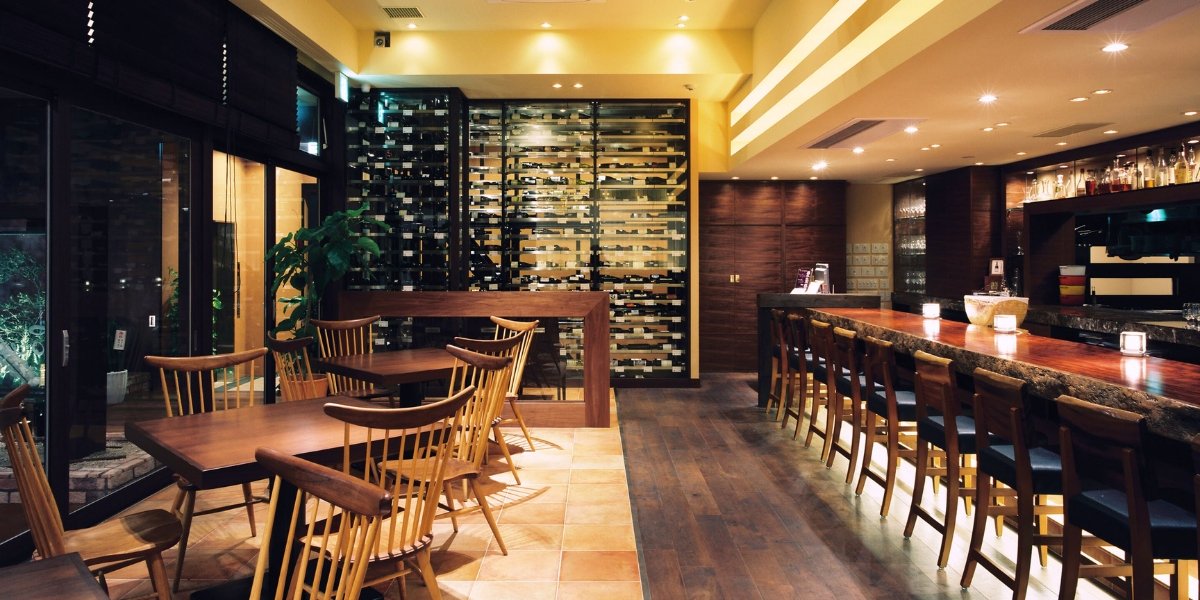
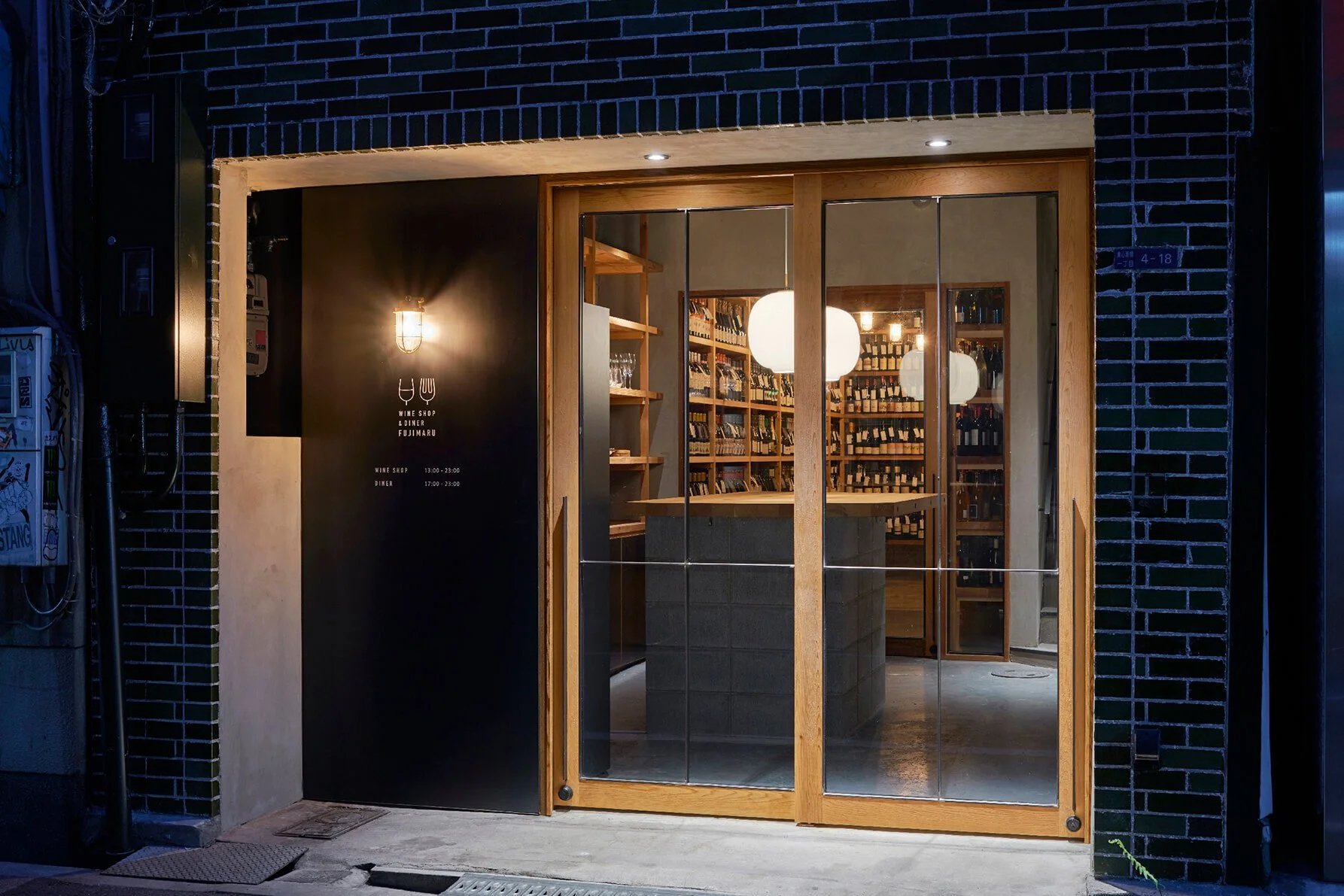
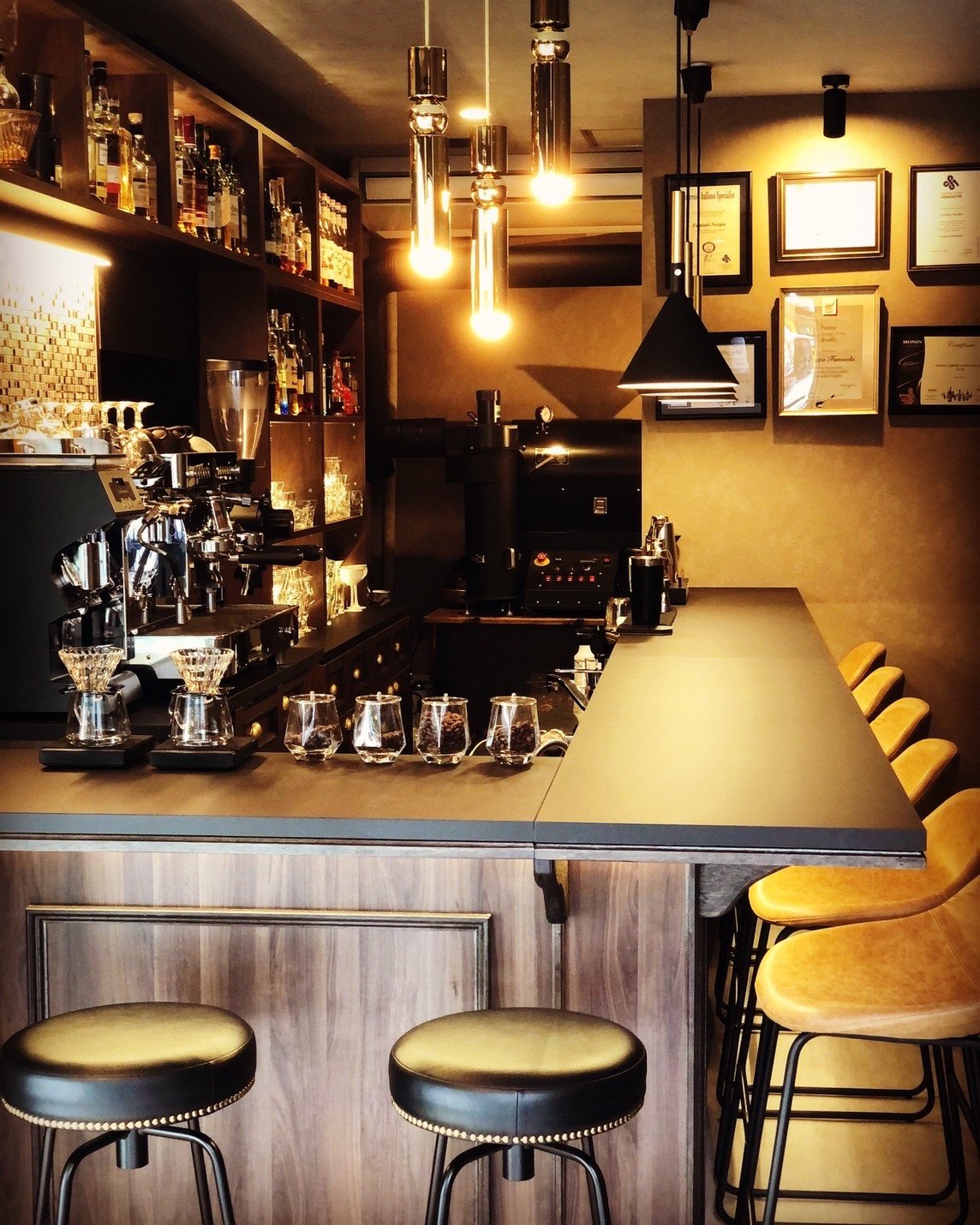
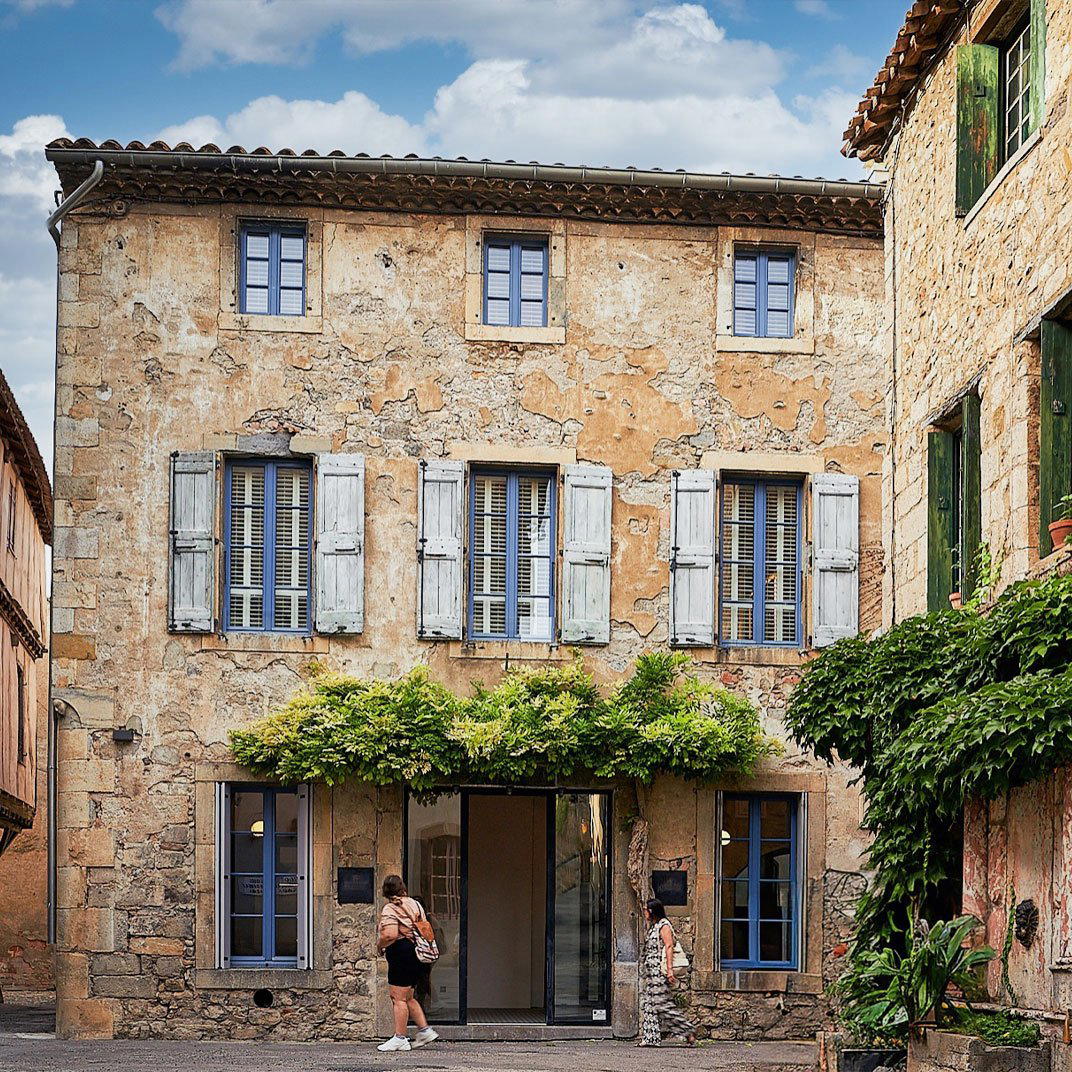
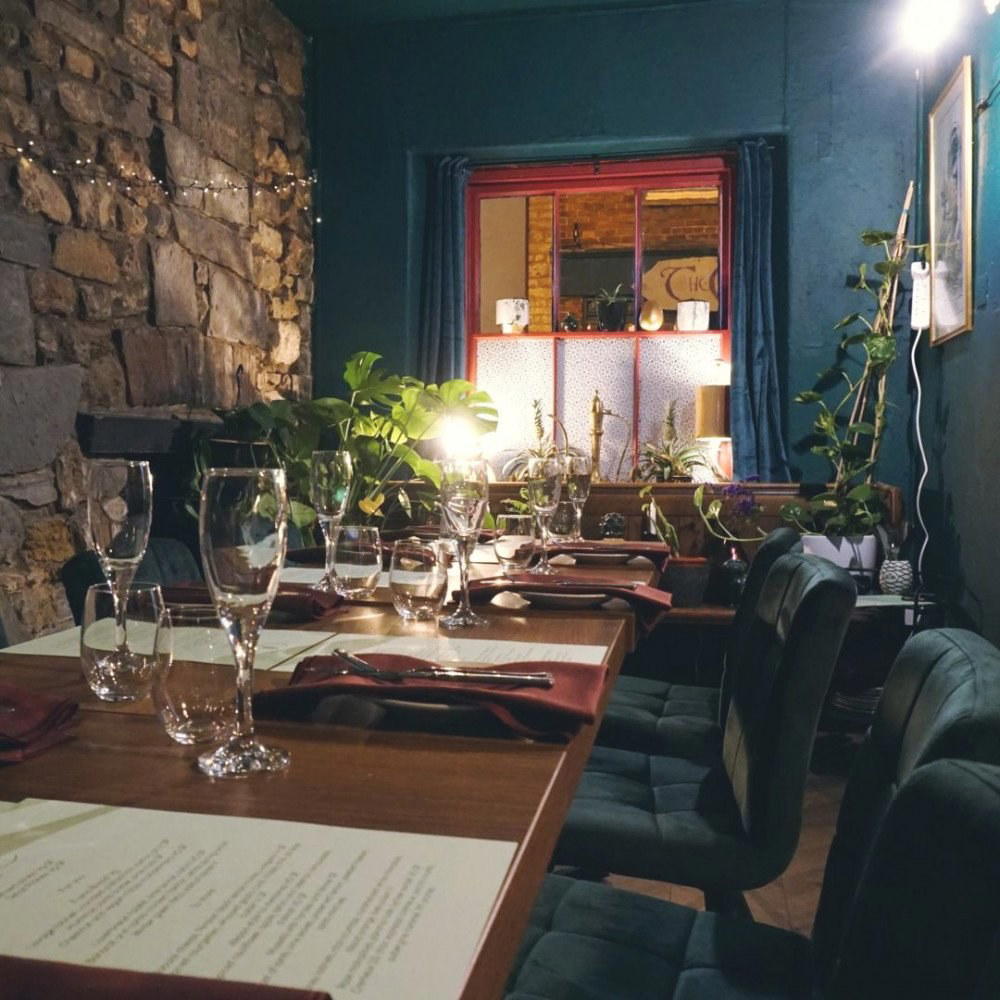
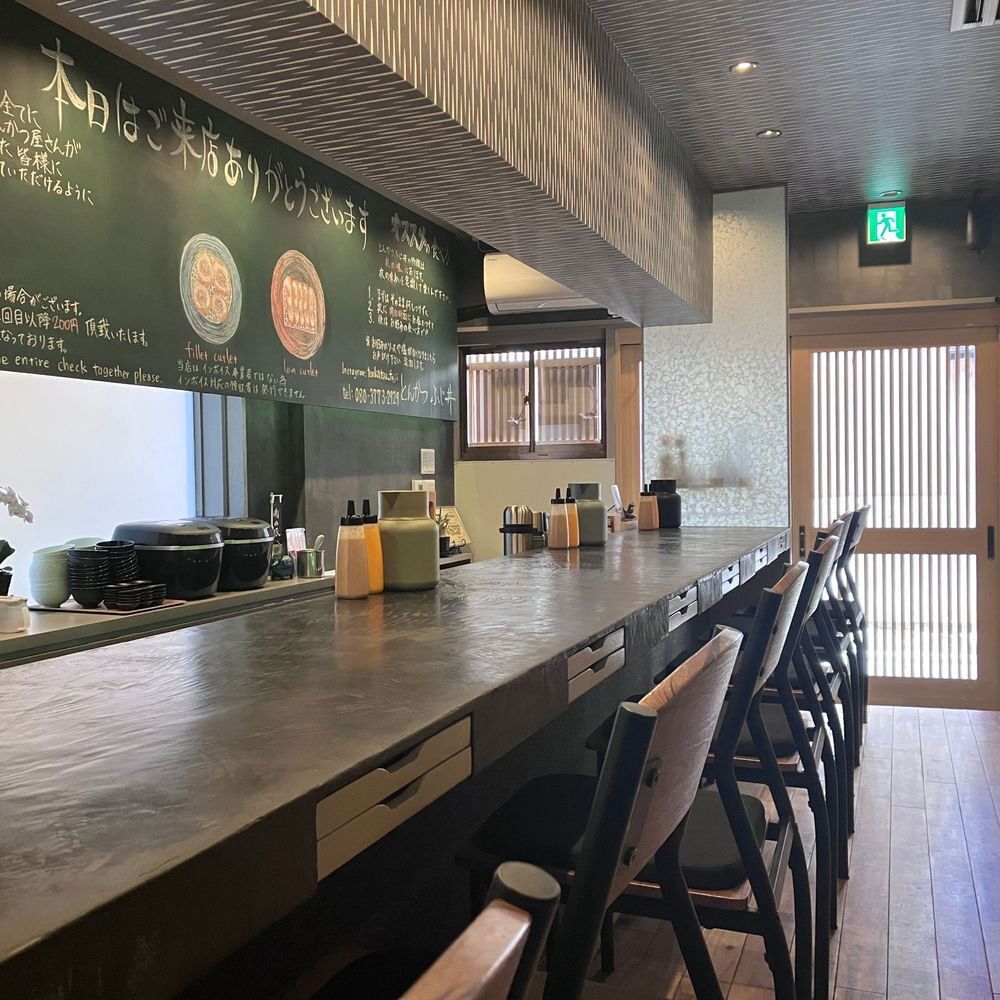
Seven counter seats is the entire room. There is no overflow, no second floor, no waiting area. The interior reportedly carries a bistro register; blackboard surfaces, a compact service format, which fits the chef's background in French cuisine. For solo diners and couples, the counter is the draw: you are close to the preparation, the seating is unhurried within fixed time slots. Groups of three or four will fill the counter almost entirely, which means the room tips from intimate to crowded quickly. If your party is four, note that four is the stated maximum; there is no flexibility beyond that. For dates and solo dining, Tabelog reviewers consistently flag this as well-suited. For larger gatherings, look elsewhere.
Lunch vs Dinner: Where the Value Sits
This is the decision that matters most for a second visit. Lunch runs JPY 3,000–3,999 per head based on listed budgets, with review-based estimates aligning closely. Dinner moves to JPY 4,000–4,999 on the listed budget, though review data suggests actual spend can reach JPY 5,000–5,999. The time formats differ too: lunch slots are 60 minutes (seatings at 11:00, 11:30, 12:15, 12:45, 13:15, 13:45), while dinner runs 90 minutes (seatings at 17:30, 18:00, 19:15, 19:45). For pure value, lunch is the sharper proposition, you get the same kitchen, the same counter, the same premium pork at roughly 20–30% less spend. Dinner gives you more time at the counter and a marginally more relaxed pace, which matters if you are making an evening of it. For a special occasion, dinner's 90-minute window makes sense. For a weekday solo visit or a return trip where you already know the format, the lunch slot is the smarter call.
What the French Background Signals
The database notes that the chef came from French cuisine and brings that vocabulary to the tonkatsu format: sauces feature red wine, the batter is flavoured with vanilla. These are not gimmicks, they are specific technical choices that distinguish Fujii from the direct panko-and-Worcestershire approach most tonkatsu counters follow. The Bib Gourmand recognition, awarded by inspectors who assess value relative to quality, aligns with this positioning: technically considered cooking at a price point well below Osaka's fine-dining tier. The side dishes are also noted as popular, which is worth keeping in mind, this is not a single-item counter where everything else is filler.
Booking
Reservations are online only, the restaurant does not accept phone bookings and cannot answer calls during service. Search for "Tonkatsu Fujii reservation" to find the booking system. Given the Bib Gourmand recognition and seven-seat capacity, do not assume availability: book as far ahead as the system allows, particularly for weekend slots. The restaurant is closed Tuesdays and Fridays, may close on additional irregular days, check the official Instagram before travelling. Walk-ins are not an option.
Know Before You Go
- Address: 1 Chome-11-5 Senbayashi, Asahi-ku, Osaka
- Getting there: 2-minute walk from Keihan Senbayashi Station; 7-minute walk from Shimizu Station (subway); 8-minute walk from Subway Senri-Omiya Station
- Lunch price: JPY 3,000–3,999 (listed); up to JPY 3,999 (review average)
- Dinner price: JPY 4,000–4,999 (listed); up to JPY 5,999 (review average)
- Seats: 7 counter seats; maximum party of 4
- Hours: Mon, Wed, Thu, Sat, Sun: 11:00–14:45 (LO 13:45) and 17:30–21:15 (LO 19:45). Closed Tue and Fri.
- Reservations: Online only. No phone bookings. Search "Tonkatsu Fujii reservation".
- Payment: Credit cards (Visa, Mastercard, JCB, Amex, Diners, UnionPay), IC transit cards, iD, QUICPay. No QR code payments.
- Children: School-age and above welcome; no children's menu, adult menu only.
- Parking: None on-site; paid parking available nearby. No bicycle parking.
- Smoking: Non-smoking throughout.
- Wi-Fi: Free Wi-Fi available.
How It Compares
Within Osaka's tonkatsu category, Tonkatsu Fujii sits in a tier of its own for credentials-per-yen. Tonkatsu KATSU Hana is the closest direct peer for the format, but Fujii's Bib Gourmand and Tabelog 100 recognition give it a clearer quality signal. If you want to compare the category beyond Osaka, Butagumi in Tokyo and Fry-ya in Tokyo represent the Tokyo benchmark for premium tonkatsu, both are worth knowing if you are building an itinerary across Japan.
If budget is not a constraint and you are in Osaka for a multi-night stay, the city's ¥¥¥¥ tier offers a very different proposition. HAJIME and La Cime are both French and innovative at four price symbols, a different category entirely, but relevant if you are weighing a single blowout dinner against two or three counter meals. For Japanese fine dining at ¥¥¥, Kashiwaya Osaka Senriyama and Taian offer kaiseki depth that Fujii does not attempt. The decision is simple: Fujii is the right call if you want the city's most credentialled tonkatsu at a price that does not require a special occasion to justify.
Pearl Picks Nearby
- Kyomachibori Nakamura, for a contrast in Osaka dining registers
- Manger, French-influenced Osaka dining at a comparable price tier
- Gion Sasaki in Kyoto, if extending the trip to Kyoto
- akordu in Nara, for Kansai dining beyond the two main cities
- Harutaka in Tokyo, reference-level Japanese counter dining in a different format
For broader Osaka planning: our full Osaka restaurants guide, Osaka hotels, Osaka bars, Osaka experiences, and Osaka wineries.
Planning details
- Location
- 1 Chome-11-5 Senbayashi, Asahi-ku, Osaka, 535-0012, Japan
- Website
- instagram.com/tonkatsu_fujii/?hl=ja
- Phone
- +81 80-3773-2929
The take
The Take
The Vibe
Tonkatsu Fujii presents itself as a focused, low-key counter in a residential corner of Asahi-ku. The room is tiny — seven seats around the counter — and the operation leans hard on craft rather than visibility: minimal fuss, restrained design and an intense attention to frying discipline. What feels modern and sophisticated is the kitchen’s French-inflected approach to a classic Japanese specialty — vanilla in the batter and red wine in the sauce — choices that reframe tonkatsu without abandoning its essential format. Awards and high ratings reinforce the sense of a quietly serious neighborhood destination.
Best For
This is a place for diners devoted to the food. The seven-seat counter format and reservation-only policy make it ideal for solo diners and small, food-focused special occasions where the meal itself is the centerpiece. It suits people who seek out category specialists and appreciate technical discipline — pork selection, panko thickness and frying technique — over ambience-driven outings. Large groups or walk-ins aren’t accommodated; instead the counter rewards those who secure an online booking and come prepared to engage with a tightly curated tonkatsu tasting.
Ordering Tips
Reservations are essential: the counter books exclusively online and turns away walk-ins, so secure a booking well in advance. Seating is extremely limited (seven seats), so treat your slot as fixed. Focus on the kitchen’s signature pieces — Tokyo X loin cutlet, menchi katsu and sasami katsu — which appear repeatedly in coverage and guest reviews. The kitchen’s French-influenced treatments (vanilla in the batter, red wine in the sauce) are structural choices, so expect classic tonkatsu textures with subtle, intentional departures rather than novelty plating.
Venue details
Ambiance
Minimalist counter kitchen with warm functional lighting focused on the cooking, creating a cozy bistro vibe with blackboard decor.
Tags
Vibe
Best For
Experience
At the Table
- Dress Code
- Smart Casual
- Noise Level
- Quiet
- Service Style
- Upscale Casual
- Meal Pacing
- Leisurely
- Capacity
- Intimate
Signature Dishes
- TOKYO X loin cutlet
- menchi katsu
- sasami katsu
Planning details
Location
1 Chome-11-5 Senbayashi, Asahi-ku, Osaka, 535-0012, Japan · Directions
Also consider
Also Consider
- HAJIME; French, Innovative, ¥¥¥¥
- La Cime; French, ¥¥¥¥
- Kashiwaya Osaka Senriyama; Japanese, ¥¥¥
- Taian; Kaiseki, Japanese, ¥¥¥
- Fujiya 1935; Innovative, ¥¥¥¥
Restaurant context
Against Osaka's broader dining field, Tonkatsu Fujii sits in a category almost alone: a single-focus counter with Michelin and Tabelog recognition at a price point well below the city's fine-dining tier. The ¥¥¥¥ venues; HAJIME, La Cime, and Fujiya 1935; are playing a different game entirely: multi-course progressive menus, extensive wine programs, price points that start where Fujii ends. If your priority is a single landmark dinner on a trip to Osaka, those venues compete for that slot. If you want credentialled cooking at a price that allows you to eat well two or three times during a stay, Fujii is the stronger choice.
Within the ¥¥¥ Japanese tier, Kashiwaya Osaka Senriyama and Taian offer kaiseki depth and seasonal breadth that Fujii does not attempt. Those venues suit diners who want a wide-ranging, multi-course Japanese meal; Fujii suits diners who want the best possible version of one thing done with technical precision. The comparison is not about which is better; it is about what you are booking for.
For tonkatsu specifically, Tonkatsu KATSU Hana is the nearest Osaka alternative, but Fujii's award stack gives it a clearer signal of quality. If you are building a Japan itinerary and want to benchmark the category across cities, Butagumi and Fry-ya in Tokyo are the reference points. Fujii competes with both on credential and surpasses most on value-per-seat.
Explore Osaka
Around this place
Discover more on Pearl
Unlock the full Tonkatsu Fujii guide in Pearl, including awards, comparisons, FAQs, planning details, and nearby places.
Compare Tonkatsu Fujii
| Venue | Cuisine | Price | Booking Difficulty | Awards |
|---|---|---|---|---|
| Tonkatsu Fujii | Tonkatsu | ¥ | Easy | Tabelog 100 - Tonkatsu - 2026 · #532026 Tabelog Bronze · #72Michelin Guide Kyoto Osaka 20262026 Bib Gourmand2025 Michelin Bib Gourmand2024 Michelin Bib Gourmand |
| HAJIME | French, Innovative | ¥¥¥¥ | Unknown | Star Wine Lists 2026 · #12026 Tabelog Bronze · #922026 OAD Top Restaurants in Japan Ranked · #98Michelin Guide Kyoto Osaka 20262026 La Liste Top RestaurantsTabelog 100 - Innovative / Creative cuisine - 2025 · #692025 Asia's 50 Best Restaurants · #832025 OAD Top Restaurants in Japan Ranked · #87We're Smart World Top Restaurants 2025 |
| La Cime | French | ¥¥¥¥ | Unknown | 2026 Asia's 50 Best Restaurants · #132026 OAD Top Restaurants in Japan Ranked · #1492026 Tabelog Bronze · #231Michelin Guide Kyoto Osaka 20262026 La Liste Top Restaurants2025 Asia's 50 Best Restaurants · #82025 World's 50 Best Restaurants · #44Tabelog 100 - French - WEST - 2025 · #932025 OAD Top Restaurants in Japan Ranked · #123 |
| Kashiwaya Osaka Senriyama | Japanese | ¥¥¥ | Unknown | 2026 Tabelog Bronze · #1682026 OAD Top Restaurants in Japan Recommended2026 Relais Chateaux RestaurantsMichelin Guide Kyoto Osaka 20262026 La Liste Top RestaurantsTabelog 100 - Japanese cuisine - WEST - 2025 · #772025 OAD Top Restaurants in Japan Ranked · #1552025 Relais Chateaux Award2025 Michelin 3 Stars |
| Taian | Kaiseki, Japanese | ¥¥¥ | Unknown | 2026 OAD Top Restaurants in Japan RecommendedMichelin Guide Kyoto Osaka 20262026 La Liste Top Restaurants2025 OAD Top Restaurants in Japan Ranked · #2042025 La Liste Top Restaurants2025 Michelin 3 Stars2024 OAD Top Restaurants in Japan Ranked · #1912024 Michelin 3 Stars2023 OAD Top Restaurants in Japan Highly Recommended |
| Fujiya 1935 | Innovative | ¥¥¥¥ | Unknown | 2026 Tabelog Bronze · #752026 OAD Top Restaurants in Japan RecommendedMichelin Guide Kyoto Osaka 20262026 La Liste Top Restaurants2025 Michelin 2 Stars2025 Tabelog Silver2025 La Liste Top Restaurants2024 OAD Top Restaurants in Japan Ranked · #2392024 Michelin 2 Stars |
.png?width=1200&quality=80)









How Tonkatsu Fujii stacks up against the competition.
FAQ
Frequently Asked Questions
Is Tonkatsu Fujii good for a special occasion?
Yes, within a specific frame. The 7-seat counter, Michelin Bib Gourmand recognition, French-influenced technique make this a strong choice for a low-key but credentialled special meal; a birthday dinner for two or a solo treat works well here. It is not suited to celebratory group dinners: maximum party size is 4, there are no private rooms, the format is counter-only. For a larger-group occasion in Osaka, you need a different venue entirely.
Does Tonkatsu Fujii handle dietary restrictions?
The menu is built around pork cutlets, which means the kitchen's focus is narrow by design. No dietary accommodation details are listed in the venue record. Given the 7-seat counter format and reservation-only structure, contact the restaurant before booking if you have restrictions; noting that phone enquiries are not accepted during service hours, so reach out via the online reservation channel.
What should I wear to Tonkatsu Fujii?
No dress code is specified in the venue data. The interior is described as carrying a bistro register, but this is a neighbourhood tonkatsu counter in Asahi-ku, not a formal dining room. Smart-casual is a safe default; neat but not formal.
Can Tonkatsu Fujii accommodate groups?
Groups of up to 4 can be seated, but that is the hard ceiling; the entire restaurant is 7 counter seats. There are no private rooms and private hire is unavailable. For groups of 5 or more, Tonkatsu Fujii is not the right venue. Parties of 2 or 3 are the sweet spot for this format.
Is Tonkatsu Fujii worth the price?
At JPY 3,000–3,999 for lunch and JPY 4,000–4,999 for dinner (with review-based dinner estimates reaching JPY 5,000–5,999), Tonkatsu Fujii delivers Michelin Bib Gourmand and Tabelog Bronze-level cooking at prices that are low for either credential. The French-trained chef's approach; red wine sauces, vanilla-flavoured batter; adds a technique dimension that most tonkatsu specialists at this price point do not offer. Lunch is the sharper value proposition.
Is the tasting menu worth it at Tonkatsu Fujii?
Tonkatsu Fujii does not operate a tasting menu format; this is a tonkatsu specialist, not an omakase or multi-course restaurant. The question of 'worth it' here is about choosing between the lunch and dinner seatings. Lunch (JPY 3,000–3,999) gives you the same kitchen at a lower price point with a shorter 60-minute seating window; dinner (JPY 4,000–4,999 listed, up to JPY 5,999 per reviews) offers a 90-minute seating with more time at the counter.
What are alternatives to Tonkatsu Fujii in Osaka?
Within tonkatsu in Osaka, Tonkatsu KATSU Hana is the closest direct peer for credentials and price tier. If you are weighing Fujii against a broader Osaka dining decision, the comparison shifts: La Cime and Hajime operate at a different price point and format entirely (tasting menus, higher spend), while Taian covers kaiseki. Fujii's value case is strongest if tonkatsu is specifically what you are after; for French-Japanese technique at a higher budget, La Cime is the obvious alternative.