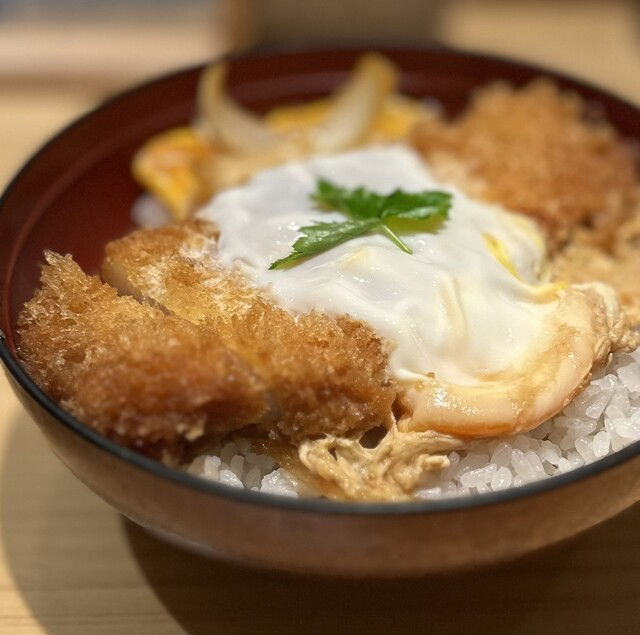

Tonkatsu Hasegawa Higashi ginza ten
Chūō, Tokyo
Restaurant in Tokyo, Japan
 Book with Pearl
The Read
Price
JPY 3,000 - JPY 3,999 JPY 2,000 - JPY 2,999
Dress
Casual
Why go
Tabelog 100-listed tonkatsu in Tsukiji delivering award-recognized fried pork cutlets at JPY 2,000–3,999. Counter seats for solo diners, table service for dashi shabu-shabu (dinner only), and walk-in-friendly lunch make it a repeat-visit spot rather than a one-time splurge. Three minutes from Higashi-Ginza Station, easier to book than sushi peers.
About Tonkatsu Hasegawa Higashi ginza ten
At JPY 2,000–2,999 for lunch and JPY 3,000–3,999 for dinner, Tonkatsu Hasegawa Higashi ginza ten delivers Tabelog 100-listed tonkatsu (2024 and 2026) at a price point that makes repeat visits easy, and that's the move here. This 28-seat restaurant in Tsukiji opened in December 2021 and quickly proved itself in a competitive Tokyo tonkatsu field. The format, counter and table service, no prior training in the classics required, makes it approachable for first-timers while the Tabelog recognition signals quality serious enough for repeat diners. Book online; reservations aren't accepted between 11:30 AM and 2:30 PM, so lunch is mostly walk-in territory. Dinner slots fill earlier, and weekends move faster, but nothing close to the multi-week scramble you'd face at sushi counters in the same price range. Three minutes from Higashi-Ginza Station (Exit 5, Hibiya Line) or Tsukiji Station (Exit 2), the location slots cleanly into a Tsukiji market day or a pre-Ginza-theater meal.
Visit One: The Counter and the Core Menu
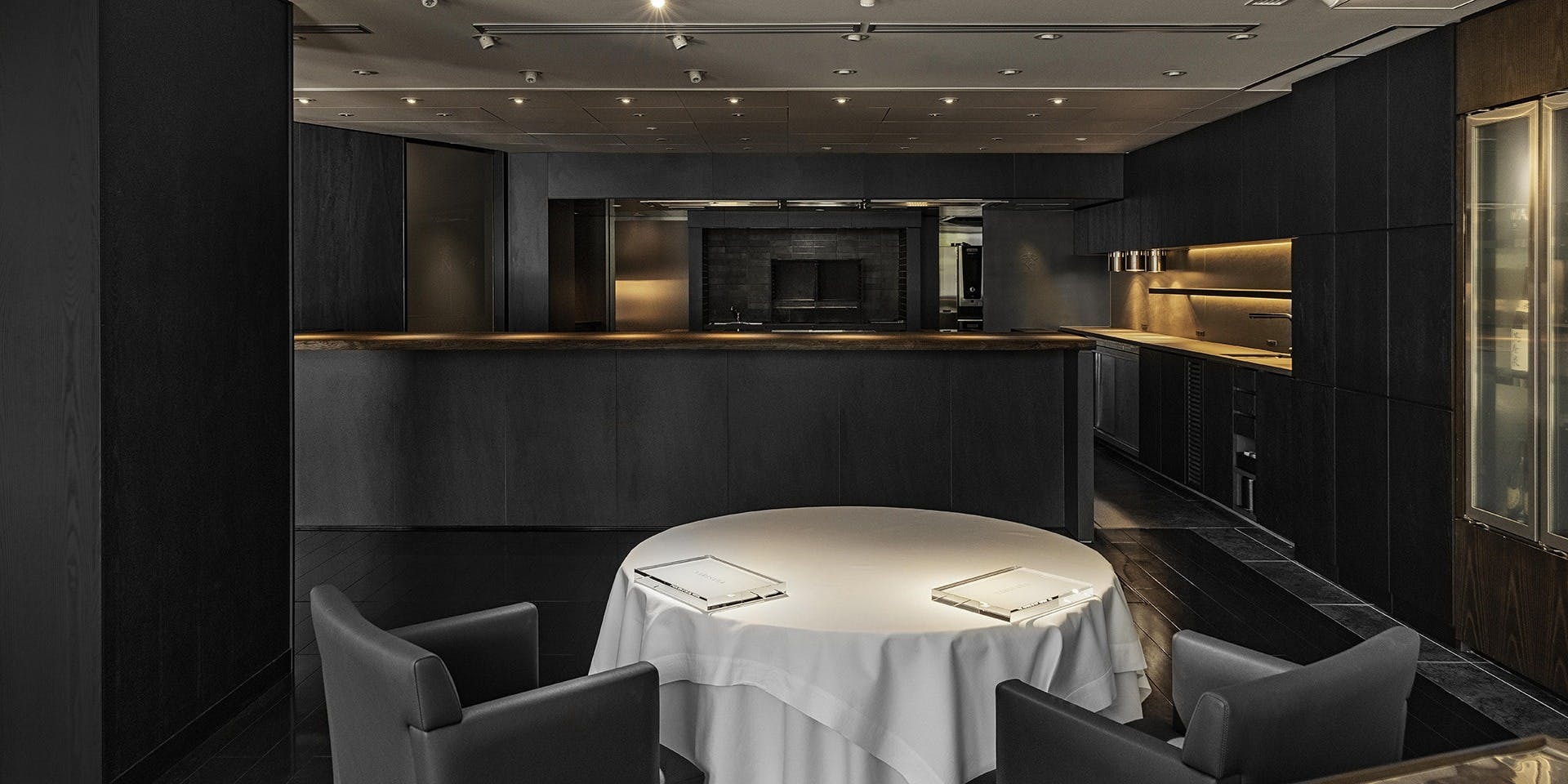
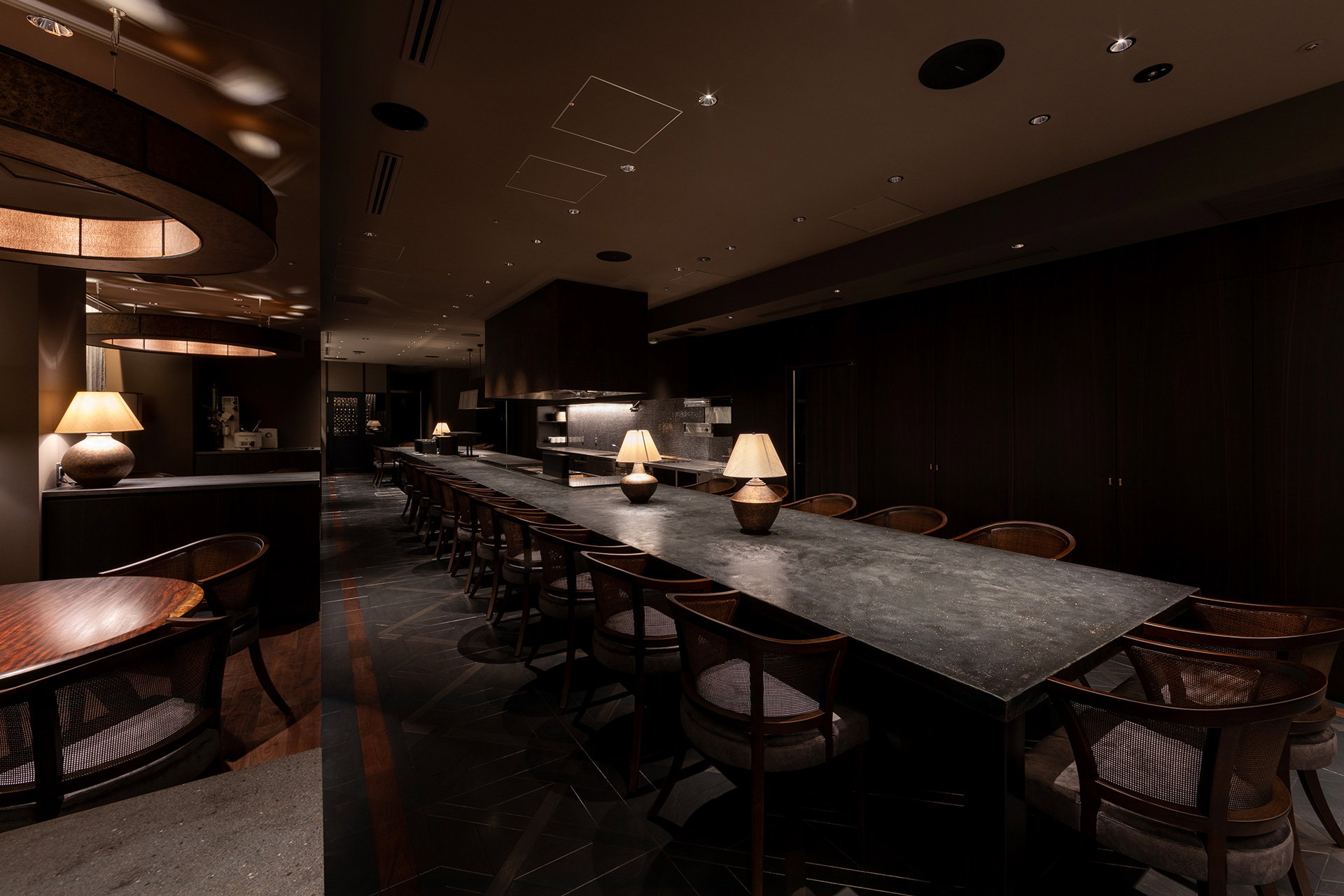
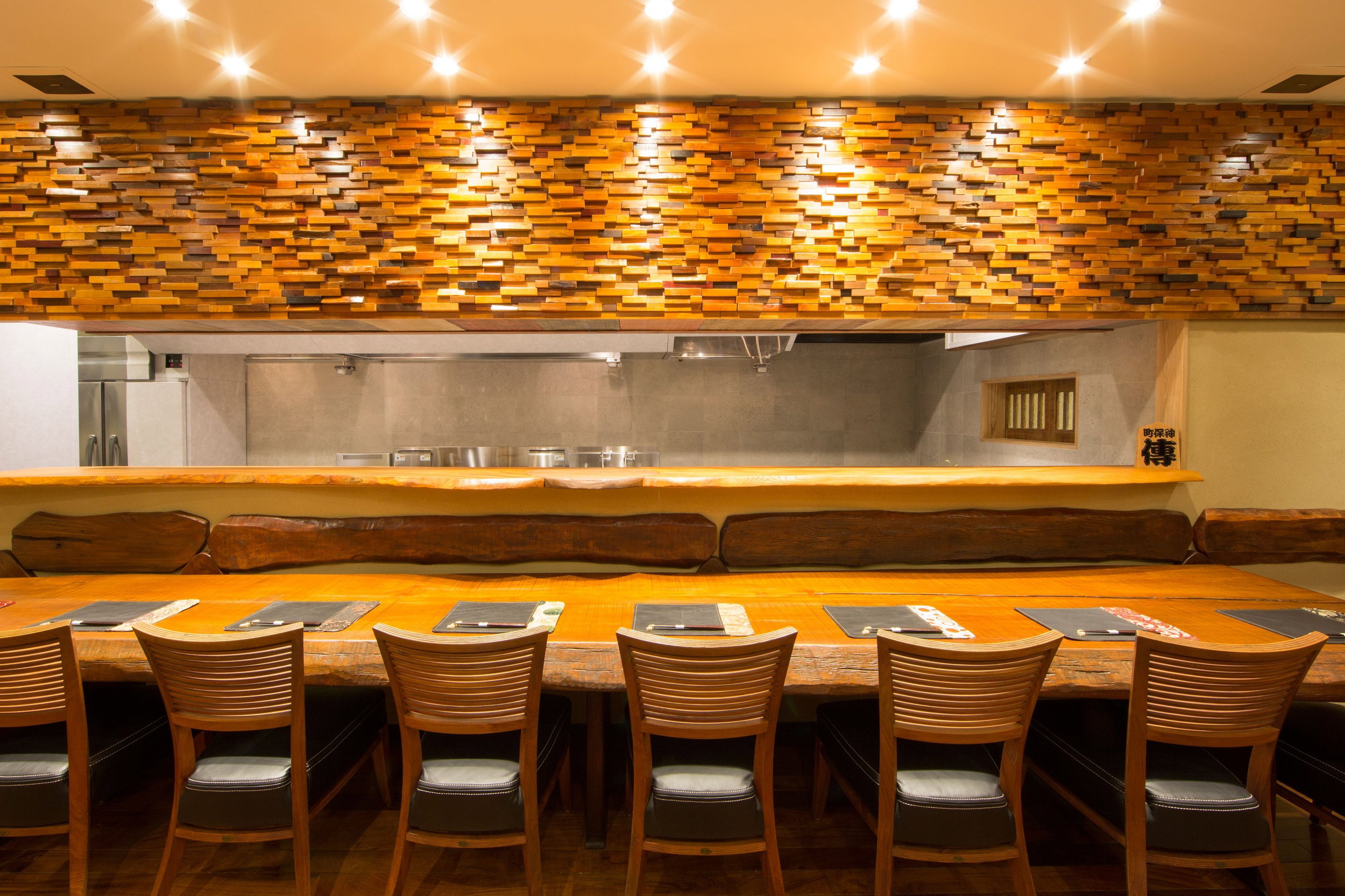
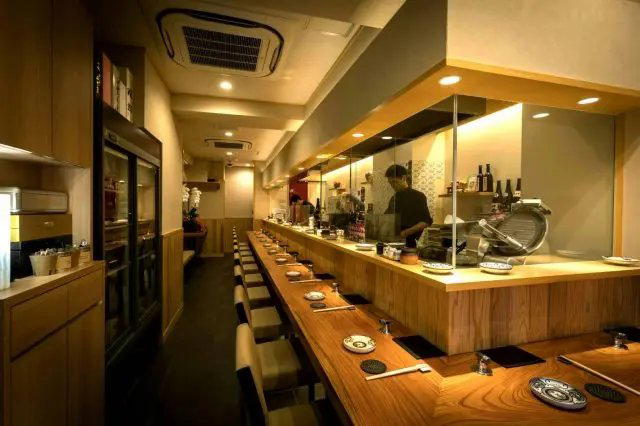
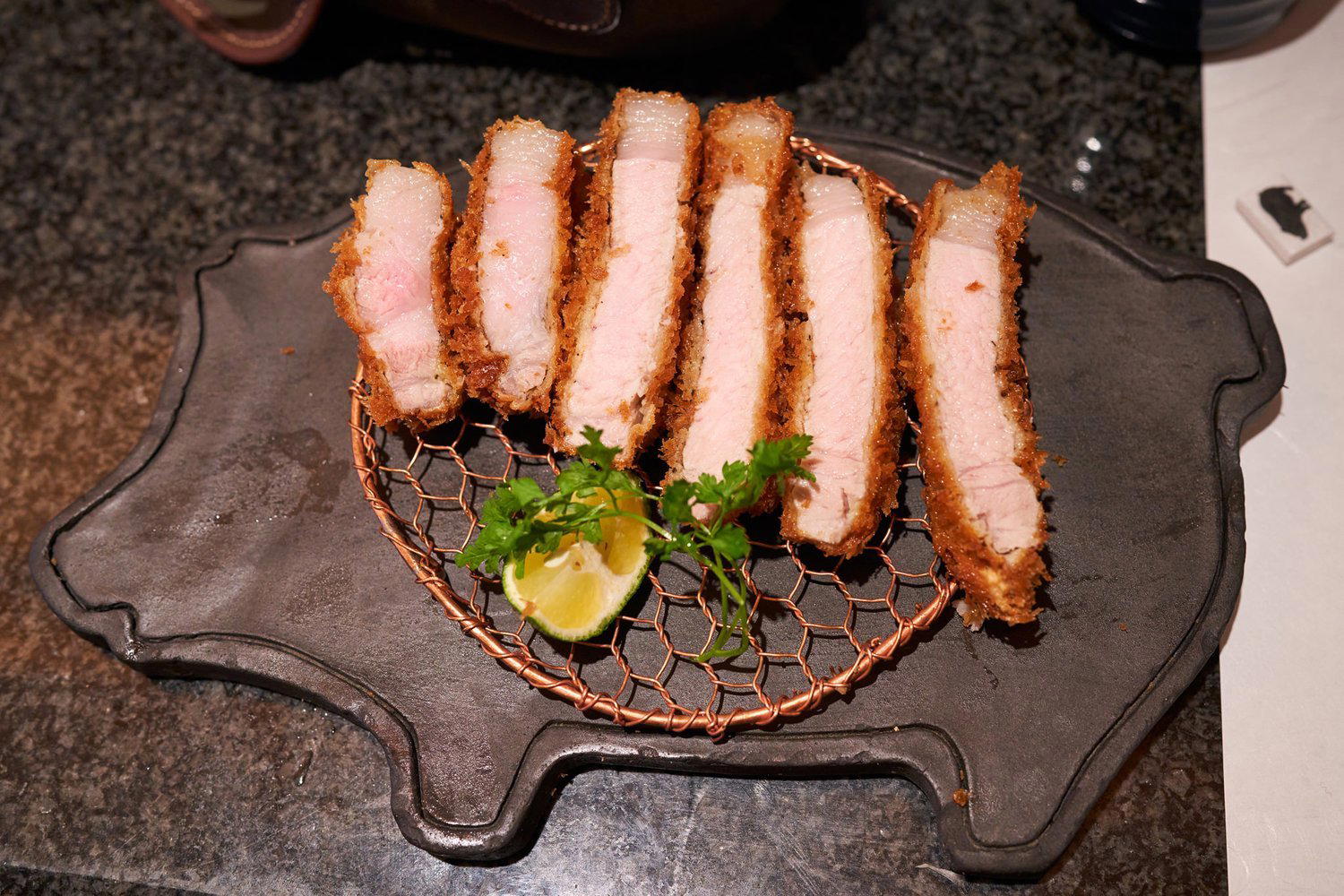
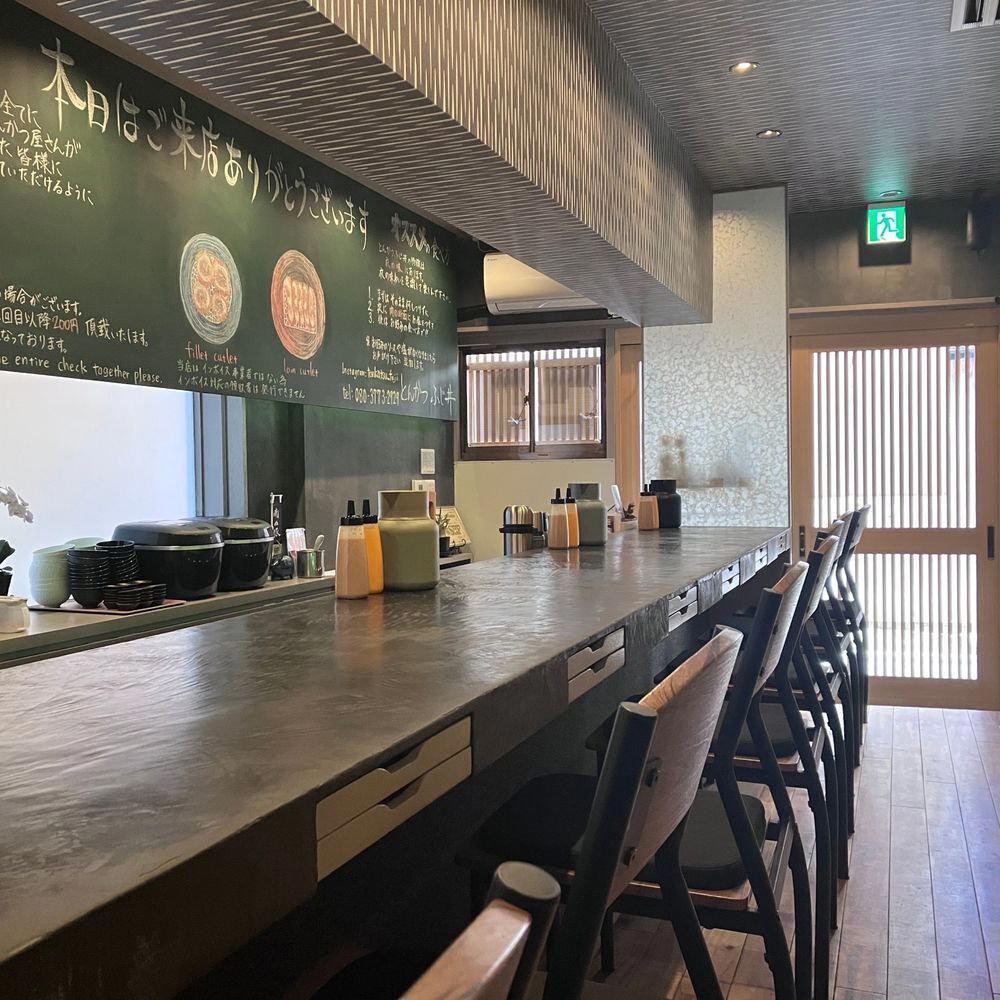
Start at the eight-seat counter if you're dining solo or in a pair. The kitchen's visible, the pace is quick, and the format keeps you engaged without requiring omakase-level commitment. The core menu centers on tonkatsu, panko-crusted, deep-fried pork cutlet, with multiple cuts available. Pricing stays within the JPY 2,000–3,999 envelope across lunch and dinner, making it easy to try a premium cut without overcommitting. Counter seats run out first at dinner; table seating (four four-tops) is the fallback. Lunch service runs 11:30 AM to 2:30 PM, dinner 5:00 PM to 10:00 PM daily. Walk-ins are common at lunch, but if you're arriving after 12:30 PM on a weekday, expect a short wait. Dinner reservations open online; aim for 7:00 PM or 8:00 PM if you want flexibility. The restaurant accepts credit cards (Visa, Mastercard, JCB, Amex, Diners), IC cards (Suica, etc.), and QR payments, so cash isn't mandatory.
Visit Two: Dashi Shabu-Shabu After 5:00 PM
Return for dinner to access dashi shabu-shabu, served only after 5:00 PM and only at table seats, counter diners can't order it. This shifts the calculus: if shabu-shabu is the goal, book a table, not the counter, and confirm the party size (the semi-private room seats eight, useful for larger groups). The dashi broth extends the meal beyond fried cutlets and opens the menu to a lighter, more interactive format. Pair it with sake, shochu, or wine from the drink list. The restaurant is family-friendly, so groups with children are welcome, though the counter's tighter format suits adults better. Noise levels stay reasonable; the space is described as relaxing rather than buzzy, making it viable for conversation during business meals or low-key celebrations.
How It Sits Among Tokyo Tonkatsu Peers
Tonkatsu Hasegawa delivers better value than Tempura Nakagawa if you're comparing bang-for-yen in the JPY 3,000–4,000 dinner range; tempura's price floor is higher, and the format's more formal. For a similar neighborhood experience at a lower price, Torimeshi Torito Bunten offers grilled chicken rice under JPY 999, though the ambition and technique tilt casual, fine for a quick lunch, but not a Tabelog 100 contender. Sushi Iwa operates in a different league (sushi omakase, tighter booking windows, steeper pricing), so compare it only if sushi's your format and you're willing to spend more. Soba Kaiseki Tsukiji Bunkajin Kaza runs JPY 10,000–14,999 for dinner, putting it firmly in the kaiseki tier, go there for multi-course ceremony, not fried pork. Tonkatsu Hasegawa's sweet spot is diners who want award-backed quality without omakase pricing or booking anxiety.
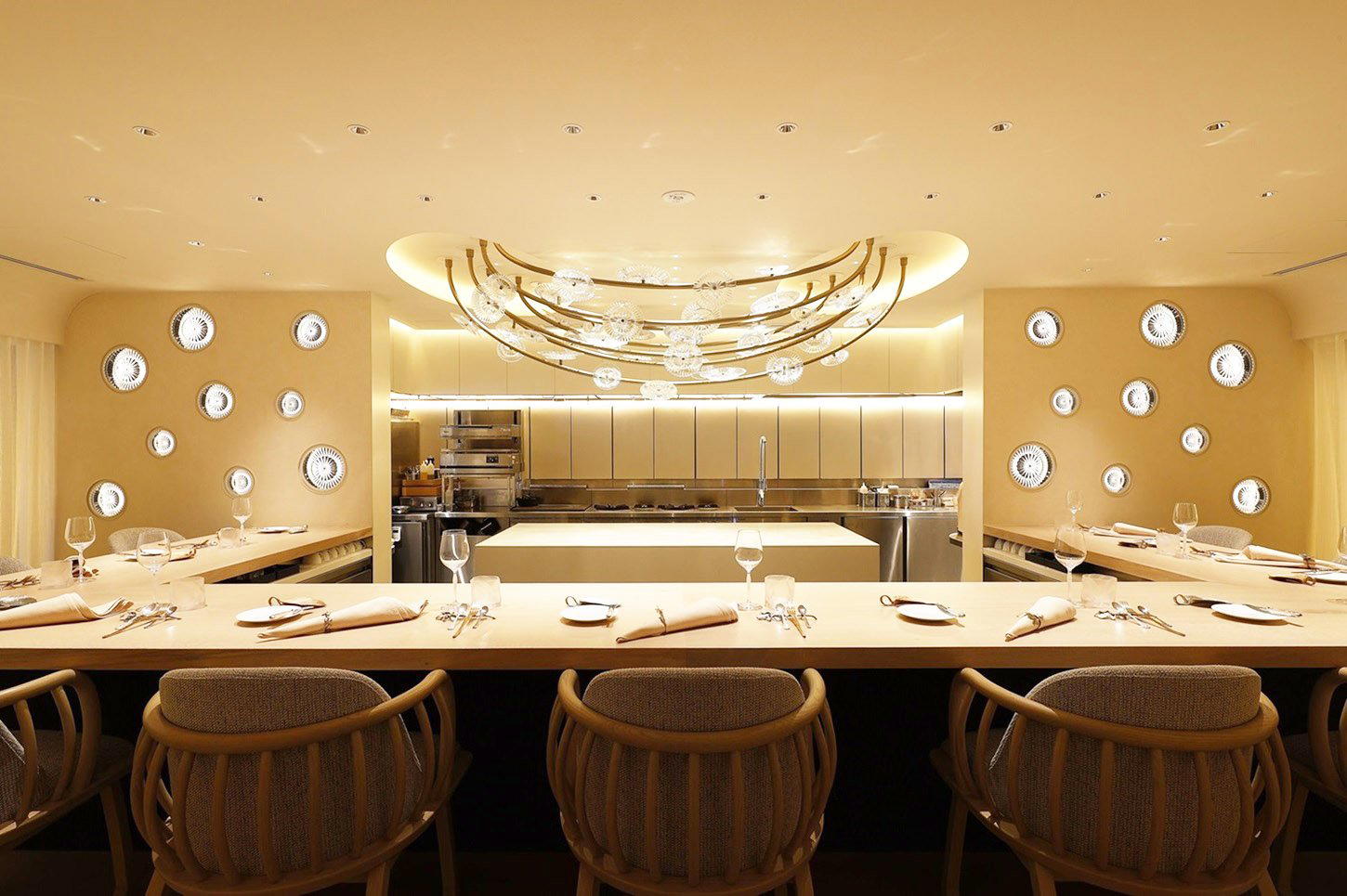
The takeout option extends utility: order cutlets to go if you're staying nearby in Tsukiji or want a picnic-worthy meal for a day trip. Parking isn't available, so rely on public transit or taxis. The restaurant's nonsmoking, and the space description, stylish, relaxing, counter and table seating, suggests design attention without over-the-top theming. For context, see our full Tokyo restaurants guide for more Tsukiji and Ginza dining options, or check our full Tokyo bars guide if you're planning a post-dinner drink nearby. A three-visit strategy would add a lunch walk-in (visit three) to test the midday pace and pricing, but two visits, counter tonkatsu first, table shabu-shabu second, cover the range. Capacity is 28 seats total, so the room never feels cavernous; groups larger than 24 can't be accommodated. Semi-private room availability (eight-seat capacity) makes it workable for small corporate dinners or family celebrations without commandeering the entire restaurant.
Planning details
- Location
- Japan, 〒104-0045 Tokyo, Chuo City, Tsukiji, 1 Chome−13−11 高橋ビル 1F
- Website
- tonkatsu-hasegawa.com
- Phone
- +81 3-6281-5129
Venue details
Ambiance
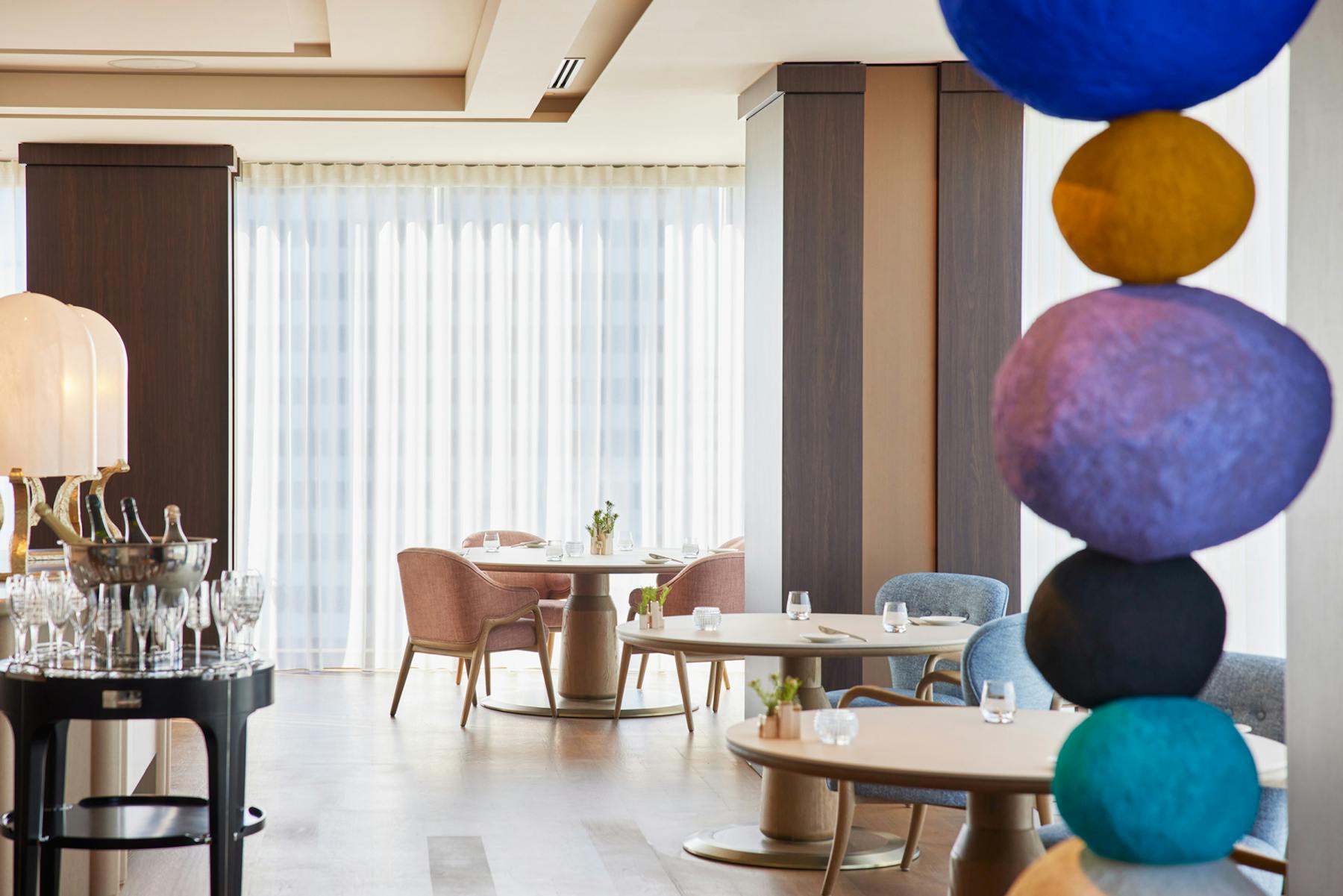
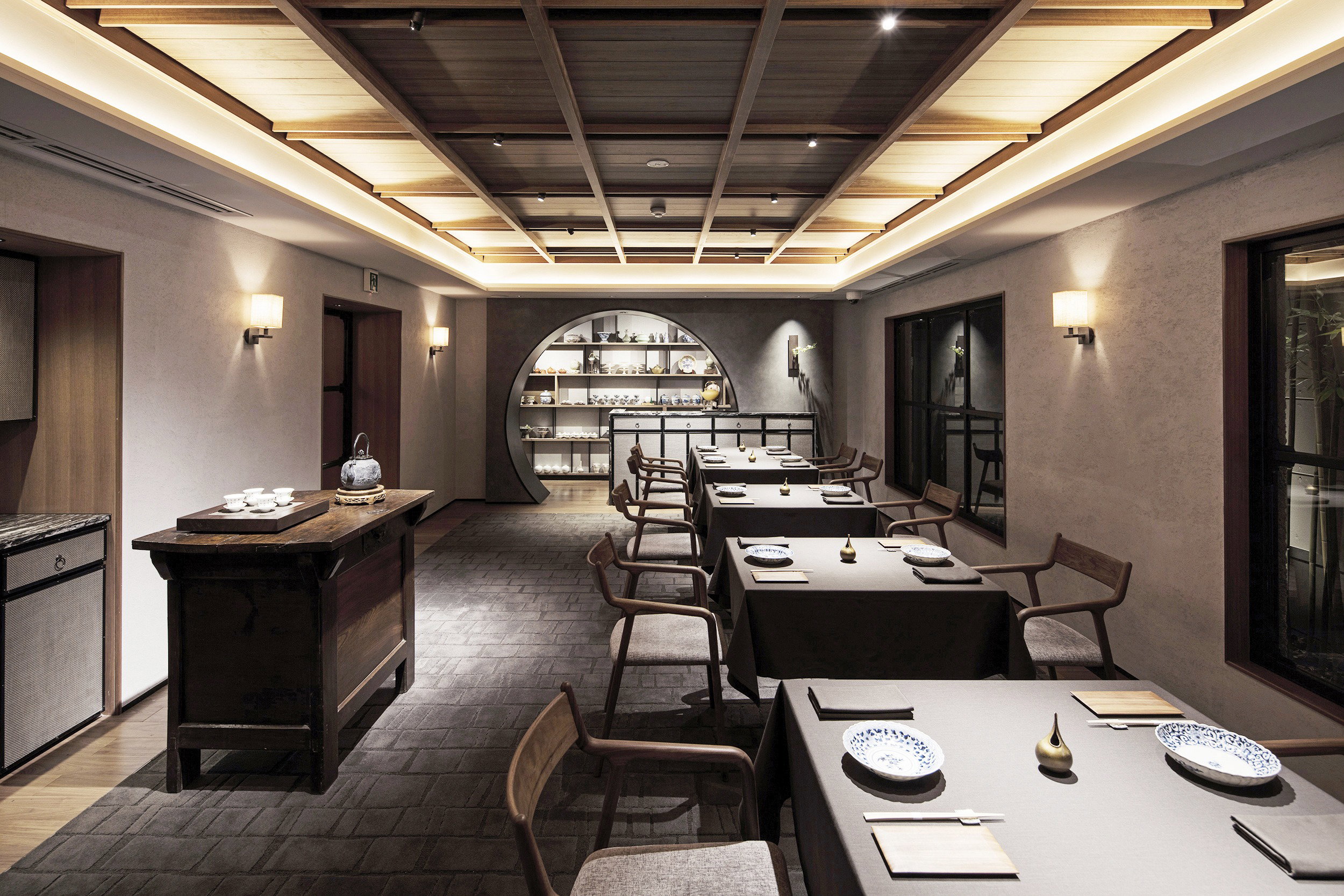
A compact, traditional tonkatsu specialist with a local, understated feel focused on the food rather than spectacle.
Tags
Vibe
Best For
Experience
Sourcing
At the Table
- Dress Code
- Casual
- Noise Level
- Conversational
- Service Style
- Upscale Casual
- Meal Pacing
- Standard
- Capacity
- Small
Signature Dishes
- fillet cutlet set meal
- pork loin tonkatsu
- dashi shabu-shabu
Know before you go
Know Before You Go
- Getting there
- Japan, 〒104-0045 Tokyo, Chuo City, Tsukiji, 1 Chome−13−11 高橋ビル 1F
Planning details
Location
Japan, 〒104-0045 Tokyo, Chuo City, Tsukiji, 1 Chome−13−11 高橋ビル 1F · Directions
Recognition and awards
Also consider
Also Consider
- Tempura Nakagawa, Tempura, ¥¥¥
- Soba Kaiseki Tsukiji Bunkajin Kaza, JPY 10,000 - JPY 14,999 JPY 2,000 - JPY 2,999, JPY 10,000 - JPY 14,999 JPY 2,000 - JPY 2,999
- Sushi Iwa, Sushi, Sushi
- 清壽, Notable alternative
- Torimeshi Torito Bunten, - JPY 999, - JPY 999
Restaurant context
Tonkatsu Hasegawa sits in Tokyo's mid-tier tonkatsu field, Tabelog 100 recognition but pricing that doesn't require a special occasion. Compare it to Tempura Nakagawa, which runs higher for tempura (¥¥¥) and demands more formality; Hasegawa's counter is faster, louder, and less precious. Soba Kaiseki Tsukiji Bunkajin Kaza starts at JPY 10,000 for dinner kaiseki, making it a celebration-tier choice; go there if multi-course soba ceremony is the goal, but expect to spend triple what you'd pay at Hasegawa. Sushi Iwa operates in a different category entirely, sushi omakase with tighter booking windows and steeper tabs, so compare only if sushi's your format and you're willing to fight for reservations.
For value hunters, Torimeshi Torito Bunten offers grilled chicken rice under JPY 999, but the ambition and technique stay casual; it's a lunch fallback, not a Tabelog contender. Hasegawa's advantage is straightforward: award-backed tonkatsu at a price that allows repeat visits, walk-in lunch accessibility, and a dashi shabu-shabu option at dinner that extends the menu beyond fried cutlets. If you're prioritizing booking ease and value per yen, Hasegawa beats the sushi counters and kaiseki rooms nearby. If you want the lowest possible check, Torimeshi wins, but you'll sacrifice the Tabelog pedigree.
Bottom line: Hasegawa is the best compromise between quality, price, and booking difficulty in Tsukiji's Tabelog-tier dining set. Splurge on Sushi Iwa if sushi's non-negotiable and budget isn't a concern; go cheaper at Torimeshi if lunch speed matters more than awards. Hasegawa threads the middle, repeat-visit friendly, technically solid, and accessible without advance planning stress.
Explore Tokyo
Around this place
Discover more on Pearl
Unlock the full Tonkatsu Hasegawa Higashi ginza ten guide in Pearl, including awards, comparisons, FAQs, planning details, and nearby places.
FAQ
Frequently Asked Questions
What should I wear to Tonkatsu Hasegawa Higashi ginza ten?
Casual wear works fine, this is a 28-seat tonkatsu specialist with counter and table seating, not a formal dining room. The space opened in late 2021 and draws a mix of solo diners and families, so jeans and a clean shirt fit the setting.
What should I order at Tonkatsu Hasegawa Higashi ginza ten?
Order the tonkatsu set at lunch (¥2,000–¥3,000) if you want the core menu without frills. At dinner, book a table seat and add dashi shabu-shabu (available only after 5:00 PM), it's served tableside and expands the meal into something more layered than counter-only tonkatsu.
Is Tonkatsu Hasegawa Higashi ginza ten good for solo dining?
Yes, the eight-seat counter is built for solo diners and pairs. Lunch moves quickly, and reservations aren't accepted from 11:30 AM to 2:30 PM, so walk-ins are common during the midday rush. For a quieter solo experience, book dinner at the counter.
Is the tasting menu worth it at Tonkatsu Hasegawa Higashi ginza ten?
There's no tasting menu here, Tonkatsu Hasegawa runs an à la carte model with set tonkatsu meals at lunch and dinner, plus dashi shabu-shabu available after 5:00 PM. If you're looking for multi-course tonkatsu progression, this isn't the format.
Is Tonkatsu Hasegawa Higashi ginza ten worth the price?
At ¥2,000–¥3,000 for lunch and ¥3,000–¥4,000 for dinner, it's competitive for Tabelog 100 tonkatsu in central Tokyo. The pork quality and frying technique justify the spend, especially compared to Tempura Nakagawa's steeper dinner pricing for similar seat count and accessibility.
Is Tonkatsu Hasegawa Higashi ginza ten good for a special occasion?
Only if tonkatsu is the occasion, the semi-private room seats up to eight and accepts groups of 24, so it handles small celebrations. But the format stays casual and the menu doesn't shift for events, so this works better for relaxed gatherings than milestone dinners requiring ceremony.