
.png?width=1200&quality=80)
Kyomachibori Nakamura
Tonkatsu · Asahi, Osaka
Restaurant in Osaka, Japan
 Book with Pearl
The Read
Comparative Lard-Fried Tonkatsu
Price
¥¥
Dress
Smart Casual
Why go
A Michelin Bib Gourmand tonkatsu restaurant in Osaka's Asahi-ku that runs a prix fixe format comparing multiple pork cuts and branded loins side by side. At a ¥¥ price point, the depth of the experience is hard to find elsewhere in the category. Book if you want to understand what tonkatsu can actually be.
About Kyomachibori Nakamura
The Verdict
If you have already tried tonkatsu at a standard Osaka restaurant and walked away thinking it was fine but unremarkable, Kyomachibori Nakamura is the correction. This Michelin Bib Gourmand-recognised spot in Asahi-ku takes a format most diners underestimate and turns it into a structured, comparative tasting experience. The prix fixe structure means you are not choosing a single cut and hoping for the leading; you are working through tenderloin, shoulder, ham, multiple branded pork loins in sequence, with a katsudon or minced-pork cutlet curry to close. At a ¥¥ price point, the depth of what is on offer here is difficult to match in the category. Book it.
What to Expect on a Return Visit
First-timers leave impressed. Return visitors leave understanding why. On a second visit to Kyomachibori Nakamura, you arrive with a clearer frame: you know the prix fixe will move through a range of cuts, you know the pork is deep-fried in lard at low temperatures and finished in residual heat, you know the closing course is coming. What changes is your ability to pay attention. The comparison between branded pork loins; the variation in how the fat renders, where the texture holds firmness versus yielding entirely, becomes the actual subject of the meal rather than a pleasant surprise. This is a restaurant that rewards a second visit in a way that few tonkatsu restaurants do, because the format is explicitly comparative. You are not just eating; you are being shown something.
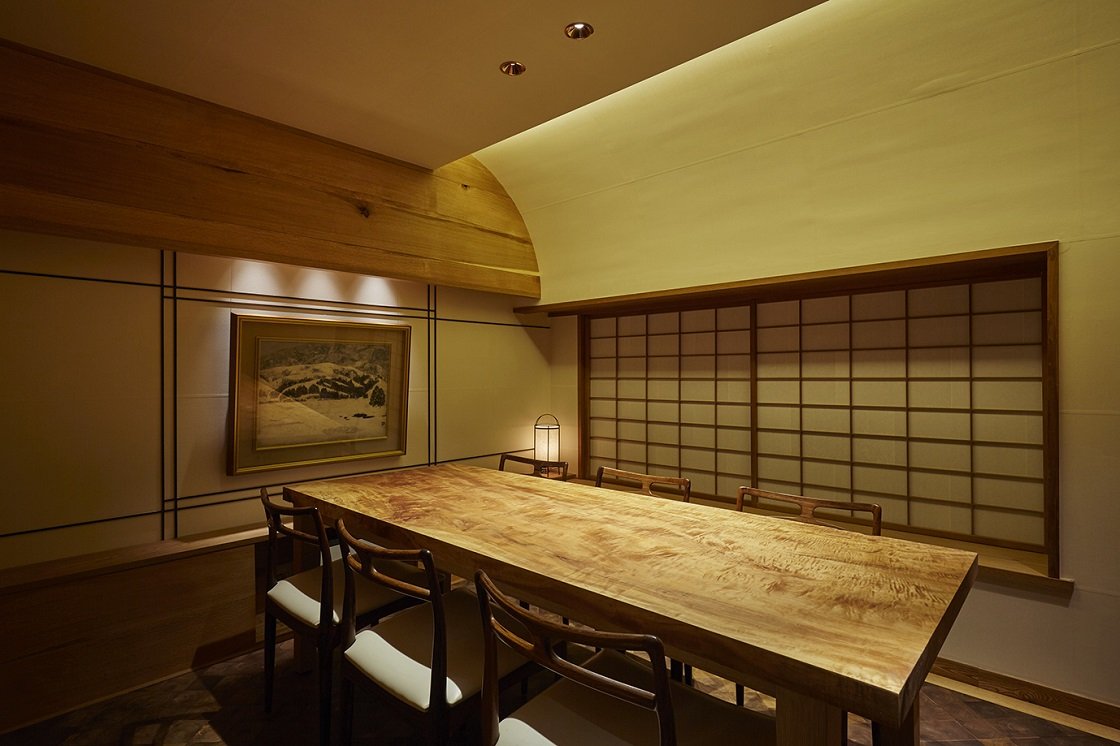
Visually, the experience is grounded rather than theatrical. The focus is on the plate: sliced cuts arranged to show the cross-section of the meat, the crisp exterior of the breading, the colour of fat that has been cooked slowly rather than rushed. There is no elaborate plating architecture. The visual signal here is precision of preparation, the evidence is in what the meat looks like when it arrives.
The Format and Why It Matters
Tonkatsu in Japan is a category with serious regional and producer variation that most casual diners never encounter because most restaurants present one cut of one pork breed and move on. Kyomachibori Nakamura structures its menu to surface that variation deliberately. Multiple brands of pork loin are served so you can compare fat melt and texture side by side. Cuts range from tenderloin (leaner, more delicate) to shoulder and ham (more fat, more flavour complexity). Each is served by the slice, which makes the comparison legible rather than theoretical.
The cooking method is specific: deep-fried in lard at low temperatures, then held in the lingering heat of that oil to carry through. This is not the high-heat fry that produces crunch at the expense of moisture. The result, as the Michelin Bib Gourmand recognition notes, is meat that retains juiciness while still carrying a structured exterior. The closing course, katsudon or minced-pork cutlet curry, is a deliberate shift in register, both are comfort-format dishes that use the same pork in a different context, which rounds out the educational logic of the meal.
If you are visiting Osaka and comparing this against the tonkatsu options in the city, Tonkatsu Fujii and Tonkatsu KATSU Hana are the most direct alternatives. Neither structures the experience as a comparative tasting in the same way. If you want to understand what the category is actually capable of rather than simply eating a good tonkatsu, Kyomachibori Nakamura is the more instructive choice. For a similar level of category rigour applied to a completely different cuisine, Manger is worth noting in the broader Osaka dining picture.
For a Special Occasion
Kyomachibori Nakamura is not the obvious choice for a celebration dinner if your measure of occasion is formal service, an extensive wine list, or a dramatic room. It is the right choice if the occasion calls for something genuinely memorable at a price that does not require justification the next morning. At ¥¥, this is an accessible splurge for two, not a budget-stretching commitment. The prix fixe format means the meal has a clear arc, which suits a celebratory dinner better than an a la carte selection where decisions about what to order take up conversational space. You arrive, the meal is structured for you, the quality of the pork becomes the conversation.
For higher-budget celebration dinners in Osaka where the room and the service register are part of what you are paying for, Kashiwaya Osaka Senriyama at ¥¥¥ and Taian at ¥¥¥ are the more appropriate alternatives. If the occasion calls for maximum ambition, HAJIME at ¥¥¥¥ is in a different register entirely. But for a special meal that is about food rather than ceremony, Nakamura delivers at a fraction of those prices.
Practical Details
The restaurant is located in Asahi-ku, Osaka, at 2 Chome-8-15 Senbayashi. Booking difficulty is low, making this an easier addition to a Japan itinerary than many Michelin-recognised restaurants at this price point. Hours and booking method are not confirmed in our current data, so verify directly before visiting. If you are building a broader Japan itinerary, Harutaka in Tokyo, Gion Sasaki in Kyoto, and akordu in Nara are worth adding to the list. For tonkatsu specifically in Tokyo, Butagumi and Fry-ya are the category references. See our full Osaka restaurants guide, Osaka bars guide, and Osaka hotels guide for more.
Quick reference:
Planning details
- Location
- 2 Chome-8-15 Senbayashi, Asahi-ku, Osaka, 535-0012, Japan
- Website
- instagram.com/tonkatsu_nakamura
- Phone
- +81 6-7164-4153
The take
The Take
The Vibe
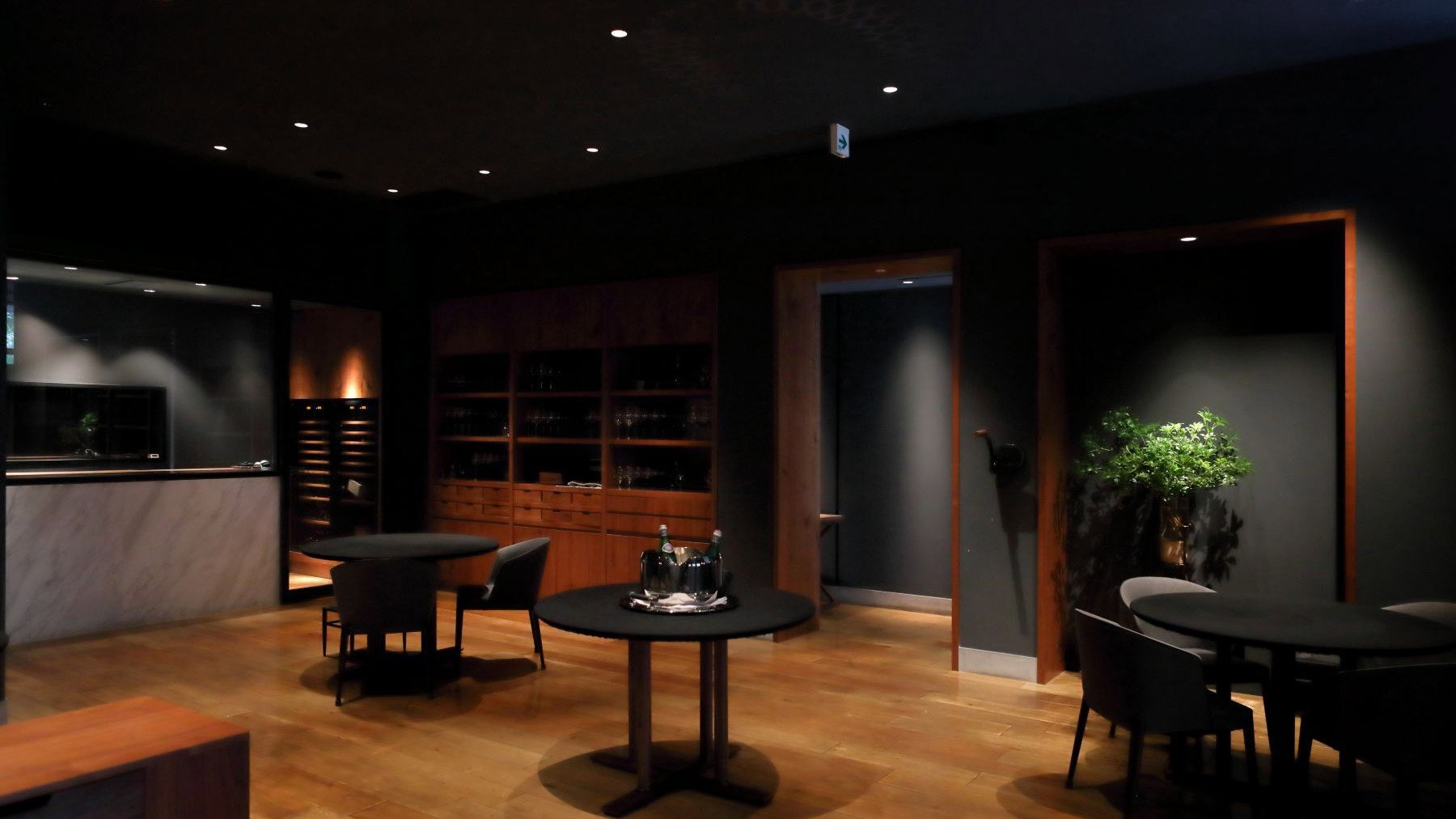
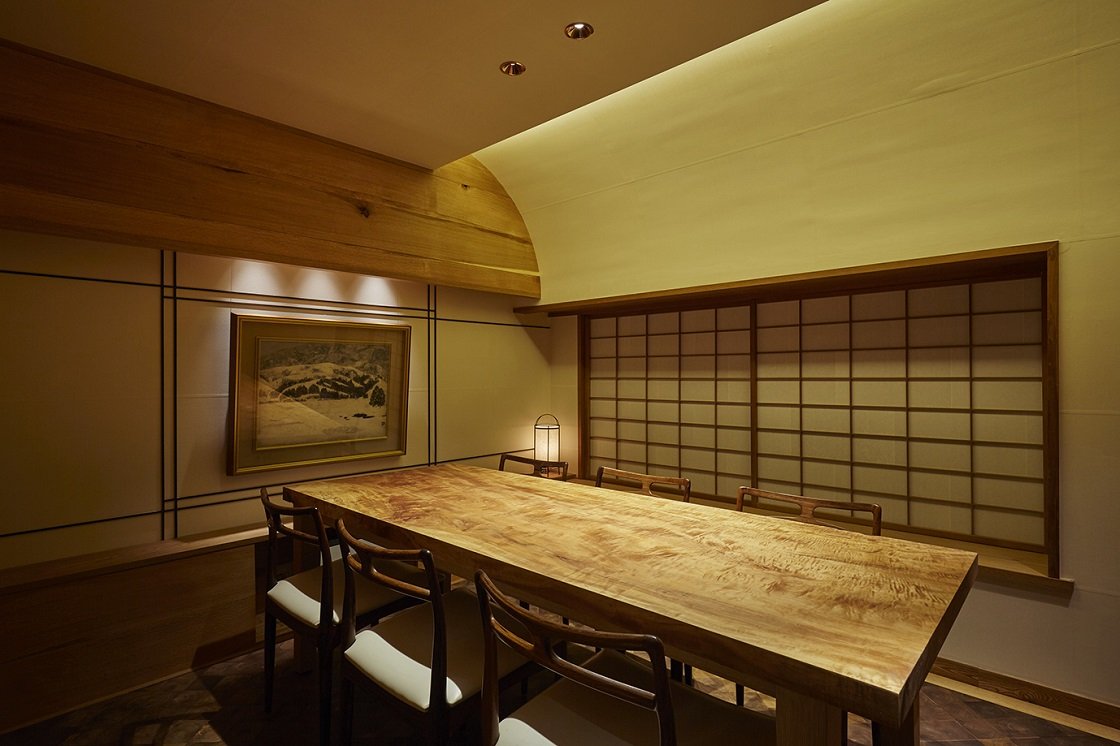
Kyomachibori Nakamura presents an intimate, technique-driven atmosphere centered on counter service. The restaurant reads like a neighbourhood study in precision: tonkatsu treated with rigorous attention to pork sourcing, fat management and frying technique. It forgoes spectacle in favor of a focused, contemplative experience—slices served sequentially invite close attention to texture and fat distribution. The Bib Gourmand recognition underscores an approachable refinement; Nakamura feels quietly accomplished rather than showy. Guests encounter a restrained room where the work at the counter is the main event and the chemistry between cook and diner shapes the room’s close, exacting energy.
Best For
This is a venue for diners who prize craft and comparison over flash. It suits solo patrons who enjoy counter interaction, couples seeking a thoughtful date-night tasting, and neighbourhood regulars drawn to consistent technique at a mid-price point. Because Nakamura emphasizes sequential tasting of different pork cuts—tenderloin, shoulder, ham—the meal rewards attention and palate comparison rather than hurried, communal plates. The Michelin Bib Gourmand framing also makes it a solid pick for those who want a high-quality, value-conscious experience focused squarely on the food’s technical merits.
Ordering Tips
Embrace the prix-fixe, counter-led format: the kitchen stages cuts sequentially so you can compare textures and fat profiles across each slice. Focus on the contrasts—tenderloin, shoulder and ham are presented to illuminate differences in fibre and richness—and treat the progression as the point of the meal rather than a single large cutlet. Signature items like brand pork cutlets, katsudon and menchi katsu curry indicate the kitchen’s range, but the core lesson here is to let the sequential service guide your tasting and to approach each course as a calibrated study in frying and pork sourcing.
Venue details
Ambiance
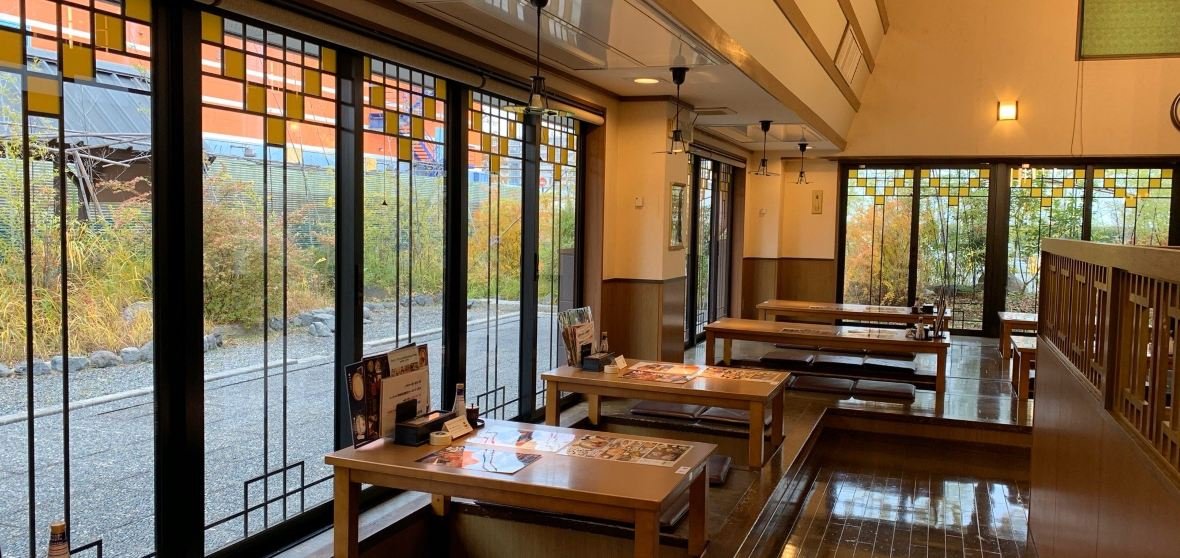
Elegant and relaxed interior with stylish, comfortable seating and a classy casual atmosphere.
Tags
Vibe
Best For
Experience
At the Table
- Dress Code
- Smart Casual
- Noise Level
- Quiet
- Service Style
- Upscale Casual
- Meal Pacing
- Leisurely
- Capacity
- Small
Signature Dishes
- brand pork cutlets
- katsudon
- menchi katsu curry
Planning details
Location
2 Chome-8-15 Senbayashi, Asahi-ku, Osaka, 535-0012, Japan · Directions
Recognition and awards
Also consider
Also Consider
- HAJIME; French, Innovative, ¥¥¥¥
- La Cime; French, ¥¥¥¥
- Kashiwaya Osaka Senriyama; Japanese, ¥¥¥
- Taian; Kaiseki, Japanese, ¥¥¥
- Fujiya 1935; Innovative, ¥¥¥¥
Restaurant context
Kyomachibori Nakamura sits at ¥¥ in a Osaka dining scene where most of the Michelin-recognised competition operates at ¥¥¥ or ¥¥¥¥. Against Kashiwaya Osaka Senriyama and Taian, both kaiseki-oriented restaurants at ¥¥¥, it is not a direct format comparison; but it is a useful value one. If your priority is the most food intelligence per yen spent, Nakamura wins. If the occasion calls for kaiseki service depth and a more formal room, Kashiwaya or Taian are the correct choice.
At the top of the Osaka market, HAJIME, La Cime, and Fujiya 1935 all operate at ¥¥¥¥ and represent a completely different proposition; French-influenced tasting menus with maximum production value. These are the right choice when the room, the service register, the wine program are as important as what is on the plate. Nakamura does not compete with them on those axes, does not need to.
Within the tonkatsu category specifically, Nakamura's prix fixe comparative format is its differentiator. Tonkatsu Fujii and Tonkatsu KATSU Hana are the peer alternatives in Osaka, but neither structures the meal as a side-by-side pork breed and cut comparison. If you are choosing between them for a first tonkatsu experience in Osaka, book Nakamura. If you are returning and want to try a different format, the others offer useful contrast.
Explore Osaka
Around this place
Discover more on Pearl
Unlock the full Kyomachibori Nakamura guide in Pearl, including awards, comparisons, FAQs, planning details, and nearby places.
Compare Kyomachibori Nakamura
| Venue | Cuisine | Awards | Booking Difficulty |
|---|---|---|---|
| Kyomachibori Nakamura | Tonkatsu | Tabelog 100 - Tonkatsu - 2026 · #62026 Bib Gourmand2025 Michelin Bib Gourmand2024 Michelin Plate | Easy |
| HAJIME | French, Innovative | Star Wine Lists 2026 · #12026 Tabelog Bronze · #922026 OAD Top Restaurants in Japan Ranked · #98Michelin Guide Kyoto Osaka 20262026 La Liste Top RestaurantsTabelog 100 - Innovative / Creative cuisine - 2025 · #692025 Asia's 50 Best Restaurants · #832025 OAD Top Restaurants in Japan Ranked · #87We're Smart World Top Restaurants 2025 | Unknown |
| La Cime | French | 2026 Asia's 50 Best Restaurants · #132026 OAD Top Restaurants in Japan Ranked · #1492026 Tabelog Bronze · #231Michelin Guide Kyoto Osaka 20262026 La Liste Top Restaurants2025 Asia's 50 Best Restaurants · #82025 World's 50 Best Restaurants · #44Tabelog 100 - French - WEST - 2025 · #932025 OAD Top Restaurants in Japan Ranked · #123 | Unknown |
| Kashiwaya Osaka Senriyama | Japanese | 2026 Tabelog Bronze · #1682026 OAD Top Restaurants in Japan Recommended2026 Relais Chateaux RestaurantsMichelin Guide Kyoto Osaka 20262026 La Liste Top RestaurantsTabelog 100 - Japanese cuisine - WEST - 2025 · #772025 OAD Top Restaurants in Japan Ranked · #1552025 Relais Chateaux Award2025 Michelin 3 Stars | Unknown |
| Taian | Kaiseki, Japanese | 2026 OAD Top Restaurants in Japan RecommendedMichelin Guide Kyoto Osaka 20262026 La Liste Top Restaurants2025 OAD Top Restaurants in Japan Ranked · #2042025 La Liste Top Restaurants2025 Michelin 3 Stars2024 OAD Top Restaurants in Japan Ranked · #1912024 Michelin 3 Stars2023 OAD Top Restaurants in Japan Highly Recommended | Unknown |
| Fujiya 1935 | Innovative | 2026 Tabelog Bronze · #752026 OAD Top Restaurants in Japan RecommendedMichelin Guide Kyoto Osaka 20262026 La Liste Top Restaurants2025 Michelin 2 Stars2025 Tabelog Silver2025 La Liste Top Restaurants2024 OAD Top Restaurants in Japan Ranked · #2392024 Michelin 2 Stars | Unknown |

.png?width=1200&quality=80)









Key differences to consider before you reserve.
FAQ
Frequently Asked Questions
What are alternatives to Kyomachibori Nakamura in Osaka?
If you want Michelin-level precision at a higher price point, La Cime and Fujiya 1935 both operate in Osaka and offer tasting menus with considerably more ceremony. Taian is the choice for kaiseki. Kyomachibori Nakamura holds its own specifically in the value-for-quality bracket; its Bib Gourmand (2025) signals Michelin-acknowledged quality without the multi-course fine dining price, which none of those alternatives replicate for tonkatsu.
What should I order at Kyomachibori Nakamura?
The restaurant runs a prix fixe format, so ordering decisions are limited by design. The core experience is the progression through multiple pork cuts; tenderloin, shoulder, ham; sourced from different producers, letting you compare how fat melts across breeds. The meal closes with either katsudon or minced-pork cutlet curry; both are included in the format, so treat the ending as part of the deal rather than an add-on choice.
Is Kyomachibori Nakamura worth the price?
At the ¥¥ price range, this is one of the more direct value cases in Osaka dining. A Michelin Bib Gourmand (2025) at this price means Michelin's inspectors flagged it as good value explicitly; that designation exists precisely to identify restaurants where quality outpaces cost. If you are already paying for tonkatsu elsewhere in Osaka, this format delivers more range and technique for comparable or lower spend.
How far ahead should I book Kyomachibori Nakamura?
Specific booking windows are not documented for this restaurant, but Michelin Bib Gourmand recognition in Japan reliably increases reservation pressure. For Osaka dining at this recognition level, booking at least two to three weeks ahead is a sensible baseline, further in advance for weekend sittings. Check directly via the restaurant's current booking channel before planning a trip around it.
Is Kyomachibori Nakamura good for a special occasion?
It works for a celebration if the occasion is about eating something genuinely interesting rather than formal ceremony. There is no wine list or extensive service theatre documented here; this is a prix fixe tonkatsu restaurant at the ¥¥ level, not a white-tablecloth setting. For milestone dinners where presentation and formality matter, Kashiwaya Osaka Senriyama or HAJIME will suit better. For a food-focused occasion with a friend who cares about craft, Kyomachibori Nakamura is a strong call.
Is the tasting menu worth it at Kyomachibori Nakamura?
Yes, specifically because the prix fixe format is what makes this restaurant worth visiting in the first place. The structured progression through multiple cuts and pork producers is not available at standard tonkatsu restaurants; that comparison element is the entire point. At ¥¥ pricing with a 2025 Bib Gourmand, the format delivers more than its price suggests.