


.png?width=1200&quality=80)

The Pizza Bar on 38th
Pizza · Chūō, Tokyo
Restaurant in Tokyo, Japan
 Book with Pearl
The Read
Roman Omakase Counter
Price
$50–100per person
Chef
Daniele Cason
Dress
Smart Casual
Why go
The Pizza Bar on 38th is a restaurant at Mandarin Oriental Tokyo.
About The Pizza Bar on 38th
Verdict: Book It: With the Right Expectations
If you think a pizza restaurant at ¥¥¥ price point inside the Mandarin Oriental is pretentious, you are thinking about the wrong category. The Pizza Bar on 38th is not a pizzeria in any conventional sense. It is an eight-seat counter experience: closer in format to a sushi omakase than to a Neapolitan trattoria, and once you understand that framing, the value proposition becomes clear. Book it for the architecture of the tasting menu, not just for the pizza itself.
What the Format Actually Means for Your Evening
The common misconception is that this is a novelty restaurant: a pizza place with a view, dressed up in fine-dining clothes. It is not. Chef Daniele Cason, originally from Rome, has built a service model that mirrors the precision of a counter sushi bar. All eight guests are seated at the same time. Two pizzas are prepared simultaneously, each divided into four slices, so that every diner receives one slice of each variety across the progression. That structure is not incidental, it is the whole point. The menu moves as a sequence, and the experience only works because the group moves through it together.
The dough is made from organic Italian wheat, kneaded and rested for hours. The result is airy and well-hydrated, with a crisp exterior and a soft, open interior. The style is Roman, though the shape is round rather than the rectangular tray format you would find in a traditional Roman bakery. That distinction matters: this is not a reproduction of a Roman original but a refined interpretation developed for a counter setting where each slice needs to read clearly on its own.
Ingredients are sourced primarily from small Japanese producers, with select items coming directly from Italy. The menu changes with the seasons, so the progression you experience in spring will differ from what arrives in autumn. A vegetable-based welcome course opens the meal, and dessert closes it. Eight pizza tastings in between, each a distinct composition rather than a variation on a single theme.
The Tasting Menu Arc
The architecture here is deliberate. A meal of eight sequential slices, each distinct, demands a clear progression: lighter preparations first, richer or more complex ones as the sequence deepens. That is how omakase works in sushi, and it is the model Cason has transposed into pizza. For food explorers who care about the logic of a tasting menu, not just the individual dishes but how they build on each other, this format delivers something genuinely different from anything else currently running in Tokyo's dining calendar.
The kitchen accommodates allergies and intolerances within the fixed menu, which means the sequence is tailored where necessary without collapsing the shared progression. That level of operational precision at eight covers is easier to sustain than it would be at forty, and it shows in the consistency of the service.
Drink programme draws from the Mandarin Oriental's full list, which gives you access to a wine and spirits selection well above what a standalone restaurant of this size would carry independently. Pairing the sequence with wines selected from that list is worth considering when you book.
Location and Setting
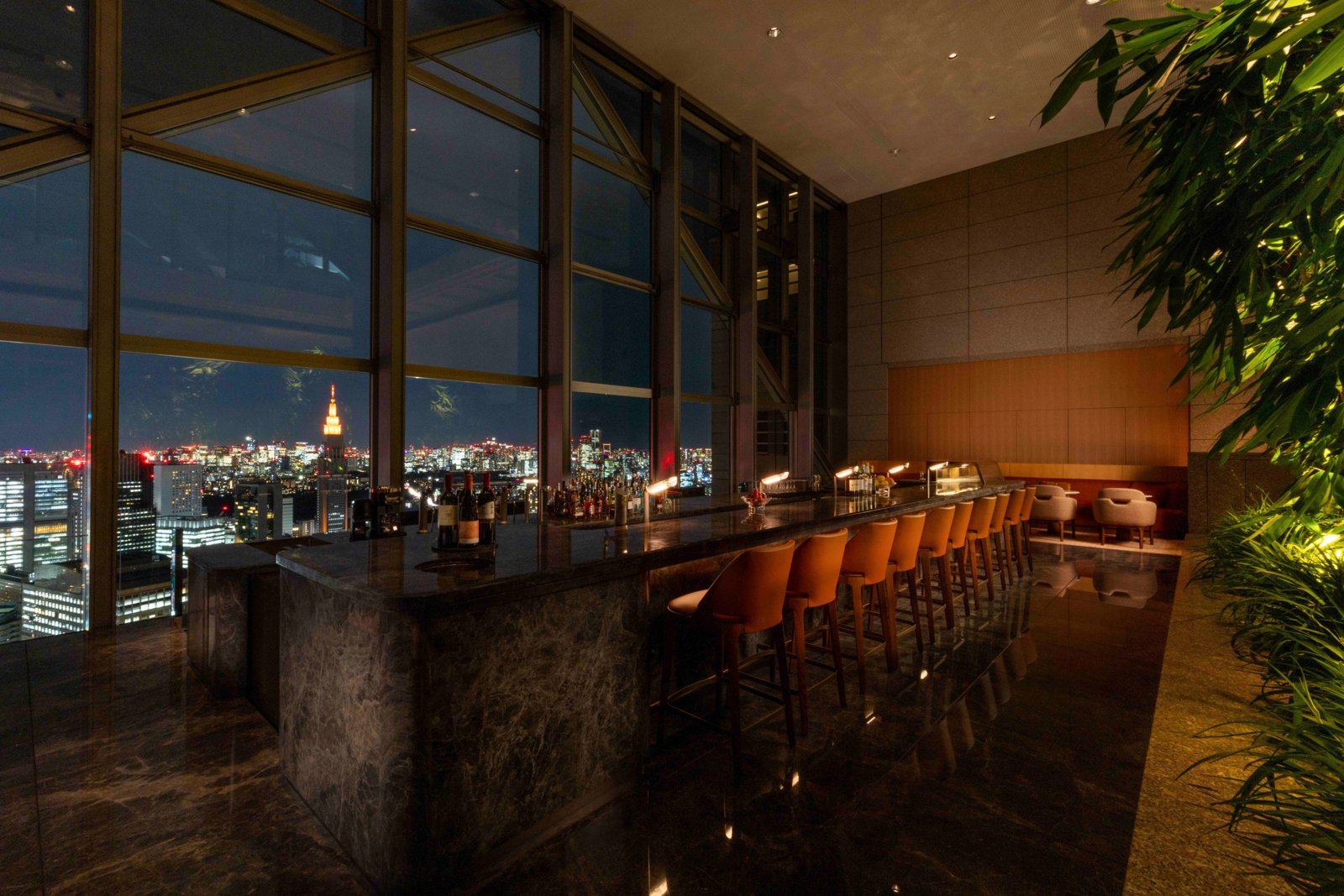
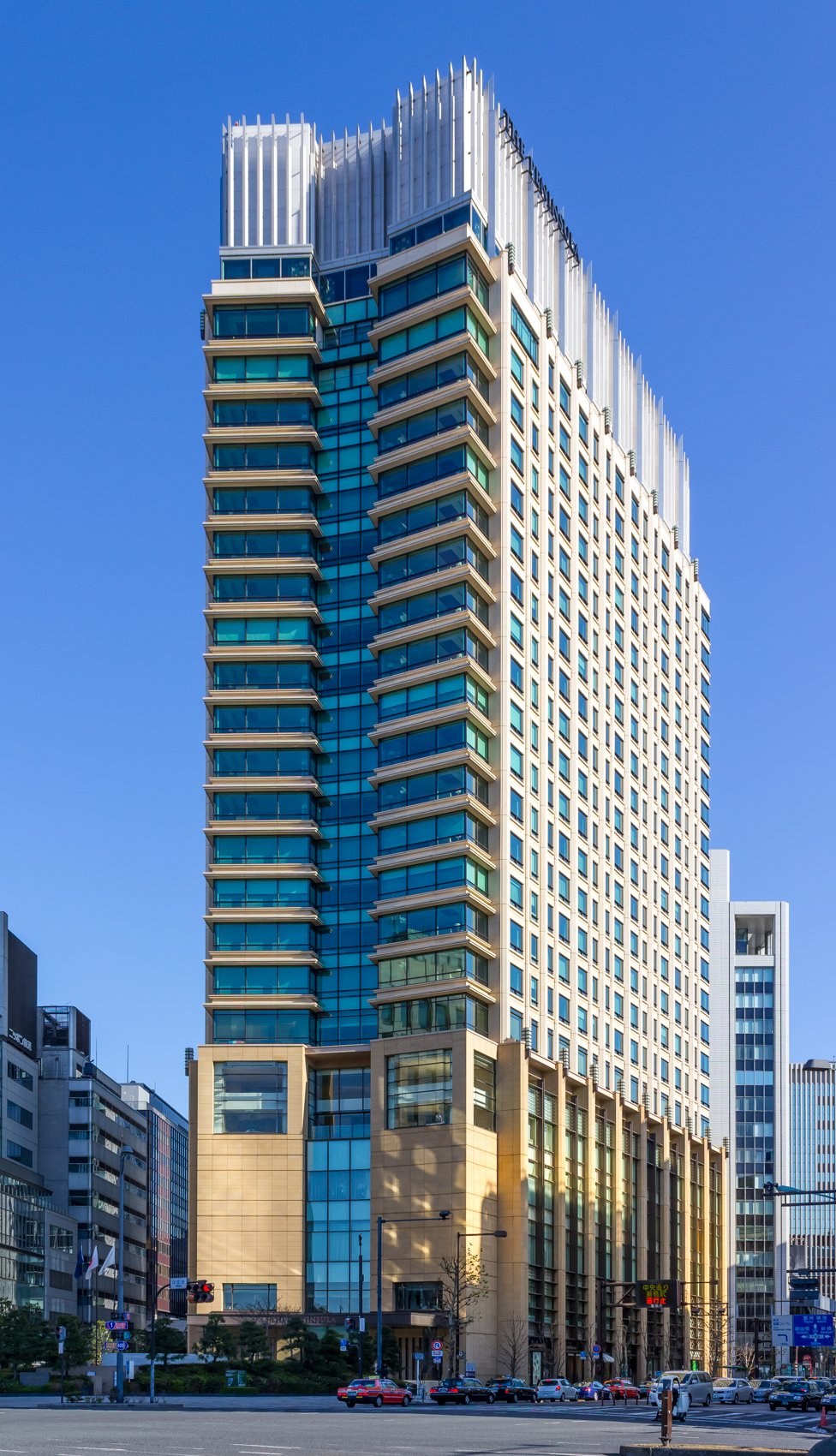
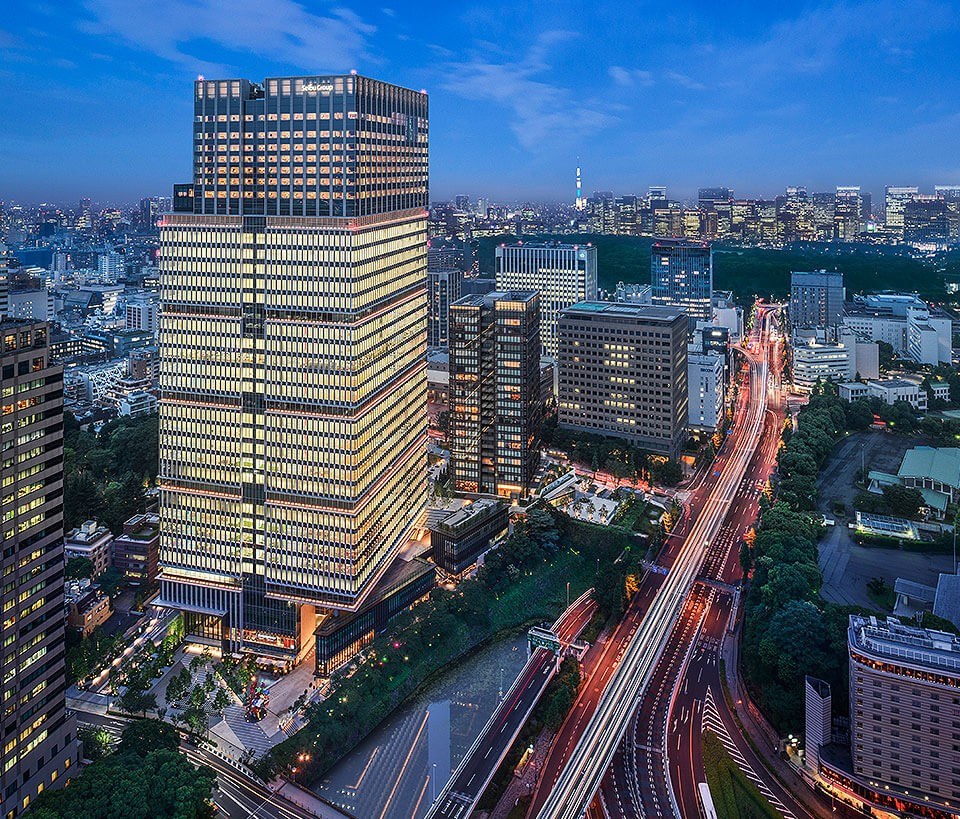
Restaurant occupies the 38th floor of the Mandarin Oriental Tokyo in the Nihonbashi district. The building sits in one of Tokyo's historically significant commercial and financial neighbourhoods, and the hotel is among the city's most established luxury addresses. The elevation and the eight-seat counter format create an atmosphere that is simultaneously intimate and considered. You are not eating in a hotel restaurant in the generic sense, the format is too specific for that framing to hold.
Where It Sits in the Market
Opinionated About Dining ranked The Pizza Bar on 38th at #11 in Japan for casual dining in 2025 (up from #16 in 2024), and the venue holds a Michelin Plate for 2025. At ¥¥¥, it sits one tier below the ¥¥¥¥ positioning of most of Tokyo's serious tasting menus, which makes it one of the more accessible counter experiences in the city's upper dining tier.
Know Before You Go
- Location: 38th floor, Mandarin Oriental Tokyo, 2-1-1 Nihonbashimuromachi, Chuo City
- Price range: ¥¥¥
- Seats: Eight-seat counter only, no tables, no walk-in option
- Format: Prix fixe omakase, all guests seated simultaneously
- Booking difficulty: Easy to moderate, but book as early as possible; the counter fills quickly given its size
- Dietary needs: Allergies and intolerances accommodated within the fixed menu
- Drinks: Full Mandarin Oriental hotel list available
- Chef: Daniele Cason (Rome)
- Awards: Michelin Plate 2025, OAD Casual Japan #11 (2025)
- Ideal time to visit: Weekday evenings tend to give the counter its most focused atmosphere; the shared-seating format means the dynamic of the group matters, and weekday bookings draw a more deliberate dining crowd
How It Compares
For the full range of Tokyo's upper-tier dining, see our full Tokyo restaurants guide. If you are building a broader Japan trip, consider HAJIME in Osaka, Gion Sasaki in Kyoto, akordu in Nara, Goh in Fukuoka, 1000 in Yokohama, or 6 in Okinawa. For pizza specifically, 50 Kalò in Naples and A.K. Pizza in Seattle offer useful reference points for the category at different price points. You can also explore Tokyo hotels, Tokyo bars, Tokyo wineries, and Tokyo experiences through Pearl.
Part of
Mandarin Oriental116 locations on PearlPlanning details
- Hours
- Monday: 11:30 AM–3 PM, 5:30–10 PM · Tuesday: 11:30 AM–3 PM, 5:30–10 PM
- Location
- 2 Chome-1-1 Nihonbashimuromachi, Chuo City, Tokyo 103-8328, Japan
- Reservations
- Book on SevenRooms
- Website
- mandarinoriental.com/en/tokyo/nihonbashi/dine/the-pizza-bar-on-38th?htl=MOTYO&kw=MOTYO_pizzabar&eng=google&src=local
- Phone
- +81 3-3270-8188
The take
The Take
The Vibe
The Pizza Bar on 38th presents itself as a highly disciplined, almost meditative tasting counter. Set on the Mandarin Oriental’s 38th floor, the eight-seat counter reduces scale and ambient noise, producing a controlled stillness in which small details, the sound of a crust being cut, the cadence of service, matter. The program treats pizza with the logic of kaiseki and omakase: sequenced courses, exact portions and an emphasis on craft. The result reads as modern and restrained, favoring precision and quiet over bustle and bravado.
Best For
This is a reservation-focused, prix-fixe tasting experience best suited to focused dinners and special evenings. With only eight diners seated simultaneously and a structured sequence of eight pizzas bookended by a vegetable welcome course and dessert, the meal favors guests who want a single, coherent tasting rather than casual drop-ins. The elevated position above Nihonbashi and the omakase counter format make it particularly well matched to date nights, celebratory dinners and any occasion where the meal itself is the main event.
Ordering Tips
Book well in advance: the service runs as an eight-seat, simultaneous prix fixe with no walk-ins and no shared tables. Expect a fixed sequence, two pizzas are produced and divided so each guest receives matching portions across eight tastings, so plan your visit as a complete meal rather than à la carte. Because the format privileges timing and rhythm, arrive on time and treat the seating as the start of a single, ordered tasting experience.
Venue details
Ambiance
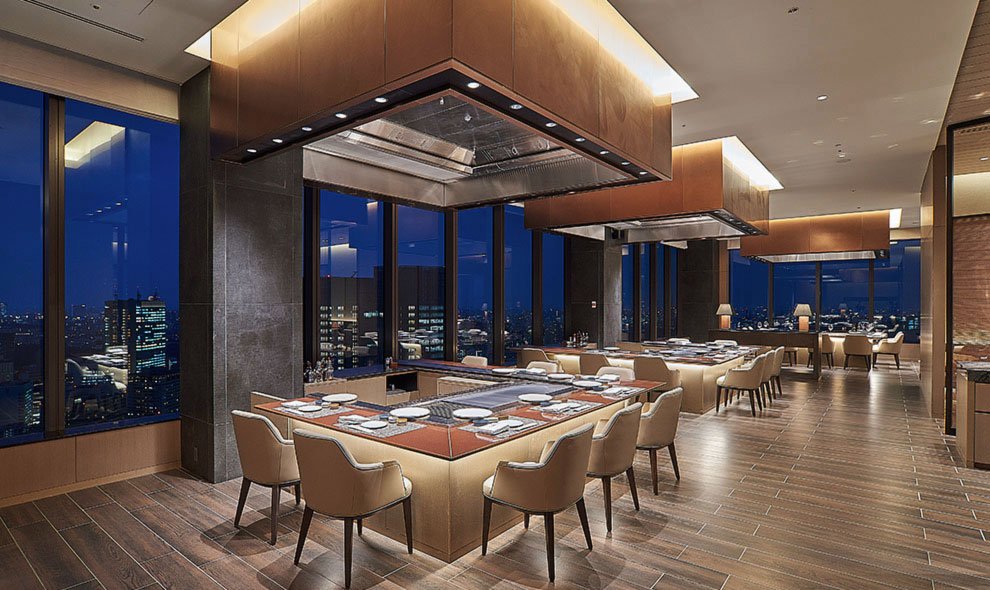
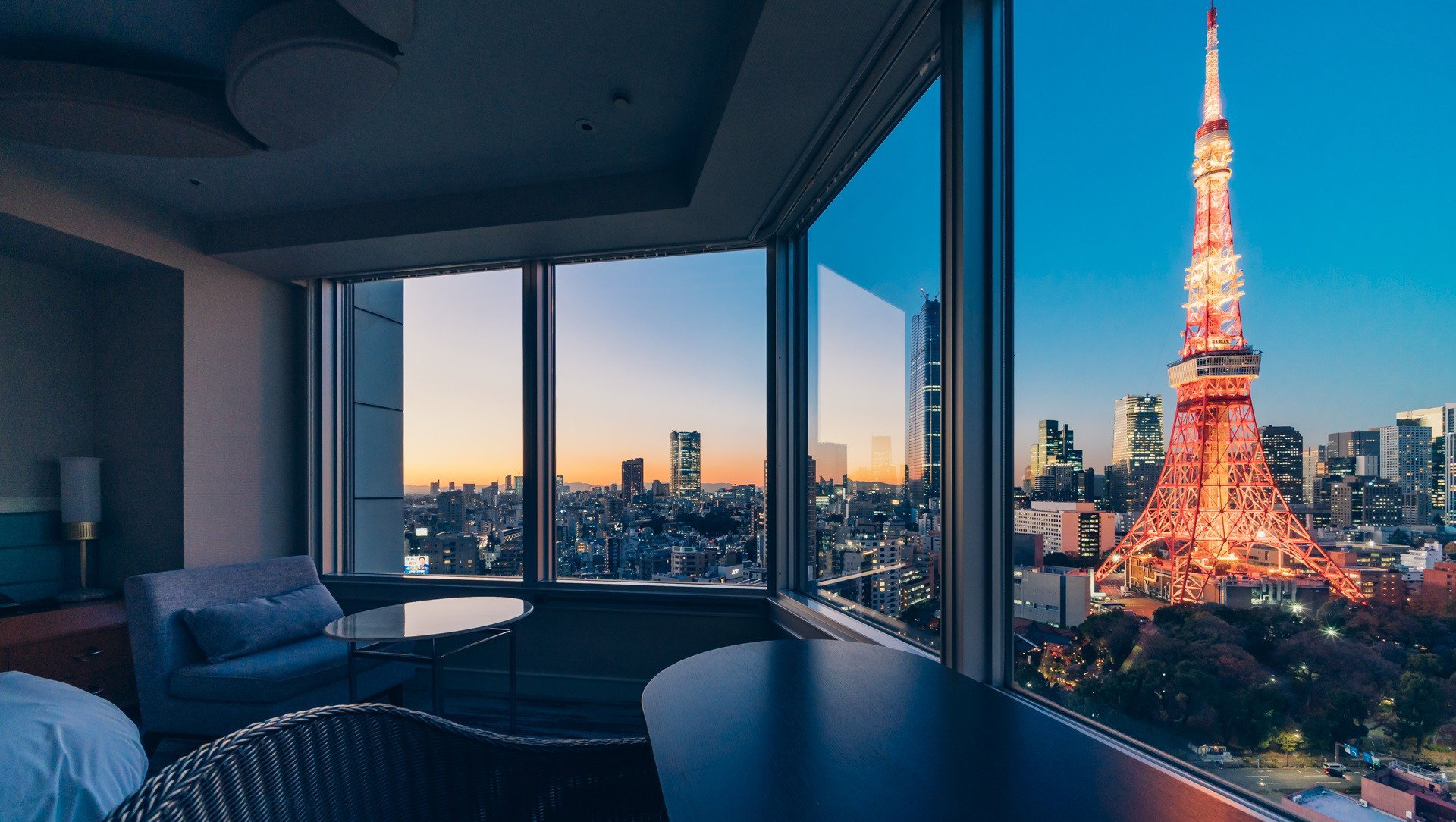
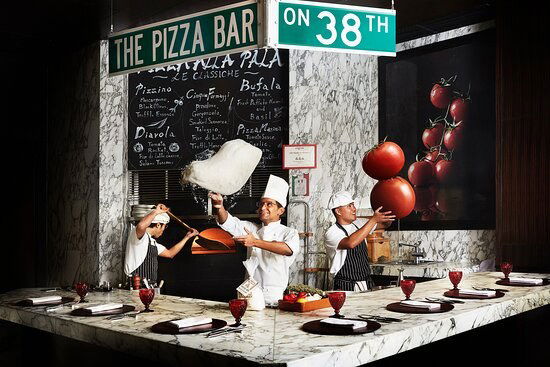
Intimate marble-furnished L-shaped counter overlooking an open exhibition kitchen with panoramic Tokyo skyline views; refined, theatrical atmosphere with personalized service.
Tags
Vibe
Best For
Experience
Sourcing
View
Accessibility
At the Table
- Dress Code
- Smart Casual
- Noise Level
- Conversational
- Service Style
- Omakase Bar
- Meal Pacing
- Extended Experience
- Capacity
- Intimate
- Kitchen
- Farm-to-table
- Menu Format
- Omakase, Counter dining, Prix fixe
- Drinks Focus
- Wine, Beer
- Dietary
- Vegetarian friendly, Allergy accommodating
Signature Dishes
- Diavola
- Marinara with Anchovies
- Porcini Mushroom Pizza
- Carbonara Pizza
Know before you go
Know Before You Go
- Getting there
- 2 Chome-1-1 Nihonbashimuromachi, Chuo City, Tokyo 103-8328, Japan
Planning details
Hours
- Monday
- 11:30 AM–3 PM, 5:30–10 PM
- Tuesday
- 11:30 AM–3 PM, 5:30–10 PM
- Wednesday
- 11:30 AM–3 PM, 5:30–10 PM
- Thursday
- 11:30 AM–3 PM, 5:30–10 PM
- Friday
- 11:30 AM–3 PM, 5:30–10 PM
- Saturday
- 11:30 AM–3 PM, 5:30–10 PM
- Sunday
- 11:30 AM–3 PM, 5:30–10 PM
Location
2 Chome-1-1 Nihonbashimuromachi, Chuo City, Tokyo 103-8328, Japan · Directions
Recognition and awards



Also consider
Also Consider
- Harutaka: Sushi, ¥¥¥¥
- L'Effervescence: French, ¥¥¥¥
- RyuGin: Kaiseki, Japanese, ¥¥¥¥
- HOMMAGE: Innovtive French, French, ¥¥¥¥
- Crony: Innovative, French, ¥¥¥¥
Restaurant context
The Pizza Bar on 38th sits at ¥¥¥, a full price tier below Harutaka, L'Effervescence, RyuGin, HOMMAGE, and Crony, all of which operate at ¥¥¥¥. That price gap matters when you are deciding where to commit an evening in Tokyo. If your priority is technical sushi at the highest level, Harutaka is the better call. If you want French-influenced tasting menu work, L'Effervescence and Crony both deliver more conventional fine-dining architecture at the top of the market. RyuGin is the reference point for kaiseki with serious seasonal rigour.
The Pizza Bar on 38th does not compete on those terms. It competes on format novelty and concept precision: a sequenced pizza tasting at an eight-seat counter, in a luxury hotel, at a price point that undercuts the ¥¥¥¥ tier. Its OAD #11 Japan casual ranking (2025) and Michelin Plate suggest the execution is consistent enough to justify the booking. For a food-focused traveller who has already covered Tokyo's sushi and kaiseki options, or who wants a counter experience outside those categories, this is the most interesting alternative currently available at ¥¥¥.
On booking difficulty, The Pizza Bar on 38th is easier to secure than Harutaka or RyuGin, both of which require significant advance planning and, in some cases, local connections. The eight-seat counter does fill, but the overall booking process is more accessible. If you are planning a Tokyo itinerary and want one counter tasting experience that is both achievable and genuinely specific to the city, this is a practical choice alongside, rather than instead of, a single ¥¥¥¥ splurge at one of the heavier hitters. See Sézanne for another strong option in the upper tier.
Explore Tokyo
Around this place
Discover more on Pearl
Unlock the full The Pizza Bar on 38th guide in Pearl, including awards, comparisons, FAQs, planning details, and nearby places.
Compare The Pizza Bar on 38th
| Venue | Awards | Price |
|---|---|---|
| The Pizza Bar on 38th | 2026 50 Top Pizza Asia-Pacific · #22026 50 Top Pizza World · #92026 OAD Casual in Japan Ranked · #992026 Gambero Rosso Top Italian Pizzerias2026 Michelin Plate2025 50 Top Pizza World Best Pizza · #22025 OAD Casual in Japan Ranked · #11Tabelog 100 - Pizza - 2025 · #412025 Michelin Plate | ¥¥¥ |
| Harutaka | 2026 Tabelog Silver · #312026 OAD Top Restaurants in Japan Ranked · #1282026 Michelin 3 Stars2026 La Liste Top RestaurantsTabelog 100 - Sushi - TOKYO - 2025 · #372025 Asia's 50 Best Restaurants · #762025 OAD Top Restaurants in Japan Ranked · #1172025 La Liste Top Restaurants2025 Tabelog Bronze | ¥¥¥¥ |
| L'Effervescence | 2026 Tabelog Silver · #682026 OAD Top Restaurants in Japan Ranked · #103Star Wine Lists 20262026 Black Pearl 2 Diamond2026 Relais Chateaux Restaurants2026 La Liste Top Restaurants2026 Michelin 3 Stars2025 Asia's 50 Best Restaurants · #692025 OAD Top Restaurants in Japan Ranked · #92 | ¥¥¥¥ |
| RyuGin | 2026 OAD Top Restaurants in Japan Ranked · #802026 Tabelog Bronze · #3772026 Michelin 3 Stars2026 La Liste Top RestaurantsTabelog 100 - Japanese cuisine - TOKYO - 2025 · #212025 OAD Top Restaurants in Japan Ranked · #542025 Michelin 3 Stars2025 La Liste Top Restaurants2025 The Best Chef Three Knives | ¥¥¥¥ |
| HOMMAGE | 2026 Tabelog Bronze · #1232026 OAD Top Restaurants in Japan Highly Recommended2026 Michelin 2 StarsTabelog 100 - French - TOKYO - 2025 · #762025 Asia's 50 Best Restaurants · #782025 OAD Top Restaurants in Japan Ranked · #1752025 Michelin 2 Stars2025 The Best Chef One Knife2025 La Liste Top Restaurants | ¥¥¥¥ |
| Crony | 2026 Asia's 50 Best Restaurants · #34Star Wine Lists 20262026 OAD Top Restaurants in Japan Recommended2026 Michelin 2 Stars2025 Asia's 50 Best Restaurants · #30Tabelog 100 - French - TOKYO - 2025 · #782025 OAD Top Restaurants in Japan Ranked · #227We're Smart World Top Restaurants 20252025 Michelin 2 Stars | ¥¥¥¥ |













Key differences to consider before you reserve.
FAQ
Frequently Asked Questions
Is the tasting menu worth it at The Pizza Bar on 38th?
Yes, if you are genuinely interested in what serious technique can do with pizza dough and seasonal Japanese ingredients. Eight sequential slices, each distinct, built on organic Italian wheat dough and produce sourced largely from small Japanese producers: this is not a novelty format. Opinionated About Dining ranked it #11 for casual dining in Japan in 2025, up from #16 in 2024, which reflects a venue gaining momentum, not coasting. The ¥¥¥ price point is steep, but you are paying for an omakase counter at the Mandarin Oriental with Michelin Plate recognition and a chef, Daniele Cason, who has built the entire format around precision.
How far ahead should I book The Pizza Bar on 38th?
Book as early as possible: the venue explicitly advises reserving well in advance, and with only eight seats operating on a fixed-time seating model, there is no flexibility to absorb late bookings. Treat it like a sought-after omakase counter, not a hotel restaurant you can walk into. If you have a fixed travel date, book before you finalise anything else on your itinerary.
Can I eat at the bar at The Pizza Bar on 38th?
The entire restaurant is a counter: all eight seats face the kitchen in the style of a sushi bar. There is no separate bar or table seating. Eating at the counter is not an option among several; it is the only format the venue operates. If counter dining makes you uncomfortable for an extended tasting menu, this is not the right booking.
Can The Pizza Bar on 38th accommodate groups?
Only in the loosest sense. The counter seats eight total, so a group of eight could theoretically fill an entire seating, but the fixed-time, prix-fixe format means everyone arrives together and follows the same menu regardless. Groups larger than eight cannot be seated. For a celebratory dinner with more than four people, confirm availability directly with the Mandarin Oriental Tokyo, as the venue does not publish its own booking channel.
Is The Pizza Bar on 38th good for a special occasion?
It works well for a specific kind of special occasion: one where the person you are dining with finds the counter format and tasting-menu structure engaging rather than awkward. The 38th floor of the Mandarin Oriental, Nihonbashi, provides a credible setting, the service draws from the hotel's full resources, and the omakase arc gives the meal a clear shape. It is a poor fit if you want a long evening of conversation across a table: the format is focused and relatively contained.
Is The Pizza Bar on 38th worth the price?
At ¥¥¥, it is priced at the lower end of serious omakase dining in Tokyo, which makes the value stronger than the setting might suggest. OAD ranked it #11 in Japan for casual dining in 2025, and it holds a Michelin Plate: both signals that the quality justifies the category. The comparison to make is not with other pizza restaurants; it is with other eight-seat omakase counters in Tokyo at a similar price. On that basis, yes, it is worth the price: provided the format suits you.