
Soba Kaiseki Muan
Tachikawa, Tokyo
Restaurant in Tokyo, Japan
 Book with Pearl
The Read
Price
$50–100per person
Dress
Casual
Why go
A Tachikawa house restaurant where kaiseki-style service precedes soba, selected for Tabelog 100 Soba EAST every year since 2017. Dinner runs JPY 8,000–9,999 and requires two dishes beyond buckwheat; lunch accepts soba-only bookings for JPY 3,000–3,999. The eight-person private room suits groups willing to invest time and budget in a multi-course format rather than quick noodle service.
About Soba Kaiseki Muan
Tachikawa's kaiseki-style soba scene is competitive, and securing seats at Soba Kaiseki Muan requires planning: lunch reservations accept soba-only bookings, while dinner requires two dishes beyond the buckwheat. A same-day cancellation triggers a JPY 5,000 per-person fee. The 36-seat house restaurant operates Monday through Saturday with limited service windows, lunch until 1:30 PM, dinner until 7:30 PM, and selection for Tabelog 100 Soba EAST every year since 2017 confirms consistent technique. The private room seats eight around a table; parties up to 14 can book table seating in the main space. At JPY 8,000–9,999 for dinner and JPY 3,000–3,999 for lunch, the price range sits firmly mid-tier for Tokyo soba specialists, though the kaiseki structure adds more courses than most buckwheat-focused venues deliver.
Kaiseki Format at a Soba Restaurant
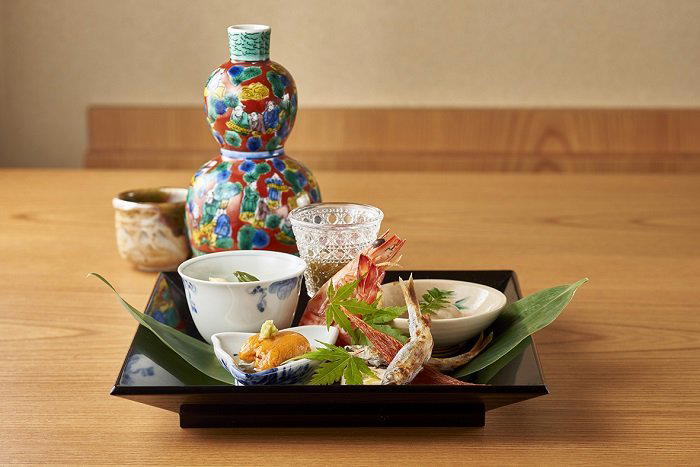
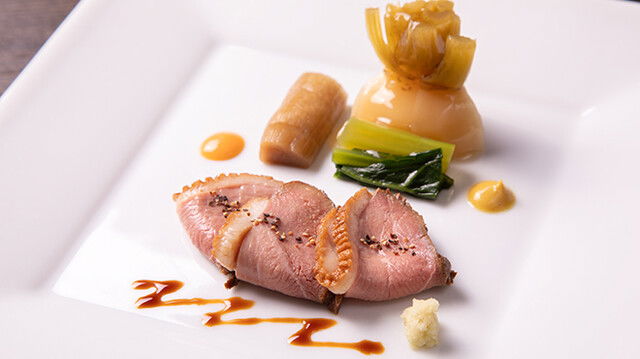
The menu leans on seasonal Japanese small plates before the soba arrives, a format that distinguishes it from noodle-only competitors. Sake, shochu, and wine selections appear throughout dinner service, and the venue notes particular attention to sake pairings. The dress code bans strong perfume or body cream, an unusual but explicit request that signals a focus on subtle flavors and close-quarters dining. The house setting in Akebonocho offers more privacy than typical counter-focused soba shops, with table seating accommodating relaxed, multi-course meals that extend beyond 2.5 hours. This makes it a better fit for groups or occasion dining than quick lunch formats common at other Tokyo soba specialists. Children must be elementary school age or older, another indicator that the experience prioritizes quiet, adult-oriented service.
Private Room and Main Seating
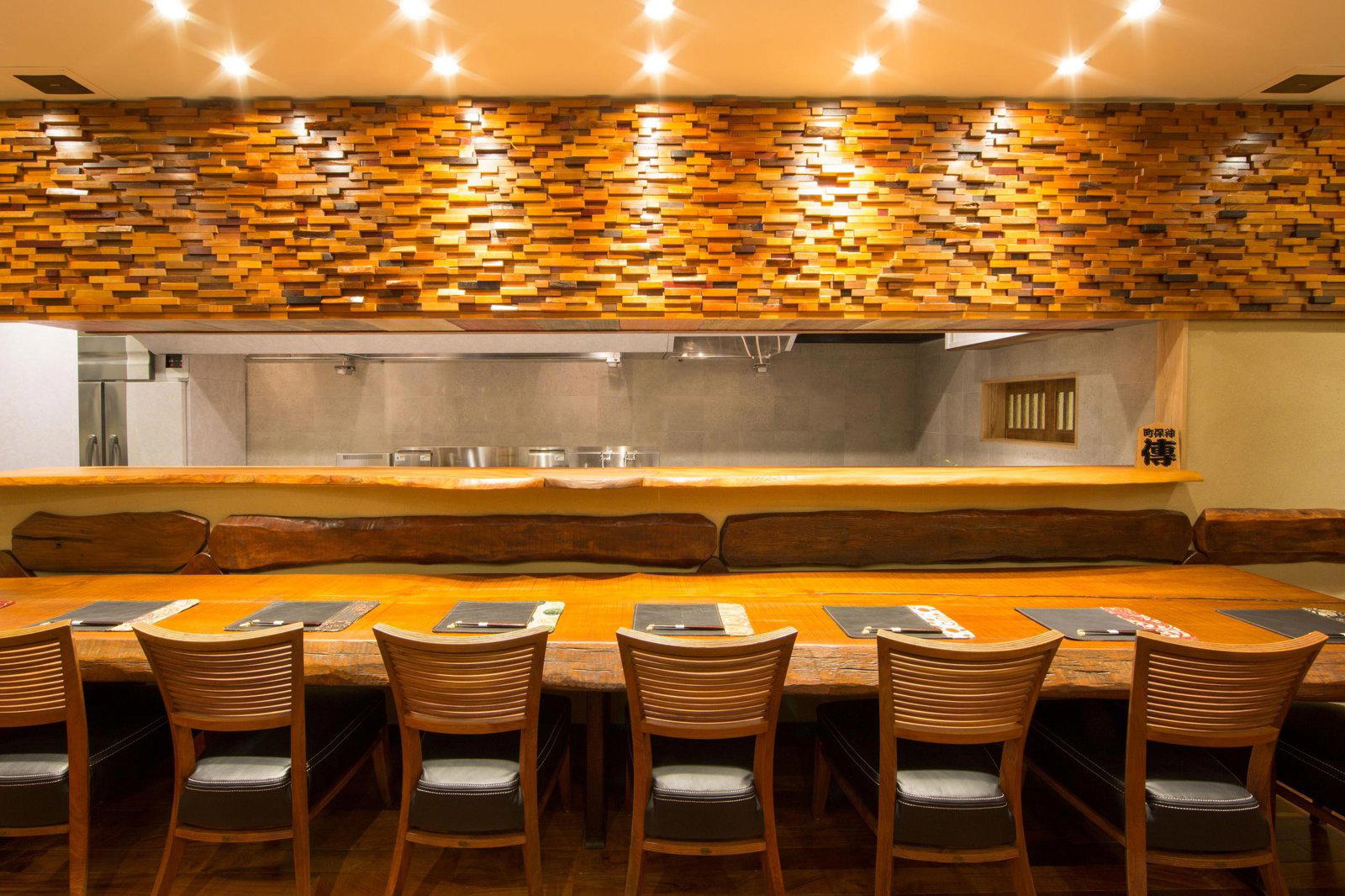
The eight-person private room provides the most insulated experience, ideal for business dinners or family celebrations where conversation matters more than watching noodles rolled. Main seating splits between 20 table seats and an eight-seat long table, offering flexibility for pairs or small groups without requiring counter interaction. The house-restaurant format, labeled a hideout on Tabelog, removes some of the theater found at open-kitchen soba counters but adds comfort for guests who prefer seated, paced service over rapid turnover. Booking opens for both lunch and dinner, though lunch slots fill faster given the shorter 1:30 PM last-order window. Five-minute walk from Tachikawa Station's north exit or three minutes from Tachikawa-Kita Station on the Tama Monorail places it within easy reach of central Tokyo by JR Chuo Line, though the neighborhood lacks the foot traffic of Shinjuku or Shibuya. No parking available; rely on public transit or taxi. Credit cards accepted (VISA, Master), but electronic payments and QR codes are not processed.
Within Tokyo's Tabelog 100 Soba EAST cohort, Soba Kaiseki Muan sits closer to Senju in its kaiseki-hybrid approach than to simpler soba-only formats. RAINBOW SPICE and Ichiroku Coffee Ten both occupy lower price points (under JPY 2,000 for lunch) and cater to faster, more casual turnover, making them better picks for travelers prioritizing budget or speed. OLD NEW DINER offers a similar lunch range but skews Western-style diner rather than traditional Japanese. For visitors willing to travel outside Tokyo proper, Auberge TOKITO delivers ryokan-level kaiseki in a quieter setting, though overnight stays shift the value calculus entirely. Soba Kaiseki Muan justifies its price if you want the multi-course structure and private-room option; simpler soba specialists elsewhere in Tokyo deliver excellent noodles for half the cost but skip the sake-pairing depth and extended format. The Tabelog recognition confirms technique, but the kaiseki frame means this is not a quick-hit soba stop, plan for a full meal with drinks, or choose a noodle-first venue instead. For more Tokyo dining options, see our full Tokyo restaurants guide.
Planning details
- Location
- 1 Chome-28-5 Akebonocho, Tachikawa, Tokyo 190-0012, Japan
- Website
- muan.jp
- Phone
- +81 42-524-0512
The take
The Take
The Vibe
Soba Kaiseki Muan presents seasonal Japanese cuisine and drinks inside a cozy, traditional house that the listing describes as an adult’s hideaway. The atmosphere leans intimate and classic rather than trendy — a small, calm setting where the focus is on carefully prepared soba and kaiseki-style fare. The wording emphasizes a refined, grown-up retreat rather than a loud dining room, so guests can expect low-key surroundings that favor conversation and seasonal tasting. The overall impression is of a tucked-away, traditional spot that prioritizes thoughtful cuisine and a relaxed, unpretentious mood.
Best For
This spot is well suited to intimate evenings and relaxed date-night dinners for adults who appreciate seasonal Japanese cooking and soba. Its location a short walk from Tachikawa Station (about five minutes) makes it convenient for city diners seeking a quiet, traditional setting. The availability of private rooms also makes it appropriate for small celebratory dinners or gatherings that want privacy. The restaurant markets itself as a no-smoking environment and emphasizes reservations, pointing to a measured, adult-oriented dining experience rather than a casual drop-in crowd.
Ordering Tips
Reserve online and request a private room if you want extra privacy — the listing explicitly notes that private rooms are available and that online reservations are offered. Expect seasonal Japanese dishes with a focus on soba and kaiseki-style preparations; menus are presented as seasonal, so availability will change. Note that the venue is no-smoking, and it is described as a cozy, traditional house aimed at an adult clientele. The restaurant is about a five-minute walk from Tachikawa Station, so plan arrival accordingly.
Venue details
Ambiance
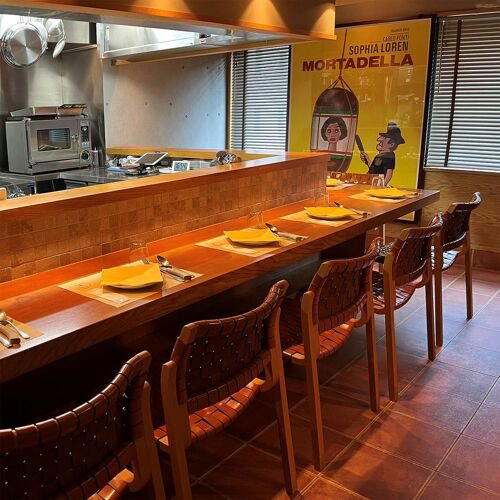
The restaurant occupies a traditional Japanese-style house with warm wood interiors, soft lighting, and a calm, adult-oriented atmosphere where jazz plays quietly in the background, creating a serene, intimate setting that feels like a hidden retreat.
Tags
Vibe
Best For
Experience
Sourcing
At the Table
- Dress Code
- Casual
- Noise Level
- Quiet
- Service Style
- Upscale Casual
- Meal Pacing
- Leisurely
- Capacity
- Small
- Kitchen
- Seasonal
- Menu Format
- Tasting menu, Set menu, A la carte
- Wine Program
- Standard
- Drinks Focus
- Sake, Beer, Shochu
- Dietary
- Pescatarian friendly
Signature Dishes
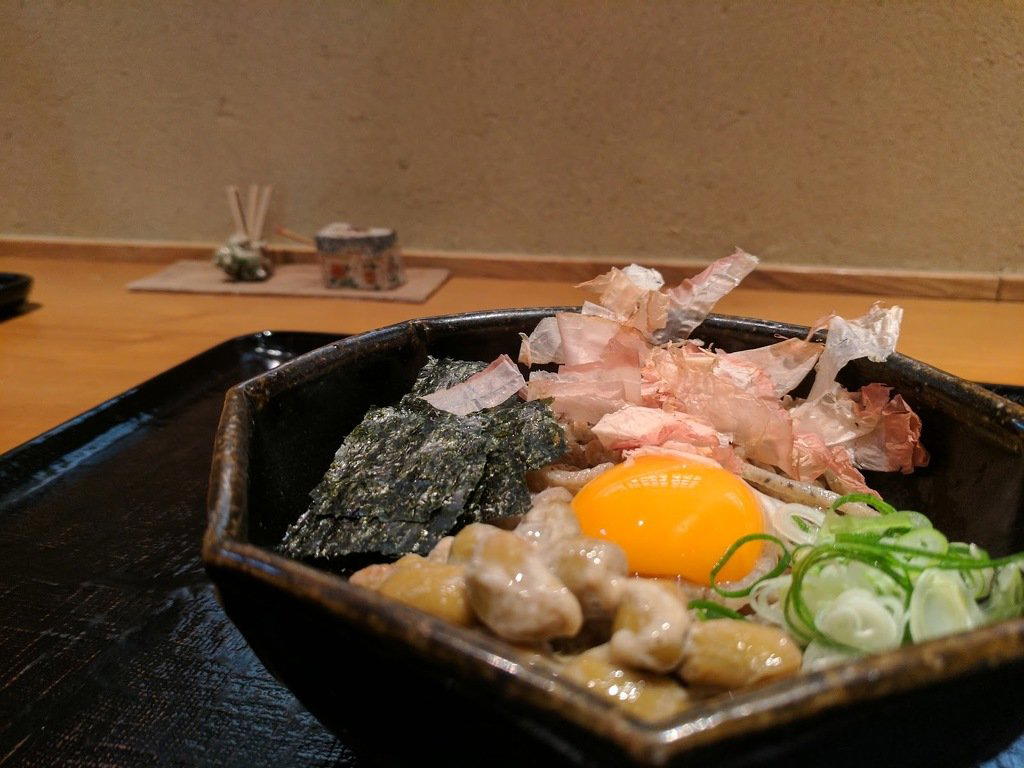
- Handmade stone-milled soba
- Soba kaiseki course
- Roast duck
- Tempura assortment
Know before you go
Know Before You Go
- Getting there
- 1 Chome-28-5 Akebonocho, Tachikawa, Tokyo 190-0012, Japan
Planning details
Location
Recognition and awards
Also consider
Also Consider
- RAINBOW SPICE, - JPY 999 - JPY 999, - JPY 999 - JPY 999
- Senju, Notable alternative
- Ichiroku Coffee Ten, JPY 1,000 - JPY 1,999, JPY 1,000 - JPY 1,999
- OLD NEW DINER, JPY 2,000 - JPY 2,999 JPY 1,000 - JPY 1,999, JPY 2,000 - JPY 2,999 JPY 1,000 - JPY 1,999
- Auberge TOKITO, Notable alternative
Restaurant context
Against Tokyo's soba specialists, Soba Kaiseki Muan occupies the kaiseki-hybrid tier at JPY 8,000–9,999 for dinner, closer to Senju in structure than to noodle-only counters. RAINBOW SPICE and Ichiroku Coffee Ten both deliver lunch under JPY 2,000 with faster turnover, making them better picks if you want excellent buckwheat without committing to a full kaiseki progression. OLD NEW DINER sits in the JPY 2,000–2,999 dinner range but skews Western diner format rather than traditional Japanese small plates, so the comparison only holds on price. For travelers seeking quieter, ryokan-level kaiseki outside Tokyo, Auberge TOKITO offers overnight-stay options with elevated service, though the format shift makes direct cost comparison difficult.
Soba Kaiseki Muan justifies its premium if you want the private-room option (eight seats, table format) and sake-pairing depth alongside buckwheat noodles. Booking requires advance planning, lunch accepts soba-only reservations, but dinner demands two dishes beyond noodles, and same-day cancellations carry a JPY 5,000 penalty per person. The Tabelog 100 Soba EAST selection every year since 2017 confirms consistent technique, but the house-restaurant format in Tachikawa trades counter theater for seated comfort. If speed and simplicity matter more than multi-course progression, choose a noodle-first specialist elsewhere in Tokyo and save half the budget. For occasion dining with groups or sake enthusiasts, the kaiseki structure and private room deliver value; solo diners or quick-lunch travelers should look to simpler soba counters instead.
Explore Tokyo
Around this place
Discover more on Pearl
Unlock the full Soba Kaiseki Muan guide in Pearl, including awards, comparisons, FAQs, planning details, and nearby places.
FAQ
Frequently Asked Questions
What are alternatives to Soba Kaiseki Muan in Tokyo?
Senju in central Tokyo offers a similar kaiseki-before-soba format with tighter execution and broader sake selection. RAINBOW SPICE delivers modern spice-focused Japanese cooking at a lower price point. Ichiroku Coffee Ten serves casual daytime soba without the multi-course commitment.
Can I eat at the bar at Soba Kaiseki Muan?
There is no bar counter. Seating consists of 20 table seats, 8 long-table seats, and an 8-person private room. The long-table setup accommodates solo diners and pairs who prefer communal seating over isolated two-tops.
How far ahead should I book Soba Kaiseki Muan?
Book at least two weeks ahead for weekend dinner slots. Lunch reservations accept soba-only orders, while dinner requires two or more dishes beyond noodles. Same-day cancellations incur a 5,000 yen per-person fee.
Can Soba Kaiseki Muan accommodate groups?
The restaurant seats up to 14 people and offers an 8-person private room with table seating. Children are welcome from elementary school age onward, making it workable for family celebrations. Parties larger than 8 should request combined table arrangements when booking.
Is Soba Kaiseki Muan worth the price?
At 8,000–9,999 yen for dinner, the kaiseki preamble justifies the premium over soba-only shops, but only if you value the procession of seasonal small plates. For noodle-focused meals, Senju offers tighter soba technique at a similar price. Lunch runs 3,000–3,999 yen for soba without the multi-course buildup.
Is Soba Kaiseki Muan good for a special occasion?
The private room and extended meal format (2.5 hours) suit business dinners and family milestones better than quick celebratory meals. Tabelog 100 Soba EAST recognition (2017–2025) provides third-party validation. Avoid strong perfume or body cream, as the restaurant enforces a scent policy.