
.png?width=1200&quality=80)

Unagi Tokito
Unagi / Freshwater Eel · Minato, Tokyo
Restaurant in Tokyo, Japan
 Book with Pearl
The Read
French-Inflected Eel Omakase
Price
¥¥¥
Dress
Smart Casual
Why go
Unagi Tokito in Azabu-Juban serves a prix fixe tasting menu built entirely around freshwater eel, earning a 2025 Michelin Plate for its creative range of preparations — from soy-glazed kabayaki in a bun to wine-braised eel drawing on French technique. At ¥¥¥, it is the contemporary alternative to traditional eel specialists in the same neighbourhood. Easy to book; 1–2 weeks out is sufficient for most dates.
About Unagi Tokito
Verdict: A prix fixe eel restaurant in Azabu-Juban worth booking for curious eaters at the ¥¥¥ price tier
At the ¥¥¥ price point, Unagi Tokito delivers something genuinely hard to find in Tokyo: a tasting menu built entirely around freshwater eel that moves well beyond the traditional unaju and kabayaki formats most visitors already know. The 2025 Michelin Plate recognition signals a kitchen operating at a credible level — not starred territory, but a clear step above neighbourhood casual. If you are in Azabu-Juban for a special dinner and want something more considered than a standard unagi counter, this is a reasonable first call. If eel in any form is not your focus, look elsewhere.
Portrait
Azabu-Juban is one of Tokyo's more quietly residential pockets at dinner hour — a neighbourhood of embassies, long-running local restaurants, and a low-key street life that distinguishes it from the louder energy of nearby Roppongi. Unagi Tokito sits within that context as a venue that takes a single ingredient seriously and builds an entire menu around it. For diners staying or dining in Minato City, that specificity is actually an asset: the kitchen is not trying to be all things, and the Michelin Plate suggests it is doing its one thing with enough consistency to be worth the trip.
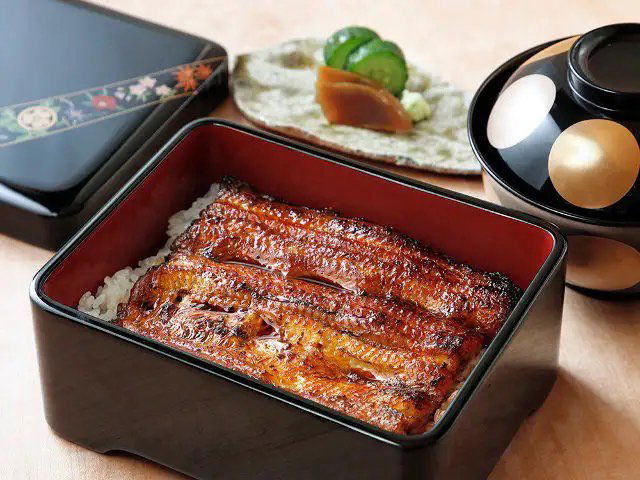
The format is prix fixe, which means you are committing to a set progression of eel preparations rather than ordering à la carte. The award notes document several of those preparations: kabayaki, eel dipped in soy-based sauce and grilled, served in a bun in the manner of a hamburger; shioyaki, the salt-broiled preparation, finished with plum pulp and yuzu-kosho; an eel simmered in wine that draws on French technique; and unaju, the classic lacquered-box rice dish, executed here with what the Michelin documentation describes as skill developed at veteran eel restaurants. Each preparation works a different angle on the same ingredient, which is the point. The kitchen is treating eel the way a focused kaiseki chef treats a seasonal protein, as a subject with depth rather than a single dish to be delivered and done.
The French-influenced preparation is the clearest signal of the chef's intent. Wine-braised eel is not a traditional Japanese format, and its presence on the menu suggests a kitchen that spent time working in French kitchens and is comfortable translating that experience into Japanese ingredient work. For a special occasion dinner, that kind of confidence with cross-cultural technique tends to produce more interesting eating than venues that stick entirely to convention. It also means Unagi Tokito occupies a slightly different position from heritage eel specialists like Nodaiwa Azabu Iikura Honten, which is the reference point for traditional preparation in this part of Tokyo, or Hatsuogawa and Mejiro Zorome, which are worth considering if you want a more classic register. Ginza Yondaime TAKAHASHIYA and Watabe are also useful comparisons if your interest is in how different kitchens handle the same ingredient at similar price tiers.
It implies consistent execution without the polarising reactions that sometimes accompany more experimental tasting menus. The Michelin Plate backs that reading: this is a kitchen doing its work carefully, even if it has not yet reached the level where starred recognition would follow.
For a special occasion in Azabu-Juban, the combination of a focused format, Michelin-recognized quality, and a ¥¥¥ price tier positions Unagi Tokito well against the neighbourhood's broader dining options. It is a more interesting dinner than a generalist Japanese restaurant at the same price, and it gives the meal a clear identity, which matters when you are marking a date or a celebration. If you are travelling across Tokyo specifically for eel, Nodaiwa remains the more established benchmark, but Unagi Tokito earns its place as the contemporary alternative in the same neighbourhood.
For broader context on dining across Japan, Pearl covers HAJIME in Osaka, Gion Sasaki in Kyoto, akordu in Nara, Goh in Fukuoka, 1000 in Yokohama, and 6 in Okinawa. For eel specifically outside Tokyo, Ike Edoyakiunagi Asahitei in Nara and Kanesho in Kyoto are the two venues worth knowing.
Ratings at a Glance
- Michelin: Plate 2025
Booking
Booking at Unagi Tokito is currently rated Easy. For a prix fixe restaurant with Michelin recognition in Azabu-Juban, booking 1–2 weeks out should be sufficient for most dates, though weekend evenings and public holidays in Tokyo fill faster across all Michelin-listed venues. For a special occasion with a fixed date, aim for 2–3 weeks to avoid any uncertainty.
Practical Details
Address: AZABUMAISON 201, 2-5-11 Azabu-Juban, Minato City, Tokyo 106-0045. Price tier: ¥¥¥ (prix fixe format, confirm current menu pricing at reservation). Format: Prix fixe tasting menu, eel-focused. Dress: No dress code is documented; smart casual is appropriate for a Michelin Plate restaurant at this price tier. Reservations: Easy booking difficulty, 1 to 2 weeks out is typically sufficient; book earlier for weekends or fixed occasion dates. Leading for: Special occasions, date dinners, solo diners interested in a focused format, food-focused travellers wanting a contemporary take on a traditional Japanese ingredient.
How It Compares
See the comparison section below for how Unagi Tokito sits against other Tokyo venues at the ¥¥¥¥ tier and across cuisine types.
Explore More in Tokyo
- Our full Tokyo restaurants guide
- Our full Tokyo hotels guide
- Our full Tokyo bars guide
- Our full Tokyo wineries guide
- Our full Tokyo experiences guide
Planning details
- Location
- Japan, 〒106-0045 Tokyo, Minato City, Azabujuban, 2 Chome−5−11 AZABUMAISON 201
- Website
- tokitou-unagi.jp
- Phone
- +81 3-6812-9671
The take
The Take
The Vibe
Unagi Tokito positions itself as a focused, idea-driven eel house in Azabu-Juban that treats tradition as a starting point for experimentation. The kitchen runs a tight prix fixe that repeats the same primary ingredient across varied preparations, moving between Kanto-style kabayaki and crossovers that borrow French technique. The writing frames the room as quietly confident and deliberately restrained: the point here is precision rather than theatrical reinvention. Recognition from the Michelin guide reinforces the sense of craft, and the overall character reads as a disciplined reinterpretation of a centuries-old Tokyo specialty rather than a flashy new concept.
Best For
Choosing between lunch and dinner is the defining practical decision for a visit. Lunch aligns with Tokyo's working-lunch logic: efficient, purpose-driven and built for regulars who want high-quality unagi without lingering. The menu at midday keeps the tempo brisk while still cycling through core preparations. Dinner loosens that tempo and broadens the value proposition, letting the prix fixe explore more inventive pairings and plated moments. For a single classic hit, the unajū and kabayaki present familiar forms; for a fuller sense of the kitchen’s argument, book the prix fixe service at the meal that matches how much time and curiosity you have.
Ordering Tips
Treat the prix fixe as the clearest way to understand Tokito’s point of view: it threads a single ingredient through multiple preparations and highlights how the kitchen alternates between traditional and French-inflected technique. If you want a canonical experience, order the unajū or the lacquered kabayaki to sample the classic Kanto finish; if you’re curious about the restaurant’s playful side, look for the bun-style presentation (the unagi burger) mentioned among the house signatures. Above all, pick the service—lunch for an efficient, focused meal; dinner for a more exploratory tasting—before you book.
Venue details
Ambiance
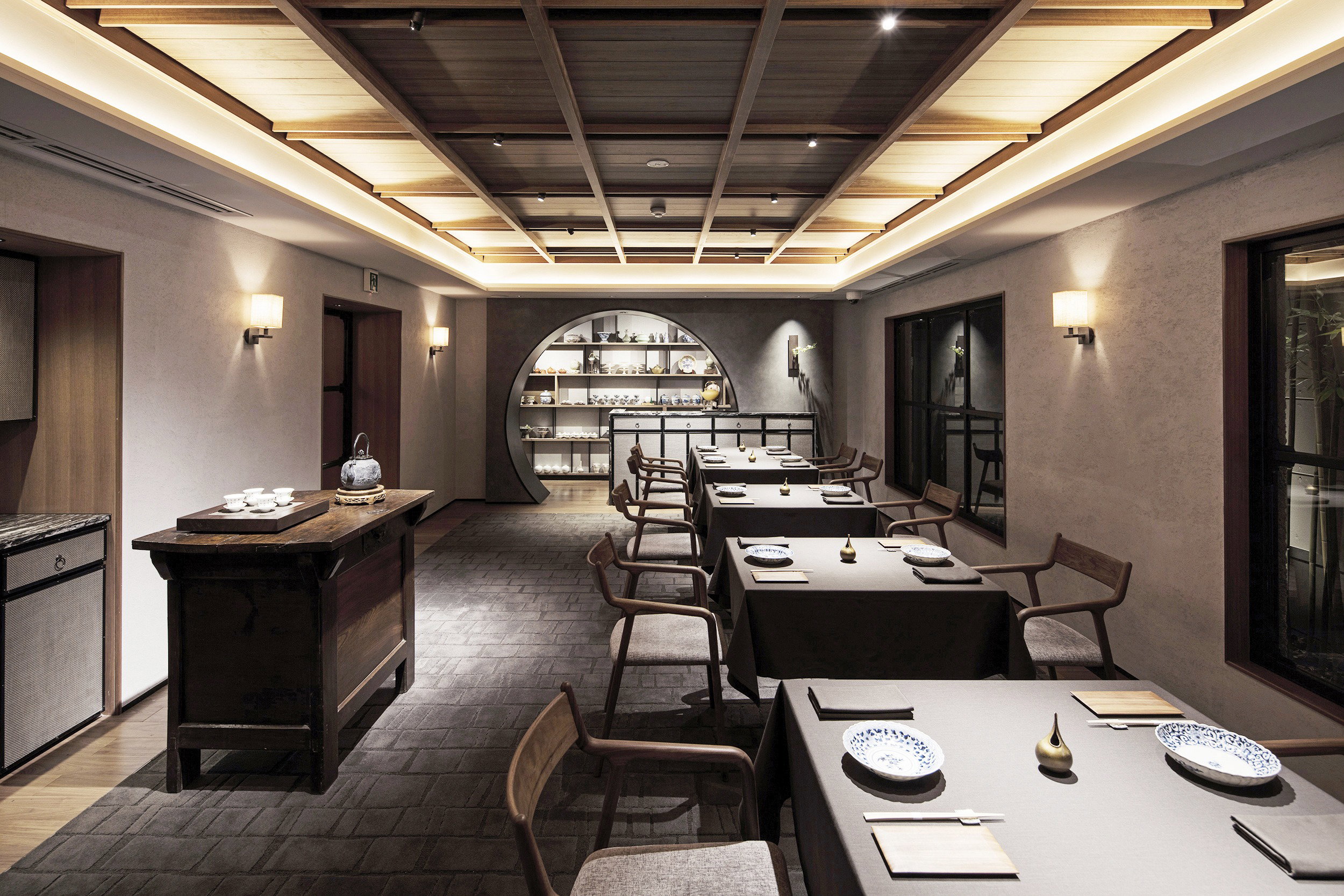
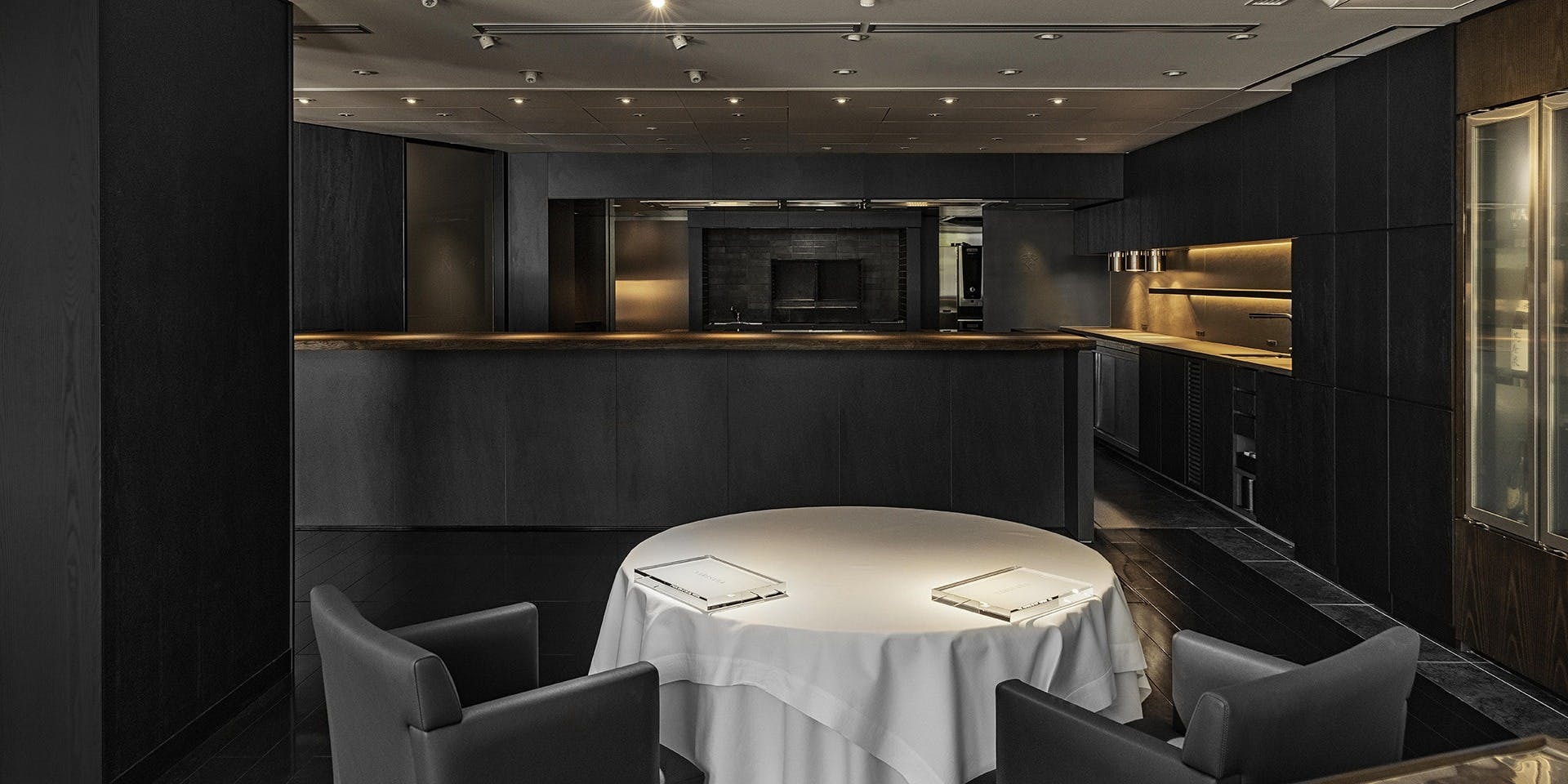
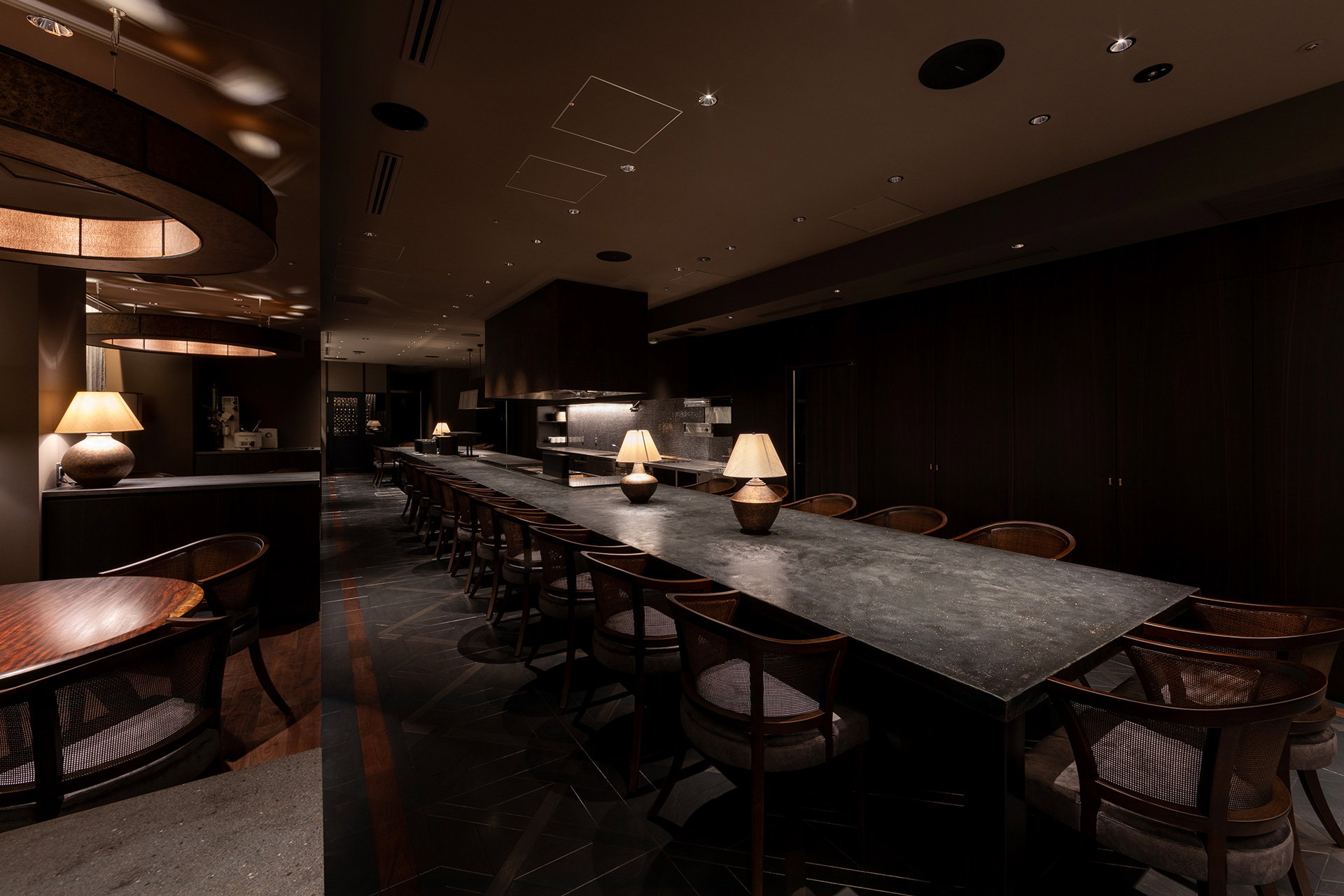
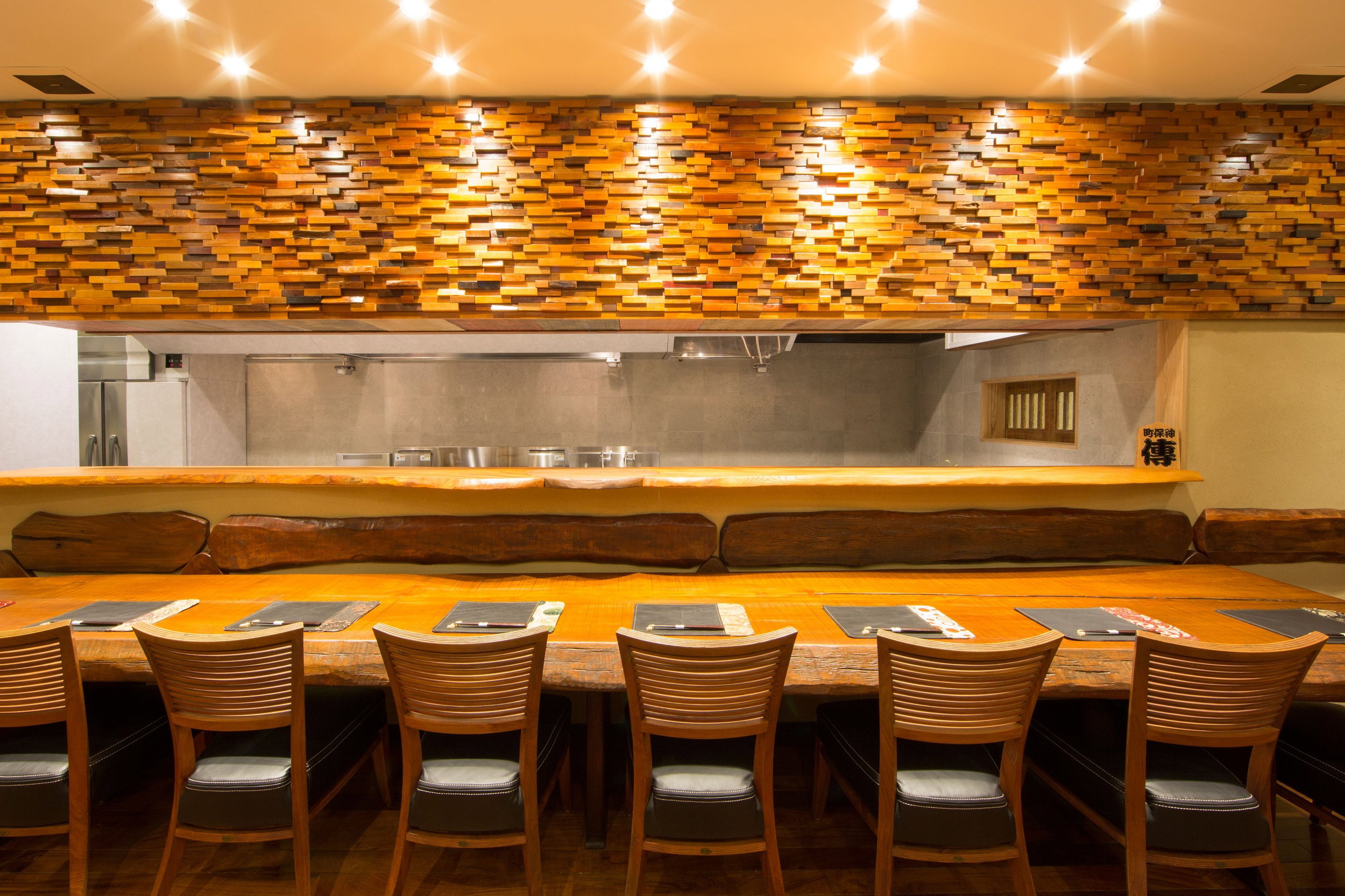
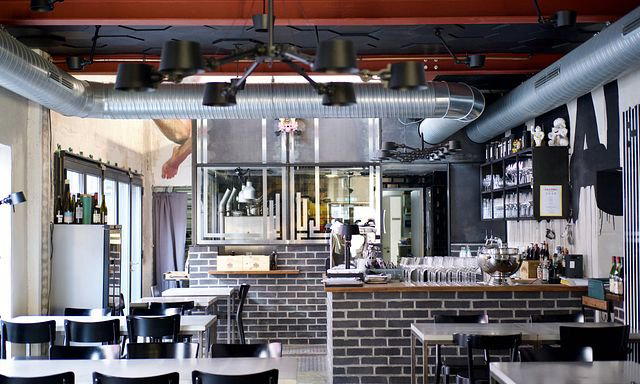
Cozy counter seating in front of the charcoal grill creates a warm, intimate atmosphere with a stylish and relaxing space.
Tags
Vibe
Best For
Experience
At the Table
- Dress Code
- Smart Casual
- Noise Level
- Quiet
- Service Style
- Upscale Casual
- Meal Pacing
- Leisurely
- Capacity
- Intimate
Signature Dishes
- unagi burger
- unajyu
- kabayaki
Know before you go
Know Before You Go
- Getting there
- Japan, 〒106-0045 Tokyo, Minato City, Azabujuban, 2 Chome−5−11 AZABUMAISON 201
Planning details
Location
Japan, 〒106-0045 Tokyo, Minato City, Azabujuban, 2 Chome−5−11 AZABUMAISON 201 · Directions
Recognition and awards

Also consider
Also Consider
- Harutaka, Sushi, ¥¥¥¥
- L'Effervescence, French, ¥¥¥¥
- RyuGin, Kaiseki, Japanese, ¥¥¥¥
- HOMMAGE, Innovtive French, French, ¥¥¥¥
- Crony, Innovative, French, ¥¥¥¥
Restaurant context
Unagi Tokito sits at ¥¥¥ with a 2025 Michelin Plate, which puts it at a noticeably lower price point than most of its named peers in Tokyo. RyuGin (kaiseki, ¥¥¥¥) and L'Effervescence (French, ¥¥¥¥) are both operating at a higher spend level with multiple Michelin stars and correspondingly more demanding booking windows. If your priority is a fully realized tasting menu at Tokyo's highest level, those venues deliver more, but at meaningfully higher cost and with harder reservation access. Unagi Tokito's value case is straightforward: focused, Michelin-recognized cuisine at a ¥¥¥ price rather than ¥¥¥¥.
For creative cooking with cross-cultural influence at the ¥¥¥¥ tier, HOMMAGE (innovative French, ¥¥¥¥) and Crony (innovative French, ¥¥¥¥) offer broader menus with more range across ingredients. If you want a special occasion dinner that is not committed to a single protein, either of those is a stronger call. But if eel is the reason you are booking, or if you want a dinner that has a clear, identifiable concept, Unagi Tokito's focus is a feature rather than a limitation.
Harutaka (sushi, ¥¥¥¥) is the best comparison for a single-ingredient tasting format at a higher price tier: if you want that level of focus and refinement applied to fish at ¥¥¥¥ spend, Harutaka is the reference. For the same eel category specifically, Nodaiwa Azabu Iikura Honten is the traditional standard-bearer in the same neighbourhood. Choose Nodaiwa for heritage and classical execution; choose Unagi Tokito if you want the contemporary, prix fixe interpretation of the same ingredient.
Explore Tokyo
Around this place
Discover more on Pearl
Unlock the full Unagi Tokito guide in Pearl, including awards, comparisons, FAQs, planning details, and nearby places.
Compare Unagi Tokito
| Venue | Cuisine | Price | Awards | Booking Difficulty |
|---|---|---|---|---|
| Unagi Tokito | Unagi / Freshwater Eel | ¥¥¥ | 2026 OAD Top Restaurants in Japan Recommended2026 Michelin Plate2025 Michelin PlateTabelog 100 - Unagi - 2024 · #55 | Easy |
| Harutaka | Sushi | ¥¥¥¥ | 2026 Tabelog Silver · #312026 OAD Top Restaurants in Japan Ranked · #1282026 Michelin 3 Stars2026 La Liste Top RestaurantsTabelog 100 - Sushi - TOKYO - 2025 · #372025 Asia's 50 Best Restaurants · #762025 OAD Top Restaurants in Japan Ranked · #1172025 La Liste Top Restaurants2025 Tabelog Bronze | Unknown |
| L'Effervescence | French | ¥¥¥¥ | 2026 Tabelog Silver · #682026 OAD Top Restaurants in Japan Ranked · #103Star Wine Lists 20262026 Black Pearl 2 Diamond2026 Relais Chateaux Restaurants2026 La Liste Top Restaurants2026 Michelin 3 Stars2025 Asia's 50 Best Restaurants · #692025 OAD Top Restaurants in Japan Ranked · #92 | Unknown |
| RyuGin | Kaiseki, Japanese | ¥¥¥¥ | 2026 OAD Top Restaurants in Japan Ranked · #802026 Tabelog Bronze · #3772026 Michelin 3 Stars2026 La Liste Top RestaurantsTabelog 100 - Japanese cuisine - TOKYO - 2025 · #212025 OAD Top Restaurants in Japan Ranked · #542025 Michelin 3 Stars2025 La Liste Top Restaurants2025 The Best Chef Three Knives | Unknown |
| HOMMAGE | Innovtive French, French | ¥¥¥¥ | 2026 Tabelog Bronze · #1232026 OAD Top Restaurants in Japan Highly Recommended2026 Michelin 2 StarsTabelog 100 - French - TOKYO - 2025 · #762025 Asia's 50 Best Restaurants · #782025 OAD Top Restaurants in Japan Ranked · #1752025 Michelin 2 Stars2025 The Best Chef One Knife2025 La Liste Top Restaurants | Unknown |
| Crony | Innovative, French | ¥¥¥¥ | 2026 Asia's 50 Best Restaurants · #34Star Wine Lists 20262026 OAD Top Restaurants in Japan Recommended2026 Michelin 2 Stars2025 Asia's 50 Best Restaurants · #30Tabelog 100 - French - TOKYO - 2025 · #782025 OAD Top Restaurants in Japan Ranked · #227We're Smart World Top Restaurants 20252025 Michelin 2 Stars | Unknown |












A quick look at how Unagi Tokito measures up.
FAQ
Frequently Asked Questions
What are alternatives to Unagi Tokito in Tokyo?
For creative single-ingredient tasting menus at the ¥¥¥ tier, Unagi Tokito has few direct rivals — most Tokyo eel restaurants are traditional donburi or kabayaki houses rather than prix fixe formats. If you want a broader Japanese tasting menu at a similar price point, HOMMAGE and Crony are worth considering. For a higher-commitment splurge, RyuGin takes Japanese cuisine further technically but at a significantly higher price tier.
Is Unagi Tokito good for solo dining?
Yes. A prix fixe format in a small Azabu-Juban restaurant suits solo diners well — you're there to follow the menu, not manage a shared table order. The ¥¥¥ price tier keeps the solo spend manageable relative to comparable Tokyo tasting menus. Book a counter seat if available for the better experience.
Can Unagi Tokito accommodate groups?
Groups larger than four are likely a poor fit. The restaurant is located in a residential apartment building (AZABUMAISON 201), which signals a compact space. Prix fixe format works naturally for pairs or small groups of three to four. For larger parties, a venue with a private dining room is a more practical choice.
Is the tasting menu worth it at Unagi Tokito?
Yes, if you want to eat eel beyond the standard kabayaki-on-rice format. The menu covers kabayaki in a bun, salt-grilled eel with plum and yuzu-kosho, eel cooked in wine, and unaju — a broader range than most eel specialists offer. At ¥¥¥, it earns a Michelin Plate (2025) and sits at a price point where the format feels proportionate to what's delivered.
How far ahead should I book Unagi Tokito?
One to two weeks out is the working guidance for a Michelin Plate restaurant in Azabu-Juban at this price tier. Booking is currently rated Easy, so last-minute slots may appear, but confirming a week or more ahead avoids the risk of losing a preferred date. Check reservation availability directly through the restaurant.
Is Unagi Tokito worth the price?
At ¥¥¥, yes — particularly for the format. A prix fixe built around a single ingredient, recognised by Michelin (Plate, 2025), in one of Tokyo's more low-key residential neighbourhoods is not a tourist-facing premium. Compared to higher-tier Tokyo tasting menus like RyuGin or L'Effervescence, the spend here is considerably lower for a genuinely composed menu.
Is Unagi Tokito good for a special occasion?
It works for a low-key special occasion between two people who want a focused, thoughtful meal rather than a grand formal production. The Azabu-Juban address and prix fixe format carry some ceremony, but this is not a full-dress celebration restaurant in the way RyuGin or L'Effervescence would be. Think: anniversary dinner for two, not a birthday party.