
Kanesho
Unagi / Freshwater Eel · Higashiyama, Kyoto
Restaurant in Kyoto, Japan
 Book with Pearl
The Read
Edo-Lineage Eel Specialist
Price
¥
Why go
A Michelin Bib Gourmand unagi specialist in Higashiyama with roots stretching back to the Edo period. At the ¥ price tier, it delivers one of Kyoto's clearest value propositions: the fourth-generation chef's kinshi-don is specific to this kitchen, two consecutive Bib Gourmand awards confirm the quality-to-price ratio. Book two to three weeks ahead during peak season.
About Kanesho
Is Kanesho worth booking for a special meal in Kyoto?
Yes; and if unagi is on your list for this trip, Kanesho is the address to go to in Higashiyama. The short answer: two consecutive Michelin Bib Gourmand awards (2024 and 2025), a founding lineage stretching back to the Edo period, a signature dish invented by the fourth-generation chef that you will not find replicated elsewhere. At the ¥ price tier, this is one of the clearest value propositions on Pearl's full Kyoto restaurants guide.
What Kanesho is, why this corner of Higashiyama matters
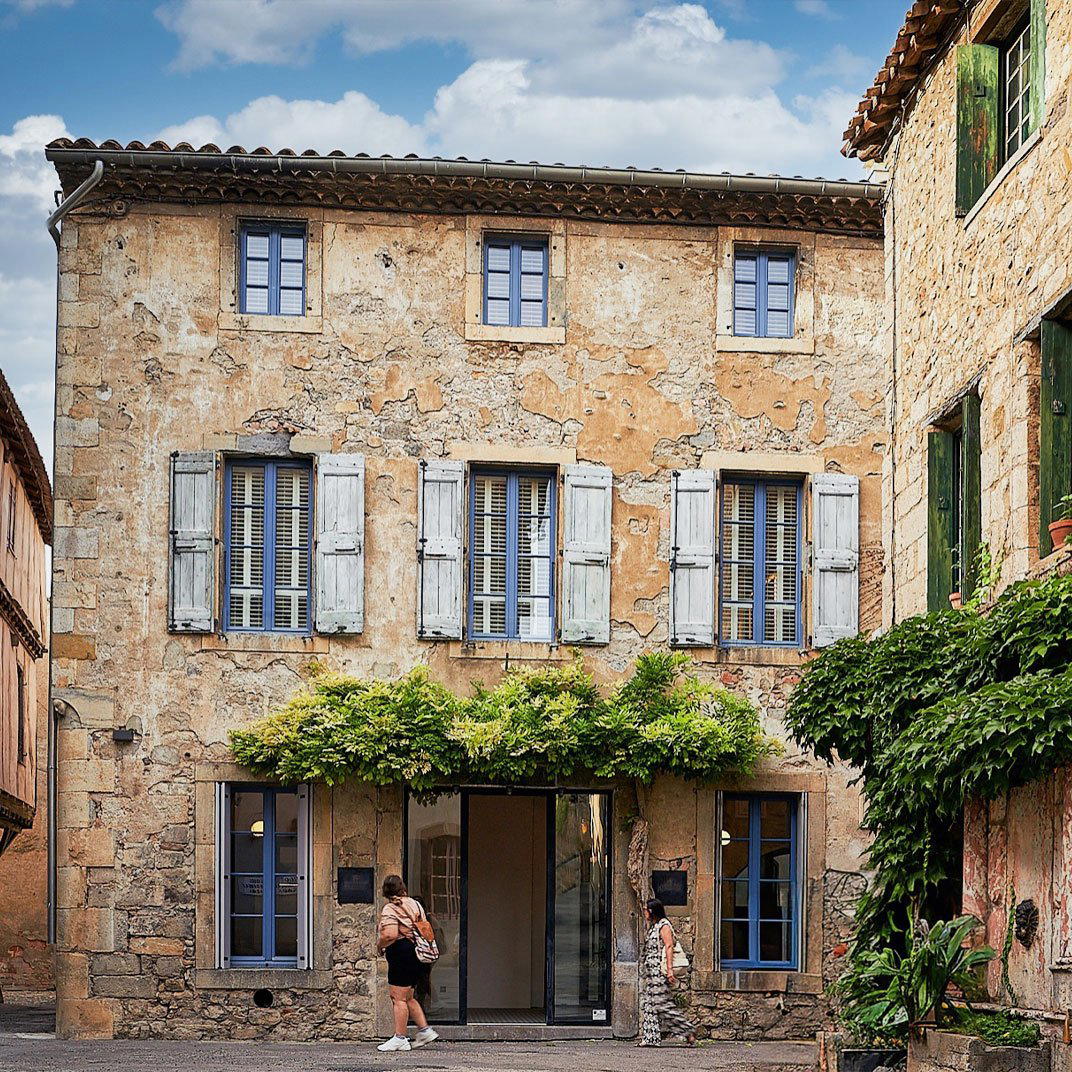
Kanesho sits at the end of a narrow alley in Higashiyama Ward; a lane so slim and elongated it mirrors the shape of an eel, which feels fitting. The entrance is marked by a noren bearing a leaping eel motif, the kind of visual shorthand that has guided regulars to the door for generations. This is not a restaurant that arrived recently to capitalise on Kyoto tourism; it has been part of the neighbourhood's working fabric since the close of the Edo period, when it operated as a wholesaler of river fish.
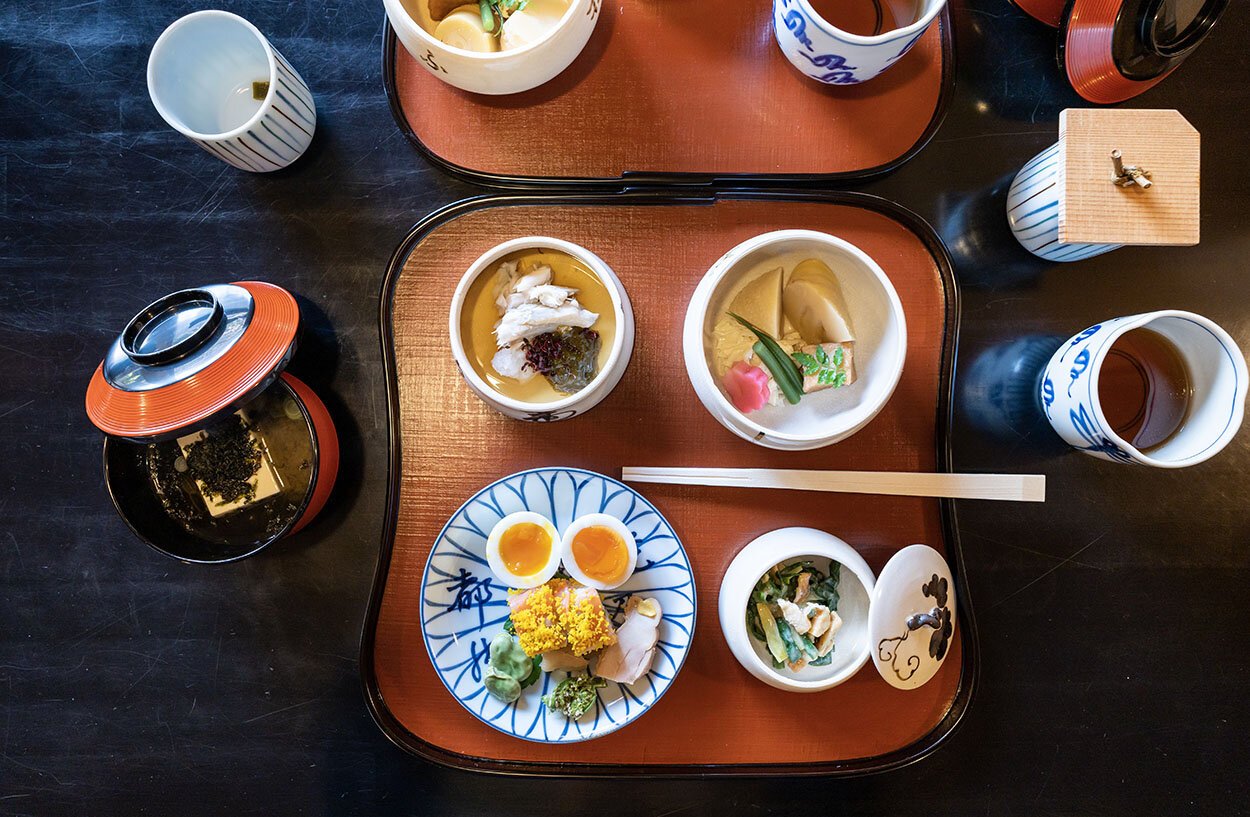
That history matters to the dining experience in a practical sense. The kitchen's relationship with freshwater eel is not decorative, it is foundational. The menu has been shaped across generations of hands-on expertise, the two dishes most associated with Kanesho reflect that depth. Kinshi-don, created by the fourth-generation chef, layers finely sliced omelette (kinshitamago) over eel rice in the tradition of Kyoto chirashizushi and steamed sushi. It is a dish specific to this city's culinary grammar, this kitchen is credited with originating its current form. Ochazuke Eel takes a different register: eel simmered in dipping sauce, then drenched in green tea, producing something refreshing and quieter in flavour than the richer preparations that dominate unagi elsewhere in Japan.
For a special-occasion meal, the setting and format suit a focused, unhurried lunch or dinner for two. The alley approach and the noren entrance give the arrival a sense of ceremony without demanding formal dress or the kind of advance choreography associated with high-end kaiseki. If your goal is a genuinely memorable Kyoto meal at a price that does not require the same planning as a reservation at Hyotei or Isshisoden Nakamura, Kanesho delivers that combination reliably.
Booking Kanesho: when to plan ahead
Booking difficulty is rated Easy, which means Kanesho does not require the months-out planning that defines the kaiseki tier in Kyoto. That said, the Bib Gourmand recognition has increased visibility, the restaurant's small-alley location limits capacity. For a weekend lunch during peak sakura season (late March to mid-April) or autumn foliage season (mid-October to late November), booking at least two to three weeks out is sensible. For weekday visits outside those windows, a week's notice is generally sufficient. If you are building an itinerary around Higashiyama, consider pairing this with a stop at Okuniya Mambei in the same neighbourhood.
For the broader Kyoto unagi category, Kyogoku Kaneyo is the other established name worth knowing. Both carry serious credentials, but Kanesho's Higashiyama setting and the kinshi-don distinction make it the stronger call for first-timers who want a meal tied to a specific place.
Price, value, how Kanesho sits in the Kyoto market
At the ¥ tier, Kanesho is among the most price-accessible Michelin-recognised restaurants in the city. Compare that against the ¥¥¥¥ outlay required at Gion Sasaki or Kyokaiseki Kichisen, and the value case becomes clear: Bib Gourmand recognition signals that the Michelin inspectors found quality worth recommending at a price point that does not demand a special budget. For travellers visiting from other Japanese cities, the standard set by Nodaiwa Azabu Iikura Honten and Ginza Yondaime TAKAHASHIYA in Tokyo gives useful context: Kanesho occupies a similar tier of specialist unagi credibility, but with a specifically Kyoto character in the preparations. Pearl's Kyoto guide covers additional options across price tiers if your group has mixed preferences.
Who should book, who should look elsewhere
Book Kanesho if: you want a focused, historically grounded unagi meal in one of Kyoto's most atmospheric wards; you are travelling as a pair and want a meal that feels considered without the formality or cost of kaiseki; or you want to try a dish, kinshi-don, that is genuinely specific to this kitchen's history. The Bib Gourmand at ¥ pricing also makes this a strong option for solo travellers or those watching spend after splurging elsewhere on the trip.
Look elsewhere if: your priority is a full multi-course tasting experience, where kaiseki specialists like Hyotei or Gion Sasaki are the right frame. If you want to explore Japanese regional cooking beyond Kyoto on the same trip, Pearl's guides to HAJIME in Osaka, akordu in Nara, and Goh in Fukuoka are worth consulting alongside the Kyoto hotels guide and bars guide for the full picture.
Ratings at a glance
- Michelin Bib Gourmand: 2024, 2025
- Price tier: ¥
- Booking difficulty: Easy
Can I eat at the bar at Kanesho?
The venue database does not confirm a bar counter format. Traditional unagi-ya restaurants in Japan typically seat diners at tables rather than a counter. Check directly with the restaurant for current seating arrangements, particularly if you are a solo diner wanting a counter seat.
Is Kanesho good for solo dining?
Yes. At the ¥ price tier, Kanesho is one of the more accessible Michelin Bib Gourmand options in Kyoto for a solo meal. The focused menu and specialist format mean there is no pressure to order extensively, the neighbourhood setting in Higashiyama is well-suited to a solo itinerary. For solo unagi dining in Tokyo as a comparison point, Nodaiwa Azabu Iikura Honten operates in a similar specialist register.
What should a first-timer know about Kanesho?
Three things: the kinshi-don is the dish most associated with this kitchen and the reason most first-timers make the trip; the Bib Gourmand recognition (2024 and 2025) means the quality-to-price ratio has been validated by Michelin inspectors; and the alley entrance means you need to look for the leaping eel noren rather than a street-facing shopfront. Book two to three weeks ahead if visiting during cherry blossom or autumn foliage season. See Pearl's Kyoto experiences guide for what to pair with a visit to Higashiyama Ward.
What are alternatives to Kanesho in Kyoto?
Within Kyoto's unagi category, Kyogoku Kaneyo is the closest peer. For a step up in format and price, kaiseki specialists Hyotei and Isshisoden Nakamura serve the full multi-course format at ¥¥¥¥. If the draw is Higashiyama and a neighbourhood meal rather than specifically unagi, Okuniya Mambei is worth considering. Pearl's full Kyoto restaurants guide covers the wider field.
Is the tasting menu worth it at Kanesho?
Kanesho is a specialist unagi-ya, not a tasting-menu restaurant, the format is a focused à la carte or set meal rather than a multi-course progression. At ¥ pricing with Bib Gourmand recognition, the value is in the quality of the core dishes (kinshi-don and ochazuke eel) rather than a lengthy tasting arc. If a tasting menu format matters to you, look at Gion Sasaki or Harutaka in Tokyo for reference-level omakase and kaiseki respectively.
Planning details
- Location
- 155 Tokiwacho, Higashiyama Ward, Kyoto, 605-0079, Japan
- Phone
- +81 75-532-5830
The take
The Take
The Vibe
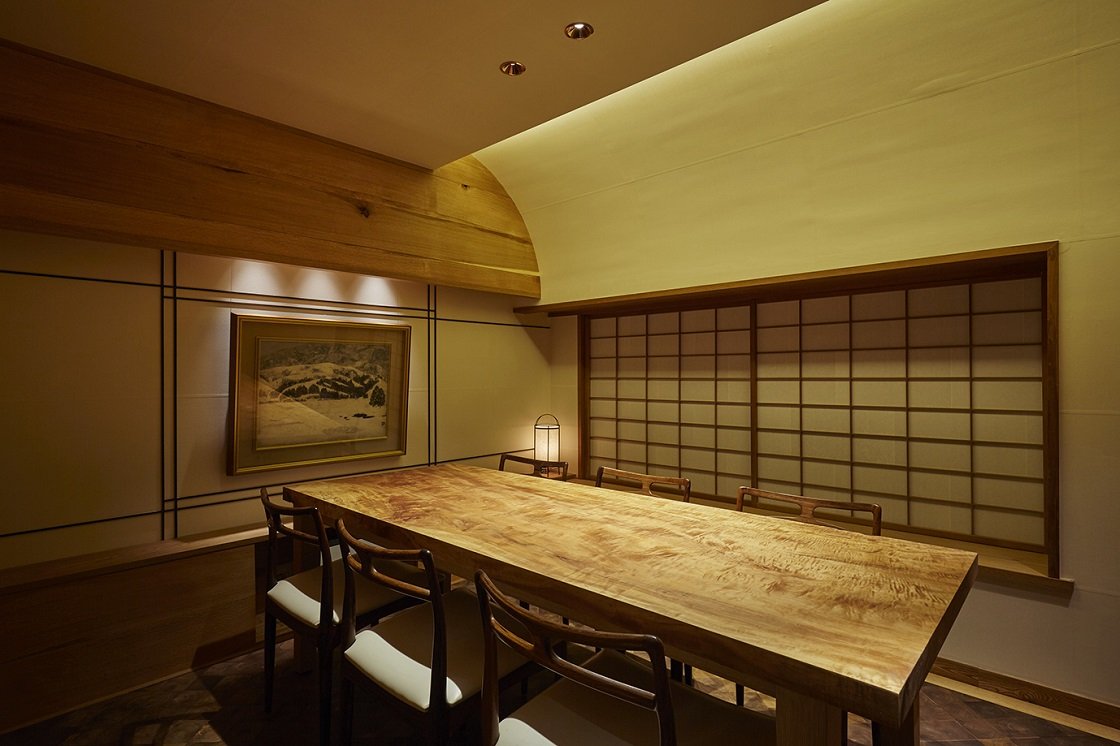
Kanesho presents itself through an intentional approach: a long, narrow alley and a noren stamped with a leaping eel announce a place rooted in history. The tone is quietly ceremonial rather than theatrical — this is a specialist unagi shop that trades on technique and tradition more than on room design or service flourishes. The address reads like a Kyoto institution: discreet, time‑tested and deliberately modest. A Michelin Bib Gourmand nod confirms that the restaurant’s merit lives in its cooking; the experience is about disciplined flavors and continuity rather than spectacle.
Best For
Kanesho suits diners who come for the cuisine first. Its working‑neighbourhood character and discreet approach make it ideal for quiet date nights and solo meals where the focus is on classic Kyoto eel preparations rather than a raucous evening out. The restaurant’s modest, single‑¥ pricing and Bib Gourmand recognition signal serious value for those seeking an authentic specialist experience. Visitors who appreciate lineage and restrained presentation — people curious about Kyoto’s eel tradition — will find the setting and menu rewarding.
Ordering Tips
Order the house signatures: Kinshi‑don and the Unagi Don (including the eel-with-egg preparation). The menu explicitly highlights those two preparations as the kitchen’s arguments, and the kinshi‑don in particular showcases Kyoto’s kinshitamago technique — shredded egg layered with eel over rice — so it’s an instructive dish for first‑time diners. Given the restaurant’s specialist focus, prioritize the signature preparations rather than seeking elaborate accoutrements; the point of visit is the eel and its local, generational execution.
Venue details
Ambiance
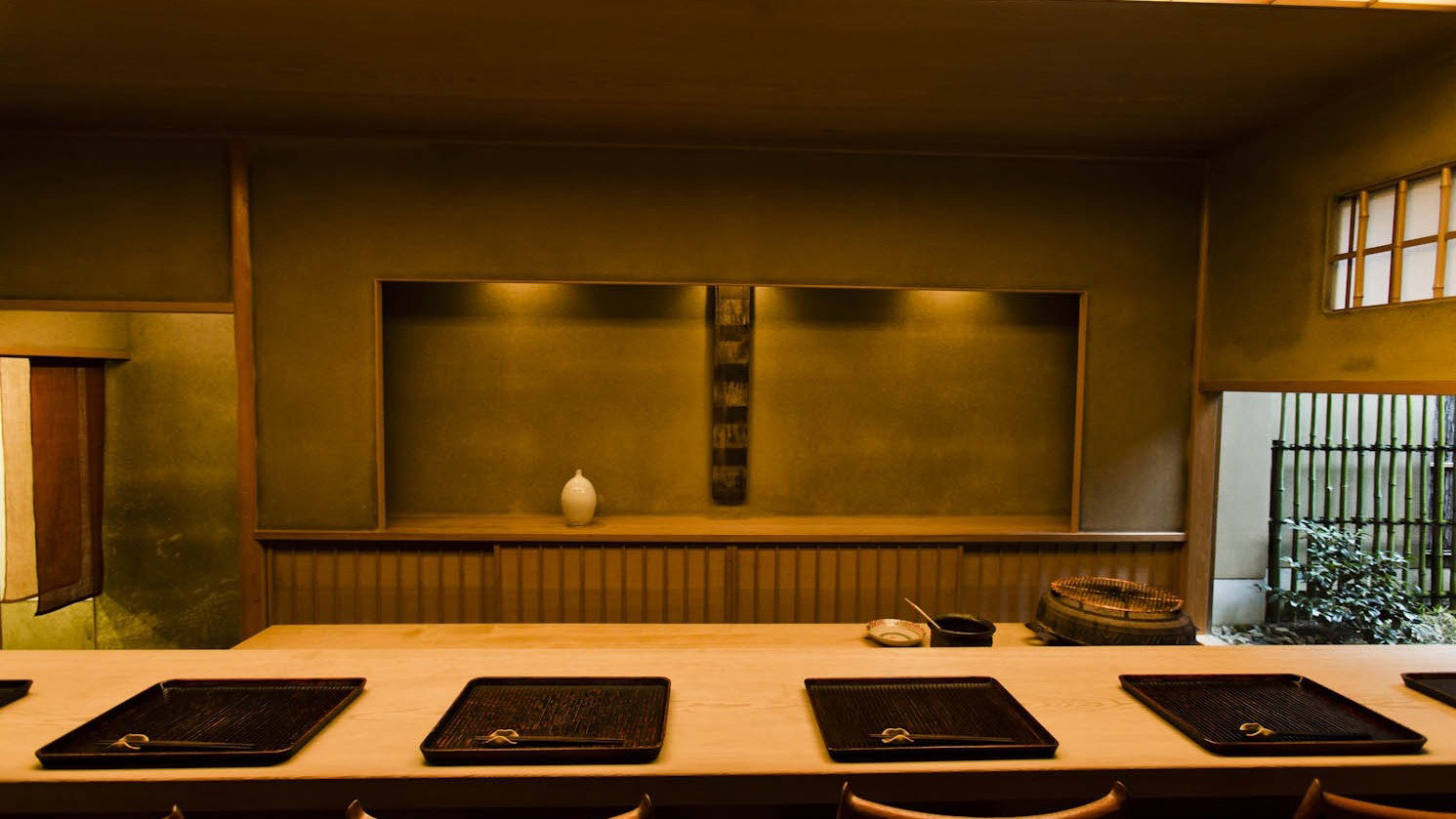
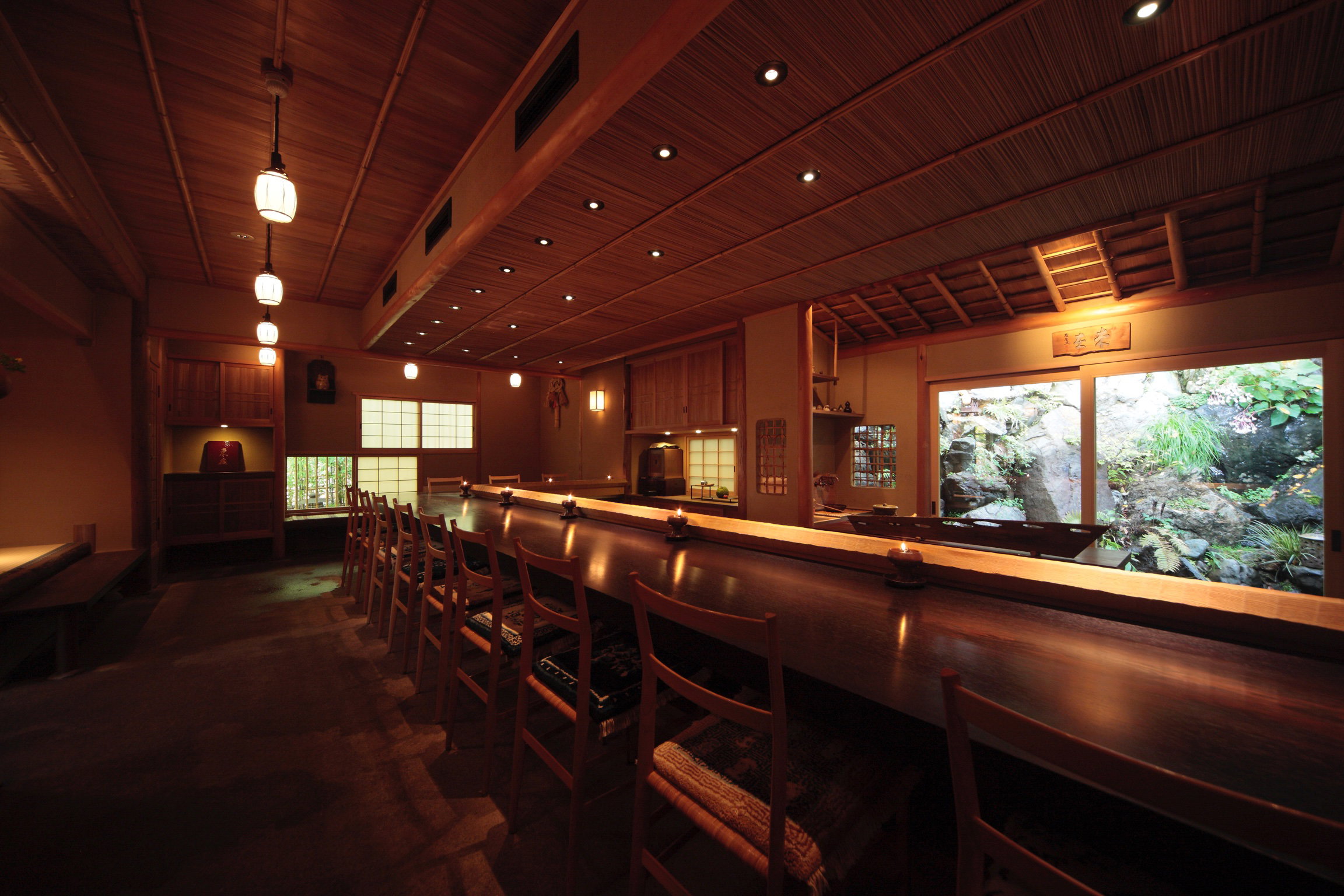
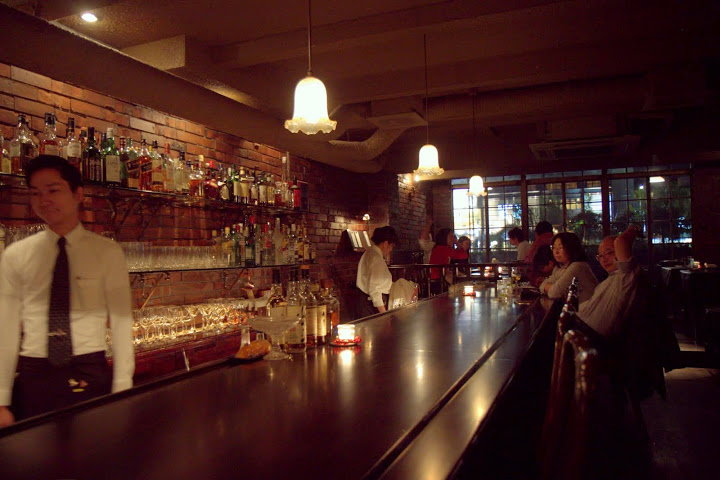
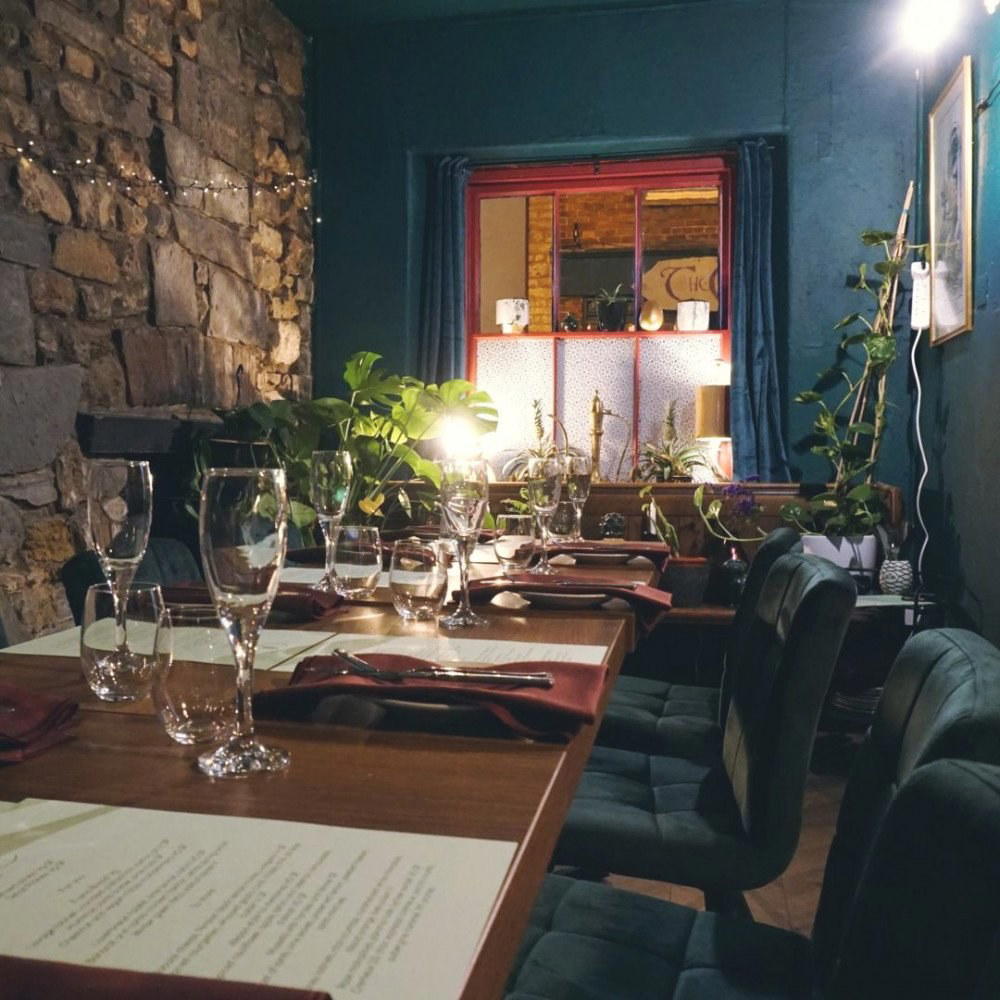
Cozy and warm with counter seating facing an open kitchen, minimalist interior, subtle lighting, and a hushed, tranquil atmosphere.
Tags
Vibe
Best For
Experience
At the Table
- Noise Level
- Quiet
- Service Style
- Casual
- Meal Pacing
- Standard
- Capacity
- Intimate
Signature Dishes
- Kinshi-don
- Unagi Don
- Eel with Egg
Planning details
Location
155 Tokiwacho, Higashiyama Ward, Kyoto, 605-0079, Japan · Directions
Recognition and awards
Also consider
Also Consider
- Gion Sasaki; Kaiseki, Japanese, ¥¥¥¥
- cenci; Italian, ¥¥¥
- Ifuki; Kaiseki, ¥¥¥¥
- Kyokaiseki Kichisen; Japanese, ¥¥¥¥
- Kyo Seika; Chinese, ¥¥¥
Restaurant context
Kanesho sits in a different bracket from most of Kyoto's celebrated dining names. The comparison venues on Pearl's Kyoto guide; Gion Sasaki, Ifuki, and Kyokaiseki Kichisen; all operate at ¥¥¥¥ in the kaiseki format, where multi-course meals and lengthy reservation lead times are standard. Kanesho asks for neither. At ¥ with a Bib Gourmand, it occupies a tier where Michelin-verified quality meets genuinely accessible pricing. If your trip includes one high-spend kaiseki booking, Kanesho makes sense as the affordable counterweight; a specialist meal with real historical depth that will not strain a travel budget.
Against the mid-tier options, cenci (Italian, ¥¥¥) and Kyo Seika (Chinese, ¥¥¥) both offer broader menus and more varied formats, but neither carries the neighbourhood-anchor quality that makes Kanesho specific to Higashiyama and to Kyoto. If your priority is a meal that reflects where you are, Kanesho wins that comparison. If you want more courses or a wine-pairing format, cenci is the stronger call at ¥¥¥.
For the solo traveller or couple deciding between a series of affordable specialist meals versus one kaiseki splurge: Kanesho pairs well with a longer Kyoto stay. It is the kind of booking that adds texture to an itinerary built around multiple focused meals rather than one centrepiece dinner. Against the kaiseki tier, the decision comes down to format preference; Kanesho does not try to compete on breadth, it should not. On value for what it is, it is the clearest recommendation at its price point in the city.
Explore Kyoto
Around this place
Discover more on Pearl
Unlock the full Kanesho guide in Pearl, including awards, comparisons, FAQs, planning details, and nearby places.
Compare Kanesho
| Venue | Awards | Price |
|---|---|---|
| Kanesho | Michelin Guide Kyoto Osaka 20262026 Bib Gourmand2025 Michelin Bib Gourmand2024 Michelin Bib Gourmand | ¥ |
| Gion Sasaki | 2026 Tabelog Bronze · #3862026 OAD Top Restaurants in Japan RecommendedMichelin Guide Kyoto Osaka 20262026 La Liste Top RestaurantsTabelog 100 - Japanese cuisine - WEST - 2025 · #132025 OAD Top Restaurants in Japan Ranked · #2462025 Tabelog Silver2025 Michelin 3 Stars2025 La Liste Top Restaurants | ¥¥¥¥ |
| cenci | 2026 Tabelog Bronze · #442026 Asia's 50 Best Restaurants · #762026 OAD Top Restaurants in Japan Highly RecommendedMichelin Guide Kyoto Osaka 2026Tabelog 100 - Italian - WEST - 2025 · #632025 Asia's 50 Best Restaurants · #632025 OAD Top Restaurants in Japan Ranked · #1682025 Tabelog Bronze2024 OAD Top Restaurants in Japan Ranked · #135 | ¥¥¥ |
| Ifuki | 2026 OAD Top Restaurants in Japan Ranked · #1222026 Tabelog Bronze · #128Michelin Guide Kyoto Osaka 20262026 La Liste Top RestaurantsTabelog 100 - Japanese cuisine - WEST - 2025 · #622025 OAD Top Restaurants in Japan Ranked · #1002025 La Liste Top Restaurants2025 Tabelog Bronze2025 Michelin 2 Stars | ¥¥¥¥ |
| Kyokaiseki Kichisen | 2026 Tabelog Bronze · #1752026 OAD Top Restaurants in Japan Highly RecommendedMichelin Guide Kyoto Osaka 20262025 OAD Top Restaurants in Japan Ranked · #1862025 Michelin 2 Stars2025 La Liste Top Restaurants2024 OAD Top Restaurants in Japan Ranked · #1422024 Michelin 2 Stars2023 OAD Top Restaurants in Japan Ranked · #136 | ¥¥¥¥ |
| Kyo Seika | Tabelog 100 - Chinese cuisine - WEST - 2026 · #762026 Tabelog Bronze · #2162026 OAD Top Restaurants in Japan Recommended2026 Michelin 1 Star2025 OAD Top Restaurants in Japan Ranked · #3262025 Tabelog Bronze2024 OAD Top Restaurants in Japan Ranked · #3042024 Michelin Plate2024 Michelin 1 Star | ¥¥¥ |
.png?width=1200&quality=80)








.png?width=1200&quality=80)
Comparing your options in Kyoto for this tier.
FAQ
Frequently Asked Questions
Is Kanesho good for solo dining?
Yes; a focused single-dish specialist at the ¥ price tier is one of the better formats for solo diners in Kyoto. You are not committing to a long multi-course meal or a minimum spend. The narrow alley setting and compact size also tend to suit individual visitors more naturally than large groups.
What should a first-timer know about Kanesho?
Two things stand out: the kinshi-don is the dish to order; it is the signature developed by the fourth-generation chef, layered with thin-cut omelette strips in the Kyoto chirashizushi tradition. The ochazuke eel works if you want a lighter, broth-based finish. Kanesho has held two consecutive Michelin Bib Gourmands (2024 and 2025), so the quality is documented, but the format is casual and the price is at the ¥ tier; do not arrive expecting a kaiseki-level occasion.
What are alternatives to Kanesho in Kyoto?
For a higher-spend special occasion in Higashiyama, Gion Sasaki offers a very different proposition; creative kaiseki at a much higher price point. If you want Michelin-level value closer to the ¥ tier, Ifuki is another Bib Gourmand option worth comparing. Kanesho is the clearest choice specifically for unagi in Kyoto; if eel is not the priority, the peer set broadens considerably.
Is the tasting menu worth it at Kanesho?
Kanesho is not documented as a tasting-menu format restaurant. The venue is an unagi specialist with a historic menu anchored by the kinshi-don and ochazuke eel; both are à la carte-style dishes rather than a sequenced chef's menu. At the ¥ price tier with two Michelin Bib Gourmands, the value case is strong precisely because you are paying for a focused, well-executed specialist meal rather than a long progression of courses.