.png?width=1200&quality=80)

Watabe
Unagi / Freshwater Eel · Bunkyō, Tokyo
Restaurant in Tokyo, Japan
 Book with Pearl
The Read
Franco-Japanese Eel Counter
Price
¥¥
Why go
Watabe holds a Michelin Bib Gourmand and for good reason: it runs two distinct menus under one roof; a classical unagi lunch anchored by the Enma-ju box, a French-inflected evening menu pairing kabayaki with foie gras and smoked eel with Brie de Meaux. At ¥¥, it delivers more range and technique than any rival at the same price tier in Tokyo's eel category.
About Watabe
The Verdict
If you are weighing up where to spend money on eel in Tokyo, Watabe is the clearest answer at the ¥¥ price tier. It does something few unagi restaurants attempt: a daytime menu anchored in classical Edo-style preparation and an evening menu that folds French technique into the same ingredient. Book it for lunch if you want a focused unagi experience; book it for dinner if you want to see what happens when kabayaki meets foie gras.
Background and Context
Watabe started life as a fishmonger in Bunkyo City, in the Koishikawa neighbourhood on the northwestern edge of central Tokyo. The transition from fish seller to restaurant came organically, as the owner's grilled eel drew enough attention that a dining room became the logical next step. That origin story matters in a practical sense: the sourcing instinct of a fishmonger, rather than the formula of a restaurant group, shaped how this kitchen thinks about the ingredient.
The address places it close to Genkaku-ji Temple, home to Konnyaku-Enma, a deity with a documented local following. The signature dish, Enma-ju, is named in direct tribute to that enshrined figure; a box of rice served with both shirayaki (eel grilled without seasoning, allowing the fish's natural flavour to carry the dish) and kabayaki (eel brushed and broiled in sweet sauce). That pairing in a single bento-style box is a useful decision in itself: you get both preparation styles without having to choose, which makes it an efficient way to benchmark the kitchen's technique across two distinct registers. For context on how other serious unagi kitchens approach the same ingredient, Nodaiwa Azabu Iikura Honten and Hatsuogawa represent the more traditional end of Tokyo's eel spectrum, while Ginza Yondaime TAKAHASHIYA sits at a higher price tier with a more formal dining room.
The Evening Menu and the French Dimension
The evening pivot at Watabe is where the editorial angle becomes genuinely useful for a food-focused traveller. The kitchen introduces a terrine of kabayaki and foie gras and a smoked eel preparation paired with Brie de Meaux, both dishes that treat the eel as a high-fat, richly flavoured ingredient capable of holding its own against classic French accompaniments. This is not fusion for its own sake. Kabayaki's lacquered sweetness and foie gras's fat profile are a logical pairing; the smoke in the Brie preparation echoes the grill character of the eel itself.
From a wine standpoint, this evening menu opens real possibilities. The French-inflected dishes suggest a range that a purely Japanese eel restaurant would not. A textured white Burgundy or a Loire Chenin with some age can bridge the smoky, sweet-savory notes of kabayaki; the foie gras terrine moves the pairing toward richer options. If you are someone who wants to think about what is in the glass as carefully as what is on the plate, the evening menu at Watabe gives you more to work with than almost any other unagi restaurant in Tokyo. For comparison, Unagi Tokito and Mejiro Zorome are worth knowing about if your itinerary allows for more than one eel-focused meal in the city.
Who This Is For
Watabe works for a specific type of traveller: someone who has done enough research to want more than the standard unagi lunch box, but who is not looking to spend ¥¥¥¥ for the privilege. It suits a solo diner or a pair exploring Tokyo's culinary range methodically, it fits naturally into an itinerary that already includes a kaiseki meal or a French-Japanese tasting menu. The French evening menu makes it a credible destination dinner in a way that most eel restaurants are not. If you are building a Tokyo food week, Watabe belongs in the middle of it, after you have calibrated your palate on simpler preparations, before you spend serious money at the top end of the market.
For solo diners, the format is well-suited: a focused menu, a neighbourhood setting, a kitchen with clear point of view are easier to appreciate without the logistical overhead of a group booking. For those exploring the broader Japan restaurant circuit, Kanesho in Kyoto and Ike Edoyakiunagi Asahitei in Nara offer points of comparison if unagi is a thread running through your trip.
Booking and Practical Details
Know Before You Go
- Address: 1 Chome-9-14 Koishikawa, Bunkyo City, Tokyo 112-0002
- Cuisine: Unagi / Freshwater Eel, with French-influenced evening menu
- Price range: ¥¥, accessible by Tokyo standards, notably strong value given Michelin recognition
- Awards: Michelin Bib Gourmand (2024)
- Booking difficulty: Easy, walk-ins may be possible, though advance reservations are advisable for evening sittings
- Dress code: Smart casual is appropriate; the neighbourhood and price tier do not require formal dress
- Leading for: Solo diners, pairs, food-focused travellers, wine-and-food itinerary builders
- Explore more: Full Tokyo restaurants guide | Tokyo hotels | Tokyo bars | Tokyo experiences
Regional Context
Watabe sits in a city with one of the world's highest concentrations of serious restaurants, which makes the Bib Gourmand recognition more meaningful than it would be elsewhere. Tokyo's unagi category is competitive and deeply traditional; most practitioners stay within Edo-period preparation conventions. Watabe's willingness to break from that convention in the evening, while honouring it at lunch, is an editorial decision that makes it more versatile than its peers at the same price tier. If your Japan trip extends beyond Tokyo, HAJIME in Osaka, Gion Sasaki in Kyoto, and akordu in Nara represent some of the more interesting dining options in the region, with Goh in Fukuoka, 1000 in Yokohama, and 6 in Okinawa rounding out the broader picture for travellers covering more ground.
Planning details
- Location
- 1 Chome-9-14 Koishikawa, Bunkyo City, Tokyo 112-0002, Japan
- Website
- unagiyawatabe.com
- Phone
- +81 3-3812-7448
The take
The Take
The Vibe
Watabe reads like a quietly accomplished neighbourhood specialty shop rather than a concept-driven destination. The restaurant grew organically from a fishmonger, and that origin shapes a kitchen that privileges craft over flourish. Service and setting lean modest and approachable, while the cooking—especially the grilled eel—feels precise and respectful of tradition. The Bib Gourmand nod signals value and consistently good execution, so the overall impression is of an unpretentious, almost old-school local spot where technique and ingredient quality do the talking more than decor or theatrics.
Best For
This is a go-to for anyone seeking serious unagi in Bunkyo City without the formality or price tag of century-old kabayaki houses. The menu supports both daytime and evening trade, so it suits lunch or dinner visits focused on eel as the main event. It’s particularly well suited to diners who want a focused, food-first experience—locals and visitors who prioritise carefully prepared grilled eel and a Michelin-recognised value rather than a lavish night out.
Ordering Tips
Prioritise the eel preparations: the restaurant’s reputation and backstory centre on the quality of its kabayaki-style grilling and handling of freshwater eel. The copy notes a distinct evening programme, so consider visiting for dinner if you want the more elevated or developed preparations the team offers after dark; daytime service follows a separate menu logic referenced in the description. Expect farmed domestic eel to be the standard offering at the ¥¥ price point and know that any wild-eel options would typically be flagged and priced separately.
Venue details
Ambiance
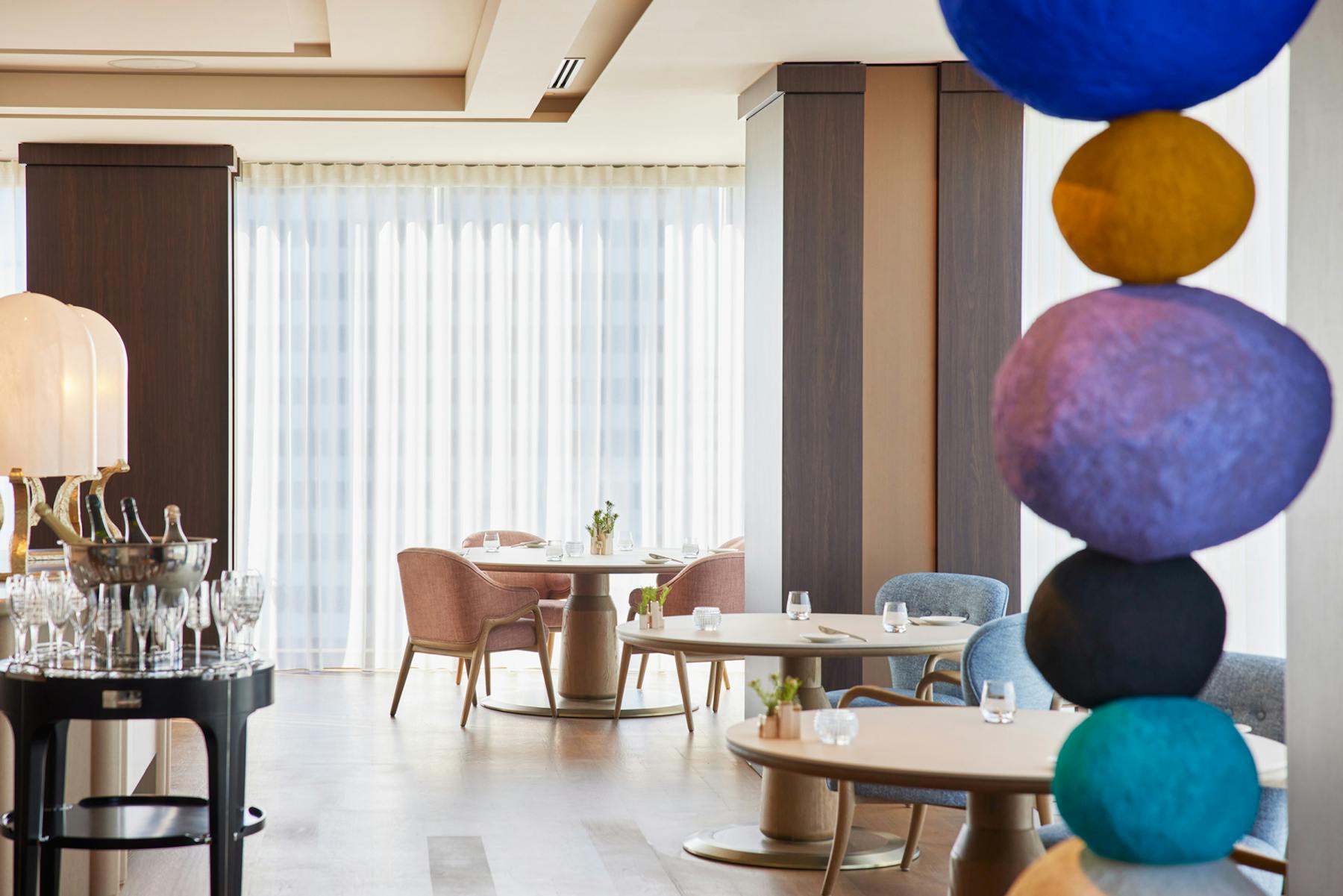
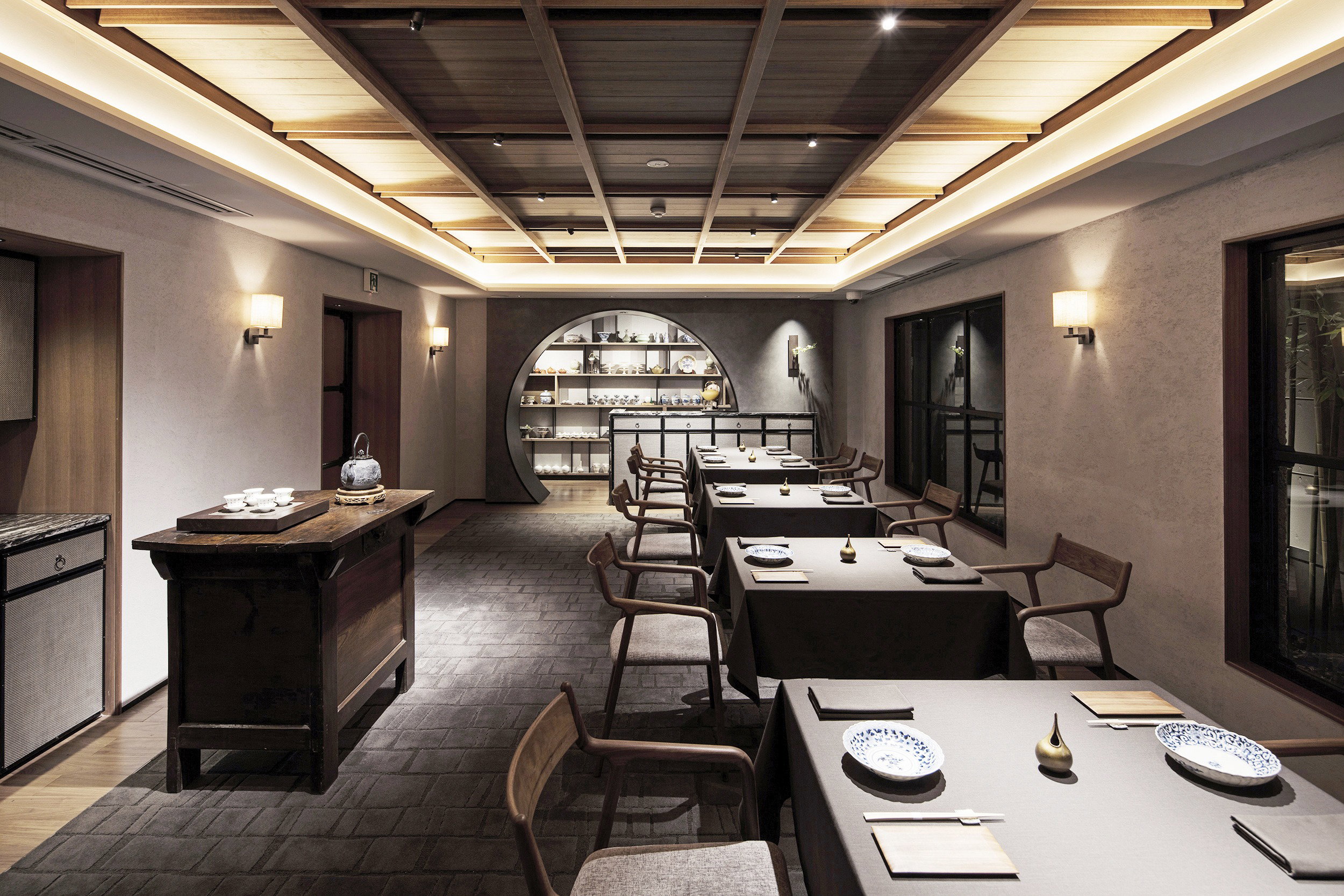
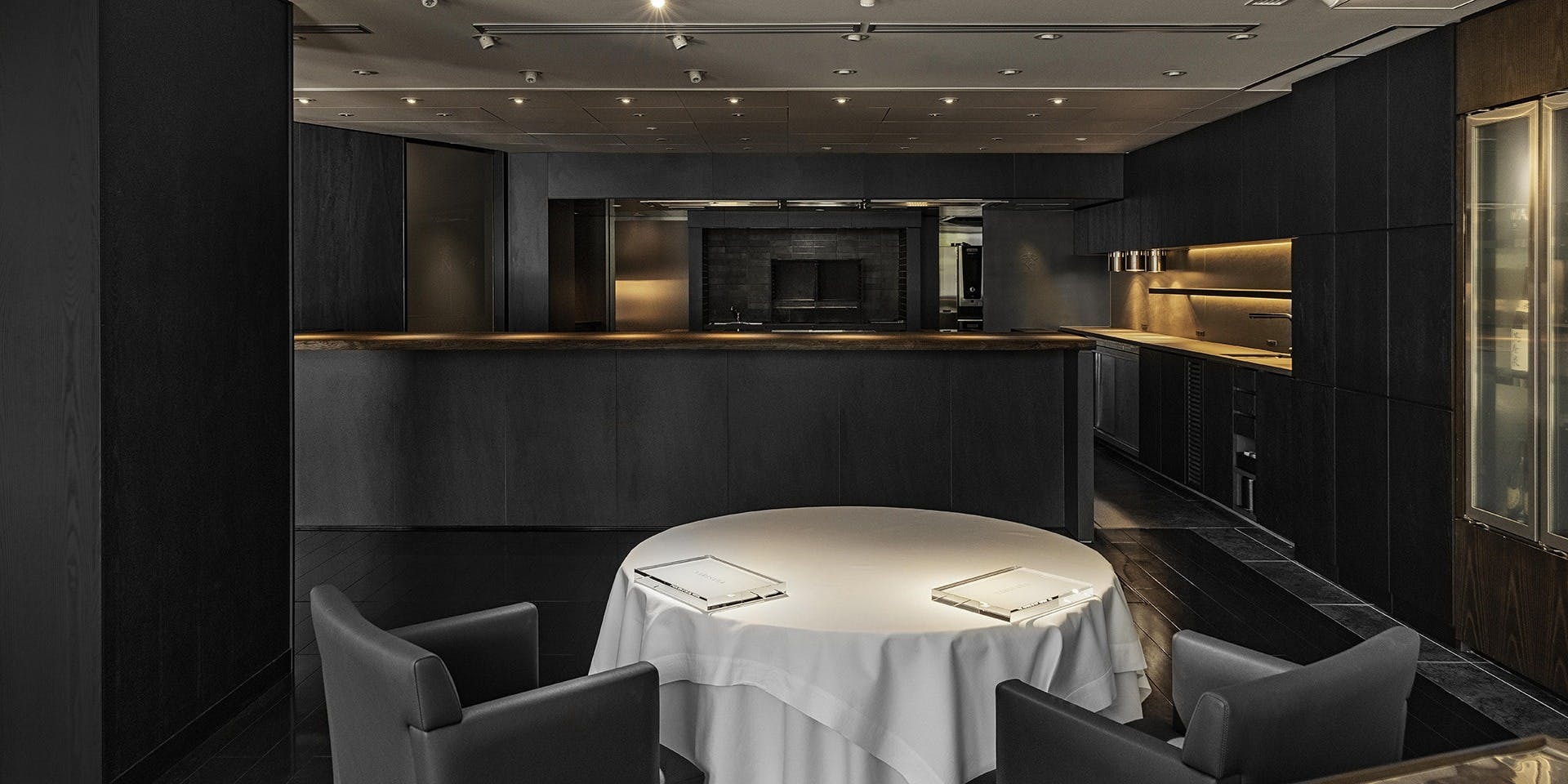
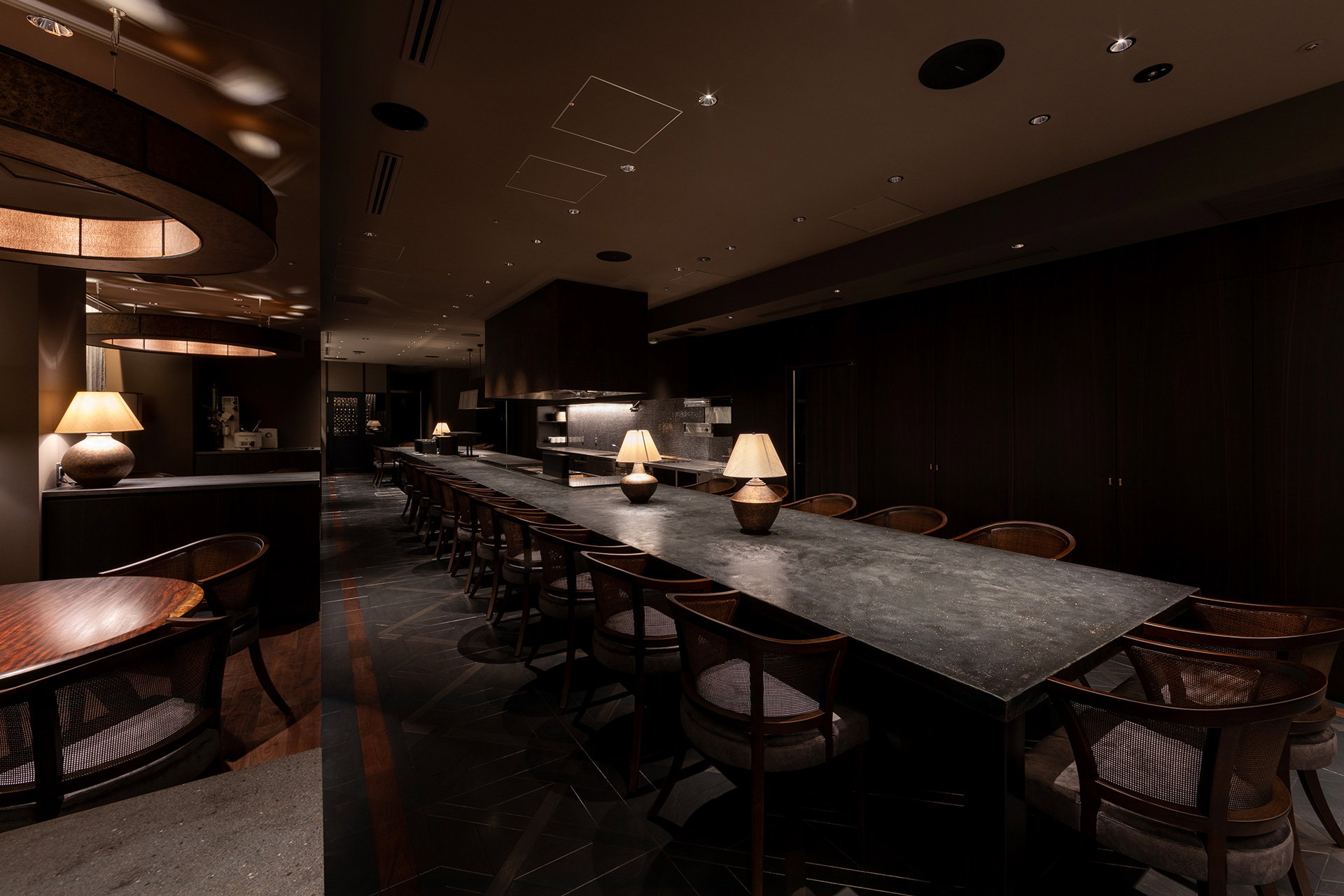
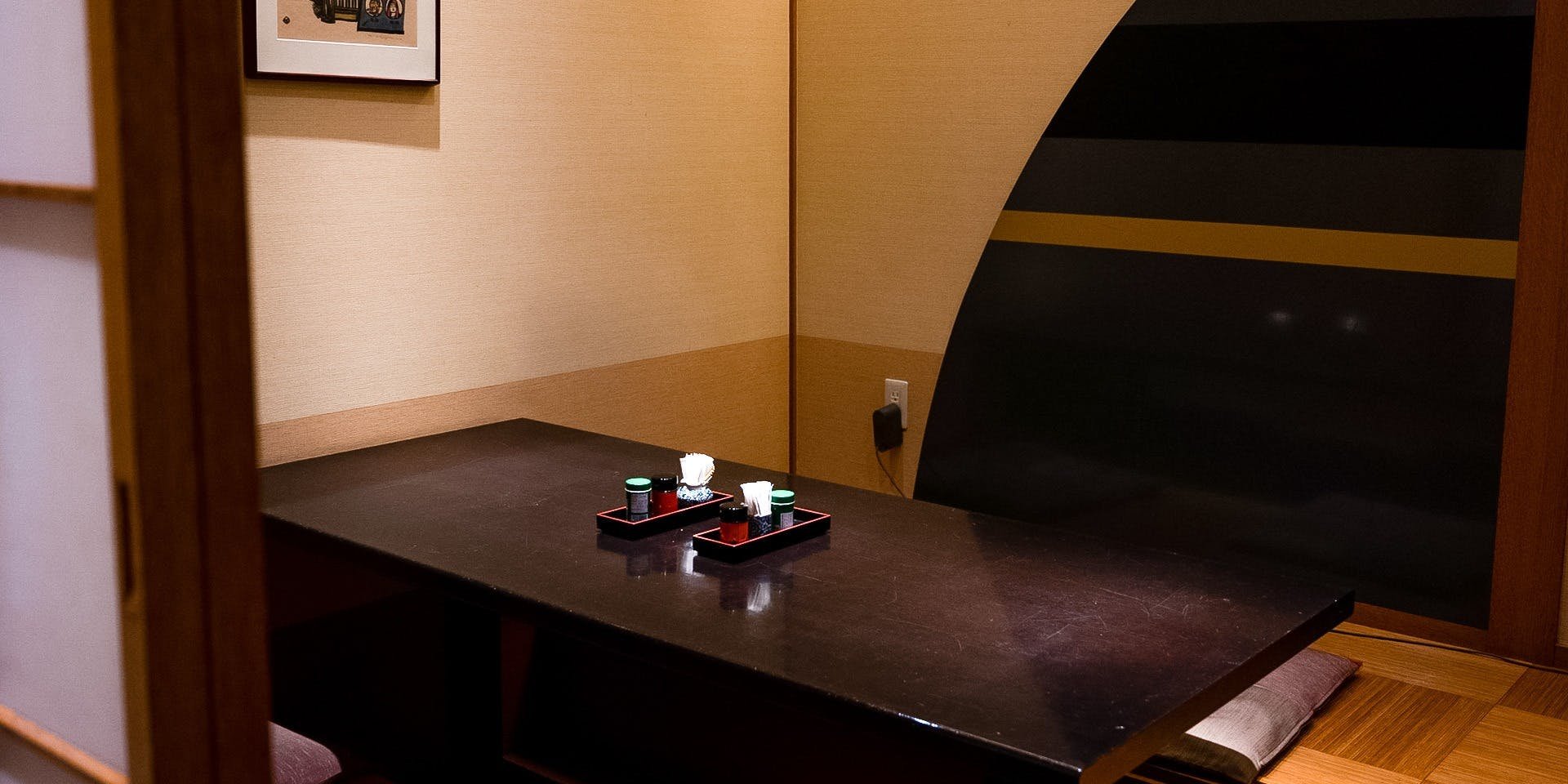
Traditional Japanese eel-restaurant atmosphere, with tatami seating noted by a diner and a classic, focused setting rather than a flashy dining room.
Tags
Vibe
Best For
Experience
At the Table
- Service Style
- Upscale Casual
- Meal Pacing
- Leisurely
Signature Dishes
- Enmaju
- Kabayaki unagi
- Shirayaki unagi
- Unagi liver skewer
Planning details
Location
1 Chome-9-14 Koishikawa, Bunkyo City, Tokyo 112-0002, Japan · Directions
Recognition and awards
Also consider
Also Consider
- Harutaka; Sushi, ¥¥¥¥
- L'Effervescence; French, ¥¥¥¥
- RyuGin; Kaiseki, Japanese, ¥¥¥¥
- HOMMAGE; Innovtive French, French, ¥¥¥¥
- Crony; Innovative, French, ¥¥¥¥
Restaurant context
Watabe occupies a different tier entirely from most of the serious competition in Tokyo. At ¥¥, it is the most accessible Michelin-recognised option for food-focused travellers who want depth without the ¥¥¥¥ commitment. Harutaka and RyuGin are both operating at a higher price point with longer booking windows and more ceremony; if your priority is value-for-quality and a shorter lead time, Watabe wins that comparison without qualification.
Against the French-leaning end of Tokyo's dining scene, L'Effervescence, HOMMAGE, and Crony are all ¥¥¥¥ operations with tasting menu formats. Watabe's evening menu is the closest thing to a French-Japanese hybrid at a mid-range price; if you want to explore that culinary intersection without spending ¥¥¥¥, it is the more practical choice. For a full French tasting experience with wine program depth, L'Effervescence or HOMMAGE will deliver more; for a Franco-Japanese crossover at a fraction of the cost, Watabe is the answer.
On booking difficulty, Watabe is the easiest of the group. RyuGin and Harutaka require planning weeks or months ahead; Watabe is listed as easy to book, which matters if you are building an itinerary with limited lead time. The trade-off is a smaller, more neighbourhood-scaled experience rather than the production of a full tasting menu restaurant; but for a solo traveller or a pair who wants one genuinely interesting meal in the ¥¥ tier, that trade-off is entirely in Watabe's favour.
Explore Tokyo
Around this place
Discover more on Pearl
Unlock the full Watabe guide in Pearl, including awards, comparisons, FAQs, planning details, and nearby places.
Compare Watabe
| Venue | Cuisine | Price | Awards | Booking Difficulty |
|---|---|---|---|---|
| Watabe | Unagi / Freshwater Eel | ¥¥ | 2026 Bib GourmandTabelog 100 - Unagi - 2024 · #702024 Michelin Bib Gourmand | Easy |
| Harutaka | Sushi | ¥¥¥¥ | 2026 Tabelog Silver · #312026 OAD Top Restaurants in Japan Ranked · #1282026 Michelin 3 Stars2026 La Liste Top RestaurantsTabelog 100 - Sushi - TOKYO - 2025 · #372025 Asia's 50 Best Restaurants · #762025 OAD Top Restaurants in Japan Ranked · #1172025 La Liste Top Restaurants2025 Tabelog Bronze | Unknown |
| L'Effervescence | French | ¥¥¥¥ | 2026 Tabelog Silver · #682026 OAD Top Restaurants in Japan Ranked · #103Star Wine Lists 20262026 Black Pearl 2 Diamond2026 Relais Chateaux Restaurants2026 La Liste Top Restaurants2026 Michelin 3 Stars2025 Asia's 50 Best Restaurants · #692025 OAD Top Restaurants in Japan Ranked · #92 | Unknown |
| RyuGin | Kaiseki, Japanese | ¥¥¥¥ | 2026 OAD Top Restaurants in Japan Ranked · #802026 Tabelog Bronze · #3772026 Michelin 3 Stars2026 La Liste Top RestaurantsTabelog 100 - Japanese cuisine - TOKYO - 2025 · #212025 OAD Top Restaurants in Japan Ranked · #542025 Michelin 3 Stars2025 La Liste Top Restaurants2025 The Best Chef Three Knives | Unknown |
| HOMMAGE | Innovtive French, French | ¥¥¥¥ | 2026 Tabelog Bronze · #1232026 OAD Top Restaurants in Japan Highly Recommended2026 Michelin 2 StarsTabelog 100 - French - TOKYO - 2025 · #762025 Asia's 50 Best Restaurants · #782025 OAD Top Restaurants in Japan Ranked · #1752025 Michelin 2 Stars2025 The Best Chef One Knife2025 La Liste Top Restaurants | Unknown |
| Crony | Innovative, French | ¥¥¥¥ | 2026 Asia's 50 Best Restaurants · #34Star Wine Lists 20262026 OAD Top Restaurants in Japan Recommended2026 Michelin 2 Stars2025 Asia's 50 Best Restaurants · #30Tabelog 100 - French - TOKYO - 2025 · #782025 OAD Top Restaurants in Japan Ranked · #227We're Smart World Top Restaurants 20252025 Michelin 2 Stars | Unknown |














A quick look at how Watabe measures up.
FAQ
Frequently Asked Questions
What should I wear to Watabe?
No formal dress code is documented for Watabe, the ¥¥ price tier and Bib Gourmand status suggest a relaxed neighbourhood restaurant rather than a high-ceremony dining room. Neat, presentable clothes are a reasonable call for the evening French-leaning menu. The lunchtime unagi box format is casual by nature.
Does Watabe handle dietary restrictions?
The core menu is built around freshwater eel, which limits flexibility for pescatarians and rules out the venue entirely for those avoiding fish. The evening menu includes foie gras and Brie de Meaux, so it is not suitable for vegans or those avoiding dairy and organ meat. Nothing in the available data confirms allergen-specific accommodations.
What should a first-timer know about Watabe?
Watabe is a fishmonger-turned-restaurant in Bunkyo City that holds a 2024 Michelin Bib Gourmand, which signals reliable quality at a price that does not require a special occasion budget. The lunch format centers on the Enma-ju box, which combines shirayaki and kabayaki over rice. The evening menu shifts toward French technique; terrine of kabayaki with foie gras, smoked eel with Brie de Meaux; so the two sittings are meaningfully different experiences and worth treating as such.
Is Watabe good for solo dining?
Yes. The lunch box format is well-suited to solo visits, the focused, counter-style setup common to Tokyo eel restaurants at this tier makes solo dining comfortable rather than awkward. The Bib Gourmand recognition at ¥¥ pricing means a solo meal is a sensible spend without needing a group to dilute the cost.