
Atsuta Houraiken Honten
Atsuta, Nagoya
Restaurant in Nagoya, Japan
 Book with Pearl
The Read
Price
JPY 5,000 - JPY 5,999 JPY 4,000 - JPY 4,999
Dress
Casual
Why go
The birthplace of hitsumabushi and a Tabelog Unagi 100 Best veteran, this Meiji-era house near Atsuta Shrine delivers Nagoya's signature three-way eel ritual in a formal tatami setting. Worth it for private kaiseki dinners (reserve ahead, ¥5,000–¥6,000 plus 10% service), less so for solo walk-ins—the sister Jingu-ten branch offers the same menu faster and cheaper.
About Atsuta Houraiken Honten
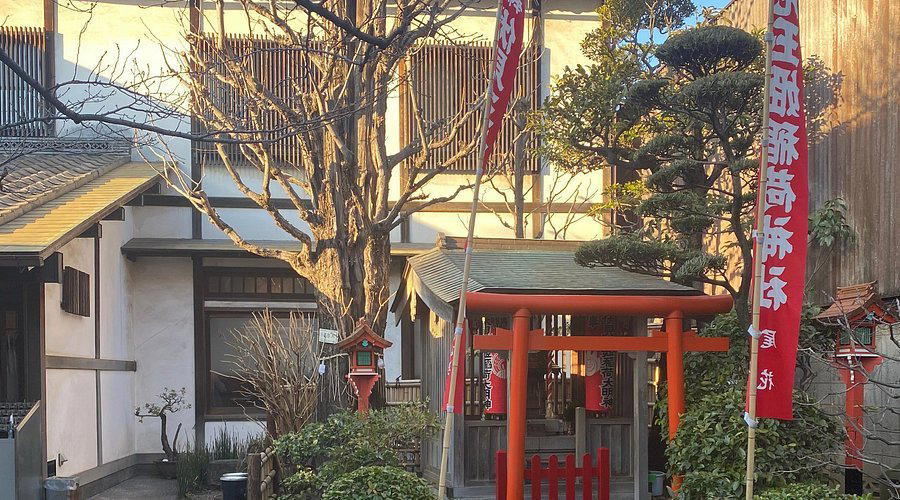
Nagoya's unagi scene splits between casual lunch counters under ¥2,000 and traditional houses where kaiseki tops ¥6,000. Atsuta Houraiken Honten, founded in Meiji 6 (1873) and named to Tabelog Unagi 100 Best in 2018, 2019, 2022, and 2024, sits in the formal ¥4,000–¥6,000 tier, anchored by its invention of hitsumabushi, the three-way eel ritual defining modern Nagoya dining. Does the ceremony justify paying double China Soba Kitagawa or Atsuta Miso Ramen Buriyu, both under ¥1,000 and five minutes' walk away? For a celebration meal or group dinner where setting matters as much as the plate, yes, if you book private kaiseki or arrive at the ideal window.
Hitsumabushi and the House Format
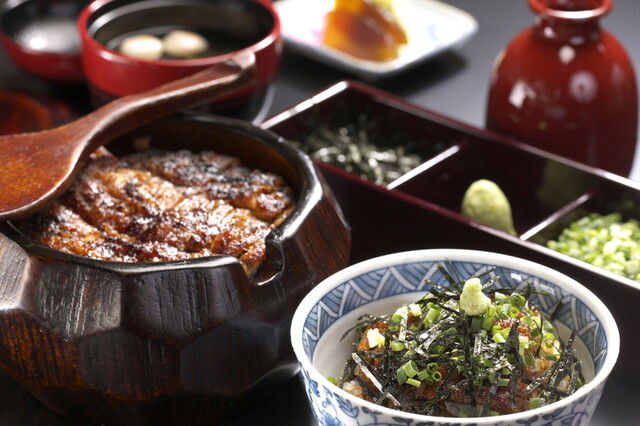
Hitsumabushi, the layered unagi bowl with condiments, broth, and a three-step ritual, was born here in the late 19th century, and the house version remains Nagoya's benchmark. The format is fixed: eat the first third plain for charcoal-grilled eel and sweet-soy glaze, the second with wasabi and nori to cut richness, the final third in hot dashi as ochazuke. Execution is consistent at lunch and dinner, but the room changes. Lunch (11:30 AM–2 PM) runs ¥4,000–¥5,000 and fills the 180-seat tatami hall with local families and Atsuta Shrine visitors; dinner (4:30–8:30 PM) climbs to ¥5,000–¥6,000, runs quieter, and improves odds for a garden-courtyard table. Closed Wednesdays and the second and fourth Thursdays, so weekend lunch slots vanish quickly. From April to October, choose weekday dinner after the heat breaks; summer lunch can feel uncomfortable despite air conditioning.
Private Rooms and Group Dining
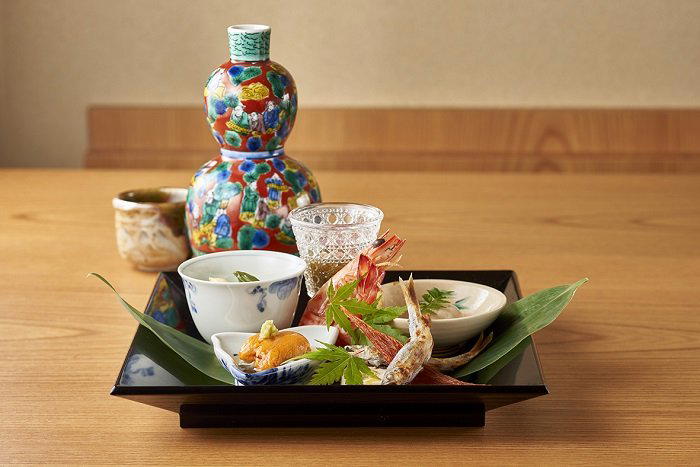
The value case appears when booking a private room for four or more. Kaiseki requires advance reservation and adds a 10% service charge, but unlocks second-floor private tatami suites overlooking the inner garden, unavailable to main-hall walk-ins. The kaiseki menu folds seasonal appetizers, grilled eel, and hitsumabushi into a 90-minute multi-course sequence that suits the formal space. Private banquets max out at 40 guests, and the house handles family celebrations, business dinners, and pre-wedding meals efficiently. For two, the private-room premium is harder to defend: use the main hall or consider Atsuta Houraiken Jingu-ten, the sister branch 10 minutes north, with the same ¥4,000–¥5,000 menu in a smaller, less formal setting better for quick meals.
The house accepts major credit cards (Visa, Mastercard, JCB, Amex, Diners) but not electronic money or QR payments. Free parking covers 40 cars, with a guard directing arrivals, useful because street parking near Atsuta Shrine is scarce. Take-out is available, though hitsumabushi loses structure without the table ceremony. Children are welcome (kids' menu, high chairs), making this a rare formal Nagoya option for multigenerational groups. The main hall is no-smoking, and tatami seating means shoes off at the entrance; wear socks or bring tabi if needed.
Against the ramen and miso-katsu spots around Atsuta Shrine, this is special-occasion dining, not a quick bite. If you're here only for the Tabelog 100 credential, Jingu-ten delivers identical quality in half the time. If the occasion calls for a private room, garden view, and kaiseki progression, Honten earns its premium. Book kaiseki at least a week ahead in peak months (March–May, September–November); main-hall standard hitsumabushi walk-ins are possible Sunday lunch, but expect a 20-minute wait. For more Nagoya dining, see our full Nagoya restaurants guide.
Planning details
- Location
- 503 Godocho, Atsuta Ward, Nagoya, Aichi 456-0043, Japan
- Website
- houraiken.com/honten
- Phone
- +81 52-671-8686
The take
The Take
The Vibe
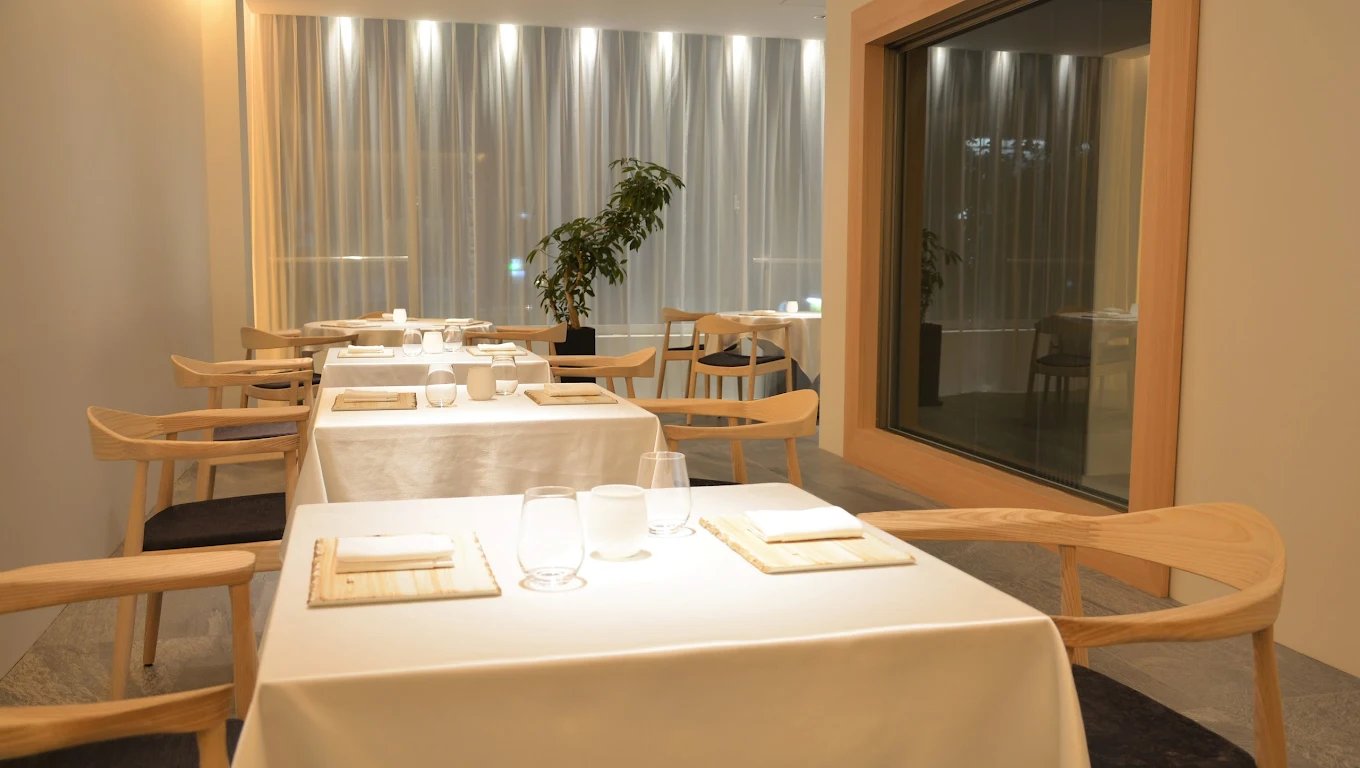
Atsuta Houraiken Honten presents a distinctly classic, historic dining experience rooted in well over a century of tradition. Founded in the Meiji era, the restaurant emphasizes continuity of flavor—most notably its signature Hitsumabushi—served within a charming Japanese atmosphere. The presence of private rooms and a no-smoking policy reinforces a composed, refined environment where craftsmanship and heritage are on display. This is a place that leans into its legacy rather than trends, attracting diners who appreciate authenticity, quiet formality, and the preserved techniques of a long-standing culinary institution.
Best For
The restaurant suits occasions that benefit from privacy and tradition: family gatherings, business dinners and small special occasions. Private rooms make it easy to host focused conversations or celebratory meals away from the main dining room, while the no-smoking environment keeps the setting comfortable for all ages. Couples seeking a measured, classic outing will also find the atmosphere appropriate for a date night centered on a celebrated regional specialty. Guests looking for a lively, casual hangout or rooftop experience should look elsewhere.
Ordering Tips
The standout here is the historic Hitsumabushi—explicitly called out as a traditional taste preserved for over 150 years—so make that your focal order. Because private rooms are available, consider reserving one if you prefer a quieter, more private meal or are dining with family or colleagues. For practical details like menus, photos and user reviews, consult the Tabelog listing referenced in the description to confirm portion sizes, pricing and service notes before you go.
Venue details
Ambiance
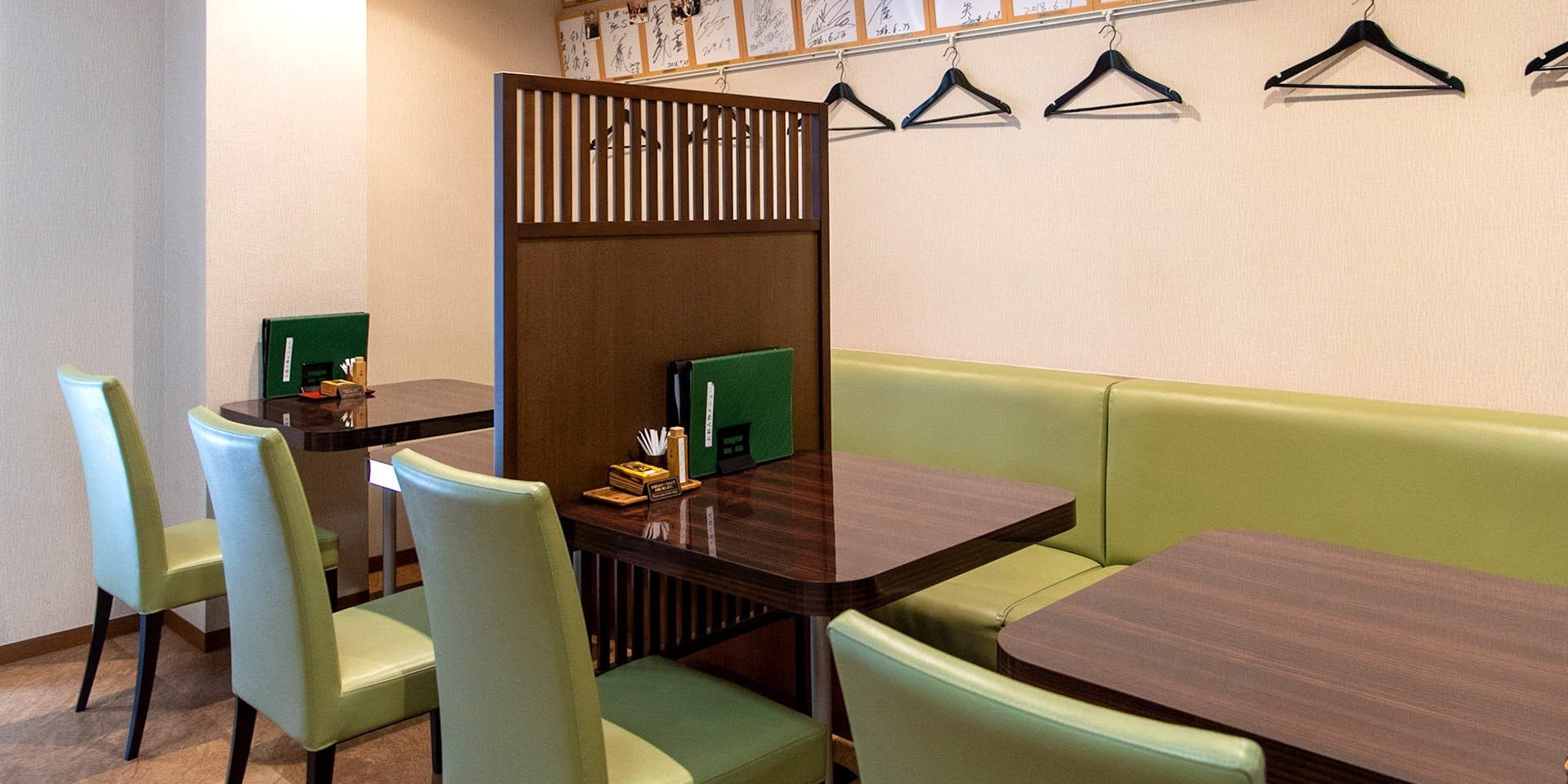
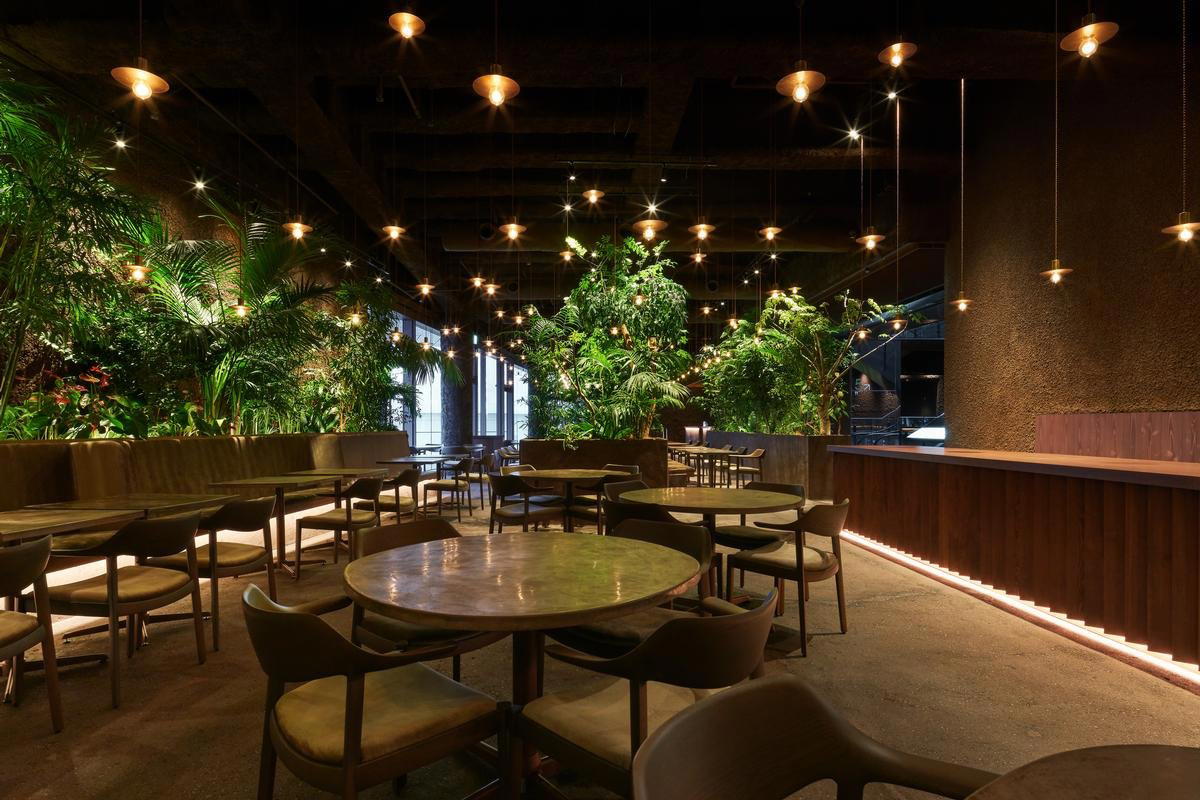
A long-established, classic Japanese restaurant atmosphere that feels traditional and welcoming, suited to leisurely eel-focused meals and group gatherings.
Tags
Vibe
Best For
Experience
Sourcing
At the Table
- Dress Code
- Casual
- Noise Level
- Conversational
- Service Style
- Upscale Casual
- Meal Pacing
- Leisurely
- Capacity
- Large
Signature Dishes
- hitsumabushi
- umaki
- unadon
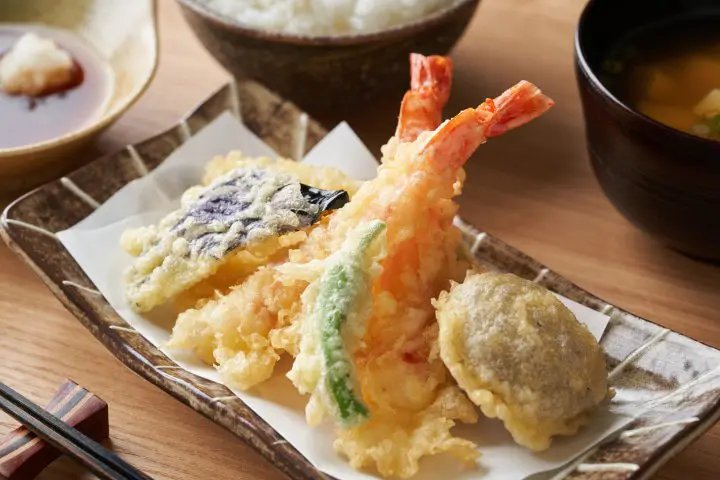
- tempura
- kimowasa
Know before you go
Know Before You Go
- Getting there
- 503 Godocho, Atsuta Ward, Nagoya, Aichi 456-0043, Japan
Planning details
Location
503 Godocho, Atsuta Ward, Nagoya, Aichi 456-0043, Japan · Directions
Recognition and awards
Also consider
Also Consider
- Atsuta Houraiken Jingu ten, JPY 4,000 - JPY 4,999 JPY 4,000 - JPY 4,999, JPY 4,000 - JPY 4,999 JPY 4,000 - JPY 4,999
- China Soba Kitagawa, - JPY 999, - JPY 999
- Atsuta Miso Ramen Buriyu, JPY 1,000 - JPY 1,999 JPY 1,000 - JPY 1,999, JPY 1,000 - JPY 1,999 JPY 1,000 - JPY 1,999
- Dote no Shinagawa, JPY 1,000 - JPY 1,999 View spending breakdown, JPY 1,000 - JPY 1,999 View spending breakdown
- Ebi Soba Hiiro, JPY 1,000 - JPY 1,999 JPY 1,000 - JPY 1,999, JPY 1,000 - JPY 1,999 JPY 1,000 - JPY 1,999
Restaurant context
At ¥4,000–¥6,000 per head, Atsuta Houraiken Honten sits at the top of Nagoya's unagi pricing ladder. Atsuta Houraiken Jingu-ten, the sister branch, matches the Honten's hitsumabushi quality at ¥4,000–¥5,000 but trades the tatami grandeur for a smaller, faster-turning dining room, better for couples or travelers on a tight schedule. If you're prioritizing the Tabelog 100 credential without the private-room experience, Jingu-ten is the smarter pick. Below that tier, China Soba Kitagawa (under ¥1,000) and Atsuta Miso Ramen Buriyu (¥1,000–¥2,000) offer quick, high-quality bowls within walking distance of Atsuta Shrine, though neither specializes in eel.
The Honten's value proposition hinges on whether you need the private kaiseki service or the garden-view tatami rooms. For groups of four or more celebrating a milestone, anniversary, business deal, family reunion, the 10% service charge and ¥5,000+ per-head cost buy access to a formal setting unavailable elsewhere in the Atsuta district. Solo diners and couples should default to Jingu-ten or save the splurge for a Tokyo-caliber unagi specialist. If you're comparing across Nagoya's Tabelog 100 winners, this is the most expensive and the most traditional; expect longer waits and higher formality than any of the ramen or miso-katsu peers nearby.
Explore Nagoya
Around this place
Discover more on Pearl
Unlock the full Atsuta Houraiken Honten guide in Pearl, including awards, comparisons, FAQs, planning details, and nearby places.
FAQ
Frequently Asked Questions
Is Atsuta Houraiken Honten good for a special occasion?
Yes, especially if you book a private tatami room for four or more. The 180-seat capacity means main dining can feel busy, but private rooms offer a quieter setting for celebrations. At ¥6,000-7,000 per person and Tabelog 100 recognition, it carries enough pedigree to mark an occasion without the formality of a tasting menu.
Can I eat at the bar at Atsuta Houraiken Honten?
There is no bar or counter seating. The main dining area seats up to 180 across tatami rooms, and private rooms are available for parties of four or more with advance reservations. All seating is traditional Japanese floor seating.
Is lunch or dinner better at Atsuta Houraiken Honten?
Lunch runs ¥4,000-5,000 versus ¥5,000-6,000 at dinner, so you save roughly 20% for the same hitsumabushi menu. Service hours are 11:30 AM-2 PM and 4:30-8:30 PM; lunch crowds peak around noon, but turnover is quick in the main rooms.
Does Atsuta Houraiken Honten handle dietary restrictions?
The menu centers on unagi, and kaiseki options for private rooms still feature eel as the anchor. No vegetarian or vegan dishes are documented. For pescatarian preferences outside eel, China Soba Kitagawa nearby offers ramen, but unagi is the house format here.
What should I order at Atsuta Houraiken Honten?
Order hitsumabushi, the house format and the reason this place earned Tabelog 100 status six times. It's served with condiments and broth for the three-step ritual: plain, with condiments, then as ochazuke. Kaiseki service requires advance reservation and adds a 10% service charge for groups of four or more.
Is the tasting menu worth it at Atsuta Houraiken Honten?
There is no multi-course tasting menu in the Western sense. Kaiseki service is available for private-room bookings of four or more, but it centers on unagi rather than a progression of seasonal dishes. For a dedicated kaiseki experience, look elsewhere; this is a hitsumabushi specialist.
What are alternatives to Atsuta Houraiken Honten in Nagoya?
Atsuta Houraiken Jingu ten (the shrine branch) offers the same hitsumabushi menu with shorter waits and no private room minimums. For different cuisine, China Soba Kitagawa delivers ramen, Atsuta Miso Ramen Buriyu focuses on miso variations, Dote no Shinagawa serves izakaya-style plates, and Ebi Soba Hiiro specializes in shrimp-based bowls.