

Obana
Unagi · Arakawa, Tokyo
Restaurant in Tokyo, Japan
 Book with Pearl
The Read
House-Counter Omakase
Chef
Various
Dress
Smart Casual
Why go
A Tabelog Silver Award sushi counter in Tatebayashi, Gunma — roughly 50 minutes from central Tokyo — Obana prices its full course at JPY 35,000–43,000, well below comparable Ginza counters. With just 8 seats, a serious sake list, and BYO permitted at JPY 3,300 corkage, it rewards food-focused travellers willing to make the journey.
About Obana
Is Obana worth the trip from Tokyo?
Yes — if you are willing to build a half-day around it. Obana is a sushi counter in Tatebayashi, Gunma prefecture, roughly 50 minutes from Kitasenju Station by limited express. It holds a Tabelog Score of 4.46, a 2026 Silver Award (upgraded from eight consecutive Bronze years), and has appeared in Tabelog's Sushi EAST Top 100 in 2021, 2022, and 2025. Opinionated About Dining ranked it #164 among Japan's leading restaurants in 2025. The price point — JPY 27,500 for the standard course, JPY 35,000 to JPY 43,000 for the full course, positions it well below the leading Ginza counters while delivering award-level consistency. That gap between quality and price is the clearest reason to make the journey.
What to Expect at the Counter
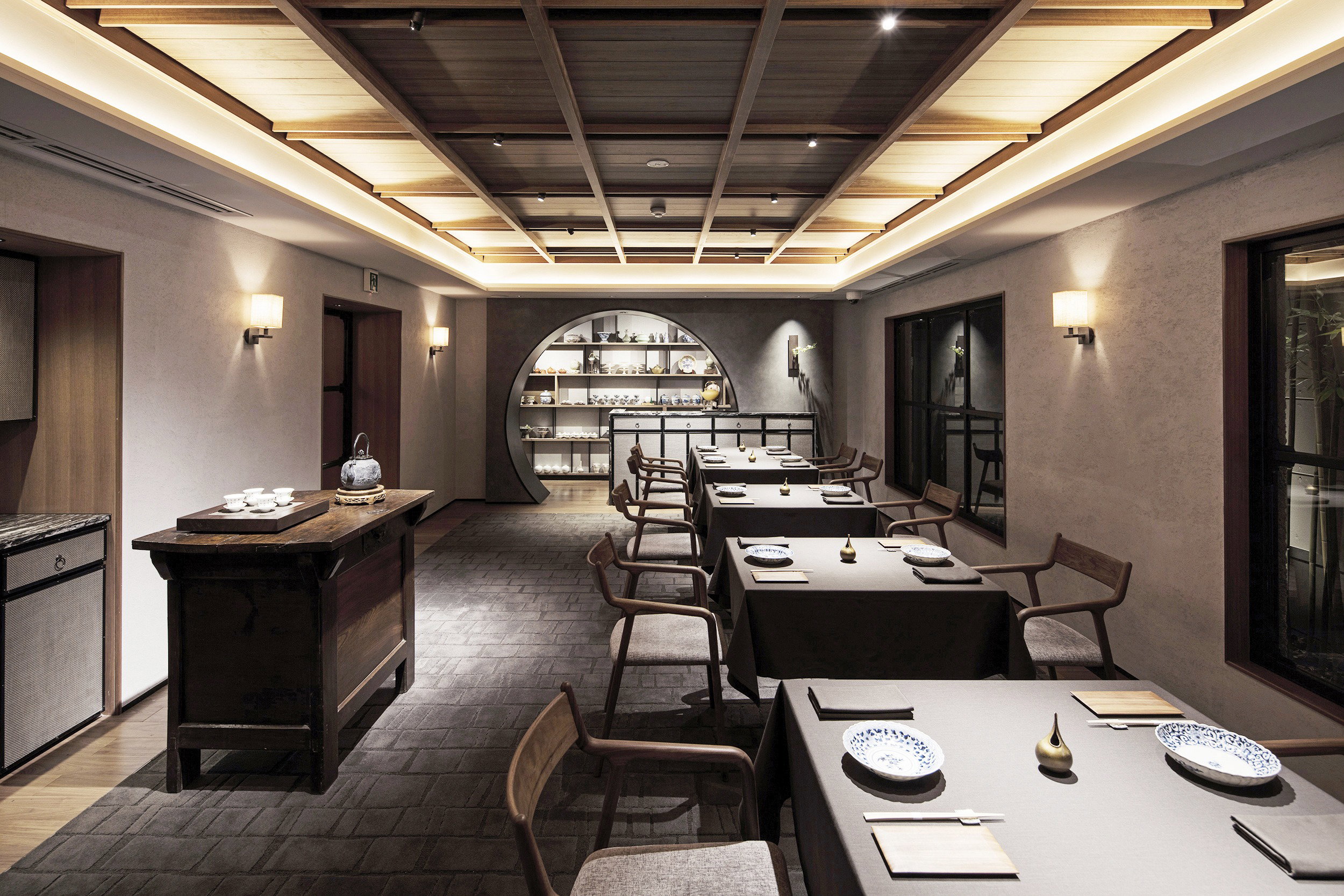
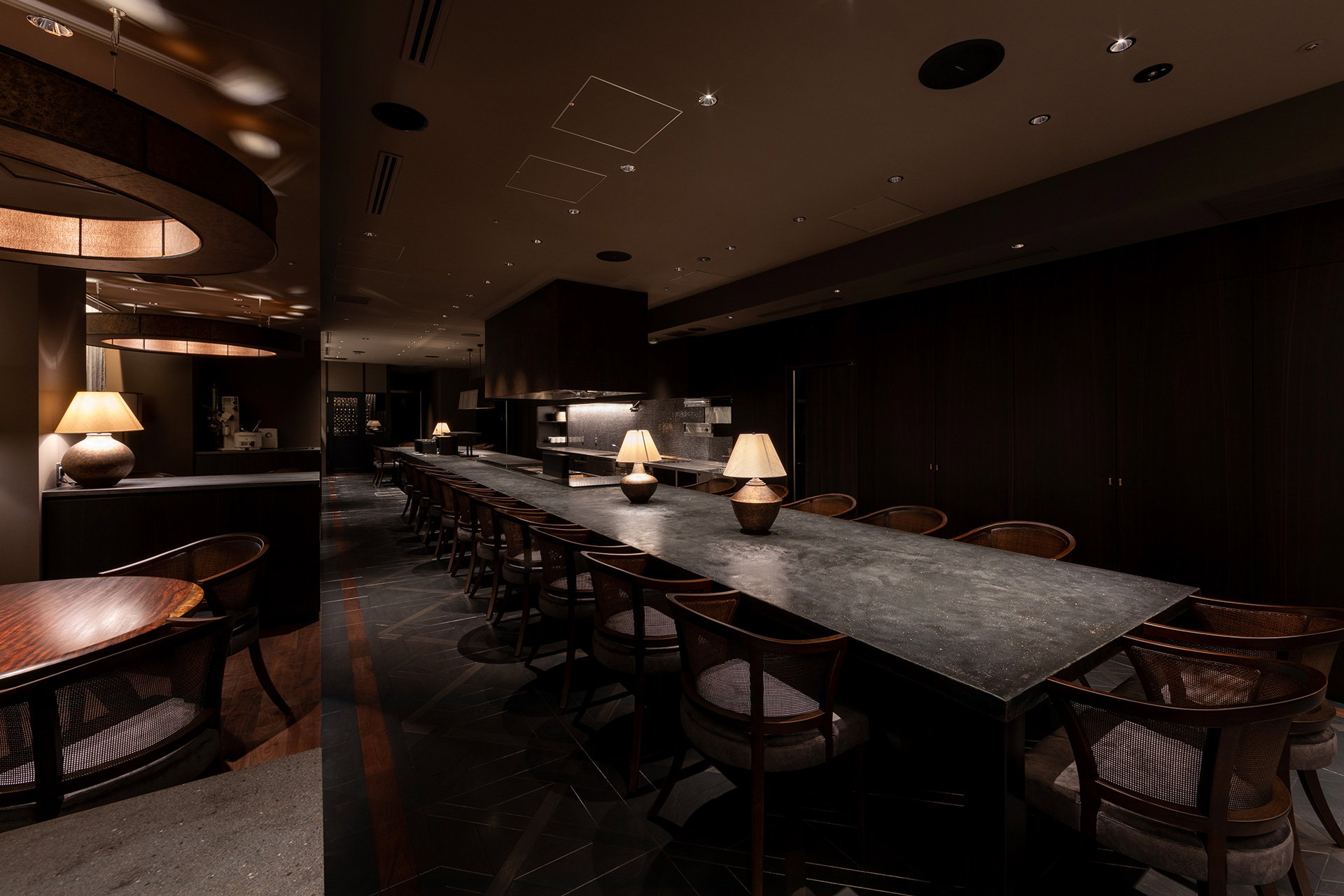
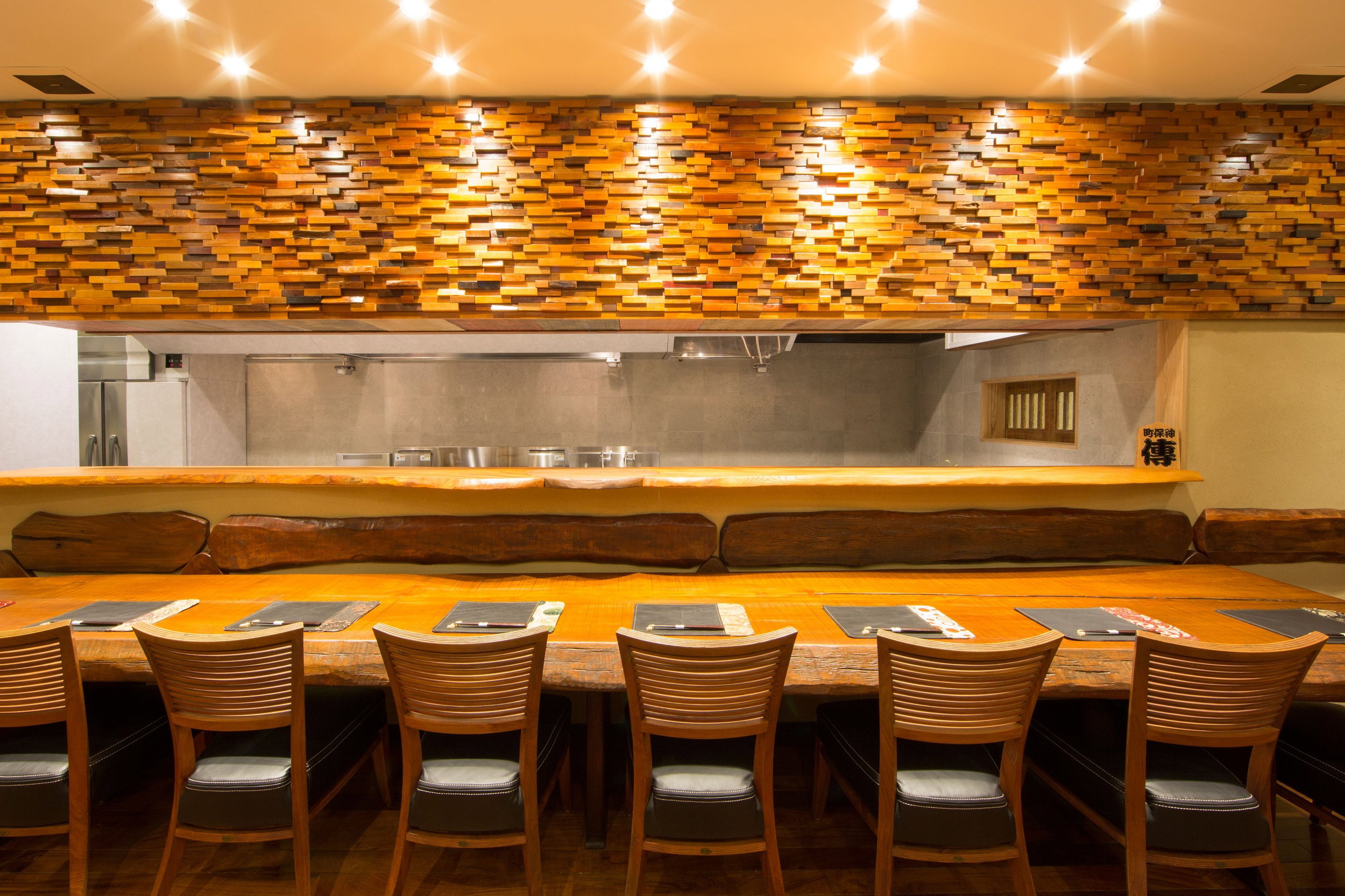
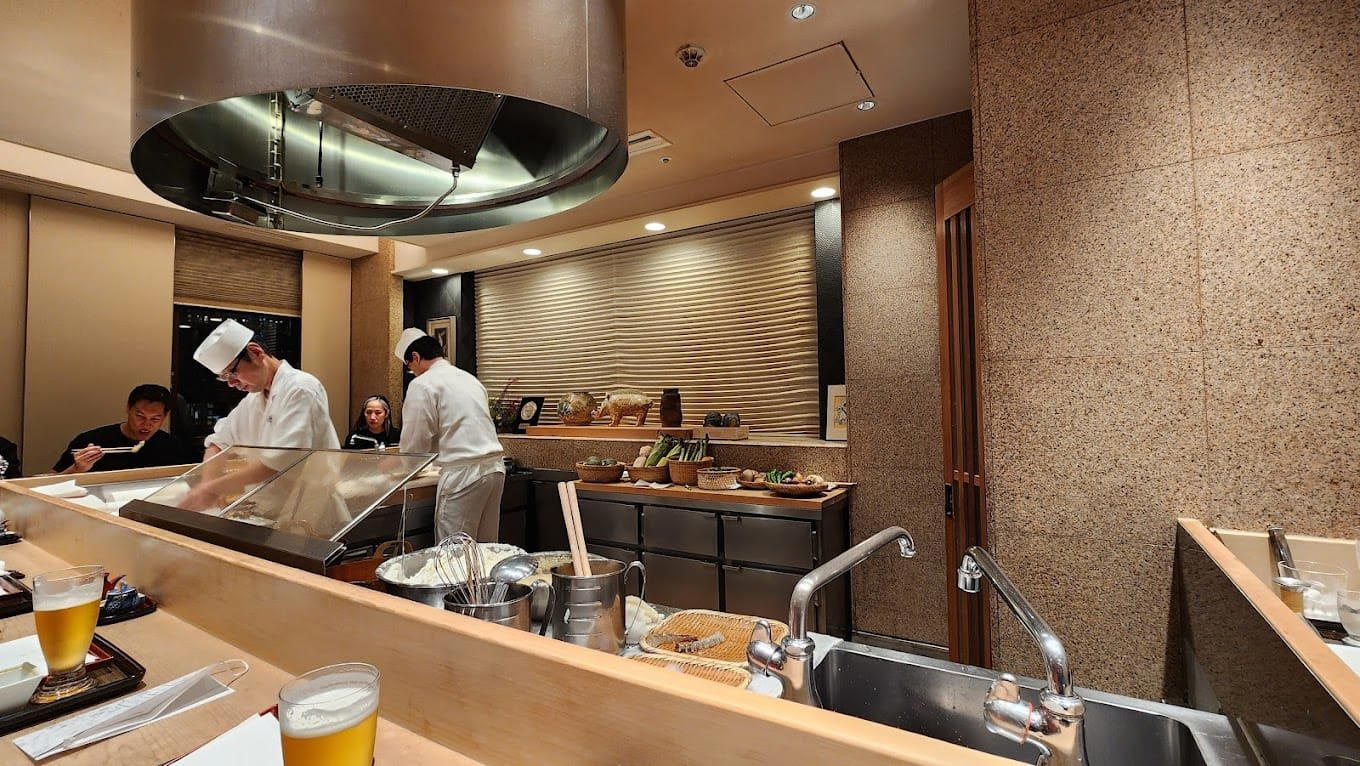
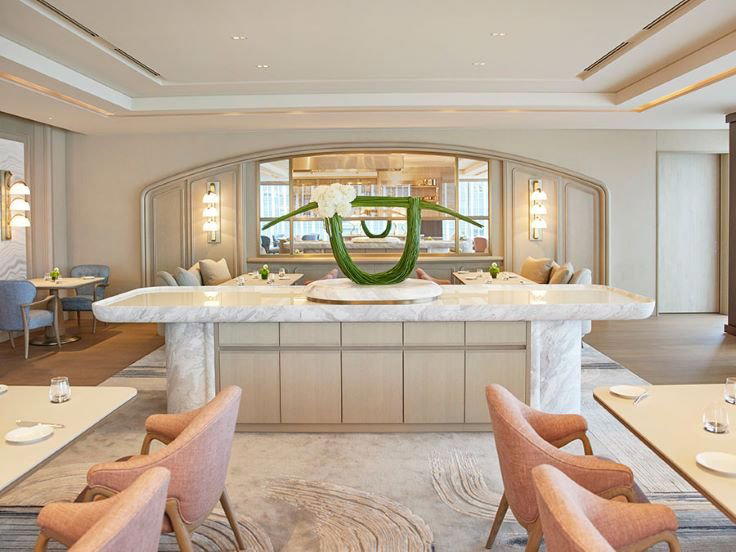
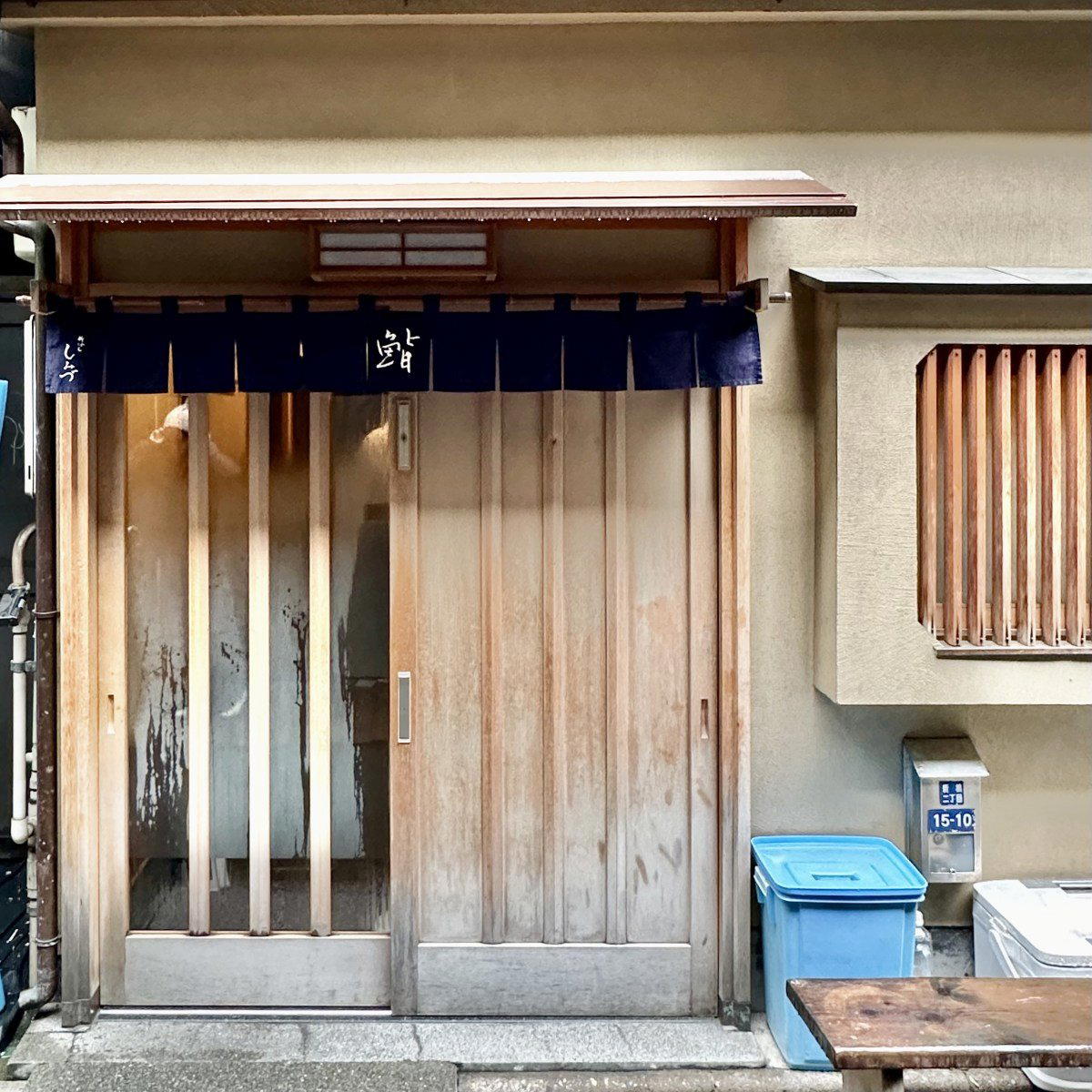
Obana seats just 8 guests across a counter and one private tatami room for 2–3. The format is course-only, with two seatings on weekday evenings (17:30 and 19:30), a single Saturday evening sitting, and Sunday and public holiday lunch seatings at 12:00 and 15:00. The room is described as a stylish, relaxing house-restaurant format, a converted private residence rather than a city-centre dining room. That setting matters: this is not a slick Ginza operation. It is closer in feel to dining in someone's home, which suits guests who find Tokyo's more performative omakase counters exhausting. Compared to Harutaka in Tokyo, Obana trades metropolitan polish for a quieter, more personal atmosphere.
For guests focused on unagi rather than sushi, the broader Gunma-to-Tokyo corridor has alternatives worth noting: Akimoto, Hashimoto Unagi, Kabuto Unagi, Sangubashi Asaya, and Uomasa all operate in the Tokyo unagi space. Within Japan more broadly, Chikuyoutei in Osaka is the reference point for high-end unagi in the Kansai region, and Irin in Bratislava is an interesting outlier for travellers wanting context on how the format travels internationally.
The Drinks Angle
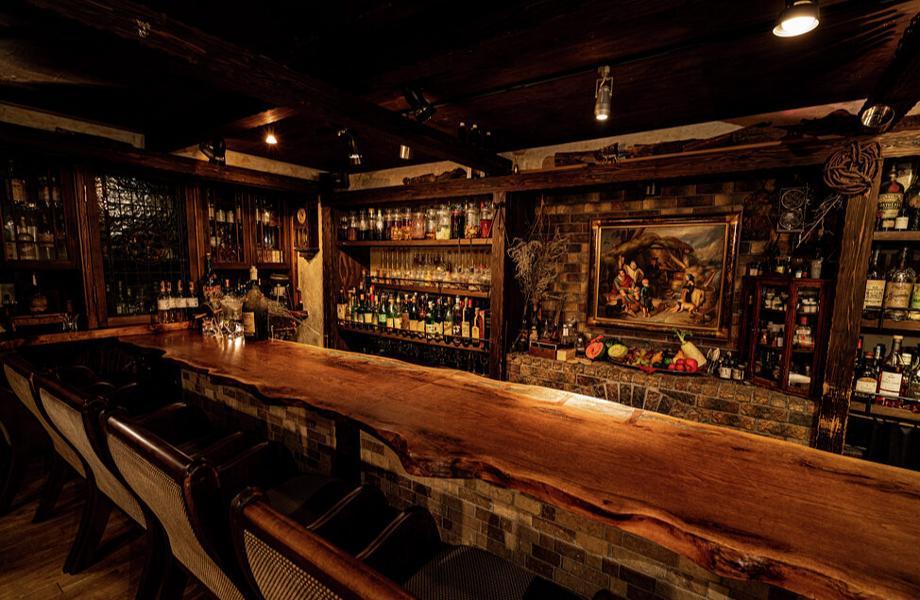
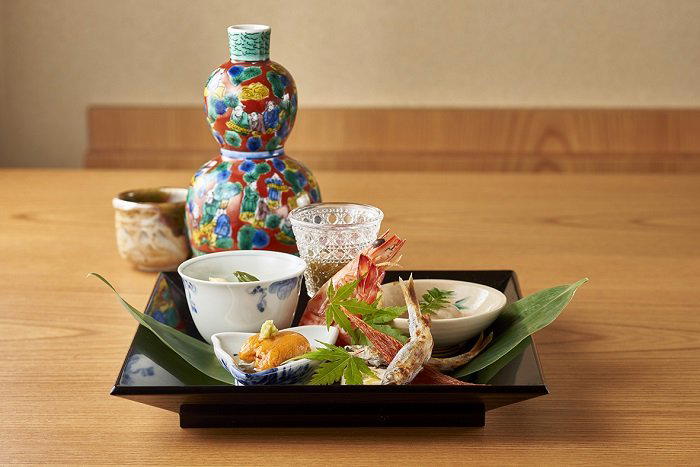
Obana takes sake seriously. The database flags a particular emphasis on nihonshu (sake), alongside shochu and wine. BYO is also permitted, with a corkage fee of JPY 3,300 per bottle, a practical option if you want to bring a specific wine or bottle of sake. For a food-and-drink explorer, this matters: the combination of a serious sake list and a BYO policy gives you genuine flexibility to match drinks to a course that varies by ingredient availability. If sake pairing is part of why you travel for food in Japan, Obana rewards that interest more than many counters at this price level. Credit cards are accepted (Visa, Mastercard, JCB, Amex, Diners); electronic money and QR code payments are not.
Getting There and Booking
Access requires planning. From Kitasenju Station (Tobu Skytree Line), take the limited express Ryomo to Tatebayashi Station, approximately 50 minutes, then walk 15 minutes from the east exit or take a short taxi. By car, it is roughly 10 minutes from Tatebayashi IC on the Tohoku Expressway, with parking for up to 7 vehicles on site. New customers can only book through Pocket Concierge. Cancellation fees apply: 30% at 7 days out, 50% at 3 days out, and 100% for same-day or day-before cancellations. An English menu is available free of charge, request it at booking.
Know Before You Go
- Price: JPY 27,500 (standard course) / JPY 35,000–43,000 (full course), inclusive of tax
- Booking: New customers via Pocket Concierge only; reservation-only
- Seats: 8 total, counter + one private tatami room (2–3 guests)
- Hours: Tue–Fri 17:30 and 19:30 seatings; Sat 17:00; Sun and holidays 12:00 and 15:00; closed Mondays
- Getting there: ~50 min from Kitasenju by limited express Ryomo; 15-min walk from Tatebayashi Station east exit; parking available (7 cars)
- BYO: Permitted with JPY 3,300 corkage per bottle
- Dress code: No formal requirement; avoid strong fragrances
- Payment: Credit cards accepted (Visa, Mastercard, JCB, Amex, Diners); no IC cards or QR payments
- Children: Welcome; counter seating for ages 12 and older; tatami room open to all ages
- English menu: Available free on request at time of booking
- Open since: November 1968
How It Compares
Explore More
Obana sits outside central Tokyo, but it connects to a wider network of high-calibre dining across Japan. For other destination-worthy restaurants, see HAJIME in Osaka, Gion Sasaki in Kyoto, akordu in Nara, Goh in Fukuoka, 1000 in Yokohama, and 6 in Okinawa. For planning the rest of your trip, use our full Tokyo restaurants guide, Tokyo hotels guide, Tokyo bars guide, Tokyo wineries guide, and Tokyo experiences guide.
Planning details
- Location
- 5 Chome-33-1 Minamisenju, Arakawa City, Tokyo 116-0003, Japan
- Website
- tabelog.com/en/gunma/A1002/A100204/10002097
- Phone
- +81 3-3801-4670
The take
The Take
The Vibe
Obana reads like a study in concentrated craft. The entire experience orbits an eight‑seat counter that has remained unchanged since the restaurant opened in 1968, and that compact scale drives both intimacy and discipline. The writing emphasizes sourcing choices and accountability — every ingredient matters when there are only a handful of covers — which gives the room a quietly intense, almost ceremonial air. Repeated recognition on regional lists and a strong Tabelog rating position Obana as a quietly celebrated, long‑running counter: historic in its lineage, intimate in its presence and resolutely focused on unagi mastery.
Best For
This is a venue for focused, small‑scale dining rather than group nights. The eight‑seat layout and the description of each service as a controlled event make Obana ideal for an intimate dinner or a special‑occasion outing where the meal itself is the occasion. It’s not suited to large parties or casual drop‑in dining; instead, it rewards diners who are looking for a disciplined, chef‑centric experience centered on unagi preparations and traditional accompaniments. Travel time from the city underscores that visiting is a deliberate, destination choice.
Ordering Tips
Because the counter is small and the service is tightly managed, treat the meal as a single, curated progression rather than à la carte grazing. Focus on the house specialties — the Unaju, Umaki and Kimosui — which exemplify the counter’s strength in eel and classic pairings. The write‑up stresses sourcing and the consequences of every ingredient selection, so lean on the chef’s rhythm and allow the service to unfold; with only eight seats, that approach aligns with how Obana crafts each service.
Venue details
Ambiance
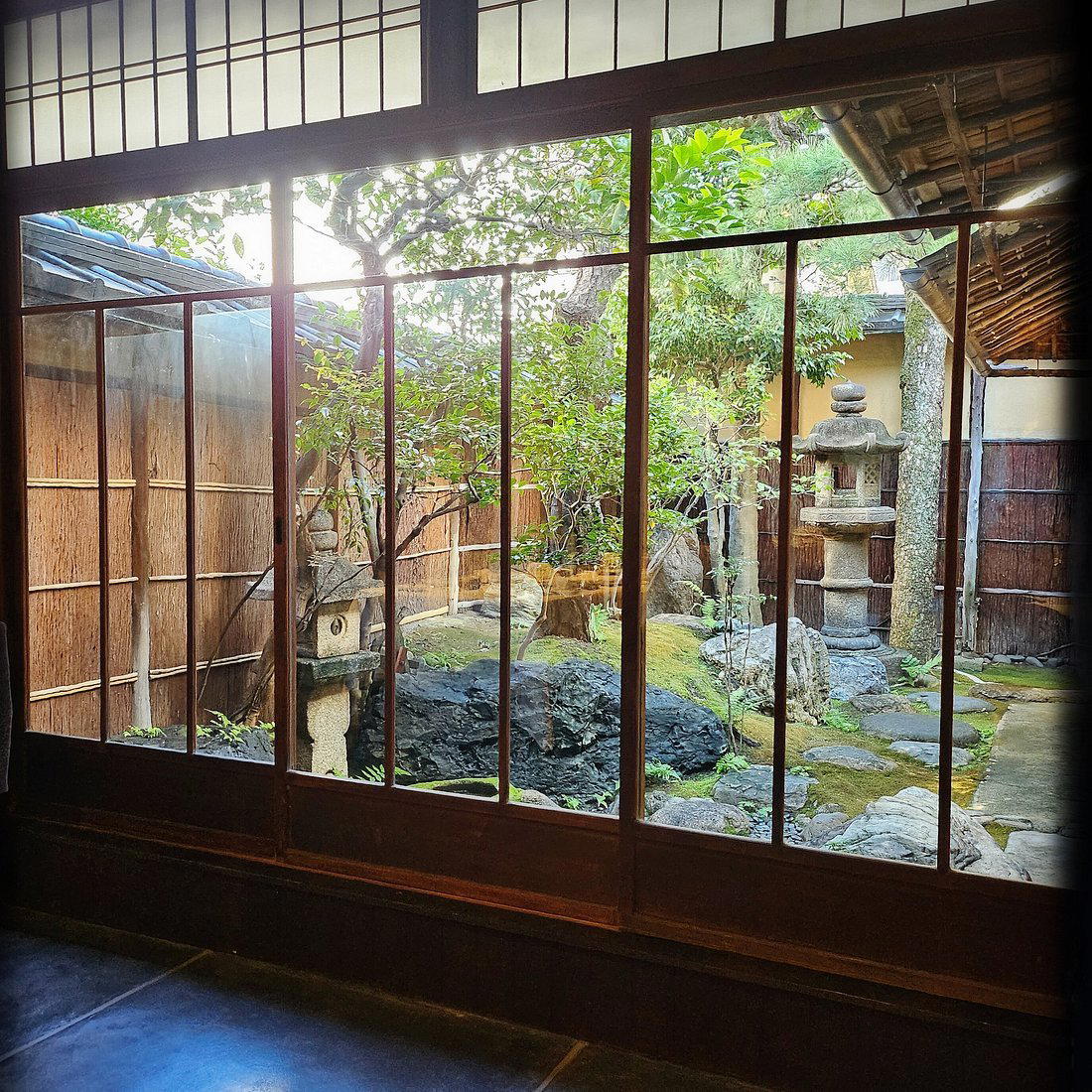
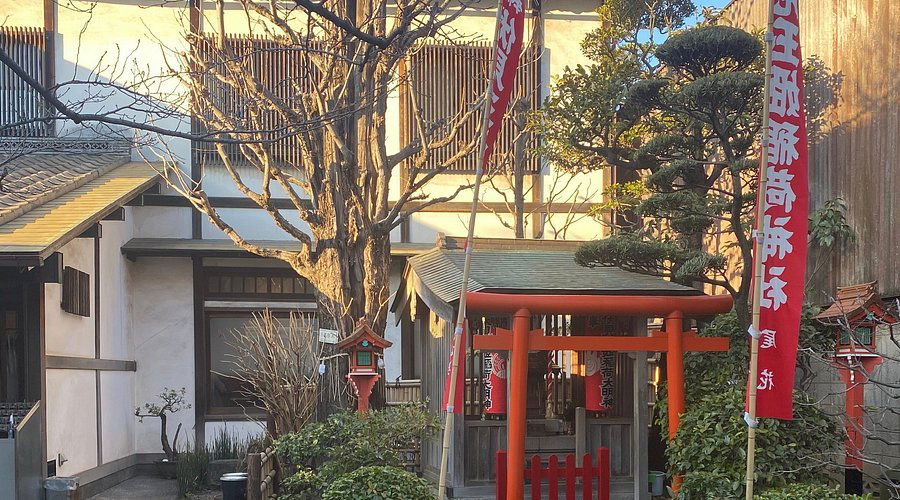
Traditional tatami rooms with wood accents, quiet and cozy Japanese atmosphere enhanced by garden views while waiting.
Tags
Vibe
Best For
Experience
View
At the Table
- Dress Code
- Smart Casual
- Noise Level
- Quiet
- Service Style
- Formal
- Meal Pacing
- Leisurely
- Capacity
- Large
Signature Dishes
- Unaju
- Umaki
- Kimosui
Know before you go
Know Before You Go
- Getting there
- 5 Chome-33-1 Minamisenju, Arakawa City, Tokyo 116-0003, Japan
Planning details
Location
5 Chome-33-1 Minamisenju, Arakawa City, Tokyo 116-0003, Japan · Directions
Recognition and awards

Also consider
Also Consider
- Harutaka, Sushi, ¥¥¥¥
- L'Effervescence, French, ¥¥¥¥
- RyuGin, Kaiseki, Japanese, ¥¥¥¥
- HOMMAGE, Innovtive French, French, ¥¥¥¥
- Crony, Innovative, French, ¥¥¥¥
Restaurant context
Obana's clearest peer within the sushi category is Harutaka, a Tokyo counter with comparable critical standing but a central Ginza address. If you want the full Tokyo omakase experience without building a train excursion into your day, Harutaka is the more convenient choice. Obana makes sense when you want to trade city access for a quieter, more personal room and a price point that sits below the Ginza benchmark for equivalent award recognition.
For kaiseki at a similar spend, RyuGin is the reference point, technically precise, in-city, and easier to fold into a Tokyo itinerary. L'Effervescence is the call if French technique is the priority over Japanese formats. Both stay in Tokyo, which matters if you are working around a tight schedule. For guests who want innovative cooking at ¥¥¥¥ pricing, HOMMAGE and Crony offer creative French-influenced menus without requiring a regional train.
The honest decision matrix: book Obana if the journey itself appeals and you want award-level sushi at prices below what central Tokyo charges for the same calibre. Book Harutaka or RyuGin if you need to stay in the city. Book L'Effervescence, HOMMAGE, or Crony if French technique is what you are after. Obana does not compete on convenience, it competes on quality-to-price ratio and intimacy of format.
Explore Tokyo
Around this place
Discover more on Pearl
Unlock the full Obana guide in Pearl, including awards, comparisons, FAQs, planning details, and nearby places.
FAQ
Frequently Asked Questions
How far ahead should I book Obana?
Book as early as possible through Pocket Concierge — new customers cannot reserve by any other channel. With only 8 seats and consistent Tabelog recognition (Silver 2026, ranked #164 in Japan by Opinionated About Dining 2025), availability disappears quickly. Cancellation fees kick in at 30% seven days out and reach 100% on the day, so commit only when your dates are fixed.
Is Obana good for a special occasion?
Yes, with the right expectations. The format is counter-only or a private tatami room for 2–3, courses run from JPY 27,500 to JPY 43,000 per person, and the restaurant has held Tabelog award recognition every year since 2019. The private tatami room makes it viable for an intimate celebration; the counter suits solo diners or pairs who want to engage with the chef. No dress code is enforced, though strong fragrances are asked to be avoided.
Can Obana accommodate groups?
Only in limited form. The entire venue seats 8 across a counter and one private tatami room for 2–3 guests; private hire of the full space is listed as available, but the physical scale means this suits small groups of 3 or fewer most naturally. Parties larger than 3 should confirm arrangements directly via Pocket Concierge before assuming the space will work. Counter seating is restricted to guests aged 12 and older.
What should a first-timer know about Obana?
Reservations through Pocket Concierge are mandatory for first-time visitors — there is no walk-in option. Expect a course-only format priced between JPY 27,500 and JPY 43,000 depending on ingredient availability. BYO is permitted with a JPY 3,300 corkage fee, and an English menu is available free of charge if requested at the time of booking. The restaurant is in Tatebayashi, Gunma, roughly 50 minutes from Kitasenju by limited express, so plan the journey as part of the commitment.
What are alternatives to Obana in Tokyo?
For sushi within central Tokyo at a comparable award level, Harutaka (Ginza) offers an omakase counter with Tabelog recognition and no day-trip logistics. If the draw is a small-counter, reservation-only format with high price-per-head, RyuGin covers similar exclusivity territory but within a kaiseki frame. Obana's case is the combination of Tabelog Silver-level quality and a destination outside the city — if you want that format closer in, Harutaka is the most direct substitute.