
.png?width=1200&quality=80)

Hashimoto Unagi
Unagi · Bunkyō, Tokyo
Restaurant in Tokyo, Japan
 Book with Pearl
The Read
Sixth-Generation Edo Kabayaki
Price
$30–50per person
Chef
Shinji Hashimoto
Dress
Casual
Why go
Hashimoto Unagi has been serving Edo-style grilled eel from the same Bunkyo address since 1835, with sixth-generation chef Shinji Hashimoto maintaining a tare sauce of equivalent age. Ranked in OAD's top 10 for Japanese casual dining three years running, it is the most historically grounded unagi option in Tokyo, easy to book, and best visited at Saturday lunch.
About Hashimoto Unagi
Is Hashimoto Unagi worth booking in Tokyo?
Yes, decisively. Hashimoto Unagi is one of the few places in Tokyo where you can eat Edo-style grilled eel in a setting that has been doing exactly this since 1835. That is not a marketing claim: the noren hanging outside the old-style detached house in Bunkyo explicitly states the founding year, and sixth-generation chef Shinji Hashimoto is the current custodian of a tare sauce that has been in continuous use since the shogunate era. Ranked #4 in Japan on Opinionated About Dining Casual in 2023, #7 in 2024, and #6 in 2025, this is a venue with a long track record of peer recognition, not a recent discovery riding a wave of social media attention.
What to expect when you arrive
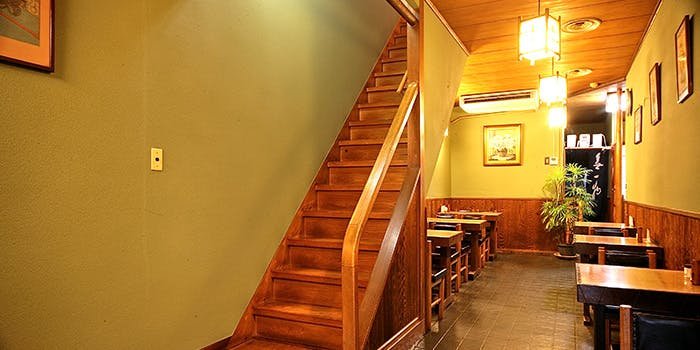
The visual cue is immediate: a lantern bearing the hiragana character for unagi marks the entrance to a traditional detached house that reads as a neighbourhood institution rather than a restaurant designed for visitors. Inside, the setting is classic Edo in register: lacquered boxes, unhurried pacing, and a kitchen culture built around repetition and precision rather than novelty. If you are arriving from a run of kaiseki meals or high-end sushi counters, the register here is different. This is a specialist venue with a narrow, deeply refined focus, and that specificity is exactly the point.
The house format centres on unaju, broiled eel served over rice in a lacquered box, with the eel prepared using the Kanto technique: split down the back, steamed before grilling, then finished with the generations-old tare. Ahead of the main dish, skewers arrive: grilled eel liver, ribs, and fin. These are not incidental snacks. They are the parts of the eel that most restaurants skip, and eating them here is the most direct way to understand what Edo-style eel cookery actually involves at a technical level. For a food-focused traveller, this sequence is the core of the visit.
Ideal time to visit
Hashimoto Unagi is open Tuesday through Wednesday and Friday through Sunday for both lunch (11:30 am to 2 pm) and dinner (4:30 to 8 pm). Thursday is the weekly closure. Lunch is the stronger booking for most visitors: the room tends to be quieter, the natural light through an old wooden structure reads better at midday, and you have the rest of the afternoon free for Bunkyo or Yanaka. If your schedule is flexible, a Saturday lunch reservation is the cleanest option. Dinner sittings are short by Tokyo standards, finishing at 8 pm, so plan accordingly if you want to extend the evening elsewhere. Check our full Tokyo bars guide for nearby options.
Booking difficulty and logistics
Booking difficulty is rated Easy. Given the venue's OAD recognition and the limited hours (no late sittings, Thursday closed, dinner ends at 8 pm), booking ahead is still the right call. Walk-ins may be possible on weekday lunch services, but there is no reason to risk it for a restaurant this specific. The address is 2 Chome-5-7 Suido, Bunkyo City, Tokyo 112-0005. Bunkyo is a residential ward rather than a tourist hub, which means fewer crowds around the venue and a more local atmosphere than you would find at unagi restaurants near Asakusa or Ueno.
Know Before You Go
- Cuisine: Unagi (Edo-style grilled eel)
- Chef: Shinji Hashimoto (sixth generation)
- Founded: 1835
- Hours: Mon–Wed, Fri–Sun: 11:30 am–2 pm and 4:30–8 pm. Thursday closed.
- Address: 2 Chome-5-7 Suido, Bunkyo City, Tokyo 112-0005
- Awards: OAD Casual Japan #6 (2025), #7 (2024), #4 (2023)
- Booking difficulty: Easy
- Leading visit: Saturday lunch
How It Compares
Explore More
Planning a broader Tokyo trip? See our full Tokyo restaurants guide, our full Tokyo hotels guide, our full Tokyo experiences guide, and our full Tokyo wineries guide. For Japanese dining outside the capital, consider HAJIME in Osaka, Gion Sasaki in Kyoto, akordu in Nara, Goh in Fukuoka, 1000 in Yokohama, or 6 in Okinawa. For unagi beyond Japan, Irin in Bratislava is worth a look.
Planning details
- Hours
- Monday: 11:30 am–2 pm, 4:30–8 pm · Tuesday: 11:30 am–2 pm, 4:30–8 pm
- Location
- 2 Chome-5-7 Suido, Bunkyo City, Tokyo 112-0005, Japan
- Website
- unagi-hashimoto.jp
- Phone
- +81 3-3811-4850
The take
The Take
The Vibe
Hashimoto Unagi reads like a preserved episode of Tokyo history. You enter under a paper lantern and a noren dated 1835, into a low wooden house that predates modern Tokyo rebuilding cycles. The setting is quiet Bunkyo — a university- and temple-lined ward where neighbourhood life outweighs tourism — so the room feels intimate and unforced rather than staged. Service and the narrow, ritualised menu reinforce a classic, old-school eel-house atmosphere: this is a place for people who value continuity, modest charm, and the calm dignity of a long-lived institution.
Best For
This is the kind of place regulars return to as part of life’s rhythms, so it suits anyone seeking an authentic, unvarnished Tokyo meal. The house welcomes families who have long-standing ties to the restaurant, solo diners who appreciate ritualised eating, and small celebrations that prize history and tradition over flash. It reads less like a destination for sightseeing and more like a chosen stop for those who value provenance and the steady comfort of an established menu and setting.
Ordering Tips
The menu is deliberately narrow and follows a recognisable ritual: skewers arrive first—grilled eel liver, ribs, and fin—each offering a different register of the ingredient before the main dish. The centrepiece is Edo-style kabayaki and unaju (broiled eel over rice served in a lacquered box), the format that defines the house. Regulars often navigate the meal without consulting a menu; if you want the full experience, start with the skewers and then order unaju to follow the traditional progression described here.
Venue details
Ambiance
Intimate, traditional Japanese home-like setting with tatami rooms and minimal modern touches; quiet and comforting with the aroma of charcoal-grilled eel drifting through the space.
Tags
Vibe
Best For
Experience
At the Table
- Dress Code
- Casual
- Noise Level
- Quiet
- Service Style
- Upscale Casual
- Meal Pacing
- Leisurely
- Capacity
- Small
- Kitchen
- Traditional
- Menu Format
- A la carte, Set menu
- Drinks Focus
- Sake
- Private Dining
- Available
Signature Dishes
- Unajou
- Unaju
- Umaki
Know before you go
Know Before You Go
- Getting there
- 2 Chome-5-7 Suido, Bunkyo City, Tokyo 112-0005, Japan
Planning details
Hours
- Monday
- 11:30 am–2 pm, 4:30–8 pm
- Tuesday
- 11:30 am–2 pm, 4:30–8 pm
- Wednesday
- 11:30 am–2 pm, 4:30–8 pm
- Thursday
- Closed
- Friday
- 11:30 am–2 pm, 4:30–8 pm
- Saturday
- 11:30 am–2 pm, 4:30–8 pm
- Sunday
- 11:30 am–2 pm, 4:30–8 pm
Location

Also consider
Also Consider
- Harutaka, Sushi, ¥¥¥¥
- L'Effervescence, French, ¥¥¥¥
- RyuGin, Kaiseki, Japanese, ¥¥¥¥
- HOMMAGE, Innovtive French, French, ¥¥¥¥
- Crony, Innovative, French, ¥¥¥¥
Restaurant context
Hashimoto Unagi sits in a completely different category from Tokyo's ¥¥¥¥ restaurants. Compared to RyuGin or L'Effervescence, which require months of advance planning and deliver multi-course kaiseki or modern French tasting menus at high price points, Hashimoto is straightforward to book and focused on a single dish done with generations of accumulated precision. If your Tokyo dining budget is concentrated on two or three high-end meals, Hashimoto earns a place on that list not through price but through specificity: you cannot replicate this format anywhere else in the city.
Against Harutaka for sushi or HOMMAGE and Crony for innovative French, the value calculus is different again. Those venues ask for a significant per-head commitment and a formal booking process. Hashimoto asks for neither. It is the most accessible entry on this comparison list, and for a food-focused traveller who wants depth and historical context rather than a tasting menu format, it offers something none of the ¥¥¥¥ venues on this list can: a direct, unmediated connection to Edo-era culinary practice, still operating on its original site. Book one of the formal restaurants for a celebration meal, and add Hashimoto for the Saturday lunch that gives you the most context about what Tokyo's food culture is actually built on.
Explore Tokyo
Around this place
Discover more on Pearl
Unlock the full Hashimoto Unagi guide in Pearl, including awards, comparisons, FAQs, planning details, and nearby places.
Compare Hashimoto Unagi
| Venue | Cuisine | Awards | Booking Difficulty |
|---|---|---|---|
| Hashimoto Unagi | Unagi | 2026 OAD Casual in Japan Ranked · #102026 Bib Gourmand2025 OAD Casual in Japan Ranked · #62024 OAD Casual in Japan Ranked · #7Tabelog 100 - Unagi - 2024 · #352023 OAD Casual in Japan Ranked · #4 | Easy |
| Harutaka | Sushi | 2026 Tabelog Silver · #312026 OAD Top Restaurants in Japan Ranked · #1282026 Michelin 3 Stars2026 La Liste Top RestaurantsTabelog 100 - Sushi - TOKYO - 2025 · #372025 Asia's 50 Best Restaurants · #762025 OAD Top Restaurants in Japan Ranked · #1172025 La Liste Top Restaurants2025 Tabelog Bronze | Unknown |
| L'Effervescence | French | 2026 Tabelog Silver · #682026 OAD Top Restaurants in Japan Ranked · #103Star Wine Lists 20262026 Black Pearl 2 Diamond2026 Relais Chateaux Restaurants2026 La Liste Top Restaurants2026 Michelin 3 Stars2025 Asia's 50 Best Restaurants · #692025 OAD Top Restaurants in Japan Ranked · #92 | Unknown |
| RyuGin | Kaiseki, Japanese | 2026 OAD Top Restaurants in Japan Ranked · #802026 Tabelog Bronze · #3772026 Michelin 3 Stars2026 La Liste Top RestaurantsTabelog 100 - Japanese cuisine - TOKYO - 2025 · #212025 OAD Top Restaurants in Japan Ranked · #542025 Michelin 3 Stars2025 La Liste Top Restaurants2025 The Best Chef Three Knives | Unknown |
| HOMMAGE | Innovtive French, French | 2026 Tabelog Bronze · #1232026 OAD Top Restaurants in Japan Highly Recommended2026 Michelin 2 StarsTabelog 100 - French - TOKYO - 2025 · #762025 Asia's 50 Best Restaurants · #782025 OAD Top Restaurants in Japan Ranked · #1752025 Michelin 2 Stars2025 The Best Chef One Knife2025 La Liste Top Restaurants | Unknown |
| Crony | Innovative, French | 2026 Asia's 50 Best Restaurants · #34Star Wine Lists 20262026 OAD Top Restaurants in Japan Recommended2026 Michelin 2 Stars2025 Asia's 50 Best Restaurants · #30Tabelog 100 - French - TOKYO - 2025 · #782025 OAD Top Restaurants in Japan Ranked · #227We're Smart World Top Restaurants 20252025 Michelin 2 Stars | Unknown |












A quick look at how Hashimoto Unagi measures up.
FAQ
Frequently Asked Questions
How far ahead should I book Hashimoto Unagi?
Book at least one to two weeks in advance. Hashimoto has limited hours, lunch runs until 2 pm, dinner ends at 8 pm, and Thursday is closed entirely, which compresses availability significantly. With consistent OAD Top 10 Casual Japan rankings from 2023 through 2025, demand is steady. Walk-ins are a gamble worth avoiding.
What should I order at Hashimoto Unagi?
Order the Unaju: broiled eel over rice served in a lacquered box, prepared with a tare sauce the Hashimoto family has maintained since 1835. While you wait, skewers of grilled eel liver, ribs, and fin arrive, order those too. They are not an afterthought; they are part of the experience the OAD judges are ranking.
Is Hashimoto Unagi good for solo dining?
Yes. Traditional unagi-ya format suits solo diners well: the menu is focused, the meal is structured around a single main dish, and the setting, a historic detached house, is quiet rather than social. You are not eating at a counter waiting for multiple courses; the pacing is manageable alone.
What are alternatives to Hashimoto Unagi in Tokyo?
For a contrast in format and price, Crony offers a more contemporary Tokyo dining experience. If you want to stay within traditional Japanese cuisine but shift to high-end washoku, RyuGin is the step up. Hashimoto is the call specifically when you want focused, heritage-driven eel at a casual price point, none of those alternatives do what Hashimoto does.
Is lunch or dinner better at Hashimoto Unagi?
Lunch is the practical choice. Both sessions serve the same menu, but the lunch slot, 11:30 am to 2 pm, leaves your afternoon free and tends to feel less rushed than the tight dinner window (4:30 to 8 pm). If your Tokyo schedule is tight, lunch also reduces the risk of the kitchen selling out of eel, which traditional unagi-ya do.