

Tabelog 100 Sushi Restaurants in East Japan; 2025
Tabelog 100 (Hyakumeiten) Sushi - EAST selection for 2025. Tabelog publishes these as source-ordered lists of 100 restaurants.

Venues on this list
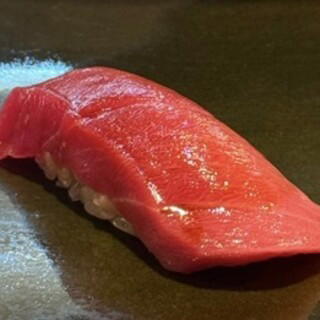
Toyo Zushi
Saitama, Japan
A Tabelog 100-recognized sushi counter in Saitama with private rooms, counter seating, and tatami options at JPY 10,000–14,999 dinner (JPY 4,000–4,999 lunch). The two-minute walk from Omiya Station and family-friendly layout make it a practical choice for both solo diners and groups looking for award-level sushi outside Tokyo's pricing tier.
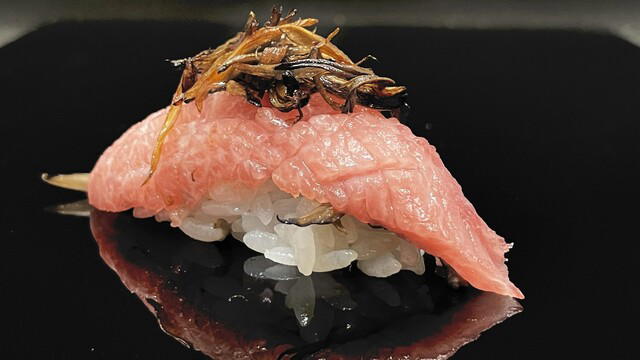
Ryu Zushi
Minamiuonuma, Japan
A 9-seat sushi counter in rural Niigata that earned Tabelog 100 recognition for sourcing Sea of Japan fish and Uonuma Koshihikari rice. At JPY 15,000–19,999, it delivers edomae-level technique without Tokyo's booking hysteria; worth it for skiers and onsen tourists already in the region, less so for a standalone sushi trip from the capital.
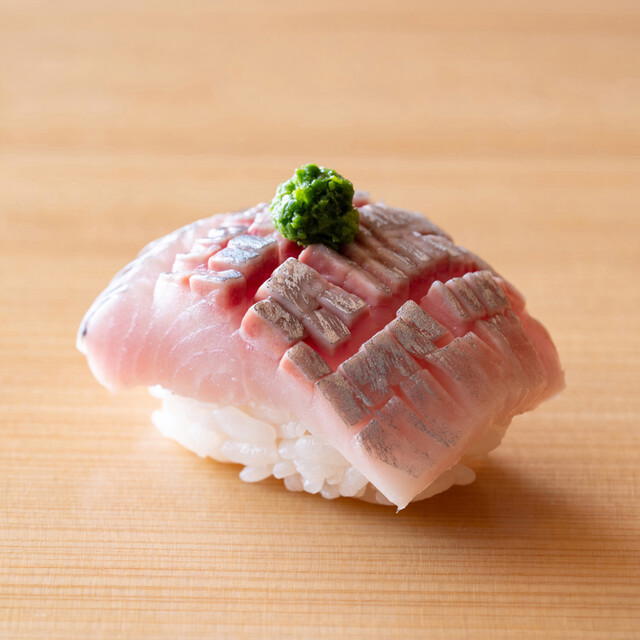
Sushi Sohei
Sapporo, Japan
Sushi Sohei is worth booking if a serious Sapporo sushi counter is the point of the evening, not just one stop in a packed food crawl. The price sits in high-end territory, and the stronger fit is a two-person, sushi-focused dinner where pacing and progression matter more than menu flexibility or group energy.
Kobanzushi
Gifu, Japan
A Tabelog Bronze Award winner every year from 2017 to 2026, Kobanzushi (Koban Zushi Tanagura) is a 15-seat Edo-style sushi counter in rural Fukushima worth a deliberate trip. Dinner runs JPY 15,000 to JPY 29,999 per head; cash only. Book by phone two to three weeks out. Private rooms available for groups up to 20.
Tatsufumi Shiten
Nagoya, Japan
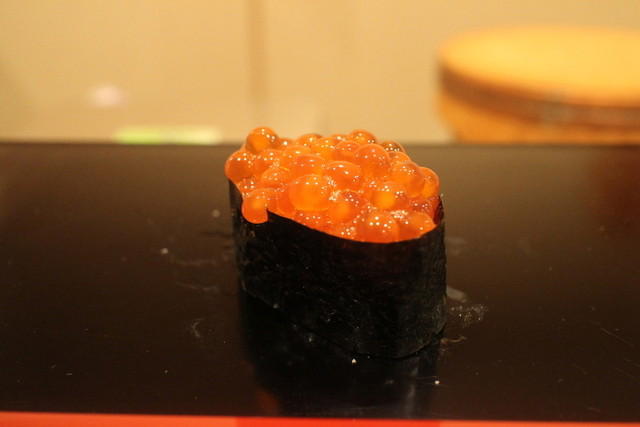
Tatsufumi Shiten is a six-seat sushi counter near Kurumamichi Station, recognized in Tabelog 100 Sushi EAST for three years. At ¥10,000–¥14,999, it delivers fish-focused omakase without Tokyo's price inflation. The counter-only format suits couples and solo diners; cash payment required.
Sushi Izumu
Nagoya, Japan
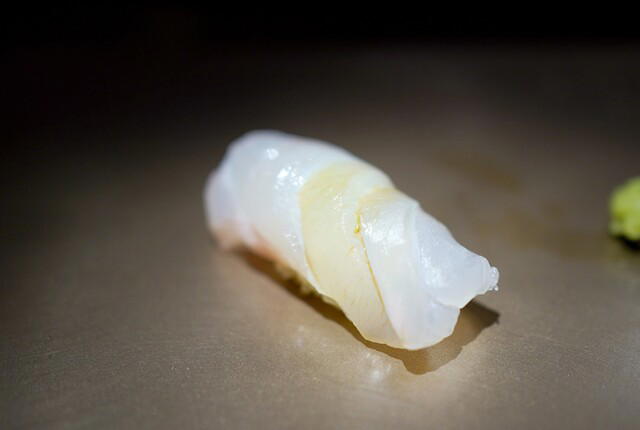
Sushi Izumu is an eight-seat counter sushi-ya in Nagoya's Naka-ku district, opened May 2023 and named to Tabelog Sushi EAST 100 in 2025. Dinner omakase runs ¥30,000–¥39,999 with a fish-driven menu and a wine program that pairs structured whites and reds against edomae technique; worth booking if you want counter intimacy without Tokyo pricing, though the lack of a public phone number and short track record may deter diners who prioritize established reputations.
Sushi Kojima
Akita, Japan
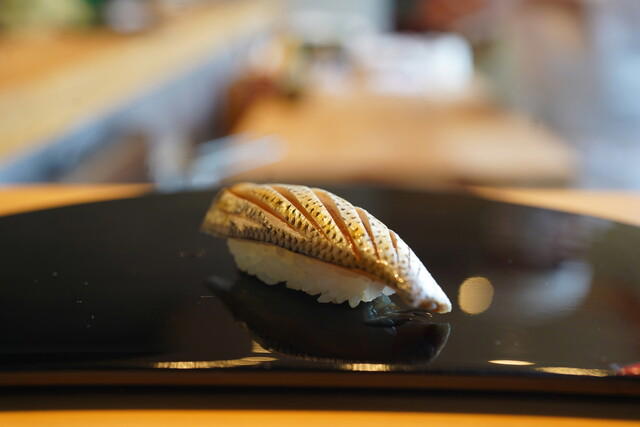
This Tabelog 100 sushi counter in Akita delivers technically sound preparation with local Sea of Japan catch and regional rice, priced at JPY 15,000-19,999 for dinner. The format is counter-only, dinner-only service (closed Sunday), with moderate booking difficulty and a focus on ingredient integrity over omakase ceremony. Book if you want solid sushi execution at a price point below Tokyo comparables, skip if you need Edomae formality or large-group seating.
Nakajo
Yokohama, Japan
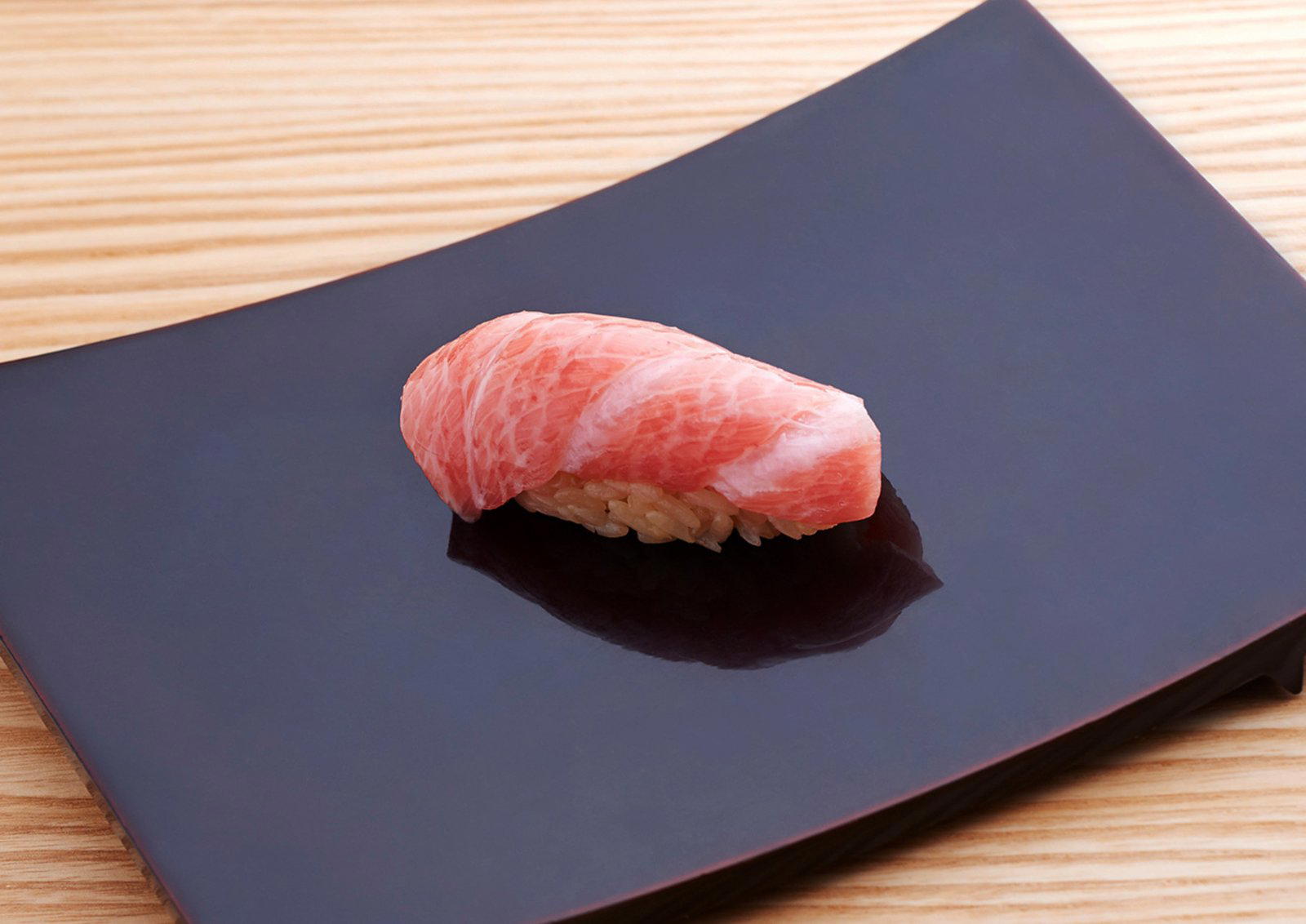
A seven-time Tabelog Bronze Award winner in Yokohama's Kannai district, Nakajo serves Edomae nigiri at JPY 40,000–49,999 per head with a Tabelog score of 4.08 and a national ranking of #305. Booking difficulty is low relative to Tokyo counterparts, making it the practical choice for a high-quality special occasion sushi dinner in Yokohama.
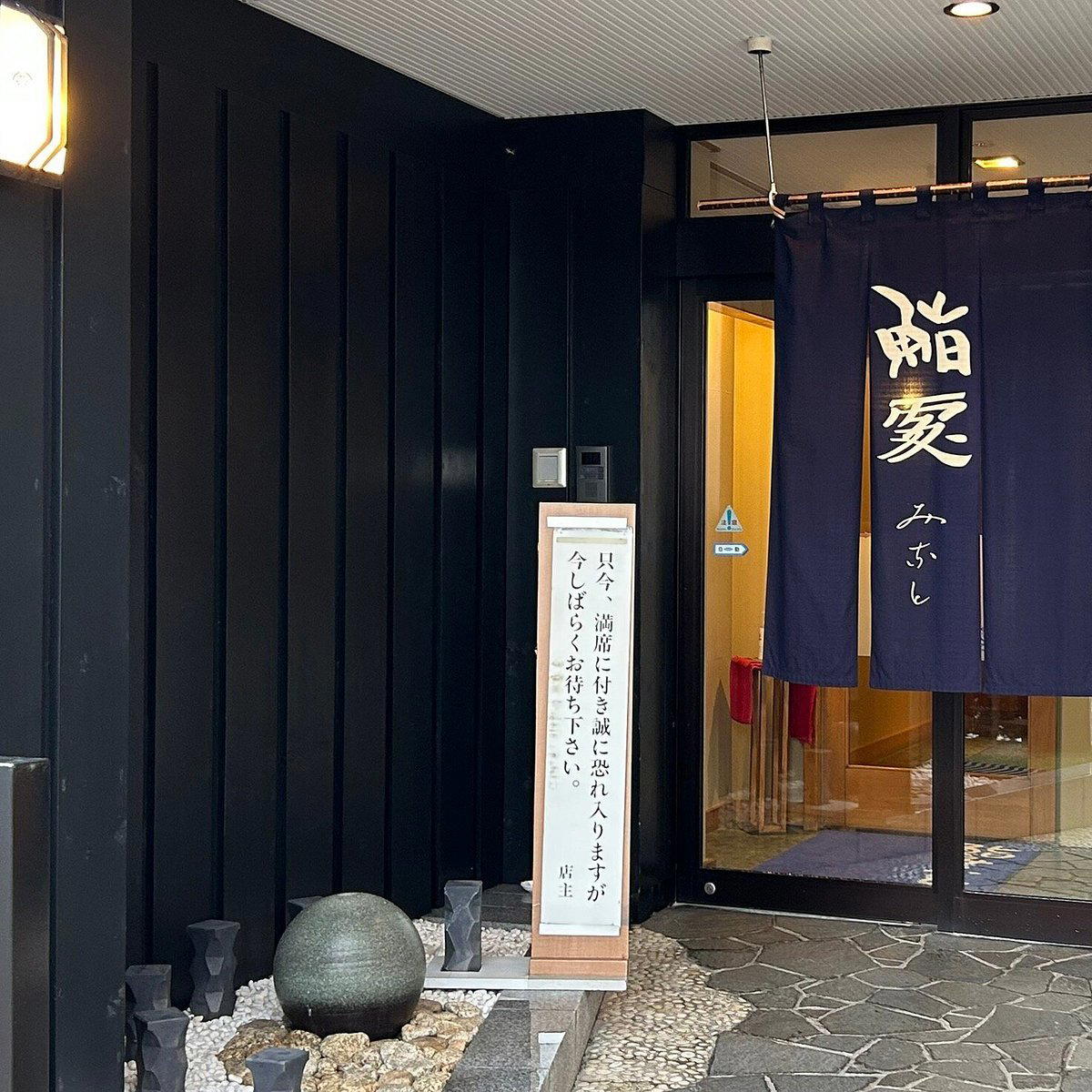
Sushi Minato
Asahikawa, Japan
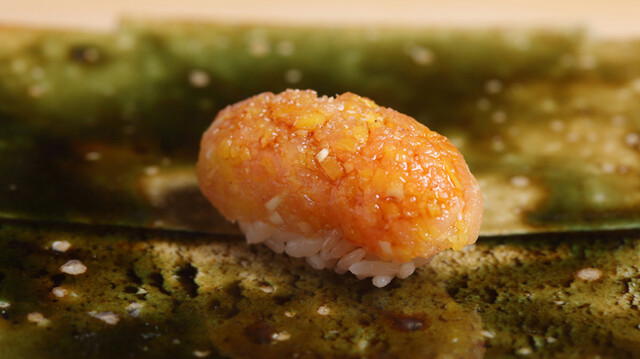
Eight-time Tabelog Bronze winner serving Ezo-mae sushi (Hokkaido's regional interpretation of Tokyo's Edo-mae style) at JPY 20,000–29,999 per person. Takayuki Nakaminato's 11-seat counter emphasizes cold-water Hokkaido seafood with traditional aging and vinegar work. Private rooms available for up to 20 guests. Dinner only, reservations difficult. Worth it if sushi mastery is the priority; otherwise Asahikawa's ramen scene offers better value.
Sushi Nara
Zushi, Japan
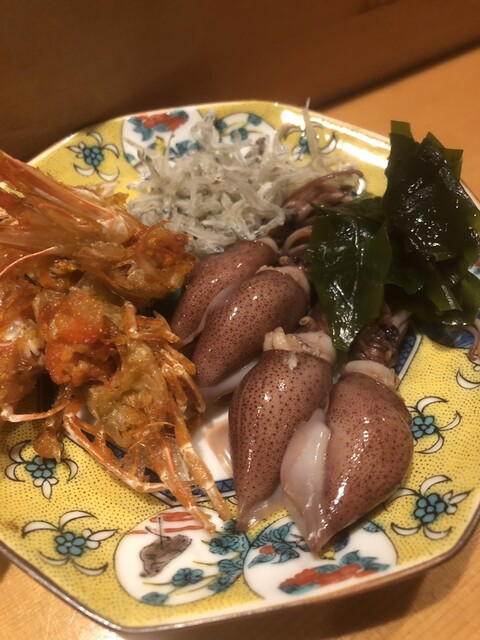
A six-seat counter in Zushi specializing in Sagami Bay fish, earning Tabelog 100 – Sushi – EAST – 2025 recognition. Expect JPY 20,000–29,999 omakase with local catch emphasis, cash-only payment, and booking 2–3 weeks ahead. Best for diners prioritizing regional sourcing over trophy ingredients, willing to commit to counter-only format in a quiet coastal town.
Sushi Tomi
Fujisawa, Japan
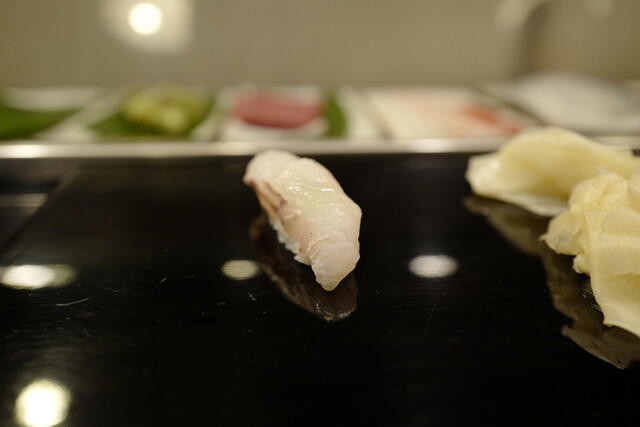
Tabelog 100 sushi counter (2021, 2022, 2025) in Fujisawa delivering technical fish work at JPY 10,000–14,999; two-thirds the cost of comparable Tokyo omakase, with easier booking and no credit cards accepted. Eight counter seats plus four-seat table; expect direct chef interaction and cash-only payment. Worth it for travelers seeking recognized sushi outside central Tokyo.
Kin Zushi
Sapporo, Japan
Tabelog 100 Sushi EAST 2025 sushiya near Bus Center Station delivering Hokkaido fish omakase at JPY 10,000–14,999 dinner, JPY 6,000–7,999 lunch. The 59-seat layout (counter, tables, private rooms) and family-friendly policy make it a practical choice for groups and value-conscious diners who want recognition-backed quality without Tokyo-tier pricing or multi-week booking drama.

Sushi Tokiwa (鮨 登喜和)
Niigata, Japan
Sushi Tokiwa (鮨 登喜和) is the Niigata sushi booking to prioritize if the meal is the occasion and the party is small. Its Opinionated About Dining Top Restaurants in Japan #68 ranking for 2026 gives it national credibility, but missing public planning details mean it is better for focused diners than flexible group meals.
Sushi Natsume Honten
Sapporo, Japan
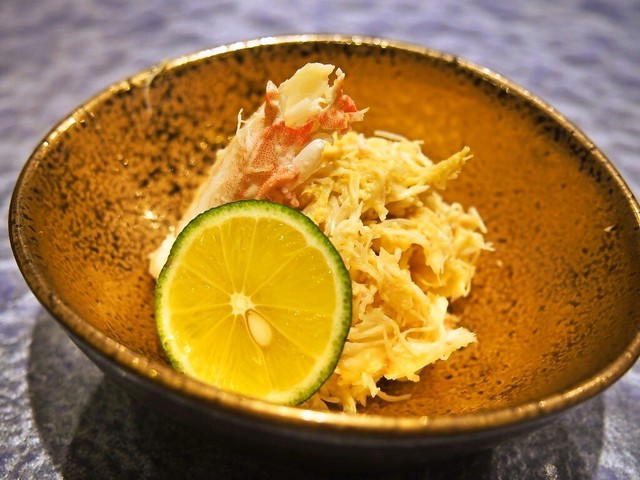
Tabelog 100 Sushi EAST 2025 omakase counter in Susukino serving Hokkaido-focused nigiri at JPY 20,000–29,999. The seven-seat counter and four private rooms offer accessible booking (two to three weeks ahead) and technical precision without Tokyo wait times. Best for diners who value fish quality over elaborate presentation.
Kikuzushi
Nagano, Japan
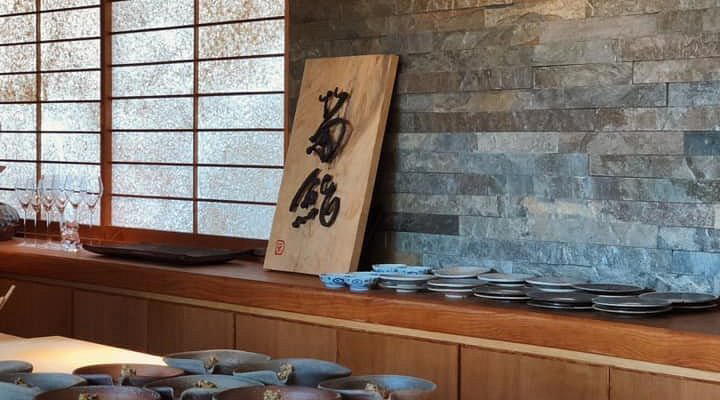
Kikuzushi is Nagano's most consistently decorated sushi counter, holding a Tabelog Silver Award every year since 2018 and ranking among Japan's top 131 restaurants (OAD 2025). At JPY 30,000 to JPY 39,999 per head in practice, it outperforms what its out-of-city location might suggest. Book when your plans are firm; cancellation terms are strict; and time your visit by season for the most rewarding return.
Tomi Sushi
Nagoya, Japan
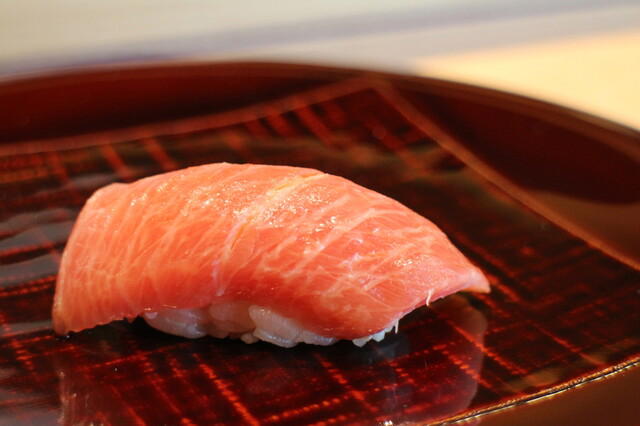
A seven-seat counter in Nishiki serving traditional edomae omakase at JPY 20,000–JPY 29,999 (dinner) or JPY 8,000–JPY 9,999 (lunch, Wednesday and Saturday only). Tabelog Sushi EAST 百名店 2025. Book one day ahead; same-day reservations not accepted. Saké and shochu program strong; wine list functional. Private bookings for up to 20 guests. Closed Sunday and public holidays.
Hama Gen
Nagoya, Japan
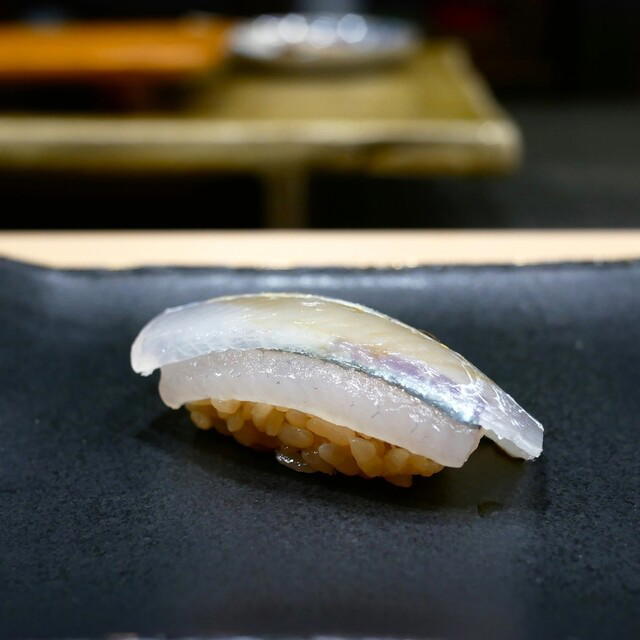
For spring and early-summer Nagoya planning, Hama Gen is a strong sushi-first dinner if the budget allows JPY 30,000–39,999. The case rests on recent recognition, including Tabelog Bronze 2026 and Tabelog 100 2025, plus a relatively manageable booking profile compared with tougher destination sushi rooms.
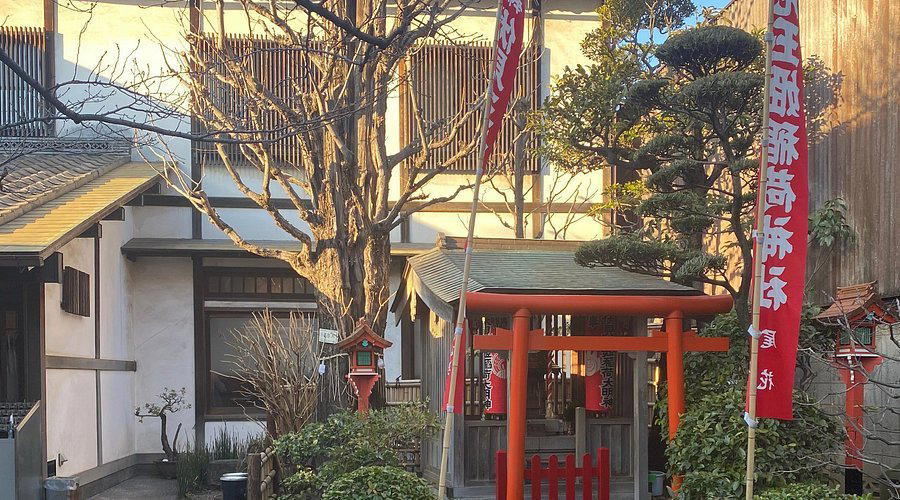
Obana
Tokyo, Japan
A Tabelog Silver Award sushi counter in Tatebayashi, Gunma; roughly 50 minutes from central Tokyo; Obana prices its full course at JPY 35,000–43,000, well below comparable Ginza counters. With just 8 seats, a serious sake list, and BYO permitted at JPY 3,300 corkage, it rewards food-focused travellers willing to make the journey.
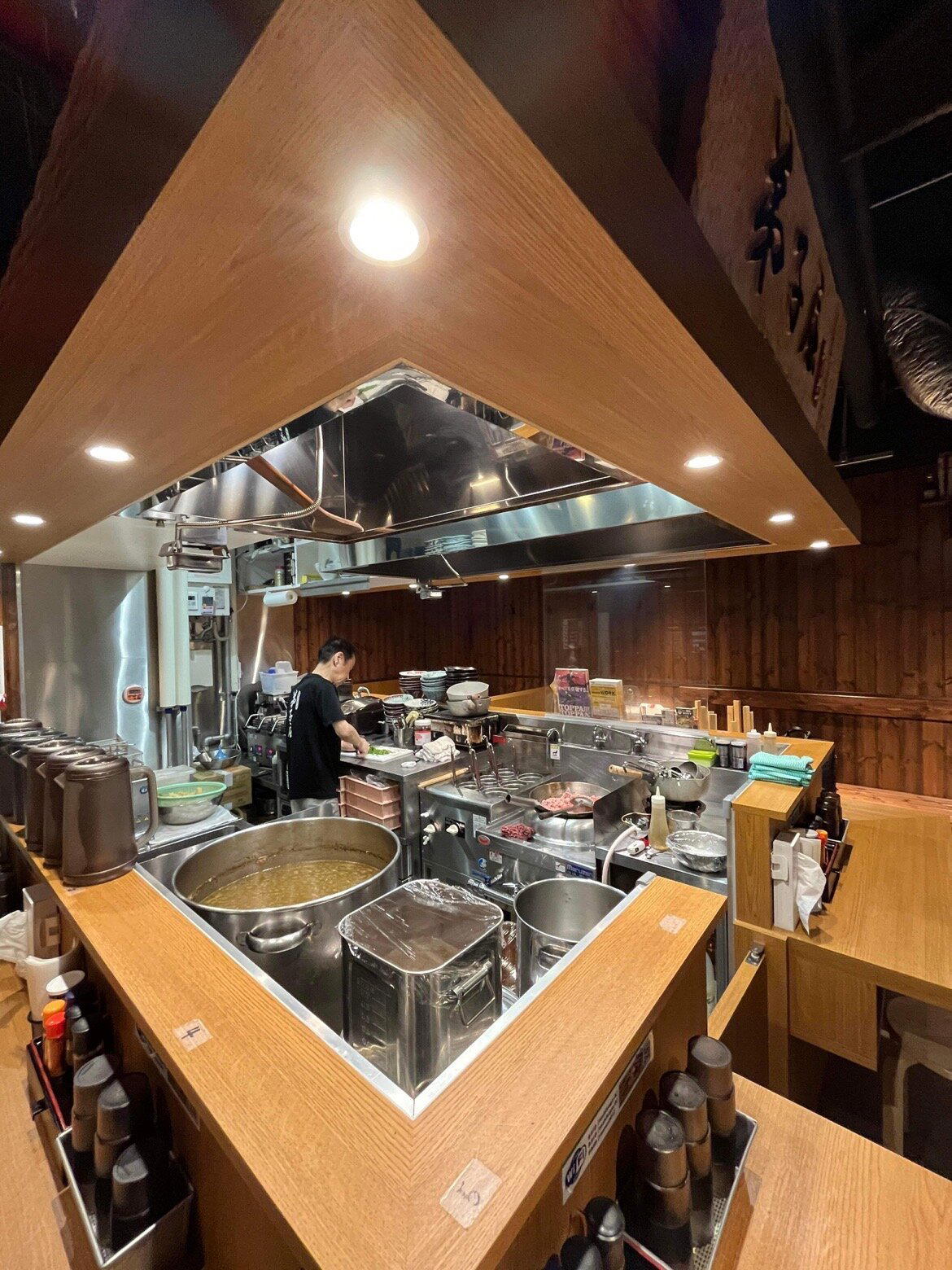
東雲
Sapporo, Japan
東雲 is a stronger fit for a deliberate Sapporo meal than for a casual-value booking. Its Tabelog 100 #19 placement in 2025 gives it a real quality signal, but diners who need clear pricing should compare MATALE Maruyama ten or Sushi Kai first.
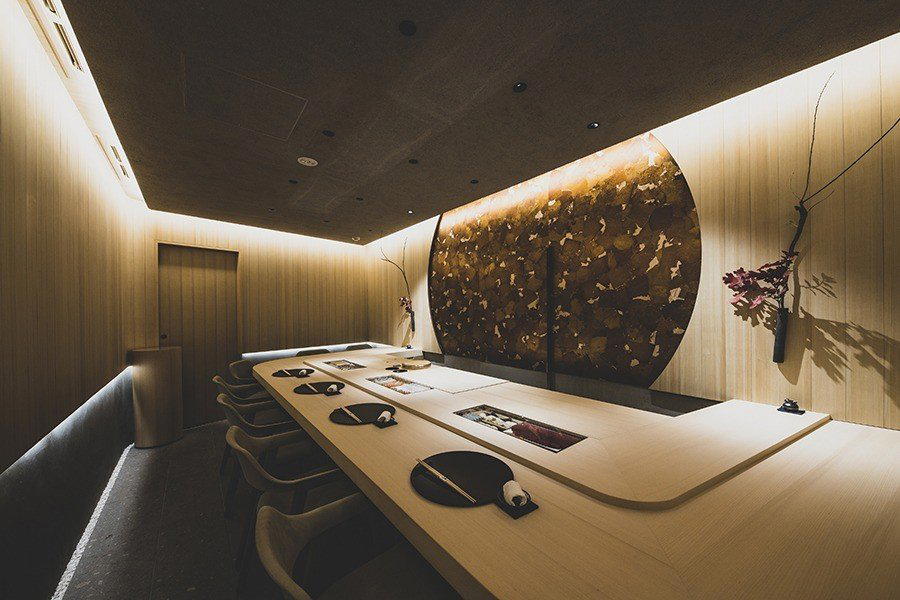
〇鮨
Sapporo, Japan
A focused Sapporo sushi booking for diners who want technical craft over a loose night out. The Tabelog 100 recognition gives it real weight, but it is better for pairs or small groups than for diners seeking a broad, casual sampler of the city.
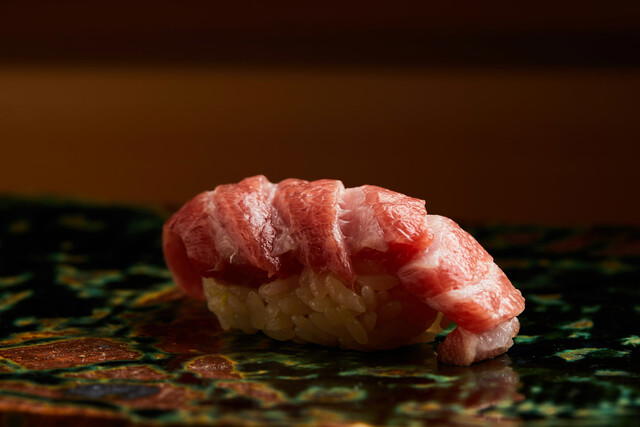
Sushi Hanakuruma
Nagoya, Japan
An eight-seat sushi counter in basement Nagoya, supervised by Ginza's Sushi Arai and recognized by Tabelog 100 Sushi EAST 2025 within three years of opening. Chef Hiroyoshi Yokota runs omakase-only service at JPY 30,000–39,999 dinner (JPY 20,000–29,999 lunch), with red-vinegar shari and seasonal fish sourcing. Counter seating only, no children, advance booking required.
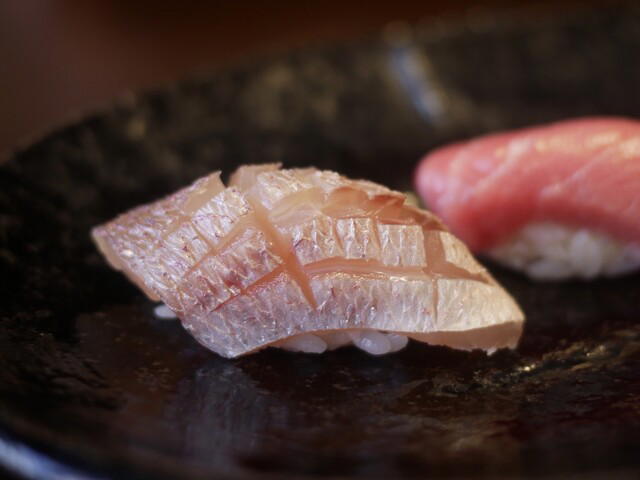
Sushi Megumi
Tatebayashi, Japan
Reservation-only sushi counter in residential Tatebayashi, recognized three times on Tabelog 100 Sushi EAST (2021, 2022, 2025). Fish-forward omakase at JPY 15,000–19,999, with lunch service Wednesday to Saturday and a nine-seat counter plus private room for four. Easier to book than Tokyo's top tier, though the inland location shapes sourcing.
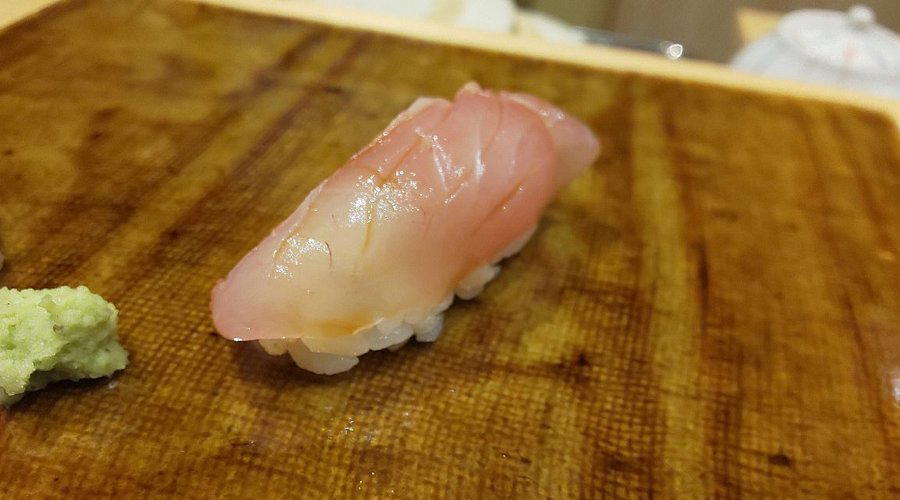
Sushi Isao
Nagoya, Japan
Tabelog 100 Sushi EAST 2025 counter serving Tokai-region seafood at JPY 20,000–29,999 dinner, JPY 10,000–14,999 lunch. Two counter stations, 16 seats, one minute from Takaoka Station. Strict no-perfume policy, private rooms available. Best for diners seeking local catch over Tokyo imports, priced below Italian peers.
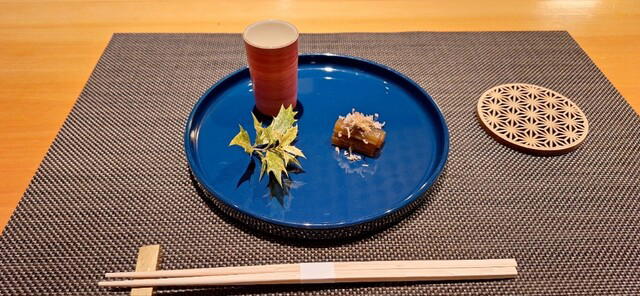
Ito Ke no Tsubo
Ashigarashimo-Gun, Japan
Tabelog 100 – Sushi – EAST 2025 recognition meets Sagami Bay coastline at this house restaurant in Manazuru, where ¥8,500 courses showcase local catch in tatami rooms overlooking the Pacific. BYO sake policy and an optional overnight stay (¥14,000) separate it from Tokyo's formal omakase counters; less ceremony, fresher fish, ocean views included. Book ahead; proximity to the morning's harvest drives the menu.
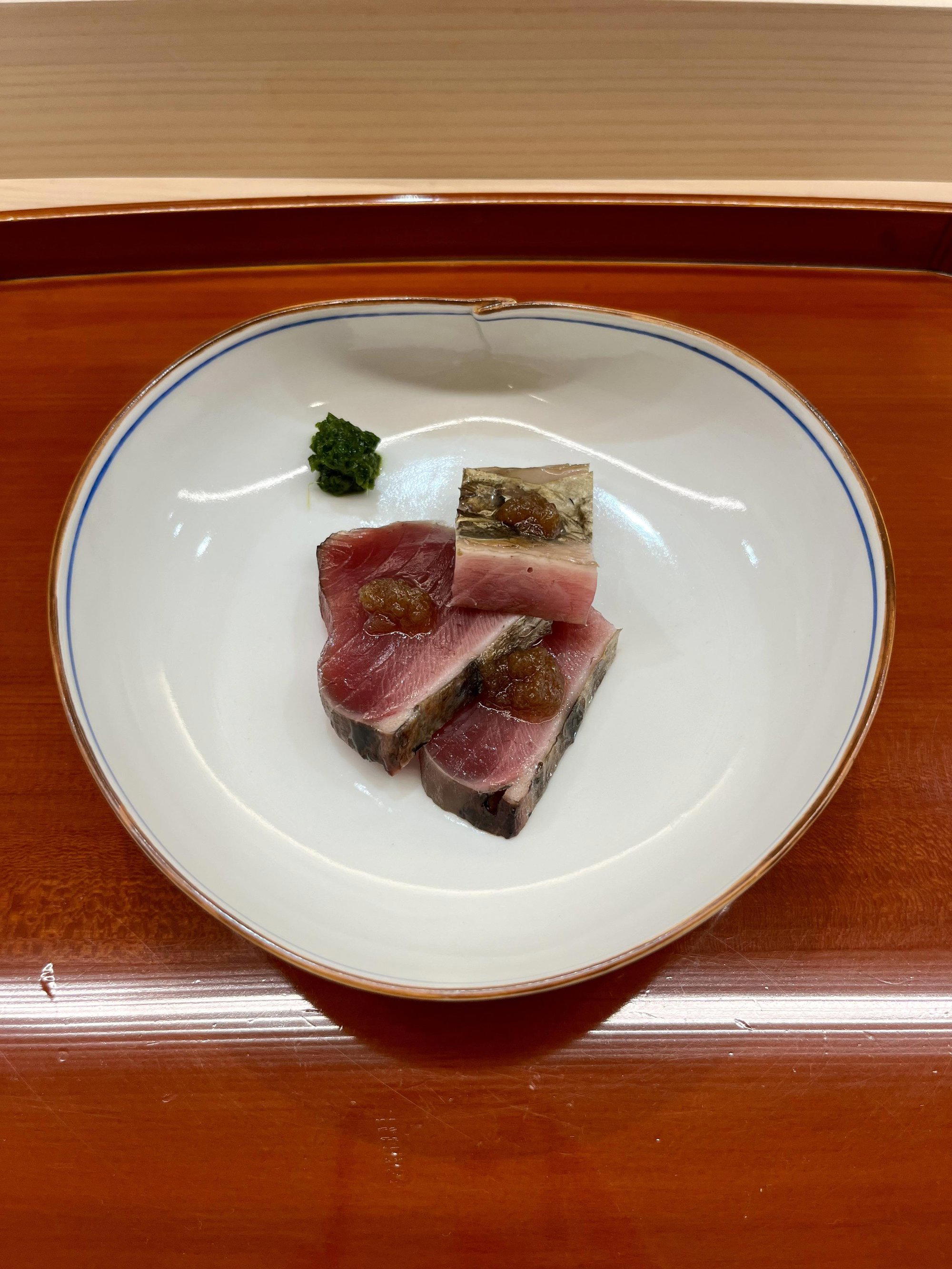
Ishimaru
Saitama, Japan
Ishimaru holds three consecutive Tabelog Bronze Awards and two Sushi EAST Top 100 selections from a single 8-seat counter in Omiya, Saitama. Dinner runs JPY 20,000–29,999 per head; meaningfully below equivalent Tokyo omakase counters. Book via TableCheck or phone; same-day seats occasionally open via Instagram.
Hijikata (土方)
Nagoya, Japan
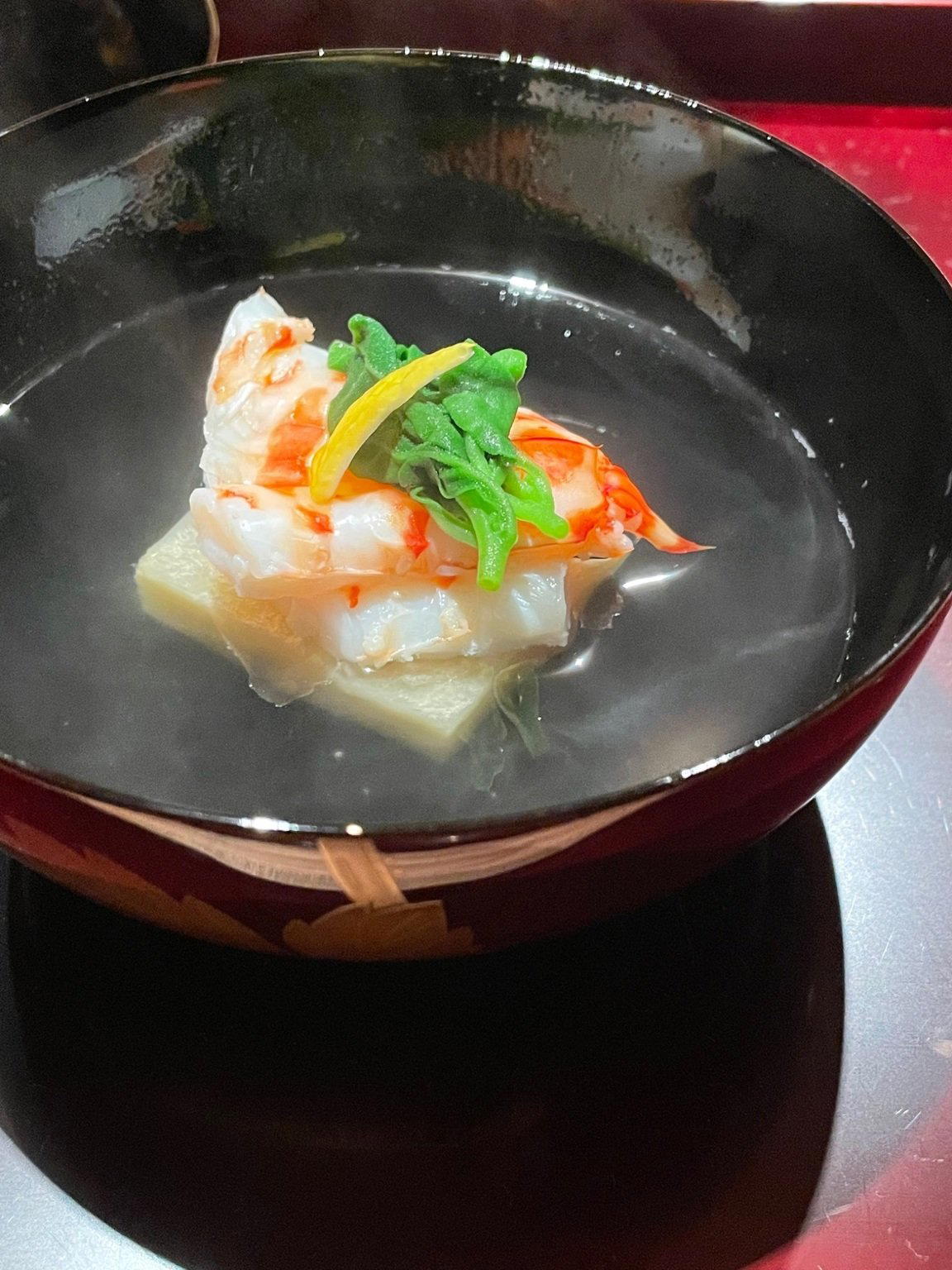
Hijikata (土方) is a sushi restaurant in Nagoya from chef-owner Akira Hijikata, serving dinner Monday through Saturday from 6–9 p.m. The smart-casual setting suits diners planning a focused evening sushi meal. Ask about the current menu, reservation process, pricing, seating, and dietary arrangements before booking. Seasonal depth can appeal to diners comparing Hijikata with Ueda or Hama Gen; Tabelog 100 EAST selections also make it a notable option for sushi in Nagoya.<p>For comparison, see <a href="https://joinpearl.co/restaurants/hama-gen-nagoya-restaurant">Hama Gen</a>.</p><p>For comparison, see <a href="https://joinpearl.co/restaurants/ueda-nagoya-restaurant">Ueda</a>.</p><p>Dual Tabelog Bronze sushi counter in Naka Ward running JPY 50,000–59,999 omakase with seasonal rotation and no à la carte flexibility.</p>
Sushi Nakahisa Hoshino
Niigata, Japan
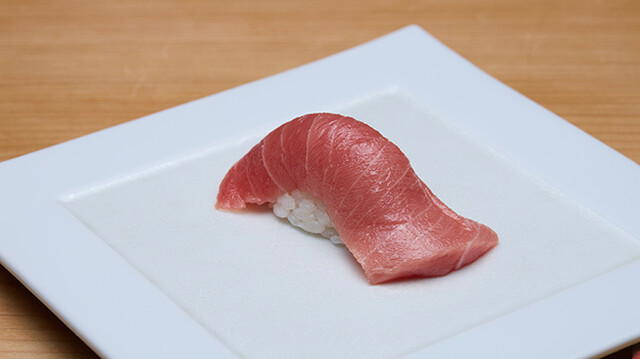
Tabelog 100 counter-and-kotatsu sushi-ya in Niigata pairing aged Edomae technique with deep sake selections. At JPY 20,000–29,999, you're paying for a wine-program-forward meal that elevates local nihonshu over Tokyo spectacle. Family-friendly, reservations recommended, closed Sundays.
Sushikoma
Akita, Japan
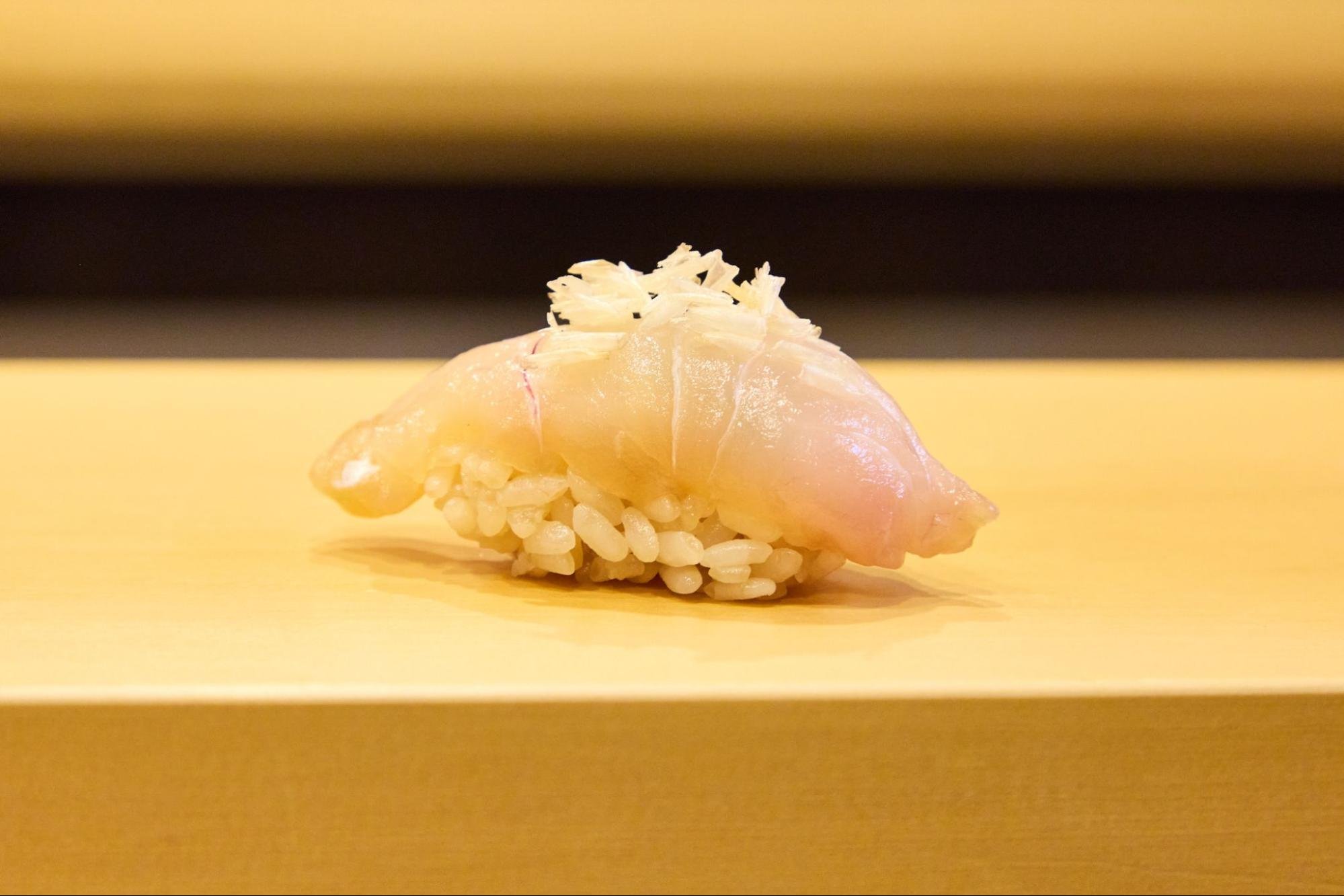
Tabelog Silver omakase counter in Yurihonjo serving Akita and Miyagi-sourced fish at JPY 14,000 dinner, JPY 8,800 lunch. Four straight Tabelog 100 Sushi EAST appearances since 2021. Eight seats, reservation-only, limited weekly schedule. Stronger value than Tokyo counters, worth the drive from Akita city for credentialed regional sushi.
Kikkou Hanare
Nagoya, Japan
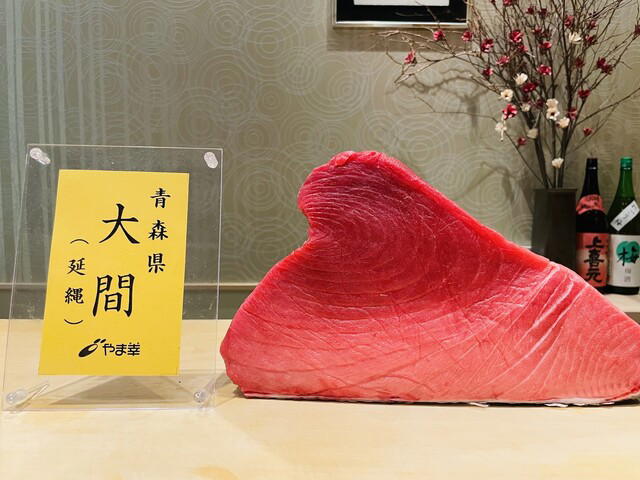
A six-seat counter in Nagoya's Nishi Ward earning Tabelog 100 Sushi (EAST, 2025) recognition for fish-focused omakase at JPY 15,000–19,999 dinner, JPY 6,000–7,999 lunch. The intimate format rewards solo diners and couples seeking close interaction with the chef; larger groups should weigh the tight quarters. No fragrance policy enforced.
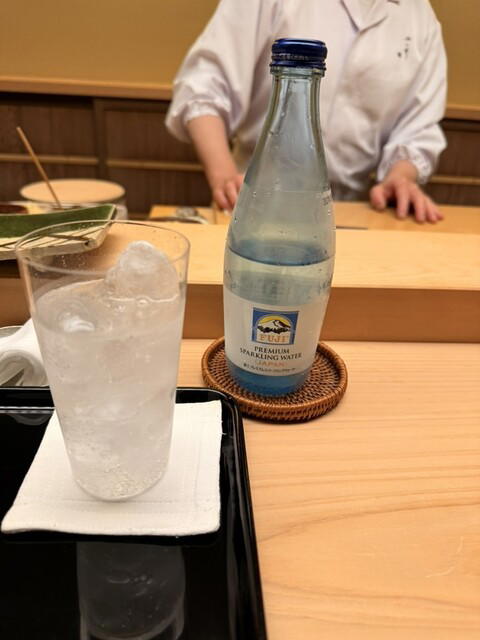
Yama no I
Nagoya, Japan
Tabelog 100 Sushi EAST counter in Ikeshita serving JPY 20,000–29,999 omakase dinners with private rooms available. Reservation-only format, consistent technique across visits, and straightforward booking relative to Tokyo's high-demand spots. Counter seats recommended for solo diners and pairs; groups of four or more should request private rooms if conversation matters more than watching the chef work.
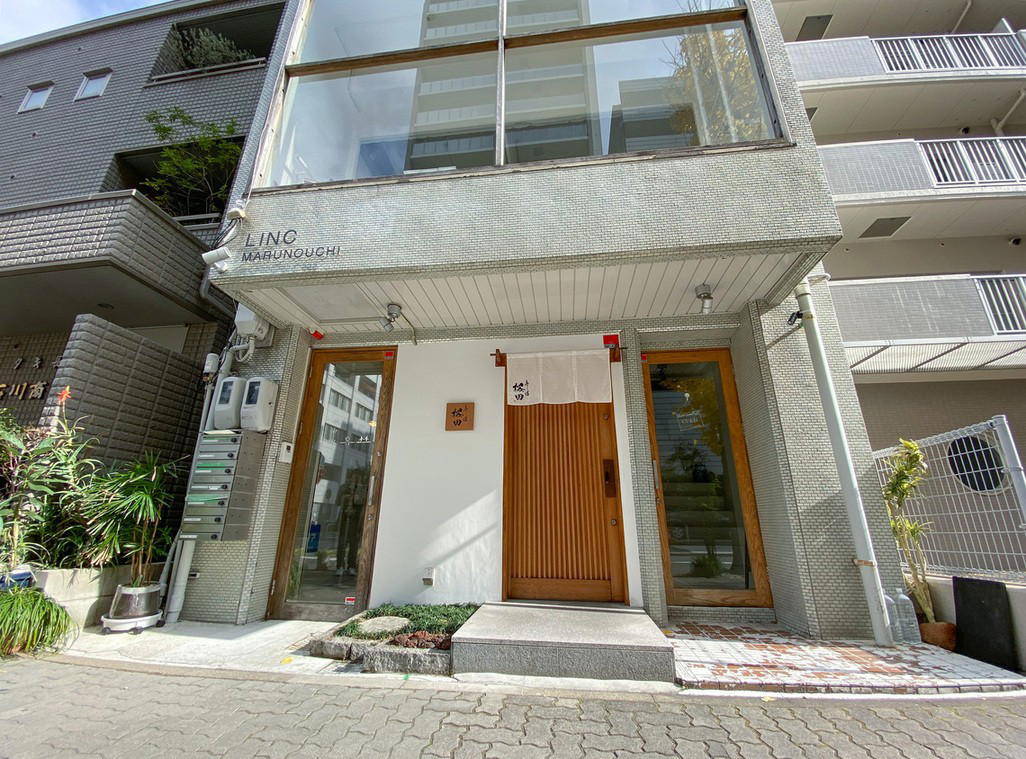
Sushimichi Sakurada
Nagoya, Japan
Nine-seat sushi counter in Marunouchi that earned Tabelog Sushi EAST 100 status within two years of opening. Reservation-only omakase format at JPY 30,000–39,999 for dinner, with fish-focused courses and online booking exclusively. Counter seating suits solo diners and couples; lunch offers a shorter progression at lower cost.
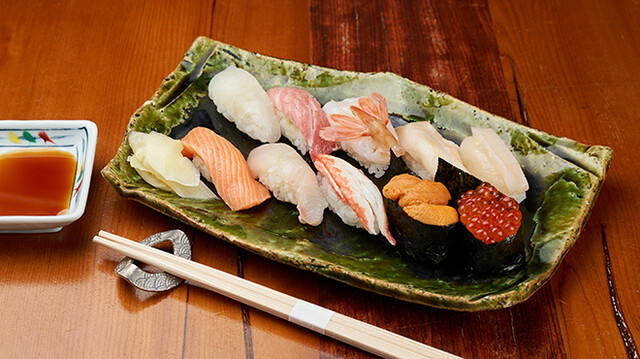
Sushi Dokoro Ichii
Sapporo, Japan
A ten-seat Susukino sushi counter with three consecutive Tabelog 100 EAST selections (2021, 2022, 2025) and JPY 10,000–14,999 dinner pricing. The focus is Hokkaido fish sourcing and a sake list that leans into local breweries, with service that justifies the mid-tier price point. Easier booking and less formal atmosphere than Tokyo equivalents at the same quality level.
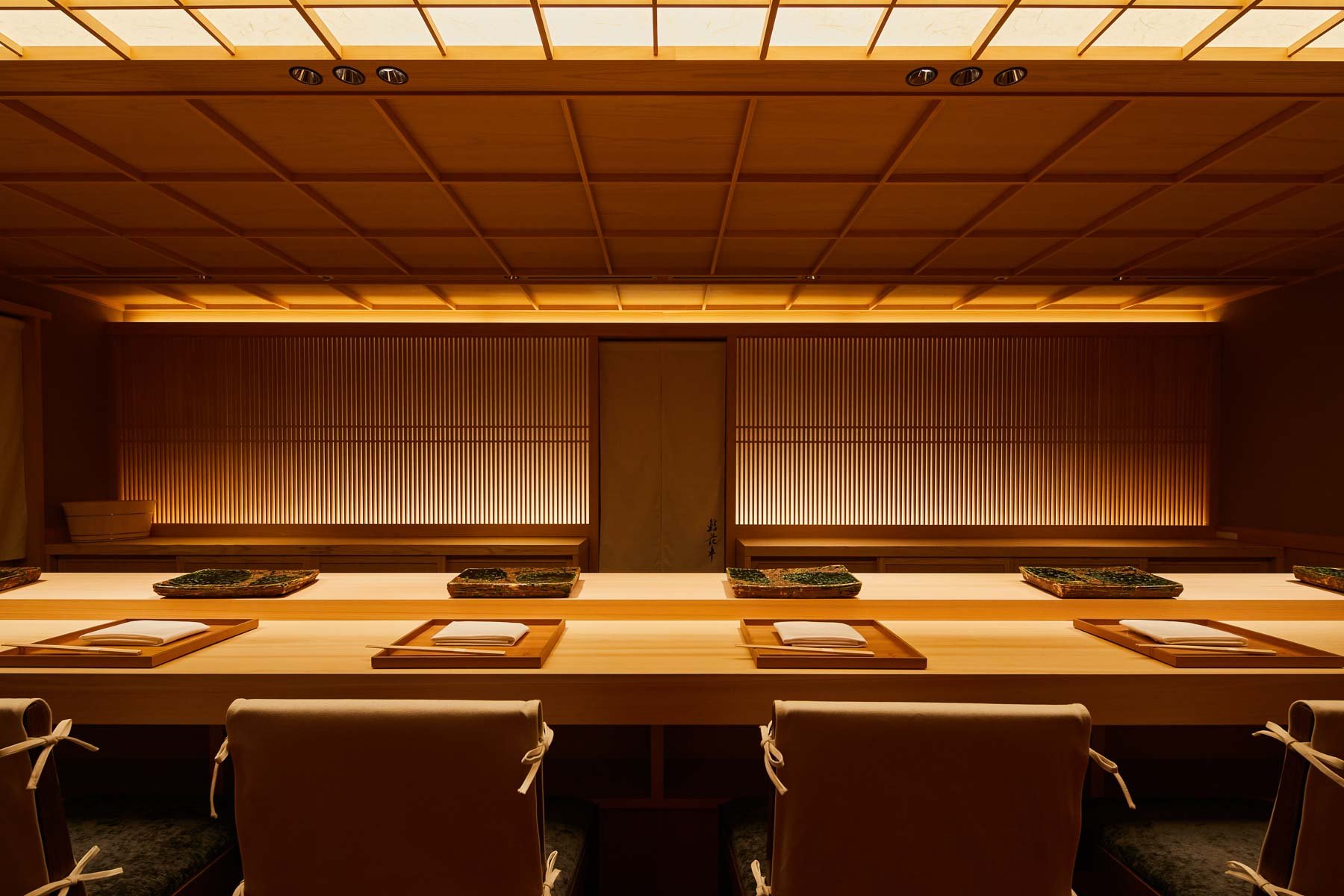
Sushisho
Nagoya, Japan
Book Sushisho if the goal is a serious Nagoya sushi meal with a clear recognition signal: Tabelog 100 ranked it #33 in 2025 with 3.8 points. It is a better fit for focused diners than groups chasing a casual, low-cost meal, and the Marunouchi location makes it easy to plan around central Nagoya restaurants and bars.
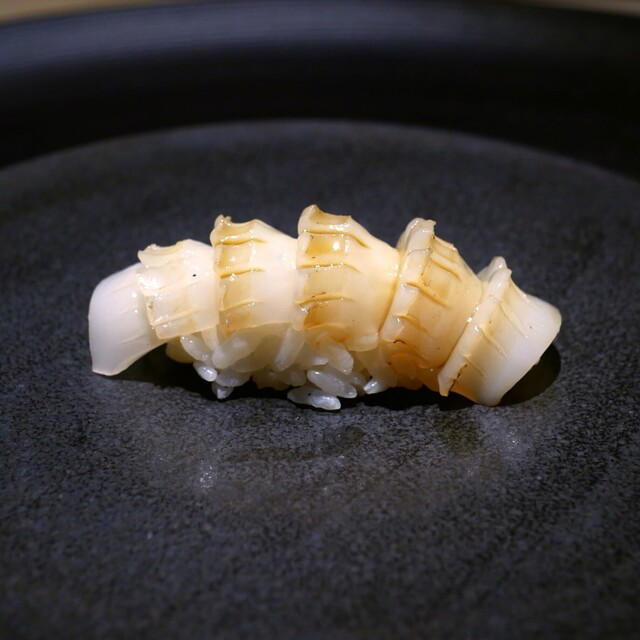
Ni no Kura
Sapporo, Japan
Six-seat sushi counter in Sapporo's Maruyama neighborhood, recognized in Tabelog 100 Sushi EAST for 2022 and 2025. Reservation-only omakase focused on Hokkaido's seasonal fish, priced JPY 18,700–JPY 22,000. Fixed seatings at 12:30 PM, 6 PM, and 8:30 PM with strict booking and cancellation policies. Expect technical precision and a quiet, focused format where the chef's pacing controls the meal.
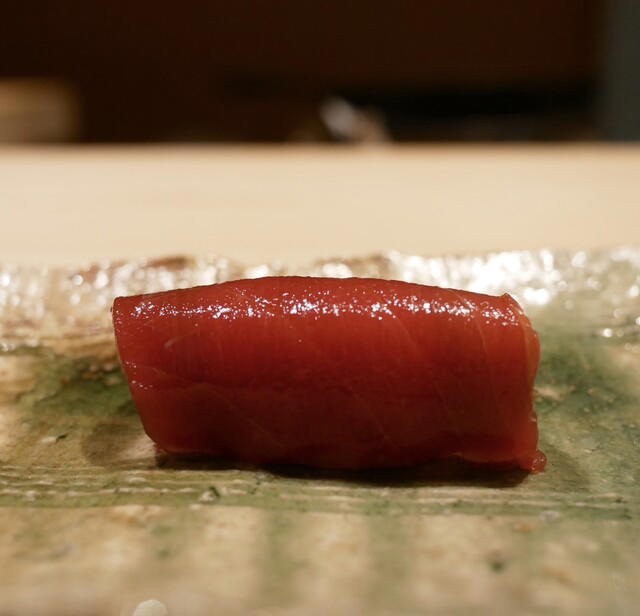
Sushi Kai
Sapporo, Japan
An eight-seat omakase counter in Sapporo's Maruyama district, recognized in Tabelog 100 Sushi EAST 2025. At JPY 20,000 per person for a single evening seating (7 PM start, closed Wednesdays), the format is fixed-course only with no à la carte. Notable for dual emphasis on sake and wine pairing. Book ahead; reservations required, cancellations penalized.
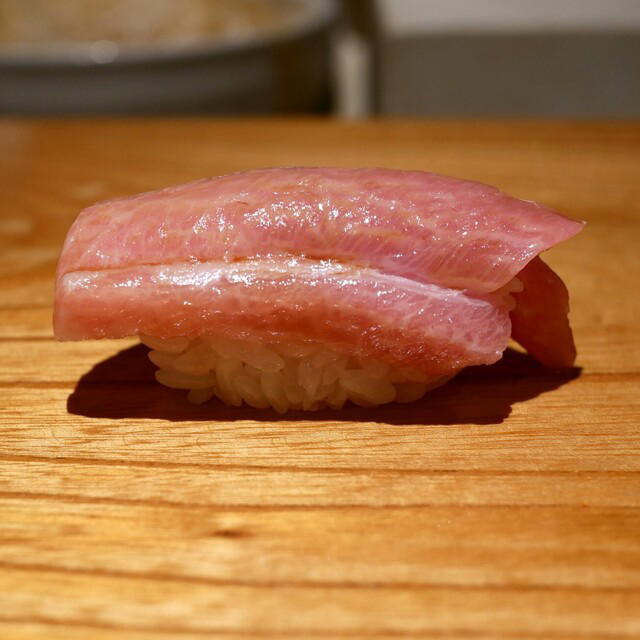
Chiyo Zushi
Niigata, Japan
Chiyo Zushi earned its place on the 2025 Tabelog Sushi EAST 100 list by sourcing Japan Sea catch and local koshihikari rice into nigiri that tastes distinctly regional; richer, sweeter, less Tokyo-precise; at JPY 8,000–9,999 for dinner omakase. The 50-seat format (counter plus tatami rooms) accommodates groups without month-ahead booking pressure, and the five-minute walk from Niigata Station makes it the most accessible Tabelog-recognized sushi experience in the prefecture.
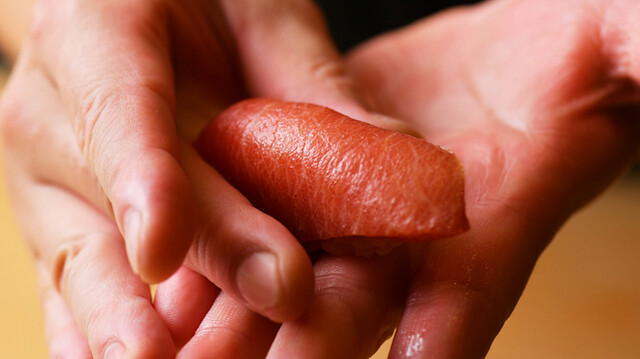
Sushi Tsugu
Yokohama, Japan
This 10-seat Edomae counter in Bashamichi earned its Tabelog 100 Best Sushi (EAST) 2025 spot three years after opening, with dinner omakase at JPY 15,000–JPY 19,999 and weekday lunches at JPY 4,000–JPY 4,999. Fish quality and sake selection outpace the price point, making it a better value than comparable Tokyo counters; book the head chef's evening service for the full Tabelog-recognized experience.
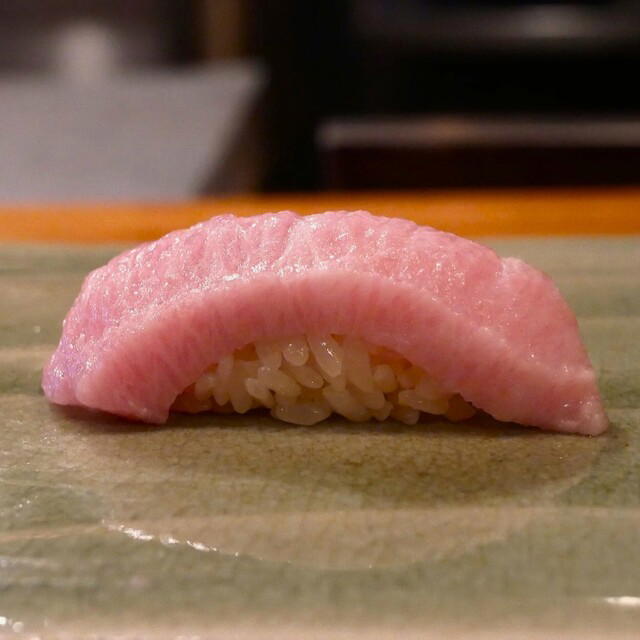
Sushi Tesaku
Nagoya, Japan
Tabelog 100-recognized sushi counter in Chikusa Ward delivering omakase precision at JPY 6,000–7,999; half the Tokyo rate. Nine seats split between four-stool counter and one table, plus private-use option for groups up to 20. New reservations paused since 2022; cash-only, dinner-only, closed Sundays.
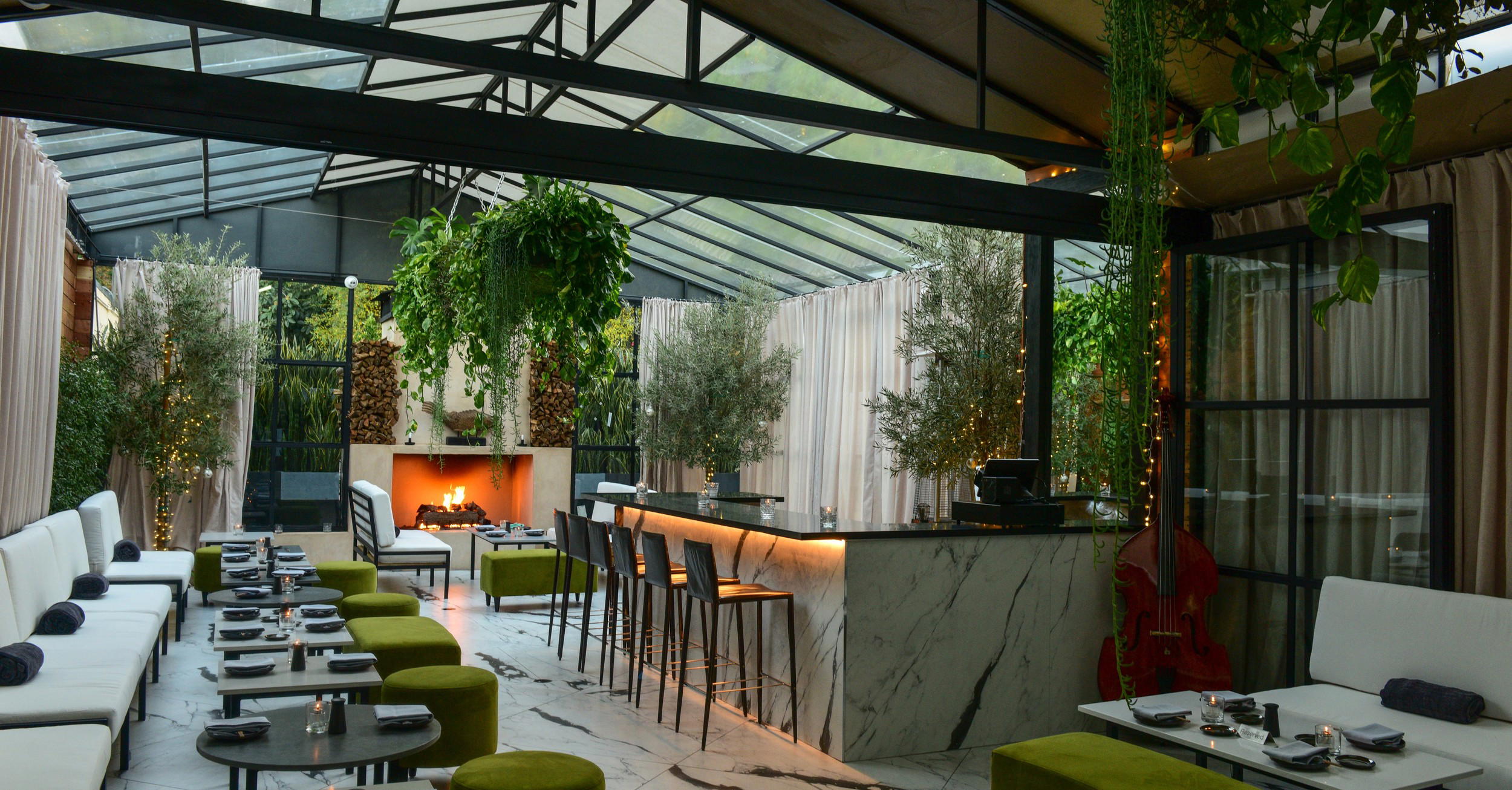
Sushishunbi Nishikawa
Nagoya, Japan
Sushishunbi Nishikawa is a five-time Tabelog Bronze Award winner and Tabelog 100 selection in Nagoya, operating as an 8-seat counter focused on Aichi Prefecture fish. Dinner runs JPY 30,000–39,999 per head; lunch is JPY 20,000–29,999. Five minutes from Nagoya Station and easier to book than equivalent counters in Tokyo or Kyoto, it is the clearest case for Nagoya-style sushi at this level.
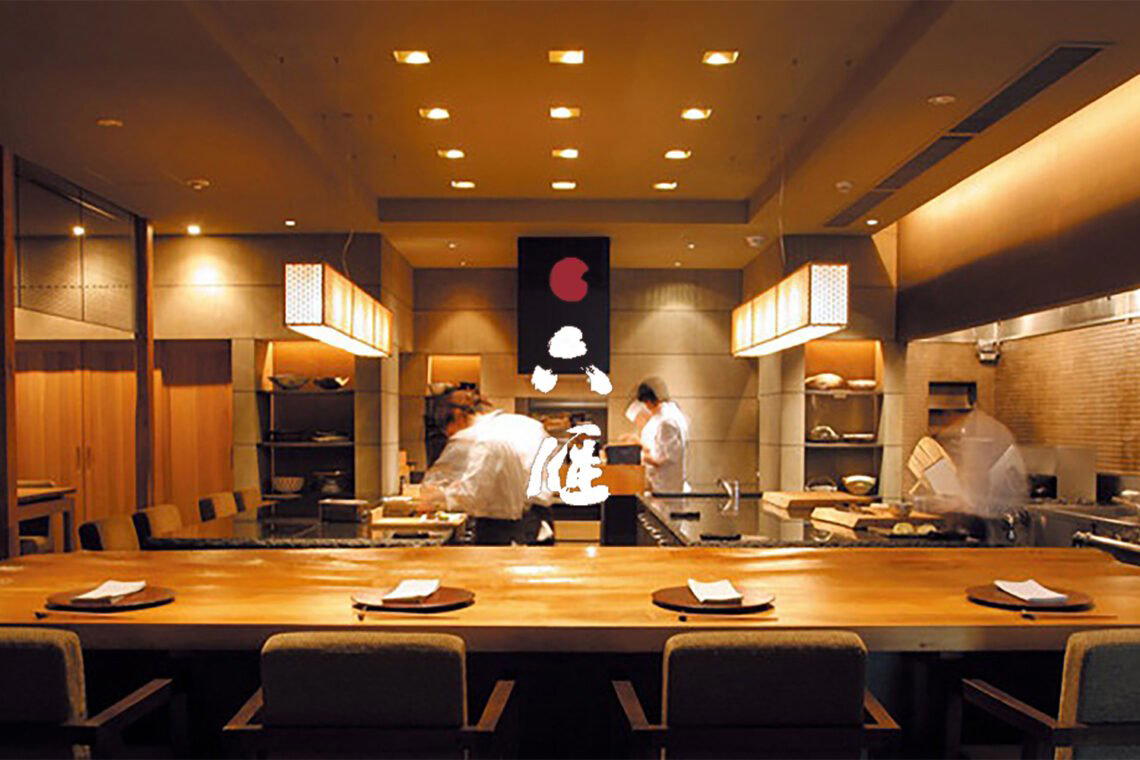
Mutsuki
Aichi, Japan
Tabelog Bronze Award counter in Taketoyo serving reservation-only omakase at JPY 20,000–29,999. Eight seats, cash-only, parking available. Book 3–4 weeks out for weekend service. Worth the drive if Edomae sushi is your priority; consider Ittou if price matters more.
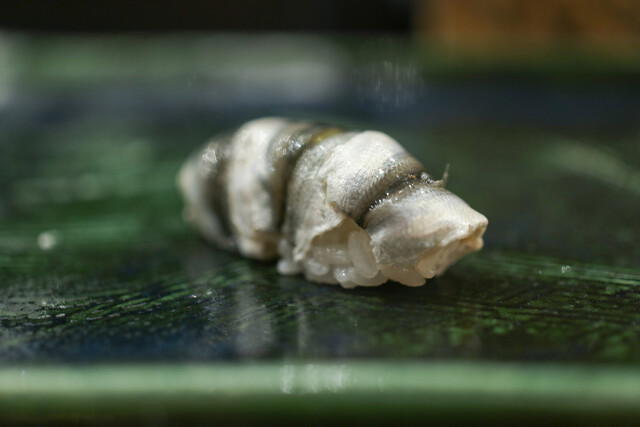
Nigiri Zushi 150
Takahama, Japan
Tabelog 100 sushi counter in Takahama offering every topping; including otoro, uni, and abalone; at JPY 165 per piece. Reservation-only, family-friendly, and easier to book than most nationally recognized sushi-ya. Payment via PayPay only; parking available on-site.
Kiwami
Nagoya, Japan
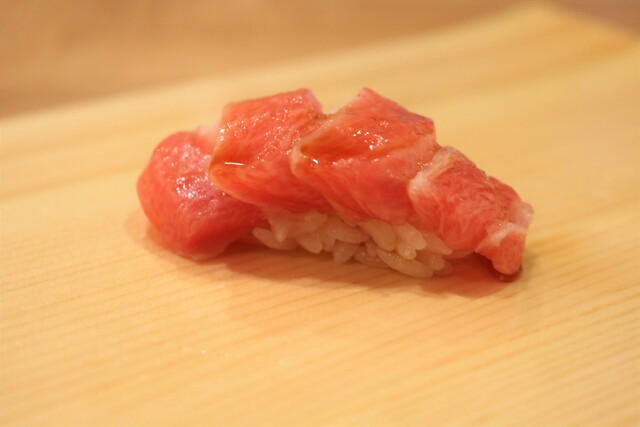
Stand-up sushi counter near Nagoya Station serving Edo-style nigiri at JPY 6,000–7,999 for dinner and JPY 1,000–1,999 for lunch. Named to Tabelog's Sushi EAST 100 in 2022 and 2025, the seven-seat format prioritizes speed and value without sacrificing knife work or fish quality. Cash only, no credit cards, and the chef's uni is the reported specialty.
Kyodaizushi
Niigata, Japan
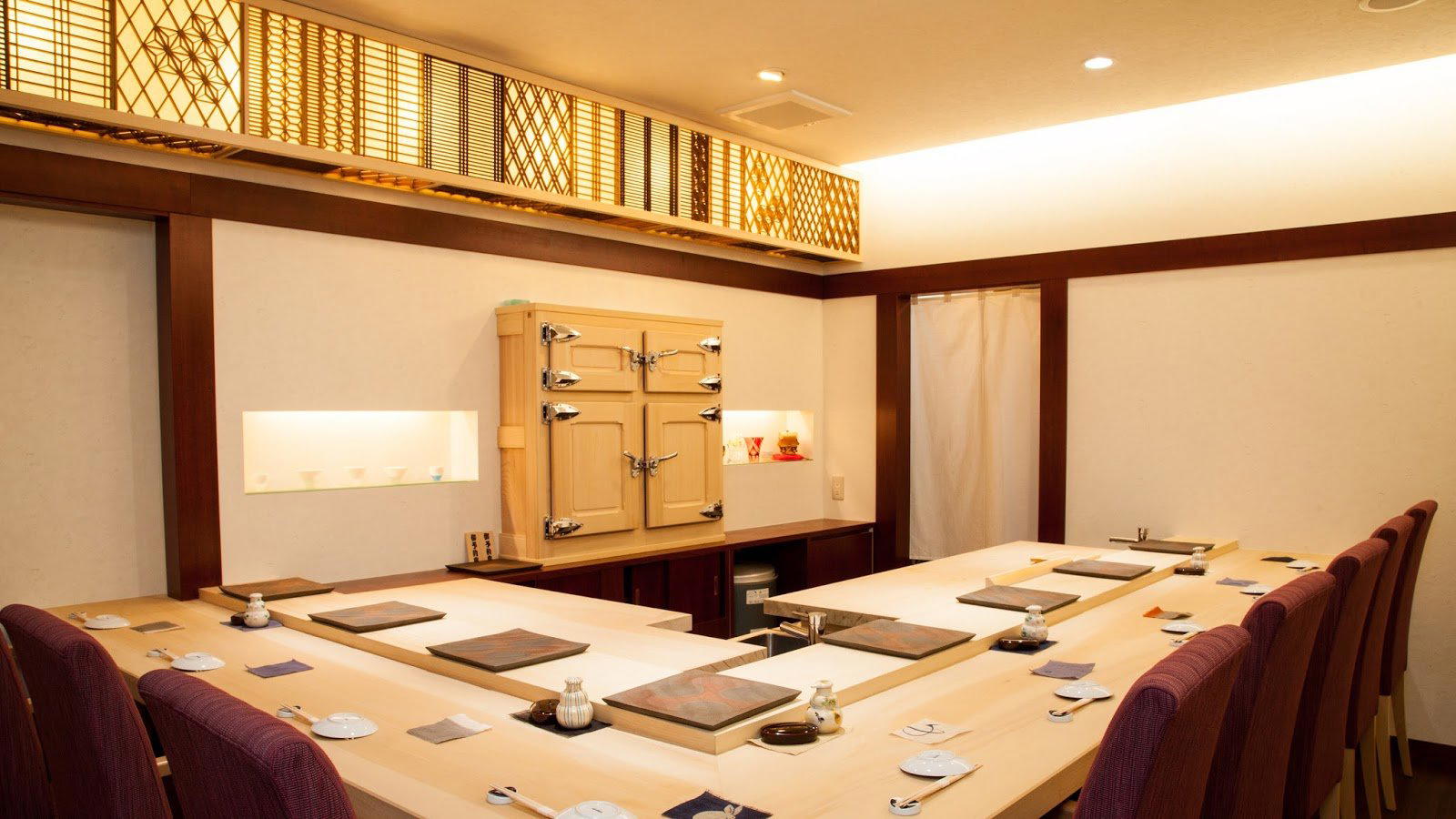
Chef Ryuji Honma's 8-seat counter in Chuo Ward delivers Tabelog Silver-level sushi at JPY 20,000–29,999; a tier below <a href="https://joinpearl.co/restaurants/tokiwa-sushi-nigata-ten-niigata-restaurant">Tokiwa Sushi Niigata Ten</a> in price but not in fish quality. The 2023 relocation brought a quieter, more intimate room; two nightly seatings (17:30 and 20:30) anchor seasonal Niigata neta around red-vinegar shari. Sake depth and BYO flexibility add value. Book through Instagram for easiest access.
Takarazushibunten
Akita, Japan
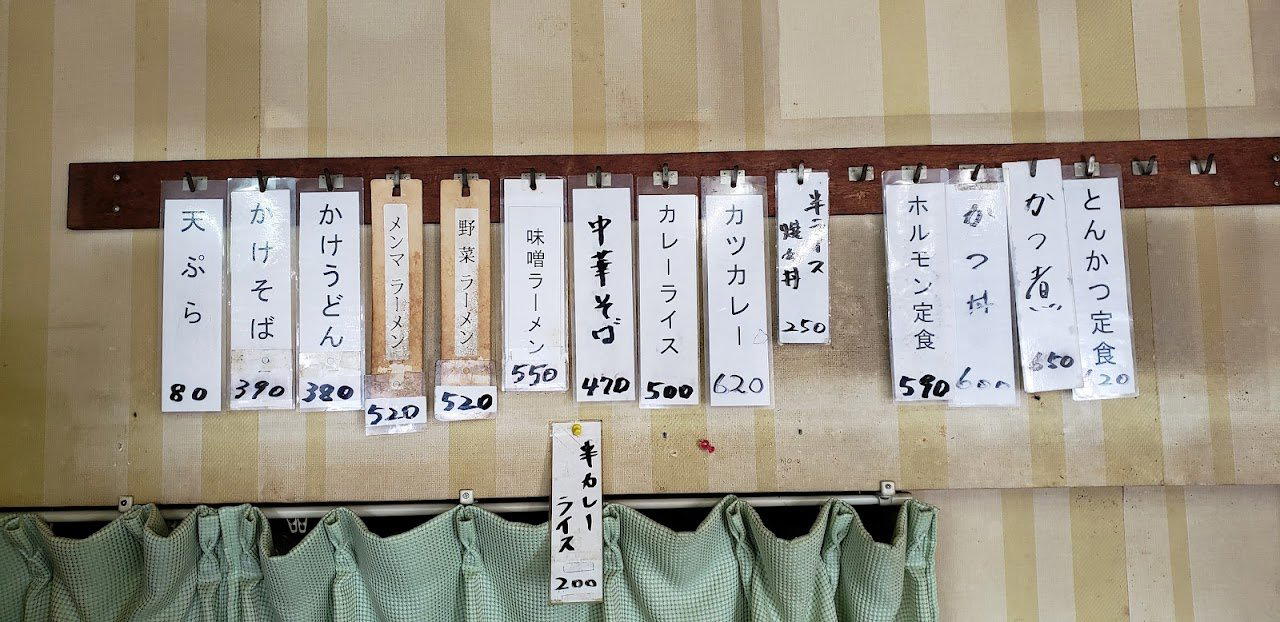
Takarazushibunten is Akita's most credentialled sushi counter: a Tabelog Bronze winner in 2023, 2025, and 2026, with a Top 100 Sushi EAST selection, serving dinner at JPY 5,000–5,999 per head. Access is the main obstacle; the seven-seat house restaurant is reservation-only and currently not accepting new bookings from outside its regular clientele. Worth the effort if you plan well ahead.
Sushisai Wakichi
Sapporo, Japan
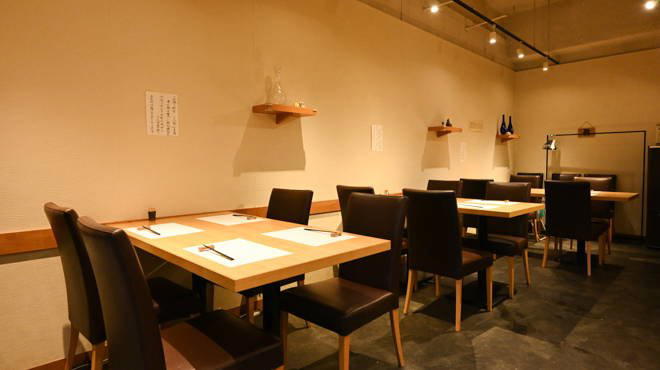
Sushisai Wakichi is Sapporo's most consistently decorated sushi counter: a fixed 36,000 yen omakase (tax and service included) at an eight-seat counter near Maruyama Koen, with Tabelog Silver and Bronze awards running back to 2017 and a place on the Tabelog Sushi EAST 100 list. Book three months ahead via the venue's own website; dinner sittings are the stronger choice for a special occasion.
Shota
Sapporo, Japan
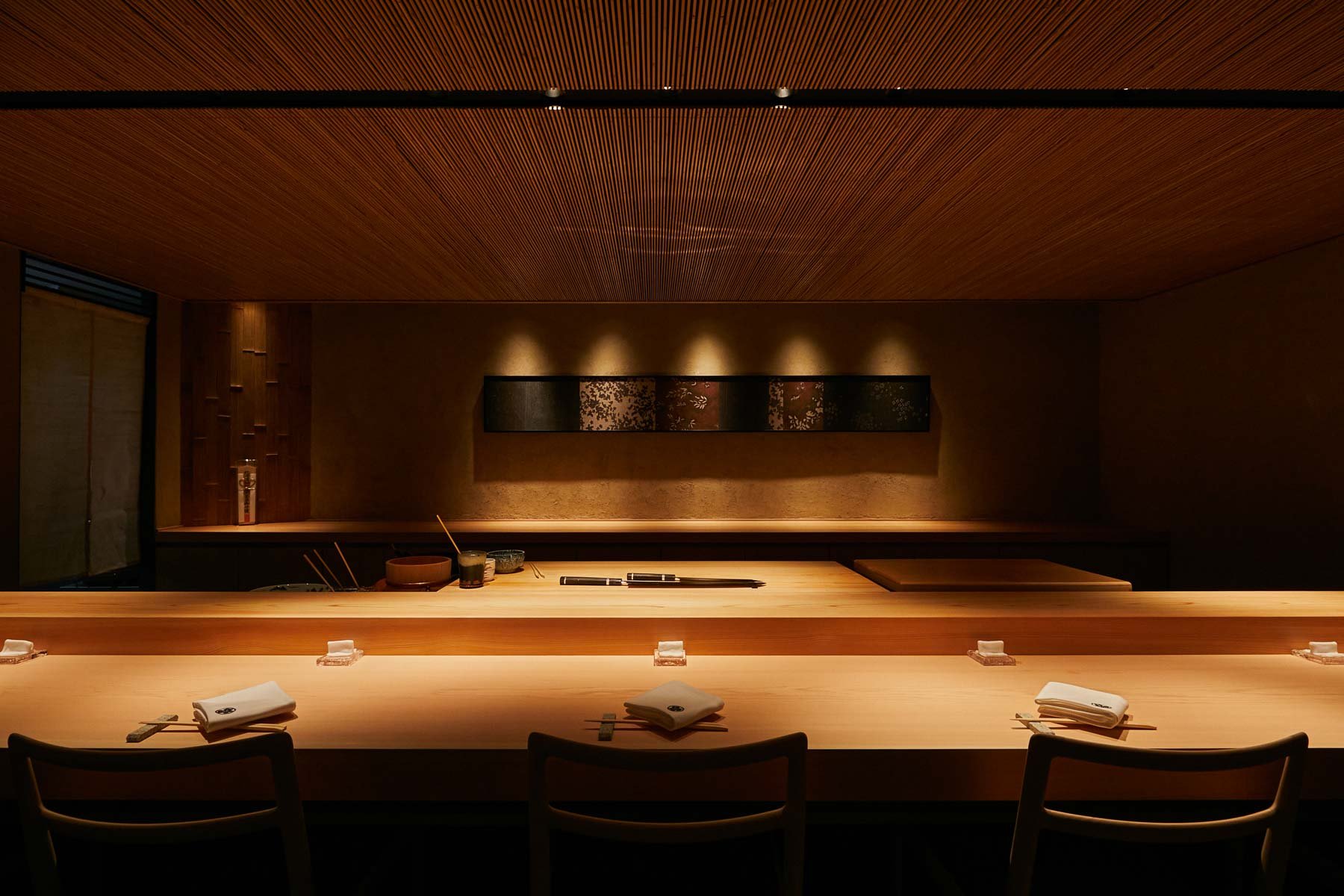
Eight-seat Edomae sushi counter in central Sapporo charging JPY 30,000–39,999 for two-hour omakase. Tabelog Bronze 2025 and 2026, with Wednesday and Saturday lunch plus evening service most weekdays. Reservation-only via OMAKASE platform; children under 16 by advance arrangement only.
Sushi Mino
Sendai, Japan
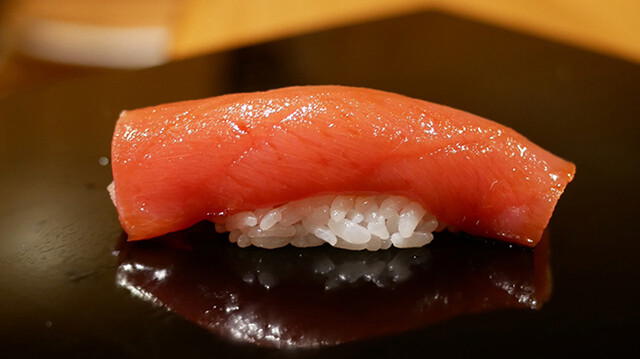
Sushi Mino is a 12-seat omakase counter in Sendai's Kokubuncho district, recognized on the Tabelog 100 Sushi EAST list three consecutive years and awarded Tabelog Bronze in 2021. At JPY 20,000–29,999 per person, the format is traditional Edomae-style with a private two-seat tatami room available for pairs seeking a quieter experience. Reservations are required, and the room closes Sundays and Mondays.
Sushi Yasu
Niigata, Japan
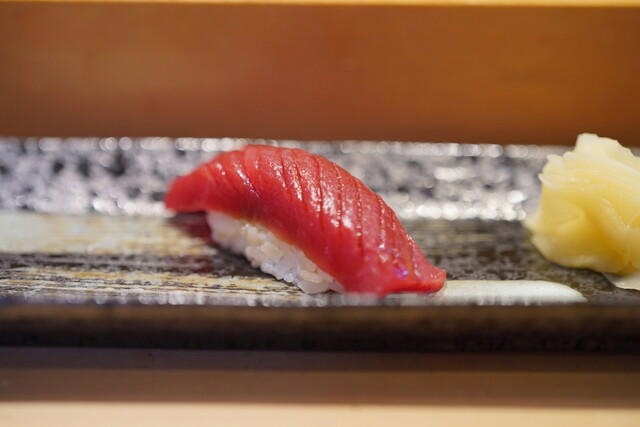
Tabelog 100 sushi counter in Niigata with a six-seat bar and omakase-adjacent format at JPY 6,000–7,999. Fish-focused progression pairs with local sake in a relaxed, solo-friendly setting. Easier to book than higher-priced omakase venues, with straightforward reservations and no multi-week lead time.
Sushi Kappou Gyomon
Koriyama, Japan
Tabelog 100 sushi-kappo in Koriyama serving market-driven nigiri and cooked plates at JPY 20,000–29,999 dinner, JPY 10,000–14,999 lunch. Counter and private rooms available; fish sourcing emphasized, sake selection leans Fukushima regional. Book ahead for weekends, easier weekday lunch access.
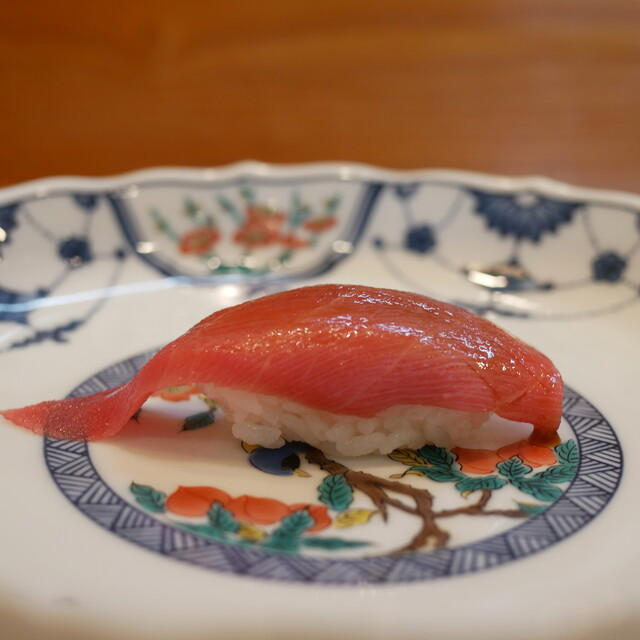
Sushi Arata
Akita, Japan
Sushi Arata has earned Tabelog 100 honors three times (2021, 2022, 2025) for its focused fish work and sake-forward omakase, priced at JPY 15,000–JPY 19,999; well below Tokyo's equivalent counters. The counter seats walk-ins and solo diners; a private tatami room handles groups. Book a few days ahead for weekend dinner, or try weekday lunch for easier counter availability.
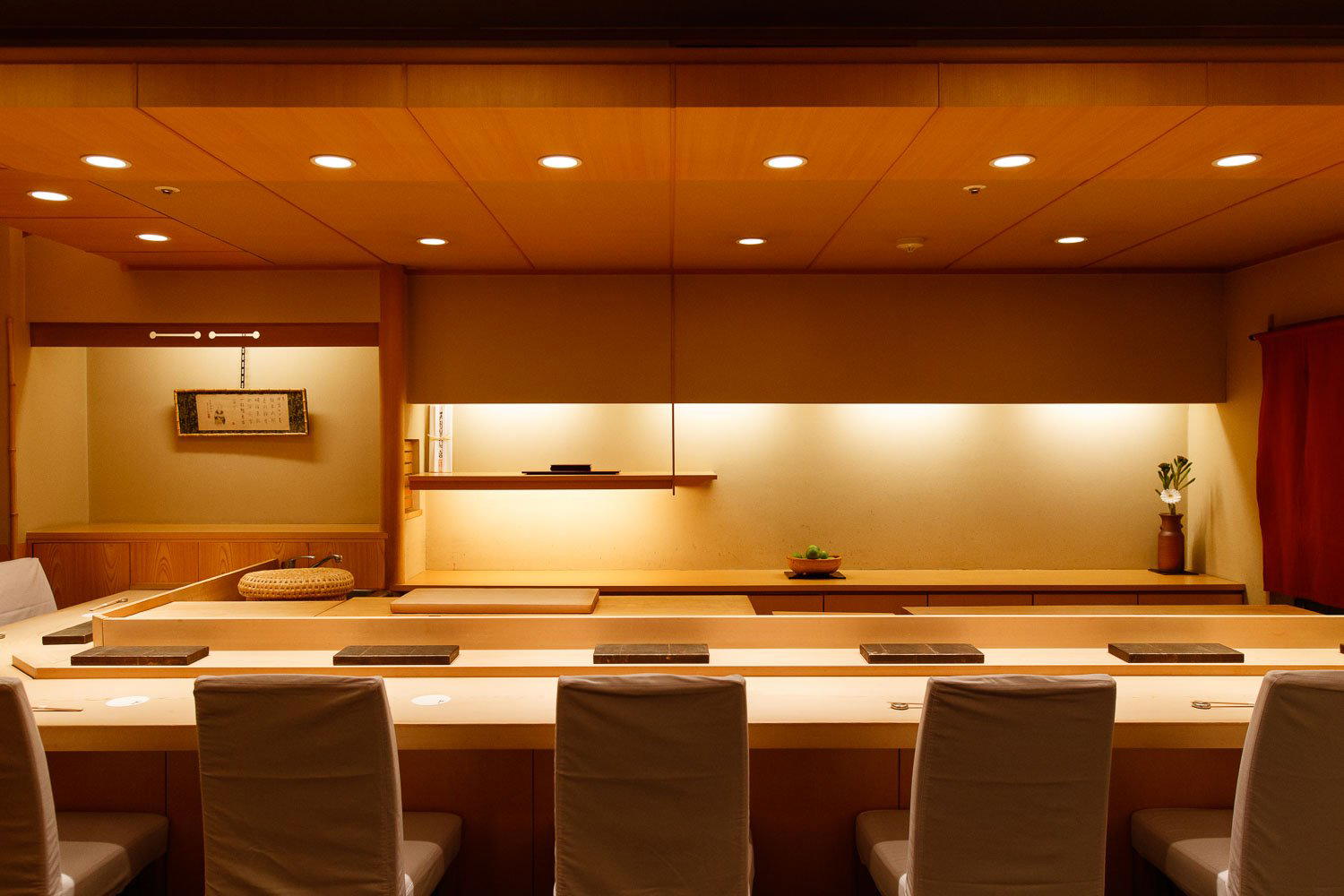
Sushikin
Sapporo, Japan
Sushikin is a reservation-only, eight-seat counter in Sapporo's Susukino district, a four-time Tabelog Bronze Award winner scoring 3.98 with repeated Tabelog Sushi EAST Top 100 recognition. Dinner runs JPY 30,000–39,999 per person. Book by phone well in advance; no walk-ins, no online reservations, no takeout.
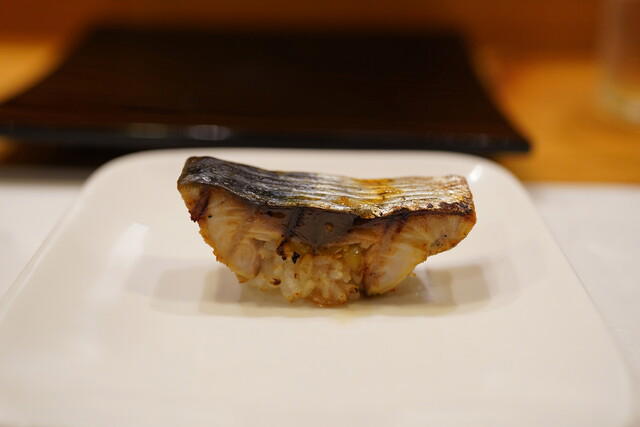
Sushi Cho
Akita, Japan
Sushi Cho is the Akita pick when the brief is a serious sushi dinner with recognised local standing and an occasion-worthy price band. It costs more than casual nearby options, but the Tabelog 100 #52 ranking in 2025 gives it a clearer quality signal than many alternatives.
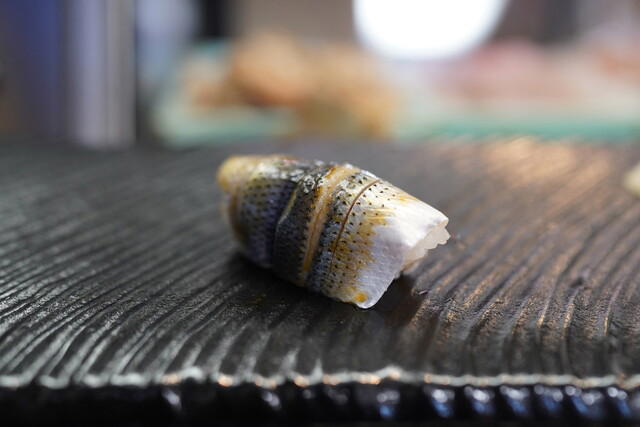
Ujikin Zushi
Tome, Japan
Tabelog 100 – Sushi – EAST 2025 recognition at JPY 6,000–7,999 makes this Tome's most awarded sushi-ya, though the cash-only, smoking-allowed setup signals a local operation rather than a Tokyo-polished counter. Book for Sanriku Coast seafood handled with technical skill, not for high-pressure omakase theatrics.
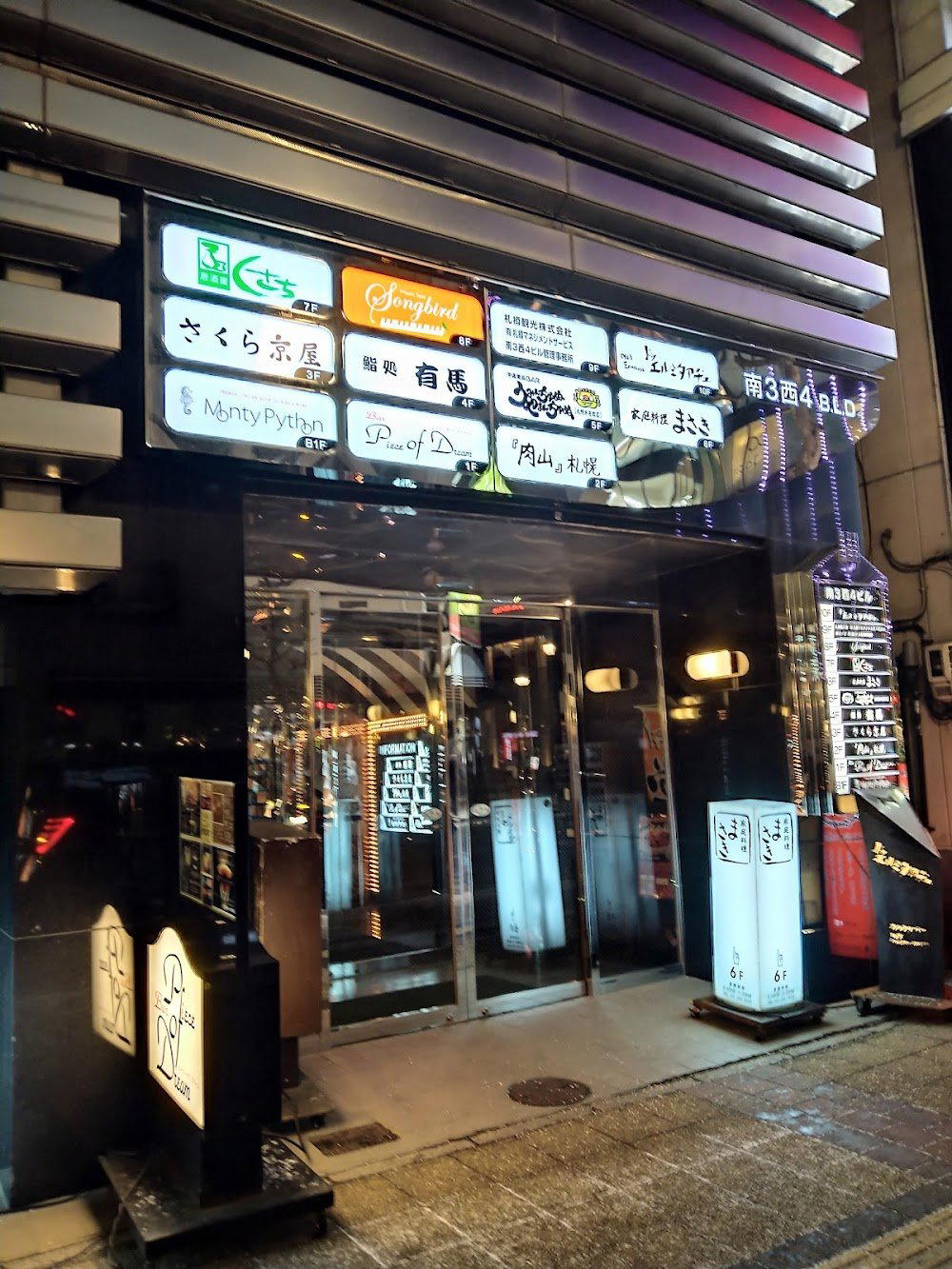
Arima
Sapporo, Japan
Sushi Dokoro Arima is a seven-seat counter in Sapporo's Chuo Ward, earning consecutive Tabelog Bronze Awards from 2017 through 2026 and selection for the Tabelog Sushi EAST 100 in 2021, 2022, and 2025. Under chef Chiharu Takaoka, the focus is squarely on Hokkaido's cold-water seafood. Dinner runs JPY 15,000 to 19,999, with evenings only, Tuesday through Saturday.
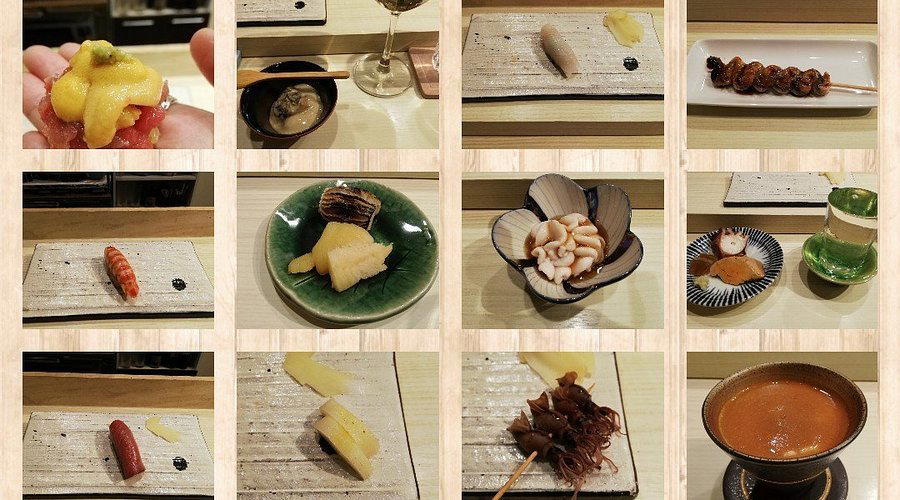
Kuriya
Sapporo, Japan
Kuriya is a seven-seat sushi counter in Sapporo's Shiroishi ward, recognized on Tabelog 100 Sushi EAST for three separate years (2021, 2022, 2025). The reservation-only format runs JPY 20,000-29,999 per head with strict punctuality requirements and a focus on Hokkaido fish sourcing. Book by phone at least two weeks ahead; late arrivals forfeit the table.
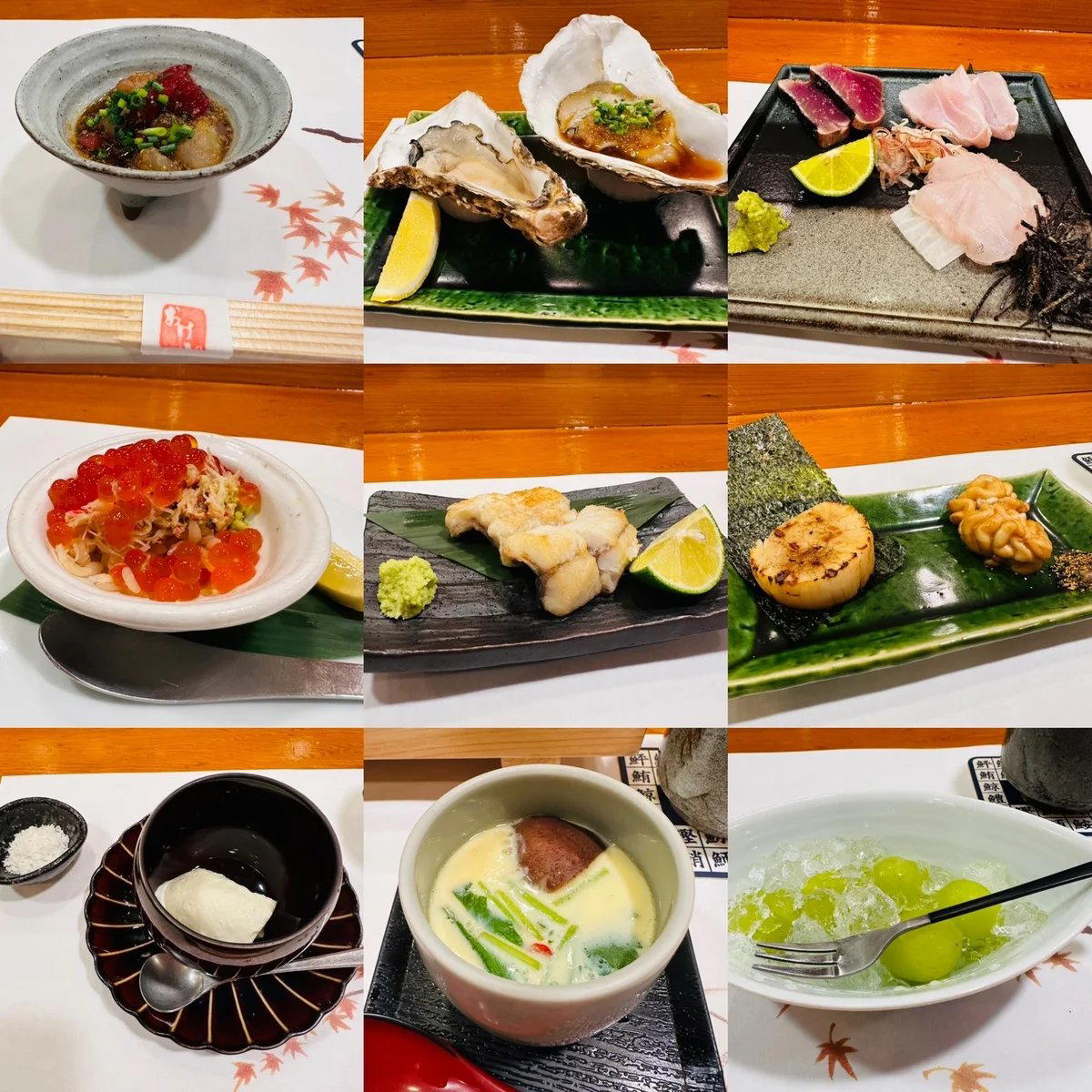
本郷おけい鮨
Nagoya, Japan
本郷おけい鮨 is worth targeting for a focused sushi dinner in Nagoya, especially if seasonal fish and a quieter Meito Ward setting matter more than central-city convenience. Tabelog 100 recognition gives it a stronger quality signal than a casual drop-in meal, but it is a better fit for sushi-focused diners than mixed groups.
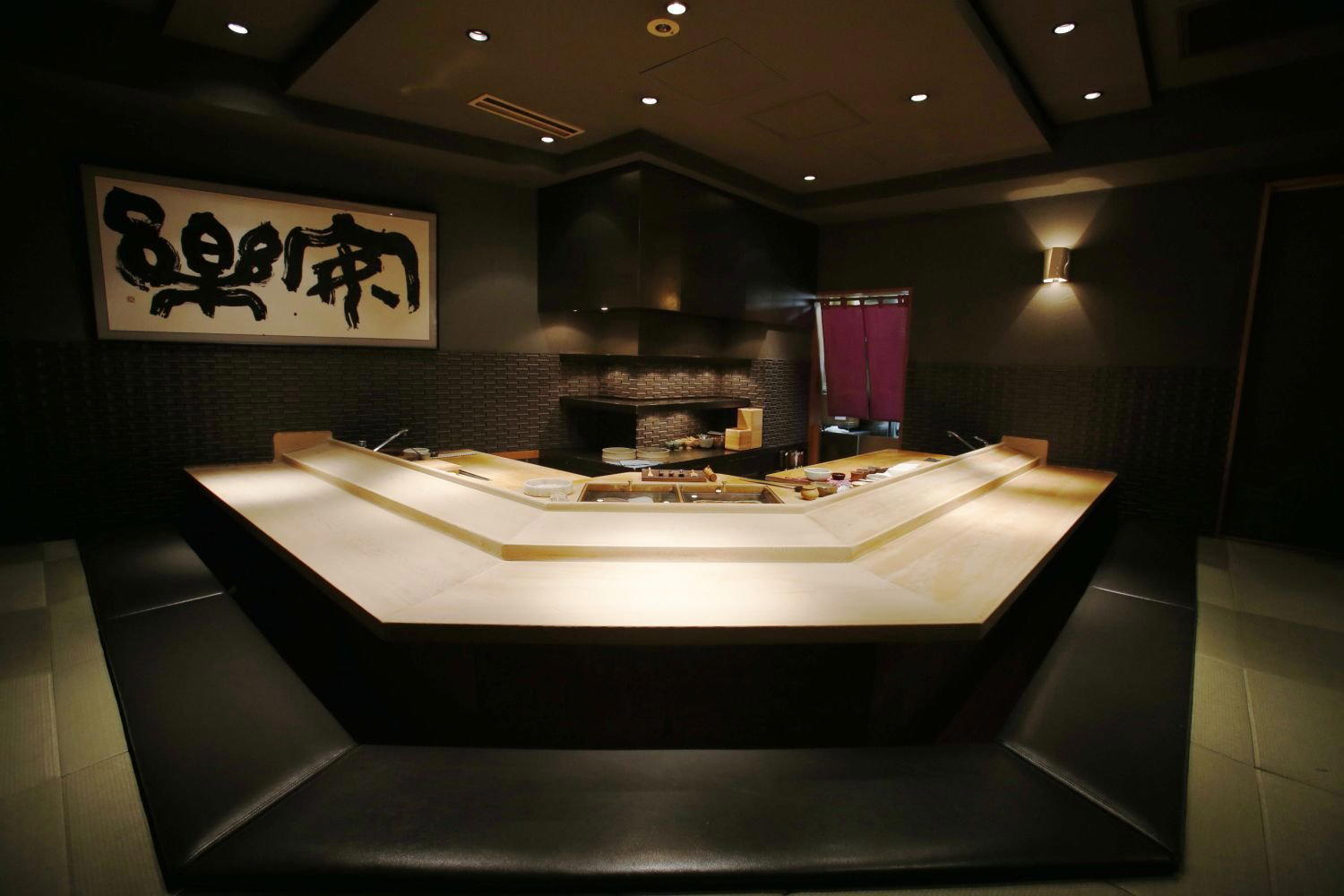
Sushisho
Akita, Japan
Sushisho is Akita's most decorated sushi counter, a three-time Tabelog Bronze Award winner and Tabelog Sushi EAST Top 100 selection with a score of 4.09. The eight-seat Edo-style counter serves dinner only at JPY 30,000 to JPY 39,999 per person. Easier to book than comparable counters in Tokyo, it is the right choice for solo diners and couples who want serious sushi without the capital city competition for seats.
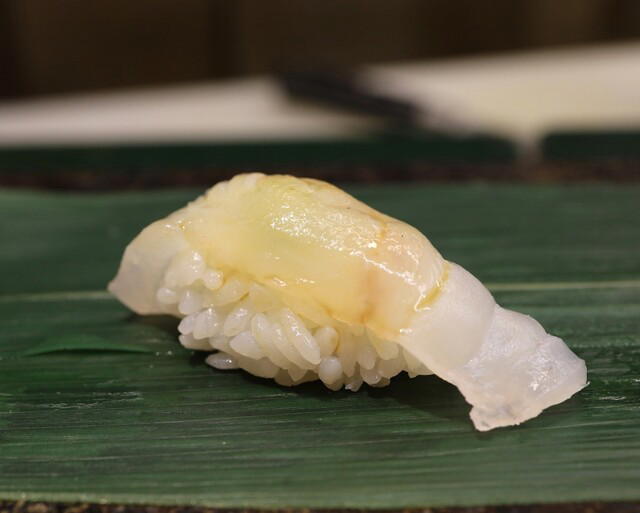
Senrei Zushi JR sendai eki 3 kai ten
Sendai, Japan
A 10-seat standing-sushi counter inside Sendai Station that accepts no reservations yet earned Tabelog Sushi EAST "Tabelog 100" honors in 2021 and 2025. Walk-in access at JPY 2,000–2,999 for both lunch and dinner makes it one of the few award-recognized sushi spots in northeastern Japan you can visit on impulse, ideal for travelers connecting through Sendai who want quality fish without the ceremony or advance booking required elsewhere.
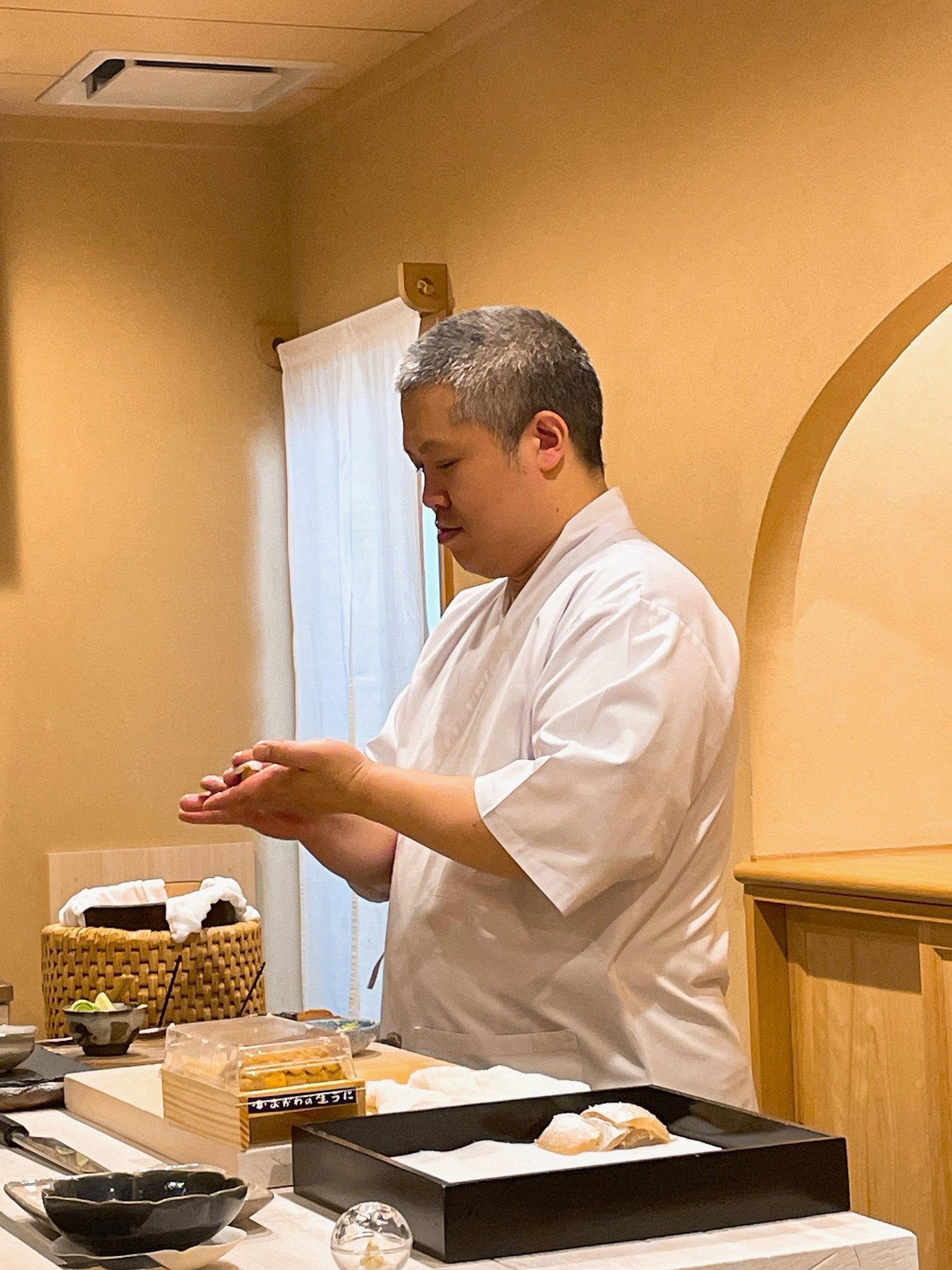
すし崇
Nagano, Japan
Book すし崇 if the brief is a focused Nagano sushi dinner for one or two people, not a casual lunch or flexible group meal. Its Tabelog 100 #59 recognition in 2025 gives it a clear credibility signal, while the evening-only schedule means travelers should plan the night around the reservation.
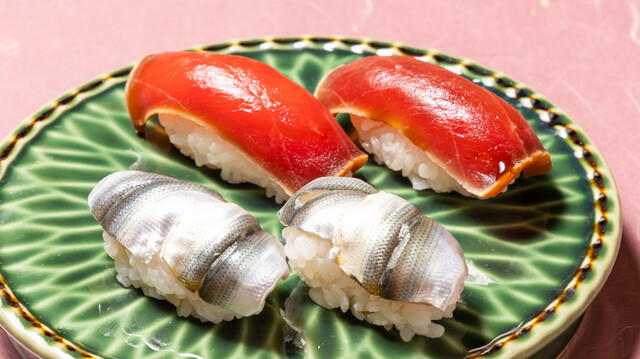
Mikasa Sushi
Kitakatsushika-gun, Japan
Mikasa Sushi holds a Tabelog 100 Sushi EAST designation three years running and offers omakase-style dining at JPY 30,000-39,999 for dinner, with lunch at JPY 8,000-9,999. Private rooms accommodate up to 28 guests, and the sake program leans into rare bottles and regional shochu. Booking is easier than at comparable Tokyo venues, and the location in Kitakatsushika-gun rewards the bus transfer or taxi ride from Sengendai.
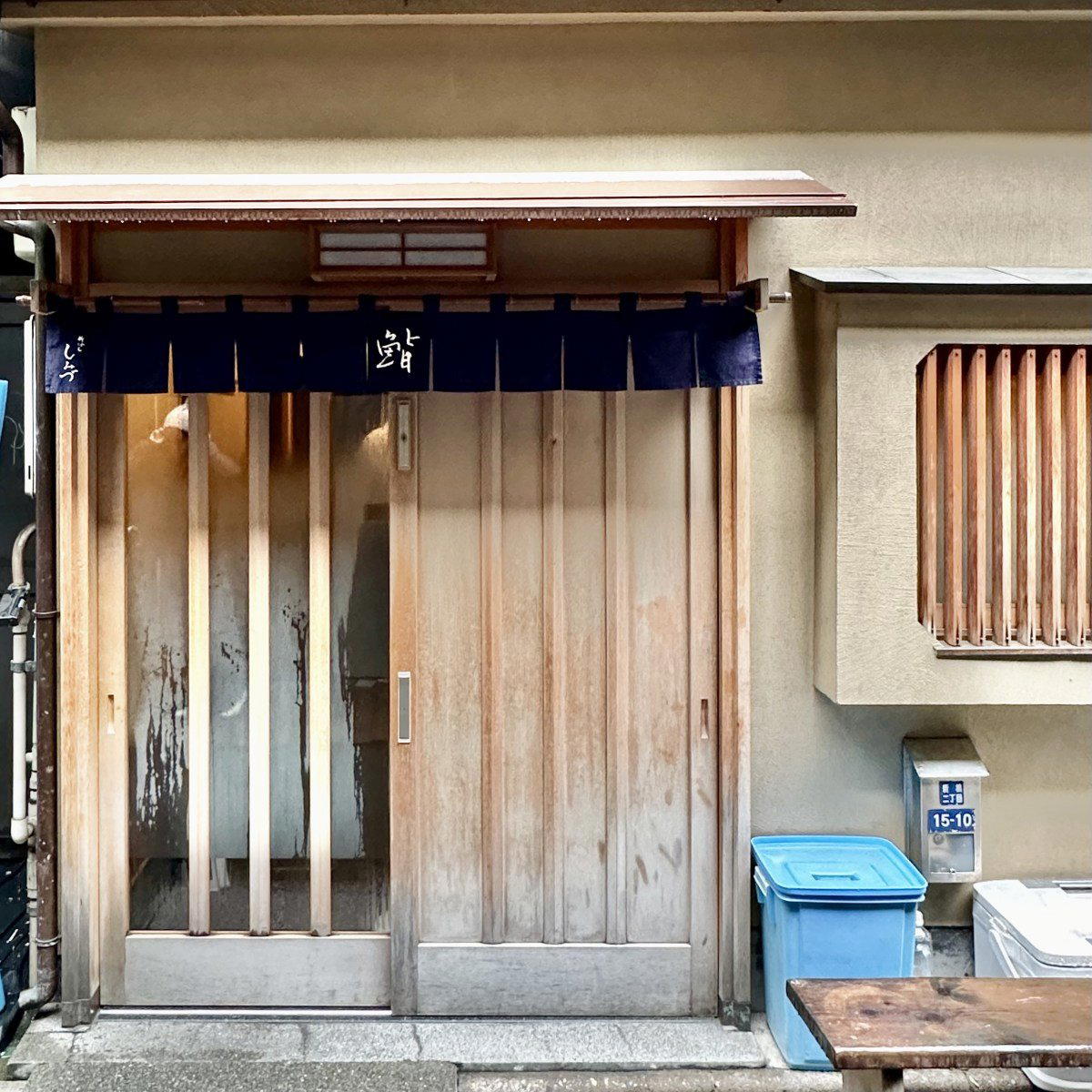
Shimizu
Nagoya, Japan
Shumoku Cho Shimizu holds a 4.59 Tabelog score and back-to-back Gold awards (2025, 2026); the strongest recognition trajectory of any Japanese cuisine restaurant in Nagoya in recent years. Dinner only, ¥50,000+ per person with service charge, online booking essential. The right call for a food-focused traveller who wants a serious kaiseki experience with a clear Gifu regional identity.
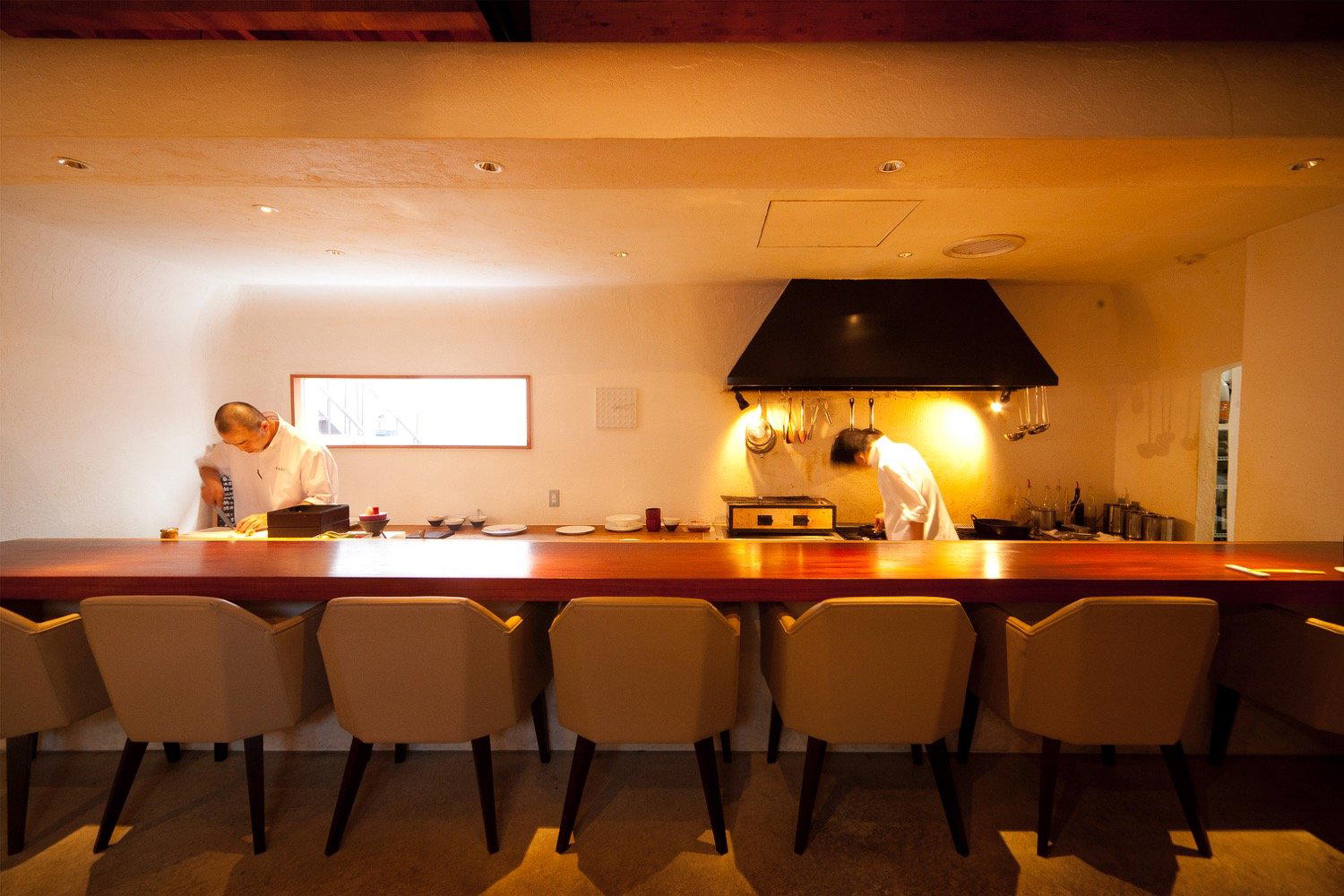
Takuzushi
Sapporo, Japan
A dinner-only sushi counter in central Sapporo with three consecutive Opinionated About Dining recognitions, Takuzushi is one of the city's most consistent addresses for serious sushi. Chef Masaya Miyashita's kitchen runs seven nights a week, making it easier to book than most at this level. Worth reserving before you arrive in Hokkaido.
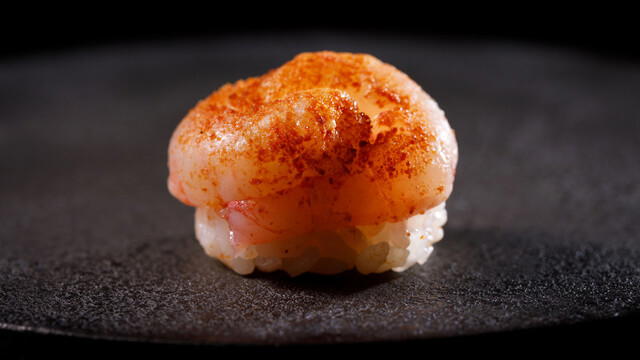
Tokiwa Sushi Nigata Ten
Niigata, Japan
A serious Niigata sushi choice for diners treating dinner as the main event, especially couples, solo diners, and small celebrations. The value is strongest if premium sushi is the goal; for a looser or more casual meal, cross-shop Kyodaizushi or another Niigata sushi counter first.
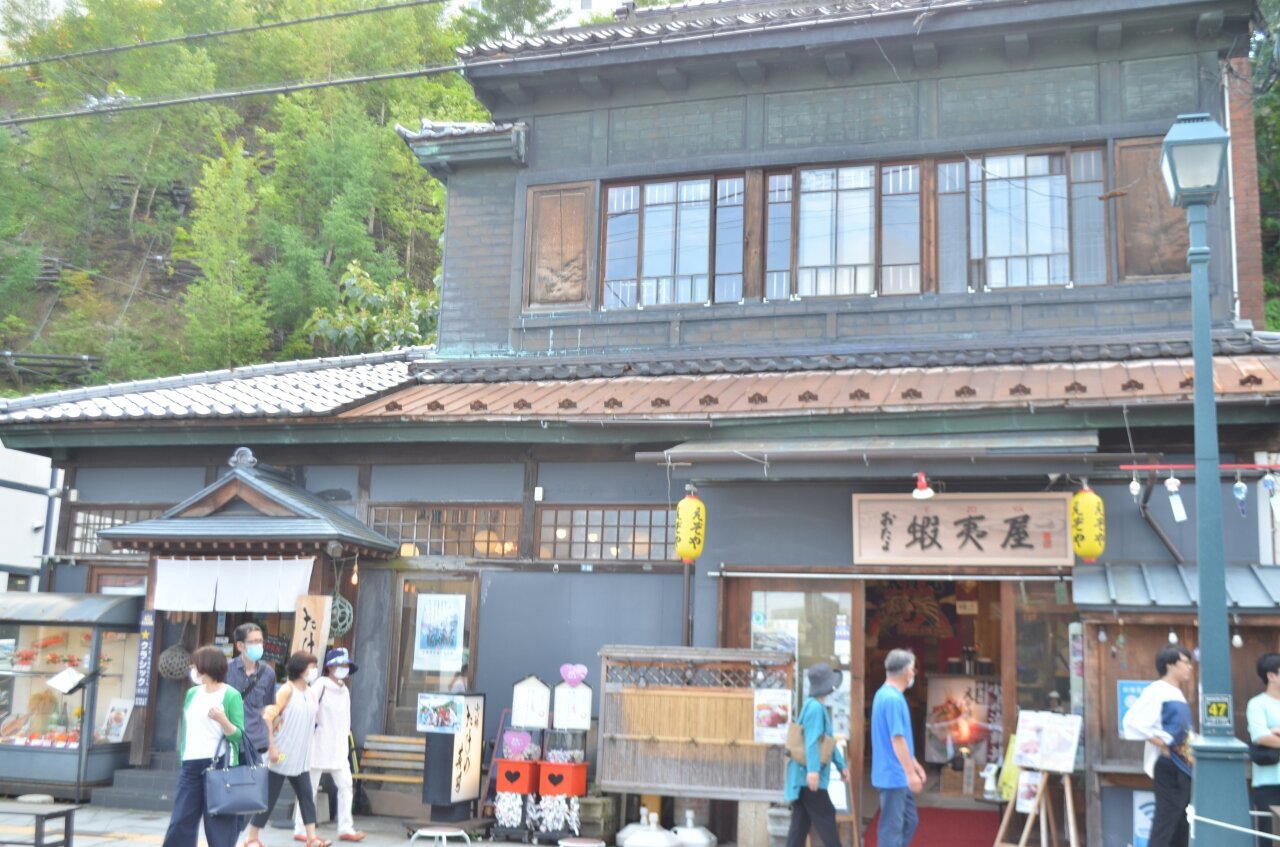
伊勢鮨
Otaru, Japan
Tabelog 100 Sushi EAST 2025 restaurant in Otaru delivering Hokkaido fish at lunch (JPY 10,000–14,999) and dinner (JPY 20,000–29,999). Counter seating shows the knife work; private rooms seat six. BYO sake permitted, reservations open two months ahead by phone, and the restaurant closes Wednesdays plus the first three Tuesdays monthly.
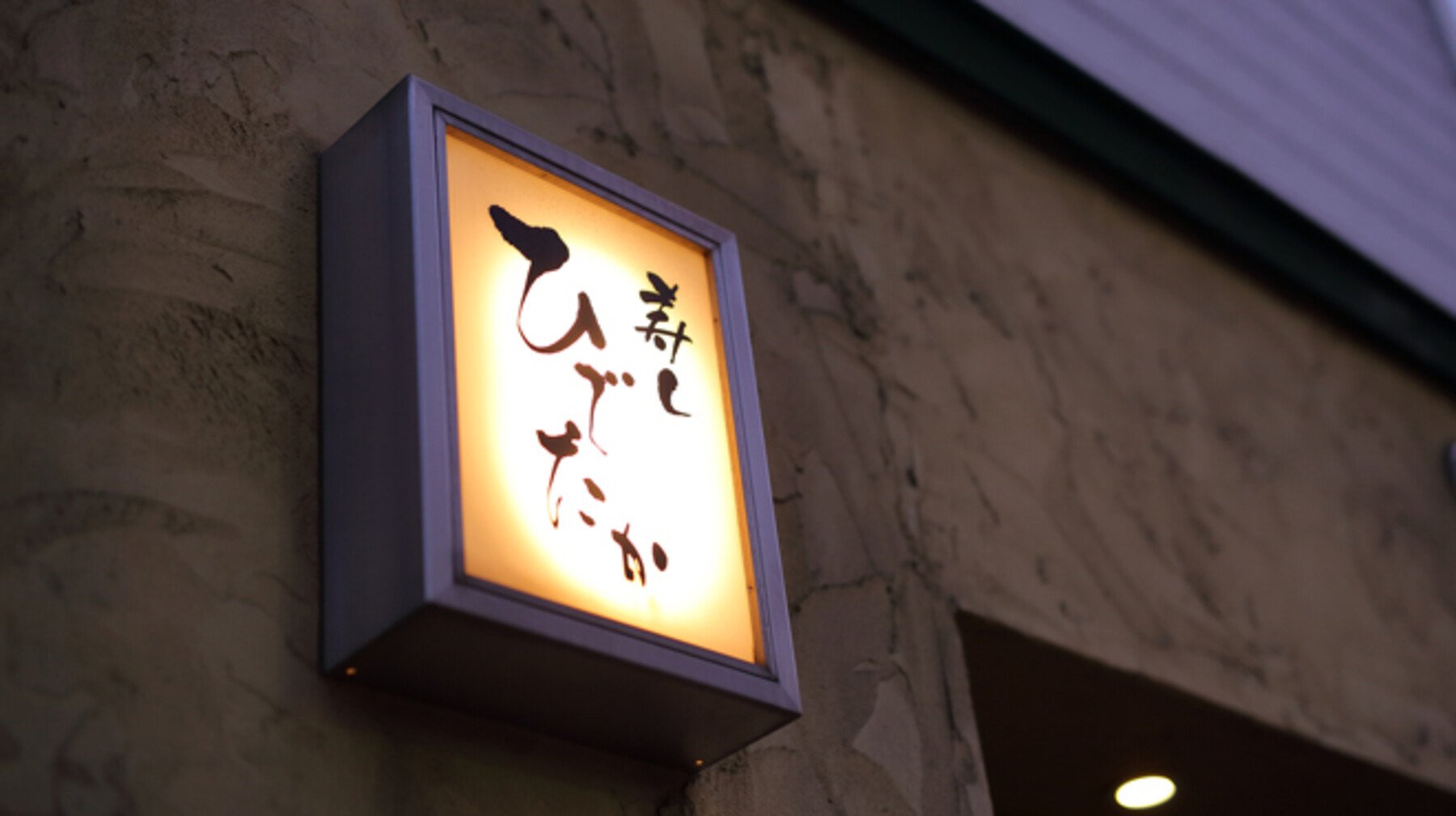
Hidetaka
Sapporo, Japan
Hidetaka is an eight-seat Edomae sushi counter in Susukino with a Tabelog Bronze Award every year since 2017 and three appearances on the Sushi EAST "100" list. At JPY 30,000–39,999 per head, the price is justified by direct access to Hokkaido's cold-water seafood. Book by phone at least two weeks out; easy to secure relative to Tokyo peers, but the eight-seat room fills quickly.
Sushi Uehara
Hirosaki, Japan
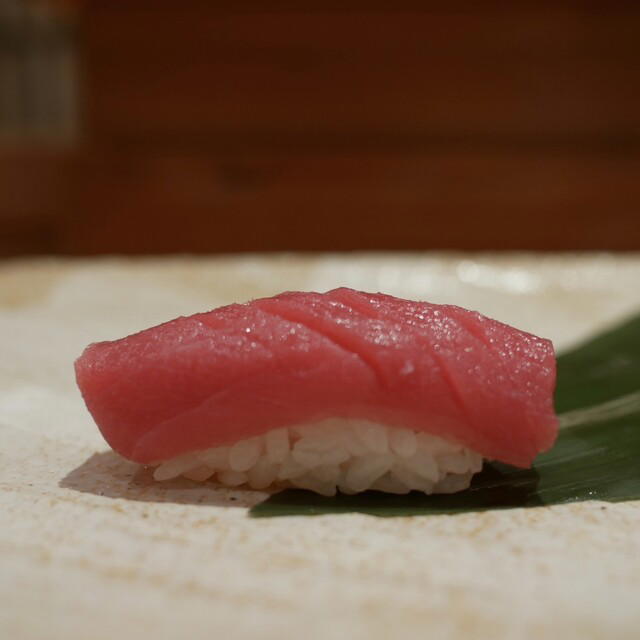
Tabelog 2025 Sushi EAST 100 counter in Hirosaki charging JPY 8,000–9,999 for omakase-forward dinners. Private rooms seat up to four, lunch runs JPY 2,000–2,999 (cash only), and reservations are required. Book two weeks ahead for weekend evenings.
Sushinokura
Sapporo, Japan
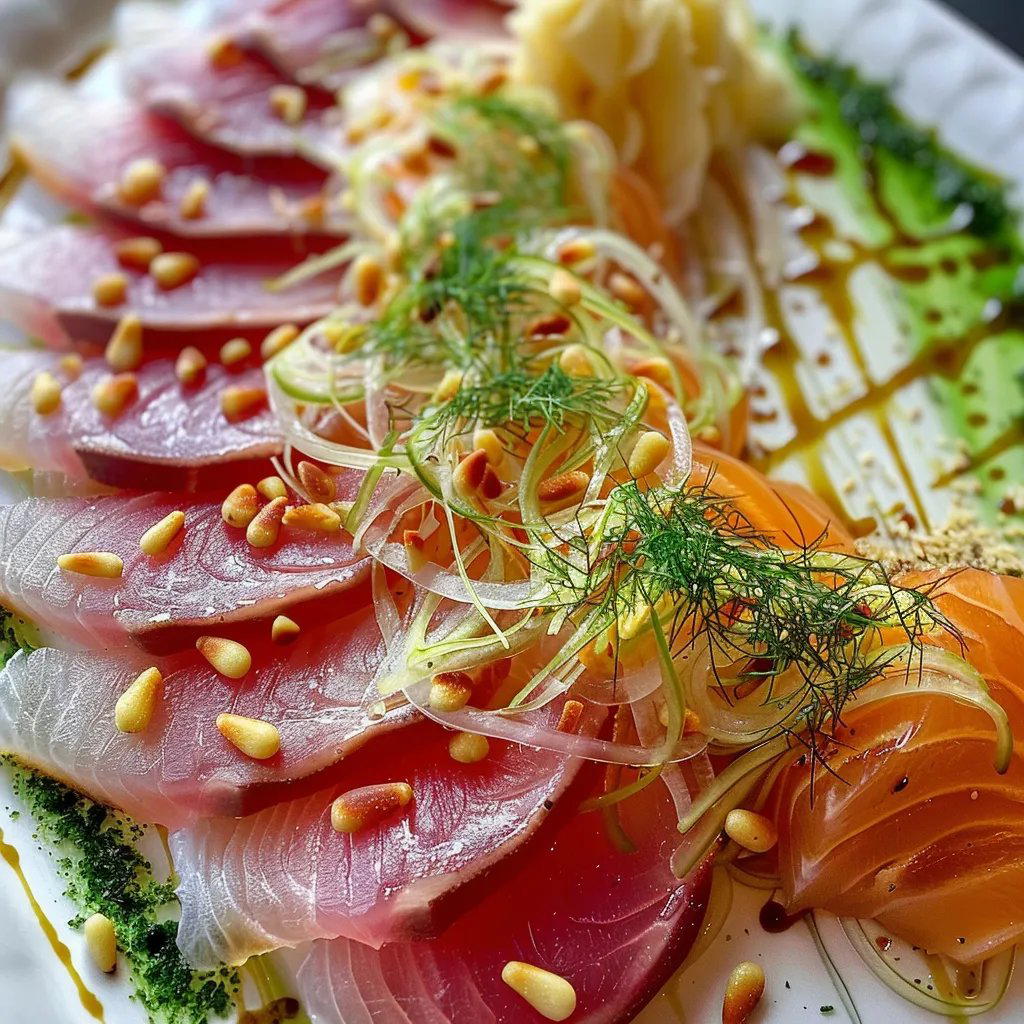
Sushinokura is a four-seat counter sushi restaurant in Sapporo's Chuo Ward, holding Tabelog Bronze status from 2023 through 2026 with a score of 4.16. Dinner runs JPY 20,000–29,999 per person. Cash only, reservation required via TERIYAKI Booking. Best for two or three people celebrating an occasion who want focused counter service built on Hokkaido's sourcing advantage.
Sushi Ishiguro
Nagoya, Japan
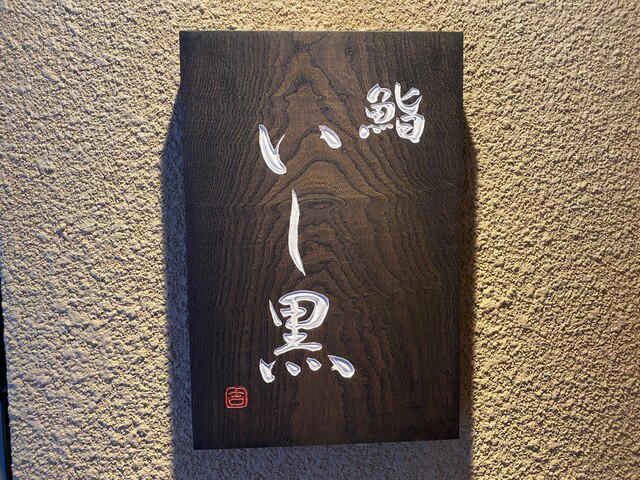
Nine-seat Edomae omakase near Nagoya Station, recognized in Tabelog 100 Sushi EAST 2025. Dinner runs JPY 20,000–29,999 with a 2.5-hour format; Saturday lunch is JPY 10,000–14,999. Book three weeks ahead for dinner, earlier for Saturday lunch. Sake and wine pairings are strong; no à la carte options.
Sushi Daisaku
Nagoya, Japan
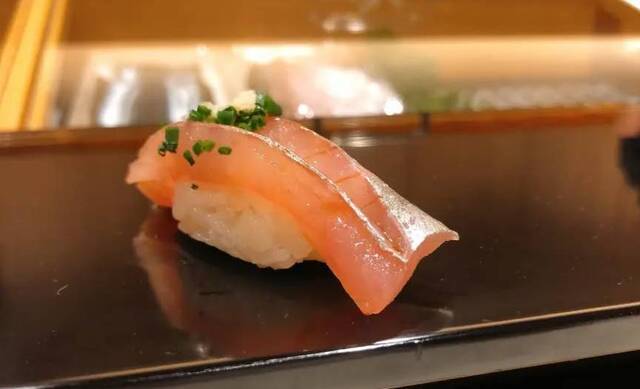
Eight-seat omakase counter and four-person private room in Nagoya's Shinsakae district, recognized on Tabelog's 2025 Sushi EAST 100 list. Reservation-only format with fish-focused courses at JPY 20,000–29,999, offering sake, wine, and shochu pairings. The private space makes it a practical choice for families or groups seeking omakase pacing without counter formality.
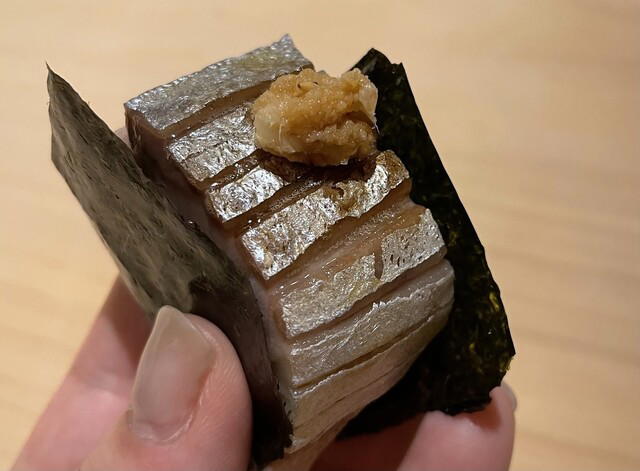
Kita no Hana Hayashi
Chitose, Japan
Chitose's Tabelog 100 EAST omakase counter serves seasonal Hokkaido fish across two nightly seatings; JPY 17,600 for the full course, JPY 13,200 for the shorter option; in an eight-seat, reservation-only format. Best for groups of up to eight guests looking to book the entire counter or travelers timing a layover meal around New Chitose Airport.
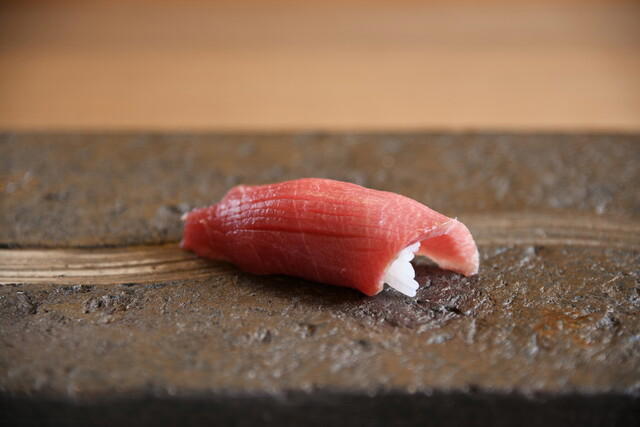
Sushi Matsuoka
Ogaki, Japan
Tabelog 100 Sushi EAST 2025 selection in Ogaki with an eight-seat counter and one private room. Reservation-only at JPY 15,000–19,999 for lunch or dinner, emphasizing daily fish and sake pairings. Book two weeks ahead for weekends; the counter gives direct sightlines to the chef's prep work.
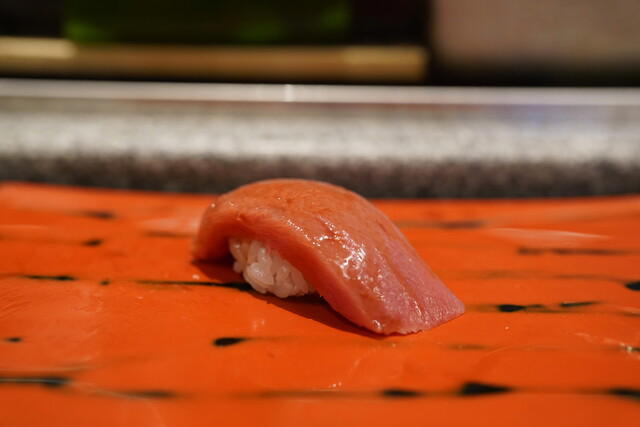
Suehiro Zushi
Shizuoka, Japan
Tabelog 100 - Sushi - EAST honoree in Shimizu Ward, serving traditional edomae sushi at JPY 6,000–7,999 with 83 seats including tatami rooms for groups. Eight minutes from JR Shimizu Station, it offers Suruga Bay fish and family-friendly service at a third of Tokyo's omakase pricing, with reservations recommended for weekend dinners.
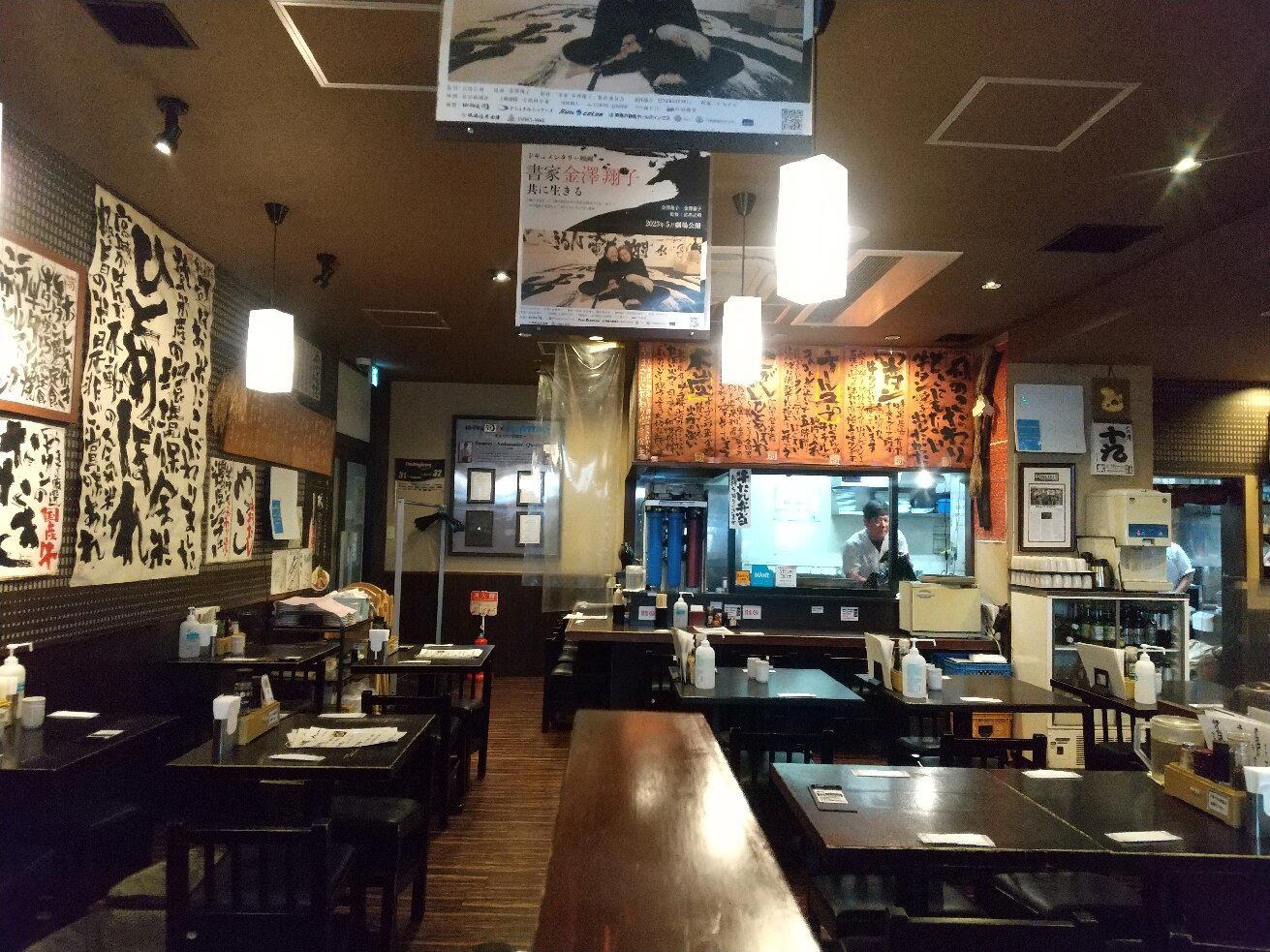
鮨德
Sendai, Japan
鮨德 is an eight-seat sushi counter in Sendai that earned Tabelog Sushi EAST 100 recognition in 2025 with a fish-focused omakase. Dinner runs JPY 20,000–29,999; lunch drops to JPY 6,000–7,999. The venue can be reserved for private use, and the spacious counter setup feels less cramped than Tokyo equivalents at a lower price point.
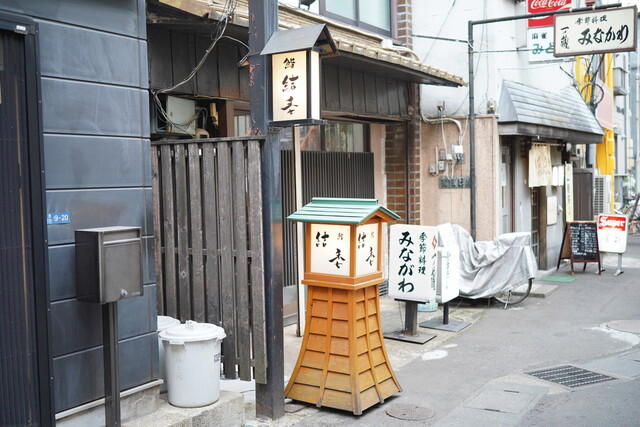
Sushi Yui
Sendai, Japan
Eight-seat omakase counter in Sendai's Chuo district, selected for Tabelog 100 Sushi EAST three times (2021, 2022, 2025). Dinner-only format at JPY 20,000–29,999 emphasizes Tohoku fish sourcing and direct chef interaction. No private rooms, no à la carte, no website; book by phone at least one week ahead.
Sushiei
Chiba, Japan
Sushiei is Chiba's most decorated counter-sushi venue; a 2026 Tabelog Silver Award winner with a 4.37 score and a track record dating to 1967. At JPY 40,000–49,999 per head in practice, it outperforms same-price peer <a href="https://joinpearl.co/restaurants/takaoka-chiba-restaurant">Takaoka</a> on credentials. Book for a special occasion; skip if you need takeout or walk-in flexibility.
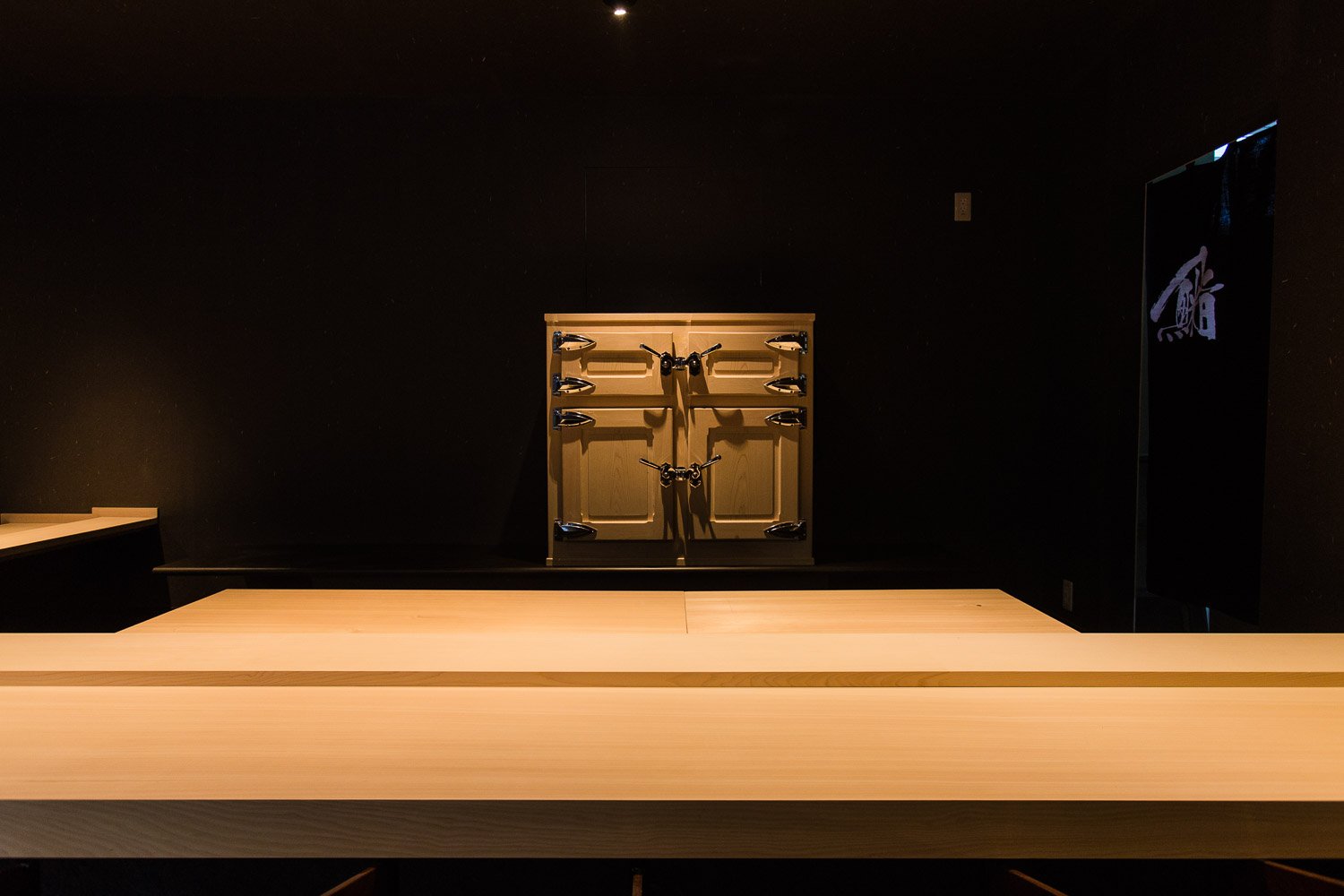
Himeshara
Sapporo, Japan
A quiet, focused Sapporo dinner pick for diners who want a recognized room rather than a casual drop-in. Himeshara is easier to recommend for solo diners and pairs than for groups, especially because menu, price, and dietary details are not clearly surfaced. The 2025 Tabelog 100 placement is the key reason to keep it on a food-focused itinerary.
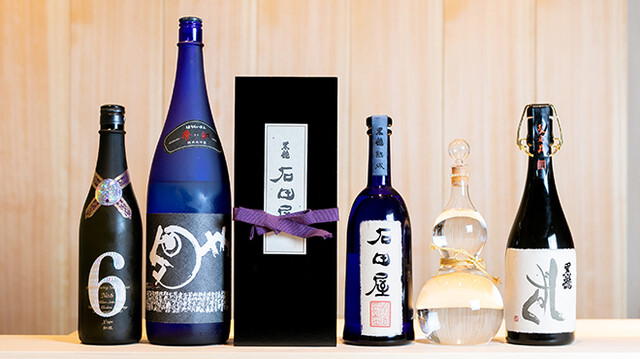
Kikkou
Nagoya, Japan
Kikkou is a reservation-only, eight-seat sushi counter in Nishiki serving omakase courses at JPY 20,000–29,999 for dinner, with lunch service at JPY 6,000–7,999 Thursday and Saturday. Recognized in Tabelog 100 Sushi EAST (2022, 2025), the counter emphasizes fish sourcing and seasonal sake pairing, with a strict no-perfume dress code. Best for solo diners or couples seeking ingredient-focused edomae craft in a quiet, counter-only format.
Kameki Zushi
Shiogama, Japan
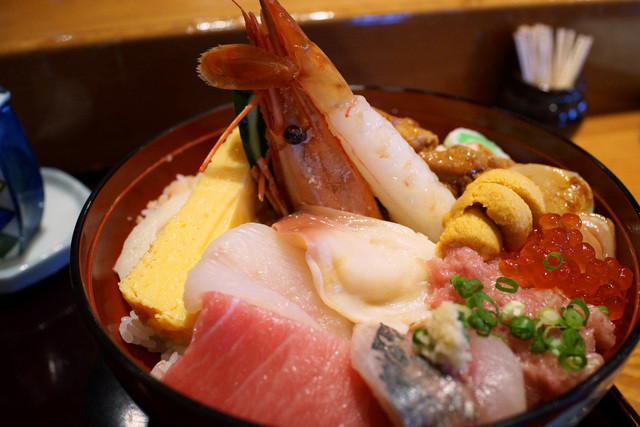
A Tabelog 100 sushi counter in the port town of Shiogama, offering morning-auction fish and traditional omakase at JPY 6,000-JPY 14,999; significantly below Tokyo pricing for comparable quality. The 72-seat room includes counter, table, and tatami seating; reservations are straightforward, and the seafood bias runs toward local mackerel, flounder, and Sanriku tuna.
ふじさわ
Nagoya, Japan
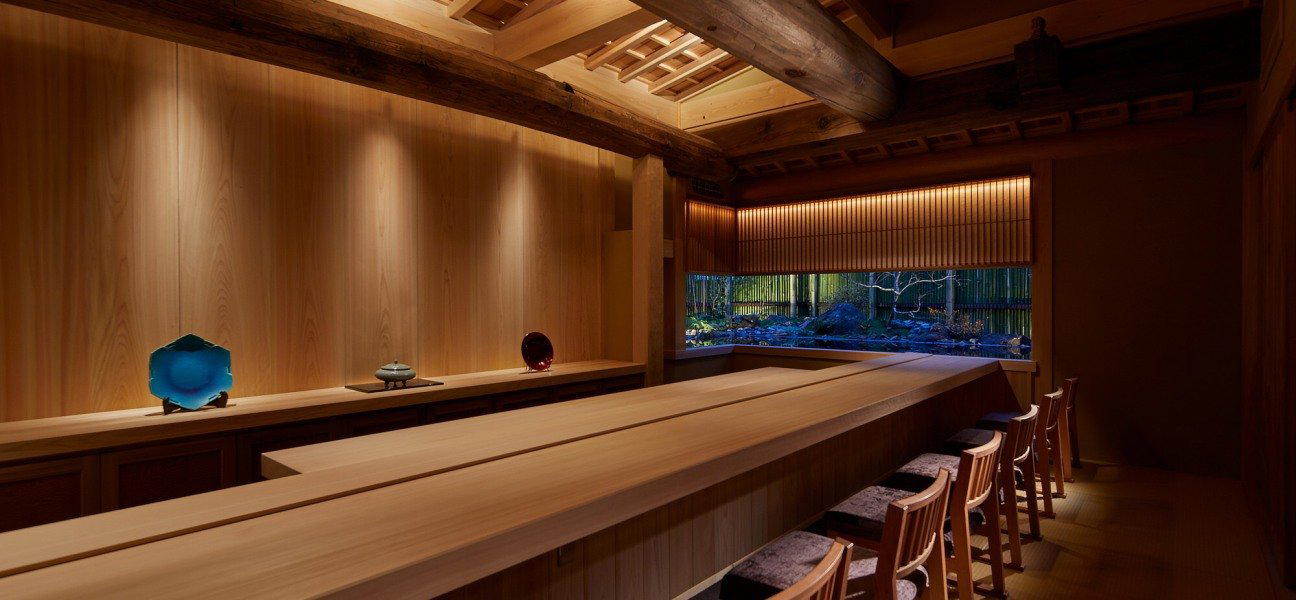
A dinner-only Nagoya option that suits small, low-key special occasions better than heavily planned group meals. Book if privacy and a quieter Tempaku Ward setting matter more than published menu, price, or award detail; choose La Liliana or another clearer-format peer if budget transparency is the priority.
Amaki
Aichi, Japan
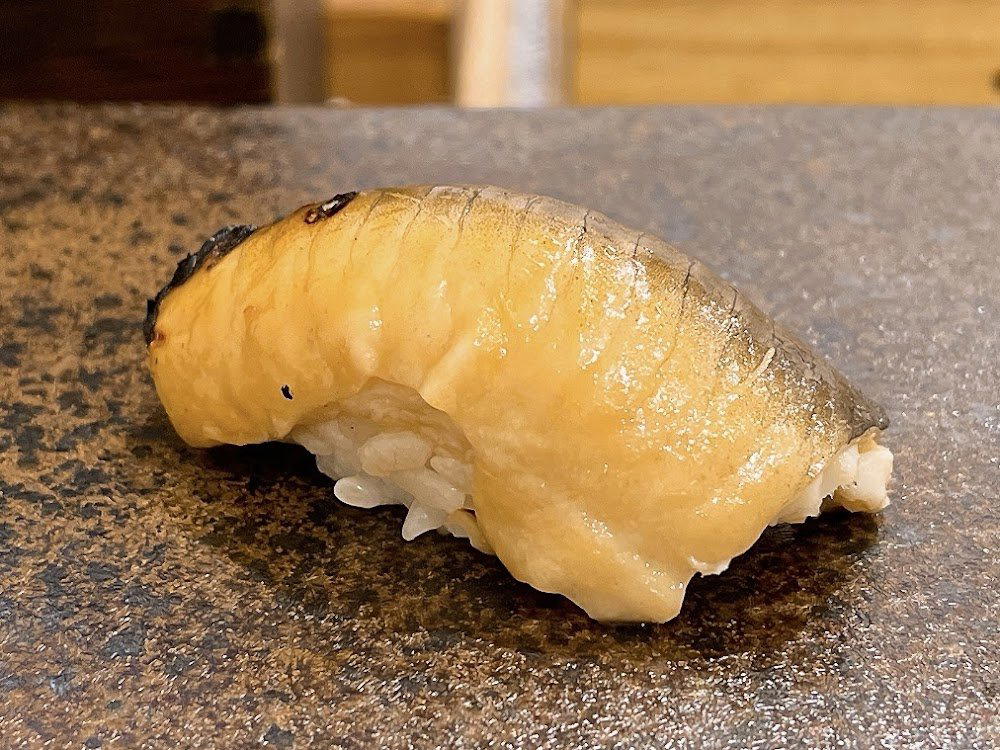
Amaki is an 11-seat reservation-only sushi counter on the 18th floor of the Nagoya Kanko Hotel, earning Tabelog Bronze in both 2025 and 2026 within its first two years. Dinner runs JPY 30,000–39,999 per head with no lunch service and no walk-ins. For serious counter sushi in Nagoya, it is the most credentialed option currently available.
Sushi Fukuhara
Kawasaki, Japan
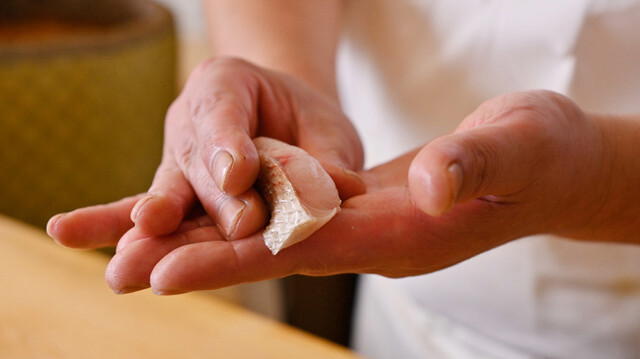
Tabelog 100 Sushi EAST 2025 selection in residential Kawasaki, five minutes from Kajigaya Station. Omakase runs JPY 15,000–19,999 at dinner with an 8-seat counter and private tatami room for groups up to six. Book three weeks ahead for weekend dinner; lunch slots (JPY 10,000–14,999) open two weeks prior.
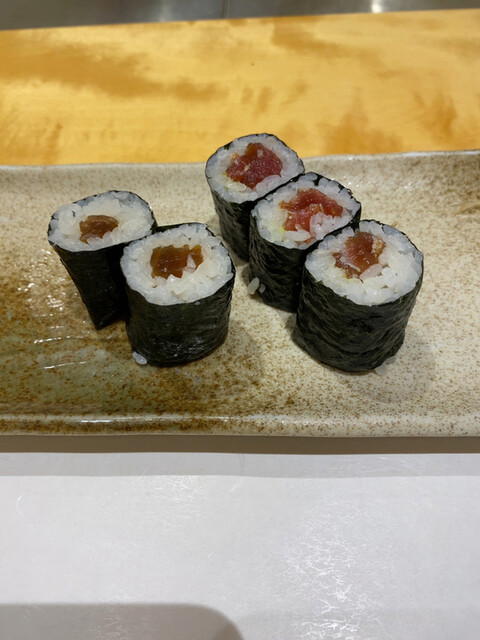
Sushi Yasuke
Nagoya, Japan
Eight-seat counter sushi in Showa-ku with Tabelog 100 recognition since 2021. Dinner runs JPY 10,000–14,999, weekday lunch JPY 5,000–5,999; mid-tier omakase pricing for credentialed technical work. No photos, no fragrance, cash-only lunch; book two days ahead minimum.
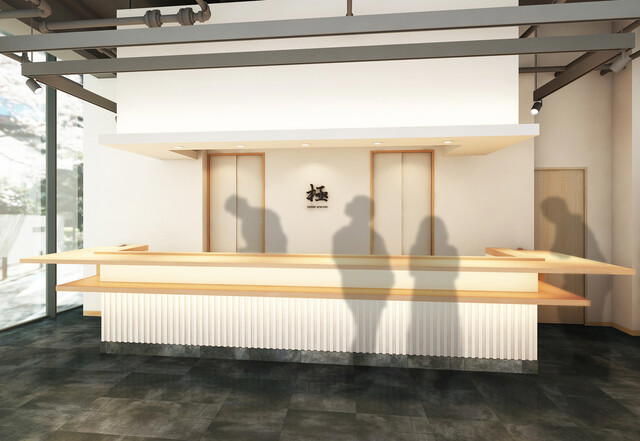
Tachigui Sushi Kiwami Meieki 4 chome ten
Nagoya, Japan
A 10-seat counter near Kokusai Center Station serving à la carte sushi at mid-tier pricing (dinner JPY 8,000–9,999, lunch JPY 1,000–1,999). Recognized on Tabelog's 100 list for eastern Japan, the tachigui format emphasizes efficient turnover and competent knife work rather than extended omakase progression. Best for travelers seeking accessible counter sushi within walking distance of Nagoya Station.
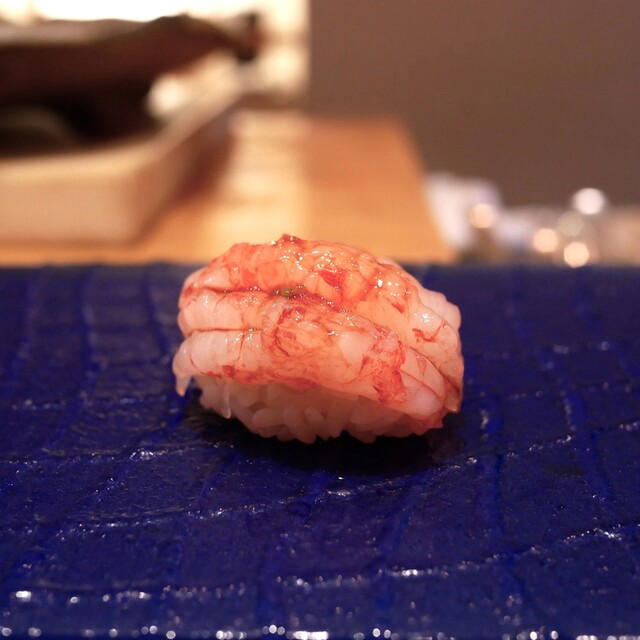
Sushi Konno
Seki, Japan
A reservation-only, 14-seat sushi counter in Seki, Gifu Prefecture, recognized on the Tabelog 100 Sushi EAST list in both 2022 and 2025. Dinner runs JPY 10,000–14,999, lunch JPY 6,000–7,999. The format is fish-forward edomae with a sake-dominant beverage program and a strict no-perfume policy. Parking for seven cars and private-use bookings up to 20 guests available.
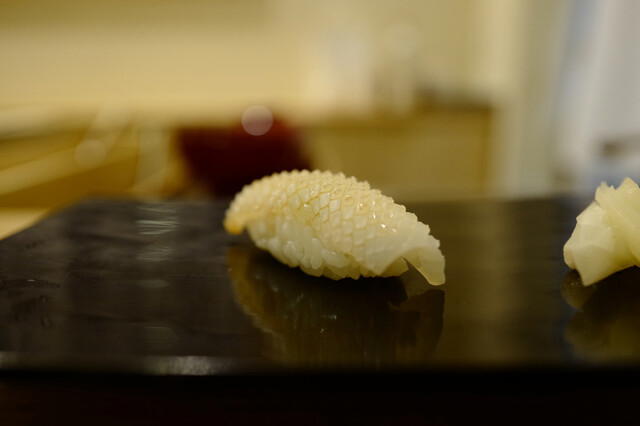
Sushi Okuno
Takikawa, Japan
A Tabelog 100-listed sushi counter in residential Takikawa, serving dinner-only omakase at JPY 10,000–14,999 with a focus on Hokkaido fish and regional sake. The intimate counter suits solo diners and pairs, though limited seats and a six-evening schedule make advance booking essential.
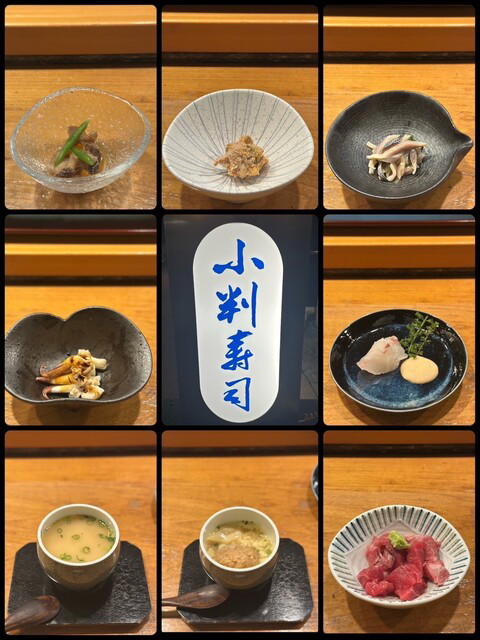
Koban Zushi
Sendai, Japan
Tabelog 100 sushi counter and private dining in Sendai's Bunkayokocho alley, offering Michelin Bib Gourmand quality at JPY 15,000–19,999 dinner or JPY 5,000–5,999 lunch. Regional fish sourcing and flexible seating; counter, tatami, or private rooms for up to 20; make it a practical choice for solo travelers, business meals, or families seeking award-recognized sushi without Tokyo premiums.
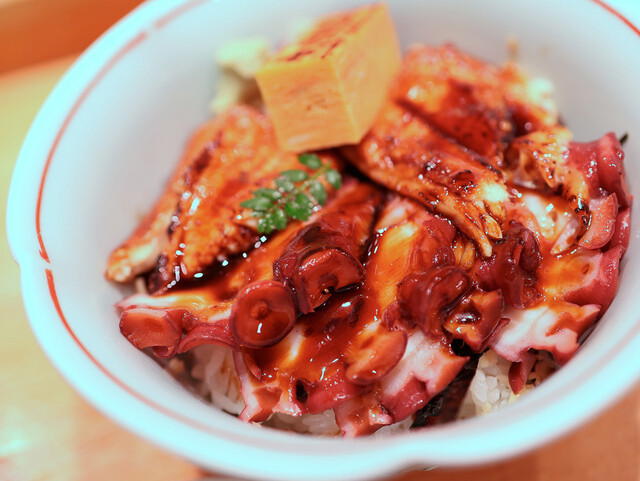
Sushi Tetsu Honten
Shiogama, Japan
Tabelog 100 Sushi EAST 2025 selection with walk-in-only access and 83-seat capacity. Dinner runs JPY 15,000–JPY 19,999; lunch JPY 10,000–JPY 14,999. Fish sourced from Hon-Shiogama port justifies the premium, but no reservations means peak waits stretch 45+ minutes. Counter seating offers the clearest view of prep; tatami rooms suit groups prioritizing sake pairings.
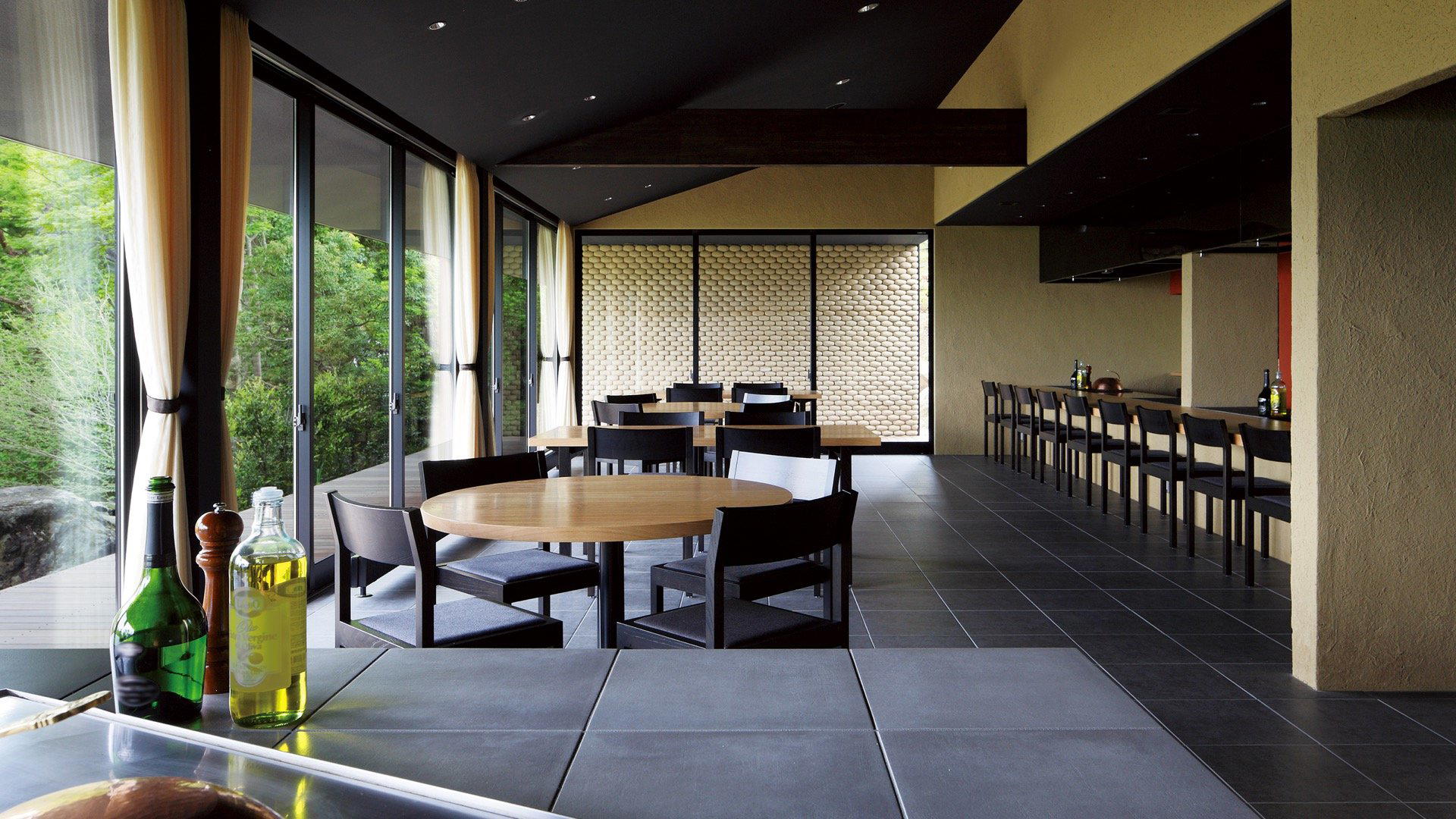
Sushi Ito
Iwaki, Japan
Itoh works for an easy central Iwaki dinner when location and a contained evening matter more than published awards, chef detail, or a documented tasting format. Cross-shop Sankuruge or HappyBerry for clearer value cues, and 小判寿司 if sushi is the specific goal.
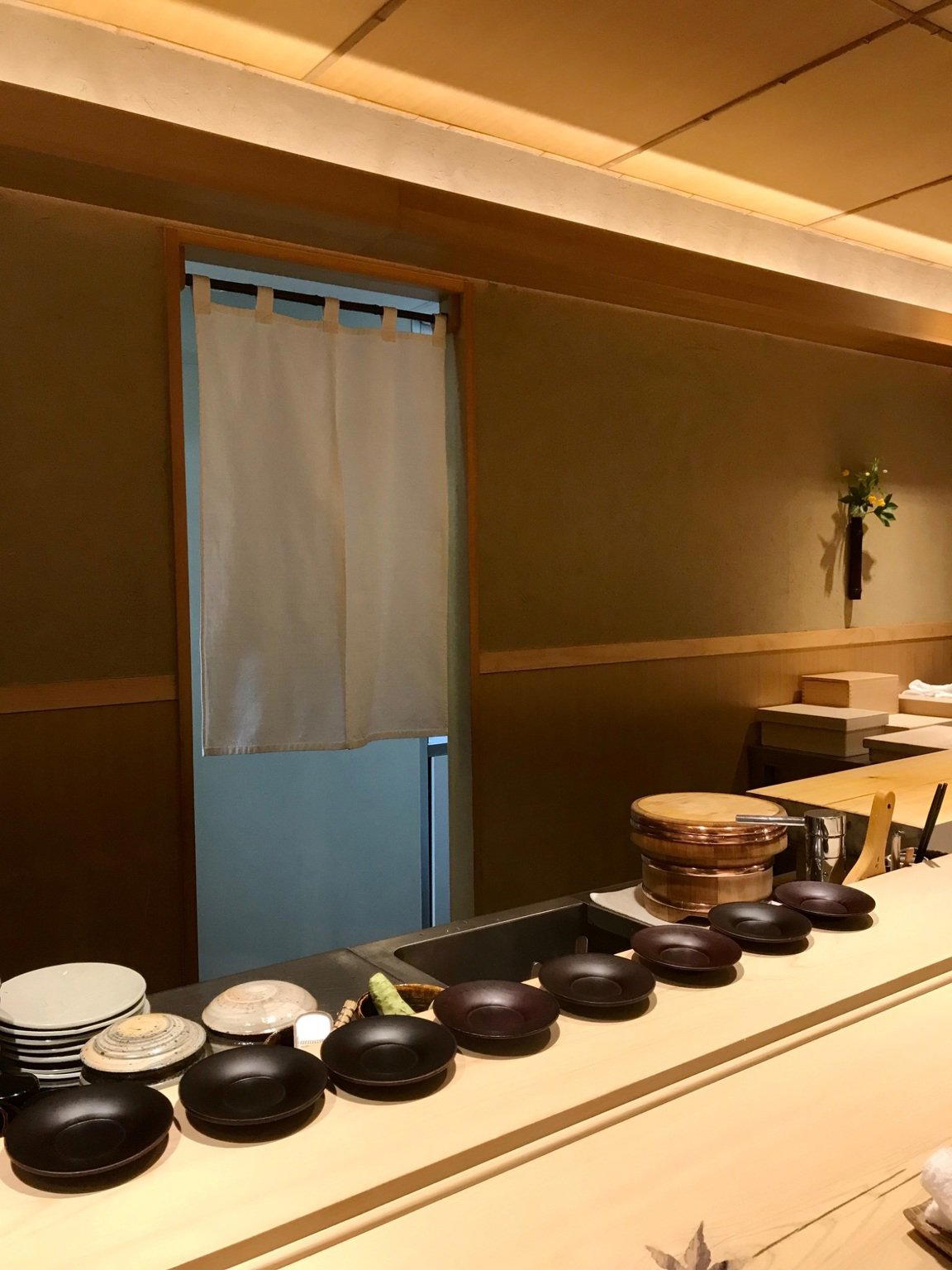
Sushi Miyakawa
Sapporo, Japan
Sushi Miyakawa is Sapporo's most credentialled omakase counter; seven seats, reservation-only, and a Tabelog Silver Award in 2024, 2025, and 2026. At JPY 32,000 all-inclusive, it delivers serious Hokkaido seafood at a price point well below comparable Tokyo counters. Book by phone on the first business day of the month for the following month's slots.
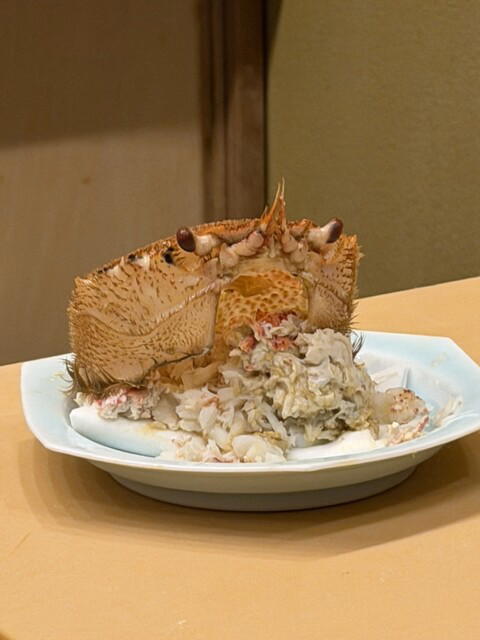
Sushi Inukai
Matsumoto, Japan
Tabelog 100-recognized sushi counter in a Matsumoto suburb offering quiet, technique-focused omakase at ¥20,000–¥29,999. The fish quality and rice precision justify the price, but the service is minimal and cash-only logistics require planning. Worth it for diners who value provenance over polish.
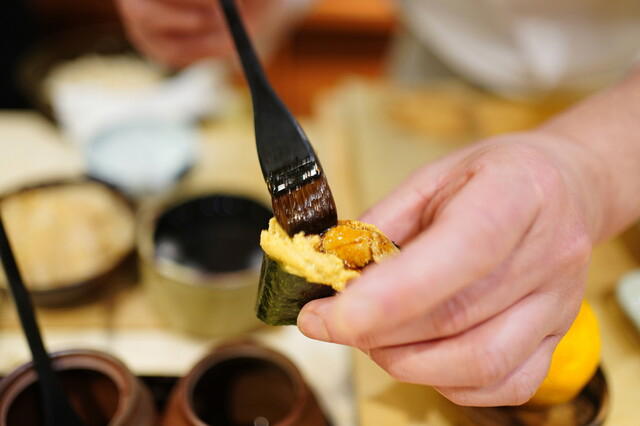
Sushi Dokoro Minami
Hakodate, Japan
Sushi Dokoro Minami's seven-seat counter delivers Hakodate's freshest catch at JPY 20,000–29,999 per head, earning a Tabelog Sushi EAST 100 spot for knife precision and local sourcing. Book at least one day ahead for omakase-only service and direct chef interaction. Worth it for fish enthusiasts and quiet, focused meals; skip if you need group seating or flexible pacing.
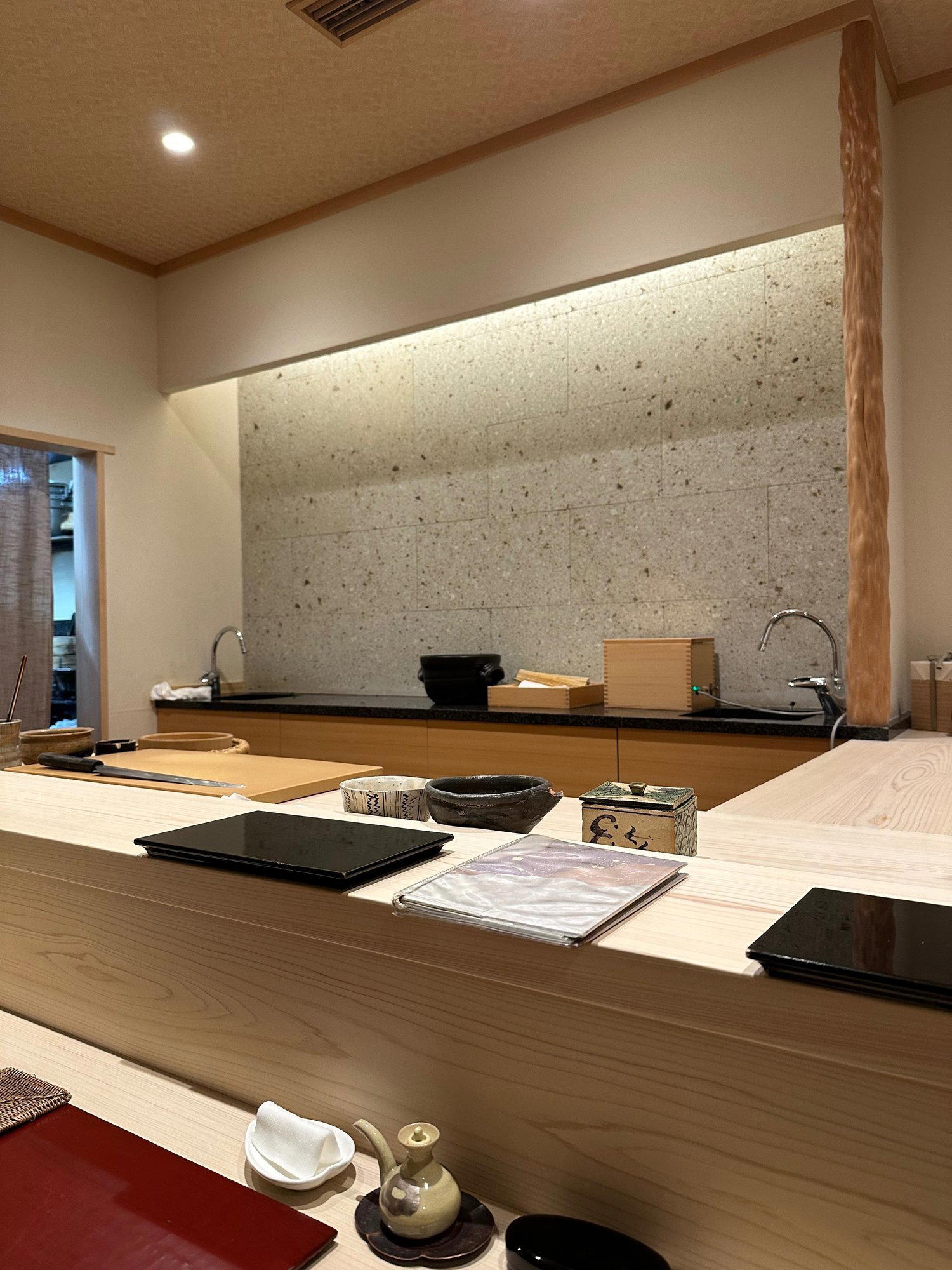
鮨 おとわ
Yokohama, Japan
A recognized Yokohama sushi option in Aoba Ward, 鮨 おとわ is the right call when the meal itself is the reason to travel north of the city's denser dining areas. The Tabelog 100 #92 placement in 2025 gives it a real trust signal, but the lack of listed pricing makes it less suited to budget-first planning.
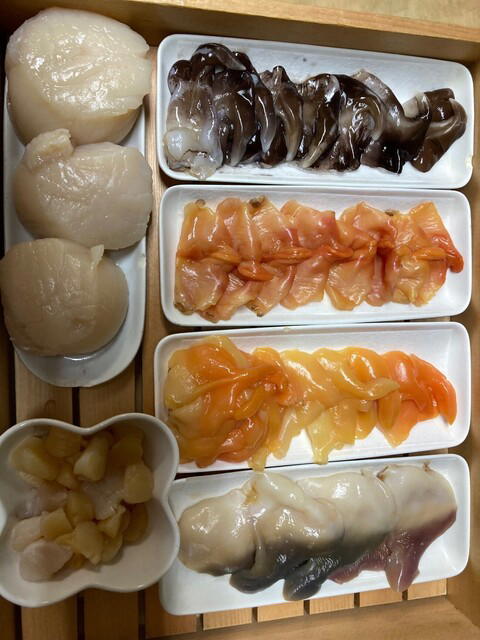
Yadorigi
Nagoya, Japan
Tabelog 100 Sushi EAST 2025 counter in Nagoya's Ozone neighborhood offering seasonal hikari-mono and eel at JPY 10,000–14,999 lunch, JPY 15,000–19,999 dinner. Seven-seat counter plus family-friendly weekend service; advance booking required but easier access than Tokyo's high-pressure omakase rooms.
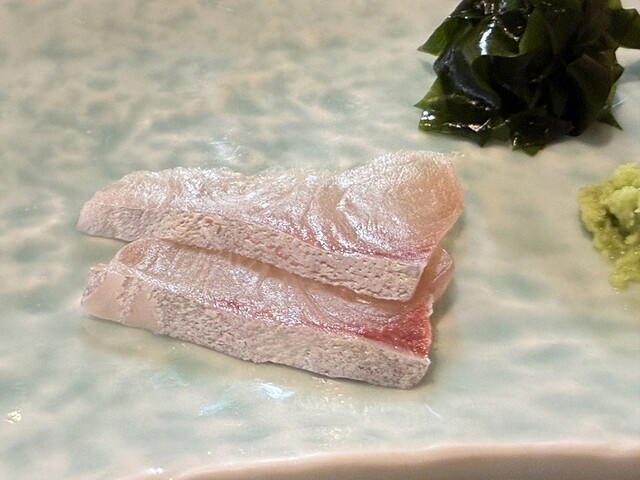
Nakano Ya
Suwa-gun, Japan
Tabelog 100 sushi counter in a converted Suwa-gun home, serving omakase in the JPY 10,000–14,999 range with an emphasis on seasonal fish. Private tatami rooms and parking available, but the location requires a car; 10 minutes from Suwa Minami IC. Cash only, dinner Wednesday–Sunday, lunch by appointment. Worth the drive if you're already in the highlands.
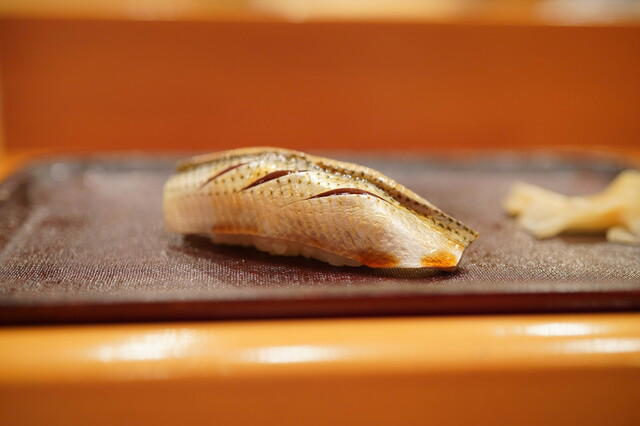
Sushi Enami
Sendai, Japan
Eight-seat sushi counter in Sendai's Kokubuncho district, recognized in three consecutive Tabelog 100 selections. Omakase format priced JPY 20,000–29,999, with private-use option available for small groups. Counter-only setup suits solo diners or pairs seeking intimate interaction with the itamae, but limited flexibility on menu and pace.
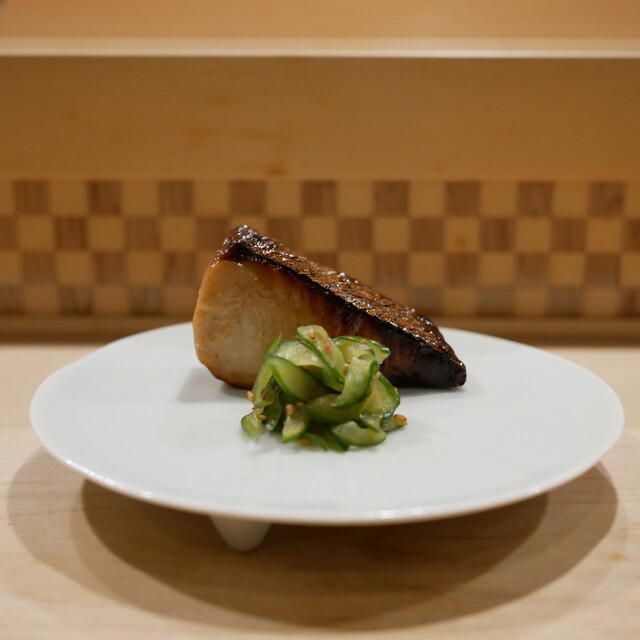
Ueda
Nagoya, Japan
Ueda is a sensible Nagoya sushi booking for diners who want credible recognition without jumping to the city's higher sushi spend. Dinner is the stronger choice for an anchored meal, while lunch works better for packed itineraries. Cross-shop Hama Gen if budget matters less and the occasion needs a bigger splurge signal.
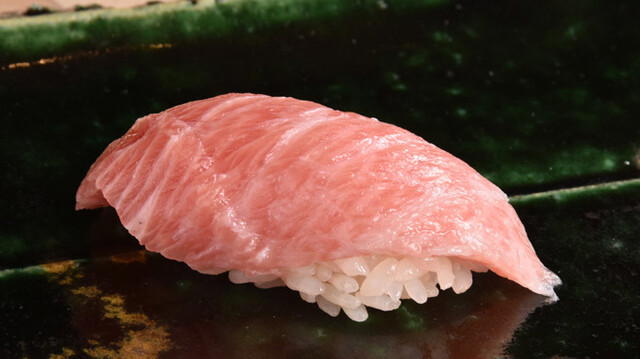
Sushi Gonzaemon
Nagoya, Japan
A 10-seat Edo-style sushi counter in Nagoya's Sakae district, recognized in Tabelog 100 Sushi East 2025. Dinner omakase runs JPY 15,000–19,999 with last entry at 22:00, making it a practical late-evening option. Easier to book than Tokyo benchmarks, with a straightforward focus on technique over trend.
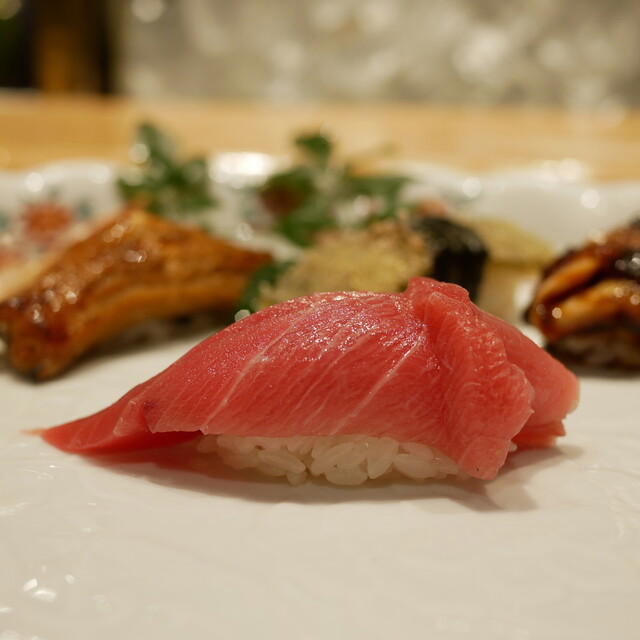
Shiogama Sushi Tetsu S-PAL sendai ten
Sendai, Japan
Tabelog 100 sushi inside Sendai Station, sourcing Sanriku bluefin and seasonal Pacific catches at JPY 6,000–14,999. Counter seating for quick solo meals, tatami rooms for groups of four or more. Weekday bookings only; weekends and holidays close to reservations. Strong value for travelers who want recognized credentials without the advance-booking pressure of omakase-only venues.
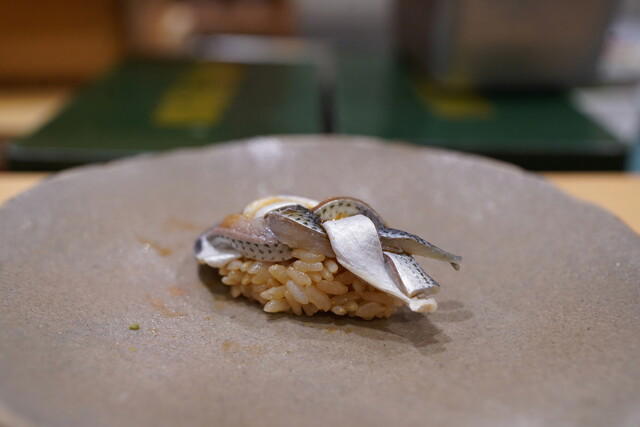
Koise
Sakata, Japan
Tabelog 100-recognized sushi counter in a Sakata house restaurant, emphasizing Sea of Japan catch and Yamagata sake. Dinner runs JPY 6,000–7,999 for fish-focused omakase; private tatami rooms upstairs accommodate groups up to 20. Cash only, book two weeks ahead for weekend dinner.
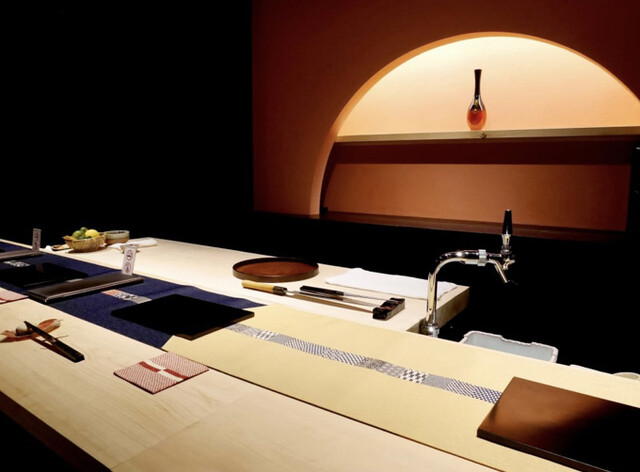
Sushi Bito Mitoku
Okazaki, Japan
Tabelog Sushi EAST 100 counter with six seats and JPY 30,000+ omakase in a residential Okazaki setting. Booking by phone only, no walk-ins, and a cancellation-by-the-day-before policy. Worth it if you want high-end sushi without the Nagoya commute; harder to justify if transparency and documented sourcing matter more than scarcity.
Overview
The Tabelog 100 - Sushi - EAST - 2025 is an authoritative ranking of the top 100 sushi restaurants in East Japan, compiled annually by Tabelog, Japan's leading restaurant review platform. It highlights exceptional sushi establishments based on rigorous user ratings and expert evaluations, serving as a definitive guide for sushi enthusiasts seeking the region’s finest culinary destinations.
Originating from Japan’s most comprehensive restaurant review platform, Tabelog’s annual Top 100 lists have become benchmarks of culinary excellence across the country. The 2025 Tabelog 100 - Sushi - EAST edition focuses on East Japan, encompassing major prefectures including Tokyo, Kanagawa, and Miyagi. This list reflects the dynamic spectrum of sushi dining; from traditional Edo-style counters to cutting-edge modern interpretations; capturing both heritage and innovation. Globally respected by chefs, food critics, and travelers, it provides unparalleled insight into Japan’s vibrant sushi culture, helping food lovers navigate the region’s intricate gastronomic landscape with confidence and authenticity.
For sushi aficionados and discerning travelers, the Tabelog 100 - Sushi - EAST - 2025 list is an indispensable resource. It curates the finest sushi destinations across East Japan, blending time-honored craftsmanship with contemporary culinary artistry. From Tokyo’s bustling districts to the serene coastal towns of Tohoku, this selection celebrates chefs who elevate sushi into a sublime experience. Whether seeking intimate omakase counters or innovative sushi bars, Pearl’s guide ensures your journey into Japan’s sushi culture is both authentic and unforgettable.
Quick Facts
- Publisher
- Tabelog (Kakaku.com, Inc.)
- Year
- 2025
- Coverage
- East Japan (Tokyo, Kanagawa, Saitama, Chiba, Tohoku region)
- Items
- 100 Sushi Restaurants
- Frequency
- Annual
About This Edition
The 2025 edition of the Tabelog 100 - Sushi - EAST highlights a fascinating blend of continuity and innovation. This year, several new entrants showcase groundbreaking techniques such as sustainable sourcing and fusion styles, alongside stalwarts preserving Edo-mae traditions. Notably, there is a stronger representation from emerging sushi hubs outside Tokyo, reflecting the region’s expanding culinary map. This edition underscores evolving consumer preferences toward sustainability and craftsmanship, marking a pivotal moment in East Japan’s sushi narrative.
Frequently Asked Questions
What is Tabelog 100 - Sushi - EAST - 2025?
How are honorees selected?
How often is this list updated?
How can I find these on Pearl?
How many of these have you visited?
Find out on Pearl and keep score across every place in Tabelog 100 - Sushi - EAST - 2025.