
TIAD, Autograph Collection
Naka, Nagoya
Hotel in Nagoya, Japan
 Book with Pearl
The Read
Park-Edge Urban Retreat
Why go
A polished Sakae hotel to book when location, occasion value, and Marriott loyalty benefits matter. TIAD, Autograph Collection is stronger for couples and business travelers who want a contemporary central base than for guests chasing the lowest Nagoya rate; compare it with Nagoya Tokyu Hotel for value and The Tower Hotel Nagoya for a more local-feeling stay.
About TIAD, Autograph Collection
Book TIAD, Autograph Collection if the trip calls for a hotel stay in Nagoya and the confirmed details fit your plans. The essentials are limited but useful: the hotel is in Nagoya, has a smart-casual dress code, and holds a Michelin 1 Key (2024).
Because public planning details can change, treat the hotel as a fit for travelers considering a Nagoya stay and then confirm practical needs directly with the property before booking. Do not assume a particular restaurant concept, room category, amenity setup, or service format unless it is confirmed by the hotel for your dates.
A Nagoya stay to compare carefully
The right guest is someone who wants TIAD, Autograph Collection's confirmed profile: a Nagoya hotel with smart-casual dress code guidance and Michelin 1 Key recognition in 2024. For travelers comparing other options, Nagoya Tokyu Hotel is a practical cross-shop.
The tradeoff is information discipline. Since planning details here are limited, compare the rate against other options and confirm the specifics that matter for your stay before committing. If a particular room type, benefit, or on-property facility is important, verify it directly rather than assuming it from the brand or category.
Use confirmed hotel details to decide whether TIAD fits
Autograph Collection is part of the hotel's name, but the decision should still be made around confirmed details for your trip: Nagoya location, smart-casual dress code, and Michelin 1 Key recognition in 2024. Beyond that, check current hotel information before relying on any specific service, amenity, or dining claim.
For couples or solo travelers, the comparison with The Tower Hotel Nagoya is useful when deciding what kind of stay feels right. Choose TIAD, Autograph Collection when its confirmed profile and current availability fit your plans; consider The Tower Hotel Nagoya when you want another distinctive option in the same trip search.
Also compare with Espacio Nagoya Castle and Nagoya Kanko Hotel ESPACIO. Those are sensible alternatives to review when you want to benchmark TIAD, Autograph Collection against other notable hotels.
Quick reference: choose TIAD, Autograph Collection for a smart-casual Nagoya hotel stay with Michelin 1 Key recognition, and cross-shop Nagoya Tokyu Hotel, The Tower Hotel Nagoya, Espacio Nagoya Castle, Nagoya Kanko Hotel ESPACIO, and Maruyo Hotel depending on the style, value, and confirmed details you want.
Part of
Autograph Collection160 locations on PearlPlanning details
- Location
- 5-chōme-15-19 Sakae, Naka Ward, Nagoya, Aichi 460-0008
- Website
- marriott.com/en-us/hotels/ngoak-tiad-autograph-collection/overview/?scid=f2ae0541-1279-4f24-b197-a979c79310b0
- Phone
- +81 52-252-2288
The take
The Take
The Vibe
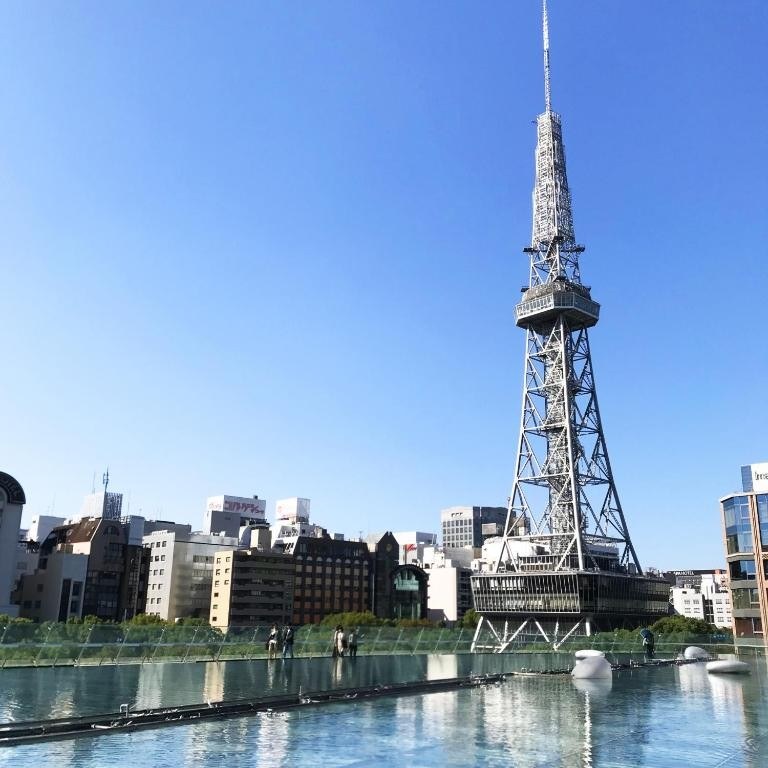
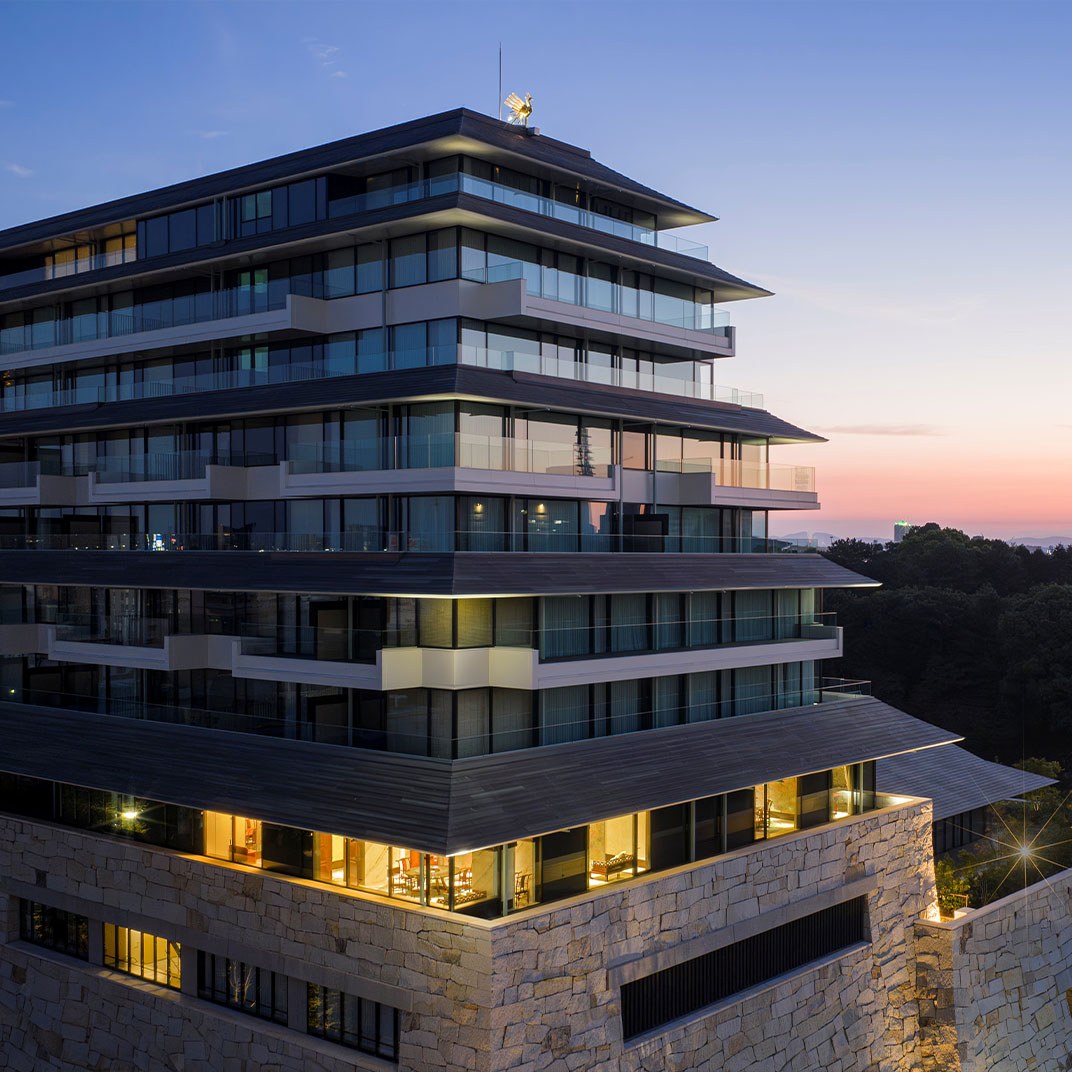
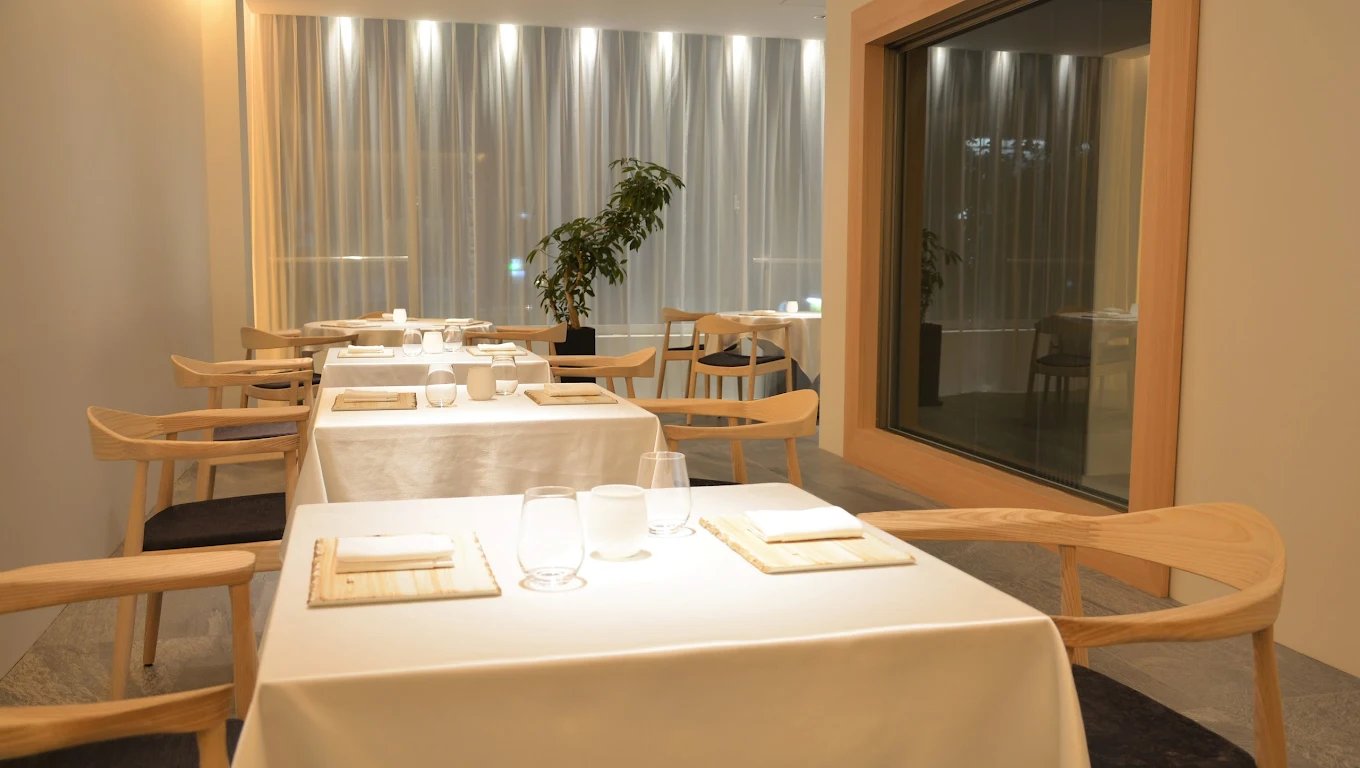
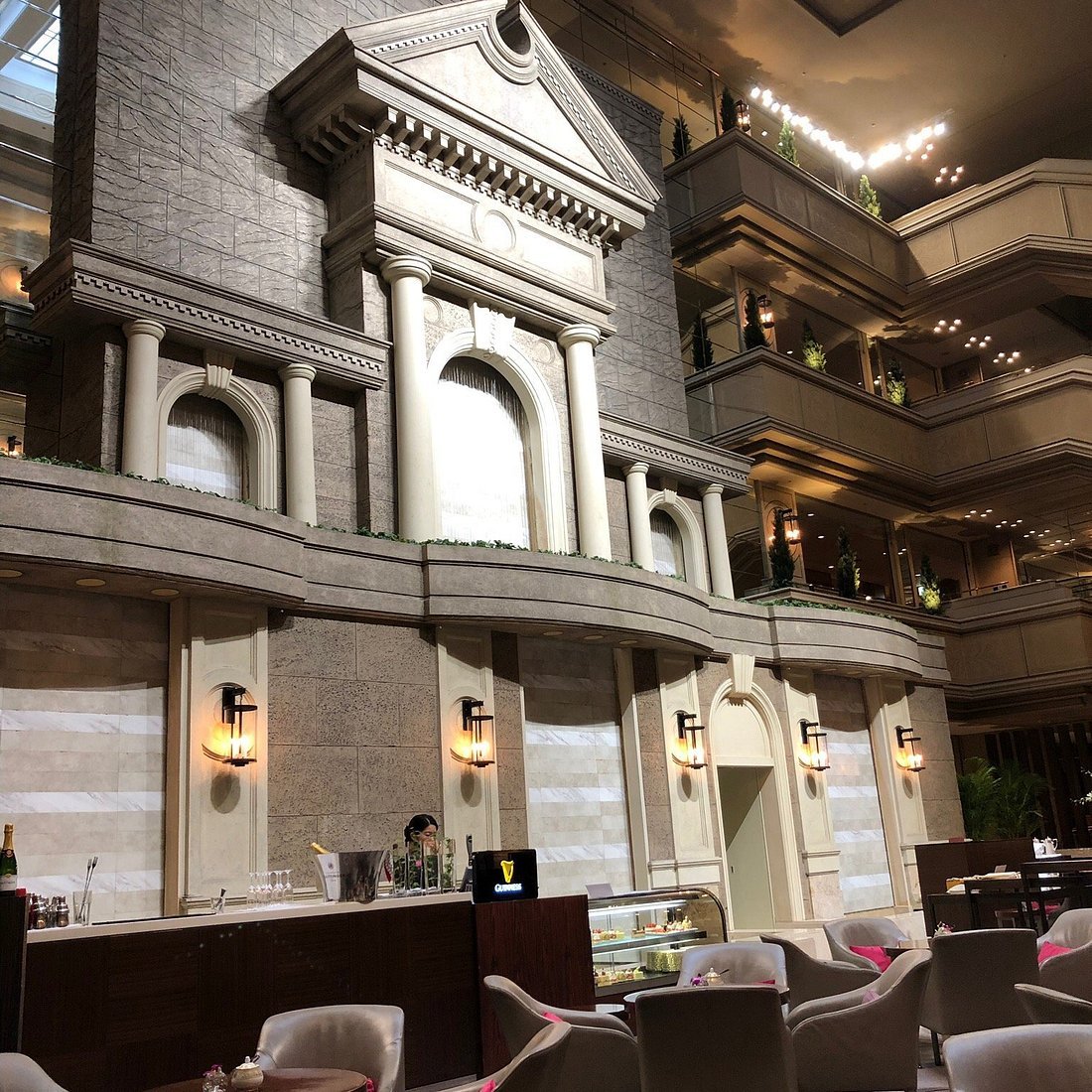
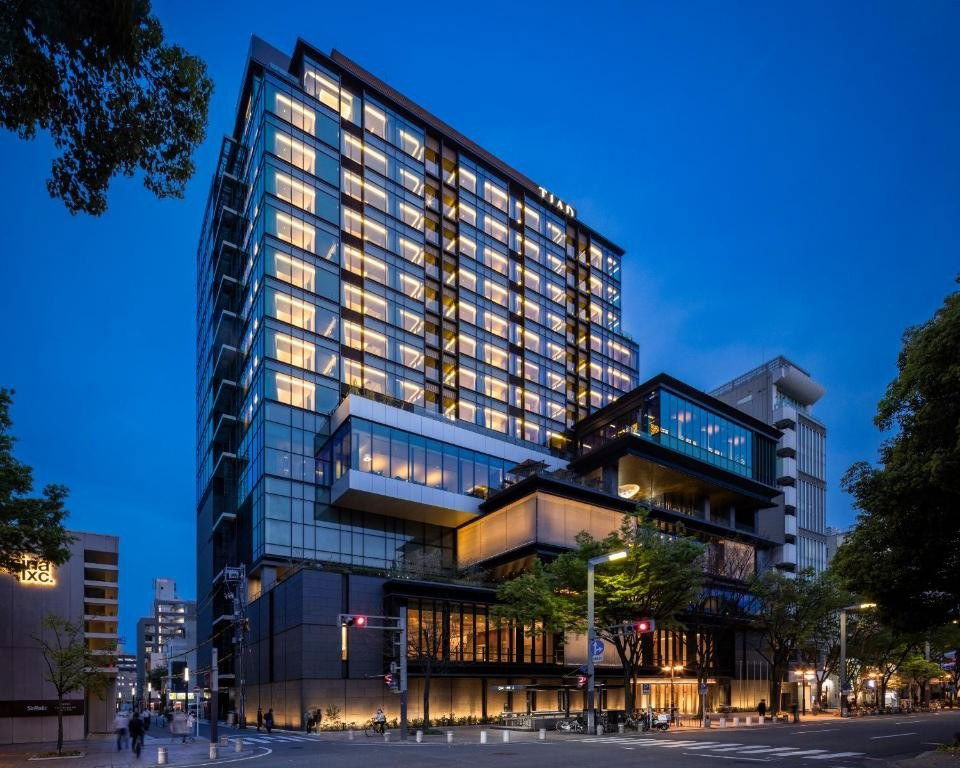
TIAD, Autograph Collection, presents a deliberately calm, park-facing presence in central Nagoya. The hotel leverages its orientation to Hisaya Odori Park so that the exterior geography and interior design work together rather than compete, creating a quiet, scenic boutique stay. As part of Marriott's Autograph Collection the property balances brand-supported professionalism with distinct personality, and that hybrid shows in the measured design decisions and guest experience. The result reads as sophisticated and modern without feeling corporate—an urbane, serene retreat that stands apart from traffic-facing city-center hotels.
Best For
TIAD suits travelers who want a well-appointed, design-forward stay in Nagoya without the scale of an international flagship. The hotel appeals to design-minded visitors and longer-stay travelers who value a park-facing room and a calmer urban setting, and it occupies a premium bracket appropriate for guests seeking reliable service backed by a recognized brand. Its Michelin One Key designation also signals that TIAD is a good choice for visitors who prioritize overall quality—physical environment and service consistency—over sheer luxury theatrics.
Venue details
Ambiance
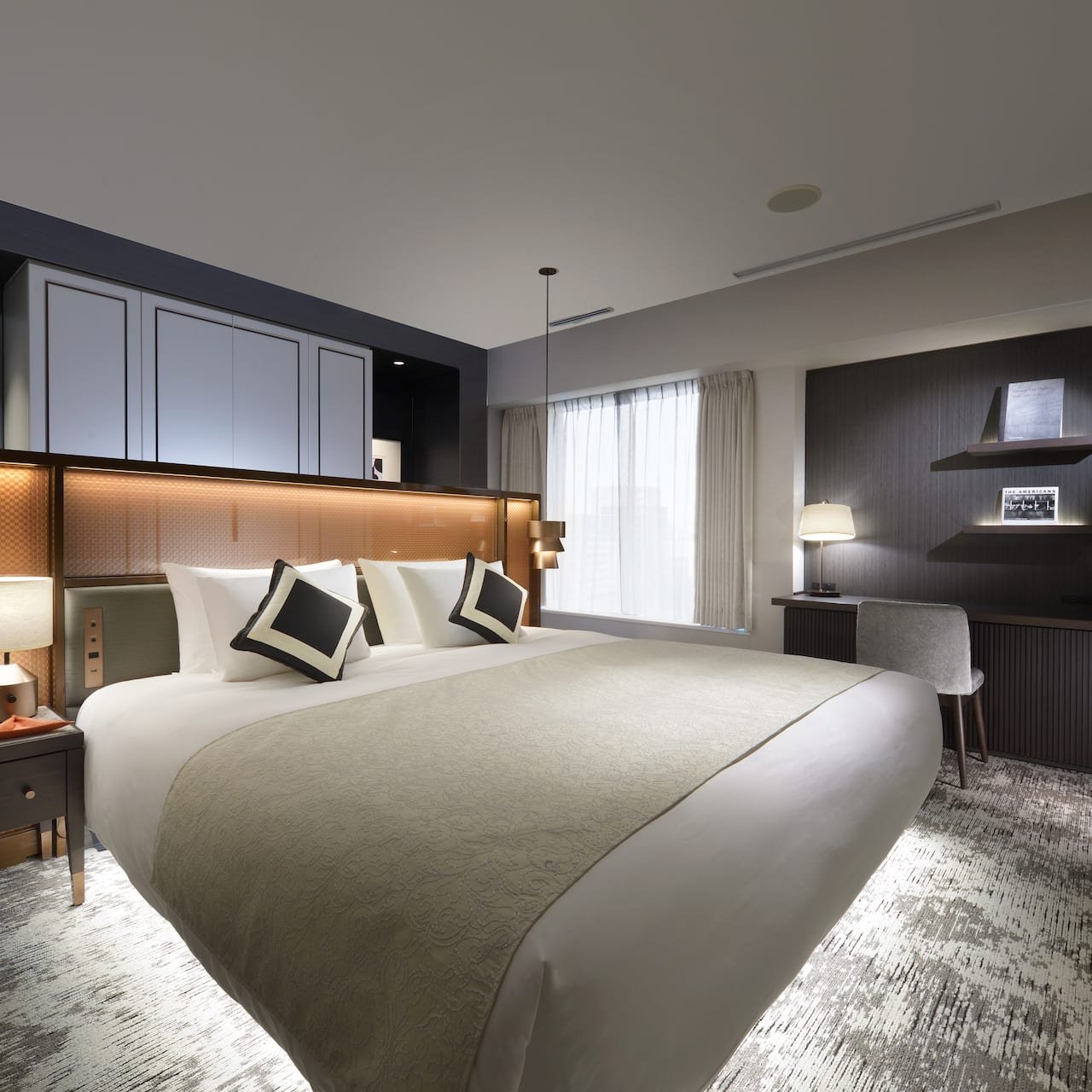
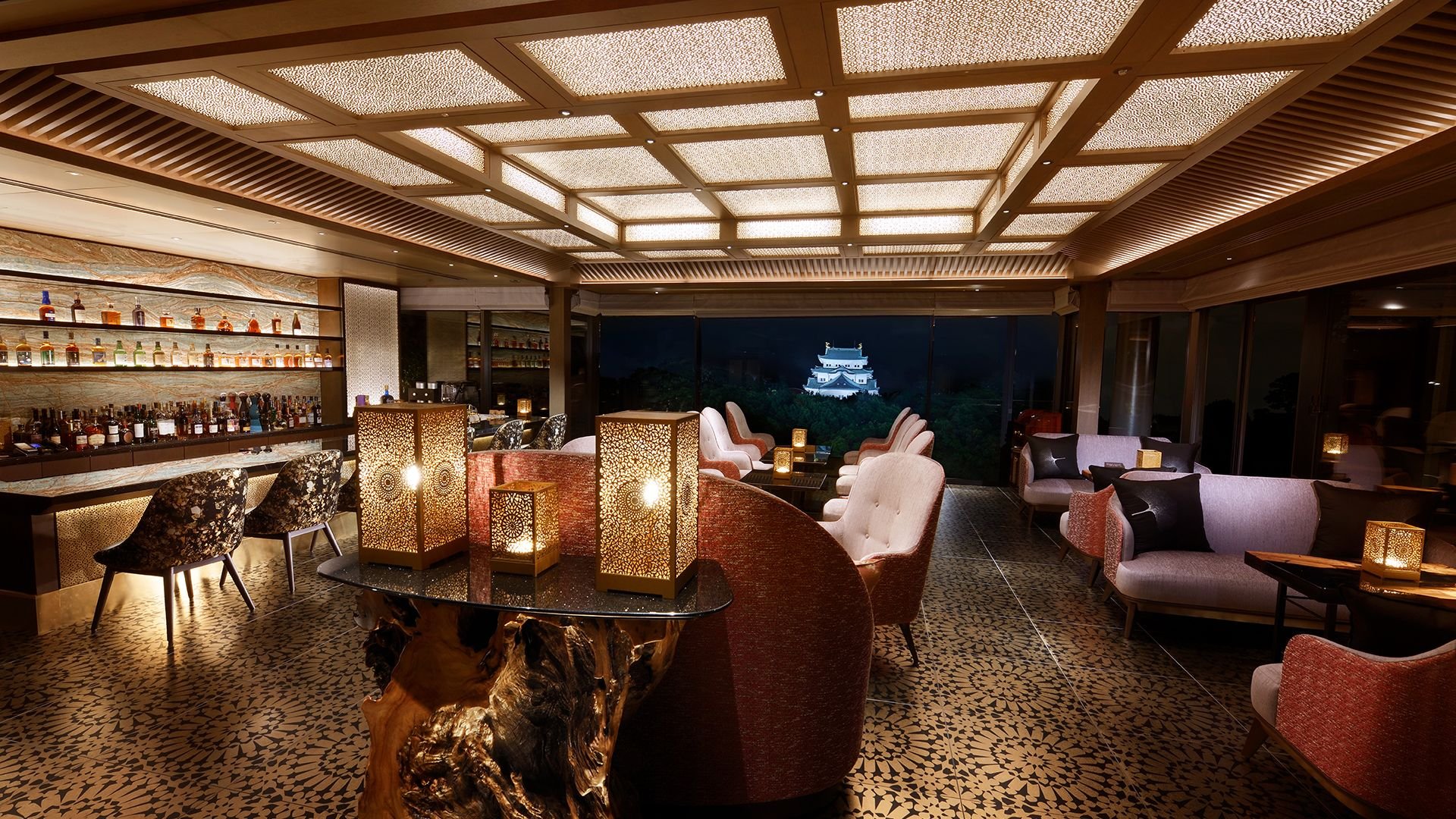
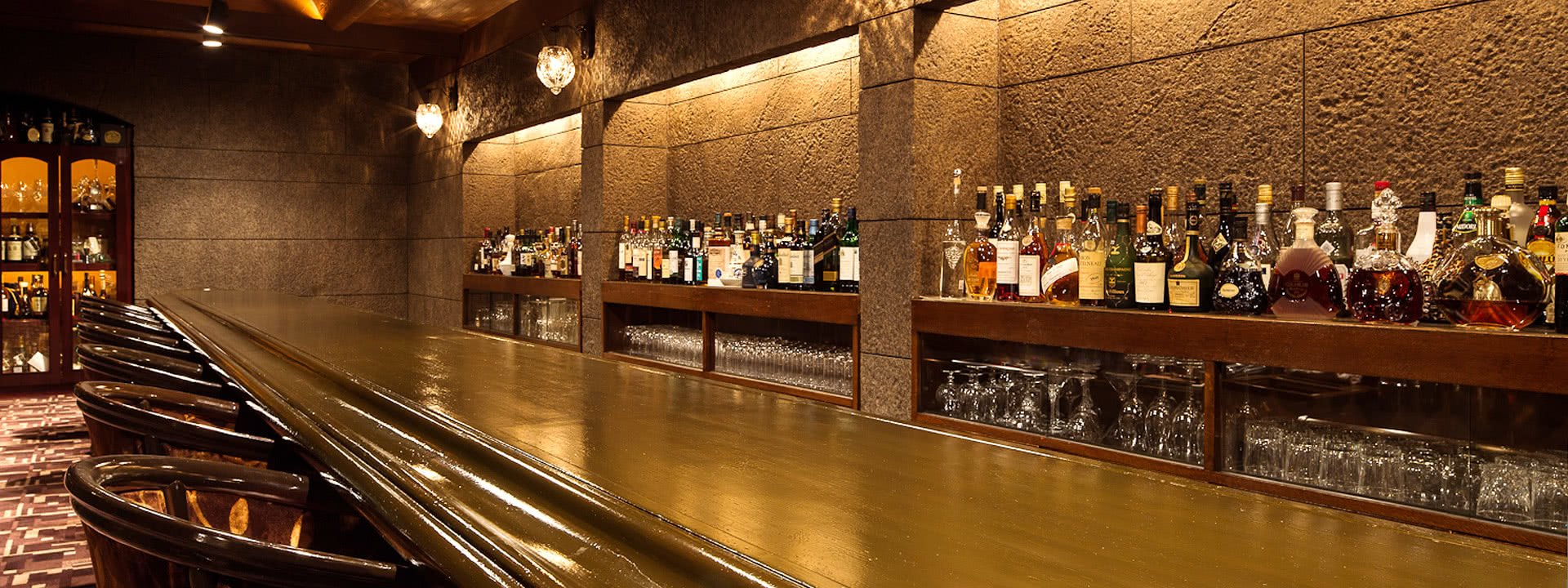
Modern, sophisticated, and welcoming atmosphere with trendy design elements and luxurious finishes; guests describe it as elegant without being pretentious, with excellent attention to detail and warm hospitality.
Tags
Vibe
Best For
Experience
Amenities
View
Accessibility
About the Stay
- Rooms
- 150
- Check-in
- 15:00
- Check-out
- 12:00
- Property Style
- Contemporary Luxury Boutique Hotel with Biophilia Nest Design Philosophy Integrating Natural Elements and Japanese Cultural Aesthetics Into Modern Architecture.
- Design Style
- Modern Sophistication Blending Minimalist Contemporary Design with Traditional Japanese Elements, Featuring Natural Materials, Greenery Integration, and Refined Finishes Throughout.
Know before you go
Know Before You Go
- Getting there
- 5-chōme-15-19 Sakae, Naka Ward, Nagoya, Aichi 460-0008
Planning details
Location
5-chōme-15-19 Sakae, Naka Ward, Nagoya, Aichi 460-0008 · Directions
Recognition and awards
Also consider
If TIAD is not the right fit
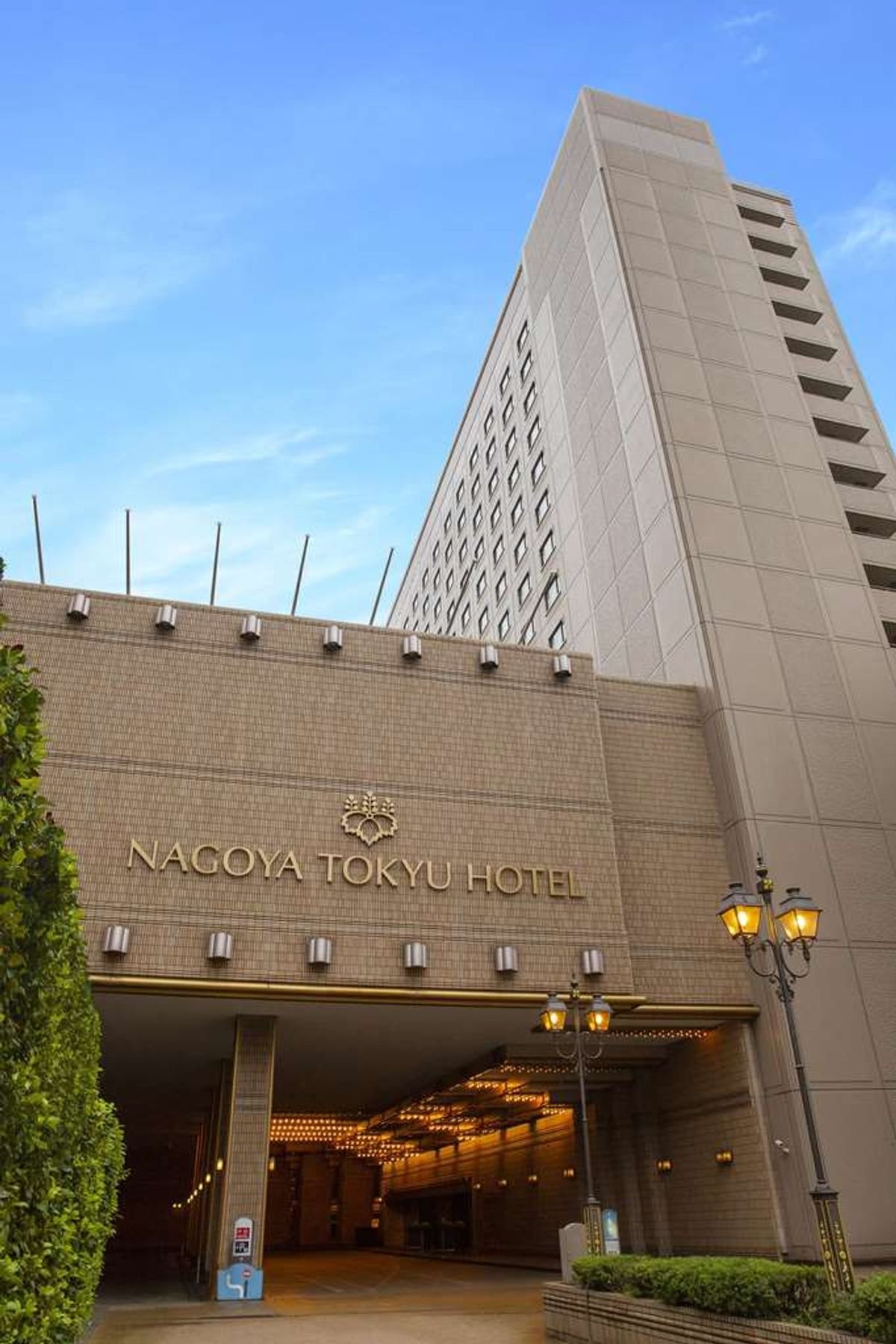
Choose Nagoya Tokyu Hotel if the goal is a simpler Nagoya stay with less pressure to justify the rate. Choose The Tower Hotel Nagoya if the trip needs more character and a stronger sense of place.
For a quieter celebration, compare Espacio Nagoya Castle and Nagoya Kanko Hotel ESPACIO before committing to Sakae.
Hotel context
How it compares in Nagoya
TIAD is the pick for travelers who want a contemporary Sakae base with a stronger loyalty angle than the local independents. Nagoya Tokyu Hotel is the safer value choice if the room is mainly functional, while TIAD makes more sense for a date weekend, client trip, or stay where upgrade potential and brand benefits change the overall value.
The Tower Hotel Nagoya is the better cross-shop for personality and a more city-specific mood. Choose TIAD for smoother big-hotel predictability; choose The Tower if ambiance matters more than loyalty mechanics. Nagoya Kanko Hotel ESPACIO and Espacio Nagoya Castle suit guests who want quieter luxury and a more formal pace.
Maruyo Hotel is the out-of-metro alternative for travelers willing to trade central convenience for a different setting. For most first-time or short-stay Nagoya trips, TIAD's Sakae location keeps the decision simpler.
Explore Nagoya
Around this place
Discover more on Pearl
Unlock the full TIAD, Autograph Collection guide in Pearl, including awards, comparisons, FAQs, planning details, and nearby places.
Compare TIAD, Autograph Collection
| Venue | Location | Awards |
|---|---|---|
| TIAD, Autograph Collection | Nagoya | Michelin 1 Key 20252025 Michelin 1 Key2024 Michelin 1 Key |
| Nagoya Tokyu Hotel | Nagoya | Preferred Hotels Member 2025 |
| The Tower Hotel Nagoya | Nagoya | 2025 Michelin 1 KeySmall Luxury Hotels Member 20252024 Michelin 1 Key |
| Nagoya Kanko Hotel ESPACIO | Nagoya | Small Luxury Hotels Member 2025 |
| Espacio Nagoya Castle | Nagoya | Tablet Hotels Editors' Picks: Top 40 New Hotels — July 20262026 Michelin Guide New HotelsLeading Hotels of the World 20262025 Michelin Selected Hotels |
| Maruyo Hotel | Kuwana | No published awards |





How TIAD, Autograph Collection Nagoya Review compares with similar nearby venues.
FAQ
Frequently Asked Questions
What is check-in like at TIAD, Autograph Collection?
The data does not specify a check-in format or arrival experience. What can be said is that TIAD, Autograph Collection is a Nagoya hotel with Michelin 1 Key recognition in 2024. If arrival timing or procedure matters, confirm current details directly with the hotel before booking.
Is TIAD, Autograph Collection family-friendly?
The data does not specify family facilities, child policies, or room setups. TIAD, Autograph Collection can be considered as a Nagoya hotel option, but families should confirm sleeping arrangements, amenities, and any age-specific policies directly with the hotel. For another benchmark, consider Nagoya Tokyu Hotel as part of the same search.
How does TIAD, Autograph Collection compare to other hotels?
Choose TIAD, Autograph Collection if you want a Nagoya hotel with a smart-casual dress code and Michelin 1 Key recognition in 2024. Nagoya Tokyu Hotel, The Tower Hotel Nagoya, Nagoya Kanko Hotel ESPACIO, Espacio Nagoya Castle, and Maruyo Hotel are useful alternatives to compare, depending on the style, rate, and confirmed hotel details that matter for your stay.
How is the pool and spa at TIAD, Autograph Collection?
The data does not list the pool, spa, or wellness setup at TIAD, Autograph Collection. If those facilities are important, confirm the current availability, rules, and hours directly with the hotel. The grounded reason to keep TIAD in consideration is its Nagoya location, smart-casual dress code, and Michelin 1 Key recognition.
Do loyalty programs work at TIAD, Autograph Collection?
The data does not specify loyalty-program benefits, points earning, elite recognition, or upgrade rules for TIAD, Autograph Collection. If loyalty value is important, confirm the current booking terms and benefit eligibility through the hotel or the relevant booking channel before reserving.
Is TIAD, Autograph Collection good for business travel?
TIAD, Autograph Collection may suit business travelers looking for a Nagoya hotel, but the data does not list meeting facilities, work amenities, or business services. Its confirmed profile includes Nagoya location, smart-casual dress code, and Michelin 1 Key recognition in 2024. For another benchmark, compare Nagoya Tokyu Hotel as well.