
Surugaya
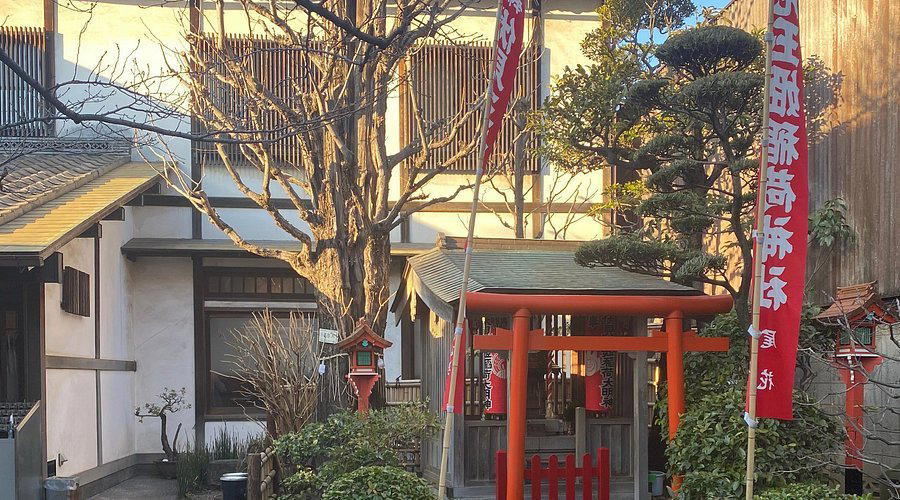
Nakamachi / Naritasan Shinsho-ji Temple approach, Narita
Restaurant in Narita, Japan
 Book with Pearl
The Read
Price
JPY 4,000 - JPY 4,999
Dress
Casual
Why go
A Tabelog 100 — Unagi repeat selection (2024, 2022, 2019, 2018) ten minutes from Narita Station. Walk-in only, 80-seat tatami format, JPY 4,000–4,999 lunch. Best for groups prioritizing specialist unagi over fast-casual airport dining.
About Surugaya
Surugaya is a Narita venue with a price range of JPY 4,000–4,999. Its public hours are daytime only: 11 AM–4 PM on Monday, Tuesday, Wednesday, and Friday; closed Thursday; and 10 AM–4 PM on Saturday and Sunday. It is also listed in the Tabelog 100 - Unagi - 2024 selection, giving travelers a clear, grounded reason to keep it on a Narita dining shortlist.
Beyond those basics, information is limited. Specific details about seating, reservations, payment methods, take-out, service style, dishes, or exact location are not available, so the safest way to plan is around the facts: Narita, casual dress, JPY 4,000–4,999, and the posted operating window. Because service ends at 4 PM on open days, Surugaya is best considered a daytime stop rather than a dinner option.
The Eel and the Execution
Surugaya's clearest recognition is its inclusion in Tabelog 100 - Unagi - 2024. Its inclusion identifies its category, without specifying details about recipes, sourcing, grilling style, sauce, kitchen methods, or reviewer scores. For a premium guide entry, the honest takeaway is straightforward: Surugaya is a Narita venue associated with the unagi category through a 2024 Tabelog list placement.
The practical details are also simple. Budget for JPY 4,000–4,999, dress casually, and check the day before going: Thursday is closed, weekdays other than Thursday run 11 AM–4 PM, and weekends run 10 AM–4 PM. Information is not available for seating layout, allergy accommodations, delivery, take-out, or payment options.
Positioning Against Narita's
Among Narita options, Surugaya stands out because its price range and Tabelog 100 - Unagi - 2024 recognition are both known. Other comparisons venues include Kintoki no Amataro Yaki, Menya Fukuichi, Pizzeria Positano, Tekoteko, and Torihan Uohan, but their locations, prices, cuisines, or formats are not specified here.
For broader planning, treat Surugaya as a daytime Narita option rather than a late meal. The closing time is 4 PM, and Thursday is not available. If you need a different schedule, compare it with other dining generically rather than relying on claims about similar formats or nearby alternatives.
The verdict: consider Surugaya if you want a Narita venue with a JPY 4,000–4,999 price range, casual dress, daytime hours, and a Tabelog 100 - Unagi - 2024 listing. Skip it if your plan requires dinner hours or details not available, such as reservations, seating type, take-out, or a specific service format.
Planning details
- Location
- 359 Nakamachi, Narita, Chiba 286-0027, Japan
- Website
- surugaya-unagi.net/index.html
- Phone
- +81 476-22-1133
Venue details
Ambiance
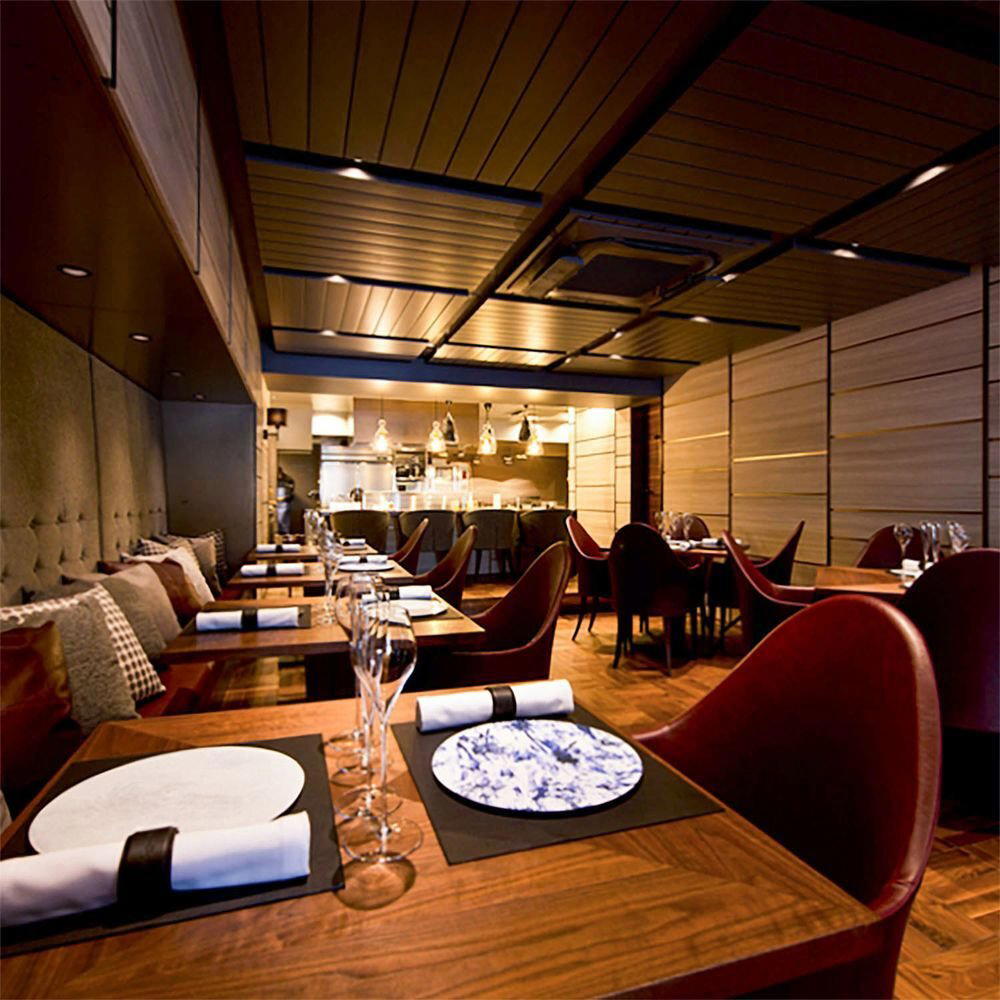
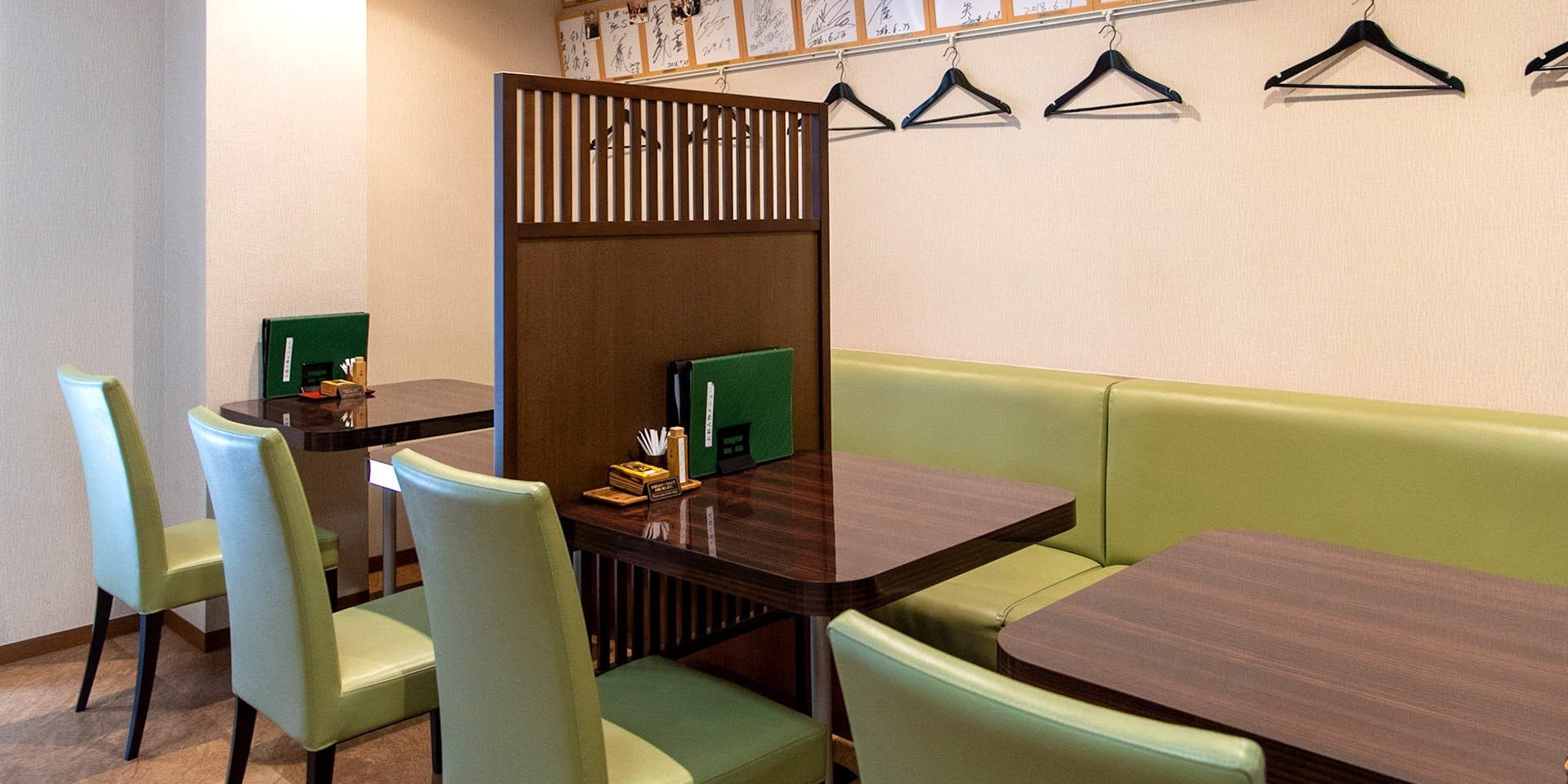
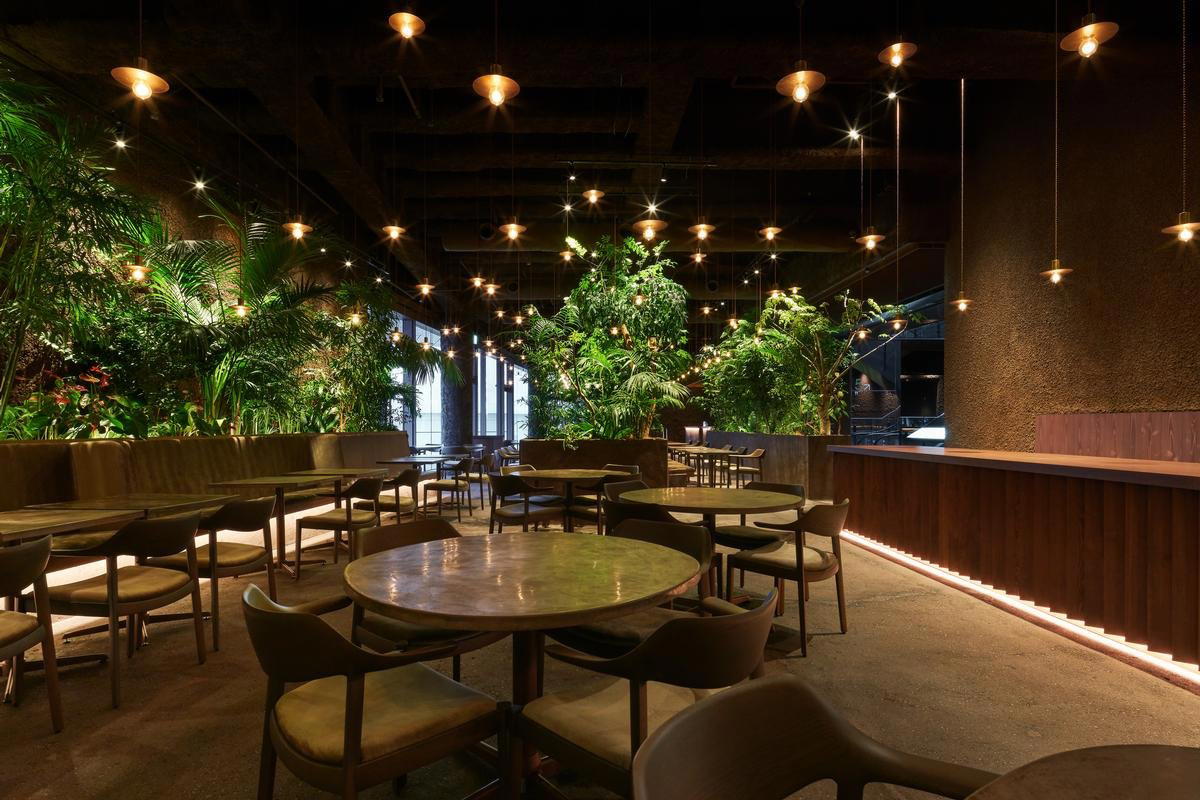
A bustling, traditional eel house atmosphere in a historic building just by the temple gate, with simple classic interiors, close-set seating, and the aroma of charcoal-grilled unagi creating an energetic yet welcoming feel.
Tags
Vibe
Best For
Experience
Sourcing
View
At the Table
- Dress Code
- Casual
- Noise Level
- Lively
- Service Style
- Casual
- Meal Pacing
- Standard
- Capacity
- Medium
Signature Dishes
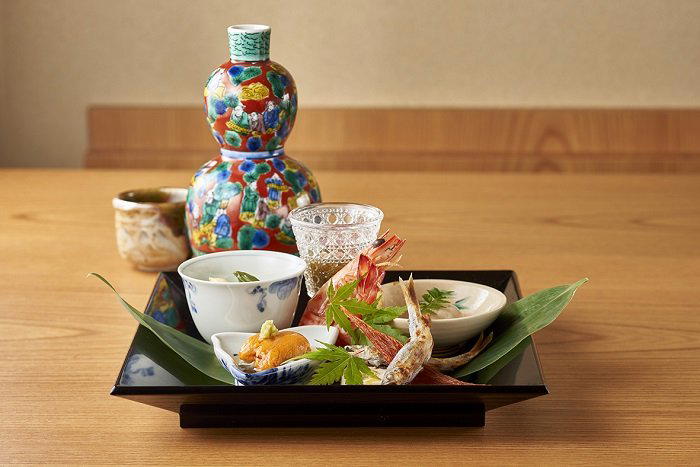
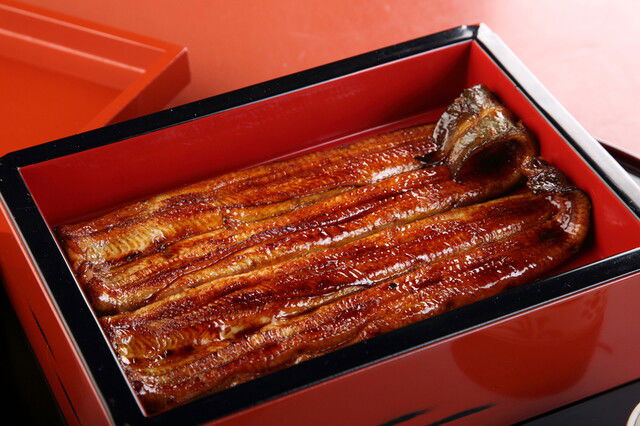
- Unajū (grilled eel over rice)
- Unadon (eel rice bowl)
- Hitsumabushi (eel over rice, three ways)
Know before you go
Know Before You Go
- Getting there
- 359 Nakamachi, Narita, Chiba 286-0027, Japan
Planning details
Location
359 Nakamachi, Narita, Chiba 286-0027, Japan · Directions
Recognition and awards
Also consider
Also Consider
- Tekoteko, JPY 2,000 - JPY 2,999 JPY 2,000 - JPY 2,999, JPY 2,000 - JPY 2,999 JPY 2,000 - JPY 2,999
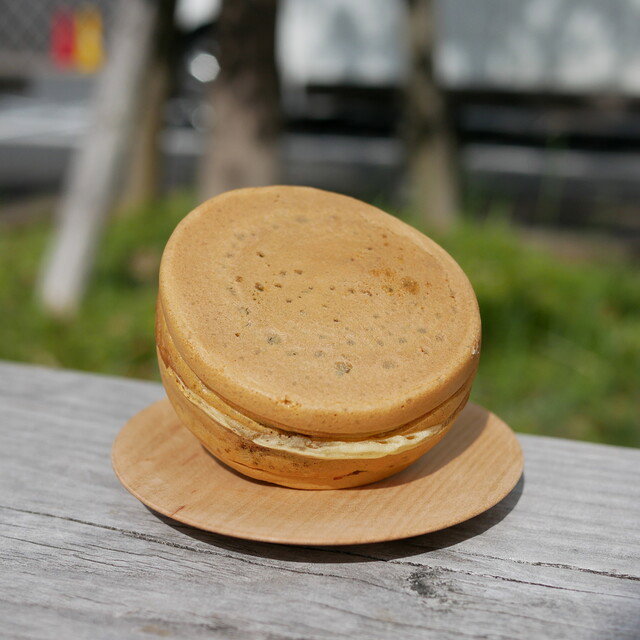
- Kintoki no Amataro Yaki, - JPY 999 - JPY 999 View spending breakdown, - JPY 999 - JPY 999 View spending breakdown
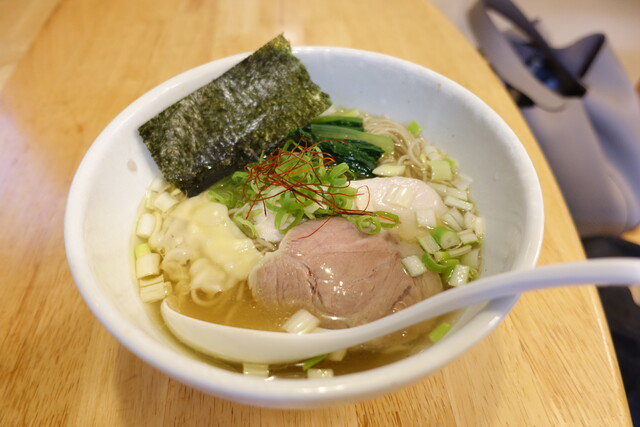
- Menya Fukuichi, JPY 1,000 - JPY 1,999 JPY 1,000 - JPY 1,999, JPY 1,000 - JPY 1,999 JPY 1,000 - JPY 1,999
- Torihan Uohan, JPY 3,000 - JPY 3,999, JPY 3,000 - JPY 3,999
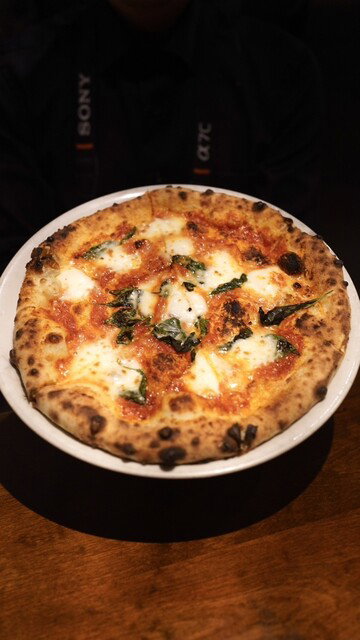
- Pizzeria Positano, JPY 5,000 - JPY 5,999 JPY 2,000 - JPY 2,999 View spending breakdown, JPY 5,000 - JPY 5,999 JPY 2,000 - JPY 2,999 View spending breakdown
Restaurant context
Surugaya's JPY 4,000–4,999 price point positions it above Narita's casual tier but below full kaiseki. Menya Fukuichi (JPY 1,000–1,999) and Kintoki no Amataro Yaki (under JPY 1,000) deliver faster, cheaper meals but lack the specialist focus, choose those for speed over category depth. Tekoteko at JPY 2,000–2,999 splits the difference, though it doesn't carry the four-year Tabelog 100 credential that anchors Surugaya's reputation.
Torihan Uohan (JPY 3,000–3,999) and Pizzeria Positano (JPY 5,000–5,999 dinner) bracket Surugaya on price but neither specializes in unagi. For travelers who want the format executed correctly, Kanto-style kabayaki with decades-old tare, Surugaya is the clearest choice. The no-reservations policy adds friction, so weekday arrivals before noon or after 2 PM minimize wait times.
If Surugaya's walk-in policy conflicts with your schedule, Kikukawa nearby offers similar unagi focus with a different service structure. For broader Narita context, ramen, izakaya, Western options, consult our full Narita restaurants guide.
Explore Narita
Around this place
Discover more on Pearl
Unlock the full Surugaya guide in Pearl, including awards, comparisons, FAQs, planning details, and nearby places.
FAQ
Frequently Asked Questions
What should a first-timer know about Surugaya?
Surugaya is in Narita, has a price range of JPY 4,000-4,999, and is listed in Tabelog 100 - Unagi - 2024. It is closed Thursday. Hours are 11 AM-4 PM on Monday, Tuesday, Wednesday, and Friday, and 10 AM-4 PM on Saturday and Sunday.
Can I eat at the bar at Surugaya?
Seating or bar information is not available. The planning details are the Narita location, casual dress code, JPY 4,000-4,999 price range, Tabelog 100 - Unagi - 2024 recognition, and daytime operating hours.
What are alternatives to Surugaya in Narita?
Other comparisons venues include Kintoki no Amataro Yaki, Menya Fukuichi, Pizzeria Positano, Tekoteko, and Torihan Uohan. Their locations, prices, cuisines, awards, or service formats are not specified here.
What should I wear to Surugaya?
Casual dress is appropriate for Surugaya. No more specific clothing guidance is available.
Is lunch or dinner better at Surugaya?
Surugaya's hours are daytime only: 11 AM-4 PM on Monday, Tuesday, Wednesday, and Friday; closed Thursday; and 10 AM-4 PM on Saturday and Sunday. Dinner hours are not listed.
How far ahead should I book Surugaya?
Reservation information is not available. Plan around the details: Surugaya is in Narita, costs JPY 4,000-4,999, has a casual dress code, is closed Thursday, and operates until 4 PM on open days.