
Hakata Meidai Yoshizuka Unagiya
Hakata, Fukuoka
Restaurant in Fukuoka, Japan
 Book with Pearl
The Read
Price
JPY 3,000 - JPY 3,999 JPY 3,000 - JPY 3,999
Dress
Casual
Why go
A 150-year-old konashi-grilling specialist in Nakasu, recognized across six Tabelog 100 cycles. Private rooms for up to 30 guests and counter seating at JPY 3,000–3,999 make it Fukuoka's most accessible Tabelog-awarded eel destination.
About Hakata Meidai Yoshizuka Unagiya
Hakata Meidai Yoshizuka Unagiya delivers Tabelog-100 unagi at JPY 3,000–3,999 per meal with large-format seating that rivals Seimon Barai without the hour-plus wait. The three-story house restaurant in Nakasu offers counter service, tables, and private rooms for up to 30 people, a rare configuration among Fukuoka's eel specialists, where compact counters and tightly spaced dining rooms are more common. Since 1873, the kitchen has used konashi grilling to render fat from eel before charcoal finishing, creating kabayaki with a crackling surface and soft interior. That technique, now 150+ years old, explains consistent recognition across six Tabelog 100 cycles (2018, 2019, 2022, 2024), because the appeal is not novelty but repeatable execution: eel that arrives fragrant, glossy, and balanced rather than heavy.
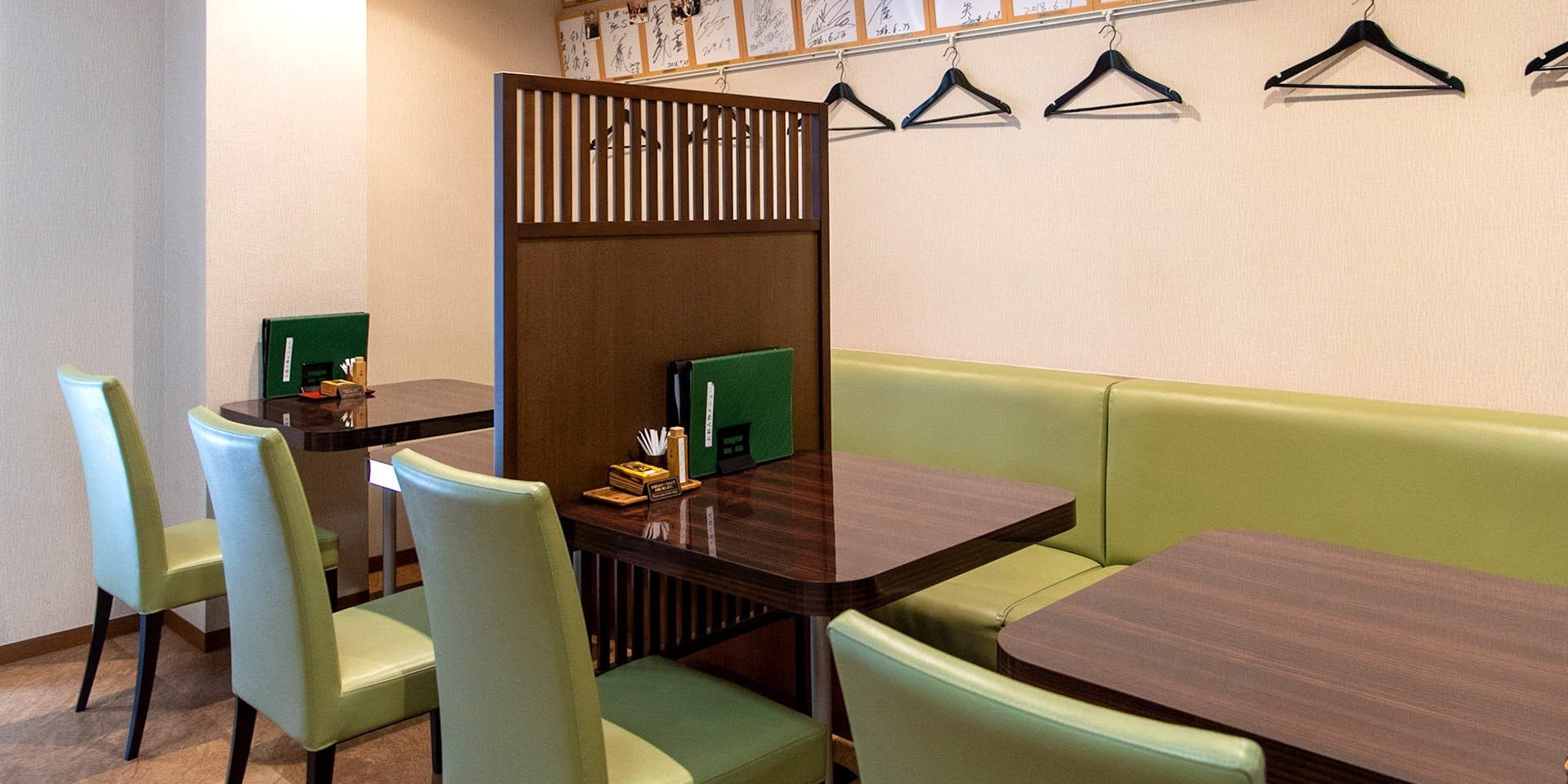
The private-room configuration justifies the visit for parties of four or more. Rooms on the third floor accommodate groups from two to over thirty, each with tatami seating and views overlooking the Nakasu canal, giving the meal a slower, more contained rhythm than the main dining floors. A 10% room fee applies to food and drink totals, but the trade-off is sound isolation and full control over pacing, useful when diners want to linger over sake pairings instead of eating quickly and yielding a seat. Groups splitting bottles of shochu or Fukuoka sake appreciate the sunken-kotatsu seating in larger rooms, which allows three-hour sessions without the leg fatigue of floor cushions. The ground-floor counter and second-floor tables serve walk-ins and solo diners, but the third-floor private rooms define the venue's appeal for multi-generational family meals and business entertaining, especially when conversation matters as much as the lacquered eel boxes.
The Konashi Advantage and Menu Format
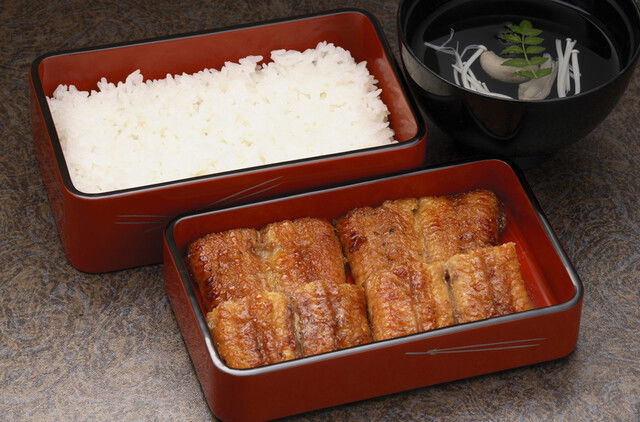
Konashi grilling begins by steaming eel over charcoal to melt subcutaneous fat, then applying tare (sweet soy glaze) in thin coats before final char. The result is measurably leaner than Kansai-style direct grilling, with a texture closer to yakitori thigh meat than typical eel: springy, gently smoky, and structured enough to stand up to the sauce. Because the fat is rendered before the final charcoal finish, the kabayaki keeps its richness without turning oily, and the surface picks up the snap that makes the first bites memorable. Takeout bento boxes move at lunch, and the kitchen ships grilled eel nationwide, but the dining room offers the freshest preparation, with the contrast between hot rice, glaze, and charcoal aroma at its clearest. Menu pricing sits below Heart Strings (JPY 4,000–4,999) and well under Jidoriya Amon or Seimon Barai (both JPY 5,000–5,999), making repeat visits practical for regulars who want Tabelog 100 quality without tasting-menu costs.
Booking and Practical Notes
Reservations are limited but available by phone (+81-92-271-0700); walk-ins fill the counter first, then second-floor tables, so larger groups should think carefully about timing if they want the private-room experience. The venue closes Wednesdays and the second and fourth Tuesdays of each month, plus a few days in late October for renovation. Ticketing begins at 10 AM on the second floor, with seating at 10:30 AM; last order is 8:15 PM. Five parking spaces front the building (no motorcycles or bicycles), which helps for families or guests arriving by car but should not be treated as unlimited capacity. The venue is non-smoking inside, with an outdoor ashtray at the entrance. Wheelchair access and free Wi-Fi are standard. English menus and staff support international diners, and strollers fit easily in private rooms. For families with young children, the private-room setup avoids the hushed counter atmosphere at smaller specialist shops while still keeping the meal centered on serious eel. Our full Fukuoka restaurants guide compares eel specialists citywide.
Planning details
- Location
- 2 Chome-8-27 Nakasu, Hakata Ward, Fukuoka, 810-0801, Japan
- Website
- yoshizukaunagi.com
- Phone
- +81 92-271-0700
The take
The Take
The Vibe
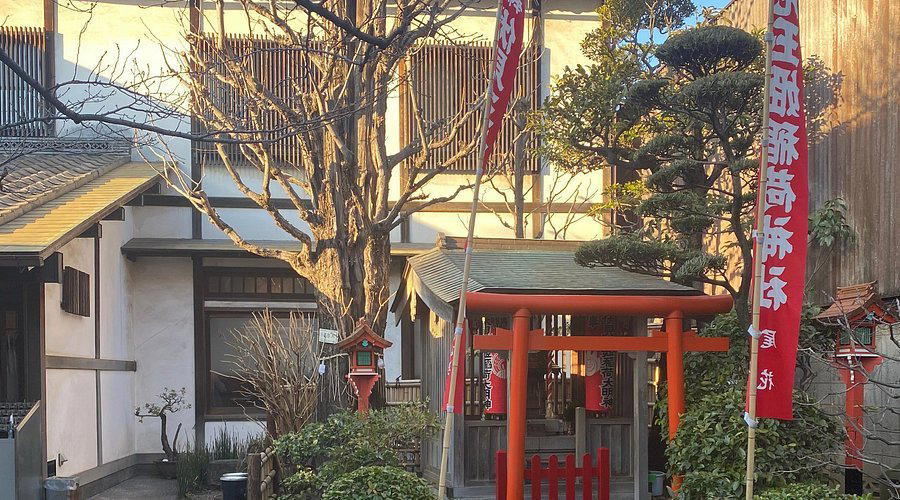
Hakata Meidai Yoshizuka Unagiya presents as a focused, classic unagi specialist tucked a short walk from Kushida Shrine. The listing highlights its eel-centric menu and traditional Japanese offering; the tone suggests an unpretentious, heritage-minded spot for grilled eel. Practical details in the description—no smoking and private rooms available—reinforce a tidy, family-friendly environment where the food is the main draw. The presence on Tabelog with user reviews and photos implies a neighborhood institution that emphasizes quality eel preparations rather than trendy extras.
Best For
This unagi shop is best for diners seeking a dedicated eel experience and groups that value privacy. With private rooms available and a smoke-free policy, it suits families, small celebrations, and visitors who want a calm, focused meal near Kushida Shrine. The short three-minute walk from Kushida Shrine Station makes it convenient for shrine visitors and tourists looking to pair sightseeing with a classic local specialty. It’s also a practical choice for anyone who prefers a contained dining space for conversation or modest gatherings.
Ordering Tips
If you’re planning a visit or sending gifts, note the venue offers takeout and nationwide shipping of grilled eel, which is called out in the listing—handy for travelers or those ordering from afar. For on-site dining, reserve a private room if you need a quieter or more private experience; the listing explicitly mentions private rooms. The page also emphasizes no smoking, so expect a smoke-free environment. The restaurant is roughly a three-minute walk from Kushida Shrine Station, making logistics straightforward for arrivals and departures.
Venue details
Ambiance
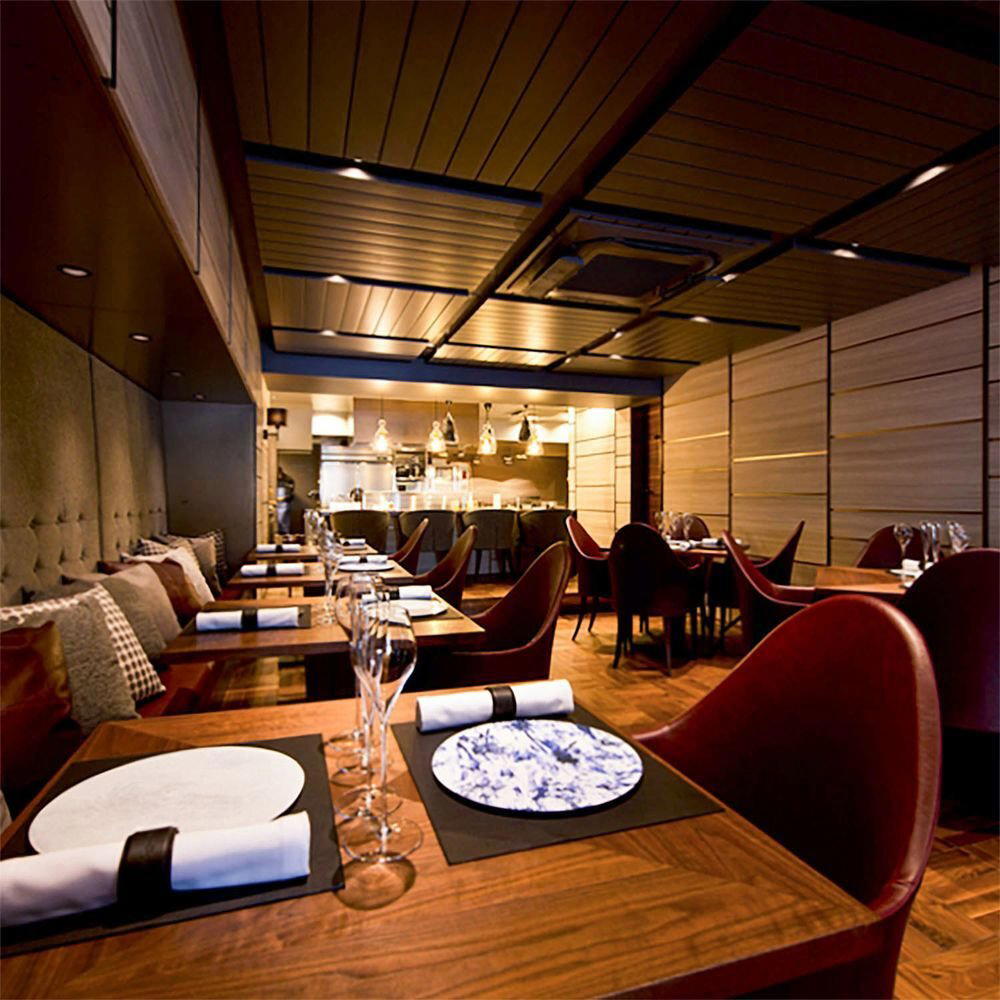
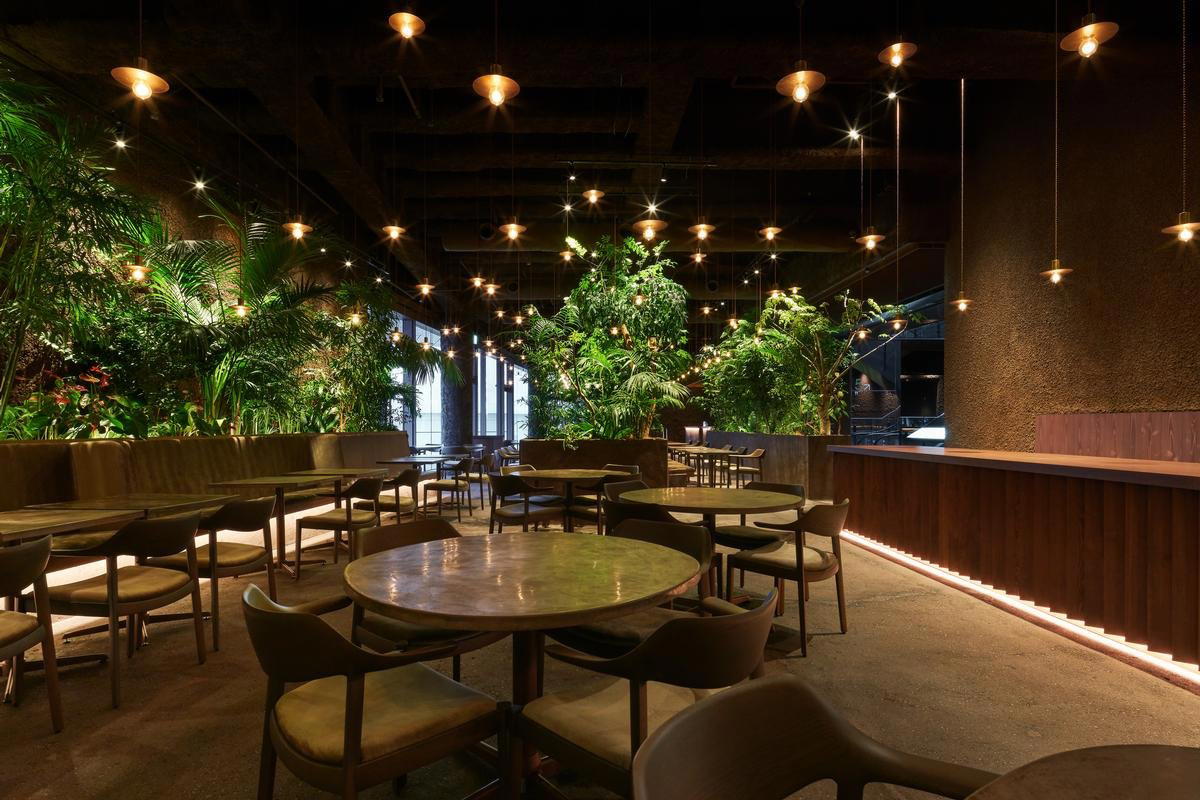
Bustling, traditional Japanese eel house with classic tatami and table seating, bright functional lighting, and the energetic atmosphere of a popular local institution where guests queue for expertly grilled unagi.
Tags
Vibe
Best For
Experience
View
At the Table
- Dress Code
- Casual
- Noise Level
- Lively
- Service Style
- Casual
- Meal Pacing
- Standard
- Capacity
- Large
Signature Dishes
- Unadon (eel rice bowl)
- Unaju (grilled eel over rice in lacquer box)
- Kabayaki eel
- Eel liver soup
Know before you go
Know Before You Go
- Getting there
- 2 Chome-8-27 Nakasu, Hakata Ward, Fukuoka, 810-0801, Japan
Planning details
Location
2 Chome-8-27 Nakasu, Hakata Ward, Fukuoka, 810-0801, Japan · Directions
Recognition and awards
Also consider
Also Consider
- Jidoriya Amon, JPY 5,000 - JPY 5,999, JPY 5,000 - JPY 5,999
- Seimon Barai, JPY 5,000 - JPY 5,999, JPY 5,000 - JPY 5,999
- Heart Strings, JPY 4,000 - JPY 4,999, JPY 4,000 - JPY 4,999
- Yamachan Nakasu ten, - JPY 999, - JPY 999
- Nikka Bar Nanashima, JPY 2,000 - JPY 2,999, JPY 2,000 - JPY 2,999
Restaurant context
Among Fukuoka's Tabelog-recognized dining rooms, Hakata Meidai Yoshizuka Unagiya undercuts peers on price while matching them on award credentials. Seimon Barai and Jidoriya Amon charge JPY 5,000–5,999 for multi-course formats, whereas the konashi-grilled kabayaki here costs JPY 3,000–3,999 with flexible ordering. Heart Strings offers kaiseki at JPY 4,000–4,999, but lacks the private-room capacity (78 seats across the third floor) that defines the eel house's group-dining edge.
For casual drinking and small-plate service, Nikka Bar Nanashima (JPY 2,000–2,999) and Yamachan Nakasu ten (under JPY 1,000) serve the Nakasu entertainment district with late hours and izakaya menus. Neither competes on technique or award recognition, but both accommodate walk-ins after 10 PM when the eel house has closed. Choose Hakata Meidai Yoshizuka Unagiya for repeat-visit eel quality at half the price of Fukuoka's kaiseki tier, or book Seimon Barai when you want a tasting menu with sake pairings instead of à la carte grilled fish. For large parties celebrating milestones, the third-floor private rooms here outperform any counter-only specialist in the city.
Explore Fukuoka
Around this place
Discover more on Pearl
Unlock the full Hakata Meidai Yoshizuka Unagiya guide in Pearl, including awards, comparisons, FAQs, planning details, and nearby places.
FAQ
Frequently Asked Questions
Is lunch or dinner better at Hakata Meidai Yoshizuka Unagiya?
Both services run identical menus at JPY 3,000–3,999, so timing matters less than crowd management. Lunch (10:00 AM start) tends to fill slower than dinner; ticketing begins at 10:00 on the second floor, with seating from 10:30. The restaurant closes Wednesdays and the second and fourth Tuesday of each month.
Can I eat at the bar at Hakata Meidai Yoshizuka Unagiya?
Yes, seven counter seats occupy the second floor alongside 66 table seats. Counter spots fill first during walk-in rushes, especially weekends. For guaranteed seating, phone reservations (+81-92-271-0700) are available but limited; the third floor holds 78 private-room seats (10% room fee applies).
Is the tasting menu worth it at Hakata Meidai Yoshizuka Unagiya?
The restaurant does not offer a tasting menu. Service centers on à la carte kabayaki and unagi don at JPY 3,000–3,999 per head, using konashi technique (charcoal steaming to render fat before grilling). The format suits single-dish specialists, not multi-course exploration.
What should a first-timer know about Hakata Meidai Yoshizuka Unagiya?
Expect a konashi-focused eel menu at JPY 3,000–3,999, no kaiseki distractions. The restaurant has appeared on Tabelog's Unagi 100 list in 2018, 2019, 2022, and 2024. Multilingual menus (English, Simplified Chinese, Korean) and photo menus ease ordering. Families are welcome (high chairs, stroller access), and takeout bento plus nationwide shipping are available.
What are alternatives to Hakata Meidai Yoshizuka Unagiya in Fukuoka?
Jidoriya Amon offers yakitori in a similar price range with a more intimate counter format. Yamachan Nakasu ten delivers casual izakaya drinking in Nakasu at lower spend. For bar-focused experiences, Nikka Bar Nanashima and Heart Strings serve whisky and cocktails without eel specialization.
How far ahead should I book Hakata Meidai Yoshizuka Unagiya?
Phone reservations (+81-92-271-0700) are limited but available; same-day walk-ins often succeed at the seven-seat counter or second-floor tables. Peak weekend lunch and dinner fill fastest. With 151 total seats, midweek visits (avoiding Wednesday and second/fourth Tuesday closures) offer the easiest entry.
Is Hakata Meidai Yoshizuka Unagiya good for a special occasion?
Third-floor private rooms (2–30+ guests, 10% room fee) suit formal gatherings, but the konashi eel format lacks the ceremony of kaiseki or omakase. At JPY 3,000–3,999, it delivers specialist technique without special-occasion theatre. Seimon Barai and Heart Strings offer more elaborate settings for milestone meals in Fukuoka.