
Wine & Tempura Araki
Hakata, Fukuoka
Bar in Fukuoka, Japan
 Book with Pearl
Why go
Wine & Tempura Araki is worth considering when wine matters more than cocktail technique and you want an easy, Hakata-area stop with food alongside the glass. It is better for pairs, dates, and small groups than for tightly planned celebrations, since pricing and seating specifics are not published. The 2026 Star Wine List recognition is the main trust signal.
About Wine & Tempura Araki
Is Wine & Tempura Araki worth considering in Fukuoka? Yes, if you are looking for a smart-casual venue with confirmed late hours and Star Wine List recognition in 2026. Beyond those points, there is not enough confirmed detail to make claims about its menu format, prices, chef, seating, or service style, so it is best approached with those limits in mind.
For someone planning time in Fukuoka, the clearest facts are practical ones: Wine & Tempura Araki opens from 3 PM to 12 AM Monday through Friday, and from 2 PM to 12 AM on Saturday and Sunday. That makes it useful to consider before or after other plans, but the lack of information on spend, party size, and menu structure means it should not be treated as a fully documented anchor without checking directly.
A Fukuoka option with confirmed Star Wine List recognition
The strongest hook is its Star Wine List recognition in 2026. That is a meaningful reason to keep Wine & Tempura Araki on a Fukuoka shortlist, especially for guests who care about wine-related recognition.
That does not make it a weak pick. It makes the planning case narrower and more honest. Choose it when the confirmed hours, smart-casual dress code, and Star Wine List recognition fit the kind of outing you want in Fukuoka. Skip making firm assumptions if the decision depends on a known tasting menu, a specific chef counter, exact pricing, or confirmed seating details. In that case, compare it with other dining options if a meal needs to be the anchor.
Who should choose it over another option
Consider Wine & Tempura Araki if the facts match your plan: Fukuoka location, smart-casual dress, late operating hours, and Star Wine List recognition. It is harder to recommend for larger celebrations or tightly budgeted hosting because seat count, private-room details, menu format, and price range are not confirmed.
Compared with THE ROOF, Wine & Tempura Araki is the choice to keep in mind when the name and confirmed Star Wine List recognition are central to your plan. THE ROOF can remain another option to compare, but it is better not to stretch either venue beyond details.
Quick reference: choose it for a smart-casual Fukuoka stop with late hours and Star Wine List recognition; check directly before relying on menu, price, seating, or service-style assumptions.
Planning details
- Location
- Japan, 〒812-0013 Fukuoka, Hakata Ward, Hakataekihigashi, 2 Chome−1−1 B1F
- Website
- instagram.com/wine_tempura_araki_miyako
- Phone
- +81 92-710-4685
The take
The Take
The Vibe
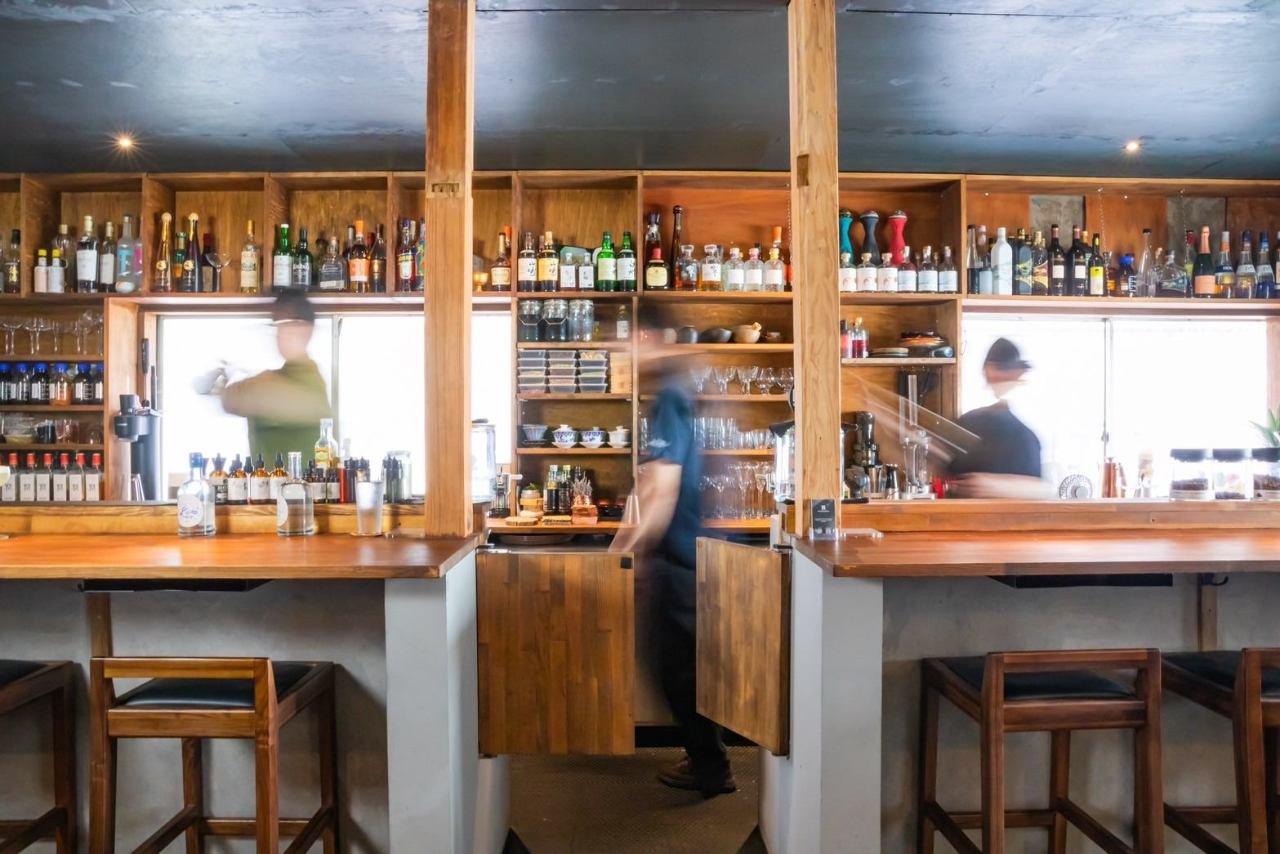
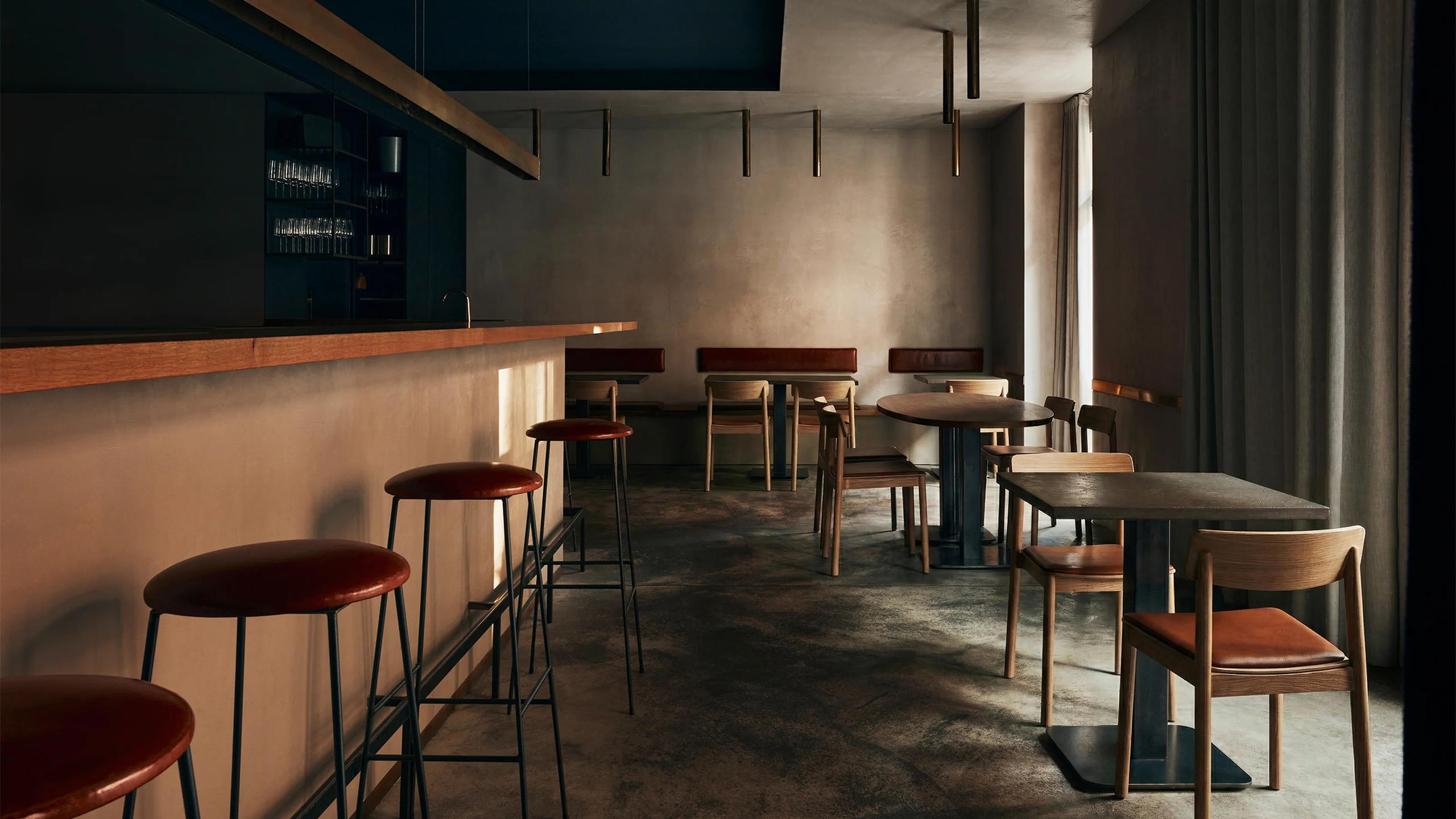
Wine & Tempura Araki operates with a quiet, focused precision that reflects Fukuoka’s more restrained dining tempo. Located in a basement in Hakata Ward, the room foregrounds product quality over theatrical service: the menu logic treats wine as integral to the tempura experience rather than a supporting afterthought. The tone is refined and concentrated — not flashy, but exacting — with a curated beverage program that signals seriousness and restraint. For diners who prefer low-key, detail-oriented evenings, Araki reads as an understated, purpose-built spot where wine thinking and technical tempura meet in a modest, attentive setting.
Best For
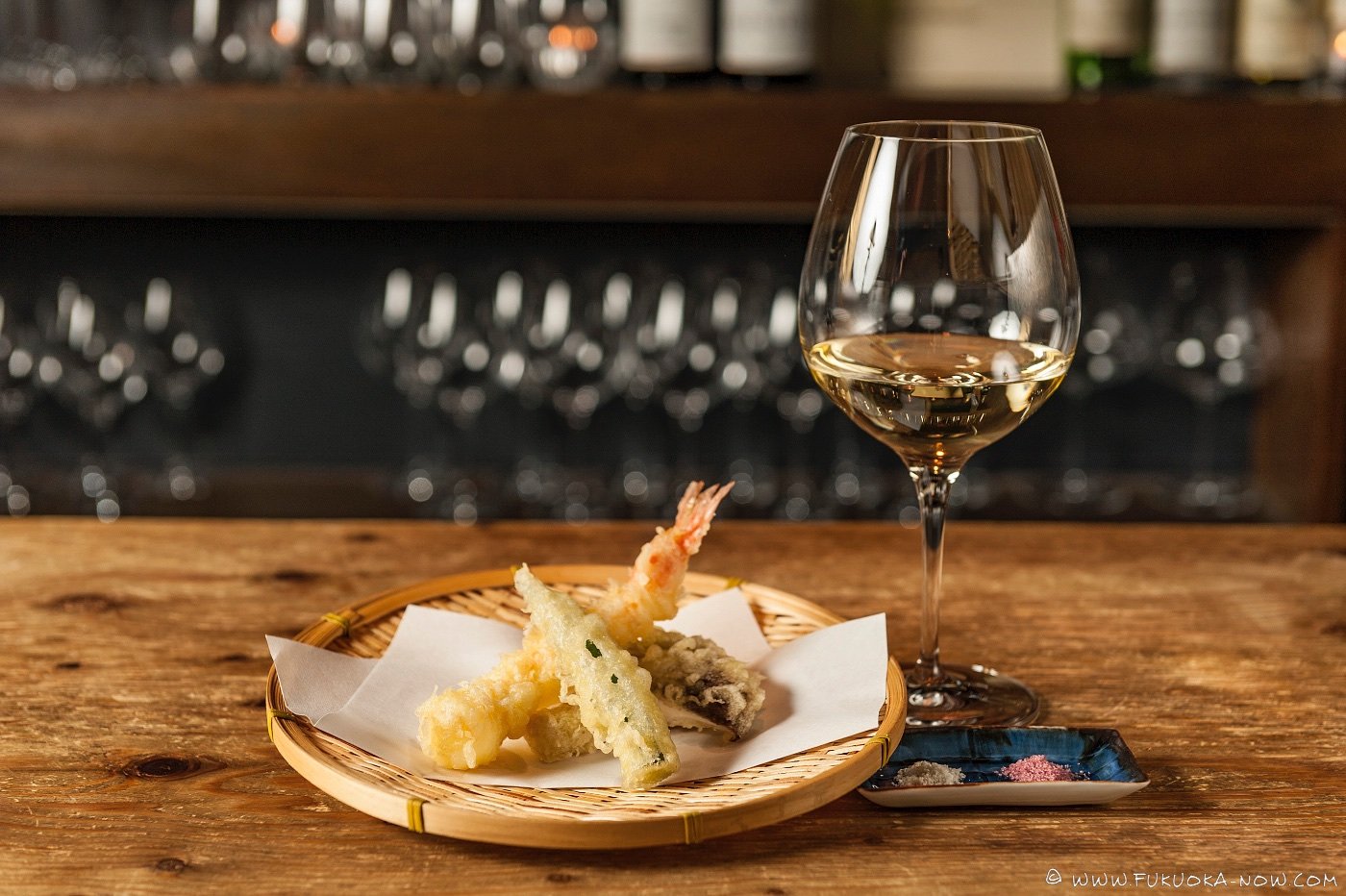
This is a wine-first dinner destination. The 2026 Star Wine List recognition and the editorial emphasis on selection breadth and vintage depth make Araki a natural pick for guests who want an evening centered on serious bottles paired with precise tempura. It suits date nights and small, focused gatherings where conversation and tasting are central. The pairing logic described — how tempura changes with high-acid whites or structured Champagne — positions the restaurant as an ideal venue for wine-minded diners and anyone who treats dinner as an occasion to explore curated wines alongside delicate, expertly fried food.
Ordering Tips
Lean into the pairing guidance: the menu and copy explicitly note that tempura “reads differently with high-acid whites or structured Champagne.” Choose wines with bright acidity or sparkling structure to cut through the coating and refresh the palate between bites. Take advantage of the staff’s knowledge: the list is curated with producer selection and vintage depth in mind, so ask for pairing suggestions that account for dipping salts or broth formats. Given the award-winning program, consider ordering by vintage depth or producer narrative rather than only price to discover thoughtful matches with the tempura service.
Venue details
Ambiance
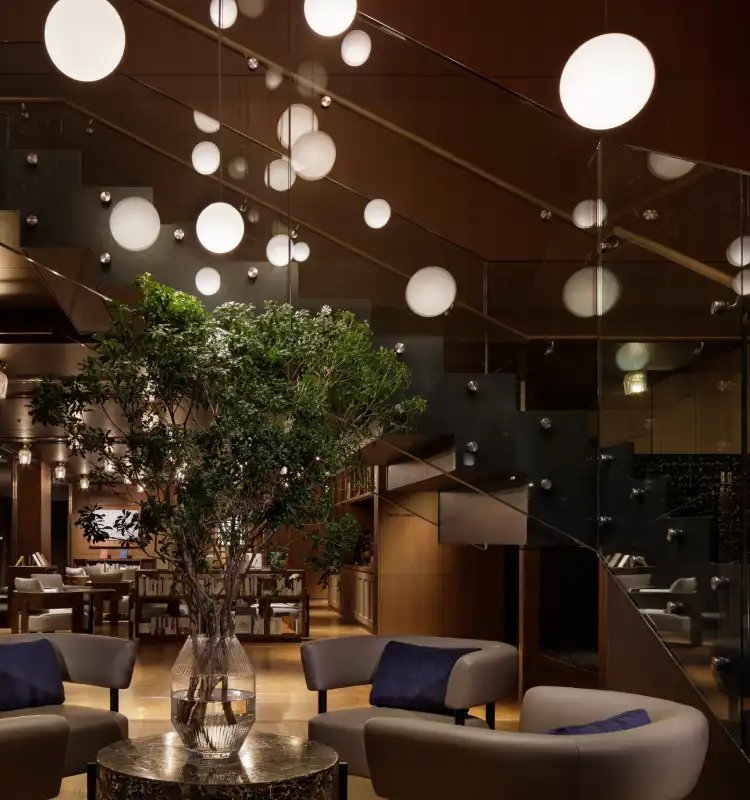
Calm, relaxed atmosphere with stylish, relaxing space ideal for savoring wine.
Tags
Vibe
Best For
Experience
Format
At the Bar
- Bar Category
- Wine Bar
- Late Night
- Open Until 2am
Know before you go
Know Before You Go
- Getting there
- Japan, 〒812-0013 Fukuoka, Hakata Ward, Hakataekihigashi, 2 Chome−1−1 B1F
Planning details
Location
Japan, 〒812-0013 Fukuoka, Hakata Ward, Hakataekihigashi, 2 Chome−1−1 B1F · Directions
Recognition and awards

Also consider
If you cannot get in
Try THE ROOF if the backup plan needs a stronger sense of occasion and less dependence on wine. It is the safer cross-shop for visitors who want a polished bar setting.
For a more bar-forward alternative, look at Spirale. or Inside Taru. They make more sense when the group wants drinks first and food is secondary.
Bar context
How it compares in Fukuoka
Choose Wine & Tempura Araki when wine is the priority and the night needs food alongside the glass. Against THE ROOF, it is the more wine-and-food-driven call; THE ROOF is the better fit when ambiance, a polished hotel-bar feeling, or a more obvious drinks-first setting matters more than pairing wine with tempura.
Yakoboku, Bar Yamaneko, Inside Taru, and Spirale. work better as cross-shops when the plan is built around a bar experience rather than a wine-led meal-adjacent stop. With no confirmed price band here, value comes down to format: Wine & Tempura Araki is the practical pick for a flexible glass-and-food plan, while the others are safer if the group wants a purer bar night.
Booking difficulty looks easier here than at many small-format Japanese bars, so it is a useful fallback when the group wants a decision that does not require weeks of planning. For a date, this venue has the edge if wine is the shared interest; for a louder or more scenic night, start with THE ROOF.
Explore Fukuoka
Around this place
Discover more on Pearl
Unlock the full Wine & Tempura Araki guide in Pearl, including awards, comparisons, FAQs, planning details, and nearby places.
Compare Wine & Tempura Araki
| Venue | Location | Awards |
|---|---|---|
| Wine & Tempura Araki | Fukuoka | Star Wine Lists 2026 |
| THE ROOF | Fukuoka | No published awards |
| Yakoboku | Kumamoto | 2026 Asia's 50 Best Bars 51-100 · #59Top 500 Bars 2026 · #3172025 Asia's 50 Best Bars · #25Tatler Best Bars Asia-Pacific 20252024 Asia's 50 Best Bars · #64 |
| Bar Yamaneko | Yufu | No published awards |
| Inside Taru | Nagatoyumoto | No published awards |
| Spirale. | Hiroshima | No published awards |



How Wine & Tempura Araki Fukuoka compares with similar nearby venues.
FAQ
Frequently Asked Questions
Do I need a reservation at Wine & Tempura Araki?
Because its confirmed hours run until 12 AM every day, it is sensible to check directly before planning a visit, especially if timing or party size matters.
Is Wine & Tempura Araki good for groups?
Is Wine & Tempura Araki open late?
Yes. hours are 3 PM to 12 AM Monday through Friday, and 2 PM to 12 AM on Saturday and Sunday.
Is Wine & Tempura Araki good for a date?
It can be considered for a date if the confirmed details fit your plan: Fukuoka location, smart-casual dress code, late hours, and Star Wine List recognition.
Is the food good at Wine & Tempura Araki?
The confirmed information is the venue name, Fukuoka location, smart-casual dress code, late hours, and Star Wine List recognition in 2026.