



Kohaku
Kaiseki, Japanese · Shinjuku, Tokyo
Restaurant in Tokyo, Japan
 Book with Pearl
The Read
Western-Inflected Kaiseki
Price
$300–500per person
Chef
Koji Koizumi
Dress
Formal
Why go
Kohaku is a restaurant in Kagurazaka, Tokyo.
About Kohaku
Should You Book Kohaku?
Yes, but only if you can get a seat. Kohaku holds three Michelin stars (2025), a Tabelog Silver Award (2025) with a score of 4.34, a Tabelog Bronze Award (2026), and placement in the Tabelog Japanese Cuisine Tokyo Top 100 for 2025. La Liste scored it 90.5 points in 2025. The counter is permanently sold out; your realistic path in is a cancellation on the private dining room. If you are planning a Tokyo trip around a single kaiseki meal, this is the booking to attempt first, but go in with clear expectations about difficulty and price: dinner runs JPY 60,000 to JPY 79,999 per person.
Kohaku, Kagurazaka
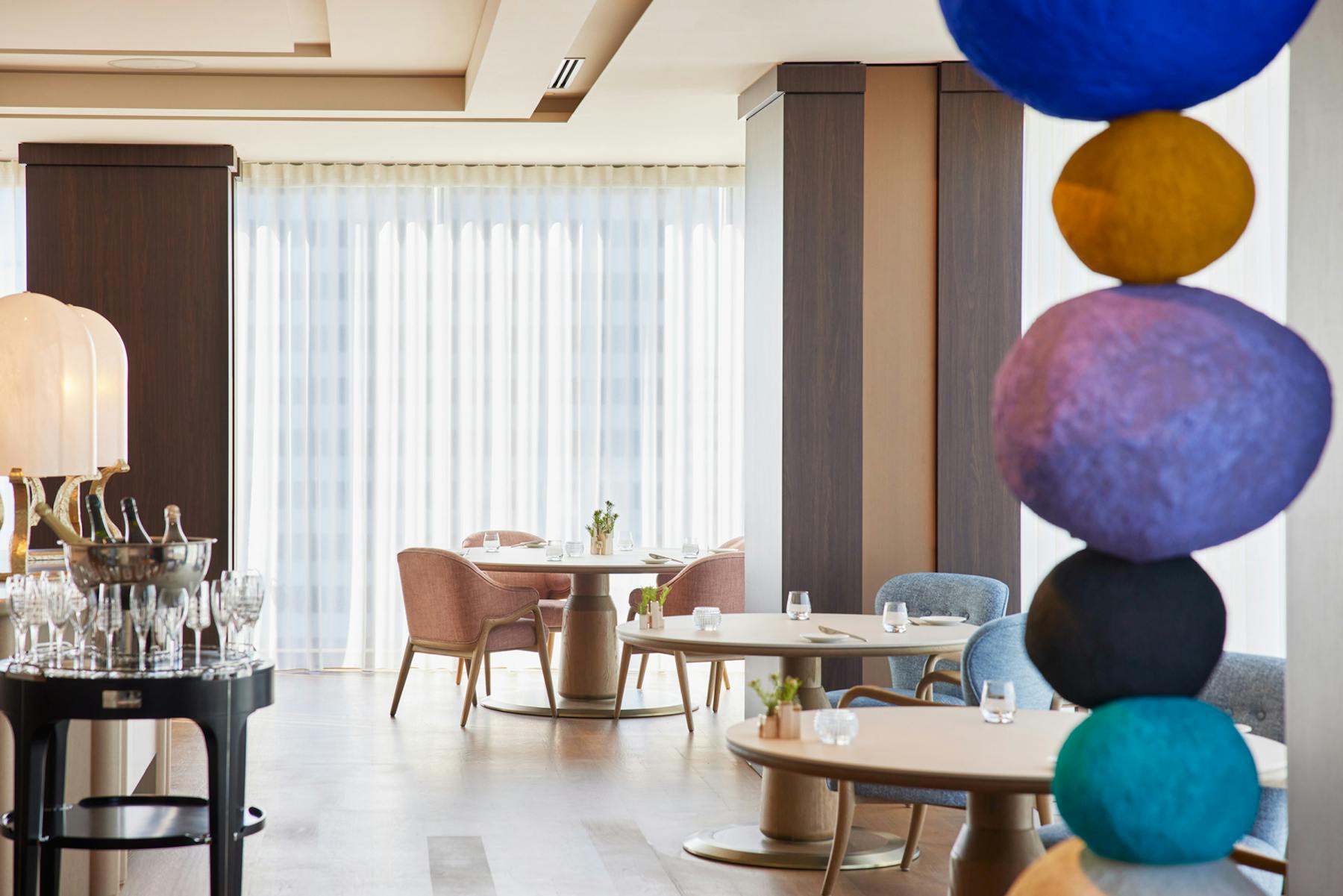
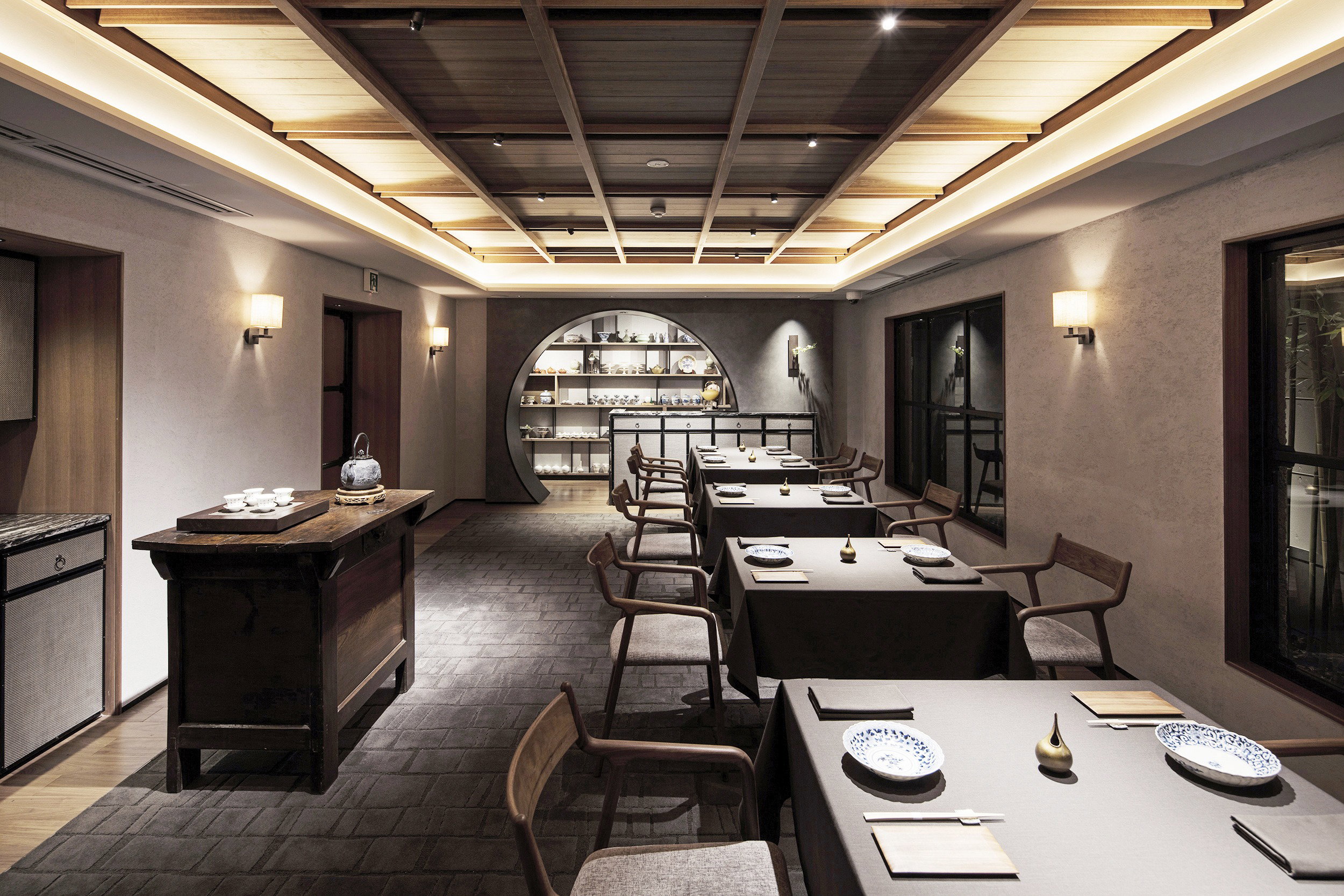
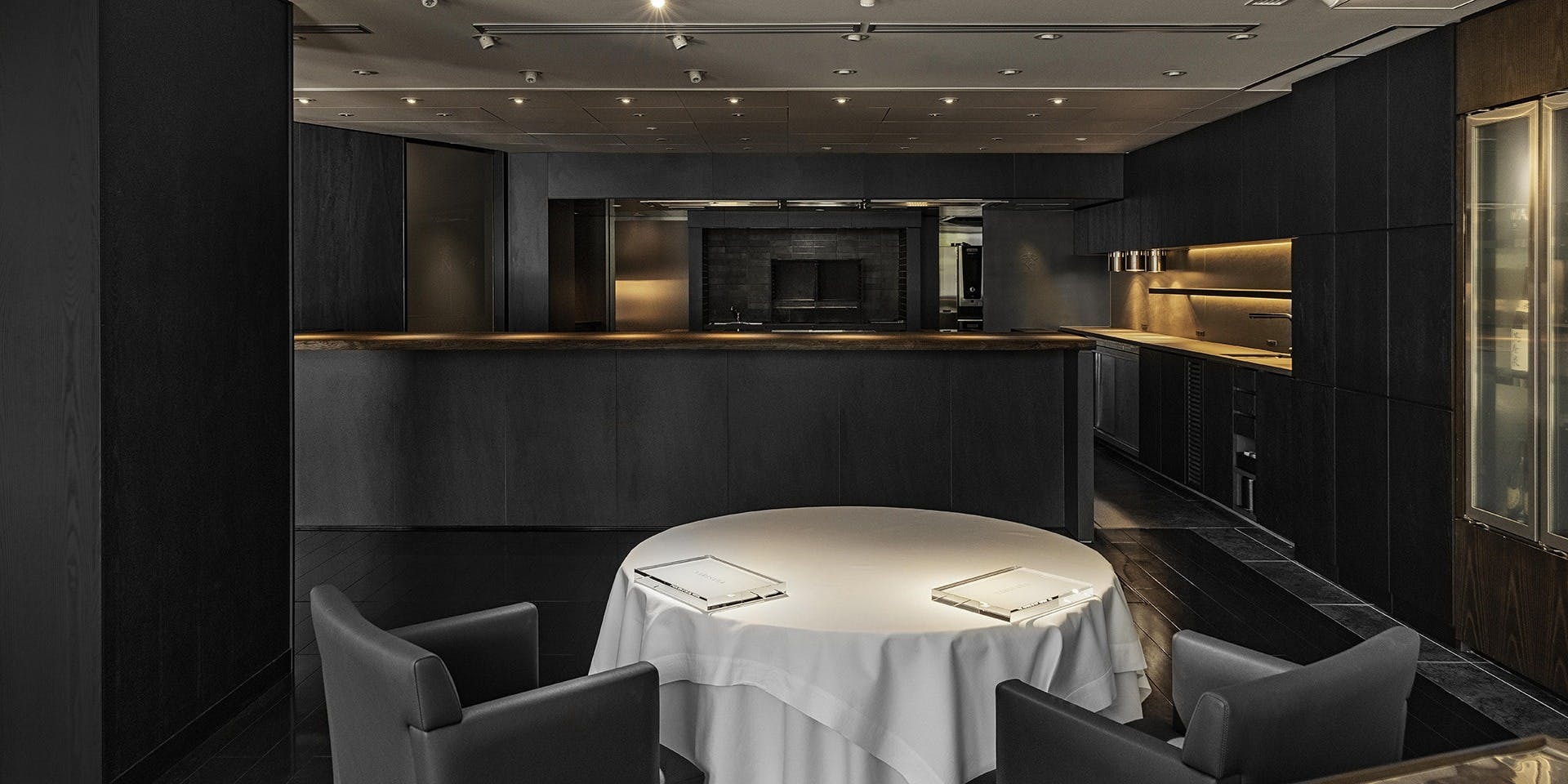
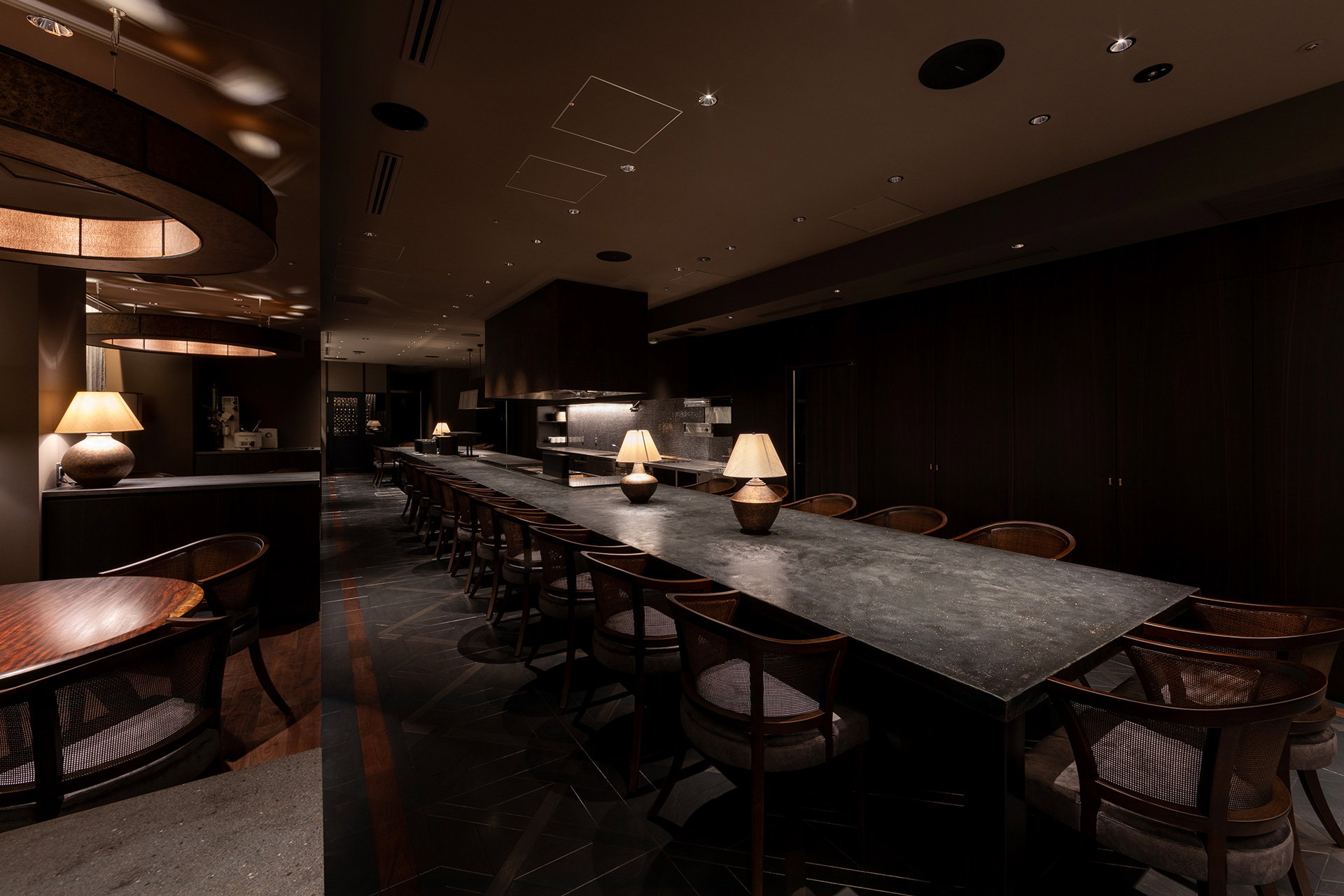
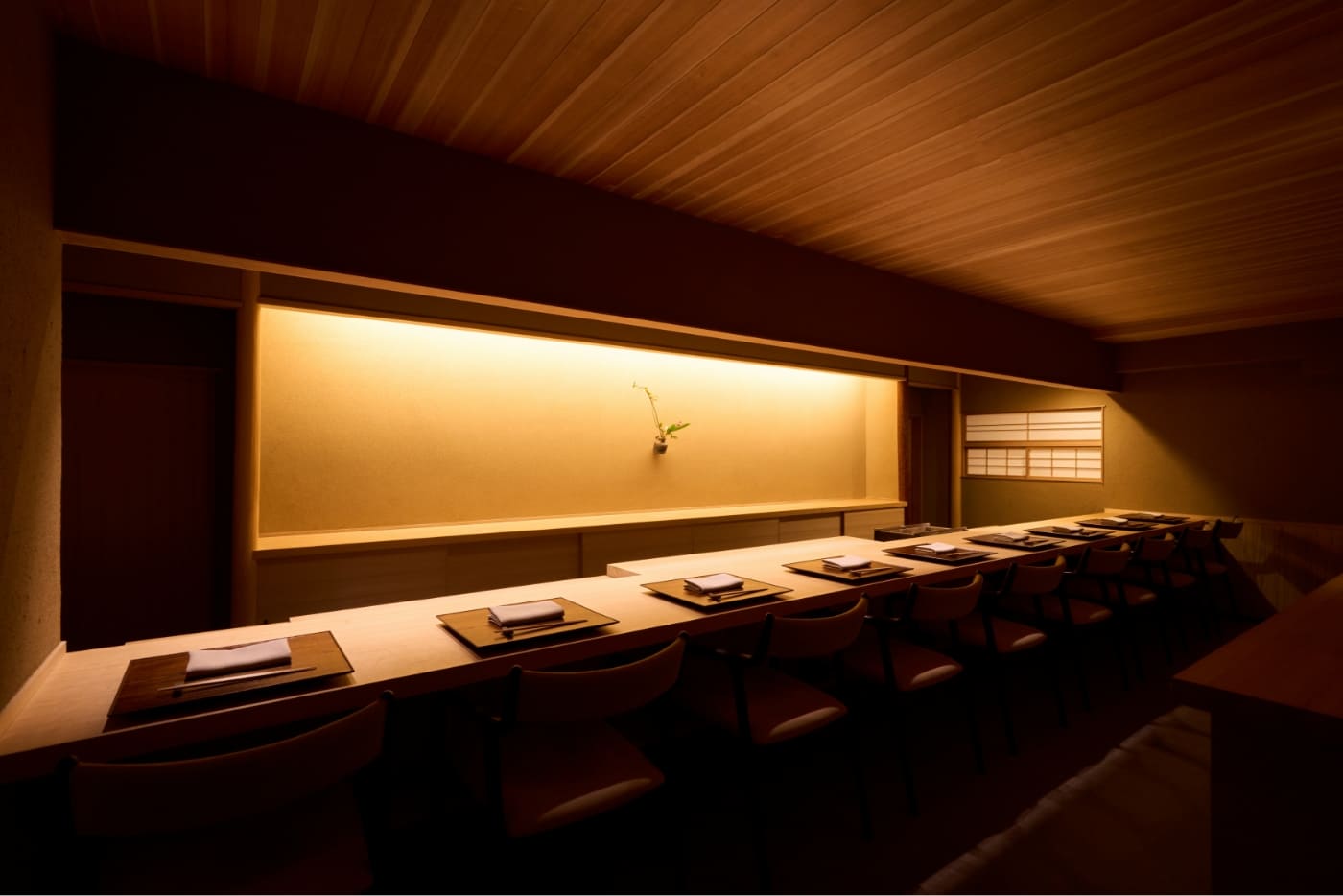
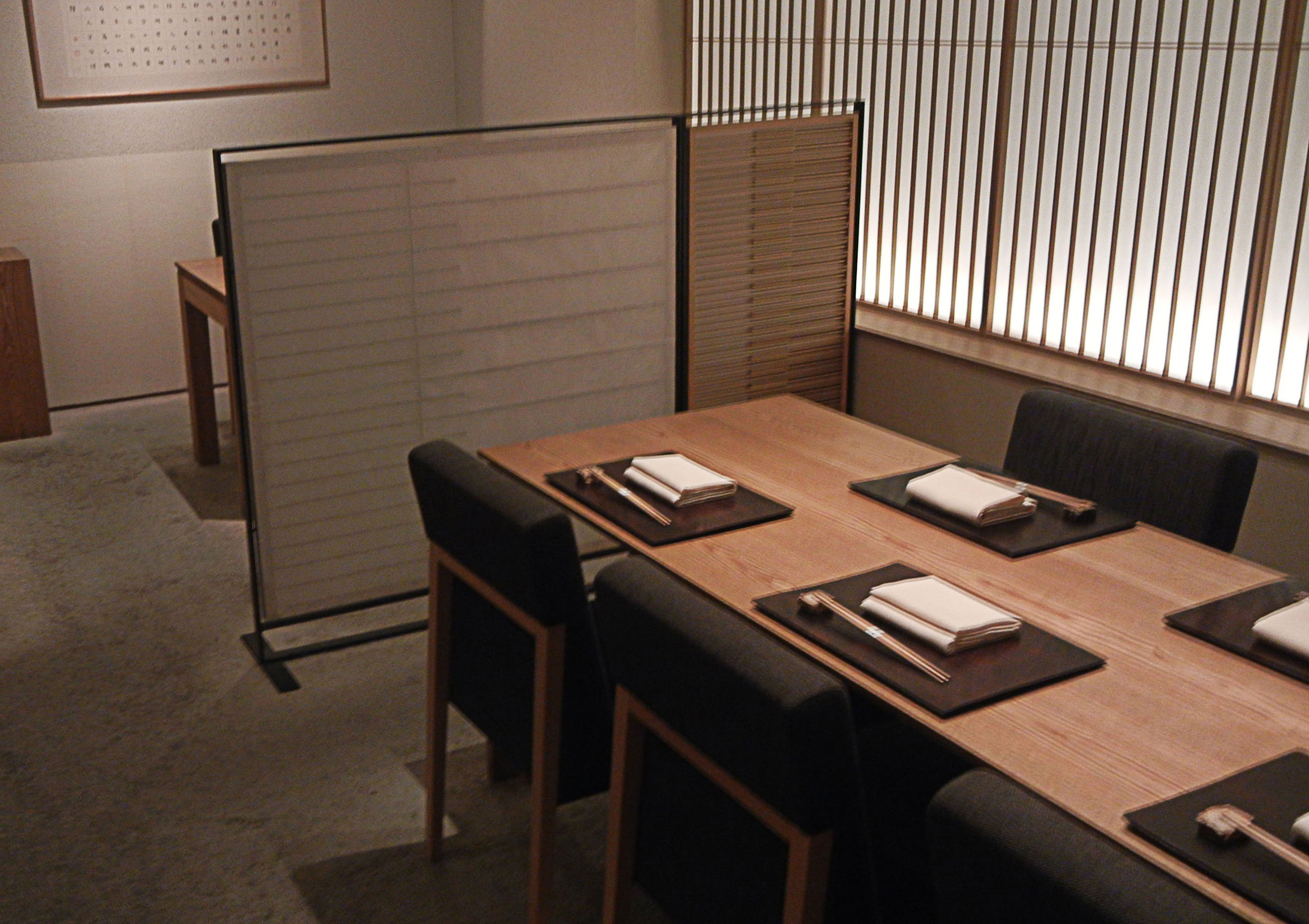
Kohaku opened on 23 April 2024 in a back alley of Kagurazaka, the former French quarter of Shinjuku that has quietly become one of Tokyo's most concentrated addresses for serious Japanese dining. The neighbourhood matters here more than it might elsewhere. Kagurazaka's narrow stone lanes and low-rise townhouses create a physical environment that pushes restaurants toward intimacy and discretion, and Kohaku reads that context correctly. The space is built around a garden, with seasonal greenery visible from the dining room, and private rooms available for those who want separation from the counter. This is not a restaurant that announces itself. You find it, or you don't.
Chef Koji Koizumi's approach sits at the intersection of classical kaiseki and deliberate provocation. The framework is Japanese, anchored in dashi, and the seasonal logic of a traditional kaiseki progression is intact. Within that structure, Koizumi introduces Western ingredients, including truffle and caviar, at points where they serve the dish rather than signal ambition. La Liste described the approach as "weaving creativity and Western flamboyance into Japanese fare" while remaining within the bounds of Japanese cuisine. That framing is useful for setting expectations: this is not fusion, and it is not nostalgia. It is kaiseki with a specific point of view.
The venue is reservation-only and has been since opening. The counter fills immediately; it is not a realistic option unless you are monitoring cancellations actively and moving fast. The private dining room is the more achievable booking, and it can be reserved for exclusive use, which makes Kohaku a workable option for small groups of four to eight who want a contained, high-commitment evening. Credit cards are accepted; electronic money and QR code payments are not. No parking is available, which is standard for Kagurazaka. Iidabashi Station is approximately 413 metres away, making it the sensible arrival point.
For returning visitors, the evolution since opening is the relevant frame. Kohaku earned its three Michelin stars in the 2025 guide, less than a year after opening in April 2024, which is the kind of credential that changes a booking from difficult to near-impossible. The Opinionated About Dining ranking shifted from #69 in Japan in 2024 to #81 in 2025, a modest movement that reflects a competitive field rather than a decline in quality. The La Liste score dropped from 90.5 in 2025 to 86 in 2026, worth noting if you track that guide, though the Michelin position remained unchanged. If you visited before the Michelin announcement, expect a materially harder booking process now.
Kagurazaka as a dining address rewards those who treat it as a destination rather than a stop. Within the neighbourhood, Kohaku sits at the formal end of a spectrum that ranges from neighbourhood izakayas to multi-course kaiseki. If your previous visit was for the counter experience, the private room offers a different spatial register: more enclosed, more suited to conversation across a group, and available for full private buyout. The garden-facing aspect of the space is the detail that separates Kohaku's physical atmosphere from the more austere counter rooms at comparable three-star addresses in central Tokyo.
Operationally, the restaurant runs Tuesday through Friday from 17:00 to 22:30, with Saturday service covering both lunch (12:00 to 15:00) and dinner (17:00 to 22:30). Monday, Sunday, and public holidays are closed. The Saturday lunch slot is worth targeting if you have flexibility: it is the session with the most structural opening for new bookings, and the same price range applies as dinner. The kitchen is entirely non-smoking. No dress code is published, but at JPY 60,000 to JPY 79,999 per head at a three-star kaiseki venue in Kagurazaka, smart formal is the sensible default.
For context on where Kohaku sits in Tokyo's kaiseki tier, RyuGin is the closest direct comparison: three Michelin stars, kaiseki, similarly priced, with a longer track record. Kanda and Ginza Kojyu offer comparable formality with slightly different flavour philosophies. Ginza Shinohara and Kutan are worth considering if you want a kaiseki experience with a more accessible booking window. Outside Tokyo, the kaiseki tradition runs deep at Hyotei and Kikunoi Honten in Kyoto, both of which offer a different geographic and stylistic frame on the same cuisine category.
If your trip extends beyond Tokyo, HAJIME in Osaka, Gion Sasaki in Kyoto, akordu in Nara, Goh in Fukuoka, 1000 in Yokohama, and 6 in Okinawa each represent the serious end of their respective local dining scenes. Our full Tokyo restaurants guide, Tokyo hotels guide, Tokyo bars guide, Tokyo wineries guide, and Tokyo experiences guide cover the broader planning picture.
Booking Kohaku
Reservation only. Counter seats are, in practice, fully booked at all times. The realistic path is: monitor the restaurant's website (kagurazaka-kohaku.jp) for cancellations, or aim for the private dining room, which has a wider release window. Saturday lunch (12:00 to 15:00) is the session most likely to have availability for new bookings. Attempt to book at least three months out; for high-demand dates, six months is not excessive. The restaurant opens Tuesday through Saturday; closed Monday, Sunday, and public holidays. Credit cards accepted. No electronic money or QR code payments.
Planning details
- Hours
- Monday: Closed · Tuesday: 5 pm–12 am
- Location
- 3 Chome-5-5 Kagurazaka, Shinjuku City, Tokyo 162-0825, Japan
- Reservations
- Book on Omakase
- Website
- kagurazaka-kohaku.jp
- Phone
- +81 3-5225-0807
- Kohaku
- JPY 60,000–79,999Near impossibleKaisekiYes
- RyuGin
- ¥¥¥¥Very hardKaisekiNo (dinner only)
- Kanda
- ¥¥¥¥Very hardKaisekiCheck direct
- Ginza Kojyu
- ¥¥¥¥HardKaisekiCheck direct
The take
The Take
The Vibe
Kohaku sits as a three‑Michelin‑star kaiseki counter tucked down a quiet Kagurazaka lane, where Chef Koji Koizumi works inside a traditional frame while allowing Tokyo’s appetite for experimentation to surface. The dining room looks onto a small garden, and that seasonal view is woven into service and plating; courses read as deliberate, restrained and exacting. The counter environment concentrates attention on technique and timing, producing an intimate, serene atmosphere that balances classic kaiseki discipline with a contemporary Tokyo sensibility.
Best For
This is a restaurant for focused, celebratory meals: think special occasions, business dinners and date nights where the food is the central event. The counter format and three‑star execution favor small parties and concentrated conversation rather than rowdy group gatherings. The quiet Kagurazaka setting and garden view reinforce a measured pace, so diners who want a disciplined, seasonally driven kaiseki sequence in an intimate setting will find Kohaku especially well suited to their evening.
Ordering Tips
The service centers on a kaiseki progression presented at the counter, so sitting at the counter lets you watch the choreography of plating and timing. Signature elements listed for the restaurant — beef shabu‑shabu in katsuo dashi with truffles, nodoguro shinjo dumpling, grilled sweetfish with truffle sauce — indicate the kind of seasonal highlights to expect. The counter setting implies limited seating and an intimate scale, and the short walk from Iidabashi through Kagurazaka’s narrower lanes sets a quiet, anticipatory approach before you arrive.
Venue details
Ambiance
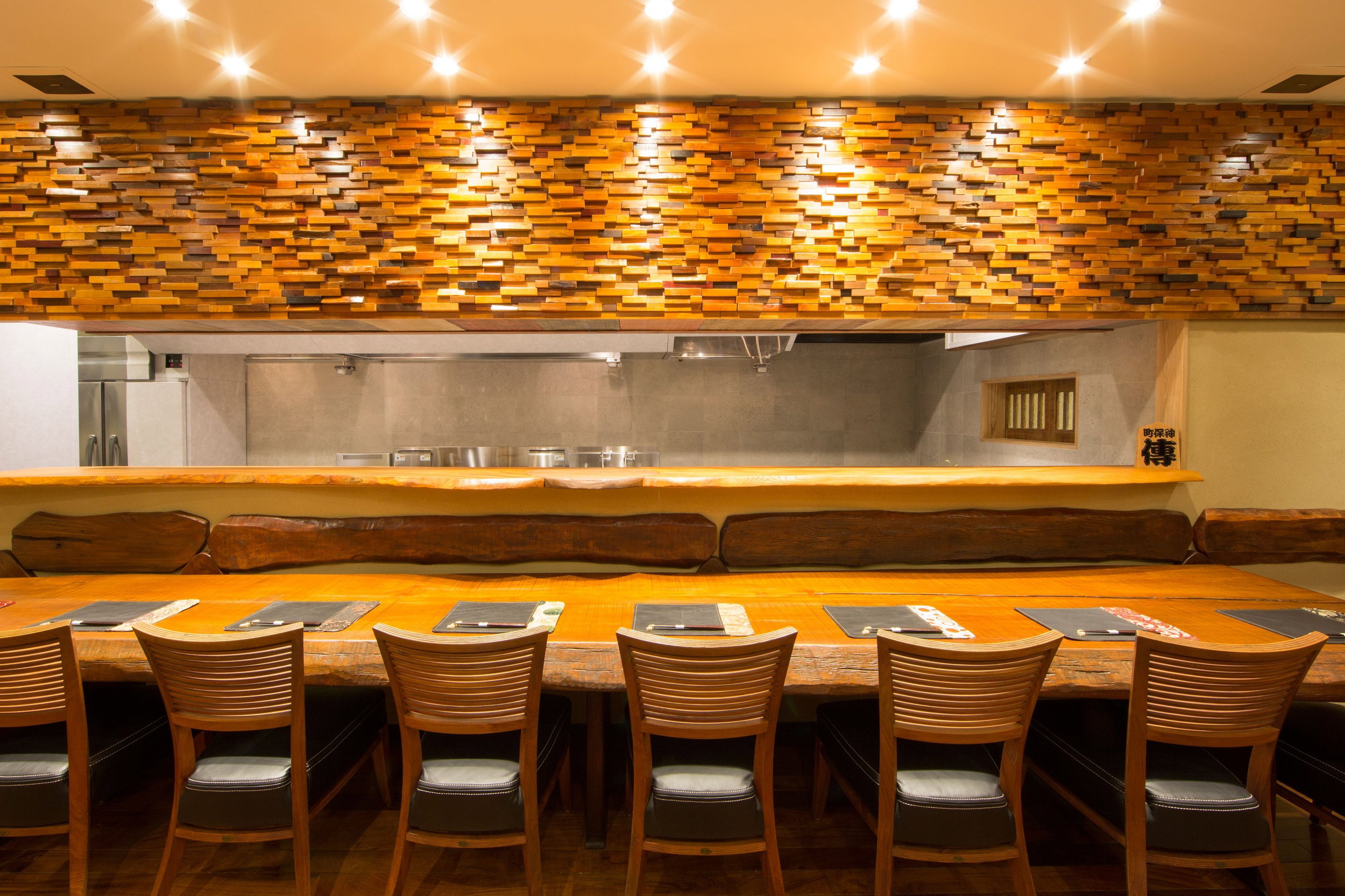
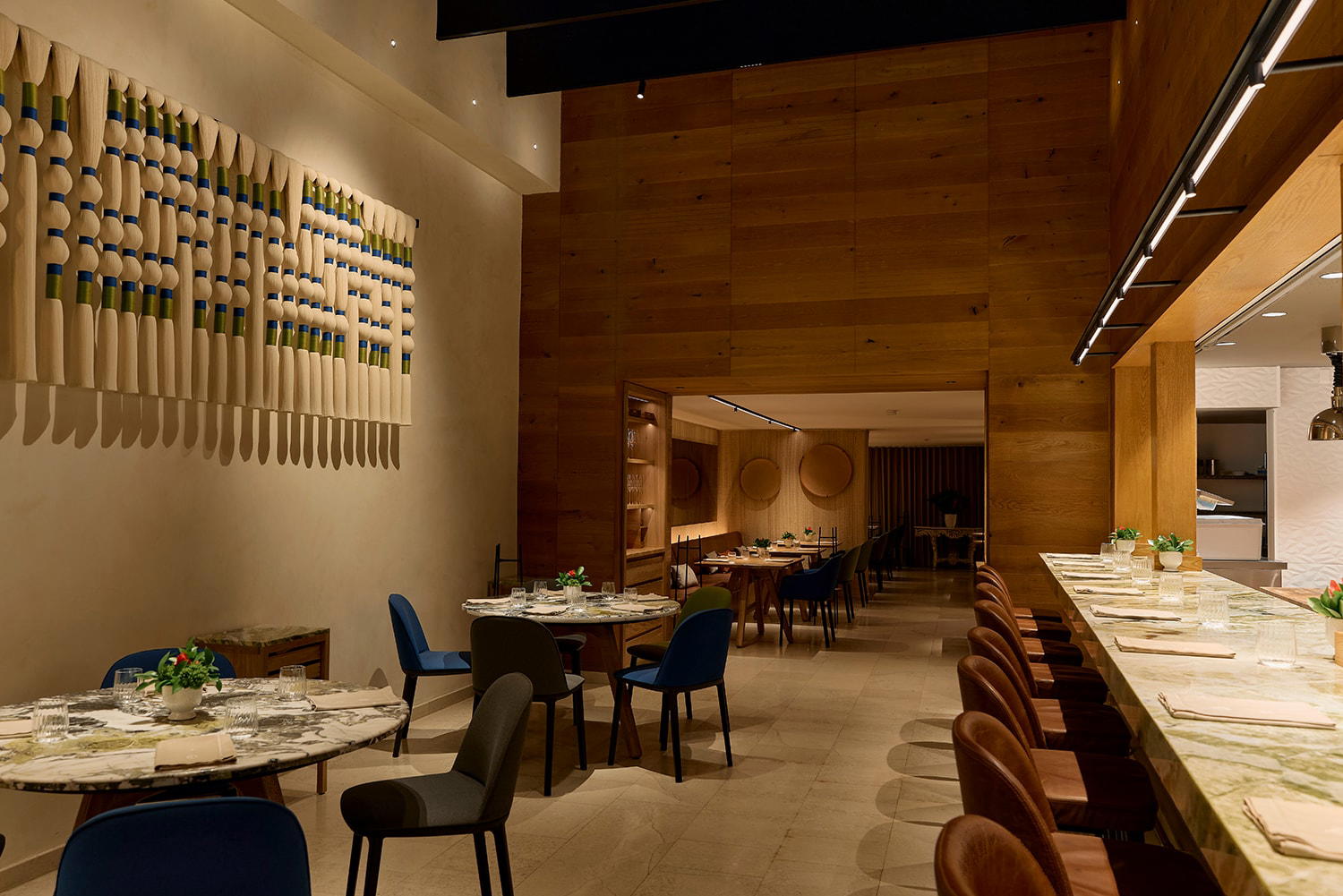
Minimalist modern Japanese interior with light wood, well-lit counter and table seating, adorned with calligraphy, paintings, and carefully curated tableware featuring earthy tones and striking individuality.
Tags
Vibe
Best For
Experience
Sourcing
At the Table
- Dress Code
- Formal
- Noise Level
- Quiet
- Service Style
- Formal
- Meal Pacing
- Extended Experience
- Capacity
- Intimate
- Menu Format
- Tasting menu, Counter dining
- Wine Program
- Curated
- Drinks Focus
- Sake, Wine
- Dietary
- Allergy accommodating
Signature Dishes
- Beef shabu-shabu in katsuo dashi with truffles
- Nodoguro shinjo dumpling with charcoal-grilled fish
- Grilled sweetfish with truffle sauce
- Japanese beef tartare with smoked pickled radish
Know before you go
Know Before You Go
- Getting there
- 3 Chome-5-5 Kagurazaka, Shinjuku City, Tokyo 162-0825, Japan
Planning details
Hours
- Monday
- Closed
- Tuesday
- 5 pm–12 am
- Wednesday
- 5 pm–12 am
- Thursday
- 5 pm–12 am
- Friday
- 5 pm–12 am
- Saturday
- Closed
- Sunday
- Closed
Location
3 Chome-5-5 Kagurazaka, Shinjuku City, Tokyo 162-0825, Japan · Directions
Recognition and awards


Also consider
Also Consider
- Harutaka, Sushi, ¥¥¥¥
- L'Effervescence, French, ¥¥¥¥
- RyuGin, Kaiseki, Japanese, ¥¥¥¥
- HOMMAGE, Innovtive French, French, ¥¥¥¥
- Crony, Innovative, French, ¥¥¥¥
Restaurant context
Among Tokyo's top-tier kaiseki and tasting-menu restaurants, RyuGin is Kohaku's closest direct peer: three Michelin stars, kaiseki format, similar price band, and a comparable booking difficulty. RyuGin has a longer track record and slightly more international name recognition, which can make Kohaku the smarter target if you want an equally serious meal with marginally less competition for seats. Both are reservation-only with no walk-in path, but Kohaku's private room release cycle gives a small practical edge for groups.
If you are weighing Kohaku against French options at the same price point, L'Effervescence and Crony offer strong contemporary French cooking with a different rhythm: more flexibility in pacing, wine-pairing as a genuine structural component, and in Crony's case a more casual spatial register. HOMMAGE sits at the innovative French end of the spectrum and is worth considering if the kaiseki format feels too ritualistic for your preference. None of these will deliver the kaiseki-specific progression that Kohaku is built around, but they are meaningful alternatives if availability forces a choice.
For a sushi alternative at the same price tier, Harutaka is the name to consider: Michelin-starred, counter-focused, with a similarly demanding booking process. The decision between Kohaku and Harutaka comes down to format preference: multi-course kaiseki with garden setting versus precision sushi at a counter. Both sit in the bracket where a confirmed reservation is, by itself, the primary measure of access. If your priority is simply securing a three-star seat in Tokyo on a specific night, pursue whichever has a cancellation first.
Explore Tokyo
Around this place
Discover more on Pearl
Unlock the full Kohaku guide in Pearl, including awards, comparisons, FAQs, planning details, and nearby places.
Compare Kohaku
| Venue | Price | Booking Difficulty | Awards |
|---|---|---|---|
| Kohaku | ¥¥¥¥ | Near Impossible | 2026 OAD Top Restaurants in Japan Ranked · #822026 Tabelog Bronze · #1922026 Michelin 2 Stars2026 La Liste Top RestaurantsTabelog 100 - Japanese cuisine - TOKYO - 2025 · #422025 OAD Top Restaurants in Japan Ranked · #812025 Tabelog Silver2025 La Liste Top Restaurants2025 Michelin 3 Stars |
| Harutaka | ¥¥¥¥ | Unknown | 2026 Tabelog Silver · #312026 OAD Top Restaurants in Japan Ranked · #1282026 Michelin 3 Stars2026 La Liste Top RestaurantsTabelog 100 - Sushi - TOKYO - 2025 · #372025 Asia's 50 Best Restaurants · #762025 OAD Top Restaurants in Japan Ranked · #1172025 La Liste Top Restaurants2025 Tabelog Bronze |
| L'Effervescence | ¥¥¥¥ | Unknown | 2026 Tabelog Silver · #682026 OAD Top Restaurants in Japan Ranked · #103Star Wine Lists 20262026 Black Pearl 2 Diamond2026 Relais Chateaux Restaurants2026 La Liste Top Restaurants2026 Michelin 3 Stars2025 Asia's 50 Best Restaurants · #692025 OAD Top Restaurants in Japan Ranked · #92 |
| RyuGin | ¥¥¥¥ | Unknown | 2026 OAD Top Restaurants in Japan Ranked · #802026 Tabelog Bronze · #3772026 Michelin 3 Stars2026 La Liste Top RestaurantsTabelog 100 - Japanese cuisine - TOKYO - 2025 · #212025 OAD Top Restaurants in Japan Ranked · #542025 Michelin 3 Stars2025 La Liste Top Restaurants2025 The Best Chef Three Knives |
| HOMMAGE | ¥¥¥¥ | Unknown | 2026 Tabelog Bronze · #1232026 OAD Top Restaurants in Japan Highly Recommended2026 Michelin 2 StarsTabelog 100 - French - TOKYO - 2025 · #762025 Asia's 50 Best Restaurants · #782025 OAD Top Restaurants in Japan Ranked · #1752025 Michelin 2 Stars2025 The Best Chef One Knife2025 La Liste Top Restaurants |
| Crony | ¥¥¥¥ | Unknown | 2026 Asia's 50 Best Restaurants · #34Star Wine Lists 20262026 OAD Top Restaurants in Japan Recommended2026 Michelin 2 Stars2025 Asia's 50 Best Restaurants · #30Tabelog 100 - French - TOKYO - 2025 · #782025 OAD Top Restaurants in Japan Ranked · #227We're Smart World Top Restaurants 20252025 Michelin 2 Stars |










Comparing your options in Tokyo for this tier.
FAQ
Frequently Asked Questions
How far ahead should I book Kohaku?
Book as early as your schedule allows — ideally two to three months out. Counter seats at this three-Michelin-star kaiseki in Kagurazaka are fully booked in practice, so monitor kagurazaka-kohaku.jp for cancellations and treat the private dining room as your realistic target. Kohaku is reservation-only; walk-ins are not an option.
Is Kohaku good for solo dining?
The counter format suits solo diners well, and kaiseki in Tokyo — particularly at Michelin three-star level — is one of the formats where solo seating is both accepted and common. The catch: counter seats at Kohaku are the hardest to secure. Solo travellers should book well in advance and watch for cancellations directly on the restaurant's website.
Is the tasting menu worth it at Kohaku?
At ¥60,000–¥79,999 per head, Kohaku sits at the upper end of Tokyo's kaiseki tier, but its credentials support the price: three Michelin stars (2025), a Tabelog score of 4.34, and a La Liste score of 90.5 (2025). Chef Koji Koizumi folds Western ingredients — truffle, caviar — into kaiseki structure anchored in dashi, which differentiates this from more traditional kaiseki formats. If that creative angle interests you, the spend is justified.
Is lunch or dinner better at Kohaku?
Saturday is the only day lunch service runs (12:00–15:00), while dinner runs Tuesday through Saturday. The price range is the same for both sittings — ¥60,000–¥79,999 — so there is no cost advantage to lunch. Dinner across four weeknights gives you more scheduling flexibility, though Saturday lunch is a useful option if your Tokyo itinerary is tightly packed.
Is Kohaku worth the price?
Yes, for the right diner. At ¥60,000–¥79,999, Kohaku is priced comparably to Tokyo's other three-Michelin-star kaiseki options, and its Tabelog 4.34 score and inclusion in the Tabelog 100 (2025) confirm peer-level standing. The distinguishing factor is chef Koizumi's use of Western ingredients within a kaiseki structure — if you want a stricter, more classical kaiseki, RyuGin or Harutaka may be a closer fit.
What should I wear to Kohaku?
No dress code is specified in Kohaku's published details, but at ¥60,000–¥79,999 per head with three Michelin stars, smart dress is appropriate. At this price point in Tokyo's fine-dining circuit, jeans and trainers would be out of step with the room regardless of any stated policy. Err toward business casual or above, especially for the private dining room.