

Suzue
Kaiseki · Sakyō, Kyoto
Restaurant in Kyoto, Japan
 Book with Pearl
The Read
Seasonal Sequence Kaiseki
Price
$300–500per person
Chef
Yoshihito Suzue
Dress
Smart Casual
Why go
Ranked in Opinionated About Dining's Top Restaurants in Japan, Suzue is a chef-driven kaiseki counter in Kyoto's quieter Okazaki district. Open every evening, it offers more scheduling flexibility than most comparable counters. Best suited to returning kaiseki visitors or special occasions where a structured, high-quality progression matters more than theatrics.
About Suzue
Should You Book Suzue?
If you have already eaten kaiseki in Kyoto once and are wondering whether Suzue is worth a return visit, the answer is yes, but for specific reasons. Suzue is not the city's most theatrical kaiseki counter, nor the most accessible for first-timers. What it offers is consistency and a measurable track record: ranked in Opinionated About Dining's Leading Restaurants in Japan three consecutive years (2023, 2024, 2025), it has held its position in the high-90s to low-100s throughout, which signals a kitchen that is not coasting on early momentum. For a second-time kaiseki visitor who wants to move past the introductory tier and eat somewhere with a verifiable quality floor, Suzue earns the booking.
The Experience at Suzue
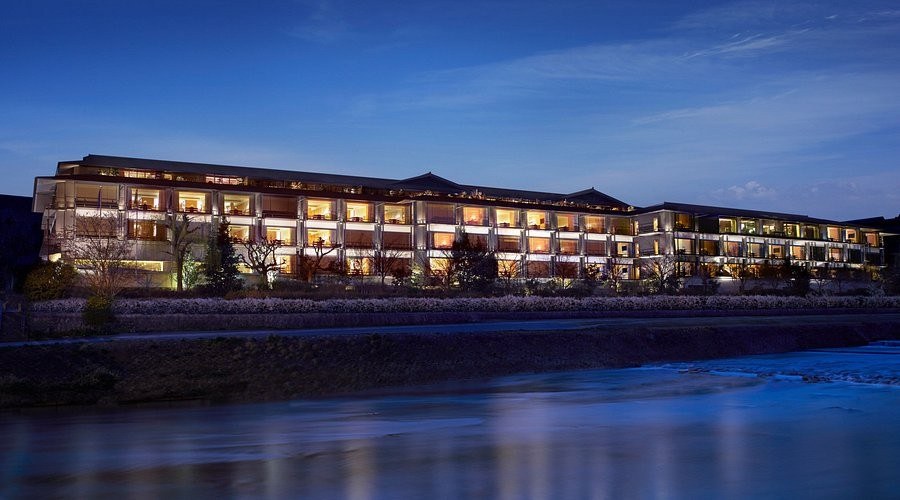
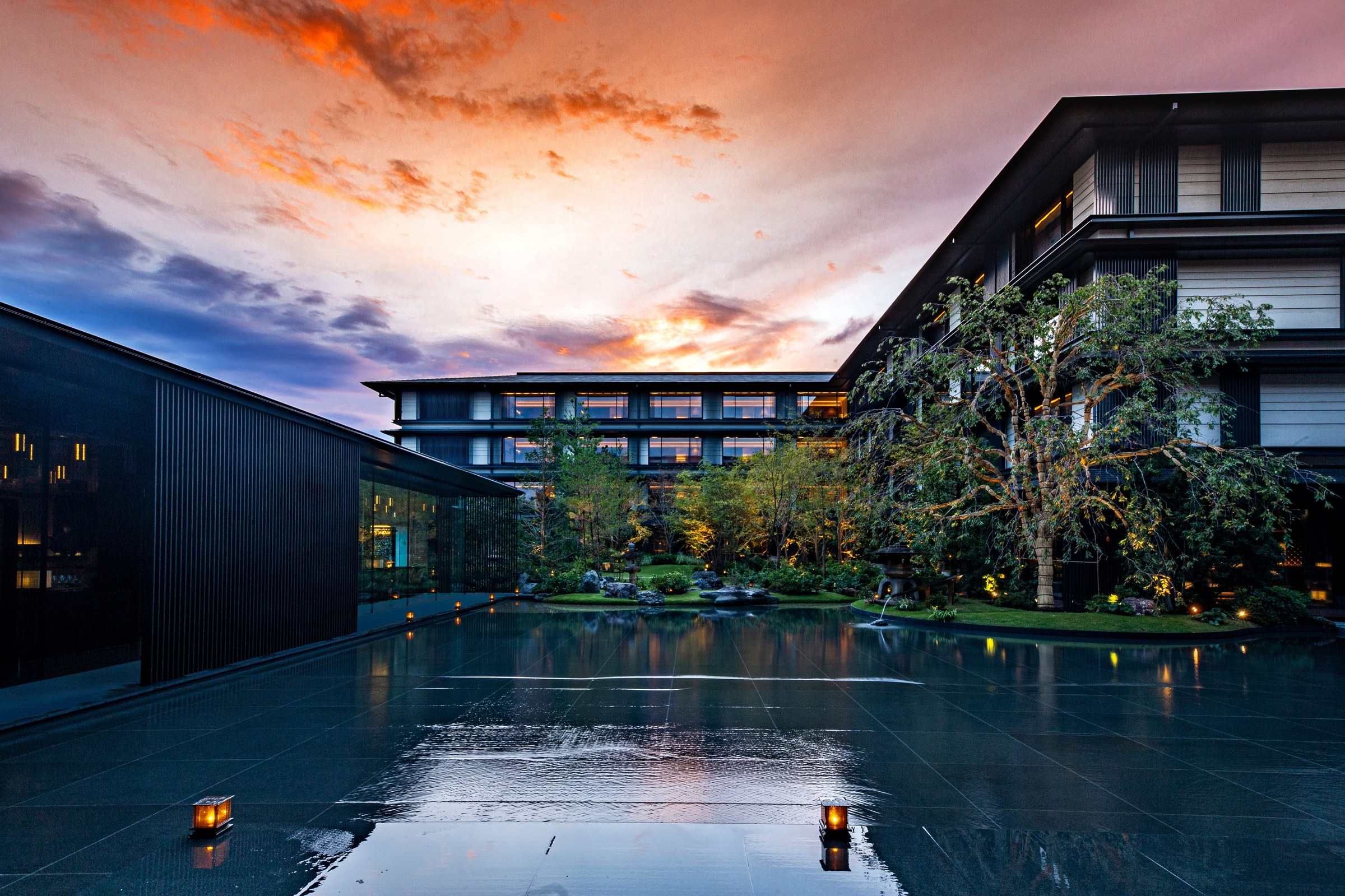
Suzue sits in Okazaki, a quieter quarter of Sakyo Ward that puts it near Heian Shrine and the canal-lined streets east of central Kyoto. The address alone tells you something: this is not a Gion showpiece designed for tourist foot traffic. Chef Yoshihito Suzue runs an evening-only operation, open every day of the week from 5 to 10 pm, which gives you flexibility that many comparable Kyoto kaiseki restaurants do not. No lunch service means the kitchen is fully committed to a single evening session, and that focus tends to show in the pacing and precision of a kaiseki progression.
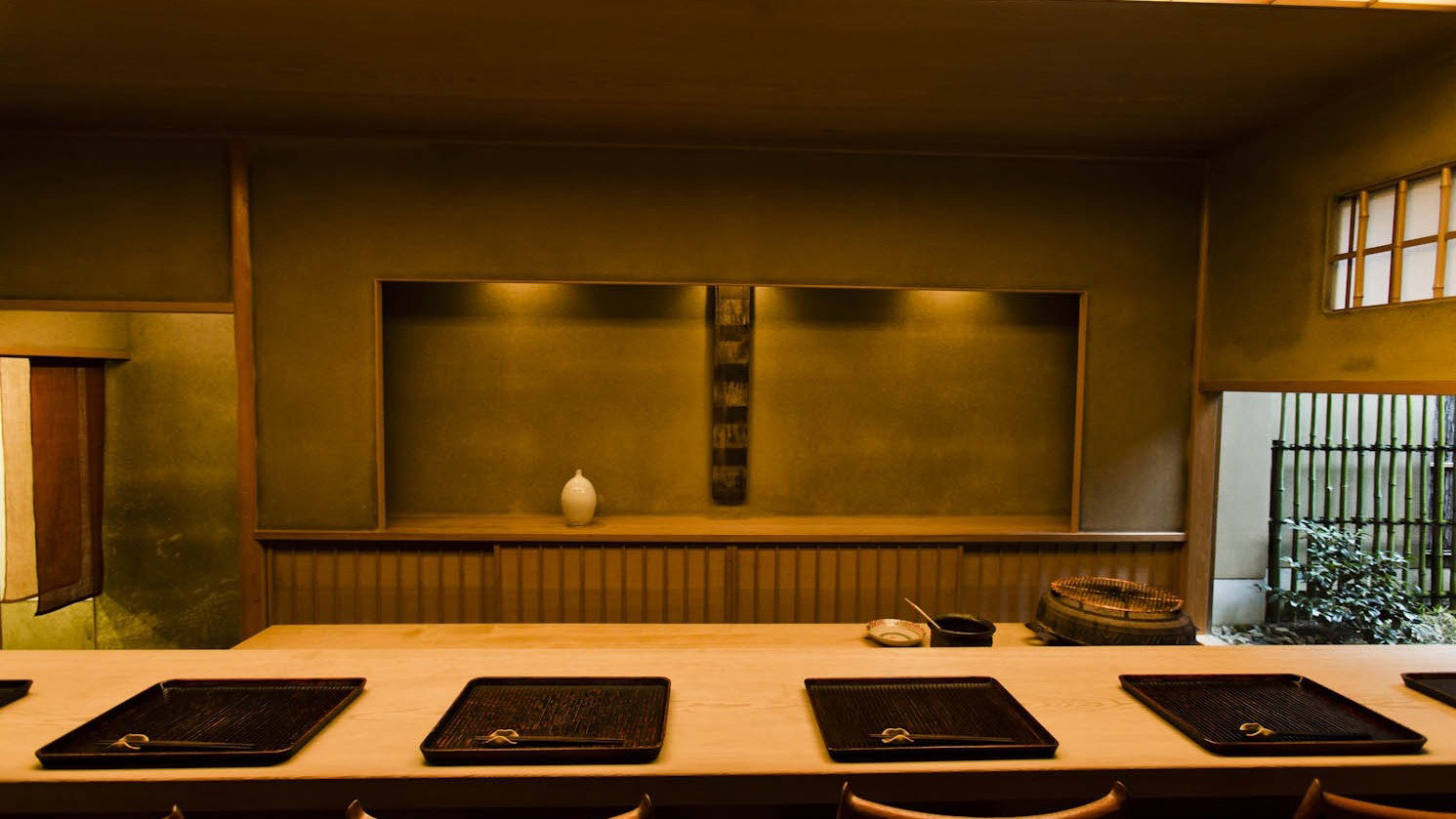
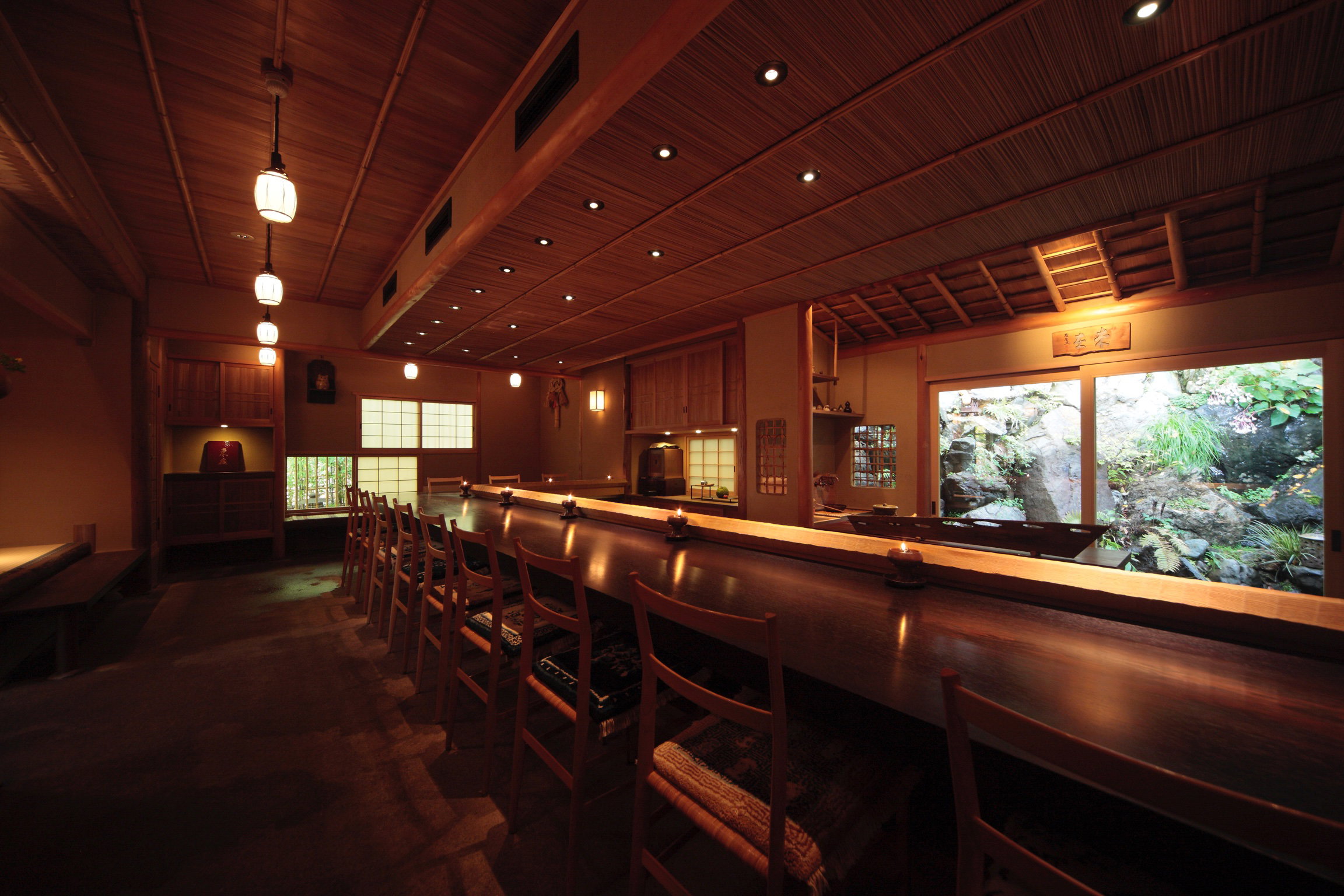
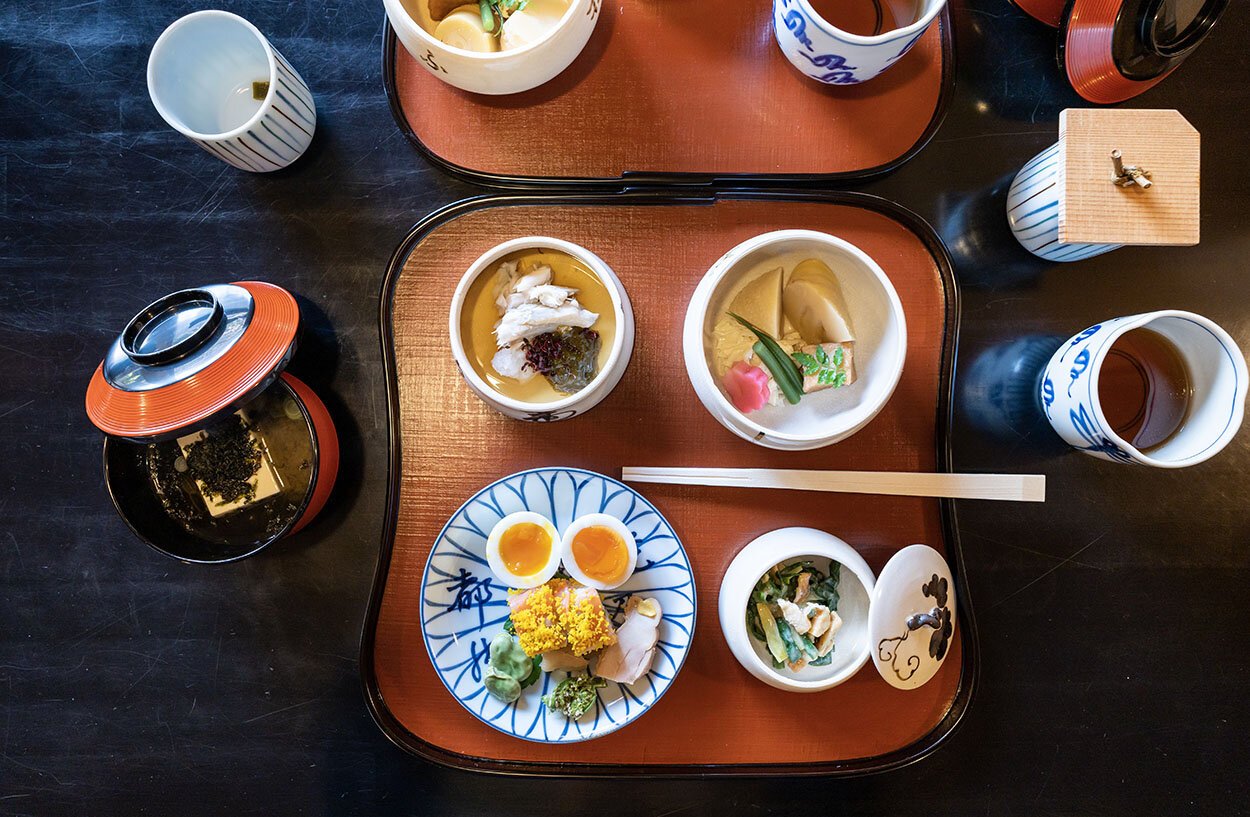
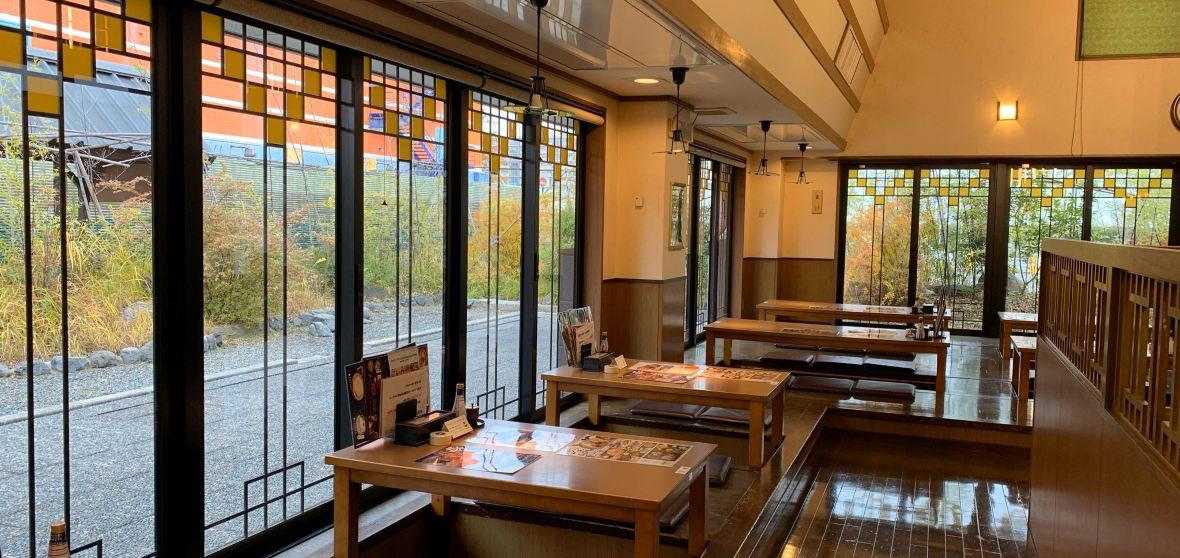
Visually, kaiseki is a format built around the appearance of the plate: seasonal produce arranged to reflect the current moment, lacquerware and ceramics chosen to complement rather than compete with the food. At Suzue, the setting in Okazaki reinforces this sensibility, you are not eating in a converted machiya or a hotel dining room, but in a location that reads as genuinely local. Japanese fine dining regulars rarely post publicly.
For a special occasion, anniversary dinner, or a serious business meal where the setting needs to carry weight without feeling performative, Suzue fits the brief well. The Okazaki location is calm enough for conversation. The format, a multi-course kaiseki progression led by a chef with a named presence in the OAD rankings, gives the evening a clear structure that works whether you are dining as a couple or impressing a client.
On the question of whether kaiseki travels for takeout or delivery: it does not. Kaiseki is one of the few cuisines where the format and the room are inseparable from the food. The temperature sequencing, the ceramic choices, and the pacing between courses are part of what you are paying for. Suzue, like any serious kaiseki counter, is an in-room experience by design. If you are looking for something to order out or take back to a hotel, this is the wrong category entirely. Book a table or skip it.
Booking appears direct relative to the city's harder-to-access kaiseki counters. Suzue operates seven evenings a week, which means more available slots than restaurants with mid-week closures. The seat count is not confirmed in available data, but kaiseki counters in this tier typically run between 8 and 16 covers per service. Reservations in advance are expected, walk-ins to a kaiseki counter at this level are not realistic, but the daily availability makes planning easier than it would be at, say, a restaurant open only four or five nights. Contact the restaurant directly or use a hotel concierge for assistance with booking, particularly if you require English-language communication.
For broader context on where to eat and stay while in the city, see our full Kyoto restaurants guide, our full Kyoto hotels guide, and our full Kyoto bars guide. If you are building a wider Japan itinerary, Pearl also covers HAJIME in Osaka, Harutaka in Tokyo, akordu in Nara, Goh in Fukuoka, 1000 in Yokohama, and 6 in Okinawa. For kaiseki specifically in Tokyo, see Kikunoi Tokyo and Hirosaku.
How It Compares
Planning details
- Hours
- Monday: 5–10 pm · Tuesday: 5–10 pm
- Location
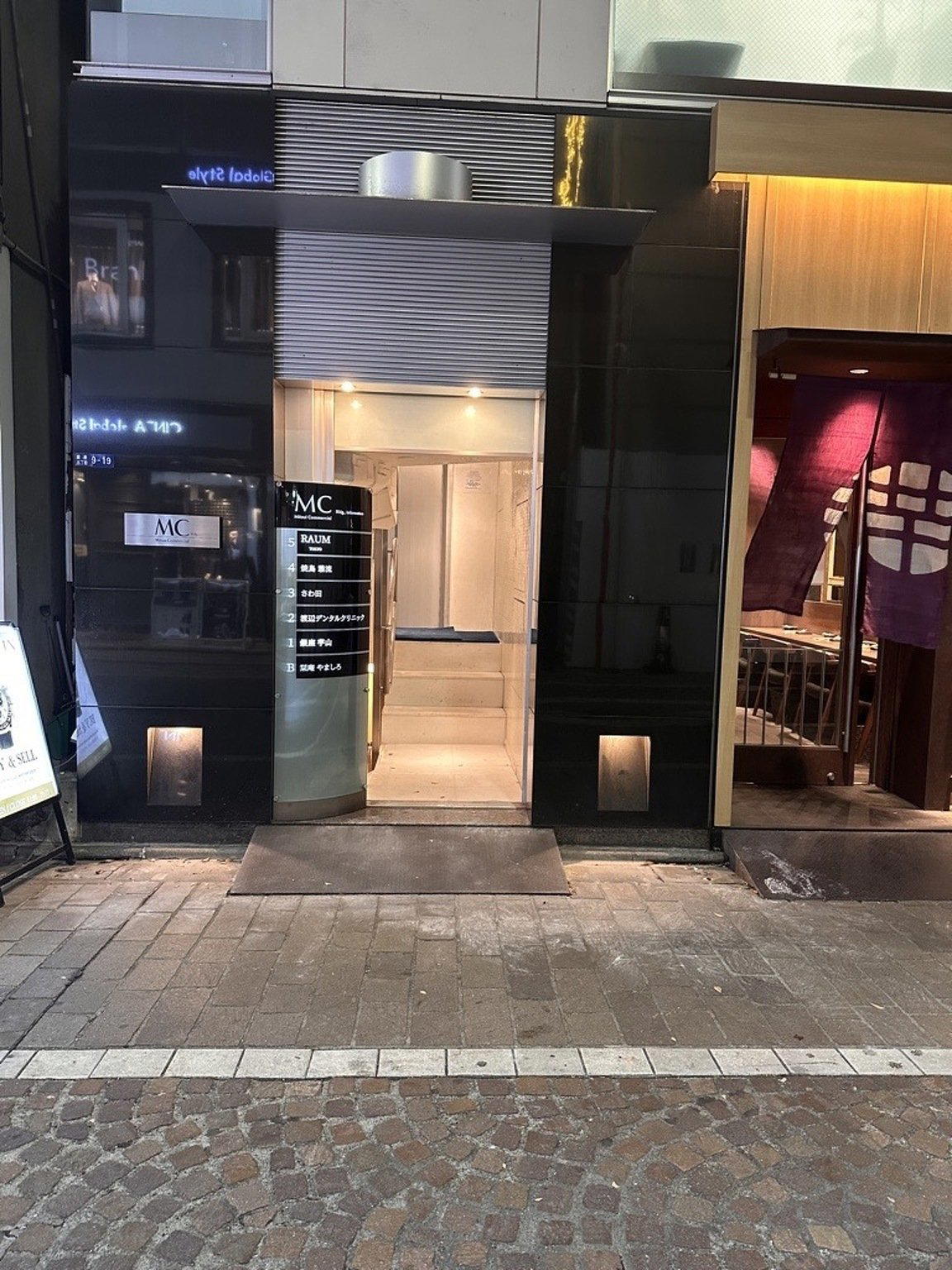
- 58-1 Okazaki Enshojicho, Sakyo Ward, Kyoto, 606-8344, Japan
- Website
- tabelog.com/en/kyoto/A2601/A260301/26014309
- Phone
- +81 75-771-7777
The take
The Take
The Vibe
Suzue settles into Okazaki’s quieter rhythm rather than Gion’s theatre, offering a restrained, classical kaiseki experience. The restaurant keeps the formal rigors of Kyoto-style multi-course dining but strips away the heightened performance that sometimes attends more photographed neighbourhoods. Instead of spectacle, the room favors composure: thoughtful service, seasonal precision and an atmosphere shaped by the museum-lined streets and the nearby canal. The overall effect is serene and quietly charming, a place that feels deliberate rather than staged and that rewards diners who appreciate subtlety and the traditional architecture of Kyoto’s culinary craft.
Best For
Suzue is best encountered at dinner, when the neighbourhood’s daytime visitors disperse and the kaiseki rhythm takes over. The restaurant suits special evenings—date nights and celebratory meals—when the formal service and seasonal ingredients can be taken in at leisure. Its presence in Sakyo Ward attracts a local dinner crowd that values the area’s calmer register, and the consistent recognition in dining rankings underlines its reliability. For diners seeking a classical Kyoto kaiseki in a less tourist-driven setting, Suzue offers a composed, evening-focused experience that foregrounds seasonality and service.
Ordering Tips
Focus on the seasonal specialties that define the menu: the house signatures—matsutake soup, hamo, matsuba crab and sashimi—signal the kitchen’s priorities and appear when in season. Embrace the kaiseki structure and allow the service to guide pacing and pairings rather than assembling à la carte; the description emphasizes the intact formality of kaiseki even as the performance tone is softened. If you are interested in particular seasonal items, ask about them on arrival so the staff can indicate availability—many of the standout dishes are driven by short seasonal windows.
Venue details
Ambiance
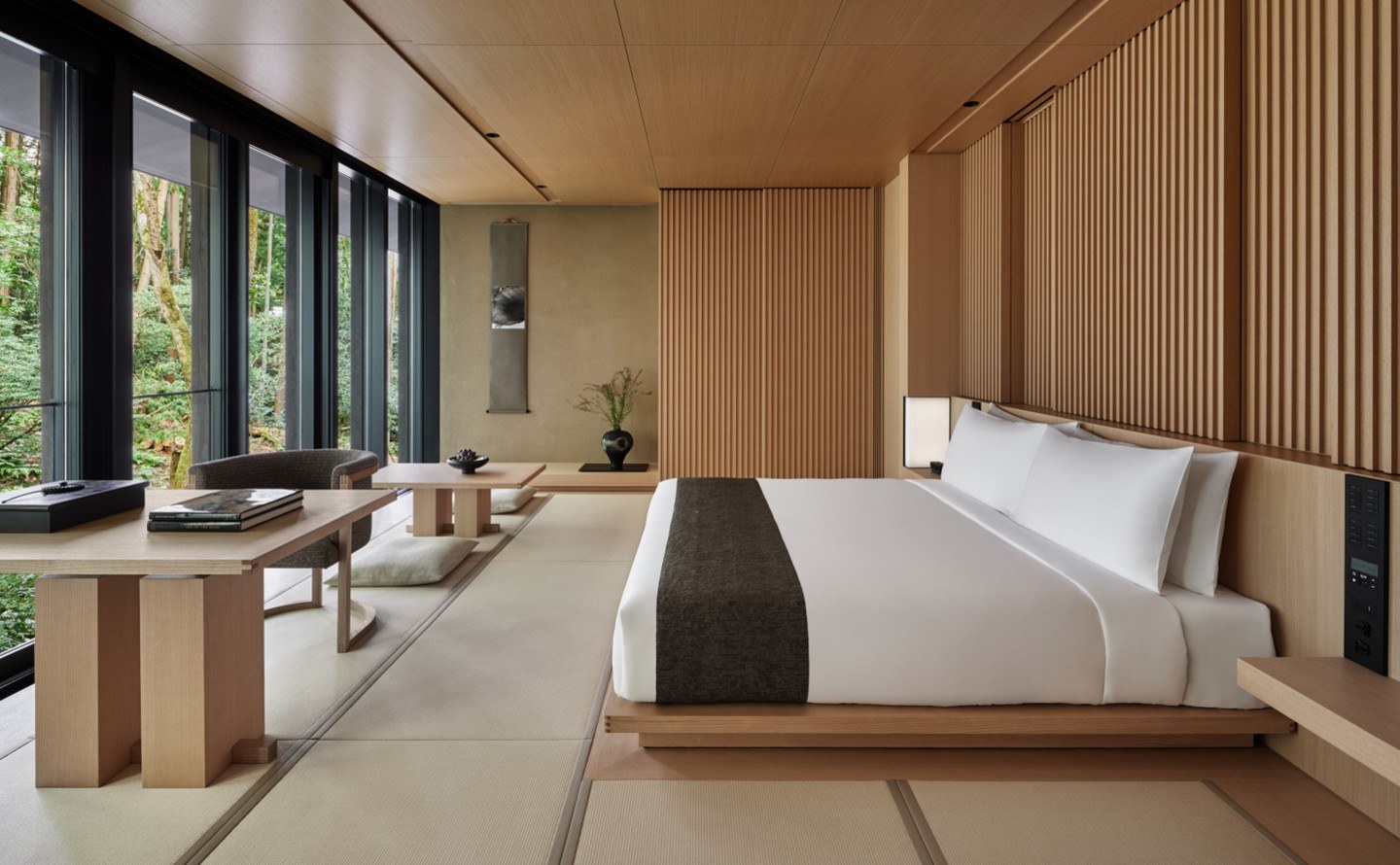
Intimate and refined atmosphere with focus on the chef's craft in a small space featuring only eight counter seats and private rooms.
Tags
Vibe
Best For
Experience
Sourcing
At the Table
- Dress Code
- Smart Casual
- Noise Level
- Quiet
- Service Style
- Formal
- Meal Pacing
- Leisurely
- Capacity
- Intimate
- Kitchen
- Seasonal
- Menu Format
- Omakase, Tasting menu, Counter dining
- Private Dining
- Available
Signature Dishes
- matsutake soup
- hamo
- matsuba crab
- sashimi
Know before you go
Know Before You Go
- Getting there
- 58-1 Okazaki Enshojicho, Sakyo Ward, Kyoto, 606-8344, Japan
Planning details
Hours
- Monday
- 5–10 pm
- Tuesday
- 5–10 pm
- Wednesday
- 5–10 pm
- Thursday
- 5–10 pm
- Friday
- 5–10 pm
- Saturday
- 5–10 pm
- Sunday
- 5–10 pm
Location
58-1 Okazaki Enshojicho, Sakyo Ward, Kyoto, 606-8344, Japan · Directions
Recognition and awards

Also consider
Also Consider
- Gion Sasaki, Kaiseki, Japanese, ¥¥¥¥
- cenci, Italian, ¥¥¥
- Ifuki, Kaiseki, ¥¥¥¥
- Kyokaiseki Kichisen, Japanese, ¥¥¥¥
- SEN, French, Japanese, ¥¥¥¥
Restaurant context
Among Kyoto's kaiseki options at the top tier, the choice depends on what you want from the evening. Gion Sasaki is the harder reservation and the more celebrated name, with a profile that attracts international attention and a Gion address that reinforces the prestige. If securing the city's most-talked-about table is the goal, Gion Sasaki is the answer. Suzue, by contrast, is quieter in profile and easier to book, but its three-year OAD ranking run (peaking at #97 in 2024) places it firmly in the same quality conversation. For guests who want serious kaiseki without the booking anxiety, Suzue is the more practical choice.
Ifuki and Kyokaiseki Kichisen both operate at the ¥¥¥¥ tier and represent the traditional end of the Kyoto kaiseki spectrum. Kichisen in particular carries institutional weight and is frequently cited as one of Japan's most formal kaiseki experiences, appropriate for guests who want maximum ceremony and are prepared for a correspondingly demanding dress and conduct expectation. Suzue sits at a level that is serious without being intimidating, which makes it a better fit for special occasions where the meal should feel considered rather than austere. Ifuki is a strong alternative if you want to compare options at a similar quality level before committing.
For guests open to stepping outside the kaiseki format, SEN offers a French-Japanese approach at ¥¥¥¥ that suits diners who find a strict kaiseki progression less comfortable, and cenci drops a price tier to ¥¥¥ with an Italian lens on local ingredients. Neither replaces what Suzue does, but if the kaiseki format itself is uncertain territory for your party, either is worth considering. For more options across the city, see our full Kyoto restaurants guide, which also covers Ankyu, Chihana, Doujin, and Gion Suetomo.
Explore Kyoto
Around this place
Discover more on Pearl
Unlock the full Suzue guide in Pearl, including awards, comparisons, FAQs, planning details, and nearby places.
Compare Suzue
| Venue | Location | Cuisine | Awards | Price |
|---|---|---|---|---|
| Suzue | Kyoto | Kaiseki | 2026 Tabelog Bronze · #4112026 OAD Top Restaurants in Japan Highly RecommendedTabelog 100 - Japanese cuisine - WEST - 2025 · #122025 OAD Top Restaurants in Japan Ranked · #1262025 Tabelog Silver2024 OAD Top Restaurants in Japan Ranked · #972023 OAD Top Restaurants in Japan Ranked · #98 | , |
| Gion Sasaki | Kyoto | Kaiseki, Japanese | 2026 Tabelog Bronze · #3862026 OAD Top Restaurants in Japan RecommendedMichelin Guide Kyoto Osaka 20262026 La Liste Top RestaurantsTabelog 100 - Japanese cuisine - WEST - 2025 · #132025 OAD Top Restaurants in Japan Ranked · #2462025 Tabelog Silver2025 Michelin 3 Stars2025 La Liste Top Restaurants | ¥¥¥¥ |
| cenci | Kyoto | Italian | 2026 Tabelog Bronze · #442026 Asia's 50 Best Restaurants · #762026 OAD Top Restaurants in Japan Highly RecommendedMichelin Guide Kyoto Osaka 2026Tabelog 100 - Italian - WEST - 2025 · #632025 Asia's 50 Best Restaurants · #632025 OAD Top Restaurants in Japan Ranked · #1682025 Tabelog Bronze2024 OAD Top Restaurants in Japan Ranked · #135 | ¥¥¥ |
| Ifuki | Kyoto | Kaiseki | 2026 OAD Top Restaurants in Japan Ranked · #1222026 Tabelog Bronze · #128Michelin Guide Kyoto Osaka 20262026 La Liste Top RestaurantsTabelog 100 - Japanese cuisine - WEST - 2025 · #622025 OAD Top Restaurants in Japan Ranked · #1002025 La Liste Top Restaurants2025 Tabelog Bronze2025 Michelin 2 Stars | ¥¥¥¥ |
| Kyokaiseki Kichisen | Kyoto | Japanese | 2026 Tabelog Bronze · #1752026 OAD Top Restaurants in Japan Highly RecommendedMichelin Guide Kyoto Osaka 20262025 OAD Top Restaurants in Japan Ranked · #1862025 Michelin 2 Stars2025 La Liste Top Restaurants2024 OAD Top Restaurants in Japan Ranked · #1422024 Michelin 2 Stars2023 OAD Top Restaurants in Japan Ranked · #136 | ¥¥¥¥ |
| SEN | Kyoto | French, Japanese | 2026 Tabelog Bronze · #3952026 OAD Top Restaurants in Japan RecommendedMichelin Guide Kyoto Osaka 20262026 Michelin PlateTabelog 100 - Japanese cuisine - WEST - 2025 · #652025 Michelin Plate2025 Tabelog Bronze2024 OAD Top Restaurants in Japan Ranked · #3622024 Michelin Plate | ¥¥¥¥ |





.png?width=1200&quality=80)
How Suzue Kyoto compares with similar nearby venues.
FAQ
Frequently Asked Questions
What should I wear to Suzue?
Dress conservatively and neatly. Kaiseki at this level in Kyoto, Suzue has held OAD Top 100 status in Japan for three consecutive years, typically calls for subdued, well-considered clothing rather than formal Western attire. Avoid overly casual items like athletic wear or loud prints. A tidy, understated outfit respects both the room and the format.
Does Suzue handle dietary restrictions?
Traditional kaiseki is a tightly sequenced format built around the chef's selection, and Suzue operates under that structure. Communicate any dietary restrictions well in advance of your booking rather than at the door. Chef Yoshihito Suzue's kitchen may be able to accommodate some adjustments, but kaiseki is not an à la carte experience and significant restrictions can limit what the kitchen can offer.
Is lunch or dinner better at Suzue?
Suzue is a dinner-only venue, open Monday through Sunday from 5 to 10 pm, so there is no lunch service to compare. If you are planning an evening around Okazaki, the Heian Shrine area and the canal streets nearby make for a good pre-dinner walk before the 5 pm opening.
What should a first-timer know about Suzue?
Suzue is not the starting point for kaiseki beginners. It has ranked in OAD's Top 100 restaurants in Japan in 2023, 2024, and 2025, which puts it in serious company and means the room assumes some familiarity with the format. Book well ahead, arrive on time, and let the meal move at its own pace, kaiseki services at this level are not rushed. If this is your first kaiseki experience in Kyoto, consider starting somewhere more introductory and returning to Suzue once the format feels comfortable.