

Kanjo
Minato, Tokyo
Restaurant in Tokyo, Japan
 Book with Pearl
The Read
Soba-Led Omakase Counter
Price
$200–300per person
Dress
Smart Casual
Why go
A seven-seat Roppongi counter built around duck and soba courses, holding Tabelog Bronze Awards (2025, 2026) and a 4.26 score. At JPY 30,000–39,999 per person, the format demands commitment to two ingredients—ideal for diners prioritizing focused technique over ingredient variety. Book three to four weeks ahead via phone or OMAKASE platform; strict no-fragrance policy enforced.
About Kanjo
Kanjo in Tokyo is best presented around the practical facts that are confirmed. The schedule lists two evening seating sessions: the first from 17:00 to 19:30 and the second from 20:00 to 22:30. Doors open 10 minutes before the reservation, and the dress code is smart casual.
Focused Dining in Tokyo
Kanjo is best approached as a planned evening reservation rather than a flexible drop-in meal. Before reserving, confirm the current menu, dietary-accommodation policy, payment requirements, and cancellation terms directly with the venue or its current reservation channel. The evening seating times and smart-casual dress are established, but the cuisine, course format, price range, and seating layout should be confirmed before booking.
For first-time visitors, the safest approach is to brief your party before arrival: confirm the reservation details, arrive on time, and dress smart casual. Because doors open 10 minutes before the reservation, plan your arrival accordingly rather than arriving too early. Avoid relying on older summaries for exact menu details, pricing, payment policies, or cancellation terms. Treat the booking as a commitment and check the current conditions when you reserve.
Booking Timeline and Practical Trade-offs
Plan ahead for Kanjo, especially if you are targeting a specific evening session or traveling from outside Tokyo. The operating pattern is two seatings, from 17:00 to 19:30 and from 20:00 to 22:30, with doors opening 10 minutes before the reservation. Confirm whether bookings are taken by phone, online, or another channel, and verify cancellation rules before sharing card details or finalizing a group.
Kanjo is in Tokyo. For arrival planning, use the venue's current map or reservation information rather than relying on older address descriptions, building cues, or landmark-based directions. Tokyo has many dining options if you cannot secure a table, including named peers in this guide and other unnamed dining rooms across the city. Choose Kanjo only after confirming that its current reservation terms, timing, and offering suit your plans.
The trade-off is clear: Kanjo is a Tokyo venue with confirmed evening seating sessions and a smart-casual dress code, but many specifics should be confirmed before booking. Verify the current menu, price, payment method, and house rules. If the confirmed details appeal, Kanjo can work well for a deliberate night out. If you need a wider range of choices or more certainty before reserving, compare other Tokyo dining rooms first.
Planning details
- Hours
- ■Business hoursTwo seating sessions are available:First session: 17:00 - 19:30Second session: 20:00 - 22:30Doors open 10 minutes before your reservation.
- Location
- Japan, 〒106-0032 Tokyo, Minato City, Roppongi, 4 Chome−12−5 3f
- Website
- instagram.com/kanjo_tokyo
- Phone
- +81 80-5122-4125
The take
The Take
The Vibe
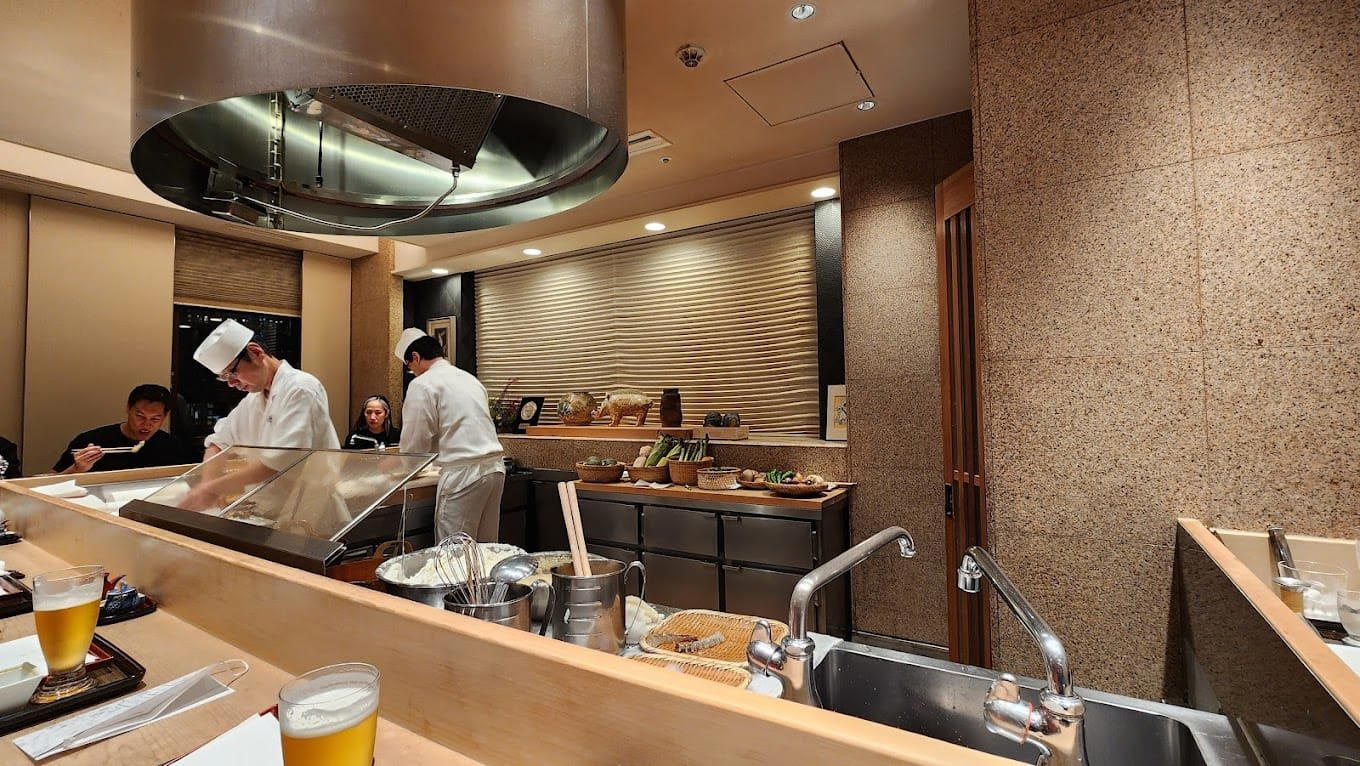
Kanjo operates like a deliberately discreet discovery: a third-floor, unmarked walk-up that centers on a seven-seat counter focused on soba and duck. The room reads restrained and refined, leaning on tradition rather than theatricality. Its practice is classically informed — buckwheat provenance, soba technique and duck prepared in seasonal ways — but the result is quietly sophisticated rather than ostentatious. The counter’s small scale creates intimacy and a measured pace, making the experience feel like a carefully kept secret among diners who prize discipline, provenance and a subtle, refined sensibility.
Best For
This is a counter for focused dining: an intimate, reservation-forward evening suited to special nights or a solitary culinary session at the bar. The seven-seat layout and the menu’s kaiseki-adjacent orientation make it especially appropriate for diners who want a concentrated tasting of soba and duck preparations rather than a large-group meal. It’s ideal for quiet celebrations or date nights where attention to technique and seasonal sourcing matters; the space’s discretion and small scale also make it a strong pick for solo diners who prefer direct interaction with the chef.
Ordering Tips
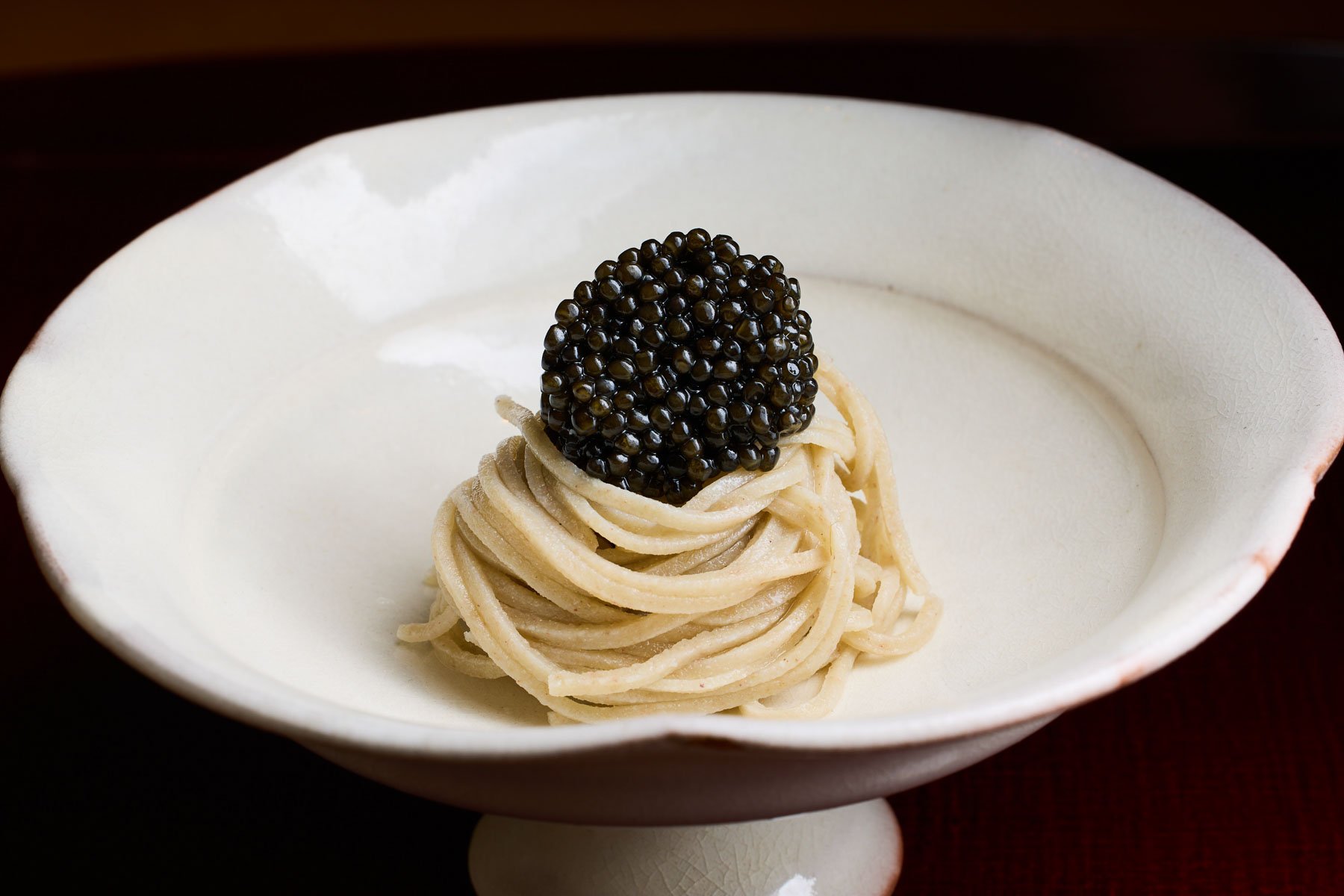
Prioritize the house specialties that define Kanjo’s reputation: juwari soba and the duck offerings (kamo/duck sashimi and tsukune) are the culinary anchors. Given the seven-seat counter and the venue’s rapid rise on Tabelog lists, seating is extremely limited — plan ahead and secure a slot as early as possible. Expect a focused, ingredient-led progression rather than an à la carte parade; follow the chef’s order when available to experience the interplay between soba technique and seasonal duck preparations.
Venue details
Ambiance
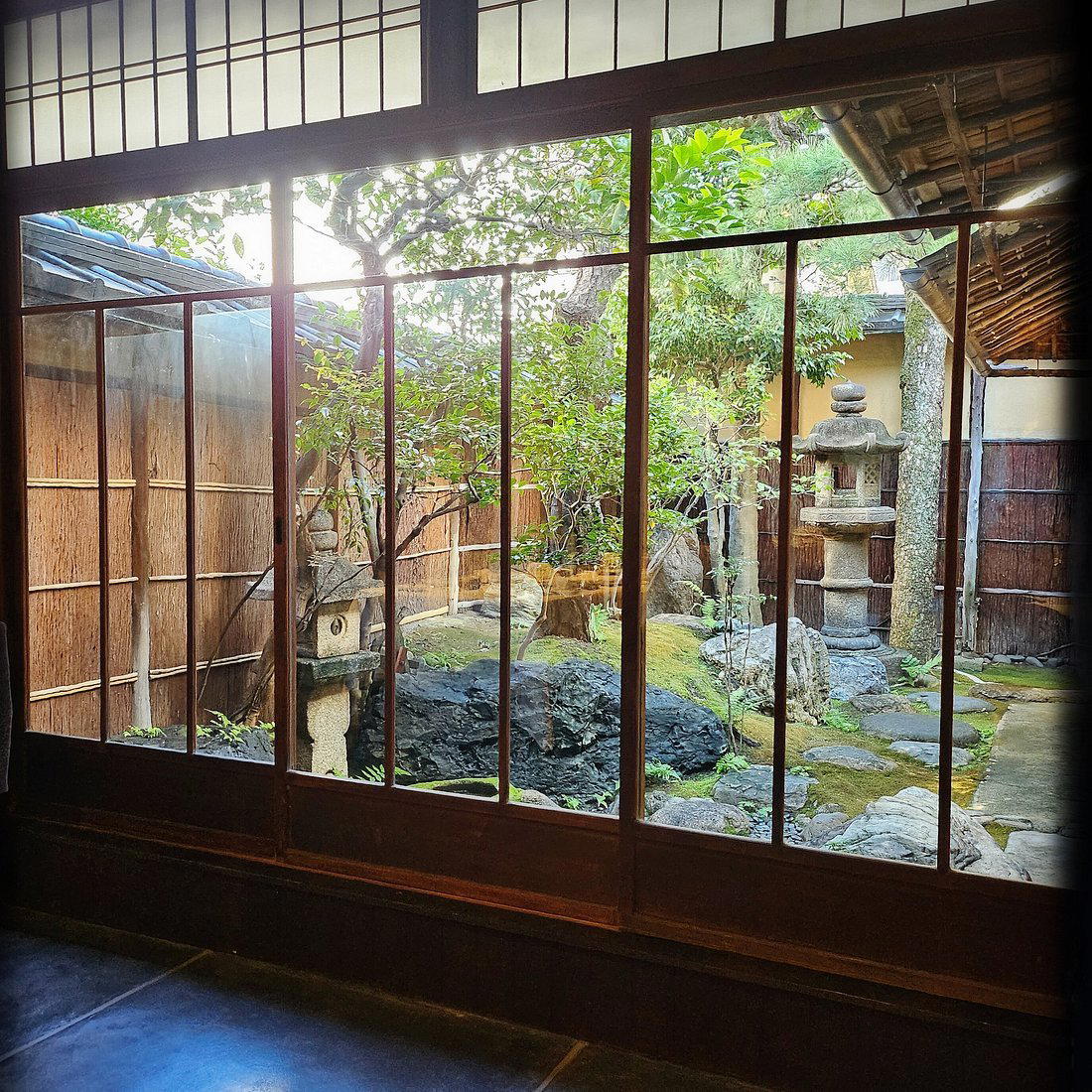
Minimalist teahouse-style interior with calming wooden counter seating 7, facing open kitchen with charcoal grill, evoking Kyoto kappo serenity
Tags
Vibe
Best For
Experience
Sourcing
At the Table
- Dress Code
- Smart Casual
- Noise Level
- Quiet
- Service Style
- Formal
- Meal Pacing
- Leisurely
- Capacity
- Intimate
- Kitchen
- Modern
- Menu Format
- Omakase, Counter dining
- Drinks Focus
- Wine, Sake
Signature Dishes
- duck sashimi
- tsukune
- juwari soba
- kamo sashimi
Know before you go
Know Before You Go
- Getting there
- Japan, 〒106-0032 Tokyo, Minato City, Roppongi, 4 Chome−12−5 3f
Planning details
Hours
■Business hoursTwo seating sessions are available:First session: 17:00 - 19:30Second session: 20:00 - 22:30Doors open 10 minutes before your reservation.
Location
Japan, 〒106-0032 Tokyo, Minato City, Roppongi, 4 Chome−12−5 3f · Directions

Also consider
Also Consider
- Shangri-La's secret ROPPONGI, JPY 10,000 - JPY 14,999 JPY 6,000 - JPY 7,999, JPY 10,000 - JPY 14,999 JPY 6,000 - JPY 7,999
- IRUCA TOKYO, Ramen, ¥
- BENJAMIN STEAK HOUSE Roppongi, JPY 20,000 - JPY 29,999 JPY 6,000 - JPY 7,999, JPY 20,000 - JPY 29,999 JPY 6,000 - JPY 7,999
- Toshi Yoroizuka Middo Taun, JPY 1,000 - JPY 1,999 JPY 1,000 - JPY 1,999, JPY 1,000 - JPY 1,999 JPY 1,000 - JPY 1,999
- Sifon Choi Yoshida, JPY 15,000 - JPY 19,999, JPY 15,000 - JPY 19,999
Restaurant context
At JPY 30,000–39,999, Kanjo occupies the high end of Roppongi dining, competing not on ingredient variety but on execution depth. Shangri-La's secret ROPPONGI sits lower (JPY 10,000–14,999 dinner) and offers broader Japanese cuisine without the duck-and-soba constraint, making it a better choice for groups with mixed preferences or diners seeking more flexibility. Sifon Choi Yoshida (JPY 15,000–19,999) delivers Chinese-influenced technique at a mid-tier price, providing an alternative format if you want to stay in the same neighborhood but avoid the soba commitment. For pure value, IRUCA TOKYO offers ramen at a fraction of the cost, not a direct comparison in format, but relevant if you're allocating a single high-end meal per trip and want to consider how much the Kanjo experience adds over simpler Japanese formats.
BENJAMIN STEAK HOUSE Roppongi (JPY 20,000–29,999 dinner) provides a Western alternative in the same price tier, useful if your party includes guests who prefer beef-focused dining over Japanese technique. The decision ultimately comes down to format preference: Kanjo rewards diners who find duck and soba interesting enough to sustain a full course, while Shangri-La's secret and Sifon Choi Yoshida offer more ingredient range at lower price points. If you value specialized execution and can commit to the format, Kanjo justifies the spend, but if you prefer broader exploration or need flexibility for dietary restrictions, the alternatives offer better value and easier booking windows.
Explore Tokyo
Around this place
Discover more on Pearl
Unlock the full Kanjo guide in Pearl, including awards, comparisons, FAQs, planning details, and nearby places.
FAQ
Frequently Asked Questions
Is Kanjo good for a special occasion?
Potentially, if the current format suits your group. Kanjo is in Tokyo, with evening seating sessions from 17:00 to 19:30 and 20:00 to 22:30, and a smart-casual dress code. Confirm the menu, price, payment rules, and cancellation policy before booking.
What should I order at Kanjo?
Is lunch or dinner better at Kanjo?
The schedule lists evening service only: a first seating from 17:00 to 19:30 and a second seating from 20:00 to 22:30. Doors open 10 minutes before the reservation.
What should I wear to Kanjo?
The confirmed dress code is smart casual. Arrive dressed accordingly and plan to be at the venue close to your reservation time, as doors open 10 minutes before the reservation.
What should a first-timer know about Kanjo?
Confirm all practical details before booking, and arrive on time. Kanjo is in Tokyo; use the latest current map or reservation information for directions rather than relying on old building or landmark descriptions.
What are alternatives to Kanjo in Tokyo?
For other named options in this guide, consider IRUCA TOKYO, Shangri-La's secret ROPPONGI, BENJAMIN STEAK HOUSE Roppongi, Sifon Choi Yoshida, Toshi Yoroizuka Middo Taun, or other Tokyo dining rooms depending on the experience you want.
Can Kanjo accommodate groups?
Ask Kanjo directly before booking for a group. Group suitability should be confirmed with the venue.