


Tanimoto
Japanese · Shinjuku, Tokyo
Restaurant in Tokyo, Japan
 Book with Pearl
The Read
Charcoal-Grilled Ryotei Devotion
Price
¥¥¥¥
Dress
Smart Casual
Why go
Tanimoto holds a 2024 Michelin star in Kagurazaka for a reason: its charcoal-grill technique and ryotei-influenced service deliver a meal with a clear identity at ¥¥¥¥. Book if you want technically precise Japanese cooking in an intimate, unhurried setting. Booking is hard — go through a hotel concierge.
About Tanimoto
Verdict: Book Tanimoto if charcoal-grilled Japanese cuisine executed at Michelin one-star level is what you're after
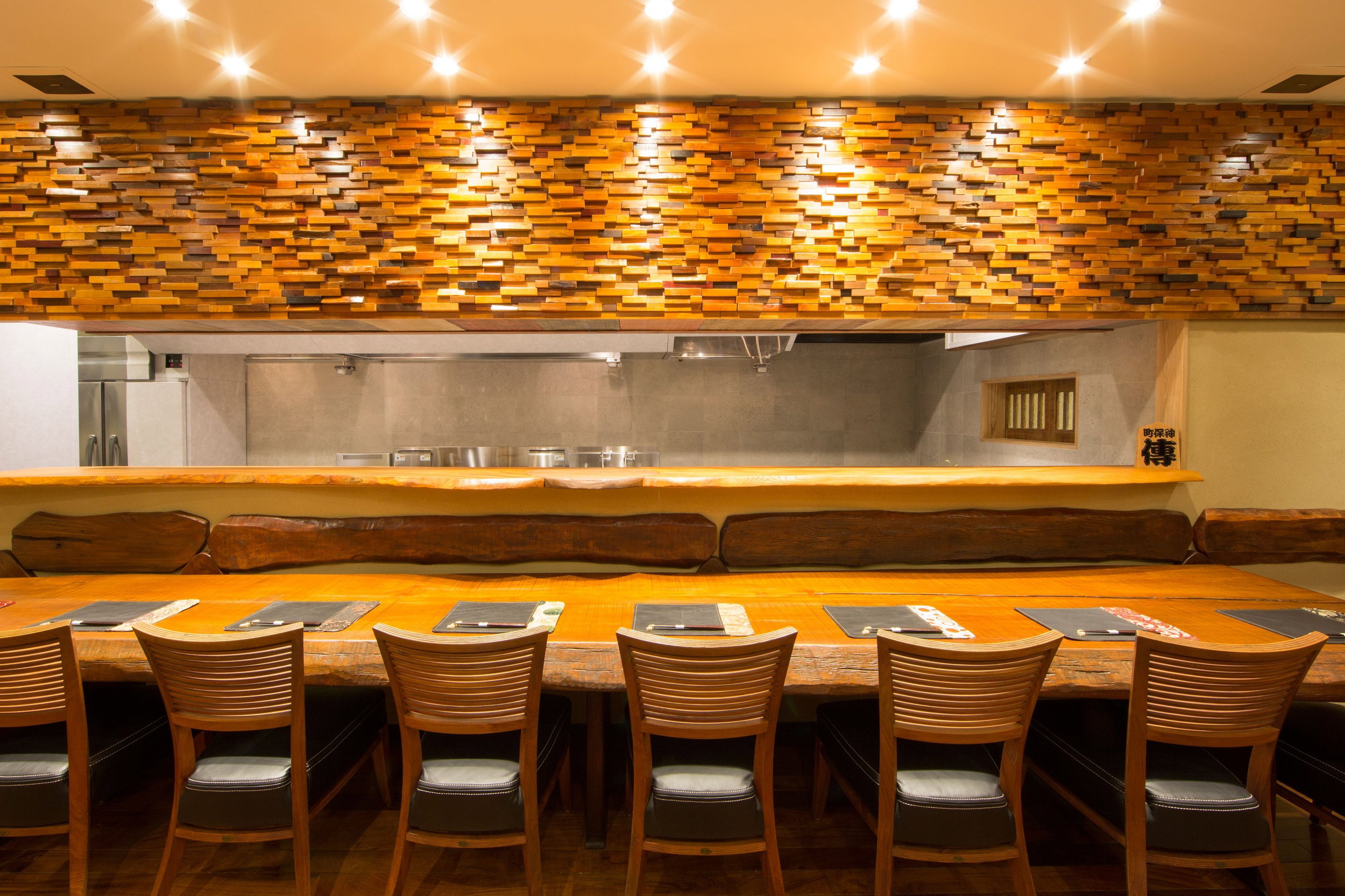
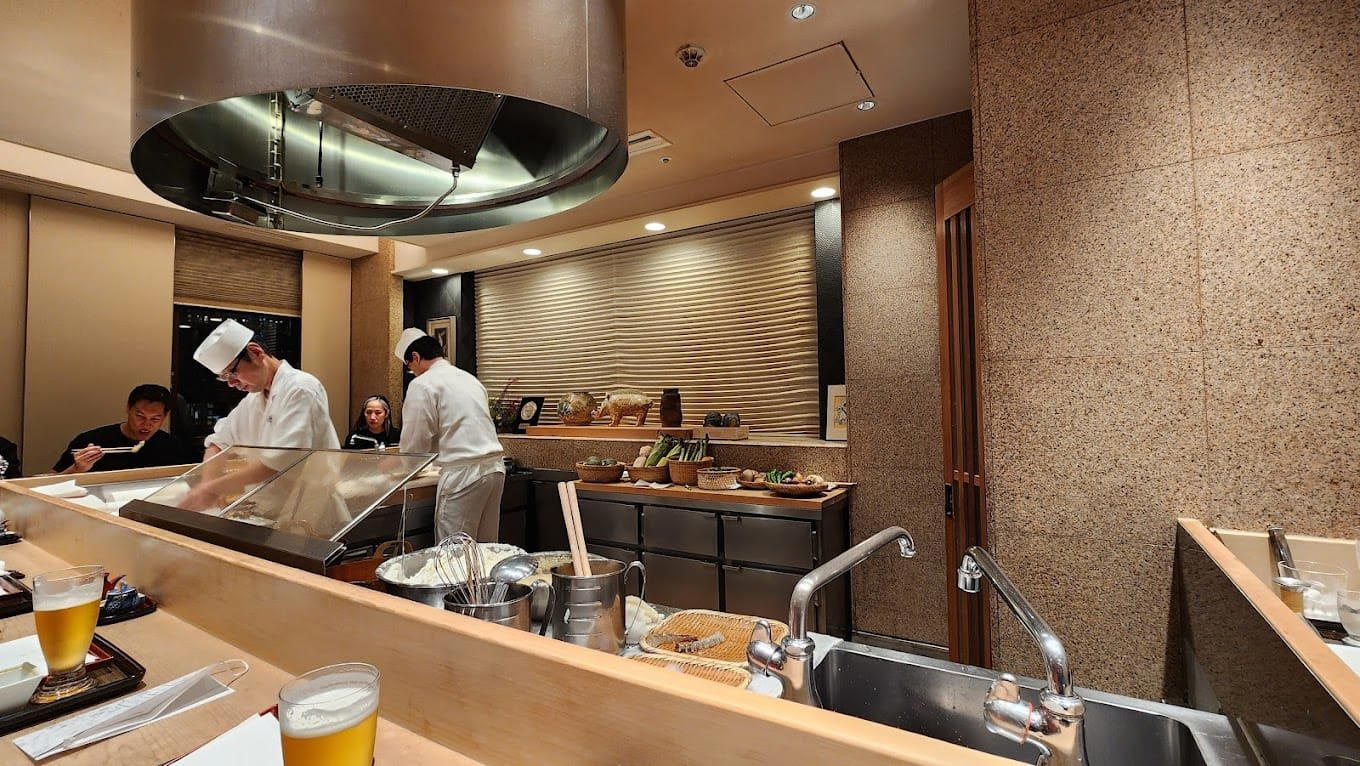
Tanimoto, on the third floor of a building in Kagurazaka's Kagurako Place, earns its 2024 Michelin star through technical discipline rather than spectacle. The kitchen's defining strength is charcoal grilling — a skill the chef applies with a rigour that separates this from the broader category of Japanese kaiseki-adjacent restaurants in Tokyo. If you are a food enthusiast who wants to understand what obsessive attention to fire and ingredient quality actually produces, Tanimoto is worth the difficulty of securing a table. If you want sushi, or a more theatrical tasting experience, look elsewhere.
The Kitchen and What It Does Well
Charcoal grilling at this level is a slow-building craft. The chef's background as a ryotei doorman — responsible for guests' footwear, the first and last impression of a traditional Japanese dining house, tells you something about the philosophy here. Every element of the meal is considered as part of a complete service arc, not just the food on the plate. The smell of live charcoal is the first signal that this is a working kitchen with a clear technical identity, not a showpiece. Ingredients arrive at the grill at precise stages, and the control of heat and timing distinguishes the cooking from the wider pool of Tokyo restaurants working in the same tradition.
The meal structure reinforces this approach. Rather than closing with a single rice course, Tanimoto offers a lineup of rice preparations, white rice, takikomi-gohan (rice cooked with dashi and seasonal ingredients), and chazuke (rice with tea poured over), served toward the end of the meal. The chef pours the tea himself. This is not a decorative flourish; it is a continuation of the service logic that runs through the entire experience. For diners familiar with high-end Japanese dining, this closing sequence will read as a studied expression of hospitality. For first-timers, it is a useful orientation: this is a restaurant that treats the end of a meal as seriously as the beginning.
That alignment between critical recognition (Michelin) and diner satisfaction is not automatic at ¥¥¥¥ in Tokyo, and it matters when you are deciding whether to commit a reservation slot.
Kagurazaka as a Neighbourhood
Kagurazaka is one of Tokyo's more considered dining neighbourhoods, with a concentration of serious Japanese restaurants and a quieter atmosphere than Ginza or Roppongi. It suits a meal at Tanimoto well. If you are building a Tokyo dining itinerary, the neighbourhood pairs naturally with other high-commitment restaurants. Kagurazaka Ishikawa, which holds multiple Michelin stars, is the neighbourhood's most prominent reference point, and comparing the two is useful: Ishikawa operates at a more formal kaiseki register, while Tanimoto's identity is more tightly anchored to the grill. Both are hard to book; Tanimoto's smaller profile may make it marginally more accessible, though neither is a walk-in proposition.
For broader context on what Tokyo's Japanese restaurant category offers at this tier, Myojaku, Azabu Kadowaki, Ginza Fukuju, and Jingumae Higuchi all operate in adjacent territory. Each has a distinct identity, and the right choice depends on what aspect of Japanese cooking you want to prioritise.
Who Should Book
Tanimoto works well for food-focused travellers who have some experience with high-end Japanese dining and want a meal centred on technique rather than novelty. The charcoal-grill focus gives the menu a coherent identity that rewards attention. The ryotei-influenced service style, attentive, precise, and oriented around the guest's physical comfort and ease, means it also functions well for special occasions where the atmosphere needs to carry as much weight as the food. It is not the right choice for groups who want a lively, sociable room, or for diners who prefer a la carte flexibility.
If this is your first encounter with Tokyo's serious Japanese dining category, it is worth pairing your visit with research into the broader scene. Our full Tokyo restaurants guide covers the range from accessible to high-commitment. For accommodation near Kagurazaka, our Tokyo hotels guide will help you position yourself well. And if you are extending the trip, HAJIME in Osaka, Gion Sasaki in Kyoto, Isshisoden Nakamura in Kyoto, Kashiwaya Osaka Senriyama, akordu in Nara, Goh in Fukuoka, 1000 in Yokohama, and 6 in Okinawa all represent strong regional alternatives across Japan at a comparable level of seriousness. For Tokyo's bar and wine scene, our Tokyo bars guide, wineries guide, and experiences guide are worth consulting.
Booking and Practical Notes
Booking difficulty is rated hard. The restaurant is on the third floor of Kagurako Place in Shinjuku City's Kagurazaka district (address: 3 Chome-1, Kagurazaka, Shinjuku City, Tokyo). No phone number or website is listed in current records, the most reliable route is through a hotel concierge with established relationships in Tokyo's fine dining circuit, or through a specialist reservation service. Plan well in advance, particularly for weekend slots or special occasion timing. Arrive knowing that no menu or pricing specifics are confirmed in publicly available records; budget at ¥¥¥¥ and expect a set meal format based on what is known about the kitchen's approach.
- Price tier: ¥¥¥¥
- Awards: Michelin 1 Star (2024)
- Booking difficulty: Hard, concierge assistance strongly advised
- Location: Kagurazaka, Shinjuku City, Tokyo (3F, Kagurako Place)
- Leading for: Food-focused travellers, special occasions, charcoal-grill enthusiasts
- Not ideal for: Walk-in dining, large groups, a la carte flexibility
FAQ
Is Tanimoto worth the price?
- At ¥¥¥¥, Tanimoto delivers Michelin one-star cooking with a clearly defined technical identity in charcoal grilling and a service standard rooted in traditional ryotei hospitality. That combination justifies the price for diners who value precision and atmosphere in equal measure. If you want the same price tier with a different focus, RyuGin offers kaiseki at ¥¥¥¥ with a more contemporary register.
Is the tasting menu worth it at Tanimoto?
- The set meal format here is the format, there is no a la carte option. The menu's structure, culminating in multiple rice courses and tea poured by the chef, is central to what makes this restaurant worth the commitment. If you are not prepared to give the full meal your attention, this is not the right booking.
What are alternatives to Tanimoto in Tokyo?
- For Japanese dining at ¥¥¥¥: Kagurazaka Ishikawa (kaiseki, same neighbourhood), Azabu Kadowaki, and Myojaku all operate at a comparable level with different style emphases. For sushi at the same tier, Harutaka is the reference point. If you want to step outside Japanese cuisine, L'Effervescence and Florilège are the strongest French options at comparable or slightly lower price points.
What should I wear to Tanimoto?
- No dress code is on record, but the ryotei-influenced atmosphere and ¥¥¥¥ pricing point clearly toward smart, conservative dress. For a Tokyo dining room at this level, treat it as equivalent to a formal Western tasting menu: no casual footwear, nothing loud. Given the ryotei connection and the chef's background in footwear stewardship at the door, it is worth noting that shoes matter in this context more than at most restaurants.
What should a first-timer know about Tanimoto?
- Booking through a hotel concierge is the most reliable approach, no website or phone number is publicly confirmed. The meal follows a set format anchored in charcoal-grilled courses and closes with multiple rice preparations plus tea poured by the chef. Arrive on time; Japanese fine dining at this level is structured around a shared start for all guests. If this is your first high-end Japanese dining experience in Tokyo, reading up on the broader category first will help you get more from the meal, our Tokyo restaurants guide is a useful starting point.
What should I order at Tanimoto?
- The menu is set, so ordering is not a factor. The kitchen's defining technique is charcoal grilling, those courses are the centrepiece. The closing rice sequence (white rice, takikomi-gohan, and chazuke) is a deliberate conclusion to the meal, not an afterthought. Let it run at its own pace rather than treating it as a formality before the bill.
Is Tanimoto good for a special occasion?
- Yes, with the right expectations. The ryotei-derived service ethos, the charcoal-grill focused cooking, and the Michelin recognition make it a strong choice for a celebratory dinner where atmosphere and culinary substance both need to land. It is better suited to two diners than a larger group, given the intimate, precise nature of the service. For a special occasion with a bigger party, a restaurant with a private room option may serve you better.
Planning details
- Location
- Japan, 〒162-0825 Tokyo, Shinjuku City, Kagurazaka, 3 Chome−1 軽子坂プレイス 3階
- Website
- tabelog.com/tokyo/A1309/A130905/13288233
- Phone
- +81 3-6380-5797
The take
The Take
The Vibe
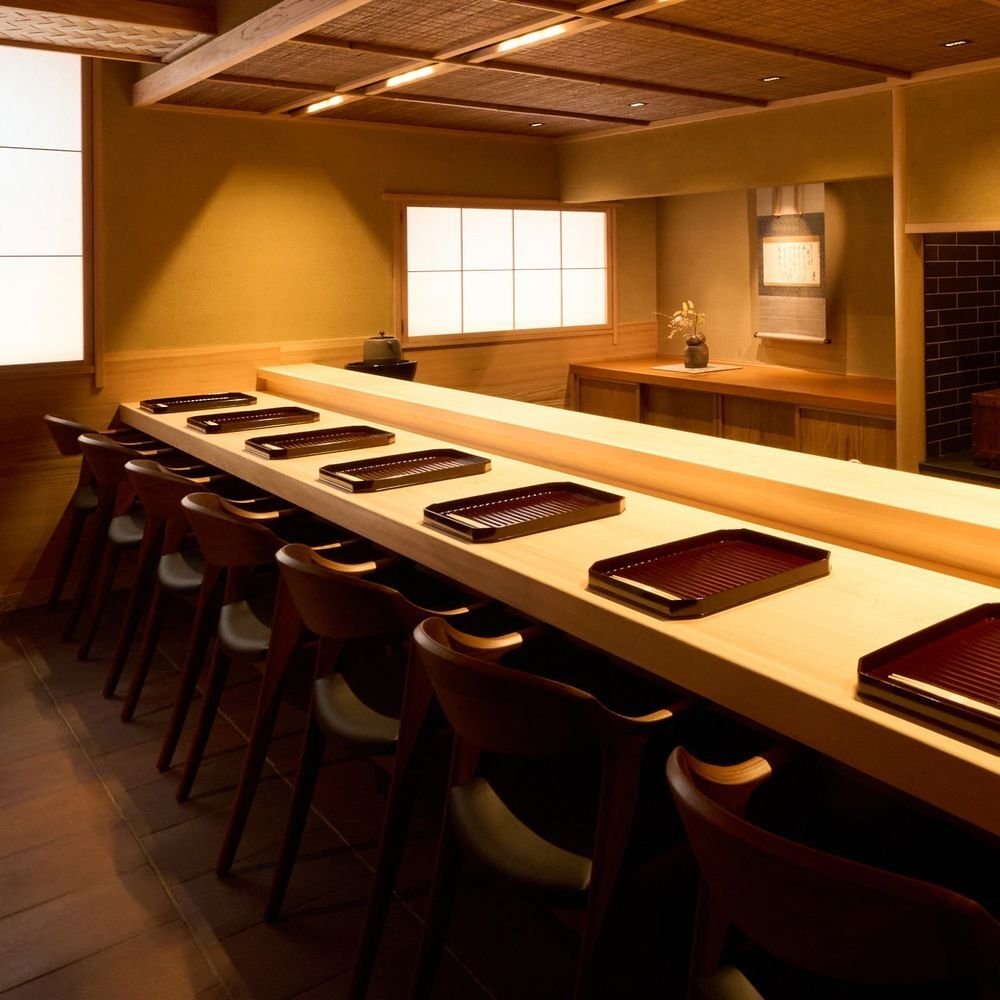
Tanimoto delivers a quietly refined kaiseki experience that privileges ritual and restraint over spectacle. The evening unfolds with careful pacing — from the intensity of charcoal-grilled courses to the measured, ceremonial rice sequence — and the third-floor, low-lit setting reinforces a discreet, traditional atmosphere. The kitchen’s focus on honest ingredients and the chef’s hands-on tea service emphasize craft and hospitality rather than flash. Overall, the room feels classical and composed: serene, low-key, and intent on revealing the subtleties of technique and seasonality to attentive diners.
Best For
Tanimoto suits diners who seek a formal, contemplative fine-dining evening in a discreet Tokyo neighbourhood. The kaiseki structure and deliberate pacing make it ideal for couples and small parties marking a special night, as well as professionals preferring a low-visibility business dinner. Guests who appreciate ritualized service, the progression from charcoal-grilled courses to a ceremonial rice finale, and traditional Japanese hospitality will find the restaurant a considered choice. Its Kagurazaka location attracts those who value an understated outing over a high-profile dining scene.
Ordering Tips
Plan to treat the multi-stage rice service as a central part of the meal rather than an afterthought: the sequence at Tanimoto moves from white rice to takikomi-gohan, then chazuke, and culminates with tea poured by the chef. The rice course functions as the meal’s thesis, so allow the pacing to unfold and leave appetite for these final dishes. Because the experience follows kaiseki tradition and a sequenced progression, expect the kitchen’s order to drive the tasting and savour the ceremonial transitions between courses.
Venue details
Ambiance
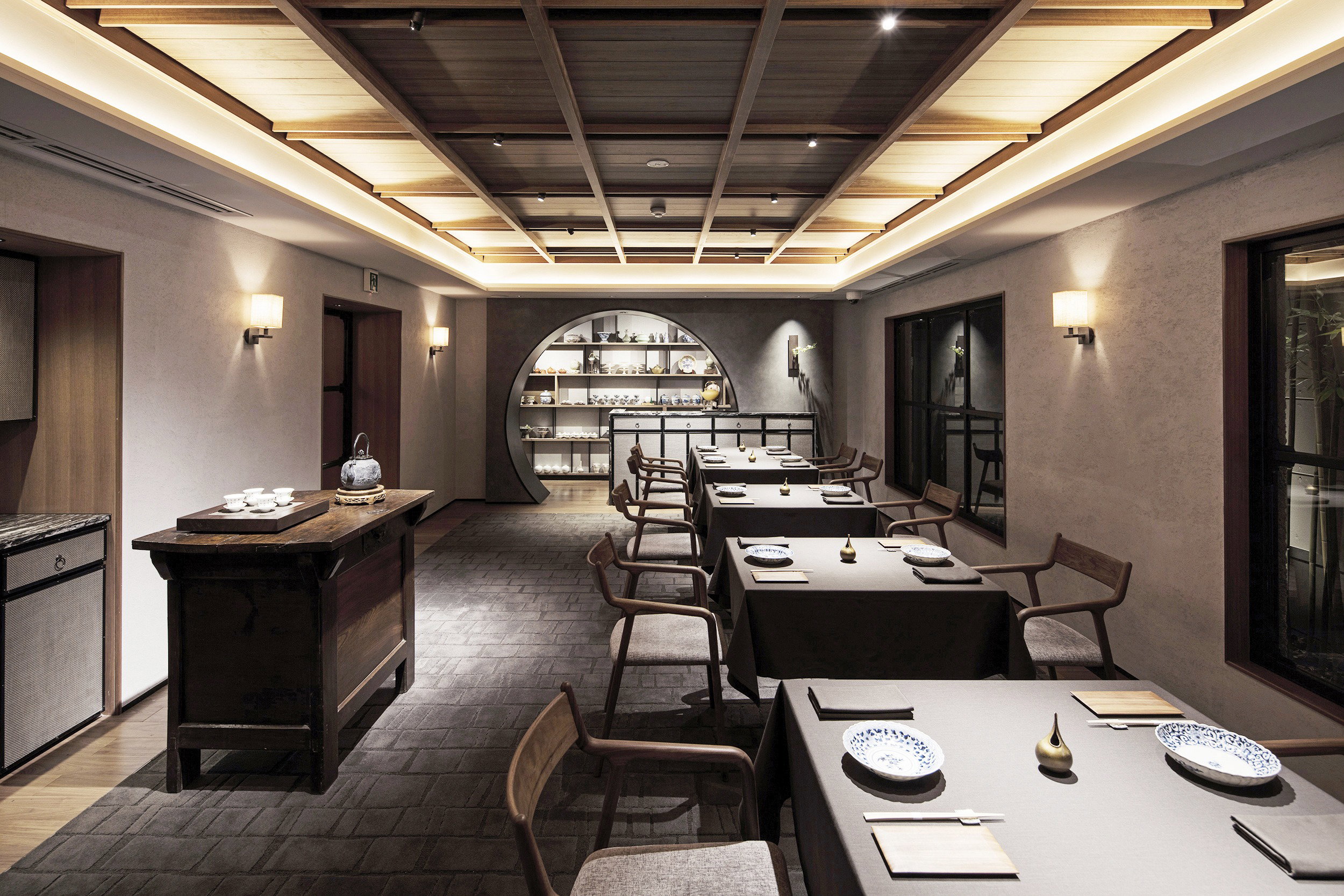
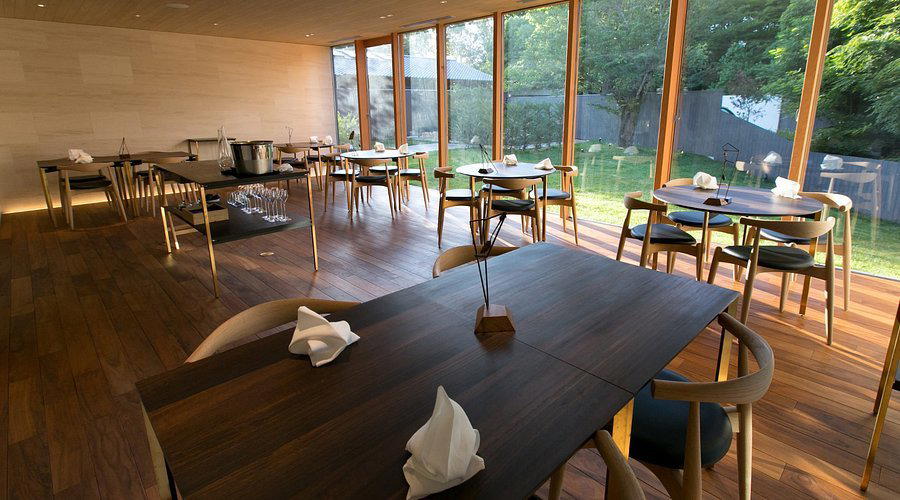
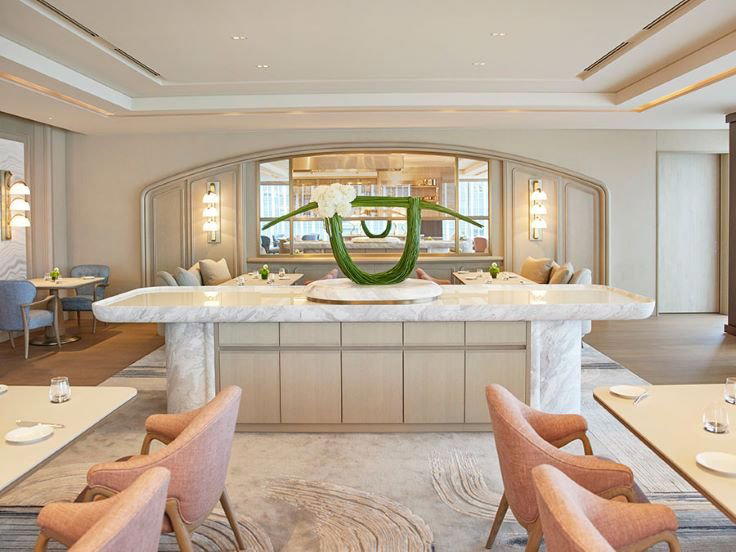
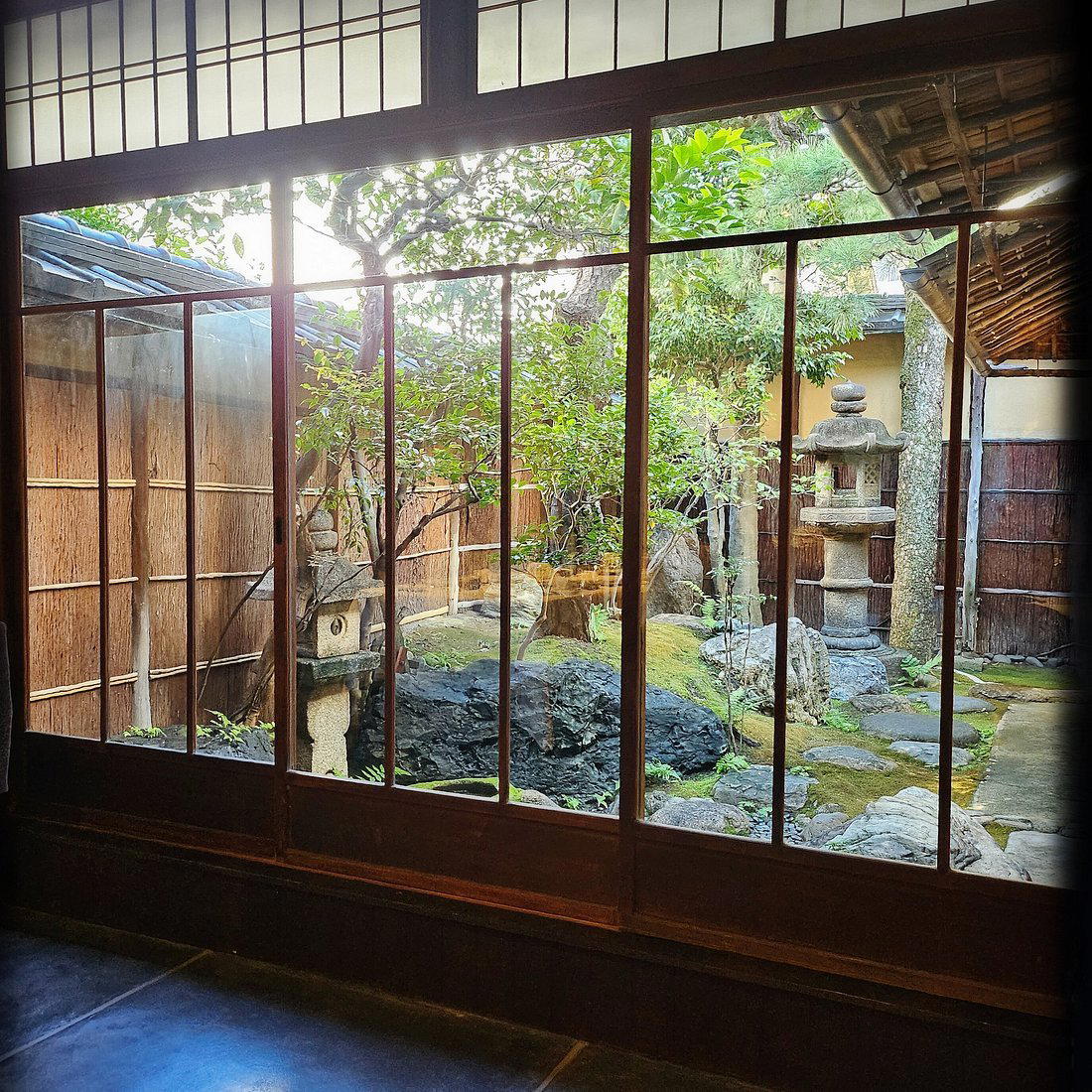
Refined tea arbour-like atmosphere with dignified, relaxing Japanese spirit and serene, subtle decor.
Tags
Vibe
Best For
Experience
At the Table
- Dress Code
- Smart Casual
- Noise Level
- Quiet
- Service Style
- Formal
- Meal Pacing
- Leisurely
- Capacity
- Intimate
Know before you go
Know Before You Go
- Getting there
- Japan, 〒162-0825 Tokyo, Shinjuku City, Kagurazaka, 3 Chome−1 軽子坂プレイス 3階
Planning details
Location
Japan, 〒162-0825 Tokyo, Shinjuku City, Kagurazaka, 3 Chome−1 軽子坂プレイス 3階 · Directions
Recognition and awards

Also consider
Also Consider
- Harutaka, Sushi, ¥¥¥¥
- RyuGin, Kaiseki, Japanese, ¥¥¥¥
- L'Effervescence, French, ¥¥¥¥
- HOMMAGE, Innovtive French, French, ¥¥¥¥
- Florilège, French, ¥¥¥
Restaurant context
At ¥¥¥¥, Tanimoto sits in the same price tier as RyuGin, Harutaka, and L'Effervescence, but the comparison that matters most is with RyuGin. Both are serious Japanese restaurants with strong Michelin track records in Tokyo. RyuGin operates at a more theatrical, contemporary kaiseki register with a larger international profile and correspondingly harder booking windows. Tanimoto's smaller footprint and tighter focus on charcoal grilling make it the better choice if you want a more intimate, craft-centred meal rather than a full kaiseki production. If the grill is what you are there for, Tanimoto wins the comparison clearly.
Harutaka is the relevant benchmark if you are deciding between Japanese formats at this price point. Harutaka is sushi; Tanimoto is grill-focused. These are different disciplines, and the choice comes down to what type of cooking you want to spend a ¥¥¥¥ evening on. Neither is easier to book than the other, so booking difficulty does not break the tie. For diners undecided between French and Japanese at this tier, L'Effervescence and HOMMAGE both deliver serious cooking at ¥¥¥¥, with L'Effervescence generally considered the stronger of the two for ingredient-led cuisine. Florilège at ¥¥¥ is worth considering if budget is a factor and you are open to French.
The clearest case for choosing Tanimoto over its peers: you want Michelin-recognised Japanese cooking in a quieter neighbourhood setting, with a service philosophy rooted in traditional hospitality and a menu built around one technique executed with discipline. If you want spectacle, contemporary kaiseki innovation, or a more globally recognised name, RyuGin or Harutaka will serve you better. Tanimoto rewards focus.
Explore Tokyo
Around this place
Discover more on Pearl
Unlock the full Tanimoto guide in Pearl, including awards, comparisons, FAQs, planning details, and nearby places.
Compare Tanimoto
| Venue | Cuisine | Price | Booking Difficulty | Awards |
|---|---|---|---|---|
| Tanimoto | Japanese | ¥¥¥¥ | Hard | 2026 OAD Top Restaurants in Japan Recommended2026 Michelin 1 StarTabelog 100 - Japanese cuisine - TOKYO - 2025 · #352024 Michelin 1 Star |
| Harutaka | Sushi | ¥¥¥¥ | Unknown | 2026 Tabelog Silver · #312026 OAD Top Restaurants in Japan Ranked · #1282026 Michelin 3 Stars2026 La Liste Top RestaurantsTabelog 100 - Sushi - TOKYO - 2025 · #372025 Asia's 50 Best Restaurants · #762025 OAD Top Restaurants in Japan Ranked · #1172025 La Liste Top Restaurants2025 Tabelog Bronze |
| RyuGin | Kaiseki, Japanese | ¥¥¥¥ | Unknown | 2026 OAD Top Restaurants in Japan Ranked · #802026 Tabelog Bronze · #3772026 Michelin 3 Stars2026 La Liste Top RestaurantsTabelog 100 - Japanese cuisine - TOKYO - 2025 · #212025 OAD Top Restaurants in Japan Ranked · #542025 Michelin 3 Stars2025 La Liste Top Restaurants2025 The Best Chef Three Knives |
| L'Effervescence | French | ¥¥¥¥ | Unknown | 2026 Tabelog Silver · #682026 OAD Top Restaurants in Japan Ranked · #103Star Wine Lists 20262026 Black Pearl 2 Diamond2026 Relais Chateaux Restaurants2026 La Liste Top Restaurants2026 Michelin 3 Stars2025 Asia's 50 Best Restaurants · #692025 OAD Top Restaurants in Japan Ranked · #92 |
| HOMMAGE | Innovtive French, French | ¥¥¥¥ | Unknown | 2026 Tabelog Bronze · #1232026 OAD Top Restaurants in Japan Highly Recommended2026 Michelin 2 StarsTabelog 100 - French - TOKYO - 2025 · #762025 Asia's 50 Best Restaurants · #782025 OAD Top Restaurants in Japan Ranked · #1752025 Michelin 2 Stars2025 The Best Chef One Knife2025 La Liste Top Restaurants |
| Florilège | French | ¥¥¥ | Unknown | 2026 Asia's 50 Best Restaurants · #312026 Tabelog Bronze · #712026 OAD Top Restaurants in Japan Ranked · #1242026 Black Pearl 1 Diamond2026 Michelin 2 Stars2026 La Liste Top Restaurants2025 Asia's 50 Best Restaurants · #172025 World's 50 Best Restaurants · #36Tabelog 100 - French - TOKYO - 2025 · #68 |











Side-by-side comparison to help you decide where to book.
FAQ
Frequently Asked Questions
Is Tanimoto worth the price?
At ¥¥¥¥ pricing, Tanimoto earns its place: the 2024 Michelin star is backed by a meal that builds carefully from charcoal-grilled courses to a closing sequence of rice dishes finished with tea poured by the chef. If you want precision technique and attentive service in a composed setting, the price holds up. If you are looking for creative or contemporary Japanese cooking, there are better fits in Tokyo.
Is the tasting menu worth it at Tanimoto?
Yes, for the format it offers. The meal is structured around charcoal grilling, with the kitchen applying strict attention to each ingredient, and closes with multiple rice preparations including takikomi-gohan and chazuke. That ending alone signals the chef's priorities: depth over spectacle. Diners who want a high-energy or visually theatrical progression will likely prefer somewhere like RyuGin instead.
What are alternatives to Tanimoto in Tokyo?
For charcoal-focused Japanese cuisine at a comparable level, Harutaka is the closest peer. RyuGin operates at a higher price point with a more dramatic presentation style. If you want French-influenced kaiseki rather than traditional Japanese, Florilège or L'Effervescence are strong alternatives in Tokyo. HOMMAGE sits closer to classical French technique. Tanimoto is the better choice if the tea-arbour atmosphere and ryotei-derived service style matter to you.
What should I wear to Tanimoto?
The venue is described as having the refinement of a dignified tea arbour, which signals a formal or near-formal dress code. Conservative, well-considered clothing is appropriate: business attire or an equivalent standard. Casual clothing is likely out of place given the setting and price tier.
What should a first-timer know about Tanimoto?
Booking is rated hard, so plan well in advance and use a concierge or specialist booking service if you cannot read Japanese. The restaurant is on the third floor of Kagurako Place in Kagurazaka, Shinjuku City, so allow extra time to locate it. The meal follows a set progression ending with rice dishes and tea served by the chef himself — this is a deliberate structure, not a shortcoming, and is central to what makes the experience distinctive.
What should I order at Tanimoto?
Tanimoto runs a set menu, so ordering is not a choice in the conventional sense. The kitchen's focus is charcoal grilling, and the meal concludes with a lineup of rice dishes including white rice, takikomi-gohan, and chazuke. The rice course is one of the meal's defining moments and worth paying attention to rather than treating as an afterthought.
Is Tanimoto good for a special occasion?
Yes, particularly for two people who appreciate technique-led Japanese dining. The tea-arbour setting is composed and intimate, and the chef's personal involvement in serving tea at the close of the meal gives the experience a sense of occasion that works well for anniversaries or milestone dinners. It is less suited to large groups or celebratory meals where atmosphere and noise are part of the appeal.