


Guchokuni
Japanese · Shinjuku, Tokyo
Restaurant in Tokyo, Japan
 Book with Pearl
The Read
Honest-Kitchen Kaiseki
Price
¥¥¥¥
Chef
Masato Otsuka
Dress
Smart Casual
Why go
Guchokuni is a 12-seat Japanese cuisine counter in Kagurazaka holding Tabelog Bronze Awards for both 2025 and 2026, and selected for the Tabelog TOKYO Top 100 in 2023 and 2025. Budget JPY 40,000–50,000 per person with drinks. Saturday lunch is the optimal booking. Easier to reserve than most rooms at this level, but still book several weeks ahead.
About Guchokuni
Guchokuni vs. the Kagurazaka kaiseki field: the honest verdict
If you are choosing between Guchokuni and the neighbourhood's better-known Michelin-flagged rooms, book Guchokuni first. It holds a Tabelog Bronze Award for both 2025 and 2026, carries a score of 3.88 on Japan's most demanding restaurant review platform, and has been selected for the Tabelog Japanese Cuisine TOKYO Top 100 in both 2023 and 2025. It ranked #363 among all restaurants in Japan in 2024 and #450 in 2025 — a level of sustained peer recognition that tells you this is not a one-season story. Kagurazaka already has Kagurazaka Ishikawa for those who want maximum ceremony. Guchokuni, run by chef Masato Otsuka, is the room for those who want technical rigour in a quieter register.
The room and the setting
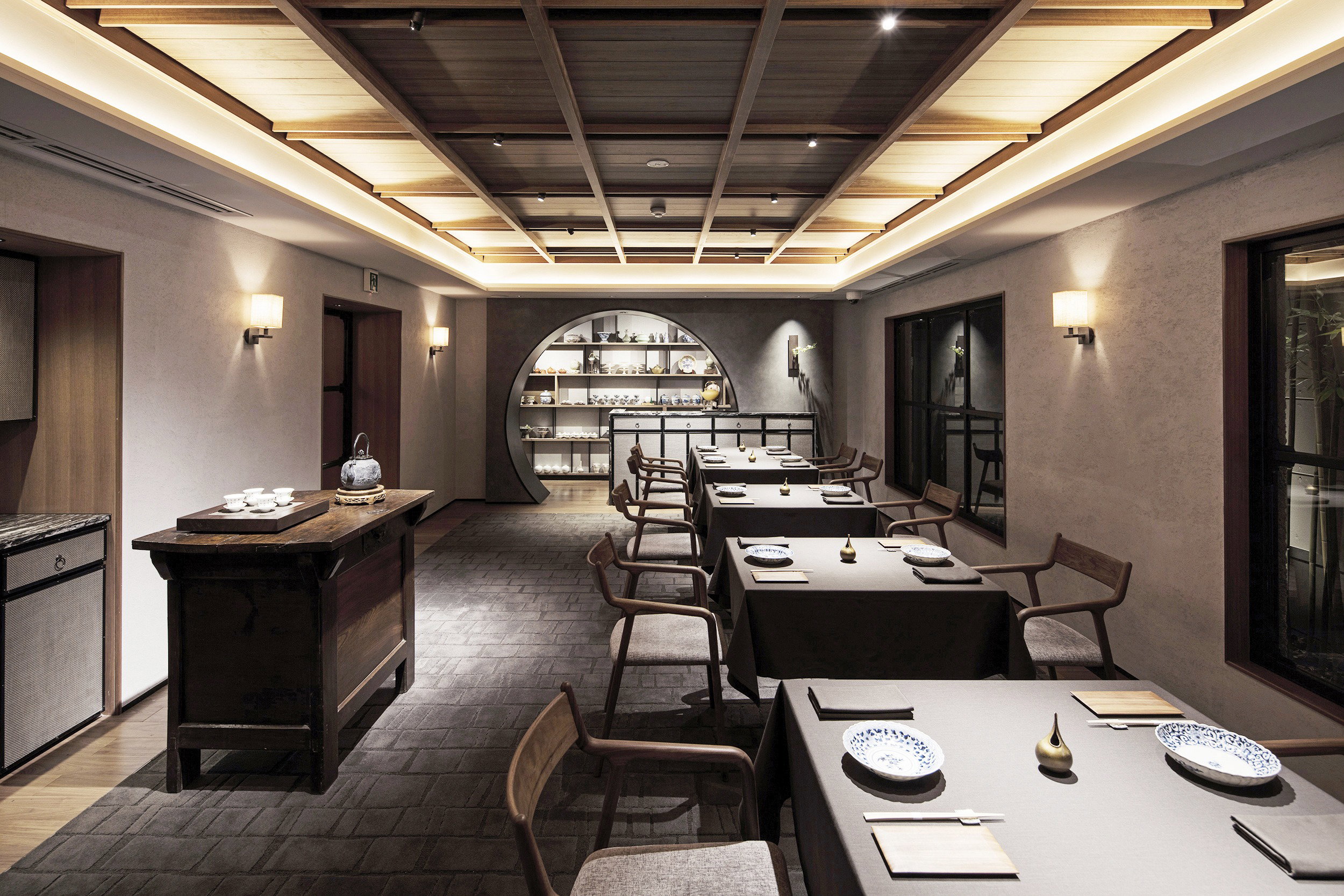
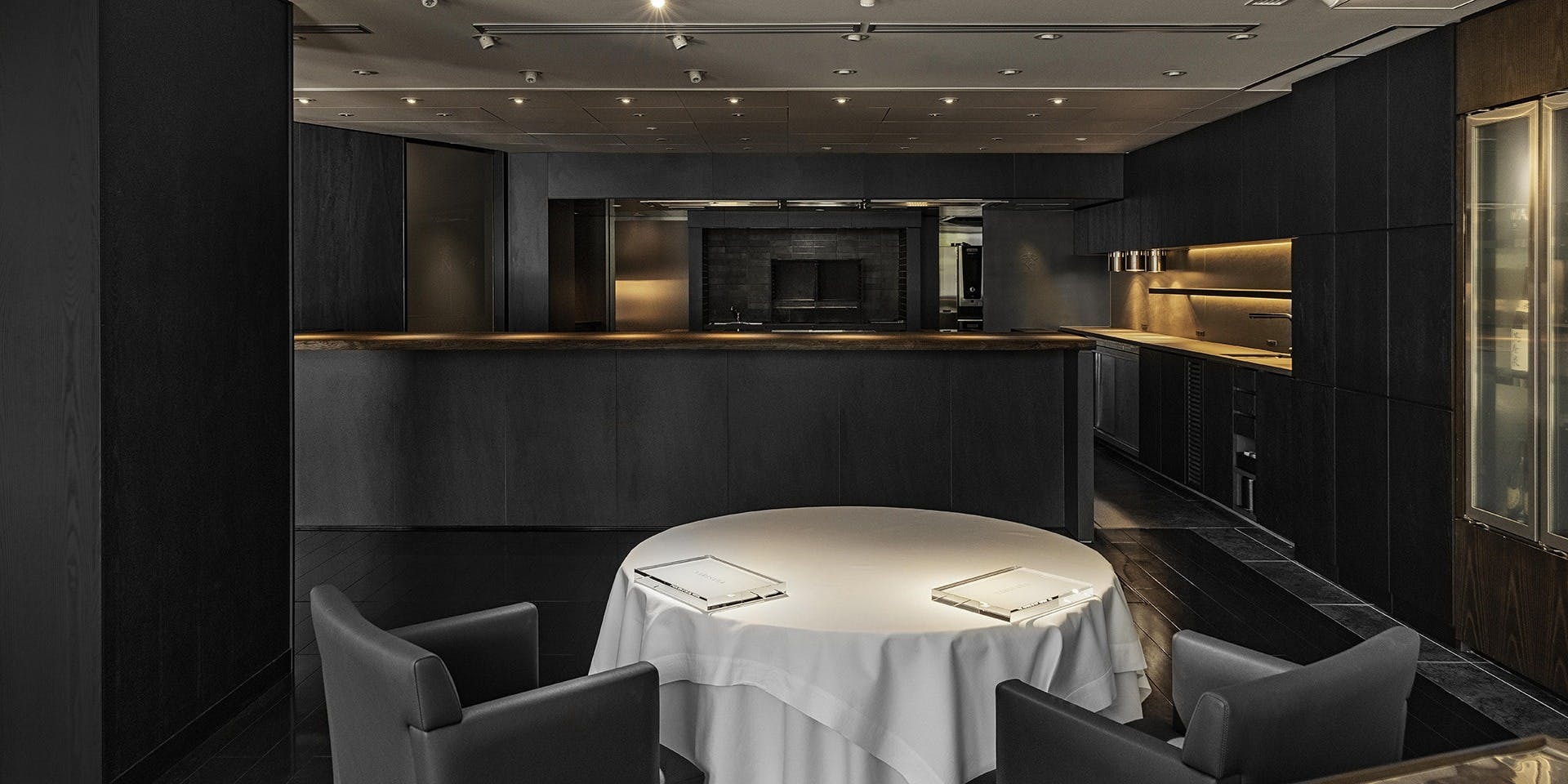
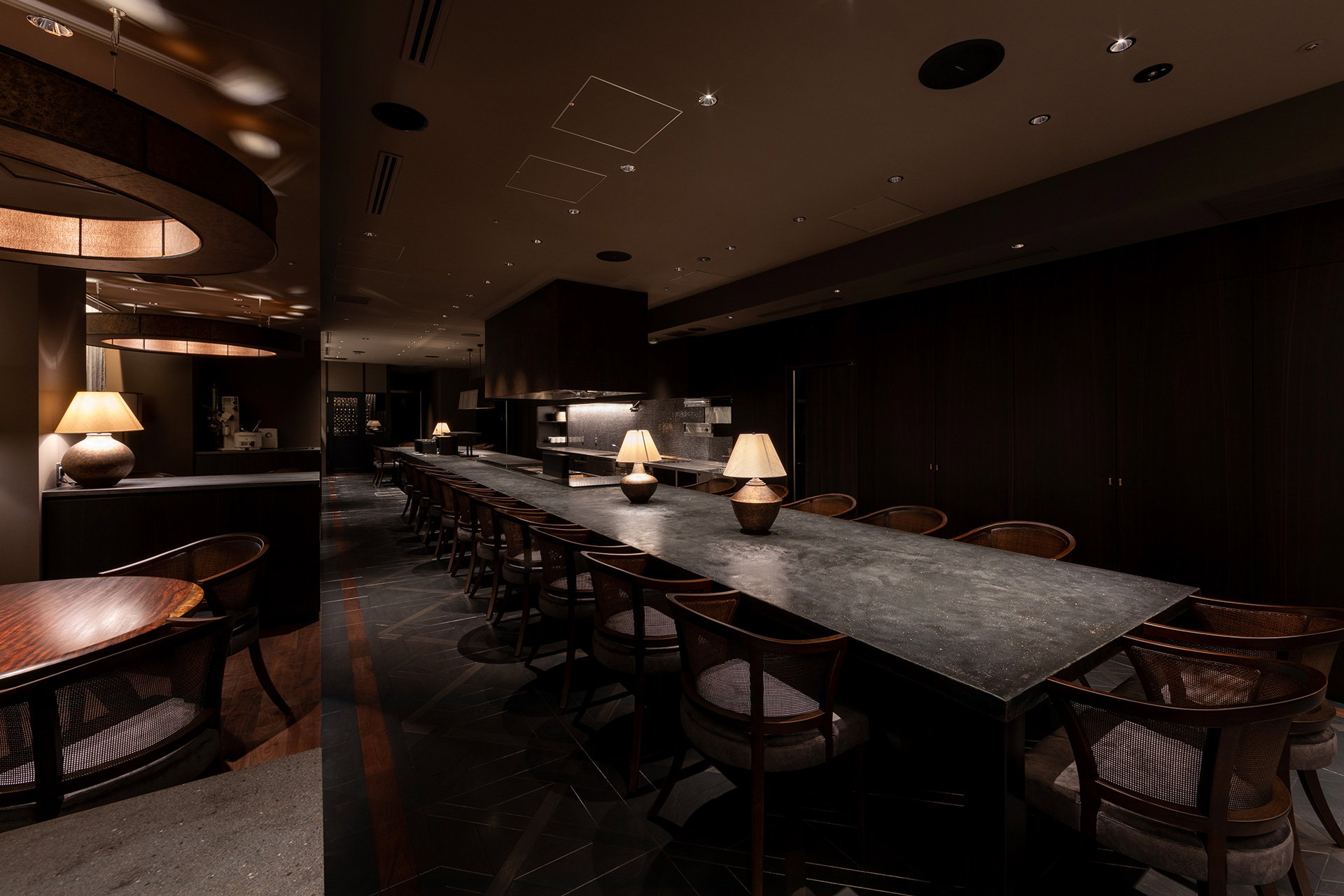
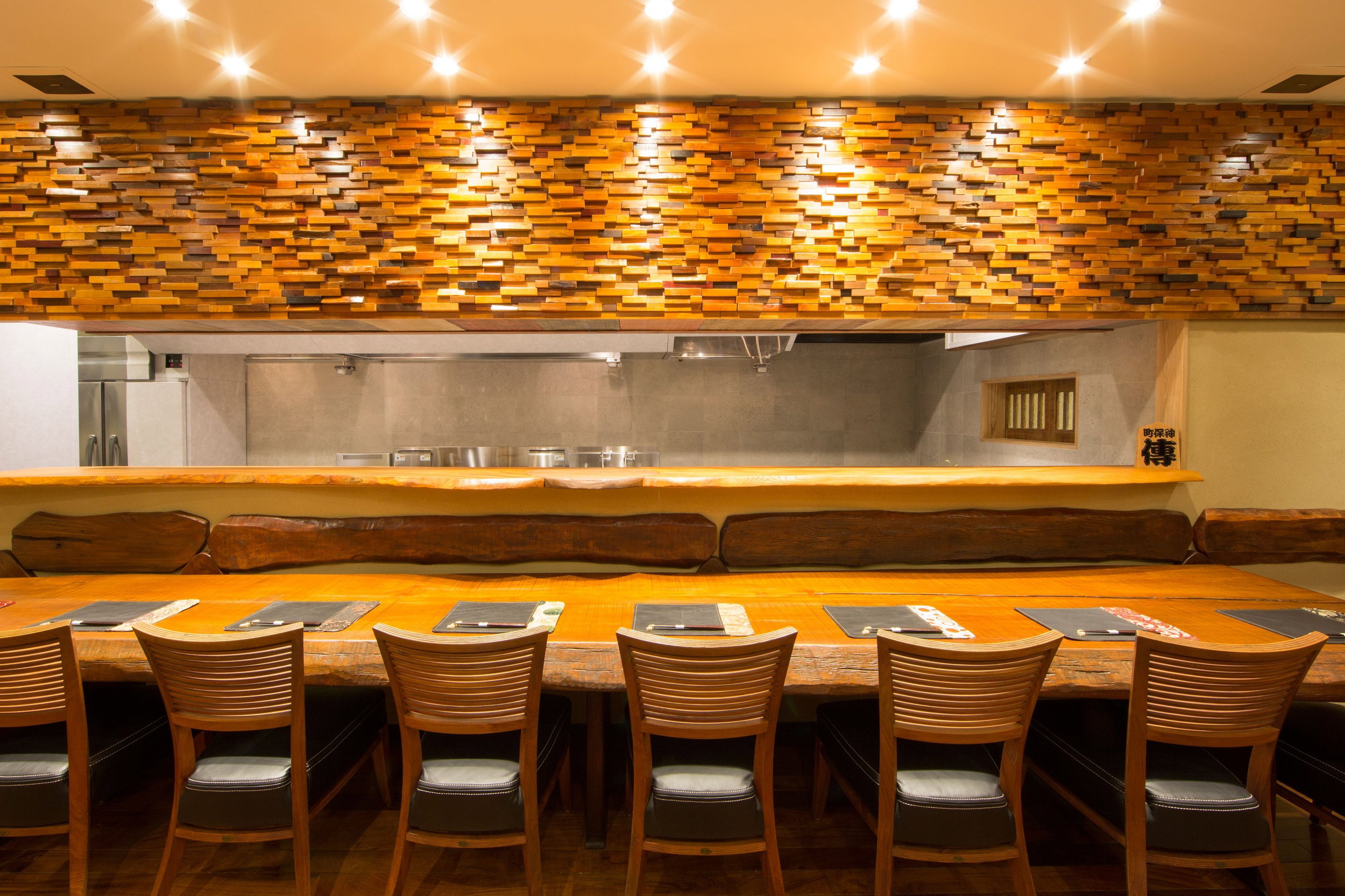
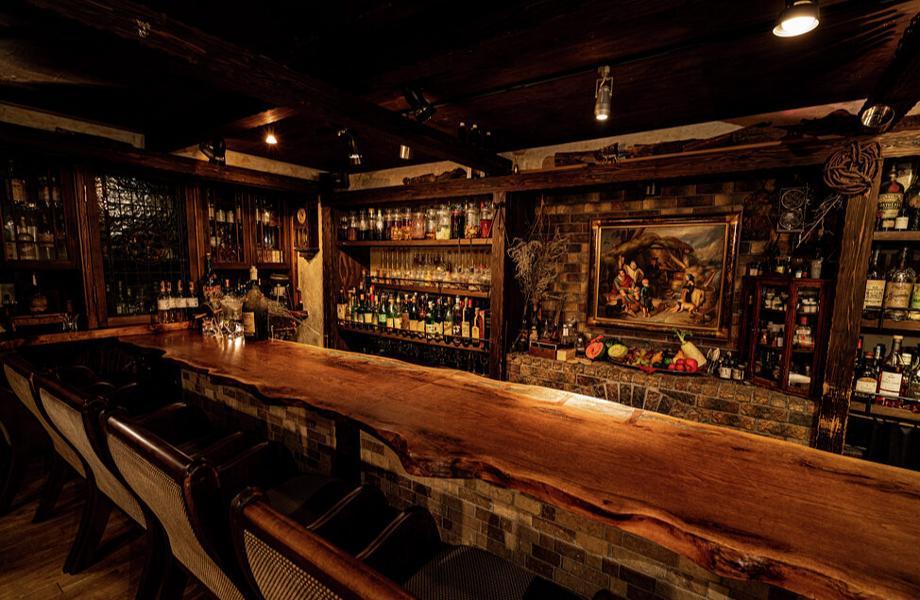
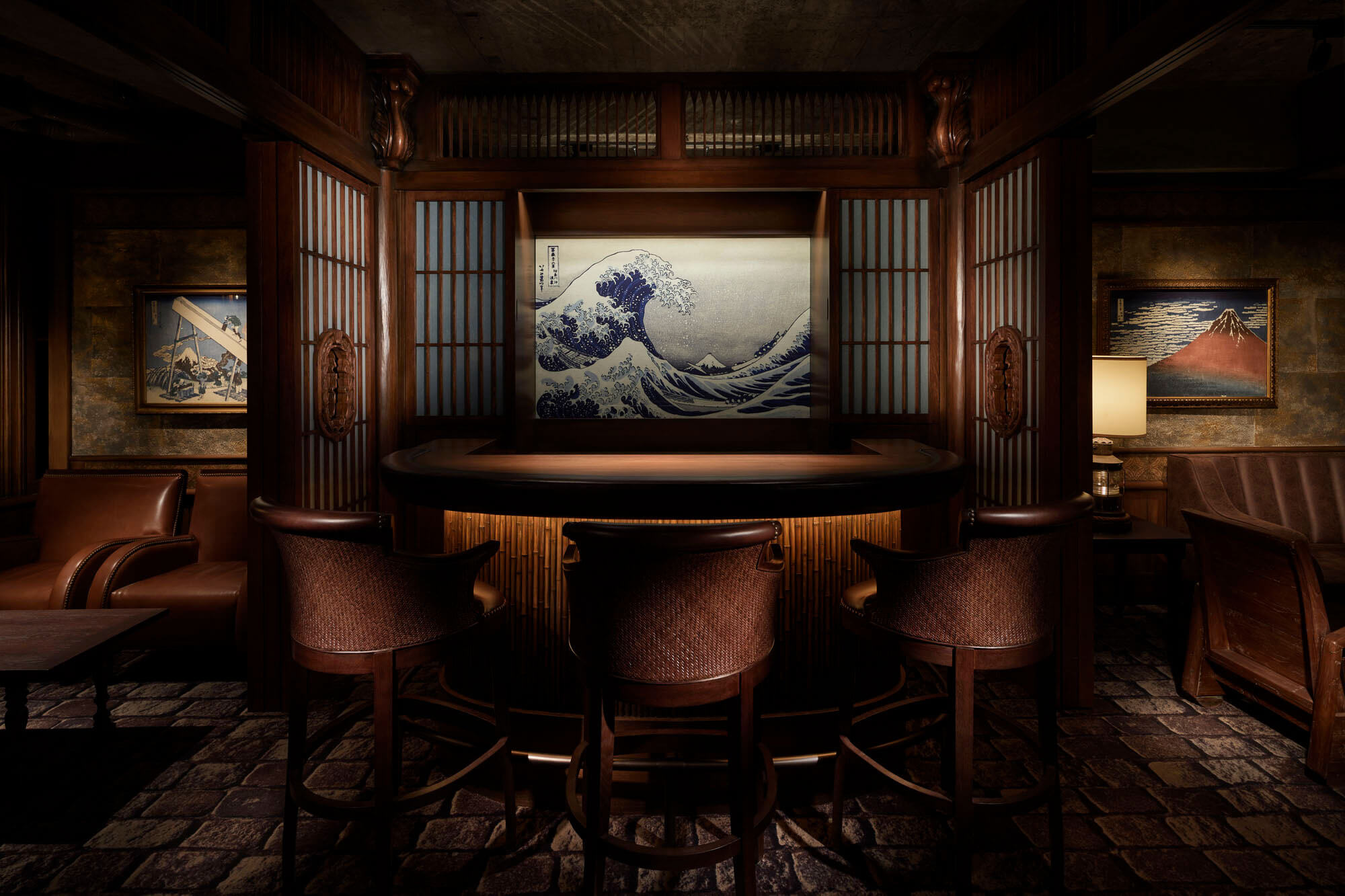
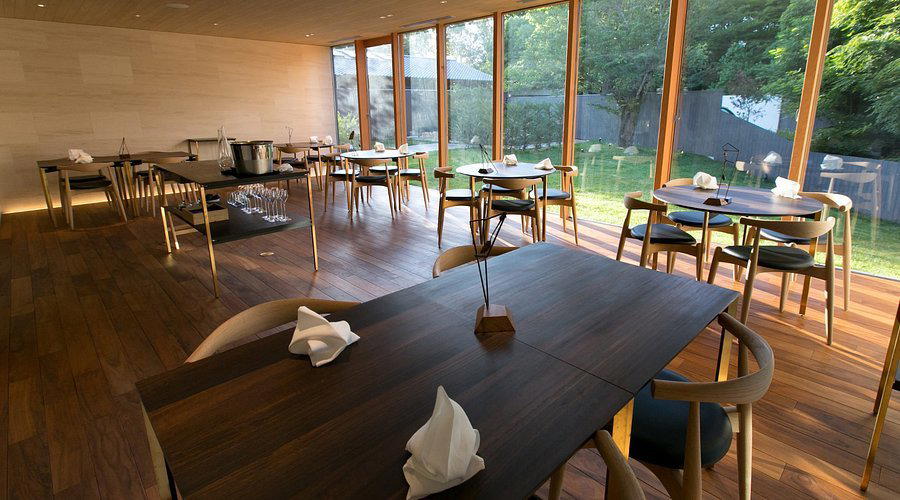
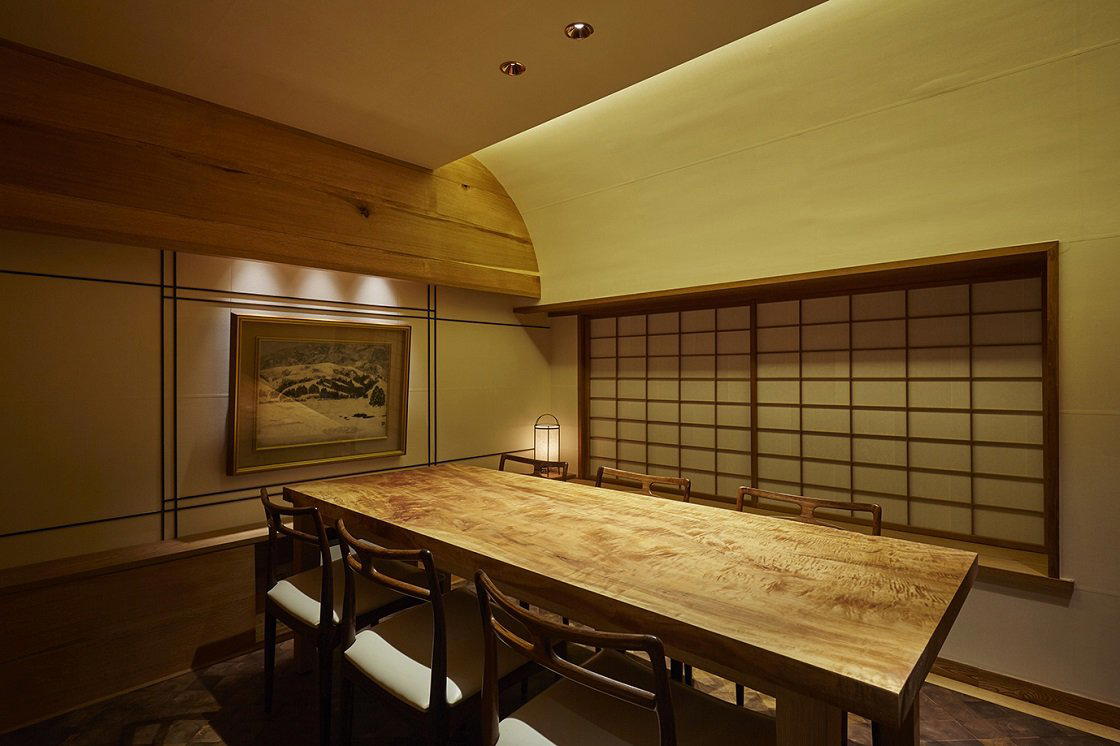
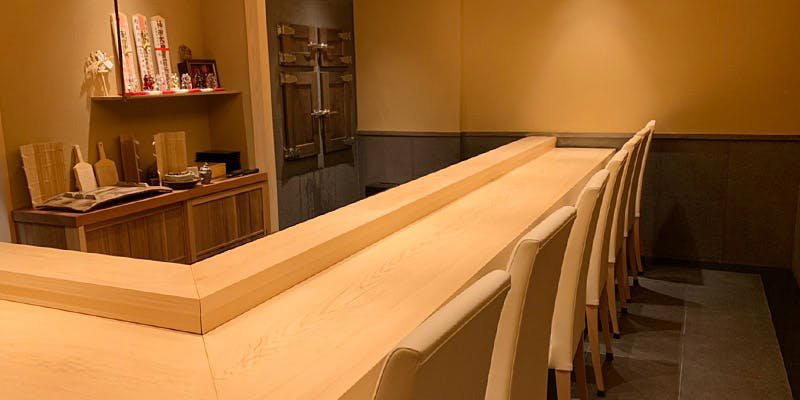
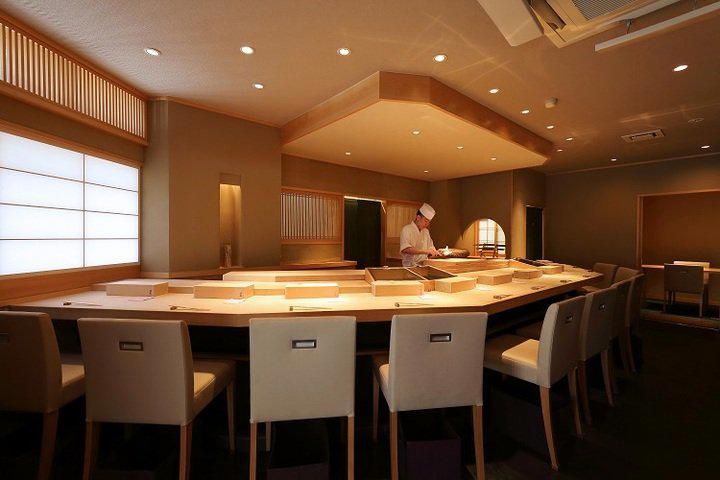
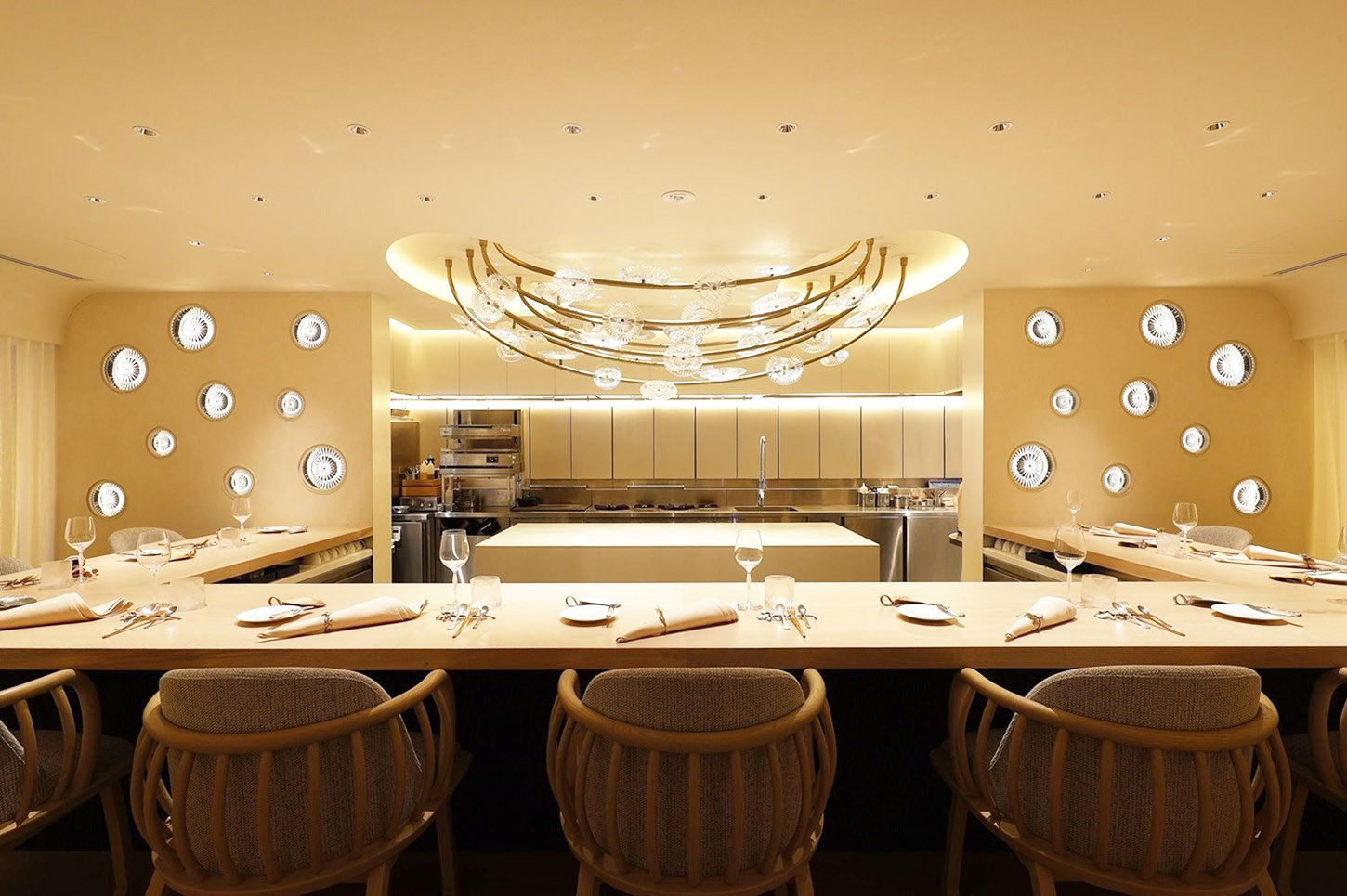
Guchokuni sits on the fourth floor of a building on Kagurazaka's main drag in Shinjuku Ward, reached via a narrow staircase that filters out the casual walk-in. The dining room holds just 12 seats: 8 at a counter facing the kitchen and 4 at a semi-private table configuration. The counter is where you want to be. It puts you in direct sightline of the preparation, which matters here because the visual composition of each course is part of what makes the tasting menu worth the price. The space is described officially as a "relaxing space" and the location tag on Tabelog is "Hideout" — which is accurate in the most useful sense: this is a room that rewards the guest who has sought it out. It opened on 29 September 2020, making it a relatively young venue by Tokyo kaiseki standards, which also means the booking system has not yet calcified into the multi-month waits that plague older, more famous rooms nearby.
The tasting menu: how the progression works
The name Guchokuni translates roughly as "in simple honesty", a phrase the chef draws from both of his mentors as a guiding principle. That framing is the leading guide to what to expect from the menu's architecture. This is not a menu built around theatrical reveals or luxury ingredient stacking. The progression rewards attention: soup courses are a particular marker, with crab dumplings constructed with substantial crab content and fried preparations coated in rice crackers that carry fragrance into the dashi. Pureed seasonal vegetable soups are kept clean in flavour rather than enriched. The overall arc is one of accumulating precision, each course refines the diner's palate rather than resets it. For guests who find some kaiseki menus exhausting in their elaborateness, the pacing here is considered rather than relentless.
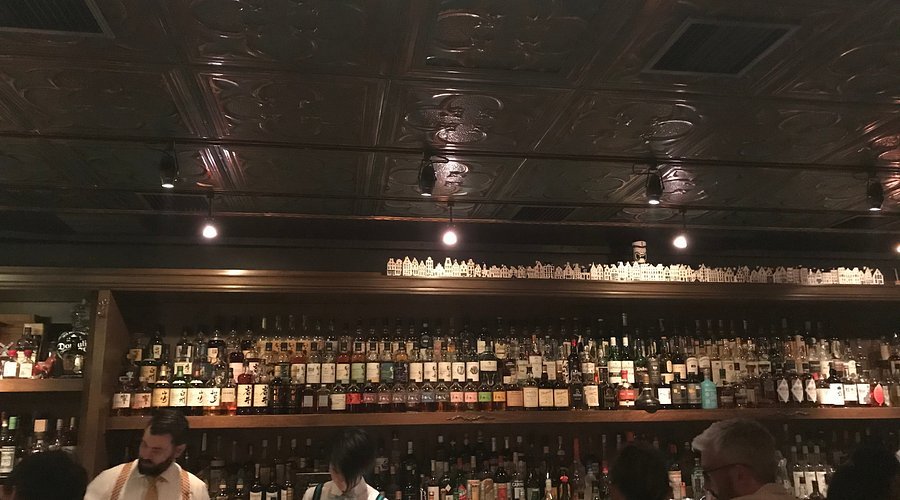
The listed dinner budget is JPY 30,000–39,999 per person before the 10% service charge. Review-based spending data puts the average closer to JPY 40,000–49,999 per person when drinks are included, and drinks matter at Guchokuni. The bar programme emphasises sake (nihonshu) with notable depth, alongside shochu and wine. BYO is also permitted, which is a genuine advantage if you want to bring something specific. Budget realistically for JPY 45,000–55,000 all-in per person with sake pairing. Saturday lunch service is available (from 12:00), which runs at the same price tier and is worth considering if you prefer to eat kaiseki without the late-night finish, the room runs until midnight Tuesday through Saturday.
Getting there and booking logistics
Practical access is easy. From Iidabashi Station (Tokyo Metro Yurakucho, Namboku, and Tozai lines), it is a 4-minute walk via Exit B3. From Ushigome-Kagurazaka Station on the Toei Oedo Line, Exit A3 puts you 4 minutes away on foot. There is no parking on site, but paid lots are available nearby. Reservations are accepted by phone (050-3138-5225) and via a dedicated reservation website. The room is non-smoking throughout. Credit cards are accepted (Visa, Mastercard, JCB, Amex, Diners) but electronic money and QR code payments are not. Children aged 12 and over are welcome and can eat the full menu. Note the closure schedule: Sundays and Mondays are always closed, as are public holidays and certain periods in early May, mid-August, and over the year-end and New Year window, plan accordingly if you are visiting during those windows. For context on the wider Japanese dining circuit, our full Tokyo restaurants guide covers the broader field, and comparable kaiseki experiences worth benchmarking include Myojaku, Azabu Kadowaki, Ginza Fukuju, and Jingumae Higuchi.
When to go
Saturday lunch is the call if you want the full experience without a late evening. The kitchen opens at 12:00 on Saturdays only, giving you kaiseki in natural light at a pace that does not require clearing your evening. Tuesday through Friday evenings from 17:00 are the alternative, with the room running until midnight, later than most comparable venues. Avoid the early May, mid-August, and year-end closures unless you have confirmed availability. Booking difficulty is rated easy relative to Tokyo's hardest-to-access rooms, so a few weeks' lead time should be sufficient rather than the months-out planning required at venues like Gion Sasaki in Kyoto or HAJIME in Osaka.
The wider Japan context
Guchokuni sits comfortably in the tier of serious Japanese cuisine rooms that are known to engaged diners without requiring the advance planning of the country's most publicised names. If you are building a Japan itinerary that also includes Isshisoden Nakamura in Kyoto, Kashiwaya Osaka Senriyama, akordu in Nara, or Goh in Fukuoka, Guchokuni fits the same profile: technically credentialled, personally run, and accessible without a year of advance planning. For those exploring further, 1000 in Yokohama and 6 in Okinawa represent the reach of serious Japanese dining beyond the capital's centre. You can also explore hotels, bars, wineries, and experiences across Tokyo through our full city guides.
FAQs about Guchokuni
Can I eat at the bar at Guchokuni?
Yes. The counter is 8 of the 12 seats and is the recommended position for anyone interested in watching the kitchen work. The remaining 4 seats are at a semi-private table arrangement. Counter seats are available when you book, request them specifically if the format matters to you.
What should I wear to Guchokuni?
No formal dress code is listed, but the price point (JPY 30,000–49,000 per person), the Tabelog Bronze Award credentials, and the intimate 12-seat counter all point toward smart casual at minimum. This is not a room where you want to underdress relative to other guests. Think business casual or above.
Can Guchokuni accommodate groups?
The room seats 12 in total: 8 at the counter and 4 at a semi-private table. Private room hire is not available. For a group of 4, request the table seating, it is the closest to a semi-private configuration the space offers. Larger groups are not suited to this venue. For group dining at this price tier in Tokyo, consider rooms with dedicated private rooms instead.
Is the tasting menu worth it at Guchokuni?
At JPY 40,000–49,000 per person all-in (review-based average, including drinks), Guchokuni delivers Tabelog Top 100 Japanese cuisine and two consecutive Bronze Awards. The technical precision in the soup and fried courses in particular justifies the price if you are a guest who attends to the progression of a meal rather than individual hero dishes. If you want kaiseki where every course is a set-piece showcase, Kagurazaka Ishikawa or Azabu Kadowaki may suit you better. Guchokuni rewards the patient diner.
Is Guchokuni worth the price?
Yes, for the right diner. The listed price is JPY 30,000–39,999 per person; real-world spend with sake runs closer to JPY 45,000–50,000. At that level, you are in the same price band as much more famous Tokyo rooms, but with easier booking and a more personal atmosphere. The two consecutive Tabelog Bronze Awards and back-to-back Top 100 selections confirm this is not a room coasting on reputation, it is being re-evaluated and reconfirmed annually.
Is lunch or dinner better at Guchokuni?
Saturday lunch (from 12:00) is worth prioritising if your schedule allows. You get the same kitchen and the same menu at the same price tier, but in daytime light and at a pace that does not run past midnight. Tuesday through Friday evenings from 17:00 are the alternative, running until midnight, better if you want the full evening format. Sunday and Monday are always closed.
Does Guchokuni handle dietary restrictions?
No specific dietary accommodation information is listed in the venue data. Given this is a 12-seat tasting menu counter, restrictions are leading communicated at the time of booking via phone (050-3138-5225) or through the reservation website. Do not assume accommodation is possible without confirming directly, the menu architecture here is integrated rather than modular.
Planning details
- Hours
- Monday: Closed · Tuesday: 5 pm–12 am
- Location
- NEO Kagurazaka 3F, 6-21 Kagurazaka, Shinjuku City, Tokyo 162-0825, Japan
- Website
- kagurazaka-guchokuni.jp
- Phone
- +81 50-3138-5225
The take
The Take
The Vibe
Guchokuni sits discreetly on the fourth floor of an unmarked Kagurazaka building and cultivates a quietly refined presence. The twelve-seat counter—eight at the bar and four in a semi-private room—creates an intimate, low-key setting that deliberately operates below Tokyo’s headline dining noise. The kitchen’s focus on a measured kaiseki-adjacent rhythm, with particular attention paid to the soup course, reinforces a classic, understated elegance. A curated sake programme receives as much consideration as the food, and steady recognition on Tabelog underlines the restaurant’s composed, highly considered approach to seasonal Japanese cuisine.
Best For
This is a destination for intimate evenings and special celebrations that value focused, seasonal Japanese cooking. The counter and small semi-private room work equally well for a two-person date night or a solo guest who wants the bar experience; the format also suits a small celebration of careful cuisine. Service runs mainly in the evening and centers on omakase or semi-fixed menus, so the restaurant best serves diners who are looking for a deliberate, multi-course dinner rather than casual daytime meals.
Ordering Tips
Guchokuni follows the small-counter Tokyo model—omakase or semi-fixed menus served primarily in the evening—so expect a curated, multi-course progression rather than à la carte ordering. The kitchen emphasizes its soup course as a house philosophy, and the sake programme is treated with curatorial attention alongside the food. Signature and seasonal items to watch for include matsutake, buri shabu-shabu and crab preparations such as crab dumplings and crab with rice in an earthenware pot, which illustrate the kitchen’s focus on ingredient-driven refinement.
Venue details
Ambiance
Intimate counter dining with 12 seats total (8 at counter, 4 in semi-private room) in a refined, minimalist setting that focuses attention on the culinary experience.
Tags
Vibe
Best For
Experience
Sourcing
Accessibility
At the Table
- Dress Code
- Smart Casual
- Noise Level
- Quiet
- Service Style
- Formal
- Meal Pacing
- Extended Experience
- Capacity
- Intimate
Signature Dishes
- crab dumplings
- chargrilled unagi
- matsutake
- buri shabu-shabu
- crab with rice in earthenware pot
Know before you go
Know Before You Go
- Getting there
- NEO Kagurazaka 3F, 6-21 Kagurazaka, Shinjuku City, Tokyo 162-0825, Japan
Planning details
Hours
- Monday
- Closed
- Tuesday
- 5 pm–12 am
- Wednesday
- 5 pm–12 am
- Thursday
- 5 pm–12 am
- Friday
- 5 pm–12 am
- Saturday
- 5 pm–12 am
- Sunday
- Closed
Location
NEO Kagurazaka 3F, 6-21 Kagurazaka, Shinjuku City, Tokyo 162-0825, Japan · Directions
Recognition and awards

Also consider
Also Consider
- Harutaka, Sushi, ¥¥¥¥
- L'Effervescence, French, ¥¥¥¥
- RyuGin, Kaiseki, Japanese, ¥¥¥¥
- HOMMAGE, Innovtive French, French, ¥¥¥¥
- Crony, Innovative, French, ¥¥¥¥
Restaurant context
Within Tokyo's ¥¥¥¥ Japanese cuisine tier, Guchokuni is most directly comparable to RyuGin in terms of pedigree and price band. RyuGin carries deeper international name recognition and three Michelin stars, which means longer booking lead times and a more ceremonial room. Guchokuni is easier to access, more personal in scale, and makes a stronger case for the guest who wants proximity to the kitchen rather than choreographed front-of-house presentation. If you can only book one kaiseki-style room on a short Tokyo visit, Guchokuni's booking accessibility is a real advantage over RyuGin's competition for reservations.
Harutaka occupies a different category, sushi omakase rather than Japanese cuisine kaiseki, but at a comparable price point. Choose Harutaka if the tasting format you want is fish-centred and counter-intimate. Choose Guchokuni if you want the full seasonal soup-to-dessert architecture of Japanese cuisine. For guests drawn to French technique applied to a Tokyo context, L'Effervescence, HOMMAGE, and Crony are the peer comparisons, all at ¥¥¥¥, but none of them gives you what Guchokuni offers: Japanese cuisine in its own register, without French influence, in an intimate 12-seat format.
On value specifically: Guchokuni's real-world spend of JPY 40,000–50,000 per person with sake sits mid-range for Tokyo's top-tier Japanese cuisine rooms. You are not paying a premium for brand recognition here, the price is justified by two consecutive Tabelog Bronze Awards and two Top 100 selections. For diners who find the most decorated Tokyo rooms either overbooked or over-staged, Guchokuni is the practical answer: credentialled, accessible, and personally run.
Explore Tokyo
Around this place
Discover more on Pearl
Unlock the full Guchokuni guide in Pearl, including awards, comparisons, FAQs, planning details, and nearby places.
FAQ
Frequently Asked Questions
Can I eat at the bar at Guchokuni?
Yes — 8 of the 12 seats are at the counter, making counter dining the primary format here. The remaining 4 seats are at tables in a semi-private area. If you want the full view of the kitchen, request the counter when booking via the reservation line (050-3138-5225).
What should I wear to Guchokuni?
No dress code is specified in the venue's own listings, but the price point (¥30,000–¥49,999 per head) and intimate 12-seat format put it firmly in the category of rooms where neat, understated dress is the practical default. Avoid anything casual; treat it as you would any serious kaiseki counter in Tokyo.
Can Guchokuni accommodate groups?
The room seats 12 in total — 8 at the counter and 4 at a semi-private table — and private room hire is not available. Groups of up to 4 are the realistic maximum for the table area; larger parties would need to take over most of the counter. Private use of the full room is listed as unavailable, so Guchokuni is not a practical choice for corporate buyouts or large celebrations.
Is the tasting menu worth it at Guchokuni?
At ¥30,000–¥49,999 per head (actual spend based on reviews runs toward the upper end), it is worth it if the kaiseki format suits you and you are focused on Japanese cuisine rather than a broader tasting experience. The kitchen's philosophy — 'in simple honesty,' drawn from the chef's two mentors — prioritises seasonal, technique-driven cooking over spectacle. Tabelog Bronze and consecutive Tabelog 100 selections in 2023 and 2025 confirm it holds its rank consistently.
Is Guchokuni worth the price?
For serious Japanese cuisine in Tokyo, yes. The posted budget is ¥30,000–¥39,999, but review-based spending averages ¥40,000–¥49,999 including a 10% service charge — factor that in before booking. For that spend, you get a Tabelog Bronze-awarded room with 12 seats, a sake-focused drinks programme, and a chef whose guiding principle translates directly into how the food is built. Comparable Michelin-flagged kaiseki rooms in the same price bracket often require longer lead times to book; Guchokuni is accessible without that friction.
Is lunch or dinner better at Guchokuni?
Saturday lunch is the stronger call. The kitchen opens at 12:00 on Saturdays only, making it the one slot where you can experience the full menu without a late finish. Tuesday through Friday, service starts at 17:00 with no stated closing time (listed as 5pm–12am), which suits evening diners but means a potentially long night. If your schedule allows Saturday, take it.