
Ginza Fukuju
Japanese · Chūō, Tokyo
Restaurant in Tokyo, Japan
 Book with Pearl
The Read
Tohoku Minimalism
Price
$300–500per person
Chef
Katsuhiro Onodera
Dress
Smart Casual
Why go
Ginza Fukuju holds two consecutive Michelin stars (2024, 2025) for a reason: Chef Katsuhiro Onodera's restrained, Tohoku-rooted Japanese cooking is among the most focused in the city. At the ¥¥¥¥ price tier, the quiet Ginza room and composed service earn their place. Getting a table is near impossible: start planning six to eight weeks out, minimum.
About Ginza Fukuju
Verdict
Ginza Fukuju earns its two Michelin stars, held consecutively in 2024 and 2025, and if you can secure a table, you should. Chef Katsuhiro Onodera works with a deliberately narrow ingredient palette rooted in his Tohoku upbringing, and the result is Japanese cooking that feels specific rather than encyclopaedic. This is not the place for a wide-ranging kaiseki survey; it is the place to understand what restraint looks like at the highest level. Book it for a special occasion, for a solo meal where you want to think about what you are eating, or for a return visit after a first dinner somewhere more accessible. Do not expect it to be easy to get into.
The Experience
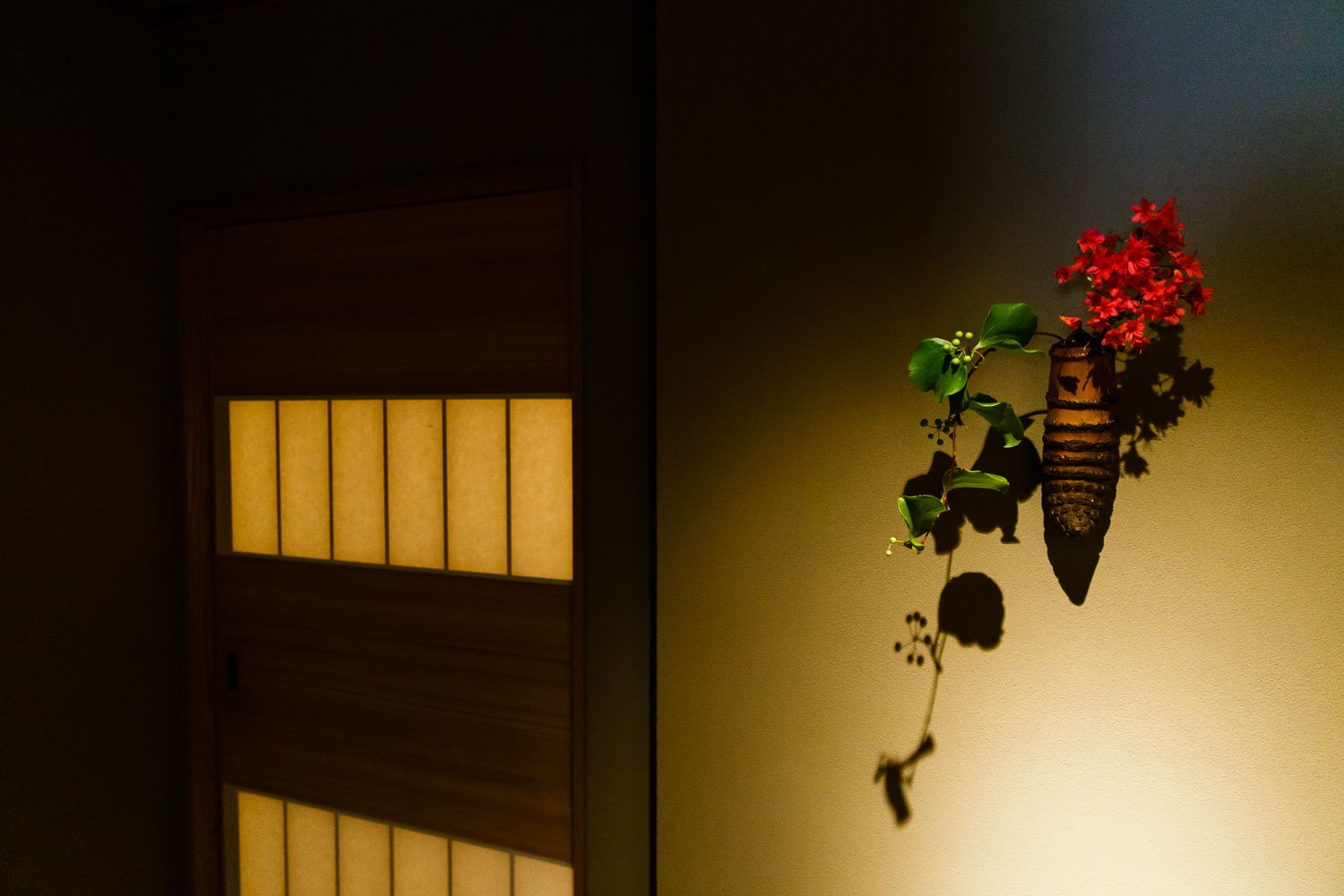
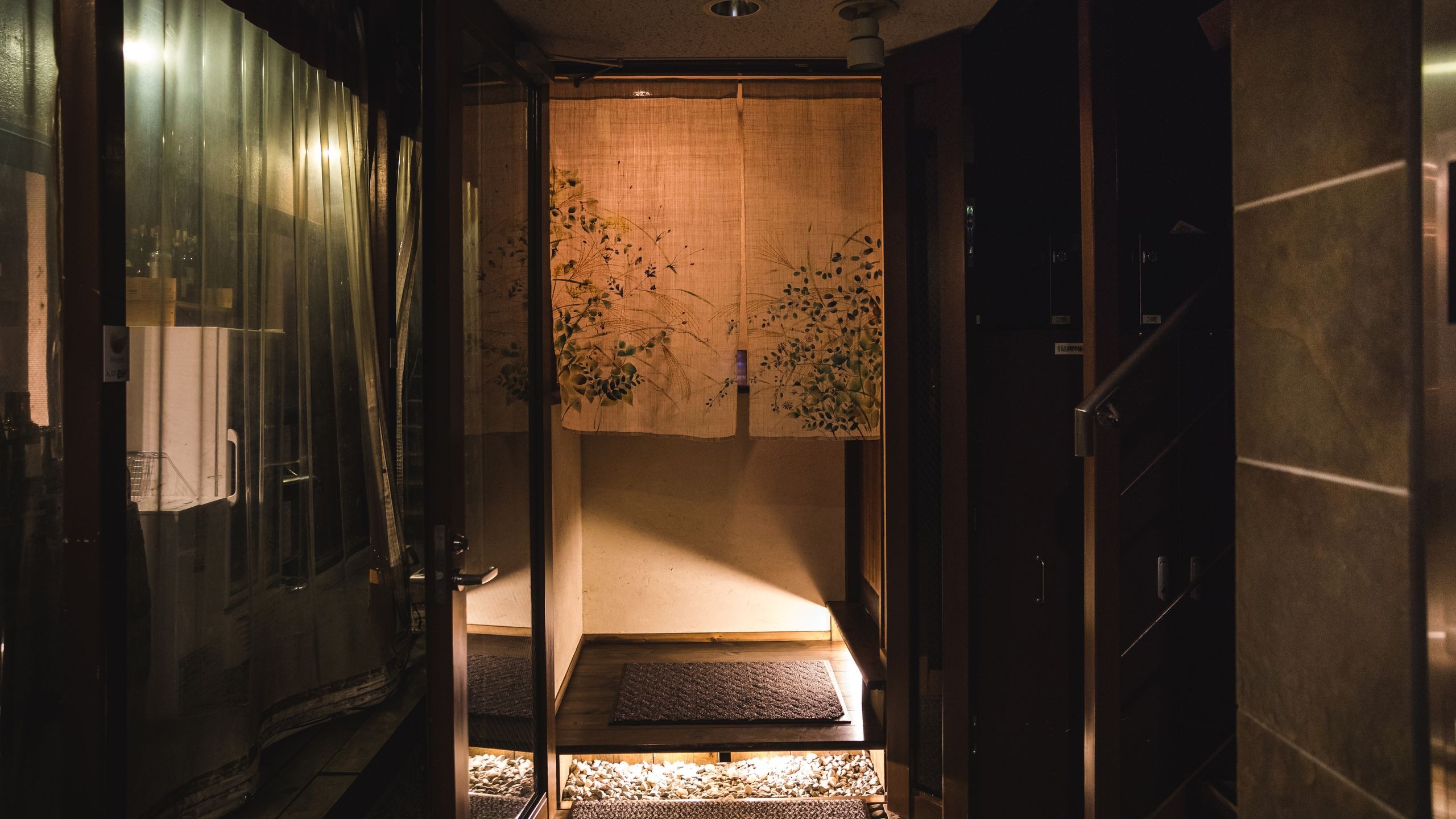
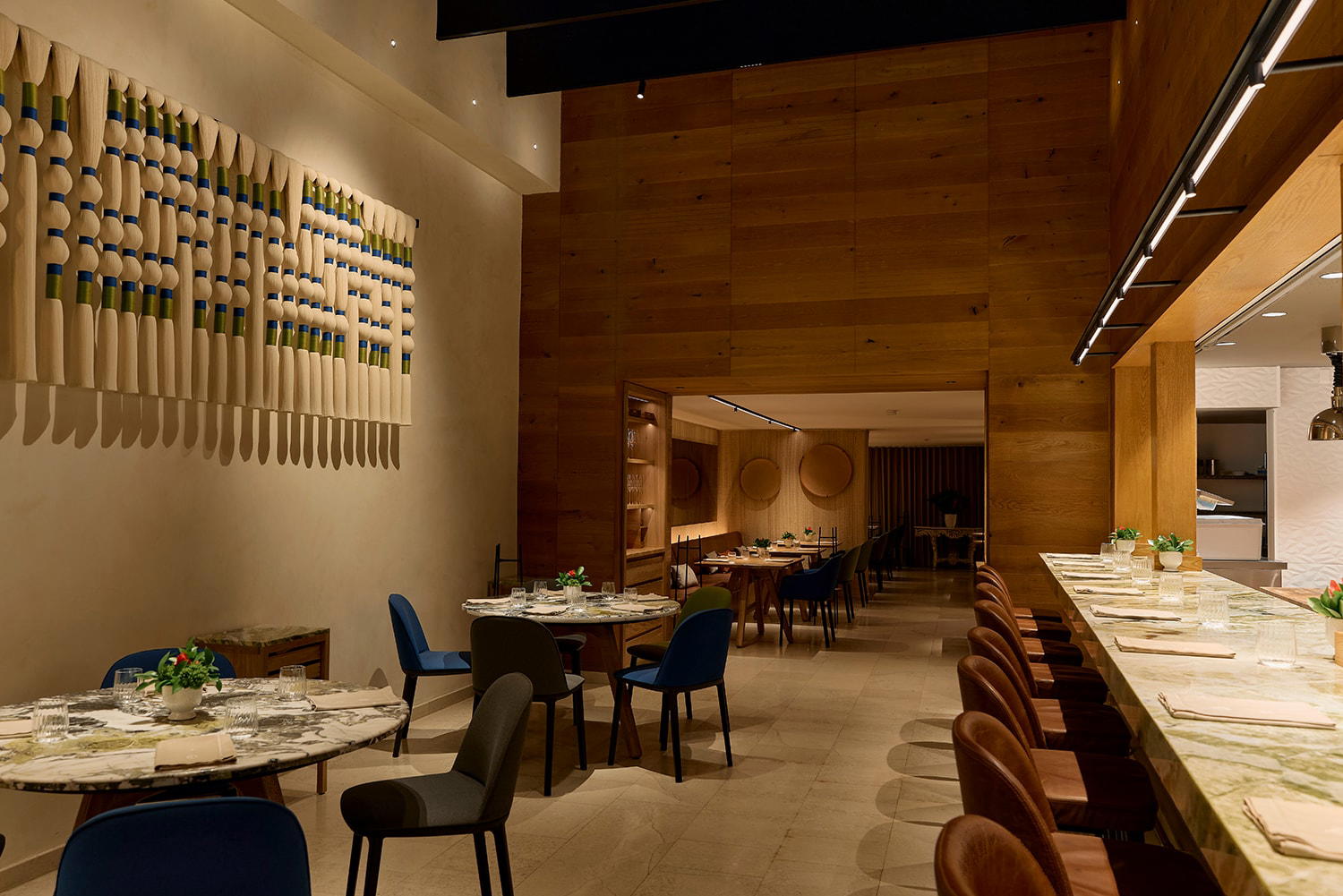
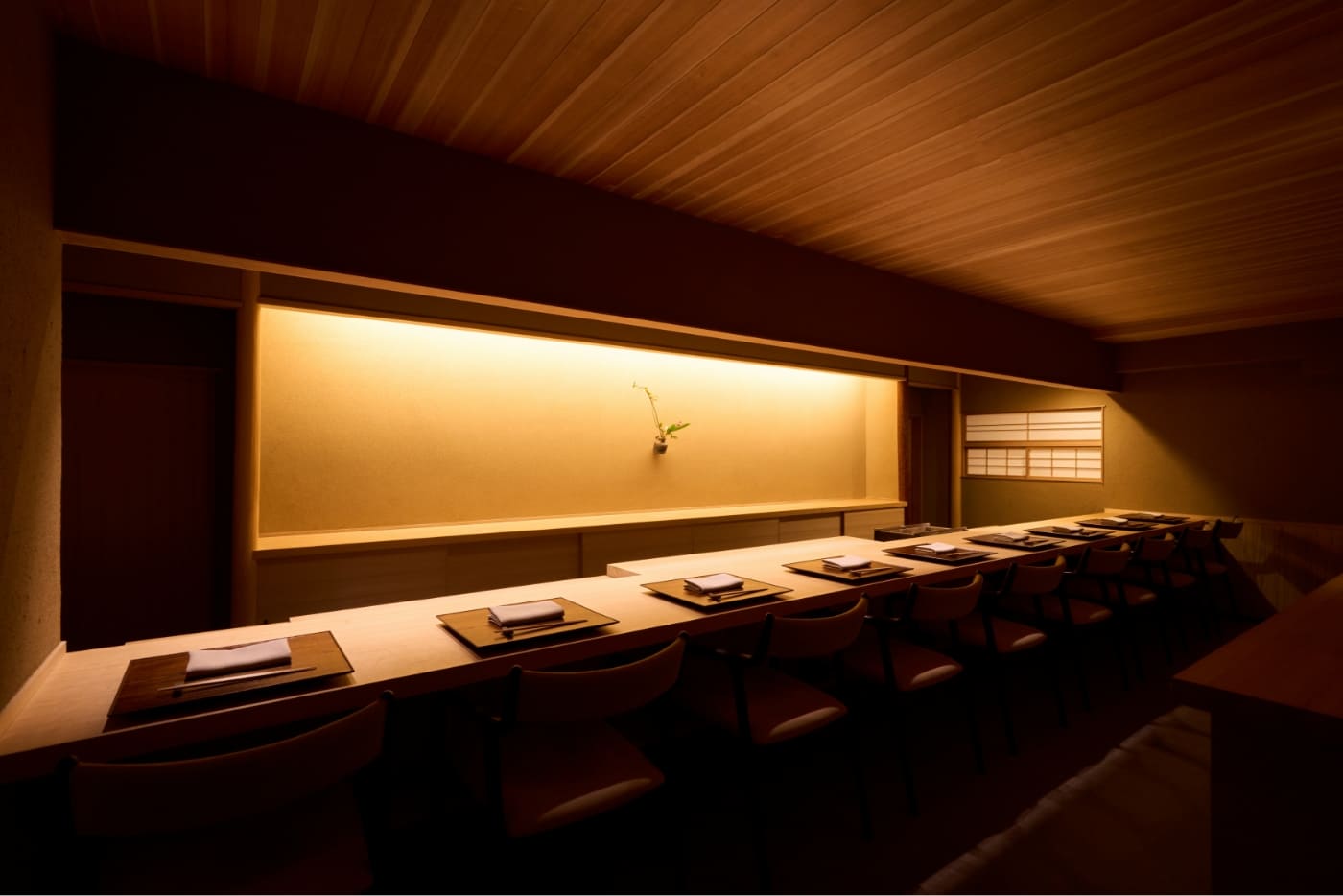
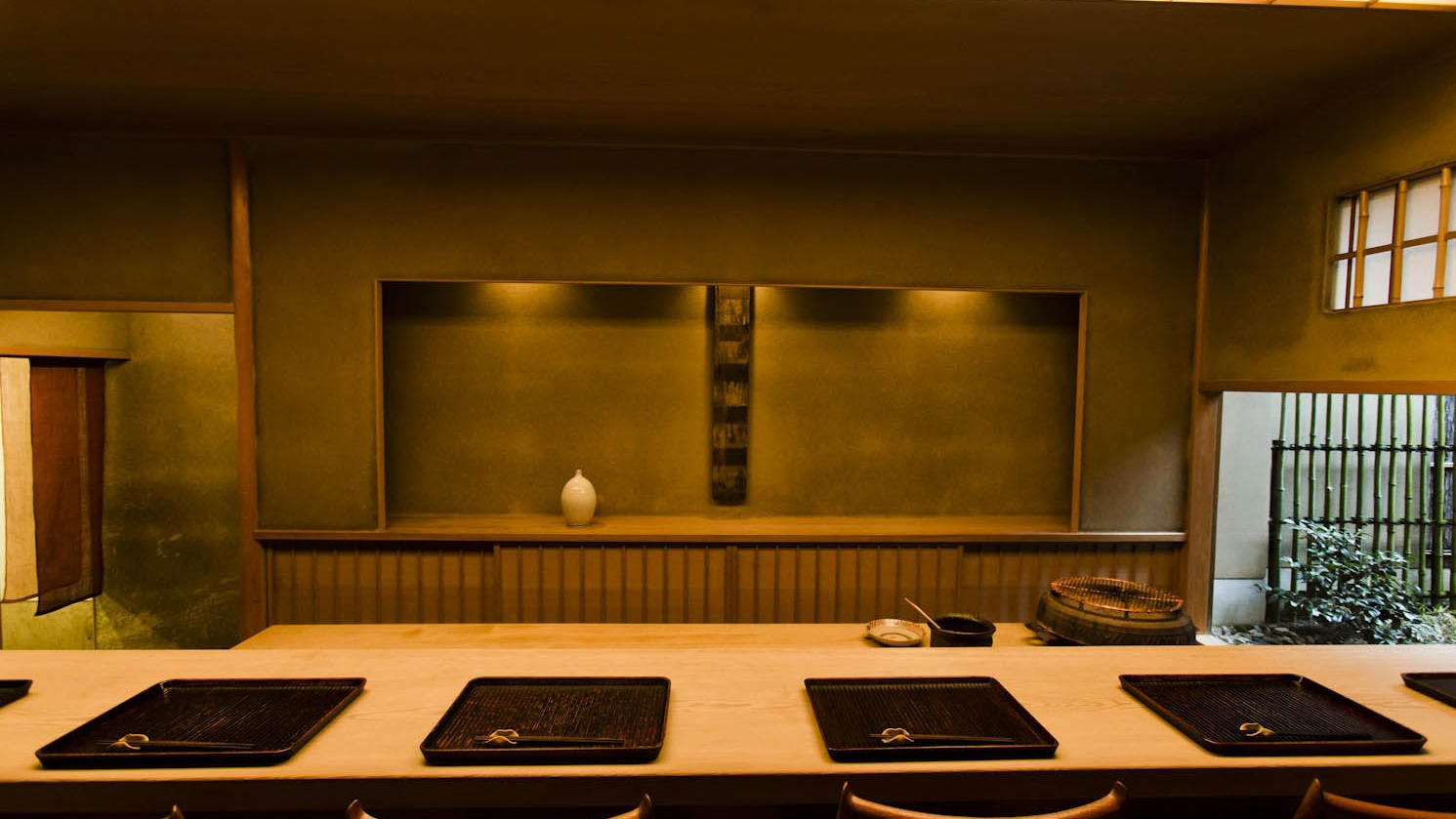
Ginza Fukuju sits on the fifth floor of a building in Ginza 8-chome, one of Tokyo's most concentrated blocks of serious dining. The room is quiet by Ginza standards. This is not a venue where energy radiates off the walls or where conversation competes with a playlist. The atmosphere is composed, deliberate, and calibrated to match the cooking. If you went once and found the stillness striking, expect more of the same on a return visit, it is a consistent character, not a variable one.
The service operates at the same register as the room: attentive without being theatrical, knowledgeable without being pedantic. At the ¥¥¥¥ price point, this is exactly what the format demands. Where some comparable Tokyo restaurants at this tier use visible service ritual to justify the bill, Fukuju relies on the cooking to carry the weight. Whether that trade-off works for you depends on whether you want to be performed at or simply fed very well. For most diners who have already visited once, the answer is the latter.
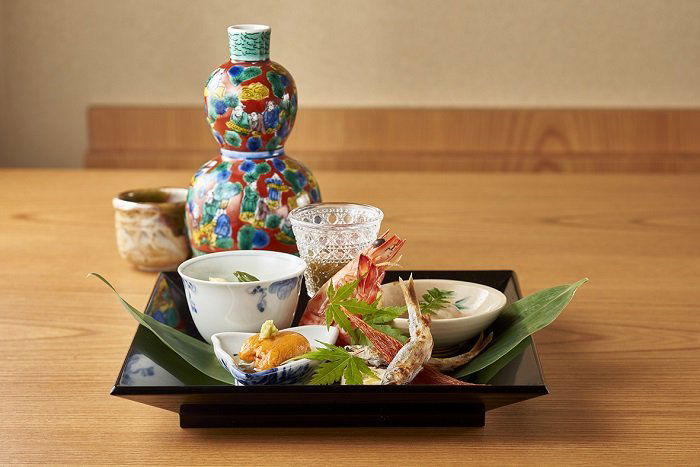
Onodera's creative starting point is Kesennuma, a coastal city in Miyagi Prefecture flanked by mountains and ocean. That geographic duality shows up directly in the menu: ingredients from both land and sea arrive in combinations that feel like they have been thought through over years rather than assembled for novelty. The awards text notes turban shell and bamboo shoot soup served in seashells as a seasonal spring greeting, and crab baked in the shell alongside hot pots described as simultaneously hearty and delicate. These are not decorative descriptions, they are the architecture of the menu. If you visited in a different season, a return visit in spring specifically is worth planning for, as the seasonal framing appears to be central to how the restaurant marks the calendar.
What the rating does confirm is the absence of significant dissatisfaction at this level, guests who make it in tend to leave satisfied. That consistency aligns with the two-star Michelin assessment across consecutive years, which is a more reliable credential than any single review aggregate.
Booking
Getting a table at Ginza Fukuju is classified as near impossible. At the ¥¥¥¥ price tier with two consecutive Michelin stars and a profile that attracts both domestic and international diners, demand significantly outpaces availability. For international visitors, the most practical route is through a hotel concierge with established Tokyo relationships, or through a specialist reservation service. Start the process at minimum six to eight weeks out; for spring visits, when the seasonal menu is at its most distinctive, plan further ahead. Walk-in access is not a realistic option.
The address is Ginza 8-chome, 8-19, fifth floor, in Chuo City. Ginza is well-served by Tokyo's subway network, making arrival logistics the simplest part of the booking process.
Who Should Book
Return visitors to Tokyo who have already worked through the more accessible ¥¥¥¥ tier, venues like Myojaku or Kagurazaka Ishikawa, will find Fukuju a natural next step. It rewards diners who come with context: an understanding of seasonal Japanese cooking, an appreciation for minimalism, and patience with a format that does not explain itself. First-time visitors to Tokyo's high-end dining scene may be better served starting with Azabu Kadowaki or Jingumae Higuchi before returning to Fukuju on a subsequent trip.
Solo diners should consider Fukuju seriously. The quiet room, the ingredient-focused menu, and the absence of theatrical performance make it a better solo experience than many comparable venues. Groups work too, but the intimate atmosphere suits pairs and individuals more naturally than larger parties.
For broader Japan trip planning, Gion Sasaki in Kyoto and HAJIME in Osaka operate in an adjacent register and are worth considering alongside Fukuju if you are building a multi-city itinerary. See also Isshisoden Nakamura in Kyoto and Kashiwaya Osaka Senriyama for comparable Japanese cooking in the Kansai region. Elsewhere in Japan, akordu in Nara, Goh in Fukuoka, 1000 in Yokohama, and 6 in Okinawa each offer high-level dining worth building a trip around.
For your full Tokyo planning, see our guides to Tokyo restaurants, Tokyo hotels, Tokyo bars, Tokyo wineries, and Tokyo experiences. For another serious kaiseki option, Kioicho Fukudaya is worth adding to your shortlist.
Planning details
- Hours
- Monday: 6–10 PM · Tuesday: 6–10 PM
- Location
- Japan, 〒104-0061 Tokyo, Chuo City, Ginza, 8 Chome−8−19 5F
- Reservations
- Book on Omakase
- Website
- ginza-fukuju.com
- Phone
- +81 3-3571-8596
The take
The Take
The Vibe
Ginza Fukuju sits quietly on the fifth floor of a Ginza building, trading street theatrics for a composed, ingredient-forward interior. The room leans into a classic Tokyo fine-dining grammar: small scale, precise service and an unhurried rhythm that lets provenance and seasonality speak. Chef Katsuhiro Onodera anchors the menu in Kesennuma’s coastal and mountain terroir, so the kitchen’s material choices feel deliberate rather than decorative. Dining here is a restrained, contemplative encounter where bright seafood and seasonal produce are presented with minimal fuss and maximum clarity.
Best For
This is a dinner destination for diners seeking a high-end, focused tasting experience. The setting and service suit special occasions, business dinners and date nights that prize refinement over spectacle. Because the restaurant emphasizes a regional Tohoku logic and multi-course progression, it rewards guests who come ready to move through a structured meal at a measured pace. The fifth-floor location also makes it a good choice for those who want to escape the street-level bustle for a quieter, more considered evening.
Ordering Tips
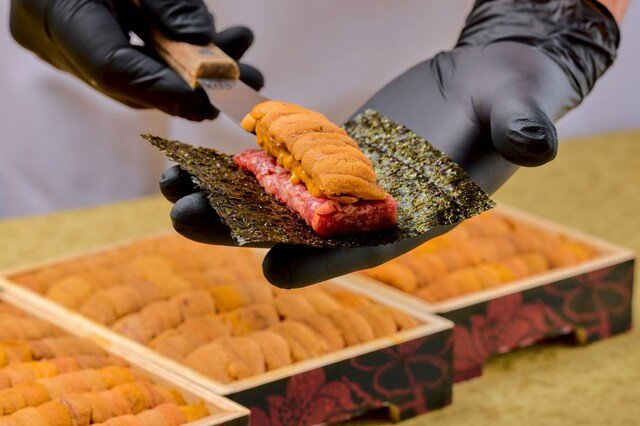
Lean into the kitchen’s strengths by opting for the multi-course progression that highlights Kesennuma seafood and seasonal produce. The menu’s signature items (uni course, nodoguro, turban shell with bamboo shoot broth, crab baked in shell and aged hon-maguro nigiri) are clear touchstones; try the nigiri sequence if it’s offered to experience the kitchen’s approach to aging and texture. Expect a paced, ingredient-led service and plan for a full meal rather than à la carte grazing.
Venue details
Ambiance
Serene and elegant space with warm atmosphere reflecting the owner's personality; counter seating allows diners to watch the chef's artistry while maintaining an intimate, relaxing environment.
Tags
Vibe
Best For
Experience
Sourcing
Accessibility
At the Table
- Dress Code
- Smart Casual
- Noise Level
- Quiet
- Service Style
- Omakase Bar
- Meal Pacing
- Extended Experience
- Capacity
- Intimate
- Kitchen
- Seasonal
- Menu Format
- Omakase, Counter dining, Tasting menu
- Drinks Focus
- Sake, Shochu, Wine
- Dietary
- Allergy accommodating
- Private Dining
- Available
Signature Dishes
- uni course
- nodoguro
- turban shell and bamboo shoot soup
- crab baked in shell
- aged hon-maguro bluefin tuna nigiri
Know before you go
Know Before You Go
- Getting there
- Japan, 〒104-0061 Tokyo, Chuo City, Ginza, 8 Chome−8−19 5F
Planning details
Hours
- Monday
- 6–10 PM
- Tuesday
- 6–10 PM
- Wednesday
- 6–10 PM
- Thursday
- 6–10 PM
- Friday
- 6–10 PM
- Saturday
- 6–10 PM
- Sunday
- Closed
Location
Japan, 〒104-0061 Tokyo, Chuo City, Ginza, 8 Chome−8−19 5F · Directions
Recognition and awards
Also consider
Also Consider
- Harutaka: Sushi, ¥¥¥¥
- L'Effervescence: French, ¥¥¥¥
- RyuGin: Kaiseki, Japanese, ¥¥¥¥
- HOMMAGE: Innovtive French, French, ¥¥¥¥
- Crony: Innovative, French, ¥¥¥¥
Restaurant context
How Ginza Fukuju Compares
Against other ¥¥¥¥ Japanese restaurants in Tokyo, Fukuju sits closest to RyuGin in terms of prestige and price, but the two restaurants make different choices. RyuGin is more theatrical: the service presentation is part of what you are paying for, and the room carries more energy. Fukuju is quieter, more inward-looking, and places the entire burden of justifying the price on the cooking itself. If you want kaiseki with atmosphere and visible craft, RyuGin is the stronger pick. If you want cooking that asks for your full attention and delivers on that ask, Fukuju is the better choice.
Harutaka is the right alternative if you want the same seriousness of intent but in a sushi format with counter access. L'Effervescence and HOMMAGE both operate at the same price tier but in a French register: worth considering if your group is split between cuisines. Crony offers a more relaxed, innovative format at the same price level and is meaningfully easier to book, which matters if your Tokyo window is short.
On booking difficulty, Fukuju is among the hardest at this tier. If you cannot secure a reservation, Azabu Kadowaki and Kagurazaka Ishikawa are the most natural fallbacks: serious Japanese cooking at a comparable level with slightly more accessible reservation windows. For the best value proposition across the peer set, Crony currently offers the most accessible entry point to ¥¥¥¥ Tokyo dining without a significant drop in quality.
Explore Tokyo
Around this place
Discover more on Pearl
Unlock the full Ginza Fukuju guide in Pearl, including awards, comparisons, FAQs, planning details, and nearby places.
Compare Ginza Fukuju
| Venue | Cuisine | Price | Awards | Booking Difficulty |
|---|---|---|---|---|
| Ginza Fukuju | Japanese | ¥¥¥¥ | 2026 Michelin 2 Stars2025 Michelin 2 Stars2024 Michelin 2 Stars | Near Impossible |
| Harutaka | Sushi | ¥¥¥¥ | 2026 Tabelog Silver · #312026 OAD Top Restaurants in Japan Ranked · #1282026 Michelin 3 Stars2026 La Liste Top RestaurantsTabelog 100 - Sushi - TOKYO - 2025 · #372025 Asia's 50 Best Restaurants · #762025 OAD Top Restaurants in Japan Ranked · #1172025 La Liste Top Restaurants2025 Tabelog Bronze | Unknown |
| L'Effervescence | French | ¥¥¥¥ | 2026 Tabelog Silver · #682026 OAD Top Restaurants in Japan Ranked · #103Star Wine Lists 20262026 Black Pearl 2 Diamond2026 Relais Chateaux Restaurants2026 La Liste Top Restaurants2026 Michelin 3 Stars2025 Asia's 50 Best Restaurants · #692025 OAD Top Restaurants in Japan Ranked · #92 | Unknown |
| RyuGin | Kaiseki, Japanese | ¥¥¥¥ | 2026 OAD Top Restaurants in Japan Ranked · #802026 Tabelog Bronze · #3772026 Michelin 3 Stars2026 La Liste Top RestaurantsTabelog 100 - Japanese cuisine - TOKYO - 2025 · #212025 OAD Top Restaurants in Japan Ranked · #542025 Michelin 3 Stars2025 La Liste Top Restaurants2025 The Best Chef Three Knives | Unknown |
| HOMMAGE | Innovtive French, French | ¥¥¥¥ | 2026 Tabelog Bronze · #1232026 OAD Top Restaurants in Japan Highly Recommended2026 Michelin 2 StarsTabelog 100 - French - TOKYO - 2025 · #762025 Asia's 50 Best Restaurants · #782025 OAD Top Restaurants in Japan Ranked · #1752025 Michelin 2 Stars2025 The Best Chef One Knife2025 La Liste Top Restaurants | Unknown |
| Crony | Innovative, French | ¥¥¥¥ | 2026 Asia's 50 Best Restaurants · #34Star Wine Lists 20262026 OAD Top Restaurants in Japan Recommended2026 Michelin 2 Stars2025 Asia's 50 Best Restaurants · #30Tabelog 100 - French - TOKYO - 2025 · #782025 OAD Top Restaurants in Japan Ranked · #227We're Smart World Top Restaurants 20252025 Michelin 2 Stars | Unknown |













Comparing your options in Tokyo for this tier.
FAQ
Frequently Asked Questions
Can I eat at the bar at Ginza Fukuju?
The venue has no publicly confirmed bar seating format. Given its fifth-floor Ginza location, two consecutive Michelin stars, and ¥¥¥¥ pricing, the setup is almost certainly a formal seated service rather than a counter walk-in. Treat it as reservation-only and plan accordingly.
What are alternatives to Ginza Fukuju in Tokyo?
If Fukuju's table is unavailable, Kagurazaka Ishikawa and Harutaka are credible ¥¥¥¥ alternatives with strong Michelin records and somewhat more accessible booking windows. RyuGin offers a similarly rigorous Japanese format with slightly higher international name recognition, which can actually make Fukuju feel more rewarding for repeat Tokyo visitors.
Is Ginza Fukuju good for solo dining?
Yes: the quiet room and ingredient-focused format that defines Chef Onodera's cooking rewards attentive solo diners more than group tables. At ¥¥¥¥, the per-head cost is the same regardless of party size, so solo is a straightforward choice if you can get the reservation.
What should I wear to Ginza Fukuju?
The venue's dress code is not publicly documented, but Ginza 8-chome context and two Michelin stars in 2024 and 2025 set a clear expectation: dressed-up is safe, casual is a risk. Business attire or its equivalent is a reasonable baseline for a ¥¥¥¥ Ginza room.
Is Ginza Fukuju good for a special occasion?
Yes, provided the occasion suits an intimate, restrained setting rather than a celebratory one. Chef Onodera's cooking, minimal ingredients, deep technique, rooted in Tohoku, creates a considered rather than festive atmosphere. If your group wants theatre or a buzzy room, look elsewhere; if the meal itself is the event, Fukuju holds up at the two-Michelin-star level.