

Gold Bar
Minato, Tokyo
Bar in Tokyo, Japan
 Book with Pearl
The Read
Ranking-Backed Hotel Bar
Price
$50–100per person
Why go
Gold Bar is worth booking when the goal is a polished Tokyo hotel-bar night with credible international recognition, not a low-cost round or casual walk-in stop. Treat it as a plan-ahead choice for dates, client drinks, and travelers who want a composed Toranomon base before comparing looser Tokyo alternatives.
About Gold Bar
Gold Bar is a Tokyo bar with international recognition and a smart-casual dress code. Its accolades include Top 500 Bars Best Bars #214 (2025), Tatler 2025 listing in Best Bars Asia-Pacific, and World's 50 Best Asia's Best Bars #76 (2024).
It works best as a recognition-led shortlist entry; for pricing, hours, seating format, menu specifics, and reservation requirements, confirm current practical details directly with the venue before planning the evening around it.
Choose it for a recognized Tokyo bar
The grounded reason to consider Gold Bar is its award record and smart-casual positioning. That makes it a useful option for travelers or locals comparing bar choices in Tokyo, especially when recognition matters more than chasing a particular menu format, price point, or service style.
For travelers building a broader Tokyo drinking plan, Gold Bar can sit on the shortlist while you compare the wider scene. Our full Tokyo bars guide is the right place to widen the shortlist, while food-led plans belong in Our full Tokyo restaurants guide. If the trip is hotel-driven, cross-check Our full Tokyo hotels guide; for broader planning, use Our full Tokyo experiences guide.
Who should book, and who should cross-shop
Consider Gold Bar if you want a Tokyo bar with recognition from major bar lists and a smart-casual dress code. Cross-shop if you need details on price, hours, seating, outdoor space, food, or group setup before committing.
For a different Tokyo comparison, look at alternatives such as Janu Bar, Janu Lounge & Garden Terrace, Memento Mori, Orchid Bar, or Starlight. Other Tokyo dining and drinking rooms can also help round out a broader night.
Part of
EDITION Hotels39 locations on PearlPlanning details
- Location
- 〒105-0001 Tokyo, Minato City, Toranomon, 4-chōme−1−1 東京エディション 1階
- Website
- goldbaratedition.com
- Phone
- +81 3-5422-1600
The take
The Take
The Vibe
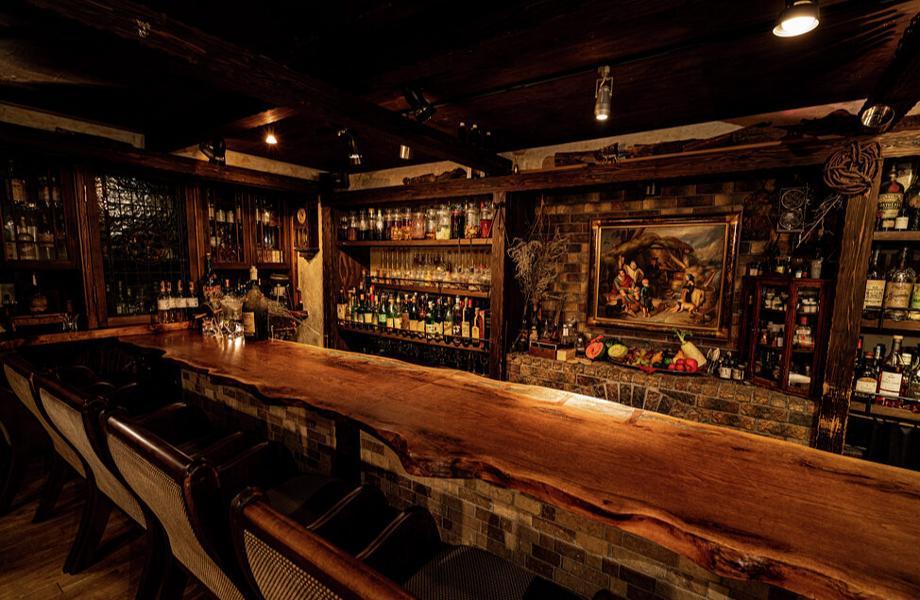
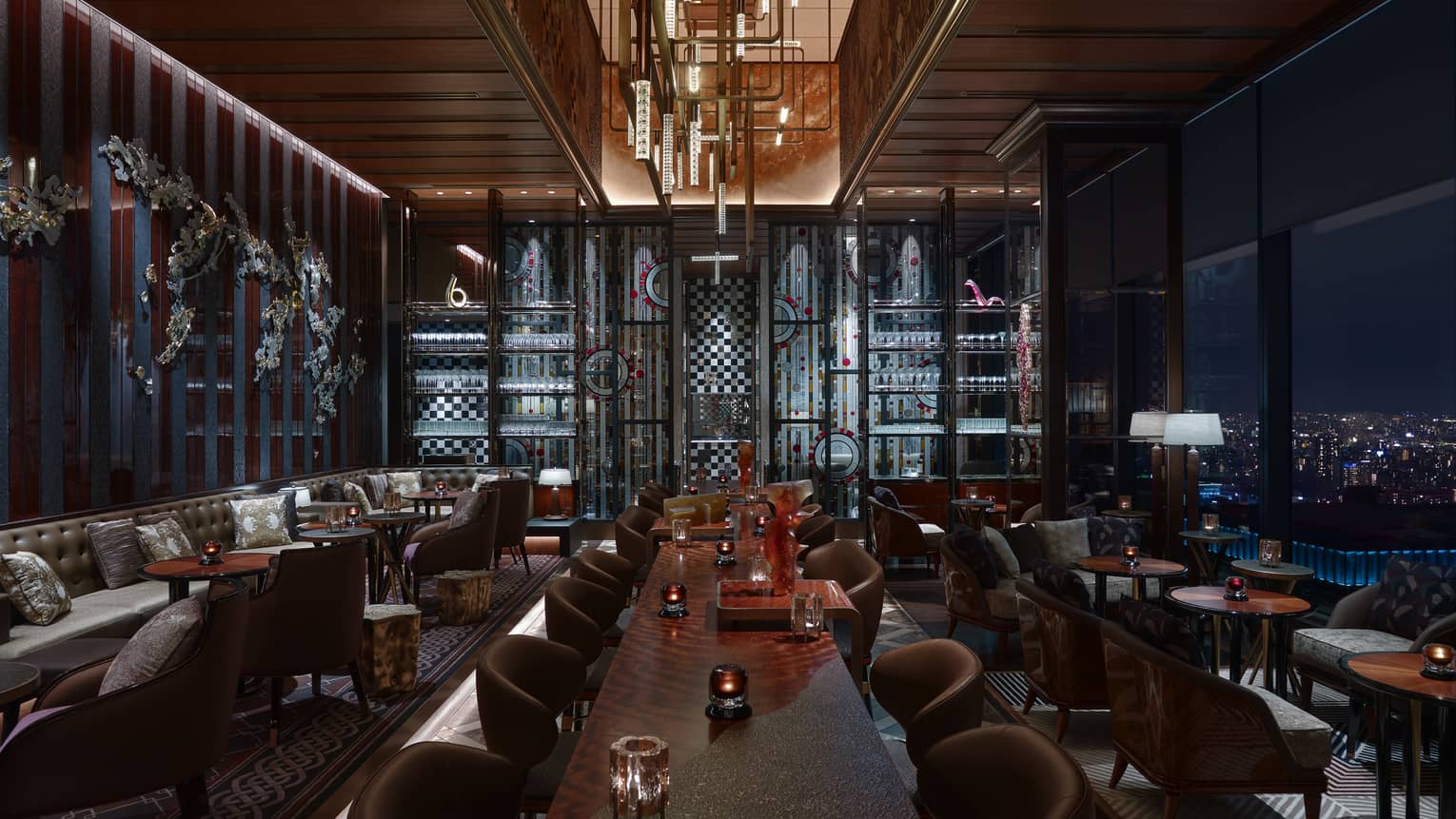
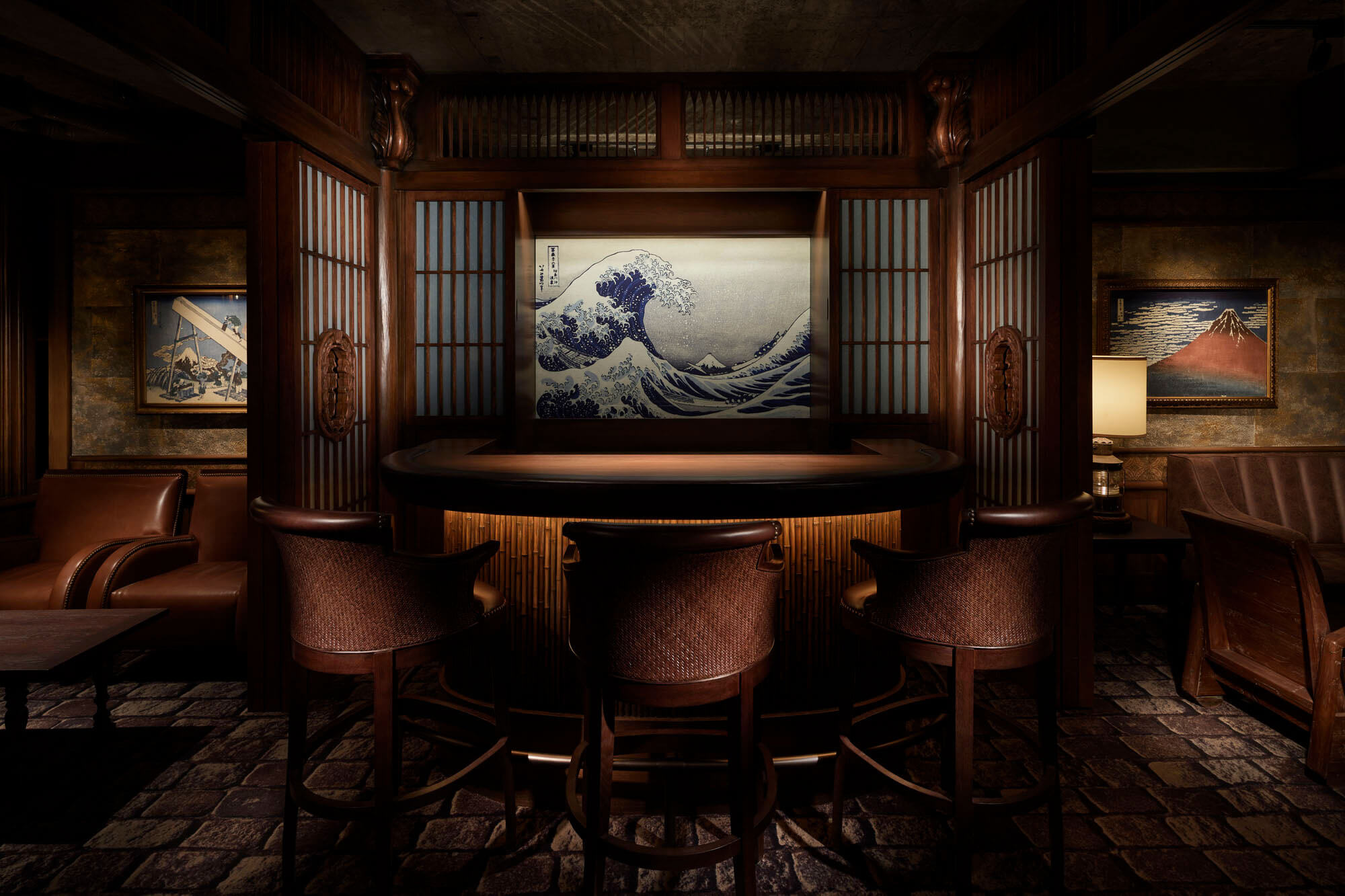
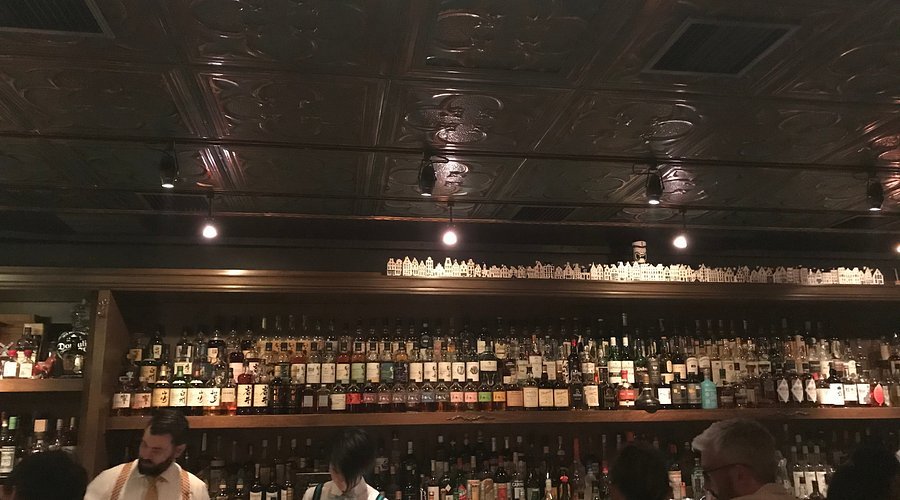
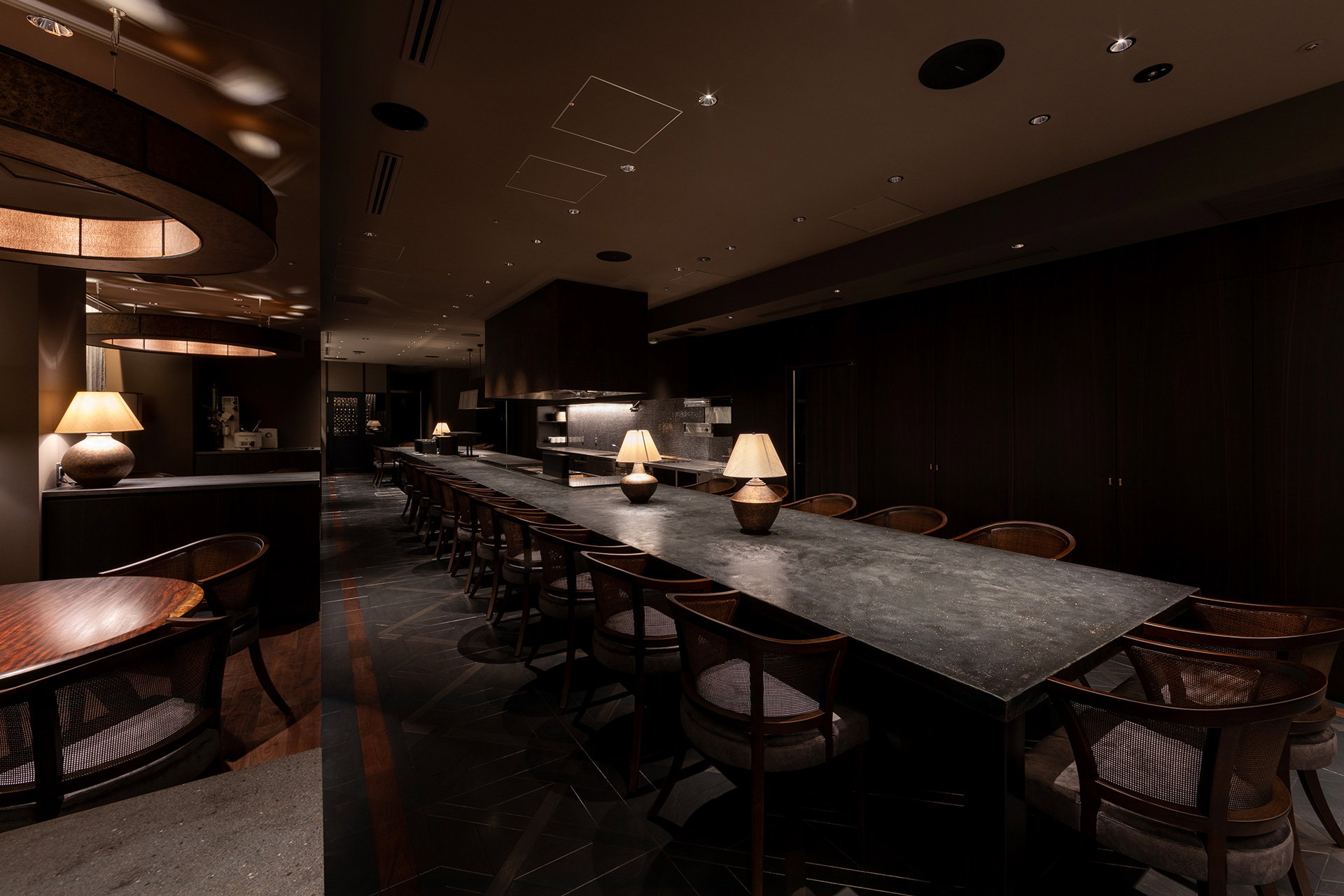
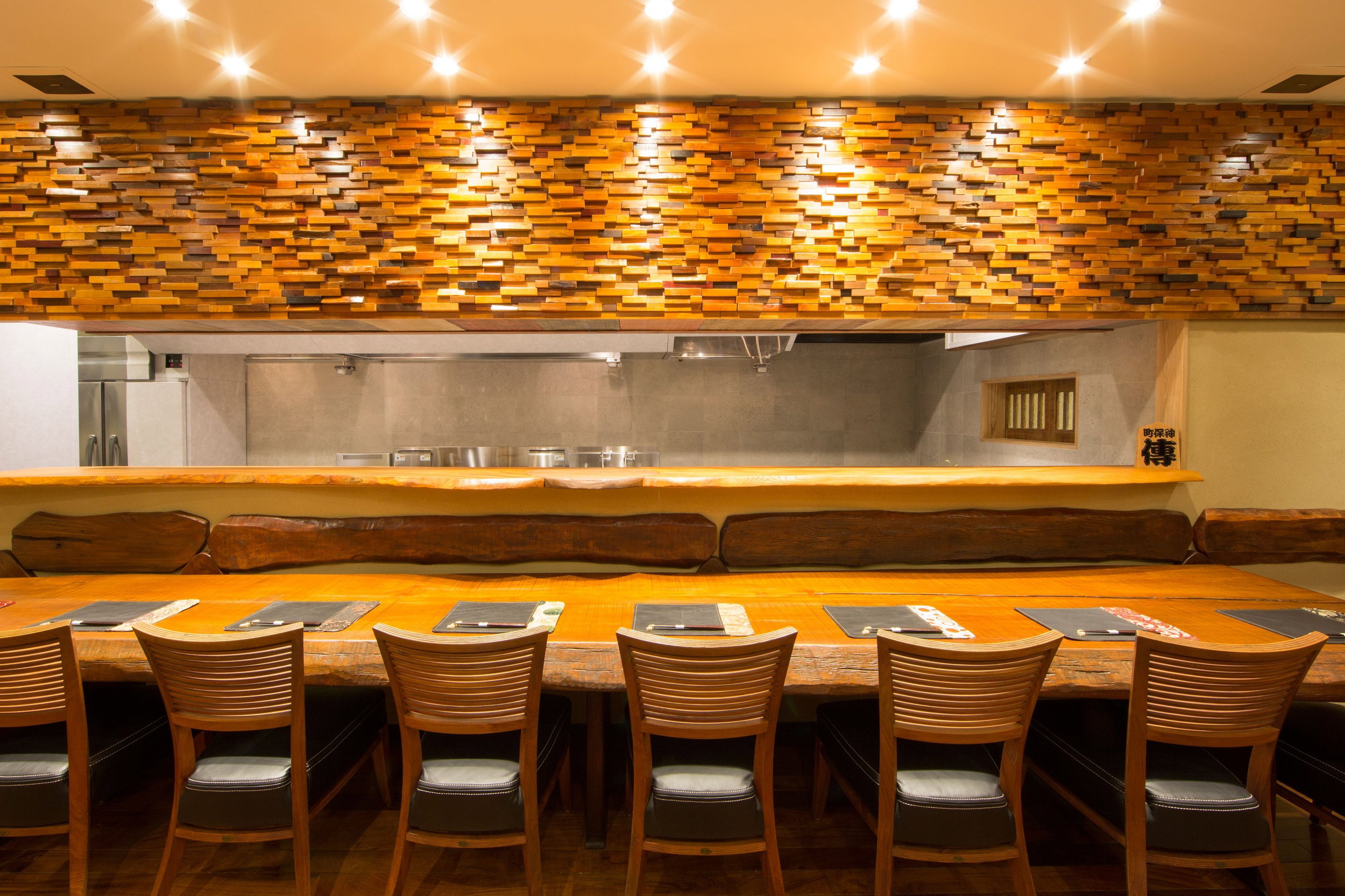
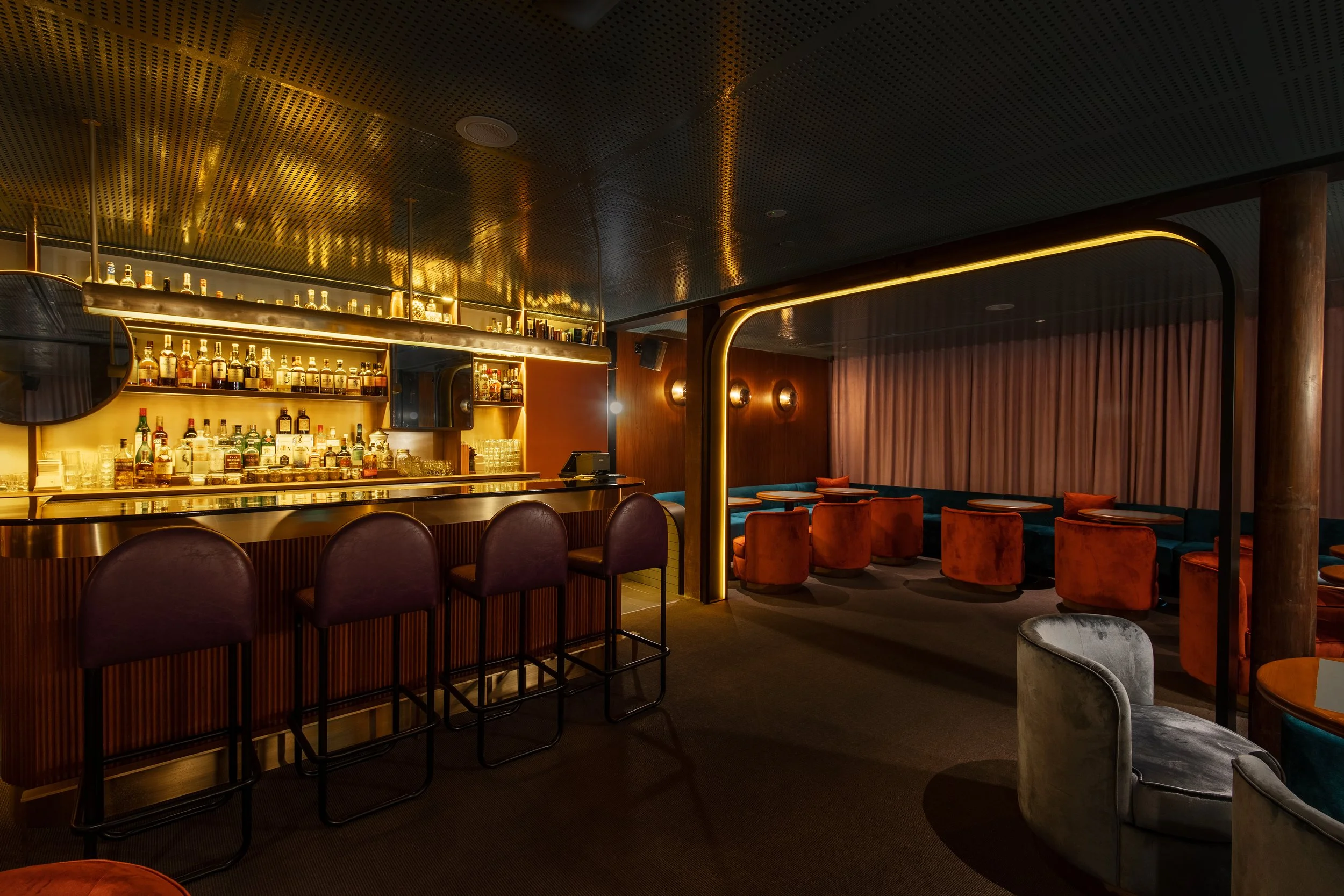
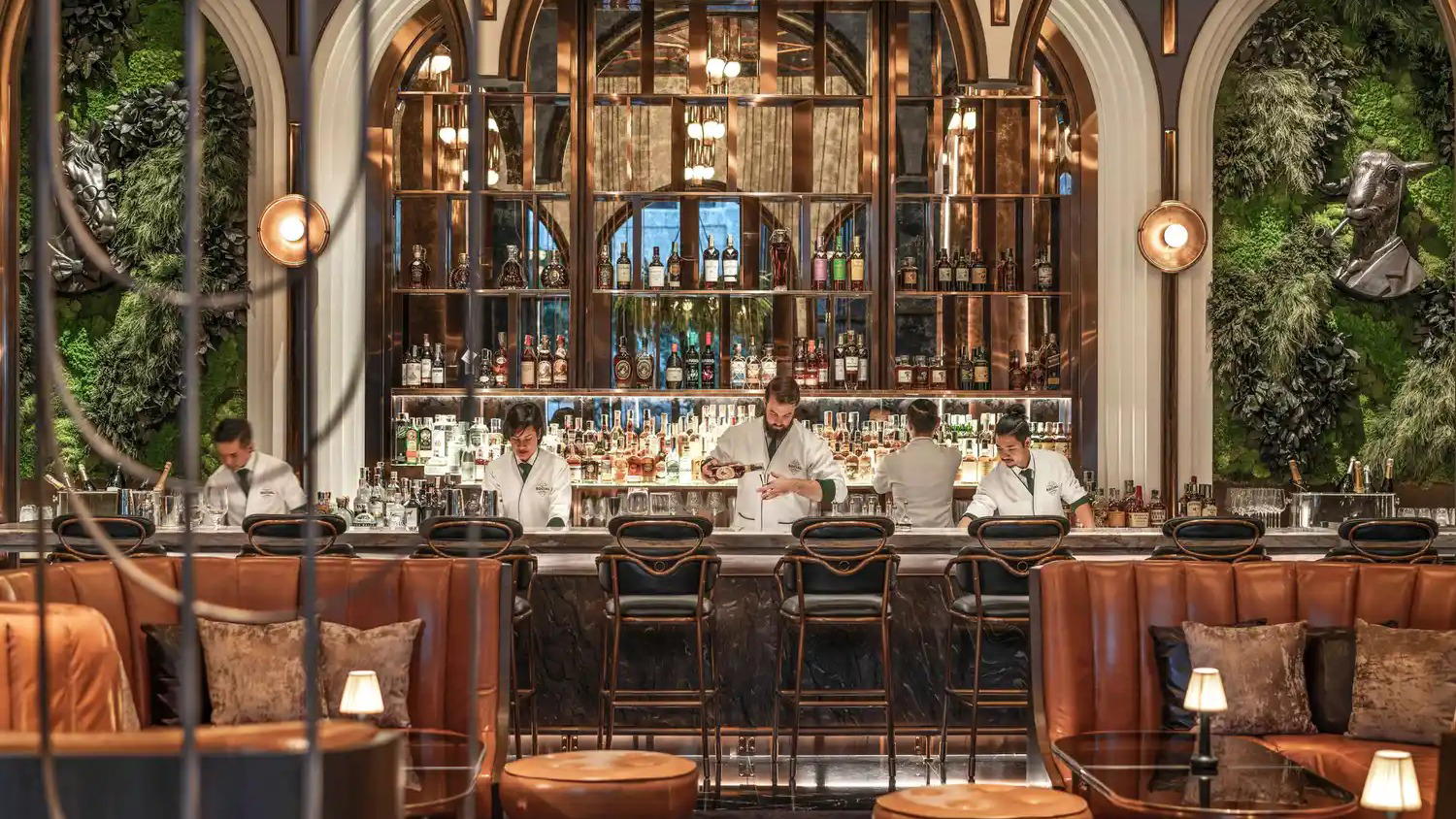
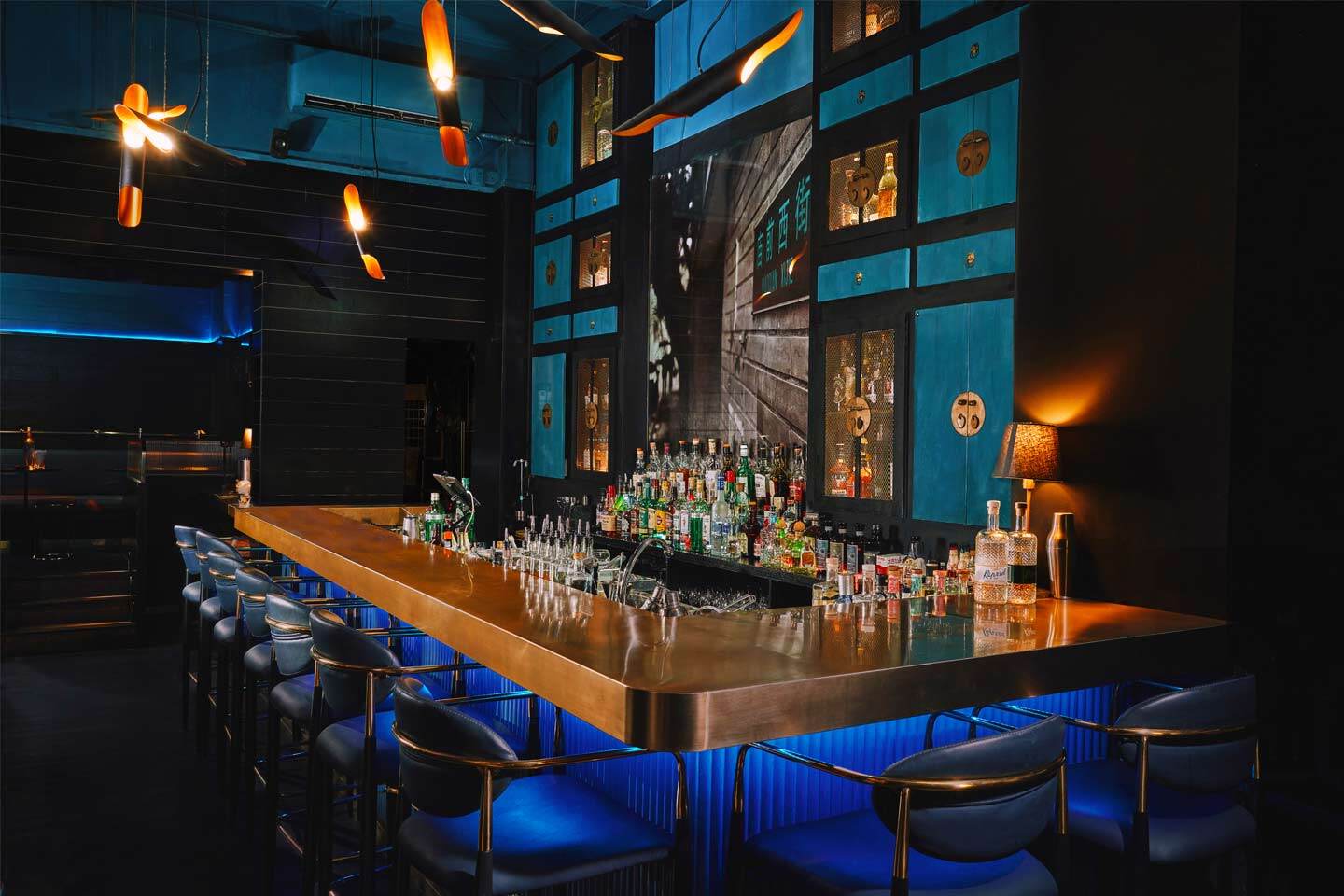
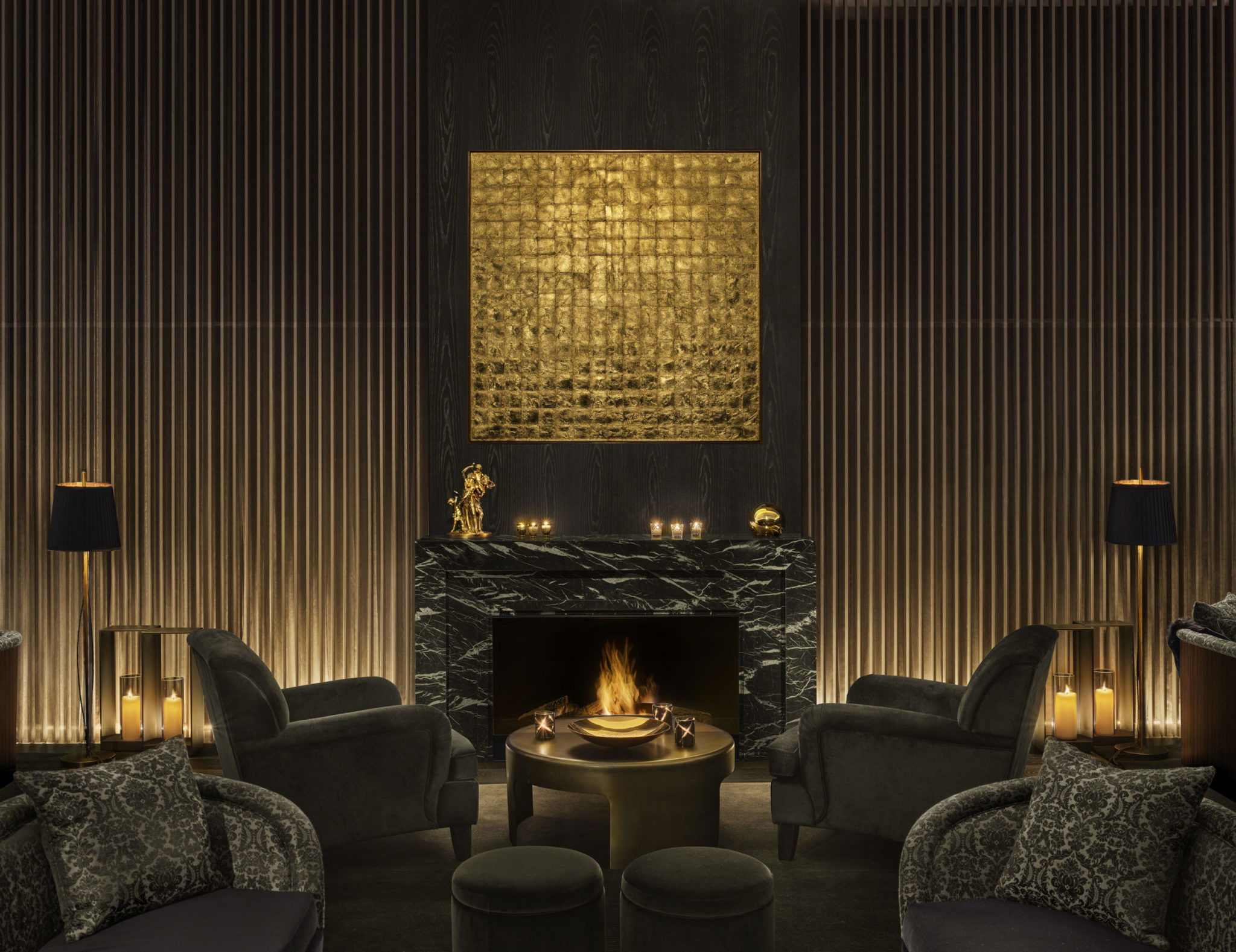
Gold Bar occupies the ground-floor lobby of The Tokyo EDITION, Toranomon and reads as a deliberately designed hotel drinking room rather than a perfunctory amenity. Warm metallic finishes, low lighting and a controlled sense of drama give the space a modern, cozy edge that still feels polished and refined. The writing emphasizes intention—this is a bar that is thought-through rather than assembled from a standard luxury template—so the ambience leans toward intimate, warm and quietly theatrical. That architecture-forward restraint makes the room feel like a serious cocktail destination within Tokyo’s evolving hotel-bar scene.
Best For
Gold Bar is presented as a destination hotel bar that punches above the usual lobby lounge. Its intimate lighting and considered design make it well suited to date nights and special-occasion evenings when atmosphere matters as much as the drink program. Industry recognition and climbing positions on regional and global bar lists underscore its credentials for celebration and for late-night drinking with a sense of occasion. It reads as a place where visitors and locals go when they want a composed, elevated cocktail experience rather than background hotel hospitality.
Venue details
Ambiance
Sophisticated and moody with blackened wood, gold accents, downlights, and a cozy yet exclusive atmosphere enhanced by low-tempo music midweek and DJ sets on weekends.
Tags
Vibe
Best For
Experience
Format
At the Bar
- Bar Category
- Cocktail Bar
- Late Night
- Open Until 2am
- Music
- Low Tempo Classic, Jazz, Soul, R&b with Dj on Thu Sat
- Spirits Focus
- Whiskey, Gin
Signature Pours
- Psychedelic
- Thorns in You
- Nippon Pale Ale
- Mugi & Shoga
Know before you go
Know Before You Go
- Getting there
- 〒105-0001 Tokyo, Minato City, Toranomon, 4-chōme−1−1 東京エディション 1階
Planning details
Location
〒105-0001 Tokyo, Minato City, Toranomon, 4-chōme−1−1 東京エディション 1階 · Directions
Recognition and awards

Also consider
Where to look if this is full
If Gold Bar is unavailable, try Janu Bar first for the closest modern hotel-bar alternative. For a less formal backup with a more distinctive cocktail identity, Memento Mori is the better second choice.
Bar context
How Gold Bar compares in Tokyo
Gold Bar is the safer pick than Memento Mori if the night needs hotel-level polish and a more controlled setting. Memento Mori is the better cross-shop for drinkers who want a more specialist bar identity, while Gold Bar makes more sense for a date, client drink, or traveler who wants the room to feel settled from the start.
Against Orchid Bar and Starlight, Gold Bar reads as the more recognition-led choice, with international bar-list signals supporting the booking decision. Orchid Bar and Starlight are better alternatives if the priority is classic hotel-bar familiarity or a different Tokyo view of the night; Gold Bar is the stronger choice when the shortlist is built around current bar-world attention.
Janu Lounge & Garden Terrace and Janu Bar are the cross-shops for a newer luxury-hotel mood. Pick Janu Lounge & Garden Terrace for a softer lounge-style plan, Janu Bar for a more direct hotel-bar comparison, and Gold Bar when the decision rests on a compact, serious cocktail stop in Toranomon.
Explore Tokyo
Around this place
Discover more on Pearl
Unlock the full Gold Bar guide in Pearl, including awards, comparisons, FAQs, planning details, and nearby places.
Compare Gold Bar
| Venue | Location | Awards |
|---|---|---|
| Gold Bar | Tokyo | 2025 Asia's 50 Best Bars · #67Top 500 Bars 2025 · #214Tatler Best Bars Asia-Pacific 20252024 Asia's 50 Best Bars · #76 |
| Orchid Bar | Tokyo | No published awards |
| Starlight | Tokyo | No published awards |
| Memento Mori | Tokyo | 2022 Asia's Best Bars · #41 |
| Janu Lounge & Garden Terrace | Tokyo | No published awards |
| Janu Bar | Tokyo | No published awards |
How Gold Bar Tokyo compares with similar nearby venues.
FAQ
Frequently Asked Questions
Does Gold Bar have happy hour deals?
For happy hour details, check directly with the venue. Gold Bar is in Tokyo, has a smart-casual dress code, and has recognition from Top 500 Bars Best Bars, Tatler, and World's 50 Best Asia's Best Bars.
Do I need a reservation at Gold Bar?
Does Gold Bar have outdoor seating?
Is Gold Bar good for a date?
It may suit a date if you want a recognized Tokyo bar with a smart-casual dress code. Confirm current atmosphere, seating, and service details before booking.
What's the crowd like at Gold Bar?
For the current crowd profile, check directly with the venue. Gold Bar is in Tokyo, has a smart-casual dress code, and has recognition from major bar lists.