

Suzutashiki
Kaiseki · Minato, Tokyo
Restaurant in Tokyo, Japan
 Book with Pearl
The Read
Wood-Fire Kaiseki Precision
Price
$300–500per person
Chef
Hideto Tashiro
Dress
Smart Casual
Why go
Chef Hideto Tashiro's eight-seat counter in Nishiazabu delivers fermentation-focused kaiseki with wood-fired techniques. At JPY 60,000–79,999, it competes directly with established Tokyo kaiseki; Tabelog Bronze 2025/2026 and OAD recognition validate the price. Book for seasonal rotation and sake-pairing depth; skip if you want lighter, cleaner format or lower spend.
About Suzutashiki
Suzutashiki is a Tokyo kaiseki restaurant from chef-owner Hideto Tashiro. public details are limited, so the most reliable way to frame it is simple: expect a kaiseki venue in Tokyo with evening hours Tuesday through Sunday and a smart-casual dress code. For comparison planning, you may also look at comparable venues such as Goryukubu and Yamazaki, while keeping Suzutashiki’s confirmed identity anchored in Tokyo kaiseki.
Kaiseki in Tokyo
The cuisine at Suzutashiki is kaiseki, led by chef-owner Hideto Tashiro. If you are choosing Suzutashiki, choose it for the grounded essentials: a Tokyo kaiseki restaurant associated with Tashiro and operating in the evening on its open days.
hours list Suzutashiki as closed Monday and open Tuesday through Sunday from 5–11:30 pm. The dress code is smart casual. For broader planning, you can also consult our full Tokyo restaurants guide and Tokyo bars guide.
Booking and Practical Positioning
Suzutashiki should therefore be treated as a thin-data listing: the confirmed points are its Tokyo location, kaiseki cuisine, chef-owner Hideto Tashiro, smart-casual dress code, and evening operating schedule from Tuesday to Sunday.
Guests with allergies, dietary restrictions, timing constraints, or accessibility needs should confirm those details directly with the restaurant before booking. For broader context, compare it generically with other dining rooms or with comparable venues such as Dal-Matto, Goryukubu, and Yamazaki.
Planning details
- Hours
- Monday: Closed · Tuesday: 5–11:30 pm
- Location
- Japan, 〒106-0031 Tokyo, Minato City, Nishiazabu, 1 Chome−9−5 THE CITY西麻布Ⅱ 2F
- Reservations
- Book on Omakase
- Website
- omakase.in/ja/r/ss535225
- Phone
- +81 3-6876-9656
The take
The Take
The Vibe
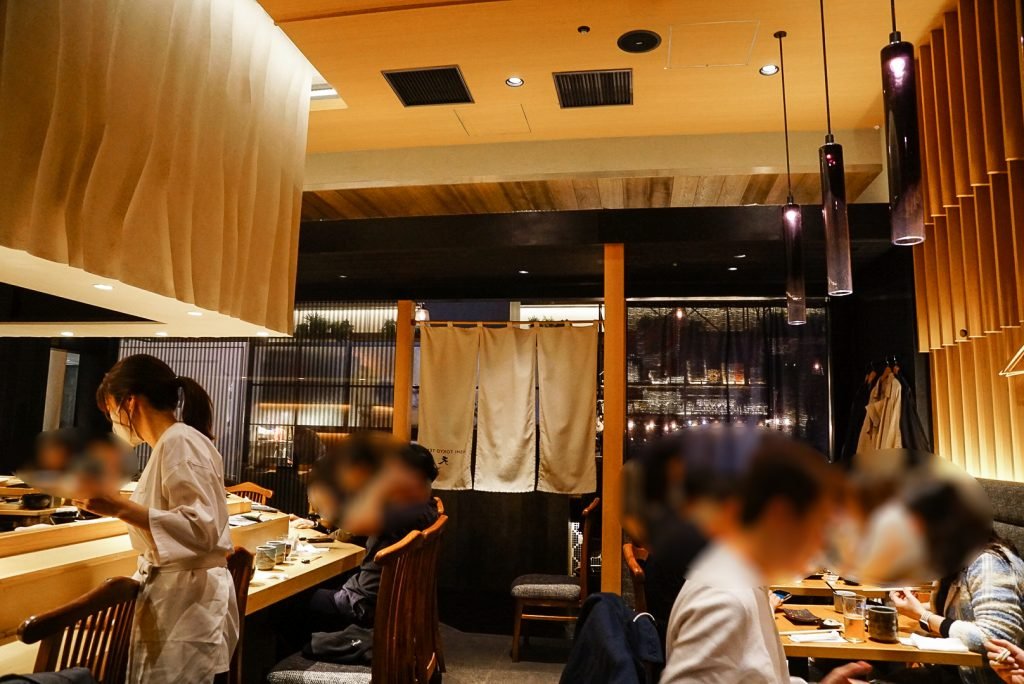
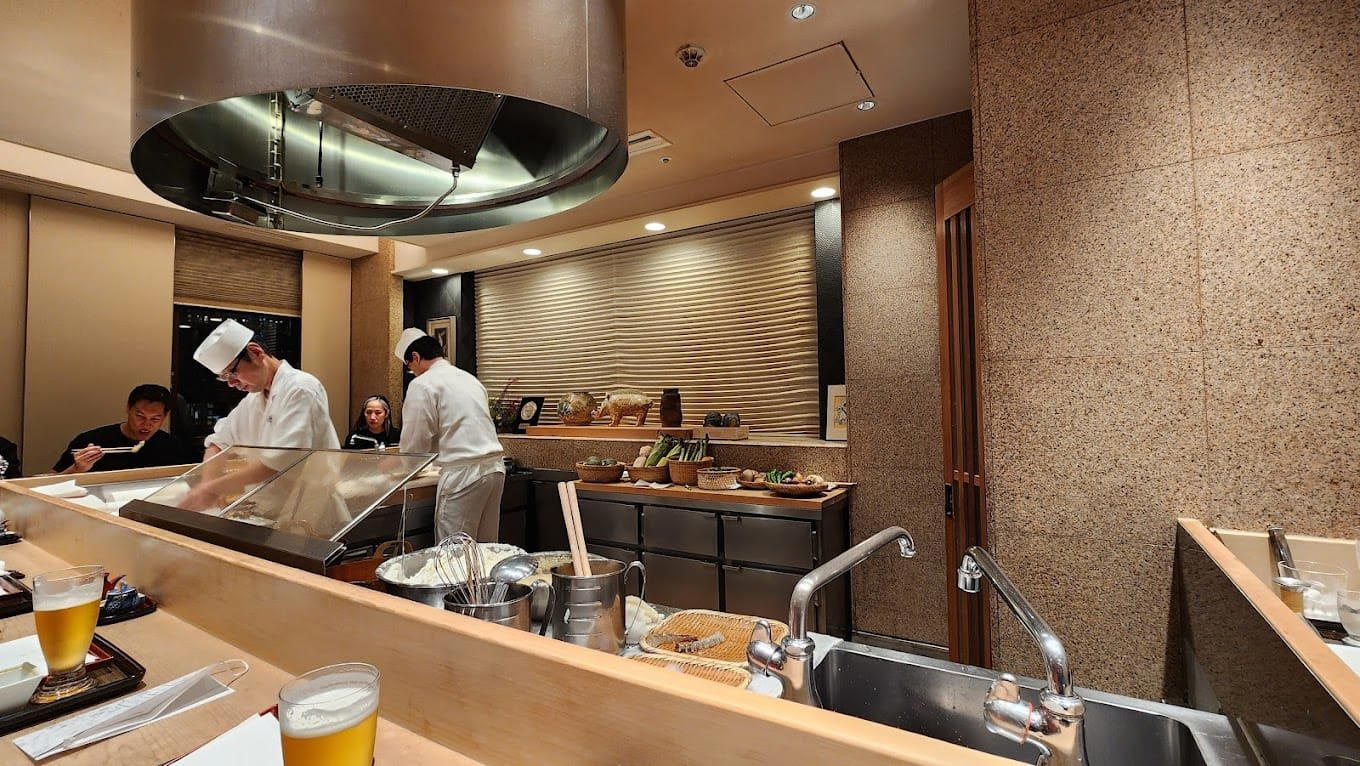
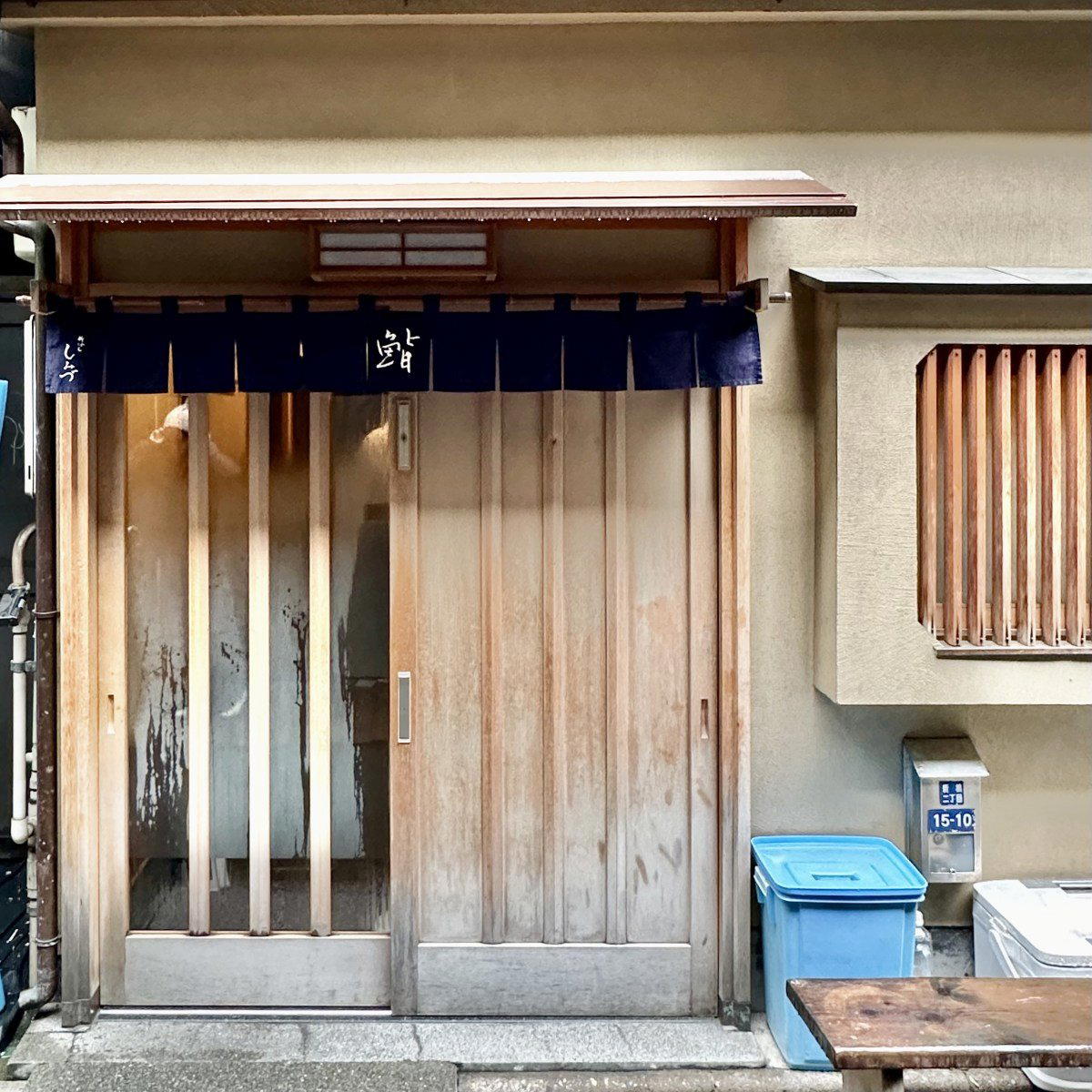
Suzutashiki presents as a quietly refined kaiseki counter that prioritizes precision and restraint. Housed on the second floor of a low-profile Nishiazabu building, it slots into Tokyo’s upper-register dining conversation with a minimalist, exacting approach: eight counter seats, two services and an emphasis on impeccably staged plates. The setting reads as deliberately compressed rather than ornate, and the kitchen’s early recognition on Tabelog signals a level of technical assurance. Expect a composed, sophisticated atmosphere where the choreography of service and cooking is the principal focus, and the room’s small scale keeps attention squarely on the meals.
Best For
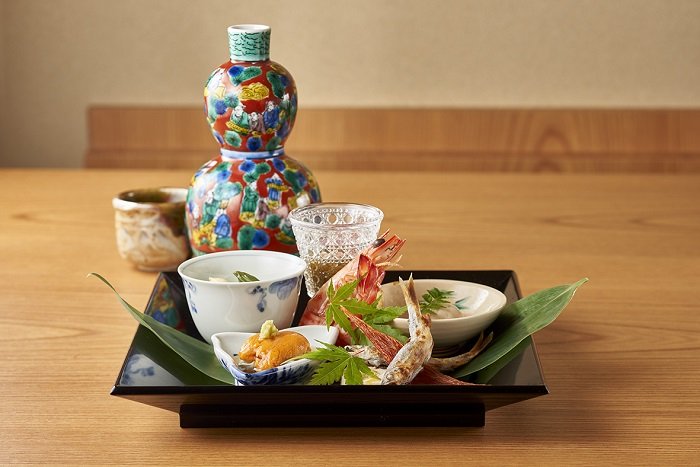
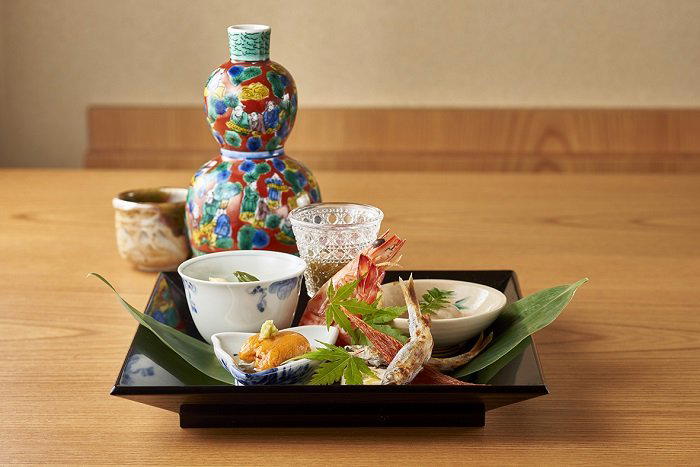
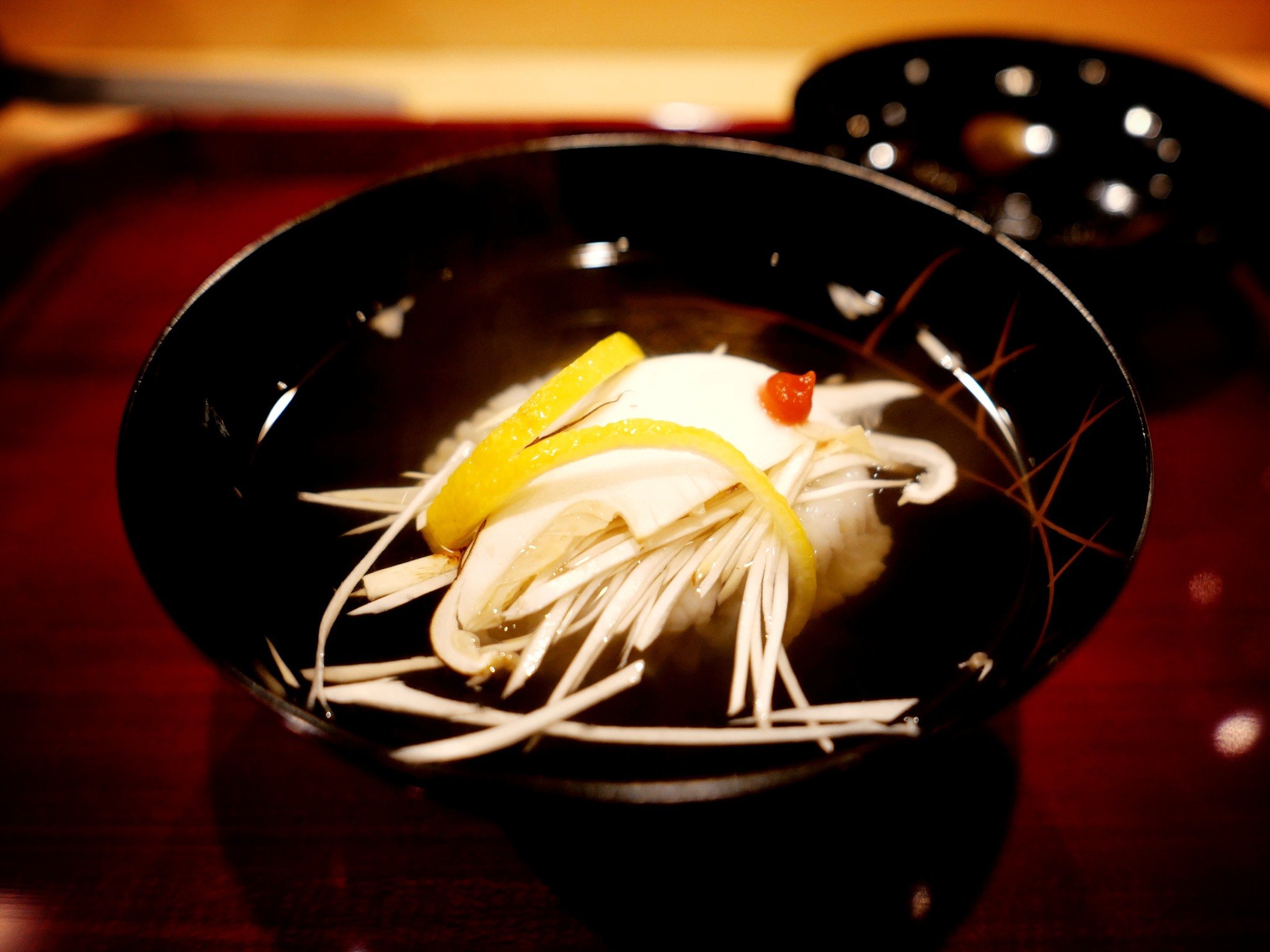
This is a dinner destination for focused, high-end occasions. With a JPY 60,000–79,999 dinner bracket and a 10 percent service charge, Suzutashiki aligns with Tokyo’s top-tier kaiseki counters and suits special occasions, discreet business dinners and elevated date nights. The eight-seat counter and two seating times create an intimate, reservation-driven rhythm that makes the venue inappropriate for large groups or casual drop-ins. The kitchen’s wood-fired shiitake, black wagyu fillet and takikomi gohan exemplify the kind of seasonally attuned, composed courses you come here to experience.
Ordering Tips
Seats are strictly limited, Suzutashiki operates an eight-seat counter with two services and explicitly does not expand capacity, so book as early as possible. Be prepared for the established dinner price bracket (JPY 60,000–79,999) and an added 10 percent service charge. Lean into the tasting flow and try the kitchen’s signature items when they appear: wood-fired shiitake, black wagyu beef fillet and takikomi gohan are cited specialties. Given the counter format and the restaurant’s precise pacing, allow the full service to unfold rather than requesting significant alterations.
Venue details
Ambiance
Minimal atmosphere with a focus on the chef's work at the counter; warm in winter with good ventilation and a subtle smoky aroma from the wood-fired grill.
Tags
Vibe
Best For
Experience
At the Table
- Dress Code
- Smart Casual
- Noise Level
- Quiet
- Service Style
- Formal
- Meal Pacing
- Leisurely
- Capacity
- Intimate
- Kitchen
- Modern
- Menu Format
- Tasting menu
- Drinks Focus
- Sake program
- Private Dining
- Available
Signature Dishes
- wood-fired shiitake
- black wagyu beef fillet
- takikomi gohan
Know before you go
Know Before You Go
- Getting there
- Japan, 〒106-0031 Tokyo, Minato City, Nishiazabu, 1 Chome−9−5 THE CITY西麻布Ⅱ 2F
Planning details
Hours
- Monday
- Closed
- Tuesday
- 5–11:30 pm
- Wednesday
- 5–11:30 pm
- Thursday
- 5–11:30 pm
- Friday
- 5–11:30 pm
- Saturday
- 5–11:30 pm
- Sunday
- 5–11:30 pm
Location
Japan, 〒106-0031 Tokyo, Minato City, Nishiazabu, 1 Chome−9−5 THE CITY西麻布Ⅱ 2F · Directions
Recognition and awards

Also consider
Also Consider
- Dal-Matto, Kaiseki, Kaiseki
- Goryukubu, Kaiseki, Kaiseki
- Yamazaki, Kaiseki, Kaiseki
- Sushi M, Kaiseki, Kaiseki
- Ichita いち太, Kaiseki, Kaiseki
Restaurant context
Suzutashiki sits in the JPY 60,000–79,999 bracket alongside Goryukubu and Yamazaki, making direct price-versus-experience comparison relevant. Goryukubu offers longer pedigree and deeper wine cellaring; Yamazaki skews toward ingredient-forward minimalism with fewer technique showcases. Suzutashiki splits the difference, it leans into fermentation and char more than Yamazaki but stays lighter than some older kaiseki institutions. If you prioritize cutting-edge technique over heritage venue atmosphere, Suzutashiki edges ahead. If you want cleaner flavor profiles and less smoke, Yamazaki or Dal-Matto suit better.
Booking difficulty runs easier here than at Sushi M or Ichita いち太, both of which carry longer wait times despite comparable Tabelog scores. Eight seats and two nightly seatings mean availability opens up more frequently than single-seating venues. For splurge-worthy kaiseki with immediate availability, Suzutashiki delivers; for best value in the category, consider dropping to mid-tier operations around JPY 40,000–50,000 that skip the sommelier component but hold ingredient quality steady. Ambiance here reads modern counter-focused rather than traditional ryokan-style, if you want tatami rooms and ceremonial pacing, redirect to Kyoto options like Ankyu or older Tokyo houses. If you want direct kitchen sightlines and technical transparency, this format wins.
Explore Tokyo
Around this place
Discover more on Pearl
Unlock the full Suzutashiki guide in Pearl, including awards, comparisons, FAQs, planning details, and nearby places.
FAQ
Frequently Asked Questions
What should I wear to Suzutashiki?
The dress code is smart casual. If unsure, choose polished dinner attire rather than overly casual clothing.
Is lunch or dinner better at Suzutashiki?
hours are Tuesday through Sunday from 5–11:30 pm, with Monday closed.
What should a first-timer know about Suzutashiki?
Suzutashiki is a Tokyo kaiseki restaurant from chef-owner Hideto Tashiro. hours are Tuesday through Sunday, 5–11:30 pm, with Monday closed, and the dress code is smart casual.