


Ginza Kitagawa 銀座 きた川
Japanese · Chūō, Tokyo
Restaurant in Tokyo, Japan
 Book with Pearl
The Read
Oil-Forward Kappo Counter
Price
$200–300per person
Chef
Kazuyuki Kitagawa
Dress
Smart Casual
Why go
Ginza Kitagawa is a ten-seat counter kappo in Ginza where chef Kazuyuki Kitagawa applies a distinct oil-based technique across an omakase format that goes well beyond standard tempura. Tabelog Silver Award winner in 2024 and 2025, with a 4.38 score, this is a focused, occasion-worthy dinner at JPY 30,000–39,999. Reservation-only, AMEX only, and worth booking two to three weeks ahead.
About Ginza Kitagawa 銀座 きた川
Verdict: One of Tokyo's Most Focused Tempura Counters, Book It for a Special Occasion
The common assumption about Ginza Kitagawa is that it is primarily a tempura restaurant. That framing undersells it. This is a counter kappo operation where tempura is the centrepiece of a broader, highly personal omakase format. If you arrive expecting a direct tempura dinner, the originality of the menu will surprise you. If you arrive knowing what chef Kazuyuki Kitagawa is actually doing here, you will leave satisfied. At JPY 30,000–39,999 per head at dinner, this is one of the more considered ways to spend that amount in Ginza.
The Space: Ten Seats, No Distraction
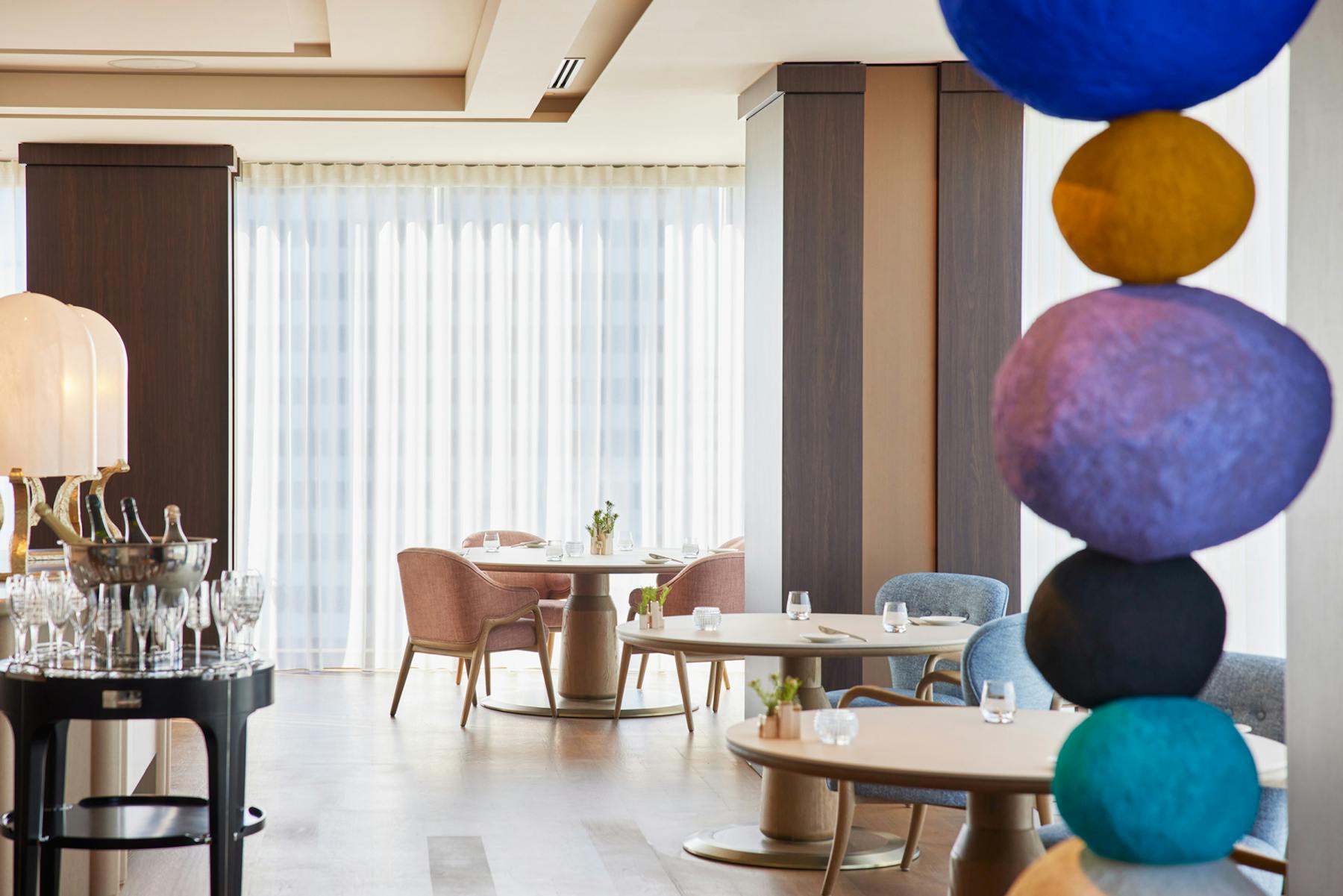
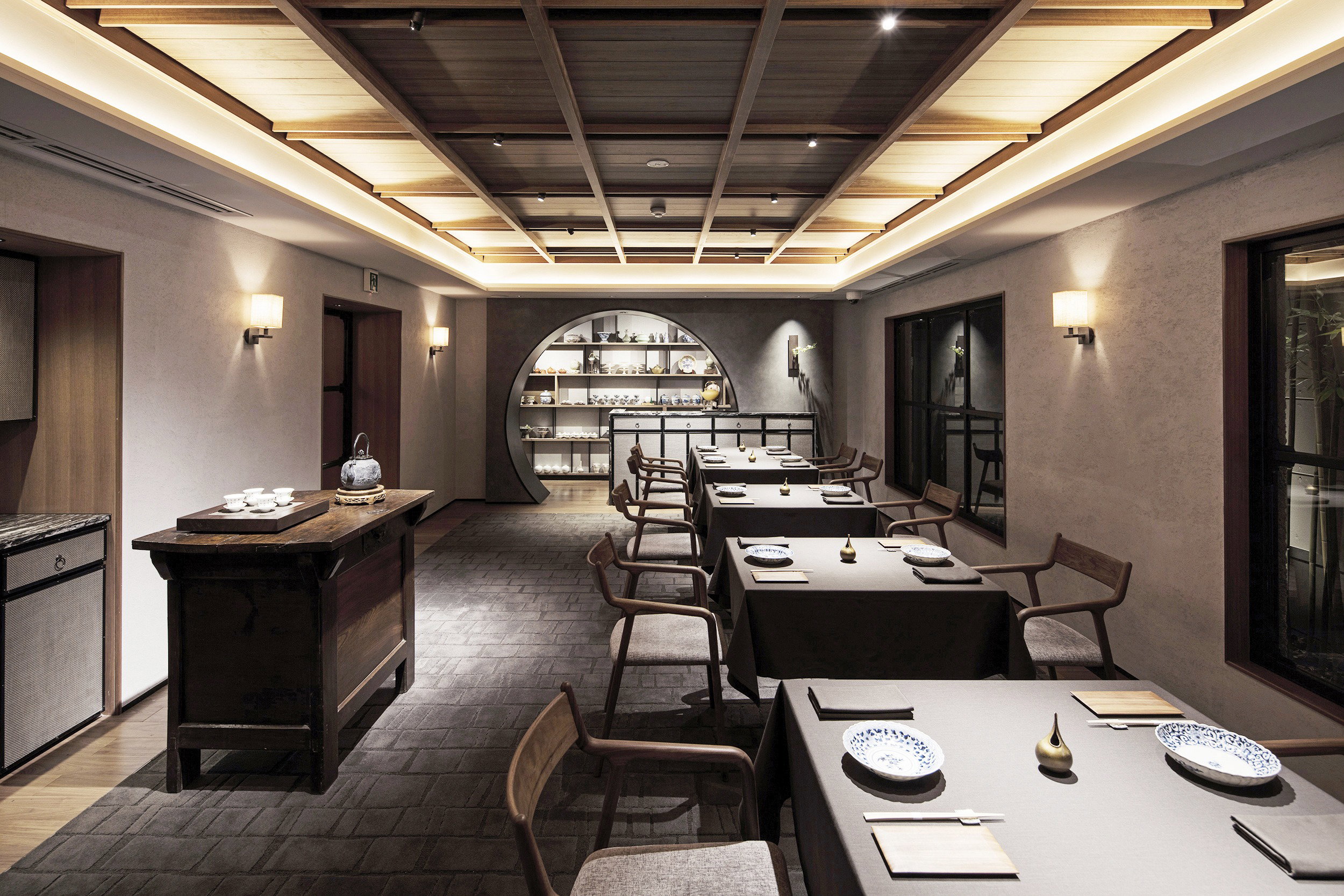
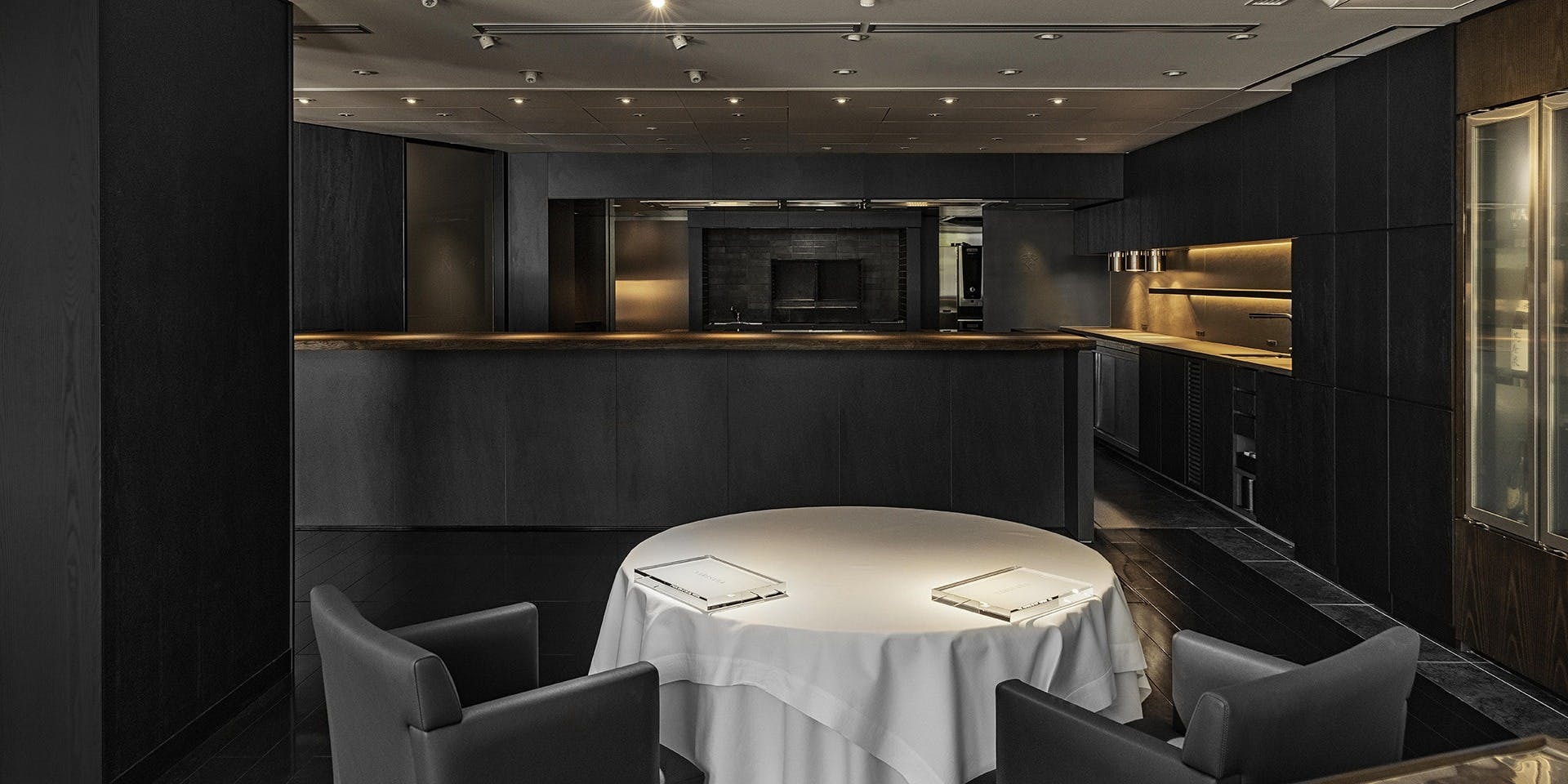
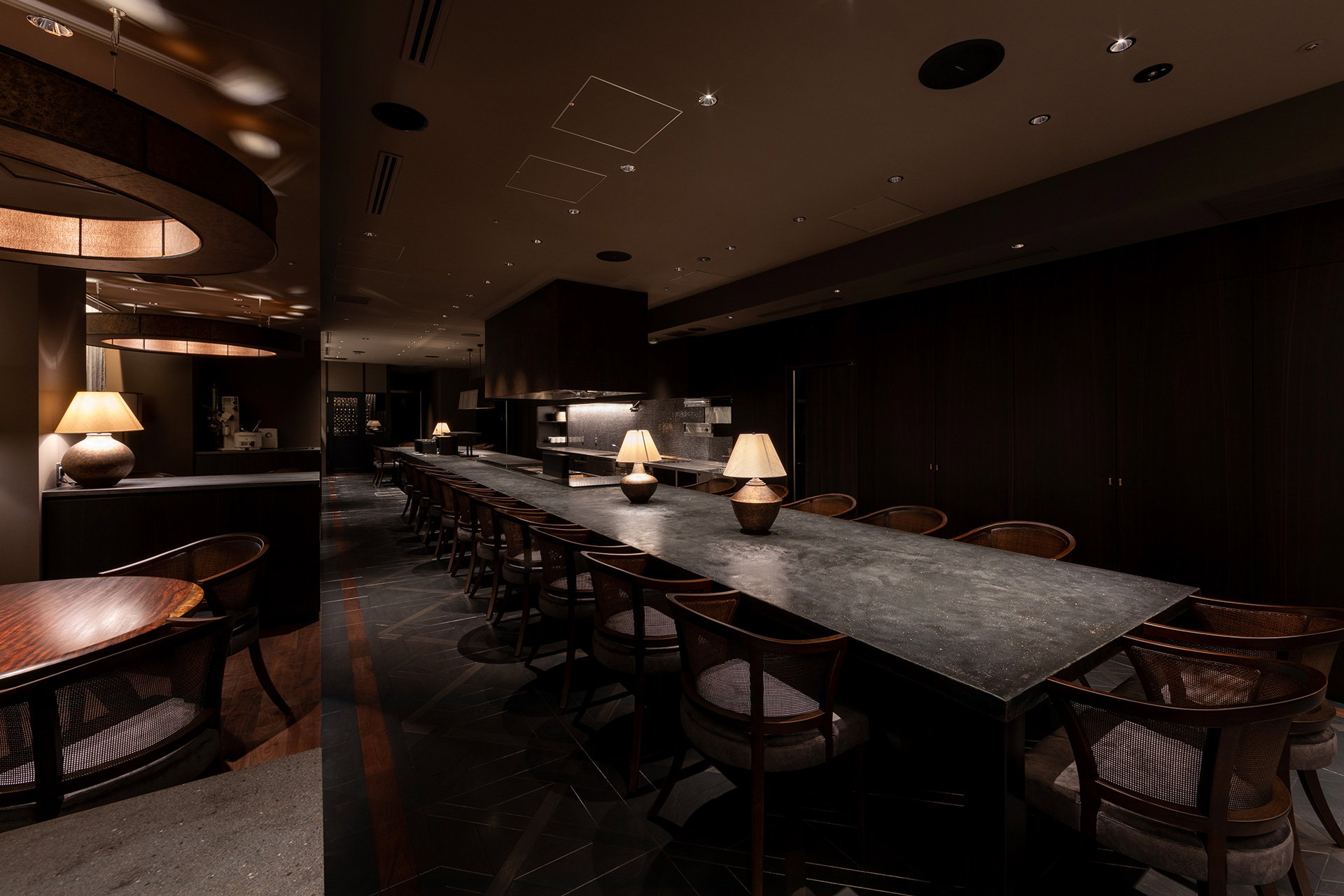
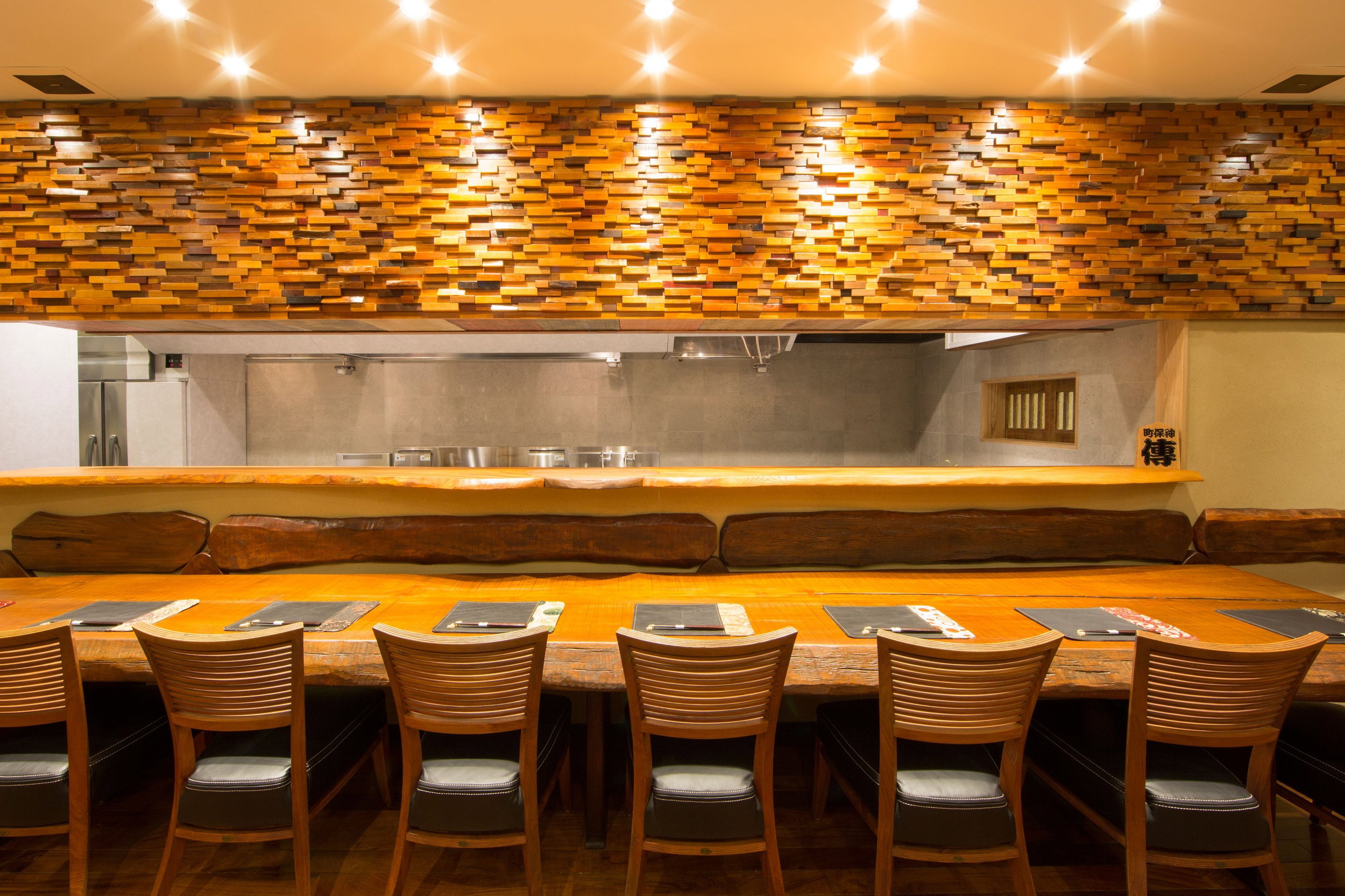
Ginza Kitagawa occupies the third floor of Maronie-dori Ginza-kan, a short walk from both Ginza Ichome Station (two minutes) and Ginza Station (three minutes). The room holds ten counter seats and nothing else. No private rooms, no overflow. This is not a venue that accommodates groups of six looking to celebrate with some privacy. The ten-seat configuration means every guest faces the kitchen, and the young team's movement is visible throughout the meal. The framing is deliberately intimate: the sizzle and aroma of tempura frying in fresh-pressed sesame oil reaches you before the food does.
The atmosphere runs warmer than a typical high-end counter. The owner greets guests directly and takes an active role in making the room feel convivial rather than ceremonious. For a business dinner or a significant date, that register works well. This is not the kind of restaurant where the formality becomes a barrier between you and the food.
What Kitagawa Is Actually Doing
Chef Kitagawa came to tempura by a circuitous route. He spent time as a sushi chef before teaching himself tempura through extensive travel and research, and that background in fish assessment shapes his sourcing. Produce arrives from farms in his native Shizuoka. Seafood comes from Suruga Bay fishermen. The connections are direct and the sourcing is seasonal by default rather than by marketing.
The technical approach to batter is specific: bubbles are trapped in the mix to maximise lightness, and the oil is fresh-pressed sesame. The result is tempura that is less heavy than the category's reputation suggests. The meal opens with an unconventional choice, largehead hairtail, also known as scabbard fish, which signals immediately that Kitagawa is not working from a standard playbook. The dipping sauce is warmed to release its aroma rather than served at ambient temperature. A cup of Kakegawa tea closes the meal.
Beyond tempura, the menu extends into oil-cooked techniques that the restaurant describes as a defining feature. Tsukuri are par-cooked in oil through a method called aburadoshi. The kakiage, tempura shrimp over rice in a clay pot, serves as the final savoury course. These are not side notes. For first-timers, the oil-cooked dishes are worth paying close attention to; they are where the menu's originality is most concentrated.
Awards and Track Record
Kitagawa earned Tabelog Silver Awards in both 2024 and 2025, with a score of 4.32–4.38 on Tabelog's scale. It holds a 2026 Tabelog Bronze Award and has been selected for the Tabelog Japanese Cuisine Tokyo Top 100 in both 2023 and 2025. Opinionated About Dining ranked it among Japan's leading restaurants at position 462 in 2025 and 393 in 2024. It also holds a Michelin Plate for 2025. The venue opened in September 2022 and has accumulated these credentials in under three years, which is a meaningful signal about how quickly it found its footing among serious diners.
For context within the Ginza dining area: Ginza Fukuju and Myojaku occupy the same price neighbourhood, but neither shares Kitagawa's specific focus on oil-based technique as a unifying theme across an entire menu.
How It Compares in Tokyo's Wider Japanese Dining Field
For kaiseki at a similar price, Kagurazaka Ishikawa and Azabu Kadowaki both offer broader seasonal menus with more course variety. Kitagawa's edge is specificity: the focus on one technique, executed with genuine invention, produces a more coherent experience than a multi-format kaiseki for some diners. If you want range, the kaiseki options serve you better. If you want depth and a kitchen that has thought hard about a single discipline, Kitagawa delivers.
Among Japan's leading restaurant destinations more broadly, similar levels of precision in a tightly formatted counter can be found at Gion Sasaki in Kyoto and HAJIME in Osaka, though both operate in different formats and cuisines. Jingumae Higuchi is another Tokyo alternative for diners who want a counter experience in the same price range with a slightly different seasonal emphasis.
Who Should Book
Ginza Kitagawa is the right call for a special occasion dinner where you want something more singular than a large kaiseki restaurant but still want the focused attention of a ten-seat counter. It works for two people on a significant date or a quiet business dinner where the food itself is part of the purpose. It does not work well for groups larger than the full buyout, and there are no private rooms to accommodate parties that want separation from the main counter. For larger groups, Azabu Kadowaki has more flexible seating arrangements.
International visitors planning a Japan trip should note that Ginza Kitagawa's Ginza location is convenient if you are combining dinner with time in central Tokyo. For comparable experiences elsewhere in Japan, consider akordu in Nara or Goh in Fukuoka for different regional expressions of the counter dining format. A wider view of Tokyo's options is in our full Tokyo restaurants guide, and if you are planning a full trip, our Tokyo hotels guide, bars guide, and experiences guide cover the rest.
Practical Details
Booking is reservation-only. The restaurant accepts American Express; electronic money and QR code payments are not accepted. The venue is non-smoking. Parking is not available on-site. Private use of the full ten-seat counter is available for groups wanting an exclusive booking. Business hours are not publicly listed, so contact via phone (+81-3-6264-2872) to confirm current service times and availability. Booking difficulty is rated Easy relative to comparable Tokyo counters of this tier.
Quick reference: Reservation-only counter, 10 seats, JPY 30,000–39,999/dinner, Ginza 2-chome, AMEX accepted, 2–3 min from Ginza/Ginza Ichome stations.
Planning details
- Location
- Japan, 〒104-0061 Tokyo, Chuo City, Ginza, 2 Chome−10−11 マロニエ通り銀座 館3階
- Website
- instagram.com/kazu.kitagawa
- Phone
- +81 3-6264-2872
The take
The Take
The Vibe
Ginza Kitagawa presents a compact, stage-like kappo counter that thrives on precision and momentum. The room is small and intensely focused: chefs work visibly, plates arrive in a tight arc, and the service emphasizes technical skill over ceremony. The tone leans toward Tokyo's energetic register rather than Kyoto's deliberate quietude, so the experience feels immediate and performance-driven. Despite that forward motion, the restaurant retains a classical Japanese pedigree through its kappo format and seasonal attention, making the dining room feel both rooted in tradition and propelled by a taut, contemporary energy.
Best For
This is a dinner destination tailored to special occasions, intimate date nights and business dinners where food-forward seriousness is the point. As a one-Michelin-star counter kappo in Ginza, it suits diners who want a focused, chef-led sequence rather than a sprawling multi-course kaiseki. The counter format also works well for solo diners who enjoy interaction with the kitchen team. Expect a concise, tightly paced progression of dishes that rewards attention and an appreciation for technical cooking on display.
Ordering Tips
The kappo at Ginza Kitagawa unfolds as a compressed arc of dishes served from the counter, so approach the meal as a chef-led progression rather than à la carte grazing. Sit at the counter if you can: the experience is built around watching the cooks and timing of plates. Look out for signatures such as the shrimp tempura hand roll, suppon yaki and hassun, and be prepared for a brisker Tokyo pace rather than a lingering, slow kaiseki cadence. If you prefer closer interaction with the kitchen, mention that to staff when you arrive.
Venue details
Ambiance
Soft lighting with white wooden counters creating a delightful, relaxing Japanese atmosphere; congenial with warm owner greetings.
Tags
Vibe
Best For
Experience
At the Table
- Dress Code
- Smart Casual
- Noise Level
- Quiet
- Service Style
- Formal
- Meal Pacing
- Leisurely
- Capacity
- Intimate
- Kitchen
- Modern
- Menu Format
- Tasting menu
Signature Dishes
- shrimp tempura hand roll
- suppon yaki
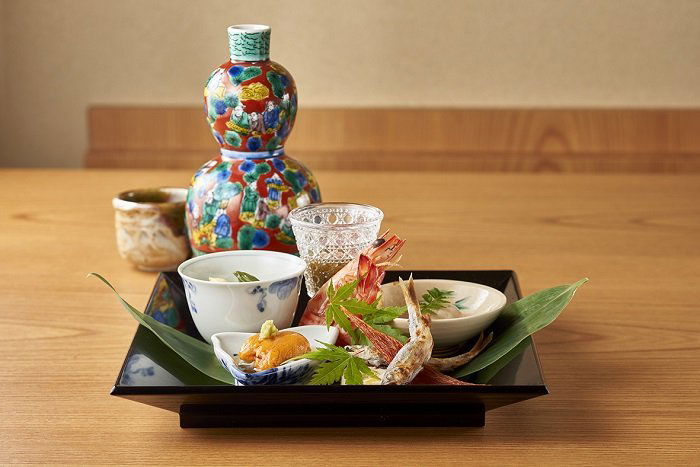
- hassun
Know before you go
Know Before You Go
- Getting there
- Japan, 〒104-0061 Tokyo, Chuo City, Ginza, 2 Chome−10−11 マロニエ通り銀座 館3階
Planning details
Location
Japan, 〒104-0061 Tokyo, Chuo City, Ginza, 2 Chome−10−11 マロニエ通り銀座 館3階 · Directions
Recognition and awards

Also consider
Also Consider
- Harutaka, Sushi, ¥¥¥¥
- L'Effervescence, French, ¥¥¥¥
- RyuGin, Kaiseki, Japanese, ¥¥¥¥
- HOMMAGE, Innovtive French, French, ¥¥¥¥
- Crony, Innovative, French, ¥¥¥¥
Restaurant context
At ¥¥¥¥ in central Tokyo, Ginza Kitagawa sits in the same price band as RyuGin, but the two serve fundamentally different purposes. RyuGin operates a full kaiseki format with broad seasonal range and multiple Michelin stars; it is the call if you want the breadth of traditional Japanese cuisine at its highest level. Kitagawa is the call if you want one technique done with genuine depth and originality. If you are choosing between them for a single special occasion dinner, RyuGin offers more formal prestige and a more varied experience; Kitagawa offers something more personal and less expected.
L'Effervescence, HOMMAGE, and Crony are all ¥¥¥¥ options in Tokyo's French-influenced contemporary dining space, and they compete for the same special-occasion dinner booking. For diners who are weighing a Japanese counter experience against a French tasting menu, Kitagawa's intimacy and technical focus give it a different feel, more craft-centric, less wine-programme-driven. If the meal is the event itself rather than part of a broader evening, Kitagawa's ten-seat format holds the attention well.
Harutaka is the most direct peer for counter-format comparison: it is a sushi omakase at the same price tier with a comparable reputation among serious Tokyo diners. Harutaka is harder to book and carries greater name recognition among international visitors. Kitagawa is easier to secure a reservation at and delivers a less familiar format, which is either an advantage or a drawback depending on what you are after. For a first high-end counter experience in Tokyo, Harutaka is the safer choice. For a second or third visit where you want something less travelled, Kitagawa makes a compelling case.
Explore Tokyo
Around this place
Discover more on Pearl
Unlock the full Ginza Kitagawa 銀座 きた川 guide in Pearl, including awards, comparisons, FAQs, planning details, and nearby places.
FAQ
Frequently Asked Questions
How far ahead should I book Ginza Kitagawa 銀座 きた川?
Book at least four to six weeks in advance. The counter holds only 10 seats and the restaurant is reservation-only, with no walk-in option. Tabelog Silver status in 2024 and 2025 means demand is consistent. Call +81-3-6264-2872 directly; there is no official website for online booking.
What should I wear to Ginza Kitagawa 銀座 きた川?
No dress code is formally stated for Ginza Kitagawa, but the setting, a 10-seat counter in a Ginza building at ¥30,000–¥39,999 per head, makes business casual the sensible baseline. Overly casual clothing would be out of step with the room and the price point.
Is the tasting menu worth it at Ginza Kitagawa 銀座 きた川?
Yes, if the counter kappo format suits you. The menu is chef-driven and includes tempura fried in front of you, oil-cooked tsukuri prepared using aburadoshi technique, and a kakiage rice close. Tabelog scores of 4.32–4.38 and consecutive Silver Awards suggest the execution justifies the ¥30,000–¥39,999 spend for most guests.
Is Ginza Kitagawa 銀座 きた川 worth the price?
At ¥30,000–¥39,999 per head, yes, provided you are buying into the counter kappo format rather than a broad kaiseki spread. Tabelog Silver Awards in 2024 and 2025, a score of 4.32–4.38, and selection for Tabelog Japanese Cuisine Tokyo Top 100 in both 2023 and 2025 give this restaurant a track record that justifies the price. For comparable spend with more course variety, Kagurazaka Ishikawa or Azabu Kadowaki are the alternative.
What should a first-timer know about Ginza Kitagawa 銀座 きた川?
Arrive knowing this is not a standard tempura restaurant. The format is counter kappo: a sequential, chef-directed meal where oil-cooked and fried preparations are central but not the whole story. The room has 10 seats only, AMEX is the accepted card (no electronic money or QR payments), and the venue is strictly non-smoking. Find it on the third floor of Maronie-dori Ginza-kan, roughly two minutes from Ginza Ichome Station.
What should I order at Ginza Kitagawa 銀座 きた川?
There is no à la carte menu. Ginza Kitagawa runs a set counter progression, so ordering choices are not part of the experience. The meal includes tempura fried live at the counter, beginning with an unconventional opening piece, oil-cooked tsukuri via aburadoshi, and a kakiage rice dish as the closing course.