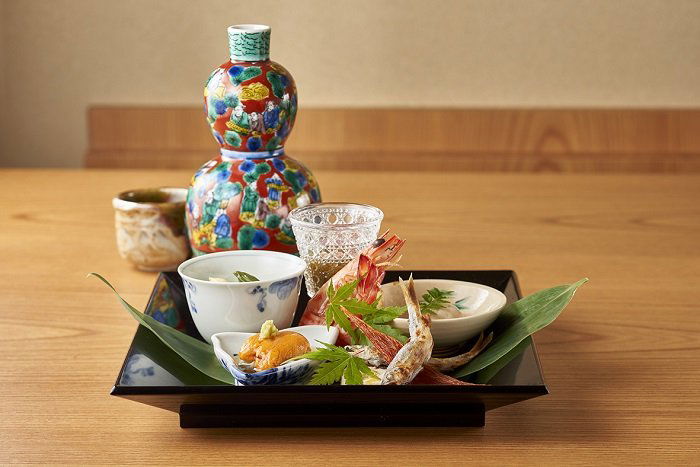



Hakuun
Japanese · Minato, Tokyo
Restaurant in Tokyo, Japan
 Book with Pearl
The Read
Zen-Guided Kaiseki Precision
Price
$300–500per person
Chef
Shingo Sakamoto
Dress
Smart Casual
Why go
Hakuun is an eight-seat Japanese cuisine counter in Minami-Aoyama with two Michelin stars, back-to-back Tabelog Bronze Awards, and a 4.22 score on Tabelog. Chef Shingo Sakamoto's omakase blends classical nihon ryori with grilled beef and game, drawing dashi fresh in front of guests. At JPY 50,000–79,000 per head, this is a special occasion booking that rewards the commitment.
About Hakuun
The Verdict
Hakuun is not the easiest booking in Tokyo, nor the cheapest night out at JPY 50,000–59,999 per head before the 10% service charge. But if you are planning a special occasion dinner and want a Japanese cuisine counter that holds a Michelin star, consecutive Tabelog Bronze Awards (2025 and 2026), and a score of 4.22 on one of Japan's most demanding review platforms, this eight-seat room in Minami-Aoyama earns its place on the shortlist. Book it for a celebration, a serious date, or a business dinner where the food needs to do the talking. Do not book it expecting an easy walk-in or a cheap thrill.
What Hakuun Actually Is
The common misconception about Hakuun is that it is a conventional kaiseki restaurant operating in the classical mould. It is not. Chef Shingo Sakamoto, who opened the restaurant in January 2021, runs a counter that observes Japanese culinary tradition while deliberately pushing against it. The venue's name itself signals the intent: 'hakuun' is a Zen term meaning 'white cloud', a reference to flowing without worldly attachment, and the cooking takes that idea seriously. Fragrance and temperature are treated as primary concerns, not afterthoughts. Dashi is drawn from bonito shaved in front of guests, and the wanmono course arrives at the precise moment when the broth and its main ingredient reach full harmony, a standard that requires both technical rigour and careful timing.
What separates Hakuun from a standard high-end nihon ryori counter is the inclusion of beef and game, char-grilled and straw-roasted, that show a creative range uncommon in more conservative rooms. This is a kitchen that has earned recognition not by following a template but by developing a distinct approach within Japanese culinary grammar. For the diner, this means the meal will feel considered rather than formulaic, with moments of surprise built into a format that still respects the logic of a progression.
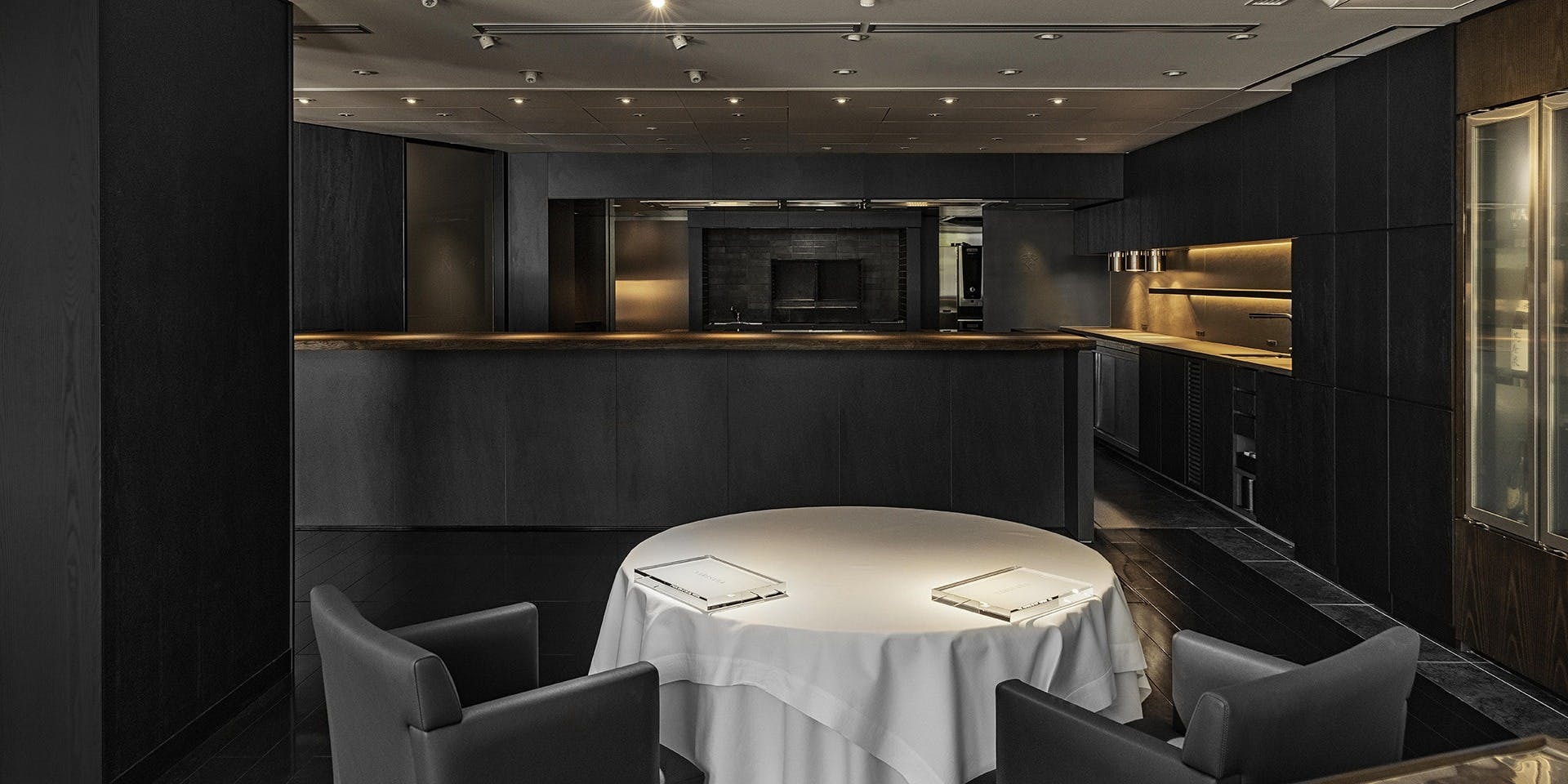
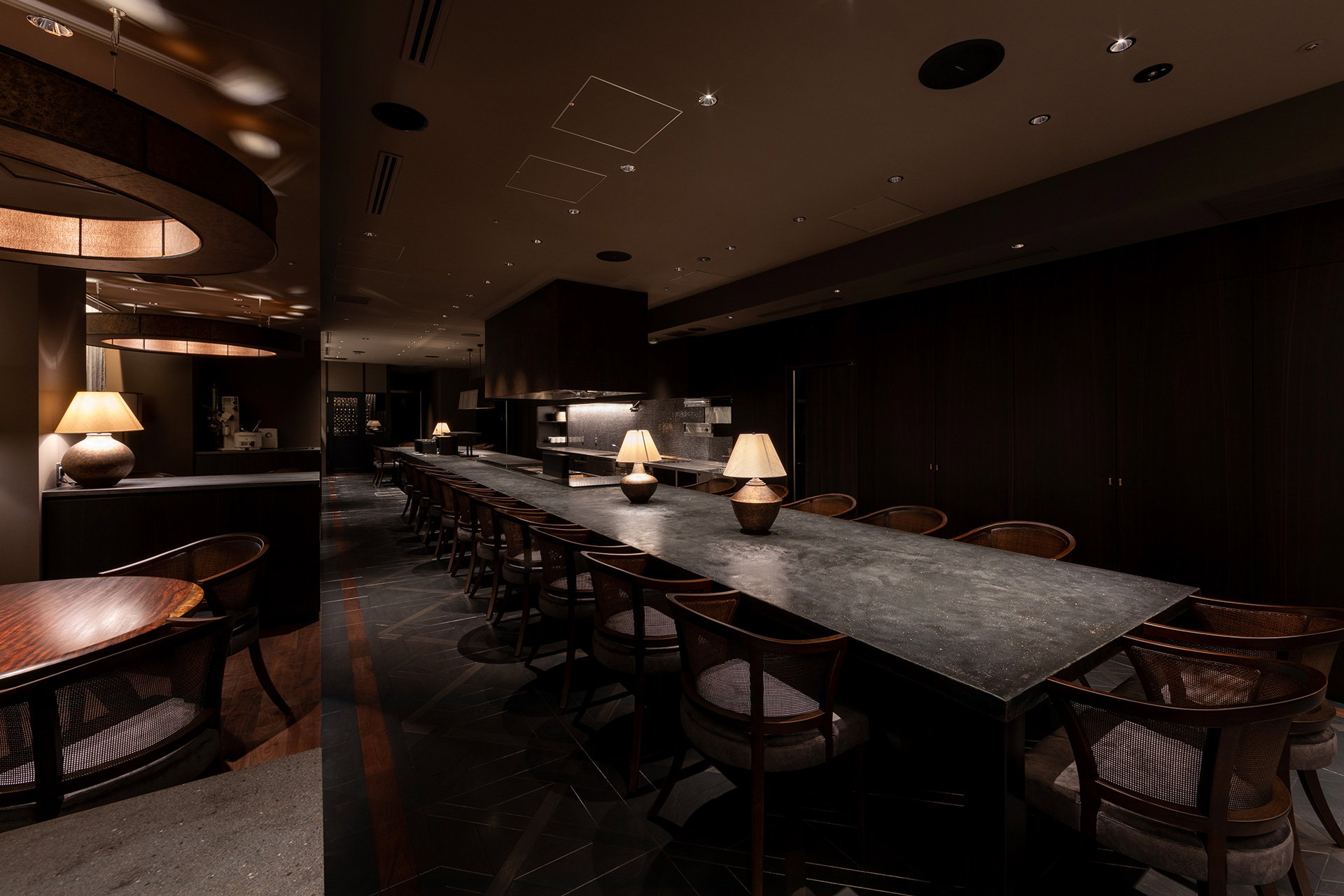
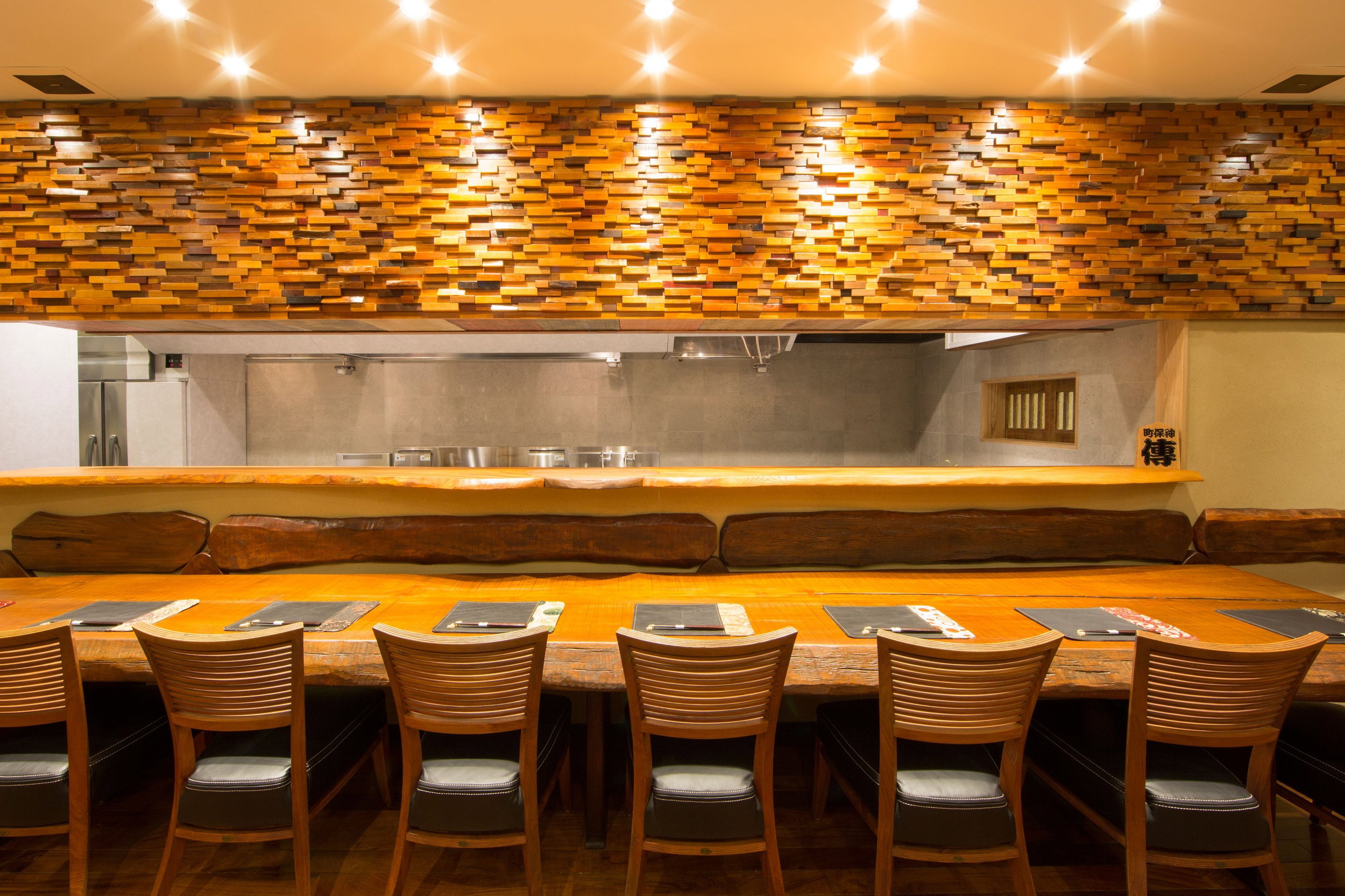
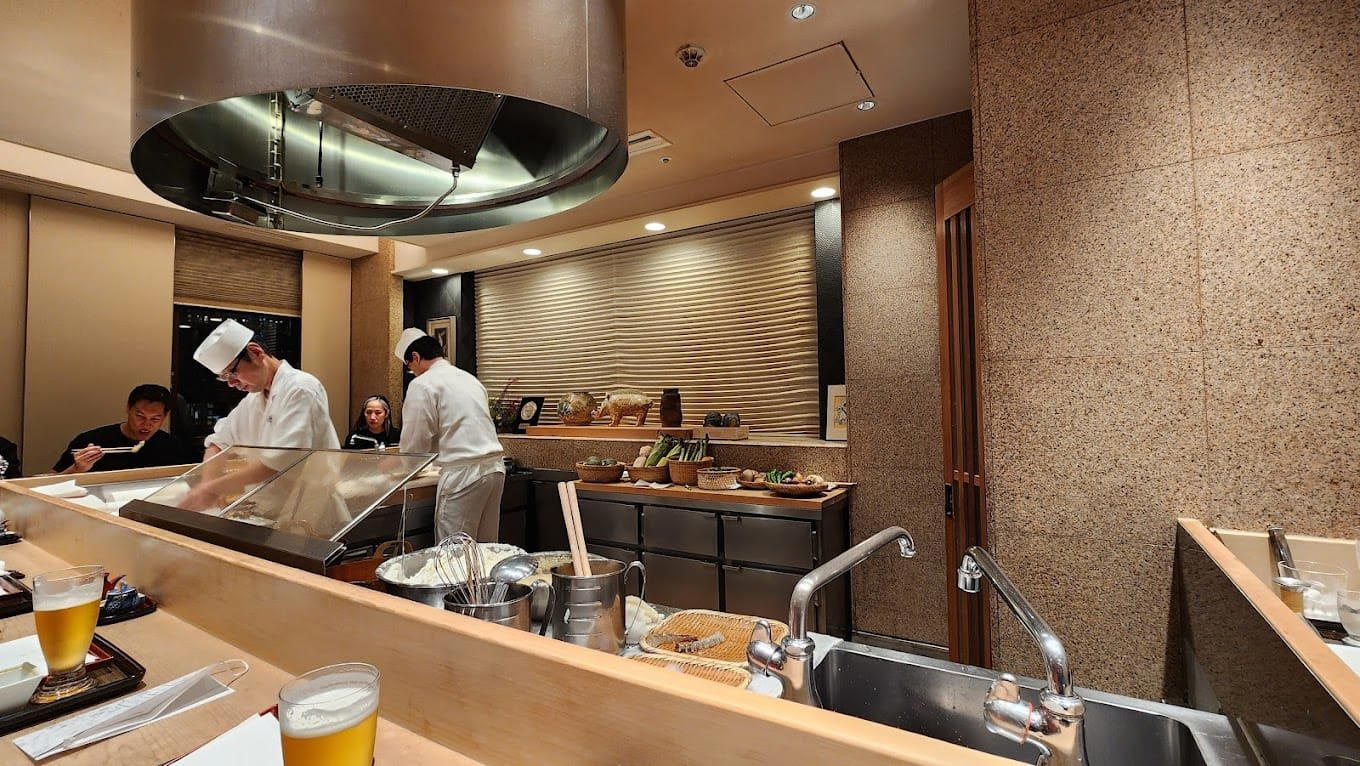
The room reinforces the point. Eight counter seats, no private rooms, no parking, completely non-smoking. The physical scale is intimate by design: every seat faces the kitchen, and the format is structured around two sittings per evening, Session 1 at 5:30 PM and Session 2 at 8:30 PM. There is no ambient noise from a crowded dining room, no background distraction. For a special occasion, that concentration of attention is exactly what you are paying for.
Since Opening: A Quickly Established Track Record
Hakuun opened in January 2021, which makes its current credential stack notable. Within four years of opening, the restaurant had secured a Michelin star (confirmed for 2024), back-to-back Tabelog Bronze Awards, and three separate selections for the Tabelog Japanese Cuisine Tokyo Top 100 (2023 and 2025). It also ranks at number 432 in Opinionated About Dining's Leading Restaurants in Japan for 2025. That rate of recognition for a restaurant that has been operating for under five years places it firmly among Tokyo's most closely watched Japanese cuisine counters, rather than a long-established institution coasting on reputation.
This matters for your booking decision. Hakuun is in a phase of active momentum, not a restaurant resting on accumulated prestige. If you have been waiting to try it, the case for going now is stronger than deferring.
Practical Details
Hakuun operates Monday through Saturday from 17:30 to 23:30, closed Sundays. With only eight seats across two sittings, availability is tightly constrained: that is a maximum of sixteen covers per night, six nights a week. Reservations are made by phone (+81-3-6812-9613) or through the OMAKASE platform. Expect to book well in advance, particularly for weekend dates or sessions that align with Tokyo's busiest travel periods. The restaurant can be used on an exclusive-hire basis for groups of up to eight, which makes it viable for a private business dinner or a small celebration, but you need to arrange this directly. Credit cards are accepted (Visa, Mastercard, JCB, Amex); electronic money and QR code payments are not. There is no parking on-site. The address is 4-11-2 Minamiaoyama, Minato City, accessible on foot from Omotesando Station (7 minutes) or Gaienmae Station (8 minutes).
Budget JPY 50,000–59,999 per person at the listed price, but review-based spending data places the average closer to JPY 60,000–79,999 once drinks and the 10% service charge are factored in. Plan for the higher figure to avoid a surprise at the end of the meal. For context on Tokyo's Japanese cuisine tier, explore our full Tokyo restaurants guide.
Quick reference: 8 counter seats, 2 sittings nightly (17:30 / 20:30), Mon–Sat only, JPY 50,000–79,999 per head all-in, book by phone or OMAKASE, 10% service charge applies.
How It Compares
For special occasion dining at the top of Tokyo's Japanese cuisine tier, Hakuun sits alongside Kagurazaka Ishikawa and Azabu Kadowaki as counters worth serious consideration. Where Hakuun differs is in its willingness to incorporate grilled beef and game into a framework that most comparable rooms keep more strictly within classical boundaries. If that creative latitude appeals, it becomes the stronger choice for a diner who has already covered the more conventional kaiseki options. Myojaku, Ginza Fukuju, and Jingumae Higuchi are worth considering if you want to compare across different styles within the same price tier before committing. For those planning a broader Japan dining trip, Gion Sasaki in Kyoto, Isshisoden Nakamura in Kyoto, and Kashiwaya Osaka Senriyama offer reference points in the classical tradition, while HAJIME in Osaka represents a more experimental pole. Goh in Fukuoka, akordu in Nara, 1000 in Yokohama, and 6 in Okinawa round out a national picture for serious diners building a Japan itinerary. For hotels and bars while in the city, see our Tokyo hotels guide, our Tokyo bars guide, our Tokyo wineries guide, and our Tokyo experiences guide.
Planning details
- Location
- 4 Chome-11-2 Minamiaoyama, Minato City, Tokyo 107-0062, Japan
- Reservations
- Book on Omakase
- Website
- nihonryori-hakuun.com
- Phone
- +81 3-6812-9613
The take
The Take
The Vibe
Hakuun presents a tightly focused counter experience that foregrounds sensory immediacy. The eight-seat room orients diners close to the action: preparation, the drawing of dashi and the shaving of bonito are visible, audible and occasionally olfactory. The effect is quiet and intensely private rather than theatrical—the space reads as refined and restrained, where careful technique and subtle seasoning govern every course. Accolades such as a Michelin star underline the kitchen's precision, while the small, ground-floor setting preserves a measured, contemplative atmosphere that suits guests who want the details of kaiseki up close.
Best For
This is a dedicated dinner destination for diners seeking a concentrated kaiseki counter: tasting-menu service runs in two evening sessions and the pricing sits at a high fine-dining tier. The format and small eight-seat layout make it ideal for intimate date nights, focused business dinners and milestone celebrations where the meal itself is the occasion. Serious food lovers who appreciate seasonal technique, precise charcoal grilling and curated beverage pairings will find Hakuun especially rewarding; recognition from Michelin and Tabelog reinforces its standing among Tokyo's high-end counters.
Ordering Tips
Expect a fixed, multi-course kaiseki tasting experience served at the eight-seat counter in two evening sessions (from 17:30). The stated dinner price band (JPY 50,000–59,999) and notes that spend often rises with beverages make clear that the sake/shochu programme is integral—plan to include pairings if you want the full effect. Embrace the counter format and the kitchen's specialties (katsuobushi no shio tataki, charcoal-grilled bonito) rather than seeking à la carte choices; the service is structured around fragrance, temperature and timed pairings.
Venue details
Ambiance
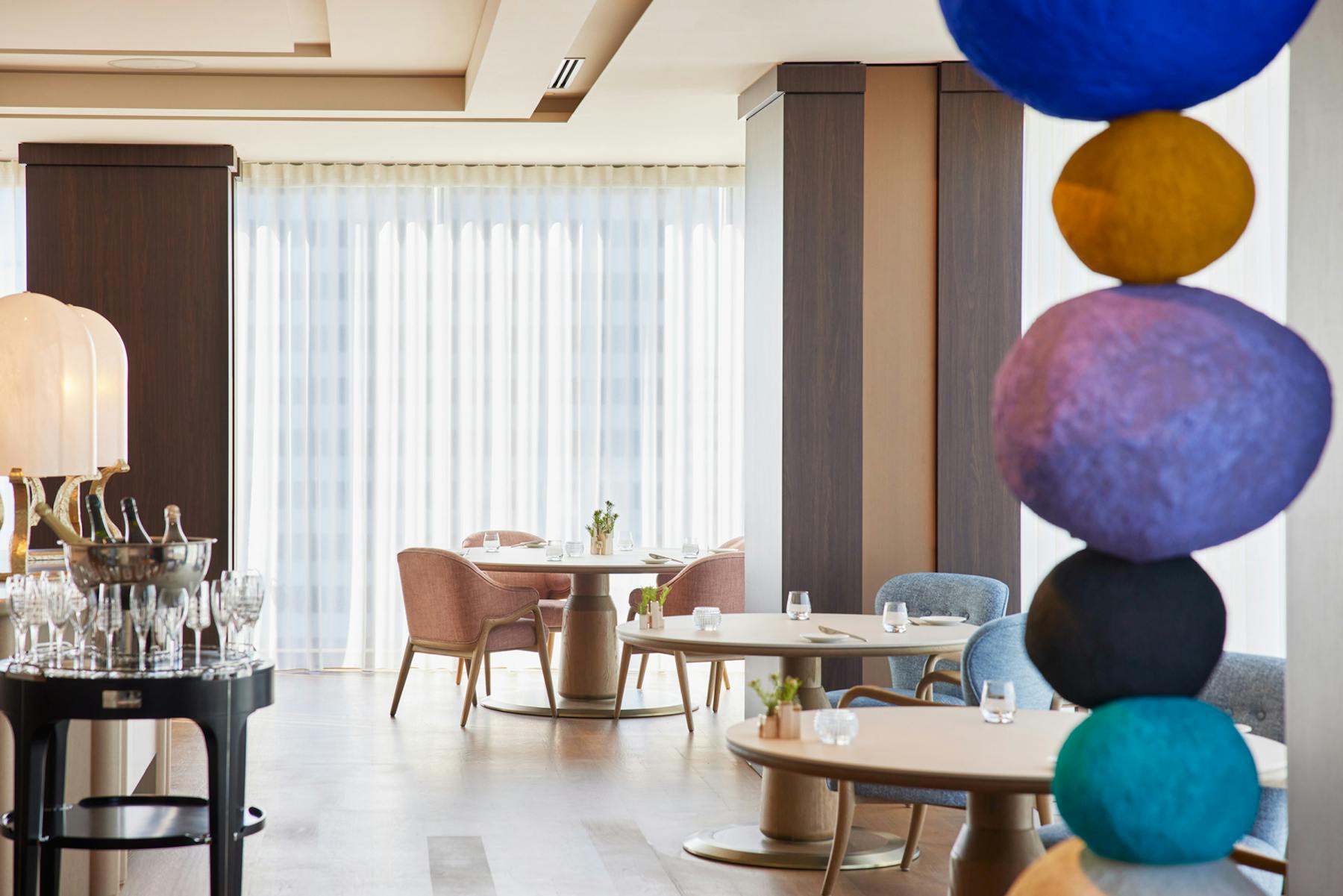
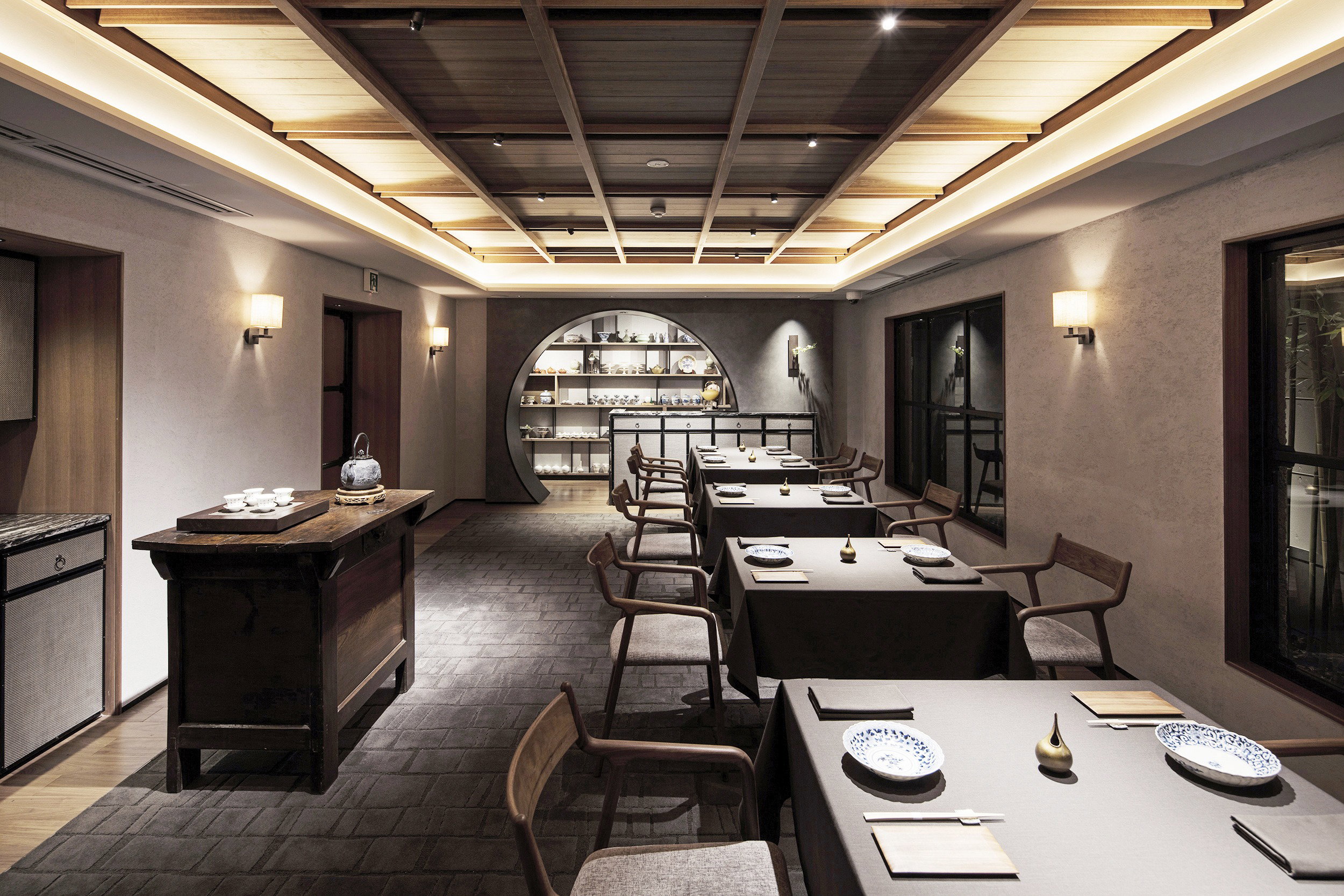
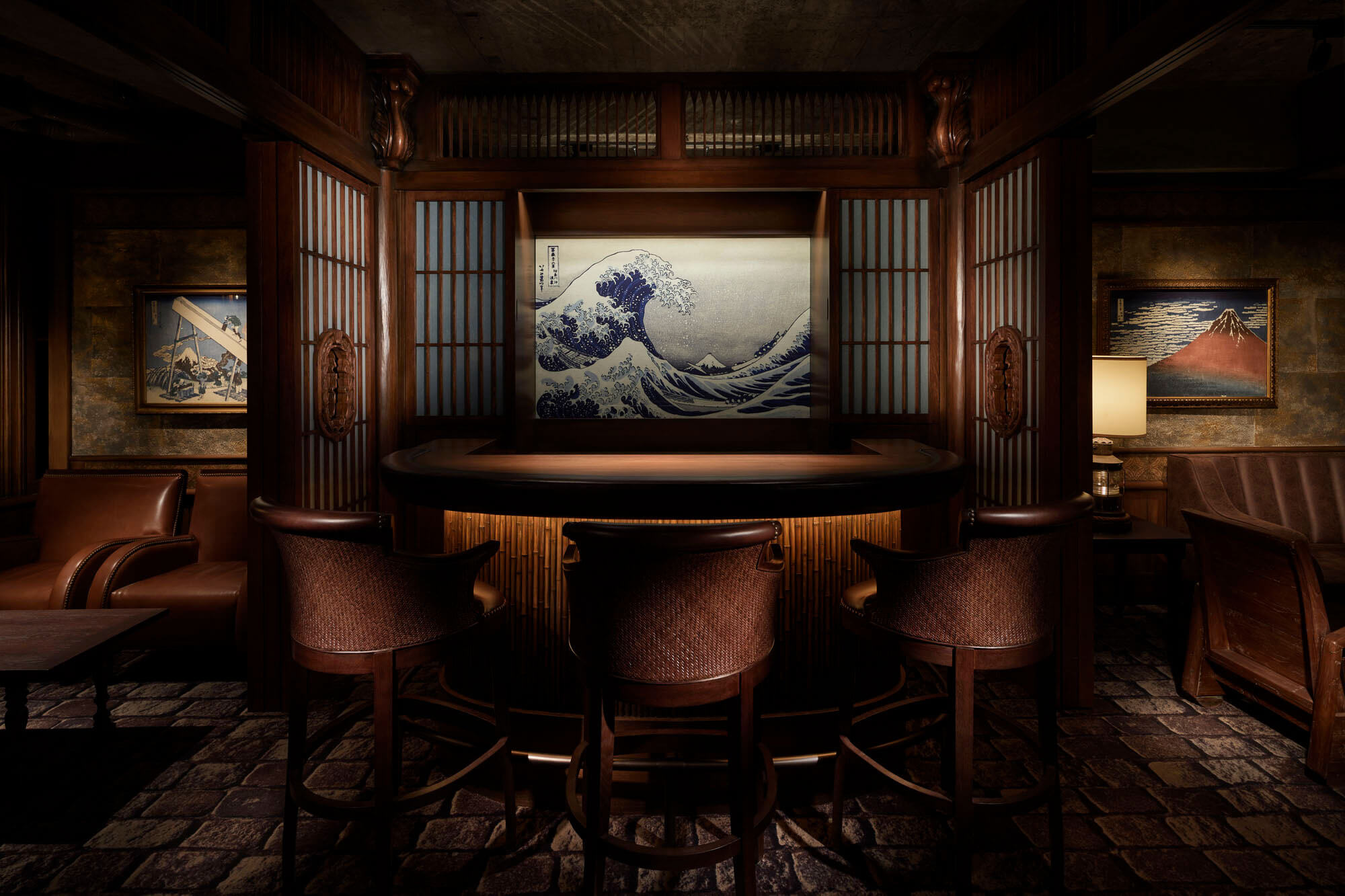
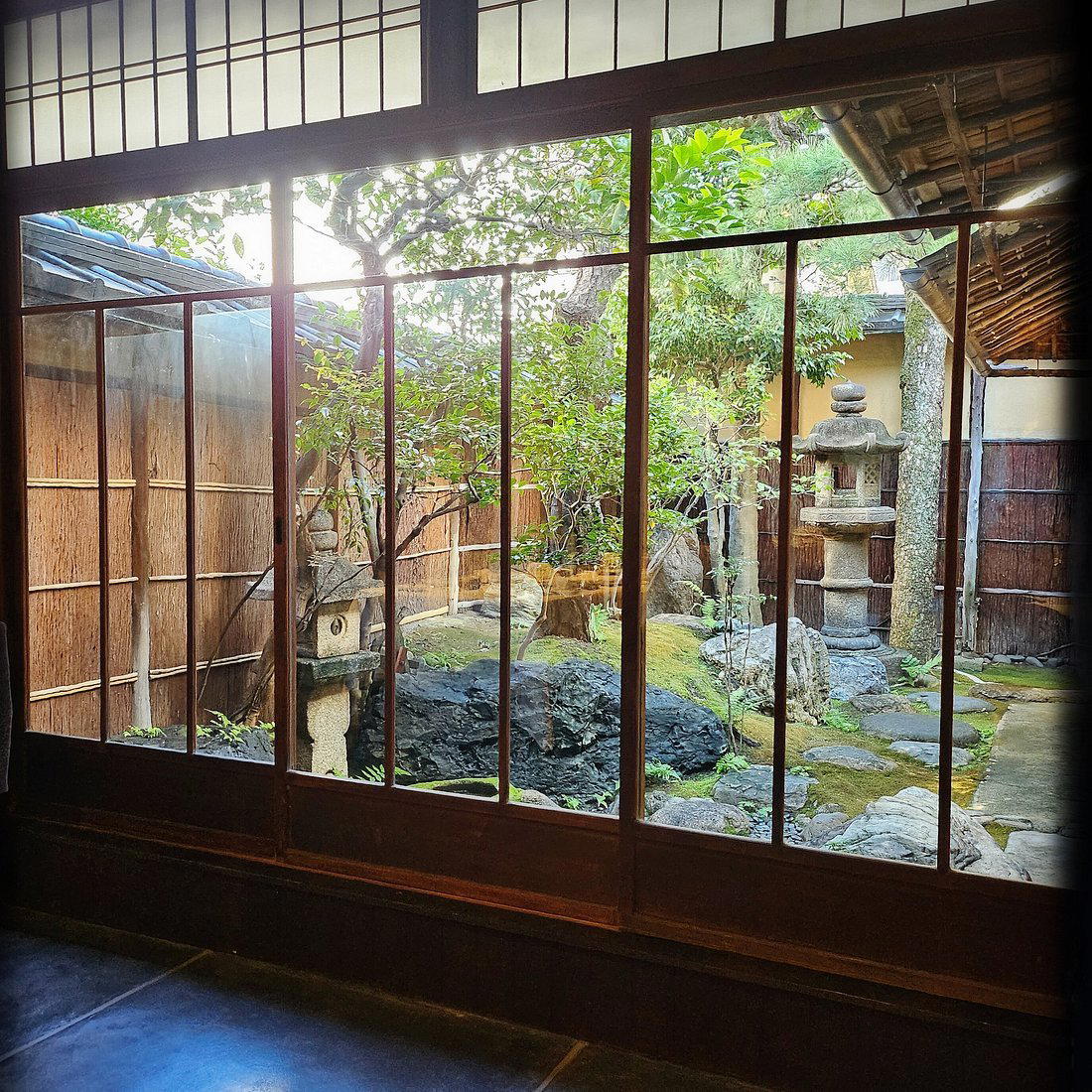
Warm, soft wooden interior with Yoshino cypress counter, bamboo-woven ceiling, and shoji screens creating a calming, inviting Japanese aesthetic.
Tags
Vibe
Best For
Experience
At the Table
- Dress Code
- Smart Casual
- Noise Level
- Quiet
- Service Style
- Formal
- Meal Pacing
- Leisurely
- Capacity
- Intimate
- Kitchen
- Modern
- Menu Format
- Omakase, Counter dining
- Drinks Focus
- Sake program
Signature Dishes
- katsuobushi no shio tataki
- charcoal-grilled bonito
Know before you go
Know Before You Go
- Getting there
- 4 Chome-11-2 Minamiaoyama, Minato City, Tokyo 107-0062, Japan
Planning details
Location
4 Chome-11-2 Minamiaoyama, Minato City, Tokyo 107-0062, Japan · Directions

Also consider
Also Consider
- Harutaka, Sushi, ¥¥¥¥
- L'Effervescence, French, ¥¥¥¥
- RyuGin, Kaiseki, Japanese, ¥¥¥¥
- HOMMAGE, Innovtive French, French, ¥¥¥¥
- Crony, Innovative, French, ¥¥¥¥
Restaurant context
At ¥¥¥¥ across the board, Hakuun, RyuGin, and L'Effervescence are all operating in Tokyo's top price tier, but they serve very different purposes. RyuGin is the classical kaiseki benchmark in this group: technically rigorous, seasonally precise, and backed by a longer track record. If you want the most traditionally structured Japanese haute cuisine experience at this price, RyuGin is the safer pick. Hakuun, by contrast, is worth choosing when you want that classical foundation paired with a more personal creative voice, particularly the char-grilled and straw-roasted beef and game elements that set it apart. L'Effervescence is the right call if you want French technique applied with the same level of seasonal sensitivity but in a Western idiom.
HOMMAGE and Crony are both innovative French at ¥¥¥¥ and worth considering if the meal is a celebration where contemporary cooking matters more than cultural specificity. Neither directly competes with Hakuun on format, since both run in a more conventional dining room setting rather than an intimate counter. For an eight-seat counter experience where the kitchen is the focal point of the evening, Hakuun has no direct equivalent in this comparison set. Harutaka comes closest in counter format, but as a sushi counter it is a different eating experience: shorter in duration, lower in total spend, and better suited to a diner who wants precision over breadth.
On booking difficulty, all of these venues are hard to secure at short notice, but Hakuun's eight-seat capacity makes it the tightest constraint in the group. If you are booking more than six weeks out, your chances across all of them improve significantly. If you are working with a shorter window, Harutaka or one of the French options may offer more flexibility. For the special occasion diner who has already visited the more established rooms and wants something that feels less settled into a formula, Hakuun is the most compelling choice in this tier right now.
Explore Tokyo
Around this place
Discover more on Pearl
Unlock the full Hakuun guide in Pearl, including awards, comparisons, FAQs, planning details, and nearby places.
FAQ
Frequently Asked Questions
Can Hakuun accommodate groups?
The maximum party size is eight, which is the entire counter. Groups up to eight can book, and private use of the full venue is available, making it feasible for an exclusive buyout. There are no private rooms, so the experience is always counter-based. Contact the restaurant by phone (+81-3-6812-9613) or via OMAKASE to discuss full-venue bookings.
What are alternatives to Hakuun in Tokyo?
For similarly priced Japanese cuisine counters in Tokyo with comparable award credentials, Kagurazaka Ishikawa and Azabu Kadowaki are the closest comparisons. RyuGin offers a more theatrical kaiseki format at a similar price tier. If you want Michelin-level Japanese cuisine with a different format or easier reservation access, those are worth considering before defaulting to Hakuun's waitlist.
What should a first-timer know about Hakuun?
Hakuun runs two sittings: 17:30 and 20:30. With only eight seats at the counter, it books out quickly and reservations must be made by phone or through OMAKASE. Budget JPY 50,000–59,999 per head for the menu, plus a 10% service charge on top. The restaurant holds a Michelin star (2024) and consecutive Tabelog Bronze awards, so this is a high-stakes, structured evening rather than a casual dinner.
Is Hakuun worth the price?
At JPY 50,000–59,999 before the 10% service charge, Hakuun is priced at the top of Tokyo's Japanese cuisine tier. The Michelin star (2024), Tabelog score of 4.22, and consecutive Tabelog Bronze awards (2025, 2026) back up the premium. Review-based spend data suggests actual costs often reach JPY 60,000–79,999. If you are benchmarking against Tokyo's other top Japanese counters, that spend is consistent with the category; if it is your only major Tokyo dinner, the credentials justify it.
What should I order at Hakuun?
Hakuun operates a set menu format, so ordering is not a decision you need to make. The chef's approach centres on seasonal Japanese ingredients with beef and game prepared over charcoal and straw alongside dashi drawn at the counter. There is no à la carte option documented, so come prepared for the full omakase course rather than selective ordering.
Is the tasting menu worth it at Hakuun?
Given the Michelin star (2024) and a Tabelog score of 4.22 placing Hakuun in the Tokyo top 100 for Japanese cuisine, the tasting menu delivers what the price implies. The format is the entire experience: dashi prepared in front of guests, charcoal and straw cookery, a counter with eight seats. If you want flexibility or prefer à la carte, this is the wrong venue. For a structured counter experience with strong credentials, the answer is yes.
Is Hakuun good for solo dining?
Yes. Counter seating for eight makes solo dining comfortable and natural at Hakuun. A single seat at an eight-person counter is a practical and common format for this category of Japanese restaurant. Book via phone or OMAKASE; solo availability may actually be easier to secure than a table for two or four.