


Towa
Beef Kaiseki, Japanese · Minato, Tokyo
Restaurant in Tokyo, Japan
 Book with Pearl
The Read
Kaiseki-Structured Wagyu Counter
Price
¥¥¥¥
Chef
Takaaki Tsuneyasu
Dress
Smart Casual
Why go
A Michelin-starred (2024) beef kaiseki restaurant in Nishiazabu, Towa sequences wagyu through multiple preparations — tail, tongue, cutlet — within a traditional kaiseki framework. At ¥¥¥¥, it earns its price if wagyu is your focus. Booking is hard; plan four to six weeks ahead minimum.
About Towa
A Michelin-starred beef kaiseki in Nishiazabu — but is Towa the right booking for you?
The format is beef kaiseki — a structured progression that opens with seasonal tsukuri and wanmono before moving into a carefully sequenced wagyu showcase. If you are considering a special-occasion dinner in Nishiazabu and wagyu is your focus, Towa is a strong answer. If you want kaiseki without the beef emphasis, or a more flexible à la carte format, look elsewhere.
What Makes Towa Worth Knowing About
The restaurant sits on the second floor of the Modern Form Nishiazabu Building at 4-11-25 Nishiazabu, Minato City, a low-key address in a neighbourhood that runs quieter than Roppongi proper but remains well-connected. The second-floor location keeps the room away from street noise, and the dinner-only format (6 PM to 11:30 PM, Monday through Saturday, closed Sunday) signals that Towa is built around a single, unhurried evening service rather than table turns.
The name itself carries intention: it is both a reference to chef Takaaki Tsuneyasu's own name and a prayer for everlasting prosperity. That framing matters because it tells you something about the register of the experience, this is not a casual wagyu grill or a beef-forward izakaya. It is a kaiseki framework applied to Japan's most prized protein, with the seasonal progression of a traditional multi-course structure intact.
The Sourcing Argument, Why the Menu Is Built This Way
Beef kaiseki as a format only makes sense if the sourcing can carry it. Kaiseki, by design, is a cuisine of restraint and seasonality, where each element earns its place. Applying that structure to wagyu means the beef has to work as a through-line across multiple preparations, not just as a feature dish. At Towa, the menu moves from beef-tail spring rolls and char-grilled tongue through to a main course beef cutlet, with Japanese and beef dishes described as alternating in equal measure throughout.
This sequencing matters for the price justification. At ¥¥¥¥, you are paying for wagyu sourced and prepared across several distinct techniques, not just a single premium steak course. The variety of cuts and preparations, tail, tongue, cutlet, suggests a kitchen that works the whole animal rather than defaulting to the most expensive loin cuts. That approach is harder to execute and, when done well, more interesting to eat through. The Michelin panel evidently agreed: a star at this price point in Tokyo's saturated fine dining market is not awarded easily.
For context, Tokyo's Michelin guide covers more starred restaurants than any other city in the world. A single star in 2024 means Towa is considered worth a special journey, not just a neighbourhood convenience.
Booking and Logistics
Towa operates dinner service only, six nights a week, which means the seat count per week is fixed and demand is concentrated. No phone number or website is listed in publicly available records, which makes direct booking harder to navigate than restaurants with online reservation systems. For Tokyo's harder-to-book Michelin venues at this tier, the standard approach is to use a hotel concierge if you are staying at a property with strong local relationships, or to book through a reputable reservation service well in advance. Treat this as a hard booking, plan at least four to six weeks out, and more during peak travel seasons (cherry blossom in late March to April, and autumn foliage in November).
The Nishiazabu address is accessible by taxi from most central Tokyo hotels. The neighbourhood sits between Hiroo and Roppongi, making it convenient if you are based in Minato or Shibuya wards. A taxi from central Shinjuku or Ginza should be direct.
First-Timer Guidance
If this is your first beef kaiseki experience, the format will feel more structured than a wagyu steakhouse but less austere than a traditional multi-course kaiseki focused entirely on vegetables and seafood. Expect the meal to run close to two hours given the number of courses. The kitchen paces the progression, you are not ordering individually, and the menu is set. Come with an appetite and, given the ¥¥¥¥ price tier, with a clear sense that you are committing to the full experience.
Dress smartly. While no formal dress code is confirmed in available data, a Michelin-starred dinner-only restaurant in Nishiazabu at this price point warrants business casual at minimum. Avoid sportswear. For international visitors, this is the kind of venue where smart casual to dressy will always be the right call.
If wagyu is a priority and you want to compare options before committing, RyuGin offers a different take on Japanese fine dining at the same price tier, and Harutaka is worth considering if exceptional sushi is the alternative you are weighing. For a broader view of where Towa sits in Tokyo's dining scene, see our full Tokyo restaurants guide.
Beyond Tokyo, if you are travelling through Japan and want to benchmark the broader kaiseki and fine dining landscape, Gion Sasaki in Kyoto and HAJIME in Osaka are both reference-point venues worth knowing. For something further afield, akordu in Nara and Goh in Fukuoka round out the picture across Japan's main dining regions. If you are planning around Tokyo specifically, our Tokyo hotels guide and bars guide can help with the full itinerary. Internationally, the closest format comparison for the structured tasting-menu-plus-premium-protein model would be something like Le Bernardin in New York City or Lazy Bear in San Francisco, both structured, ingredient-led tasting experiences at a comparable price commitment.
The Verdict
Book Towa if wagyu kaiseki is specifically what you want and you are prepared to work through the booking logistics. The dinner-only format and six-night service means seats are genuinely limited, this is not a venue you can leave to last minute. If you are on the fence between Towa and a more conventional kaiseki or sushi option, the deciding factor is simple: how central is wagyu to what you want from the meal? If it is central, Towa is the booking to make.
Planning details
- Hours
- Monday: 6–11:30 pm · Tuesday: 6–11:30 pm
- Location
- Japan, 〒106-0031 Tokyo, Minato City, Nishiazabu, 4 Chome−11−25 モダンフォルム西麻布ビルパートIII 2F
- Website
- nishiazabu-towa.com
- Phone
- +81 3-6433-5680
The take
The Take
The Vibe
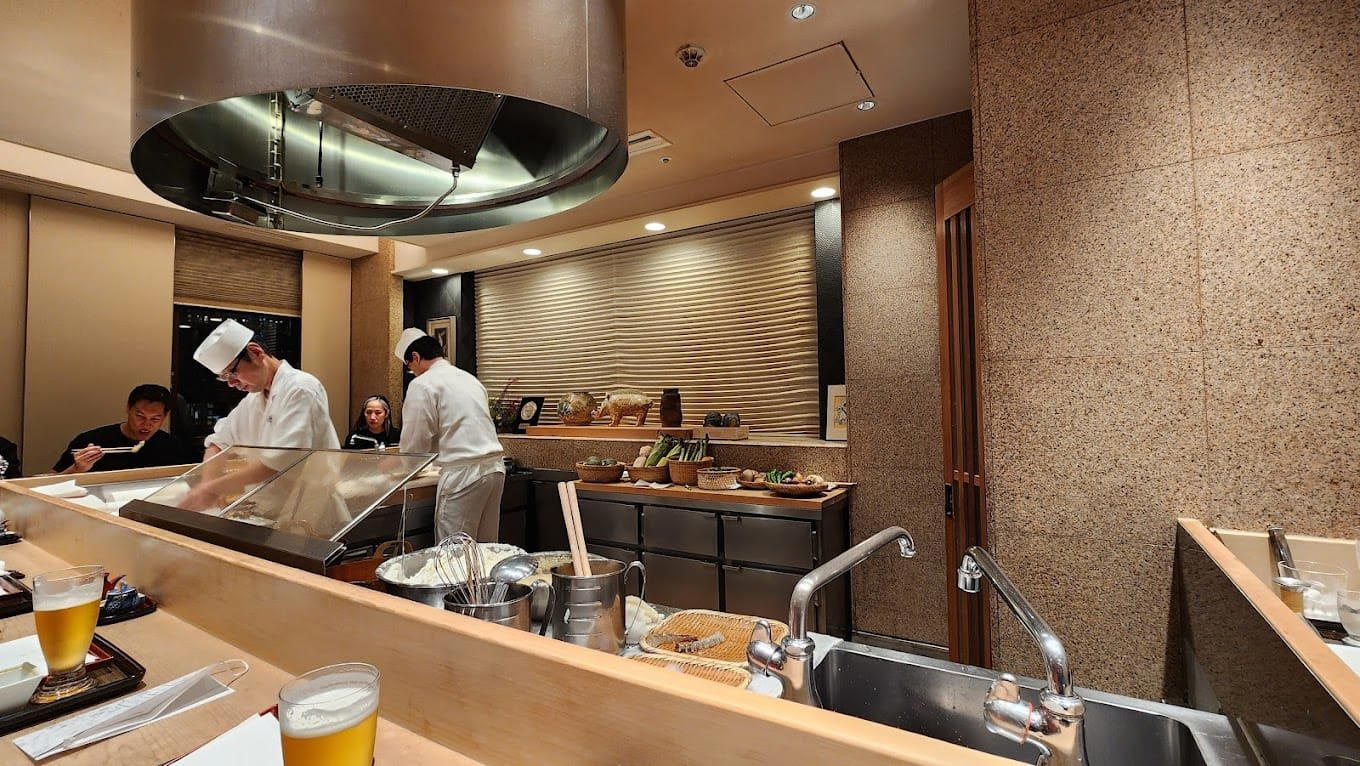
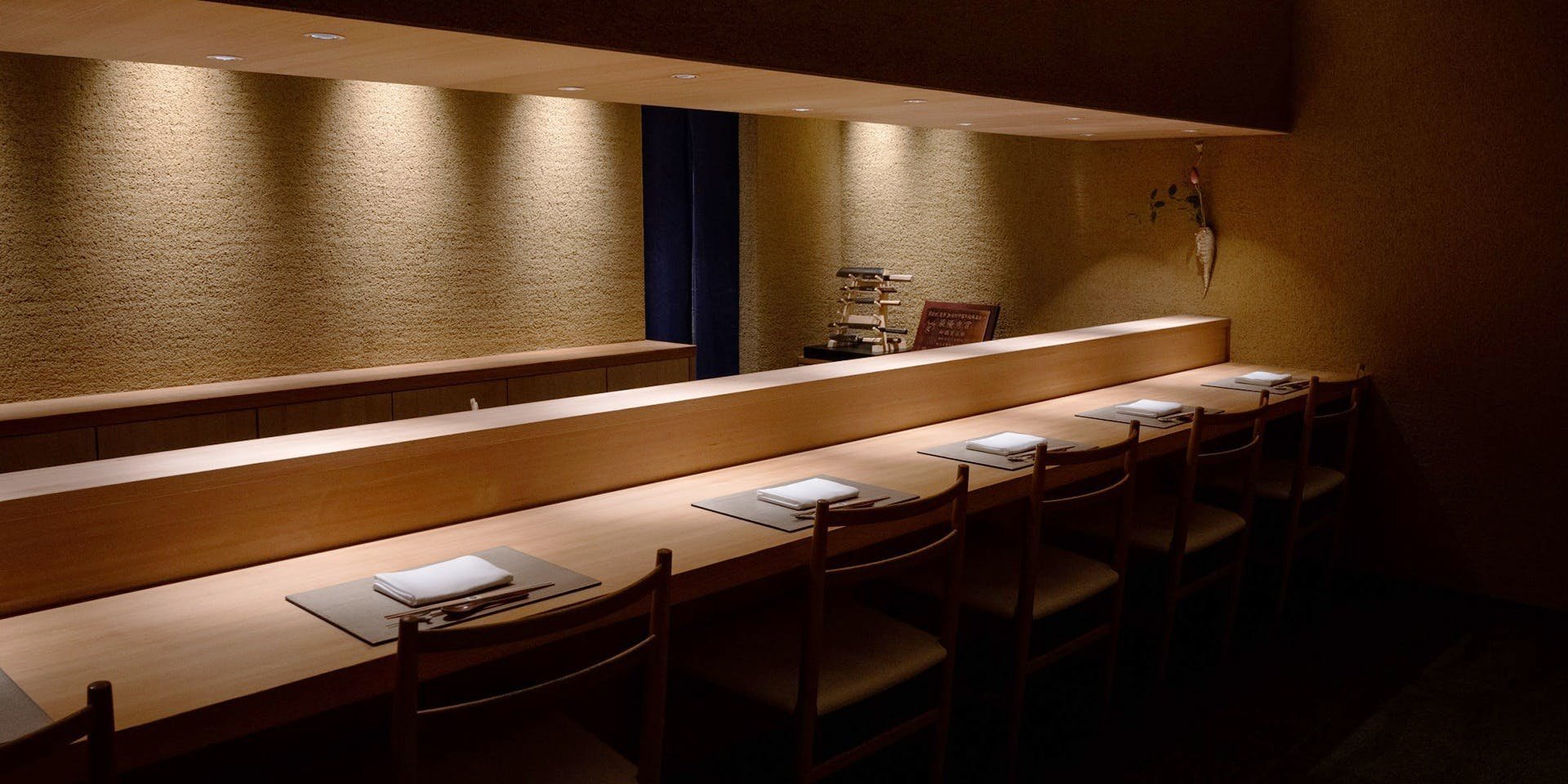
Towa applies kaiseki discipline to wagyu in a restrained, refined setting. Rather than teppan theatre, the evening unfolds as a sequence of tsukuri and wanmono that honor the season before beef appears; the restraint makes the experience feel intentional and quietly exacting. The counter frames the meal as a close, deliberate exchange between kitchen and diner, yielding an intimate, minimalist atmosphere. Michelin recognition in 2024 underscores the restaurant’s place among Tokyo’s serious Japanese houses, where sophistication and classical structure matter as much as ingredient quality.
Best For
Towa is best for a focused evening meal when you want to experience a formal, seasonally driven kaiseki progression that uses wagyu as a component rather than the entire show. The restaurant’s counter-dining format and quiet, considered pacing suit special occasions and date nights, and it appeals to diners who prize technique, seasonal storytelling, and restraint. As a Michelin-starred address in Nishiazabu, it sits firmly in the realm of serious Japanese dining rather than teppanyaki spectacle.
Ordering Tips
Expect a sequenced kaiseki menu: the meal opens with tsukuri and wanmono in the classical manner and introduces wagyu only after the seasonal framework is established. Embrace the pacing—the point here is the discipline of the courses, so let the progression orient your palate. If you’re curious for a specific bite, the venue’s signature items (for example: oxtail spring rolls) are worth noting, but avoid treating the beef as a stand-alone feature—Towa intentionally places it within the broader kaiseki narrative.
Venue details
Ambiance
Modern minimalist with ocher walls, gentle lighting creating sophisticated shadows, and classic Japanese aesthetics.
Tags
Vibe
Best For
Experience
Sourcing
At the Table
- Dress Code
- Smart Casual
- Noise Level
- Quiet
- Service Style
- Formal
- Meal Pacing
- Leisurely
- Capacity
- Intimate
Signature Dishes
oxtail spring rolls
Know before you go
Know Before You Go
- Getting there
- Japan, 〒106-0031 Tokyo, Minato City, Nishiazabu, 4 Chome−11−25 モダンフォルム西麻布ビルパートIII 2F
Planning details
Hours
- Monday
- 6–11:30 pm
- Tuesday
- 6–11:30 pm
- Wednesday
- 6–11:30 pm
- Thursday
- 6–11:30 pm
- Friday
- 6–11:30 pm
- Saturday
- 6–11:30 pm
- Sunday
- Closed
Location
Japan, 〒106-0031 Tokyo, Minato City, Nishiazabu, 4 Chome−11−25 モダンフォルム西麻布ビルパートIII 2F · Directions
Recognition and awards

Also consider
Also Consider
- Harutaka, Sushi, ¥¥¥¥
- RyuGin, Kaiseki, Japanese, ¥¥¥¥
- L'Effervescence, French, ¥¥¥¥
- HOMMAGE, Innovtive French, French, ¥¥¥¥
- Florilège, French, ¥¥¥
Restaurant context
At the ¥¥¥¥ tier in Tokyo, Towa's closest structural comparison is RyuGin, which also applies a Japanese fine dining framework to premium seasonal ingredients. RyuGin operates at a higher profile internationally and may be easier to book through established concierge channels, but Towa's specific focus on wagyu across multiple preparations gives it a clearer identity for diners who know exactly what they want. If the format is kaiseki but the priority is the beef, Towa wins that head-to-head. If you want the full breadth of Japanese seasonal cuisine without a protein-forward through-line, RyuGin is the stronger call.
Harutaka operates at the same price tier but in a completely different register, counter sushi, not kaiseki. The two venues are not really in competition unless you are choosing between sushi and beef kaiseki for a single special-occasion dinner. L'Effervescence and HOMMAGE bring French technique to Tokyo's ¥¥¥¥ tier, which is a meaningful stylistic fork, both are strong choices if you want European structure over Japanese format. Florilège sits at ¥¥¥, making it the most accessible price point among these peers, and worth considering if budget is a factor. For wagyu specifically as the organising principle of a full tasting menu, Towa has a more focused proposition than any of these alternatives.
On booking difficulty, all five peer venues are competitive, but Towa's dinner-only, six-night format and the absence of a publicly listed online reservation system put it at the harder end of the group. Factor that into your planning: if you have a fixed travel window, secure Towa first before building the rest of your Tokyo itinerary around it. See Sézanne and Crony for alternative high-end Tokyo options if Towa proves impossible to secure in your timeframe.
Explore Tokyo
Around this place
Discover more on Pearl
Unlock the full Towa guide in Pearl, including awards, comparisons, FAQs, planning details, and nearby places.
Compare Towa
| Venue | Cuisine | Price | Awards | Booking Difficulty |
|---|---|---|---|---|
| Towa | Beef Kaiseki, Japanese | ¥¥¥¥ | 2026 OAD Top Restaurants in Japan Recommended2026 Michelin 1 StarTabelog 100 - Japanese cuisine - TOKYO - 2025 · #372024 Michelin 1 Star | Hard |
| Harutaka | Sushi | ¥¥¥¥ | 2026 Tabelog Silver · #312026 OAD Top Restaurants in Japan Ranked · #1282026 Michelin 3 Stars2026 La Liste Top RestaurantsTabelog 100 - Sushi - TOKYO - 2025 · #372025 Asia's 50 Best Restaurants · #762025 OAD Top Restaurants in Japan Ranked · #1172025 La Liste Top Restaurants2025 Tabelog Bronze | Unknown |
| RyuGin | Kaiseki, Japanese | ¥¥¥¥ | 2026 OAD Top Restaurants in Japan Ranked · #802026 Tabelog Bronze · #3772026 Michelin 3 Stars2026 La Liste Top RestaurantsTabelog 100 - Japanese cuisine - TOKYO - 2025 · #212025 OAD Top Restaurants in Japan Ranked · #542025 Michelin 3 Stars2025 La Liste Top Restaurants2025 The Best Chef Three Knives | Unknown |
| L'Effervescence | French | ¥¥¥¥ | 2026 Tabelog Silver · #682026 OAD Top Restaurants in Japan Ranked · #103Star Wine Lists 20262026 Black Pearl 2 Diamond2026 Relais Chateaux Restaurants2026 La Liste Top Restaurants2026 Michelin 3 Stars2025 Asia's 50 Best Restaurants · #692025 OAD Top Restaurants in Japan Ranked · #92 | Unknown |
| HOMMAGE | Innovtive French, French | ¥¥¥¥ | 2026 Tabelog Bronze · #1232026 OAD Top Restaurants in Japan Highly Recommended2026 Michelin 2 StarsTabelog 100 - French - TOKYO - 2025 · #762025 Asia's 50 Best Restaurants · #782025 OAD Top Restaurants in Japan Ranked · #1752025 Michelin 2 Stars2025 The Best Chef One Knife2025 La Liste Top Restaurants | Unknown |
| Florilège | French | ¥¥¥ | 2026 Asia's 50 Best Restaurants · #312026 Tabelog Bronze · #712026 OAD Top Restaurants in Japan Ranked · #1242026 Black Pearl 1 Diamond2026 Michelin 2 Stars2026 La Liste Top Restaurants2025 Asia's 50 Best Restaurants · #172025 World's 50 Best Restaurants · #36Tabelog 100 - French - TOKYO - 2025 · #68 | Unknown |











Comparing your options in Tokyo for this tier.
FAQ
Frequently Asked Questions
Is the tasting menu worth it at Towa?
For wagyu kaiseki specifically, yes. The format — tsukuri and wanmono opening the meal before a procession of wagyu preparations including beef-tail spring rolls, char-grilled tongue, and a beef cutlet main — is more deliberate and structured than a steakhouse approach. The 2024 Michelin star confirms the kitchen is operating at a high level. If you want à la carte wagyu or a looser format, this is the wrong room.
What should a first-timer know about Towa?
Towa runs dinner only, six nights a week (closed Sundays), from a second-floor address in Nishiazabu — low-key from the street and not walk-in friendly. The menu follows a kaiseki progression, so expect a sequenced meal rather than a single wagyu centrepiece. Booking requires advance planning; there is no listed phone or website, so reservations typically go through a hotel concierge or a third-party reservation service.
Is Towa worth the price?
At ¥¥¥¥ pricing and with a 2024 Michelin star, Towa sits in Tokyo's top tier for dinner-only fine dining. The value case holds if beef kaiseki is the format you want — the sourcing and structure justify the spend. If you are after traditional multi-course kaiseki without the wagyu focus, RyuGin or L'Effervescence offer strong alternatives at a similar price point.
What should I wear to Towa?
The venue data does not specify a dress code, but the ¥¥¥¥ price point, Michelin star, and kaiseki format all point toward formal or at minimum business-casual dress. In Tokyo's fine dining context at this tier, shorts and trainers would be out of place. When in doubt, dress as you would for any Michelin-starred dinner.
Is lunch or dinner better at Towa?
Towa does not serve lunch. Dinner runs Monday through Saturday, 6 to 11:30 pm, and that is your only option. Plan accordingly, especially if you are working around a tight Tokyo itinerary.