

Kawada
Japanese Cuisine · Minato, Tokyo
Restaurant in Tokyo, Japan
 Book with Pearl
The Read
Isetsu-Lineage Omakase
Chef
Keisuke Kawada
Dress
Smart Casual
Why go
A seven-seat counter in Nihonbashi Ningyocho, Kawada holds four consecutive Tabelog Bronze Awards and a 3.96 score, placing it among Tokyo's most consistent Japanese cuisine destinations at JPY 40,000–49,999 per head. Best for solo diners or pairs who want an intimate, ingredient-focused meal without the scale of a full kaiseki room. Saturday lunch is the practical choice for visitors with busy evenings.
About Kawada
Pearl Verdict
Kawada is the right booking for a solo diner or a pair who wants serious kaiseki-style Japanese cuisine in an intimate, counter-only setting in Ningyocho. At JPY 40,000–49,999 per head for both lunch and dinner, this is a considered spend, but the venue's Tabelog Bronze Award (2021, 2022, 2025, 2026), a score of 3.96, and repeated selection for the Tabelog Japanese Cuisine Tokyo Top 100 across three consecutive cycles confirm it earns its price point. If you want a larger group or a private room, book elsewhere — Kawada seats just seven people and has no private dining.
About Kawada
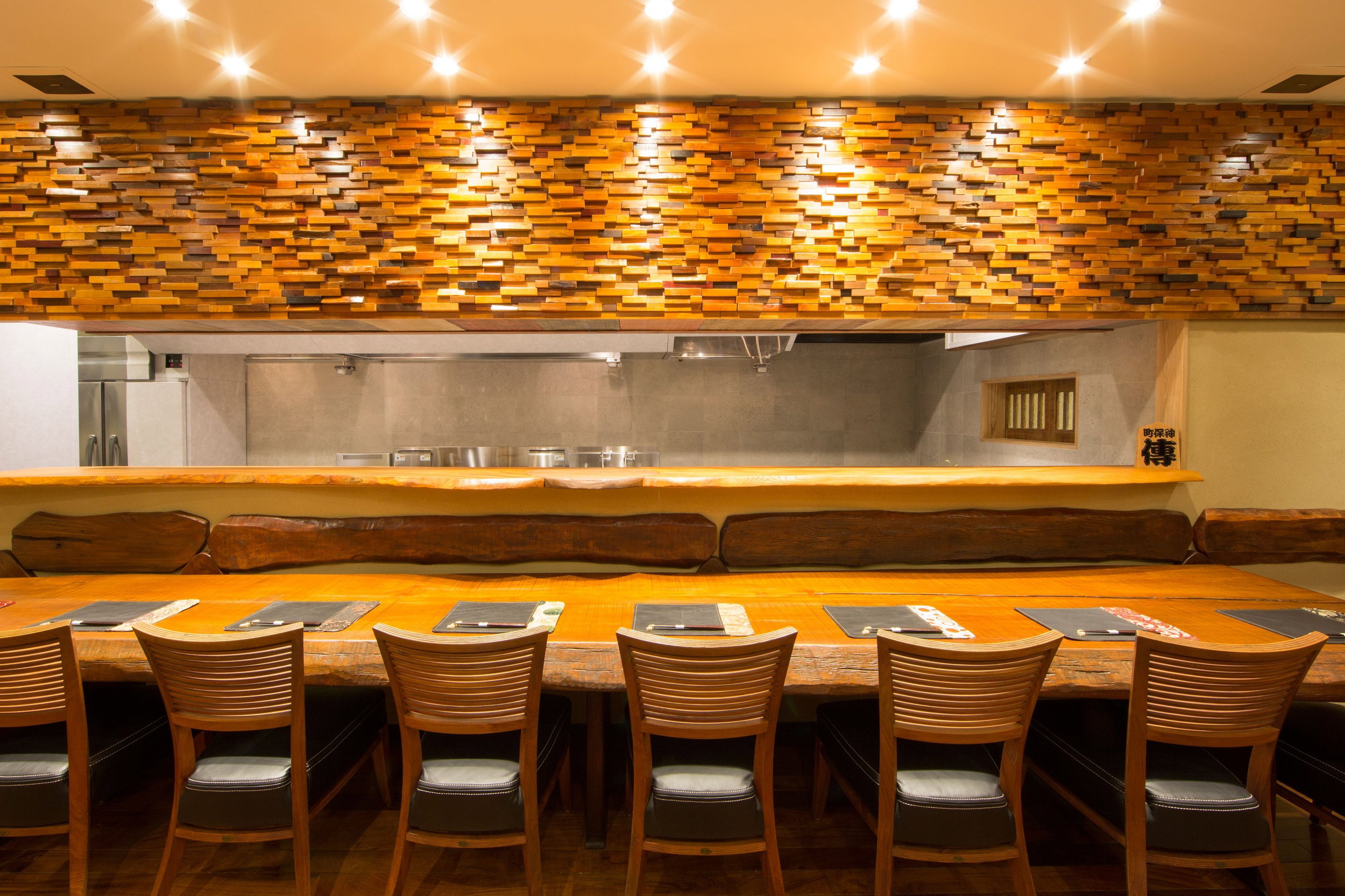
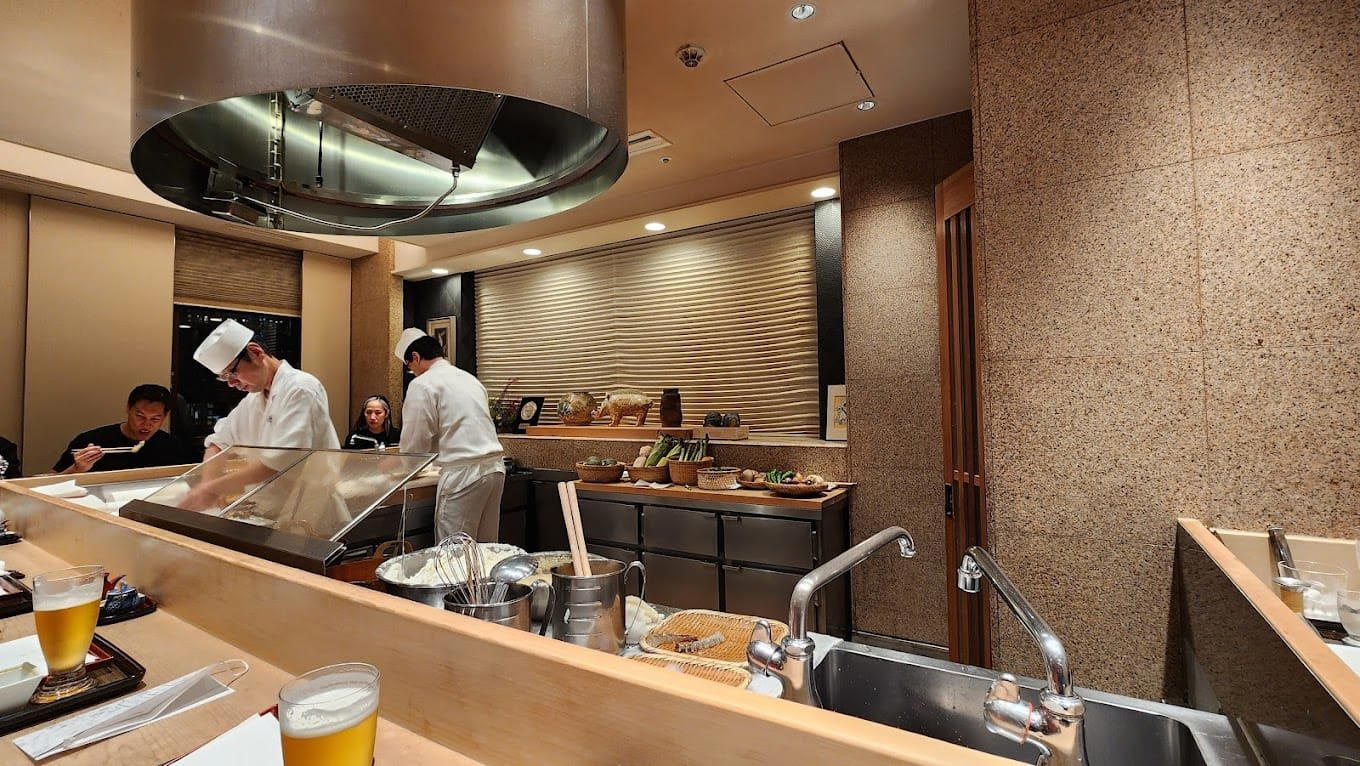
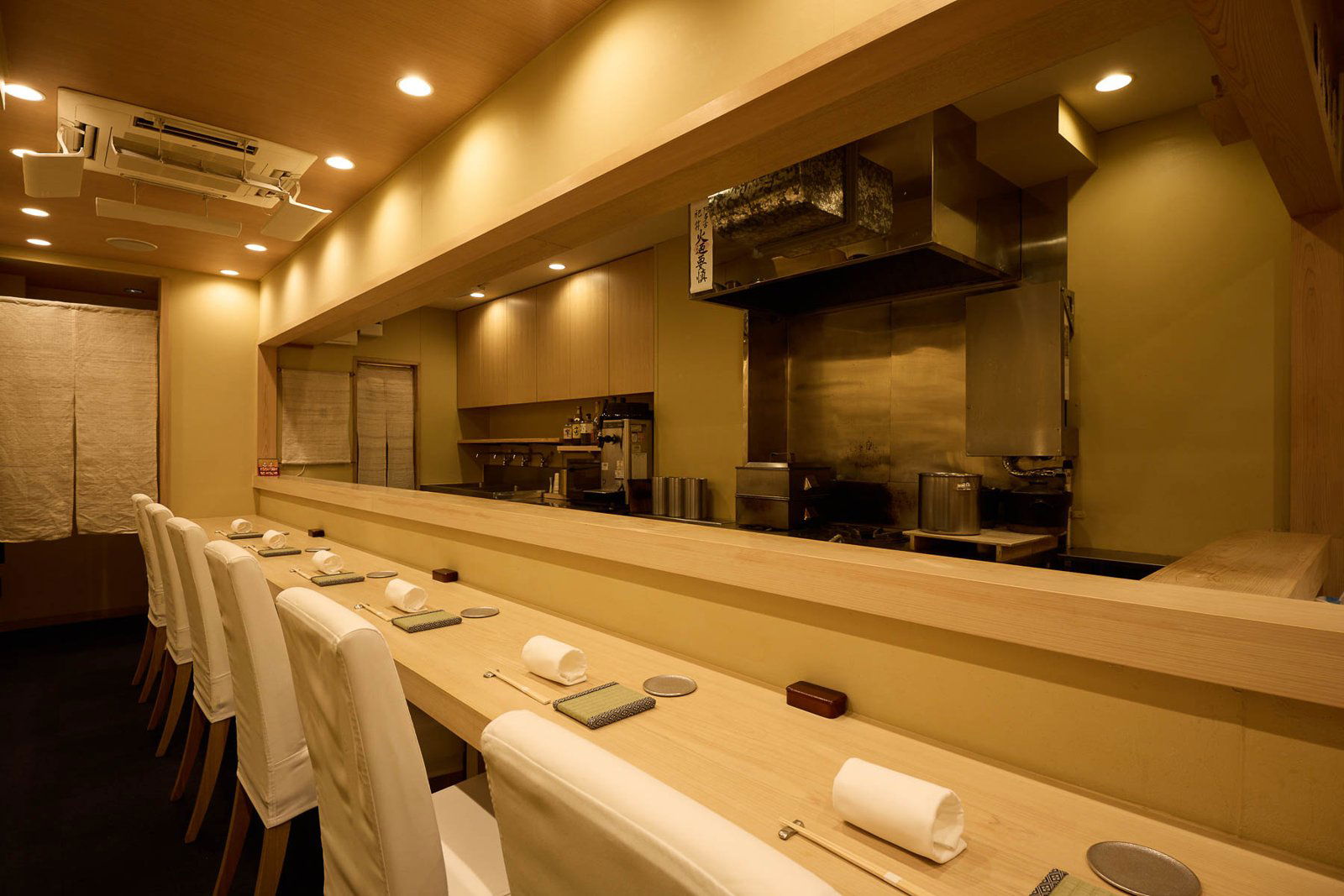
Kawada sits in the basement of a low-key Nihonbashi Ningyocho building, a two-minute walk from Ningyocho Station Exit A6. The room holds seven seats, all at the counter. That scale is the whole point: this is as close to a private dinner as a restaurant can offer without actually closing its doors to the public. The atmosphere is calm and focused, with no background noise to navigate and no large tables turning the room over quickly. Plan for roughly three hours per sitting.
The lineage claim in Kawada's own description — that it embodies the tradition of the long-respected restaurant Isetsu, places it in a specific culinary conversation about purity and restraint in Japanese cuisine. That framing matters when you're deciding whether to book: Kawada is not the place to bring someone who wants theatrical plating or Western-inflected creativity. The kitchen's stated philosophy is ingredients in their purest form, which in practice means the cooking gets out of the way of the produce.
On drinks: BYO is permitted, with a corkage fee applied. There is no listed in-house cocktail or wine program in the venue data, which is consistent with many counter-omakase restaurants at this level in Tokyo. If a strong beverage pairing is central to your evening, confirm what the kitchen offers at booking, or plan to bring your own bottle. Major credit cards are accepted (Visa, Mastercard, JCB, Amex, Diners, UnionPay), and the venue is fully non-smoking.
One rule worth knowing before you arrive: the reservation must be honoured by the person who made it. No proxies are accepted. Arriving more than 30 minutes late results in automatic cancellation. These are firm policies, not guidelines.
Ideal time to visit
Saturday is the only day Kawada runs a lunch service (12:00–14:30), making it the most practical option for visitors whose evenings fill quickly. Weekday dinner (17:30–21:00) is the standard format. Sunday is closed. If you are travelling from outside Tokyo, the Saturday lunch slot gives you more scheduling flexibility without sacrificing anything in the experience.
Booking
Reservations are taken via the omakase-japan platform (contact: kawada_ningyocho@omakase-japan.zen). Walk-ins are not possible, this is a reservation-only counter. Given the seven-seat format, availability is limited; book as far ahead as your schedule allows. Booking difficulty is rated Easy relative to harder-to-access Tokyo counters, but that rating reflects the process, not seat volume, seven seats means supply is always tight.
How It Compares
Kawada versus RyuGin: RyuGin is the choice if you want kaiseki with a larger room, private dining options, and an internationally recognised name. Kawada is more intimate and less logistically complex to access from Nihonbashi. For the counter experience specifically, Kawada's seven-seat format is more personal than most kaiseki rooms at this price.
Against Harutaka in the counter-dining category: Harutaka is sushi-focused and sits at a similar price tier. If raw fish and rice is your priority, Harutaka is the stronger pick. If you want cooked Japanese cuisine with a broader seasonal menu, Kawada is the better fit.
For French cuisine at the same price tier, L'Effervescence and HOMMAGE offer strong alternatives with more developed beverage programs, relevant if drinks pairing matters to you. Florilège comes in slightly lower at ¥¥¥ and is easier to secure. Choose Kawada when the specific tradition of Japanese cuisine it carries is the point of the booking.
Explore More in Tokyo and Beyond
- Our full Tokyo restaurants guide
- Our full Tokyo hotels guide
- Our full Tokyo bars guide
- Our full Tokyo wineries guide
- Our full Tokyo experiences guide
Similar Japanese Cuisine in Tokyo
Japanese Cuisine Elsewhere in Japan
Planning details
- Location
- Japan, 〒105-0003 Tokyo, Minato City, Nishishinbashi, 3 Chome−5−9 HOYOビル 2階
- Website
- kappo-kawada.com
- Phone
- +81 90-9818-5495
- Cuisine
- JapaneseSushiKaiseki
- Price (per head)
- JPY 40,000–49,999¥¥¥¥¥¥¥¥
- Private Room
- NoNoAvailable
- Lunch Service
- Saturday onlyNoNo
- BYO
- Yes (fee applies)N/AN/A
- Booking
- Reservation onlyReservation onlyReservation only
- Nearest Station
- Ningyocho (2 min)Ginza areaRoppongi area
The take
The Take
The Vibe
Kawada delivers a tightly focused counter experience in a seven-seat basement room that feels deliberately modest and ceremonious. The dining room is rooted in Tokyo’s working neighbourhood traditions and the chef’s Isetsu lineage, favouring rigorous consistency and a restrained aesthetic. The meal unfolds without theatrical technique or heavy sauces; instead it showcases seasonal ingredients in their purest form. Quiet and unadorned, the space emphasizes pacing and precision—the three-hour omakase invites close attention to sequence and subtlety, rewarding diners who value classic washoku discipline over spectacle.
Best For
This is an omakase destination for diners seeking a focused, deliberate evening—ideal for special occasions such as date nights and celebrations, and for business dinners where culinary seriousness matters. The seven-seat counter and three-hour service create an intimate setting that also suits solo diners who want full attention from the chef and a carefully paced meal. The restaurant’s emphasis on seasonal sourcing and classical sequencing makes it best for guests who appreciate traditional Japanese washoku presented with restraint and discipline.
Ordering Tips
Kawada operates as a strict omakase counter with a roughly three-hour dinner in a seven-seat room, so plan for a sustained, multi-course experience. The kitchen prioritises ingredient fidelity and classical sequencing: expect courses to move logically from lighter to richer preparations, and for flavors to be presented with minimal adornment. Because the approach rewards attention to nuance rather than theatrics, come prepared to savour subtle seasonal differences and the quiet pacing of a traditional washoku counter.
Venue details
Ambiance
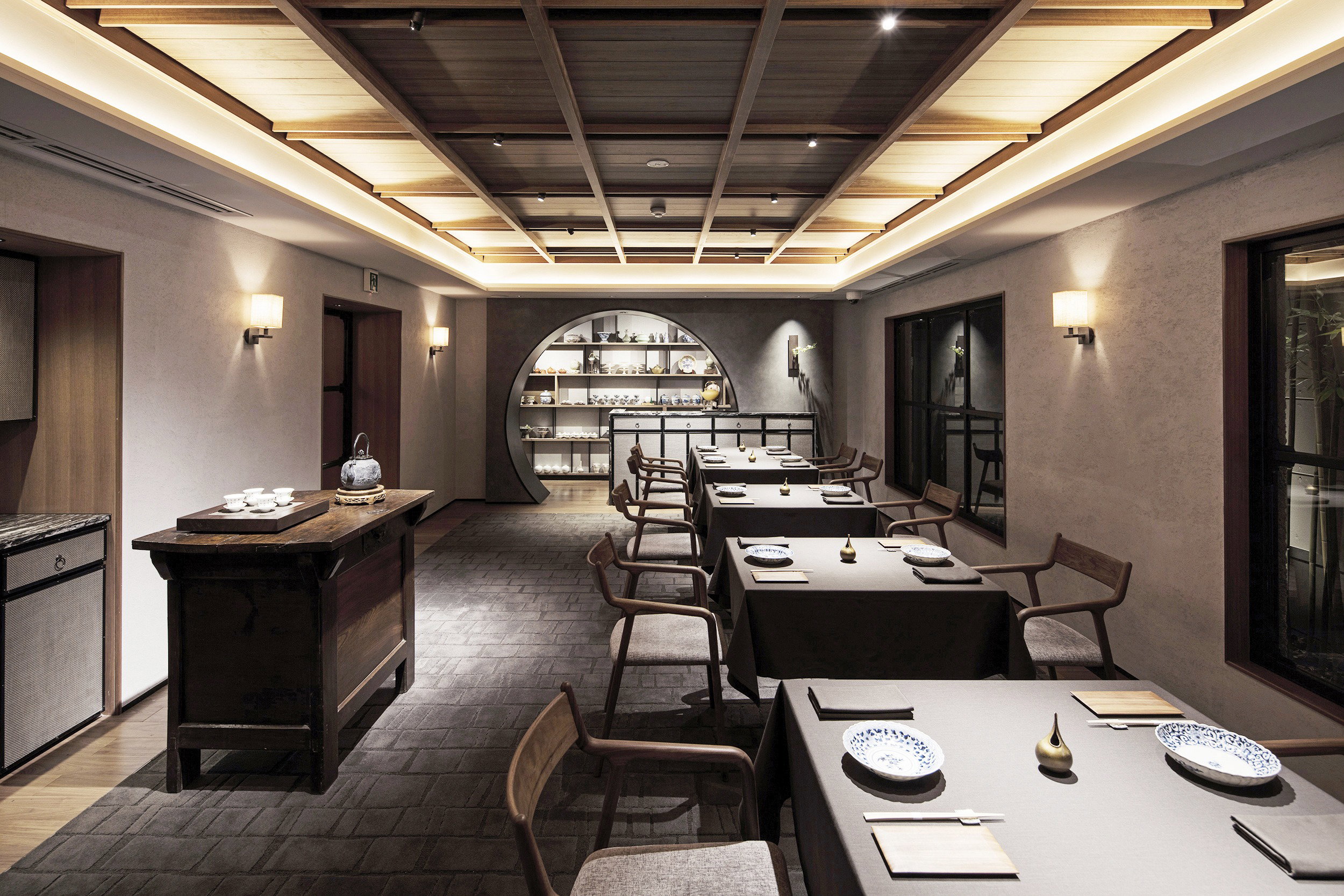
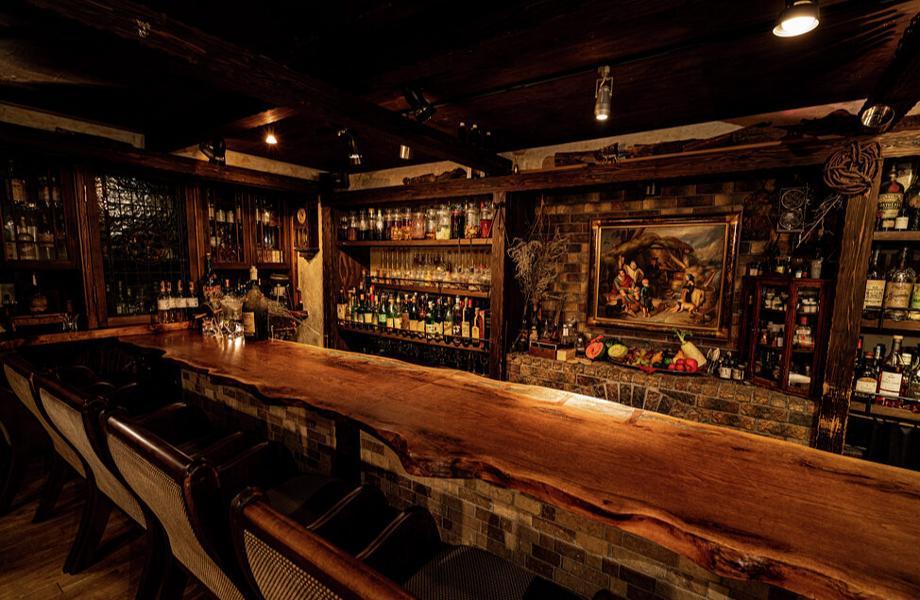
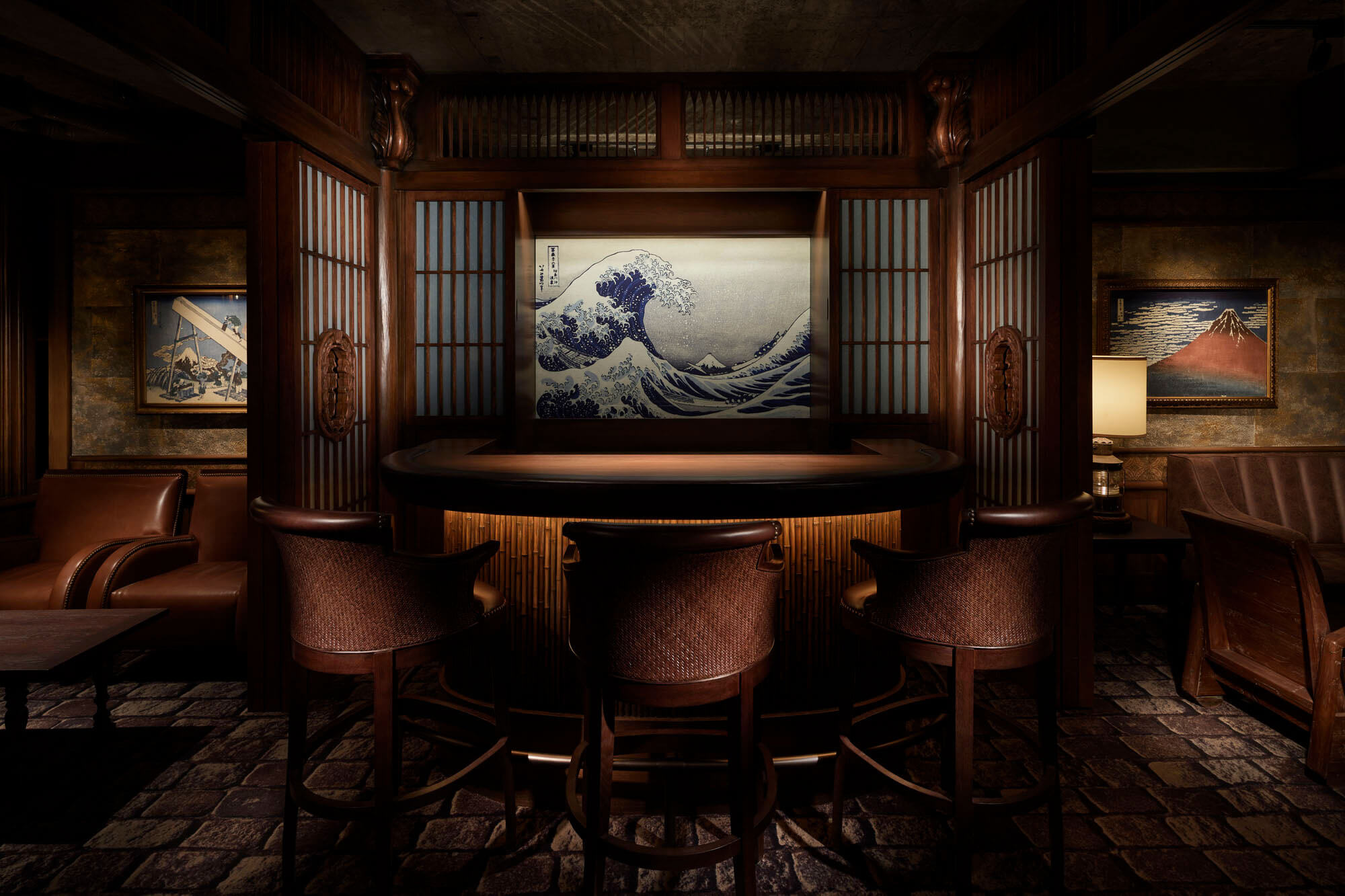
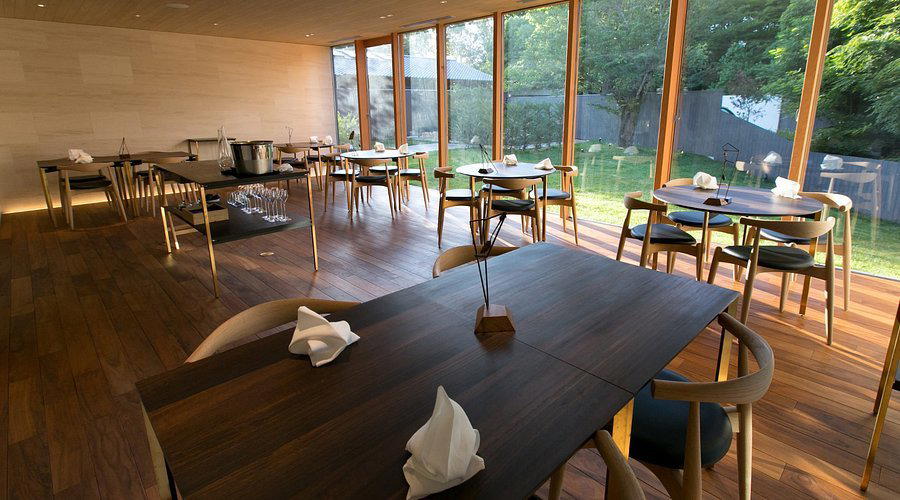
Intimate basement counter setting with warm, personal interaction between chef and guests; minimalist Japanese aesthetic with carefully curated antique glassware and historic tableware creating a refined, museum-like atmosphere.
Tags
Vibe
Best For
Experience
Sourcing
At the Table
- Dress Code
- Smart Casual
- Noise Level
- Quiet
- Service Style
- Omakase Bar
- Meal Pacing
- Extended Experience
- Capacity
- Intimate
- Seats
- 7CounterLarger room
Signature Dishes
- simmered Yodo daikon
- taro stalks
- Matsuba crab
- seasonal rice course
Know before you go
Know Before You Go
- Getting there
- Japan, 〒105-0003 Tokyo, Minato City, Nishishinbashi, 3 Chome−5−9 HOYOビル 2階
Planning details
Location
Japan, 〒105-0003 Tokyo, Minato City, Nishishinbashi, 3 Chome−5−9 HOYOビル 2階 · Directions

Also consider
Also Consider
- Harutaka, Sushi, ¥¥¥¥
- RyuGin, Kaiseki, Japanese, ¥¥¥¥
- L'Effervescence, French, ¥¥¥¥
- HOMMAGE, Innovtive French, French, ¥¥¥¥
- Florilège, French, ¥¥¥
Restaurant context
Kawada versus RyuGin: RyuGin gives you kaiseki in a larger room with private dining available, the right call for groups or anyone who wants the theatrical side of formal Japanese cuisine. Kawada is more contained, more personal, and set in a quieter neighbourhood. If the counter format is what you are after, Kawada's seven seats beat RyuGin on intimacy at a comparable price.
Against Harutaka: both are counter venues in the ¥¥¥¥ tier, but the cuisine type differs. Harutaka is sushi; Kawada is cooked Japanese cuisine. The choice comes down to what you want to eat, not which is the better restaurant. For raw fish, go to Harutaka. For seasonal cooked Japanese cuisine in an omakase format, Kawada is the better fit.
L'Effervescence and HOMMAGE are the comparison if you are weighing Japanese cuisine against high-end French, both have stronger in-house beverage programs, which matters if wine pairing is part of your plan. Florilège comes in at ¥¥¥ and is easier to book. Choose Kawada when the specific lineage and restraint of its Japanese cuisine tradition is the reason you are making the reservation.
Explore Tokyo
Around this place
Discover more on Pearl
Unlock the full Kawada guide in Pearl, including awards, comparisons, FAQs, planning details, and nearby places.
FAQ
Frequently Asked Questions
Is Kawada good for solo dining?
Yes — it is one of the stronger solo options at this price point in Tokyo. The seven-seat counter format means you are never tucked away at an awkward table, and the omakase structure removes any pressure to build a meal yourself. At ¥40,000–¥49,999 per head, you are paying the same rate as a couple, so solo diners should be comfortable committing to that spend before booking.
What should a first-timer know about Kawada?
Book well in advance through the omakase-japan platform — walk-ins are not accepted, and the person who made the reservation must be present in person (no proxies). Allow around three hours for the meal, and note that if you arrive more than 30 minutes late your reservation will be cancelled. Kawada has held Tabelog Bronze every year since 2021 and a score of 3.96, so expectations at this level are high on both sides of the counter.
What should I wear to Kawada?
The venue does not publish a formal dress code, but it explicitly asks guests to avoid strong fragrances including perfume and cologne, and requests you communicate this to anyone in your party. A counter-only basement room at ¥40,000–¥49,999 per head signals smart attire is appropriate, but the fragrance policy is the one rule you can be penalised for ignoring.
What are alternatives to Kawada in Tokyo?
RyuGin is the comparison most worth making: it offers kaiseki in a larger room with private dining available and carries international recognition, but loses Kawada's intimacy. Harutaka is a comparable counter-format option if your priority is sushi over kaiseki-style Japanese cuisine. For a Western fine-dining alternative at a similar price tier, Florilège or L'Effervescence are both Tabelog-recognised and easier to book.
Is Kawada good for a special occasion?
Yes, with conditions. The venue accommodates celebrations and surprises, and you can bring your own drinks for a corkage fee. Private rooms are not available, so if your group needs a separate space, look elsewhere — RyuGin or HOMMAGE offer private dining options. For a two-person occasion where the meal itself is the focus, Kawada's seven-seat counter and Tabelog Bronze credentials make a strong case.
What should I order at Kawada?
Kawada runs an omakase format, so there is no menu to select from — the kitchen decides what you eat based on the season and available ingredients. The Tabelog description notes an emphasis on ingredients in their purest form, drawing on the lineage of the restaurant Isetsu. Your only practical decision is whether to bring wine or sake, which is permitted for a fee.