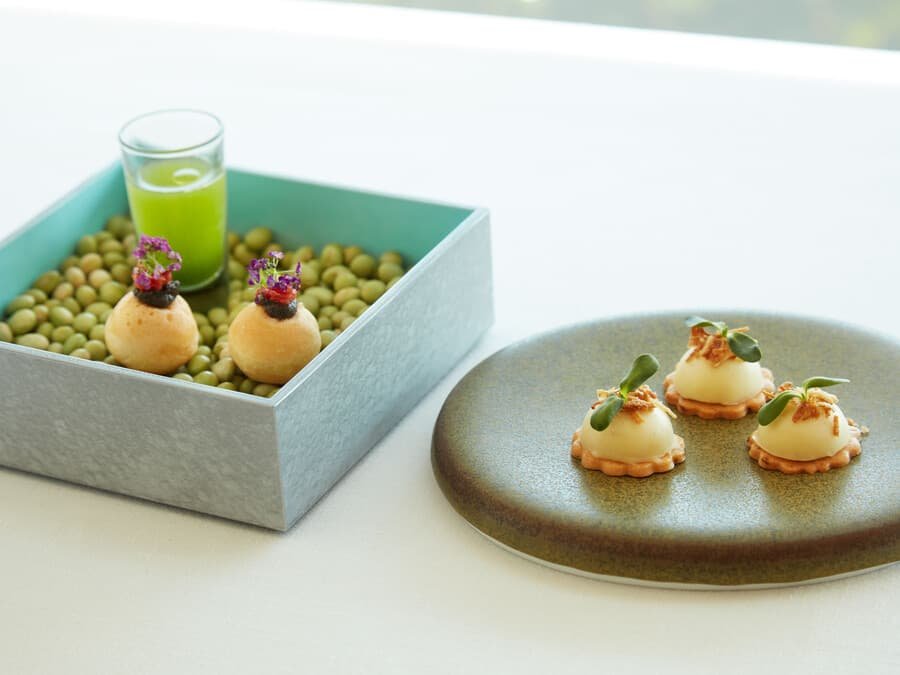

L`Orangerie Koh-An
Japanese Cuisine · Chiyoda, Tokyo
Restaurant in Tokyo, Japan
 Book with Pearl
The Read
Cooking Classics, Chiyoda Precision
Price
$100–150per person
Chef
Takeshi Kamo
Dress
Smart Casual
Why go
L`Orangerie Koh-An is worth considering for a polished Japanese meal in Tokyo when the goal is a date, client dinner, or quiet celebration rather than a high-drama booking. The 2026 Relais Chateaux Award gives it a credible quality signal, while easy booking makes it less punishing than many Japanese fine-dining alternatives.
About L`Orangerie Koh-An
L`Orangerie Koh-An is a Tokyo restaurant serving Japanese cuisine under chef/owner Takeshi Kamo. It holds a Relais Chateaux Award for 2026, follows a smart casual dress code, and operates on a limited weekly schedule with lunch on Tuesday through Saturday and dinner on Wednesday through Saturday.
Choose it when the priority is Japanese cuisine in Tokyo with chef/owner Takeshi Kamo and a recognized award. Specific menu format, signature dishes, prices, seat count, beverage program, and service style should be confirmed directly before booking if they matter to your plans.
Who should choose it for Japanese cuisine in Tokyo
L`Orangerie Koh-An is a fit for diners who want a Japanese cuisine option in Tokyo with a clear award signal but do not need a published price or menu structure before making an initial shortlist. As a price range is not published, value should be assessed through direct confirmation rather than assumption.
Compared with Kawada, the choice should come down to the details you confirm for your date: hours, availability, price, and the kind of meal you want. Other dining options such as Jigen Do and Kashiwade no Tsukasa Suikouan may also be useful comparisons when planning a meal, but L`Orangerie Koh-An offers a compelling combination of Japanese cuisine, chef Takeshi Kamo, smart casual dress code, and a 2026 Relais Chateaux Award.
Practical Fit: Lunch and Dinner Hours
Lunch is available Tuesday through Saturday from 12–3 PM, while dinner is available Wednesday through Saturday from 6–10 PM. The restaurant is closed on Sunday and Monday, and Tuesday is listed for lunch only. For visitors building a Tokyo dining week, place this earlier in the itinerary and keep a backup from the full Tokyo restaurants guide rather than leaving it to the end of the trip.
As details on seat count, price, menu format, or dietary policy are not published, confirm the practical points that matter before committing. The known schedule makes lunch available on more days of the week, while dinner is limited to four nights a week.
The decision is simple: choose L`Orangerie Koh-An when the priority is a Tokyo Japanese cuisine restaurant led by Takeshi Kamo, with smart casual dress and a 2026 Relais Chateaux Award. Choose another option if you require details on price, dishes, seating, or a specific service format before booking. For broader planning around the same trip, Pearl also has Tokyo guides for hotels, bars, wineries, and experiences.
Located inside
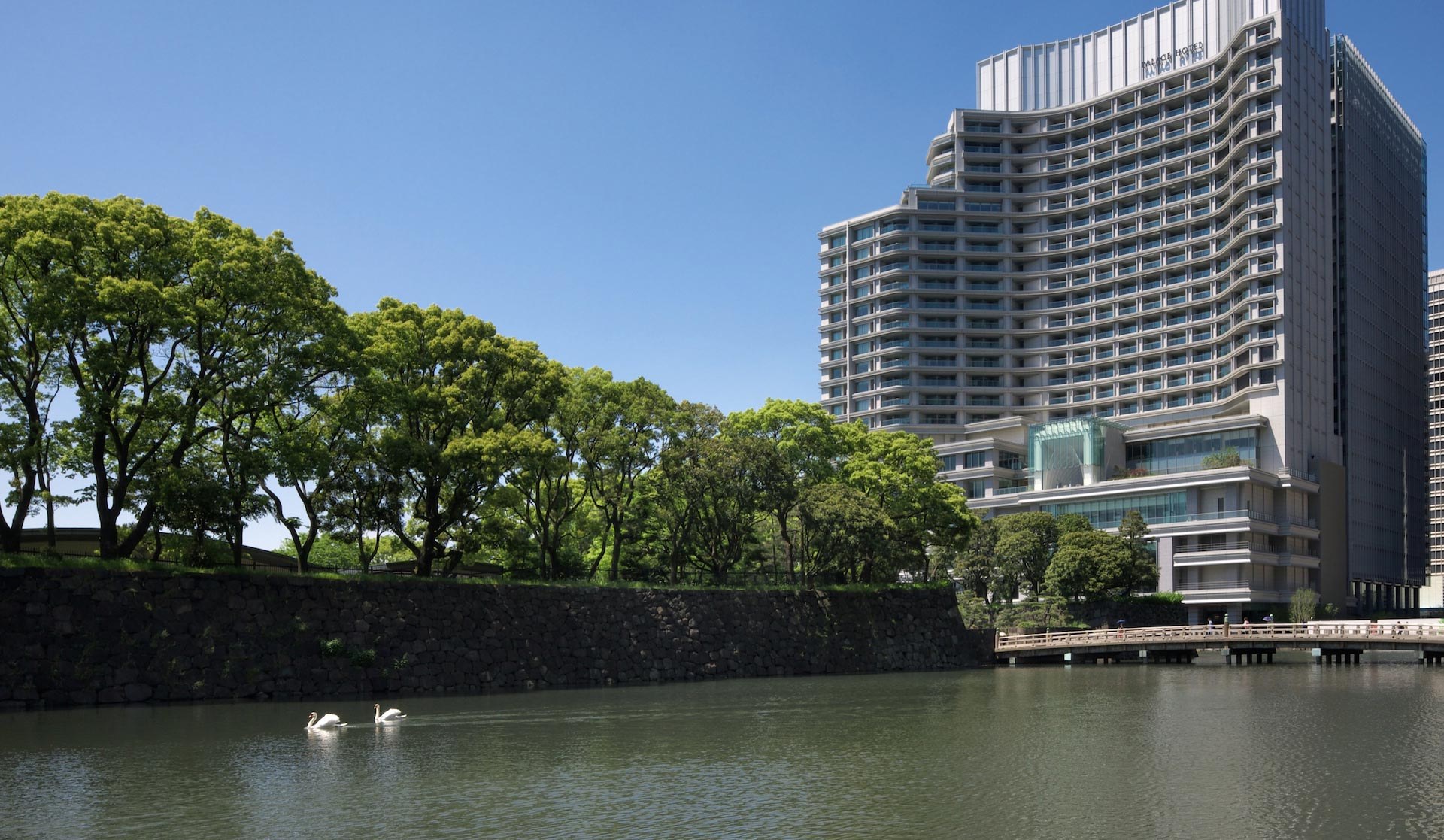
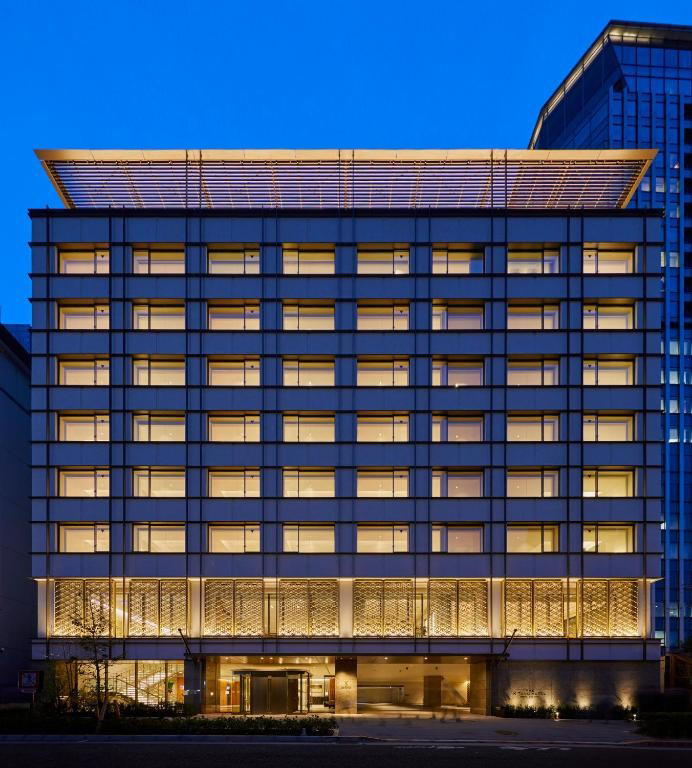 HotelThe Kitano Hotel TokyoFull hotel guide
Planning details
- Location
- 2 Chome-16-15 Hirakawachō, Chiyoda City, Tokyo 102-0093, Japan
- Website
- kitanohotel.co.jp/tokyo/topics_cat/l-orangerie
- Phone
- +81 3-6261-7096
The take
The Take
The Vibe
L'Orangerie Koh-An presents a restrained, classical temperament that reads as metropolitan rather than rural-ritual. The kitchen operates within a measured, time-honored framework, favoring seasonal intent and technical precision over theatrical novelty. Service and pacing reflect that formal mindset: courses arrive with deliberation, and the room caters to diners who are paying attention. Because the restaurant sits in Chiyoda’s administrative district and attracts repeat, informed guests, the overall atmosphere feels purposeful and quietly composed rather than boisterous or casual. It’s a place built for appreciation of craftsmanship and subtlety.
Best For
This is a destination for diners seeking a formal, seasonally driven multi-course experience—especially those who come with an appetite for technique and nuance. The description places the restaurant in Tokyo’s metropolitan, precision-focused register, making it a natural fit for business dinners where the meal itself is the focus and for serious food lovers who return repeatedly. Chef Takeshi Kamo is described as working inside that classical framework, so the room suits deliberate, attentive dining rather than loud socializing or informal drop-ins.
Ordering Tips
Expect a kaiseki-adjacent, multi-course approach: opt for the tasting or multi-course menu if available, since the kitchen’s strengths rest in seasonal sequencing and technical refinement. The menu privileges restraint and symbolic seasonality, so let the kitchen lead and embrace courses that emphasize subtlety and balance. Because the restaurant is presented as operating for informed, returning guests, plan to engage with the pacing and to appreciate small, intentional shifts in technique and ingredient across the meal rather than seeking bold, single-note dishes.
Venue details
Ambiance
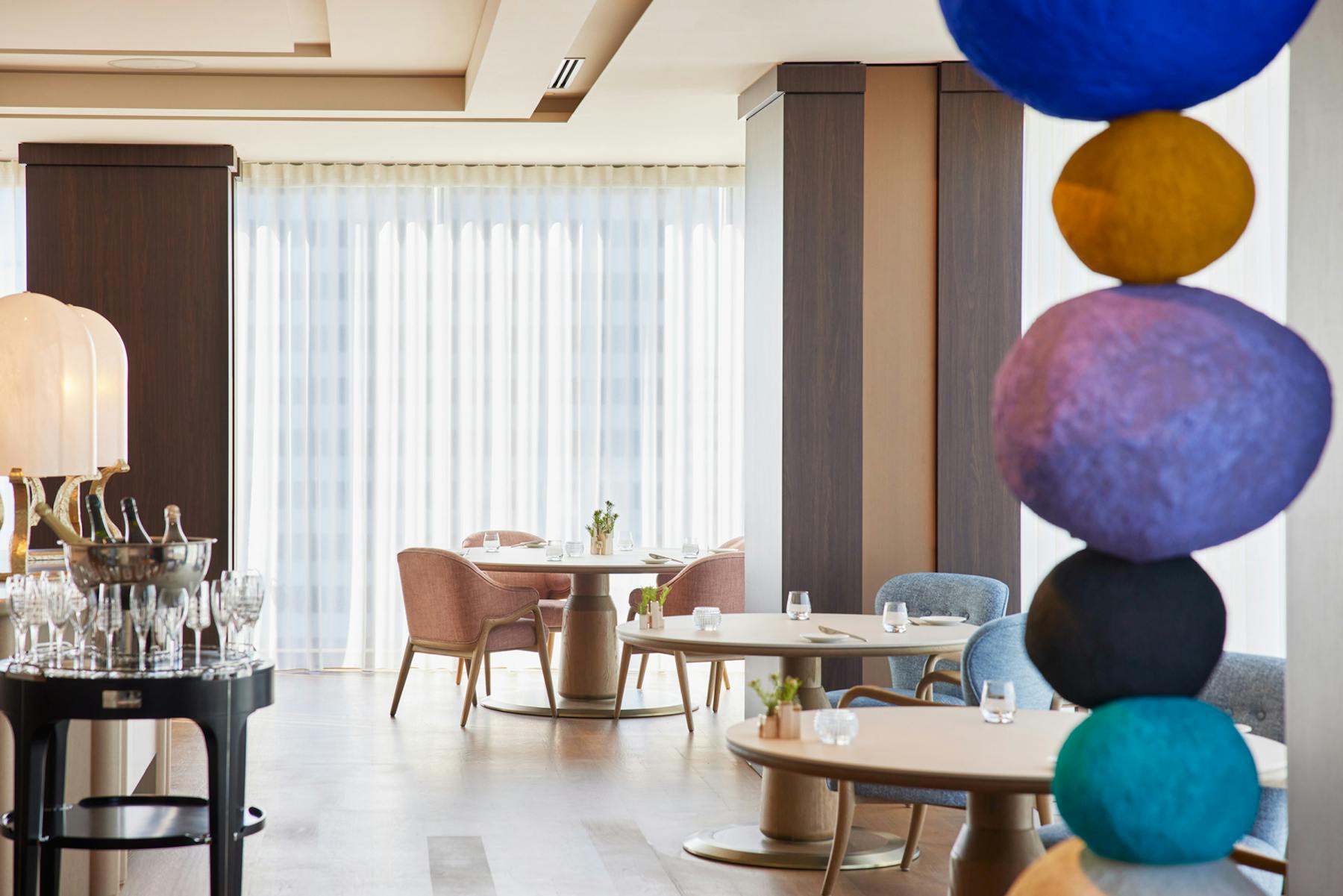
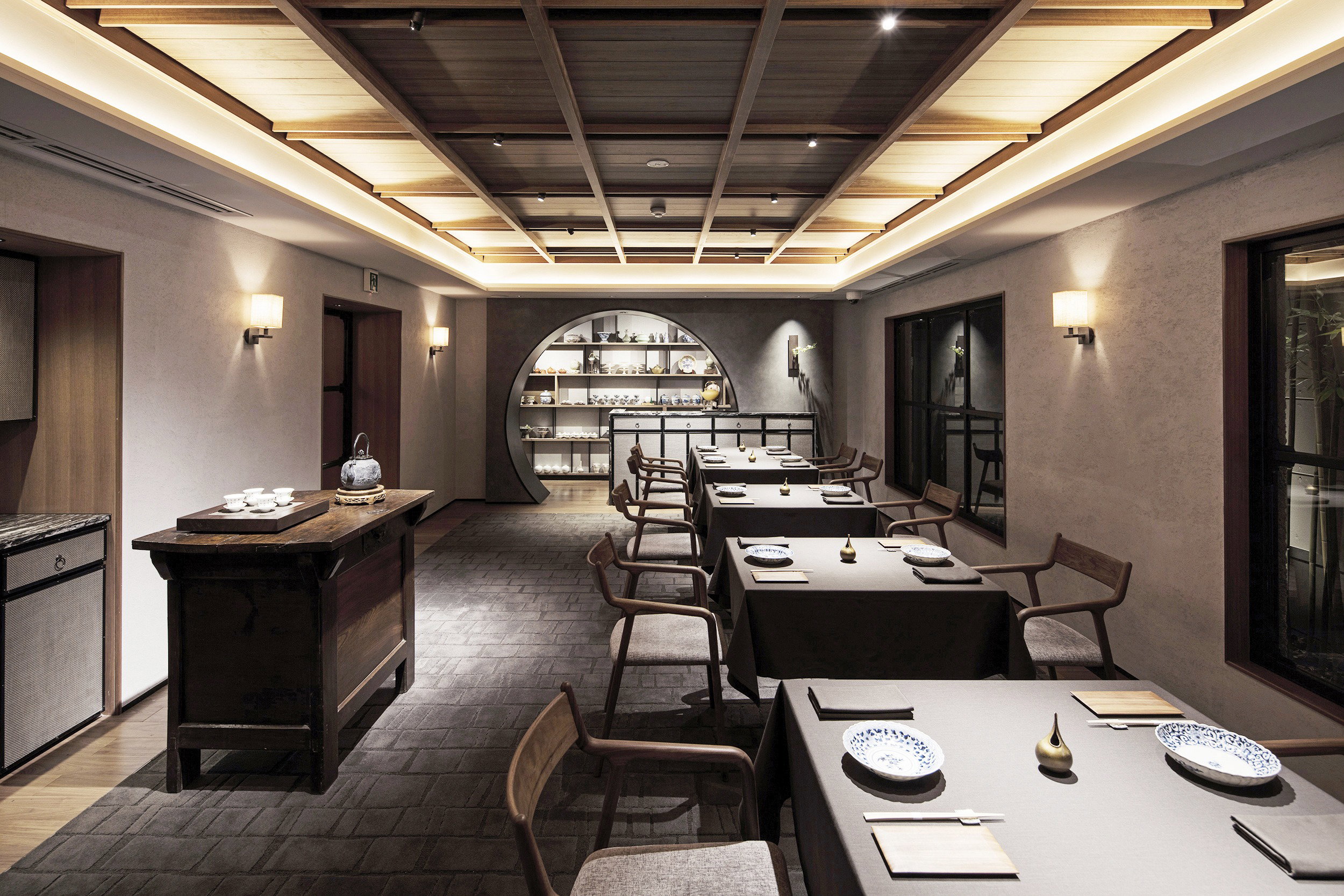
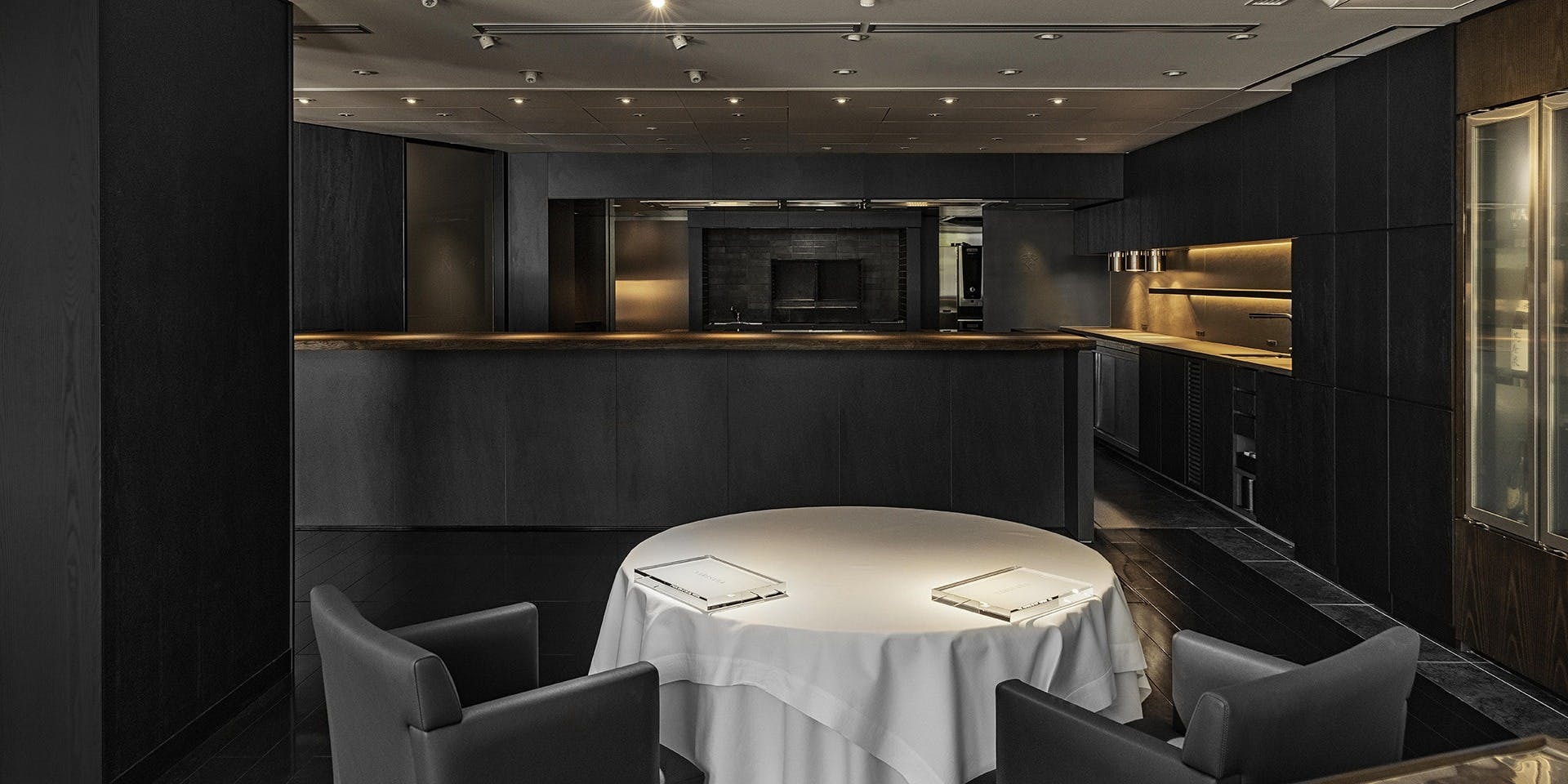
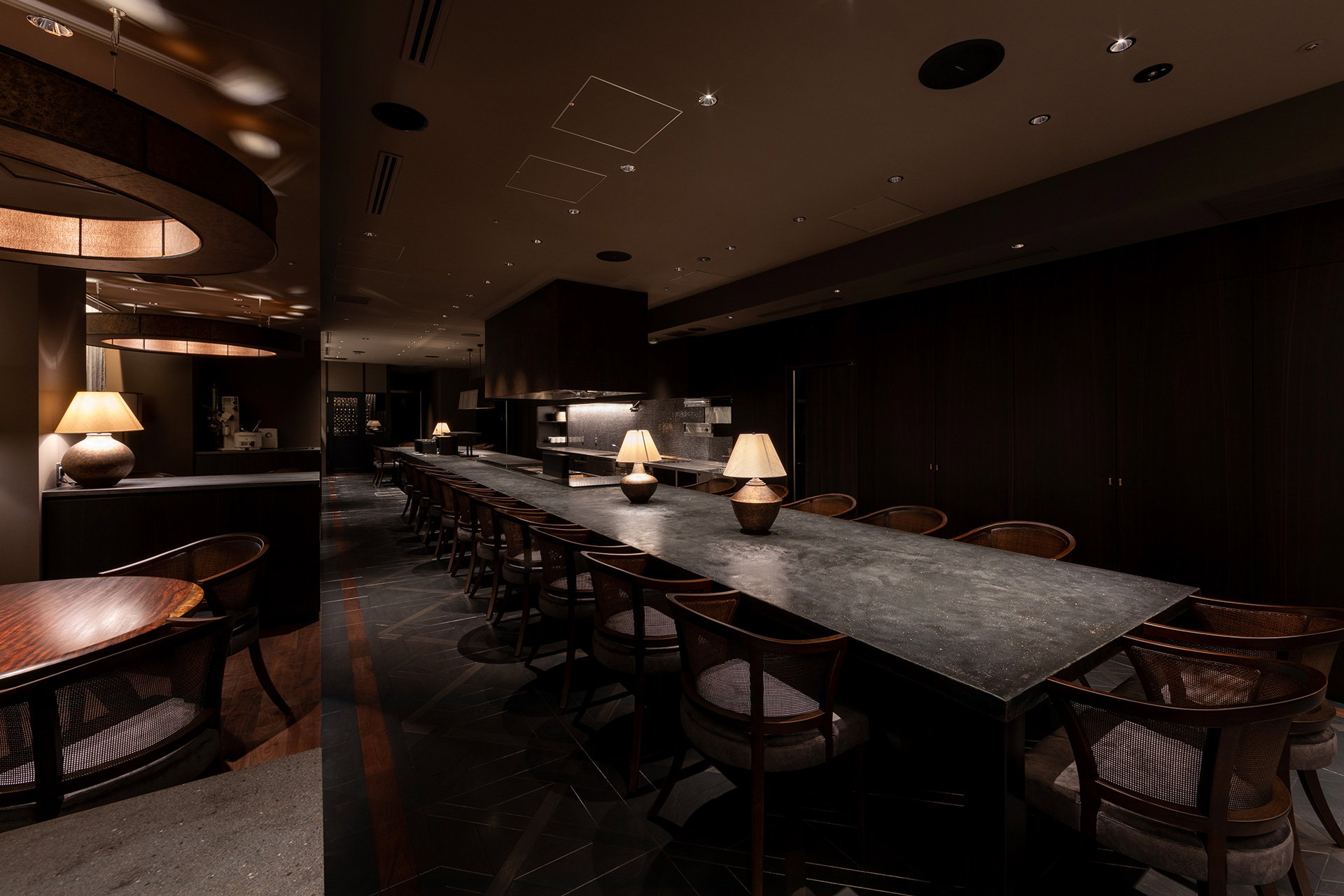
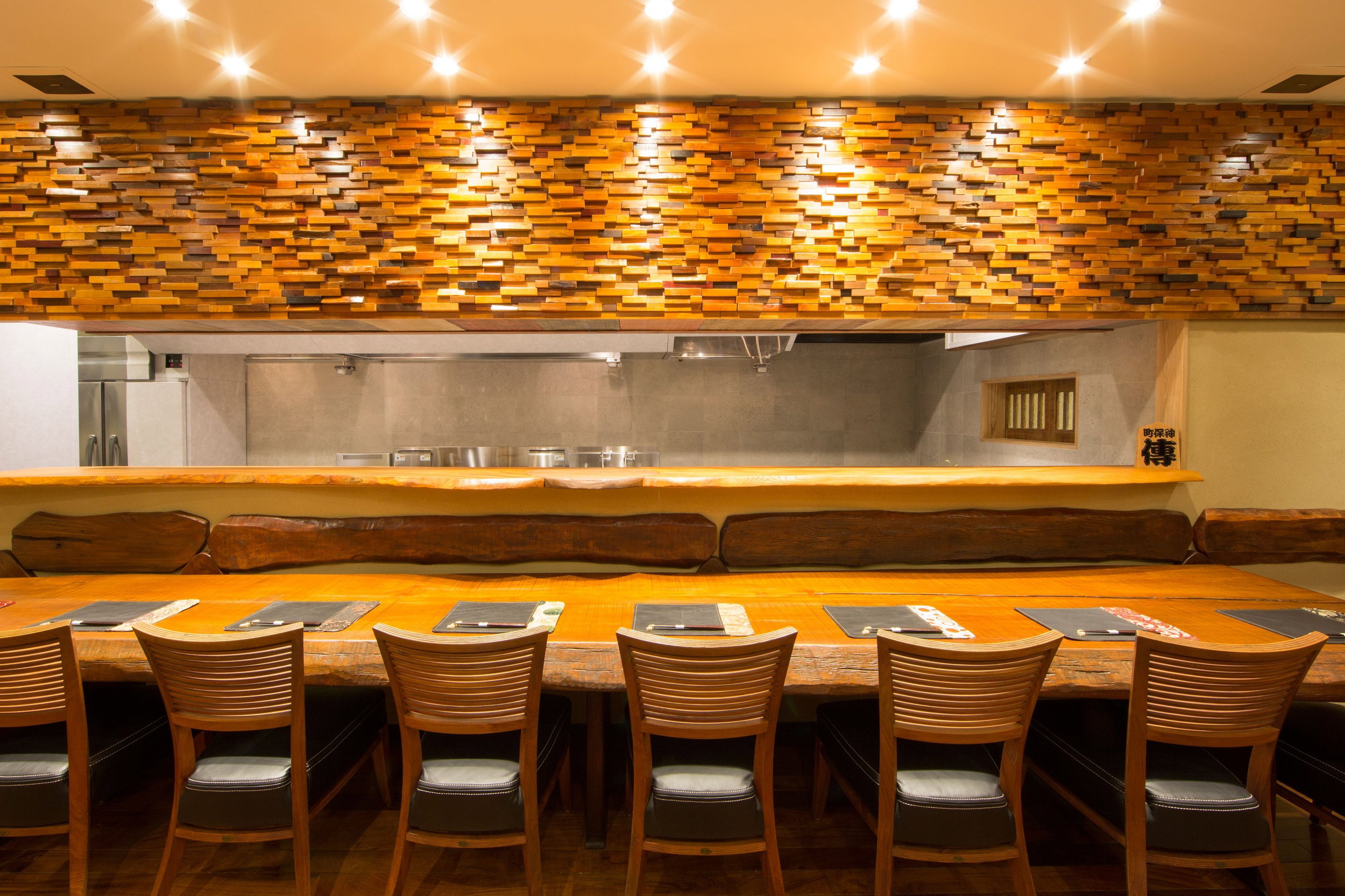
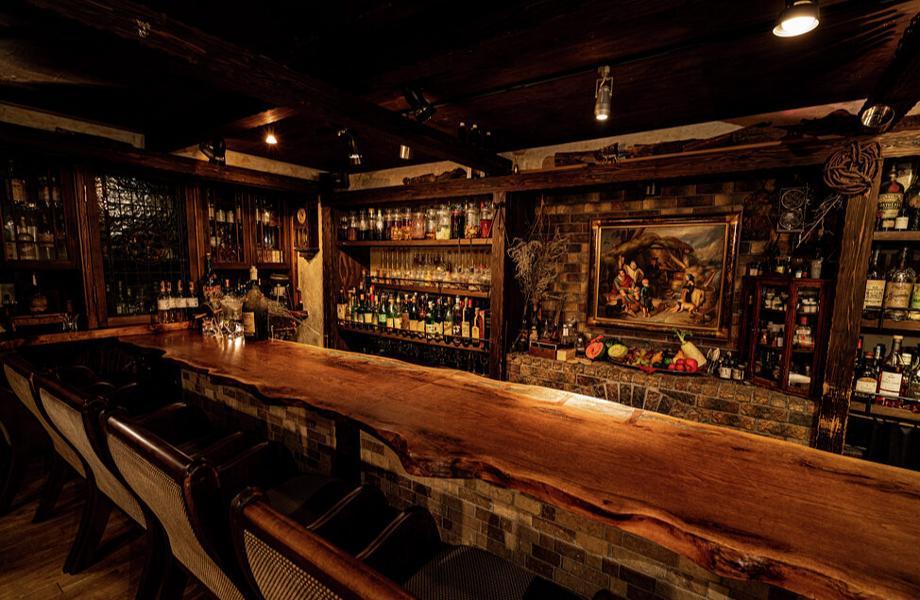
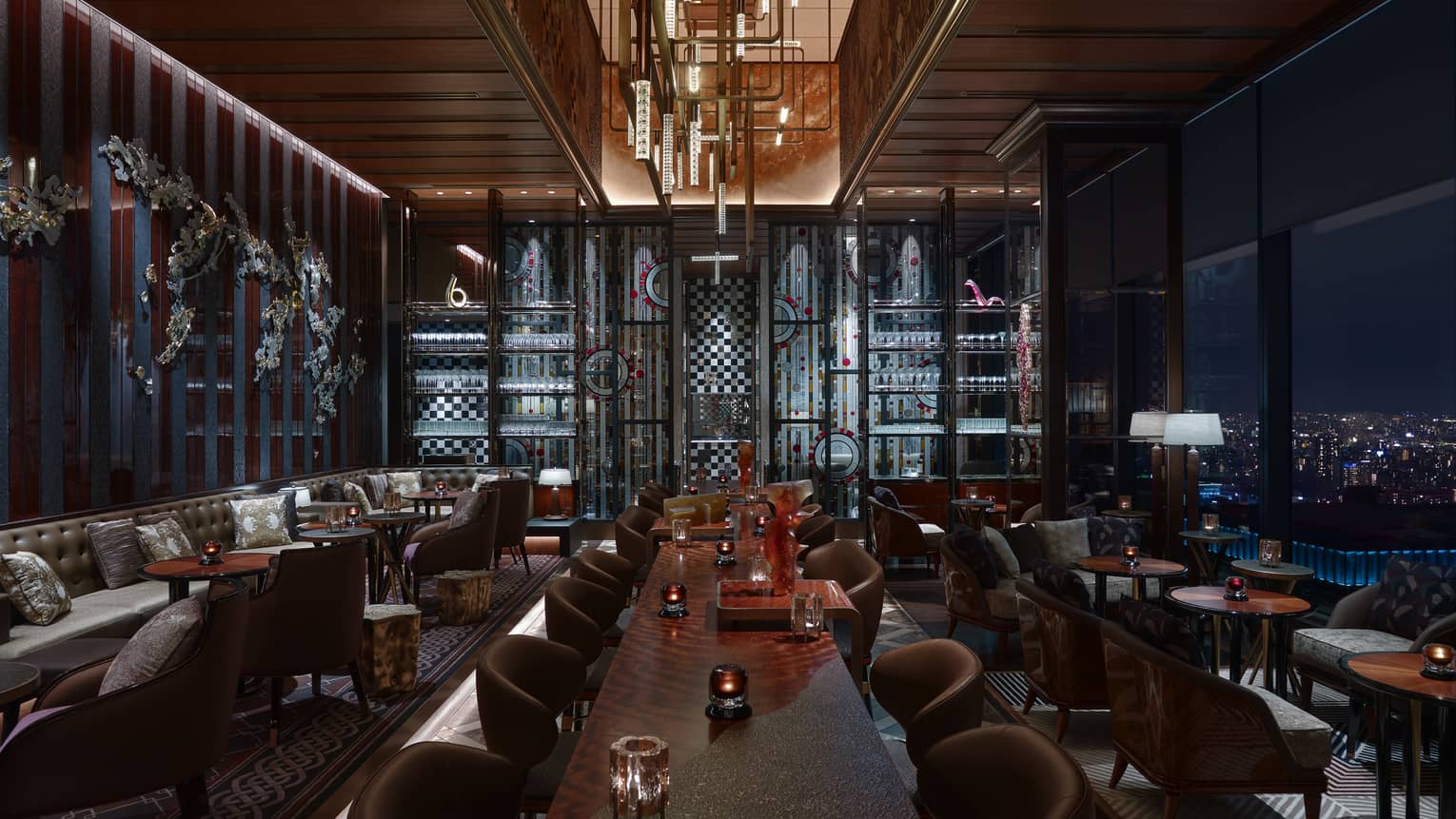
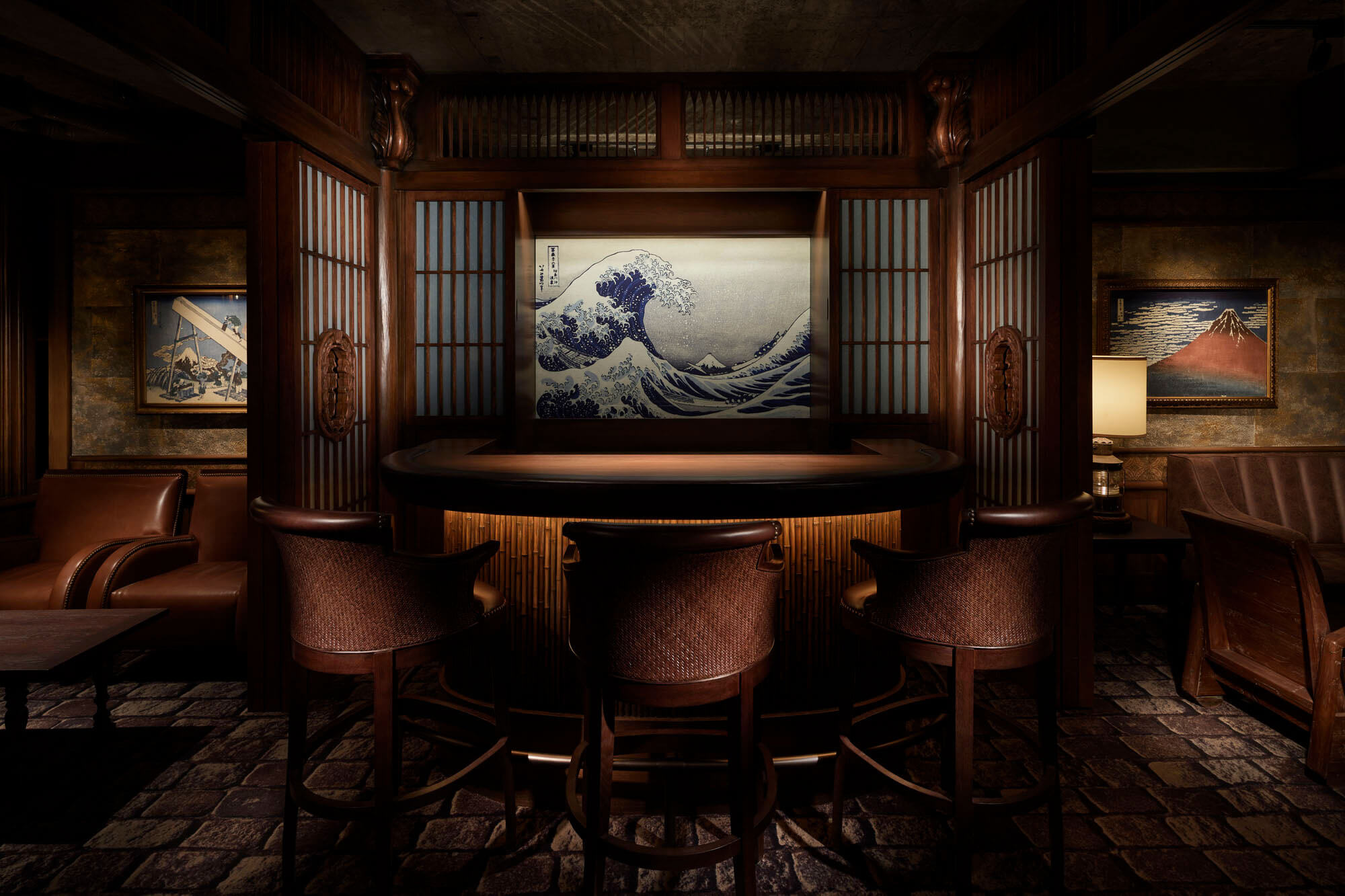
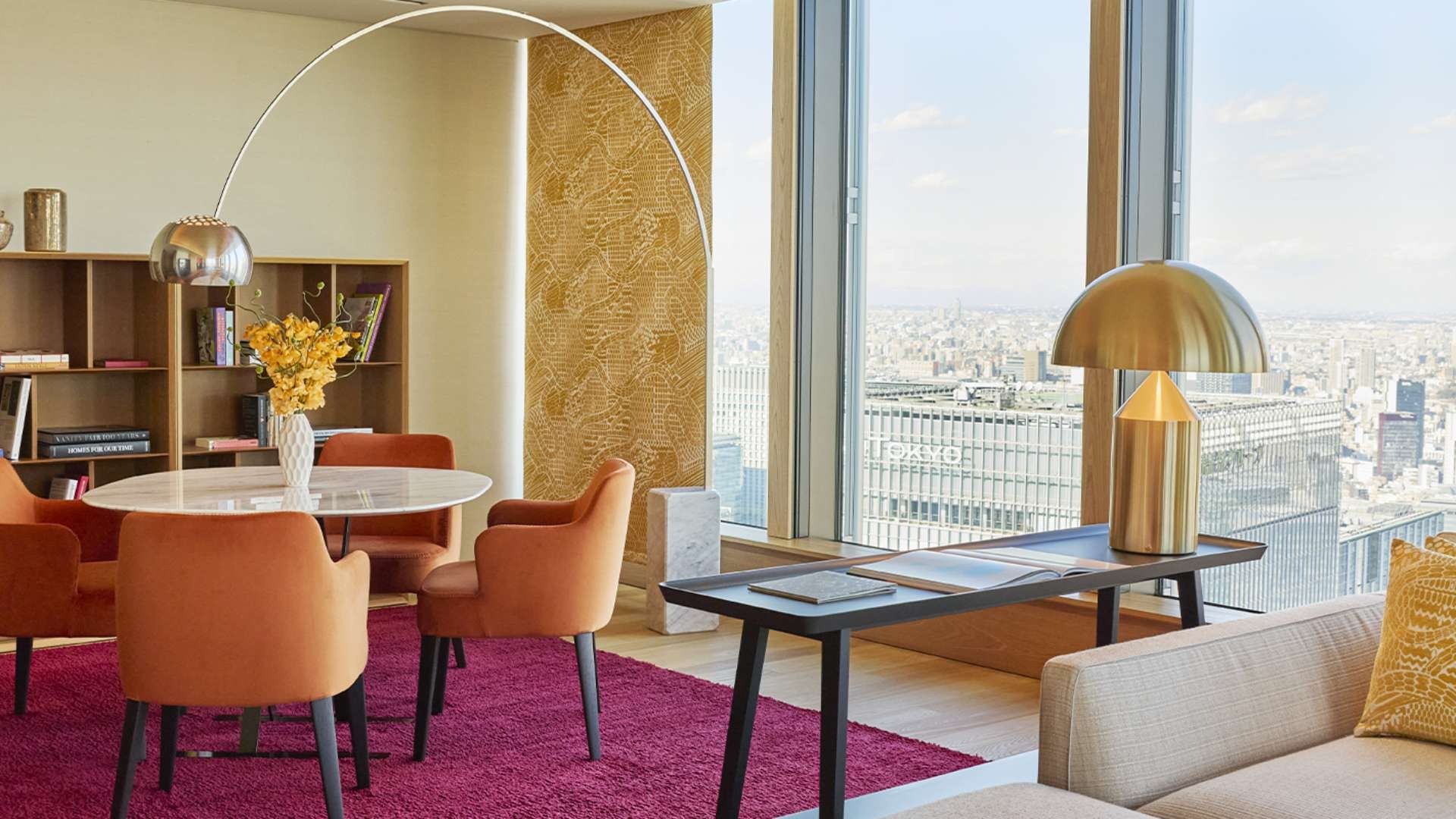
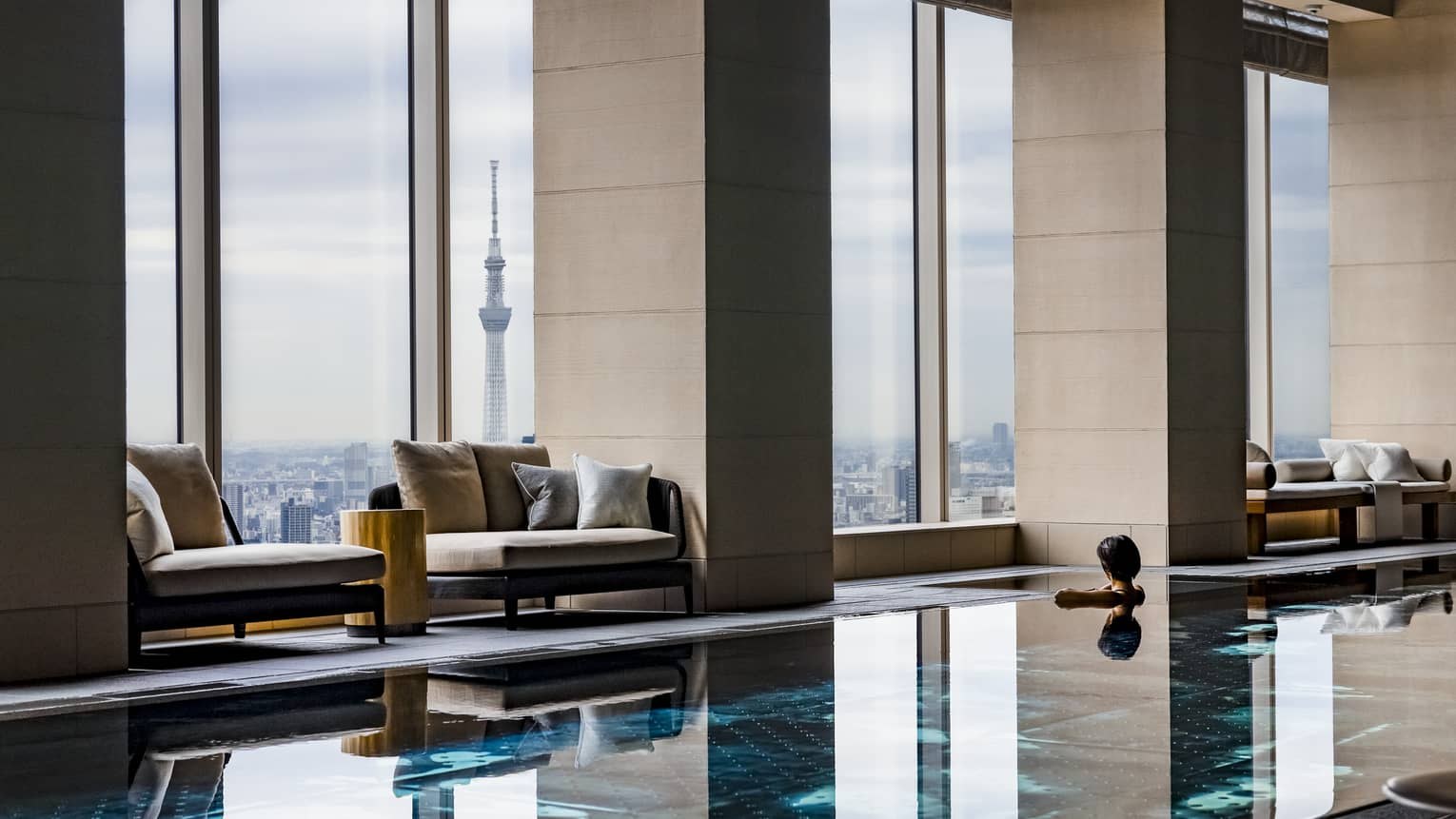
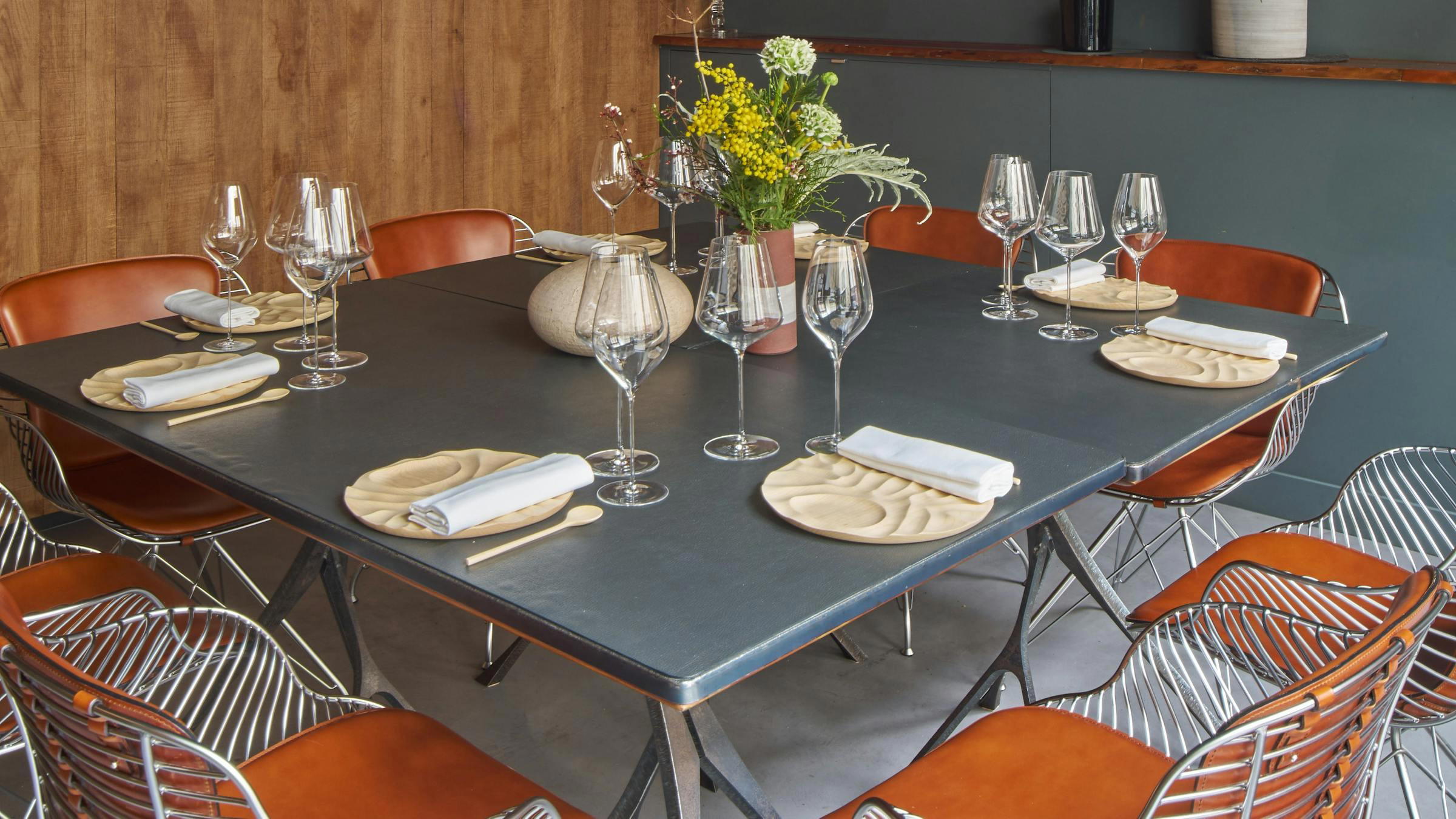
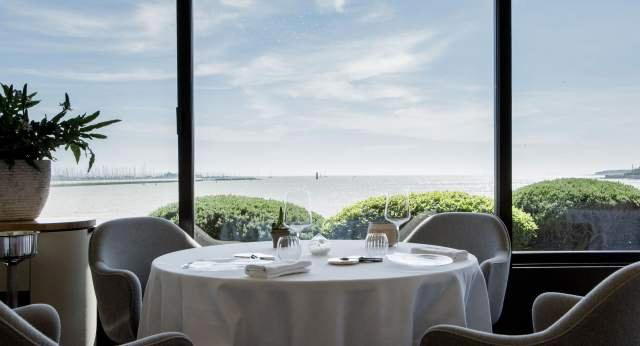
Elegant and contemporary with noble materials, serene and relaxing atmosphere.
Tags
Vibe
Best For
Experience
At the Table
- Dress Code
- Smart Casual
- Noise Level
- Quiet
- Service Style
- Formal
- Meal Pacing
- Leisurely
- Capacity
- Intimate
- Kitchen
- Modern
- Menu Format
- Tasting menu, Prix fixe, A la carte
- Wine Program
- Curated
Know before you go
Know Before You Go
- Getting there
- 2 Chome-16-15 Hirakawachō, Chiyoda City, Tokyo 102-0093, Japan
Planning details
Location
2 Chome-16-15 Hirakawachō, Chiyoda City, Tokyo 102-0093, Japan · Directions
Recognition and awards

Also consider
Where to look if this is not the right fit
If budget clarity is the issue, cross-shop Kashiwade no Tsukasa Suikouan first because its JPY 40,000 to JPY 49,999 range makes the commitment easier to frame for a group.
If the goal is a higher listed spend and a more obvious splurge signal, try Jigen Do. Its JPY 50,000 to JPY 59,999 range makes it a cleaner choice for diners who want the price tier to match the occasion.
Restaurant context
How it compares with Tokyo Japanese cuisine peers
Choose L`Orangerie Koh-An when booking ease and occasion polish matter more than having a published price band. Jigen Do is the clearer splurge comparison, with a listed JPY 50,000 to JPY 59,999 range, so it is better for diners who want to anchor the budget before committing. Kashiwade no Tsukasa Suikouan, listed at JPY 40,000 to JPY 49,999, gives more price visibility and may suit groups where cost certainty matters.
Kawada and Onarimon Haru are cleaner cuisine-level cross-shops than value comparisons, since no public price range is provided here for those peers. If the priority is Japanese cuisine in Tokyo with less booking stress, L`Orangerie Koh-An has the advantage of an easy booking signal. If the priority is a more assertive luxury spend, Jigen Do is the clearer choice.
麻布 幸村 - Yukimura is the peer to consider when the brief is a more established special-occasion name within Japanese cuisine. L`Orangerie Koh-An is the more practical pick for diners who want a recognized room without turning the reservation itself into the main event.
Explore Tokyo
Around this place
Discover more on Pearl
Unlock the full L`Orangerie Koh-An guide in Pearl, including awards, comparisons, FAQs, planning details, and nearby places.
Compare L`Orangerie Koh-An
| Venue | Location | Cuisine | Awards | Price |
|---|---|---|---|---|
| L`Orangerie Koh-An | Tokyo | Japanese Cuisine | 2026 Relais Chateaux Restaurants2025 Relais Chateaux Award | , |
| Jigen Do | Tokyo | Japanese Cuisine | 2026 Tabelog Bronze · #145Tabelog 100 - Japanese cuisine - TOKYO - 2025 · #69 | JPY 50,000 - JPY 59,999 |
| Kawada | Tokyo | Japanese Cuisine | 2026 Tabelog Bronze · #1712026 OAD Top Restaurants in Japan RecommendedTabelog 100 - Japanese cuisine - TOKYO - 2025 · #292025 OAD Top Restaurants in Japan Ranked · #5642025 Tabelog Bronze | , |
| Onarimon Haru | Tokyo | Japanese Cuisine | 2026 Tabelog Bronze · #972026 OAD Top Restaurants in Japan RecommendedTabelog 100 - Japanese cuisine - TOKYO - 2025 · #222025 OAD Top Restaurants in Japan Ranked · #3682025 Tabelog Bronze | , |
| Kashiwade no Tsukasa Suikouan | Tokyo | Japanese Cuisine | 2026 Tabelog Bronze · #428Tabelog 100 - Japanese cuisine - TOKYO - 2025 · #88 | JPY 40,000 - JPY 49,999 |
| 麻布 幸村 - Yukimura | Tokyo | Japanese Cuisine | No published awards | , |


How L`Orangerie Koh-An Tokyo compares with similar nearby venues.
FAQ
Frequently Asked Questions
Can L`Orangerie Koh-An accommodate groups?
Group capacity is not specified, and no seat count is listed. Confirm directly with L`Orangerie Koh-An before planning a group meal, especially if you need a larger table or a specific seating arrangement.
What are alternatives to L`Orangerie Koh-An in Tokyo?
For other dining options to compare, consider Jigen Do, Kawada, Onarimon Haru, Kashiwade no Tsukasa Suikouan, or 麻布 幸村 - Yukimura. L`Orangerie Koh-An is the pick when you want a Tokyo Japanese cuisine restaurant led by Takeshi Kamo with a 2026 Relais Chateaux Award.
How far ahead should I book L`Orangerie Koh-An?
Specific booking difficulty is not published. Plan around the schedule: lunch is available Tuesday through Saturday from 12–3 PM, and dinner is available Wednesday through Saturday from 6–10 PM. The restaurant is closed on Sunday and Monday.
Is lunch or dinner better at L`Orangerie Koh-An?
Lunch offers more weekly availability because it runs Tuesday through Saturday. Dinner is available Wednesday through Saturday from 6–10 PM. Choose based on your schedule and confirm current availability directly with the restaurant.
Is L`Orangerie Koh-An good for a special occasion?
It can be considered for a special occasion if you want Japanese cuisine in Tokyo from chef/owner Takeshi Kamo and value its 2026 Relais Chateaux Award. Specific details such as room style, seating, price, and menu format are not published, so confirm those directly before booking.