
.png?width=1200&quality=80)

Miyawaki
Japanese · Minato, Tokyo
Restaurant in Tokyo, Japan
 Book with Pearl
The Read
Kyoto Tradition, Counter Format
Price
¥¥¥
Dress
Smart Casual
Why go
Miyawaki is a counter-style Japanese restaurant in Mita, Tokyo, rooted in Kyoto culinary tradition and holding a Michelin Plate for 2024 and 2025. First-time visitors receive omakase set meals only, with seasonal ingredients including unagi, mollusc, and lily bulbs served on Kyoyaki ceramics. At ¥¥¥ and easy to book, it offers technically serious Japanese cooking without the pricing or booking difficulty of Tokyo's starred rooms.
About Miyawaki
Should You Book Miyawaki?
If you are weighing Miyawaki against Tokyo's bigger-name kaiseki rooms, the honest answer is: Miyawaki makes more sense for the first-timer who wants serious Kyoto-tradition cooking without the four-symbol price tag or the booking-difficulty anxiety that comes with a three-Michelin-star counter. At ¥¥¥, it sits a full price tier below RyuGin and delivers a more intimate, less performative experience. Book it if you want technically grounded Japanese cooking rooted in Kyoto tradition; skip it if you are chasing the prestige of a starred room.
What Miyawaki Is
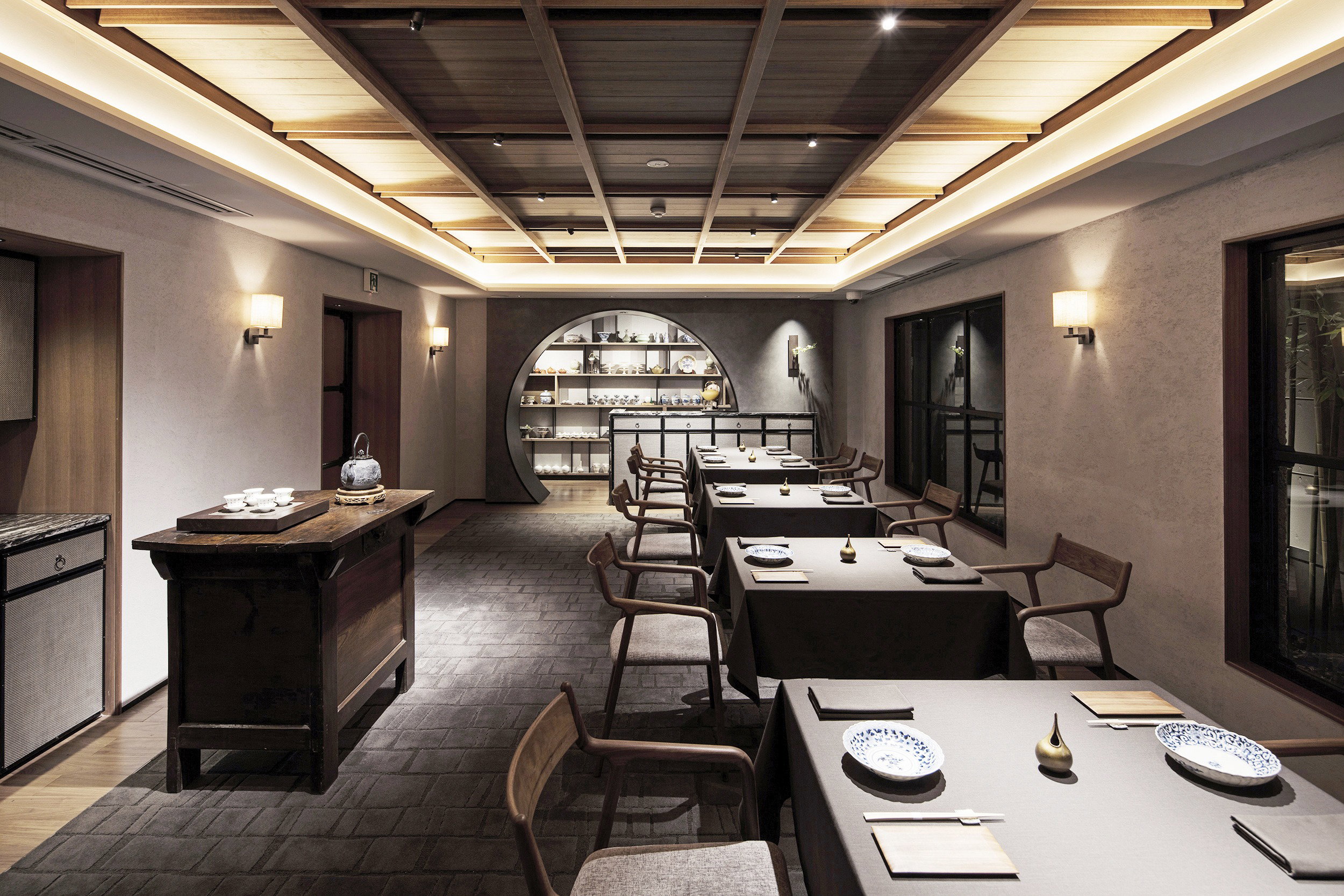
Miyawaki is a counter-style Japanese restaurant in Mita, Minato City, drawing its culinary grammar from Kyoto rather than Tokyo. The kitchen works within a clear tradition: fish grilled in soy sauce, sake, and citrus, or prepared with Saikyo miso; deep-fried tofu mixed with thinly sliced vegetables; ingredients that rotate with the season, including mollusc, unagi, mushrooms, and lily bulbs. Dishes are served on Kyoyaki ceramics, which grounds the meal visually in the Kyoto craft tradition. The result is a room that feels considered rather than theatrical — better for a focused conversation than for a show-kitchen spectacle.
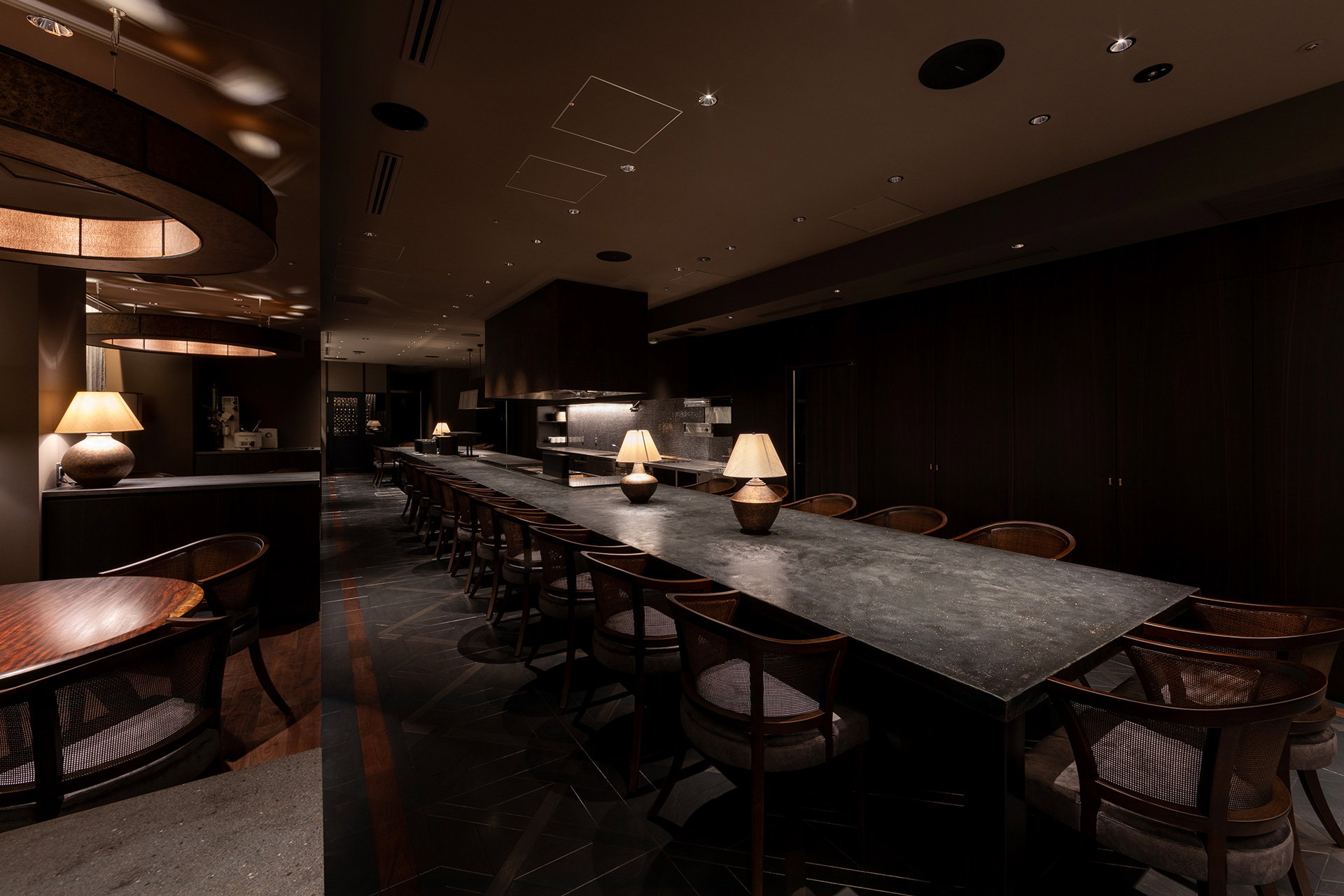
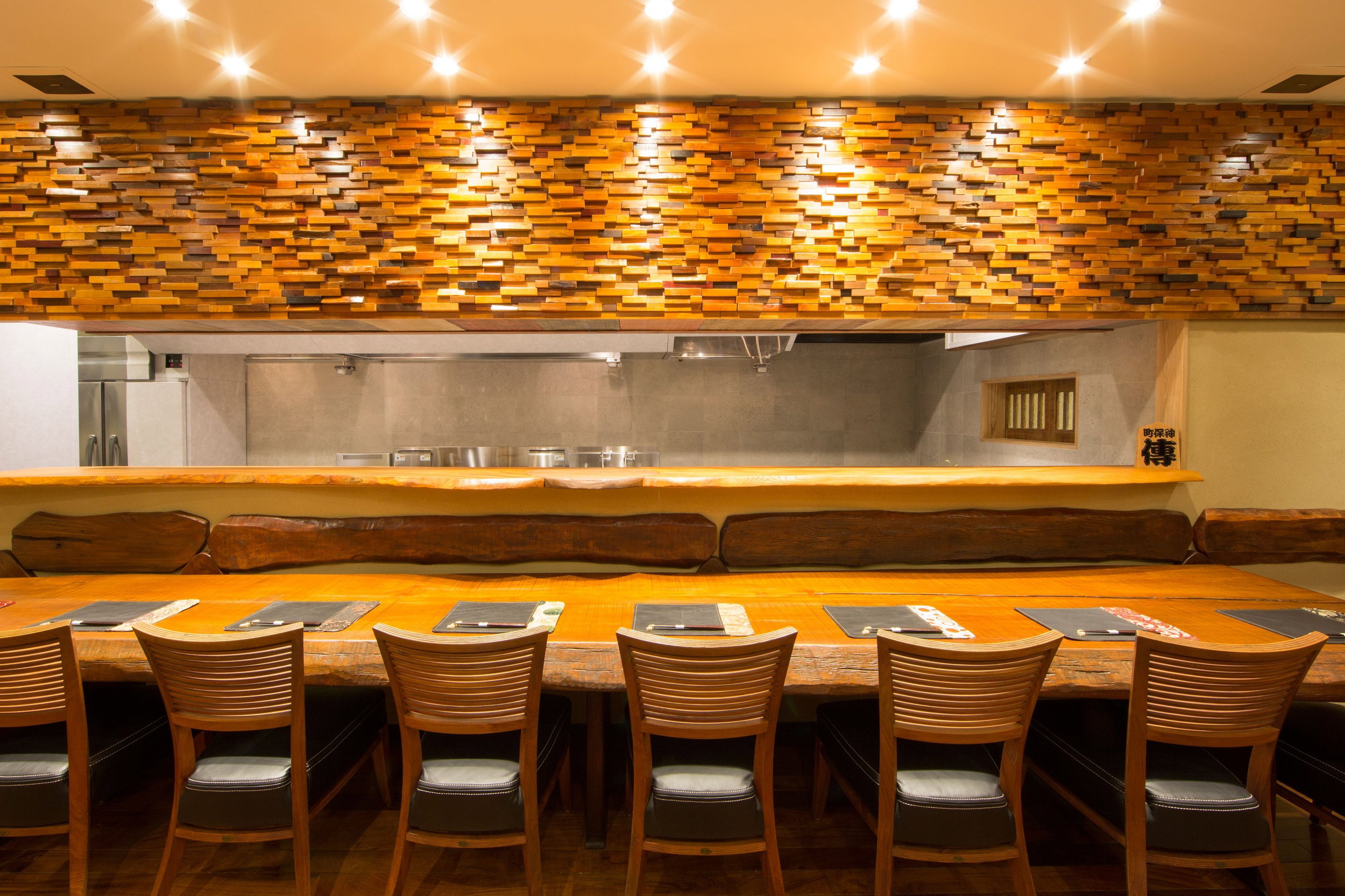
The counter format matters for solo diners and pairs especially. You are watching the kitchen at close range, and the pacing tends to be measured. The atmosphere sits somewhere between contemplative and convivial — not hushed and reverent like some high-end kaiseki rooms, but not loud or rushed either. If you arrive expecting the ambient noise of a buzzing izakaya, recalibrate. Miyawaki rewards a slower gear.
First-Timer Rules
There is one rule at Miyawaki that every first-time visitor needs to know before booking: on your first visit, you will receive omakase set meals only. You cannot order freely from the menu until your second visit. This is not a drawback, the omakase format is actually the most informative way to understand what the kitchen does well, but it is worth knowing so you arrive with the right expectations. The set-meal structure also makes the experience more predictable in terms of timing and spend, which suits diners who find open-ended tasting menus stressful.
The seasonal rotation of ingredients means timing your visit does affect what you eat. Autumn visits lean into mushrooms and root vegetables; summer menus tend toward lighter preparations with citrus-inflected fish. For a first visit, any season will show the kitchen's technique clearly, but autumn and spring are when the ingredient rotation is at its most expressive in Japanese counter cooking generally.
What the Recognition Means
Miyawaki holds a Michelin Plate in both 2024 and 2025. A Michelin Plate is not a star, it signals that the inspectors found the cooking good but not at the level of a starred recommendation. In practical terms, this positions Miyawaki as a serious, quality-consistent room worth seeking out rather than a destination that demands international travel on its own. If you are already in Tokyo and care about Kyoto culinary traditions, the Plate recognition confirms the kitchen is technically sound. It also means booking is considerably easier than at a starred counter, no months-long waitlists, no competitive reservation systems.
How Miyawaki Compares
Against other Kyoto-tradition counters in Tokyo, Miyawaki's closest spiritual neighbours are Myojaku and Azabu Kadowaki. Kagurazaka Ishikawa and Ginza Fukuju sit higher on the prestige ladder with starred recognition, and Jingumae Higuchi is another counter worth comparing if you are building a Tokyo itinerary around Japanese cuisine. For those planning wider Japan travel, the Kyoto tradition Miyawaki draws from is even more fully expressed at Gion Sasaki in Kyoto or Isshisoden Nakamura in Kyoto, and if Osaka is on your route, Kashiwaya Osaka Senriyama operates in a similar register at a higher price point.
Practical Details
| Detail | Miyawaki |
|---|---|
| Price range | ¥¥¥ |
| Location | Mita, Minato City, Tokyo |
| Cuisine | Japanese (Kyoto tradition) |
| Counter style | Yes |
| First visit format | Omakase set only |
| Subsequent visits | À la carte menu available |
| Booking difficulty | Easy |
| Michelin recognition | Plate 2024, 2025 |
Getting There and When to Go
Miyawaki is in Mita, Minato City, a quieter residential-commercial pocket of Tokyo with good access via the Mita and Asakusa subway lines. The neighbourhood is less tourist-dense than Ginza or Shinjuku, which keeps the approach calm. For timing within a Tokyo trip, weekday evenings tend to produce the most focused dining experience at counter restaurants of this type. If you are planning a broader Japan trip and want to benchmark your palate against similar cooking in its home setting, consider pairing a Miyawaki visit with HAJIME in Osaka or akordu in Nara for contrast.
For everything else in Tokyo, see our full Tokyo restaurants guide, our full Tokyo hotels guide, our full Tokyo bars guide, our full Tokyo wineries guide, and our full Tokyo experiences guide. If you are planning further afield, Goh in Fukuoka, 1000 in Yokohama, and 6 in Okinawa are worth adding to the list depending on your route.
The Verdict
Miyawaki is the right call for a first-time visitor to Tokyo who wants a genuine, technically grounded experience of Kyoto culinary tradition at a price point that does not require a special occasion justification. The omakase-first policy removes decision fatigue, the counter format keeps the meal personal, and the Michelin Plate recognition confirms the kitchen earns its position. It is not the most prestigious room in the city, but it is a well-considered one, and considerably easier to book than most of its peers.
Explore More in Japan
Planning details
- Location
- 1 Chome-3-28 Mita, Minato City, Tokyo 108-0073, Japan
- Website
- tablecheck.com/ja/shops/miyawaki/reserve
- Phone
- +81 3-5379-6545
The take
The Take
The Vibe
Miyawaki channels Kyoto’s centuries-old culinary language into a small, disciplined counter format. The dining room favors restraint over flourish: dishes prioritize dashi clarity, seasonal restraint and courtly presentation rather than theatrical showmanship. That measured approach creates a quiet, contemplative atmosphere where the chef’s technique is the point of focus. The counter setting keeps the experience intimate and pared back, letting the precision of each preparation take center stage. Patrons encounter an understated, classic Japanese aesthetic—refined and minimalist—rather than the bold, modern omakase theatrics found elsewhere in the city.
Best For
This is a venue for focused dining: quiet counter service and Kyoto-rooted technique make Miyawaki well suited to date nights, solo meals and special occasions that reward attention to subtlety. The kitchen’s discipline and Michelin Plate recognition position it as a destination for diners who value refined seasonal cooking over abundance and spectacle. Because the restaurant operates from a counter, the format favors small parties and individual diners who appreciate watching the chef’s work up close. Evening service, where Kyoto-style preparations and premium ingredients are most likely showcased, is the primary draw.
Ordering Tips
Let the kitchen’s Kyoto training guide your choices: look for preparations that emphasize dashi clarity, seasonal restraint and refined presentation. Signature items highlighted in the description—grilled fish, deep-fried tofu with vegetables, Tajima Kuro Wagyu and premium eel—are reliable ways to sample the restaurant’s technique and ingredient quality. At the counter, prioritise courses that showcase delicate seasoning and balance rather than heavy sauces; ask the chef about seasonal freshwater- or vegetable-focused preparations that reflect Kyoto’s traditions. The counter setting invites direct conversation with staff about how dishes are meant to be enjoyed.
Venue details
Ambiance
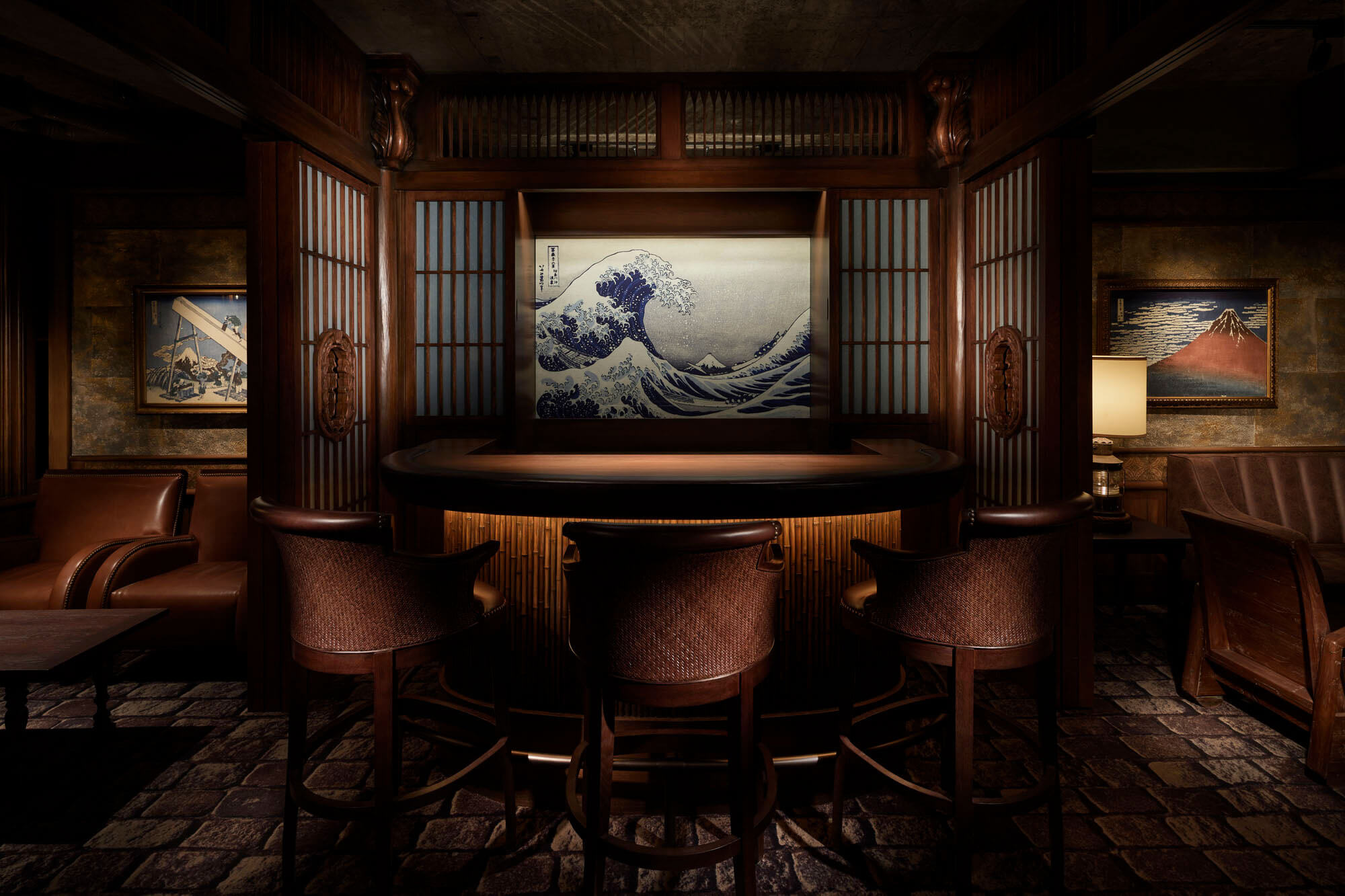
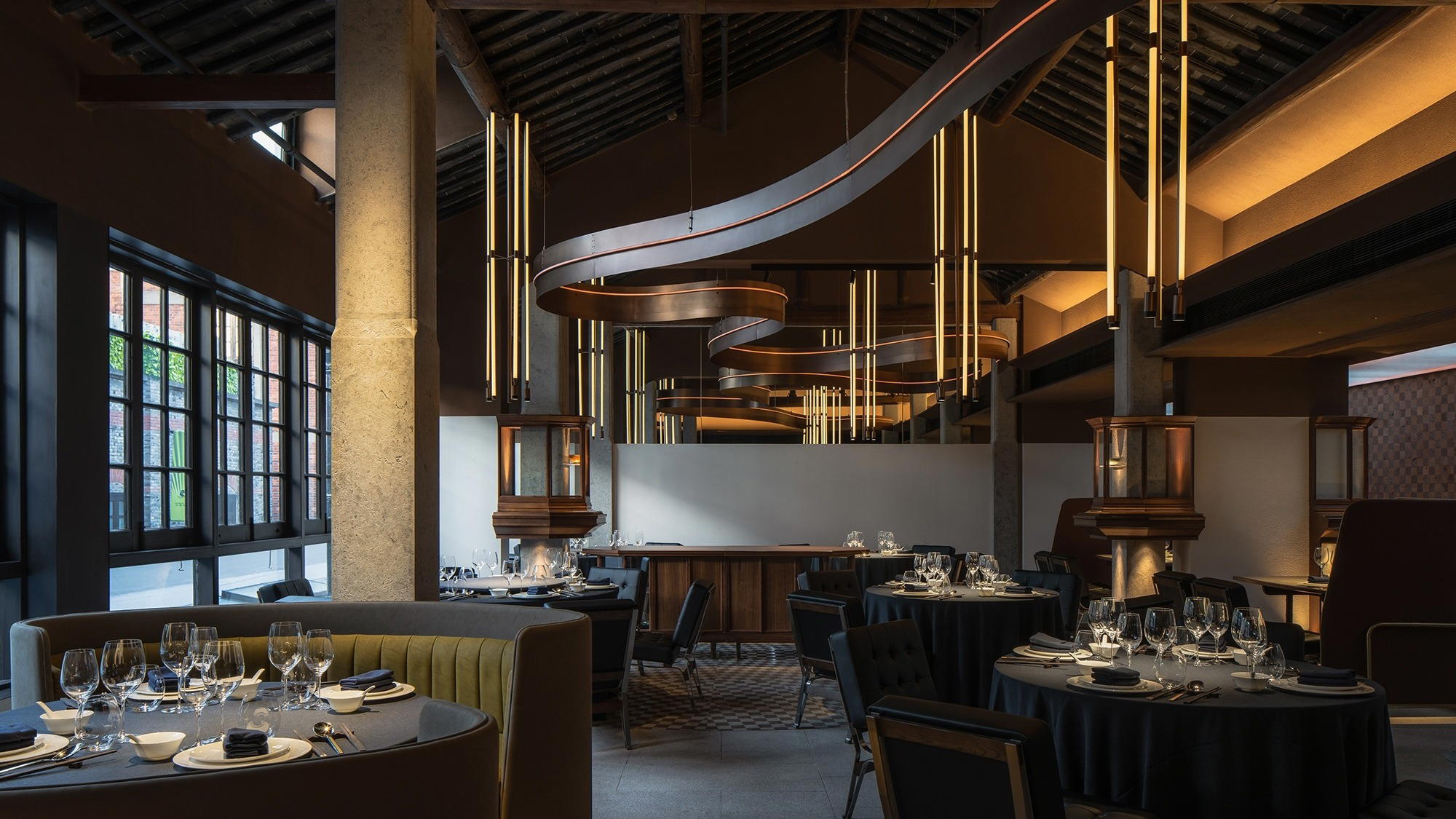
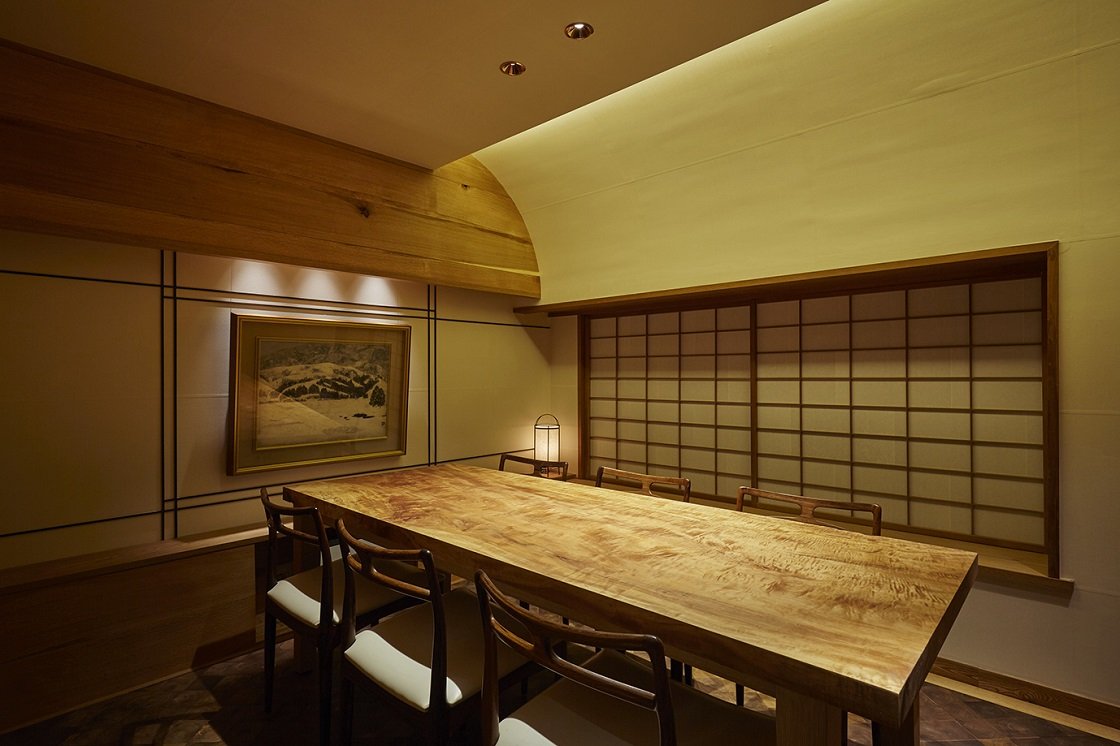
Calm, sophisticated Japanese-style interior with counter seating overlooking an open kitchen, spacious and relaxing atmosphere.
Tags
Vibe
Best For
Experience
At the Table
- Dress Code
- Smart Casual
- Noise Level
- Quiet
- Service Style
- Formal
- Meal Pacing
- Leisurely
- Capacity
- Intimate
Signature Dishes
- grilled fish
- deep-fried tofu with vegetables
- Tajima Kuro Wagyu
- premium eel
Know before you go
Know Before You Go
- Getting there
- 1 Chome-3-28 Mita, Minato City, Tokyo 108-0073, Japan
Planning details
Location
1 Chome-3-28 Mita, Minato City, Tokyo 108-0073, Japan · Directions

Also consider
Also Consider
- Harutaka, Sushi, ¥¥¥¥
- RyuGin, Kaiseki, Japanese, ¥¥¥¥
- L'Effervescence, French, ¥¥¥¥
- HOMMAGE, Innovtive French, French, ¥¥¥¥
- Florilège, French, ¥¥¥
Restaurant context
Miyawaki at ¥¥¥ sits a full price tier below most of its natural comparison set. RyuGin at ¥¥¥¥ is the more obvious choice if you want kaiseki with three-Michelin-star credentials and a more formal, elaborate progression, but it costs considerably more and requires forward planning. If technical depth and prestige matter above all else, RyuGin is the stronger room. If you want Kyoto-rooted Japanese cooking without the top-tier price commitment, Miyawaki delivers a more accessible version of the same tradition.
Harutaka at ¥¥¥¥ operates in sushi rather than kaiseki, making it a different decision entirely, book Harutaka if sushi precision is the priority, Miyawaki if you want a broader seasonal Japanese menu with Kyoto craft influence. On the French side, Florilège matches Miyawaki's ¥¥¥ price tier and is worth considering if you want Tokyo's contemporary French counter experience rather than a Japanese one, both rooms are at similar booking-difficulty levels. L'Effervescence and HOMMAGE, both ¥¥¥¥, operate at a higher spend threshold and suit diners for whom French technique in Tokyo is the specific goal.
For the first-time visitor to Tokyo who wants a genuine Japanese counter experience at a manageable price with easy booking, Miyawaki is the practical choice over its starred competitors. If you are willing to spend more and plan further ahead, RyuGin is the upgrade. If you want the Kyoto tradition in its actual home setting rather than Tokyo, consider Gion Sasaki in Kyoto or Isshisoden Nakamura as the more authentic geographic context for the same culinary lineage.
Explore Tokyo
Around this place
Discover more on Pearl
Unlock the full Miyawaki guide in Pearl, including awards, comparisons, FAQs, planning details, and nearby places.
Compare Miyawaki
| Venue | Cuisine | Price | Booking Difficulty | Awards |
|---|---|---|---|---|
| Miyawaki | Japanese | ¥¥¥ | Easy | 2026 OAD Top Restaurants in Japan Recommended2026 Michelin PlateTabelog 100 - Japanese cuisine - TOKYO - 2025 · #32025 Michelin Plate2024 Michelin Plate |
| Harutaka | Sushi | ¥¥¥¥ | Unknown | 2026 Tabelog Silver · #312026 OAD Top Restaurants in Japan Ranked · #1282026 Michelin 3 Stars2026 La Liste Top RestaurantsTabelog 100 - Sushi - TOKYO - 2025 · #372025 Asia's 50 Best Restaurants · #762025 OAD Top Restaurants in Japan Ranked · #1172025 La Liste Top Restaurants2025 Tabelog Bronze |
| RyuGin | Kaiseki, Japanese | ¥¥¥¥ | Unknown | 2026 OAD Top Restaurants in Japan Ranked · #802026 Tabelog Bronze · #3772026 Michelin 3 Stars2026 La Liste Top RestaurantsTabelog 100 - Japanese cuisine - TOKYO - 2025 · #212025 OAD Top Restaurants in Japan Ranked · #542025 Michelin 3 Stars2025 La Liste Top Restaurants2025 The Best Chef Three Knives |
| L'Effervescence | French | ¥¥¥¥ | Unknown | 2026 Tabelog Silver · #682026 OAD Top Restaurants in Japan Ranked · #103Star Wine Lists 20262026 Black Pearl 2 Diamond2026 Relais Chateaux Restaurants2026 La Liste Top Restaurants2026 Michelin 3 Stars2025 Asia's 50 Best Restaurants · #692025 OAD Top Restaurants in Japan Ranked · #92 |
| HOMMAGE | Innovtive French, French | ¥¥¥¥ | Unknown | 2026 Tabelog Bronze · #1232026 OAD Top Restaurants in Japan Highly Recommended2026 Michelin 2 StarsTabelog 100 - French - TOKYO - 2025 · #762025 Asia's 50 Best Restaurants · #782025 OAD Top Restaurants in Japan Ranked · #1752025 Michelin 2 Stars2025 The Best Chef One Knife2025 La Liste Top Restaurants |
| Florilège | French | ¥¥¥ | Unknown | 2026 Asia's 50 Best Restaurants · #312026 Tabelog Bronze · #712026 OAD Top Restaurants in Japan Ranked · #1242026 Black Pearl 1 Diamond2026 Michelin 2 Stars2026 La Liste Top Restaurants2025 Asia's 50 Best Restaurants · #172025 World's 50 Best Restaurants · #36Tabelog 100 - French - TOKYO - 2025 · #68 |











Side-by-side comparison to help you decide where to book.
FAQ
Frequently Asked Questions
Is Miyawaki good for solo dining?
Counter seating makes Miyawaki a genuinely good solo option. You are positioned directly in front of the kitchen action, which is more engaging than a table for one at a conventional restaurant. On a first visit, solo diners receive the omakase set meal only, so there is no menu-navigation pressure — you just show up and eat what the kitchen sends.
Is the tasting menu worth it at Miyawaki?
For a first visit, yes — the omakase set is not optional anyway, as Miyawaki requires it for all first-time customers. It is well-suited to anyone unfamiliar with the Kyoto-tradition approach: fish grilled with soy, sake and citrus, Saikyoni preparations, seasonal ingredients like unagi, lily bulbs and molluscs, all served on Kyoyaki vessels. Return visitors unlock an extensive à la carte menu, which is where the restaurant arguably becomes more interesting for repeat diners.
What should I wear to Miyawaki?
The venue data does not specify a dress code. Given the counter format, Kyoto culinary tradition, and Michelin Plate recognition, treat it as a considered dinner rather than a casual one — neat, put-together clothing is a safe call. Avoid anything that would be out of place at a serious Tokyo neighbourhood restaurant.
What should a first-timer know about Miyawaki?
The most important thing: first-time visitors receive omakase set meals only — you cannot order freely from the menu until your second visit. The kitchen draws from Kyoto traditions rather than the Tokyo kaiseki style, so expect Saikyoni fish, deep-fried tofu with sliced vegetables, and seasonal ingredients that shift with the time of year. Miyawaki holds a Michelin Plate for both 2024 and 2025, which signals consistent, inspector-approved cooking without the price premium of a starred room.
Is Miyawaki worth the price?
At the ¥¥¥ price point, Miyawaki sits in Tokyo's mid-to-upper tier — below the starred kaiseki rooms but above casual Japanese dining. For what you get — Kyoto-tradition counter cooking with seasonal ingredients, Kyoyaki presentation, and two consecutive Michelin Plate recognitions — the value case is solid, especially compared to starred alternatives like Kagurazaka Ishikawa or RyuGin where the same culinary tradition costs considerably more. If your priority is format familiarity over prestige, Miyawaki is the more considered spend.