

Haramasa
Kaiseki · Shinjuku, Tokyo
Restaurant in Tokyo, Japan
 Book with Pearl
The Read
Neighbourhood Kaiseki Consistency
Chef
Shotaro Hara
Dress
Smart Casual
Why go
Haramasa delivers seasonal kaiseki tasting menus in a basement Yotsuya counter setting, priced at JPY 20,000–29,999 for dinner and JPY 10,000–14,999 for lunch. Chef Shotaro Hara's decade of consistent Tabelog Bronze Awards (plus a 2018 Silver) and multiple Tabelog 100 selections justify the reputation without the premium attached to headline kaiseki rooms.
About Haramasa
Haramasa is a kaiseki restaurant in Tokyo led by chef-owner Shotaro Hara. For diners comparing traditional Japanese dining rooms in the city, the essentials are straightforward: the cuisine is kaiseki, the dress code is smart casual, and the restaurant serves lunch and dinner Monday through Saturday, with Sunday closed.
The Format and the Hours
Haramasa opens Monday through Saturday from 12:00 to 14:00 and again from 18:00 to 24:00. It is closed on Sunday. Beyond those hours, details such as seating layout, reservation channels, menu structure, last order, service length, and room configuration should be confirmed directly with the restaurant before planning around them.
What Sets It Apart from Other Kaiseki Rooms
Haramasa belongs in Tokyo kaiseki conversations because it offers kaiseki under chef-owner Shotaro Hara in the city. If you are comparing it with other dining rooms, consider it alongside comparable venues such as Seika Kobayashi, Tsujitome, Tadenoha, Ichita いち太, and Aoyama Jin. Specific comparisons on price, awards, seating, pacing, and service style should be checked against current restaurant information before booking.
No award or ranking details are listed. Haramasa is best framed as a Tokyo kaiseki restaurant led by Shotaro Hara.
Booking, Timing, and What to Expect
For booking and arrival planning, note the basics: Haramasa is in Tokyo, serves kaiseki, and operates Monday through Saturday for lunch from 12:00 to 14:00 and dinner from 18:00 to 24:00. Reservation method, payment options, parking, service charge, dietary accommodations, and seating arrangements should be confirmed directly with the restaurant.
The dress code is smart casual. That is enough to avoid overly casual clothing while not assuming a formal jacket-and-tie requirement. Other guest-experience details, including counter interaction, private rooms, smoking policy, and group-size suitability, should be confirmed directly.
Haramasa is best described simply and accurately: a kaiseki restaurant in Tokyo from chef-owner Shotaro Hara, open for lunch and dinner Monday through Saturday. For a premium meal where details matter, confirm current booking rules, menu details, pricing, and access information directly before you go.
Planning details
- Hours
- Monday: 12–2 pm, 6 pm–12 am · Tuesday: 12–2 pm, 6 pm–12 am
- Location
- Japan, 〒160-0004 Tokyo, Shinjuku City, Yotsuya, 4 Chome−8 店舗棟B1F ライオンズ四谷タワーゲート
- Website
- pocket-concierge.jp/restaurants/243859
- Phone
- +81 3-5312-7307
The take
The Take
The Vibe
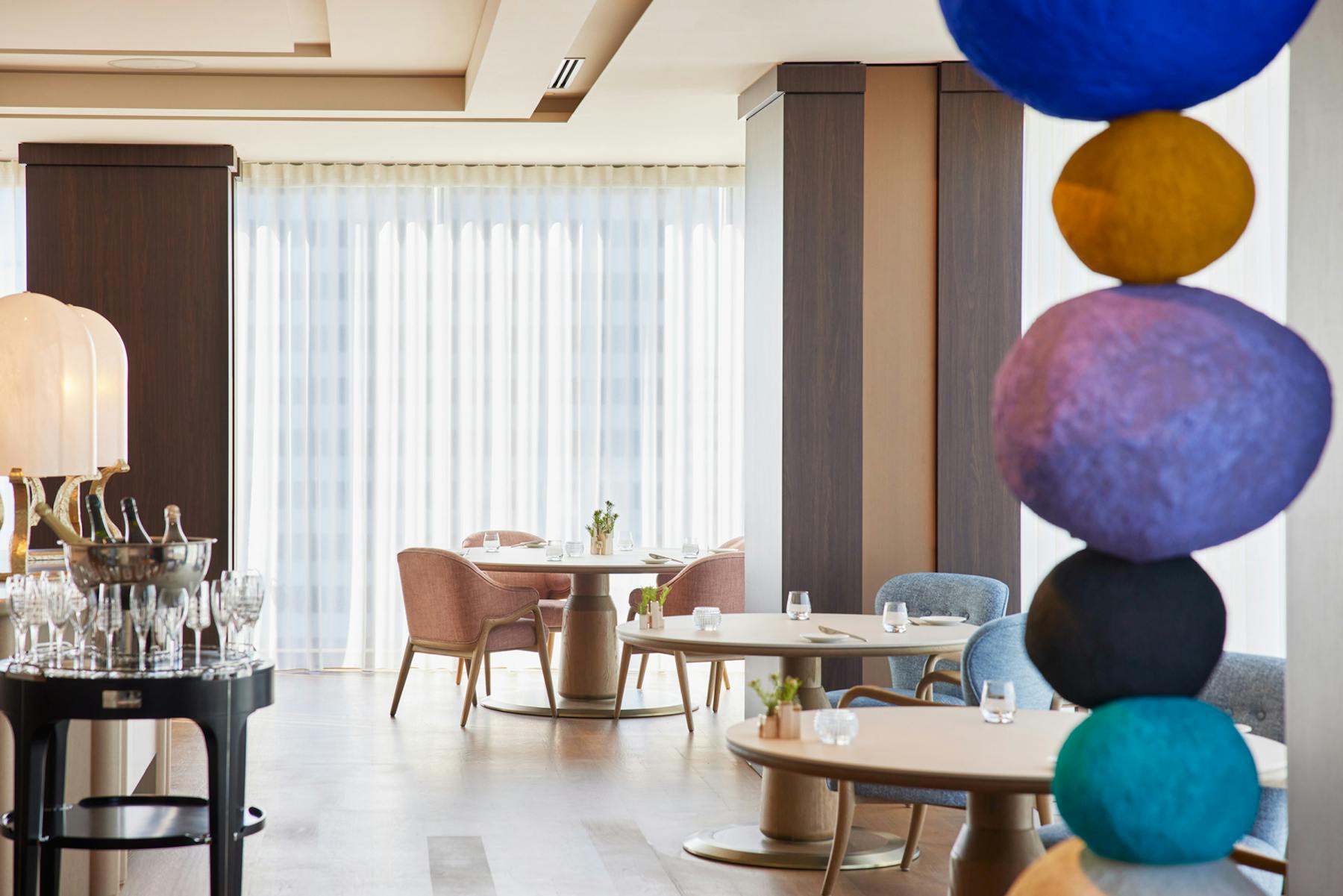
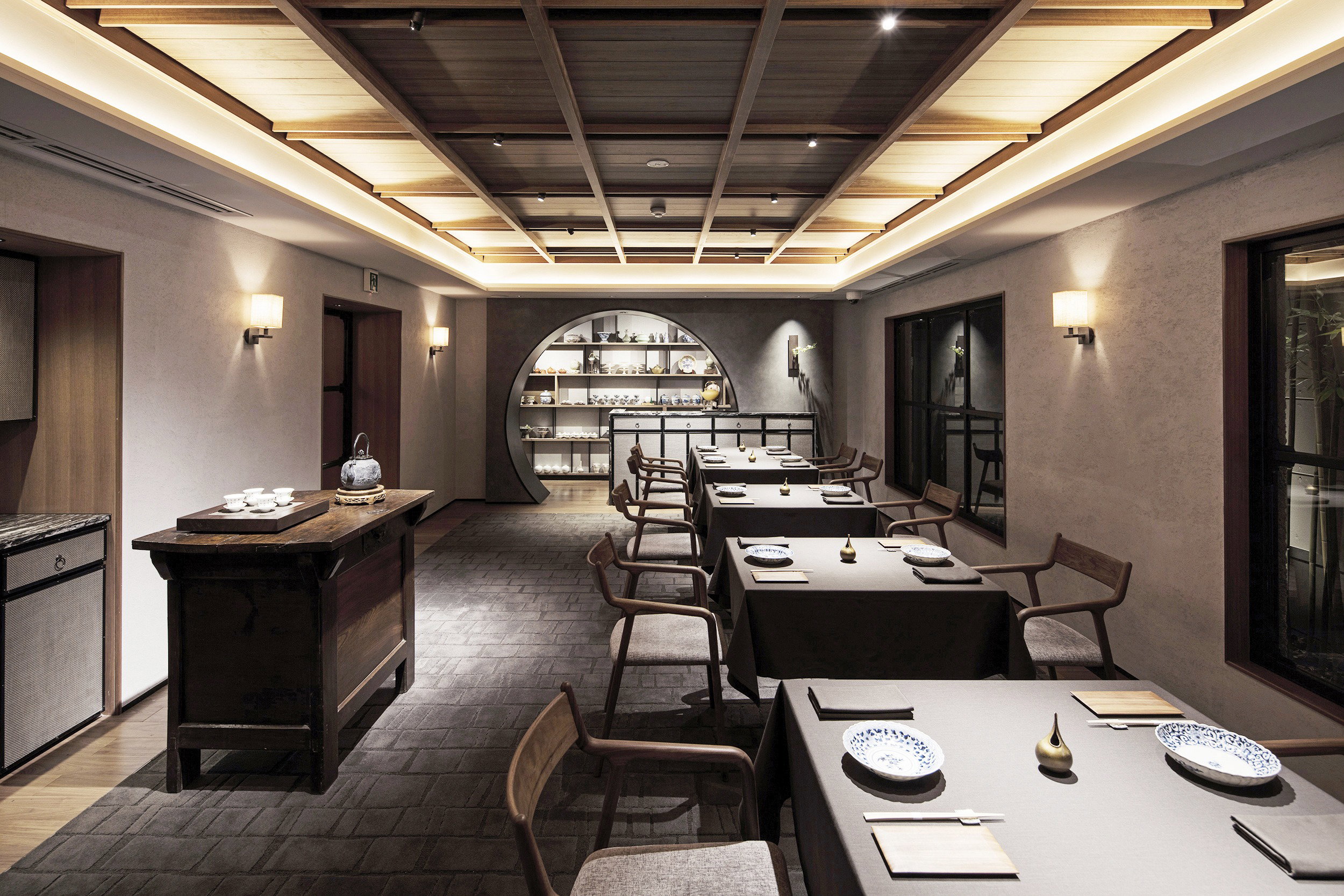
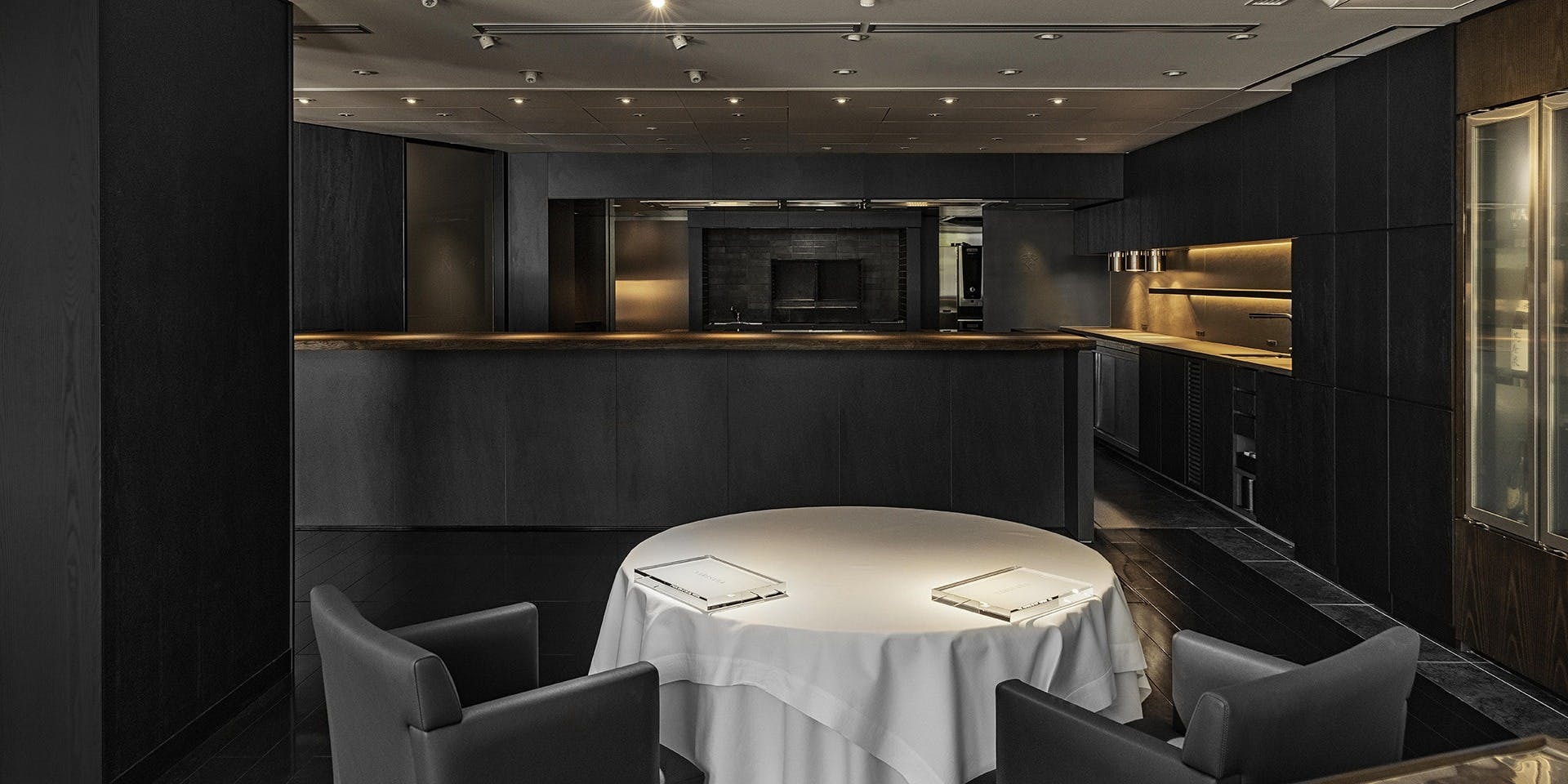
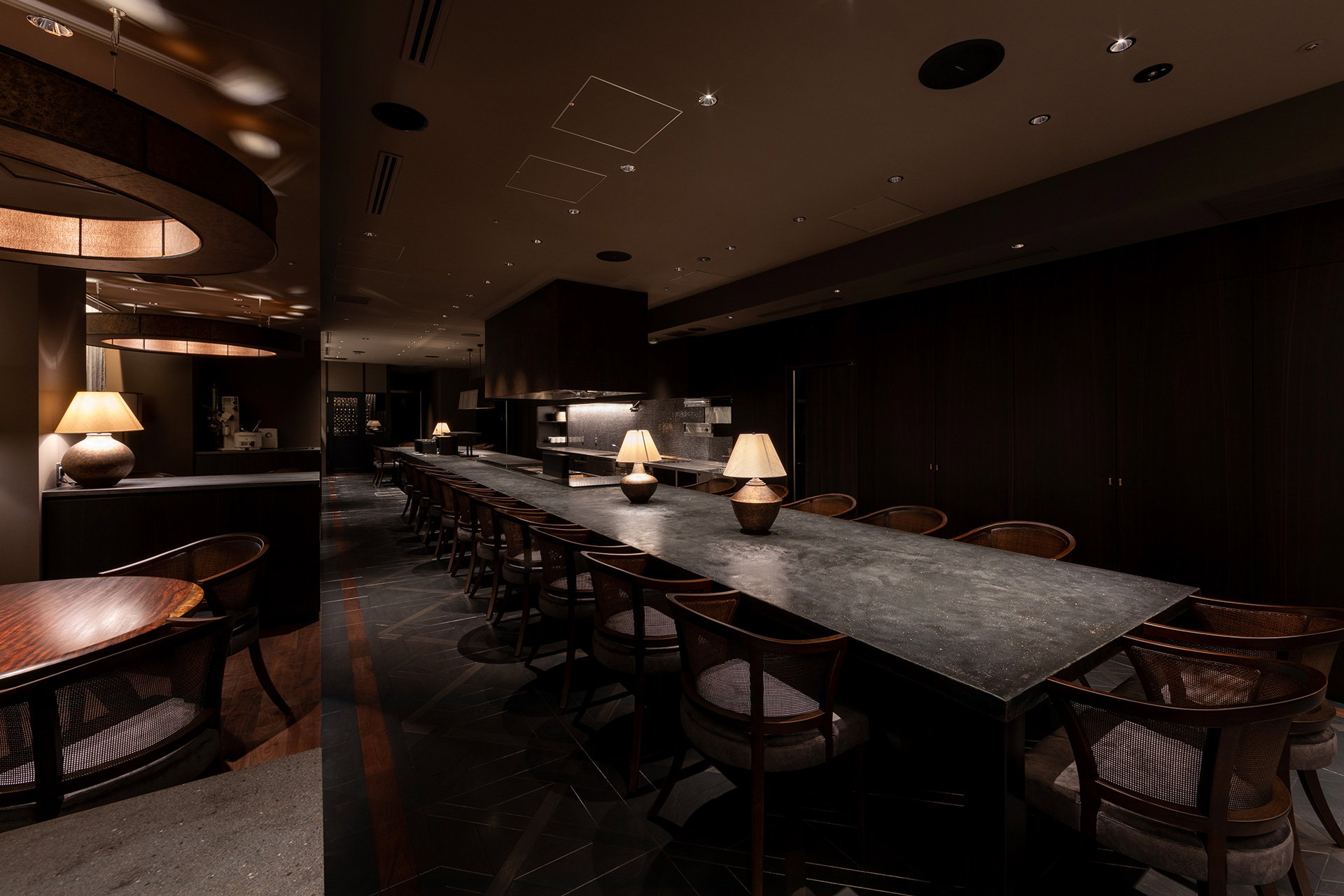
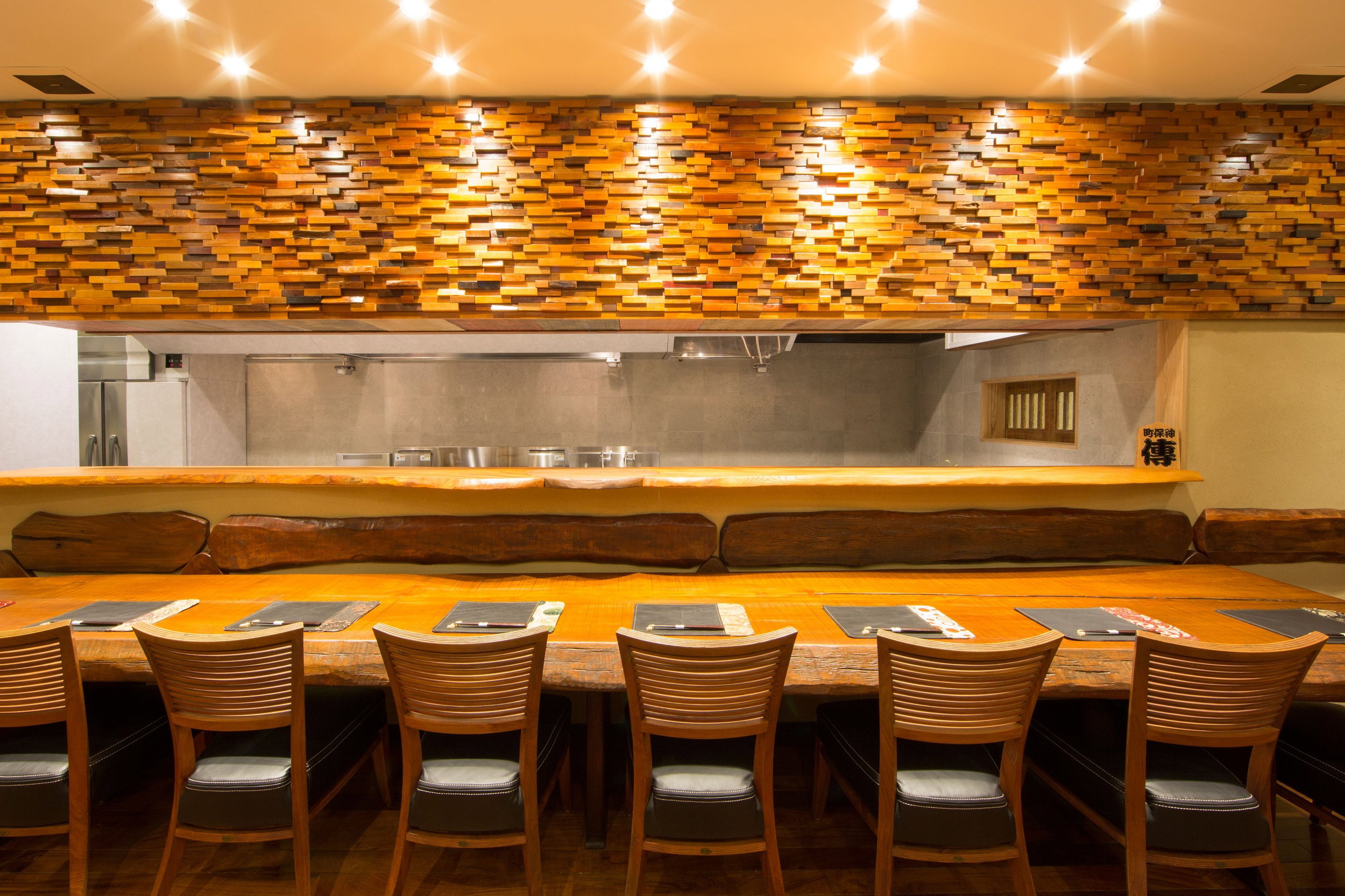
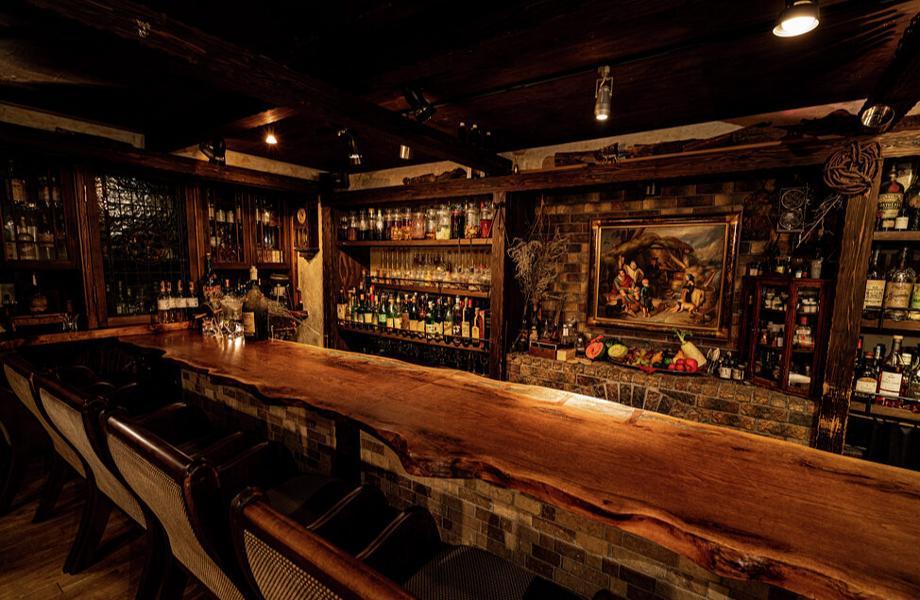
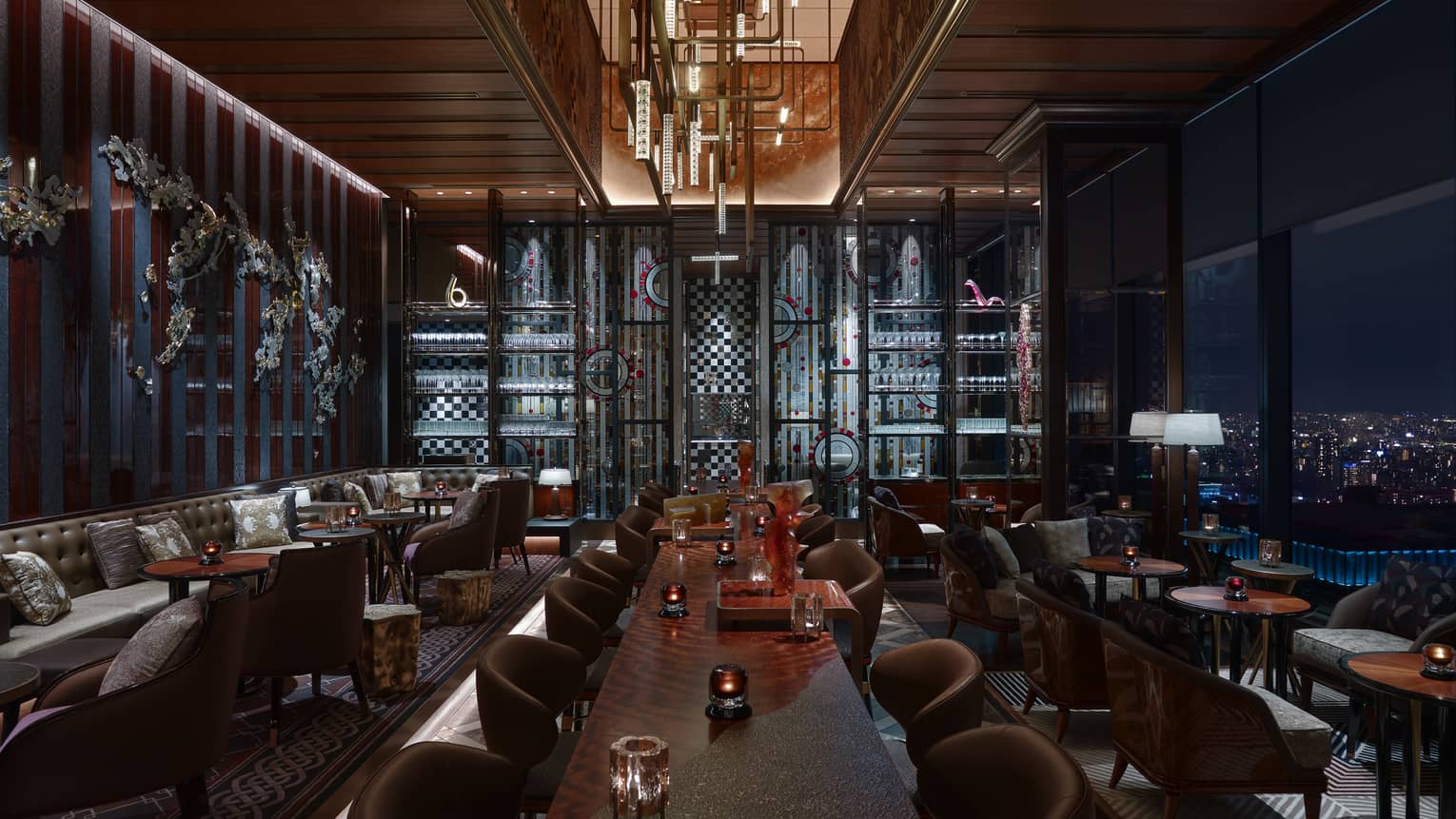
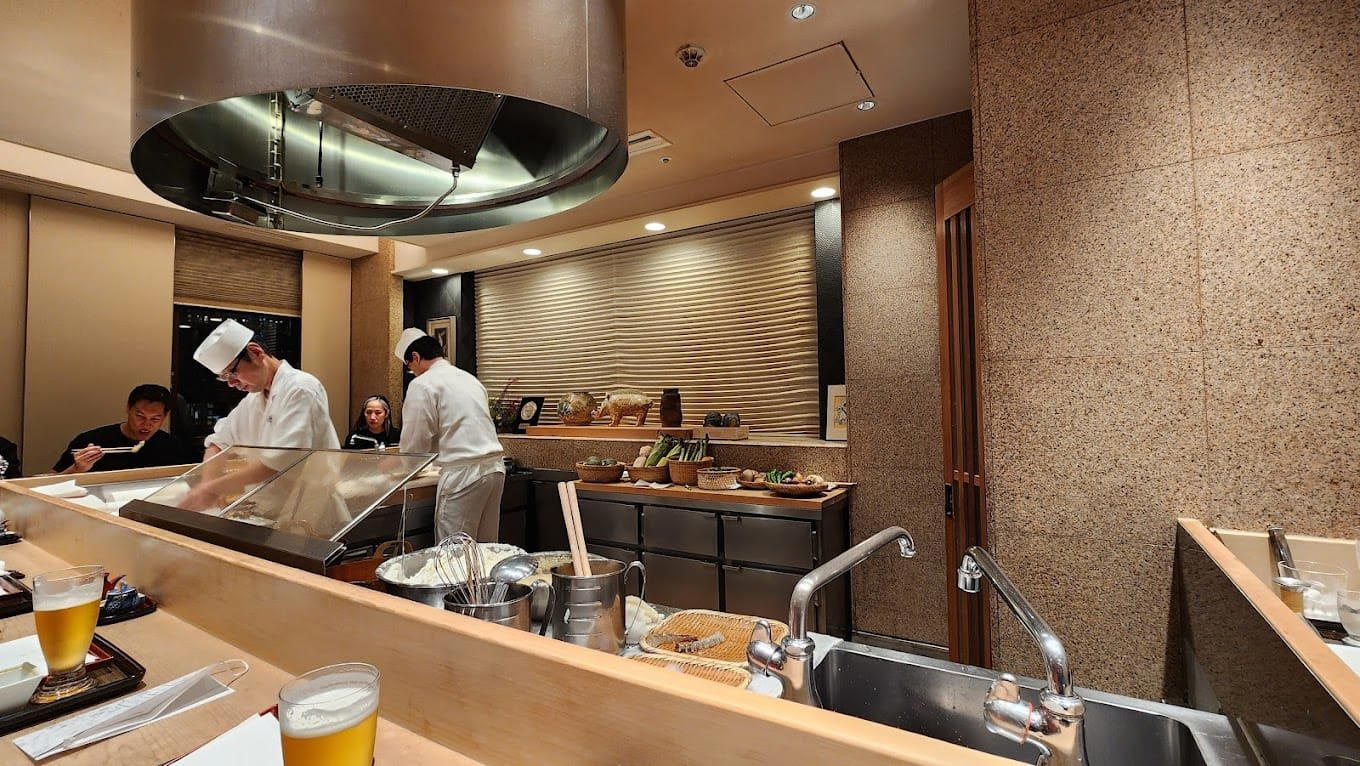
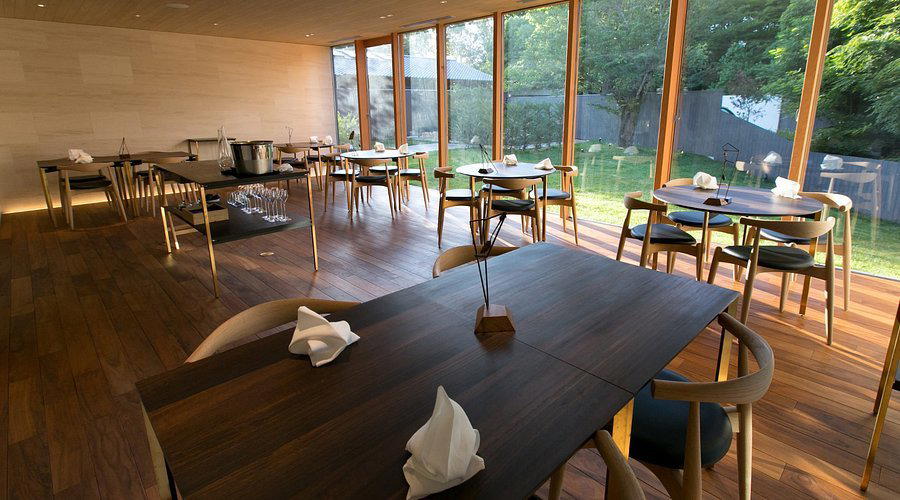
Haramasa presents a quiet, understated take on Tokyo kaiseki. Tucked into the basement of a residential tower on the edge of Yotsuya 4-chome, the room’s modest footprint keeps the focus squarely on seasonality and craft rather than theatrical scale. Seating is limited to twenty-two across counter positions and small private rooms, which reinforces an intimate, attentive rhythm of service. The overall impression is restrained and precise: this is a place for diners who prize the subtleties of kaiseki — delicate pacing, thoughtful plating and ingredient-driven courses — rather than flash or spectacle.
Best For
Haramasa is best suited to a considered evening meal. Its configuration of counter seating and private rooms positions it as a mid-sized kaiseki house where tasting menus unfold at a measured pace, making it ideal for dinner-focused occasions that favor craftsmanship and seasonal detail. The restaurant’s long-standing presence on Tabelog and its decade-plus track record underline its consistency, so diners looking for a dependable, quietly excellent kaiseki dinner — whether for a business supper or a small special occasion — will find it well matched to those needs.
Ordering Tips
Reserve in advance and decide whether you want the counter or a private room: sit at the counter to watch the preparation and the choreography of service, or book a small private room for a quieter, more private meal. Expect a seasonally driven kaiseki progression rather than à la carte options; the kitchen’s emphasis is on restraint and precision. Make space for signature moments — the menu highlights that often include dishes like hassun and finishing courses such as truffle rice and gout somen — and allow the service to guide pacing so each course can be fully appreciated.
Venue details
Ambiance
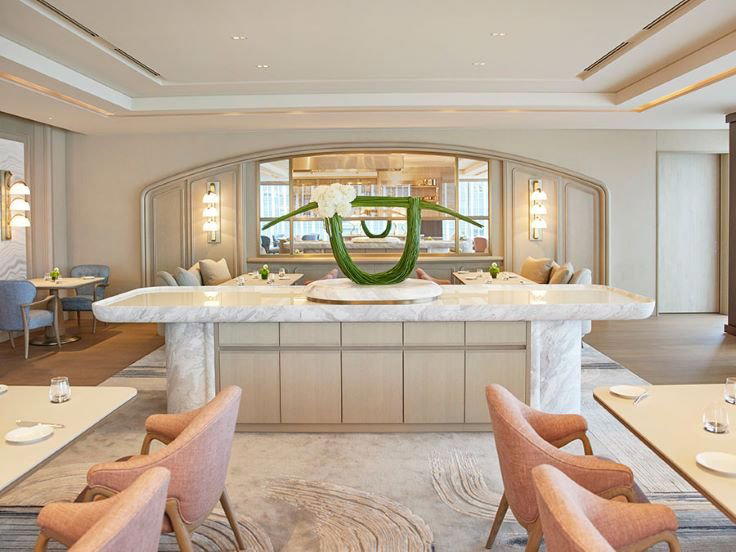
Intimate and inviting with simple, modest decor featuring a light wooden counter that focuses attention on the artistic food presentation.
Tags
Vibe
Best For
Experience
At the Table
- Dress Code
- Smart Casual
- Noise Level
- Quiet
- Service Style
- Upscale Casual
- Meal Pacing
- Leisurely
- Capacity
- Intimate
Signature Dishes
- truffle rice
- gout somen
- hassun
Know before you go
Know Before You Go
- Getting there
- Japan, 〒160-0004 Tokyo, Shinjuku City, Yotsuya, 4 Chome−8 店舗棟B1F ライオンズ四谷タワーゲート
Planning details
Hours
- Monday
- 12–2 pm, 6 pm–12 am
- Tuesday
- 12–2 pm, 6 pm–12 am
- Wednesday
- 12–2 pm, 6 pm–12 am
- Thursday
- 12–2 pm, 6 pm–12 am
- Friday
- 12–2 pm, 6 pm–12 am
- Saturday
- 12–2 pm, 6 pm–12 am
- Sunday
- Closed
Location
Japan, 〒160-0004 Tokyo, Shinjuku City, Yotsuya, 4 Chome−8 店舗棟B1F ライオンズ四谷タワーゲート · Directions
Recognition and awards

Also consider
Also Consider
- Seika Kobayashi, Kaiseki, Kaiseki
- Tsujitome, Kaiseki, Kaiseki
- Tadenoha, Kaiseki, Kaiseki
- Ichita いち太, Kaiseki, Kaiseki
- Aoyama Jin, Kaiseki, Kaiseki
Restaurant context
Haramasa sits in Tokyo's mid-tier kaiseki bracket, credible awards, reasonable pricing, and a proven track record, but it avoids the trophy-room premium of Seika Kobayashi, which charges significantly more for similar technical precision. If budget is tight, Haramasa's JPY 20,000–29,999 dinner range delivers better value than Seika's higher ticket without sacrificing recognition. Tsujitome offers a quieter Omotesando setting and comparable Tabelog scores, but its service feels more formal and the evening hours close earlier; Haramasa's 22:30 last-order window gives late diners breathing room. Tadenoha and Ichita いち太 share similar accolades, yet neither matches Haramasa's extended dinner service or the consistency of seven consecutive Tabelog Bronze Awards.
Aoyama Jin leans toward bolder plating and a more contemporary aesthetic, which works for diners seeking kaiseki with visual drama; Haramasa sticks to classic composition and seasonal restraint. The Yotsuya basement location lacks the design polish of a hotel counter or the foot traffic of Ginza, but that keeps the crowd local and the price rational. For solo diners, Haramasa's counter offers natural chef interaction without the stiffness of some formal kaiseki rooms. Groups up to six can book private rooms, though the JPY 12,100 surcharge for two guests makes counter seating the better value for smaller parties. If you need a late booking, easy online reservations, and Tabelog-validated quality without paying Ginza premiums, Haramasa is the clearest choice in this.
Explore Tokyo
Around this place
Discover more on Pearl
Unlock the full Haramasa guide in Pearl, including awards, comparisons, FAQs, planning details, and nearby places.
FAQ
Frequently Asked Questions
What should I wear to Haramasa?
Haramasa lists a smart casual dress code. Avoid overly casual clothing, and confirm any stricter requirements directly if you are booking for a formal occasion.
Is Haramasa good for solo dining?
Solo-dining suitability should be confirmed directly. Haramasa is a kaiseki restaurant in Tokyo, so solo diners should confirm reservation availability and seating arrangements directly with the restaurant.
What should a first-timer know about Haramasa?
Haramasa serves kaiseki in Tokyo and is led by chef-owner Shotaro Hara. Hours are Monday through Saturday, 12:00–14:00 and 18:00–24:00; Sunday is closed. Pricing, booking method, menu format, and seating details should be confirmed directly.
What are alternatives to Haramasa in Tokyo?
Other points of comparison include Seika Kobayashi, Tsujitome, Tadenoha, Ichita いち太, and Aoyama Jin. Check each restaurant directly for current hours, prices, awards, and booking rules.
Is lunch or dinner better at Haramasa?
Haramasa offers lunch hours from 12:00 to 14:00 and dinner hours from 18:00 to 24:00, Monday through Saturday. The better choice depends on your schedule; menu length, pricing, and pacing should be confirmed directly.
Is Haramasa good for a special occasion?
Haramasa may suit diners looking for kaiseki in Tokyo, but private rooms, celebration services, seating layout, and group arrangements should be confirmed directly before booking for a special occasion.