
Seika Kobayashi
Kaiseki · Shinjuku, Tokyo
Restaurant in Tokyo, Japan
 Book with Pearl
The Read
Neighbourhood-Register Kaiseki
Chef
Yuji Kobayashi
Dress
Smart Casual
Why go
Seika Kobayashi is a kaiseki address in Shinjuku's quiet Arakicho neighbourhood, recognised by Opinionated About Dining three years running. Booking is easy by Tokyo standards, the all-week hours give you real flexibility for lunch or dinner. A dependable choice for a seasonal set-course meal, particularly for small groups or a special occasion.
About Seika Kobayashi
Seika Kobayashi, Tokyo; Pearl Verdict
If you visited Seika Kobayashi once and walked away impressed, a return visit is likely to confirm what you already suspected: this is a kaiseki address with staying power. The Opinionated About Dining ranking has moved from a recommendation in 2023 to #416 in Japan in 2024, then climbed again to #516 in 2025; a counterintuitive drop in number that reflects a growing field of assessed restaurants rather than a dip in quality. The kitchen under chef Yuji Kobayashi has been consistent enough to hold OAD recognition across three consecutive years, which in Tokyo's hyper-competitive kaiseki tier is the more meaningful signal.
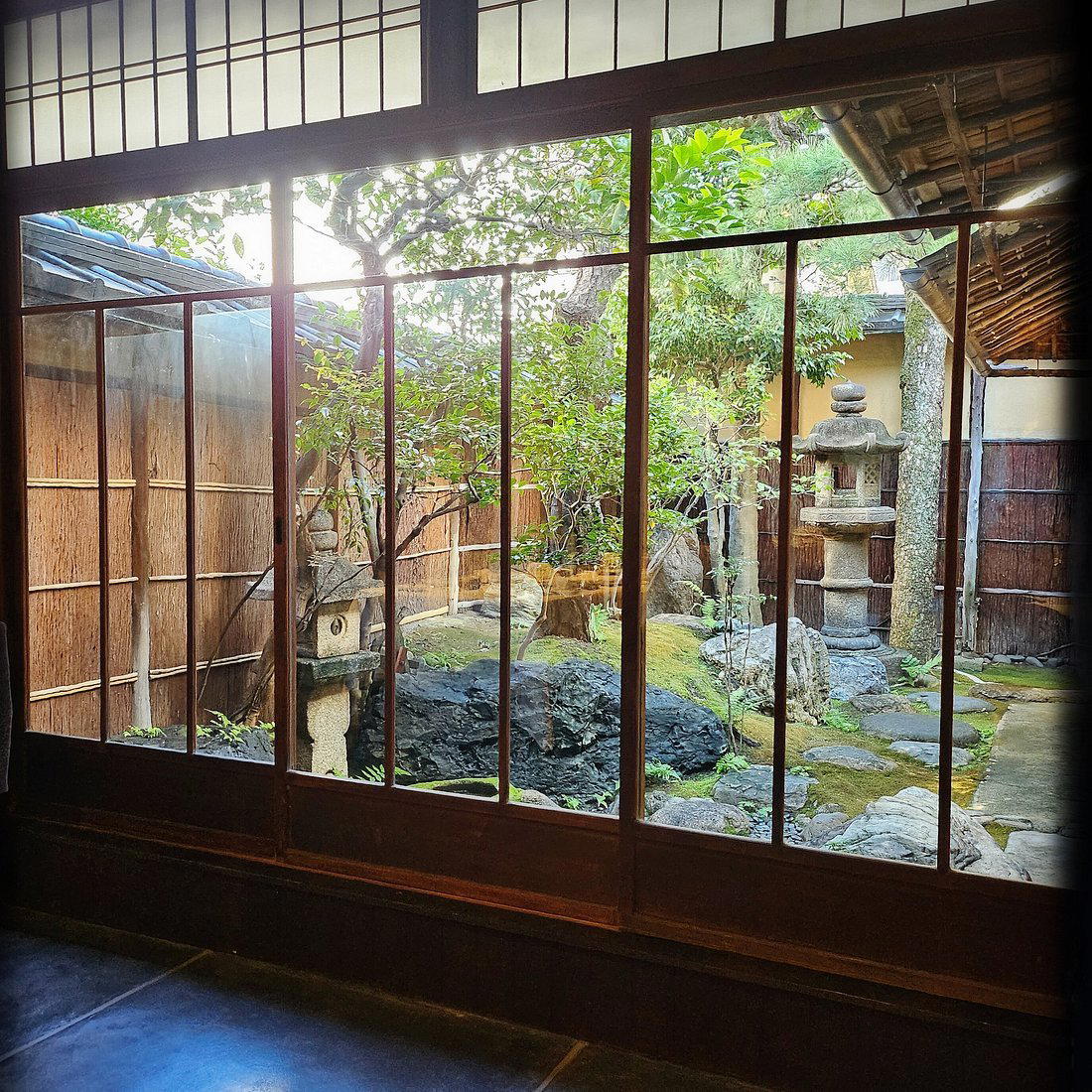
For the return visitor, the question is not whether Seika Kobayashi delivers, it does, but how to use the experience differently the second time. The Arakicho address in Shinjuku City places the restaurant in a quiet residential pocket, removed from the noise of Shinjuku's main drag, which shapes the mood before you even sit down. Where many kaiseki rooms in Tokyo lean on ceremony to set expectations, Seika Kobayashi's neighbourhood location, low-key streets, no tourist foot traffic, does that work instead.
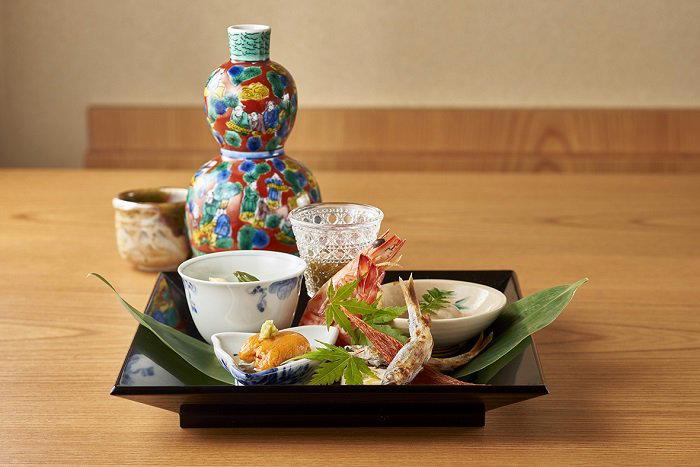
Kaiseki as a format is by definition seasonal. Whatever the kitchen was serving on your first visit will not be on the table today, that is the primary argument for coming back. The menu rotates with the season, so a second visit in a different quarter gives you a structurally different meal even if the pacing and presentation approach remain consistent. This is especially relevant right now: the current season's ingredients and flavour profile will diverge noticeably from any prior visit, kaiseki at this level is as much about that temporal precision as it is about technique.
Private Dining and Group Bookings
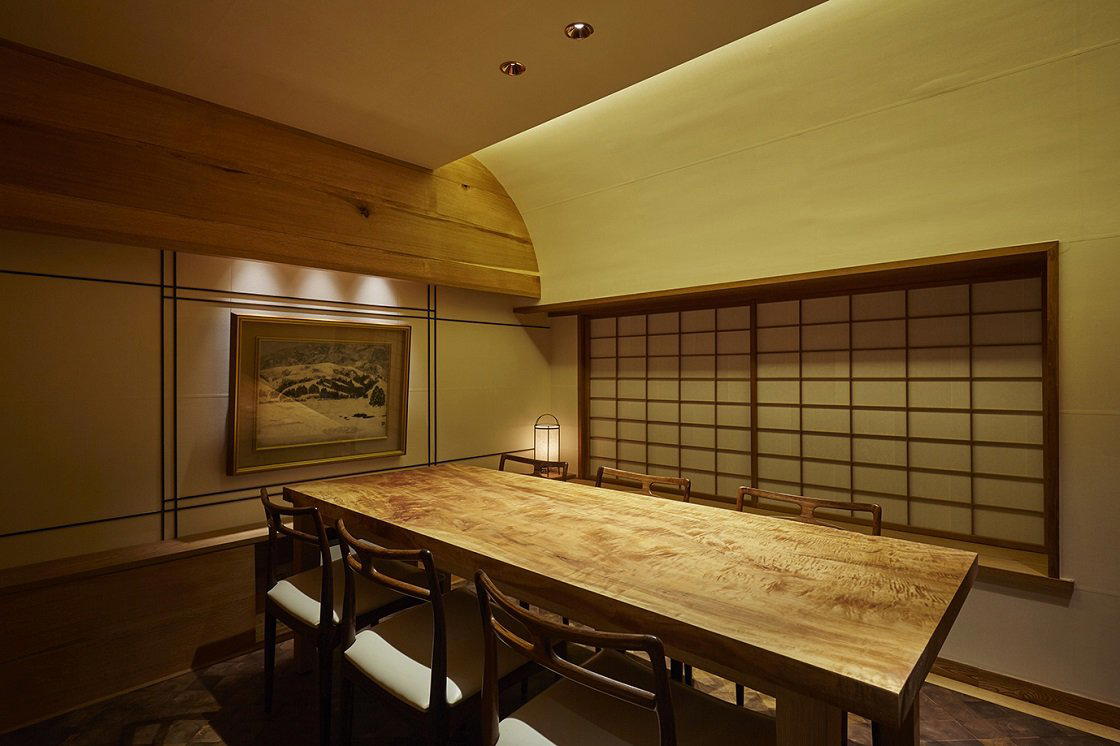
The venue's address, 10-17 Arakicho, a quiet residential block in Shinjuku, its operating format as a kaiseki room suggest an intimate setting rather than a large-group venue. No confirmed private dining room data is available in the record, so if you are planning a group occasion or considering a private booking, contact the restaurant directly to confirm availability and configuration. What can be said with confidence is that kaiseki as a format is inherently well-suited to special occasions and small-group dining: the structured multi-course progression, the seasonal specificity, the unhurried pacing all translate well when the group size allows for genuine conversation. For a table of two to four, the format works naturally. For larger parties, confirm the seating arrangement before assuming a single table is possible.
The restaurant opens daily from 10 am to 9 pm, which is an unusually wide operating window for a kaiseki venue at this recognition level. That all-week availability and the 10 am opening, which may accommodate a longer lunch sitting, makes booking logistics more flexible than at many comparable Tokyo kaiseki addresses where dinner-only formats and limited weekly sittings create real friction. Booking is rated easy, which is a meaningful advantage over peers like RyuGin where reservation windows can stretch months ahead.
What to Focus on This Visit
No specific menu items are confirmed in the available data, so dish-level recommendations cannot be made responsibly here. What the OAD recognition across 2023, 2024, 2025 does confirm is that the kitchen's output is coherent enough to attract consistent critical attention. For a second visit, the most productive approach is to let the seasonal menu lead rather than arriving with specific expectations carried from a prior experience, the format is built for that kind of open orientation. If you visited in summer, a winter or spring return will give you the full range of what the kitchen can do across the year.
For further context on comparable kaiseki experiences in Japan, the Ifuki kaiseki room in Kyoto and Ankyu in Kyoto offer useful benchmarks for what the format delivers at equivalent recognition levels. Within Tokyo, see also Kikunoi Tokyo, Hirosaku, and Ajihiro for a wider read on the city's kaiseki options at different price points and formality levels. Our full Tokyo restaurants guide covers the broader field if you are planning a longer itinerary. Elsewhere in Japan, HAJIME in Osaka, Gion Sasaki in Kyoto, and Goh in Fukuoka provide points of comparison if you are travelling beyond Tokyo.
Know Before You Go
- Address: 10-17 Arakicho, Shinjuku City, Tokyo 160-0007
- Cuisine: Kaiseki
- Chef: Yuji Kobayashi
- Hours: Monday to Sunday, 10 am – 9 pm
- Booking difficulty: Easy
- Price range: Not confirmed, contact venue directly
- Awards: OAD Leading Restaurants in Japan, Recommended (2023), #416 (2024), #516 (2025)
- Private dining: Not confirmed, contact venue to verify
- Nearest area: Arakicho, Shinjuku, quiet residential block, low foot traffic
Also Worth Knowing in Tokyo
If your trip extends beyond dining, Pearl's Tokyo hotels guide, bars guide, experiences guide, and wineries guide cover the full picture. For day trips, 1000 in Yokohama and akordu in Nara are worth the journey if your schedule allows.
Planning details
- Hours
- Monday: 10 am–9 pm · Tuesday: 10 am–9 pm
- Location
- 10-17 Arakicho, Shinjuku City, Tokyo 160-0007, Japan
- Website
- seika-kobayashi.com
- Phone
- +81 3-6380-0978
The take
The Take
The Vibe
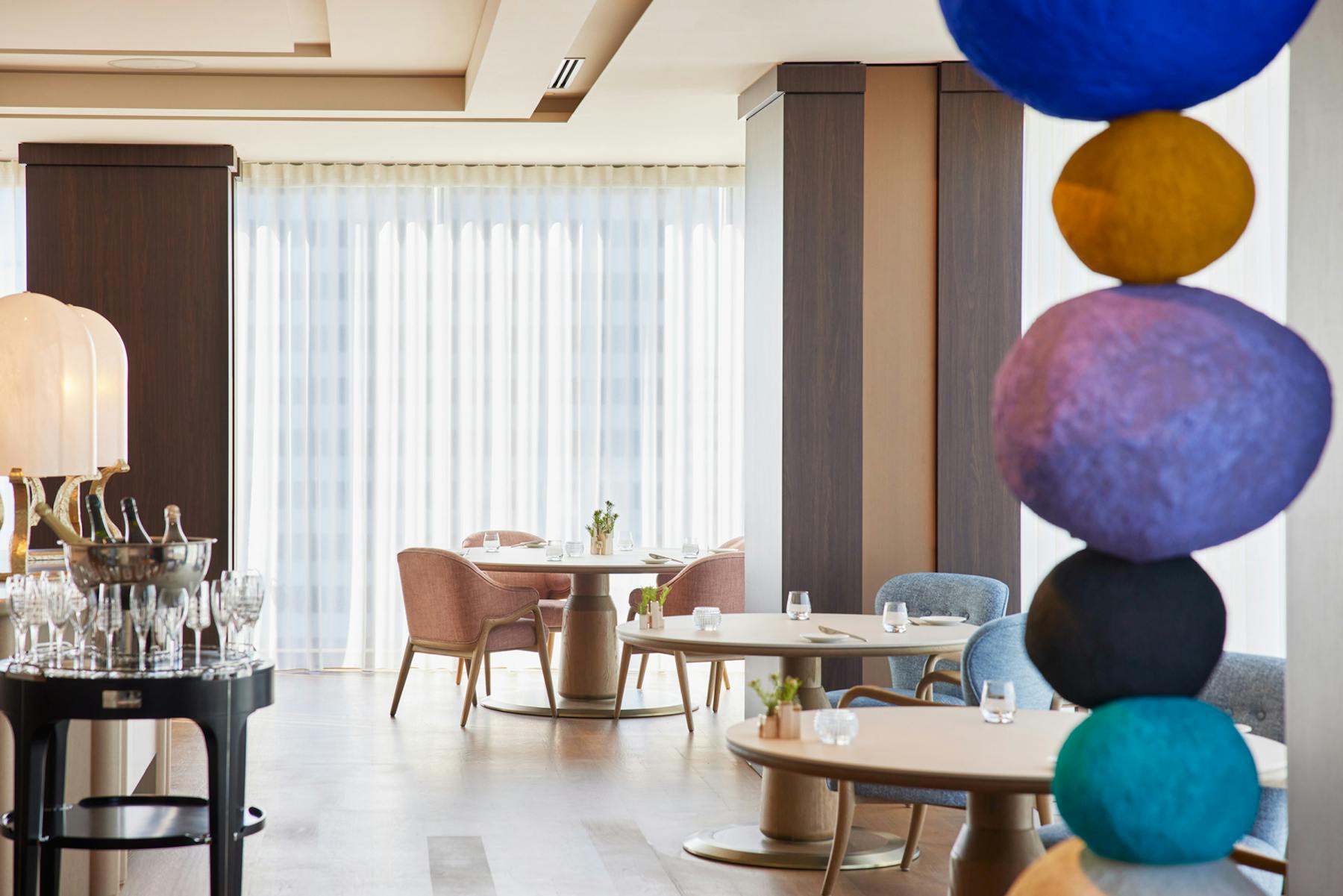
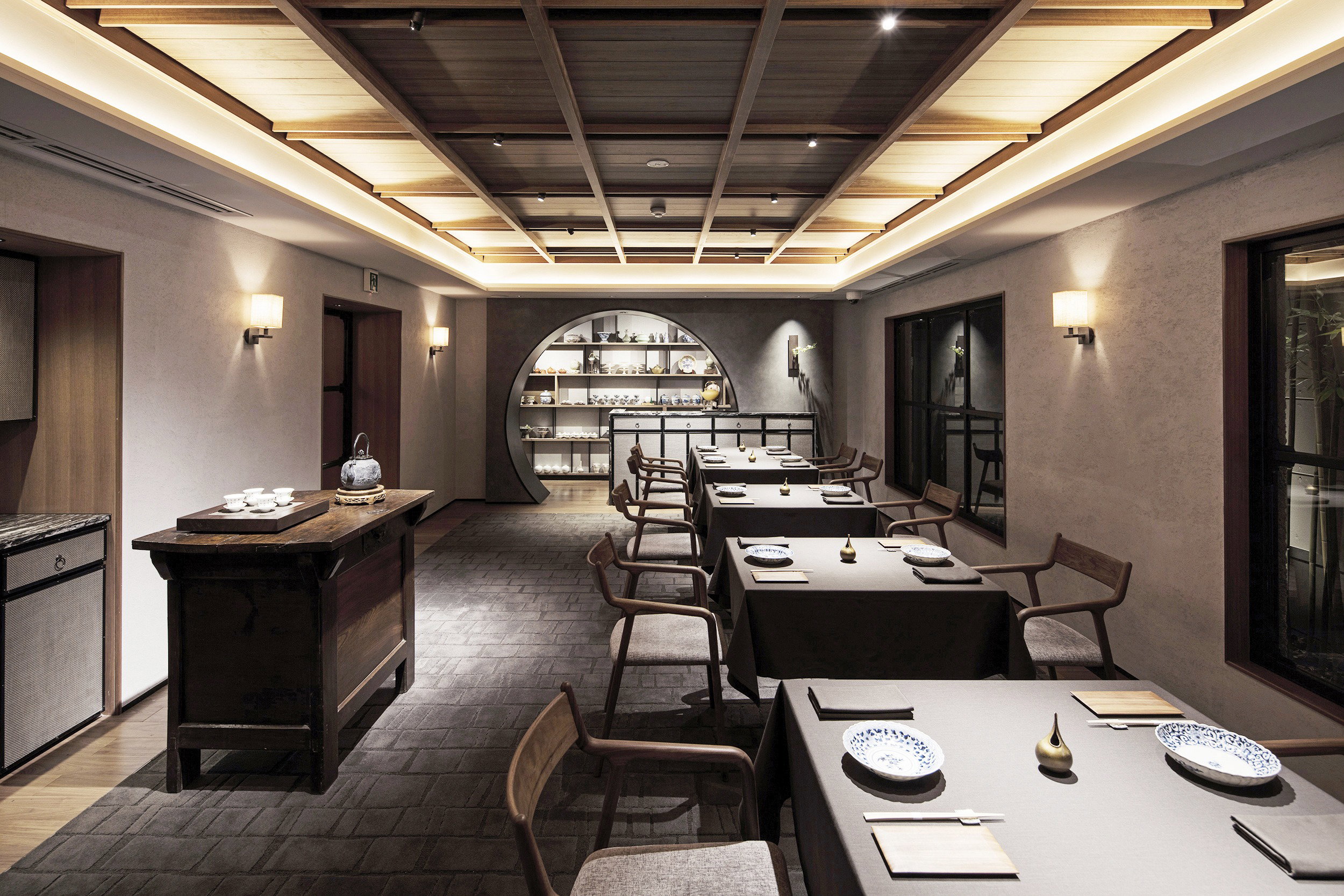
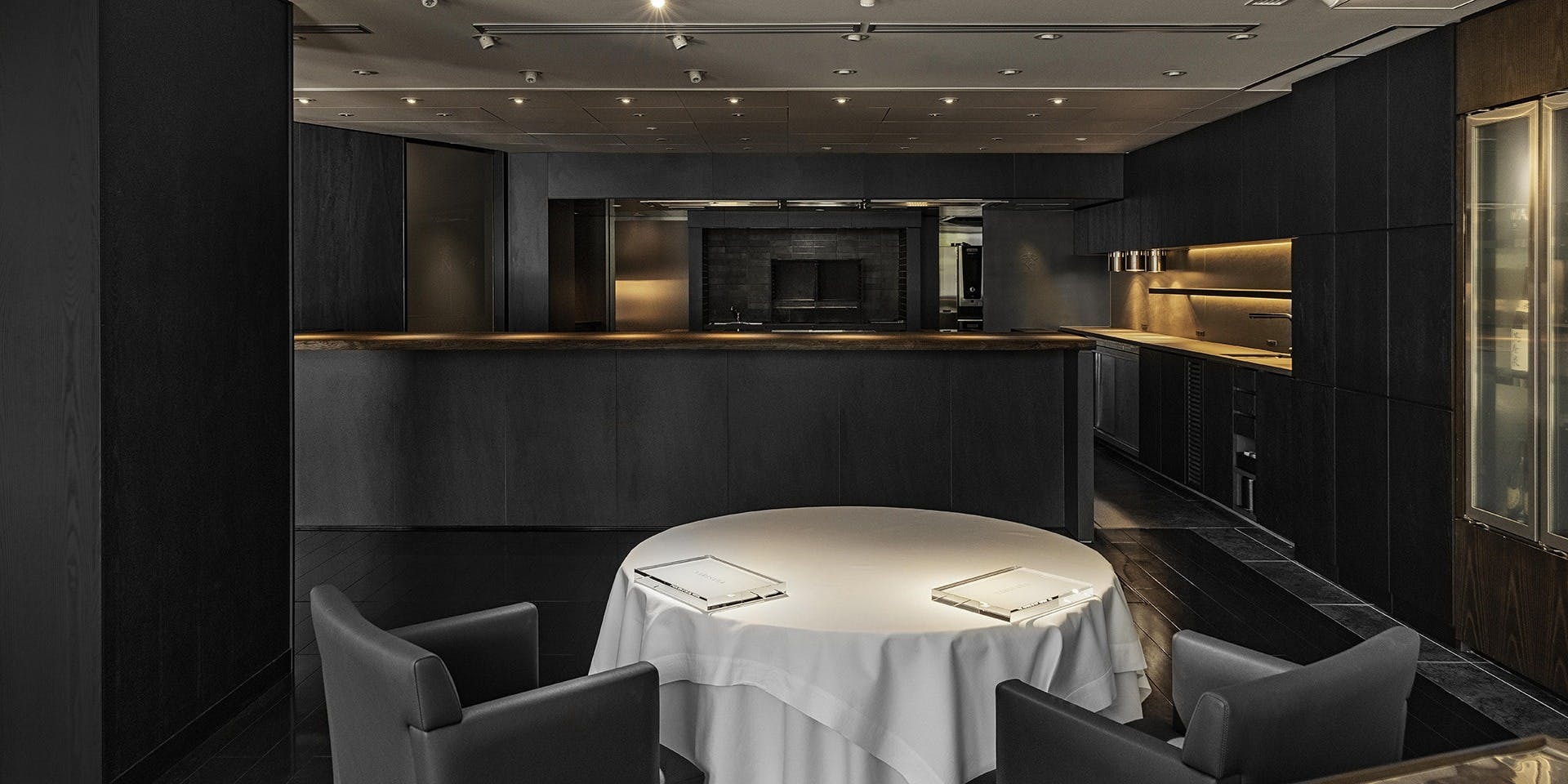
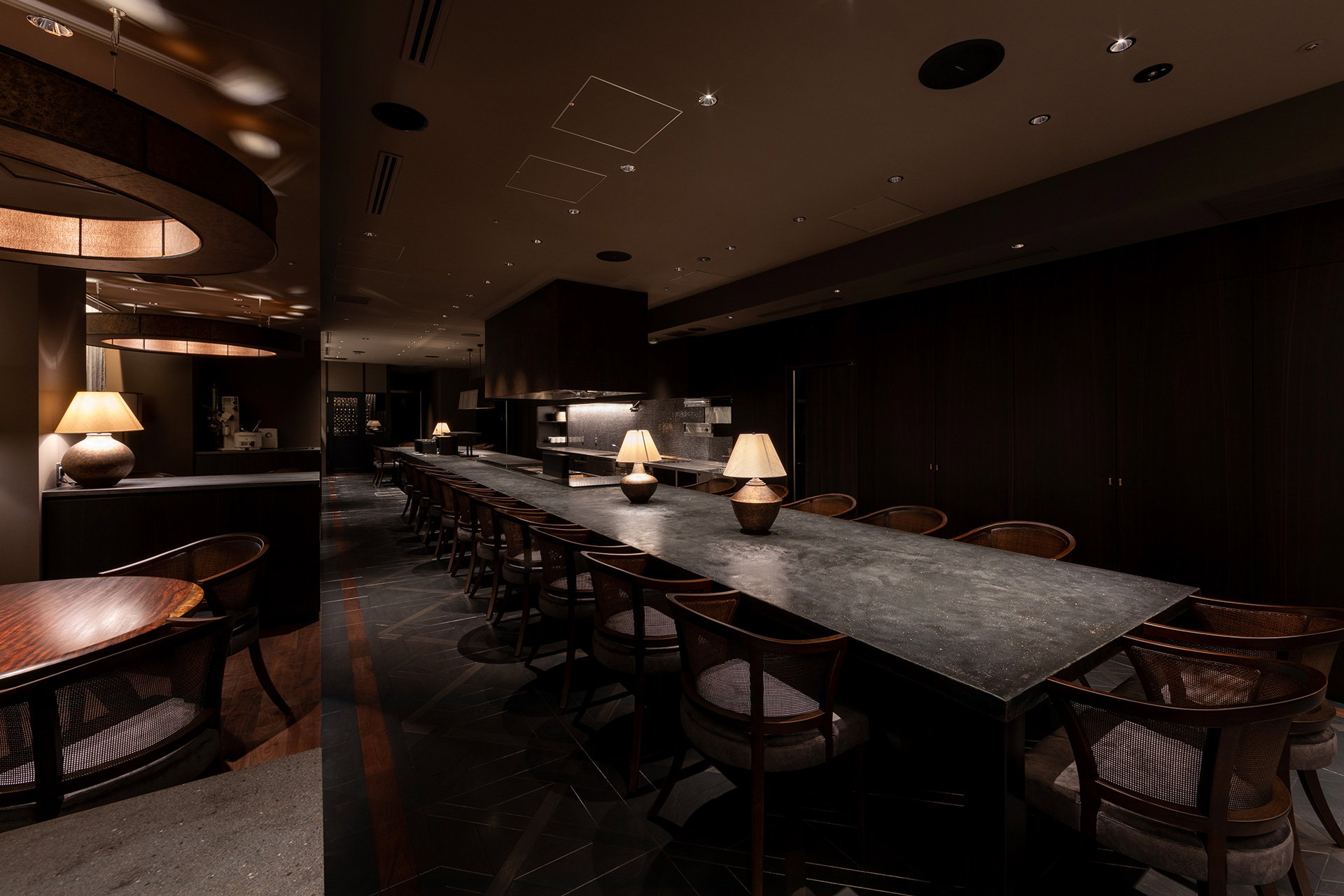
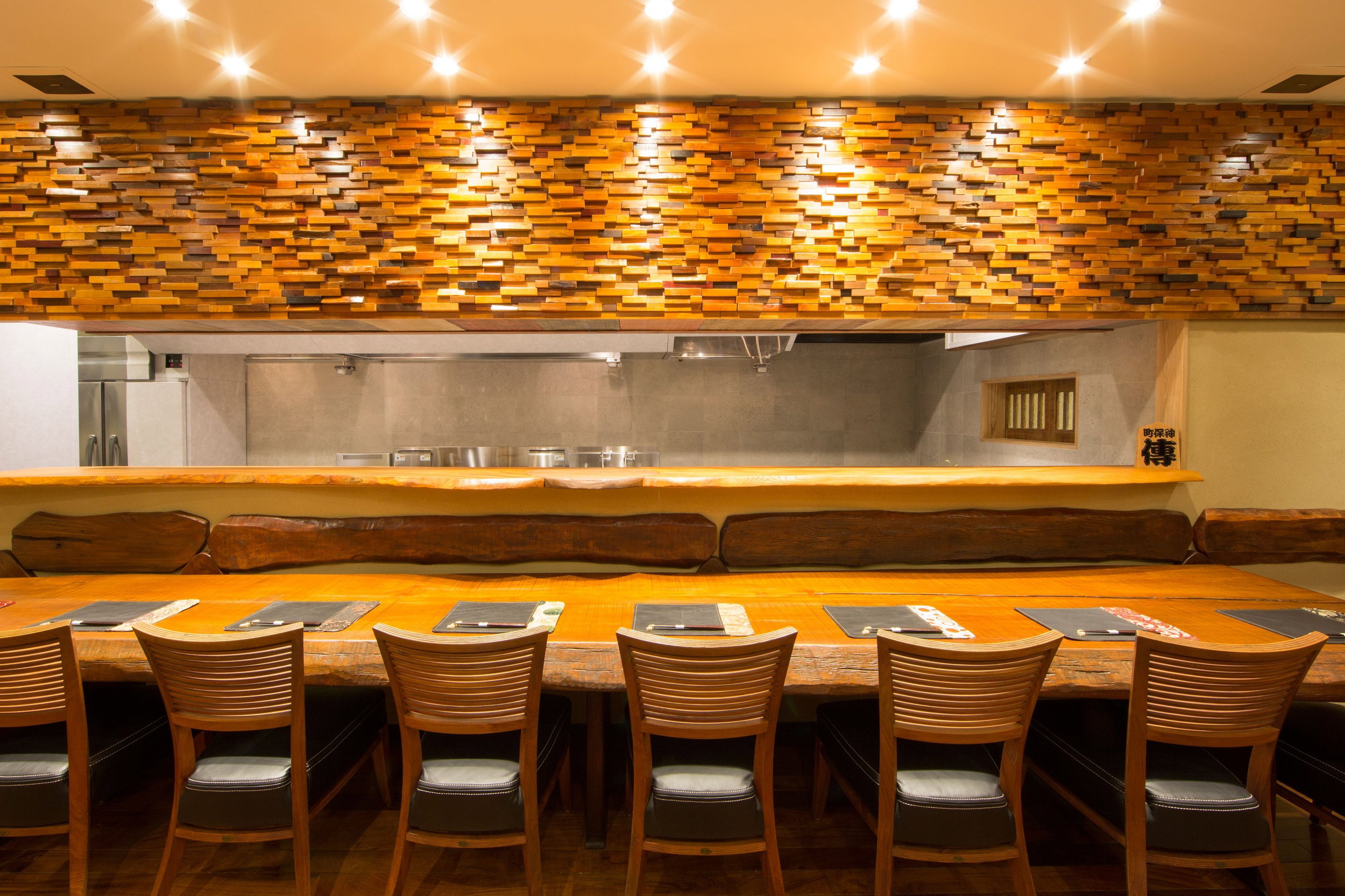
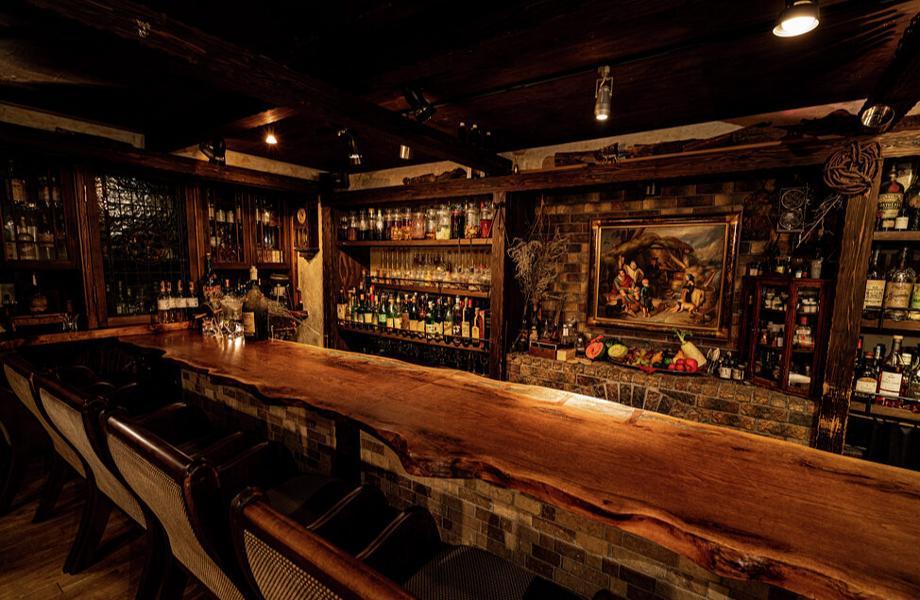
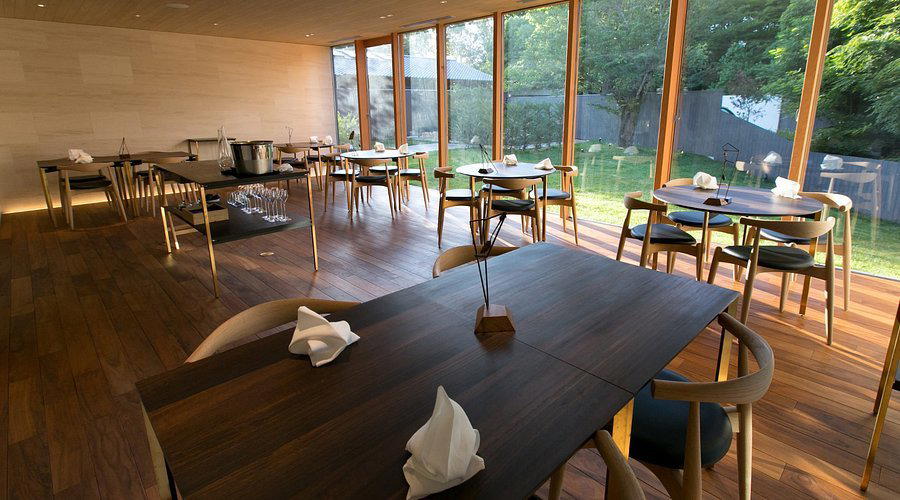
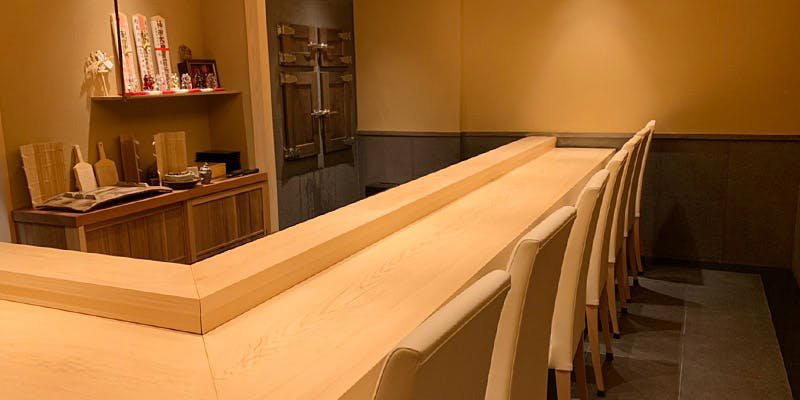
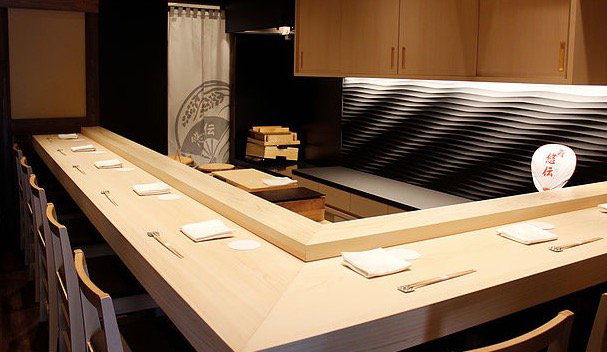
Seika Kobayashi feels like a quietly confident neighbourhood kaiseki tucked into Arakicho. The room leans into a low-lit, counter-focused rhythm that privileges conversation and seasonal detail over theatrical service. Rather than aiming for the formal, high-rent precincts of Ginza or Minami-Aoyama, the restaurant practices the measured sequence of kaiseki within the more relaxed, communal fabric of local izakayas. The result is a warm, unhurried dining experience that foregrounds ingredient-driven cooking and the intimate cadence of a chef working close to guests.
Best For
This is a dinner destination best appreciated in the evening, when the kaiseki sequence unfolds at an unhurried pace. The counter-oriented setting suits solo diners and small parties who want to watch the progression of courses and engage with the chef. It also works well for low-key special occasions or date nights that favor seasonal precision and a quieter dining atmosphere over big, performative gestures.
Ordering Tips
Expect a classic kaiseki progression of small, highly seasonal courses; ordering the tasting sequence is the clearest way to experience the restaurant's intent. The signature yakizakana (grilled fish) is a good marker of the kitchen's seasonal rigour and technique, so include it if offered. If counter seating is available, request it to get the fullest sense of the pacing and craftsmanship described in the restaurant's profile.
Planning details
Hours
- Monday
- 10 am–9 pm
- Tuesday
- 10 am–9 pm
- Wednesday
- 10 am–9 pm
- Thursday
- 10 am–9 pm
- Friday
- 10 am–9 pm
- Saturday
- 10 am–9 pm
- Sunday
- 10 am–9 pm
Location

Also consider
Also Consider
- Harutaka; Sushi, ¥¥¥¥
- RyuGin; Kaiseki, Japanese, ¥¥¥¥
- L'Effervescence; French, ¥¥¥¥
- HOMMAGE; Innovtive French, French, ¥¥¥¥
- Florilège; French, ¥¥¥
Restaurant context
Within Tokyo's kaiseki tier, Seika Kobayashi's clearest peer is RyuGin; both are recognised kaiseki addresses operating in the city at a serious level. RyuGin carries more international name recognition and has a longer critical trail, but that comes with harder booking and a higher price point. If you want kaiseki at a comparable technical level and you value access over prestige, Seika Kobayashi is the more practical choice. The easy booking rating is a genuine differentiator in a city where the most discussed kaiseki rooms regularly run weeks or months out.
For diners weighing Japanese fine dining more broadly, Harutaka is an alternative at the ¥¥¥¥ tier, though it operates in sushi rather than kaiseki; a structurally different experience. If the multi-course seasonal progression of kaiseki is what you are after, Harutaka will not serve as a direct substitute. The comparison is more relevant if you are deciding between formats for an occasion dinner. Against French alternatives at the same price tier; L'Effervescence, HOMMAGE, or Florilège; the decision comes down to whether you want a Japanese seasonal format or a European one. All three French options are strong at their respective price points, with Florilège operating at ¥¥¥ and offering the most accessible entry into Tokyo's high-end French dining. For pure kaiseki seasonality and a lower-friction booking experience, Seika Kobayashi holds its ground.
If you are building an itinerary across Japan rather than staying in Tokyo, Gion Sasaki in Kyoto and Ifuki in Kyoto offer kaiseki in the format's spiritual home, where seasonal ingredients and presentation traditions carry additional weight. For Tokyo specifically, Seika Kobayashi sits in a practical middle ground: more accessible than the city's hardest-to-book kaiseki rooms, with three years of OAD recognition to back the experience.
Explore Tokyo
Around this place
Discover more on Pearl
Unlock the full Seika Kobayashi guide in Pearl, including awards, comparisons, FAQs, planning details, and nearby places.
Compare Seika Kobayashi
| Venue | Price | Booking Difficulty | Awards |
|---|---|---|---|
| Seika Kobayashi | Easy | 2025 OAD Top Restaurants in Japan Ranked · #5162024 OAD Top Restaurants in Japan Ranked · #4162023 OAD Top Restaurants in Japan Recommended | |
| Harutaka | ¥¥¥¥ | Unknown | 2026 Tabelog Silver · #312026 OAD Top Restaurants in Japan Ranked · #1282026 Michelin 3 Stars2026 La Liste Top RestaurantsTabelog 100 - Sushi - TOKYO - 2025 · #372025 Asia's 50 Best Restaurants · #762025 OAD Top Restaurants in Japan Ranked · #1172025 La Liste Top Restaurants2025 Tabelog Bronze |
| RyuGin | ¥¥¥¥ | Unknown | 2026 OAD Top Restaurants in Japan Ranked · #802026 Tabelog Bronze · #3772026 Michelin 3 Stars2026 La Liste Top RestaurantsTabelog 100 - Japanese cuisine - TOKYO - 2025 · #212025 OAD Top Restaurants in Japan Ranked · #542025 Michelin 3 Stars2025 La Liste Top Restaurants2025 The Best Chef Three Knives |
| L'Effervescence | ¥¥¥¥ | Unknown | 2026 Tabelog Silver · #682026 OAD Top Restaurants in Japan Ranked · #103Star Wine Lists 20262026 Black Pearl 2 Diamond2026 Relais Chateaux Restaurants2026 La Liste Top Restaurants2026 Michelin 3 Stars2025 Asia's 50 Best Restaurants · #692025 OAD Top Restaurants in Japan Ranked · #92 |
| HOMMAGE | ¥¥¥¥ | Unknown | 2026 Tabelog Bronze · #1232026 OAD Top Restaurants in Japan Highly Recommended2026 Michelin 2 StarsTabelog 100 - French - TOKYO - 2025 · #762025 Asia's 50 Best Restaurants · #782025 OAD Top Restaurants in Japan Ranked · #1752025 Michelin 2 Stars2025 The Best Chef One Knife2025 La Liste Top Restaurants |
| Florilège | ¥¥¥ | Unknown | 2026 Asia's 50 Best Restaurants · #312026 Tabelog Bronze · #712026 OAD Top Restaurants in Japan Ranked · #1242026 Black Pearl 1 Diamond2026 Michelin 2 Stars2026 La Liste Top Restaurants2025 Asia's 50 Best Restaurants · #172025 World's 50 Best Restaurants · #36Tabelog 100 - French - TOKYO - 2025 · #68 |












What to weigh when choosing between Seika Kobayashi and alternatives.
FAQ
Frequently Asked Questions
What should I wear to Seika Kobayashi?
Dress conservatively and neatly. The Arakicho address is a quiet residential block, kaiseki rooms in this format carry an expectation of respectful, understated attire. Business casual at minimum; no athleisure, no loud prints. Treat it as you would any serious Japanese tasting counter.
Is Seika Kobayashi good for a special occasion?
Yes, with the right expectations. OAD has ranked Seika Kobayashi in Japan's top 500 for two consecutive years, which puts it in credible territory for a meaningful meal. The kaiseki format is occasion-appropriate by nature, but the intimate, residential-feeling setting in Arakicho makes it better suited to a quiet celebration than a group milestone.
Is Seika Kobayashi good for solo dining?
Kaiseki counters in this neighbourhood format tend to seat solo diners comfortably, solo guests often get more direct interaction with the chef. Given Seika Kobayashi's consistent OAD recognition, a solo visit is a reasonable way to benchmark chef Yuji Kobayashi's cooking without the complexity of coordinating a group.
What should I order at Seika Kobayashi?
Kaiseki is a set-course format, so there is no à la carte selection to navigate. The meal follows a seasonal progression determined by the kitchen. Focus on communicating any dietary restrictions in advance rather than making individual dish choices; that is where your decision-making actually matters here.
What are alternatives to Seika Kobayashi in Tokyo?
For kaiseki with higher OAD placement and broader critical recognition, RyuGin is the benchmark. Harutaka is the counter to consider if you want Japanese precision in a sushi format rather than kaiseki. L'Effervescence and Florilège shift the reference point entirely toward French-influenced tasting menus; worth knowing if cuisine format is flexible.
Is lunch or dinner better at Seika Kobayashi?
Seika Kobayashi runs the same hours daily; 10am to 9pm; which is wider than most kaiseki rooms and suggests lunch seatings are genuinely available. Lunch at kaiseki venues in Tokyo often offers a shorter, lower-cost version of the dinner menu, which can be a practical entry point. Without confirmed pricing data, call ahead to understand what each service offers before deciding.
Does Seika Kobayashi handle dietary restrictions?
Kaiseki is among the more restrictive formats for dietary accommodation; the menu is seasonal, structured, ingredient-led. Communicate restrictions at the time of booking, not on arrival. Common adjustments like shellfish allergies are manageable with advance notice, but vegan or heavily restricted diets can be difficult in a traditional kaiseki context anywhere in Japan.