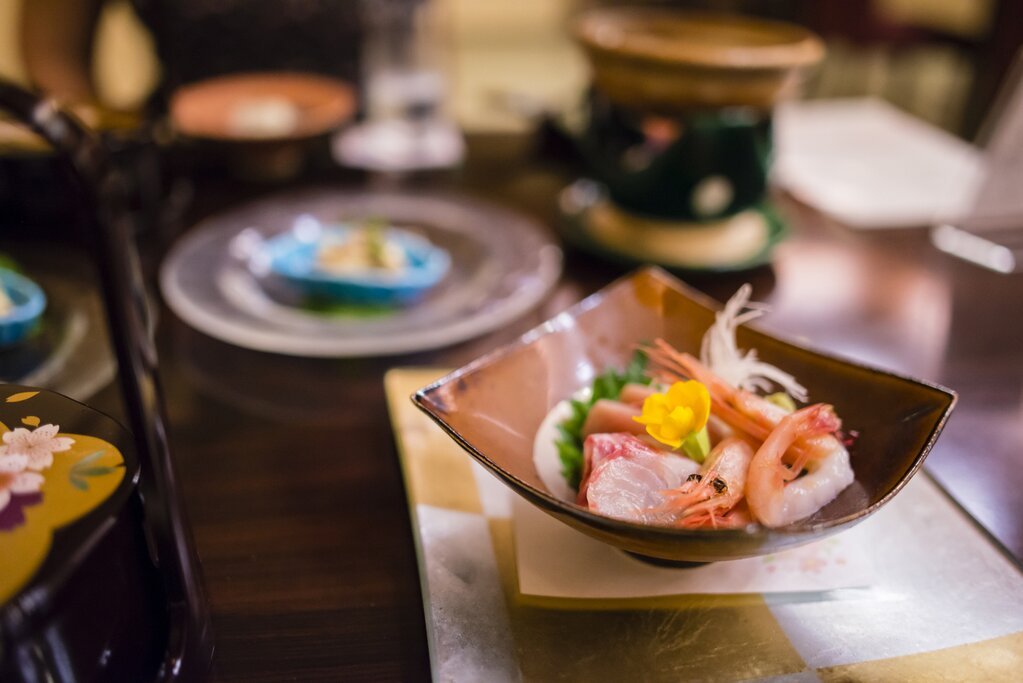


Tsujitome
Kaiseki · Minato, Tokyo
Restaurant in Tokyo, Japan
 Book with Pearl
The Read
Motoakasaka Kaiseki Precision
Price
$200–300per person
Dress
Smart Casual
Why go
Tsujitome is a strong pick for special occasion kaiseki in Tokyo without the extreme booking difficulty or formality of the city's most decorated rooms. Chef Yoshikazu Tsuji's kitchen holds OAD and La Liste recognition, and the Motoakasaka basement setting suits dates and business dinners where the food needs to impress but the atmosphere should stay composed.
About Tsujitome
Tsujitome, Motoakasaka: Should You Book?
Yes, Tsujitome is worth booking if you want serious kaiseki cooking in a setting that doesn't demand the formality or price premium of Tokyo's most decorated rooms. Under chef Yoshikazu Tsuji, this basement-level kaiseki counter in Motoakasaka has built a consistent track record with specialist critics: ranked #382 on Opinionated About Dining's Japan list in 2024, climbing to a Highly Recommended in 2023, and appearing in La Liste's global leading restaurants in 2025 with 84.5 points. For a special occasion meal where the food quality needs to hold up but the atmosphere doesn't need to intimidate, Tsujitome delivers reliably.
The Portrait
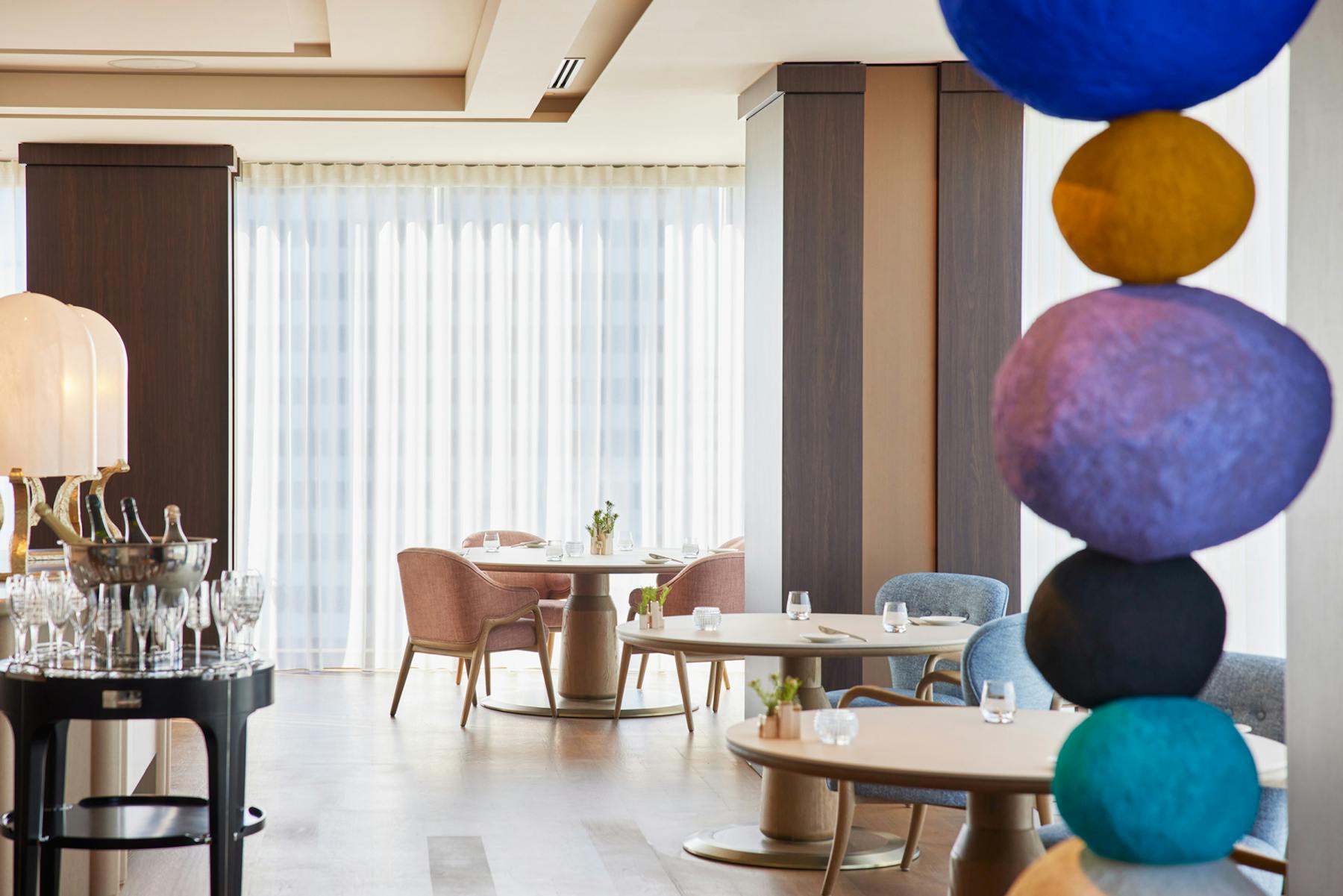
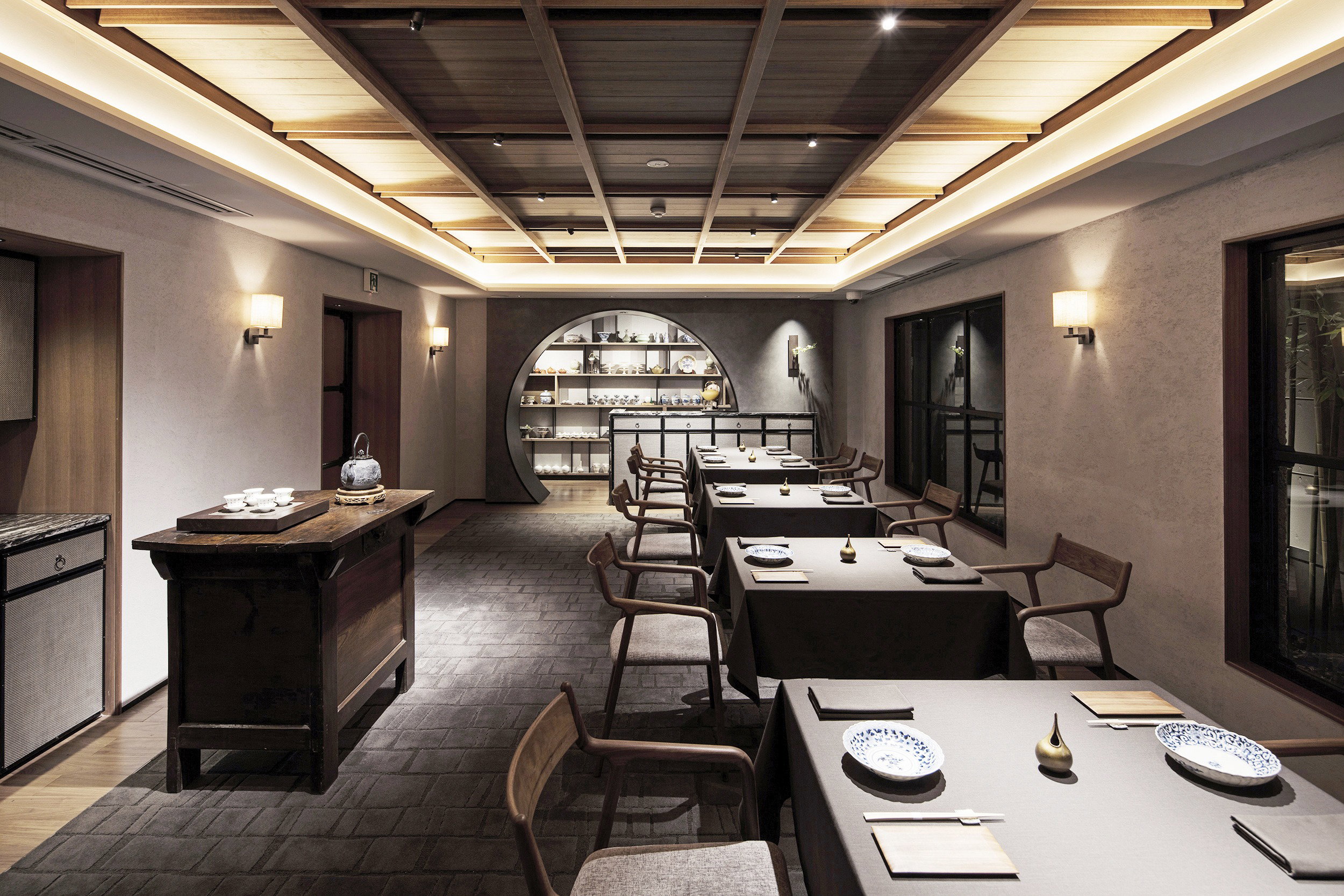
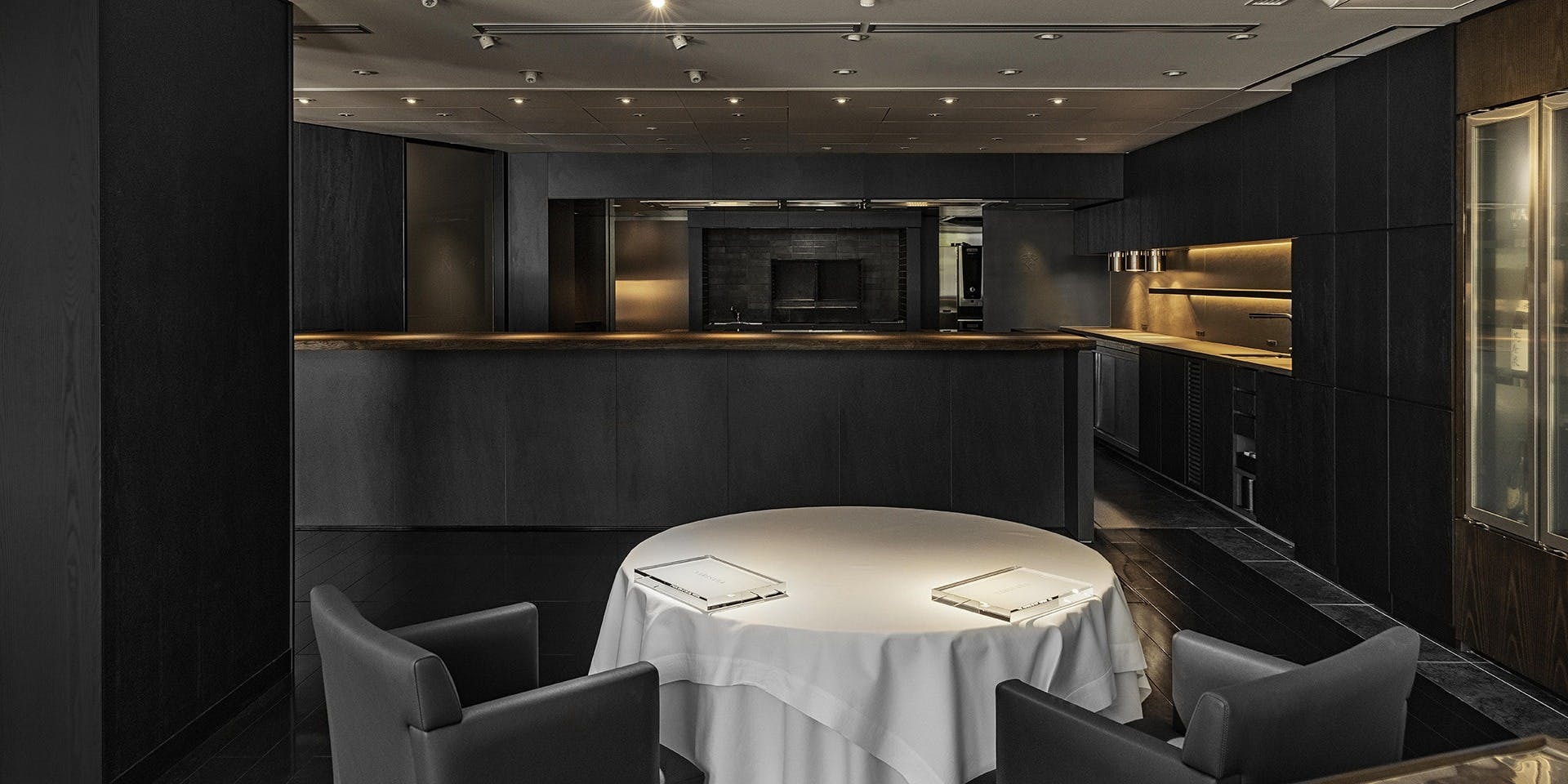
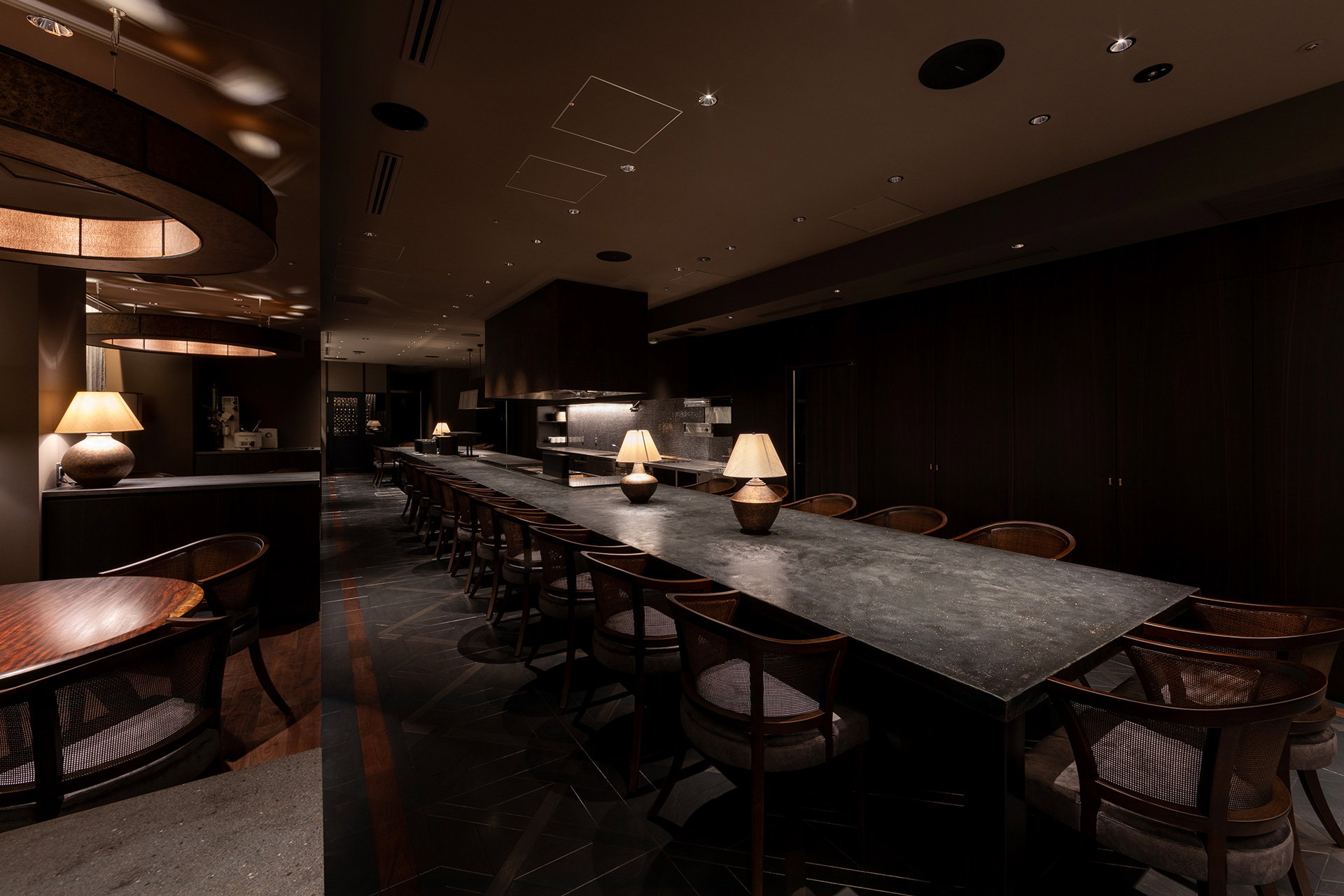
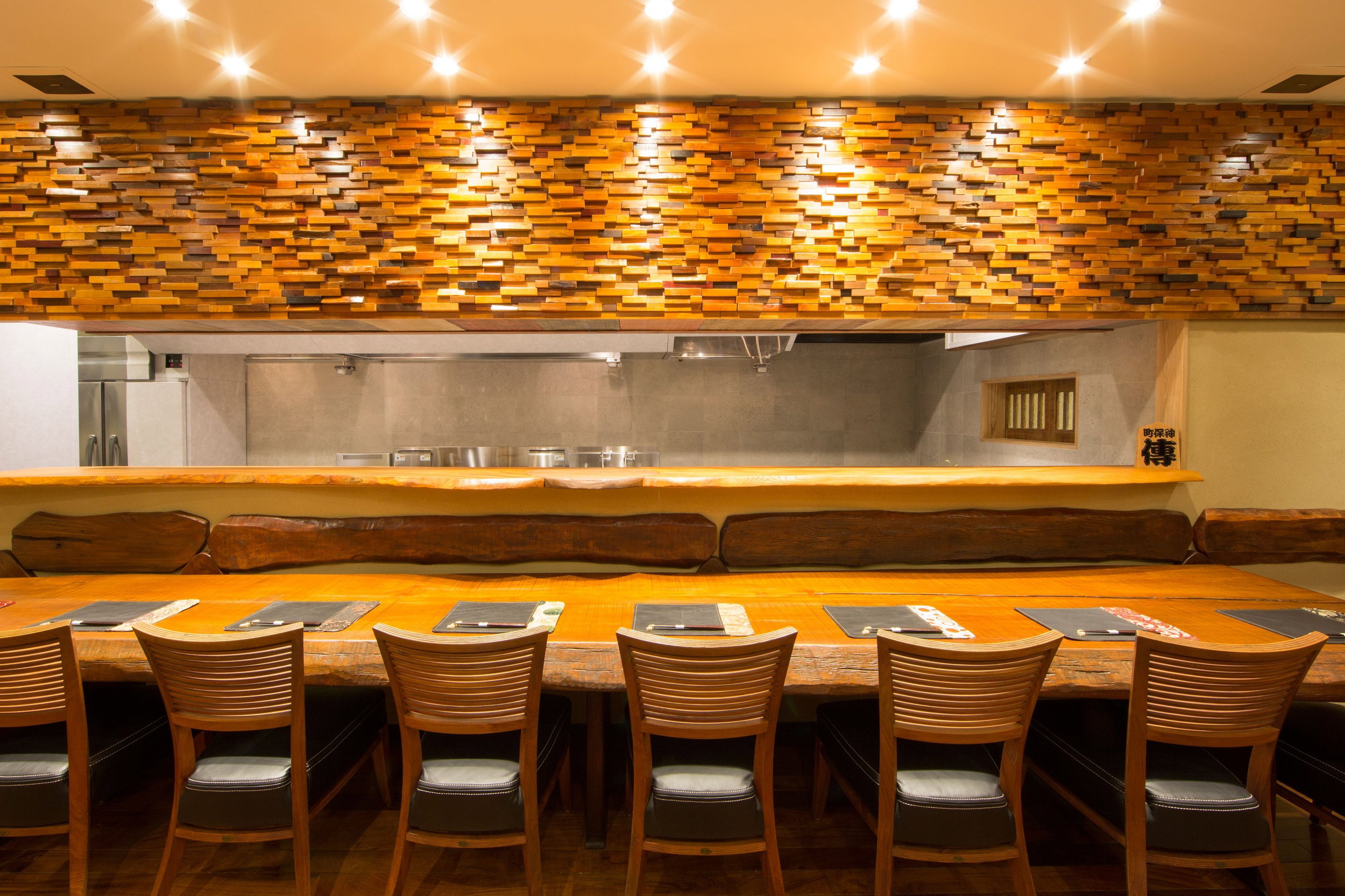
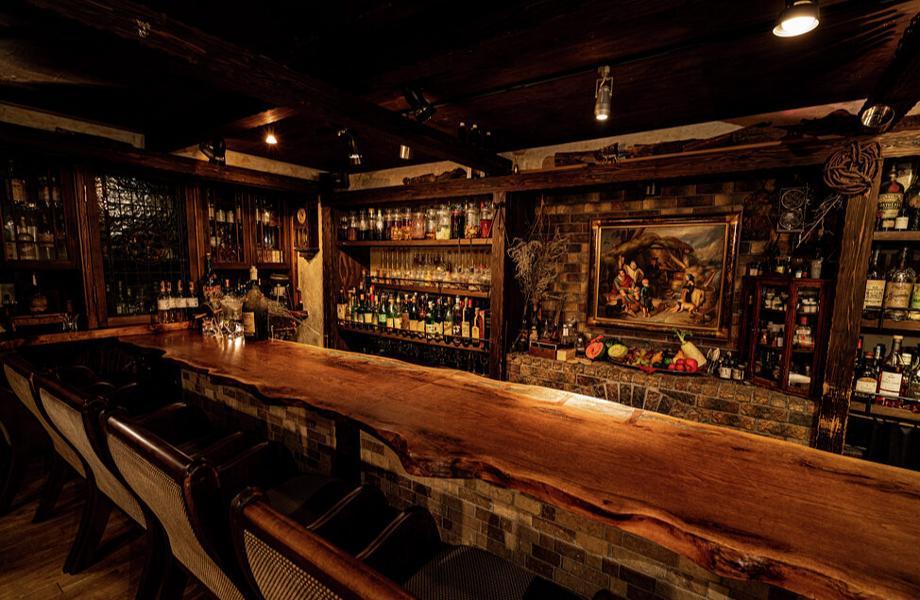
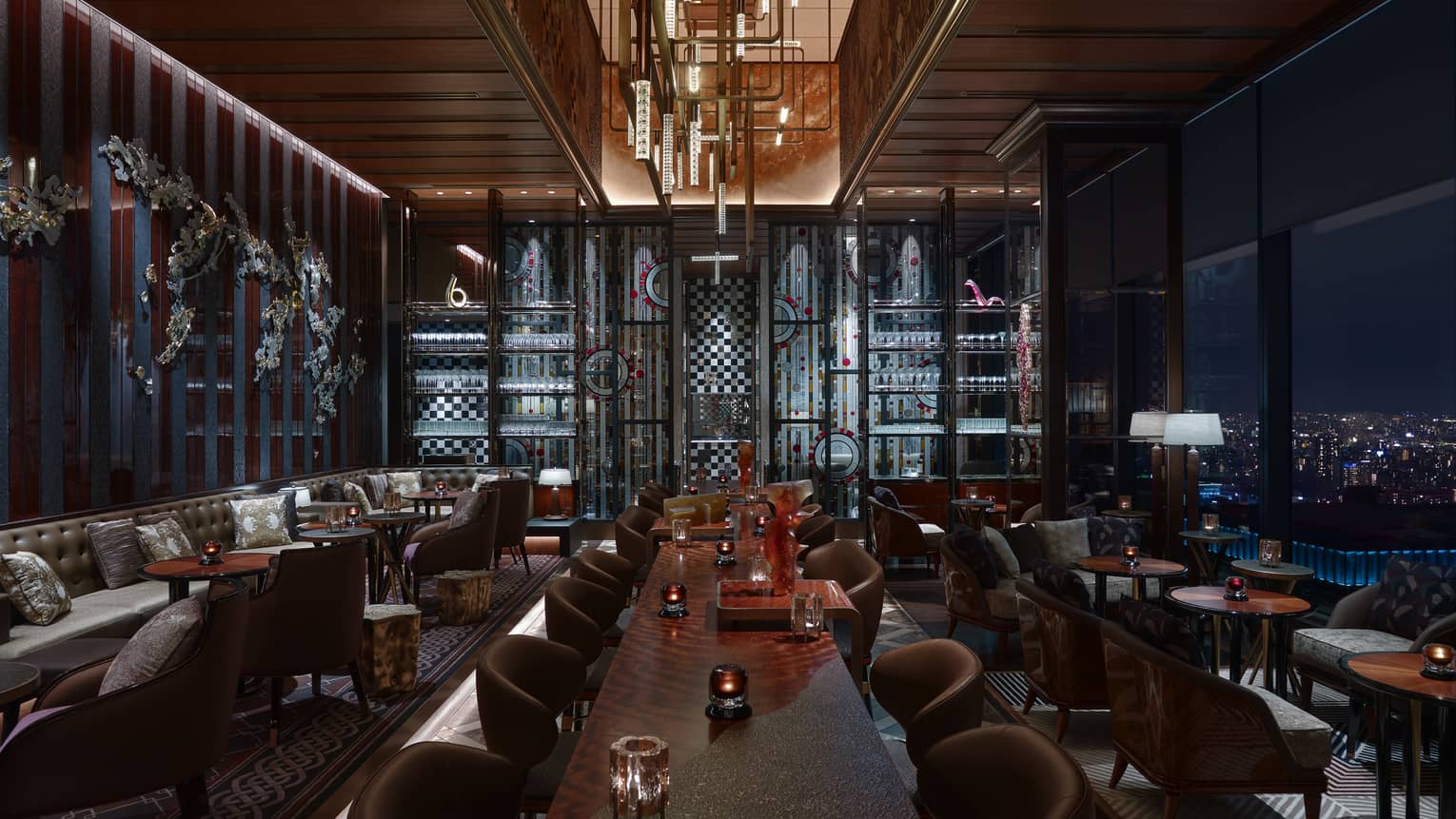
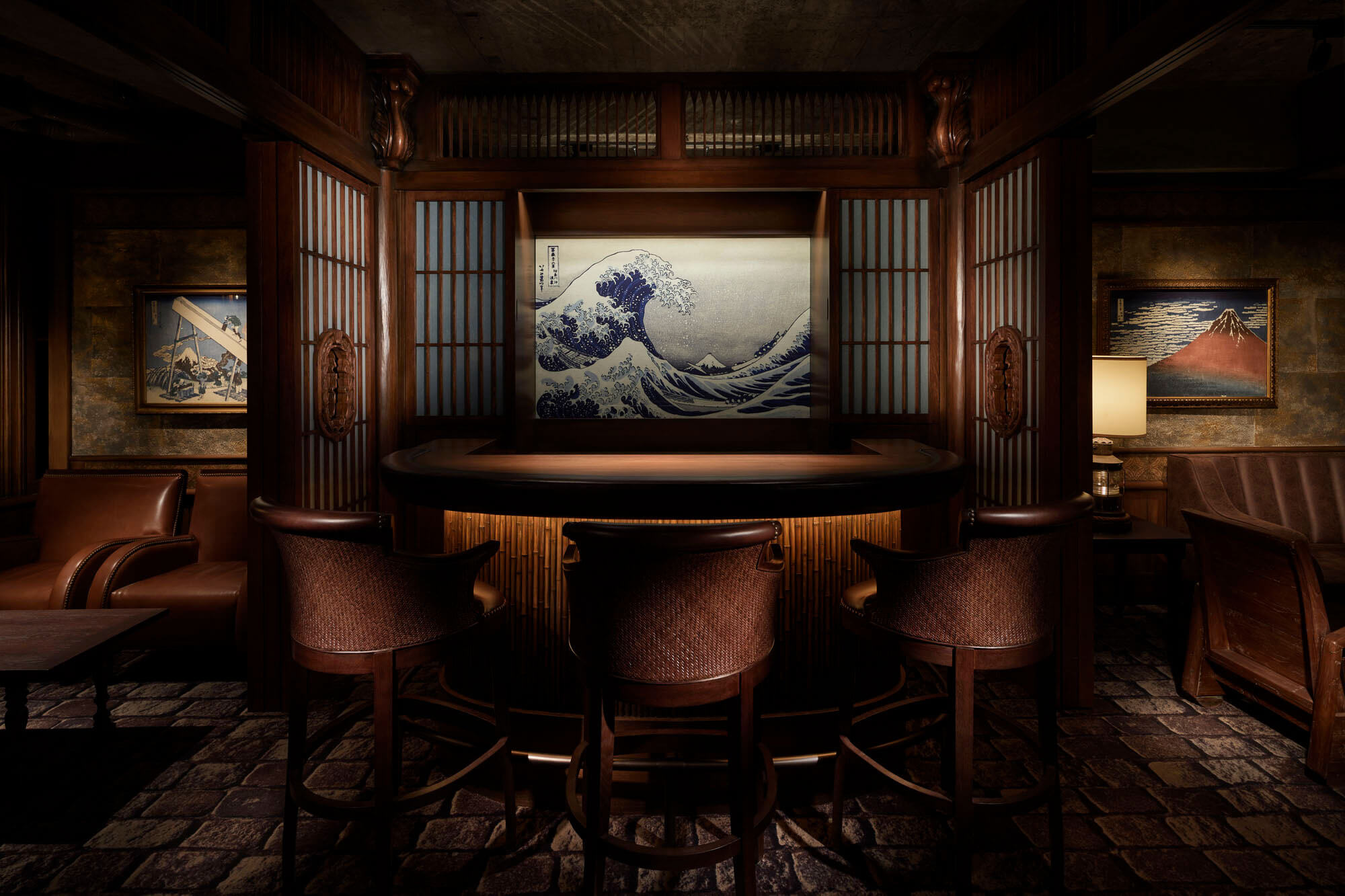
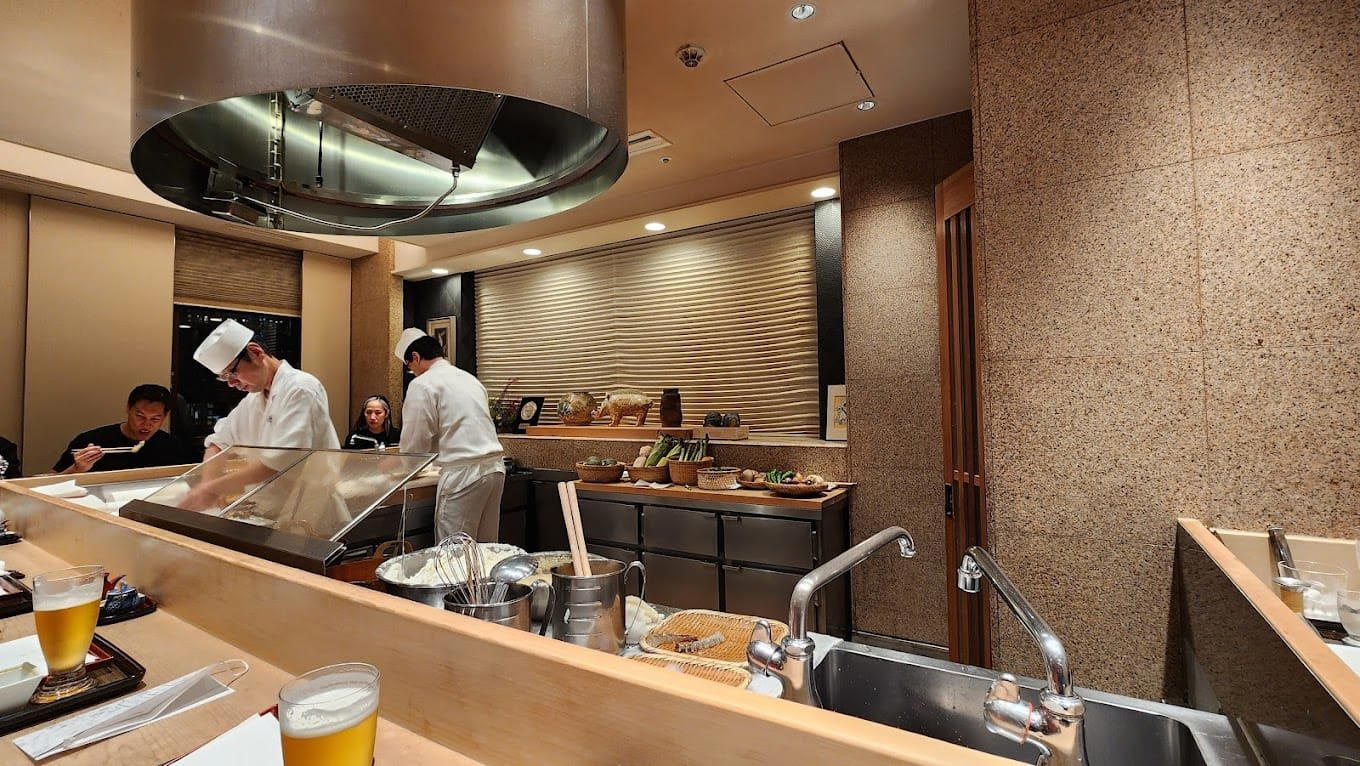
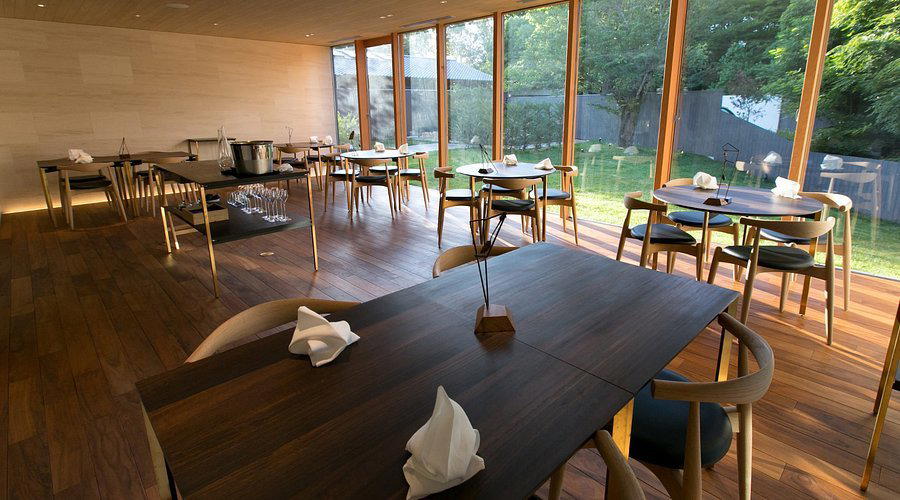
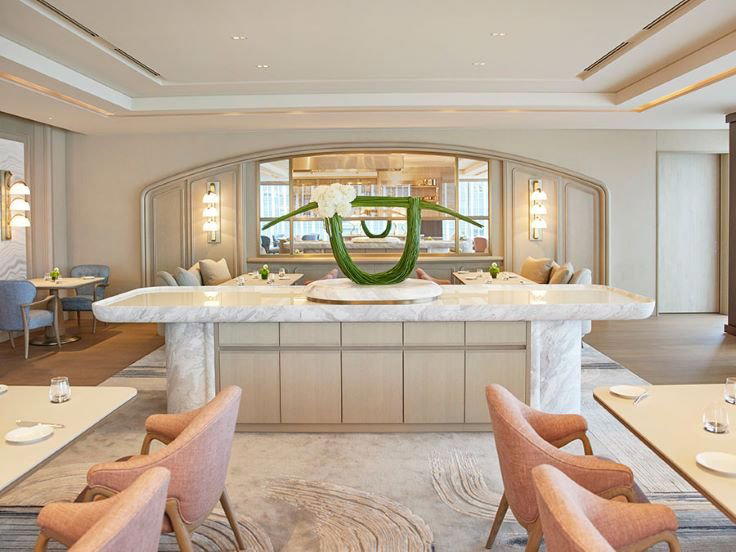
Tsujitome sits below street level in Motoakasaka, in the kind of discrete building address, basement floor of Toraya Daini Building, that Tokyo's leading restaurants seem to favour. The visual register down there is composed and understated: this is not a room that announces itself, which is partly the point. Kaiseki at this level is built on restraint, and the setting reflects that. For a date or a small business dinner where the conversation needs space to breathe, the low-key surroundings work in your favour.
What the OAD trajectory signals is that Tsujitome isn't resting. Moving from Highly Recommended in 2023 to #382 nationally and then pulling a La Liste placement in 2025 suggests a kitchen that has been improving, not coasting. For the special occasion diner who wants evidence of a kitchen operating with intent, that upward arc is meaningful. It also places Tsujitome in a competitive tier: well-regarded by specialist sources, not yet at the level of Tokyo's most globally recognisable kaiseki names, but credible enough that the meal should deliver.
The kaiseki format here follows the seasonal, multi-course logic of the tradition: dishes built around what is available at that moment in the Japanese calendar. Lunch and dinner services run Monday through Saturday, with no Sunday service, and seatings are tightly framed, 12:00 to 2:00 pm for lunch, 5:00 to 9:00 pm for dinner. That window structure is typical for kaiseki and worth planning around if you are combining the meal with other Tokyo plans. For where to stay nearby, see our full Tokyo hotels guide.
The guest base here is not primarily tourist-facing, which tends to keep scores like this grounded. For a broader read on Tokyo's dining tier at this level, Kikunoi Tokyo and Hirosaku offer useful reference points in the kaiseki and traditional Japanese space. Closer in neighbourhood to Tsujitome, Akasaka Ogino and Aoyama Jin are worth knowing as alternatives if your dates don't align.
The practical case for Tsujitome on a special occasion comes down to this: you get kaiseki with a genuine critical pedigree, in a room that won't make first-timers to the format feel out of their depth, at a booking difficulty that is considerably lower than the venues that dominate Tokyo's most-searched kaiseki lists. If the occasion calls for a serious Japanese meal but you don't need to be seen at the hardest table in the city, this is a strong option. Explore more kaiseki benchmarks at Ifuki in Kyoto and Ankyu in Kyoto if your trip extends beyond Tokyo.
For broader context on eating well in Japan, Gion Sasaki in Kyoto, HAJIME in Osaka, and Goh in Fukuoka represent how the same level of critical recognition plays out in other cities. See also akordu in Nara, 1000 in Yokohama, and 6 in Okinawa for regional reference. Our full Tokyo restaurants guide covers the wider field, and our Ajihiro page is worth checking if you want a contrasting Tokyo kaiseki option.
Know Before You Go
- Address: 1 Chome-5-8 Motoakasaka, Minato City, Tokyo, basement floor, Toraya Daini Building
- Hours: Mon–Sat, Lunch 12:00–2:00 pm / Dinner 5:00–9:00 pm. Closed Sunday.
- Cuisine: Kaiseki (multi-course, seasonal Japanese)
- Chef: Yoshikazu Tsuji
- Booking difficulty: Easy, advance planning recommended, but not among the hardest tables in Tokyo
- Awards: OAD Leading Restaurants Japan #382 (2024), #552 (2025); La Liste 84.5pts (2025)
- Good for: Dates, business dinners, special occasion kaiseki without extreme formality
- Not ideal for: Large groups, walk-ins, or those seeking Michelin-listed rooms specifically
- Explore more: Tokyo bars | Tokyo wineries | Tokyo experiences
Planning details
- Hours
- Monday: 12–2 pm, 5–9 pm · Tuesday: 12–2 pm, 5–9 pm
- Location
- Japan, 〒107-0051 Tokyo, Minato City, Motoakasaka, 1 Chome−5−8 虎屋第2ビル 地下1階
- Website
- tsujitome.com
- Phone
- +81 3-3403-3984
The take
The Take
The Vibe
Tsujitome presents a restrained, low-key interpretation of Tokyo kaiseki. Occupying a basement unit on a quiet Motoakasaka block, the room prioritizes controlled light and acoustic separation over street-level visibility. That subterranean placement and the emphasis on a professional, return clientele yield a discreet, serene dining experience: measured service, careful pacing and an enclosed sense of intimacy. The profile places the restaurant slightly off the beaten path of Ginza and Akasaka’s busiest strips, so the mood feels deliberate rather than performative—refined and quiet, built for regulars and diners who seek focused, unflashy craft rather than spectacle.
Best For
Tsujitome is best appreciated in the evening and suits occasions that value restraint and formality. As a kaiseki room with a steady corporate clientele and recurring critical recognition, it works well for business dinners where conversation and discreet service matter, as well as special occasions and date nights that benefit from an intimate, composed setting. The restaurant’s placement and service approach favor small parties and seated dinners rather than walk-in or casual gatherings, making it a destination for planned evenings centered on tasting a seasonally considered, course-driven meal.
Ordering Tips
Expect a traditional kaiseki rhythm: a set, multi-course progression served with formal attention to timing and presentation. The description emphasizes that Tsujitome operates in a basement setting and is built around returning diners rather than walk-in discovery, so plan ahead and allow for a focused dinner experience. Given the restaurant’s professional clientele and consistent placement on dining rankings, anticipate a carefully choreographed meal intended to be consumed at the table over an extended period rather than quick or casual service.
Venue details
Ambiance
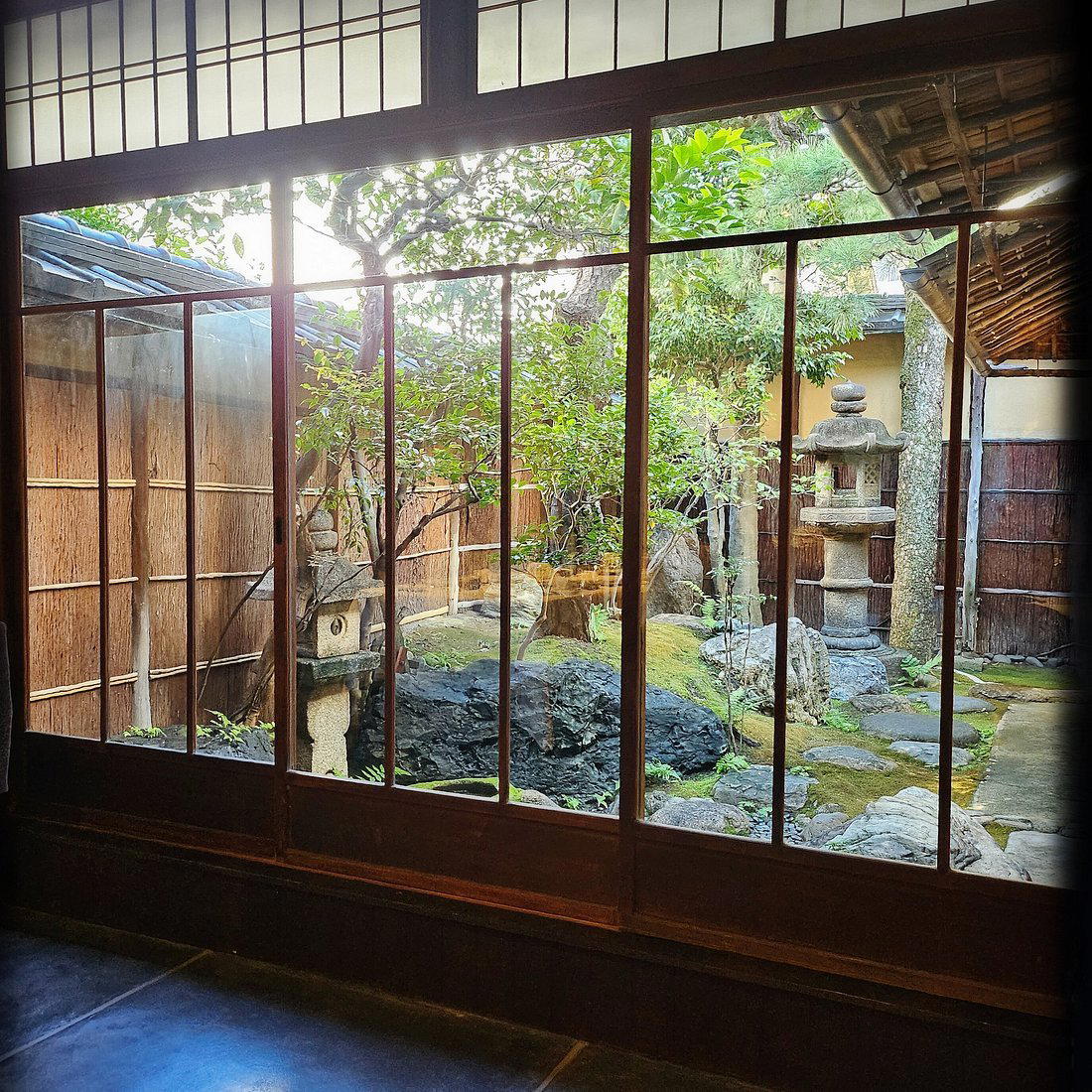
Serene and relaxing with artful interiors representing Chanoyu simplicity, tatami rooms, and relaxing spaces.
Tags
Vibe
Best For
Experience
At the Table
- Dress Code
- Smart Casual
- Noise Level
- Quiet
- Service Style
- Formal
- Meal Pacing
- Leisurely
- Capacity
- Small
- Kitchen
- Traditional
- Menu Format
- Omakase, Tasting menu
- Dietary
- Allergy accommodating
- Private Dining
- Available
Know before you go
Know Before You Go
- Getting there
- Japan, 〒107-0051 Tokyo, Minato City, Motoakasaka, 1 Chome−5−8 虎屋第2ビル 地下1階
Planning details
Hours
- Monday
- 12–2 pm, 5–9 pm
- Tuesday
- 12–2 pm, 5–9 pm
- Wednesday
- 12–2 pm, 5–9 pm
- Thursday
- 12–2 pm, 5–9 pm
- Friday
- 12–2 pm, 5–9 pm
- Saturday
- 12–2 pm, 5–9 pm
- Sunday
- Closed
Location
Japan, 〒107-0051 Tokyo, Minato City, Motoakasaka, 1 Chome−5−8 虎屋第2ビル 地下1階 · Directions


Also consider
Also Consider
- Harutaka, Sushi, ¥¥¥¥
- L'Effervescence, French, ¥¥¥¥
- RyuGin, Kaiseki, Japanese, ¥¥¥¥
- HOMMAGE, Innovtive French, French, ¥¥¥¥
- Crony, Innovative, French, ¥¥¥¥
Restaurant context
Against Tokyo's broader fine dining field, Tsujitome occupies a clear position: credible kaiseki with specialist-critic backing, easier to book than the rooms that dominate global lists, and better suited to diners who want the format without theatre. If kaiseki is specifically what you're after, RyuGin sits above Tsujitome in terms of international profile and Michelin recognition, and is the right call if you want the hardest, most globally recognised kaiseki name in Tokyo. The trade-off is booking difficulty and a higher price point. Tsujitome gives you serious kaiseki with less friction on both counts.
If you're open to moving outside kaiseki for a special occasion, L'Effervescence and Crony represent the French-influenced Tokyo fine dining tier at ¥¥¥¥. L'Effervescence is the better choice for guests who want a celebrated, globally ranked tasting menu experience and don't need to stay within Japanese formats. Crony suits a slightly younger dining profile where innovation and energy matter as much as precision. Neither replaces what Tsujitome does within the kaiseki tradition, but both are worth the comparison if your group is debating formats.
HOMMAGE and Harutaka round out the ¥¥¥¥ Tokyo peer set. Harutaka is the call if sushi rather than kaiseki is what the occasion demands, it's among the most respected omakase counters in the city at that price tier. HOMMAGE suits guests who want inventive French technique in a Tokyo context. For a special occasion meal where kaiseki is the specific intention and booking ease matters, Tsujitome is the more practical choice than most of these peers.
Explore Tokyo
Around this place
Discover more on Pearl
Unlock the full Tsujitome guide in Pearl, including awards, comparisons, FAQs, planning details, and nearby places.
Compare Tsujitome
| Venue | Location | Cuisine | Awards | Price |
|---|---|---|---|---|
| Tsujitome | Tokyo | Kaiseki | 2026 OAD Top Restaurants in Japan Recommended2025 OAD Top Restaurants in Japan Ranked · #5522025 La Liste Top Restaurants2024 OAD Top Restaurants in Japan Ranked · #3822023 OAD Top Restaurants in Japan Highly Recommended | , |
| Harutaka | Tokyo | Sushi | 2026 Tabelog Silver · #312026 OAD Top Restaurants in Japan Ranked · #1282026 Michelin 3 Stars2026 La Liste Top RestaurantsTabelog 100 - Sushi - TOKYO - 2025 · #372025 Asia's 50 Best Restaurants · #762025 OAD Top Restaurants in Japan Ranked · #1172025 La Liste Top Restaurants2025 Tabelog Bronze | ¥¥¥¥ |
| L'Effervescence | Tokyo | French | 2026 Tabelog Silver · #682026 OAD Top Restaurants in Japan Ranked · #103Star Wine Lists 20262026 Black Pearl 2 Diamond2026 Relais Chateaux Restaurants2026 La Liste Top Restaurants2026 Michelin 3 Stars2025 Asia's 50 Best Restaurants · #692025 OAD Top Restaurants in Japan Ranked · #92 | ¥¥¥¥ |
| RyuGin | Tokyo | Kaiseki, Japanese | 2026 OAD Top Restaurants in Japan Ranked · #802026 Tabelog Bronze · #3772026 Michelin 3 Stars2026 La Liste Top RestaurantsTabelog 100 - Japanese cuisine - TOKYO - 2025 · #212025 OAD Top Restaurants in Japan Ranked · #542025 Michelin 3 Stars2025 La Liste Top Restaurants2025 The Best Chef Three Knives | ¥¥¥¥ |
| HOMMAGE | Tokyo | Innovtive French, French | 2026 Tabelog Bronze · #1232026 OAD Top Restaurants in Japan Highly Recommended2026 Michelin 2 StarsTabelog 100 - French - TOKYO - 2025 · #762025 Asia's 50 Best Restaurants · #782025 OAD Top Restaurants in Japan Ranked · #1752025 Michelin 2 Stars2025 The Best Chef One Knife2025 La Liste Top Restaurants | ¥¥¥¥ |
| Crony | Tokyo | Innovative, French | 2026 Asia's 50 Best Restaurants · #34Star Wine Lists 20262026 OAD Top Restaurants in Japan Recommended2026 Michelin 2 Stars2025 Asia's 50 Best Restaurants · #30Tabelog 100 - French - TOKYO - 2025 · #782025 OAD Top Restaurants in Japan Ranked · #227We're Smart World Top Restaurants 20252025 Michelin 2 Stars | ¥¥¥¥ |












How Tsujitome Tokyo compares with similar nearby venues.
FAQ
Frequently Asked Questions
Does Tsujitome handle dietary restrictions?
Kaiseki menus at this level are structured around seasonal ingredients and traditional Japanese technique, which makes significant substitutions difficult. Contact the restaurant well in advance of your reservation, ideally at the time of booking, to discuss specific requirements. Vegetarian or allergen-heavy restrictions are the hardest to accommodate in kaiseki format; if that is your situation, confirm explicitly before committing.
Can Tsujitome accommodate groups?
Tsujitome operates lunch and dinner service six days a week from a basement address in a discrete Motoakasaka building, which suggests a compact room. Larger groups should enquire at booking, private room availability at venues like this is not guaranteed, and kaiseki pacing works better for parties of four or fewer. For a confirmed private dining setup in Tokyo kaiseki, RyuGin is a more documented option for groups.
How far ahead should I book Tsujitome?
Book at least four to six weeks out. Tsujitome has ranked on OAD's top restaurants in Japan every year from 2023 through 2025, which means demand from both domestic and international diners is consistent. Dinner slots go faster than lunch; if flexibility matters, target a weekday lunch booking.
What should I order at Tsujitome?
Tsujitome serves kaiseki, which is a set-course format, there is no à la carte menu to choose from. Chef Yoshikazu Tsuji determines the progression. Your decision is simply lunch versus dinner, and whether to add sake or wine pairings if offered. Lunch is the lower-commitment entry point to the cooking.