
Ichita いち太
Kaiseki · Minato, Tokyo
Restaurant in Tokyo, Japan
 Book with Pearl
The Read
Seasonal Counter Kaiseki
Chef
Taichi Sato
Dress
Smart Casual
Why go
Ichita いち太 is a dinner-only kaiseki room in Minami-Aoyama that has climbed Opinionated About Dining's Japan rankings for three consecutive years, reaching #262 in 2025. Two seatings per night, Monday through Saturday, with booking rated easy relative to Tokyo's more competitive omakase counters. A strong choice for food-focused travellers who want serious kaiseki without the reservation battle.
About Ichita いち太
Verdict
Ichita いち太 is one of Minami-Aoyama's most quietly compelling kaiseki rooms, and the case for booking is direct: two seatings per evening, dinner-only hours, and a venue that has climbed Opinionated About Dining's Japan rankings for three consecutive years — from Highly Recommended in 2023 to #262 in 2025. Seats are limited, the format is structured, and the room does not open on Sundays. If you are planning a kaiseki dinner in Tokyo this season, Ichita earns its place on your shortlist before larger, louder alternatives.
About Ichita いち太
Ichita operates on a strict two-seating model: 5:00–7:30 pm and 8:00–10:30 pm, Monday through Saturday. That structure is the first thing to understand, because it shapes the entire experience. You are not dropping in; you are committing to a deliberate sequence in a room that runs on kaiseki's own internal logic — course after course, each one calibrated to the season and to the rhythm of the meal. For a food-focused traveller used to the flexibility of à la carte dining, the fixed format is worth embracing rather than working around.
Chef Taichi Sato leads the kitchen at the Minamiaoyama address, a neighbourhood more associated with fashion boutiques and galleries than with serious dining rooms. That disconnect is part of the appeal. Aoyama's relative quiet compared to, say, Ginza or Shinjuku means the room feels removed from the tourist circuit, which is reflected in the guest list and the unhurried pace of service. Nearby, Aoyama Jin represents the same neighbourhood ethos applied to Japanese cuisine at a more accessible price tier, making the area worth planning a full evening around.
The OAD trajectory is the most reliable signal available here. Rising from Highly Recommended (2023) to #276 (2024) to #262 (2025) across Japan's most competitive restaurant market is not a small movement. OAD rankings are peer-driven, sourced from working chefs and serious food travellers, which makes the upward climb a meaningful indicator of consistency rather than a one-season surge. For an explorer who tracks quality signals across multiple sources, both are pointing in the same direction.
The sensory register at Ichita is calm and controlled. Aoyama's relative stillness carries into the room itself, this is not the high-density energy of a counter-style izakaya or the formal hush of a hotel dining room. The atmosphere sits somewhere between the two: intimate enough that conversation carries without effort, structured enough that the kitchen's pacing sets the tone for the table. If you are coming from a louder venue earlier in the evening, the transition is notable. Plan the first seating if you want to eat at a measured pace without the evening running past 10:30 pm.
Price range data is not available in our current record, which is worth flagging honestly. Kaiseki at this level of recognition in Tokyo typically occupies a premium tier, but without confirmed pricing, building a budget assumption from OAD rank alone is imprecise. Contact the venue directly or check a current booking platform for pricing before committing, particularly if cost is a deciding factor against alternatives like Kikunoi Tokyo or Hirosaku.
For kaiseki elsewhere in Japan, the format is well-represented across cities. Gion Sasaki in Kyoto, Ifuki, and Ankyu offer Kyoto's own interpretation of the tradition. If your trip spans multiple cities, HAJIME in Osaka and Goh in Fukuoka are worth positioning alongside Ichita in a broader Japan itinerary. See our full Tokyo restaurants guide for a wider view of the city's dining options, and our Tokyo hotels guide if you are still planning accommodation near Minami-Aoyama.
Quick reference: Dinner only, two seatings (5–7:30 pm / 8–10:30 pm), Monday–Saturday, closed Sunday. OAD Japan #262 (2025). Booking difficulty: easy.
Awards & Recognition
- Opinionated About Dining, Leading Restaurants in Japan, Ranked #262 (2025)
- Opinionated About Dining, Leading Restaurants in Japan, Ranked #276 (2024)
- Opinionated About Dining, Leading Restaurants in Japan, Highly Recommended (2023)
Booking
Booking difficulty is rated easy relative to Tokyo's more competitive kaiseki and omakase rooms. That said, two seatings per night across six evenings per week still means finite availability, and the OAD ranking will draw informed travellers. Book as far ahead as your itinerary allows rather than leaving it to the week of arrival. The 5:00 pm first seating is the practical choice if you want flexibility later in the evening; the 8:00 pm seating suits a slower start to the night. No booking method is confirmed in our current data, so check a current reservation platform or contact the Minamiaoyama address directly.
How It Compares
See the comparison section below for how Ichita positions against RyuGin and other Tokyo dining options across the kaiseki and high-end categories. For other Tokyo Japanese dining, Akasaka Ogino and Ajihiro are worth considering as part of a broader Tokyo dining plan alongside Ichita. Explore our Tokyo bars guide, our Tokyo wineries guide, and our Tokyo experiences guide to build out your full Aoyama itinerary.
Planning details
- Hours
- Monday: 5–7:30 pm, 8–10:30 pm · Tuesday: 5–7:30 pm, 8–10:30 pm
- Location
- Japan, 〒107-0062 Tokyo, Minato City, Minamiaoyama, 3 Chome−4−6 Aoyama346, 1F
- Website
- omakase.in/r/pc243351
- Phone
- +81 3-6455-4023
The take
The Take
The Vibe
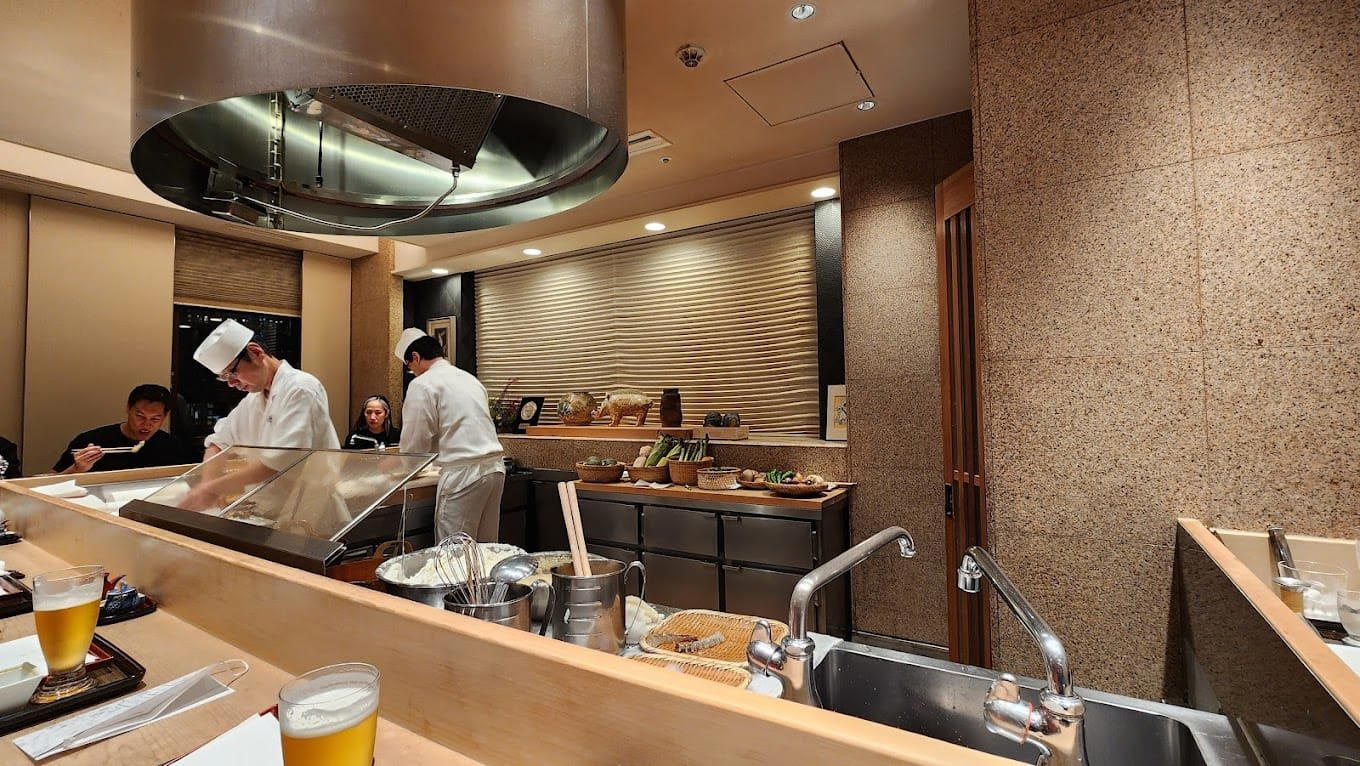
Ichita reads as a quietly modern take on Tokyo kaiseki: it belongs to a new wave of counter-focused kitchens that apply the seasonally driven logic of traditional multi-course service with less ceremony and more editorial precision. Located on the ground floor of a Minami‑Aoyama low-rise, the room feels purposefully small and attentive, attracting a roster of regulars rather than tourist traffic. The writing emphasizes ingredient primacy and measured technique, so the overall mood is refined and restrained — a contemporary, understated kaiseki counter that favors material quality and compositional clarity over spectacle.
Best For
This is best for diners seeking a focused, ingredient-led kaiseki experience — particularly for dinner and for occasions that call for thoughtful, seasonally driven cuisine. The intimate counter setting suits two-person evenings and small special occasions where the choreography of courses and the conversation with the kitchen matter. Review and ranking context suggests a steady, reservation-minded clientele, so it appeals to people who favor steady craftsmanship and a quieter room over loud or touristed dining environments.
Ordering Tips
Lean into the seasonal structure: allow the kitchen to present its sequence of courses so you can experience the ingredient-led progression the write-up highlights. The menu notes juwari soba as a signature — save room to taste it as a clear example of the house's approach to seasonality and texture. Given the counter orientation, ask the staff about today's standout suppliers or singular ingredients; the profile emphasizes supplier relationships and material quality rather than à la carte spectacle.
Venue details
Ambiance
Airy space with counter seats and private rooms where the pleasant scent of hinoki creates a bright and harmonious atmosphere.
Tags
Vibe
Best For
Experience
At the Table
- Dress Code
- Smart Casual
- Noise Level
- Quiet
- Service Style
- Upscale Casual
- Meal Pacing
- Leisurely
- Capacity
- Intimate
Signature Dishes
juwari soba
Know before you go
Know Before You Go
- Getting there
- Japan, 〒107-0062 Tokyo, Minato City, Minamiaoyama, 3 Chome−4−6 Aoyama346, 1F
Planning details
Hours
- Monday
- 5–7:30 pm, 8–10:30 pm
- Tuesday
- 5–7:30 pm, 8–10:30 pm
- Wednesday
- 5–7:30 pm, 8–10:30 pm
- Thursday
- 5–7:30 pm, 8–10:30 pm
- Friday
- 5–7:30 pm, 8–10:30 pm
- Saturday
- 5–7:30 pm, 8–10:30 pm
- Sunday
- Closed
Location
Japan, 〒107-0062 Tokyo, Minato City, Minamiaoyama, 3 Chome−4−6 Aoyama346, 1F · Directions

Also consider
Also Consider
- Harutaka, Sushi, ¥¥¥¥
- RyuGin, Kaiseki, Japanese, ¥¥¥¥
- L'Effervescence, French, ¥¥¥¥
- HOMMAGE, Innovtive French, French, ¥¥¥¥
- Florilège, French, ¥¥¥
Restaurant context
How It Compares
Against RyuGin, Tokyo's most-decorated kaiseki address, Ichita is the more accessible option on both booking difficulty and almost certainly on price. RyuGin carries deeper international recognition and a higher profile among first-time Tokyo visitors, but Ichita's OAD climb suggests it is closing the quality gap in the eyes of the people whose opinions on this category matter most. If kaiseki is new to you and you want a room that delivers at a high level without the full weight of RyuGin's prestige pricing, Ichita is the more proportionate choice.
Against L'Effervescence, HOMMAGE, and Florilège, the comparison is format and cuisine rather than tier: all three are French-influenced rooms operating at ¥¥¥¥ or ¥¥¥, and they suit a diner who wants Tokyo's take on European fine dining alongside, or instead of, a traditional Japanese sequence. If your itinerary has room for one kaiseki and one French-influenced dinner, Ichita and Florilège together give you two distinct approaches to high-precision cooking without significant overlap.
Harutaka is the comparison for anyone weighing kaiseki against sushi omakase at a similar level of seriousness. Harutaka is harder to book, tighter in format, and specifically for sushi purists; Ichita suits a broader group of curious diners who want the full seasonal kaiseki arc. For an explorer building a Tokyo dining week, both can coexist in an itinerary without repetition.
Explore Tokyo
Around this place
Discover more on Pearl
Unlock the full Ichita いち太 guide in Pearl, including awards, comparisons, FAQs, planning details, and nearby places.
Compare Ichita いち太
| Venue | Location | Cuisine | Awards | Price |
|---|---|---|---|---|
| Ichita いち太 | Tokyo | Kaiseki | 2026 OAD Top Restaurants in Japan Recommended2025 OAD Top Restaurants in Japan Ranked · #2622024 OAD Top Restaurants in Japan Ranked · #2762023 OAD Top Restaurants in Japan Highly Recommended | , |
| Harutaka | Tokyo | Sushi | 2026 Tabelog Silver · #312026 OAD Top Restaurants in Japan Ranked · #1282026 Michelin 3 Stars2026 La Liste Top RestaurantsTabelog 100 - Sushi - TOKYO - 2025 · #372025 Asia's 50 Best Restaurants · #762025 OAD Top Restaurants in Japan Ranked · #1172025 La Liste Top Restaurants2025 Tabelog Bronze | ¥¥¥¥ |
| RyuGin | Tokyo | Kaiseki, Japanese | 2026 OAD Top Restaurants in Japan Ranked · #802026 Tabelog Bronze · #3772026 Michelin 3 Stars2026 La Liste Top RestaurantsTabelog 100 - Japanese cuisine - TOKYO - 2025 · #212025 OAD Top Restaurants in Japan Ranked · #542025 Michelin 3 Stars2025 La Liste Top Restaurants2025 The Best Chef Three Knives | ¥¥¥¥ |
| L'Effervescence | Tokyo | French | 2026 Tabelog Silver · #682026 OAD Top Restaurants in Japan Ranked · #103Star Wine Lists 20262026 Black Pearl 2 Diamond2026 Relais Chateaux Restaurants2026 La Liste Top Restaurants2026 Michelin 3 Stars2025 Asia's 50 Best Restaurants · #692025 OAD Top Restaurants in Japan Ranked · #92 | ¥¥¥¥ |
| HOMMAGE | Tokyo | Innovtive French, French | 2026 Tabelog Bronze · #1232026 OAD Top Restaurants in Japan Highly Recommended2026 Michelin 2 StarsTabelog 100 - French - TOKYO - 2025 · #762025 Asia's 50 Best Restaurants · #782025 OAD Top Restaurants in Japan Ranked · #1752025 Michelin 2 Stars2025 The Best Chef One Knife2025 La Liste Top Restaurants | ¥¥¥¥ |
| Florilège | Tokyo | French | 2026 Asia's 50 Best Restaurants · #312026 Tabelog Bronze · #712026 OAD Top Restaurants in Japan Ranked · #1242026 Black Pearl 1 Diamond2026 Michelin 2 Stars2026 La Liste Top Restaurants2025 Asia's 50 Best Restaurants · #172025 World's 50 Best Restaurants · #36Tabelog 100 - French - TOKYO - 2025 · #68 | ¥¥¥ |












How Ichita いち太 Tokyo compares with similar nearby venues.
FAQ
Frequently Asked Questions
Is lunch or dinner better at Ichita いち太?
Ichita is dinner-only. The kitchen runs two evening seatings — 5:00–7:30 pm and 8:00–10:30 pm, Monday through Saturday — so there is no lunch service to compare against. If your schedule is tight, the first seating gives you more flexibility for the rest of the evening.
What should a first-timer know about Ichita いち太?
Commit to the format before booking: this is a structured kaiseki counter with set seatings, not a drop-in or à la carte room. Chef Taichi Sato's kitchen has earned consecutive OAD recognition, climbing from Highly Recommended in 2023 to #262 in Japan by 2025, so expectations should be high. Booking is rated easier than most comparable Tokyo kaiseki rooms, but two seatings across six evenings still means capacity is limited — reserve ahead.
What should I wear to Ichita いち太?
The venue data does not specify a dress code, but kaiseki rooms in Minami-Aoyama at this recognition level typically expect neat, considered dress — nothing too casual. Smart attire is a safe default; trainers and shorts would likely feel out of place.