


Azabujuban Fukuda
Japanese · Minato, Tokyo
Restaurant in Tokyo, Japan
 Book with Pearl
The Read
Couple-Run Seasonal Counter
Price
¥¥¥¥
Chef
Kazuhito Fukuda
Dress
Smart Casual
Why go
Azabujuban Fukuda is a Michelin-starred, counter-focused dinner destination in Tokyo's Azabu-Juban district where chef Kazuhito Fukuda prepares a tightly seasonal Japanese menu in front of guests. It's a strong booking for special occasions and couples who want proximity to the kitchen, but demand is high and reservations require significant lead time. At ¥¥¥¥, the price is justified by the craft and credentials.
About Azabujuban Fukuda
Book the Counter Early — That's the Only Tip You Need
If you're planning a special occasion dinner in Tokyo's Azabu-Juban neighbourhood and haven't secured a reservation weeks in advance, start now. Azabujuban Fukuda holds a Michelin star (2024), ranks #373 on the Opinionated About Dining Leading Restaurants in Japan list for 2025 (up from Highly Recommended in 2023), and runs a single dinner service from 6–9 PM, six nights a week. The room fills on those credentials alone. The practical move: aim for a weeknight booking — Monday through Thursday slots are marginally easier to secure than Friday or Saturday, and treat Sunday as a non-option since the restaurant is closed.
What Azabujuban Fukuda Actually Delivers
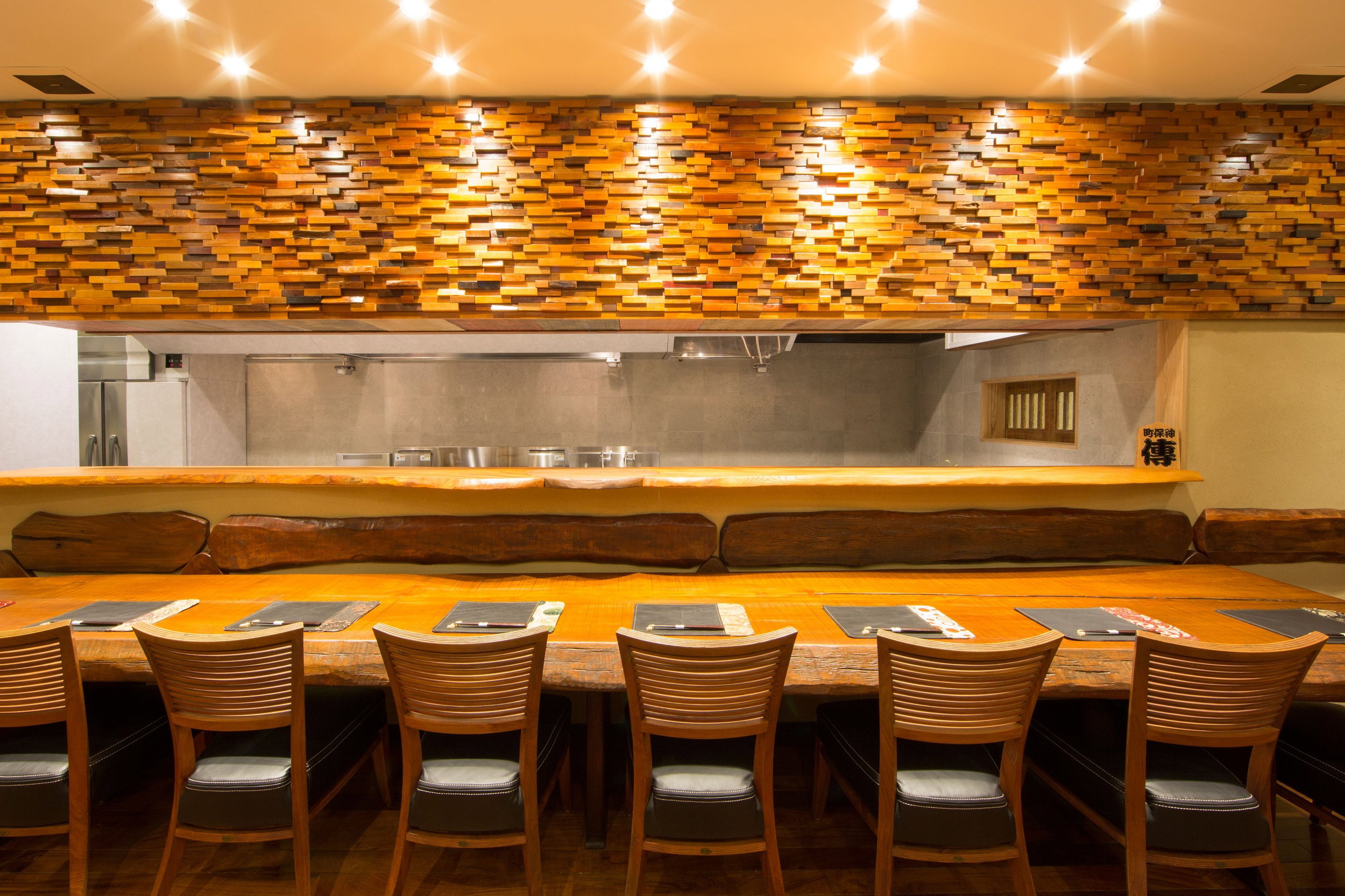
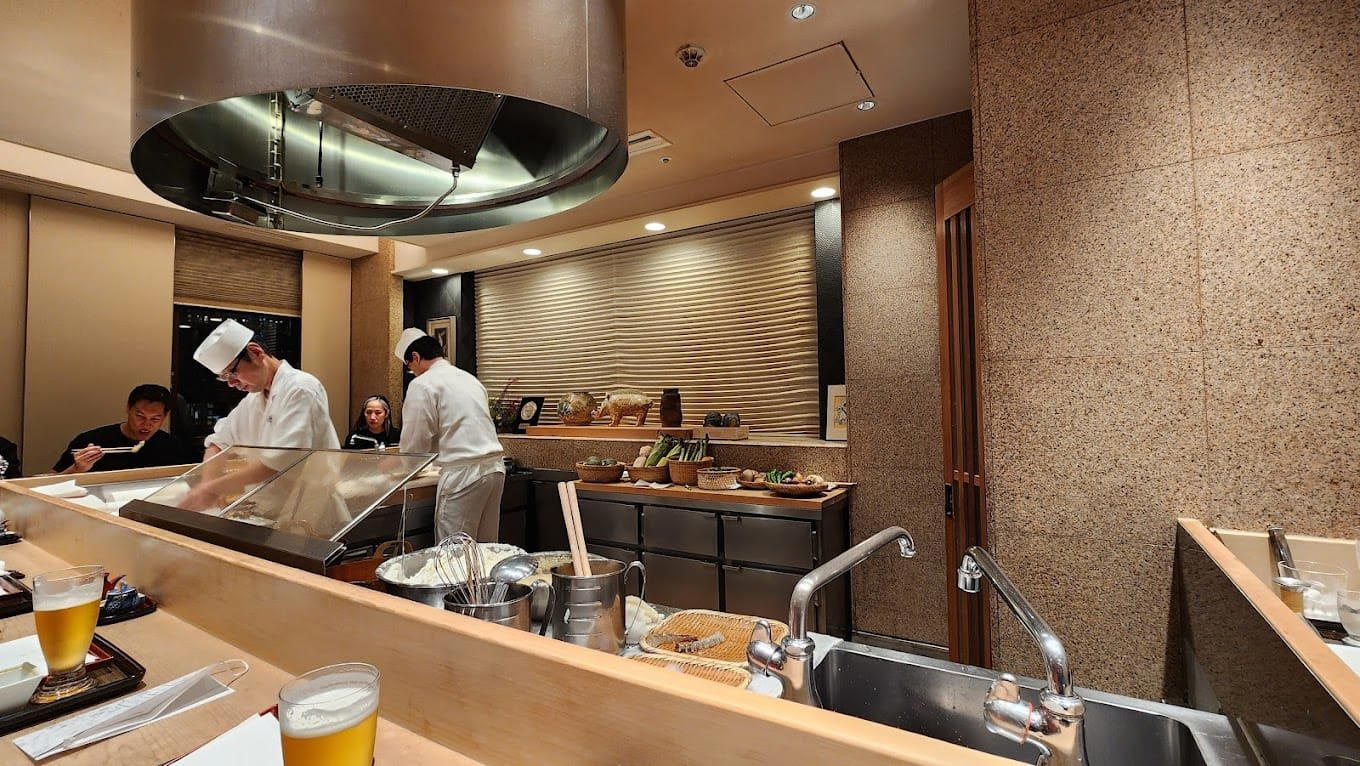
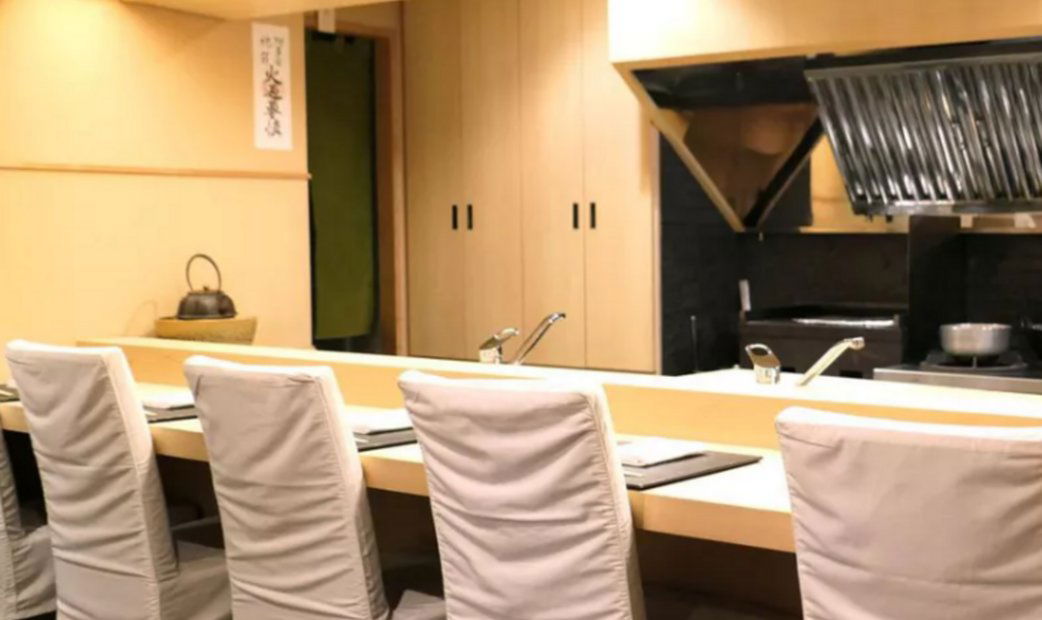
Chef Kazuhito Fukuda runs a counter-centred operation where the preparation is part of the experience. Katsuo-bushi is shredded in front of you, dashi is drawn tableside, and seafood is broken down as you watch. This isn't theatre for its own sake: it ties the pacing of the meal directly to the kitchen's rhythm and gives the counter seats a material advantage over any secondary seating. If you're booking for a special occasion, request counter placement explicitly. The intimacy of watching Fukuda work, combined with the hospitality the couple in charge extends to guests, is the actual product, not just the food on the plate.
The menu follows the Japanese calendar closely. Spring brings hatsu gatsuo, the first bonito of the season, grilled wrapped in straw. Unagi appears with mizansho, the green peppercorn that cuts through richness without masking the eel's character. The meal closes with seasonal clay-pot rice, which functions as both a palate statement and a natural conclusion to the progression. Ingredients are sourced from across Japan rather than from a single regional tradition, which gives the menu more range than a strictly regional kaiseki format would allow. This is a kitchen that uses the whole country as its pantry, and the seasonal rotation means a return visit in autumn or winter will feel like a different restaurant.
For Special Occasions and Milestone Dinners
Azabujuban Fukuda has been building its reputation with consistent upward momentum since its Highly Recommended OAD ranking in 2023. By 2024, it had a Michelin star and a top-400 OAD position; by 2025, it had climbed further. For anyone marking an anniversary, a significant birthday, or a business dinner that needs to land well, that trajectory matters. It signals a kitchen operating with intent, not coasting on an established name. The ¥¥¥¥ price point is Tokyo's top tier, so set expectations accordingly, but the combination of live preparation, couple-led hospitality, and a tightly seasonal menu justifies the spend for the right occasion.
The format is not well-suited to large groups. The counter-focused layout and the intimate scale of the room make this a venue for parties of two to four at most. For a group of six or more marking a celebration, you will have a better structural experience at a venue with a dedicated private dining room. For two people on a significant occasion, though, Azabujuban Fukuda is a strong answer: the counter seats put you inside the cooking rather than across the room from it, and the chef-plus-partner dynamic produces a warmth that larger brigade kitchens rarely replicate.
Ratings and Trust Signals
- Michelin 1 Star (2024)
- Opinionated About Dining, Leading Restaurants in Japan: #373 (2025), #343 (2024), Highly Recommended (2023)
- 4.1 / 5 (31 reviews)
Booking
Booking difficulty is high. The restaurant runs one sitting per evening, six days a week, with no lunch service. Reservation method and direct contact details are not publicly listed in Pearl's data, so approach through your hotel concierge if you're staying at a property with strong local relationships, Azabu-Juban is well-served by concierge networks given the density of high-end restaurants in the neighbourhood. If you're organising independently, plan a minimum of three to four weeks ahead for a weeknight, longer for Friday or Saturday. For Tokyo trip planning context, see our full Tokyo restaurants guide, and for accommodation options near the venue, our full Tokyo hotels guide.
Practical Details
| Detail | Azabujuban Fukuda | Azabu Kadowaki | Kagurazaka Ishikawa |
|---|---|---|---|
| Price Range | ¥¥¥¥ | ¥¥¥¥ | ¥¥¥¥ |
| Cuisine | Japanese (seasonal) | Japanese | Japanese (kaiseki) |
| Service Hours | Dinner only, 6–9 PM | Dinner (check current) | Dinner (check current) |
| Closed | Sunday | Varies | Varies |
| Booking Difficulty | Hard | Hard | Hard |
| Michelin Recognition | 1 Star (2024) | Starred | Starred |
For comparable Japanese fine dining elsewhere in Japan, Gion Sasaki in Kyoto and HAJIME in Osaka operate at a similar commitment level. If you're extending your trip, Kashiwaya Osaka Senriyama and Isshisoden Nakamura in Kyoto are worth adding to the shortlist. Closer to Tokyo, 1000 in Yokohama is a practical alternative if Azabujuban Fukuda doesn't open up. For broader Tokyo planning, our Tokyo bars guide, Tokyo wineries guide, and Tokyo experiences guide cover the surrounding itinerary.
Nearby in the Same Category
If Azabujuban Fukuda is fully booked, the Azabu-Juban area and adjacent neighbourhoods offer serious alternatives. Azabu Kadowaki is the most direct neighbourhood comparison for Japanese fine dining at the same price tier. Myojaku, Kagurazaka Ishikawa, Ginza Fukuju, and Jingumae Higuchi are all worth considering depending on your area preference and date availability. For regional comparisons at a similar quality tier, akordu in Nara and Goh in Fukuoka represent what the format delivers outside the major cities. 6 in Okinawa is a further outlier worth knowing if your itinerary extends south.
FAQ
Is the tasting menu worth it at Azabujuban Fukuda?
- At ¥¥¥¥ pricing, Azabujuban Fukuda's value case rests on three things: a Michelin star, consistent OAD recognition climbing year on year, and a format where live preparation adds visible craft to each course. If you value watching a chef work and eating produce sourced from across Japan at peak season, the menu justifies the spend. If you'd prefer a more conventional sit-down format without the theatre, Kagurazaka Ishikawa offers a more traditional kaiseki structure at a comparable price point.
Is Azabujuban Fukuda good for a special occasion?
- Yes, for parties of two to four. The couple-run format, counter seating, and live preparation create a genuinely personal atmosphere that larger brigade restaurants rarely achieve. The ¥¥¥¥ price tier and the Michelin star make it a credible setting for anniversaries or significant birthdays. For a party larger than four, the intimate scale of the room will work against you, consider a venue with a private dining room instead.
What should I order at Azabujuban Fukuda?
- The menu is set and seasonal, so ordering is not the decision here, timing is. Visit in spring to catch hatsu gatsuo (first bonito of the season grilled in straw) and the mizansho-dressed unagi. The clay-pot rice at the close of the meal is a signature move regardless of season. Trust the progression rather than trying to influence it.
Is Azabujuban Fukuda good for solo dining?
- Probably yes, but with caveats. The counter format naturally accommodates solo diners, you're watching the kitchen rather than sitting across from an empty chair, and the couple's hospitality style tends to engage individual guests well. That said, the ¥¥¥¥ price at a single-sitting dinner is a significant solo spend, and the booking difficulty is high. If solo dining at this tier in Tokyo is the goal, weigh it against Ginza Fukuju or Myojaku for availability and format fit.
Is lunch or dinner better at Azabujuban Fukuda?
- This is a dinner-only restaurant. Service runs 6–9 PM, Monday through Saturday, with no lunch offering. There is no choice to make here, plan accordingly.
What should a first-timer know about Azabujuban Fukuda?
- Three things: First, book well in advance, this is a high-demand, single-sitting operation. Second, the counter is where the experience is; request it when booking. Third, the menu is fully seasonal and set by the kitchen, so arrive without specific dish expectations and let the progression dictate the meal. The address is in Minato City's Azabu-Juban district; your hotel concierge is likely the most reliable path to a reservation if direct booking proves difficult.
Is Azabujuban Fukuda worth the price?
- For the right diner, yes. The Michelin star, the upward OAD trajectory (Highly Recommended in 2023 to #343 in 2024 to #373 in 2025), and the live-preparation format distinguish it from restaurants at the same price tier that deliver technically correct food in a more anonymous setting. It is not the right spend if you prefer a quieter, more conventional dinner format, in that case, Azabu Kadowaki or Kagurazaka Ishikawa will serve you better.
Planning details
- Hours
- Monday: 6–9 pm · Tuesday: 6–9 pm
- Location
- Japan, 〒106-0045 Tokyo, Minato City, Azabujuban, 3 Chome−7−5 マスコビル麻布弐番館 1階
- Website
- azabu10ban-fukuda.com
- Phone
- +81 3-6453-7256
The take
The Take
The Vibe
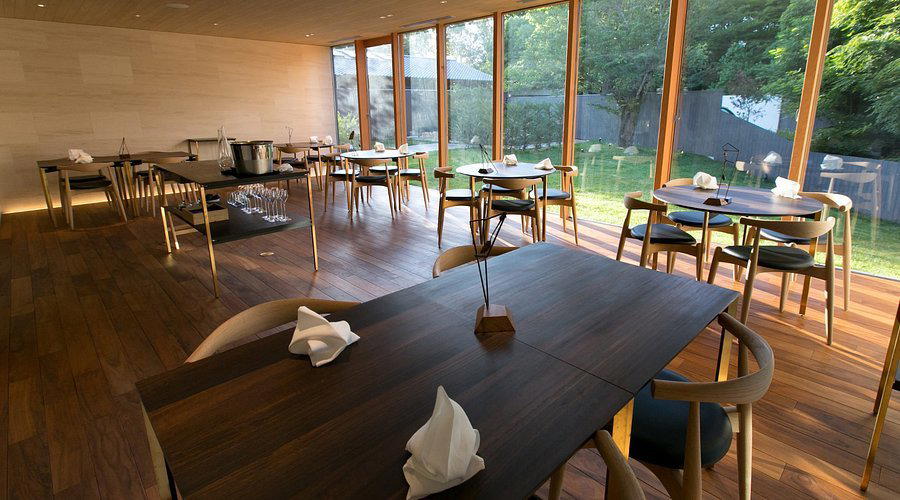
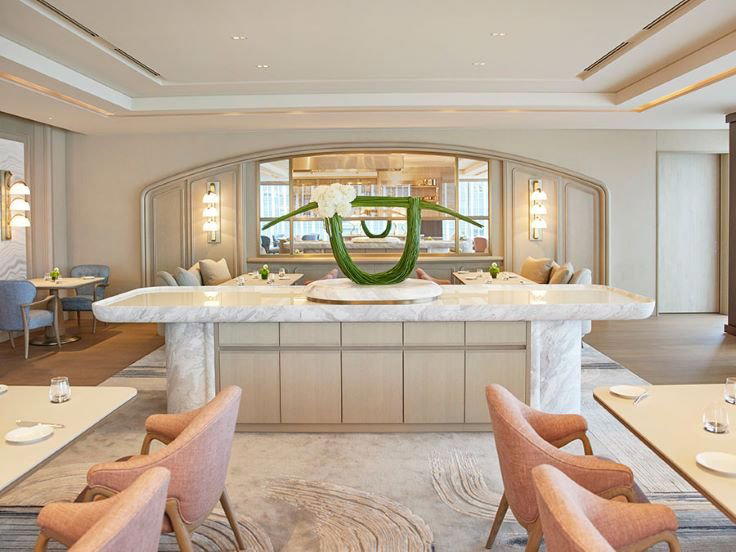
Azabujuban Fukuda foregrounds craft over spectacle: the counter literally is the kitchen and the meal is built around disciplined, day-to-day technique rather than theatrical presentation. The room sits in a quieter, residential pocket south of Roppongi and reads as understated and purposeful; attention is on seasonal ingredients and the precision of foundational elements like katsuobushi and dashi. The overall impression is restrained and classic — a place where the choreography of hands and stock takes centre stage, and the hospitality communicates intent through quiet rigor rather than architectural flourish.
Best For
Fukuda is best for diners who prize technical mastery and seasonality at a counter-forward omakase. Operating at a ¥¥¥¥ price point and positioned among kaiseki counters in Azabujuban, it suits evening tasting experiences where the focus is on the craft of stock, fish and rice rather than theatrical service. Solo diners or small parties who enjoy close access to the chef’s work will appreciate the directness of the format, as will anyone seeking an understated, technique-led alternative to more performative counters in Tokyo.
Ordering Tips
Prioritise the counter experience: the kitchen happens in front of you, and the room’s statement is the disciplined repetition of technique applied to seasonal produce. Expect omakase delivered as dailiness rather than performance, and pay attention to the foundational elements highlighted in the kitchen—katsuobushi and dashi—alongside seasonal offerings such as the clay-pot rice and early-season fish. Keep the evening format in mind (this is discussed as a higher-tier dinner offering) and approach the meal prepared to follow a curated, ingredient-driven tasting centered on precision.
Venue details
Ambiance
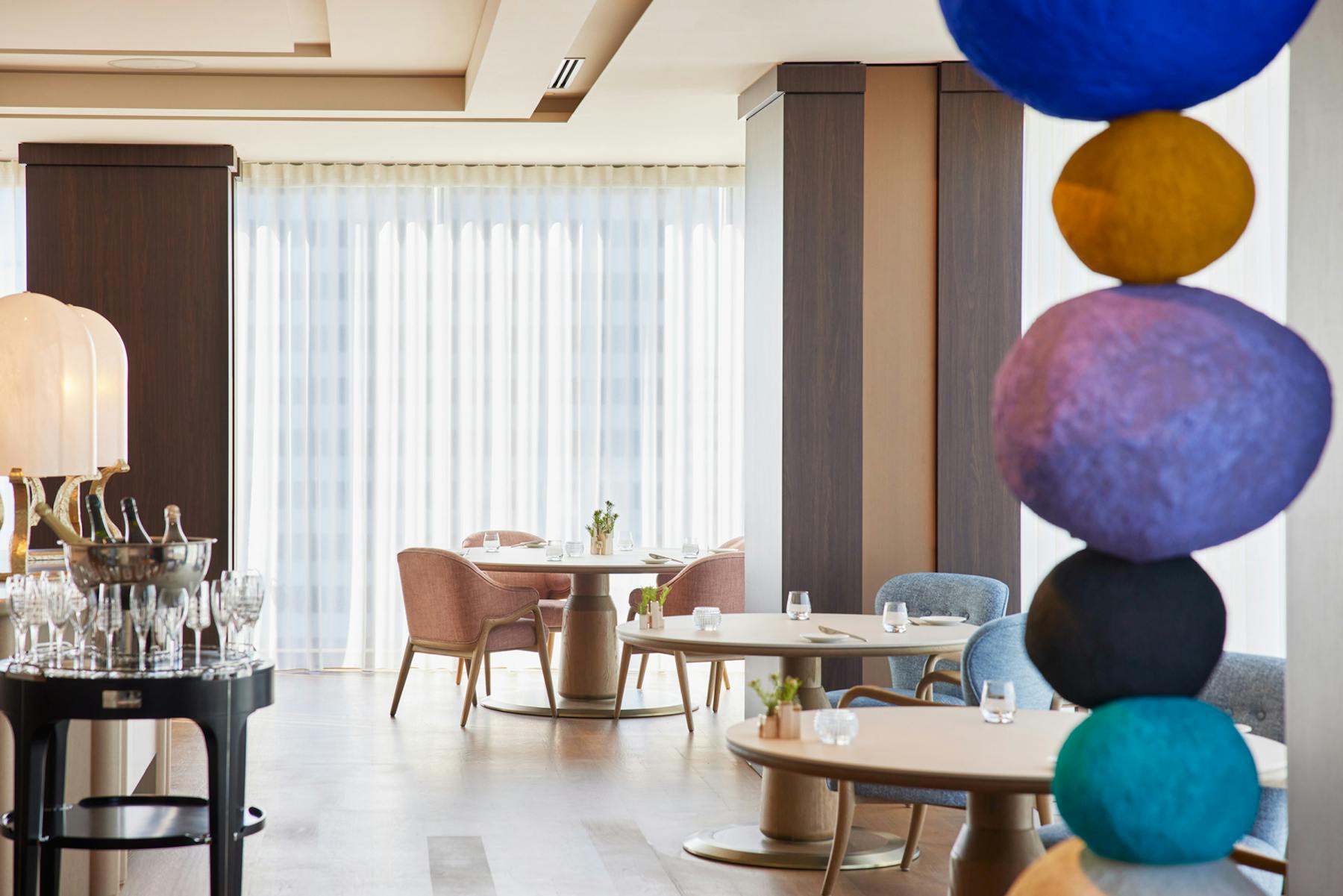
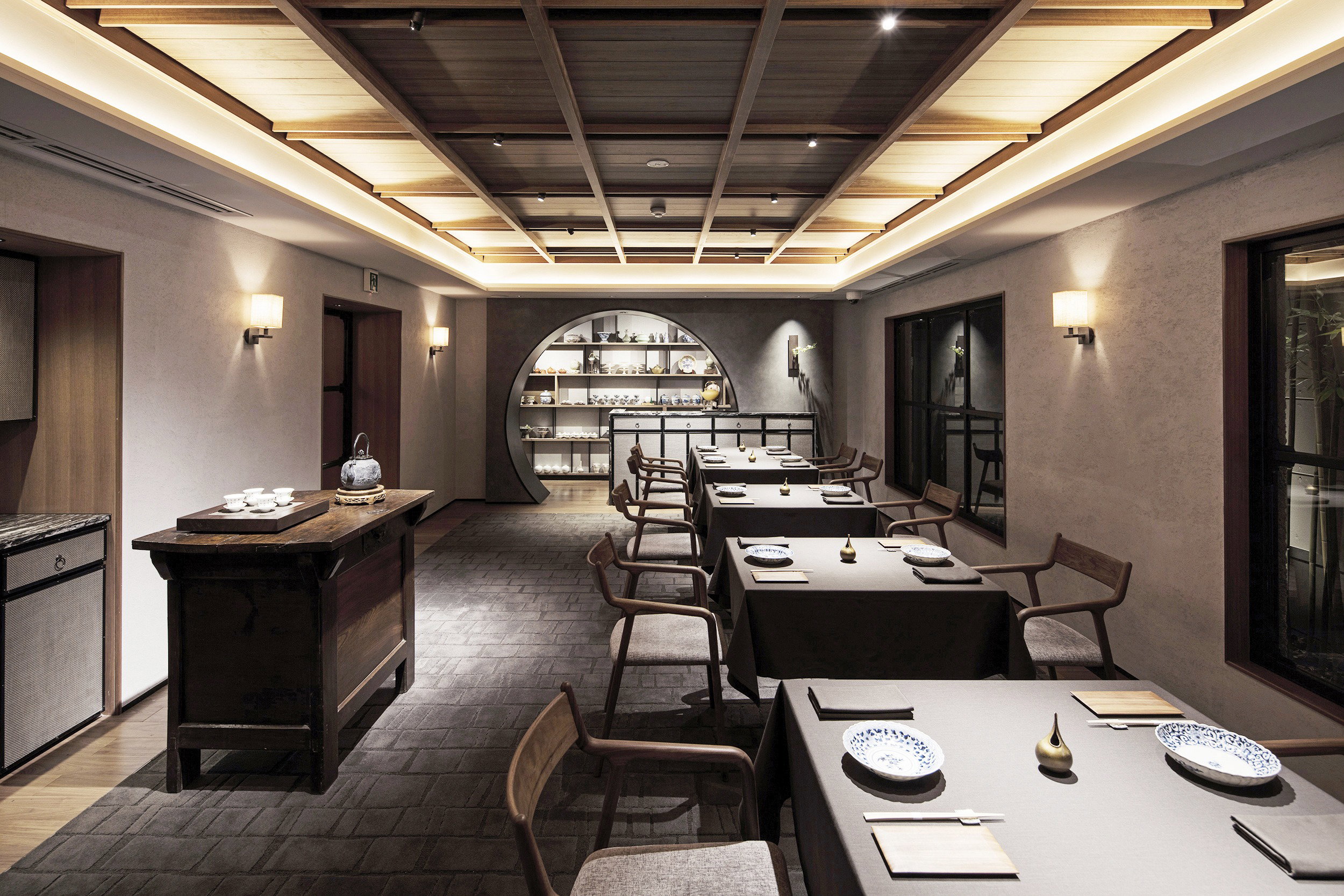
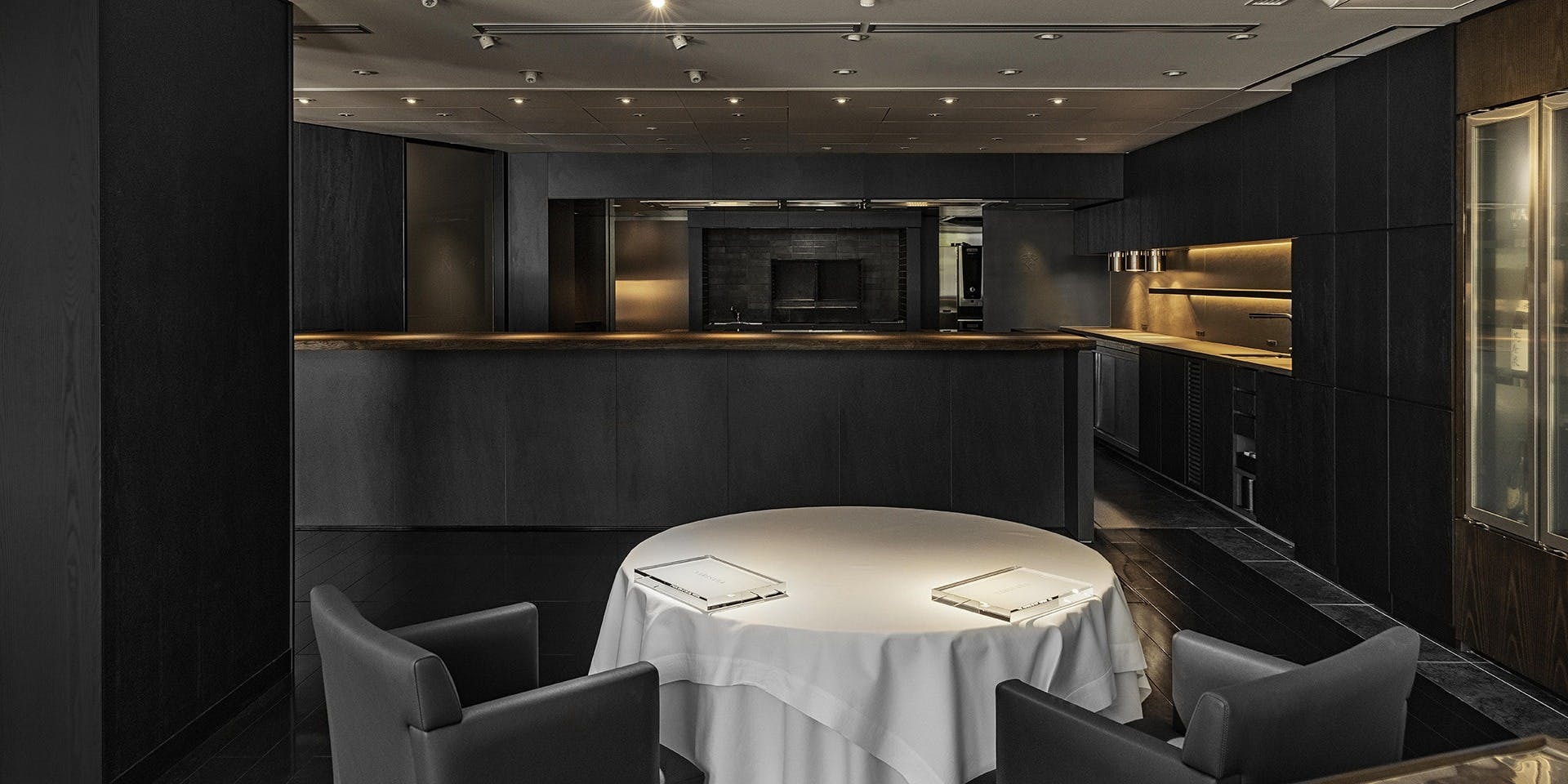
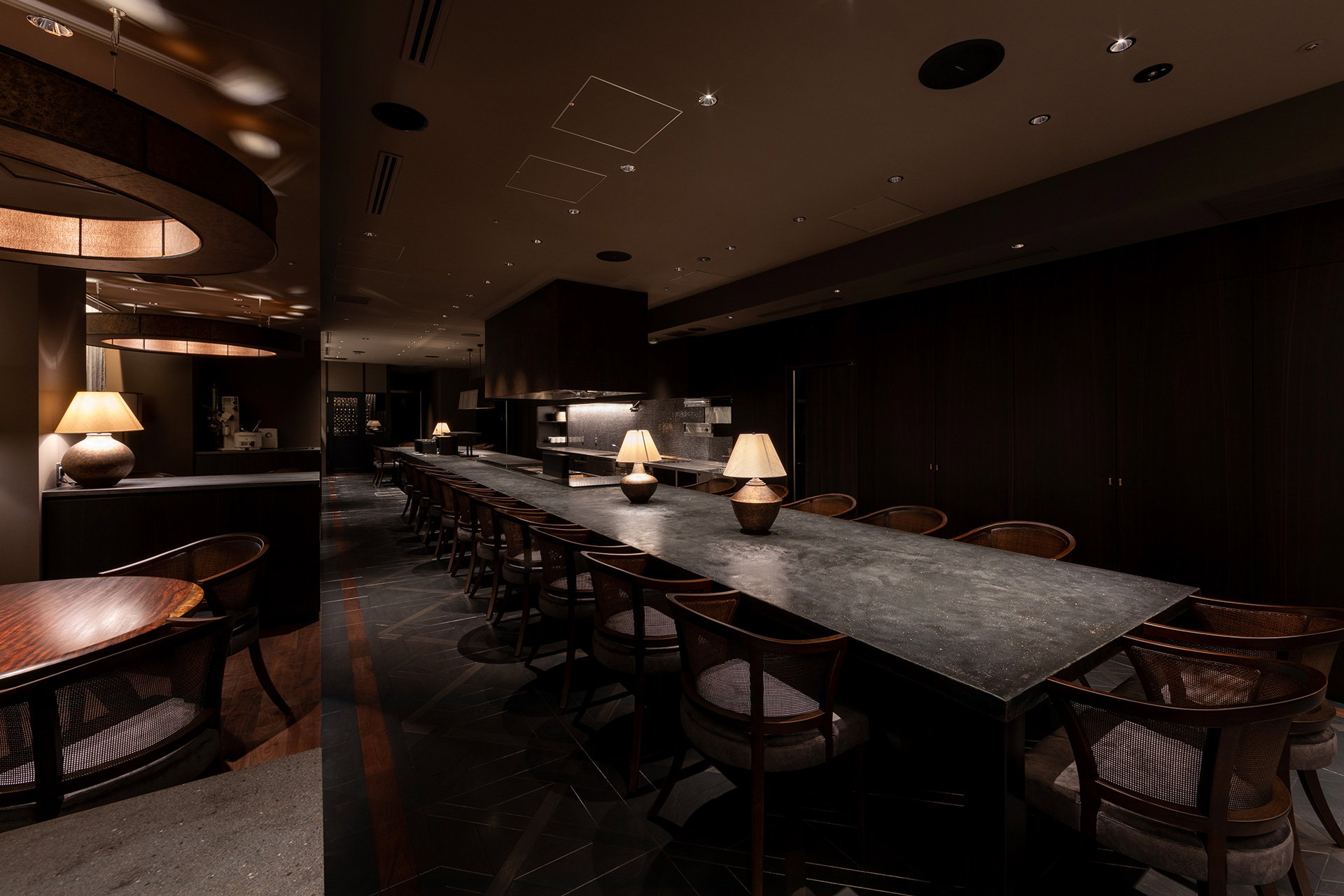
Relaxed, stylish counter seating with warm hospitality, seasonal dishware, and an elegant, tension-free atmosphere.
Tags
Vibe
Best For
Experience
At the Table
- Dress Code
- Smart Casual
- Noise Level
- Quiet
- Service Style
- Formal
- Meal Pacing
- Leisurely
- Capacity
- Intimate
Signature Dishes
- seasonal_clay_pot_rice
- katsuobushi_dashi
- hatsu_gatsuo
Know before you go
Know Before You Go
- Getting there
- Japan, 〒106-0045 Tokyo, Minato City, Azabujuban, 3 Chome−7−5 マスコビル麻布弐番館 1階
Planning details
Hours
- Monday
- 6–9 pm
- Tuesday
- 6–9 pm
- Wednesday
- 6–9 pm
- Thursday
- 6–9 pm
- Friday
- 6–9 pm
- Saturday
- 6–9 pm
- Sunday
- Closed
Location
Japan, 〒106-0045 Tokyo, Minato City, Azabujuban, 3 Chome−7−5 マスコビル麻布弐番館 1階 · Directions
Recognition and awards

Also consider
Also Consider
- Harutaka, Sushi, ¥¥¥¥
- L'Effervescence, French, ¥¥¥¥
- RyuGin, Kaiseki, Japanese, ¥¥¥¥
- HOMMAGE, Innovtive French, French, ¥¥¥¥
- Crony, Innovative, French, ¥¥¥¥
Restaurant context
At the ¥¥¥¥ tier in Tokyo, Azabujuban Fukuda competes against venues with more established international profiles. RyuGin is the clearest structural comparison: both offer Japanese fine dining with strong seasonal intent, but RyuGin operates at greater scale and with a higher public profile, which makes Fukuda the better choice for diners who want genuine intimacy over prestige signalling. Harutaka draws a different diner, one whose priority is sushi at the highest technical level rather than a cooked seasonal progression, so the two don't directly compete for the same booking decision.
If your occasion calls for French rather than Japanese, L'Effervescence and HOMMAGE are the natural alternatives at this price tier, both offering tasting menus with strong seasonal conviction. Crony skews more innovative and less formal, which makes it worth considering if the kaiseki progression at Fukuda feels too structured for your group. For pure Japanese seasonal cooking with a counter experience, though, Fukuda currently sits in a narrower, more personal category than any of its French-cuisine peers at this tier.
On booking difficulty, all five comparison venues are hard to reserve, so Fukuda holds no particular disadvantage there. Where it differentiates is scale: the couple-run format and counter-centred room produce a guest experience that a larger kitchen brigade cannot replicate. If that intimacy is what you're optimising for on a special occasion, Fukuda is the clearest choice in this competitive set. If you need a private dining room for a group, none of these venues will serve you as well as a purpose-built private room elsewhere in the city.
Explore Tokyo
Around this place
Discover more on Pearl
Unlock the full Azabujuban Fukuda guide in Pearl, including awards, comparisons, FAQs, planning details, and nearby places.
Compare Azabujuban Fukuda
| Venue | Cuisine | Awards | Booking Difficulty |
|---|---|---|---|
| Azabujuban Fukuda | Japanese | 2026 OAD Top Restaurants in Japan Recommended2026 Michelin 1 StarTabelog 100 - Japanese cuisine - TOKYO - 2025 · #742025 OAD Top Restaurants in Japan Ranked · #3732024 OAD Top Restaurants in Japan Ranked · #3432024 Michelin 1 Star2023 OAD Top Restaurants in Japan Highly Recommended | Hard |
| Harutaka | Sushi | 2026 Tabelog Silver · #312026 OAD Top Restaurants in Japan Ranked · #1282026 Michelin 3 Stars2026 La Liste Top RestaurantsTabelog 100 - Sushi - TOKYO - 2025 · #372025 Asia's 50 Best Restaurants · #762025 OAD Top Restaurants in Japan Ranked · #1172025 La Liste Top Restaurants2025 Tabelog Bronze | Unknown |
| L'Effervescence | French | 2026 Tabelog Silver · #682026 OAD Top Restaurants in Japan Ranked · #103Star Wine Lists 20262026 Black Pearl 2 Diamond2026 Relais Chateaux Restaurants2026 La Liste Top Restaurants2026 Michelin 3 Stars2025 Asia's 50 Best Restaurants · #692025 OAD Top Restaurants in Japan Ranked · #92 | Unknown |
| RyuGin | Kaiseki, Japanese | 2026 OAD Top Restaurants in Japan Ranked · #802026 Tabelog Bronze · #3772026 Michelin 3 Stars2026 La Liste Top RestaurantsTabelog 100 - Japanese cuisine - TOKYO - 2025 · #212025 OAD Top Restaurants in Japan Ranked · #542025 Michelin 3 Stars2025 La Liste Top Restaurants2025 The Best Chef Three Knives | Unknown |
| HOMMAGE | Innovtive French, French | 2026 Tabelog Bronze · #1232026 OAD Top Restaurants in Japan Highly Recommended2026 Michelin 2 StarsTabelog 100 - French - TOKYO - 2025 · #762025 Asia's 50 Best Restaurants · #782025 OAD Top Restaurants in Japan Ranked · #1752025 Michelin 2 Stars2025 The Best Chef One Knife2025 La Liste Top Restaurants | Unknown |
| Crony | Innovative, French | 2026 Asia's 50 Best Restaurants · #34Star Wine Lists 20262026 OAD Top Restaurants in Japan Recommended2026 Michelin 2 Stars2025 Asia's 50 Best Restaurants · #30Tabelog 100 - French - TOKYO - 2025 · #782025 OAD Top Restaurants in Japan Ranked · #227We're Smart World Top Restaurants 20252025 Michelin 2 Stars | Unknown |












Side-by-side comparison to help you decide where to book.
FAQ
Frequently Asked Questions
Is the tasting menu worth it at Azabujuban Fukuda?
Yes, for the format. At ¥¥¥¥ pricing with a Michelin star and an OAD Top 400 Japan ranking, Azabujuban Fukuda justifies the spend if counter-style omakase is what you want. The live preparation — katsuo-bushi shredded and dashi drawn in front of you — is the actual product, not just theatre. If you prefer a la carte flexibility, look elsewhere.
Is Azabujuban Fukuda good for a special occasion?
It's one of the stronger calls for a milestone dinner in Tokyo's Azabu-Juban area. The counter format, the seasonal focus from Chef Kazuhito Fukuda, and the couple's hospitality create a personal atmosphere that most larger fine-dining rooms can't match. Book well in advance — one sitting per evening, closed Sundays — and confirm your reservation method early, as direct contact details are not publicly listed.
What should I order at Azabujuban Fukuda?
There is no a la carte menu; the kitchen dictates what you eat based on season and market. Per the venue's own description, seasonal highlights include hatsu gatsuo grilled in straw in spring, unagi with mizansho, and clay-pot rice to close the meal. Specific dish availability on any given night is not predictable — that's the nature of the format.
Is Azabujuban Fukuda good for solo dining?
Yes, counter omakase is arguably the format best suited to solo diners. You get direct sightlines to the preparation, and the intimate atmosphere that Chef Fukuda and his partner run means a solo guest is not an afterthought. Booking solo may actually be easier given the limited covers available.
Is lunch or dinner better at Azabujuban Fukuda?
There is no lunch service. Azabujuban Fukuda runs one dinner sitting per evening, Monday through Saturday, from 6 to 9 pm, and is closed on Sundays. Plan accordingly — there is no midday option to fall back on.
What should a first-timer know about Azabujuban Fukuda?
Booking difficulty is the main hurdle. The restaurant runs a single evening sitting across six nights a week with no published phone number or website, so reservations typically require advance planning through a hotel concierge or reservation service. It's a counter-only operation at ¥¥¥¥ pricing — arrive expecting a set progression of seasonal Japanese dishes, not choices.
Is Azabujuban Fukuda worth the price?
At ¥¥¥¥, it earns its price point for guests who want counter omakase with a personal, chef-driven atmosphere. The Michelin star (2024) and OAD ranking of #343 in Japan (2024, improving to #373 in 2025 within a competitive list) confirm it sits in a credible tier. For the price, Azabujuban Fukuda delivers seasonal precision and a degree of direct engagement from the chef that larger Michelin-starred rooms in Tokyo rarely offer.