

Oryori Tsuji
Japanese · Minato, Tokyo
Restaurant in Tokyo, Japan
 Book with Pearl
The Read
Austere Seasonal Restraint
Price
¥¥¥¥
Dress
Smart Casual
Why go
Oryori Tsuji is a Michelin one-star kaiseki counter in Higashiazabu where the kitchen makes its case through restraint — clear soups, kombu-wrapped sashimi, and a cypress counter in an austere room that strips away distraction. At ¥¥¥¥, it is expensive and hard to book, but consistently rated (4.4, 83 reviews). Book if you value seasonal precision over spectacle.
About Oryori Tsuji
Verdict: A Michelin-Starred Kaiseki Counter Worth the Commitment
At ¥¥¥¥ pricing, Oryori Tsuji is a serious financial decision before you even sit down. What you are paying for is a counter experience in Higashiazabu where restraint is the operating principle — a room built from adze-hewn ceilings, cypress wood, and clay walls that signals, immediately, that the kitchen has no interest in impressing you with spectacle. If you want drama and showmanship from your Tokyo kaiseki, book elsewhere. If you want a meal whose logic becomes clear only after the last course, Oryori Tsuji is worth booking.
What to Expect: The Architecture of the Meal
The Michelin inspector's language for Oryori Tsuji is specific enough to be useful: "simple fare" that avoids "shows of splendour in favour of honest presentation." That is not false modesty — it is a menu philosophy that shapes every course. The progression here follows a classical kaiseki structure where the sense of season arrives through taste and aroma rather than through visual theatre or elaborate plating.
Sashimi wrapped in kombu is documented as a representative dish: the aroma that reaches you before you eat is one of the clearest signals the kitchen sends. Kombu-cured fish carries a concentrated sea scent, mineral, clean, saline, that primes your attention before a single bite. This is the sensory logic of the meal: the kitchen earns your focus through restraint, not abundance. Wanmono served as clear soup continues the same argument. A clear broth is one of the hardest things to make well in Japanese cooking; there is nowhere to hide. At Oryori Tsuji, those preparations are, according to the Michelin record, precisely where "effort paid where few will notice" becomes most visible. If you have eaten here once and focused on the more prominent courses, return with attention on the soup and the sashimi presentations, that is where the real technical case is made.
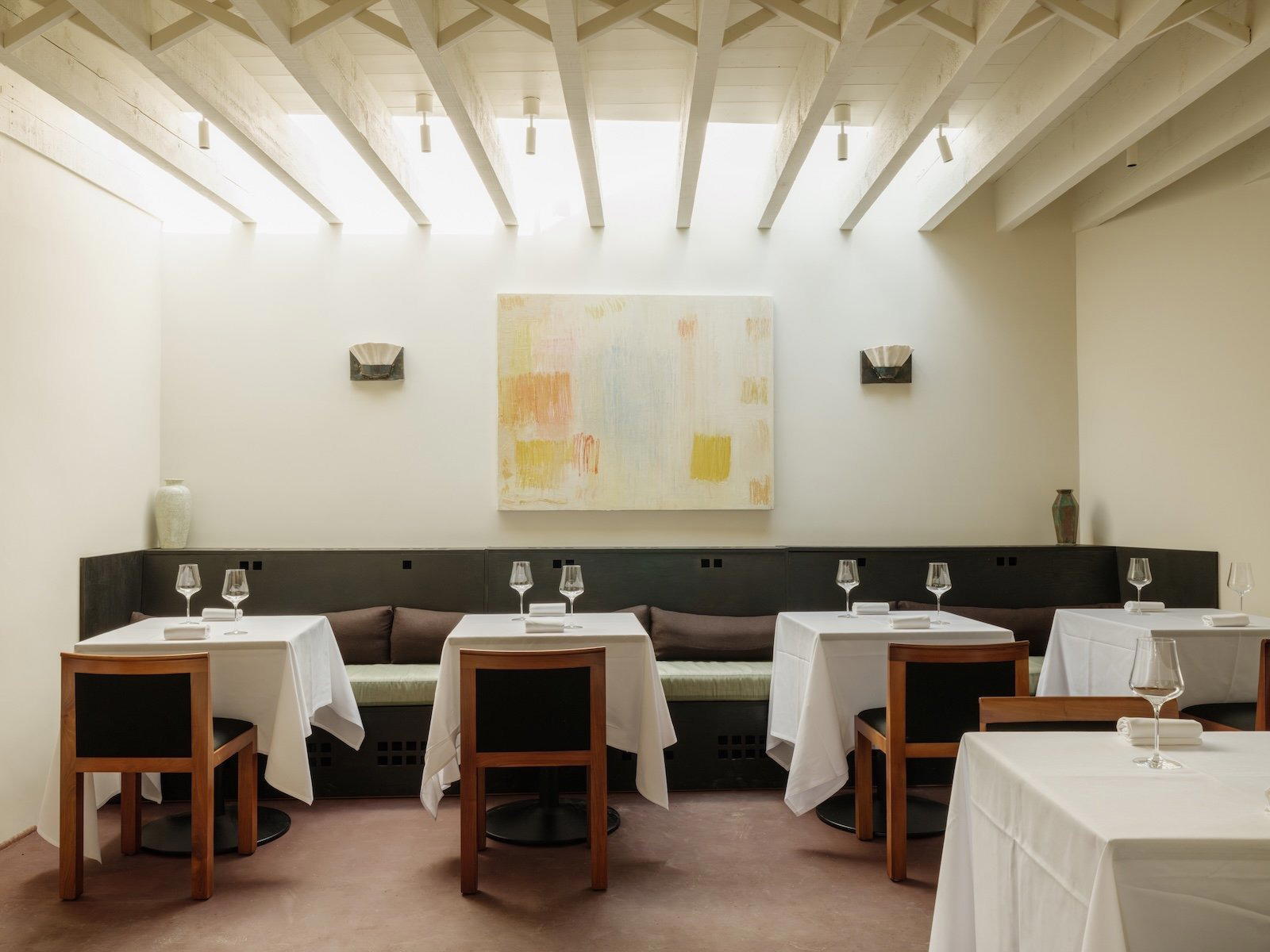
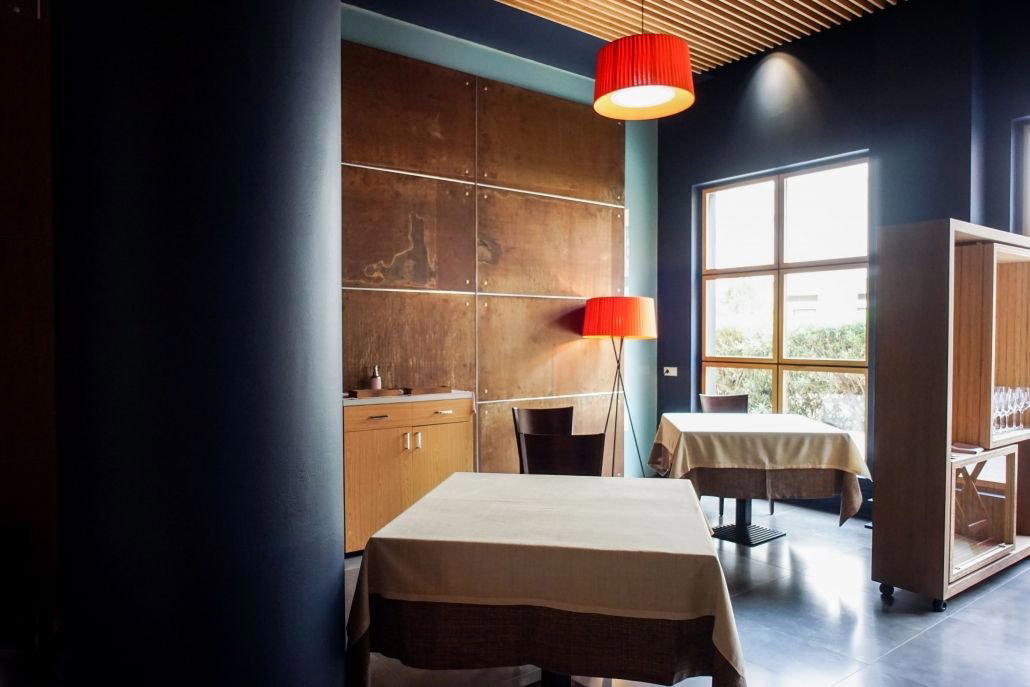
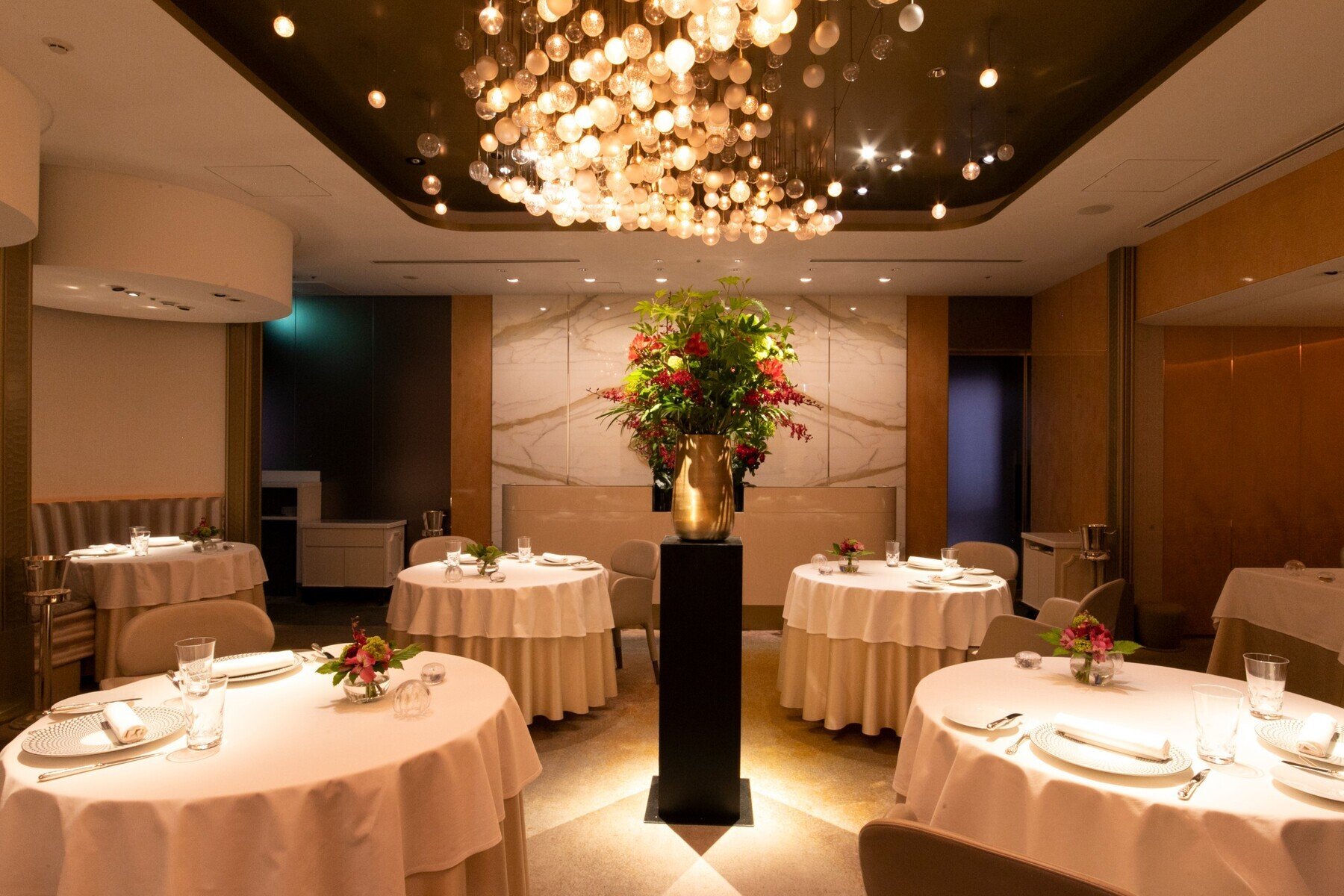
The room itself reinforces this logic. A cypress counter, clay walls, and adze-hewn ceilings create an environment with almost no visual noise. For a returning guest, this is not a limitation, it is a deliberate choice that puts the food and its aromas at the centre of the experience. There is no ambient distraction competing with the kitchen.
Booking Oryori Tsuji
Booking difficulty here is hard. A Michelin one-star counter in Minato City, operating at ¥¥¥¥ pricing, draws a reservation list that fills well in advance. No booking method or phone number is confirmed in the venue record; the most reliable route for international visitors is through a concierge at a high-end Tokyo hotel or a specialist dining reservation service. If you are staying at a property in Minato, Roppongi, or Azabu, front-desk concierge teams with existing relationships at restaurants of this tier are your leading practical option. Expect a minimum lead time of four to six weeks; more during peak autumn and spring seasons when Tokyo's kaiseki calendar is at its most competitive.
Reservations: Hard to book; hotel concierge or specialist dining service recommended. Dress: Smart; the room's austerity sets a tone, casual dress would be out of place. Budget: ¥¥¥¥; factor this against Tokyo's kaiseki tier where comparable counters run from approximately ¥30,000 to ¥50,000 per person before drinks. Location: Basement level, 3 Chome−3−9 Higashiazabu, Minato City, close to Azabu-Juban station.
How Oryori Tsuji Fits Into a Tokyo Dining Itinerary
Tokyo's kaiseki and Japanese fine dining scene at the ¥¥¥¥ tier is dense with strong options. Oryori Tsuji sits closest in philosophy to venues where the cooking's argument is made through classical technique and seasonal honesty rather than innovation or spectacle. If you are building a multi-night Tokyo dining itinerary and want to cover different registers, pair Oryori Tsuji with a sushi counter night, Harutaka operates in the same price tier and provides a useful contrast in format. For a broader view of Tokyo's highest-tier Japanese dining, Kagurazaka Ishikawa and Azabu Kadowaki are two Michelin-recognised kaiseki addresses worth considering alongside this one. Myojaku and Ginza Fukuju offer additional Japanese fine dining reference points, while Jingumae Higuchi provides a slightly different seasonal register.
If you are travelling beyond Tokyo on this trip, the same philosophy of restrained, season-driven Japanese cooking appears at a regional level at Gion Sasaki in Kyoto and Isshisoden Nakamura in Kyoto, and at Kashiwaya Osaka Senriyama. For entirely different Japanese fine dining registers, HAJIME in Osaka and Goh in Fukuoka each represent strong alternatives worth the travel. See our full Tokyo restaurants guide for a complete picture of the city's dining options across all price points, or explore our Tokyo hotels guide, bars guide, wineries guide, and experiences guide to build the full itinerary around it. For other strong Japanese options worth considering in the broader region, akordu in Nara, 1000 in Yokohama, and 6 in Okinawa each occupy distinct positions in Japan's wider dining map.
The Pearl Take
Oryori Tsuji is the right booking if you are looking for a kaiseki experience where the kitchen's intelligence is expressed through understatement. It is a hard reservation to secure, it is expensive, and it will not give you a memorable photograph. What it will give you is a meal whose quality you are still turning over the next morning. For that kind of Tokyo dining experience, it is worth the effort to book.
Planning details
- Location
- Japan, 〒106-0044 Tokyo, Minato City, Higashiazabu, 3 Chome−3−9 アネックス麻布十番地下1階
- Website
- oryouritsuji.jp
- Phone
- +81 50-3145-9475
The take
The Take
The Vibe
Oryori Tsuji presents a studied austerity that reads as intention rather than omission. The dining room is spare — a cypress counter, clay walls and adze-worked ceilings — and everything about the space reinforces a discipline of restraint. The cuisine follows suit: rather than showy embellishment, the kitchen opts for pared-back technique and seasonal precision. The result is quietly rigorous and refined, a minimalist kaiseki experience that feels rigorous and meditative. It’s the kind of place where texture, timing and understatement carry the conversation, not theatrical presentation.
Best For
This is a restaurant for focused evening meals where the ritual of multi-course kaiseki matters more than spectacle. Set within the higher ¥¥¥¥ price tier in Azabu, Oryori Tsuji suits business dinners, special occasions and intimate date nights that prize culinary discipline and subtlety. The counter setting creates an up-close, attentive exchange between guest and kitchen, making it ideal for diners who appreciate technical restraint, seasonal progression and a calm, contemplative atmosphere rather than loud or ostentatious dining.
Ordering Tips
Expect a multi-course progression rooted in kaiseki traditions and described by the kitchen as 'simple fare' — simplicity here signals technique, not minimalism of thought. Rather than asking for elaborate garnishes or visual flourishes, lean into the seasonal menu and trust the pacing of courses. Given the counter-format and the restaurant’s emphasis on restraint, let the chef’s sequence govern the meal to fully appreciate the subtle shifts in texture and temperature. Avoid seeking spectacle; the reward is in the quiet precision.
Venue details
Ambiance
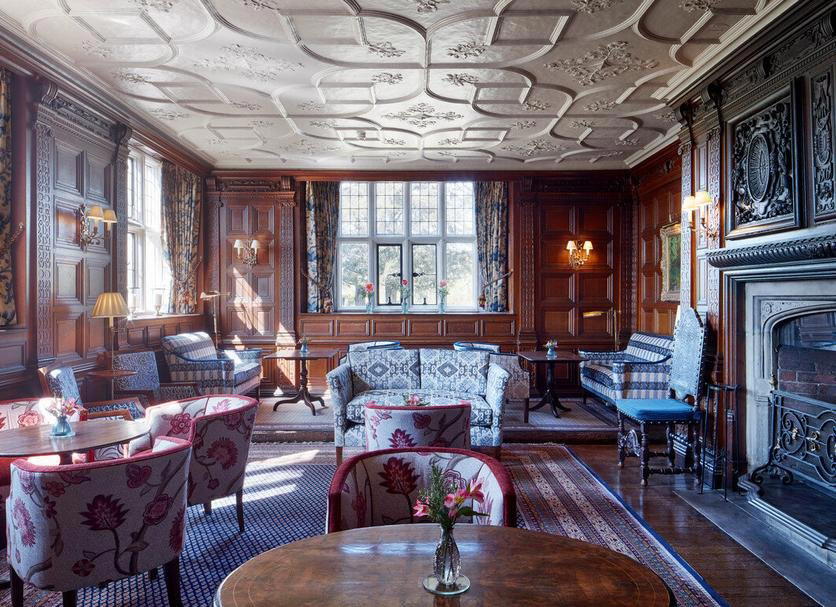
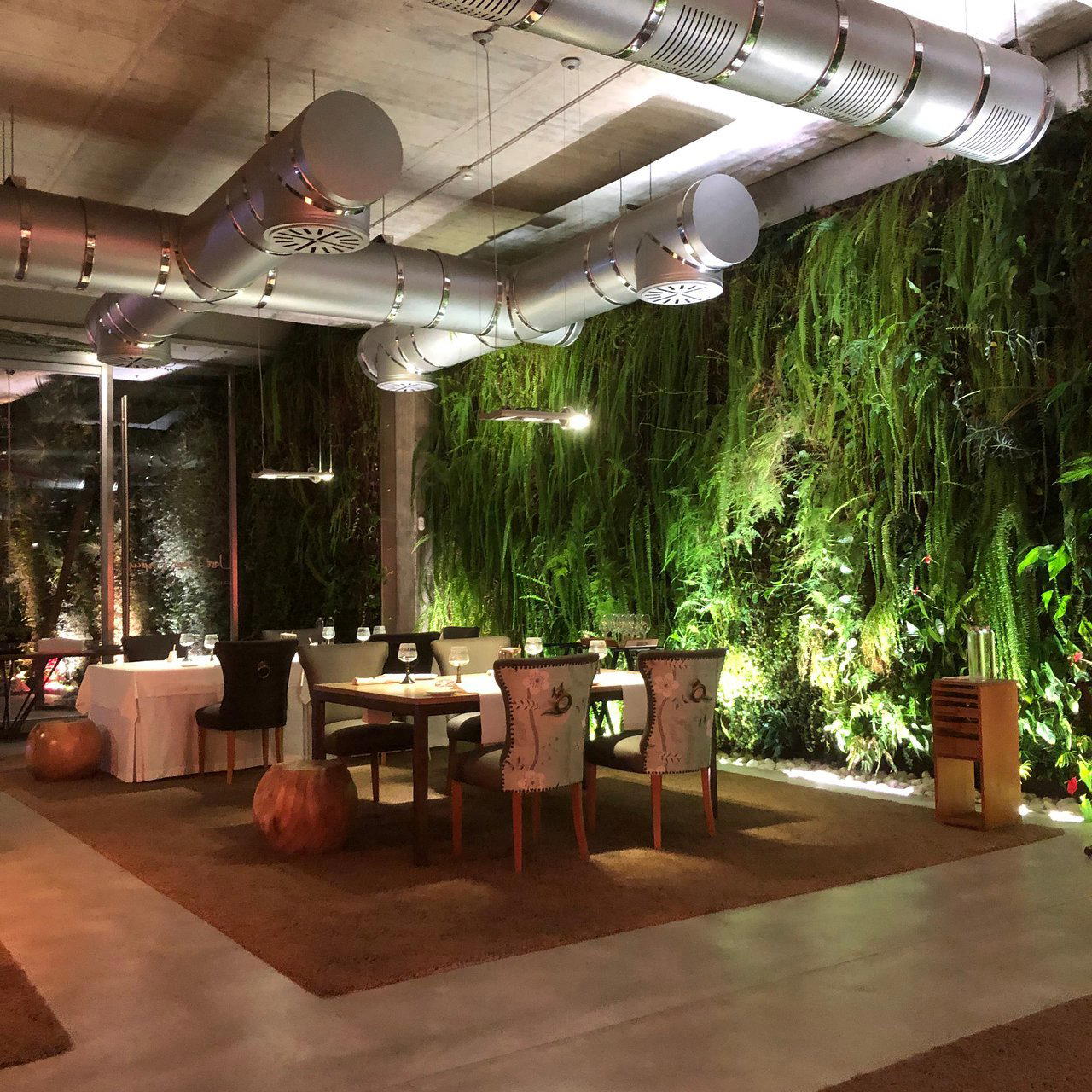
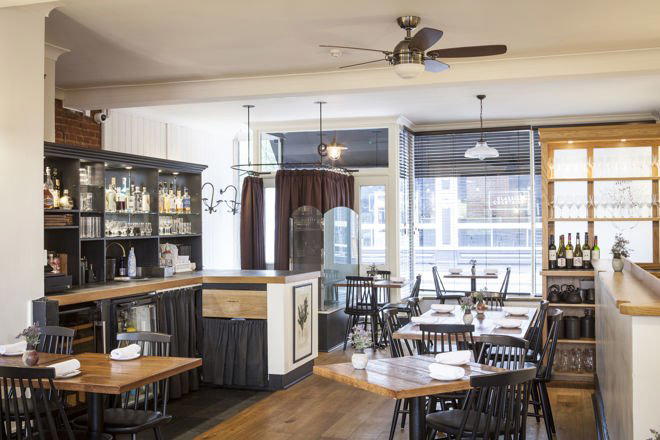
Tranquil tea-house simplicity with adze-hewn ceilings, cypress counters, earthen walls, and private rooms featuring inner gardens, creating a relaxing and warm wooden atmosphere.
Tags
Vibe
Best For
Experience
View
At the Table
- Dress Code
- Smart Casual
- Noise Level
- Quiet
- Service Style
- Formal
- Meal Pacing
- Leisurely
- Capacity
- Intimate
Know before you go
Know Before You Go
- Getting there
- Japan, 〒106-0044 Tokyo, Minato City, Higashiazabu, 3 Chome−3−9 アネックス麻布十番地下1階
Planning details
Location
Japan, 〒106-0044 Tokyo, Minato City, Higashiazabu, 3 Chome−3−9 アネックス麻布十番地下1階 · Directions
Recognition and awards
Also consider
Also Consider
- Harutaka, Sushi, ¥¥¥¥
- RyuGin, Kaiseki, Japanese, ¥¥¥¥
- L'Effervescence, French, ¥¥¥¥
- HOMMAGE, Innovtive French, French, ¥¥¥¥
- Florilège, French, ¥¥¥
Restaurant context
At ¥¥¥¥, Oryori Tsuji and RyuGin occupy the same price tier with the same Michelin recognition, but they serve different kinds of diner. RyuGin is theatrical, a kaiseki experience with visual drama and technically ambitious presentations that reward guests who want to be impressed in a conventional fine-dining sense. Oryori Tsuji is the opposite: a meal whose quality accumulates quietly. If you are choosing between the two, RyuGin is the safer recommendation for a first Tokyo kaiseki experience; Oryori Tsuji is the better choice for a returning visitor who already knows the format and wants to go deeper into classical Japanese cooking.
For sushi at the same budget, Harutaka is the natural comparison, counter seating, ¥¥¥¥ pricing, and Michelin recognition, but a completely different format. Harutaka is easier to evaluate against an international reference point; Oryori Tsuji's kaiseki philosophy requires more patience. On the French side, L'Effervescence and HOMMAGE both operate at ¥¥¥¥ and deliver tasting menus with strong seasonal awareness, useful alternatives if your group includes guests who are less committed to Japanese kaiseki. Florilège drops to ¥¥¥ and is the easier booking of the French options, worth considering if price flexibility matters.
The clearest way to position Oryori Tsuji in the competitive set: it is the right booking for a guest who has already done a Tokyo kaiseki meal and wants to experience what the format looks like when restraint is the entire point. For a first-time visitor to Tokyo's high-end Japanese dining scene, RyuGin or Kagurazaka Ishikawa may offer a more immediately legible experience. For a guest who has eaten seriously in Kyoto, at venues like Gion Sasaki or Isshisoden Nakamura, Oryori Tsuji will feel like familiar and rewarding territory.
Explore Tokyo
Around this place
Discover more on Pearl
Unlock the full Oryori Tsuji guide in Pearl, including awards, comparisons, FAQs, planning details, and nearby places.
Compare Oryori Tsuji
| Venue | Price | Awards |
|---|---|---|
| Oryori Tsuji | ¥¥¥¥ | 2026 Michelin 1 StarTabelog 100 - Japanese cuisine - TOKYO - 2025 · #142024 Michelin 1 Star |
| Harutaka | ¥¥¥¥ | 2026 Tabelog Silver · #312026 OAD Top Restaurants in Japan Ranked · #1282026 Michelin 3 Stars2026 La Liste Top RestaurantsTabelog 100 - Sushi - TOKYO - 2025 · #372025 Asia's 50 Best Restaurants · #762025 OAD Top Restaurants in Japan Ranked · #1172025 La Liste Top Restaurants2025 Tabelog Bronze |
| RyuGin | ¥¥¥¥ | 2026 OAD Top Restaurants in Japan Ranked · #802026 Tabelog Bronze · #3772026 Michelin 3 Stars2026 La Liste Top RestaurantsTabelog 100 - Japanese cuisine - TOKYO - 2025 · #212025 OAD Top Restaurants in Japan Ranked · #542025 Michelin 3 Stars2025 La Liste Top Restaurants2025 The Best Chef Three Knives |
| L'Effervescence | ¥¥¥¥ | 2026 Tabelog Silver · #682026 OAD Top Restaurants in Japan Ranked · #103Star Wine Lists 20262026 Black Pearl 2 Diamond2026 Relais Chateaux Restaurants2026 La Liste Top Restaurants2026 Michelin 3 Stars2025 Asia's 50 Best Restaurants · #692025 OAD Top Restaurants in Japan Ranked · #92 |
| HOMMAGE | ¥¥¥¥ | 2026 Tabelog Bronze · #1232026 OAD Top Restaurants in Japan Highly Recommended2026 Michelin 2 StarsTabelog 100 - French - TOKYO - 2025 · #762025 Asia's 50 Best Restaurants · #782025 OAD Top Restaurants in Japan Ranked · #1752025 Michelin 2 Stars2025 The Best Chef One Knife2025 La Liste Top Restaurants |
| Florilège | ¥¥¥ | 2026 Asia's 50 Best Restaurants · #312026 Tabelog Bronze · #712026 OAD Top Restaurants in Japan Ranked · #1242026 Black Pearl 1 Diamond2026 Michelin 2 Stars2026 La Liste Top Restaurants2025 Asia's 50 Best Restaurants · #172025 World's 50 Best Restaurants · #36Tabelog 100 - French - TOKYO - 2025 · #68 |












A quick look at how Oryori Tsuji measures up.
FAQ
Frequently Asked Questions
Can I eat at the bar at Oryori Tsuji?
The dining room centres on a cypress counter, so counter seating is the primary format here, not an alternative to table dining. This is not a drop-in bar situation — the ¥¥¥¥ counter experience is the experience, and it requires a reservation. Walk-in access at a Michelin one-star counter in Minato City is not realistic.
Is Oryori Tsuji worth the price?
At ¥¥¥¥, it is worth it specifically if understated Japanese cooking at a high technical level is what you are after. The Michelin inspector flags results that are 'all the more impressive for the effort paid where few will notice' — meaning the value is in precision, not presentation. If you need visible drama on the plate to feel the spend is justified, this counter will frustrate you.
Is the tasting menu worth it at Oryori Tsuji?
Yes, if kaiseki's logic of seasonal restraint appeals to you. The menu explicitly avoids 'shows of splendour,' so the progression through sashimi, wanmono, and clear soup reads as deliberate minimalism rather than low ambition. For a format with more theatrical plating at comparable price, RyuGin is the better comparison in Tokyo.
Can Oryori Tsuji accommodate groups?
A cypress counter in a small basement room in Higashiazabu is not a group dining format. Parties larger than four will find the counter constraining, and the intimate scale of the space is part of the concept. For larger groups at the ¥¥¥¥ tier in Tokyo, look for venues with private dining rooms.
How far ahead should I book Oryori Tsuji?
Book at least four to six weeks out, and further in advance for weekend sittings. A Michelin one-star counter at ¥¥¥¥ pricing in Minato City fills quickly, and the small size of the room means availability is limited by design. If you have a fixed travel date, start the reservation process before you finalise flights.
Is Oryori Tsuji good for a special occasion?
Yes, with the right framing. The adze-hewn ceilings, clay walls, and cypress counter create a considered atmosphere that suits milestone dinners where the conversation matters as much as the food. It is a better fit for two than for a large celebratory group, and the occasion should suit a kitchen whose language is 'calm the soul' rather than impress the room.
What are alternatives to Oryori Tsuji in Tokyo?
For similar kaiseki restraint at ¥¥¥¥, Harutaka is the closest philosophical peer. RyuGin operates at the same tier with more theatrical technique if you want greater visual ambition. L'Effervescence and Florilège shift the format entirely into French-influenced tasting menus, which suits diners who want a different kind of precision. HOMMAGE sits between French and Japanese influences at a comparable price point.