
Hasegawa Minoru
Innovative · Minato, Tokyo
Restaurant in Tokyo, Japan
 Book with Pearl
The Read
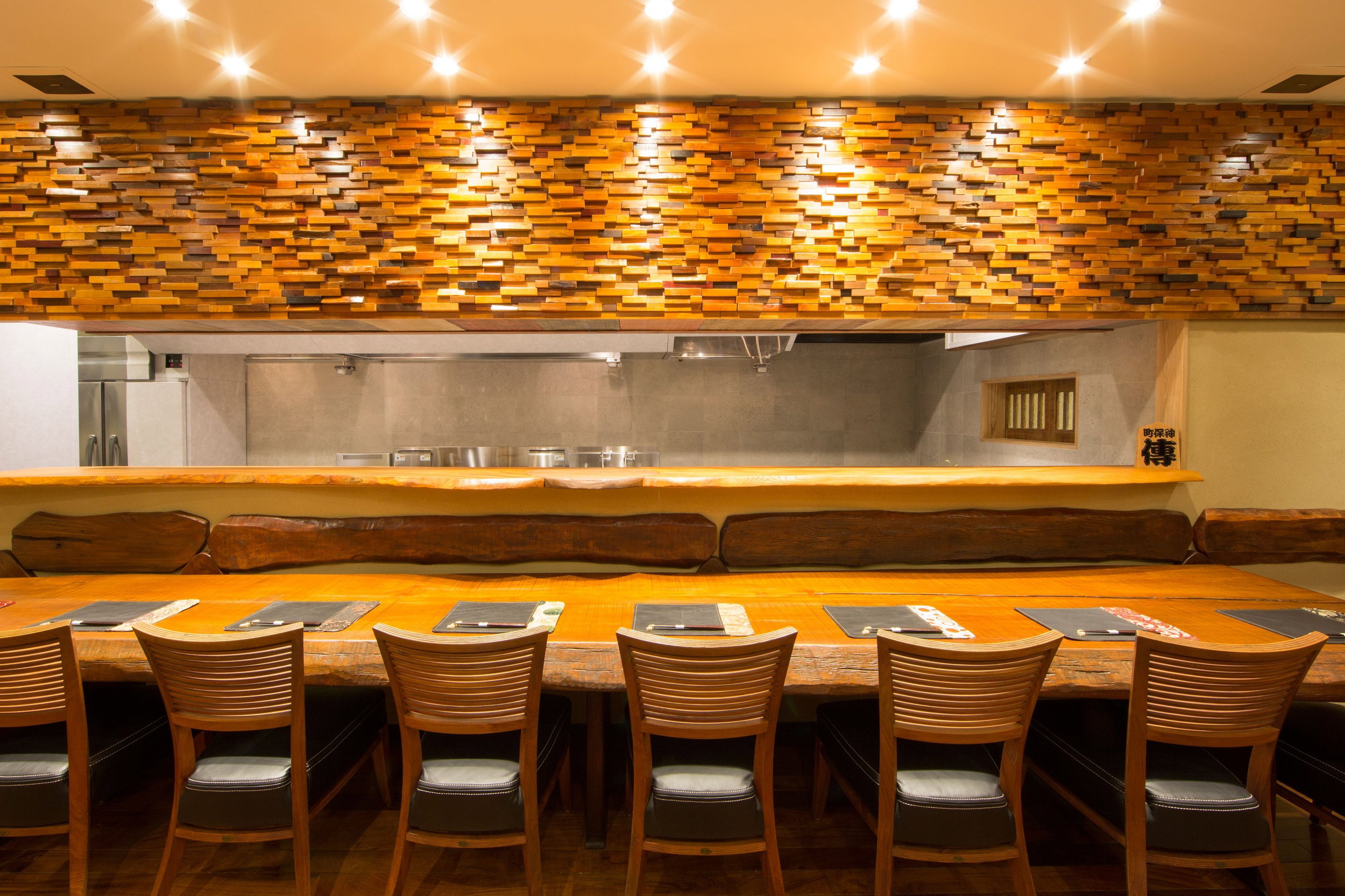
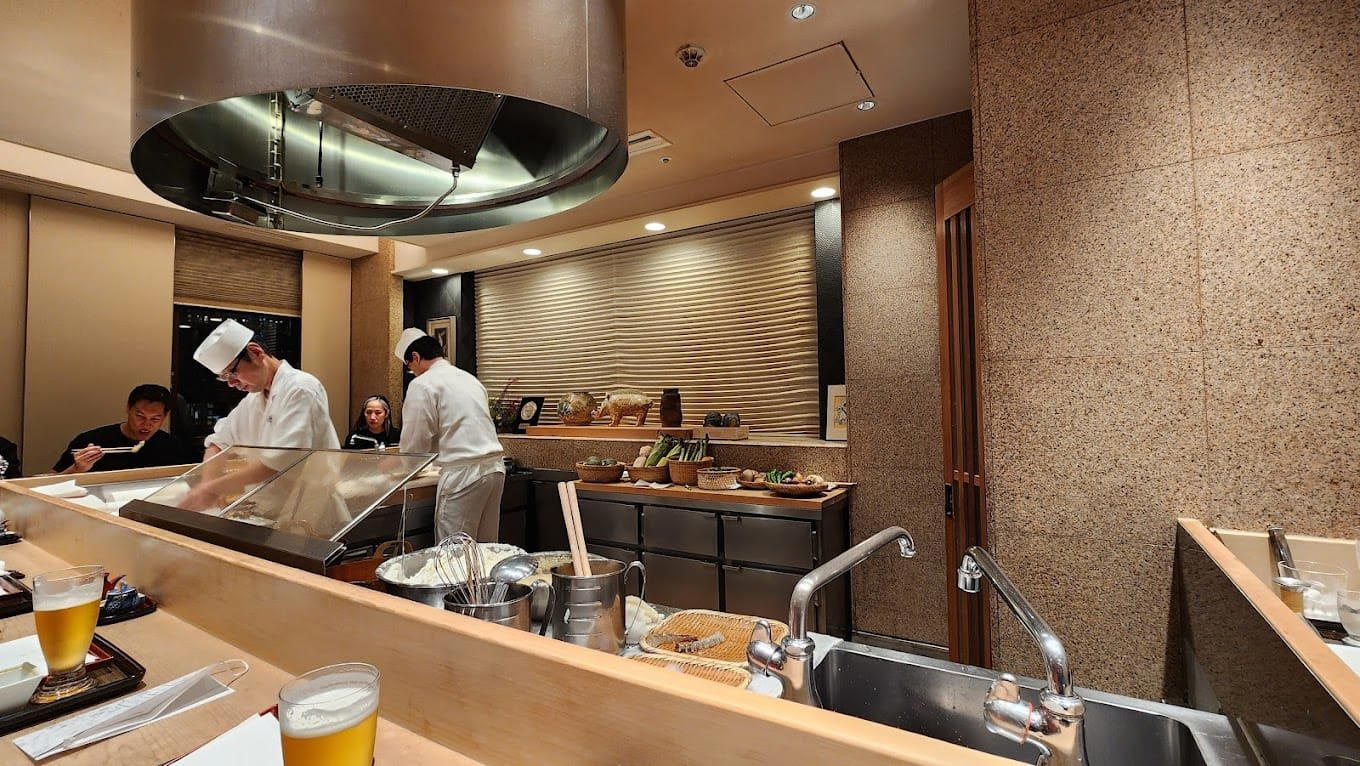
Four-Seat Precision Counter
Price
$300–500per person
Chef
Minoru Hasegawa
Dress
Smart Casual
Why go
A four-seat omakase counter in Hiroo where chef Minoru Hasegawa delivers precision-driven tasting menus at JPY 50,000–59,999 per head. Tabelog Silver since 2019 and ranked #103 on OAD's 2023 Japan list, it rewards diners who value intimate scale and synchronized service over flexibility. Lunch offers the same menu as dinner at identical pricing, making the daytime slot the better value for those who can move through the app-only reservation system.
About Hasegawa Minoru
Hasegawa Minoru is an Innovative restaurant in Tokyo from chef-owner Minoru Hasegawa. This guide focuses on the essentials for planning a visit.
The Format and What to Expect
The cuisine category is Innovative, and the venue is led by Minoru Hasegawa. Dress code is smart casual, so plan for polished but not overly formal attire.
Hours list Monday as closed. Tuesday service is 5:30–7:30 pm and 8:30–10:30 pm. Wednesday through Saturday list 12–2 pm, 5:30–7:30 pm, and 8:30–10:30 pm. Confirm current booking requirements, menu details, pricing, and payment policies directly before planning around the meal.
How It Stacks Up in Tokyo's Innovative Tier
For diners comparing Innovative restaurants, Hasegawa Minoru can be considered alongside comparable venues such as Chiune, l' Equateur, AO, and Kabi. The safest comparison is by cuisine category and city rather than by service style or cost.
The location is Tokyo. If you're planning a broader itinerary, consult our full Tokyo restaurants guide, hotels guide, and other Tokyo dining resources for nearby planning.
Dietary accommodations, takeout, delivery, beverage program, exact seating, and menu details are not listed here. First-timers should treat Hasegawa Minoru as an Innovative Tokyo restaurant led by Minoru Hasegawa, check the latest hours before going, and confirm any special requirements directly with the restaurant.
Planning details
- Hours
- Monday: Closed · Tuesday: 5:30–7:30 pm, 8:30–10:30 pm
- Location
- 4 Chome-5-66 Minamiazabu, Minato City, Tokyo 106-0047, Japan
- Website
- tabelog.com/tokyo/A1307/A130703/13238442
- Phone
- +81 3-6721-6980
The take
The Take
The Vibe
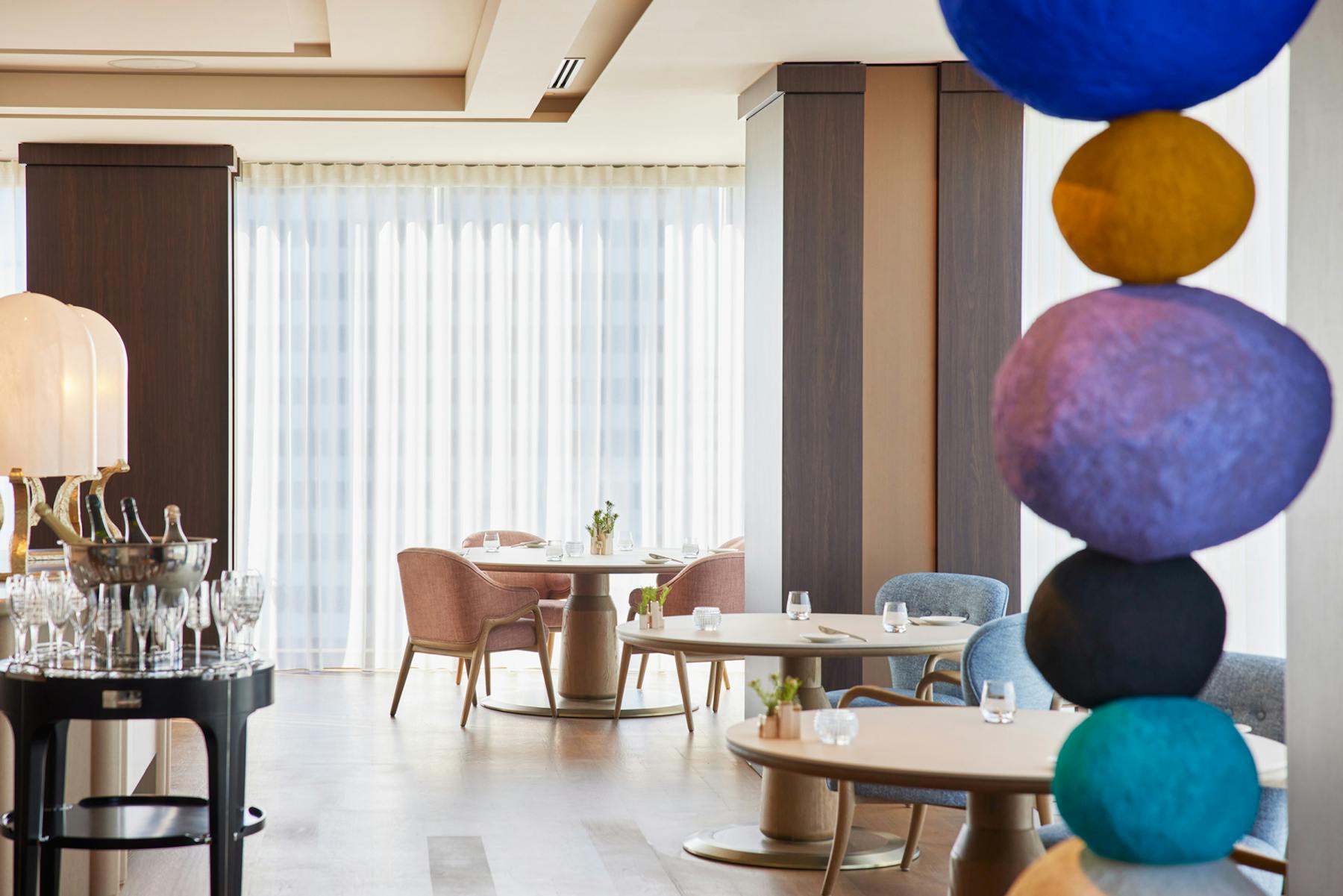
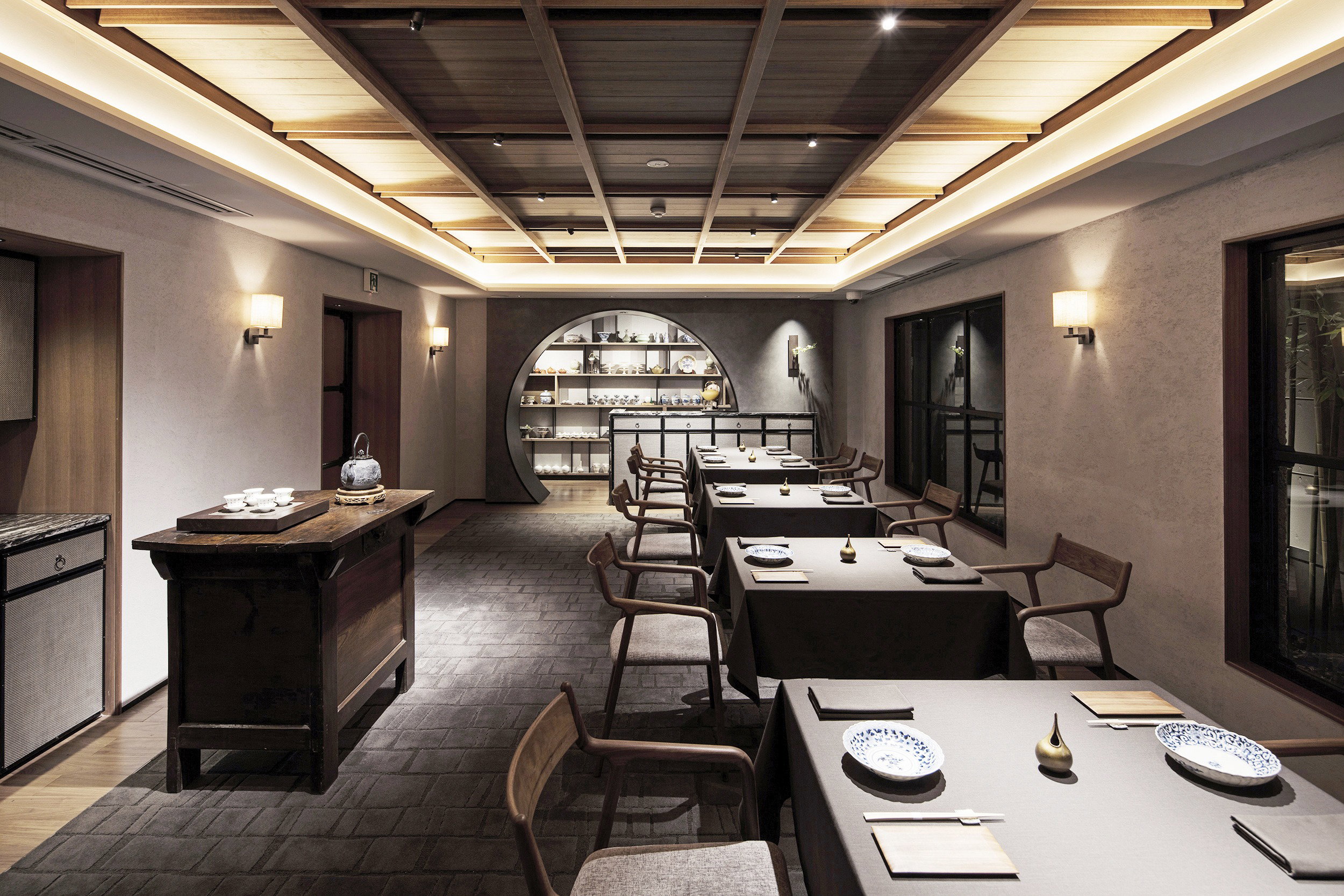
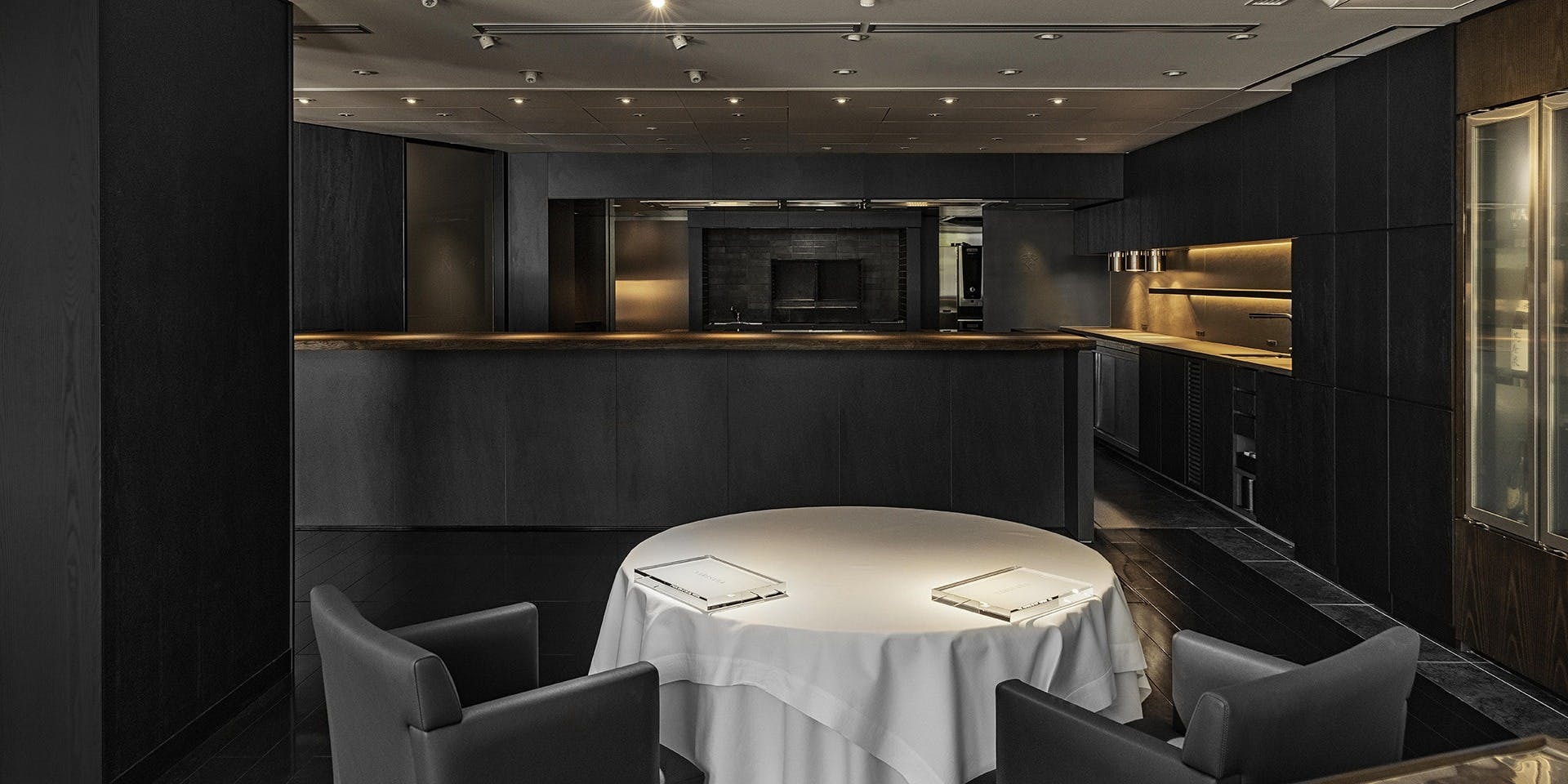
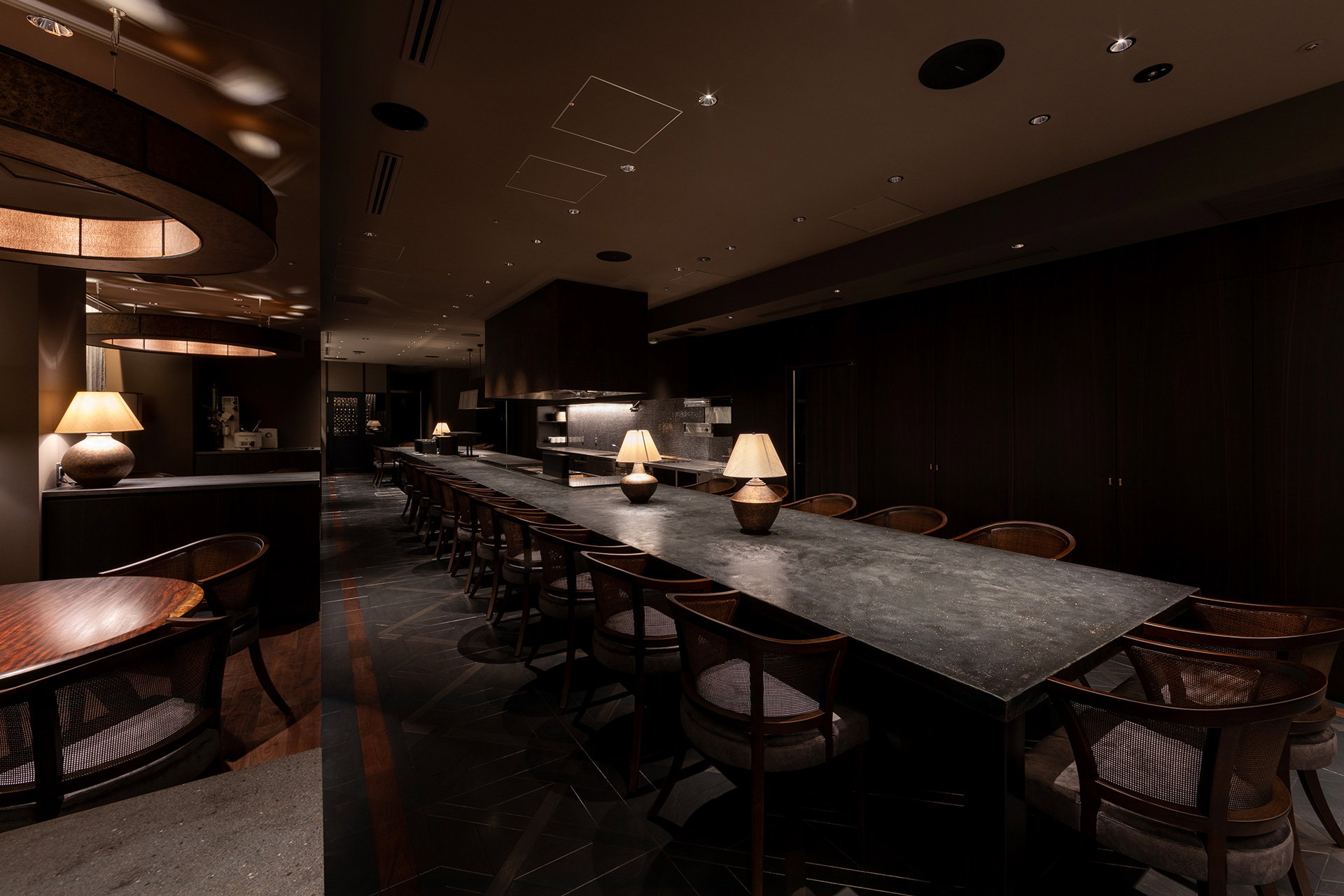
Hasegawa Minoru operates with extreme restraint: four seats, two sittings per service and a single menu shape an atmosphere defined by precision and silence. The space privileges focus over fanfare, so each course lands with measured weight and intent. Located in the quietly serious dining streets of Minamiazabu near Hiroo Station, the restaurant avoids signage and spectacle; guests arrive because they planned to, not by chance. That discreet, almost monastic quality makes the counter feel like a private performance, where the rhythm of service and the chef’s attention to detail create an austere, deeply concentrated dining experience.
Best For
This is a place for deliberate dining—special occasions and date nights are already central to its character, and it also suits solo diners seeking an intense culinary encounter. The four-seat counter limits bookings to tiny parties, so it’s not appropriate for casual drop-ins or large groups. Guests who appreciate tasting-menu rigor, exacting technique and a hushed room will find it rewarding. Because the restaurant operates on fixed sittings and a single menu, it favors those who can plan ahead and who value the intimacy of sharing a tasting entirely curated by the chef.
Ordering Tips
There are no walk-ins and no exceptions: reservations require planning well in advance. The restaurant runs on a single tasting menu with two sittings per service, so book early in the window and confirm your time; arrive on time to avoid disrupting the tightly paced service. Expect an omakase-style progression where each course is deliberate—standouts listed for the venue include shirako pasta, kinmedai abalone and oyster risotto—so allow the chef to lead the meal. Because seating is limited to four, cancellations or changes can be difficult; treat bookings as fixed and plan accordingly.
Venue details
Ambiance
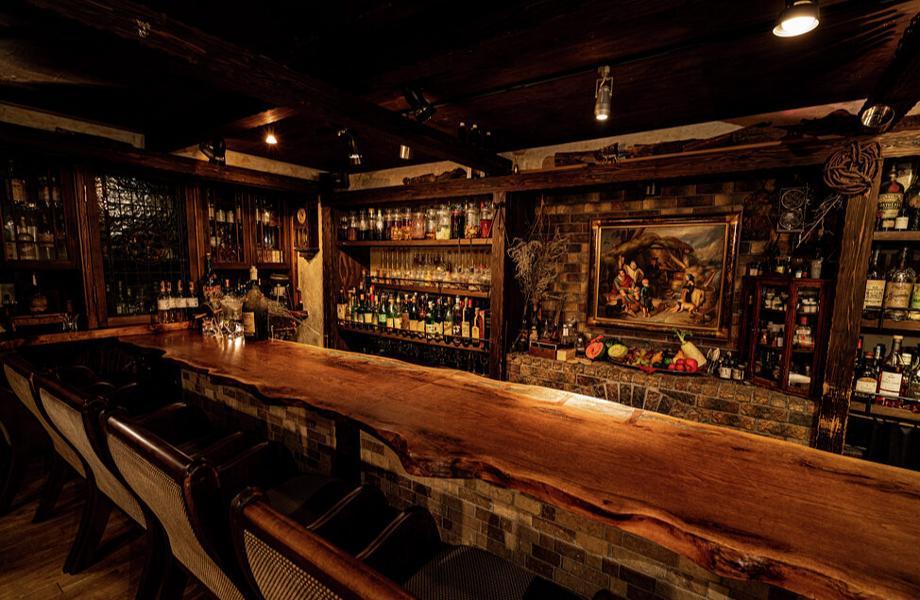
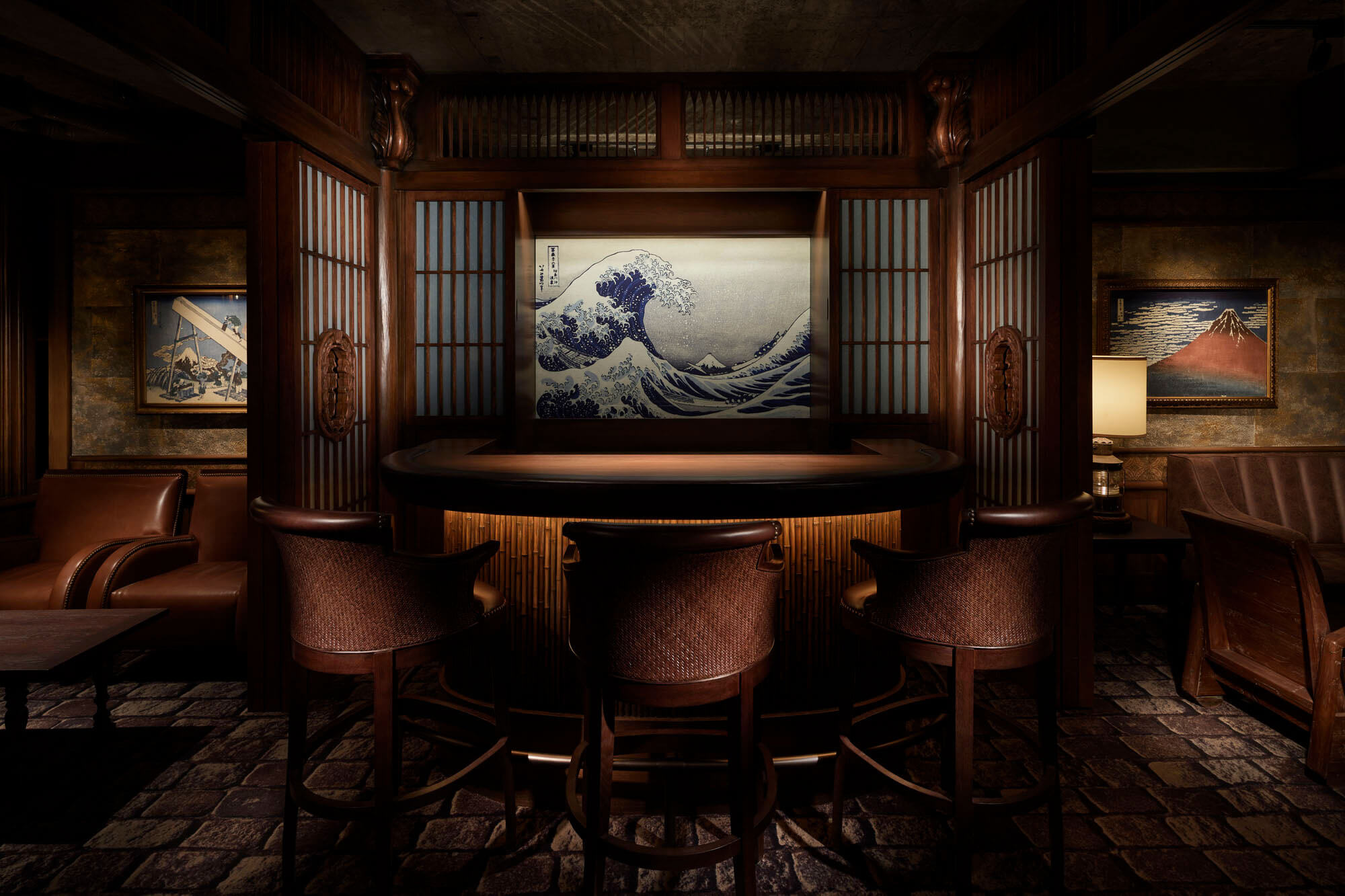
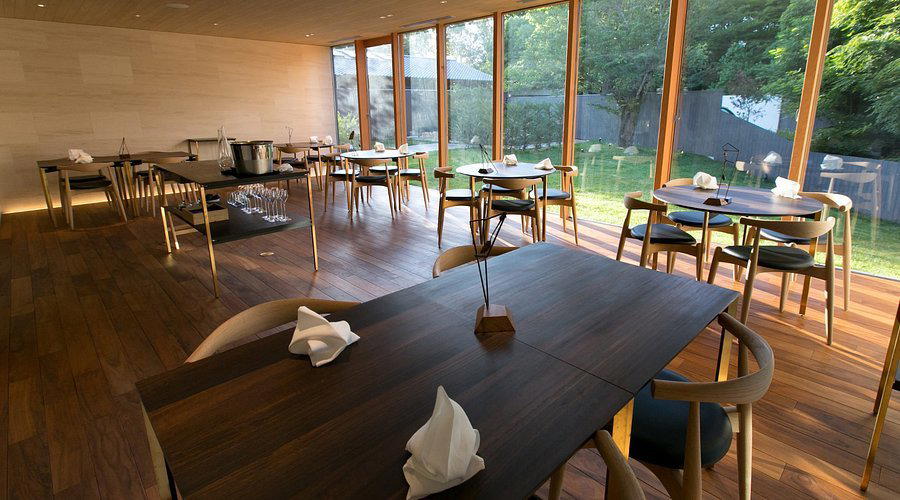
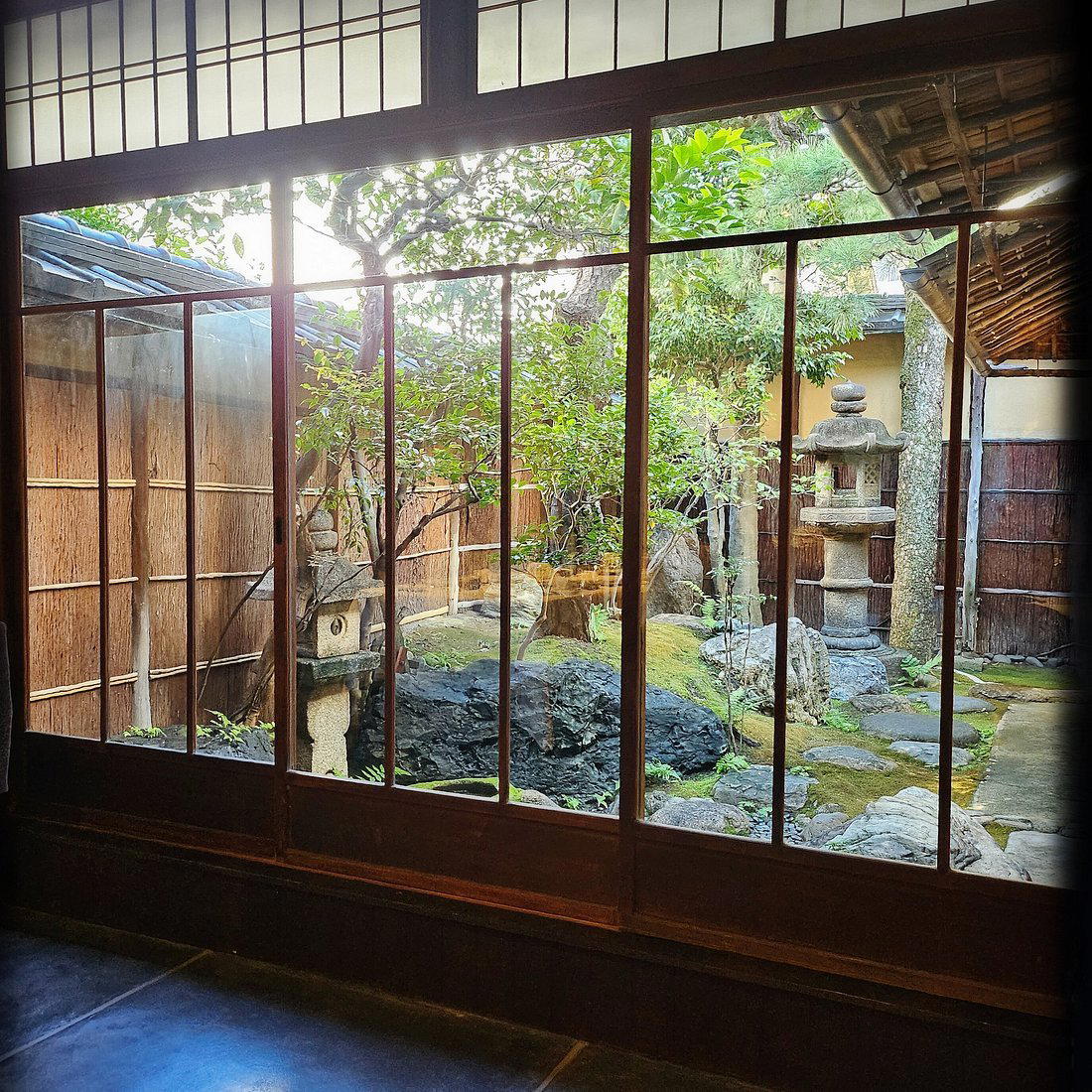
Comfortable space renovated from a traditional Showa-era home with counter seating and private room, offering a cozy and hospitable atmosphere.
Tags
Vibe
Best For
Experience
At the Table
- Dress Code
- Smart Casual
- Noise Level
- Quiet
- Service Style
- Formal
- Meal Pacing
- Leisurely
- Capacity
- Intimate
- Kitchen
- Modern
- Menu Format
- Omakase, Counter dining
- Wine Program
- Curated
- Private Dining
- Available
Signature Dishes
- shirako pasta
- kinmedai abalone
- oyster risotto
Know before you go
Know Before You Go
- Getting there
- 4 Chome-5-66 Minamiazabu, Minato City, Tokyo 106-0047, Japan
Planning details
Hours
- Monday
- Closed
- Tuesday
- 5:30–7:30 pm, 8:30–10:30 pm
- Wednesday
- 12–2 pm, 5:30–7:30 pm, 8:30–10:30 pm
- Thursday
- 12–2 pm, 5:30–7:30 pm, 8:30–10:30 pm
- Friday
- 12–2 pm, 5:30–7:30 pm, 8:30–10:30 pm
- Saturday
- 12–2 pm, 5:30–7:30 pm, 8:30–10:30 pm
- Sunday
- Closed
Location
4 Chome-5-66 Minamiazabu, Minato City, Tokyo 106-0047, Japan · Directions
Recognition and awards

Restaurant context
Among Tokyo's innovative dining tier, this venue occupies a deliberate middle ground between spectacle and subtlety. Chiune leans more theatrical with plating and pacing, while l' Equateur balances technique with a more accommodating group-friendly format. AO operates in the same price band but with a larger seat count and slightly softer booking windows, making it a pragmatic alternative if the four-seat capacity here feels too restrictive. Kabi delivers comparable creativity at a lower price tier, though its execution skews younger and less formally structured.
For diners prioritizing intimacy and chef proximity, the four-seat counter justifies the commitment, there's no dilution of focus across a larger room. Solo diners and pairs benefit most from this format; groups of three or four should consider whether the private-room surcharge (JPY 10,000) makes sense versus booking a venue with native capacity for larger parties. Booking difficulty sits below the city's top omakase counters but above casual innovative spots, with the app-only reservation system adding friction for those unfamiliar with OMAKASE's platform. If you can't secure a slot here, l' Equateur or AO provide similar quality with marginally better availability, while Kabi offers a cost-efficient fallback without sacrificing technical rigor.
The lunch-versus-dinner question tilts toward midday service purely on value, identical menus at identical pricing mean the daytime slot avoids the dinner-hour premium that many Tokyo counters impose. For visitors anchoring a broader itinerary, Hiroo's residential character means fewer post-meal bar or hotel options within walking distance compared to Roppongi or Ginza anchors. Plan accordingly if you're building a multi-venue evening.
Explore Tokyo
Around this place
Discover more on Pearl
Unlock the full Hasegawa Minoru guide in Pearl, including awards, comparisons, FAQs, planning details, and nearby places.
FAQ
Frequently Asked Questions
Does Hasegawa Minoru handle dietary restrictions?
Can I eat at the bar at Hasegawa Minoru?
Bar seating or counter seating details are not listed here. The restaurant is an Innovative restaurant in Tokyo led by chef-owner Minoru Hasegawa.
Is Hasegawa Minoru good for solo dining?
What should I order at Hasegawa Minoru?
The cuisine category is Innovative, and the restaurant is led by chef-owner Minoru Hasegawa.
What should a first-timer know about Hasegawa Minoru?
Hasegawa Minoru is in Tokyo, serves Innovative cuisine, and lists a smart casual dress code. Hours show Monday closed; Tuesday 5:30–7:30 pm and 8:30–10:30 pm; and Wednesday through Saturday 12–2 pm, 5:30–7:30 pm, and 8:30–10:30 pm. Confirm current details directly before visiting.