

Tabelog 100 - Innovative / Creative Cuisine 2025
Tabelog 100 (Hyakumeiten) Innovative / Creative cuisine selection for 2025. Tabelog publishes these as source-ordered lists of 100 restaurants.

Venues on this list
Fusible
Kobe, Japan
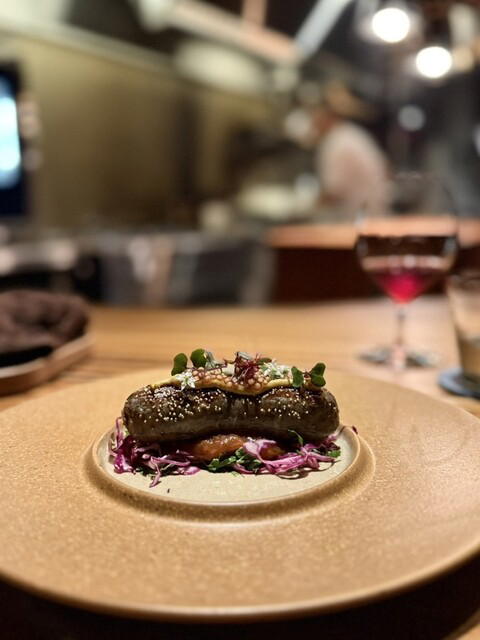
This eight-seat creative-French counter in Kobe's Kitanagasadori district earned Tabelog 100 recognition for 2025, offering reservation-only tasting menus at JPY 20,000–29,999 for both lunch and dinner. Friday-Saturday lunch provides the same ambition as evening service but with better natural light and easier post-meal transit, making daytime bookings the tactical choice for this wine-focused format.
Simples
Shizuoka, Japan
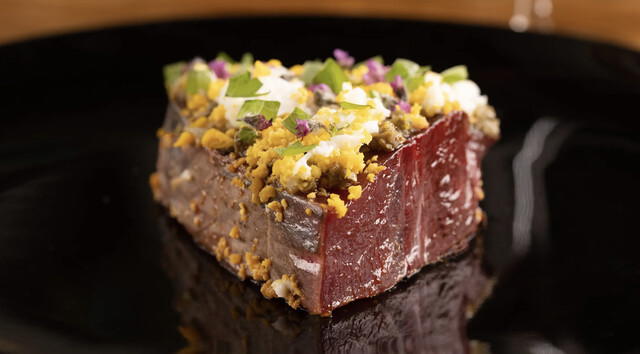
Chef Yasuhiko Inoue's 19-seat farm-to-table counter in the Mariko hills earned a 2026 Tabelog Bronze Award within three seasons of opening. Seafood-driven tasting menus run JPY 15,000–19,999 at dinner, with a sommelier-guided wine list and private-room options. Book 2–3 weeks ahead for weekend service; parking and mountain views are built into the experience.

kamoshiya Kusumoto
Osaka, Japan
A 12-seat counter in Fukushima specializing in monthly tasting menus built around fermented ingredients and craft sake. Tabelog Bronze winner (2017–2026) with a Japanese-French approach and no à la carte options. Dinner only; reservations essential.
Chiune
Tokyo, Japan
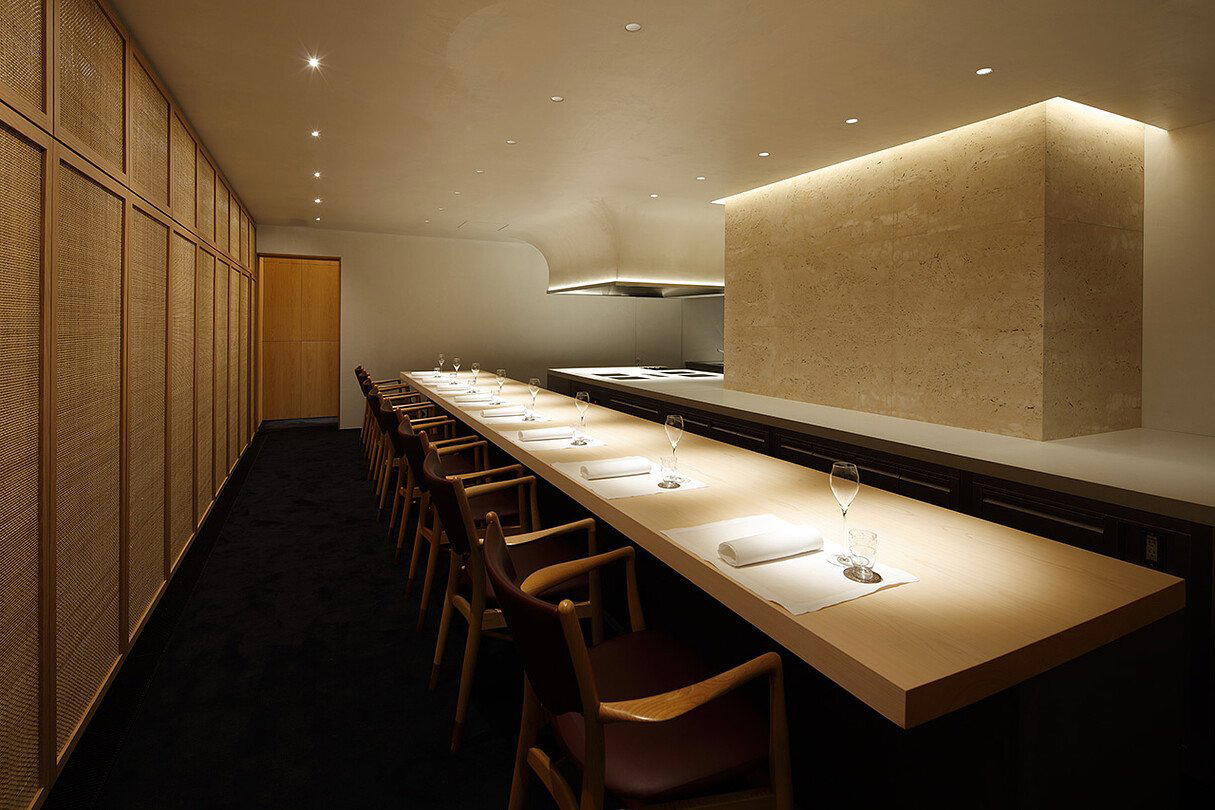
Chef Satoshi Furuta's Franco-Japanese menu at his new Kioicho address earned Tabelog Silver for 2025 and 2026, with dinner running JPY 80,000–99,999. The cooking prioritizes ingredient clarity and umami depth over architectural drama, making it a strong choice for special occasions when you want technical refinement without the theatrics of Tokyo's higher-wattage rooms.
MASHIRO
Kyoto, Japan
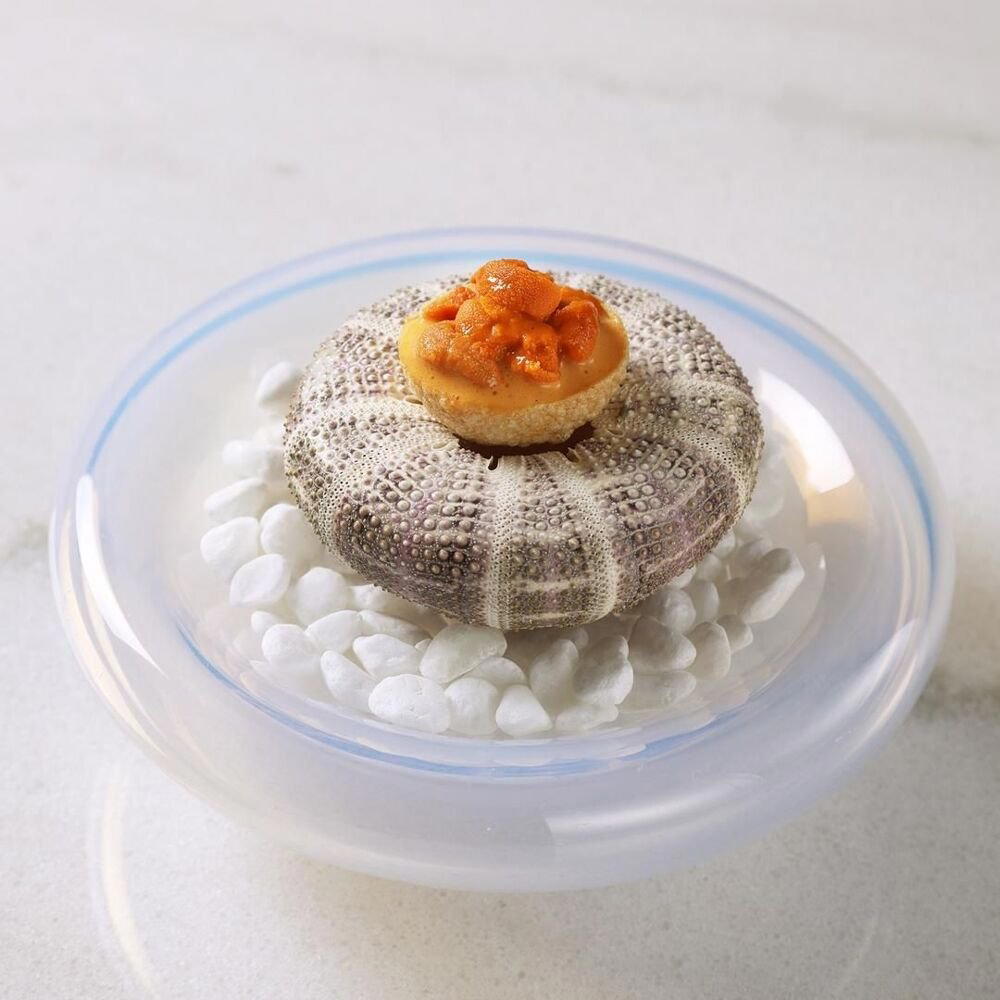
A Michelin-starred, 11-seat counter in Nakagyo Ward where French technique meets Japanese seasonal produce. MASHIRO earned its Tabelog 2026 Bronze and Top 100 recognition quickly after opening in 2023. Dinner runs JPY 20,000–39,999 all-in; lunch is the smarter entry point. Book well in advance; this one fills fast.
Yamanekoken
Nagoya, Japan
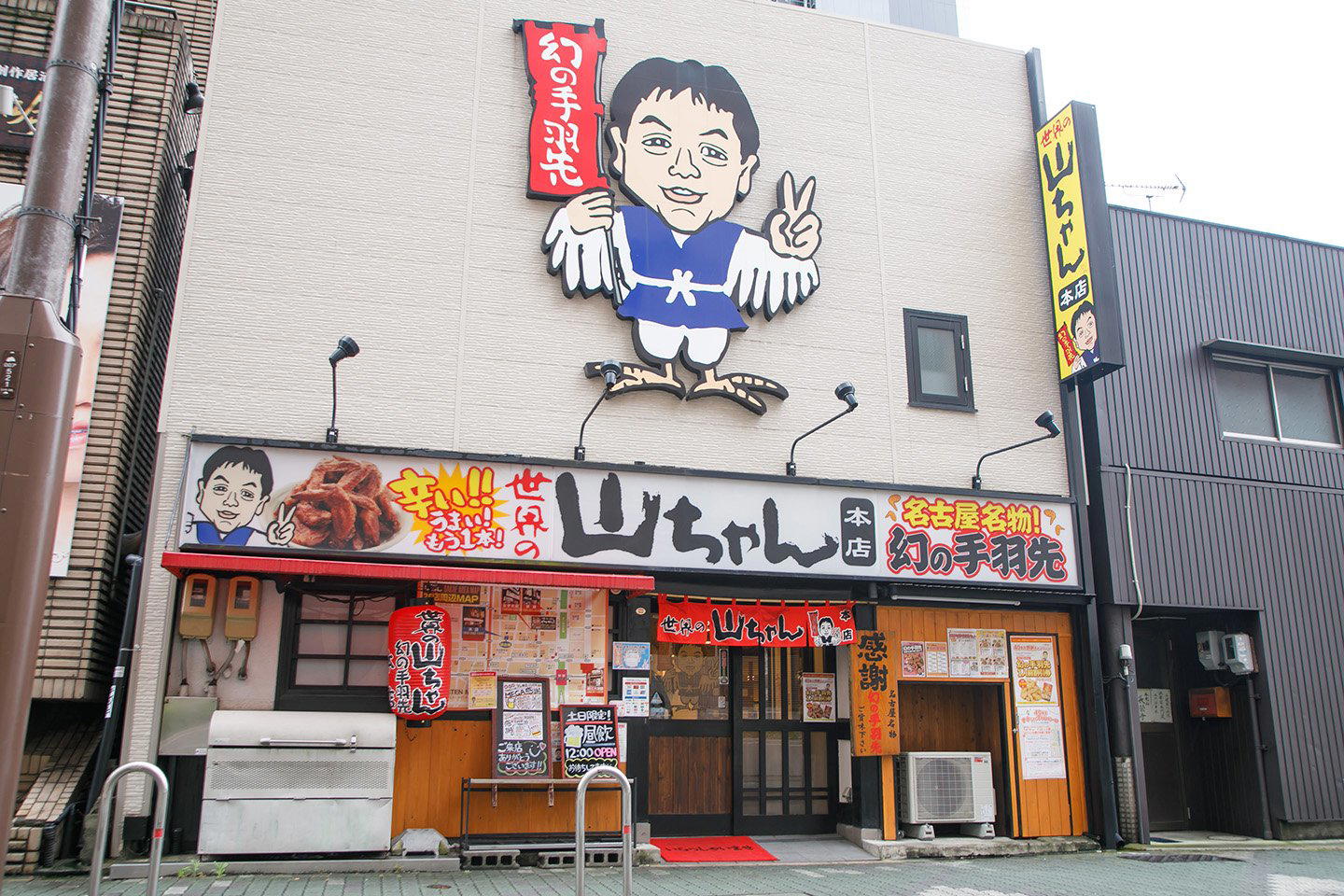
Yamanekoken is a dinner-first Nagoya pick for diners who care more about recognition than a fully published price or format. Its Tabelog 100 #6 placement in 2025 gives it a clear trust signal, but lunch planners and budget-led diners should compare Natsune, Kikkou Hanare, or Minochu Honten first.
SMAAK
Yokohama, Japan
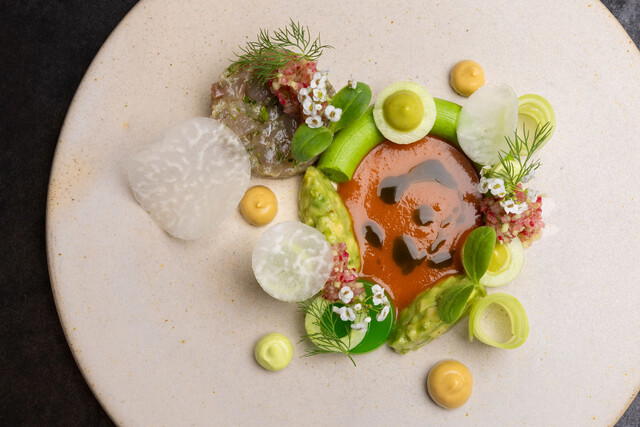
A 46th-floor innovative dining room in Yokohama Kitanaka Knot, recognized in Tabelog's 2025 Creative Cuisine 100. Dinner runs JPY 15,000–19,999, lunch JPY 6,000–7,999. Seafood-forward tasting menus with sommelier-led wine pairings and harbor views. Reservations fill two to three weeks ahead for weekends, easier for weekday lunch. Semi-private rooms available with surcharge.
季音
Kamakura, Japan
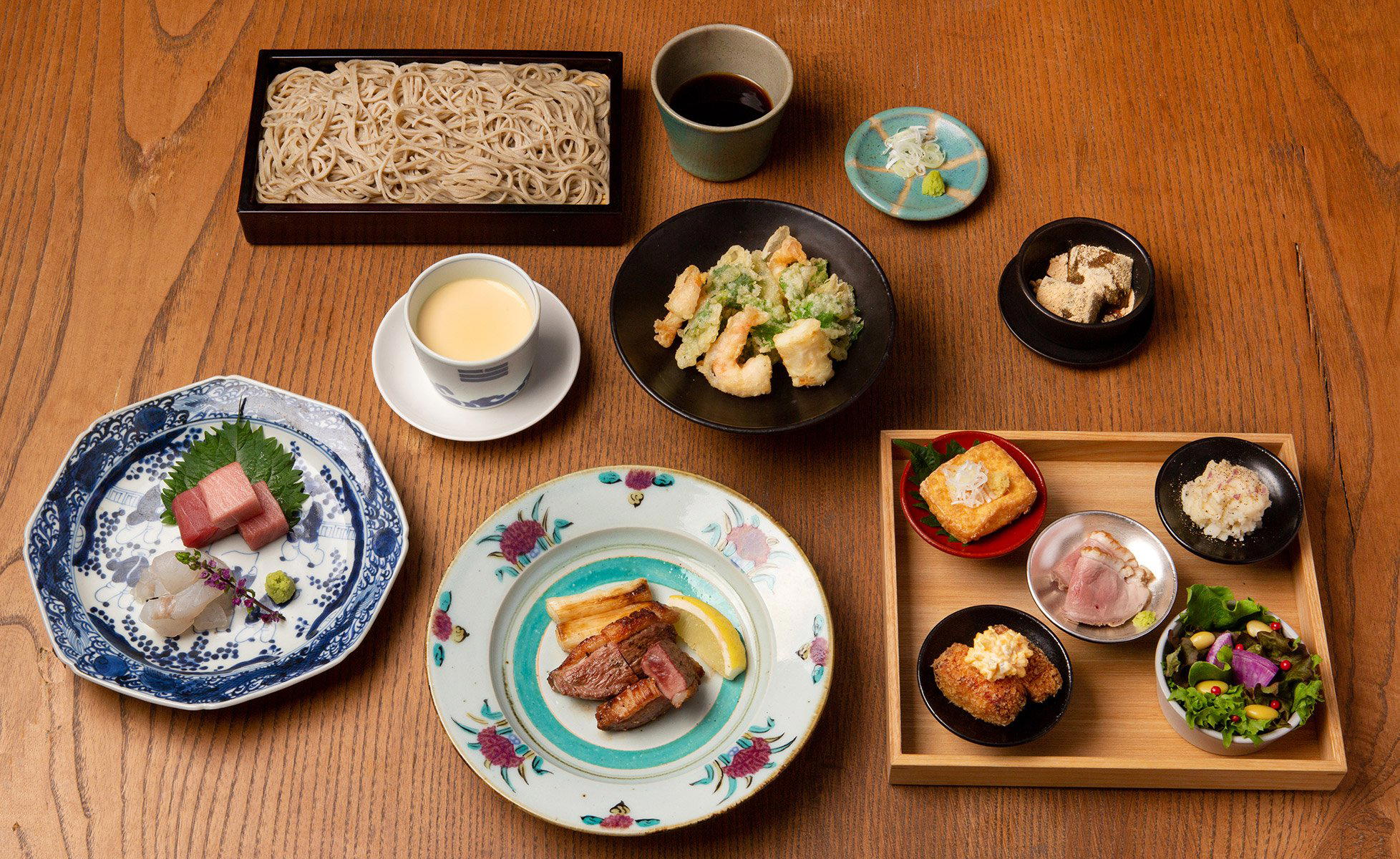
Compared with Kamakura peers that publish clearer price bands, 季音 is the research-led choice: Tabelog 100 #8 in 2025 gives it a stronger trust signal, but practical details are lean. Book it if recognition matters more than format certainty; cross-shop café or lower-price options if the plan needs easy timing.
Margotto e Baciare
Tokyo, Japan
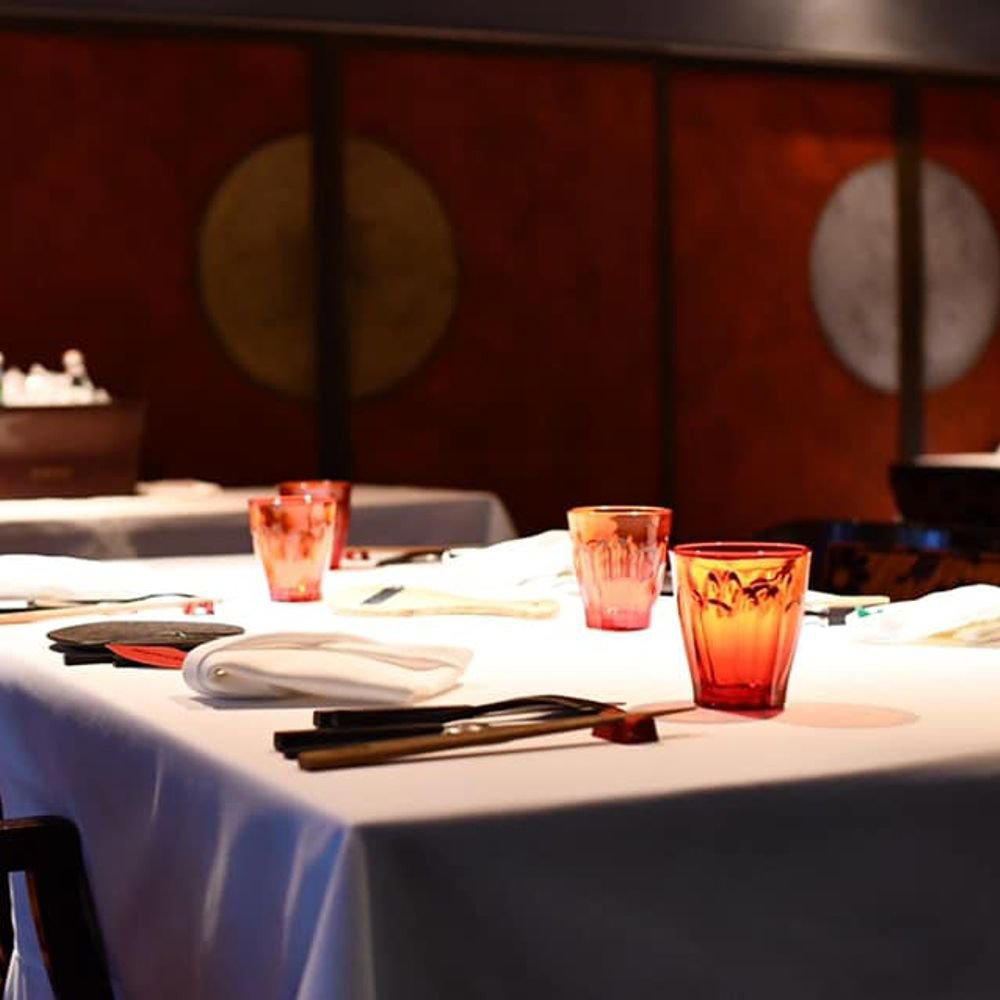
A truffle-focused French-Japanese restaurant in Nishiazabu where Chef Kenta Kayama applies Japanese culinary technique; kombu dashi consommé, raw egg on rice; to a French base built around whole truffles. Michelin Plate recognised and ranked on Opinionated About Dining's Japan list, it sits at ¥¥¥ with easy booking: a strong option when you want a singular, ingredient-led dinner at a lower price point than most comparable Tokyo restaurants.
Yoichi LOOP
Yoichi-gun, Japan
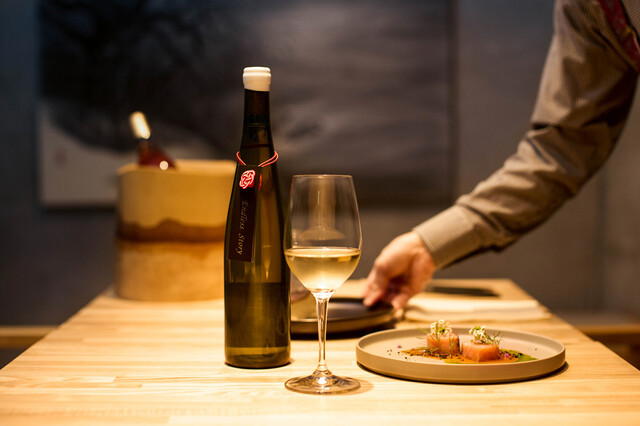
Tabelog 100 (Innovative / Creative 2025) auberge restaurant in Hokkaido's wine country, serving seasonal tasting menus at ¥20,000–¥29,999 for dinner and ¥8,000–¥9,999 for lunch. The 20-seat dining room offers sommelier-led wine pairings, English service, and private rooms. Book if you want a wine-focused overnight in Yoichi; for casual meals under ¥3,000, try Aigues Vives or Yamanaka Bokujou instead.
SHIROUX
Kunigami-gun, Japan
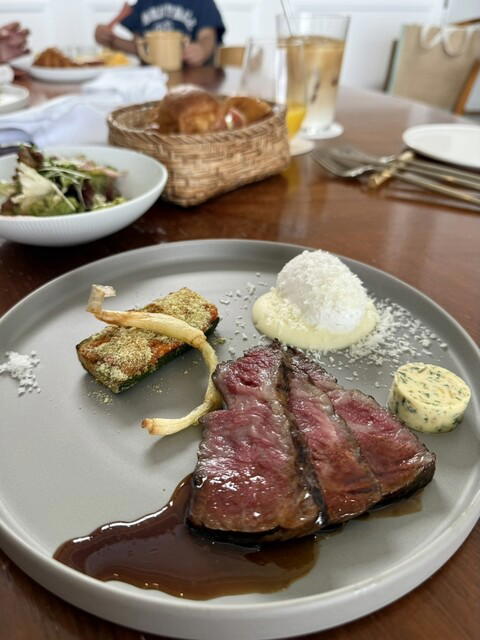
SHIROUX anchors Halekulani Okinawa with an Innovative tasting menu (JPY 20,000–29,999) that earned Tabelog 100 recognition in 2025. The 66-seat dining room offers multilingual service, ocean-view seating, and resort-casual dress code; making it the island's most accessible fine-dining format for international guests. Book dinner; skip lunch, which covers breakfast hours only.
AKAI
Kyoto, Japan
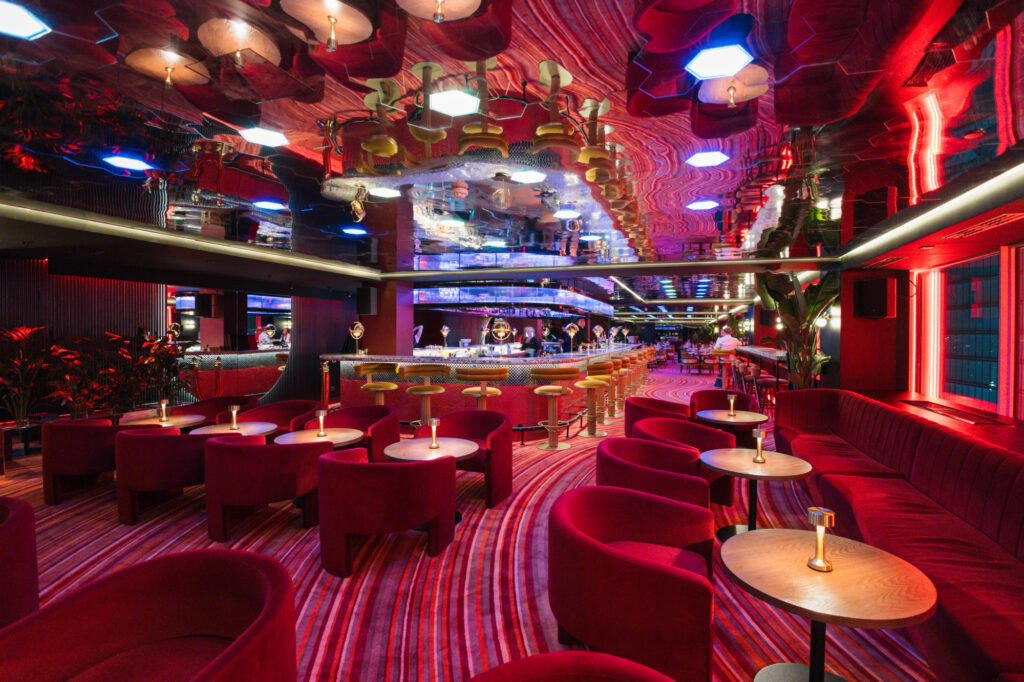
AKAI is an eight-seat counter restaurant in Higashiyama, Kyoto, running creative cuisine built around sourcing-led fish and vegetable menus. Five consecutive Tabelog Silver awards (2022–2026) and a score of 4.42 back the price: expect JPY 20,000–29,999 per head in practice. Book two to three weeks out for weekend slots; private use available for groups of six to eight.
NONOKA RESTAURANT
Fukuoka, Japan
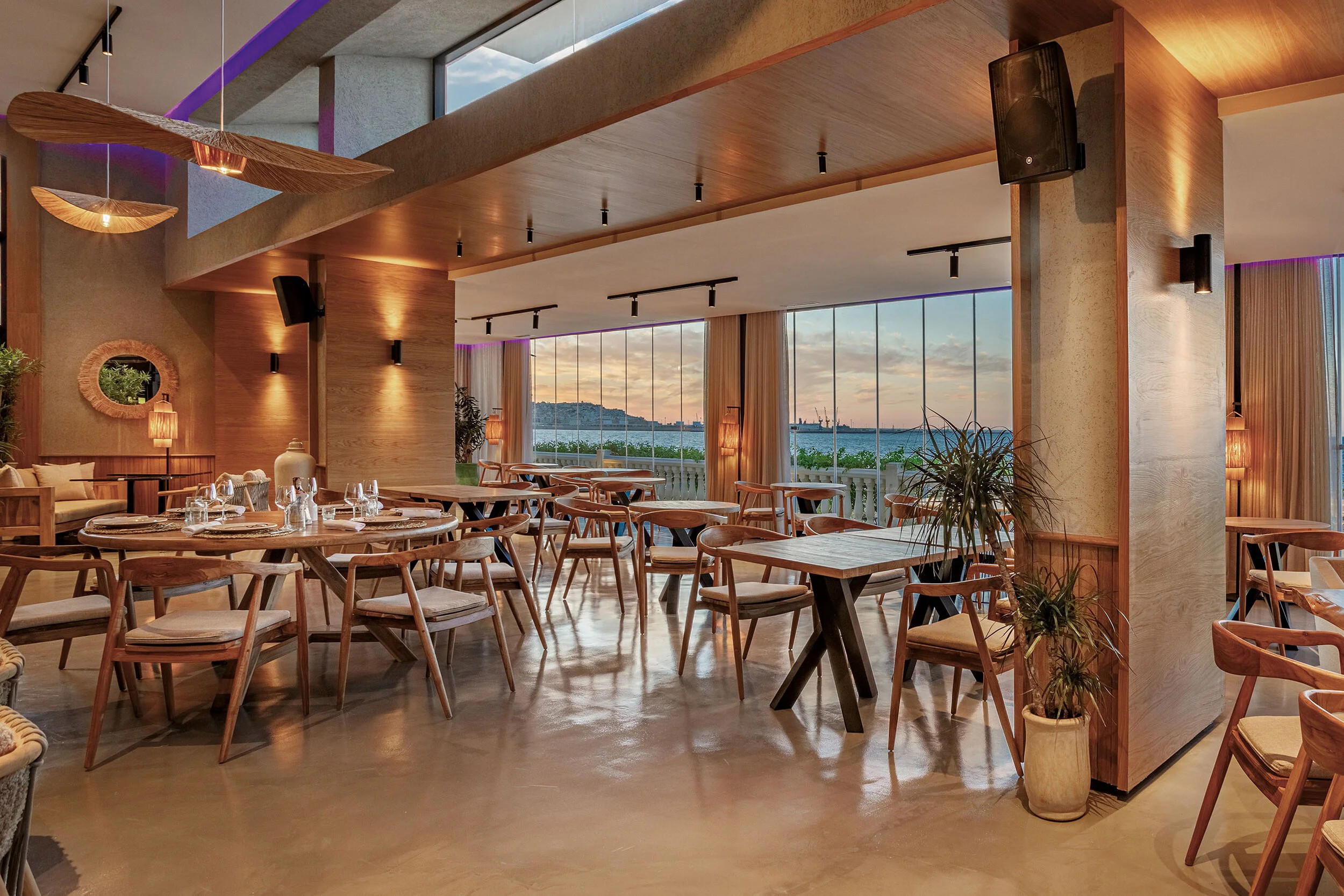
NONOKA RESTAURANT in Yame City holds Tabelog Bronze Awards for 2025 and 2026 and a Top 100 ranking in Japan's innovative/creative cuisine category. Chef Takashi Hara's produce-driven creative-French cooking is the focus; dinner runs JPY 10,000–14,999, reservations are required, and a car from Fukuoka is essential. The drive is worth it for a return visit.
AO
Tokyo, Japan
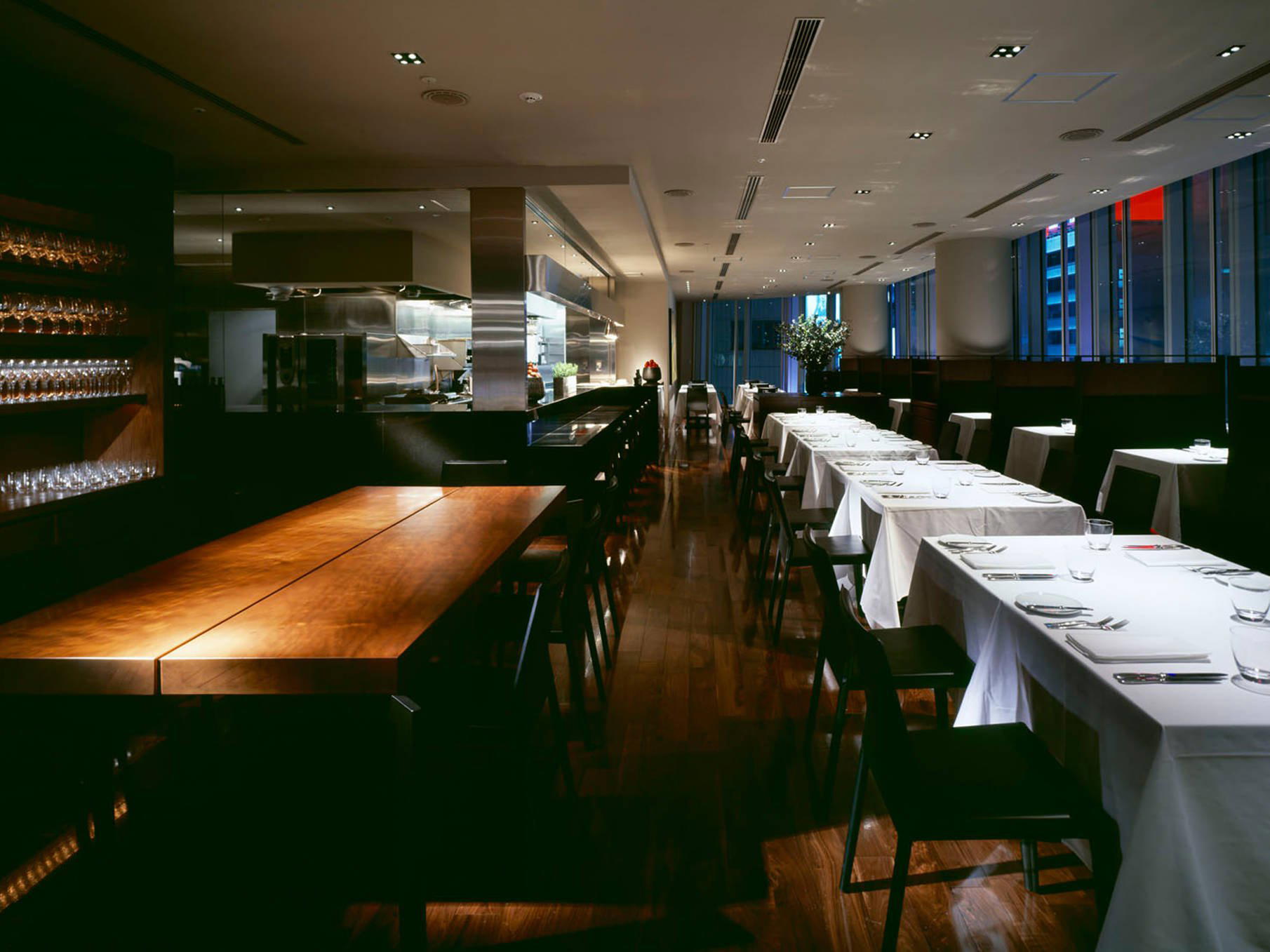
AO is a restaurant in Kita-Aoyama, Tokyo.
Narayamachi Ao
Fukuoka, Japan
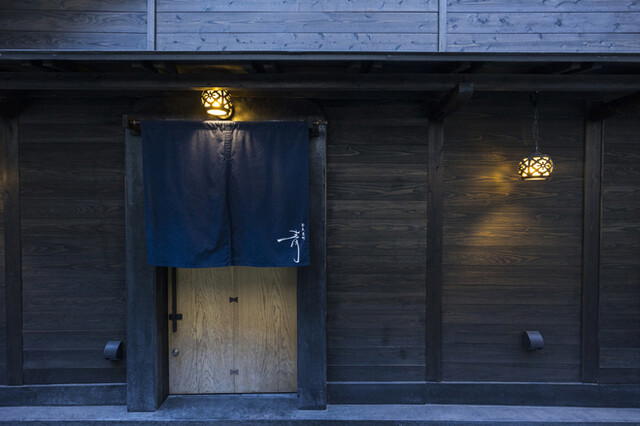
Narayamachi Ao is Fukuoka's top-rated innovative-cuisine counter: nine seats, Tabelog Silver 2025 and 2026, and a course-only format at JPY 30,000–39,999 per head. Fully booked through end of 2026, this is the right reservation if you are planning a special-occasion dinner in Hakata well in advance. No walk-ins, no à la carte.
TAKAYAMA
Kyoto, Japan
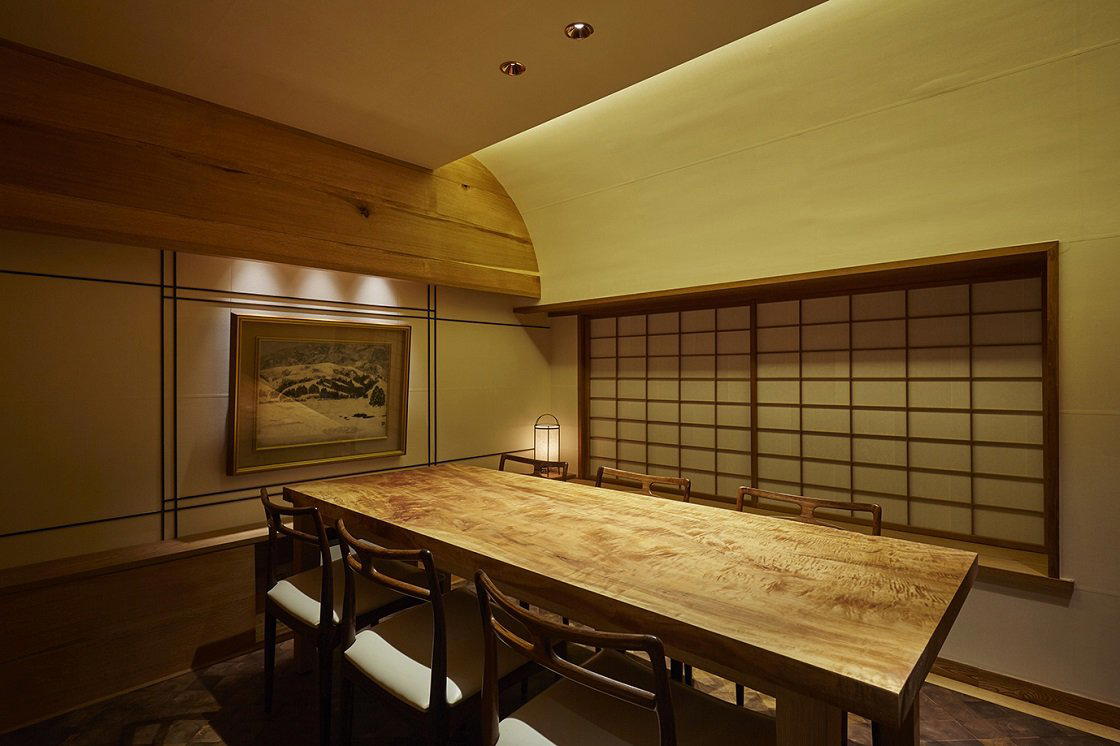
TAKAYAMA is a 12-seat Michelin-starred counter in Kyoto's Good Nature Station serving a modern Italian-inflected tasting course at ¥30,000–¥39,999 per head. Tabelog Bronze winner in both 2025 and 2026, it is one of the few restaurants in the city applying Italian structure to Japanese ingredients at this precision level. Book six to eight weeks out minimum; reservation-only, and the format rewards those who plan ahead.
quinto
Tokyo, Japan
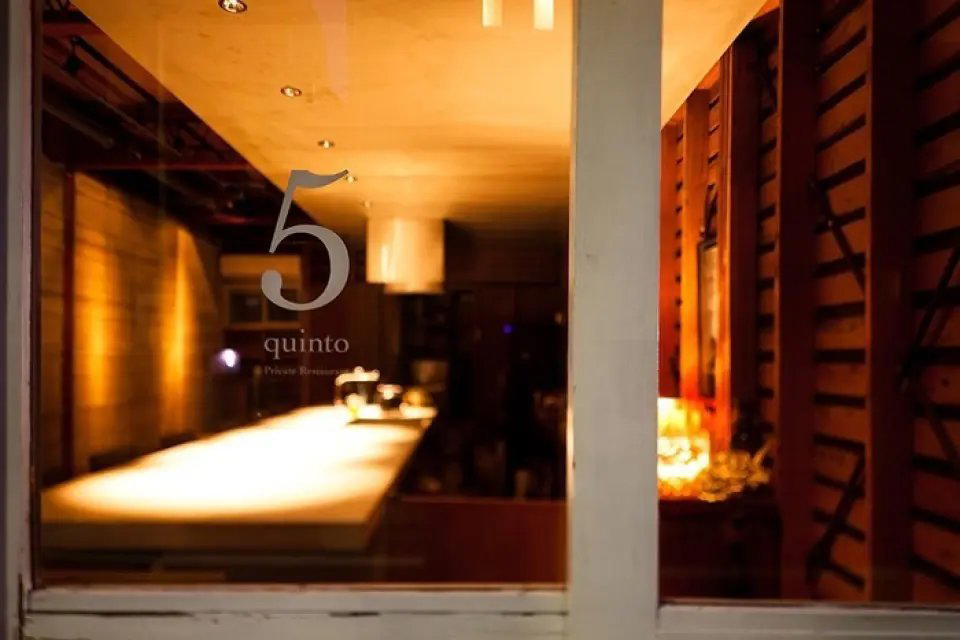
This eight-seat Higashiyama counter earned a Tabelog 100 Innovative/Creative Cuisine 2025 selection within two years of opening. The omakase-only format pairs two ingredients per course, fish-forward with sommelier-driven wine pairings, at JPY 15,000–JPY 19,999 before drinks and service. Book for seasonal rotation rather than format variety.
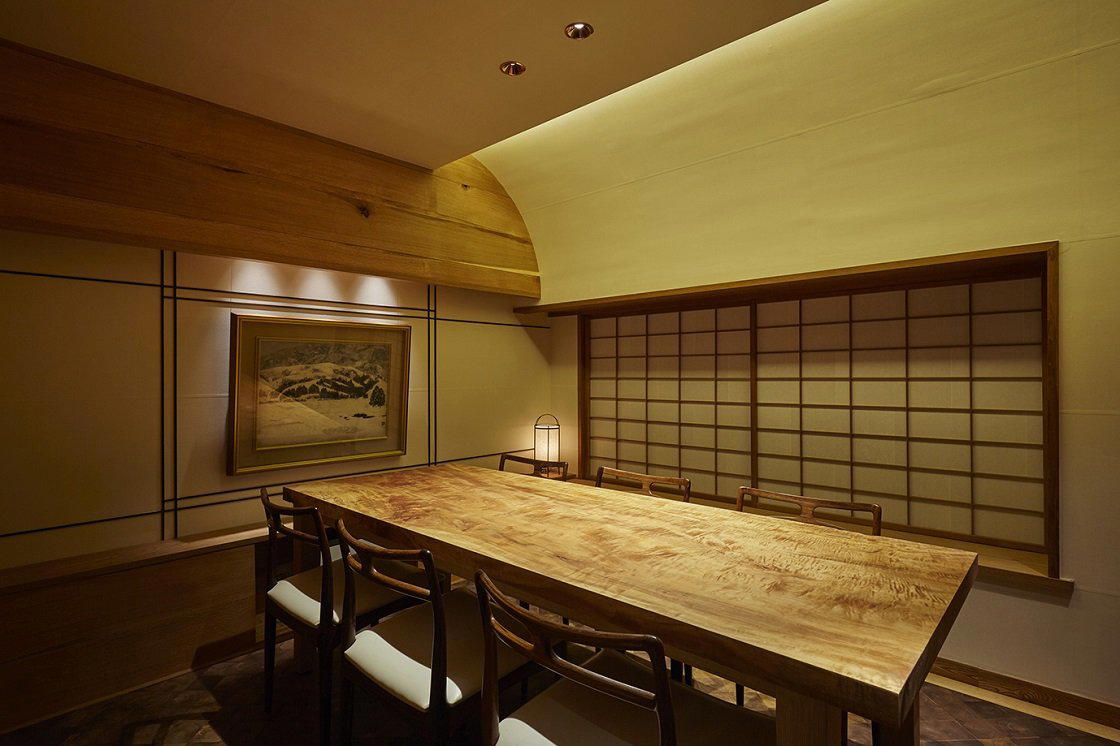
Shimmonzen Yonemura
Kyoto, Japan
Two-Michelin-star innovative omakase in Higashiyama Ward with strict booking rules, cash-only lunch, and a 20-seat counter plus private rooms. At ¥20,000–¥29,999 for dinner, it delivers precise fish-focused technique for special occasions but demands advance planning and accepts no dietary adjustments after reservation.
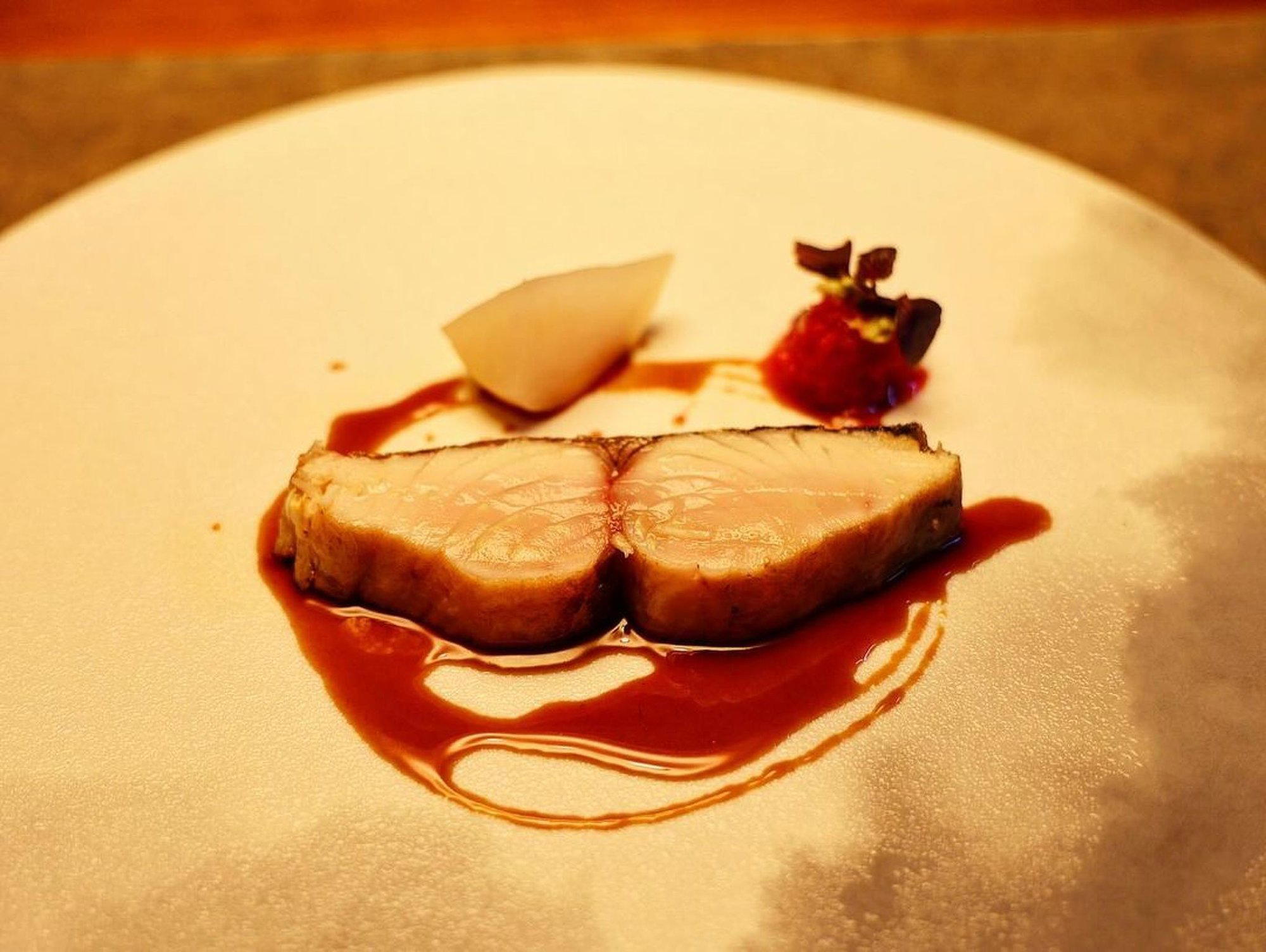
Kaoru HIROO
Tokyo, Japan
Kaoru HIROO works for a planned Hiroo meal if external recognition matters more than menu transparency. The draw is its Tabelog 100 #20 placement in 2025 and OAD Japan recommendation for 2026; the caution is that price, cuisine, seating, and signature dishes are not clearly surfaced here, so it suits flexible diners better than detail-first planners.
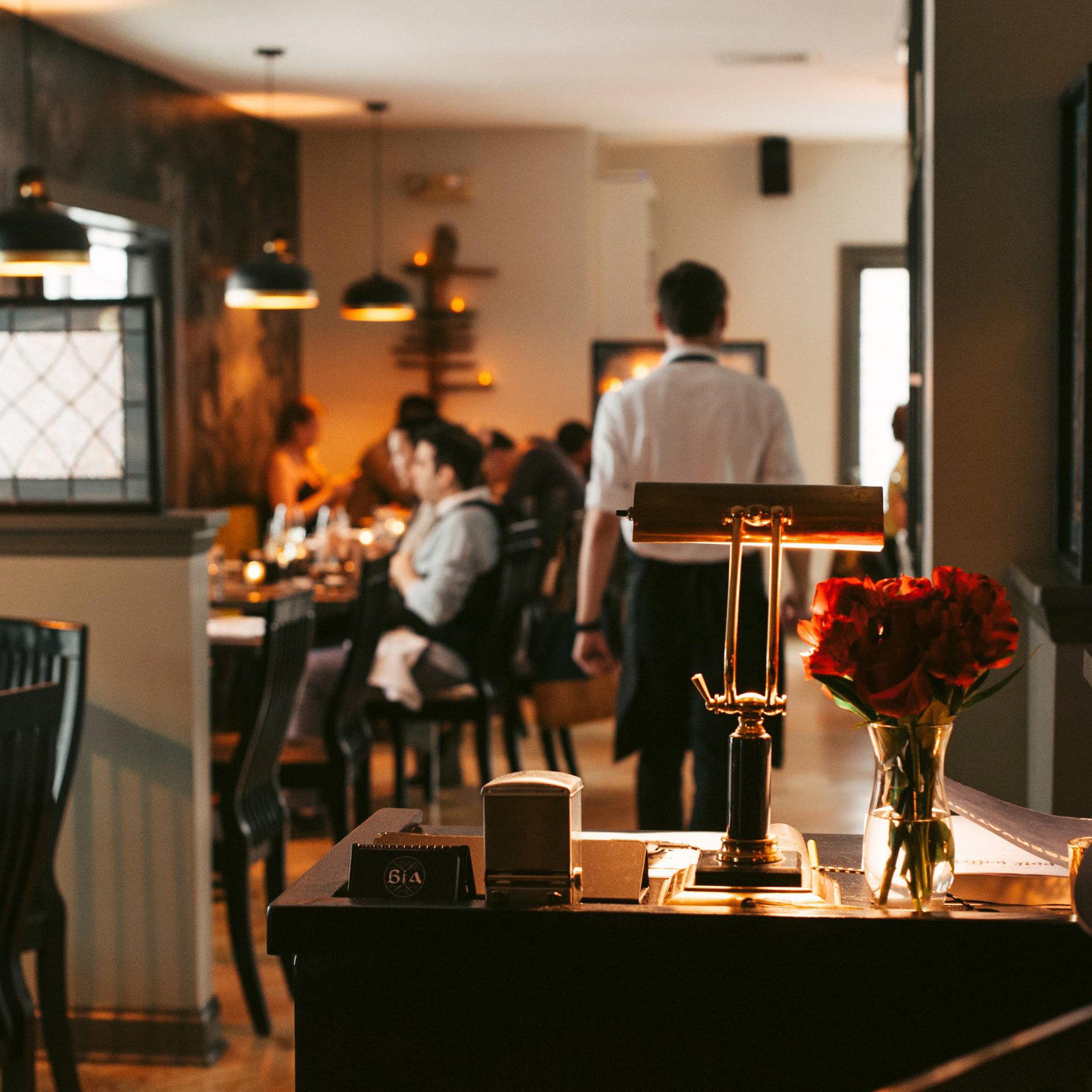
Bia
Tokyo, Japan
Bia is a Thai-Japanese fusion course restaurant in Roppongi with three consecutive Tabelog Silver Awards (2024–2026) and a Tabelog score of 4.42. At JPY 40,000–50,000 per person with drinks, it earns its price for special occasions: private rooms are available for groups up to 8, a sommelier is on-site, and BYO is permitted. Book two to three weeks out; shellfish allergy is a firm disqualifier.
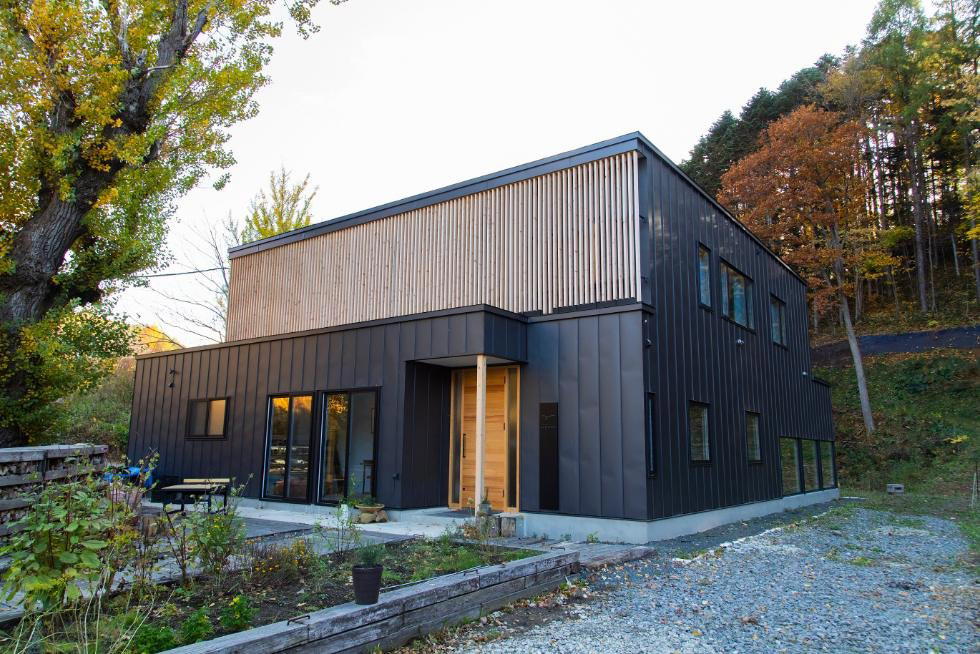
アグリスケープ
Sapporo, Japan
Book アグリスケープ for a deliberate Sapporo meal when the occasion matters and a quieter Nishi Ward setting is part of the appeal. Skip it if the group needs confirmed pricing, a known signature order, or an easy city-center fallback; compare casual Sapporo options first if value and speed matter more.
ete
Tokyo, Japan
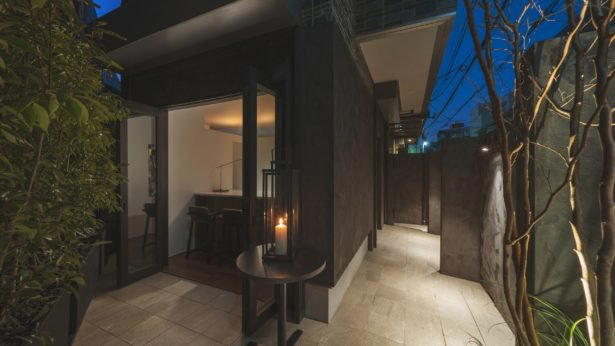
ete is chef Natsuko Shoji's reservation-only French-innovative restaurant in Yoyogi Uehara, holding Tabelog Silver Awards from 2022 to 2026 and a 4.32 score. At JPY 100,000+ per head for dinner, it delivers a personalised couture course with private room availability; best suited to special occasions where the format, not just the food, is part of the spend.
Restaurant SNOW
Fukuoka, Japan
Restaurant SNOW is Fukuoka's most accessible entry point into award-recognised innovative French dining. Tabelog Bronze winner in both 2025 and 2026, it seats just 14 and applies Nordic philosophy to Kyushu ingredients. Dinner runs JPY 15,000–19,999; lunch from JPY 5,500. Easier to book than Goh, with a sommelier and a calm room suited to a long, considered meal.
capi
Osaka, Japan
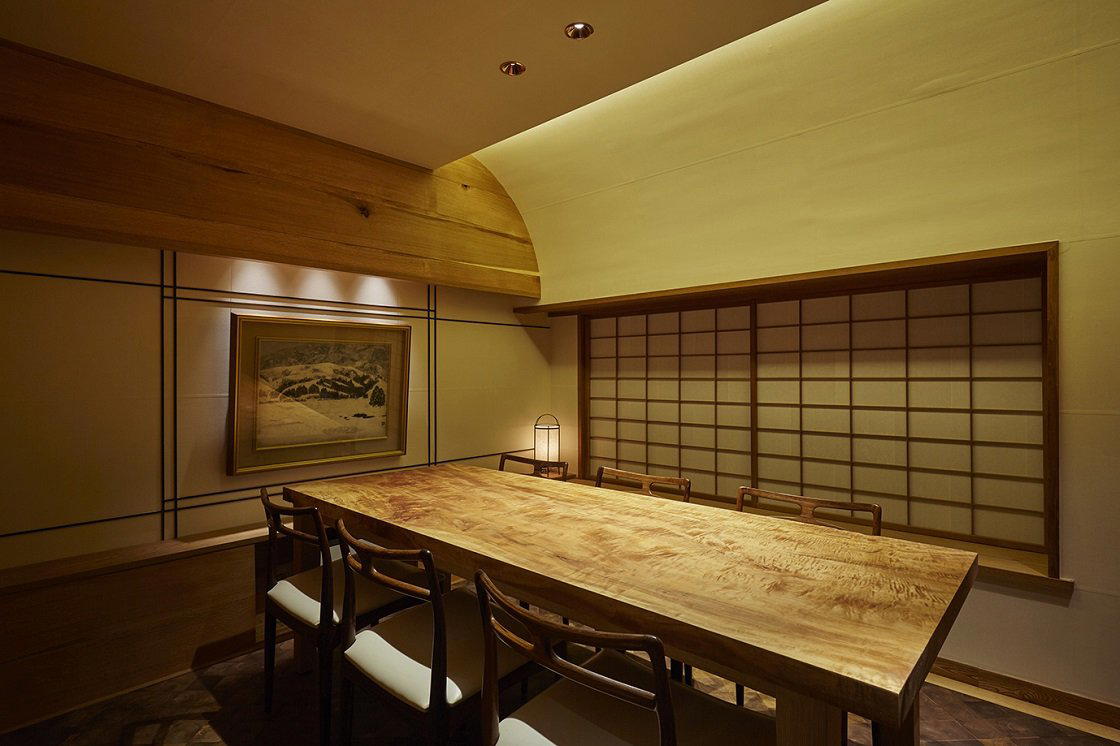
capi holds a 2024 Michelin star and in Osaka's Kita Ward, delivering creative cuisine at ¥¥¥; a tier below HAJIME and Fujiya 1935, making it one of the more accessible starred options in the city. Signature dishes include the contrasting Caviar, Squid and Aubergine and the concentrated Bakuretsu Gyokai risotto. Book well ahead; tables are hard to secure.
TTOAHISU
Fukuoka, Japan
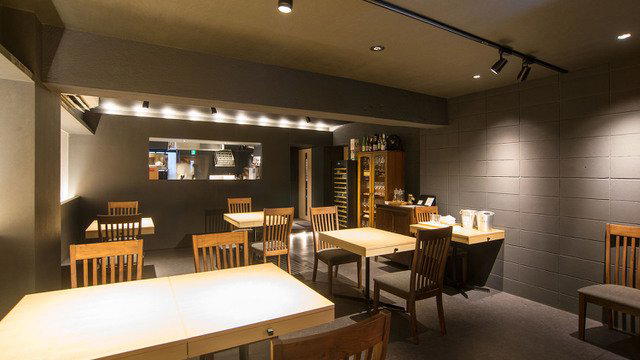
TTOAHISU is Fukuoka's most consistently recognised French-innovative counter, holding a Tabelog Bronze Award every year from 2019 to 2026. At just 10 seats, dinner runs JPY 10,000–14,999 listed (closer to JPY 20,000–29,999 with drinks); strong value for the level of recognition. Book via Pocket Concierge two to three weeks ahead minimum.
Makisumi Madara
Osaka, Japan
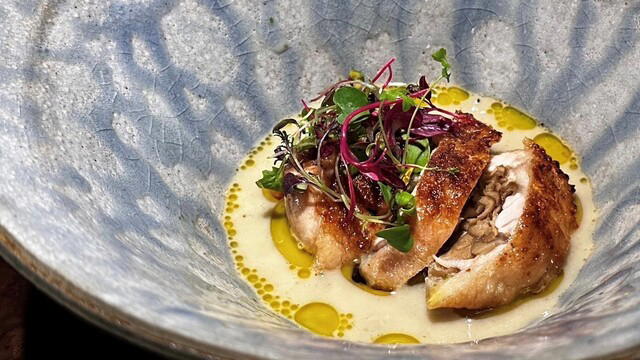
A thirteen-seat counter in Nishitenma blending yakitori, wild game, and creative cooking over charcoal. Dinner-only service runs JPY 10,000–14,999 with three seatings nightly, and a second-floor bar opens at 8:30 PM for sake and wine. Selected for Tabelog 100 2025 Innovative/Creative cuisine and from Osaka's tourist corridors, this is the spot for accessible-premium inventive dining with full kitchen visibility.
Takanobashi Kiyotan
Hiroshima, Japan
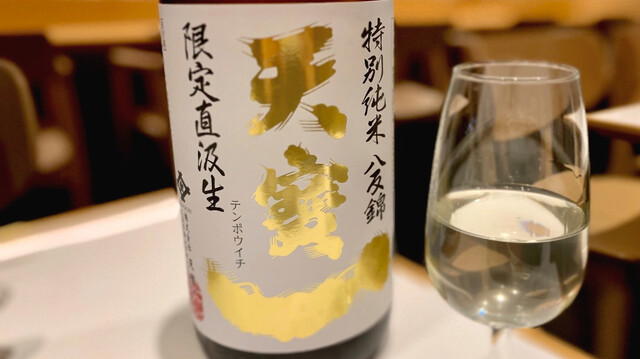
Creative izakaya cooking is the draw at Takanobashi Kiyotan, a dinner-first Hiroshima pick for diners who want more structure and recognition than a casual stop without jumping into the city's higher spend band. Choose it for an evening built around the meal; choose Ganso Hassho for a cheaper, simpler local option.
ファン・ダルクオーレ
Takasaki, Japan
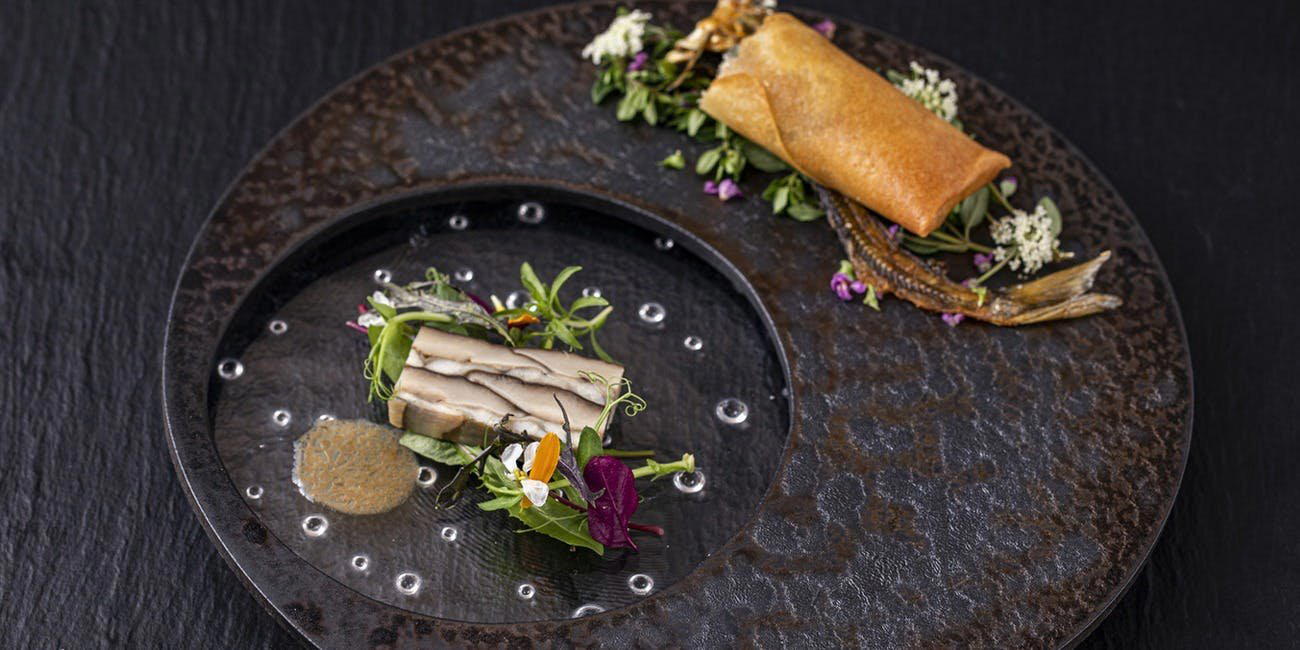
ファン・ダルクオーレ is a better fit for a planned Takasaki dinner than a flexible daytime meal. The main reason to consider it is the Tabelog 100 #29 recognition in 2025 with 3.8 points; if you need visible pricing or a clearer cuisine call, compare it with Teuchi Soba Maizuru, Potoro, or BRAZIL GRILL.
Narisawa
Tokyo, Japan
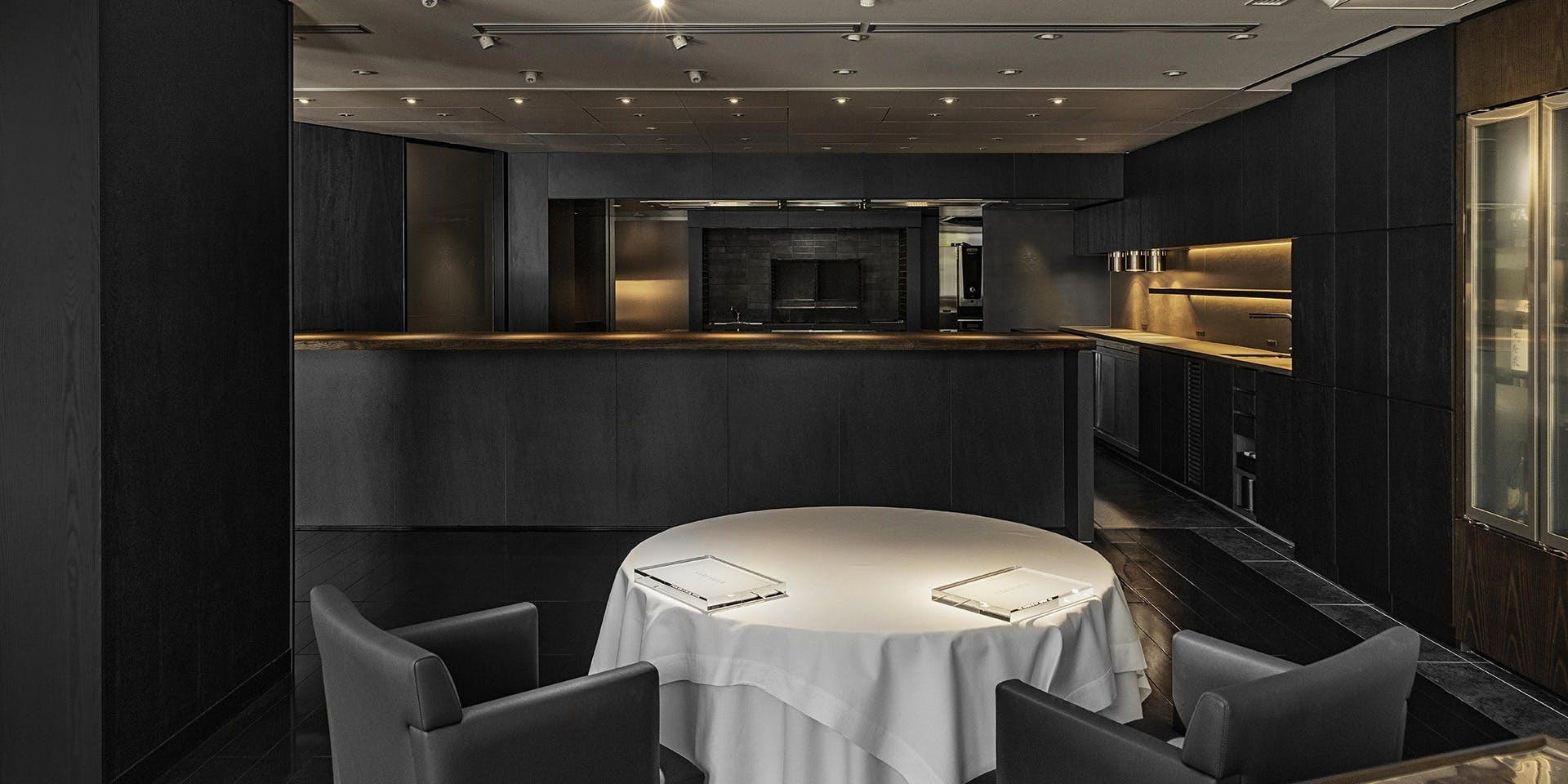
Narisawa is a restaurant in Minamiaoyama, Tokyo.
花小町
Kumamoto, Japan
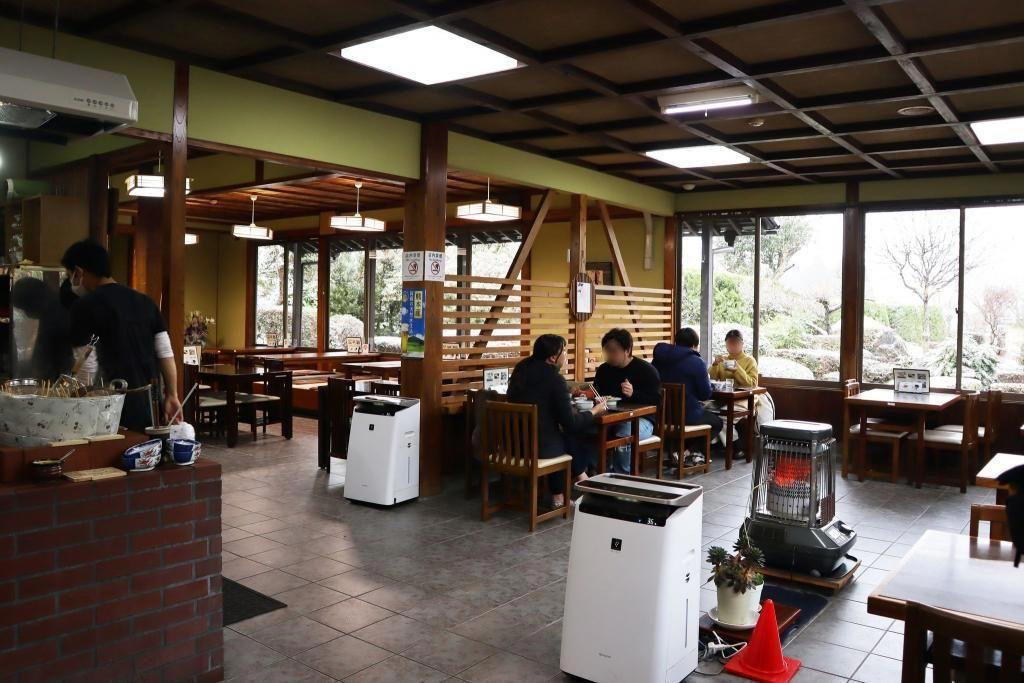
花小町 is a smart Kumamoto pick for diners who want local depth and an easy booking profile rather than a heavily documented splurge format. The strongest reason to go is its external recognition, including Tabelog 100 #31 in 2025, but first-timers should compare it with clearer-format options if cuisine, price, or group logistics need to be locked down.
Celaravird
Tokyo, Japan
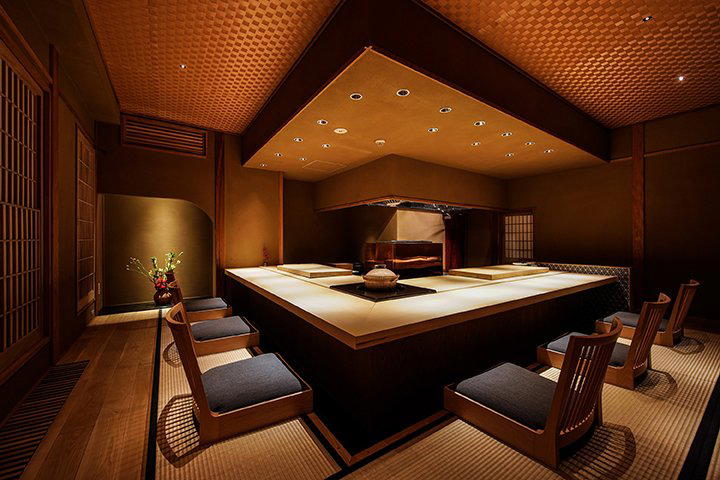
A peer-recognised grill restaurant in Uehara, Shibuya, Celaravird has earned back-to-back spots on the Opinionated About Dining Top Restaurants in Japan list (2023, 2025) with a 4.4 rating from over 230 reviews. Dinner runs Tuesday through Saturday; Sunday lunch is the one daytime option. Booking is Easy, the room is intimate, and the format rewards diners who want focused cooking over ceremony.
HELIOTROPE
Kitasaku-gun, Japan
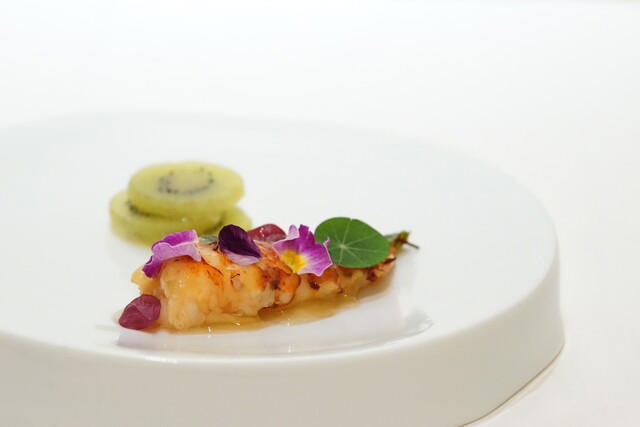
HELIOTROPE is an 8-seat innovative counter restaurant in Karuizawa with Tabelog 100 recognition, offering tasting menus at JPY 15,000–19,999 for dinner and a wine-bar format after 6 PM. The dual service model and 2–3 week booking window position it as a mid-tier choice for technique-focused diners willing to commit to the counter's one-party pacing.
Auberge eaufeu
Komatsu, Japan
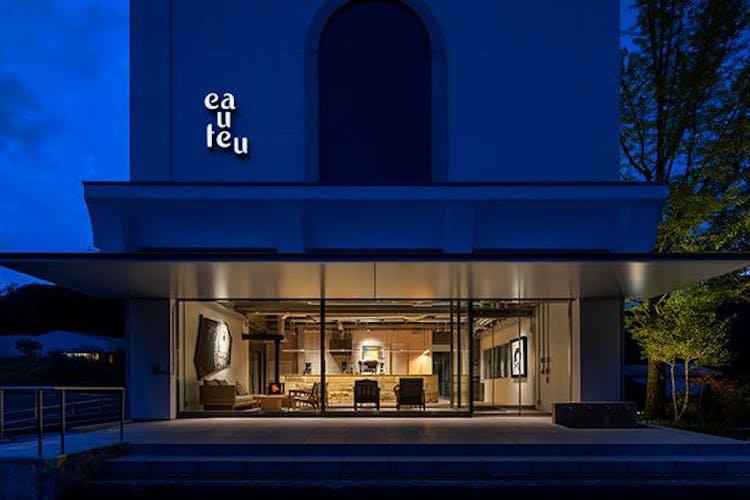
Auberge eaufeu is a three-time Tabelog Bronze Award winner (2024–2026) set in a converted rural schoolhouse outside Komatsu, Ishikawa. Chef Shota Itoi's French creative kitchen draws on local Hokuriku produce at JPY 20,000–29,999 per head. Book the counter for solo visits or a private room for celebrations; weekend lunch is the optimal entry point for first-timers travelling from Kanazawa.
Izaki
Tokyo, Japan
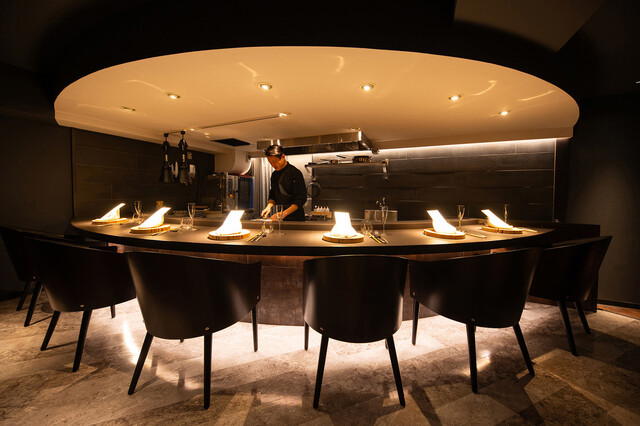
Seven-seat counter serving Chinese-Italian creative cuisine at JPY 30,000–39,999 per head. Tabelog 100 (Innovative, 2025) recognition in its first full year signals strong technical execution. Reservation-only format suits diners familiar with Tokyo's high-commitment omakase tier and curious about fusion done with precision.
Jimgu
Oita, Japan
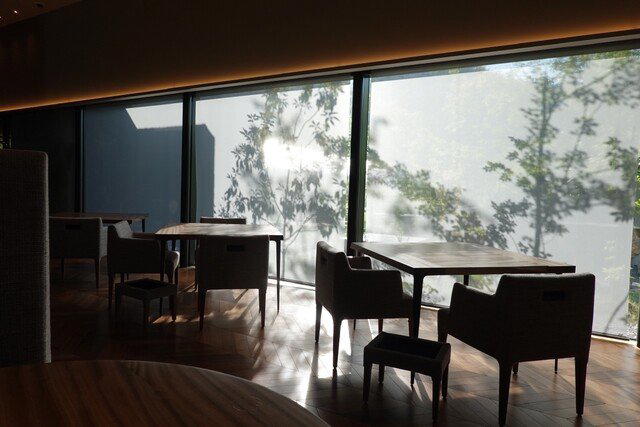
Jimgu is the standout innovative-cuisine dinner in Yufuin, Oita; a vegetable-forward tasting menu inside ENOWA YUFUIN hotel with a Tabelog Award Bronze 2026 and Relais & Chateaux recognition earned in under two years. Budget ¥30,000–¥40,000 per person including drinks. Book through the hotel directly and plan it as an anchor for a Yufuin overnight stay.
KAHALA
Osaka, Japan
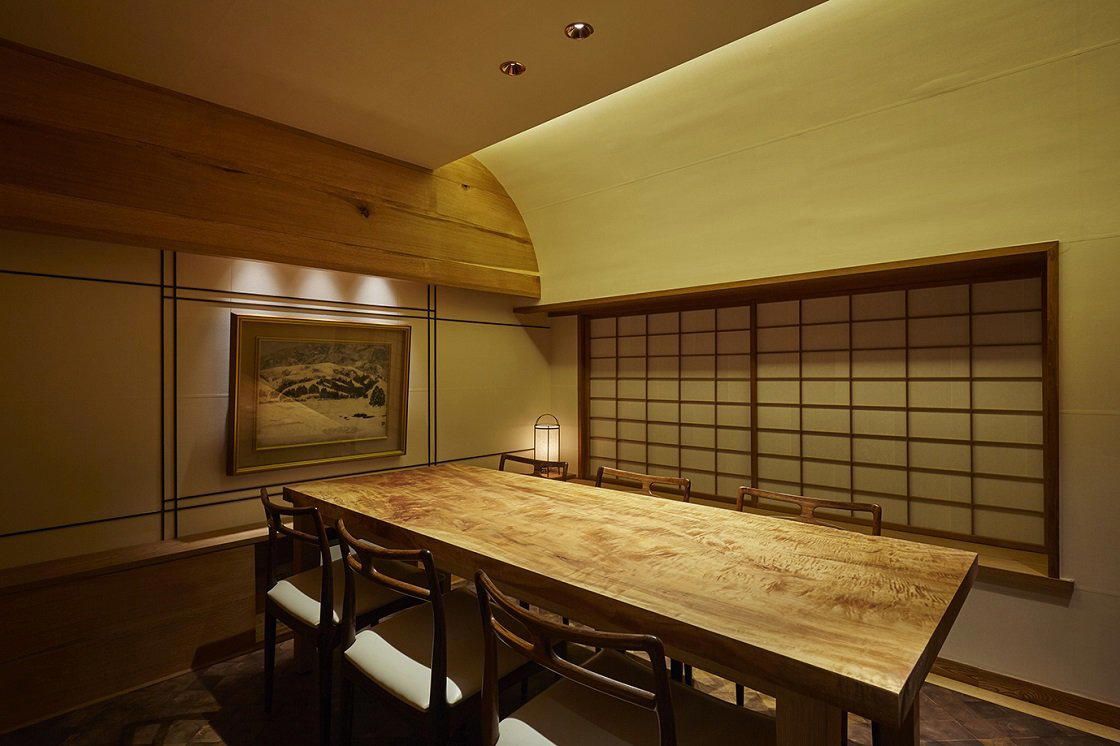
KAHALA is a Michelin two-star, eight-seat counter in Osaka's Kitashinchi district, led by chef Yoshifumi Mori who has held this post since 1971. Dinner runs JPY 50,000–59,999 per person; reservations open three months out and fill fast. Book it for a serious creative-cuisine counter experience with no equals for longevity in Osaka.
es
Tokyo, Japan
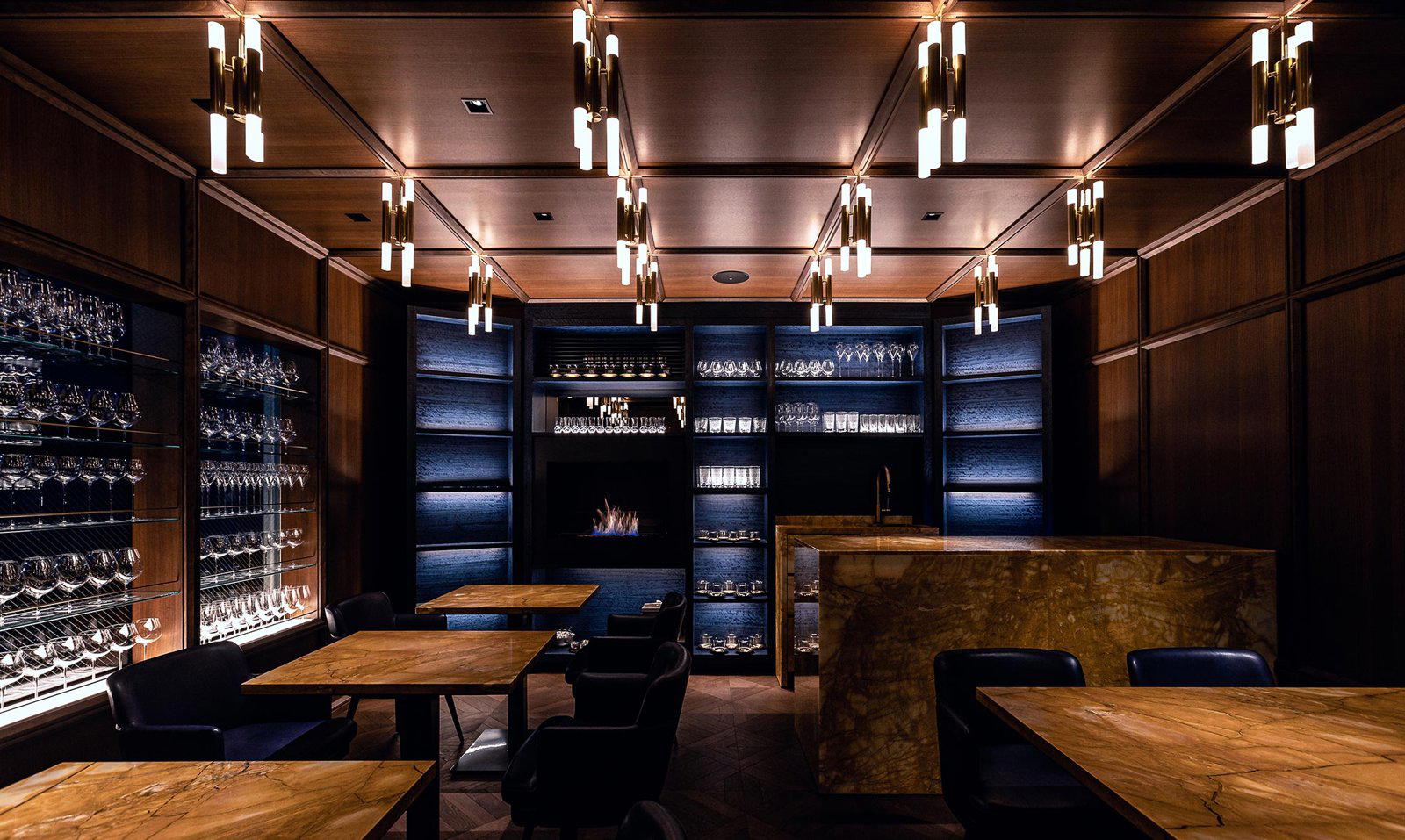
An eight-seat counter in Nishiazabu serving French-inflected innovative cuisine at JPY 50,000–59,999 per person. Reservation-only format, two seatings nightly Monday through Saturday, and Tabelog 100 recognition for 2025. Best for diners who value chef-driven progression in an intimate, low-key room; less suited to large groups or spontaneous meals.
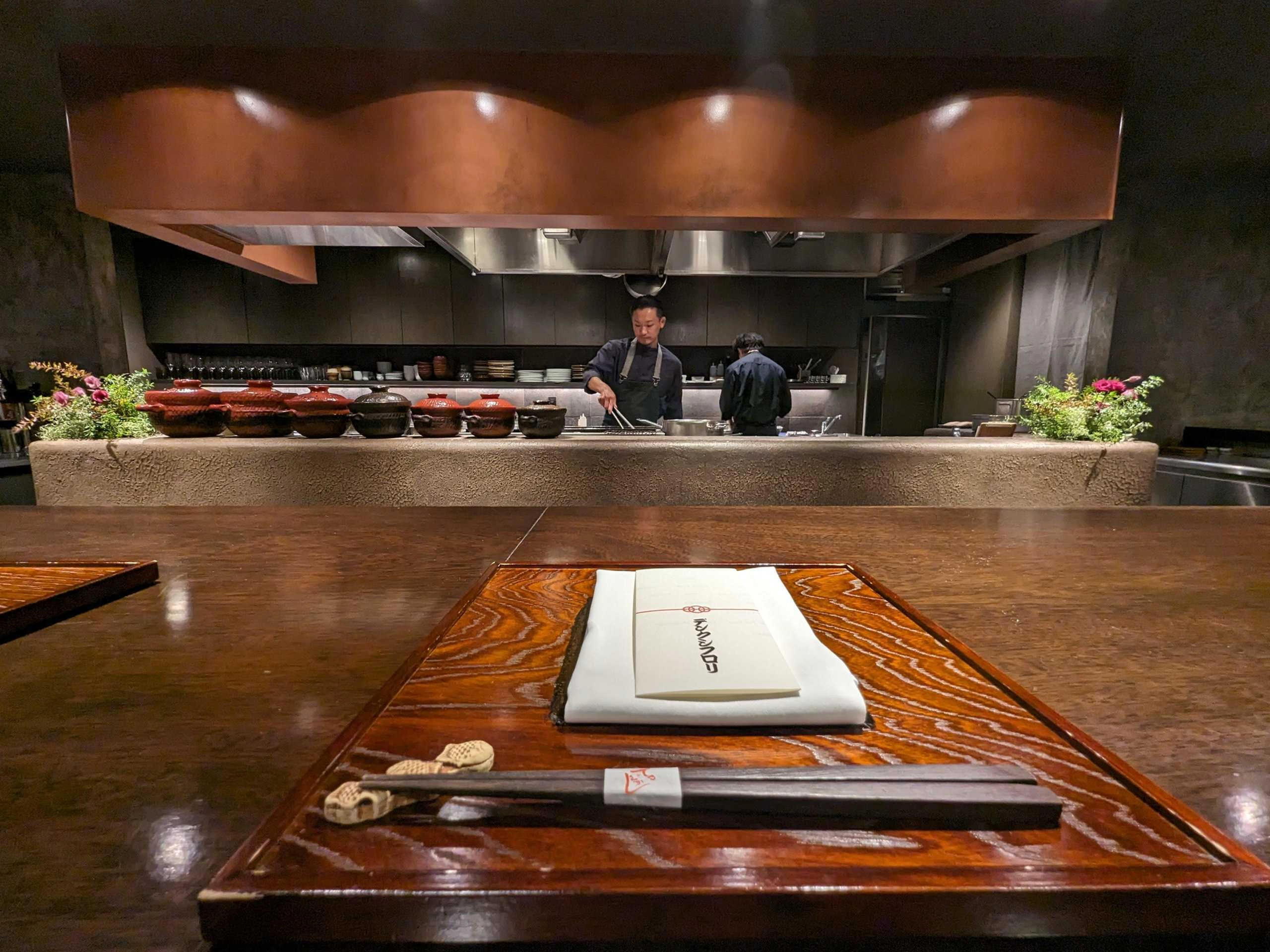
DEN KUSHI FLORI
Tokyo, Japan
A Michelin Plate collaboration between Den and Florilège, DEN KUSHI FLORI serves Japanese-Western fusion in Tokyo's Aoyama at the ¥¥¥ tier. The kitchen never repeats a dish, OAD has ranked it in Japan's top 130 for two consecutive years, and booking is easier than most addresses at this level. Go for experimental food with genuine credentials.
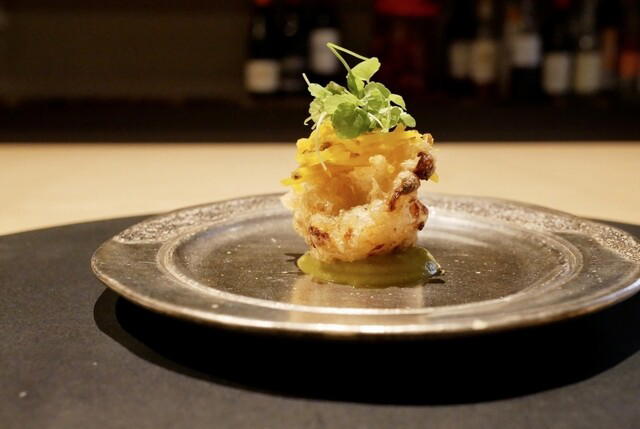
ORTO
Kyoto, Japan
ORTO is a Tabelog Award winner running eight consecutive award cycles, with a score of 3.90 and a 2025 Tabelog 100 selection in the innovative category. The 18-seat Kyoto venue delivers a seasonal, vegetable-forward set course at JPY 15,000–19,999 per person; a credible mid-tier option for food-focused travellers who want something outside the standard kaiseki format.
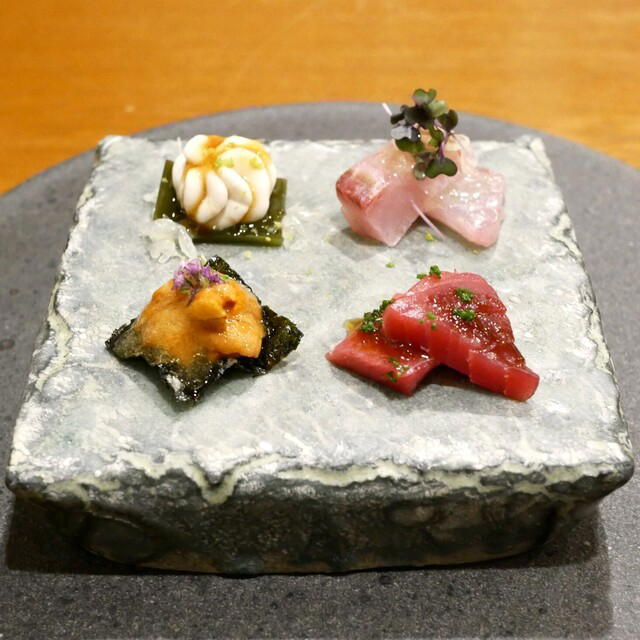
Yoshina
Gifu, Japan
Yoshina earned a Tabelog 100 spot in 2025 for creative Japanese cuisine at JPY 10,000–14,999 dinner, JPY 5,000–5,999 lunch. The 30-seat Gifu restaurant opened in 2020, takes reservations by phone, and closes Tuesdays. Cash-only, with parking available and no private rooms. Book a week ahead for weekends; weekday lunches are easier.
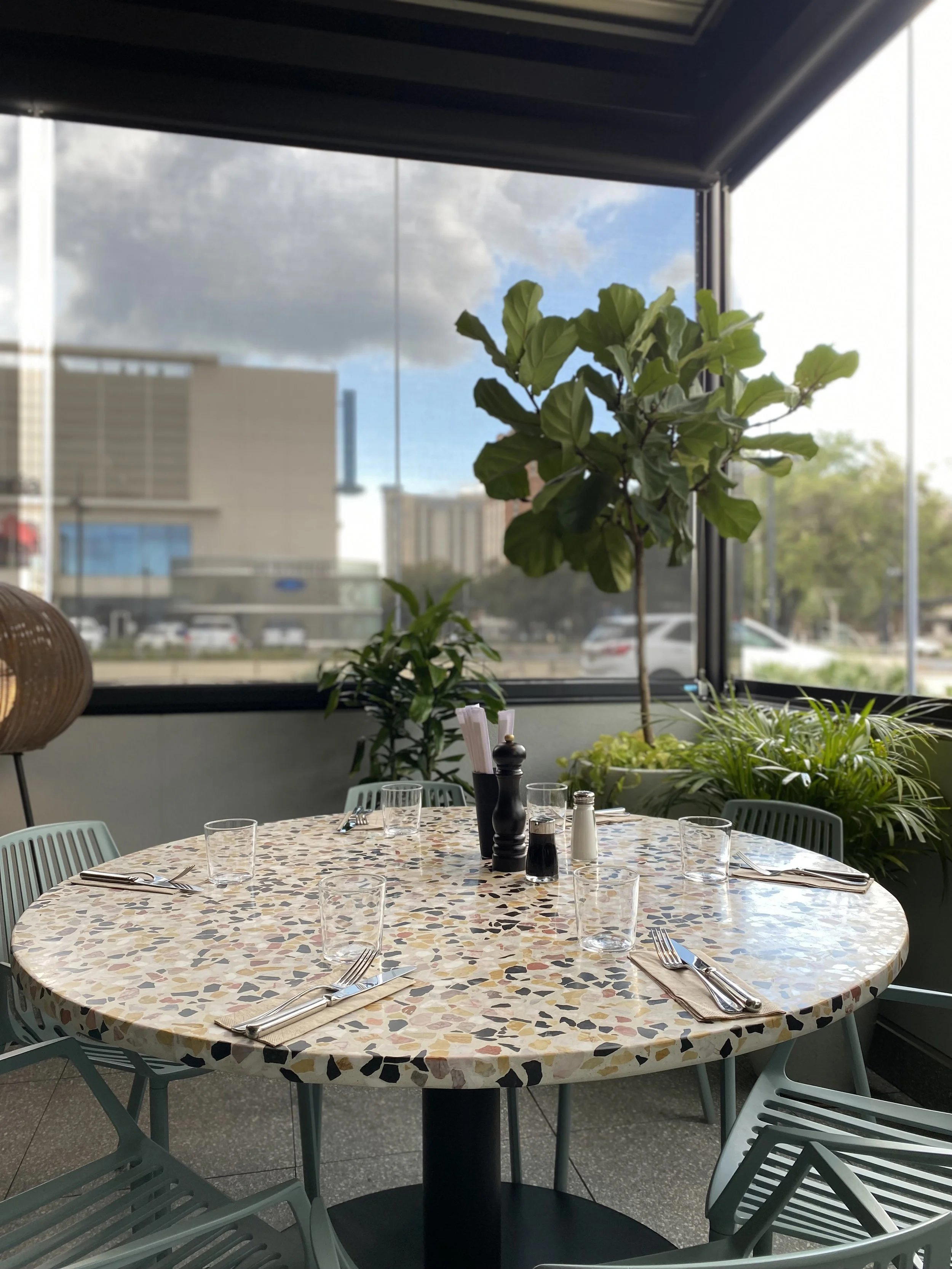
RiVi
Osaka, Japan
RiVi is a Michelin Plate-recognised contemporary restaurant in Kyomachibori, Osaka, serving an evolving prix fixe menu that draws from Italian, French, and Japanese traditions with an explicit Osaka identity. At the ¥¥¥ price tier, it is one of the more personal and accessible tasting menu options in the city, well-suited to special occasions and diners who want a meal with a clear point of view.
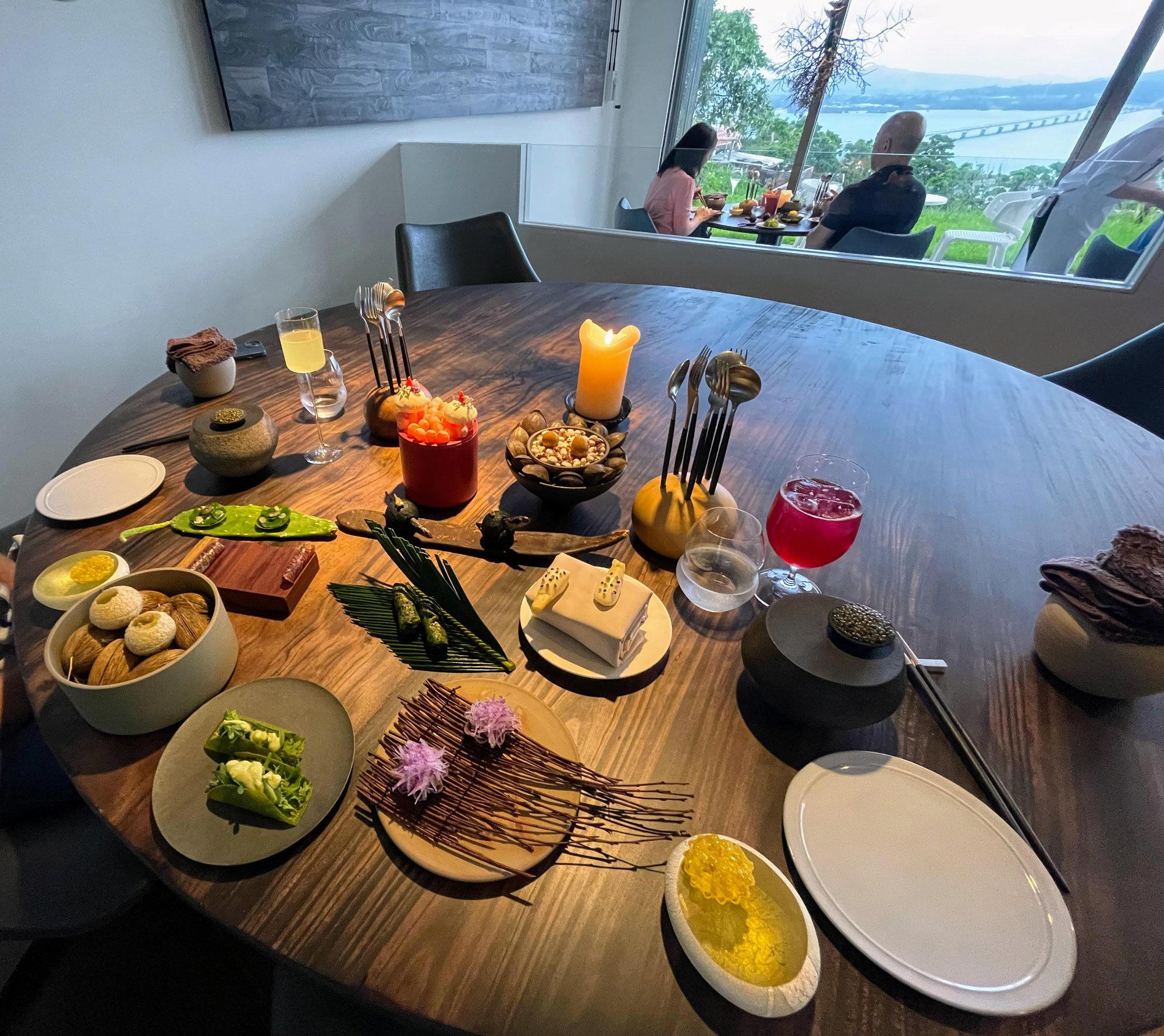
6
Okinawa, Japan
6 on Kouri Island holds Tabelog Bronze Awards for 2025 and 2026 and a place on the Tabelog Innovative/Creative Cuisine Top 100; making it the most credentialed restaurant in northern Okinawa. The 16-seat innovative French counter requires an OMAKASE reservation and a 90-minute drive from Naha, but the ocean-view setting and course-meal format justify both for a serious special occasion dinner. Budget JPY 40,000–49,999 per head at dinner.
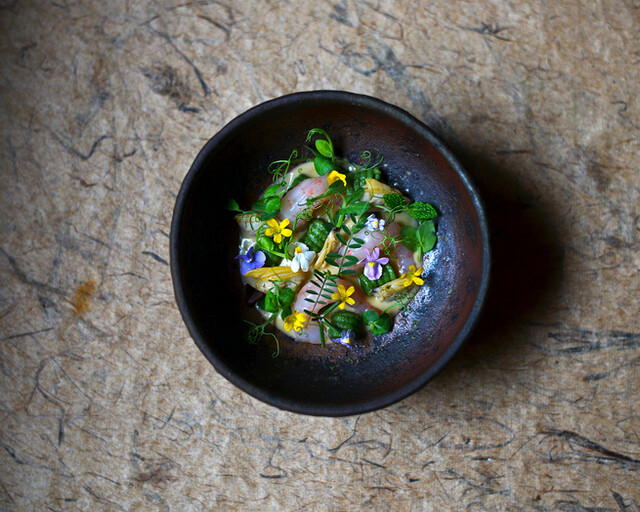
ORIGO
Kanazawa, Japan
Eight-seat Italian-rooted tasting counter in Kanazawa, recognized in the 2025 Tabelog 100 for innovative cuisine. Dinner-only service (JPY 20,000–29,999) showcases Hokuriku seafood and game through Italian technique, with BYO drinks and English-speaking staff. Reservation mandatory; book one to two weeks out. Private room available for six.
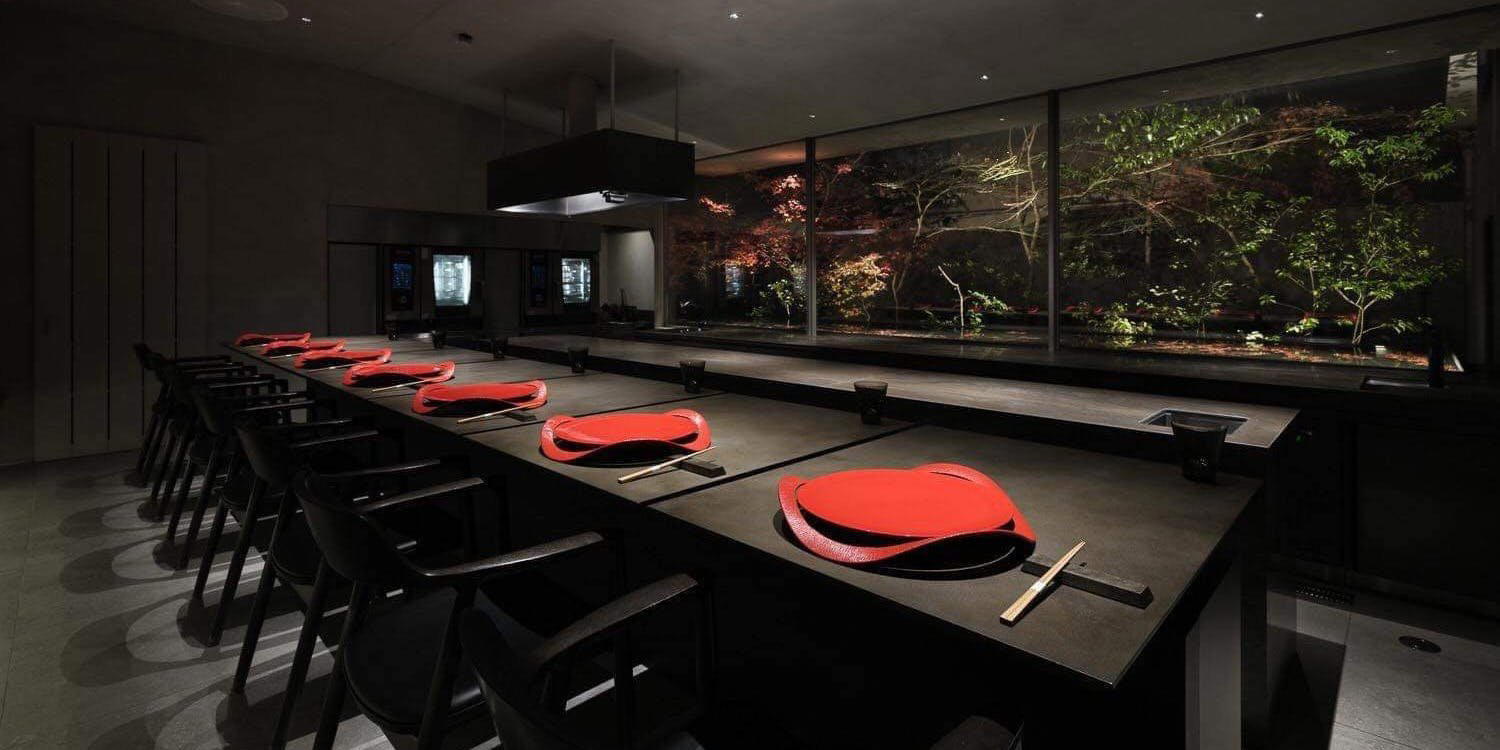
Cainoya
Kyoto, Japan
Innovative Italian in Kyoto's western Ukyo Ward, run by chef Takayoshi Shiozawa. Ranked by Opinionated About Dining three years running and easy to book by Kyoto standards, Cainoya is the right choice if you want Italian technique applied through a Japanese ingredient lens; not another kaiseki room. Worth a return visit as the menu shifts across seasons.
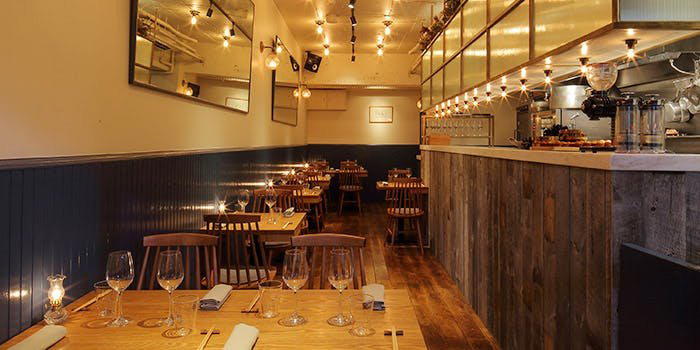
sio
Tokyo, Japan
A 14-seat French counter in residential Yoyogi Uehara, Shusaku Toba's kitchen earned a Tabelog Bronze Award four times and a Michelin Plate in 2025. Seasonal menus emphasize fish, lunch runs ¥15,000–19,999, dinner ¥20,000–29,999. Reservations required weeks ahead; no walk-ins. Counter-only seating favors solo diners and pairs, 2.5-hour seatings allow full beverage pairings, and the kitchen handles dietary restrictions if noted at booking.
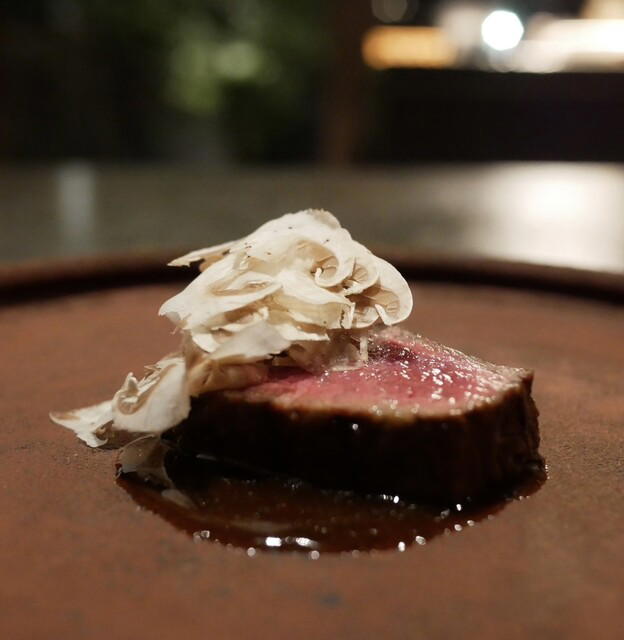
.know
Kumamoto, Japan
A Tabelog 100 selection for innovative cuisine in 2025.know applies Western technique to Kyushu ingredients with discipline at JPY 20,000–29,999 per head. The intimate counter near Gionbashi station delivers seasonal, ingredient-driven courses that reward close attention. Book two weeks ahead for weekend evenings.
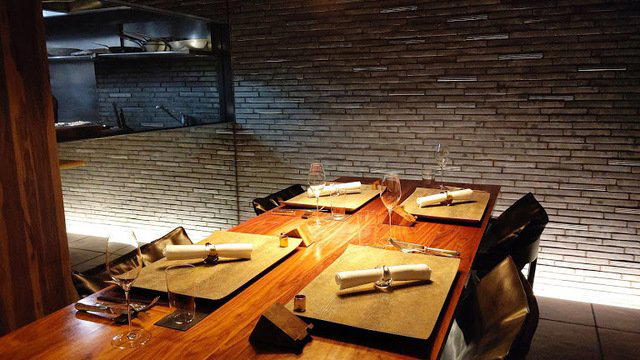
Hasegawa Minoru
Tokyo, Japan
A four-seat omakase counter in Hiroo where chef Minoru Hasegawa delivers precision-driven tasting menus at JPY 50,000–59,999 per head. Tabelog Silver since 2019 and ranked #103 on OAD's 2023 Japan list, it rewards diners who value intimate scale and synchronized service over flexibility. Lunch offers the same menu as dinner at identical pricing, making the daytime slot the better value for those who can move through the app-only reservation system.
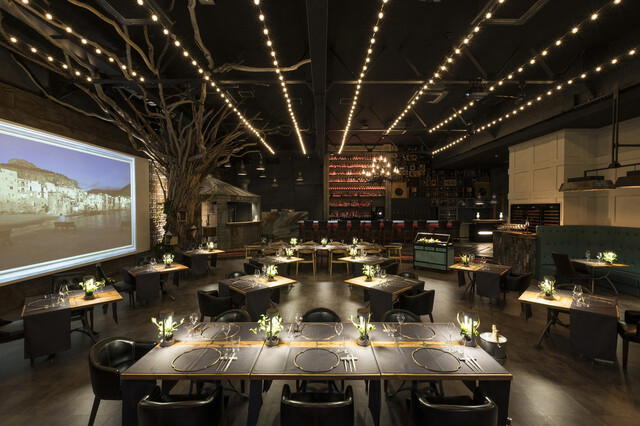
A_RESTAURANT
Kanazawa, Japan
Tabelog 100 2025 innovative Japanese restaurant in Katamachi, Kanazawa, offering reservation-only tasting menus at JPY 20,000–29,999 (dinner) and JPY 15,000–19,999 (lunch). Strong sake and wine program, counter and private-room seating, strict cancellation policies. Worth the effort for structured creativity, though less forgiving than nearby kaiseki or bistro alternatives.
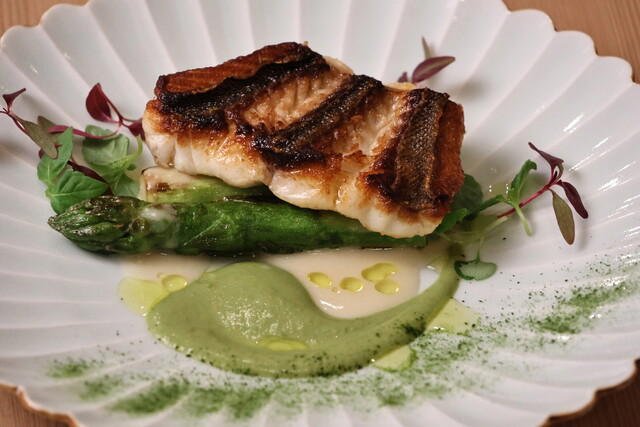
Restaurant Tsujikawa
Osaka, Japan
A 12-seat French-Japanese counter in Minamisenba serving chopstick-friendly tasting courses at JPY 10,000–14,999 dinner, JPY 4,000–4,999 lunch. Tabelog 100 Innovative/Creative Cuisine 2025 recognition, wine-focused beverage program, reservation-only format. Worth it for technique without formality, though the adult-only policy and two-hour minimum limit flexibility.
Restaurant 5
Saga, Japan
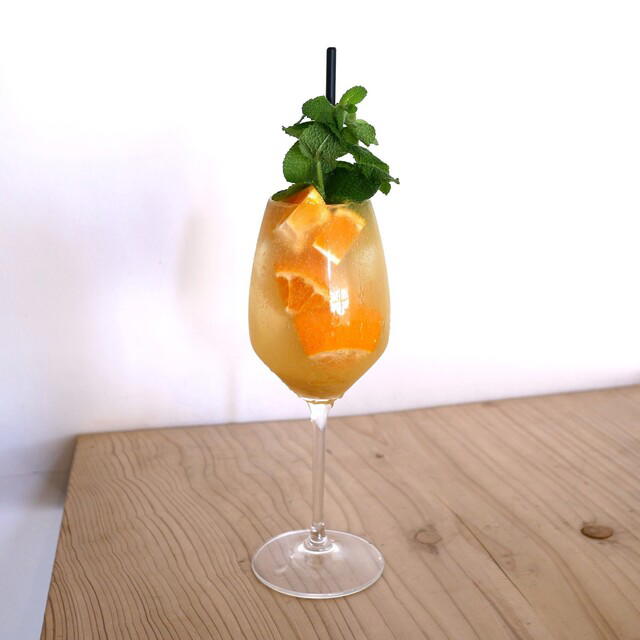
A Tabelog 100 creative-Japanese restaurant in Saga offering seasonally driven tasting menus at JPY 20,000–29,999. The private-room format and on-site parking make it easier to book than Fukuoka peers, with technical precision that justifies the trip for special occasions. Cash-only; reserve two weeks ahead for weekends.
LIBRO VERDE
Osaka, Japan
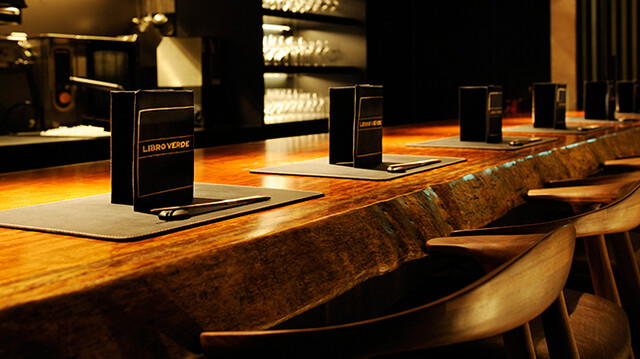
An eight-seat counter in Kitashinchi where the menu changes genre every month; French one visit, Italian the next; earning a 2025 Tabelog 100 nod for its monthly pivots. At JPY 20,000–JPY 29,999 before drinks, it suits diners who trust the chef's monthly curation more than a fixed signature style. Reservation-only, counter seating only, no website.
shimoyamitenaeizuru
Sapporo, Japan
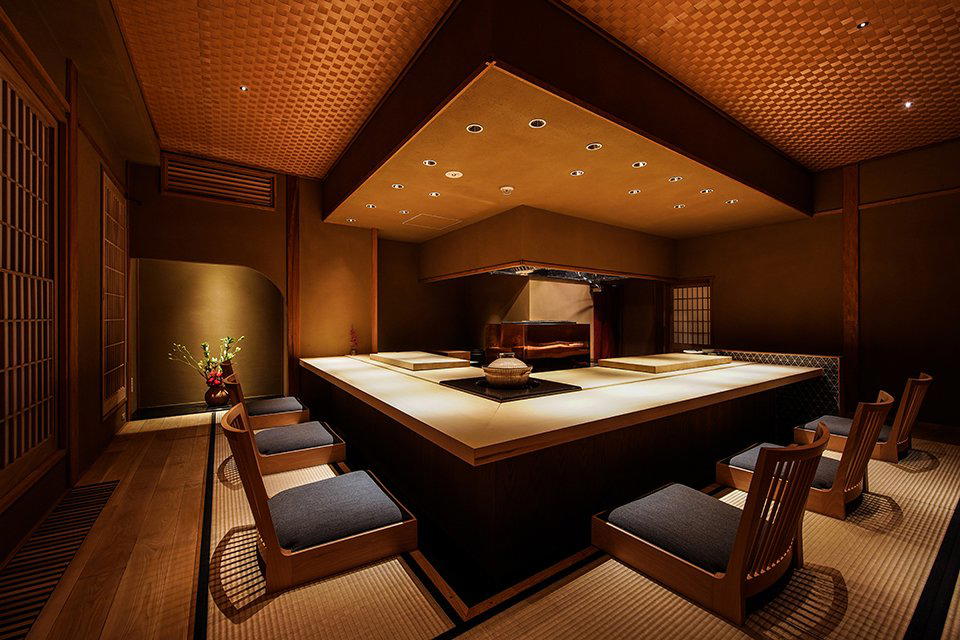
A six-seat innovative French counter near Nakajima Koen, holding Tabelog Bronze since 2022 and ranked on the 2025 Innovative 100 list. JPY 30,000–39,999 prix fixe, with sommelier-driven sake and wine pairings, fish-focused technique, and family-friendly private rooms. SMS-only reservations; book weeks ahead for this quiet hideout.
Sugalabo
Tokyo, Japan
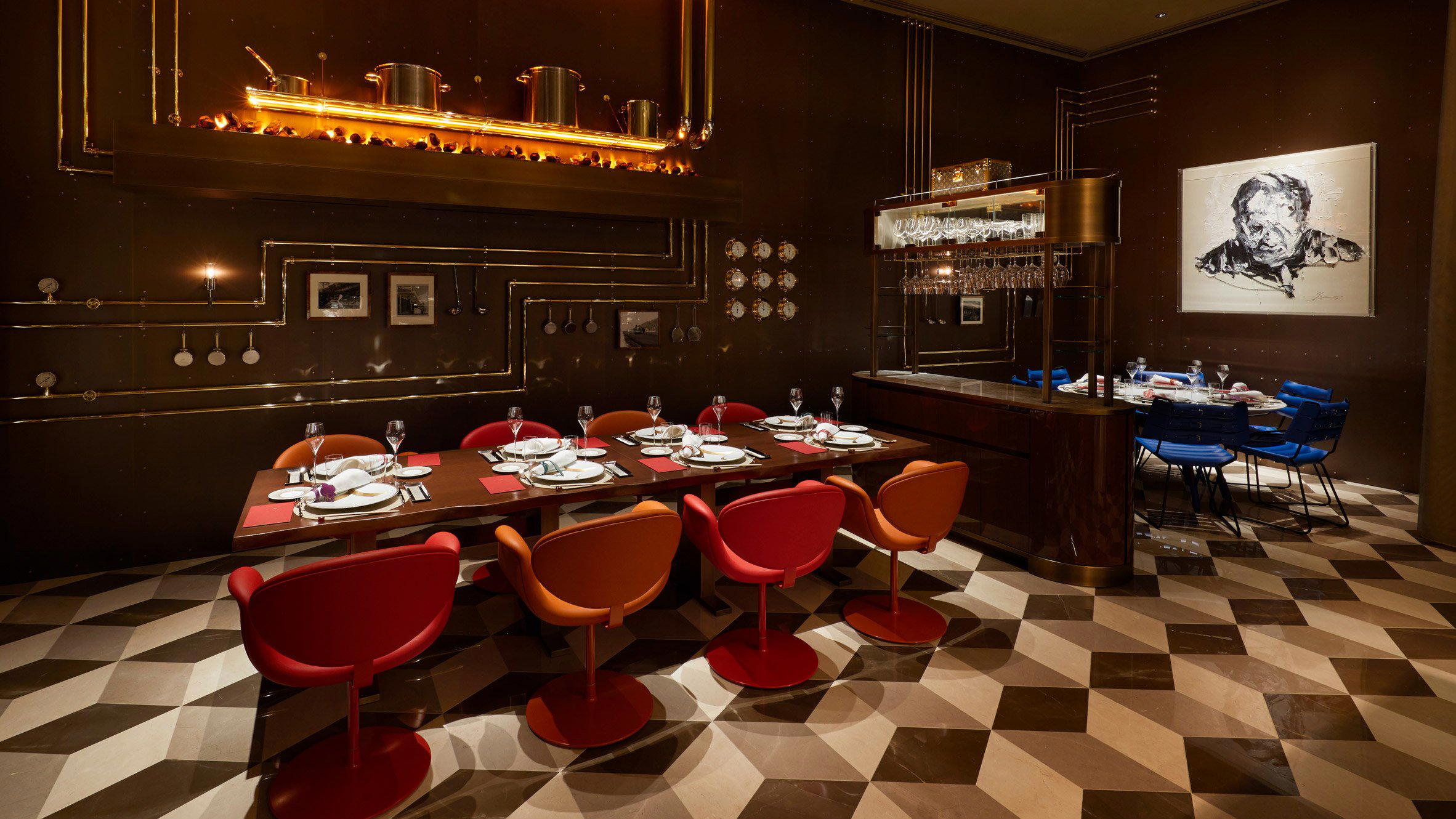
Chef Yosuke Suga's 20-seat French venue in Azabudai rotates its tasting menu every few weeks to track seasonal ingredients. Dinner runs around ¥100,000 per person at the counter or in the private room, with wine and sake pairings that shift with the menu. Book three to four weeks out for weekdays, longer for weekends.
La Kanro
Osaka, Japan
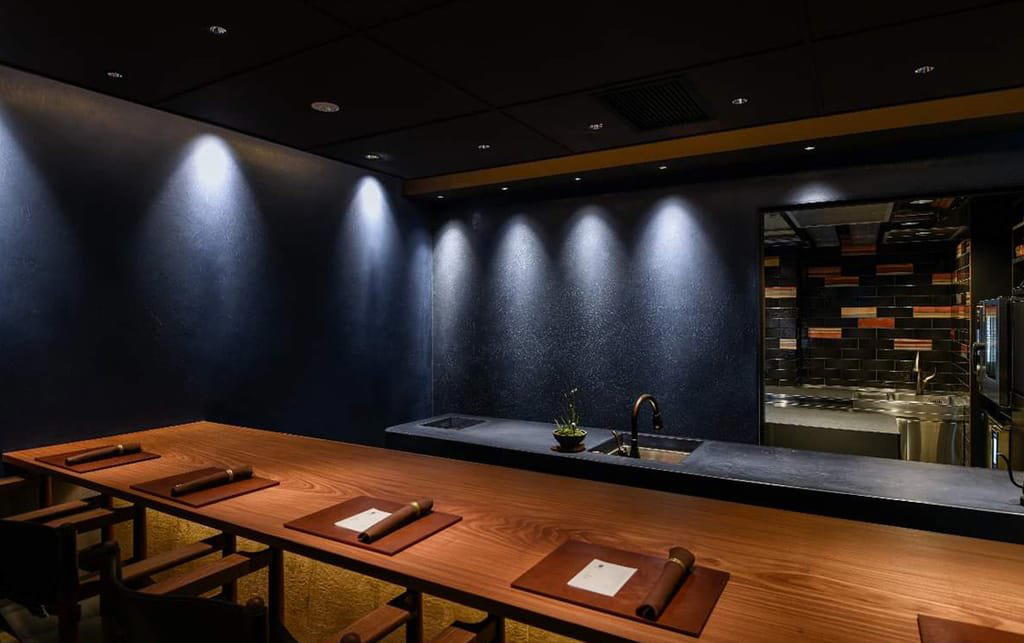
La Kanro is a 16-seat French omakase in Osaka's Kita Ward, holding Tabelog Bronze Awards in 2023, 2025, and 2026, a Michelin Plate, and an Opinionated About Dining ranking in Japan's top 300. Chef Junichi Nakamine runs a restrained, seasonally rotating menu at JPY 20,000–39,999 per head. Booking is straightforward; private rooms make it a credible choice for groups up to six.
十皿
Osaka, Japan
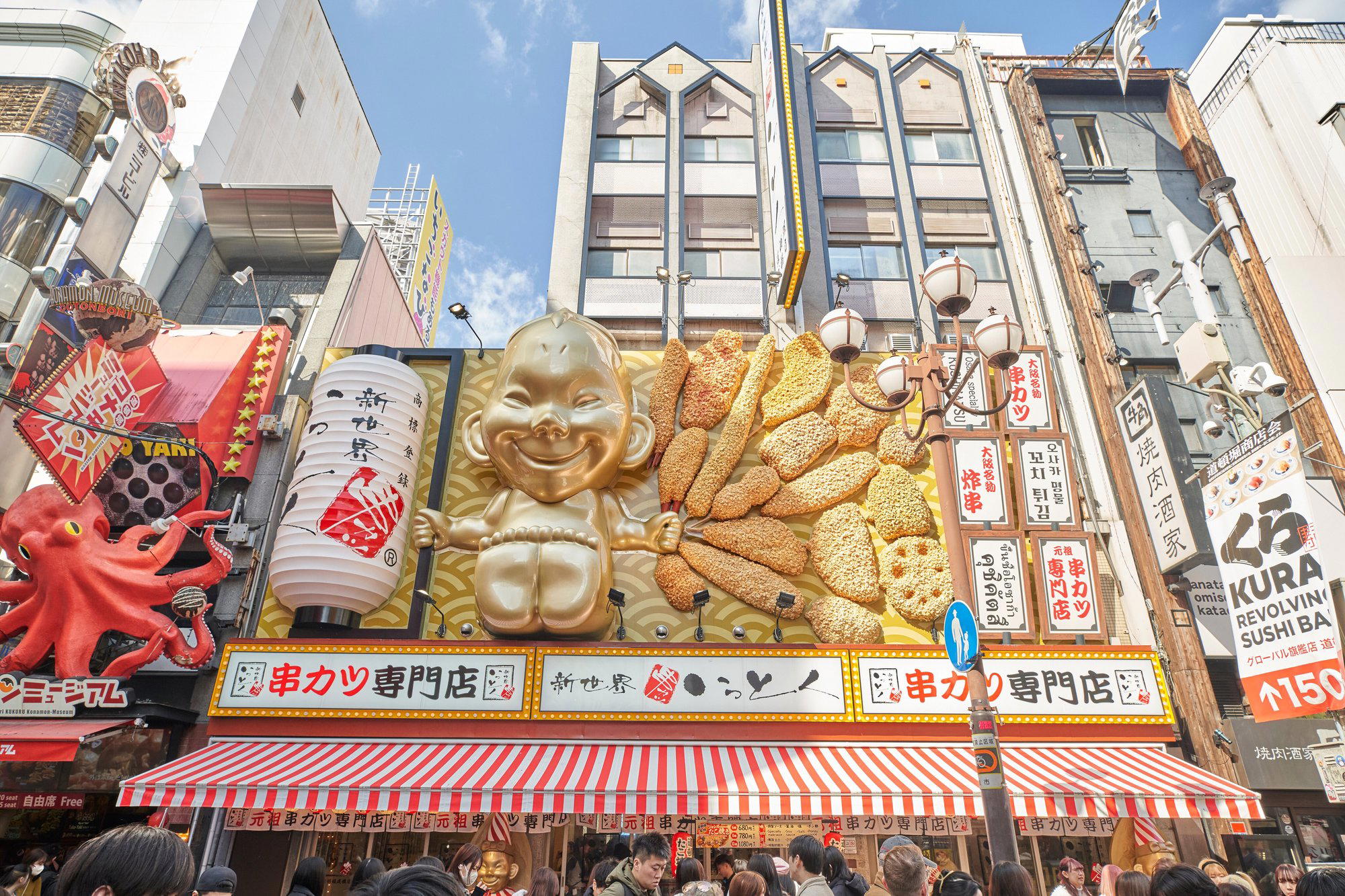
十皿 works for a calm Nishitenma meal when ease matters as much as recognition. Its Tabelog 100 #58 placement in 2025 gives it a credible quality signal, but first-timers should confirm format, price, and seating before treating it as a major occasion.
Kosuda
Osaka, Japan
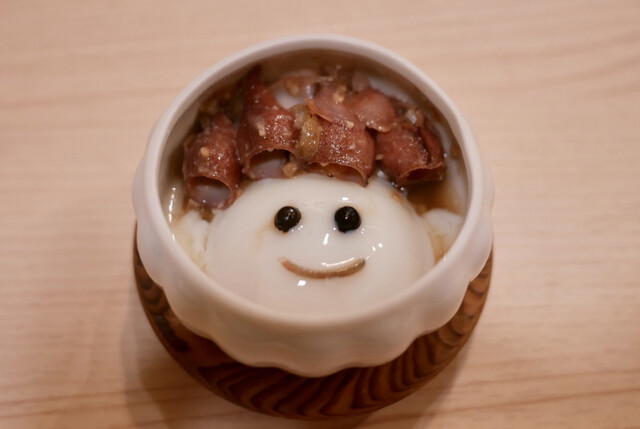
A five-seat counter in Kita Ward where Osaka's innovative cuisine scene contracts to its most intimate. Tabelog 100 recognition for 2025 and a JPY 15,000–19,999 price tag buy you direct kitchen access and a reservation-only format that favors solo diners, couples, or small groups willing to book the entire counter as a private experience.
Terroir Aitoibukuro
Kitakyushu, Japan
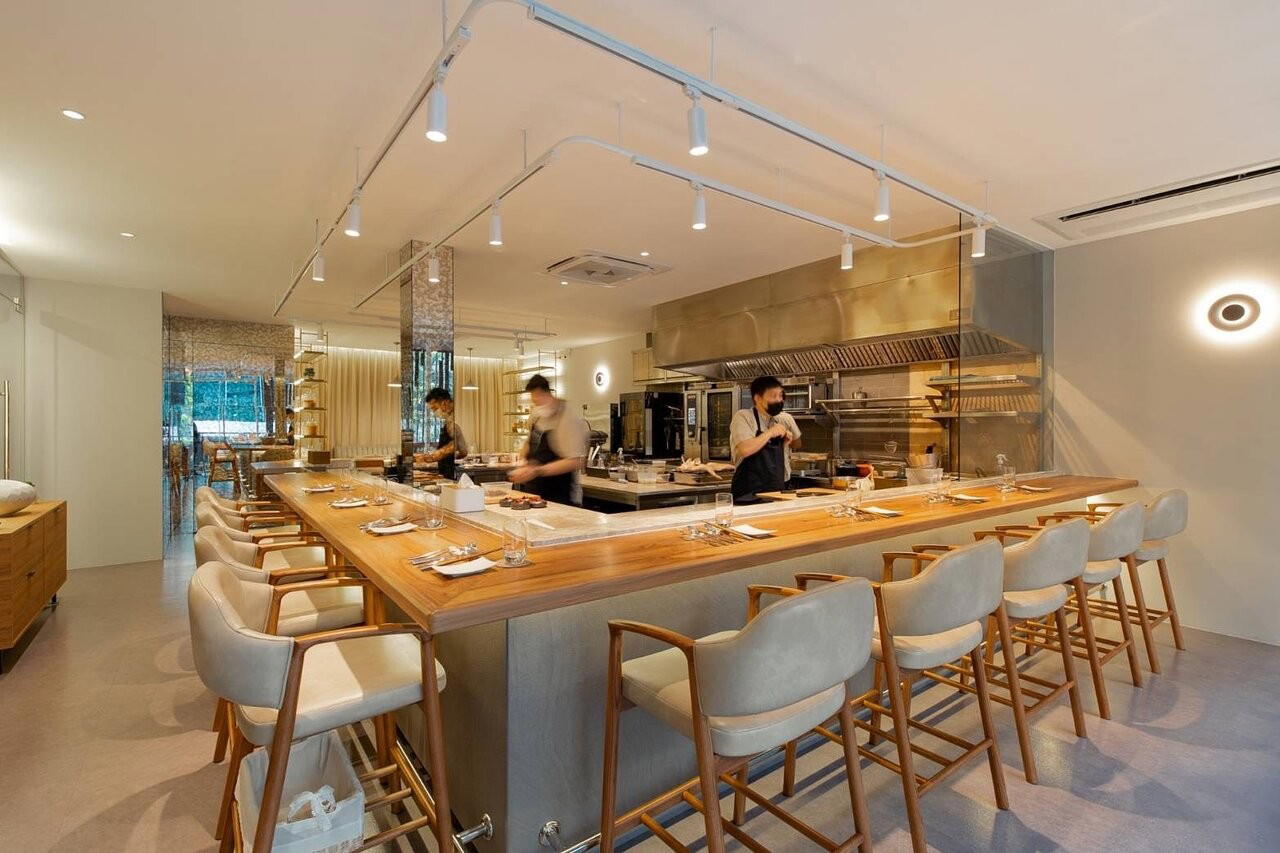
Vegetable-forward French auberge in rural Yamanashi, 20 minutes by car from JR Chuo Line stations. Tabelog Bronze Award holder (4.05, 2023–2026) offering vegan and vegetarian tasting menus at JPY 20,000–29,999 per person. Family-friendly, pet-tolerant, and wheelchair-accessible, but requires advance web booking and a commitment to the journey.
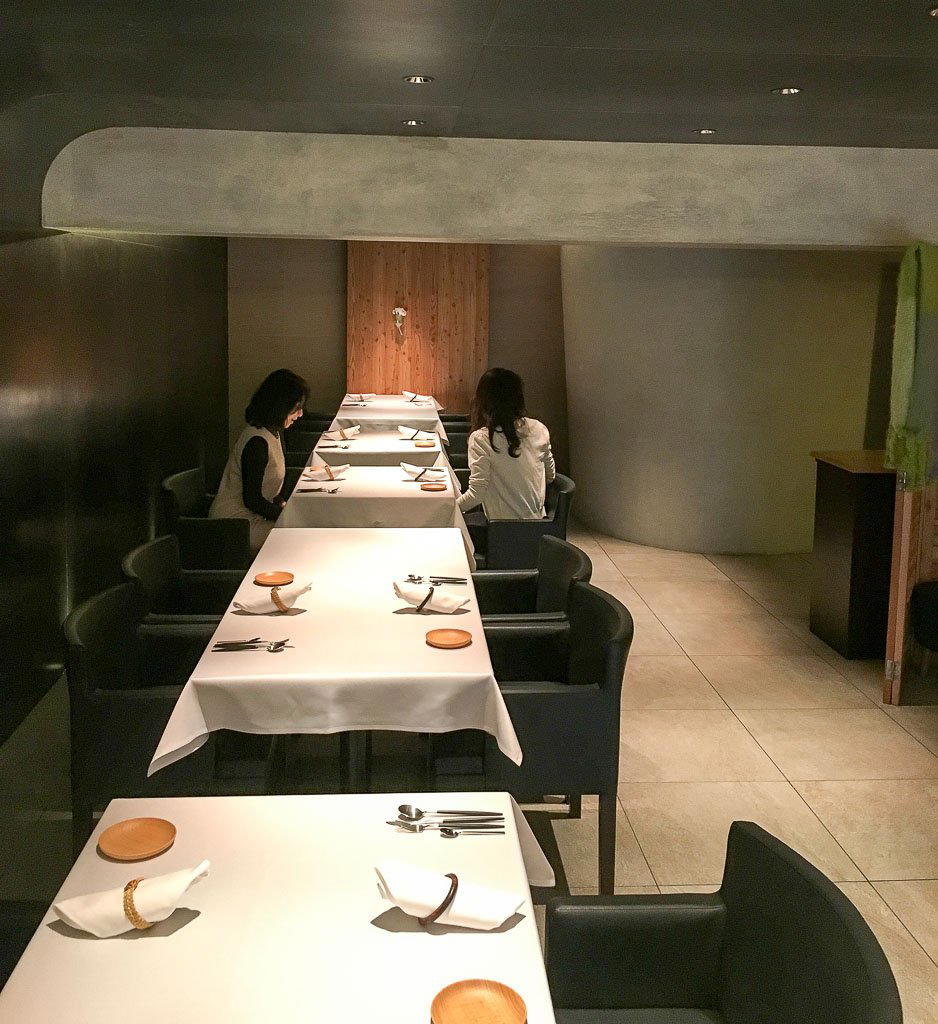
Ca Sento
Kobe, Japan
Chef Shinya Fukumoto's 12-seat Spanish tasting counter earned Tabelog Gold 2019 and remains Japan's most technically precise Spanish kitchen, blending kaiseki structure with Iberian technique. At JPY 30,000–39,999 dinner, it costs double the Kansai Spanish average but delivers fish-forward courses with omakase-level clarity. Book 2-3 weeks out; dress code and no-modification policy enforced.
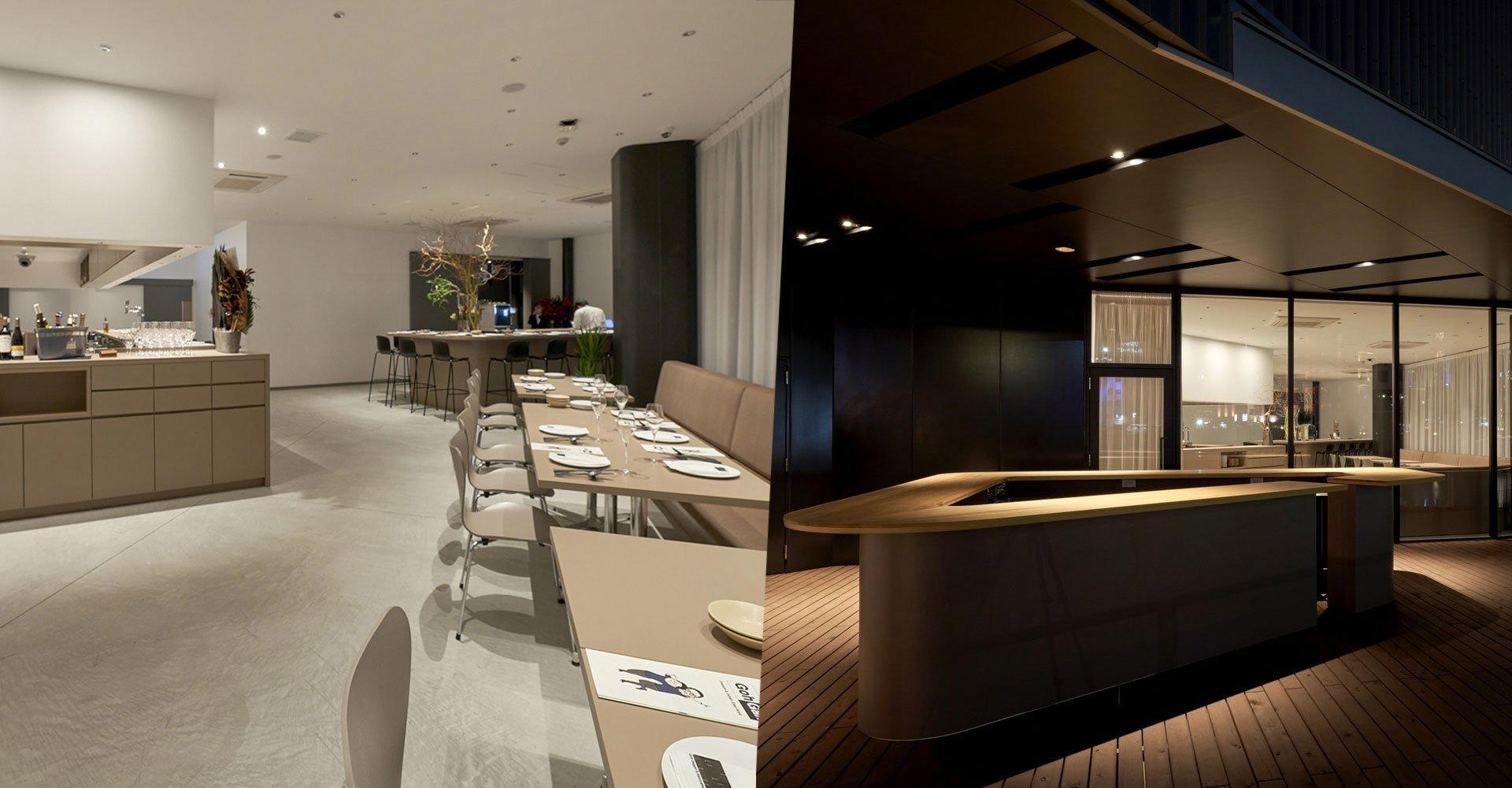
GohGan
Fukuoka, Japan
GohGan is the Fukuoka pick for diners who want a more deliberate Hakata-area dinner backed by recent recognition, not another casual stop. Book it for a special-occasion-leaning meal when cuisine specifics and budget details are less important than the restaurant's Tabelog 100 2025 signal and convenient Sumiyoshi location.
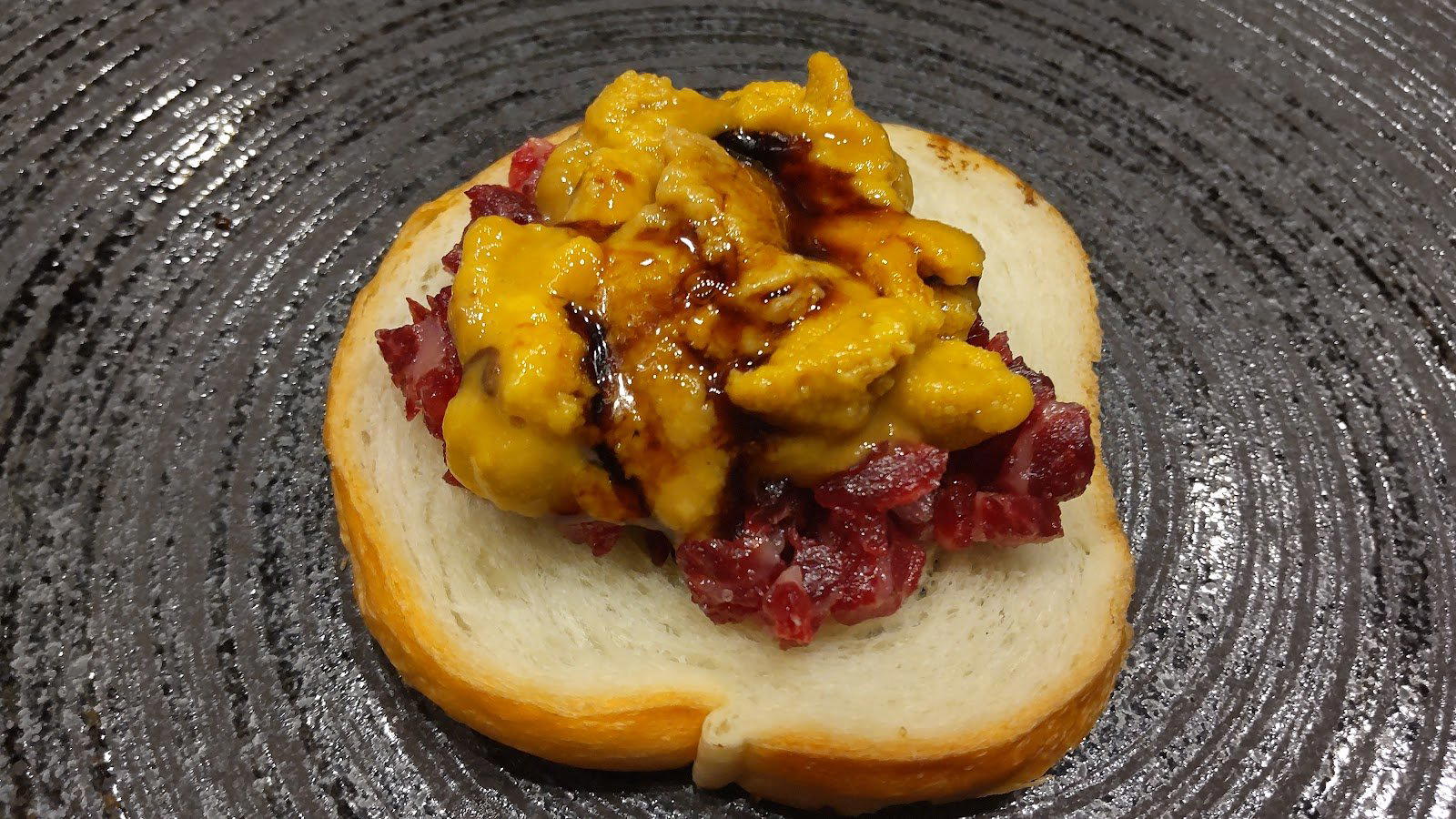
Gatagataya
Kawasaki, Japan
Six-seat creative teppanyaki counter in Kawasaki, open since 2000 and holding a ten-year Tabelog Bronze Award streak. The chef's-choice omakase (JPY 15,000–19,999) pairs seasonal fish with carefully aged sake stored at room temperature. No walk-ins, no phone bookings, and an adults-only, scent-free policy. Worth the trip if sake is your focus and you're already in the southern suburbs.
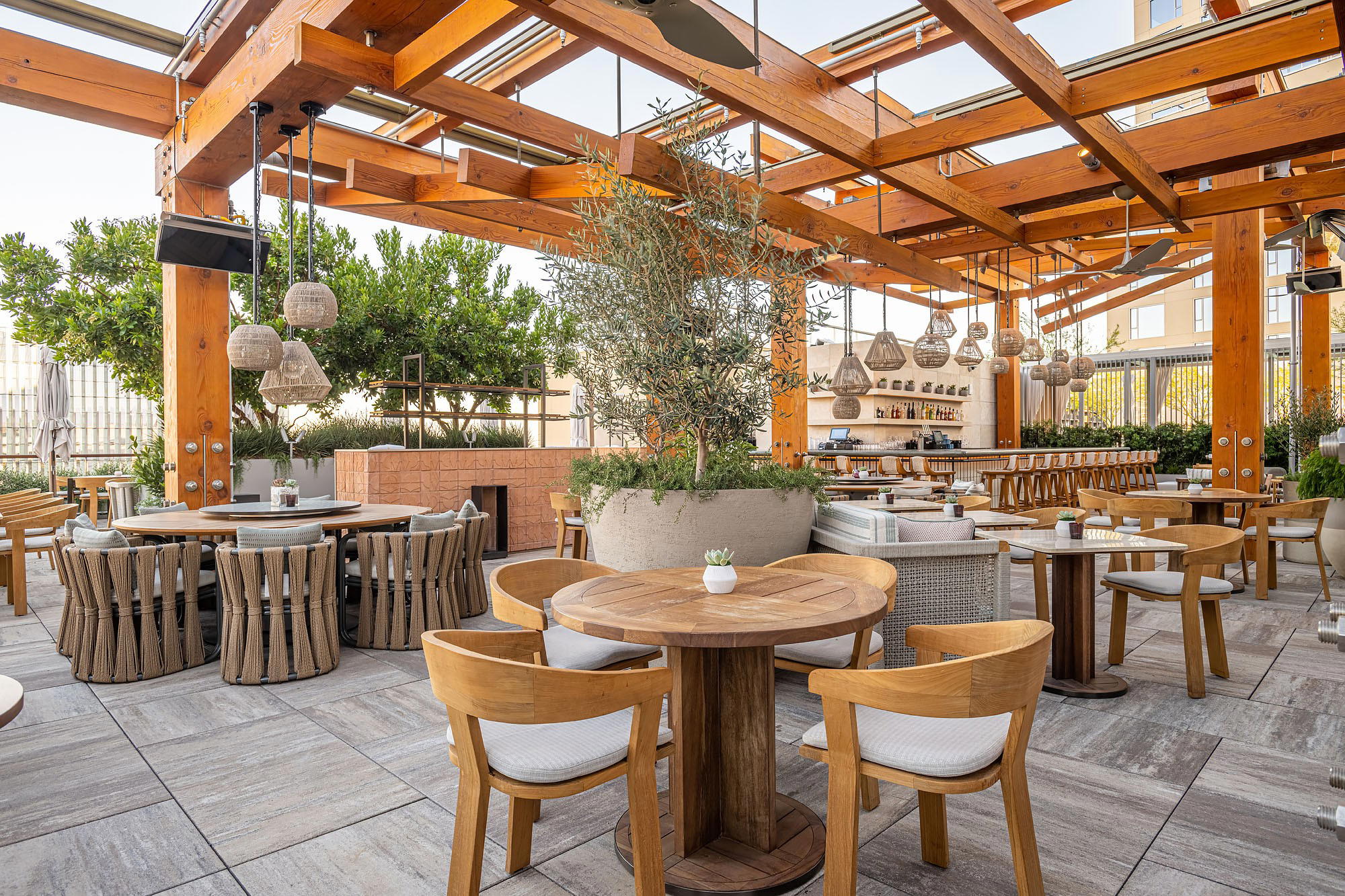
LURRA°
Kyoto, Japan
Chef Jacob Kear's 18-seat Higashiyama dining room builds each course around seasonal vegetables and open-flame cooking, earning Tabelog Bronze 2025 and Opinionated About Dining recognition. The JPY 40,000–49,999 tasting menu rotates weekly with what arrives from farms, paired with natural wines. Two seatings nightly; reservation-only through Tabelog. Book the 17:00 slot for easier availability.
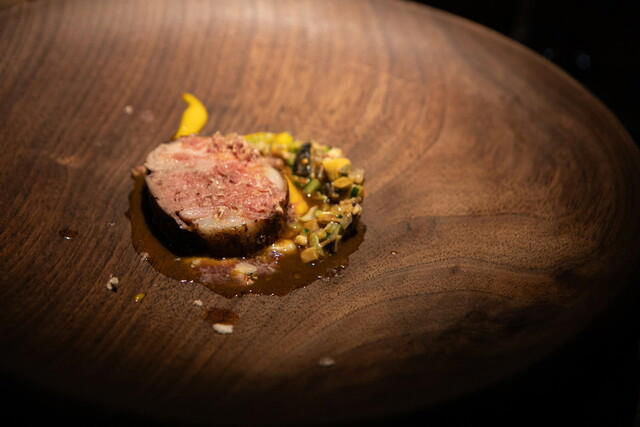
yokoyama
Kobe, Japan
An eight-seat counter in Kobe's Shimoyamatedori district where monthly-changing courses blend French, Chinese, and Japanese technique with a focus on seafood sourcing. Tabelog's 2025 Innovative / Creative 100 Best list recognized the kitchen for ingredient-driven cooking that justifies JPY 15,000–19,999 at dinner; lunch runs JPY 10,000–14,999 cash-only. The calm, counter-focused room suits solo diners and pairs better than groups.
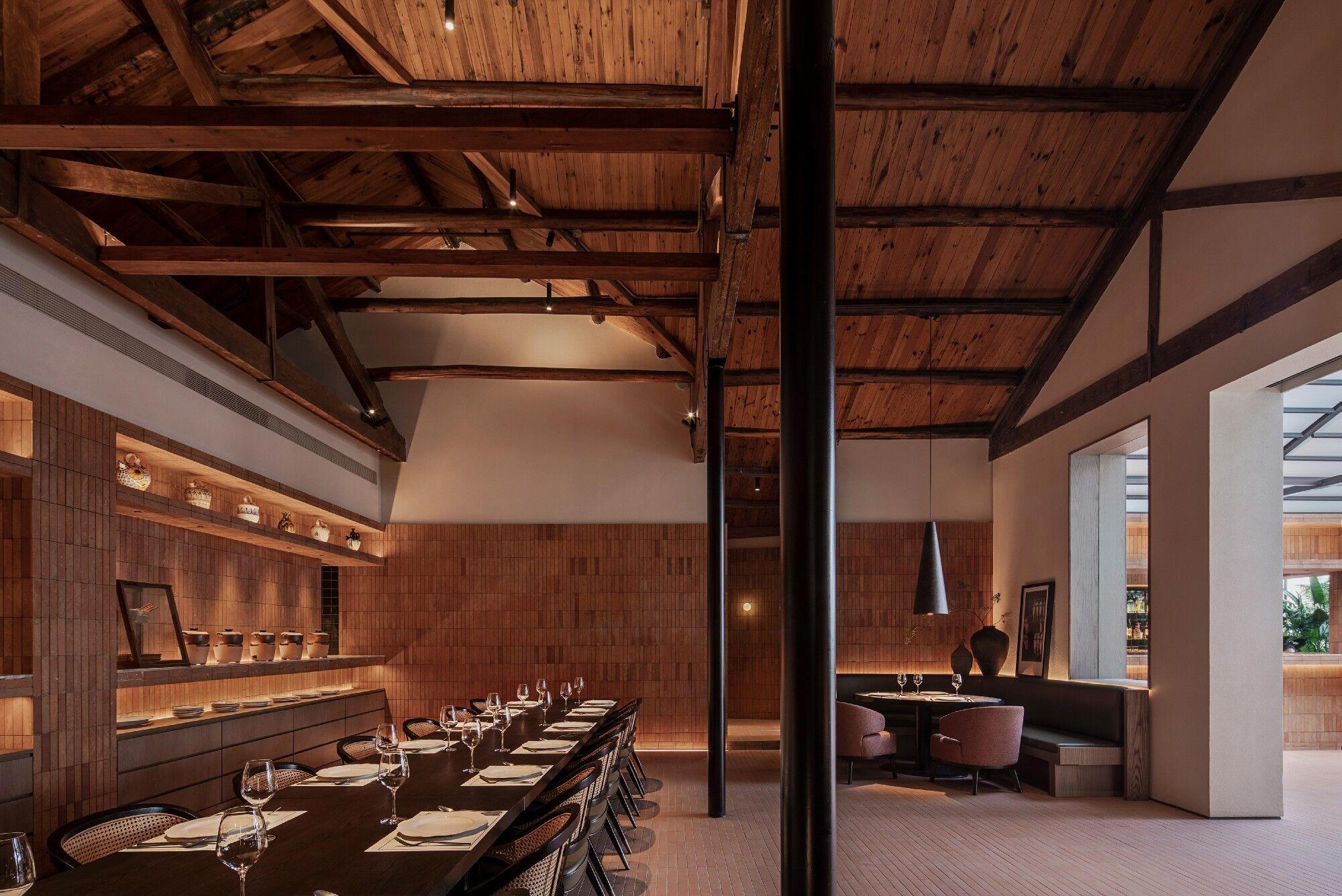
LA CASA DI Tetsuo Ota
Nagano, Japan
A six-seat counter in a Karuizawa house, reservation-only with year-ahead booking for 2027. Tabelog Bronze (2024 Silver) and Innovative/Creative Cuisine "Tabelog 100" 2025 recognition. Dinner JPY 20,000–29,999, lunch JPY 10,000–14,999. Quiet, residential setting with full-restaurant buyout available.
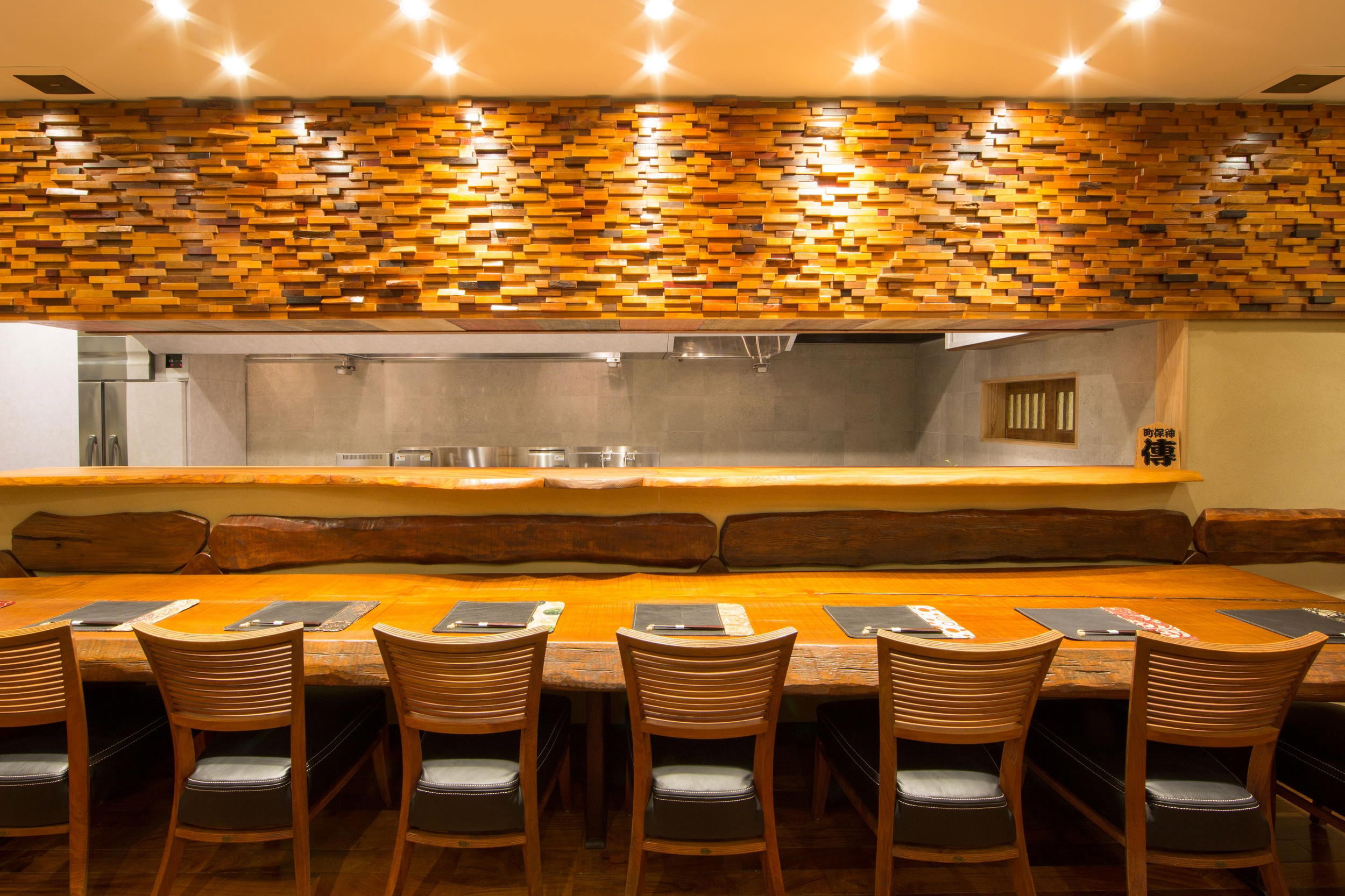
Den
Tokyo, Japan
Den is a Japanese restaurant in Jingumae, Tokyo, led by chef Zaiyu Hasegawa.
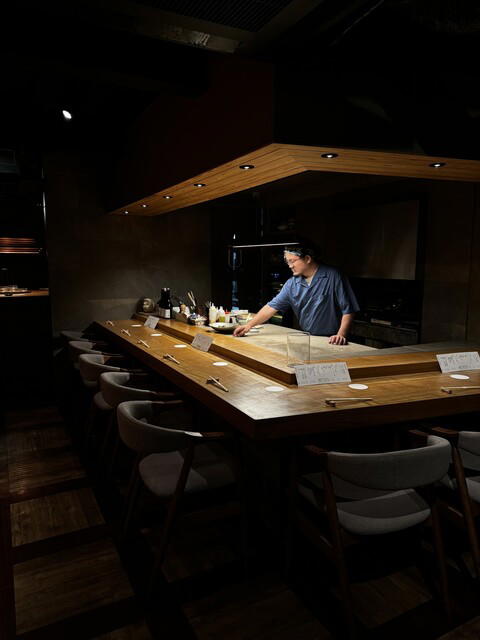
STUN.S
Osaka, Japan
Fish-forward innovative Japanese cuisine in a 16-seat Kyobashi room, recognized in Tabelog's 2025 Creative Cuisine 100 list. Dinner runs JPY 4,000–4,999 (actual spend closer to JPY 7,000–8,000 with drinks), with saké, shōchū, and wine pairings anchoring the beverage program. Evening-only service and 2.5-hour pacing suit date nights or small-group celebrations; book via phone or Instagram DM.
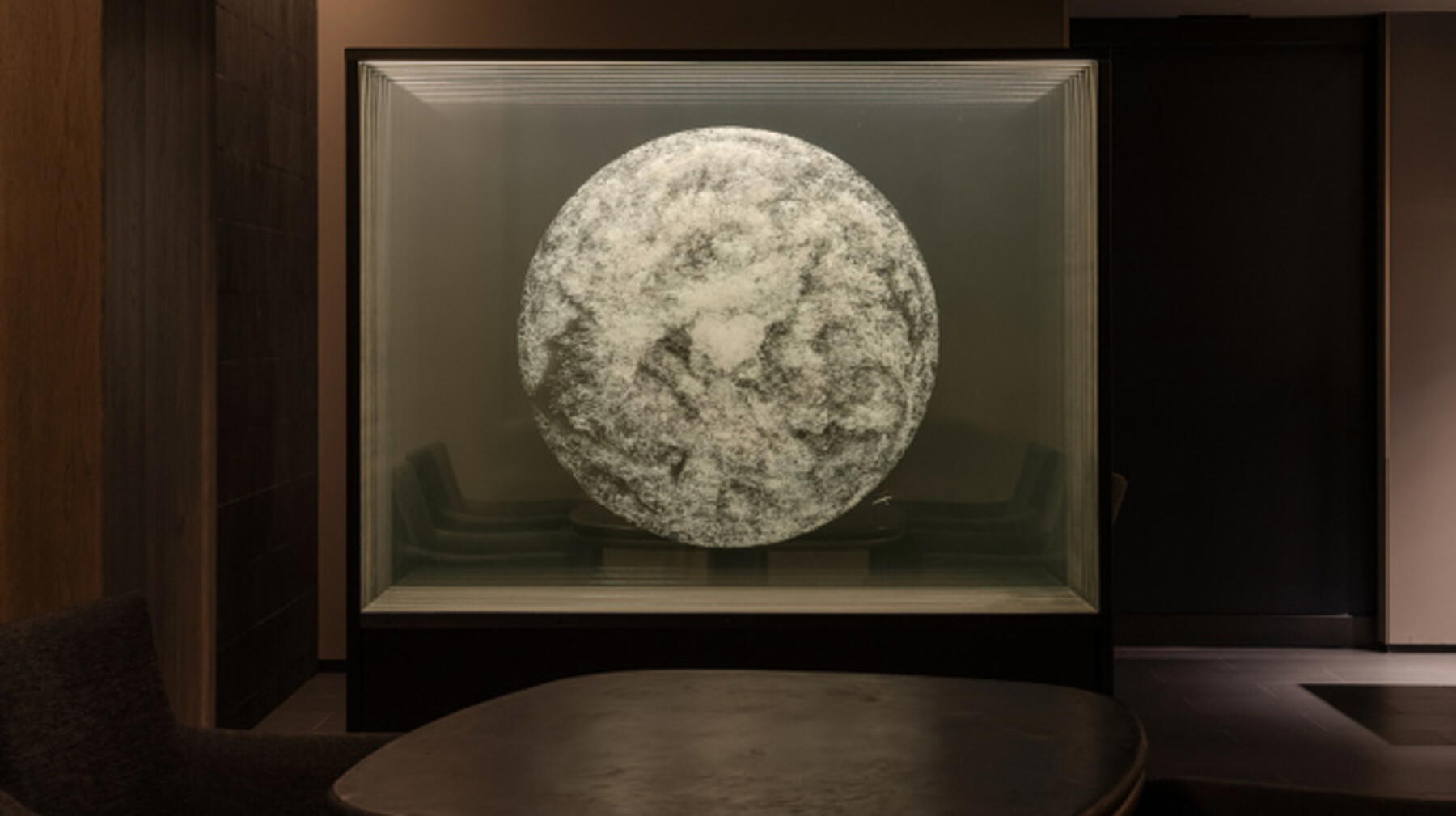
HAJIME
Osaka, Japan
HAJIME is a restaurant in Osaka founded in 2008.
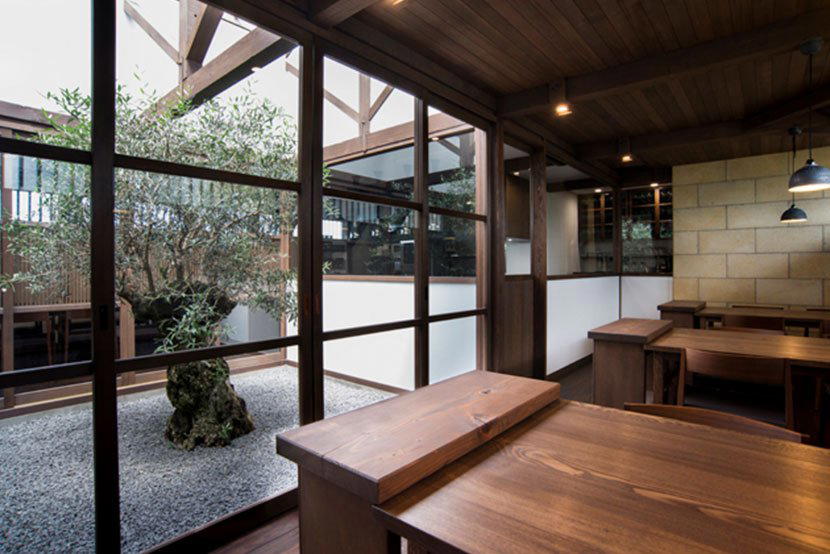
SHÓKUDŌ YArn
Komatsu, Japan
SHÓKUDŌ YArn is a 14-seat innovative restaurant in Komatsu, Ishikawa, with continuous Tabelog Award recognition from 2017 through 2026 and a spot in Japan's Opinionated About Dining top 225. Dinner runs JPY 20,000–29,999; lunch from JPY 15,000. Reservation-only, no solo bookings as a rule. If you are travelling to the Hokuriku region, this is the meal worth building your itinerary around.
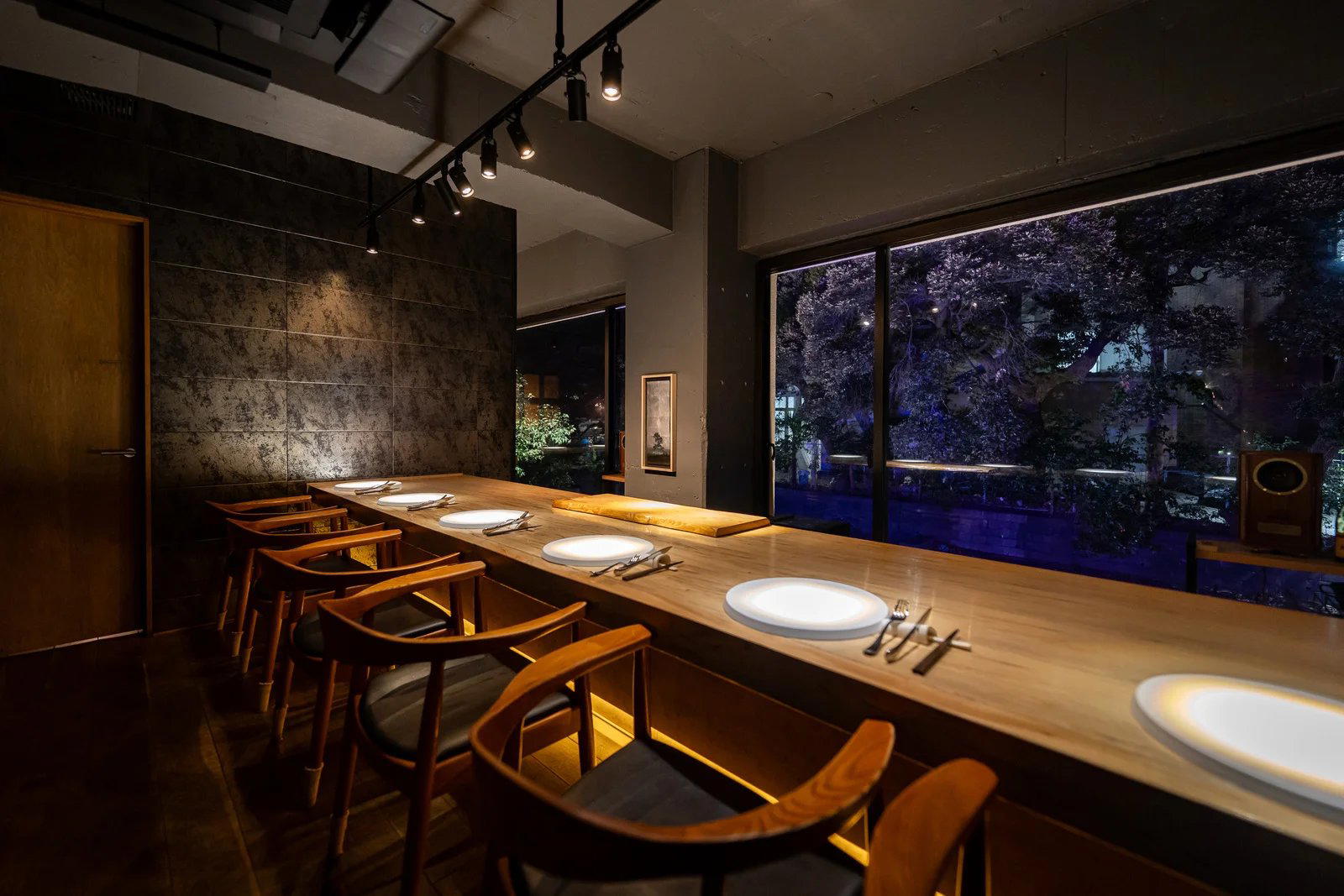
τρεῖς
Tokyo, Japan
Members-only innovative French course in Minato Ward with a strict no-perfume policy to preserve ingredient aromas. Six-seat counter offers front-row technique theatre at JPY 40,000-49,999 per head; Tabelog Silver Award holder five years running. Book if counter proximity and scent-focused courses justify the steep tariff.
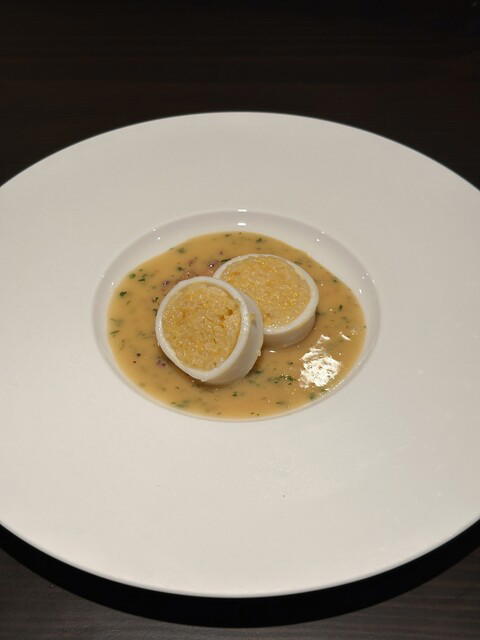
KINO_
Tokyo, Japan
Tabelog 100 French-innovative restaurant in Yoyogi serving Hokkaido fish at an 8-seat counter and 10-seat table section. Dinner runs JPY 15,000–19,999 with sake and wine pairings; lunch is JPY 8,000–9,999. Book 2–3 weeks out for weekends. Private buyouts available for up to 20 guests.
SALT
Saitama, Japan
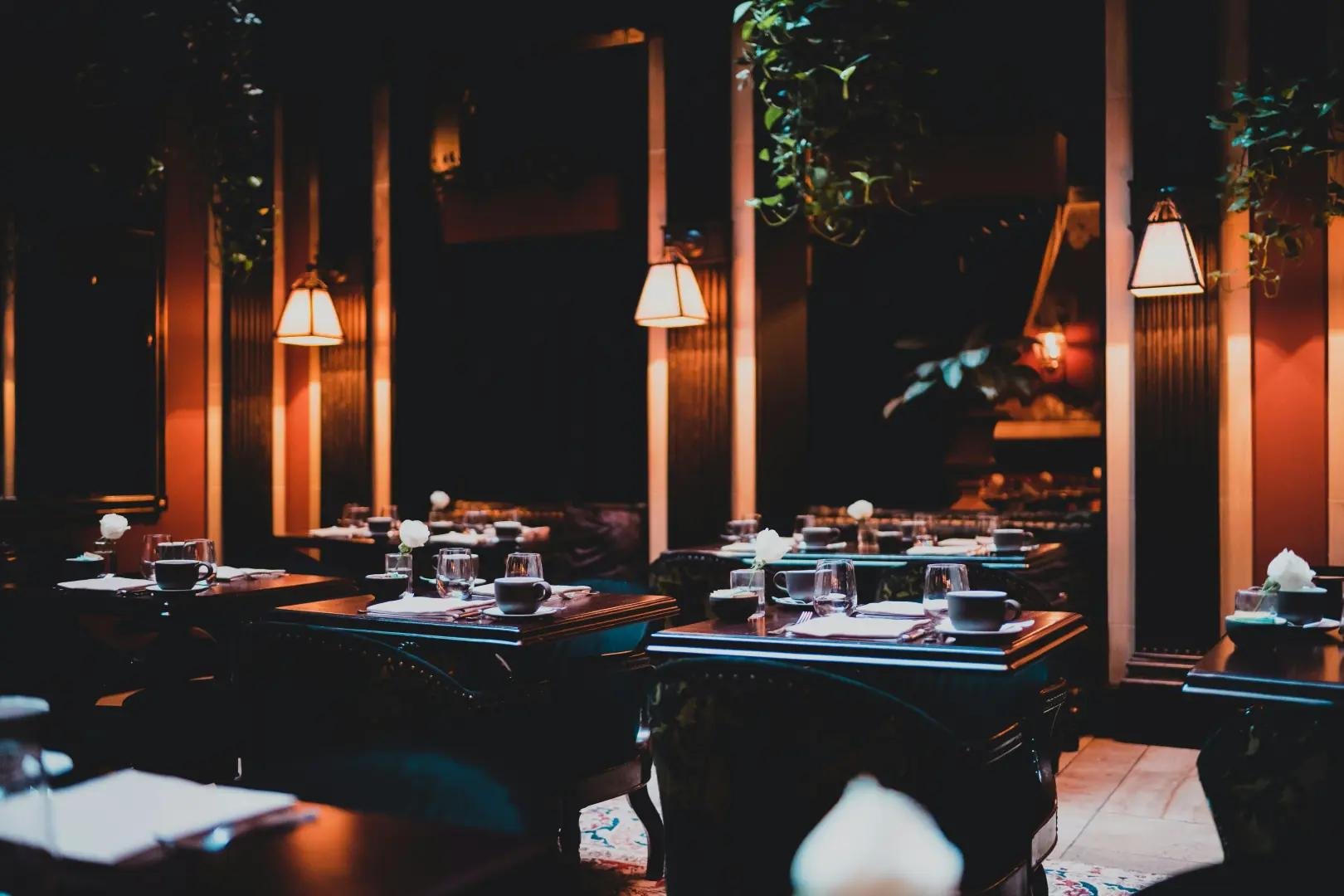
SALT works for a small-party meal in Urawa when you want a Saitama restaurant with a credible awards signal and a lower-pressure booking feel than central Tokyo. Go in with a seasonal mindset rather than chasing a named dish; cross-shop Komorebi Shokudo + or Turkish Ryori Asena if price clarity matters more.
HAKUGA
Nagoya, Japan
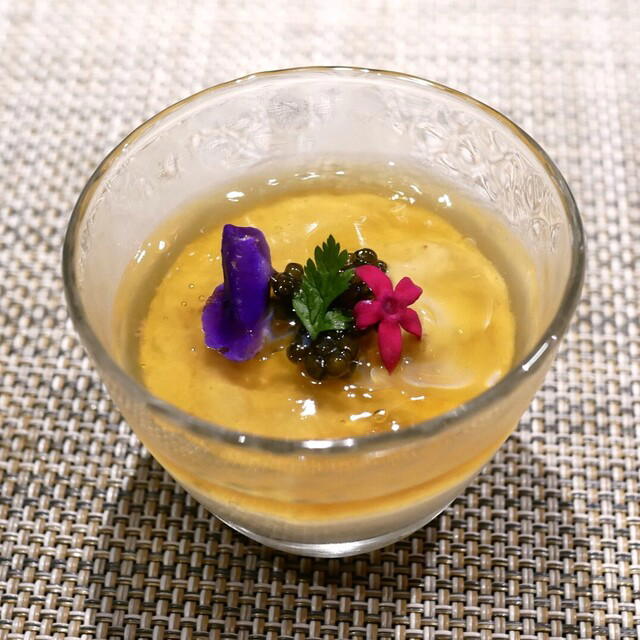
A 16-seat counter-only restaurant in Sakae offering creative French courses built around seasonal Japanese ingredients. Recognized in Tabelog 100 for innovative cuisine, HAKUGA runs a reservation-only format at JPY 15,000-19,999 per head. Booking windows close quickly; plan weeks ahead or consider easier-to-access peers like Hanamaru Kichijitsu.
akordu
Nara, Japan
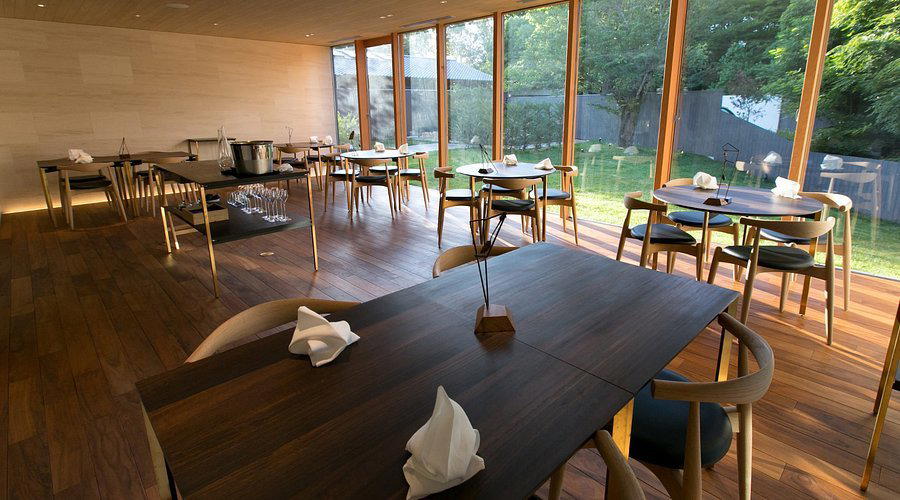
akordu is a restaurant on Suimoncho in Nara.
erre
Kobe, Japan
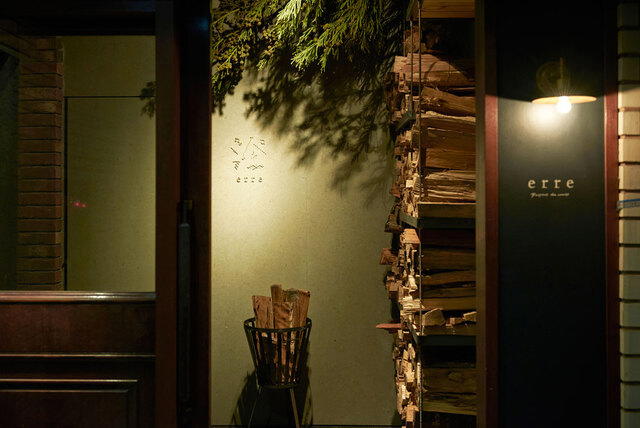
Six-seat Kitano-zaka counter serving wood-fired Italian-inflected courses built on fire, water, earth, and air. Recognized in Tabelog 100 – Innovative / Creative cuisine 2025, dinner runs JPY 15,000–19,999 with a 5% service charge. Reservation-only; expect pervasive firewood smoke and a multi-course format that rewards diners who value chef interaction and technical ambition over spaciousness.
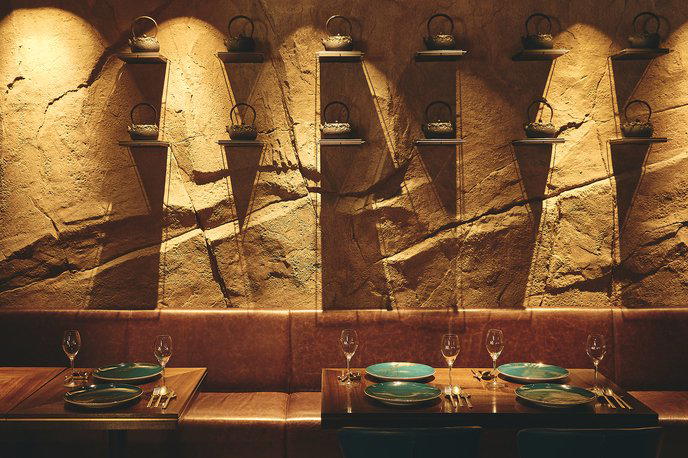
Spice Lab Tokyo
Tokyo, Japan
Spice Lab Tokyo is the Ginza pick for polished Indian cooking when the meal needs to feel occasion-ready, not just convenient. It is easier to justify for dinner, dates, and client meals than for a quick curry stop; value-focused diners should cross-shop Biriyani Osawa, SANTOSHAM, or Katchar Batchar instead.
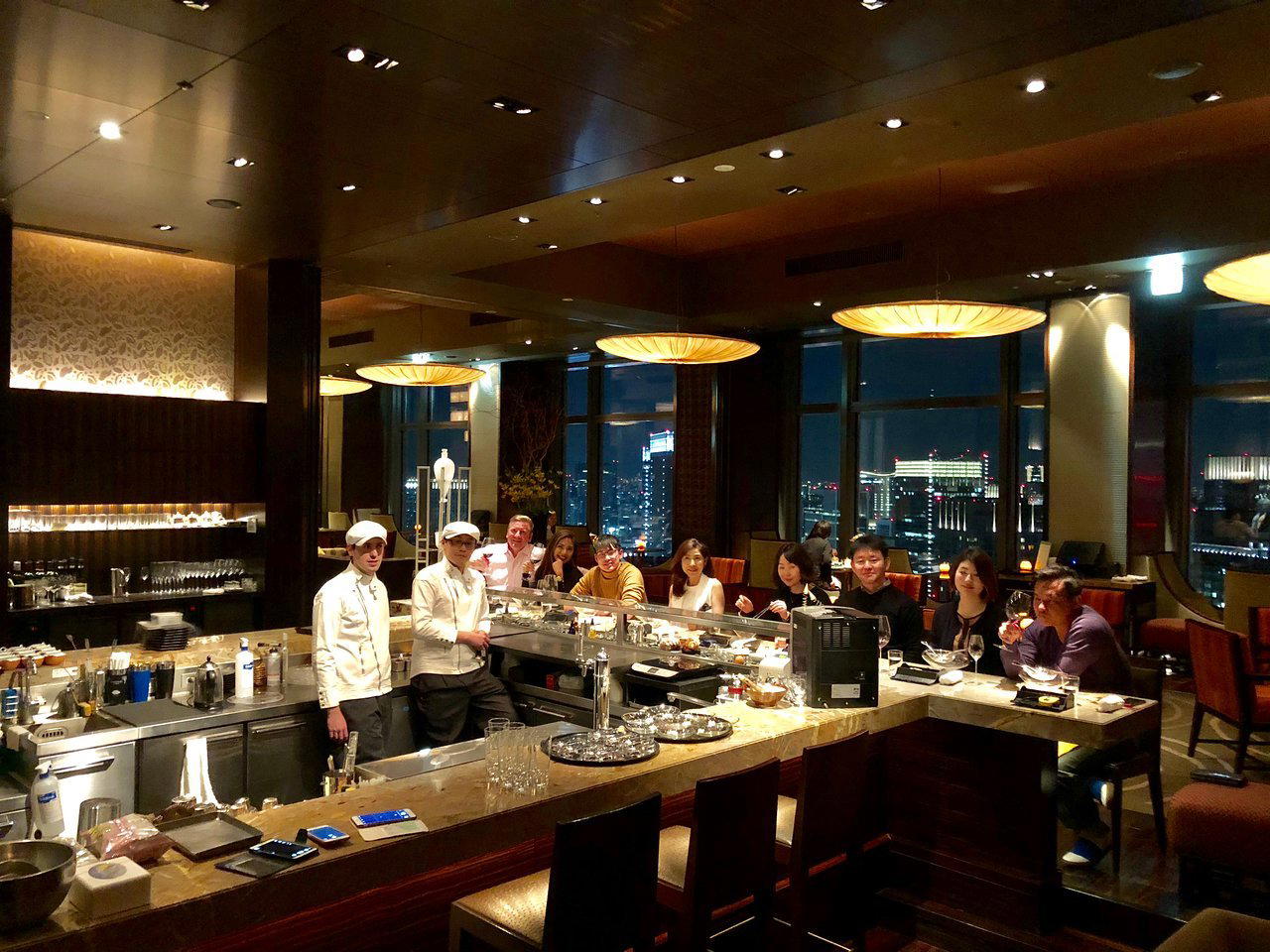
Tapas Molecular Bar
Tokyo, Japan
Tapas Molecular Bar is one of Tokyo's more accessible inventive tasting counter experiences, ranked on Opinionated About Dining's Top Restaurants in Japan since 2023. Dinner-only, Wednesday through Sunday, with easy booking relative to the city's most contested tables. Best for food-focused travelers who want technical precision and flavor-forward creativity over traditional Japanese or French formats.
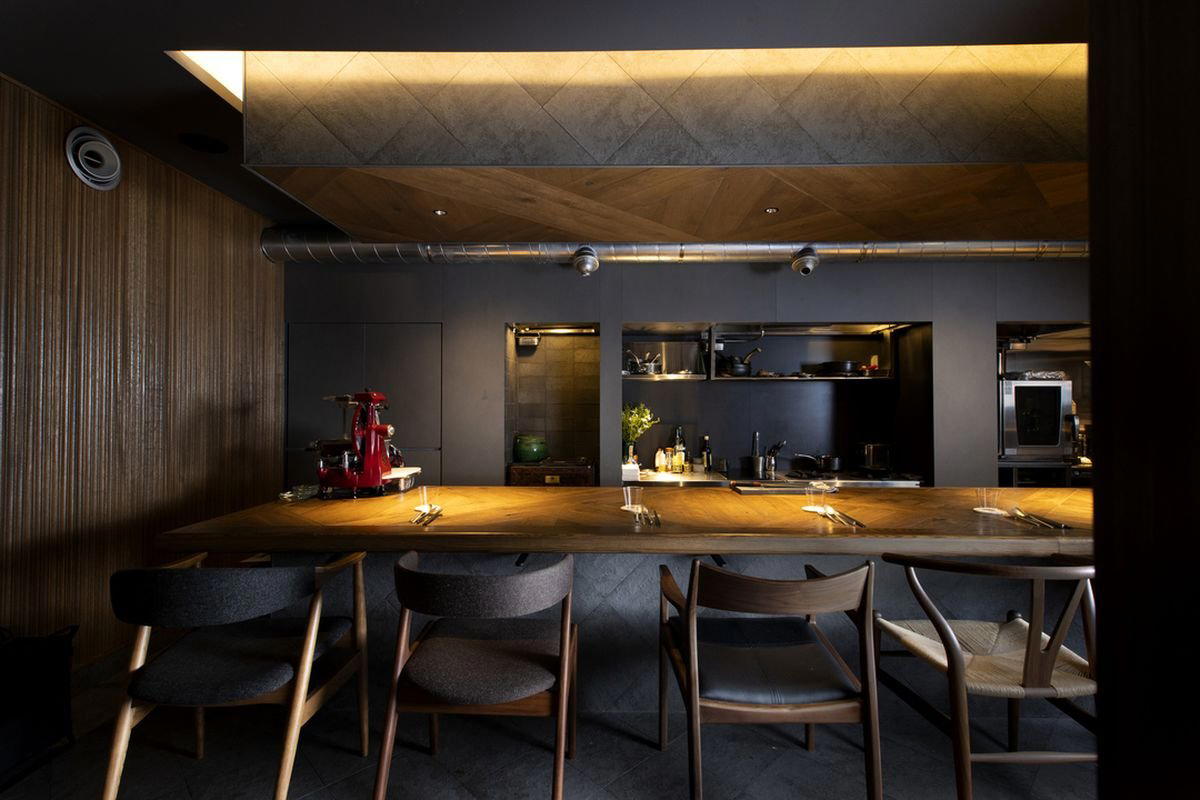
No Code
Tokyo, Japan
Book No Code if you want a Nishiazabu creative-cuisine dinner led by Fumio Yonezawa and are comfortable with fewer public details before committing. It is better for curious two-person dining than for groups needing published price, dress, or wine-list certainty.
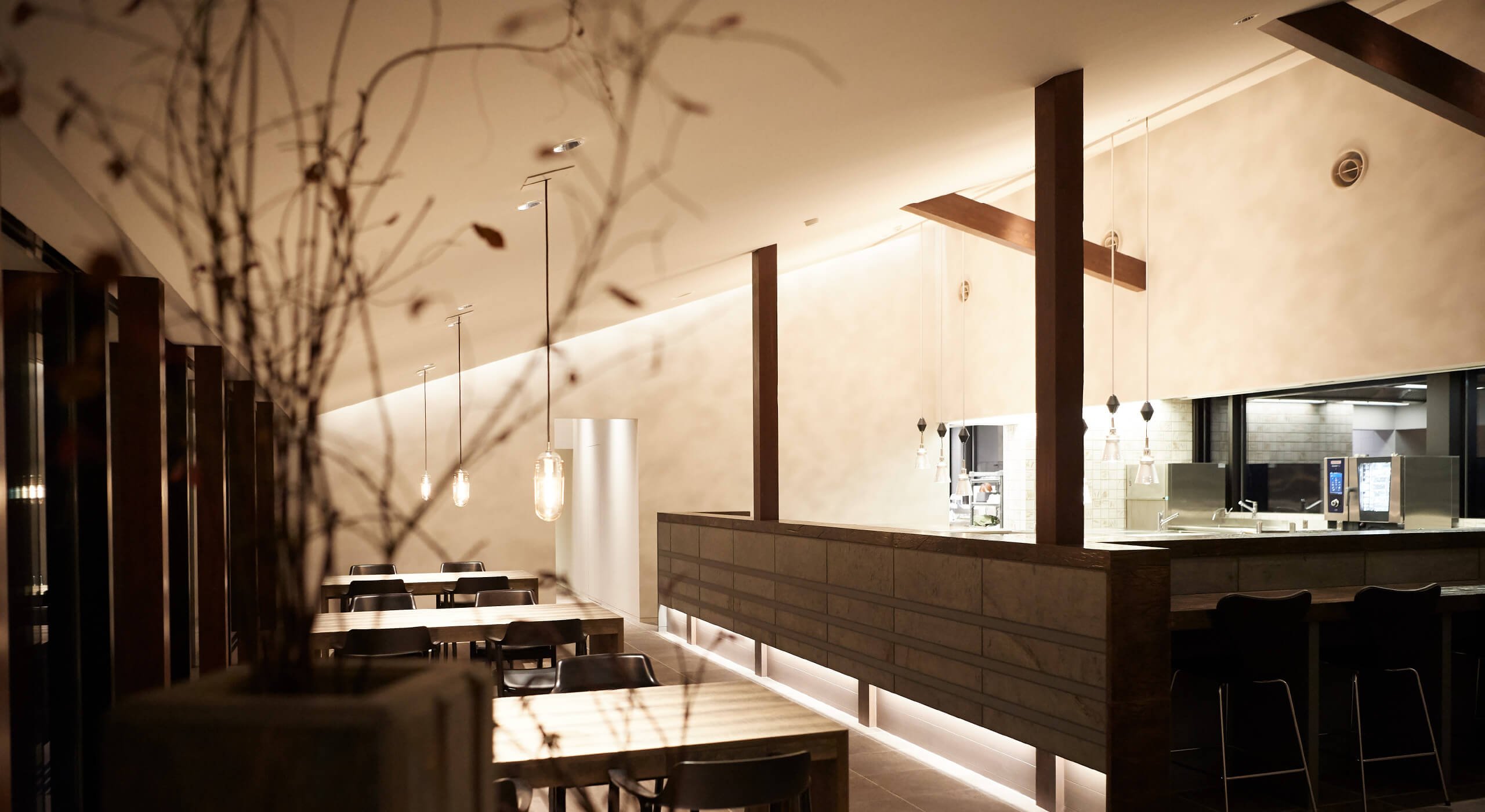
L'évo
Nanto, Japan
L'évo is an auberge with a restaurant and lodging in Togamura, Nanto, Toyama.
Pesceco
Nagasaki, Japan
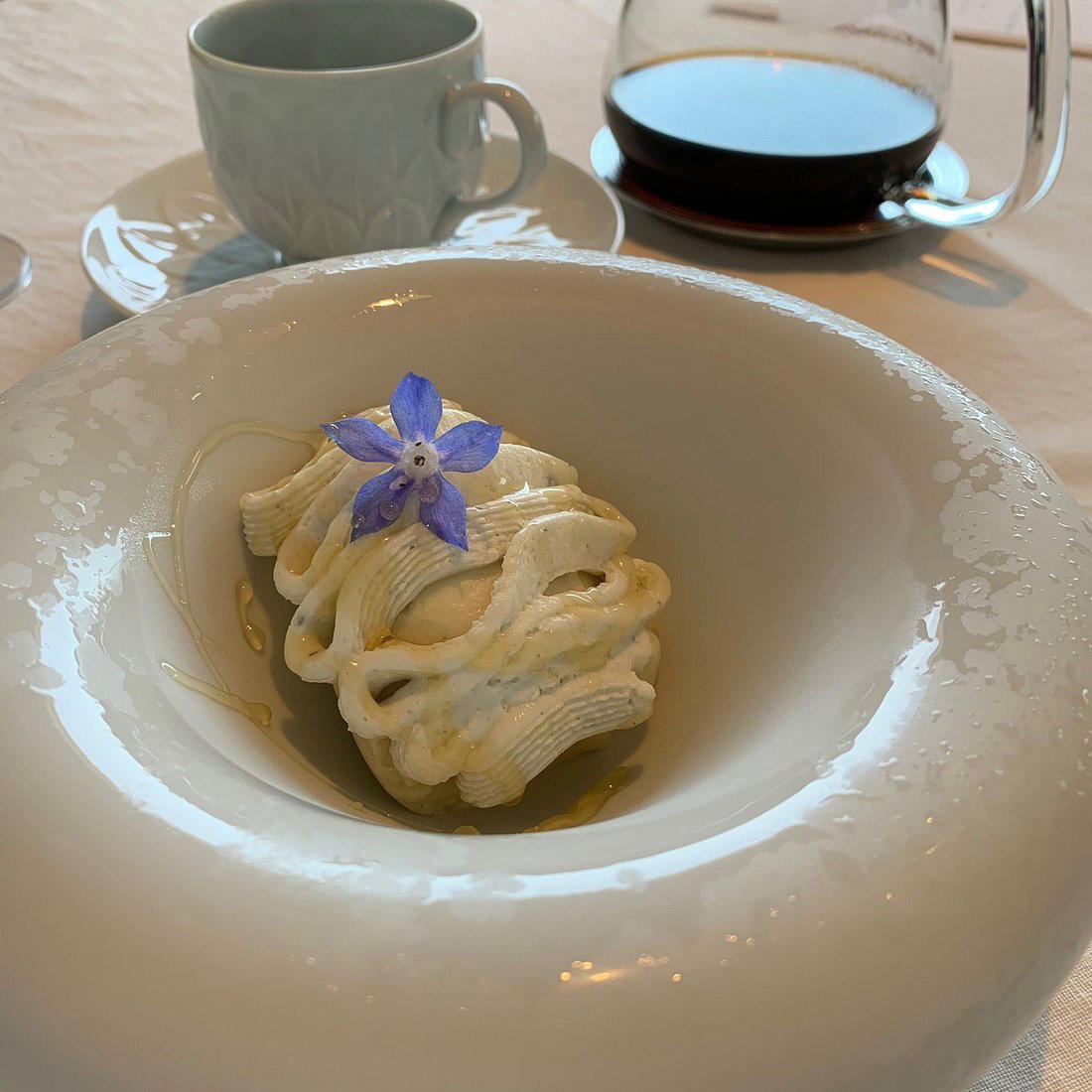
Pesceco is a six-seat counter restaurant in Shimabara, Nagasaki, earning Tabelog Silver every year from 2021 to 2026 and ranked 65th in Japan for 2025. Chef Kouji Inoue runs a coastal-focused innovative set menu at lunch only, with prices running JPY 40,000–49,999 per person all-in. Book two months out online; parties of two to four only.
TexturA
Tokyo, Japan
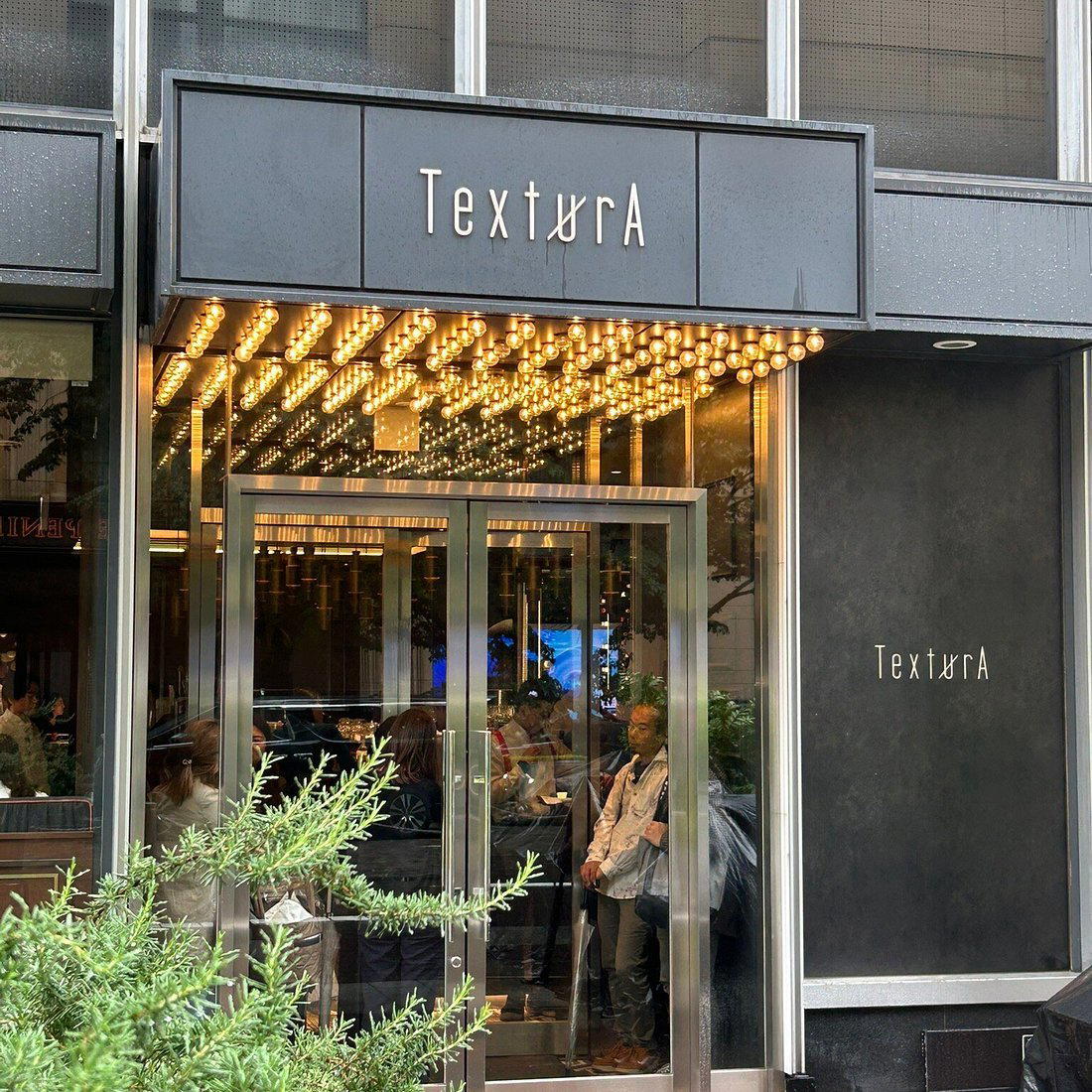
TexturA works when you want a more intentional sit-down meal in Yurakucho rather than a quick cafe stop. Recognition from Tabelog 100 and Opinionated About Dining gives it a stronger trust signal than nearby casual options, but the practical play is dine-in: do not treat it as a takeout or delivery-led choice.
Tout La Joie
Nagoya, Japan
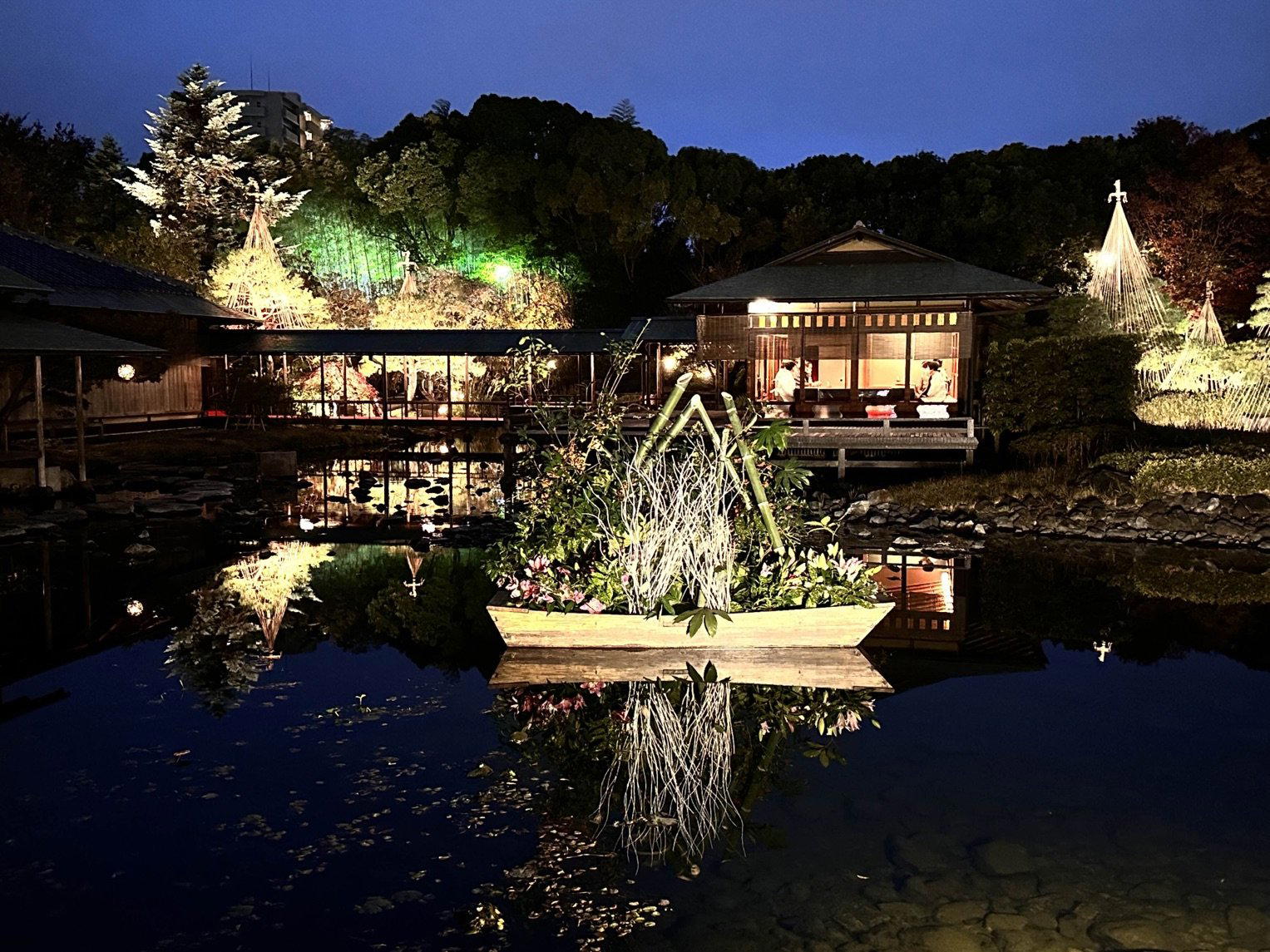
Tout La Joie is a reservation-only French-innovative restaurant in Nagoya's Naka Ward with four consecutive Tabelog Bronze awards (2023–2026), a score of 4.37, and a place on the Tabelog Innovative Top 100 for 2025. Budget JPY 30,000 to JPY 39,999 per person. Payment by QR code only; confirm before you arrive.
KOKE
Kyoto, Japan
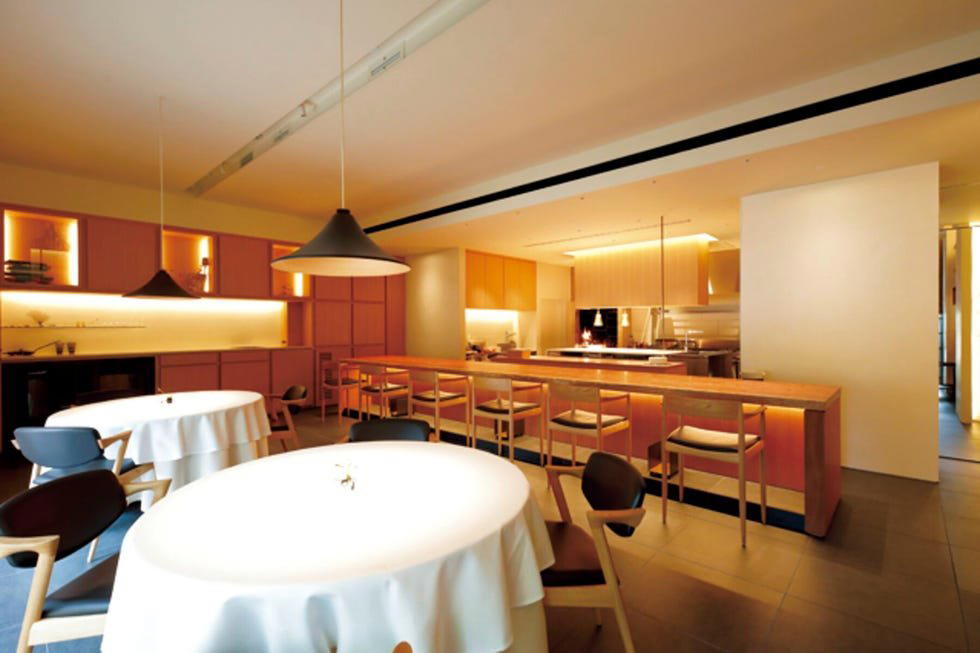
KOKE earns its Michelin star (2024) at ¥¥¥ pricing; a tier below most of Kyoto's starred competition. Chef Yusaku Nakamura applies Spanish and French technique to Okinawan culinary heritage, producing creative tasting menus that feel personal rather than ceremonial. Ranked #360 in Japan (Opinionated About Dining, 2025), it is the city's most compelling option for diners who want serious cooking without formal kaiseki structure.
kibi
Nagoya, Japan
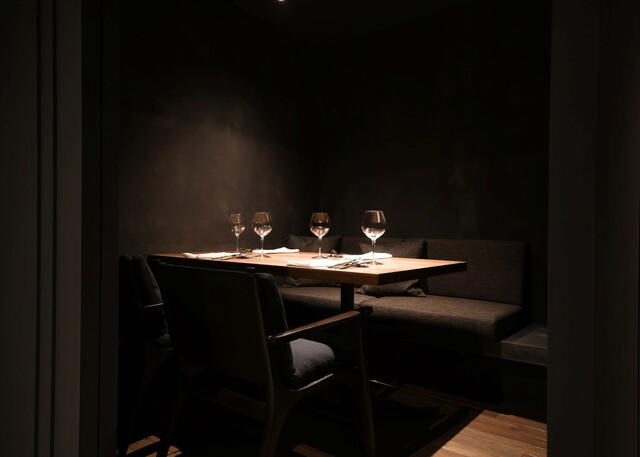
A 20-seat wood-fired innovative Italian in Higashisakura with Tabelog 100 recognition and reservation-only access. Dinner service runs until midnight, making it one of Nagoya's few late-seating fine-dining options. Book 3–4 weeks ahead for the counter; private rooms accommodate groups up to eight.
gasutoronomi ya kogakeisuke
Fukuoka, Japan
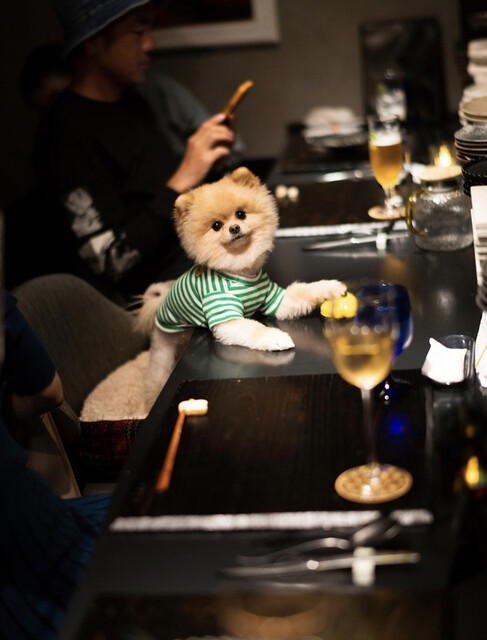
Tabelog 100-listed creative kitchen in Akasaka blending Italian technique and seafood focus, with counter seating, wine depth, and family-friendly private room options. Book three days ahead for the counter; expect JPY 15,000–19,999 per head plus seating fee. Best for diners who value technique over pure luxury.
Bengal Tiger
Chiba, Japan
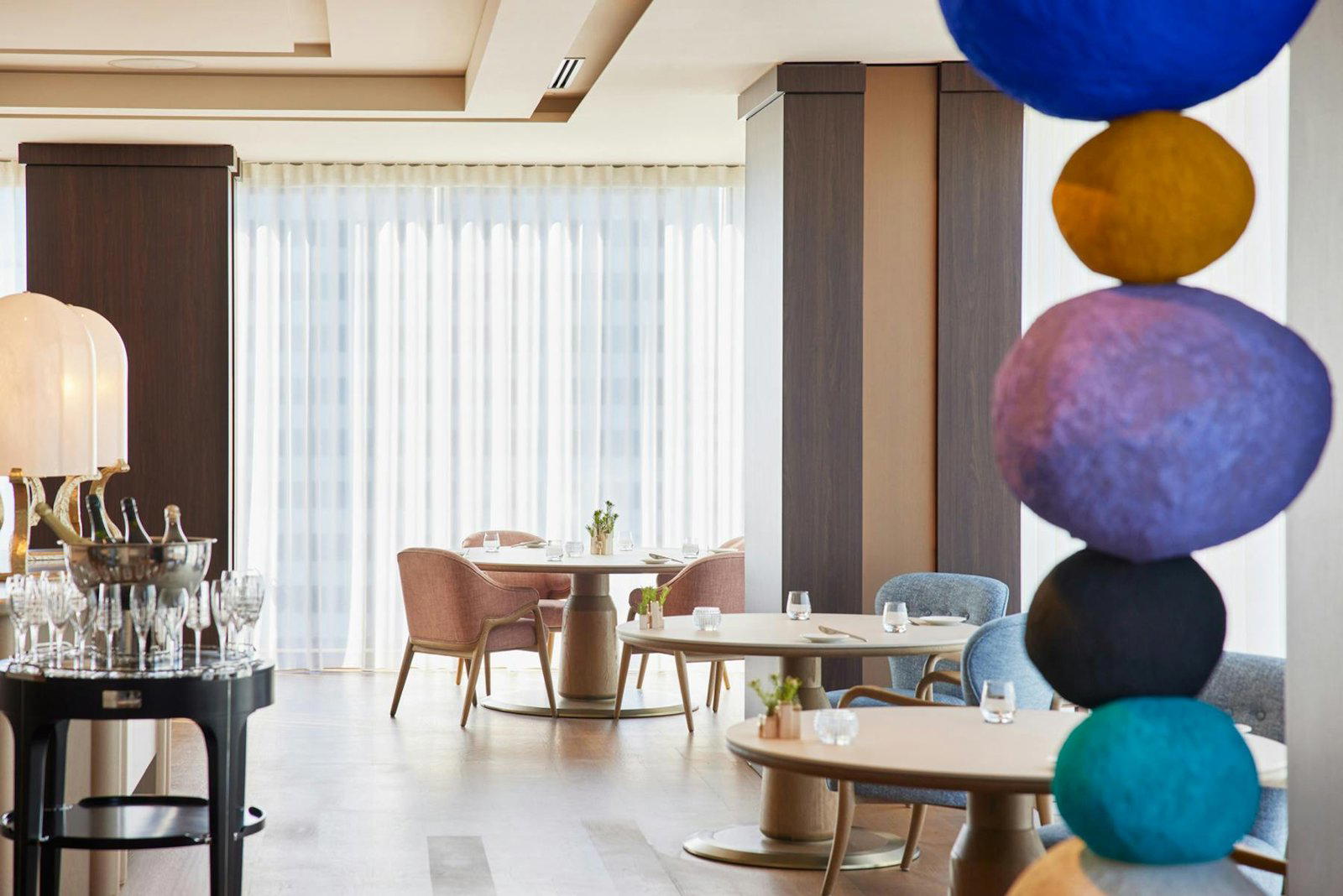
This five-seat counter near Chiba Station earned Tabelog 100 recognition in three categories (innovative cuisine, Asian/ethnic, curry) for modern Indian tasting courses fusing halal A5 Hokkaido wagyu and seafood-forward technique. Reservation-only at JPY 8,000–9,999; book two weeks ahead through the venue website.
LOOP TOKYO
Tokyo, Japan
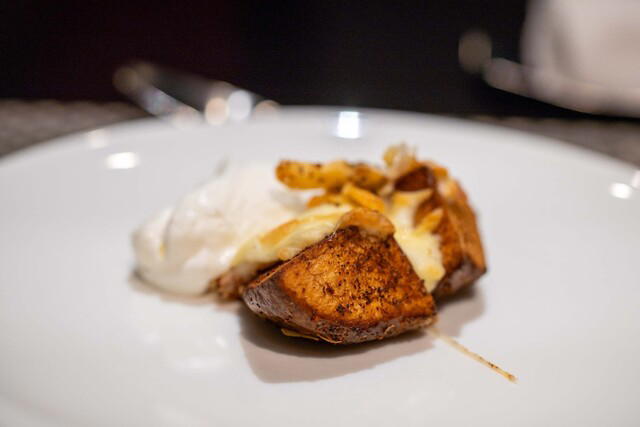
A nine-seat creative tasting counter in Nishiasakusa, LOOP TOKYO delivers a ¥12,100 course built on execution precision and neighbourhood intimacy. Tabelog 100 recognition in 2025 confirms technical skill, but the real draw is the unhurried pacing and easy booking compared to Tokyo's higher-tier omakase rooms. Book a week ahead, request the counter for two, and plan for a Tuesday or Thursday when the room feels most relaxed.
Goh
Fukuoka, Japan
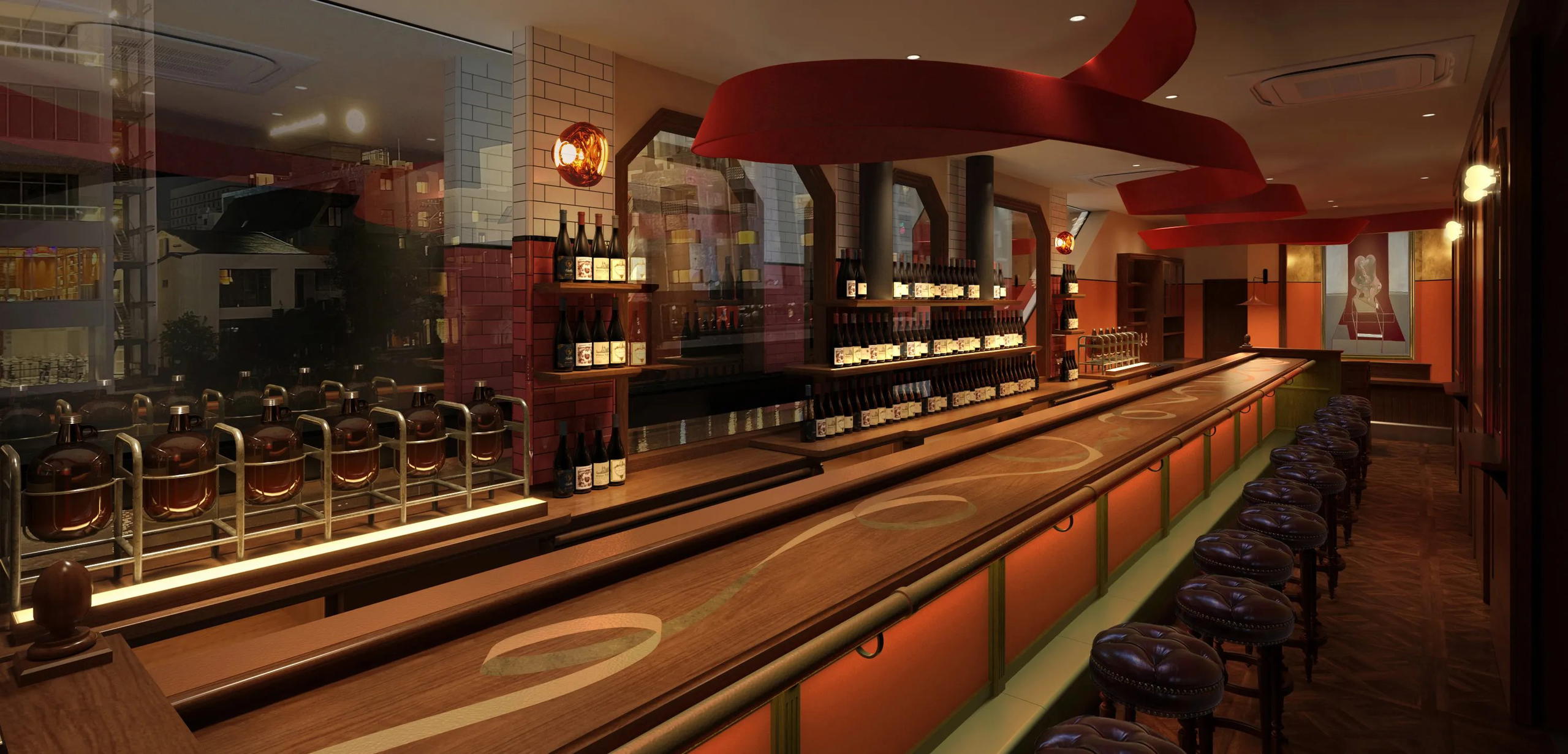
Chef Takeshi Fukuyama's 10-seat communal omakase in Fukuoka blends French technique with global influences in a borderless cuisine format. Recognized by Asia's 50 Best (#36, 2025) and Tabelog Award 2026 Bronze, the single-table setup emphasizes conversation and experimentation. Best for explorers who enjoy social dining; book far ahead.
Akari
Kobe, Japan
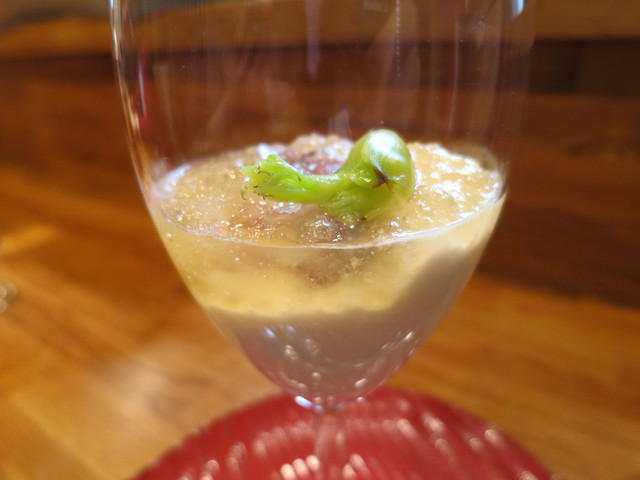
Akari is a smart Kobe dinner choice if you want a mid-priced, award-noted meal without committing to a major splurge. It is better for first-timers seeking value and a planned evening than for diners who need a detailed cuisine brief, named chef, or daytime option before booking.
MAZ
Tokyo, Japan
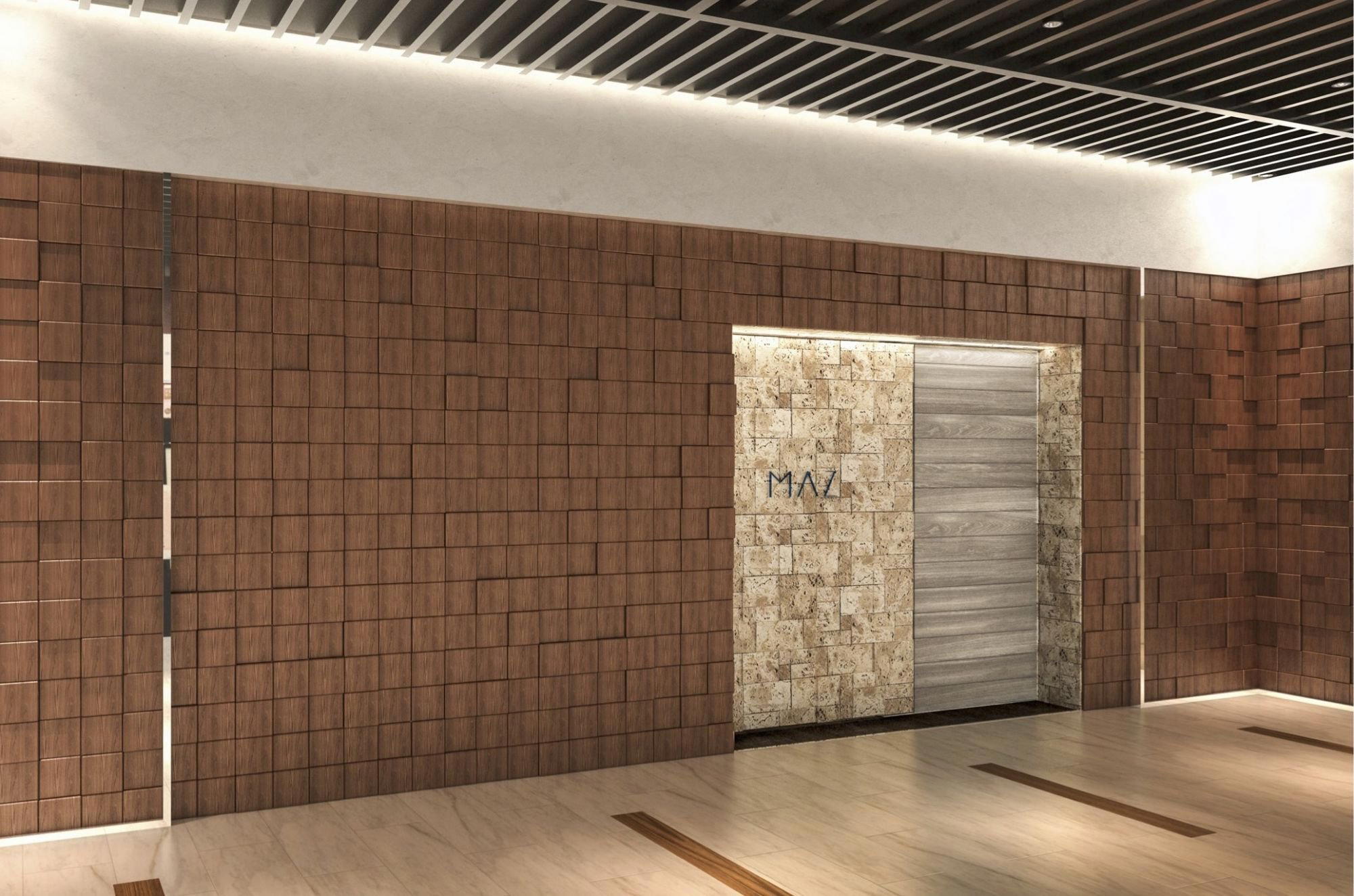
MAZ is a restaurant in Tokyo's Kioicho district.
à nu Shohei Shimono
Tokyo, Japan
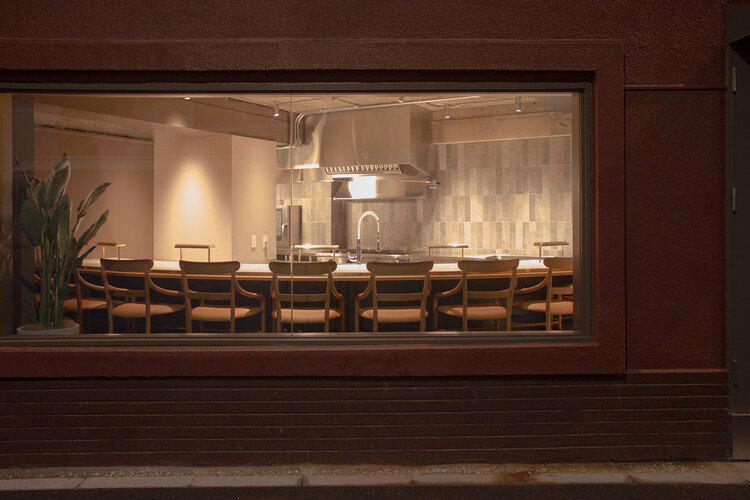
Shohei Shimano is a small, peer-endorsed French restaurant in Tokyo's Hiroo neighbourhood, ranked on Opinionated About Dining's Japan list for three consecutive years. It is easier to book than most of its OAD-ranked peers, suits solo diners and intimate occasions well, and rewards returning guests who engage with the kitchen's pace and the wine programme.
ラチェルバ
Osaka, Japan
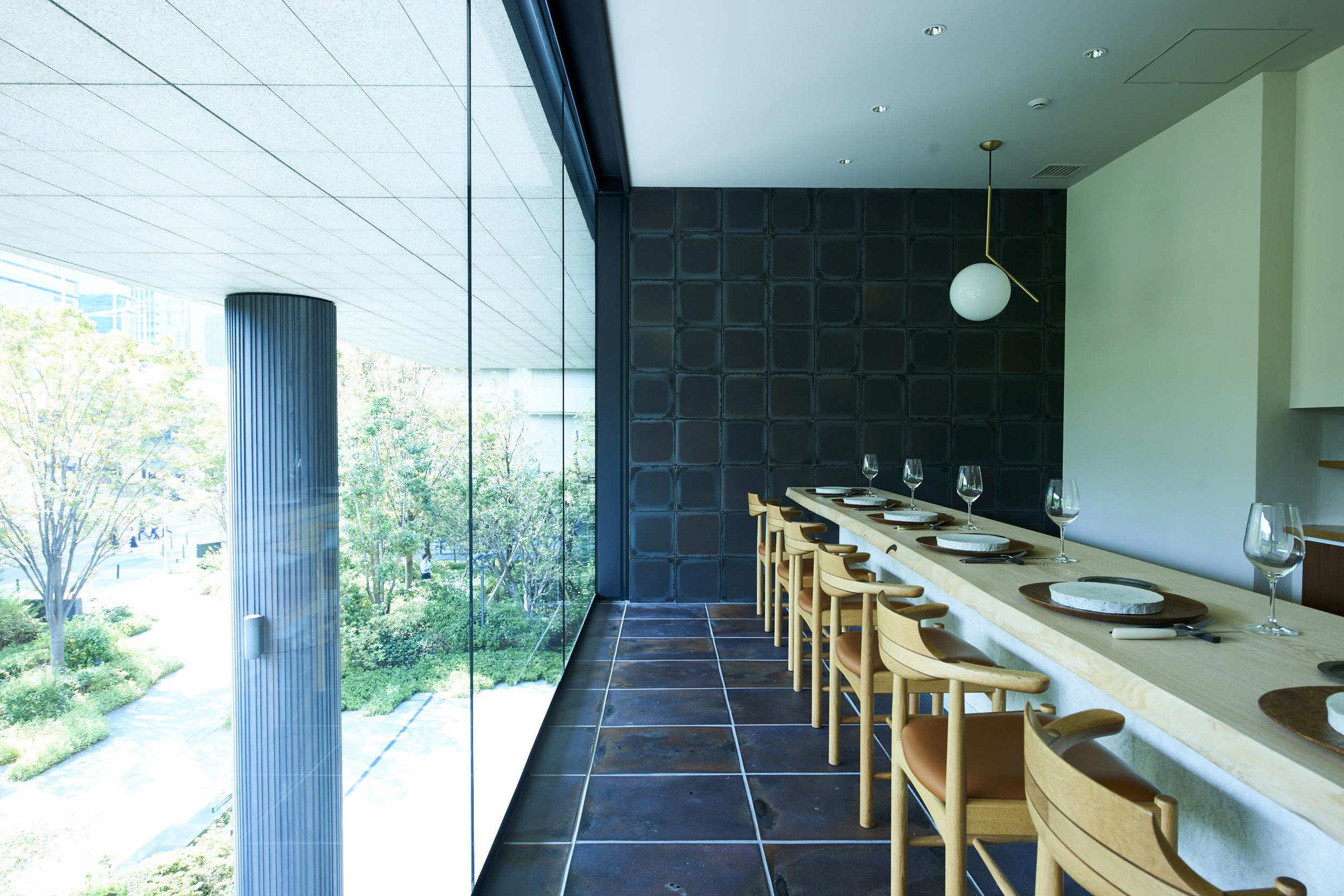
ラチェルバ is a dinner-only Osaka Shi pick for a polished special occasion, especially if you want a calmer Dojimahama setting with a Tabelog 100 2025 quality signal. It suits dates, client dinners, and small celebrations better than loose group plans or lunch itineraries.
SANADA
Osaka, Japan
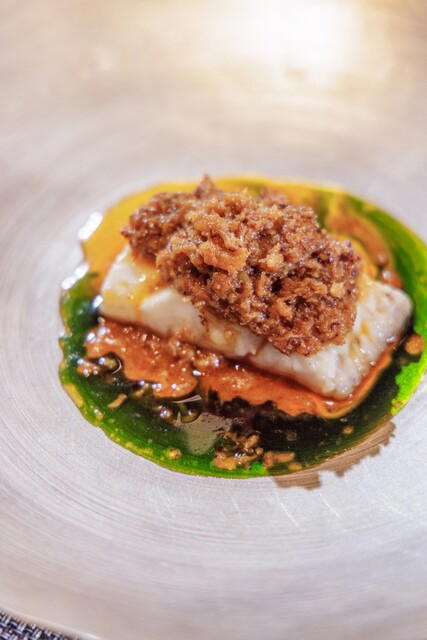
A six-seat innovative kaiseki counter in Osaka's Kitashinchi with a Tabelog 100 ranking for 2025, offering two nightly seatings at JPY 30,000–39,999. Easier to book than Michelin-starred peers but with serious technical ambition, best across multiple visits to track seasonal shifts.
SECRETO
Tokyo, Japan
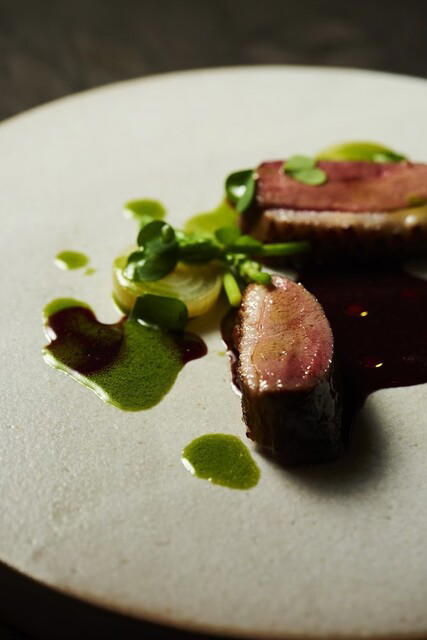
A 12-seat innovative counter in Ushigome Kagurazaka with a fixed 7 PM start, tasting-menu-only format, and three Tabelog Bronze awards since 2019. At JPY 20,000–29,999, it sits below Tokyo's top tier but delivers consistent execution. Reservations required; easiest to book midweek Tuesday–Wednesday.
Grill Ukai
Tokyo, Japan
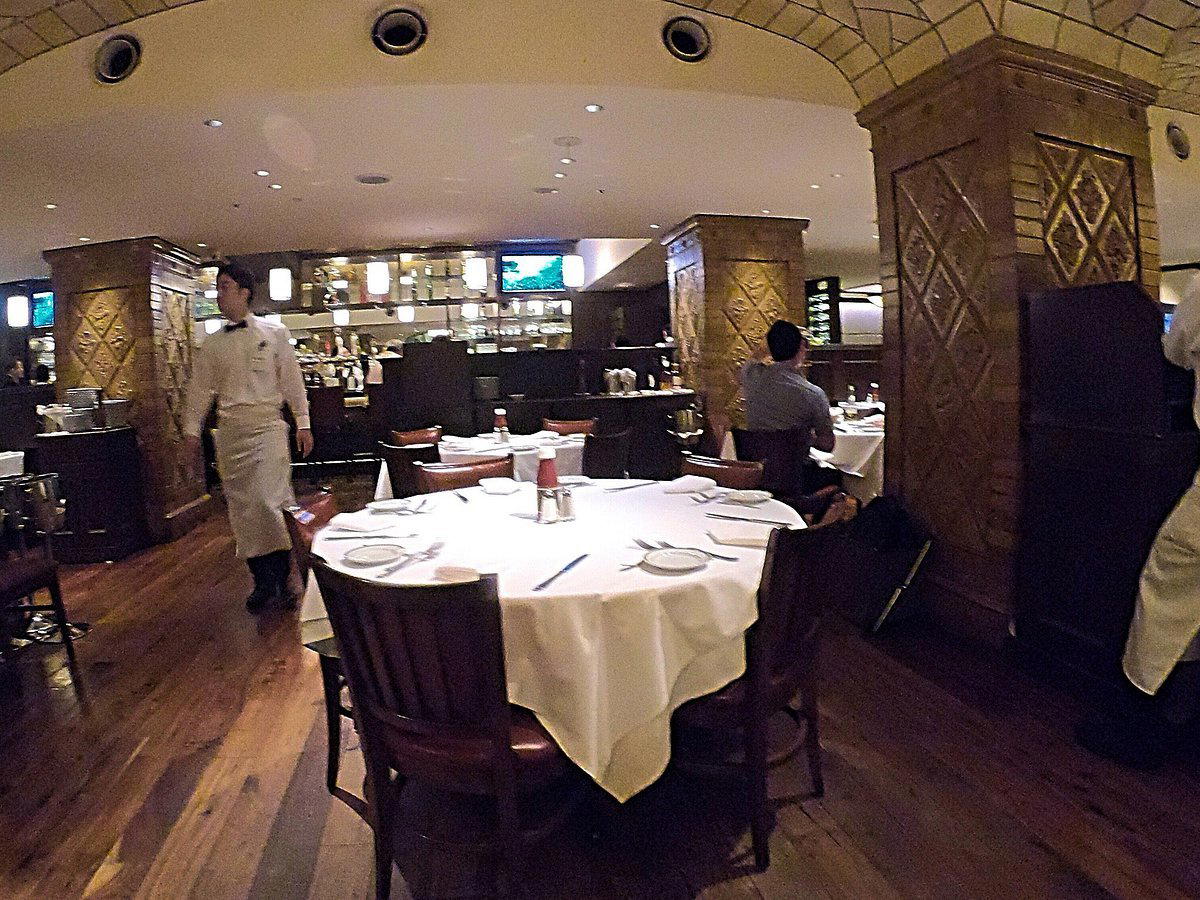
With five seats, a sommelier, and both lunch and dinner service, it is a strong choice for an intimate dinner; book a few days ahead rather than weeks out. Dinner delivers better value and pacing than lunch for a return visit.
Kawamura
Nagoya, Japan
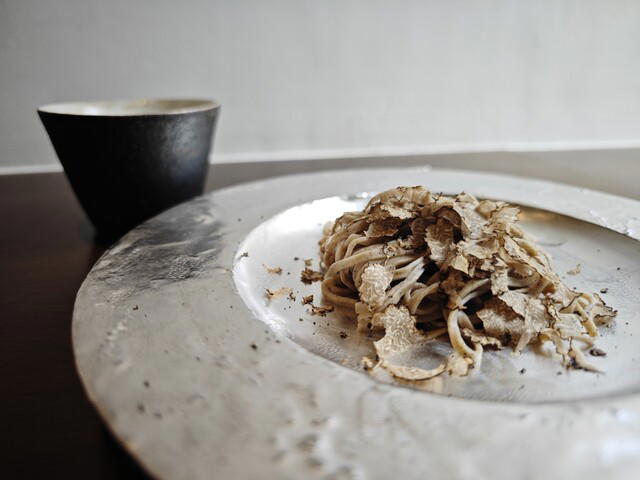
Intimate nine-seat Tabelog 100 restaurant in Chikusa Ward, focusing on fish-driven Italian-influenced courses. Counter seating offers close-up views of seafood prep; sommelier pairs lighter wines with shellfish-heavy progressions. Dinner runs JPY 15,000–19,999, lunch JPY 8,000–9,999.
Koryori Yarn
Takamatsu, Japan
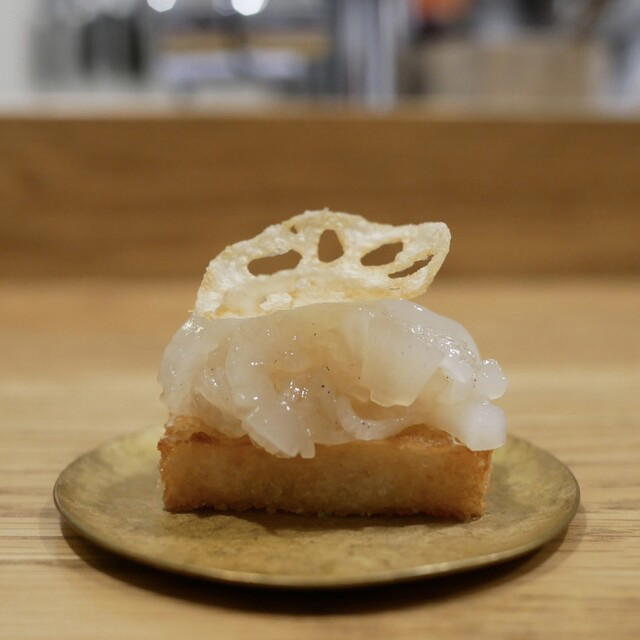
A four-seat creative Italian counter in Takamatsu, recognized in the 2025 Tabelog 100 for Innovative / Creative cuisine. Reservation-only, with lunch and dinner menus around JPY 10,000–14,999, though actual spend often trends higher. The intimate format suits solo diners and couples; groups require a buyout.
Mētis Roppongi
Tokyo, Japan
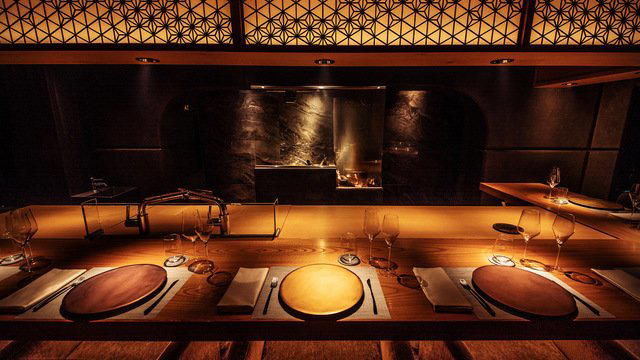
Mētis Roppongi holds a 2024 Michelin star for wood-fire French cooking built around Japanese seasonal ingredients and the <em>wakon yosai</em> philosophy. At ¥¥¥ pricing, it sits below most of Tokyo's comparable French fine dining in cost while delivering a technically serious, calm counter experience. Book at least three to four weeks ahead; this fills quickly and walk-ins are not a realistic option.
Overview
The Tabelog 100 - Innovative / Creative Cuisine 2025 is a prestigious list of Japan’s top 100 restaurants recognized for groundbreaking culinary creativity. Curated annually by Tabelog, Japan’s largest restaurant review platform, it highlights establishments that push gastronomic boundaries, blending tradition with modern techniques across the country.
Since its inception, Tabelog has evolved into Japan’s foremost restaurant review platform, trusted by millions of diners. Its annual Tabelog 100 lists celebrate excellence across various cuisines, with the Innovative / Creative Cuisine edition spotlighting chefs and restaurants pioneering new flavors, techniques, and presentations. This list not only captures Japan’s culinary evolution but also influences global dining trends, showcasing how Japanese chefs reinterpret ingredients and cultural influences to create visionary dishes.
For the discerning traveler and epicurean, the Tabelog 100 - Innovative / Creative Cuisine 2025 offers an unrivaled glimpse into Japan’s culinary frontier. These 100 restaurants represent the zenith of inventive gastronomy, where chefs challenge conventions with daring flavor combinations, avant-garde techniques, and refined artistry. From Tokyo’s bustling neighborhoods to Kyoto’s serene streets, this list is your definitive guide to experiencing Japan’s most forward-thinking dining destinations.
Quick Facts
- Publisher
- Tabelog (Kakaku.com, Inc.)
- Year
- 2025
- Coverage
- All of Japan
- Items
- 100 Restaurants
- Frequency
- Annual
About This Edition
The 2025 edition of the Tabelog 100 - Innovative / Creative Cuisine highlights a dynamic shift towards sustainability and plant-forward creativity, reflecting broader global trends. New entries from regional Japan underscore a decentralization of innovation beyond Tokyo, showcasing diverse local ingredients and novel techniques. This year also sees a rise in fusion and technology-driven cuisine, emphasizing how Japan’s culinary innovators continue to redefine the boundaries of taste and presentation.
Frequently Asked Questions
What is Tabelog 100 - Innovative / Creative cuisine - 2025?
How are honorees selected?
How often is this list updated?
How can I find these on Pearl?
How many of these have you visited?
Find out on Pearl and keep score across every place in Tabelog 100 - Innovative / Creative cuisine - 2025.