

.png?width=1200&quality=80)
La Kanro
French · Kita, Osaka
Restaurant in Osaka, Japan
 Book with Pearl
The Read
Fish-Forward French Omakase
Price
$200–300per person
Chef
Junichi Nakamine
Dress
Smart Casual
Why go
La Kanro is a 16-seat French omakase in Osaka's Kita Ward, holding Tabelog Bronze Awards in 2023, 2025, and 2026, a Michelin Plate, and an Opinionated About Dining ranking in Japan's top 300. Chef Junichi Nakamine runs a restrained, seasonally rotating menu at JPY 20,000–39,999 per head. Booking is straightforward; private rooms make it a credible choice for groups up to six.
About La Kanro
Should You Book La Kanro?
If you have been to La Kanro before, the question on a return visit is not whether the food will be good — the Tabelog Bronze Award (2023, 2025, 2026), a Michelin Plate (2025), and an Opinionated About Dining ranking of #277 in Japan (2024) rising to #318 in 2025 confirm it consistently performs. The real question is whether chef Junichi Nakamine's approach — small-portion omakase courses built around restraint, with oil and salt deliberately kept low and balance achieved through acidity and bitterness, still reads as fresh rather than familiar. The answer, given the seasonal rotation between signatures like lobster spring rolls in spring and cold tournedos Rossini in autumn, is yes. This is a restaurant worth booking more than once, and one of the cleaner arguments for French cuisine in Osaka over a trip to L'Effervescence in Tokyo.
What La Kanro Actually Is
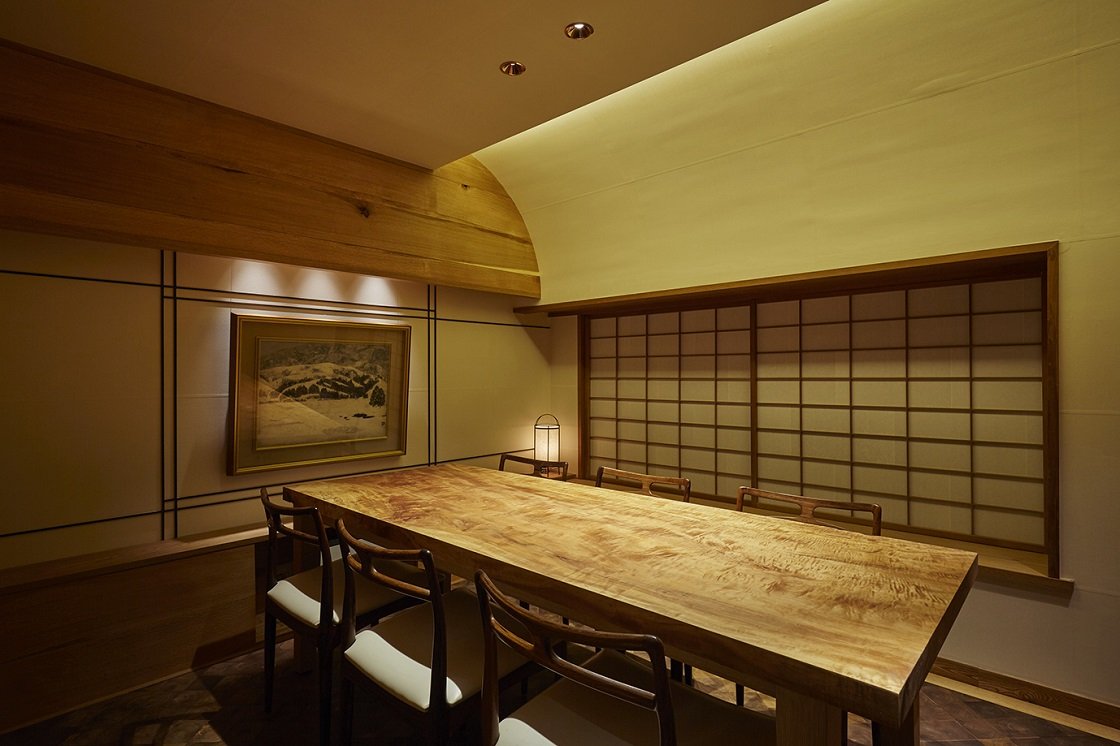
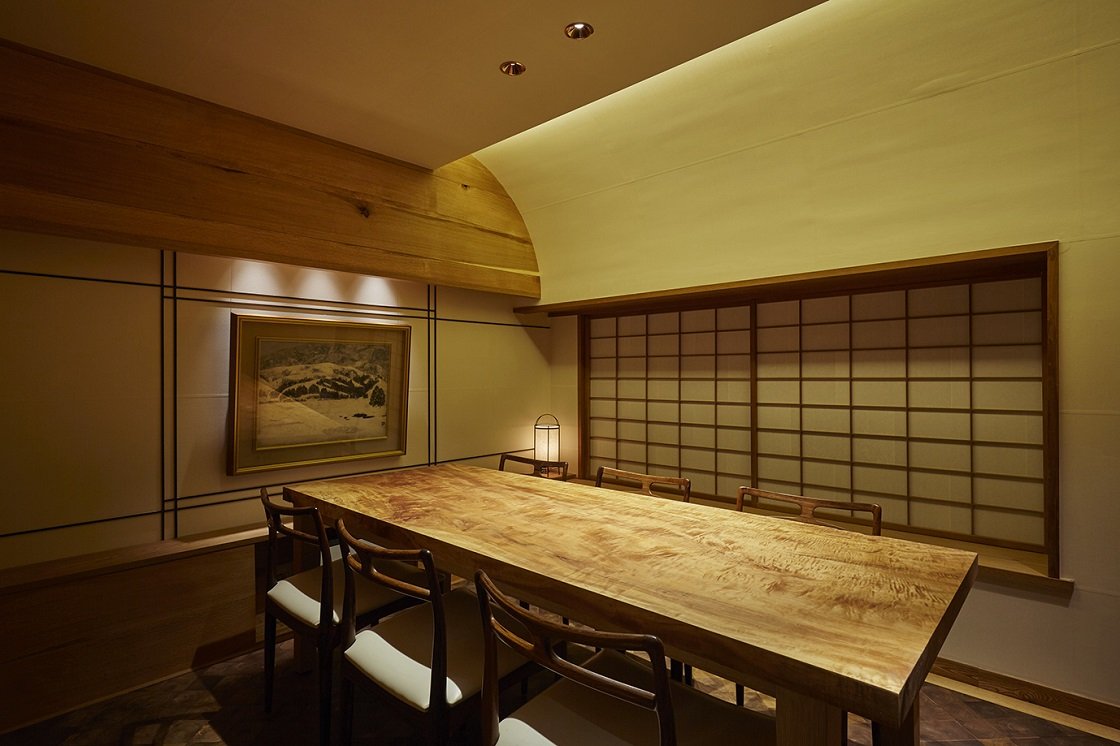
Opened in September 2020, La Kanro sits in Kita Ward's Tenjin Nishimachi, roughly a five-minute walk from Minamimorimachi Station on the JR Tozai Line. The room holds 16 seats across a six-seat counter and two private rooms (one for four, one for six), which means the experience is intimate by design. The venue is listed on Tabelog under both French and Innovative/Creative Cuisine, a categorisation that accurately captures what Nakamine is doing: French technique applied with a Japanese sensibility around seasonality, proportion, and restraint. He has also been listed in the Tabelog 100 for both Innovative Cuisine (2025) and French West (2023), which puts La Kanro in a small group of Osaka restaurants credentialed across two categories simultaneously. For food and wine explorers, that dual recognition is a useful signal: this is not a restaurant coasting on one genre.
The wine program is modest in footprint but structurally serious. A sommelier is available, and the kitchen's philosophy, minimal fat, pronounced acidity from vinegar, herbal bitterness, creates a pairing environment that rewards lower-intervention wines and high-acid European whites. The format is not a wine-forward destination in the way some chef's table operations are, but the sommelier presence at a 16-seat omakase in this price bracket is meaningful. For a diner who wants guidance matching wine to a course structure built around delicacy rather than richness, the conversation is worth having. Compare this to La Cime, which operates in a similar French-meets-Japan space but with a larger room and broader wine list depth. La Kanro's advantage is intimacy and focus. Other comparable Osaka French options worth knowing include Différence, La Bécasse, and LE PONT DE CIEL.
The kitchen's fish focus is noted explicitly in the venue data, and within the omakase format this shapes the arc of a meal more than the French label alone would suggest. Nakamine's sourcing attention to fish, combined with the spring-to-autumn menu rotation, means the experience is genuinely different across visits and across seasons. Diners travelling to Osaka in spring should book with that lobster spring roll course in mind; autumn visitors get a different register entirely with the cold Rossini. For other Japan dining options in a similar vein, Gion Sasaki in Kyoto, akordu in Nara, and Goh in Fukuoka offer regional comparisons worth making.
Ratings and Recognition
- Tabelog Bronze Award: 2023, 2025, 2026
- Tabelog Score: 4.25 (listed score); 4.09 (Tabelog Bronze 2025 award page)
- Michelin Plate: 2025
- Opinionated About Dining Leading Restaurants in Japan: #277 (2024), #318 (2025)
- Tabelog 100, Innovative/Creative Cuisine: 2025
- Tabelog 100, French West: 2023
- 4.1 (94 reviews)
Booking and Practical Details
Reservations: Online reservations available via Tabelog; format is omakase only. Booking difficulty is rated Easy, though the 16-seat room means availability can tighten around seasonal menu transitions and weekends. The Sunday lunch service (12:00–15:00) is the one slot that opens mid-week availability more reliably than the standard Monday–Saturday dinner (18:00–22:00). Budget: JPY 20,000–29,999 per person at both lunch and dinner (listed price); review-based spend data suggests dinner can reach JPY 30,000–39,999 with wine. Add a 10% service charge. Payment: Credit cards accepted; electronic money and QR payments not accepted. Group size: Counter seats six; private rooms seat four or six separately, with full private use of the venue possible for parties up to 16. Getting there: Five minutes on foot from Minamimorimachi Station (JR Tozai Line); six minutes from Kitahama Station (Sakaisuji Subway Line). No on-site parking; paid lots are nearby. Accessibility: Wheelchair accessible. Smoking: Non-smoking throughout. Wi-Fi: Available.
How It Compares
Explore More in Osaka and Beyond
For a broader view of where La Kanro fits in Osaka's dining scene, see our full Osaka restaurants guide. If you are building a trip around the meal, our Osaka hotels guide, bars guide, wineries guide, and experiences guide cover the surrounding context. For comparable innovative French dining elsewhere in Japan, Harutaka in Tokyo, 1000 in Yokohama, and 6 in Okinawa offer different regional registers. For European reference points in French technique, Hotel de Ville Crissier in Crissier and nent in Osaka round out the comparison set.
FAQ
What should I order at La Kanro?
- La Kanro runs a single omakase format, so there is no a la carte ordering. The kitchen decides the progression. That said, if you are visiting in spring, the lobster spring rolls are a confirmed signature; in autumn, the cold tournedos Rossini takes that role. The omakase structure means the experience is curated, not chosen, arrive with that expectation.
Does La Kanro handle dietary restrictions?
- There is no public information in the venue record about dietary accommodation. The omakase format at a 16-seat restaurant makes ad-hoc substitution harder than at larger a la carte operations. Contact the restaurant directly through the Tabelog reservation system before booking if you have specific requirements. The kitchen's emphasis on fish and its minimal use of heavy fats may work in favour of some restrictions, but do not assume.
Can La Kanro accommodate groups?
- Yes, up to 16 people for full private use. The two private rooms seat four and six respectively, and can be combined for larger parties. For groups of two, the six-seat counter is the default. Book the private rooms if conversation and privacy matter more than watching the kitchen. The counter is better for solo diners or pairs who want engagement with the service team.
Is La Kanro good for a special occasion?
- At JPY 20,000–39,999 per head (depending on wine), private rooms available for two to six people, omakase format, and a sommelier on hand, La Kanro checks the boxes for a serious occasion dinner. The non-smoking policy and relatively contained noise environment (16 seats total) make it suitable for conversations that matter. The Michelin Plate and multi-year Tabelog Bronze Award give it the external validation that makes a reservation feel considered rather than accidental.
What are alternatives to La Kanro in Osaka?
- For French in a similar price range with a larger wine program: La Cime. For a more experimental take on French-Japanese fusion at the top of the Osaka market: HAJIME or Fujiya 1935 (both ¥¥¥¥). If you want to shift format entirely to kaiseki at a lower price point: Taian or Kashiwaya Osaka Senriyama (both ¥¥¥). La Kanro is the right choice when you want French technique, seasonal precision, and an intimate counter, not a statement room.
Planning details
- Location
- Japan, 〒530-0045 Osaka, Kita Ward, Tenjin Nishimachi, 3−9 NUI 南森町南側
- Reservations
- Book on Omakase
- Website
- lakanro.jp
- Phone
- +81
The take
The Take
The Vibe
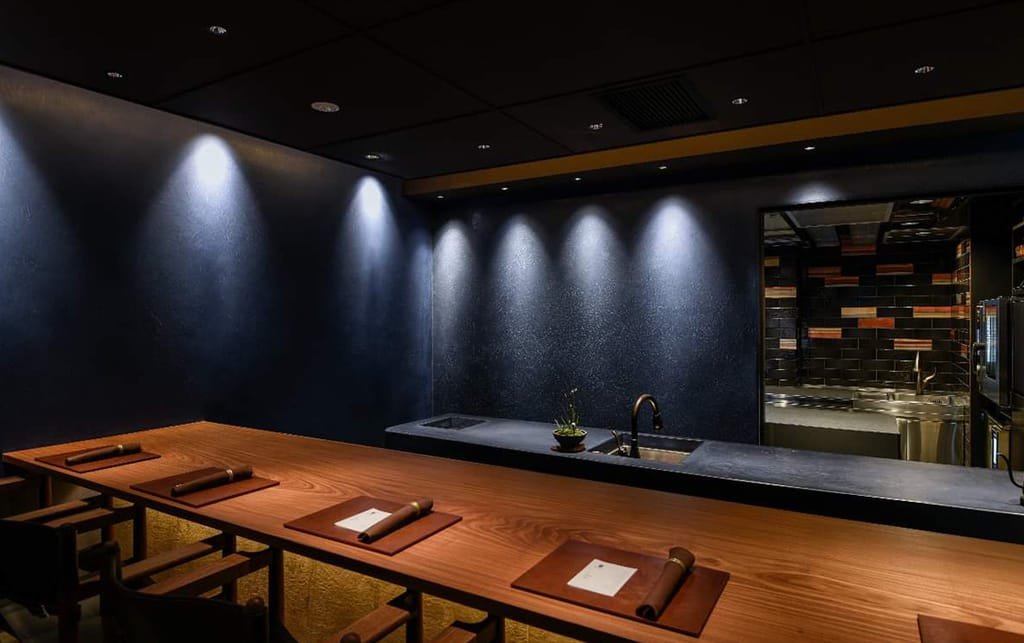
La Kanro sits quietly in a residential stretch of Kita Ward, the sort of address you find because someone told you where to look. Its sixteen-seat dining room, two private rooms and six-seat omakase counter create an intimate, low-key environment where attention is focused on the food. The kitchen orients itself around fish and daily market rhythms, and the restaurant’s placement on regional Tabelog lists and repeated Bronze recognitions frame a refined, understated approach to French cooking in Osaka. The overall effect is polished and discreet rather than flashy—an elegant, reserved pocket of serious dining.
Best For
This is a venue tailored to close, considered evenings—date nights and small special occasions suit La Kanro particularly well. The six-seat omakase counter provides an immersive, conversation-forward experience for diners who want to engage with the sequence of market-driven fish courses, while the two private rooms accommodate small celebratory groups seeking privacy. The restaurant’s award recognition and focused sourcing profile reinforce its appeal for guests who prioritize quality and craftsmanship over a bustling scene.
Ordering Tips
Opt for the six-seat omakase counter when you want the fullest expression of La Kanro’s market-driven cooking: the service is built around what arrives from the sea each day and the counter fosters direct conversation about those deliveries. For small groups that prefer privacy, the two private rooms provide a quieter alternative. Highlighted items such as the lobster spring rolls and the finger food platter reflect the kitchen’s seafood emphasis and make useful reference points when discussing the menu with staff. Seating choice—counter versus private room—determines the character of the meal.
Venue details
Ambiance
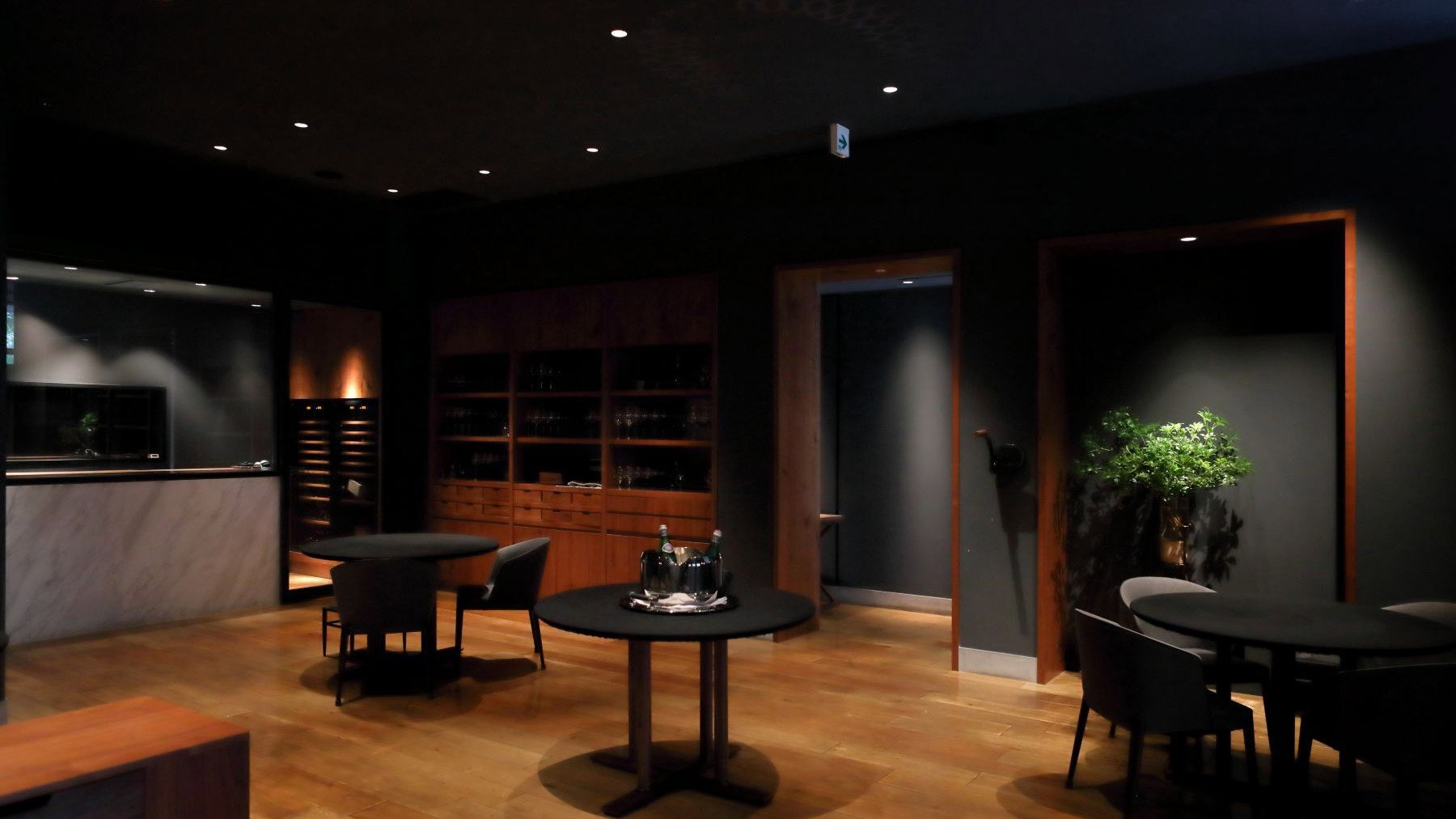
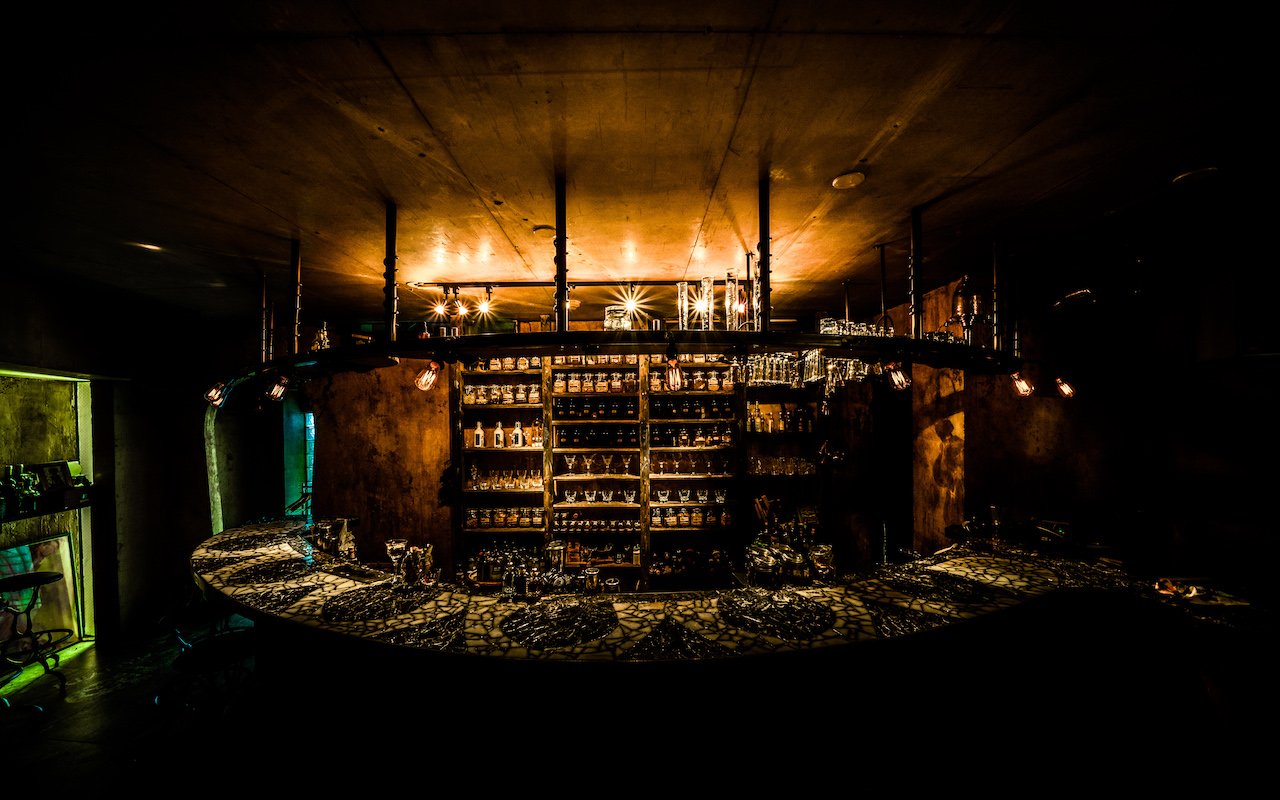
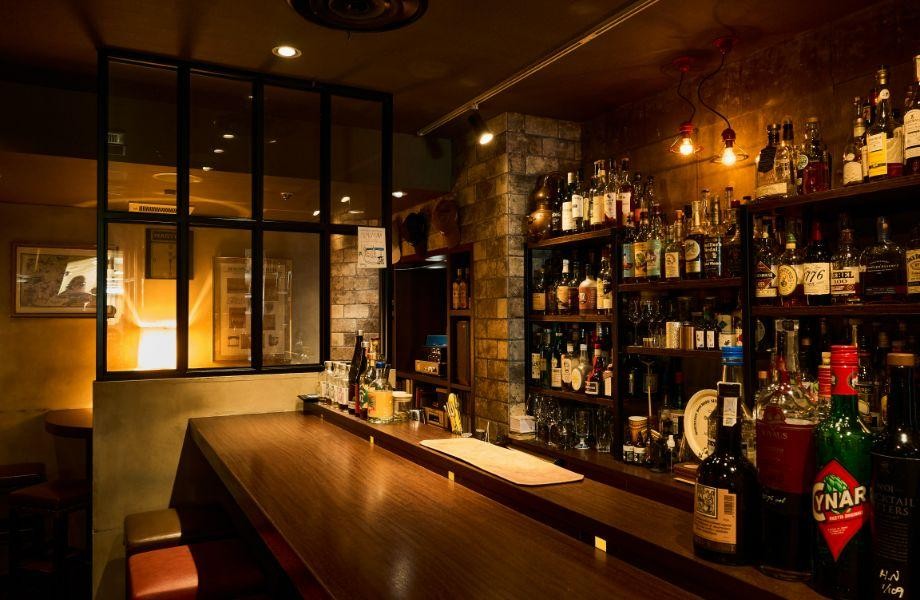
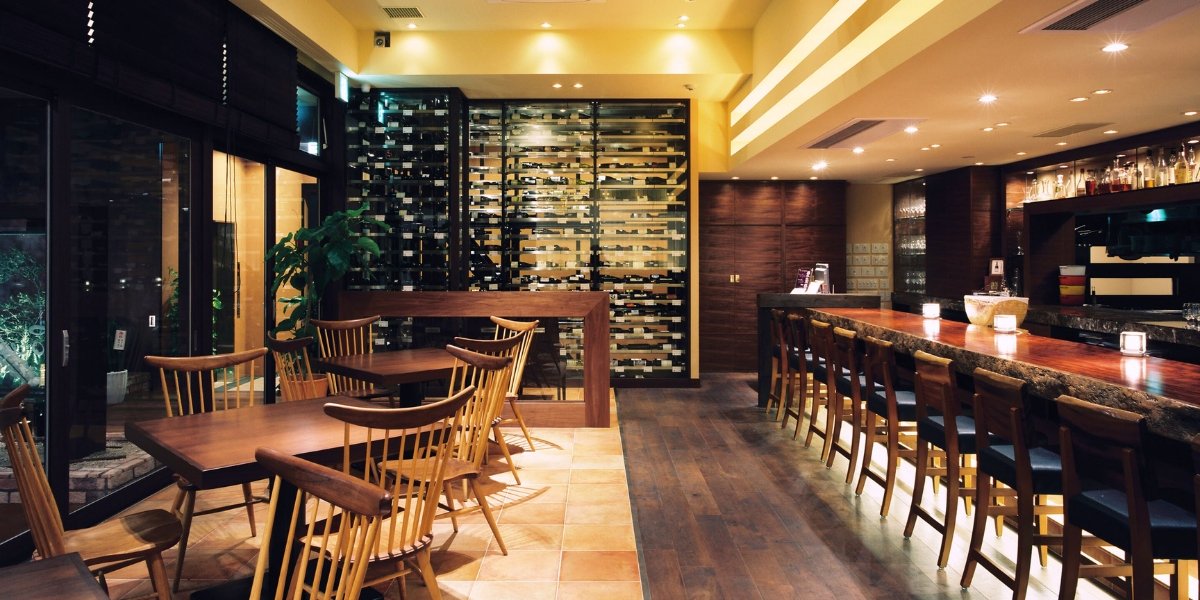
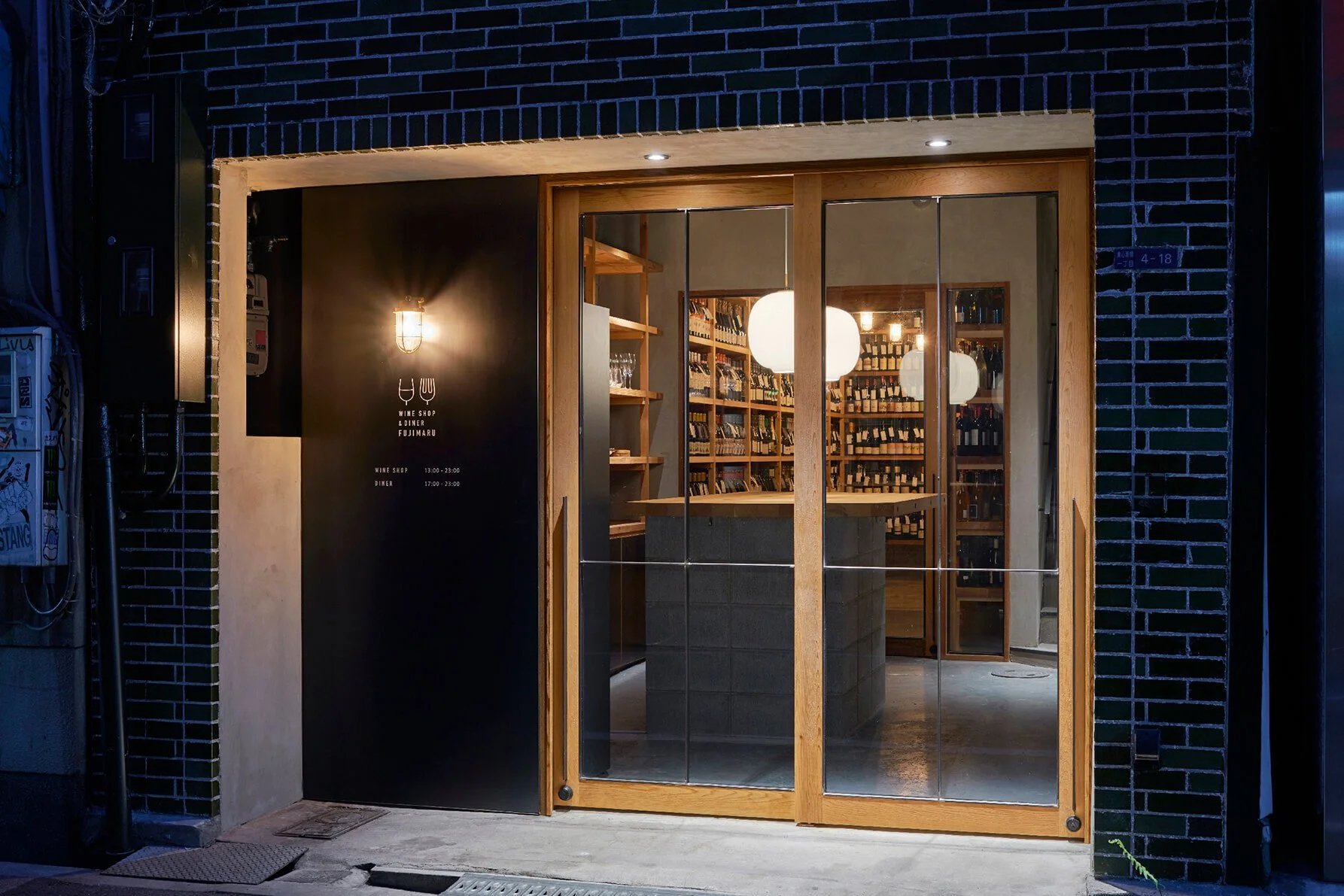
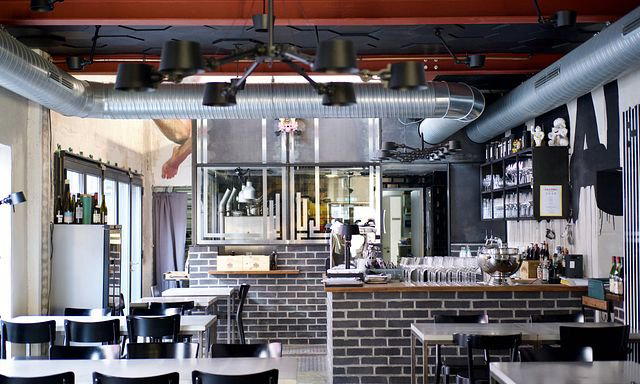
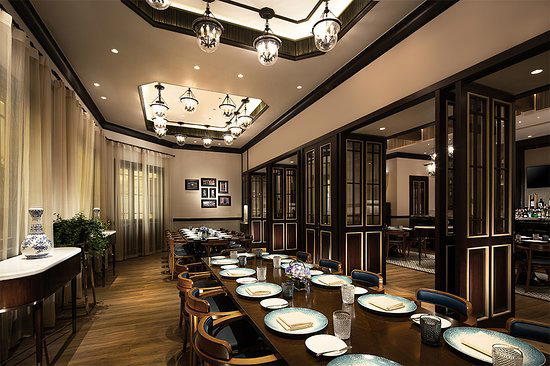
Deep blue walls create an exclusive private club atmosphere with stylish, relaxing spaces including counter seating and casino-like private rooms.
Tags
Vibe
Best For
Experience
Accessibility
At the Table
- Dress Code
- Smart Casual
- Noise Level
- Quiet
- Service Style
- Formal
- Meal Pacing
- Leisurely
- Capacity
- Intimate
- Kitchen
- Modern
- Menu Format
- Set menu
- Wine Program
- Exceptional
- Drinks Focus
- Wine
- Dietary
- Vegetarian friendly
- Private Dining
- Available
Signature Dishes
- lobster spring rolls
- finger food platter
Know before you go
Know Before You Go
- Getting there
- Japan, 〒530-0045 Osaka, Kita Ward, Tenjin Nishimachi, 3−9 NUI 南森町南側
Planning details
Location
Japan, 〒530-0045 Osaka, Kita Ward, Tenjin Nishimachi, 3−9 NUI 南森町南側 · Directions
Recognition and awards

Also consider
Also Consider
- HAJIME, French, Innovative, ¥¥¥¥
- La Cime, French, ¥¥¥¥
- Kashiwaya Osaka Senriyama, Japanese, ¥¥¥
- Taian, Kaiseki, Japanese, ¥¥¥
- Fujiya 1935, Innovative, ¥¥¥¥
Restaurant context
La Kanro sits in the mid-to-upper tier of Osaka's French and innovative dining options, but it is not the most expensive or the most difficult to book. HAJIME and Fujiya 1935 both operate at ¥¥¥¥ with higher international profiles, HAJIME in particular carries heavier critical weight and is harder to secure. If your priority is securing Osaka's most decorated French table and budget is not the constraint, HAJIME is the answer. If you want a smaller, more personal room with a clear seasonal philosophy and easier access, La Kanro wins on both counts.
La Cime is the most direct peer comparison: both are French, both carry serious Tabelog credentials, and both operate in the JPY 20,000+ range. La Cime has a larger room and generally a more developed wine list. La Kanro counters with a 16-seat format and a kitchen philosophy built around restraint rather than elaboration, the right call for diners who find precision more compelling than abundance. For wine-forward diners who want the sommelier interaction to drive the meal, La Cime offers more range; for those who want food to lead and wine to support, La Kanro's focus is better matched.
If you are considering Japanese formats at a lower price point, Taian and Kashiwaya Osaka Senriyama both offer kaiseki at ¥¥¥ with strong Tabelog standing. They are the better choice if you want to eat within the kaiseki tradition rather than French technique in Osaka. La Kanro makes sense when the specific draw is watching French and Japanese sensibilities intersect in a small room, particularly if you plan to return across seasons and compare what changes between the spring and autumn menus.
Explore Osaka
Around this place
Discover more on Pearl
Unlock the full La Kanro guide in Pearl, including awards, comparisons, FAQs, planning details, and nearby places.
FAQ
Frequently Asked Questions
What should I order at La Kanro?
The format is omakase only, so there is no menu to choose from — Chef Junichi Nakamine decides the progression. Seasonality drives the course: the spring menu features lobster spring rolls garnished with flowers, while autumn brings cold tournedos Rossini. The kitchen's approach keeps oil and salt minimal, using vinegar and herbs to balance the dishes, so expect lighter, more precise French cooking than the Osaka norm.
Can La Kanro accommodate groups?
Yes, up to 16 people total. The two private rooms seat 4 and 6 respectively, and the venue is available for exclusive hire. For groups of 2–4, the counter is an option, but the private rooms are the practical choice for celebrations or business dinners. Request the 6-seat private room for groups of five or six; larger parties will need to combine rooms or take full venue hire.
Is La Kanro good for a special occasion?
It is a solid choice for a special dinner: private rooms for 2–6 people, a sommelier on site for wine pairing, and a Tabelog Bronze Award for three consecutive award cycles (2023, 2025, 2026) give it credibility for a milestone meal. The omakase format suits occasions where you want the kitchen to take charge rather than selecting dishes yourself. Add 10% service charge to the JPY 20,000–30,000 dinner budget when planning spend.
What are alternatives to La Kanro in Osaka?
For more classical French technique at a higher price point, La Cime (Tabelog-recognised, Osaka) is the most direct comparison. Fujiya 1935 offers avant-garde Japanese-inflected cuisine in the same innovative category. If you want kaiseki rather than French, Kashiwaya Osaka Senriyama and Taian both operate at a higher prestige tier. HAJIME sits at the very top end of Osaka creative dining and carries Michelin three-star weight, so compare it to La Kanro only if budget is not a constraint.