

RiVi
Contemporary · Nishi, Osaka
Restaurant in Osaka, Japan
 Book with Pearl
The Read
Genre-Less Osaka Terroir
Price
$100–150per person
Dress
Smart Casual
Why go
RiVi is a Michelin Plate-recognised contemporary restaurant in Kyomachibori, Osaka, serving an evolving prix fixe menu that draws from Italian, French, and Japanese traditions with an explicit Osaka identity. At the ¥¥¥ price tier, it is one of the more personal and accessible tasting menu options in the city, well-suited to special occasions and diners who want a meal with a clear point of view.
About RiVi
Is RiVi in Osaka worth booking for a special occasion?
Yes, with a clear caveat: RiVi is the right call if you want a genuinely personal tasting menu that treats Osaka as its subject matter, not just its postcode. At the ¥¥¥ price tier, it sits below the city's heavy-hitter French restaurants and delivers something more idiosyncratic in return. Holding a Michelin Plate in both 2024 and 2025, it has earned enough recognition to be considered seriously, while remaining accessible enough that booking is not the ordeal it is at HAJIME or La Cime.
What RiVi actually is
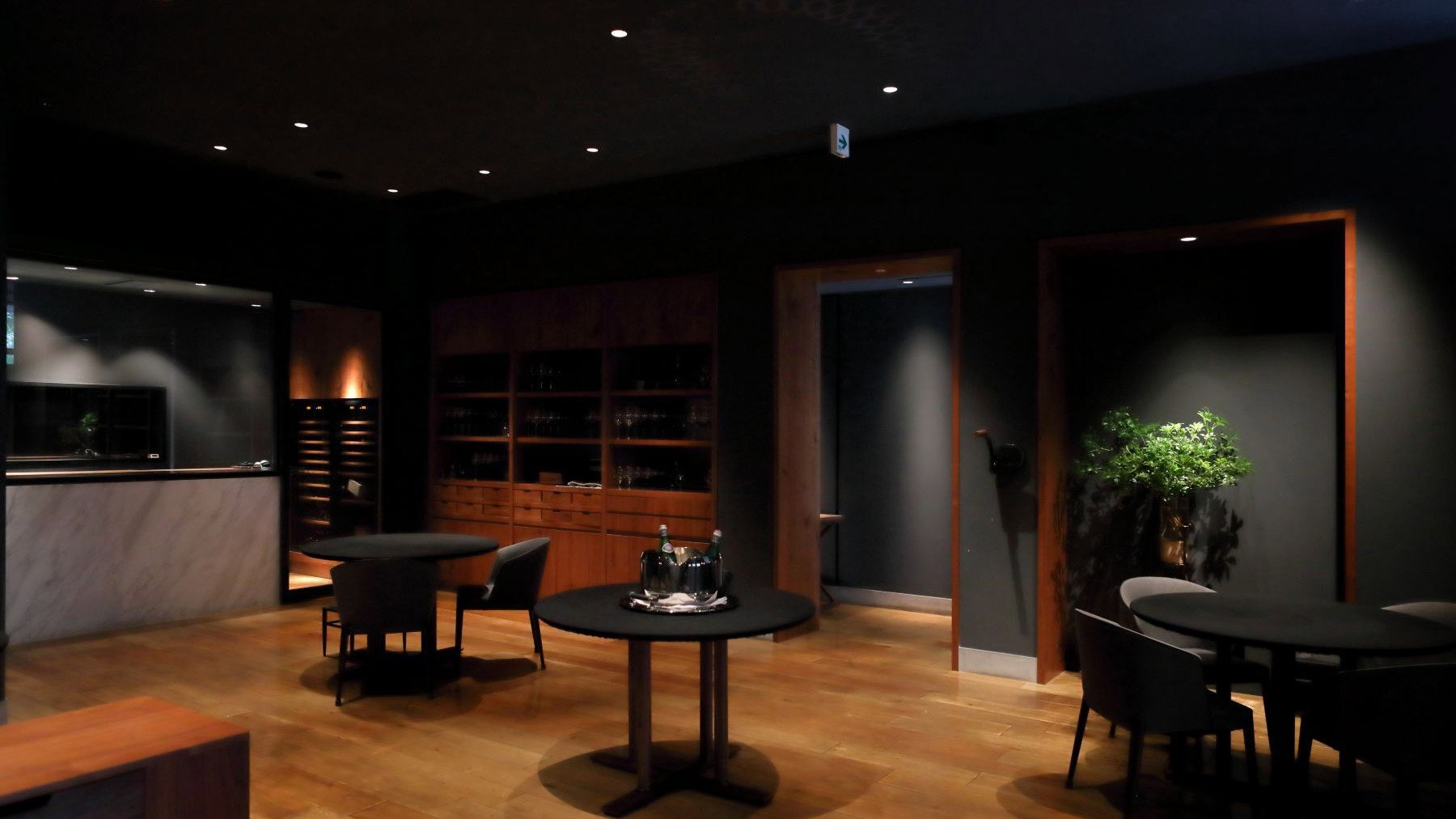
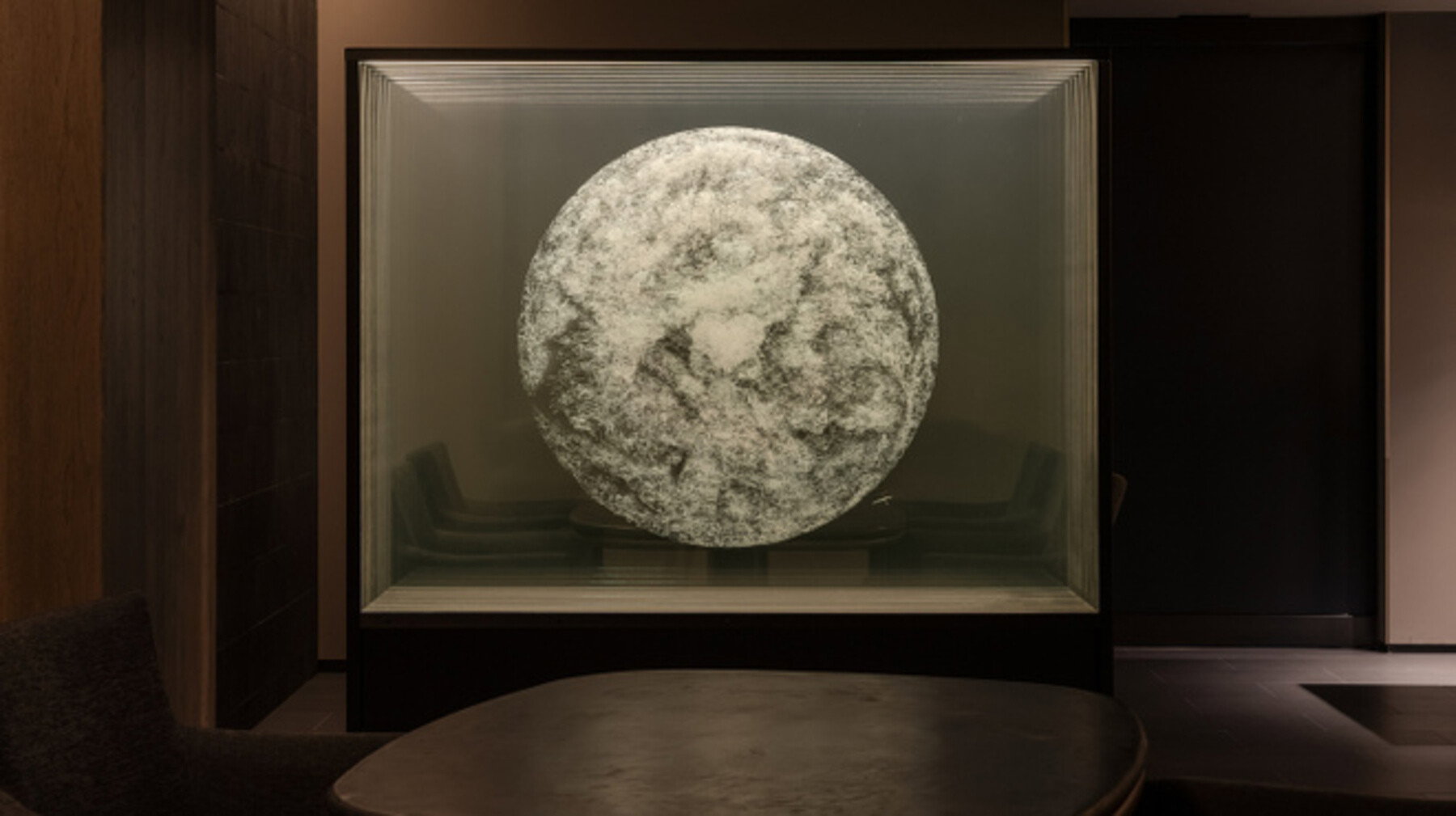
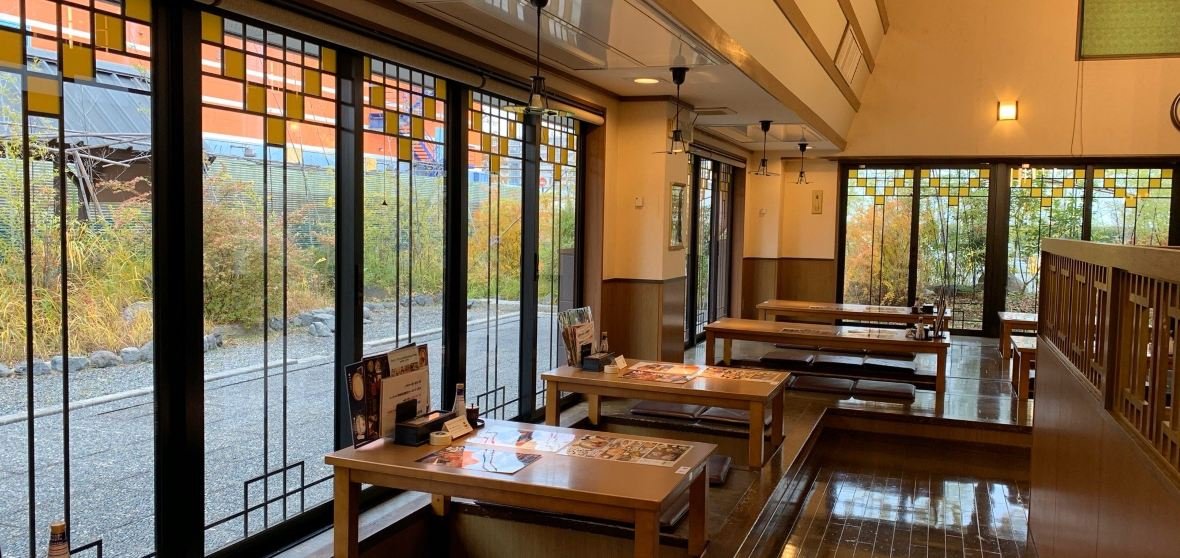
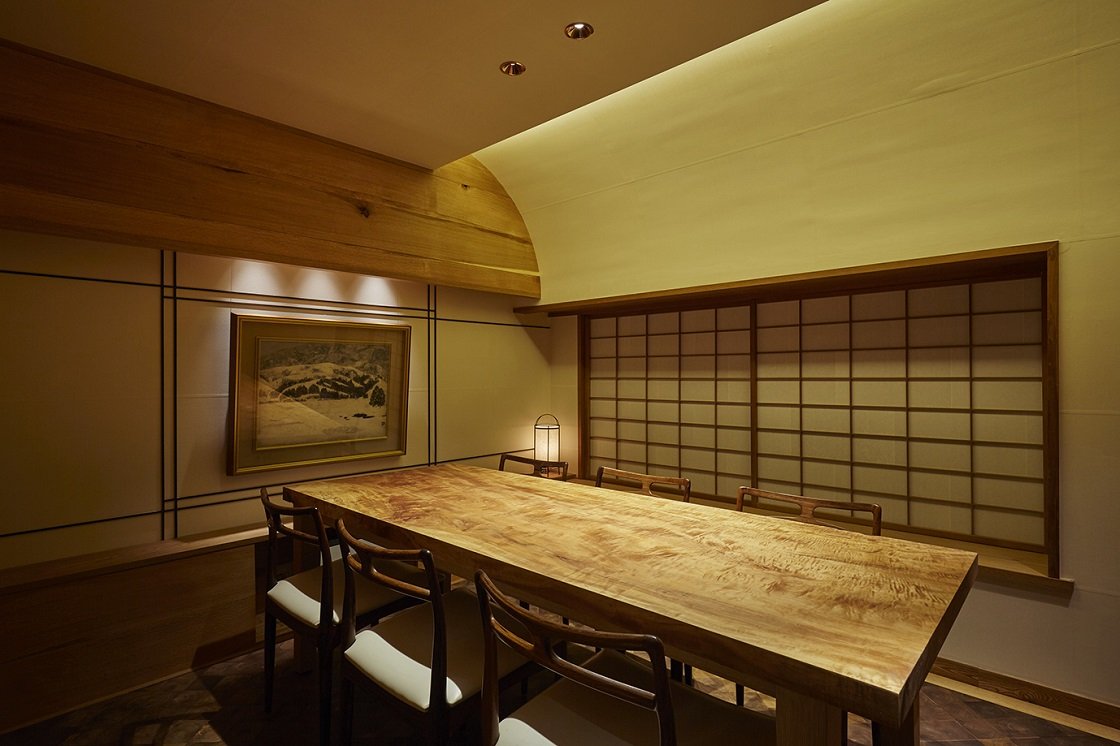
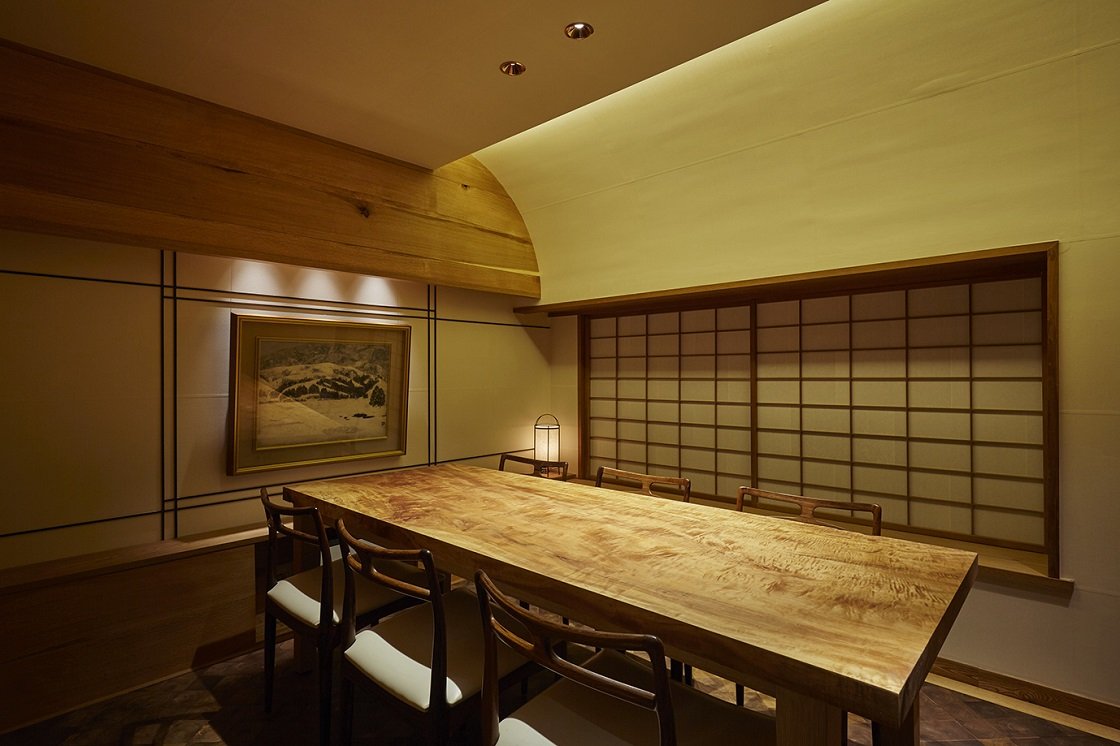
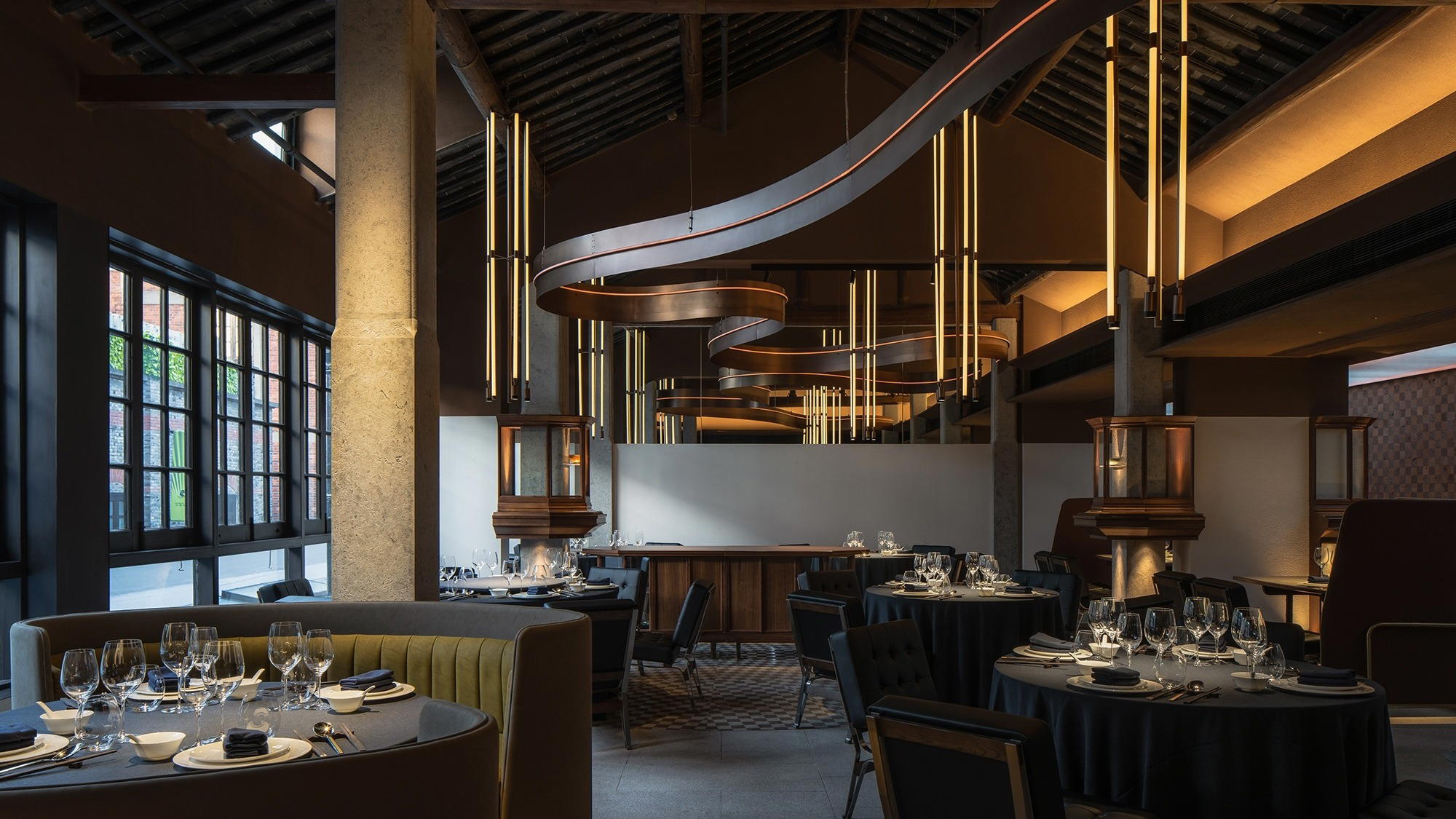
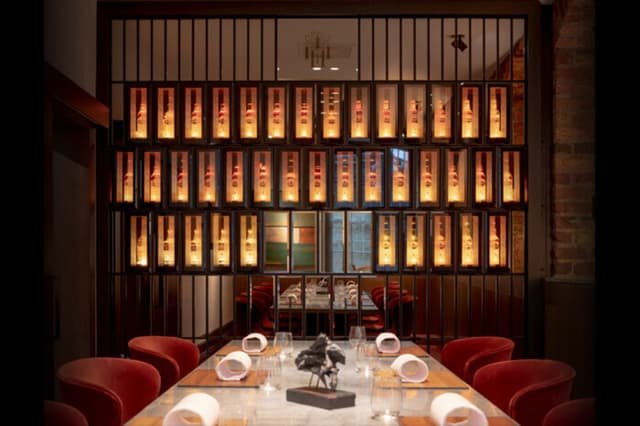
RiVi sits in Kyomachibori, a quiet stretch of central Nishi Ward, at 1 Chome-16-28 Kumari Lift 1F. The interior has recently been renovated, and that physical reset matters because the room is part of the dining logic here: the presentation of the meal, including crockery made by an artisan collaborator, is intended to be seen as well as used. This is not a restaurant that hides its intentions behind rustic simplicity.
The cuisine is described as genre-less, drawing from Italian and French technique alongside pastry training, and filtered through a Japanese sensibility rooted in the chef's Osaka upbringing. In practice that means a prix fixe menu whose first half is explicitly themed around Osaka, closing with seasonal mixed rice served so that each guest holds the bowl in their hands. That closing gesture is deliberate and telling: this is a restaurant that wants you to feel the meal, not just eat it.
There are no standard dishes. The menu evolves continuously as the chef's approach develops, which means repeat visits offer a genuinely different experience, and also means you cannot research specific plates in advance. If you need to know exactly what you are ordering before you arrive, RiVi is not the right format for you. If you are comfortable handing over control for a prix fixe that reflects the season and the chef's current thinking, it rewards that trust.
Special occasions and group dining at RiVi
For a celebration meal or a considered date, RiVi has the right profile: a prix fixe structure, artisan tableware, and a narrative arc built into the menu itself. The Osaka-centric first half gives the meal a sense of place that makes it a more interesting choice for visitors than a generic fine-dining room would be. For locals celebrating something, the locally-rooted menu framing adds resonance that a direct French or Italian tasting menu cannot match.
Seat count is not confirmed in available data, so if you are planning a group dinner, contact the restaurant directly to confirm capacity and whether a private or semi-private arrangement is possible. Given the intimate scale implied by the venue format and address, smaller groups of two to four will find the room well-suited to conversation. Larger parties should confirm logistics before assuming the space scales. For comparison, nearby alternatives like Tosara and Rooots Nakanoshima may offer more flexibility for larger tables.
How RiVi compares on value
At ¥¥¥, RiVi costs less than most Michelin-starred tasting menus in Osaka. You are not getting the same technical rigour as a two- or three-star room, but the Michelin Plate recognition in consecutive years indicates a kitchen operating at a consistent and considered level. For the price tier, the combination of personal menu philosophy, artisan presentation, and Osaka-specific storytelling represents strong value. If budget is the primary concern and you want Japanese cuisine rather than Western-influenced, Kamado is worth considering in the same range.
Know Before You Go
- Address: 1 Chome-16-28 Kumari Lift 1F, Kyomachibori, Nishi Ward, Osaka
- Price range: ¥¥¥ (prix fixe tasting menu format)
- Awards: Michelin Plate 2024 and 2025
- Cuisine style: Genre-less contemporary — Italian and French technique, Japanese sensibility, Osaka-rooted menu narrative
- Menu format: Prix fixe only; no standard dishes — menu changes continuously
- Booking difficulty: Easy relative to Osaka's Michelin-starred peers
- Leading for: Special occasions, date nights, curious diners who want Osaka on the plate, not just on the map
- Groups: Contact venue directly to confirm capacity and private dining options
- Dress code: Not confirmed; smart casual is a safe default for the price tier and format
Further reading
If RiVi's genre-crossing format appeals, it is worth comparing against other contemporary tasting menu rooms in Japan: akordu in Nara covers similar Italian-Japanese crossover territory; Goh in Fukuoka operates in the same creative register with stronger Kyushu ingredients; and Harutaka in Tokyo and Gion Sasaki in Kyoto provide useful benchmarks for what the same price commitment delivers in adjacent cities. For international equivalents in the contemporary genre-less format, Jungsik in Seoul and César in New York City offer useful points of comparison.
For more Osaka dining, see our full Osaka restaurants guide. For where to stay, drink, and explore the city more broadly, see our Osaka hotels guide, our Osaka bars guide, our Osaka wineries guide, and our Osaka experiences guide. For another Japan contemporary comparison, 1000 in Yokohama and 6 in Okinawa round out the picture.
Planning details
- Location
- Japan, 〒550-0003 Osaka, Nishi Ward, Kyomachibori, 1 Chome−16−28 クマリフト 1F
- Reservations
- Book on TableCheck
- Website
- rivi1122.com
- Phone
- +81 6-6136-6830
The take
The Take
The Vibe
RiVi sits in a deliberately quiet pocket of Kyomachibori, a low-key corridor with modest foot traffic and a residential, gallery-like character. The ground-floor space has been recently renovated, and the room’s considered clarity mirrors the kitchen’s disciplined approach. There’s a calm focus to the dining experience — unobtrusive and refined rather than ornate — that rewards guests who make the effort to come. The restaurant’s cross-cultural contemporary cooking feels at home in this restrained setting: clarity of form and intent is as evident in the interior as it is on the plate.
Best For
RiVi is primarily a dinner destination in a ¥¥¥ price bracket, suited to diners who seek out contemporary, cross-cultural cooking rather than stumble upon a bustling hotspot. Its location in a quieter precinct and the composed nature of the room make it well suited to date nights and special occasions where conversation and close attention to the meal matter. The kitchen draws on French and Italian technique alongside Japanese sensibilities, so the evening unfolds through thoughtfully composed, disciplined dishes that suit an attentive, evening-focused dining experience.
Ordering Tips
The menu emphasizes cross-cultural technique and disciplined flavors; pick plates that make that approach clear. Start with the signature items called out for the restaurant — the Loach Flan with duck consommé and the seared bonito with yuzu and natto — which showcase the kitchen’s blend of Japanese ingredients and European technique. Because the cooking favors clarity and restraint, order with balance in mind so each course can register; these highlighted dishes give a reliable sense of the kitchen’s priorities and flavor profile.
Venue details
Ambiance
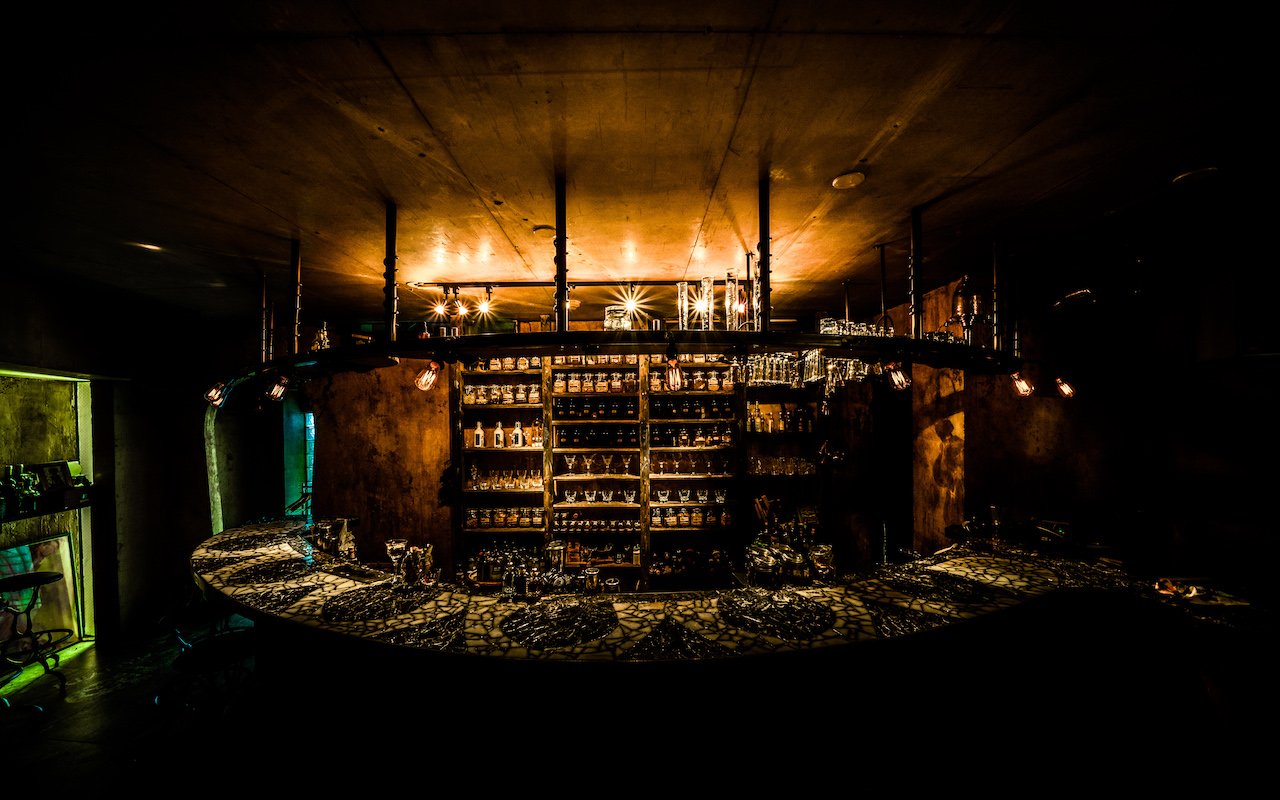
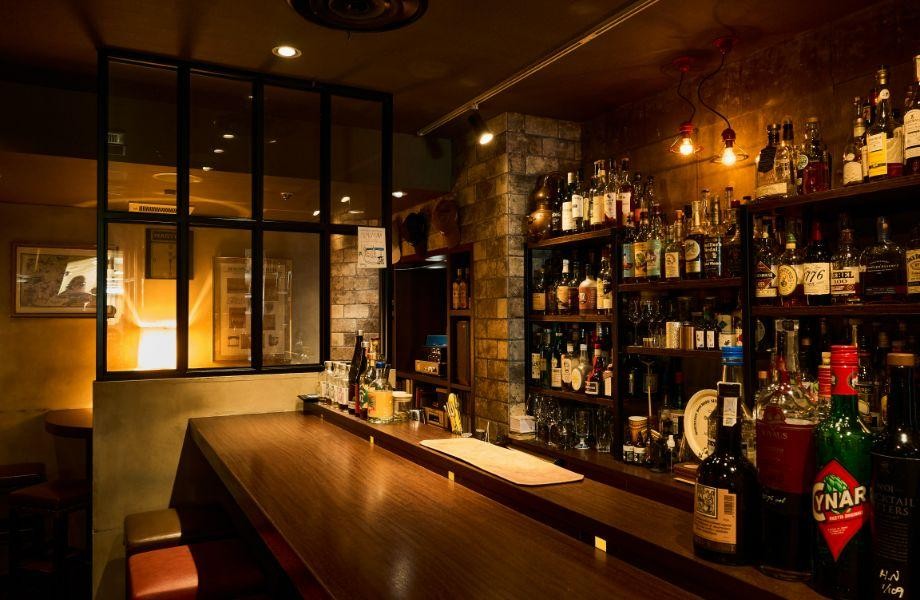
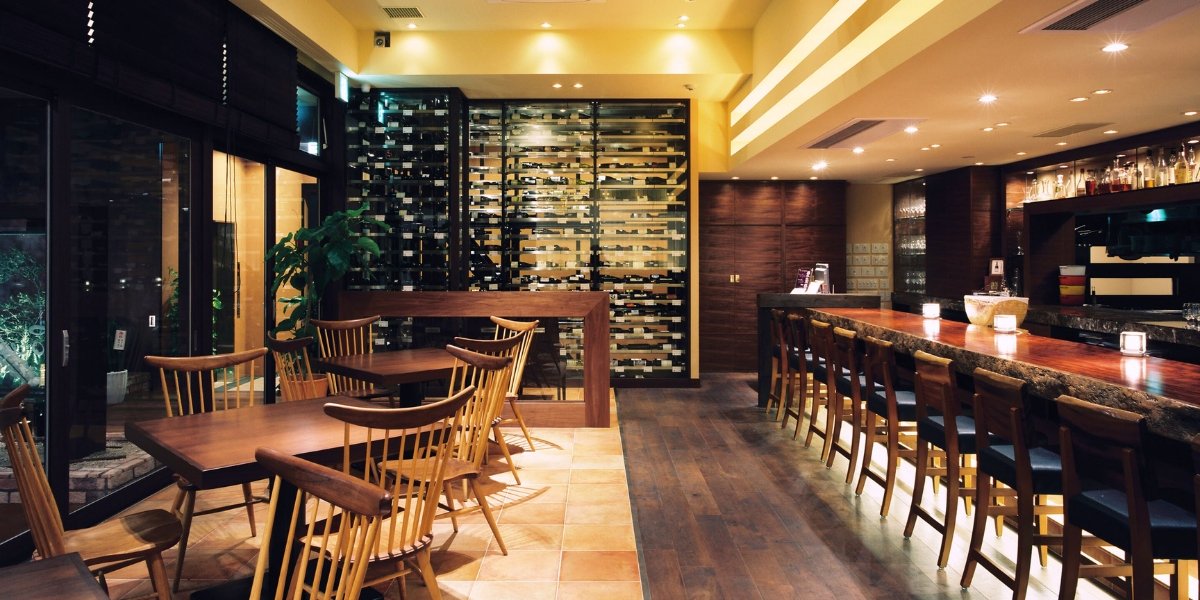
Stylish interior with subdued sophisticated tones, warm lighting, and a relaxing adult hideaway atmosphere perfect for intimate counter dining.
Tags
Vibe
Best For
Experience
At the Table
- Dress Code
- Smart Casual
- Noise Level
- Quiet
- Service Style
- Upscale Casual
- Meal Pacing
- Leisurely
- Capacity
- Intimate
- Kitchen
- Modern
- Wine Program
- Curated
- Drinks Focus
- Wine
Signature Dishes
- Loach Flan with duck consommé
- Seared bonito with yuzu and natto
Know before you go
Know Before You Go
- Getting there
- Japan, 〒550-0003 Osaka, Nishi Ward, Kyomachibori, 1 Chome−16−28 クマリフト 1F
Planning details
Location
Japan, 〒550-0003 Osaka, Nishi Ward, Kyomachibori, 1 Chome−16−28 クマリフト 1F · Directions

Also consider
Also Consider
- HAJIME, French, Innovative, ¥¥¥¥
- La Cime, French, ¥¥¥¥
- Kashiwaya Osaka Senriyama, Japanese, ¥¥¥
- Taian, Kaiseki, Japanese, ¥¥¥
- Fujiya 1935, Innovative, ¥¥¥¥
Restaurant context
RiVi sits at ¥¥¥ while most of its serious competition in Osaka, HAJIME, La Cime, and Fujiya 1935, operates at ¥¥¥¥. If your priority is technical ambition and Michelin star recognition, those three offer more in that register. HAJIME in particular, with its three stars and French-innovative format, is in a different tier of commitment and cost. La Cime delivers polished French technique with strong local sourcing. Fujiya 1935 is the most experimental of the ¥¥¥¥ options. None of them gives you what RiVi gives you: a menu explicitly constructed around Osaka as a subject, filtered through a genre-less personal approach that costs less and books more easily.
At the ¥¥¥ tier, the closer comparisons are Kashiwaya Osaka Senriyama and Taian, both of which deliver serious Japanese kaiseki craft. If your preference is kaiseki over a Western-influenced format, Taian or Kashiwaya will suit you better: the cooking language is more rooted in traditional Japanese structure, and both carry Michelin recognition that reflects sustained consistency. RiVi is the better call if you want the Western-Japanese crossover approach and a menu that changes with the chef's evolving thinking rather than following a seasonal kaiseki template.
For booking ease, RiVi wins against most of this peer group. HAJIME and La Cime require significant advance planning. RiVi's Michelin Plate status means it attracts serious diners without the three- or four-week lead times the starred rooms demand. If you are in Osaka with a short planning window and want a considered tasting menu, RiVi is the most practical option in this comparison set.
Explore Osaka
Around this place
Discover more on Pearl
Unlock the full RiVi guide in Pearl, including awards, comparisons, FAQs, planning details, and nearby places.
Compare RiVi
| Venue | Price | Awards |
|---|---|---|
| RiVi | ¥¥¥ | Star Wine Lists 2026Michelin Guide Kyoto Osaka 20262026 Michelin PlateTabelog 100 - Innovative / Creative cuisine - 2025 · #422025 Michelin Plate2024 Michelin Plate |
| HAJIME | ¥¥¥¥ | Star Wine Lists 2026 · #12026 Tabelog Bronze · #922026 OAD Top Restaurants in Japan Ranked · #98Michelin Guide Kyoto Osaka 20262026 La Liste Top RestaurantsTabelog 100 - Innovative / Creative cuisine - 2025 · #692025 Asia's 50 Best Restaurants · #832025 OAD Top Restaurants in Japan Ranked · #87We're Smart World Top Restaurants 2025 |
| La Cime | ¥¥¥¥ | 2026 Asia's 50 Best Restaurants · #132026 OAD Top Restaurants in Japan Ranked · #1492026 Tabelog Bronze · #231Michelin Guide Kyoto Osaka 20262026 La Liste Top Restaurants2025 Asia's 50 Best Restaurants · #82025 World's 50 Best Restaurants · #44Tabelog 100 - French - WEST - 2025 · #932025 OAD Top Restaurants in Japan Ranked · #123 |
| Kashiwaya Osaka Senriyama | ¥¥¥ | 2026 Tabelog Bronze · #1682026 OAD Top Restaurants in Japan Recommended2026 Relais Chateaux RestaurantsMichelin Guide Kyoto Osaka 20262026 La Liste Top RestaurantsTabelog 100 - Japanese cuisine - WEST - 2025 · #772025 OAD Top Restaurants in Japan Ranked · #1552025 Relais Chateaux Award2025 Michelin 3 Stars |
| Taian | ¥¥¥ | 2026 OAD Top Restaurants in Japan RecommendedMichelin Guide Kyoto Osaka 20262026 La Liste Top Restaurants2025 OAD Top Restaurants in Japan Ranked · #2042025 La Liste Top Restaurants2025 Michelin 3 Stars2024 OAD Top Restaurants in Japan Ranked · #1912024 Michelin 3 Stars2023 OAD Top Restaurants in Japan Highly Recommended |
| Fujiya 1935 | ¥¥¥¥ | 2026 Tabelog Bronze · #752026 OAD Top Restaurants in Japan RecommendedMichelin Guide Kyoto Osaka 20262026 La Liste Top Restaurants2025 Michelin 2 Stars2025 Tabelog Silver2025 La Liste Top Restaurants2024 OAD Top Restaurants in Japan Ranked · #2392024 Michelin 2 Stars |
.png?width=1200&quality=80)







A quick look at how RiVi measures up.
FAQ
Frequently Asked Questions
What should I order at RiVi?
There is no à la carte at RiVi and no fixed signature dishes — the chef deliberately avoids repeating courses, so the menu evolves constantly. Book the prix fixe and let the meal run its course. The menu closes with seasonal mixed rice served in-hand, which is a deliberate point of the meal rather than an afterthought.
What should a first-timer know about RiVi?
RiVi is a prix fixe-only room in Kyomachibori, Nishi Ward, at Kumari Lift 1F — a low-key address that is easy to miss on first visit. The format is structured but personal: the first half of the meal is explicitly themed around Osaka, and the chef uses artisan crockery as part of the presentation. Come expecting a considered dinner, not a flashy tasting-menu production.
Is RiVi worth the price?
At ¥¥¥, RiVi is priced below most Michelin-starred tasting menu rooms in Osaka, and it holds two consecutive Michelin Plate recognitions (2024 and 2025). You are not buying technical firepower at the level of a two-star room, but the value case is solid if a narrative, chef-driven format appeals to you more than prestige credentials alone.
Is RiVi good for a special occasion?
Yes. The prix fixe structure, artisan tableware, and a menu that builds toward a deliberate finish make it a natural fit for celebrations or a considered date. It is better suited to two people than a large group, given the intimate format and the personal tone of the cooking.
How far ahead should I book RiVi?
No booking window is publicly documented, but Michelin Plate recognition in both 2024 and 2025 means demand has increased. Book as early as possible for weekend evenings or holiday periods. If you are visiting Osaka on a fixed itinerary, treat this as a first-week priority rather than a last-minute option.
Is the tasting menu worth it at RiVi?
Yes, for the right diner. RiVi's prix fixe is worth it if you want a menu with a local identity — the Osaka-themed first half and the seasonal rice finish give it a through-line that most Italian restaurants in the city lack. If you want a more technically rigorous tasting menu, La Cime or Fujiya 1935 operate at a higher Michelin tier.
What are alternatives to RiVi in Osaka?
For a higher-accolade contemporary tasting menu in Osaka, La Cime (Michelin-starred) and Fujiya 1935 are the direct comparisons. Kashiwaya Osaka Senriyama covers traditional kaiseki at the top end of the market. If the Italian-Japanese genre-crossing is the specific draw, RiVi has fewer direct peers in the city at this price point.